Midtown Atlanta’s busy streets demand vehicles that are efficient, compact, and easy to handle for short urban trips. City driving often involves frequent stops, tight parking, and heavy traffic, making fuel efficiency and maneuverability crucial.
In this guide, we explore five cars that are ideal for short trips in Midtown, offering hybrid or electric efficiency, practical size, and modern technology. The 2025 Toyota Prius, Honda Civic Hybrid, Tesla Model 3, Hyundai Venue, and Volvo EX30 all deliver low running costs, smooth performance in stop-and-go traffic, and features designed to make city commuting easier and more comfortable.
On the other hand, some vehicles, while impressive in power and luxury, are ill-suited for city streets. The 2025 Ram 1500 TRX, Mercedes-AMG G 63, Chevrolet Suburban, Jeep Grand Wagoneer L, and BMW X7 M60i consume excessive fuel in stop-and-go traffic, struggle with tight turns, and make parking difficult.
These vehicles are better suited for highways or open roads, where their size and high-performance engines can be used effectively.
5 Cars for Midtown Atlanta Short Trips
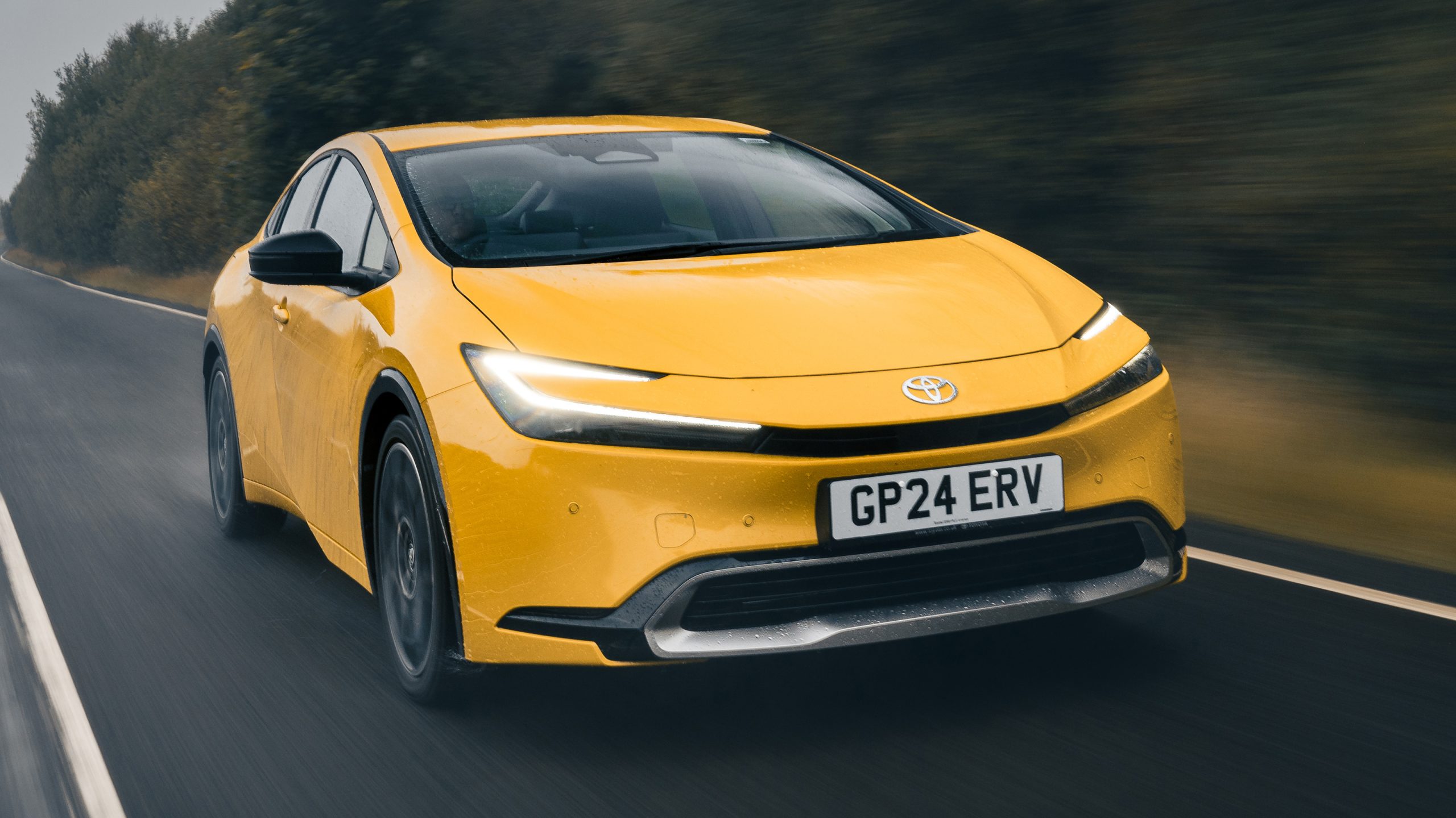
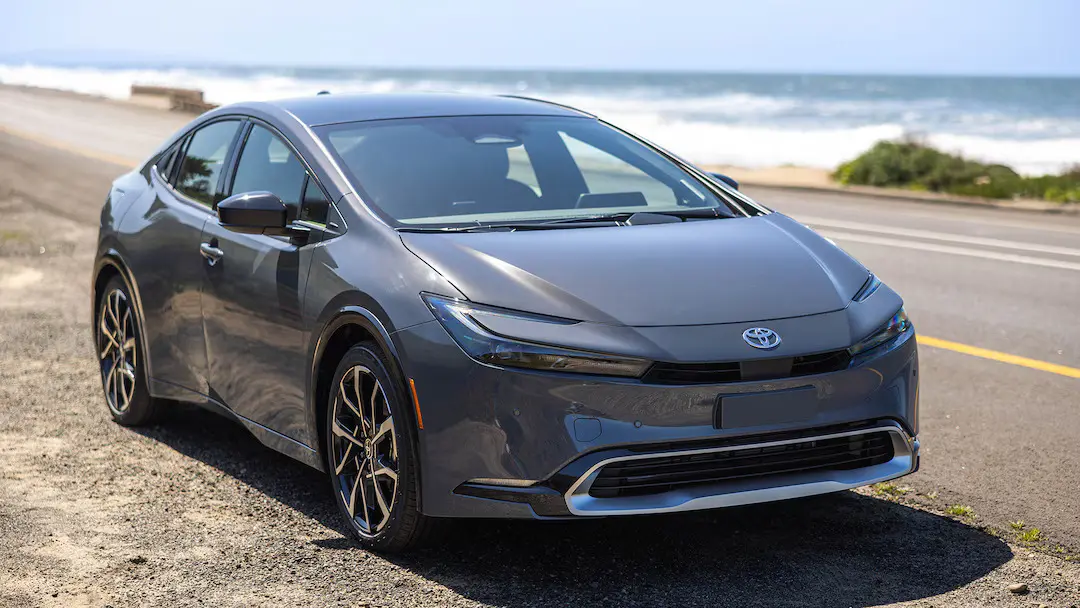
1. 2025 Toyota Prius: Efficient and Practical Urban Commuter
The 2025 Toyota Prius continues to set the standard for hybrid city driving, offering exceptional fuel efficiency, practical size, and modern technology. Its plug-in hybrid system combines a 2.0-liter four-cylinder gasoline engine with a permanent magnet motor, producing a total of 220 horsepower and 140 lb-ft of torque.
This allows the Prius to accelerate from 0 to 62 mph in just 6.8 seconds, making it surprisingly peppy for a compact hybrid. A 13.6 kWh battery provides up to 53 miles of electric-only range, ideal for short daily trips around urban areas without using gas.
City driving is where the Prius truly shines. Its compact hatchback design fits easily into tight parking spaces and narrow streets, while the quiet, smooth ride and responsive hybrid powertrain make stop-and-go traffic much more manageable.
Fuel efficiency is impressive, with real-world numbers far exceeding most conventional vehicles, helping drivers save hundreds of U.S. dollars annually on fuel. The Prius is also equipped with Toyota Safety Sense, including adaptive cruise control and lane-keeping assist, plus available Remote Connect for added convenience.
Pricing in the U.S. starts at approximately $37,315 for the base plug-in hybrid trim, with higher trims approaching $40,000. While the CVT and interior packaging have minor flaws, the vehicle’s efficiency, comfort, and electric range make it a practical and cost-effective option.
For city dwellers seeking an eco-friendly, versatile vehicle with low running costs and modern amenities, the 2025 Toyota Prius represents one of the most compelling choices on the market today.
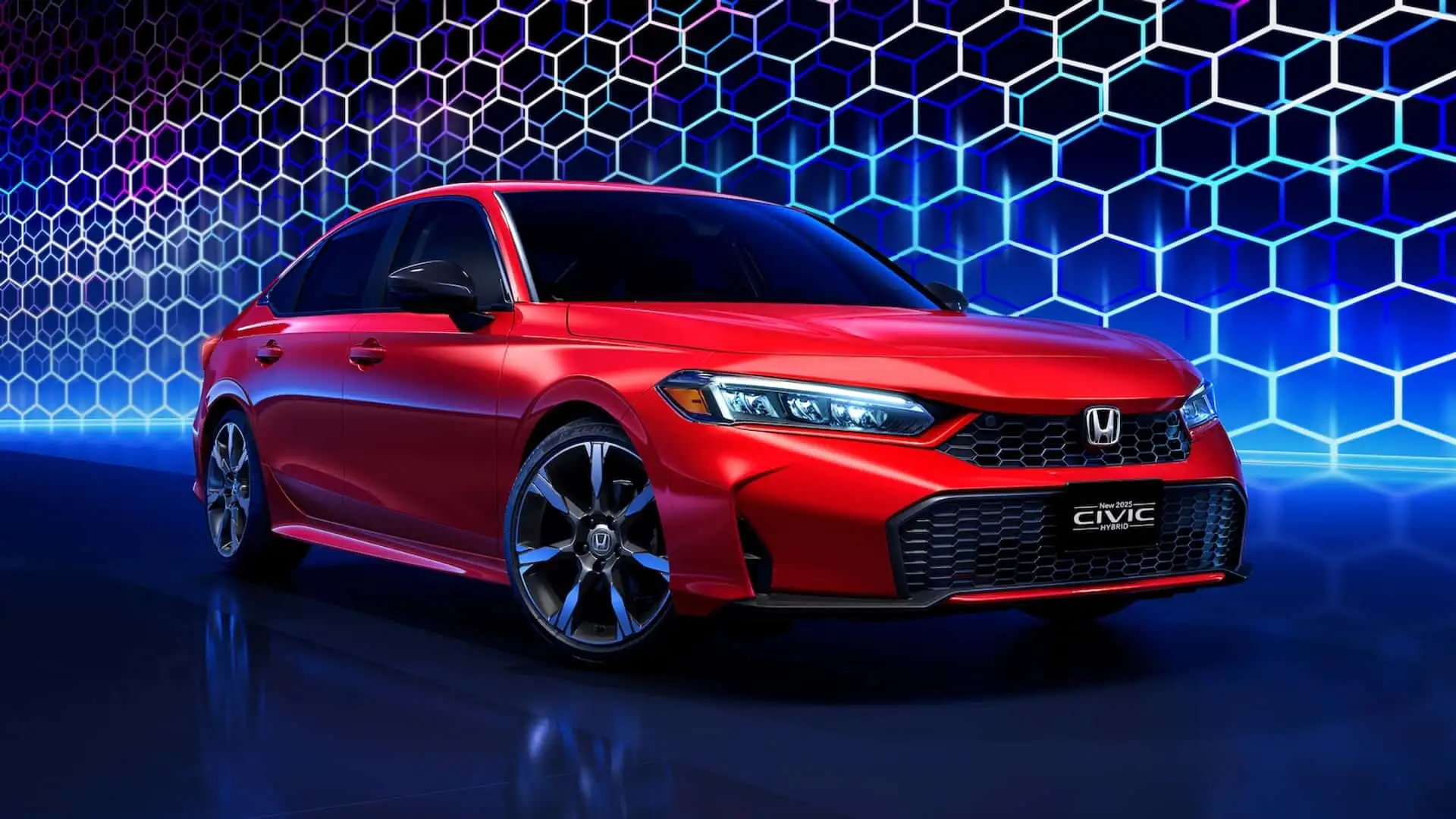
2. 2025 Honda Civic Hybrid: Efficient, Fun, and Urban-Friendly
The 2025 Honda Civic Hybrid returns to the lineup as a standout compact sedan, blending impressive fuel efficiency, nimble handling, and modern technology for urban commuters.
Its hybrid powertrain combines a gasoline engine with an electric motor to deliver 200 horsepower, allowing the Civic Hybrid to accelerate from 0 to 60 MPH in just 6.5 seconds. EPA estimates indicate up to 50 MPG in city driving and 47 MPG on the highway, making it highly cost-effective for frequent short trips around Midtown Atlanta, where stop-and-go traffic is common.
The Civic Hybrid offers a smooth, quiet ride, with a responsive suspension that handles potholes and busy intersections comfortably. Its compact size makes it practical for tighter streets and smaller parking spaces near attractions such as Georgia Tech or Ponce City Market.
The cabin has been significantly upgraded, featuring high-quality materials, a spacious rear seat, and a trunk capable of accommodating multiple passengers’ belongings. The 9-inch touchscreen provides Google Built-In functionality, and adaptive cruise control and lane-keeping assist enhance convenience and safety in city traffic.
Handling remains a strong point, with precise steering and confident cornering. While it is not a sports car like the Civic Type R, the Hybrid maintains agility and a fun-to-drive character while prioritizing efficiency. The Sport Touring trim starts at $33,300, offering a well-equipped package without exceeding $35,000 for fully loaded examples.
In addition to fuel savings, the Civic Hybrid delivers a modern, comfortable, and practical experience, making it ideal for urban commuters who want efficiency without compromising driving enjoyment. Its combination of performance, technology, and affordability positions it as one of the best small sedans on the market for 2025.
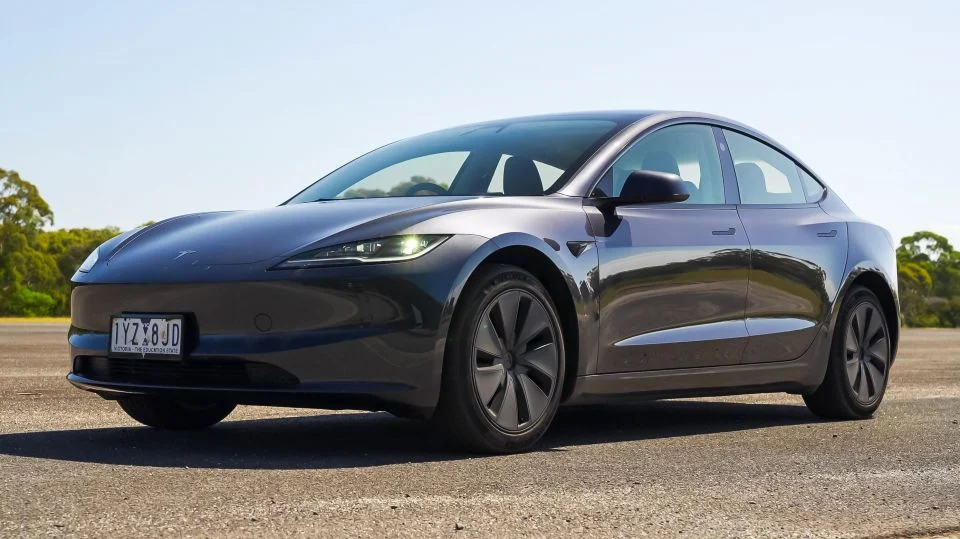
3. 2025 Tesla Model 3: Ideal for Urban Efficiency and Fun
The 2025 Tesla Model 3 remains one of the most compelling electric vehicles on the market, offering a balance of efficiency, performance, and advanced technology that makes it highly suitable for Midtown Atlanta short trips.
Its energy consumption of approximately 25 kWh per 100 miles keeps operating costs low, making frequent city driving economical. Instant torque and rapid acceleration enhance responsiveness in stop-and-go traffic, while its compact size and precise handling make parking and maneuvering in tight urban spaces significantly easier than larger SUVs.
Regenerative braking further maximizes efficiency by recapturing energy whenever the vehicle slows, which is particularly useful in dense city environments.
The Model 3 also delivers a quiet and comfortable ride, with a cabin designed to reduce commuting stress. Its Tesla app and built-in navigation simplify locating charging stations, planning routes, and managing the car remotely, though for short trips, frequent charging is rarely needed.
Zero tailpipe emissions align with urban sustainability initiatives, promoting cleaner air in dense neighborhoods. Maintenance is minimal compared to conventional vehicles, as electric drivetrains require no oil changes and have fewer moving parts.
Tesla offers four configurations for the Model 3. The base Rear-Wheel Drive has 279 horsepower and a 57.5 kWh battery, while Long Range and Performance models feature larger batteries and dual-motor setups, delivering up to 510 horsepower in the Performance variant.
Range estimates span from 318 miles in the base model to 436 miles in the Long Range RWD, with 0-60 mph acceleration as fast as 3.2 seconds. Recent cosmetic and aerodynamic updates give the 2023 refresh a sleeker, more modern appearance, improving efficiency while retaining the familiar minimalist interior.
While the Model 3 introduces unconventional features like steering wheel indicators and a touchscreen-focused interface, these quirks are offset by Tesla’s extensive Supercharger network, which ensures convenient and reliable charging.
Competitors like the Polestar 2, BMW i4, Hyundai Ioniq 5, Ford Mustang Mach-E, and Kia EV6 offer alternatives, but the Model 3 remains competitively priced, starting at $39,925 for the entry RWD model.
In short, the 2025 Tesla Model 3 combines efficiency, fun-to-drive performance, and cutting-edge technology, making it a practical and enjoyable option for urban driving while redefining expectations for electric vehicles. Its blend of low running costs, minimal maintenance, and strong range positions it as a standout choice for city commuters.
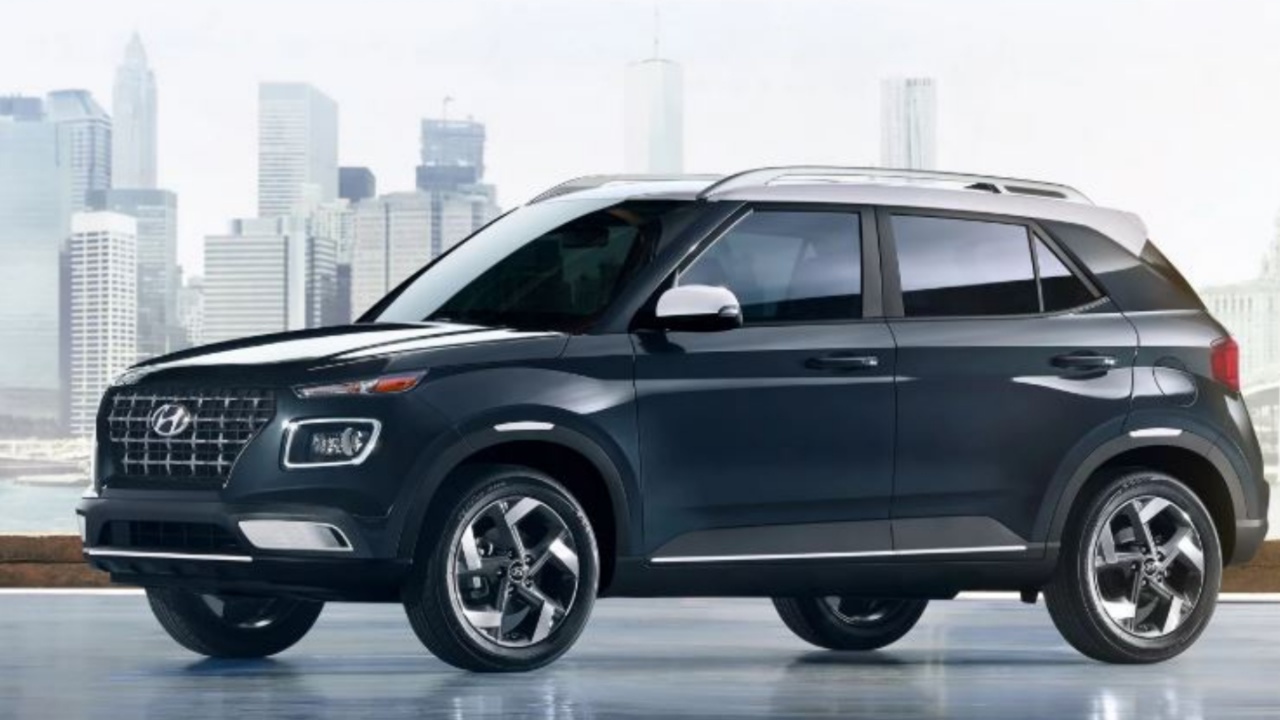
4. 2025 Hyundai Venue: Compact, Affordable, and Urban-Friendly
The 2025 Hyundai Venue is a subcompact crossover designed for urban driving, making it ideal for Midtown Atlanta short trips. Its standout feature is its small footprint, which allows it to fit into tight parking spaces and maneuver easily through crowded streets around Piedmont Park or Atlantic Station.
Despite its diminutive size, the Venue delivers respectable fuel efficiency at around 29 city/33 highway MPG, keeping daily operating costs low. Its smooth, continuously variable transmission (CVT) provides responsive acceleration for stop-and-go traffic, making city driving practical and stress-free.
Inside, the Venue offers a functional interior with an 8-inch touchscreen, wireless Apple CarPlay and Android Auto, and usable storage space. Front-seat passengers enjoy 41.3 inches of legroom, while rear passengers have 34.3 inches, and cargo capacity ranges from 18.7 to 31.9 cubic feet with the seats folded.
Safety is a priority with standard features including forward collision avoidance, lane-keeping assist, automatic high beams, and available blind-spot monitoring and rear cross-traffic alert. While adaptive cruise control is not offered, basic cruise control is included across all trims.
The Venue is powered by a 1.6-liter inline-four engine producing 121 horsepower and 113 lb-ft of torque, paired with a CVT sending power to the front wheels.
Acceleration from 0-60 mph takes 8.8 seconds, adequate for city streets but modest on highways. All-wheel drive is not available. The ride is firm, and the short wheelbase can feel slightly bouncy over larger bumps, but it performs well for urban conditions.
For 2025, the Venue receives minor updates, such as the replacement of Apple Green with Mirage Green paint. Although the interior uses basic materials and has limited space compared to rivals like the Kia Soul or Chevrolet Trax, the infotainment system is responsive and intuitive.
Among trims, the midrange SEL stands out as the best value, offering automatic climate control, keyless entry, sunroof, back-seat USB ports, and a leather-wrapped steering wheel and shift knob. Pricing for the SEL starts at just under $24,000, making it one of the most affordable subcompact crossovers on the market.
The 2025 Hyundai Venue is a practical, economical, and nimble option for city dwellers. Its compact size, fuel efficiency, modern tech, and standard safety features make it a smart choice for short urban trips, even if it sacrifices highway performance and interior luxury compared to larger competitors.
5. 2025 Volvo EX30: Premium Electric SUV for Urban Life
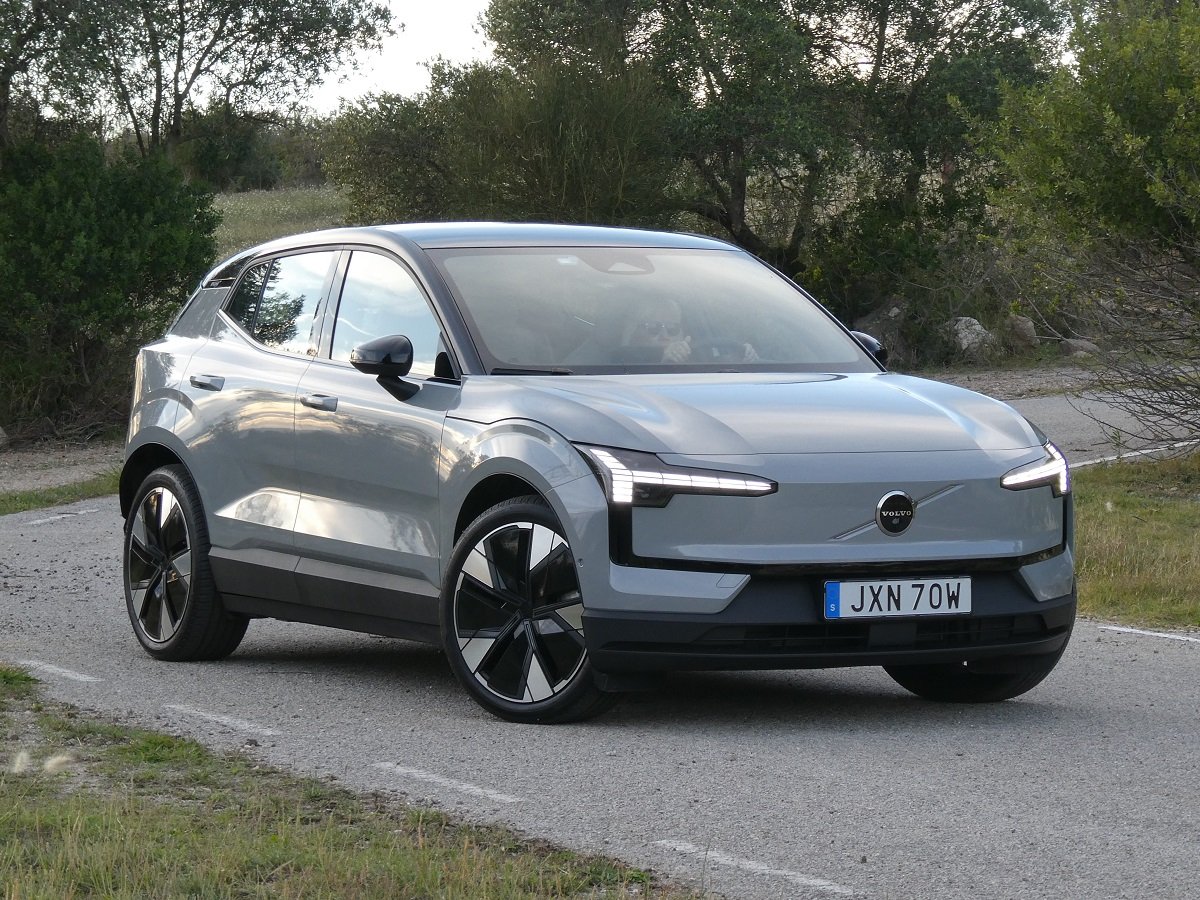
The 2025 Volvo EX30 is a new subcompact electric SUV designed for city driving, offering a premium experience in a small, nimble package. Its compact size and agile handling make it ideal for Midtown Atlanta short trips, fitting into tight parking spaces and maneuvering easily through crowded streets near Piedmont Park or the BeltLine.
The electric powertrain delivers a smooth and quiet ride, perfect for stop-and-go traffic, while producing zero tailpipe emissions, supporting urban sustainability initiatives.
The EX30 provides a high-end feel despite its small dimensions. Its interior uses tasteful materials and recycled components, including plastics from fishing nets, steel, aluminum, and textiles from jeans factories.
This focus on sustainability reduces the vehicle’s carbon footprint, with the base model generating only 18 tonnes of CO2 from production and about 0.4 tonnes from yearly electricity usage, roughly half the lifetime emissions of a typical petrol car.
The flat-floor EV layout maximizes storage efficiency, though rear-seat space is limited, making it less roomy than some competitors like the Jeep Avenger or Renault Megane E-Tech.
Driving performance is strong across the EX30 range. The base single-motor version accelerates from 0-62 mph in 5.7 seconds, while the extended-range single-motor model reaches 295 miles WLTP. The high-performance twin-motor version produces 422 horsepower and achieves 0-62 mph in just 3.6 seconds.
Steering is quick but somewhat numb, and the suspension offers controlled damping with good shock isolation, balancing comfort with city agility. The range for typical urban trips is ample, eliminating concerns about frequent charging for short hops. Home charging allows drivers to start each day with a full battery, avoiding gas station visits entirely.
The cabin features a minimalist, screen-focused interface, which some drivers find has a learning curve. Most functions, including climate, audio, and driving settings, are controlled through the single screen, with only one shortcut button on the wheel. While functional, it can be distracting during drives until the system becomes familiar.
Pricing positions the EX30 competitively for a premium small EV. The entry-level Core RWD starts at roughly $39,800, with the mid-range Plus trim opening access to all powertrains, and the top-spec Ultra trim with twin motors priced above $44,000. The single-motor extended-range version is expected to be the most popular due to its balance of efficiency, comfort, and range.
The 2025 Volvo EX30 combines compact urban agility, electric efficiency, and premium design into a stylish and sustainable package. Its small size, quiet operation, and sophisticated cabin make it ideal for short city trips, while its eco-friendly credentials and solid driving dynamics reinforce its appeal for urban professionals seeking a luxury EV experience.
Also Read: 5 Cars for Charlotte Suburban Life and 5 That Don’t Hold Value
5 That Drain Fuel in Stop-and-Go
1. 2025 Ram 1500 TRX Final Edition: Power Over Efficiency
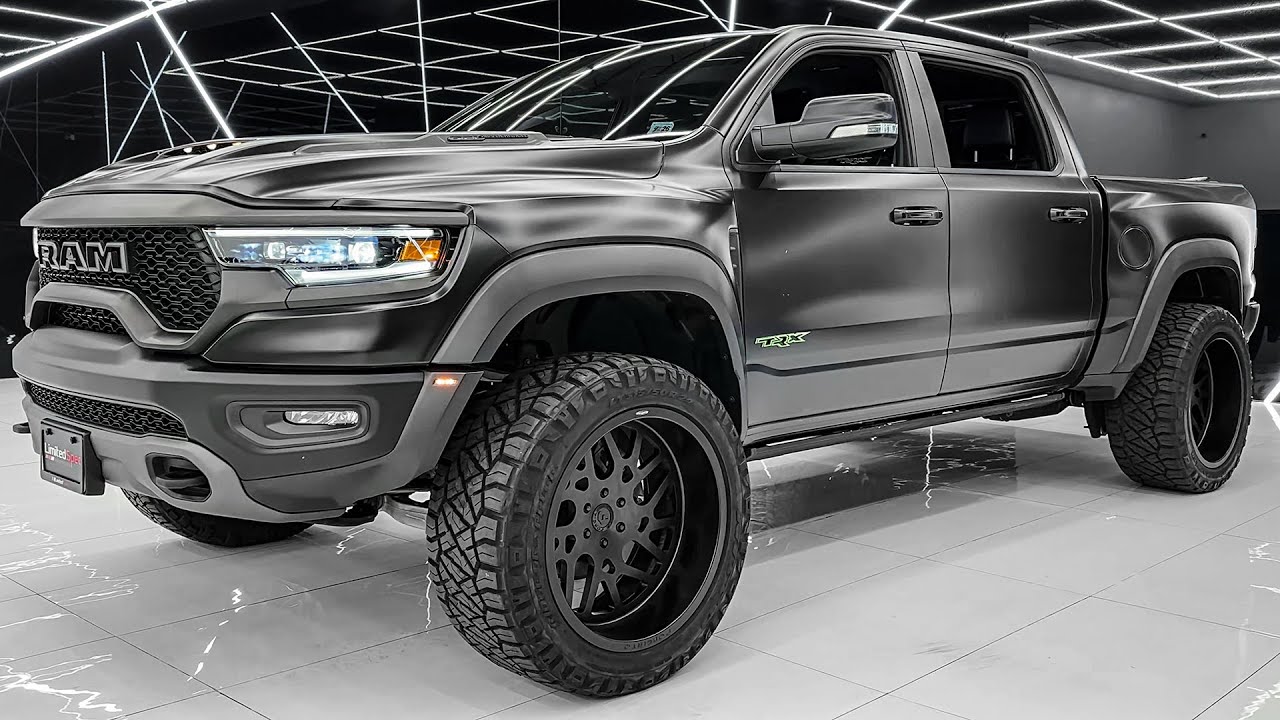
The 2025 Ram 1500 TRX Final Edition is a high-performance marvel, but it is extremely impractical for city driving in Midtown Atlanta. Powered by a 6.2L supercharged HEMI V8 producing 702 horsepower, this truck prioritizes raw power over fuel efficiency. In stop-and-go urban traffic, the TRX averages roughly 10 city MPG, making even short trips from Atlantic Station to Piedmont Park costly in fuel.
Several factors contribute to its poor city mileage. The supercharged V8 is inherently thirsty, and frequent acceleration and braking in heavy traffic prevent the engine from reaching optimal efficiency. Short trips exacerbate the problem, as the engine doesn’t warm up fully.
The TRX’s massive size, heavy weight, and large tires increase rolling resistance, further reducing MPG. Additionally, the High-Output engine tuning demands premium fuel to maintain performance, raising operating costs.
While the TRX excels in power, handling extreme terrain, and delivering exhilarating acceleration, its fuel economy and urban practicality are poor. For city dwellers who navigate tight streets and traffic, the TRX is more of a spectacle than a sensible daily driver. In short, it is a muscle truck built for performance, not the fuel-conscious demands of Midtown commuting.
2. 2025 Mercedes-AMG G 63: Luxury and Power at a High Fuel Cost
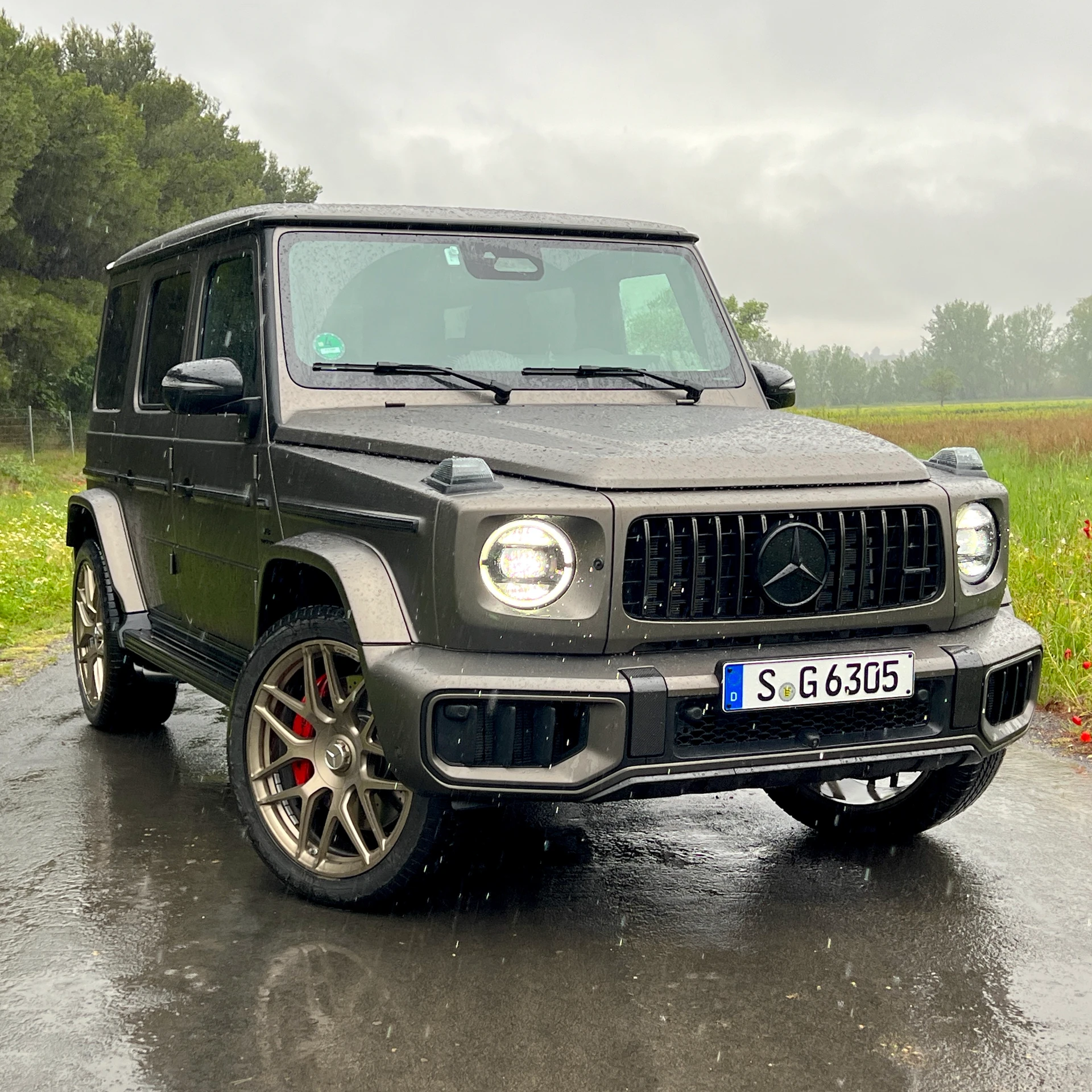
The 2025 Mercedes-AMG G 63, often seen as a status symbol in Buckhead and Midtown Atlanta, delivers immense power and presence but comes with punishing fuel consumption. Its boxy, heavy design and twin-turbo 4.0L V8 engine with 585 horsepower make it a performance SUV, not a city-efficient vehicle.
In real-world Midtown traffic, the G 63 averages around 13 city MPG, with frequent stop-and-go driving sometimes dropping efficiency into the single digits.
Several factors drive its high fuel use. Its weight and aerodynamics require significant energy to accelerate from a standstill repeatedly. The powerful V8 is naturally thirsty, and the mild-hybrid 48-volt system provides only a limited boost in efficiency.
Short urban trips exacerbate fuel waste, as the engine rarely reaches optimal operating temperature. Constant braking and acceleration in congested streets further reduce MPG, making city driving especially costly.
While the G 63 is luxurious, agile for its size, and equipped with advanced features like roll stabilization, it is fundamentally built for performance and presence, not fuel economy. Despite official EPA ratings of 14 city and 16 highway MPG, real-world numbers are often lower. In short, the G 63 is an iconic, high-status urban SUV that impresses in power and luxury but demands premium fuel and patience in traffic.
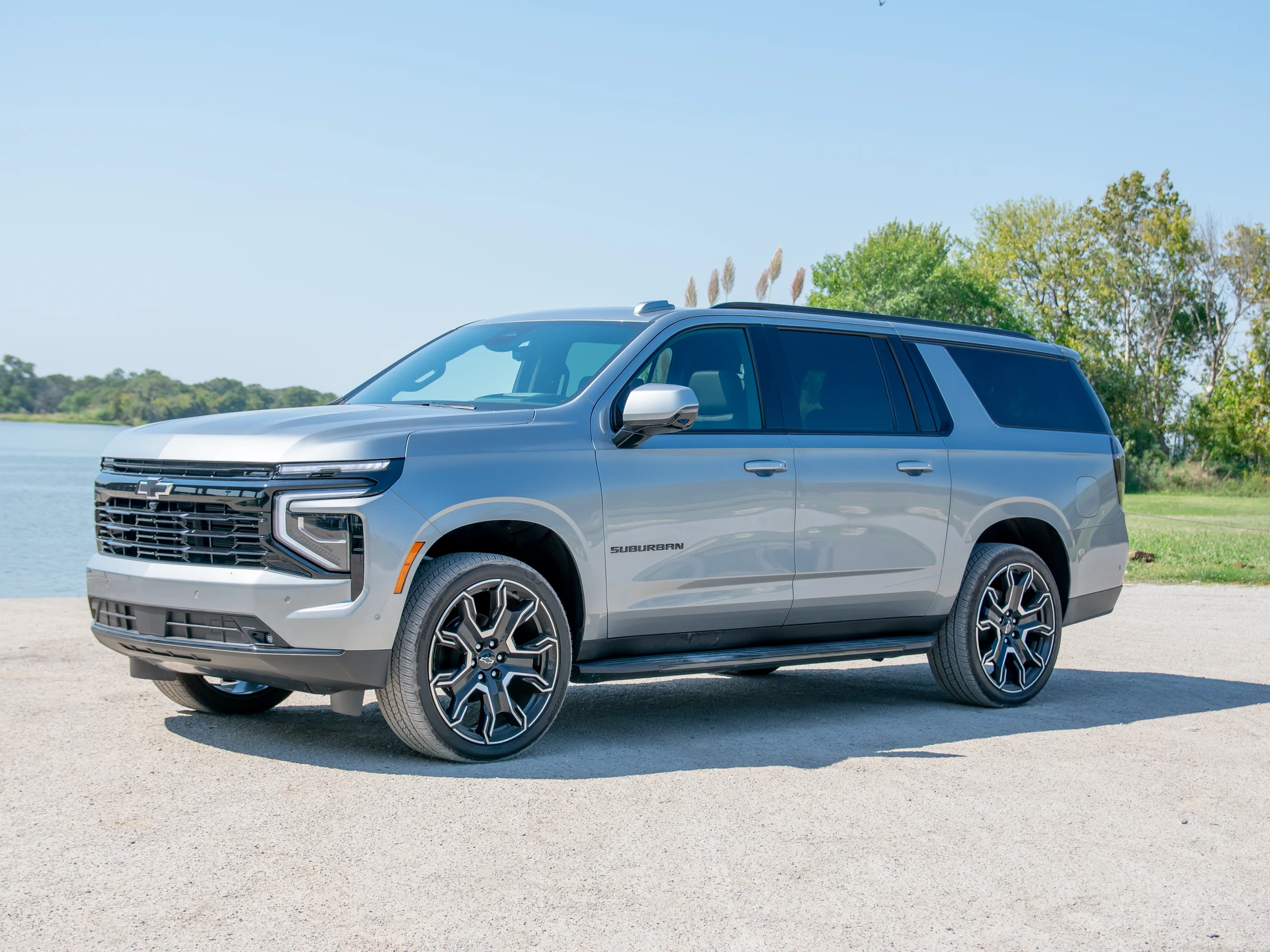
3. 2025 Chevrolet Suburban: Size and Fuel Economy Challenges in the City
The 2025 Chevrolet Suburban is a full-size SUV built for capacity and towing, but its massive dimensions make it ill-suited for Midtown Atlanta’s narrower streets. Its sheer length and width make tight corners and parking a constant challenge, often requiring advanced planning to fit into limited spaces.
Maneuvering through busy lanes, especially around Atlantic Station or Ponce City Market, is cumbersome, reducing its practicality for short urban trips.
Fuel economy is another major drawback. With gas engines under stop-and-go traffic conditions, the Suburban struggles to achieve more than 15 MPG, quickly increasing operating costs for city driving. Short trips worsen efficiency, as the large engine rarely reaches optimal operating temperature, while the heavy frame and high wind resistance demand more energy to move.
Despite modern comforts and safety features, the Suburban’s size and thirst for fuel make it a poor choice for routine city errands. Its cabin and cargo space are impressive, but the compromises in maneuverability and efficiency limit its effectiveness as an urban vehicle.
In short, the Suburban excels on highways and open roads, but in Midtown’s tight, congested streets, it is a challenging and costly vehicle to drive.
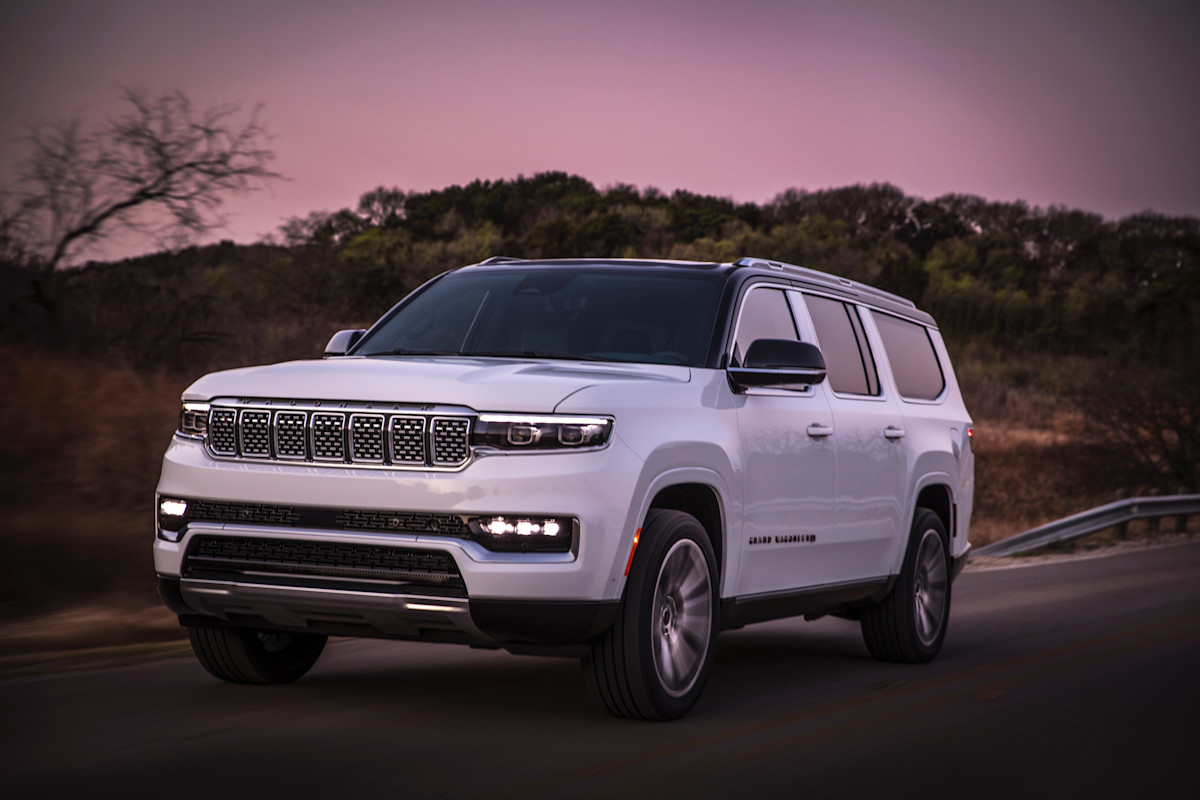
4. 2025 Jeep Grand Wagoneer L: Fuel Challenges in City Traffic
The 2025 Jeep Grand Wagoneer L is a luxury extended-wheelbase SUV built for highway cruising, not the stop-and-go streets of Midtown Atlanta. Its large, high-output engine struggles in frequent traffic restarts, often delivering only 13–14 MPG in city driving.
The combination of heavy body weight and powerful engine makes every acceleration from a stop more fuel-intensive, while short trips prevent the engine from reaching optimal operating temperature, further reducing efficiency.
Modern engine systems like Direct Injection and FORM mode prioritize performance and emissions over fuel economy. These features add extra fuel during cold starts or short drives to protect the engine and manage emissions, increasing consumption during typical urban commutes. Stop-and-go traffic compounds this effect, as repeated braking and acceleration demand more energy and fuel.
The SUV’s “Distance to Empty” display reflects these conditions, showing rapidly decreasing range due to heavy acceleration and braking, even if the tank is far from empty.
While the Grand Wagoneer L offers exceptional comfort, technology, and cargo space, its size and performance-focused systems make it ill-suited for short city trips. In essence, it is a highway-optimized SUV operating in its least efficient environment, resulting in high fuel use and limited practicality for Midtown driving.
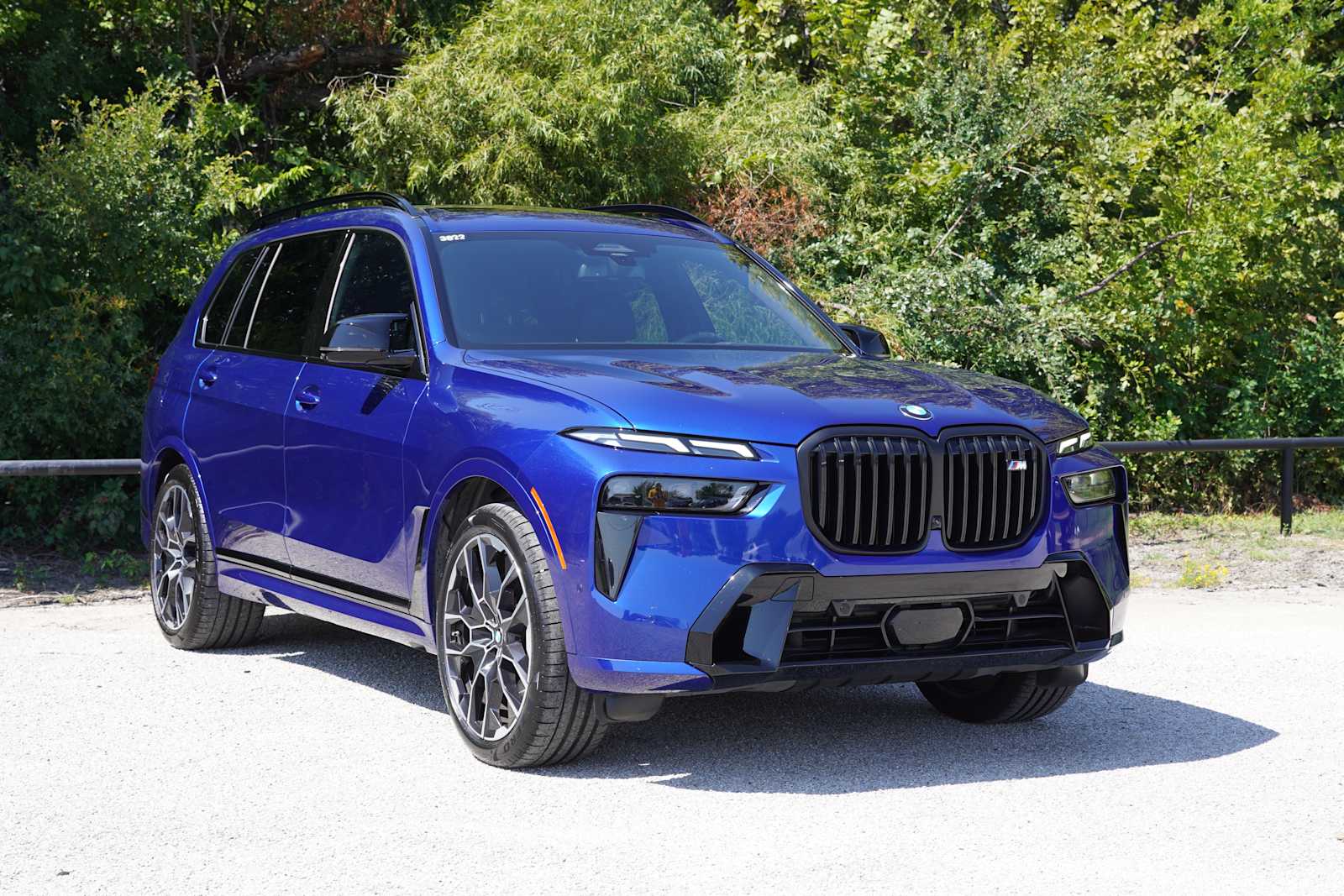
5. 2025 BMW X7 M60i: High Fuel Use in City Driving
The 2025 BMW X7 M60i is a three-row luxury SUV built for performance and comfort, but it struggles with efficiency in city traffic. Its 4.4-liter twin-turbo V8 produces 523 horsepower, giving strong acceleration but consuming large amounts of fuel, especially during stop-and-go conditions common in Midtown Atlanta.
Even with a mild-hybrid system intended to improve efficiency, the SUV’s weight and size, over 5,000 pounds, make low-speed driving fuel-intensive, often resulting in MPG well below the EPA city rating of 16 to 17.
Frequent acceleration from stops further increases fuel use because the engine must work harder to move the heavy vehicle. The mild-hybrid system, while helpful on highways, can slightly reduce efficiency during short urban trips. The SUV’s large dimensions and lower aerodynamics also require more energy to operate, which contributes to its poor city fuel economy.
The X7 M60i performs best on highways or open roads where its power and comfort can be fully appreciated. In dense urban streets with constant braking and acceleration, the SUV uses fuel rapidly, making it less practical for short city trips. Its design emphasizes performance and luxury over city efficiency.
Midtown Atlanta’s busy streets demand vehicles that are efficient, compact, and easy to handle for short urban trips. City driving often involves frequent stops, tight parking, and heavy traffic, making fuel efficiency and maneuverability crucial. In this guide, we explore five cars that are ideal for short trips in Midtown, offering hybrid or electric efficiency, practical size, and modern technology.
The 2025 Toyota Prius, Honda Civic Hybrid, Tesla Model 3, Hyundai Venue, and Volvo EX30 all deliver low running costs, smooth performance in stop-and-go traffic, and features designed to make city commuting easier and more comfortable.
On the other hand, some vehicles, while impressive in power and luxury, are ill-suited for city streets. The 2025 Ram 1500 TRX, Mercedes-AMG G 63, Chevrolet Suburban, Jeep Grand Wagoneer L, and BMW X7 M60i consume excessive fuel in stop-and-go traffic, struggle with tight turns, and make parking difficult.
These vehicles are better suited for highways or open roads, where their size and high-performance engines can be used effectively.
Also Read: 10 Cars That Look Stunning But Disappoint True Enthusiasts