
Orlando’s theme parks demand reliable, high-capacity transportation to move thousands of visitors every day between hotels, parking lots, and attractions. Choosing the right vehicle can mean the difference between smooth shuttle operations and constant interruptions.
Some vehicles excel under these conditions, offering durability, space, and comfort for passengers, while others struggle under heavy use, extreme heat, or complex electronics. This guide highlights five standout vehicles for Orlando shuttle services, from family-friendly minivans to rugged commercial vans, detailing why they are trusted by fleet operators.
At the same time, it examines five models that have proven unreliable in intensive park duty, experiencing frequent breakdowns, overheating, or software failures, which can disrupt service and frustrate both operators and guests.
Understanding these strengths and weaknesses is essential for shuttle operators, families, or companies planning efficient and dependable transportation in high-demand, high-stakes environments like Orlando.
5 Cars for Orlando Theme-Park Shuttles
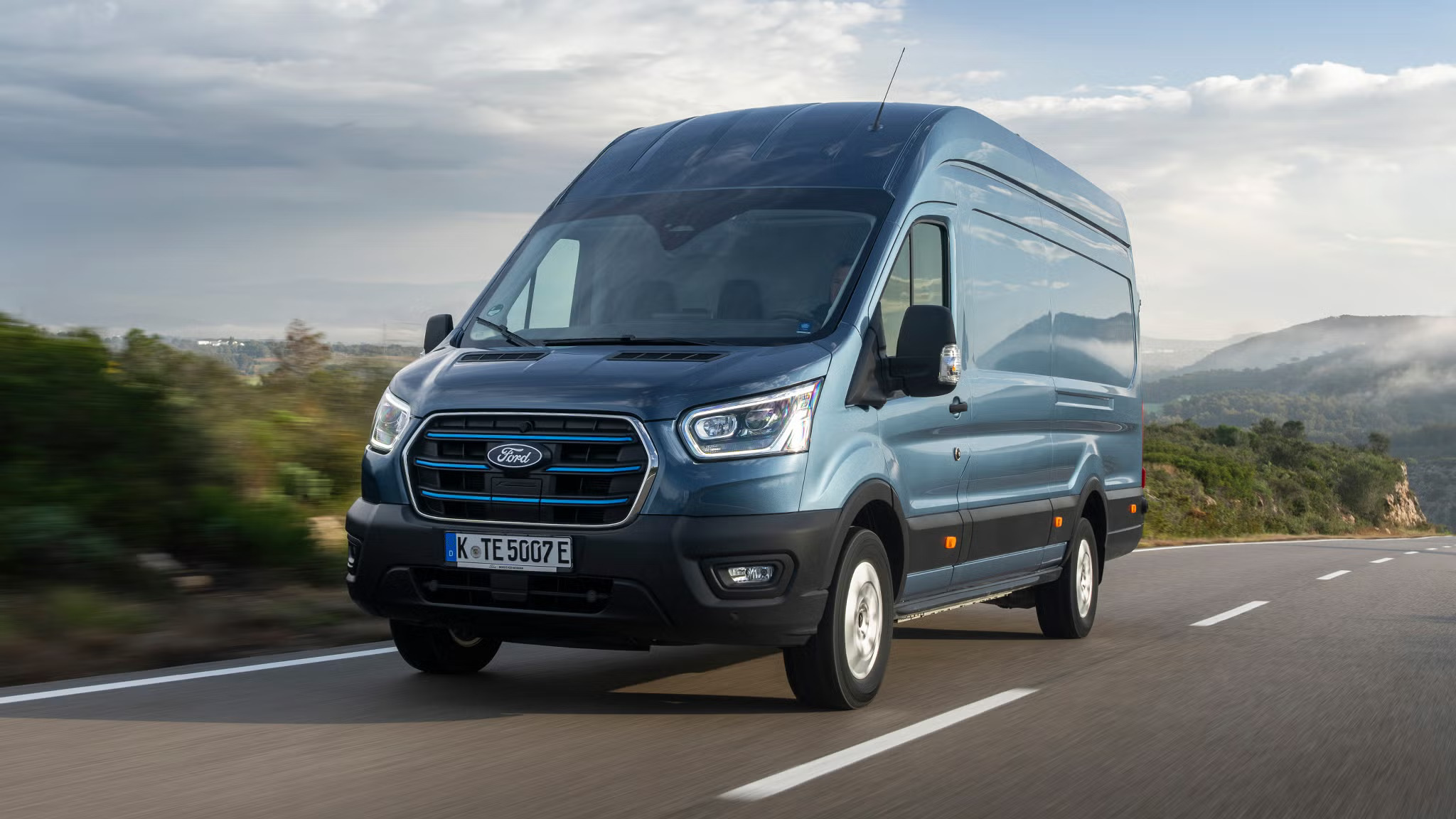
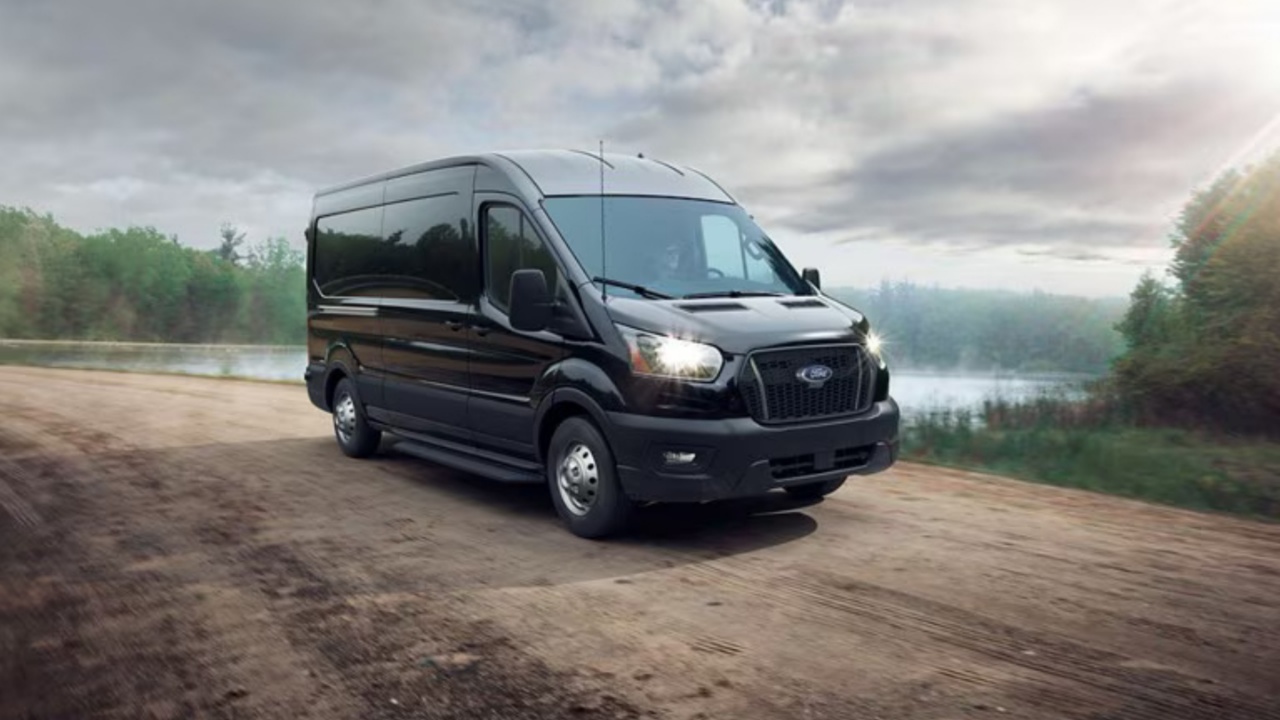
1. Ford Transit Passenger Van (2020–2025): Space, Comfort, and Versatility for Large Groups
The Ford Transit Passenger Van (2020–2025) remains a leading choice in the commercial van segment, praised for its modular design, widespread service network, and robust performance. Powered by a 3.5L EcoBoost V6 engine, it delivers the torque needed to carry up to 15 passengers and luggage comfortably, while its high-roof configuration ensures ample headroom.
These attributes make it particularly well-suited for group transport, including Orlando theme park shuttles, corporate travel, and family outings, allowing users to avoid crowded public transportation.
The Transit’s primary strength lies in its capacity and versatility. Extended models accommodate 15 passengers with over 100 cubic feet of cargo space for luggage, strollers, and gear. Multiple seating configurations (10, 12, or 14-passenger options) allow customization for different group sizes.
Technology features such as Apple CarPlay, Android Auto, SYNC, and available Wi-Fi enhance passenger comfort, while driver-assist features like adaptive cruise control, parking aids, and a 360-degree camera improve safety and navigation in busy areas. Compared to multiple cars, SUVs, or public transit, the Transit consolidates large groups into one vehicle, simplifying logistics and reducing travel stress.
The 2024 model introduces subtle refinements, including stronger halogen headlights, a 253-degree rear door, Delivery Assist on select models, cruise control, and additional standard features such as a 12V outlet and remote key fobs.
Pricing varies widely based on configuration, with the base Cargo Van starting at $46,710 and the high-roof, extended Passenger Van XL at $55,920. Optional upgrades include larger infotainment screens, power-adjustable seats, and enhanced safety packages.
The Transit relies on dependable V6 engines producing 275–310 hp with a 10-speed automatic transmission and rear- or all-wheel drive. Fuel economy ranges from 14–19 mpg, supported by a 25-gallon fuel tank for long-range travel.
Interior design emphasizes functionality with straightforward materials, ample legroom, and easy access via wide-opening doors. Cargo volumes reach up to 536.4 cubic feet in extended configurations, offering unrivaled flexibility for passengers and goods.
While crash ratings are modest, the van includes forward collision warning, lane-keep assist, post-collision braking, and optional blind-spot monitoring. The warranty provides three years/36,000 miles of bumper-to-bumper coverage and five years/60,000 miles for the powertrain.
With extensive seating options, cargo capacity, and affordable pricing, the Ford Transit Passenger Van is a practical and versatile solution for transporting large groups.
It strikes a balance between utility and comfort, making it the go-to choice for families, businesses, and shuttle services, standing out as a reliable, cost-effective alternative to premium competitors like the Mercedes-Benz Sprinter or Ram ProMaster.
2. Toyota Sienna Hybrid (2021–2025): Efficient, Spacious, and Family-Friendly Minivan
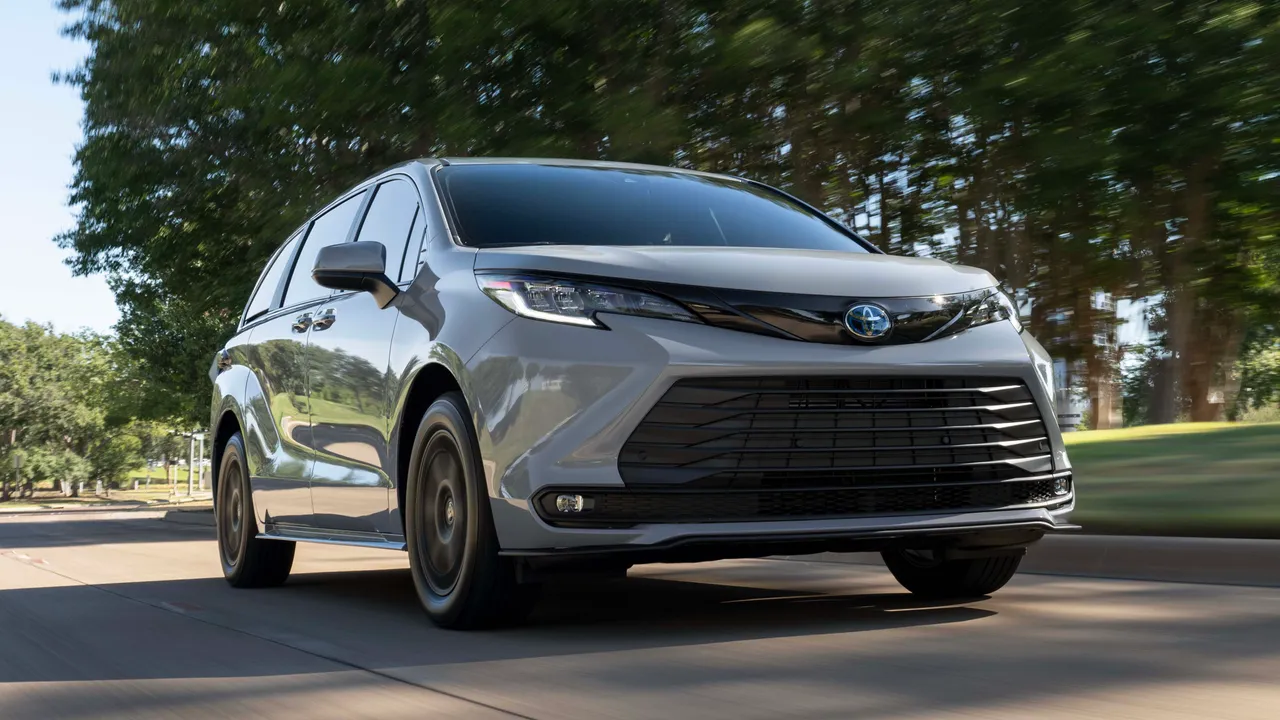
The Toyota Sienna Hybrid (2021–2025) has established itself as a top choice for boutique shuttle services and family transport, particularly in busy areas like Orlando with frequent stop-and-go traffic.
Its hybrid powertrain, combining a 2.5-liter inline-four engine with electric motors, delivers exceptional fuel efficiency of up to 36 MPG, significantly lowering operating costs compared to traditional gasoline vans.
Optional all-wheel drive (AWD) enhances traction during Florida’s sudden rain showers, while the smooth and quiet hybrid system ensures a comfortable driving experience on both city streets and highways.
The Sienna’s hybrid system is ideal for repeated short trips to theme parks, hotels, and restaurants. FWD models achieve 36/36 MPG (city/highway), while AWD versions return 35/36 MPG.
With an 18-gallon fuel tank, the Sienna can travel over 600 miles on a single tank, surpassing competitors like the Chrysler Pacifica plug-in hybrid in driving range. High fuel efficiency translates into fewer stops and substantial savings during extended shuttle or family trips.
The Sienna seats up to eight passengers across three rows, making it suitable for large families or groups. Middle-row options include a three-seat bench or two captain’s chairs, while third-row legroom and cargo space (up to 101 cubic feet behind the first row) remain competitive with rivals such as the Honda Odyssey and Chrysler Pacifica.
Sliding doors simplify entry and exit, especially with children or bulky gear. Additional storage beneath the floor accommodates strollers, bags, and souvenirs. The 2025 model adds a refreshed interior with new materials, a larger 12.3-inch touchscreen, USB-C ports, and enhanced wireless charging.
Both FWD and AWD Siennas generate 245 horsepower, with the AWD’s rear motor assisting in traction, improving acceleration from 0-60 mph to 7.6 seconds compared to 8.4 seconds for FWD models. Standard tech includes Apple CarPlay, Android Auto, and optional features such as a refrigerator and built-in vacuum, enhancing convenience for long trips.
The Sienna has earned top safety ratings, including five stars from NHTSA and recognition as an IIHS Top Safety Pick. Standard Toyota Safety Sense 2.0 features include forward collision warning, lane-keep assist, and automatic emergency braking. The 2025 model introduces a Rear Seat Reminder using radar technology, which can integrate with Toyota’s Safety Connect system for added protection.
The 2025 Sienna is offered in six trims, from the LE FWD base model starting just under $41,000 to the Platinum AWD beginning around $58,000. With its combination of low running costs, spacious interior, safety features, and family-focused convenience, the Toyota Sienna Hybrid remains one of the most practical and efficient options for transporting large groups.
3. Mercedes-Benz Sprinter Diesel (2025): Premium, Durable, and Versatile Shuttle Van
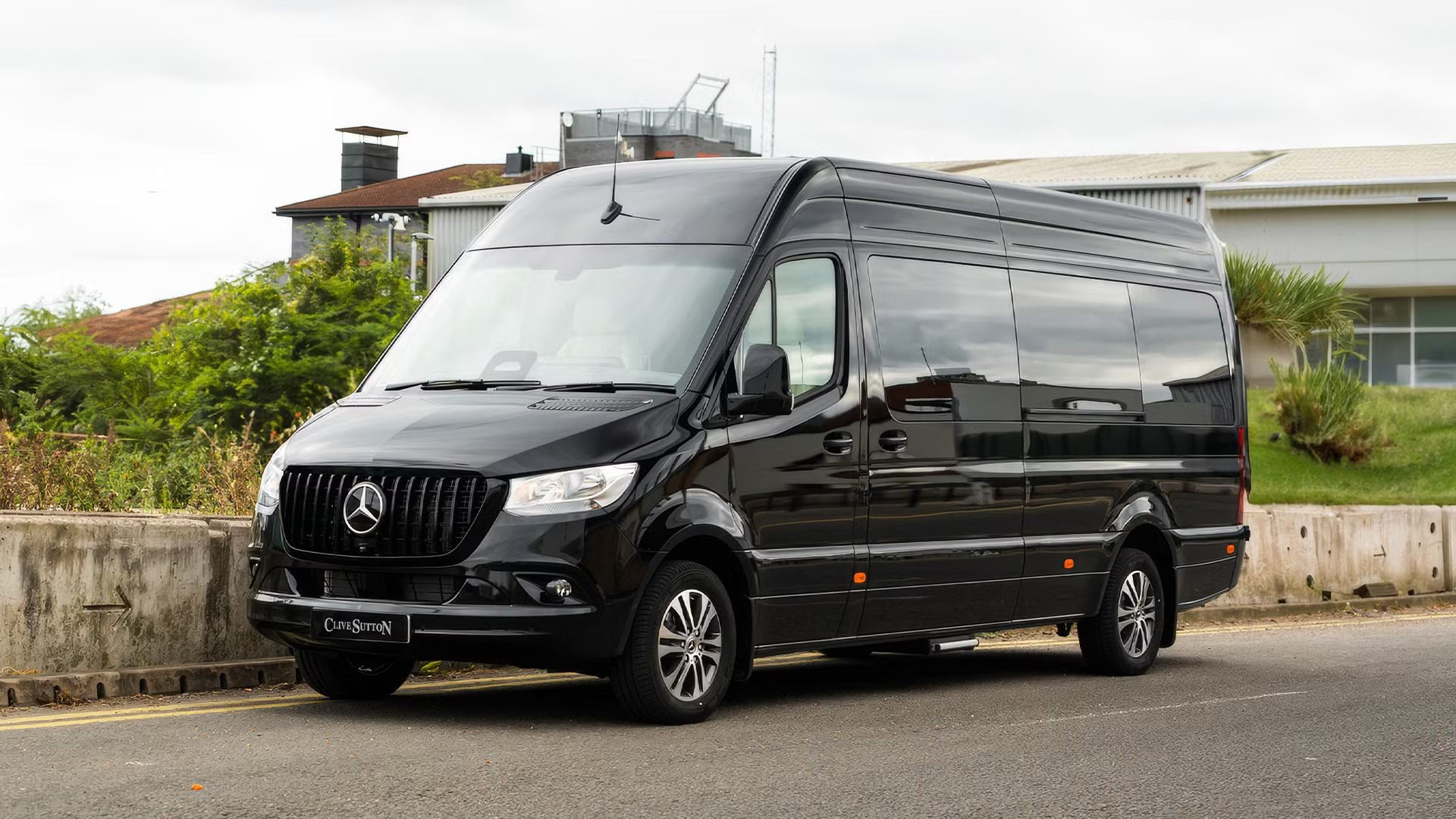
The Mercedes-Benz Sprinter Diesel models are designed for operators seeking durability, luxury, and flexibility in shuttle or commercial transport. Known for its exceptional longevity, a diesel Sprinter can reach up to 400,000 miles with proper maintenance, making it a preferred choice for high-mileage fleets.
Its premium brand image, high resale value, and spacious, customizable interior allow shuttle services to offer a luxury transport experience, ideal for Orlando theme park routes and resort transfers.
Sprinter diesel vans accommodate 12 to 15 passengers comfortably, with high-roof and long-wheelbase configurations that allow passengers to stand and move freely.
Ergonomic, sometimes reclining seats, roof-mounted air conditioning, and optional Wi-Fi or screens enhance the passenger experience. Cargo space is ample for strollers, bags, and souvenirs, while sliding side doors make loading and unloading quick and convenient.
All non-electric Sprinters feature a 2.0-liter turbocharged diesel inline-four paired with a nine-speed automatic transmission. Standard output is 168 hp and 208 lb-ft of torque, with a high-output version offering 295 hp and 332 lb-ft.
Both RWD and AWD options provide sufficient torque to carry fully loaded vans while maintaining fuel efficiency, which is vital for frequent park runs or long shuttle operations. Diesel powertrains are cost-effective over time, especially when compared to gasoline models, due to their higher fuel economy and longevity.
Mercedes-Benz equips Sprinter diesels with advanced driver-assistance systems (ADAS), including Active Brake Assist, Blind Spot Assist, Active Lane Keeping Assist, and optional Sideguard Assist. Recent updates add rain-sensing wipers, intersection detection, evasive steering, a digital rearview mirror, and adaptive cruise control.
MBUX infotainment now features a 10.3-inch touchscreen, faster processing, improved voice control, wireless Apple CarPlay and Android Auto, and over-the-air updates. Optional packages include a 360-degree camera, heated seats, and a Winter Package Plus.
Sprinters offer cargo volumes ranging from 111 to 533 cubic feet, depending on roof height and wheelbase, with lengths of 234, 274, or 290 inches and heights from 96 to 114 inches. The flexibility of configurations supports a wide variety of shuttle and commercial needs.
The diesel cargo van is the most affordable, starting at $53,195, while crew, passenger, and cab chassis variants are available for specialized use. Sprinters and their all-electric eSprinter siblings arrive at U.S. dealerships in the second half of 2024.
The Mercedes-Benz Sprinter Diesel combines durability, luxury, and practicality, offering a premium shuttle experience with ample passenger and cargo space, advanced safety, and efficient diesel performance, making it ideal for high-mileage, high-comfort transport operations.
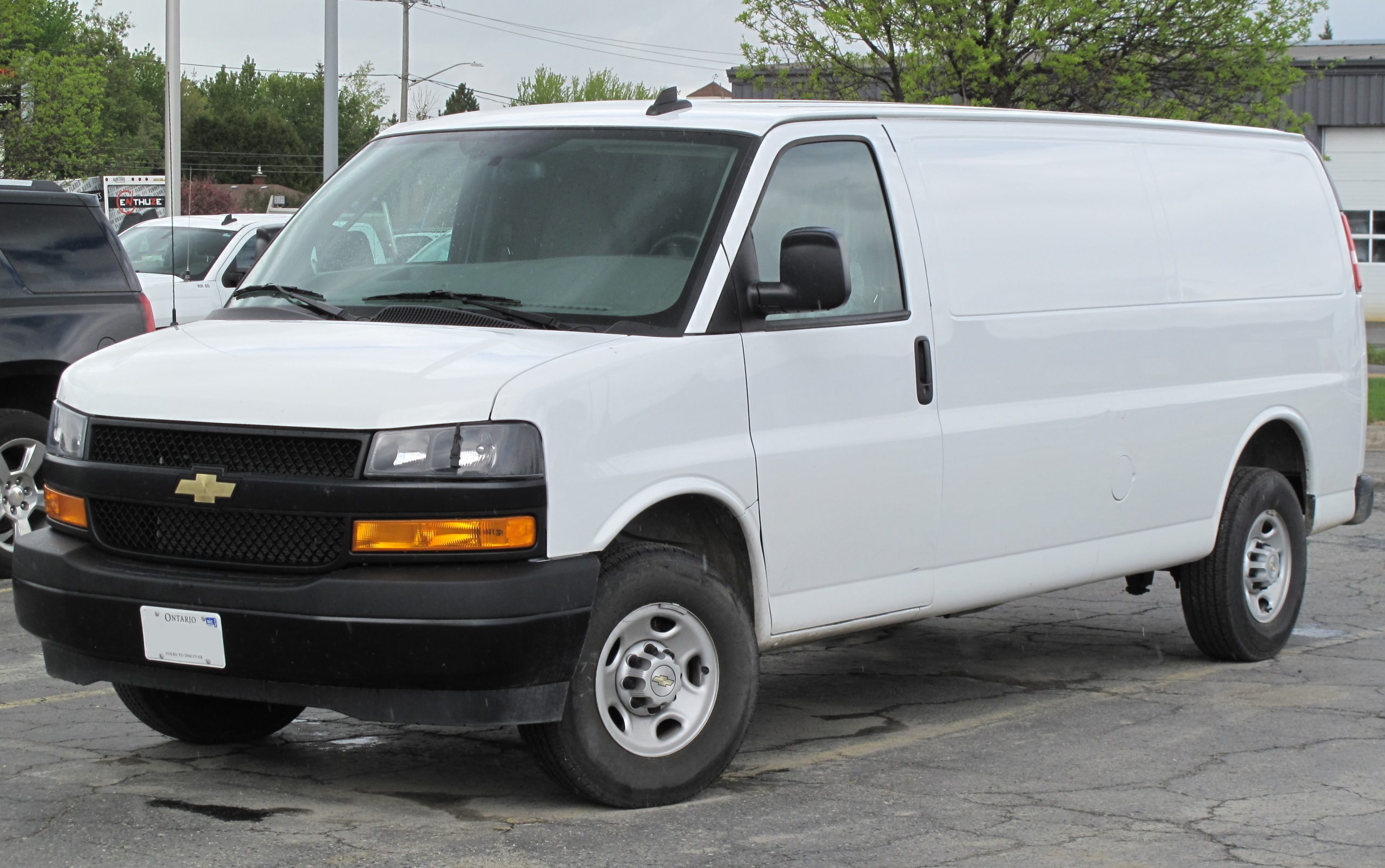
4. Chevrolet Express 3500: Durable, High-Capacity Shuttle Workhorse
The Chevrolet Express 3500 has long been a staple for shuttle and group transport, especially in high-traffic areas like Orlando. Its traditional body-on-frame construction ensures that any local mechanic can repair it, making it highly practical for fleet operators.
Built with heavy-duty suspension, cooling systems, and robust V8 engines, the Express 3500 is designed for continuous, high-stress commercial use. It accommodates up to 15 passengers and provides substantial cargo space, including a rear closet area for luggage and gear, making it ideal for families or large groups visiting theme parks.
The Express 3500 offers seating for 15, with flexible storage options in the rear for bags, strollers, and souvenirs. Optional roof-mounted air conditioning keeps passengers comfortable during long trips in Florida’s heat. Its straightforward interior design allows for potential conversions, such as upgraded seating or entertainment systems, giving operators flexibility for specialized shuttle services.
Designed for commercial use, the Express 3500 can reach 250,000–300,000 miles with proper maintenance. Powerful V8 engines, including the 6.6L and 6.0L Vortec, provide the strength needed to transport fully loaded passengers over Florida’s roads and occasional hills.
While the vehicle delivers consistent performance, acceleration, braking, and handling are basic and feel less refined compared to modern vans.
The Express prioritizes durability over luxury. Driver comfort is minimal, with manual seat adjustments, no tilt or telescopic steering wheel, and basic cloth upholstery. Cabin materials are mostly hard plastic, and ergonomic support is limited.
The steering lacks feedback, the ride can feel bouncy, and braking performance is less responsive under heavy loads. Despite these drawbacks, its simple mechanical design makes it easy to repair and maintain.
For operators transporting large groups, the Express 3500 is cost-efficient compared to using multiple smaller vehicles. It consolidates passengers and luggage into one van, reducing the need for additional cars and saving on fuel and operational costs.
Its rugged build ensures minimal downtime and long-term reliability, making it a practical solution for frequent trips to Disney, Universal, and other Orlando destinations.
The Chevrolet Express 3500 offers a functional, high-capacity shuttle experience. Its strengths lie in durability, passenger volume, and ease of maintenance, providing a practical, economical choice for operators who prioritize reliability and utility over modern features and interior refinement.
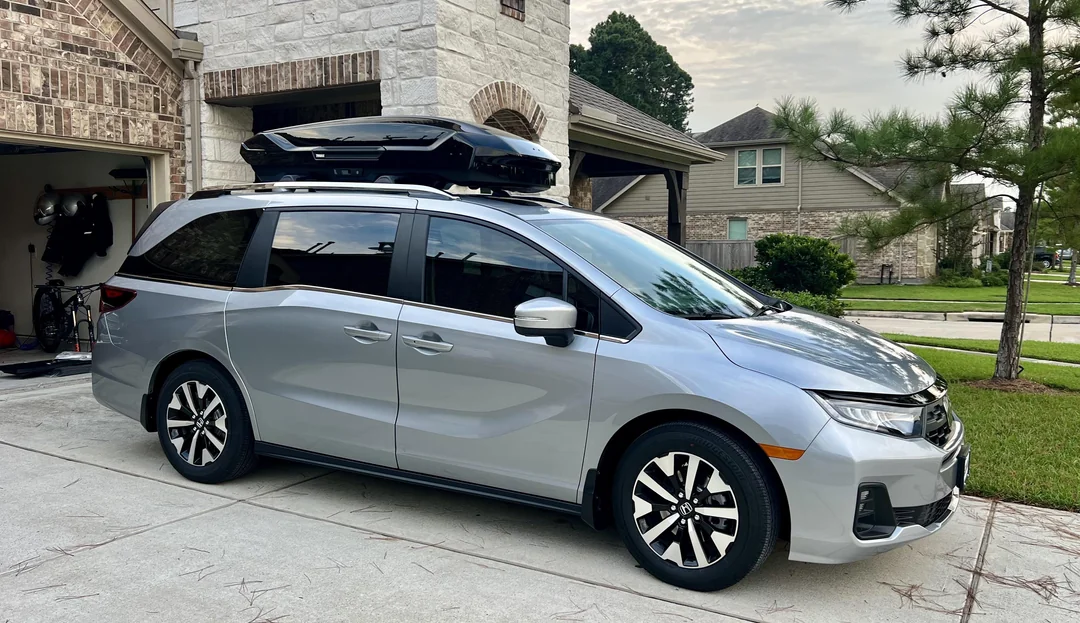
5. Honda Odyssey (2023–2025): Family-Friendly Minivan for Orlando Shuttles
The Honda Odyssey remains a top choice for families and small fleet operators, particularly for Orlando theme park trips, thanks to its spacious interior, versatile seating, and reliable performance.
With seating for up to eight passengers and the innovative Magic Slide® second-row seats, the Odyssey makes accessing the third row and installing car seats simple, a critical feature for family travel. Its large cargo area accommodates strollers, bags, and souvenirs, while folding seats expand storage for longer trips.
The Odyssey offers family-focused features designed for comfort during long, hot days in Florida. Tri-zone climate control keeps all passengers comfortable, and available heated and ventilated front seats enhance the driver and front passenger experience.
Power sliding doors, remote start, and integrated rear sunshades make entry and exit easier, particularly for children. Family entertainment is supported by the rear-seat entertainment system, featuring a 12.8-inch high-resolution screen, and CabinTalk allows drivers to communicate with rear passengers without raising their voice.
Safety remains a strong point for the Odyssey. The Honda Sensing suite includes collision mitigation braking, road departure mitigation, adaptive cruise control, and lane-keeping assist, helping reduce driver fatigue during busy Orlando travel.
Parking sensors and additional driver-assist features are available on higher trims, contributing to passenger and driver confidence. Crash-test ratings are excellent, with five-star NHTSA results and a IIHS Top Safety Pick designation.
All 2023–2025 Odysseys use a 3.5-liter non-turbo V6 paired with a 10-speed automatic transmission, delivering 280 horsepower and 262 lb-ft of torque. All-wheel drive is not offered; every model is front-wheel drive.
Fuel economy is competitive among gas-powered minivans, achieving roughly 19 mpg city and 28 mpg highway, comparable to the Chrysler Pacifica and Kia Carnival but below hybrid competitors like the Toyota Sienna.
Recent updates include a larger 9.0-inch infotainment touchscreen with wireless Apple CarPlay and Android Auto, a 7.0-inch digital gauge cluster, and a wireless phone charger. The available rear-seat entertainment system is upgraded, and the interior features refined materials and updated design touches.
The 2025 Odyssey is offered in four trims: EX-L, Sport, Touring, and Elite, with prices starting at approximately $43,315 and the top Elite trim at $52,275. Available in late July 2024, the refreshed Odyssey remains a practical, reliable, and comfortable option for family-focused shuttle services or smaller fleet operators seeking efficiency, versatility, and safety.
5 That Break on Duty
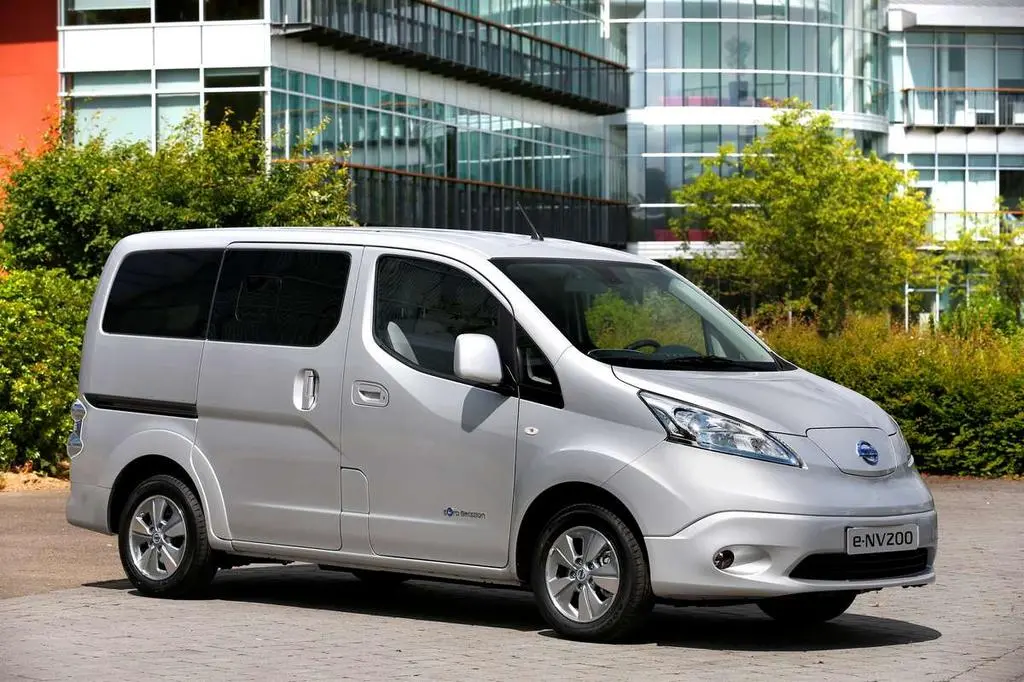
1. Nissan NV200: Struggling Under Orlando’s Theme Park Demands
The Nissan NV200, while popular for urban deliveries, proves ill-suited for high-demand Orlando theme park shuttle service. Its compact size and CVT (Continuously Variable Transmission) struggle when carrying multiple passengers and heavy luggage, especially under Florida’s intense heat and humidity.
Frequent stops, short trips, and heavy loads put extreme stress on the cooling system, often leading to overheating of the radiator, fan, and water pump, which can cause sudden shutdowns.
CVT transmissions, particularly older models, are prone to failure under these conditions, reducing performance and reliability. Additionally, the van’s complex electronic systems sometimes trigger safety lockouts due to sensor errors or glitches, immobilizing the vehicle even when mechanically sound.
The combination of heavy usage, stop-and-go traffic, and high passenger loads accelerated wear, making breakdowns common.
Although the NV200 was economical and compact, it could not sustain the operational demands of Disney, Universal, and other Orlando resorts.
Frequent overheating, transmission strain, and electronic shutdowns disrupted guest transport, prompting a shift toward more robust, purpose-built shuttle vehicles or larger buses. Ultimately, the NV200 fell short in reliability, highlighting the need for vans that can endure continuous high-stress park operations.
2. Chrysler Pacifica Hybrid: Efficient Yet Risk-Prone for Theme Park Shuttles
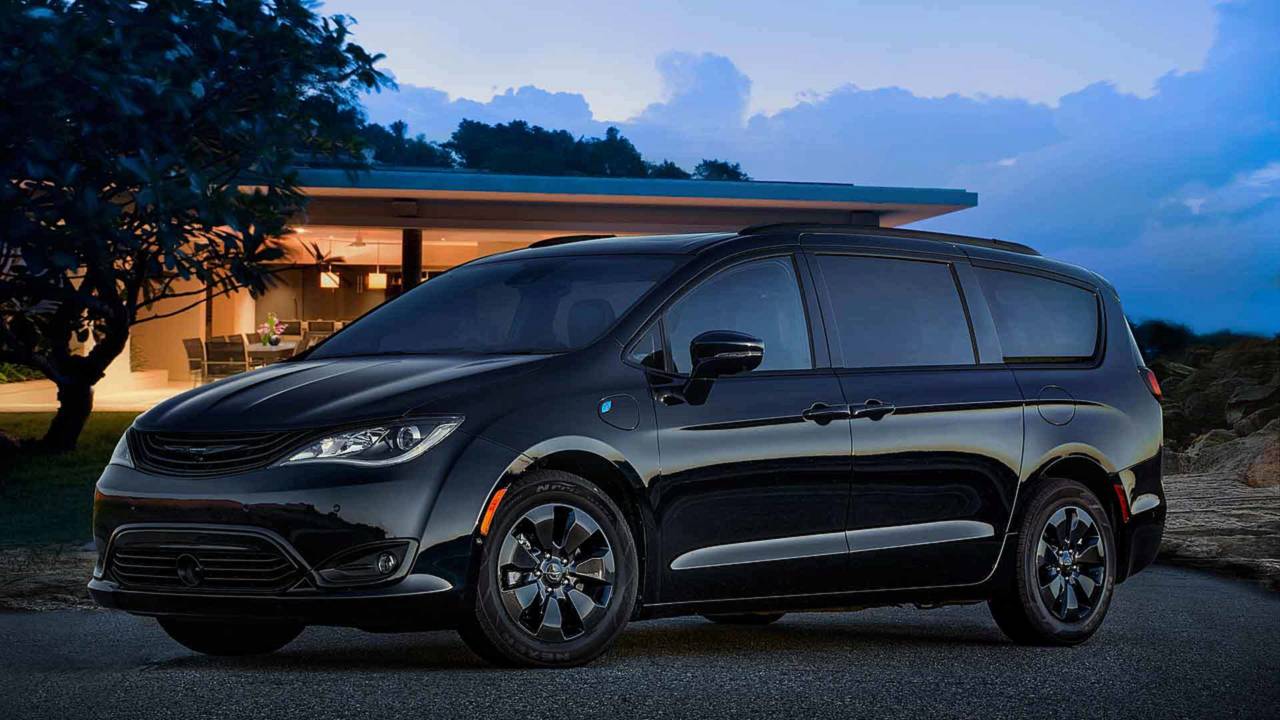
The Chrysler Pacifica Hybrid has been popular for Orlando theme park shuttles due to its family-friendly size, plug-in hybrid efficiency, and versatility for short trips. Its electric-only range is ideal for loops between hotels, parking lots, and parks, reducing fuel costs and emissions, while the spacious interior accommodates large families and groups.
The minivan’s comfort and flexible seating make it well-suited to transporting passengers with luggage and strollers, enhancing the shuttle experience for visitors.
However, the Pacifica Hybrid has faced significant challenges due to electrical and battery issues. Stellantis issued recalls for 2017–2021 models over battery cooling system problems and potential high-voltage battery fire risks, even when the vehicle is off.
These safety concerns forced owners to park outdoors and avoid charging until repairs were completed. In shuttle operations, such recalls could leave families stranded and require expensive tows, undermining reliability.
While the Pacifica Hybrid’s plug-in system and compact size are perfect for theme park transport, these recurring electrical issues have raised operational and safety concerns for fleet operators.
Until affected models are fully addressed, the hybrid minivan’s benefits are tempered by the potential for software glitches, battery failures, and service interruptions, making cautious deployment essential for high-stakes shuttle duties.
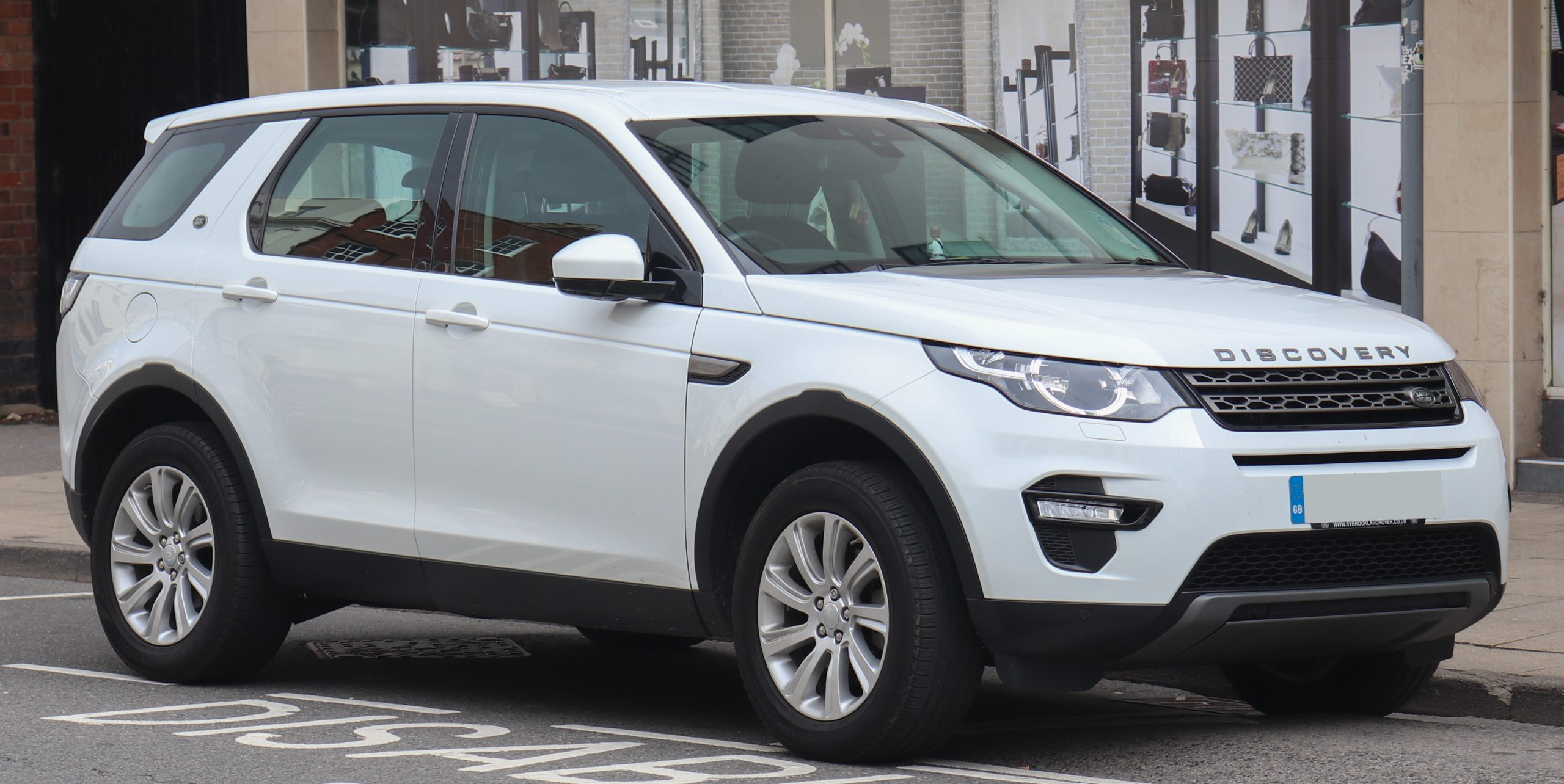
3. Land Rover Discovery: Premium Appearance, High Maintenance Burden
The Land Rover Discovery is occasionally used by high-end shuttle services for a luxurious, “VIP” image. Its sophisticated design, including air suspension and advanced electronic sensors, gives it an upscale appeal. However, when subjected to heavy daily use in shuttle operations, these systems frequently fail.
The combination of complex mechanical components, electronic intricacies, and limited availability of local commercial parts makes repairs costly and time-consuming, creating a liability for operators.
Breakdowns or operational pauses often stem from a mix of routine maintenance, safety checks, and unexpected mechanical or electronic faults. Theme parks prioritize guest safety above all, so even minor anomalies can lead to temporary halts while systems are inspected.
Sensors, motors, and hydraulic components can trigger interruptions, while routine maintenance schedules also require periodic pauses. Occasionally, guest-related issues, such as dropped items or minor incidents, may cause short stops, similar to those seen with rides like the Harry Potter or Mummy attractions.
Although Land Rovers are not commonly part of standard shuttle fleets, any observed downtime is usually due to precautionary safety measures rather than a complete mechanical failure. The vehicle’s premium features are attractive for VIP services, but the high maintenance demands and susceptibility to system failures limit its practicality for heavy-use shuttle operations.
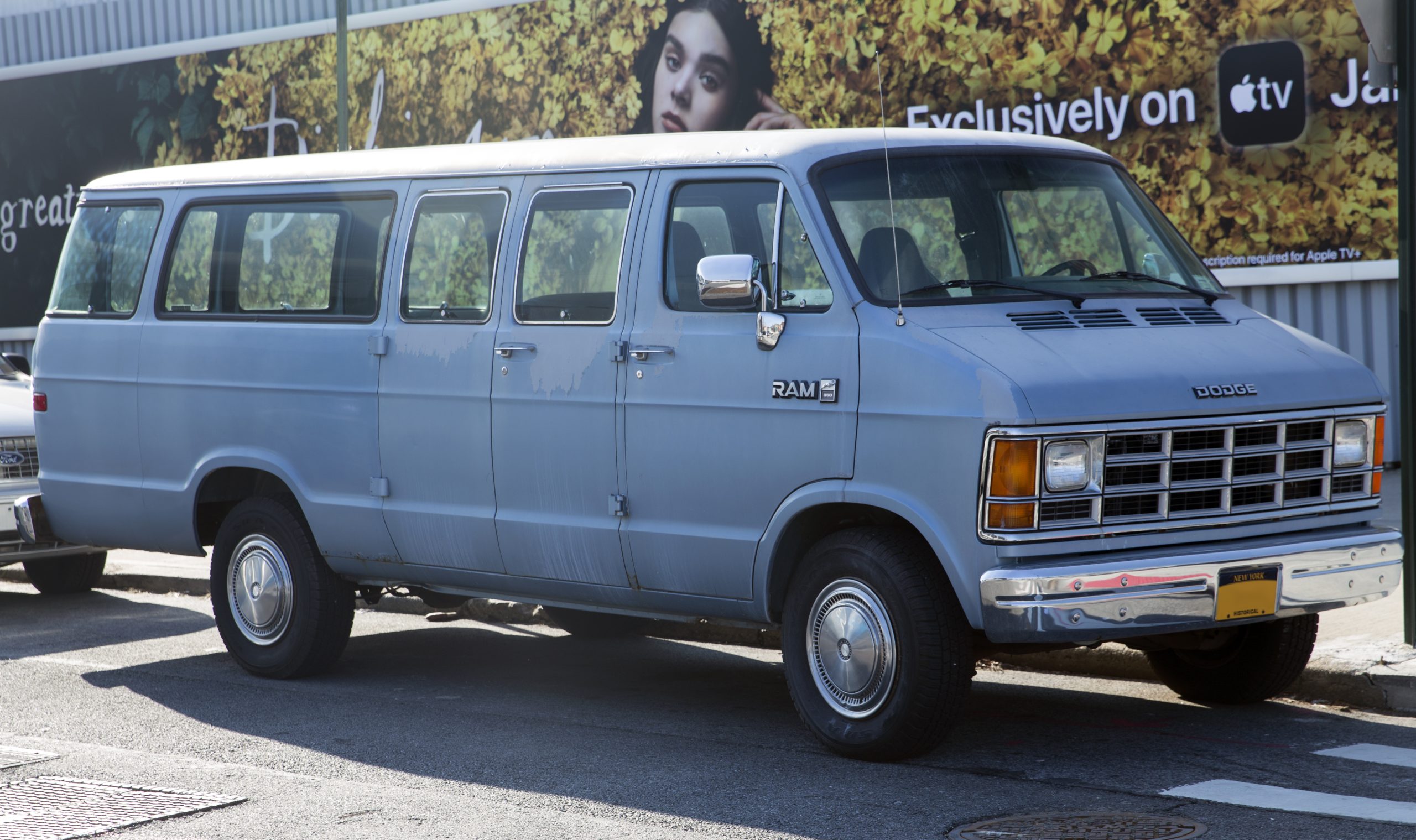
4. Ram ProMaster (First Generation/Early Models): Vulnerable in Heavy Shuttle Use
The first-generation Ram ProMaster vans were commonly used for shuttle duties but struggled under Orlando’s demanding park operations. Frequent curb-hopping, uneven resort driveways, and constant stops exposed weaknesses in the front suspension and transmission, leading to premature failures.
Transmission problems were especially serious in 2019 to 2021 models. Lower clutch retainer failure caused by Powertrain Control Module (PCM) software issues produced metal debris that could jam the parking pawl. This prevented proper engagement and created a risk of rollaways, a major safety concern for fleets transporting large groups.
Cooling system flaws also affected reliability. Models from 2018 to 2026 faced a high risk of cooling fan fires due to premature bearing wear and insufficient fuse protection on the 400W circuit. Overheating could result in fires, particularly in Orlando’s hot climate, where shuttle vans operate intensively every day.
Heavy fleet usage, including frequent stops, large passenger loads, and hot weather, accelerated these issues and revealed weaknesses not seen in lighter-duty vehicles.
The combination of mechanical, electronic, and software vulnerabilities prompted Stellantis to issue widespread recalls and “Do Not Drive” warnings for affected models. These serious safety problems disrupted park shuttle operations and forced operators to seek more reliable alternatives, highlighting the early ProMaster’s limitations for continuous high-demand theme park service.
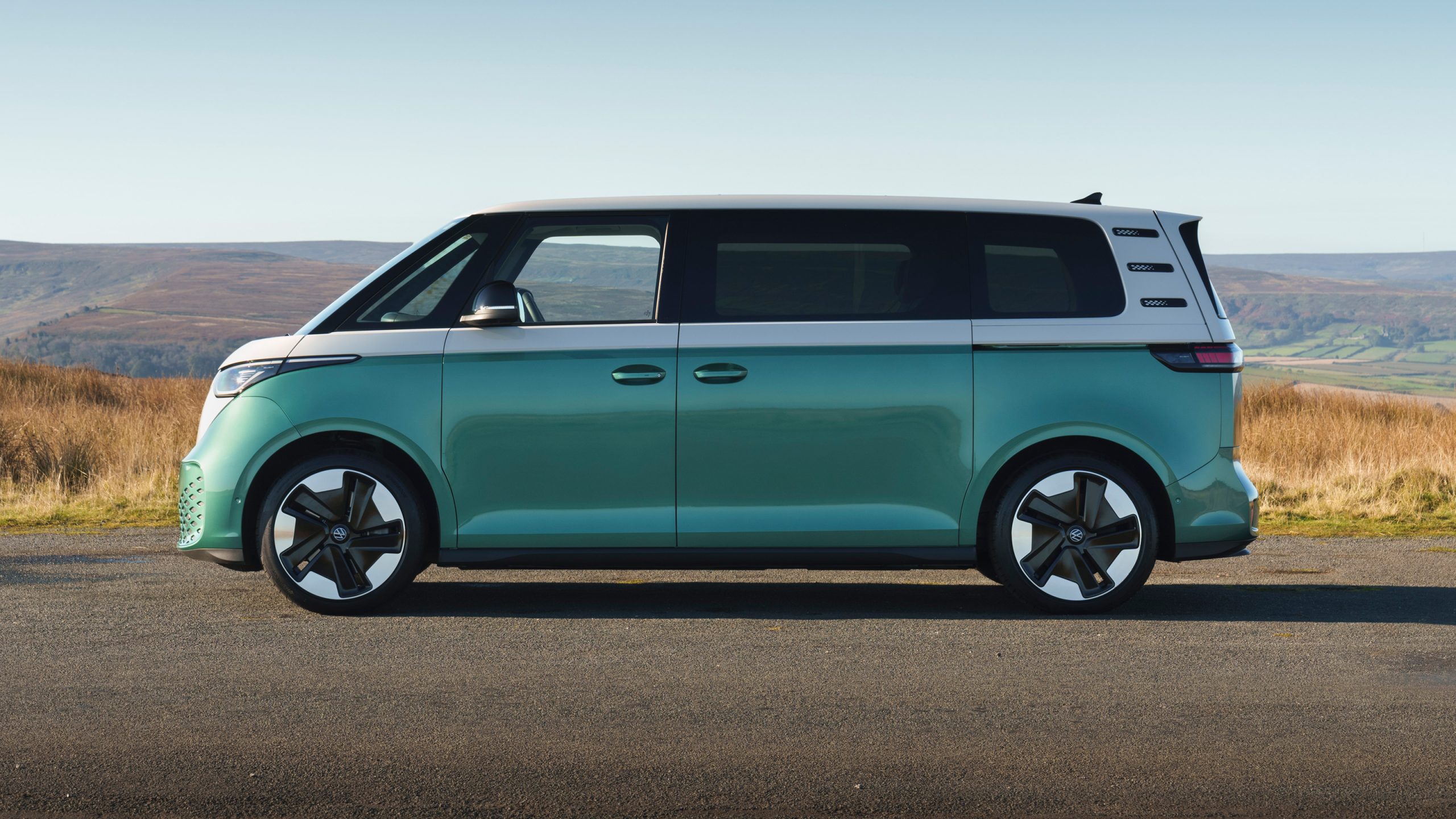
5. Volkswagen ID. Buzz: Early EV Challenges for High-Demand Shuttle Use
The Volkswagen ID. Buzz, while stylish and modern for 2025, encountered reliability issues in Orlando theme park shuttle operations. Early commercial models experienced software glitches and battery problems, making them less suitable for continuous high-demand use before fixes were applied.
Key problems included failures in the 12-volt battery system, which triggered error messages such as “Drive system” or “Electrical system too hot,” occasionally stopping the vehicle. Software bugs caused false warnings like “no driver detected” or cruise control failures, often requiring restarts.
Brake light communication issues prompted recalls and dashboard updates. Early production models also suffered typical first-edition EV quirks, requiring engineering support from Germany, which delayed repairs. Driver assist malfunctions, including erratic lane departure warnings and sudden emergency braking, raised additional safety concerns.
The high-frequency, short-loop usage typical of theme park shuttles amplified these issues, as the advanced technology quickly revealed weaknesses not normally encountered in consumer use. Charging downtime and software resets further limited operational efficiency due to Orlando resorts’ limited EV infrastructure.
Volkswagen addressed many issues through software updates and component replacements, while temporary workarounds helped operators continue limited service. Despite its innovative design and appeal, the early ID. Buzz models were not fully prepared for the demands of commercial shuttle fleets, highlighting the challenges of deploying new EV technology in intensive, high-volume settings.
Operating shuttles in Orlando requires vehicles that combine capacity, comfort, and resilience under constant stress. The top five models, including the Ford Transit, Toyota Sienna Hybrid, Mercedes-Benz Sprinter Diesel, Chevrolet Express 3500, and Honda Odyssey, provide dependable solutions for family and group transport, offering space, safety features, and ease of maintenance.
In contrast, vehicles like the Nissan NV200, Chrysler Pacifica Hybrid, Land Rover Discovery, early Ram ProMaster models, and Volkswagen ID. Buzz illustrates the challenges of using vans or EVs not designed for sustained high-demand service, with issues ranging from transmission failures to software glitches.
By comparing the dependable options with the ones prone to failure, operators and families can make informed decisions that prioritize reliability, passenger safety, and operational efficiency, ensuring smooth shuttle experiences in Orlando’s busy theme park environment.
Also Read: 10 Cars That Look Stunning But Disappoint True Enthusiasts
