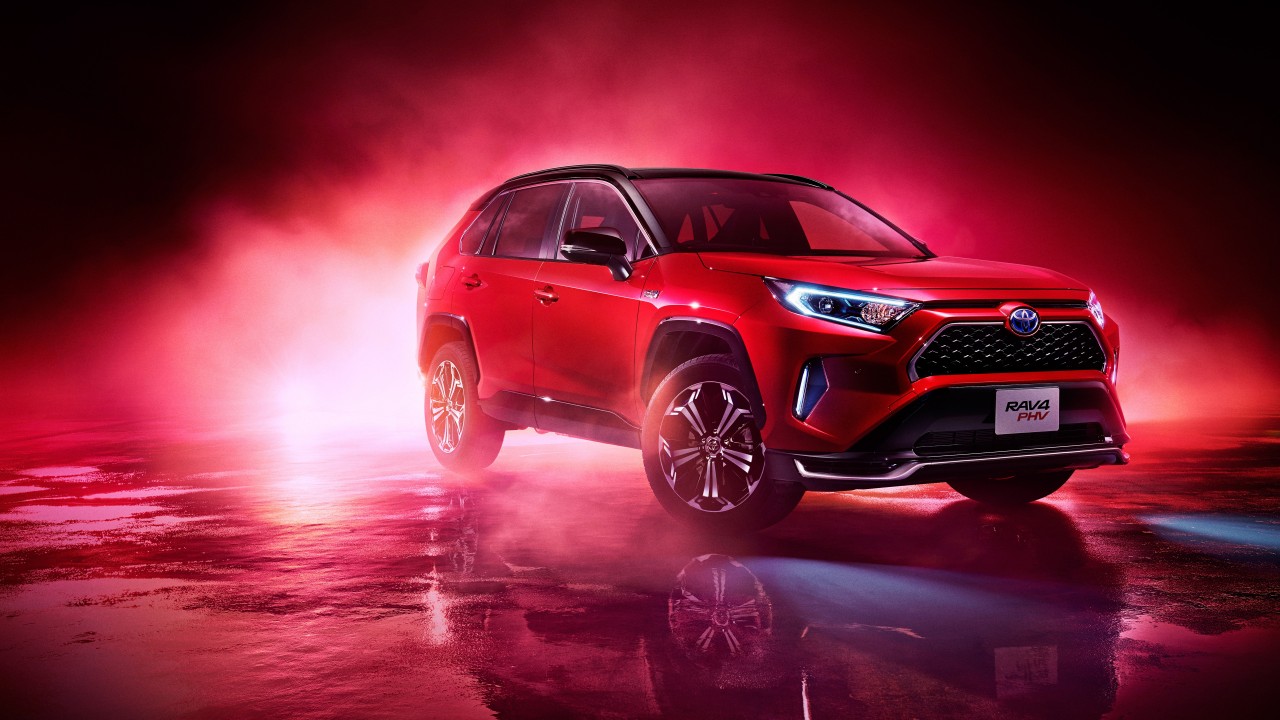
Driving in Aurora, Colorado means dealing with high elevation, thinner air, steep climbs, and sudden weather changes. Not every car performs well in these conditions. Some engines lose power, while others stay strong and confident. Here are five cars that handle altitude well, followed by five that struggle.
Aurora’s mile-high elevation isn’t just a fun fact, it directly affects how your car performs every single day. Thinner air means less oxygen for the engine, which translates to slower acceleration, weaker passing power, and that frustrating feeling of pressing the gas with little payoff.
Some cars are built to handle high-altitude driving without breaking a sweat, while others feel noticeably strangled once the road starts climbing. In this article, we’ll break down five cars that perform well in Aurora’s high-altitude conditions and five that lose power and struggle, so you know which vehicles can handle Colorado’s elevation, and which ones are better left at sea level.
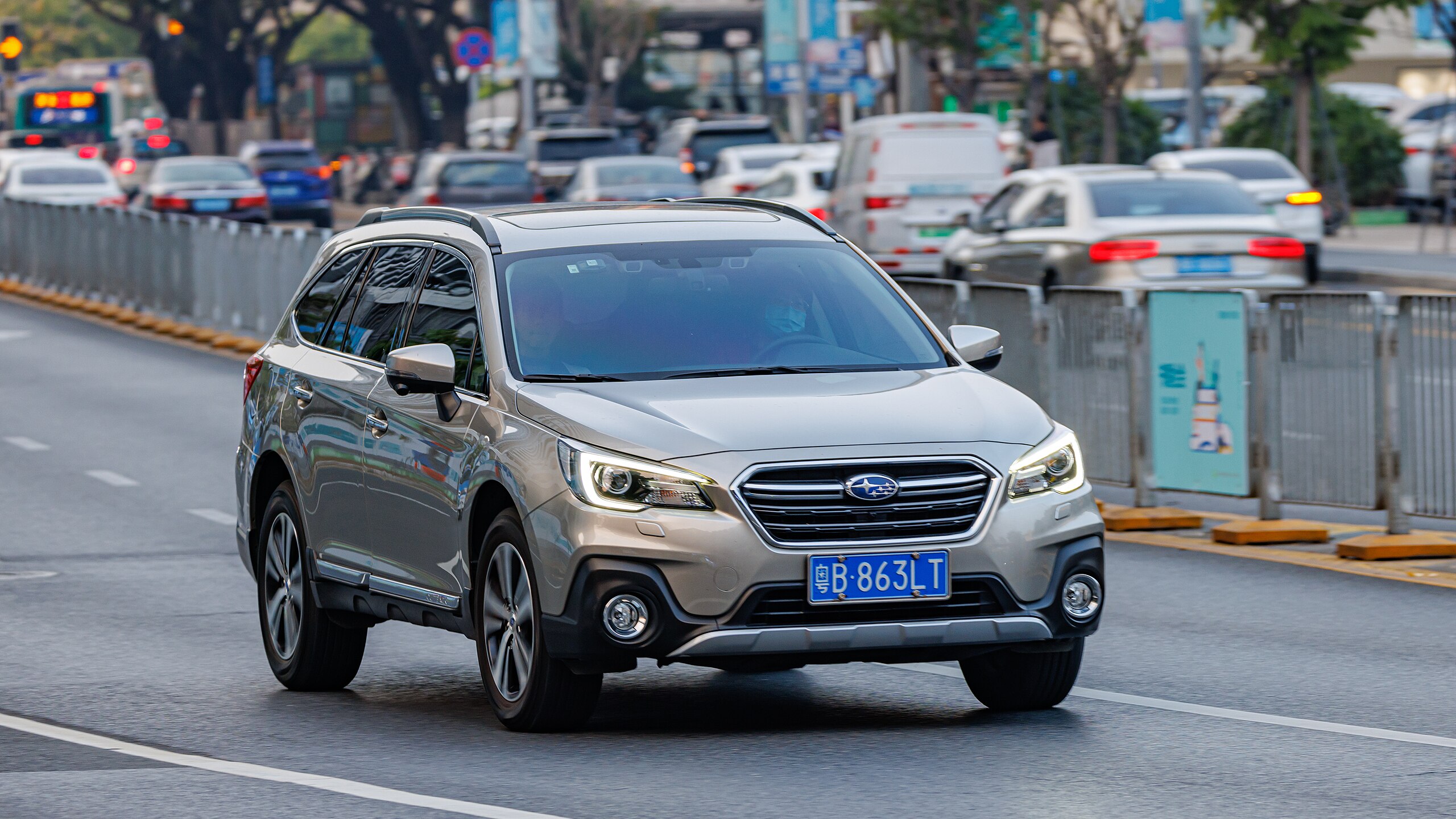
1) Subaru Outback
The Subaru Outback is a smart choice for drivers living in Aurora, Colorado. The city’s higher elevation and changing weather demand a vehicle that handles thin air, steep roads, and sudden weather shifts with confidence and balance.
One major strength of the Outback is its standard all-wheel-drive system. Power is sent to all four wheels, helping the car maintain grip on steep slopes, snowy roads, and uneven surfaces common around Aurora and nearby mountain areas.
The Outback’s engine is tuned to perform well in thinner air. While many vehicles lose power at high elevations, this model keeps acceleration steady, making uphill driving smoother and less stressful for daily commuting or weekend trips.
Another advantage is the vehicle’s balanced weight distribution. The low-mounted boxer engine keeps the center of gravity low, improving stability on winding roads. This design helps the car feel planted, even on long mountain curves.
Fuel efficiency is another benefit. Despite handling elevation well, the Outback still delivers respectable mileage. Drivers don’t need to sacrifice fuel savings to enjoy dependable performance in high-altitude conditions, making it practical for daily use.
The suspension system is designed to absorb bumps and rough pavement. Aurora roads can change quickly with weather and temperature shifts, but the Outback remains comfortable and controlled, even on uneven or damaged surfaces.
Cold weather performance is another strong point. The Outback starts reliably in freezing temperatures and warms up efficiently. Its traction systems and stability controls help drivers stay confident during icy mornings or snowy winter drives.
Interior comfort also plays a role in high-altitude driving comfort. The Outback offers supportive seats, good visibility, and easy-to-use controls. Long drives through mountain terrain feel relaxed instead of tiring or stressful.
Safety features like hill assist, traction control, and advanced braking systems help drivers stay in control on steep inclines. These features are especially helpful for drivers new to mountain driving conditions.
2) Toyota 4Runner
The Toyota 4Runner is a strong and dependable SUV built for challenging environments like Aurora, Colorado. Its rugged design and powerful engine make it well suited for high elevations, steep hills, and unpredictable mountain weather.
One of the biggest advantages of the 4Runner is its powerful V6 engine. Unlike smaller engines that lose strength in thin air, the 4Runner maintains steady performance, allowing it to climb hills without struggling or feeling underpowered.
The body-on-frame construction gives the 4Runner excellent durability. This design helps it handle rough roads, steep inclines, and uneven terrain without stress. It feels solid and confident even when driving on demanding mountain routes.
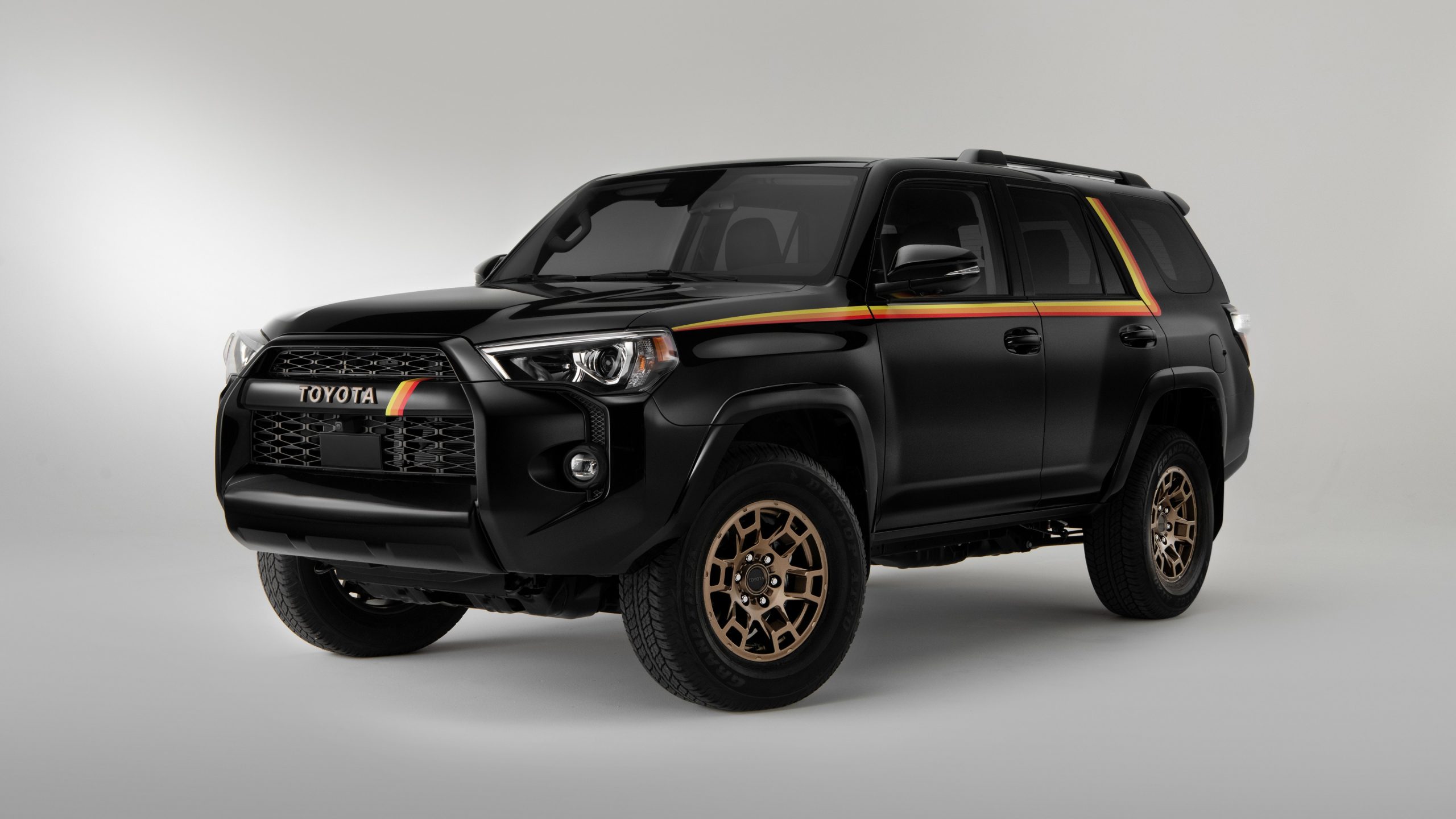
Four-wheel drive is another major strength of the 4Runner. When roads become slippery due to snow or ice, the system provides strong traction. This helps drivers stay in control during winter conditions common in Aurora and nearby mountain areas.
The 4Runner’s cooling system is built for tough use. It manages engine temperatures well during long uphill climbs, preventing overheating even when the vehicle is heavily loaded or driven for extended periods.
Suspension tuning also plays an important role. The 4Runner absorbs bumps and road imperfections effectively, keeping the ride stable and comfortable. This is especially helpful on rough or uneven mountain roads outside the city.
Interior comfort adds to its appeal for high-altitude driving. Supportive seats, clear visibility, and a high driving position reduce fatigue during long trips. The cabin feels solid and well-insulated from outside noise.
The vehicle’s reliability record makes it a trusted choice for drivers living in elevated regions. Many owners report high mileage with minimal issues, even after years of mountain driving in changing weather conditions.
3) Ford Bronco
The Ford Bronco is built for tough terrain, making it a strong choice for Aurora’s high-altitude environment. Its rugged design and advanced engineering help it handle steep roads, thin air, and sudden weather changes with confidence.
One of the Bronco’s biggest strengths is its turbocharged engine options. Turbocharging helps compensate for power loss at higher elevations by forcing more air into the engine. This allows the Bronco to maintain strong performance on mountain climbs.
The Bronco’s four-wheel-drive system provides excellent grip on steep and slippery surfaces. Whether driving on snow-covered roads or loose gravel, power is distributed efficiently to keep the vehicle stable and controlled at all times.
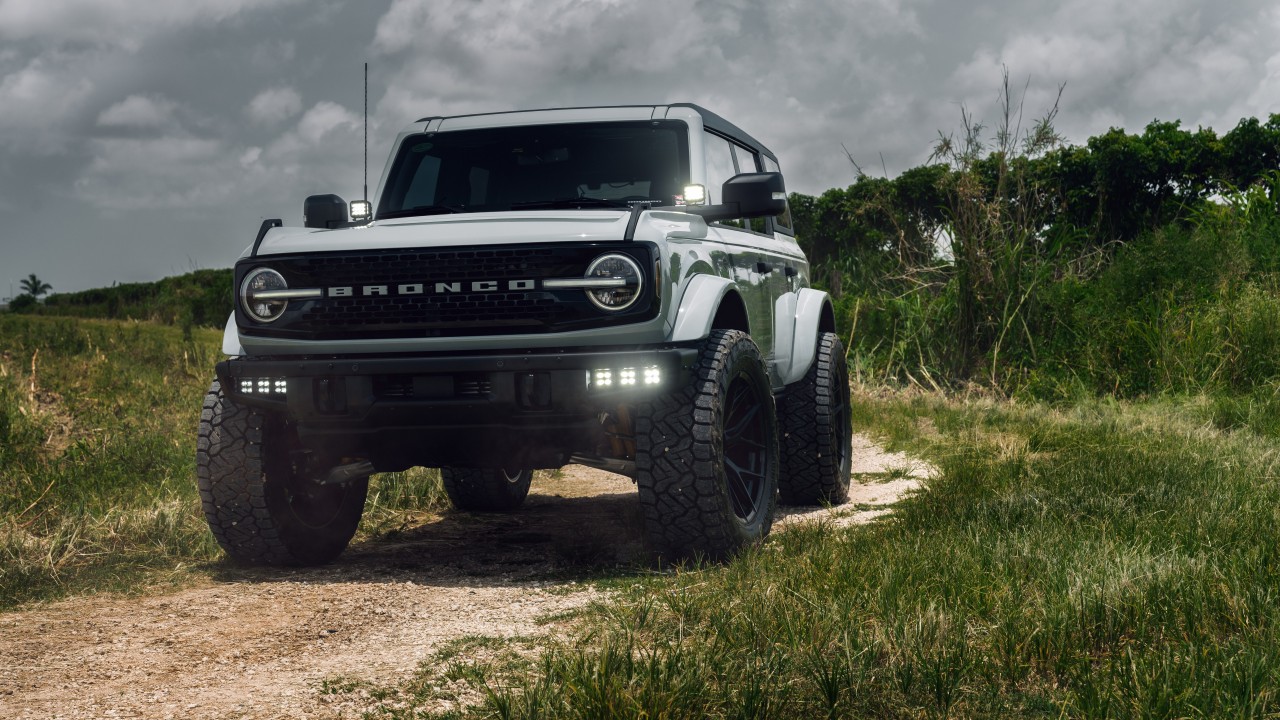
Ground clearance is another major advantage. The Bronco sits high off the ground, allowing it to pass over rocks, snow buildup, and uneven surfaces without scraping. This makes it well suited for rough mountain routes around Aurora.
Suspension tuning also plays a key role in its performance. The Bronco absorbs bumps and uneven terrain smoothly, reducing driver fatigue during long uphill drives. The ride remains controlled even on broken or winding roads.
Cold weather performance is another area where the Bronco shines. It starts reliably in freezing temperatures and warms up quickly. Heating systems and traction controls work together to keep the cabin comfortable and safe.
The interior is designed with durability in mind. Controls are easy to use, even with gloves on, and materials are built to handle dirt, snow, and frequent use. This makes it practical for outdoor-focused drivers.
Visibility is excellent thanks to the upright design and large windows. Drivers can easily spot obstacles, curves, or changing road conditions while mountain routes around Aurora.
Fuel economy may not be its strongest point, but the Bronco delivers consistent power without struggling at altitude. Its performance remains steady, even during long uphill drives or heavy loads.
4) Subaru Forester
The Subaru Forester is a dependable choice for drivers living in Aurora’s high-altitude environment. Its balanced design, efficient performance, and standard all-wheel drive make it well suited for thin air, steep roads, and changing weather conditions.
One of the Forester’s biggest strengths is its lightweight construction. Because it weighs less than many SUVs, the engine does not struggle as much at higher elevations. This helps maintain smoother acceleration and consistent power on uphill drives.
The standard all-wheel-drive system gives the Forester excellent grip on mountain roads. Whether driving on snow, gravel, or wet pavement, power is evenly distributed to all wheels, improving control and reducing wheel slip during climbs.
The Forester’s engine is designed for reliability rather than speed. While not aggressive, it performs steadily at altitude, allowing drivers to maintain safe speeds without stressing the engine or feeling sudden power loss.
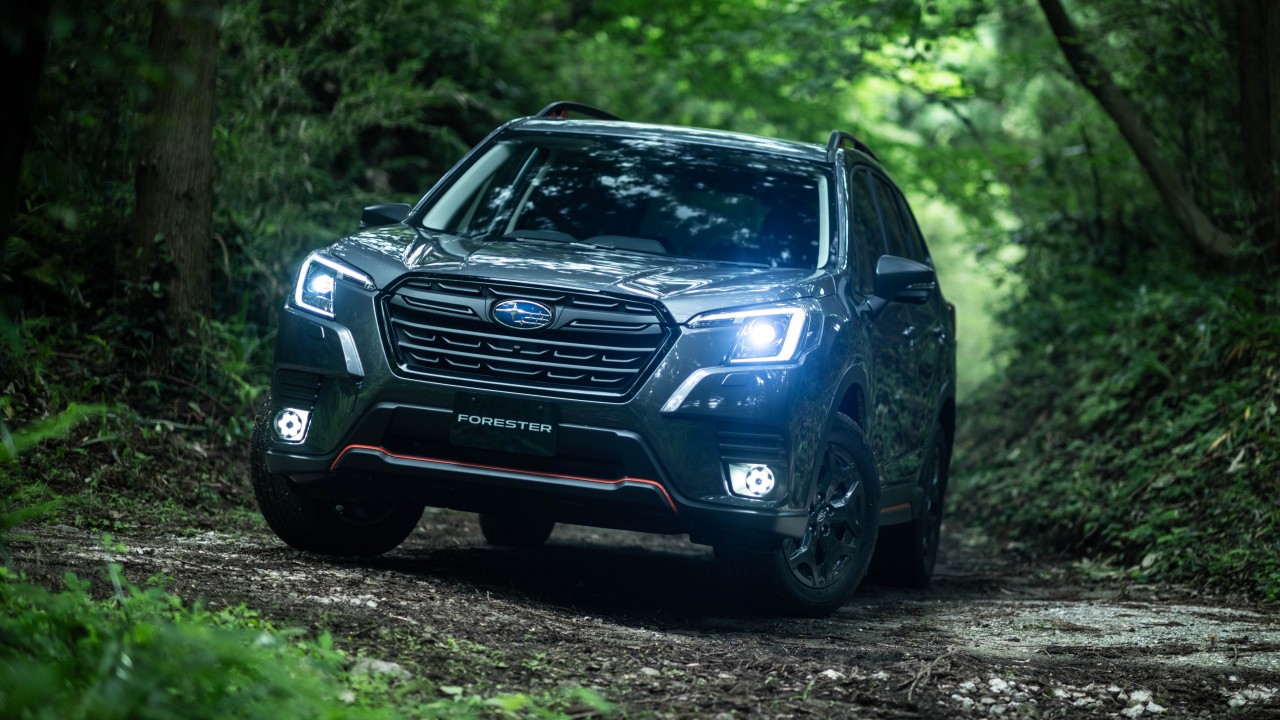
Ground clearance is another helpful feature. The Forester sits higher than most compact SUVs, allowing it to clear snow, rocks, and uneven road surfaces often found in mountain areas around Aurora.
Its suspension system is tuned for comfort and stability. Bumps and rough pavement are absorbed smoothly, making long drives less tiring. This is especially useful on winding roads where constant elevation changes occur.
Cold weather performance is another strong point. The Forester starts reliably in freezing temperatures and warms up efficiently. Heated features and stable traction make winter driving safer and more comfortable.
5) Jeep Grand Cherokee
The Jeep Grand Cherokee is a strong and capable SUV designed for demanding environments like Aurora, Colorado. Its combination of power, stability, and advanced systems makes it well suited for high-altitude roads and changing mountain weather.
One of its biggest advantages is the available V6 and V8 engine options. These engines deliver strong torque, helping the vehicle maintain power even when thinner air reduces performance at higher elevations.
The Grand Cherokee’s advanced four-wheel-drive systems provide excellent traction on steep, snowy, or uneven roads. Power is distributed intelligently, helping the vehicle stay balanced and controlled during uphill climbs and sharp descents.
Ground clearance is another benefit. The Grand Cherokee sits higher than many crossovers, allowing it to handle snow buildup, rocks, and uneven pavement without scraping. This is especially useful on mountain roads around Aurora.
Its suspension system is designed for both comfort and control. The vehicle absorbs bumps smoothly while maintaining stability, making long mountain drives less tiring for the driver and passengers.
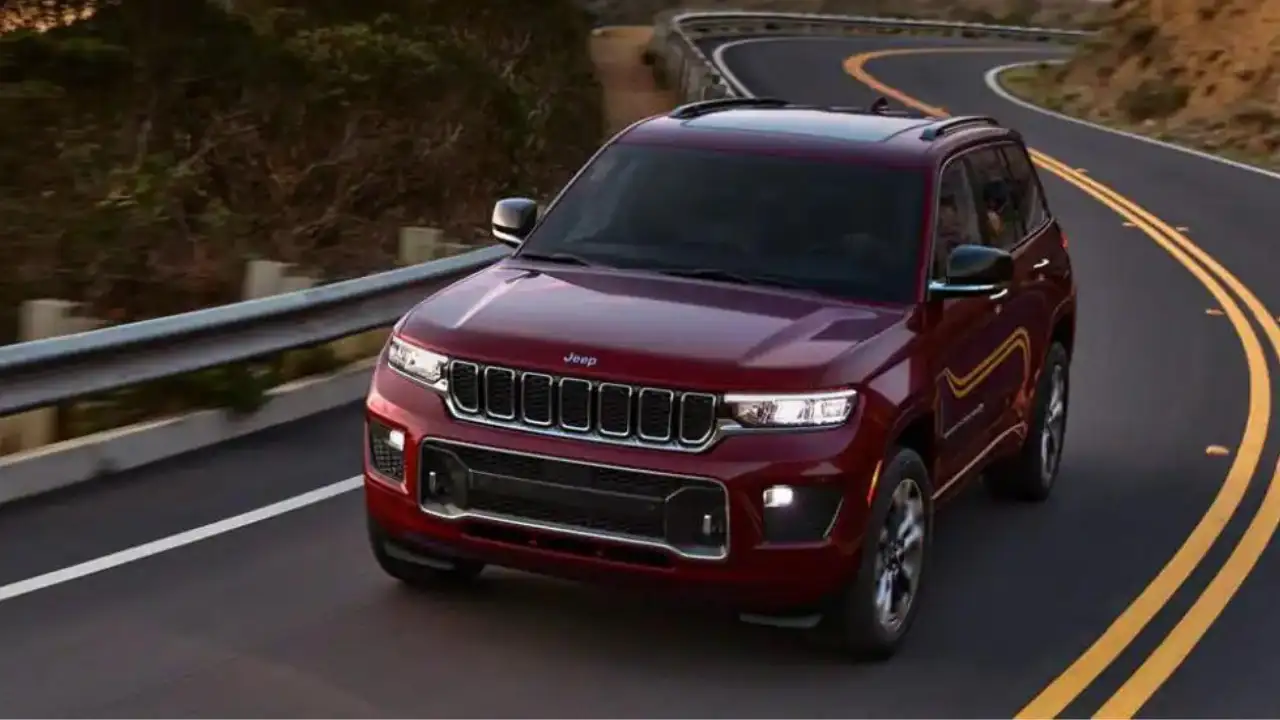
Cold weather performance is another strong point. The Grand Cherokee starts reliably in freezing temperatures and warms up quickly. Heated features and traction systems add extra confidence during icy winter mornings.
Inside, the cabin feels solid and comfortable. Supportive seats, good visibility, and a quiet interior help reduce fatigue during long drives through mountainous terrain and changing weather conditions.
Safety features also add to its appeal. Hill-start assist, stability control, and advanced braking systems help drivers stay in control on steep slopes and slippery surfaces.
Fuel economy is reasonable for its size and capability. While not the most efficient, it delivers steady performance without struggling at altitude, which is more important in mountainous regions.
Cars That Lose Power at High Altitude
1) Toyota Corolla
The Toyota Corolla is known for reliability and fuel efficiency, but it struggles in high-altitude areas like Aurora. Thin air reduces engine power, and the Corolla’s small engine feels noticeably weaker on steep mountain roads.
One of the main issues is the naturally aspirated engine. Without turbocharging, the engine cannot compensate for lower oxygen levels at higher elevations, causing slower acceleration and reduced climbing ability on uphill stretches.
When driving on long inclines, the Corolla often needs higher engine revs to maintain speed. This can make the car feel strained, especially when carrying passengers or cargo through mountain roads.
Passing slower vehicles becomes more difficult at altitude. The reduced power means drivers must plan overtakes carefully, as the car takes longer to respond when pressing the accelerator on uphill sections.
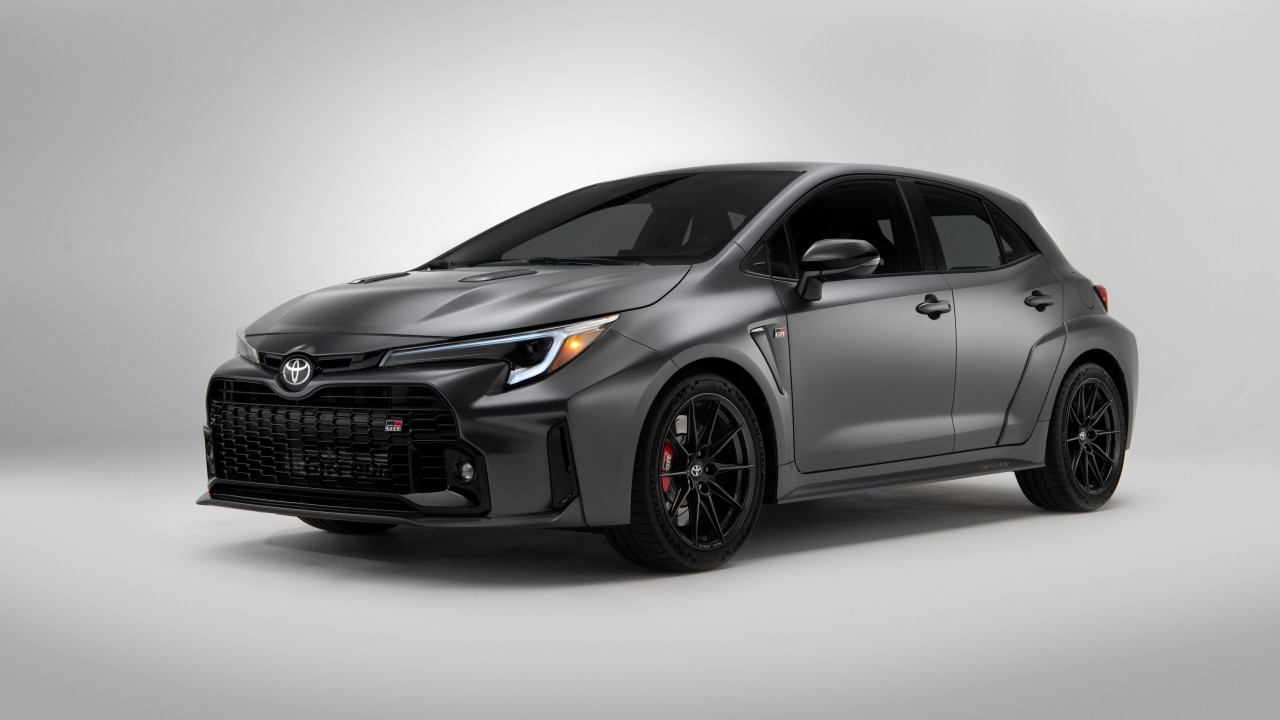
The transmission also works harder in mountainous conditions. Frequent downshifting is common, which can lead to increased engine noise and less smooth driving on long climbs around Aurora.
Although the Corolla handles city driving very well, it lacks the torque needed for consistent performance in thinner air. This makes mountain driving feel more tiring for both the driver and the vehicle.
Traction is another limitation. Most Corolla models are front-wheel drive, which can struggle on snowy or icy slopes compared to all-wheel-drive vehicles designed for mountain terrain.
Cold weather performance is reliable, but the engine takes longer to warm up in freezing temperatures at higher elevations. This can reduce comfort during short winter trips in mountainous areas.
Fuel efficiency remains a strong point, but it comes at the cost of power. Drivers may find themselves pressing the accelerator harder, reducing the real-world mileage advantage.
2) Honda Civic
The Honda Civic is a popular and reliable compact car, but it faces challenges when driven in high-altitude areas like Aurora. Thin mountain air affects engine performance, making the Civic less responsive on steep roads.
Most Civic models use smaller naturally aspirated engines. These engines rely heavily on oxygen, so when air becomes thinner at higher elevations, power drops noticeably during uphill driving or quick acceleration.
On long mountain climbs, the Civic often needs higher engine revs to maintain speed. This can make the drive feel strained, especially when carrying passengers or driving with luggage in the car.
Passing other vehicles becomes more difficult at altitude. The reduced power means slower throttle response, requiring more planning and patience when overtaking on two-lane mountain roads.
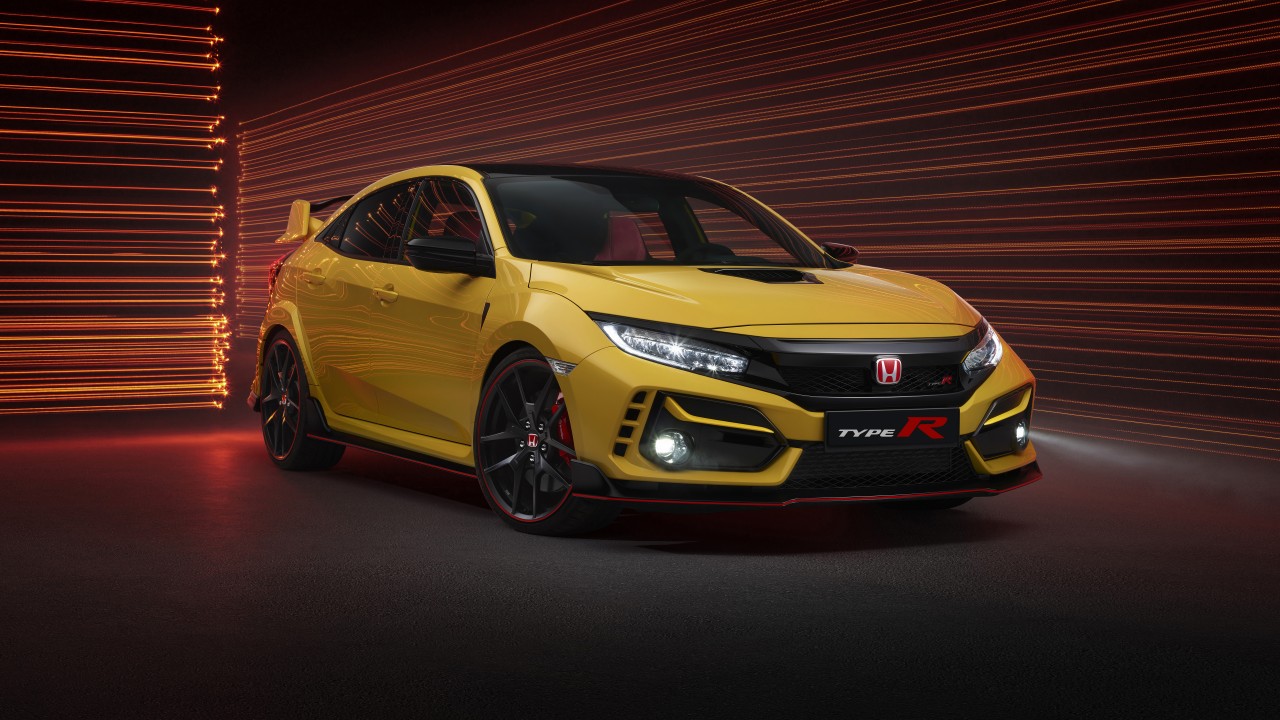
The transmission also works harder in high-altitude conditions. Frequent downshifts are common as the car searches for power, which can increase engine noise and reduce driving comfort on longer trips.
While the Civic handles city roads smoothly, its front-wheel-drive setup struggles on steep or slippery inclines. Snow, ice, or loose gravel can reduce traction, making winter driving more challenging.
Fuel efficiency remains one of the Civic’s strengths, but real-world mileage can drop at elevation due to higher engine workload. The car burns more fuel trying to maintain speed on uphill roads.
Cold weather performance is generally reliable, but the engine takes longer to warm up in mountain conditions. This can affect cabin comfort during short winter drives around Aurora.
The suspension is tuned more for smooth city streets than rugged terrain. Rough pavement, elevation changes, and uneven mountain roads can feel harsher inside the cabin.
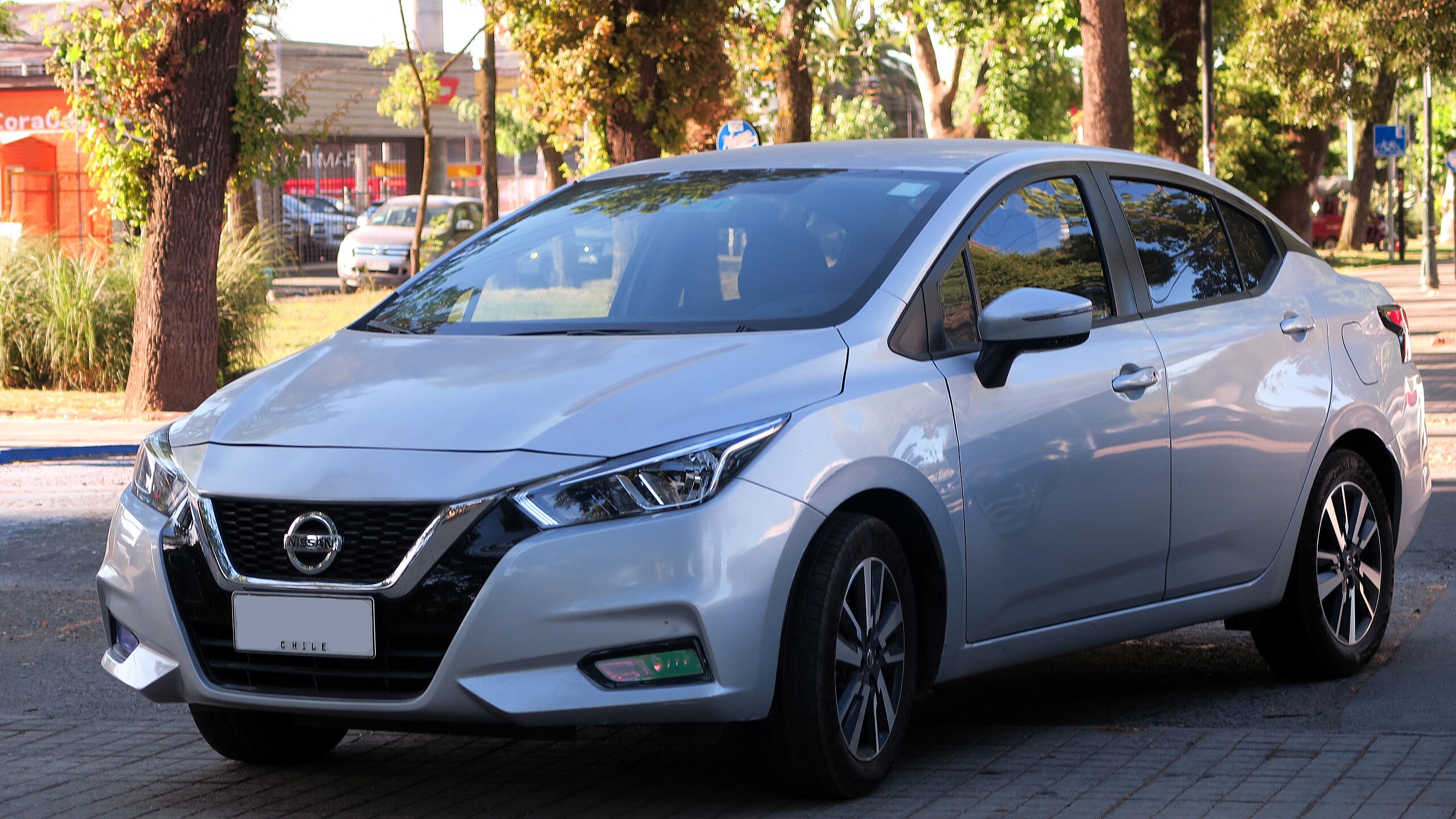
3) Nissan Versa
The Nissan Versa is designed for city driving and fuel savings, but it struggles in high-altitude areas like Aurora. Thin mountain air reduces engine efficiency, making the car feel underpowered on hills and long climbs.
The Versa uses a small, naturally aspirated engine that depends heavily on oxygen for performance. At higher elevations, less oxygen enters the engine, causing noticeable power loss during acceleration and uphill driving.
When climbing steep roads, the engine often feels strained. Drivers may need to press the accelerator harder just to maintain speed, which makes the car feel less confident on mountain highways.
The continuously variable transmission works hard to keep the car moving uphill. Frequent high engine revs can make the drive feel noisy and less smooth, especially during long climbs through hilly terrain.
Passing slower vehicles becomes more difficult at altitude. The reduced power output means acceleration takes longer, requiring careful timing and extra space when overtaking on mountain roads.
Traction is another weak point. Most Versa models are front-wheel drive, which can struggle on icy or snowy slopes common around Aurora during winter months.
Cold weather also affects performance. The engine may take longer to warm up in freezing temperatures, reducing cabin comfort and making short trips less pleasant during winter mornings.
While the Versa is known for good fuel economy, real-world mileage often drops at high elevations. The engine works harder to compensate for thin air, reducing efficiency.
The suspension is tuned mainly for city comfort, not rough or uneven terrain. On mountain roads, bumps and elevation changes can feel more noticeable inside the cabin.
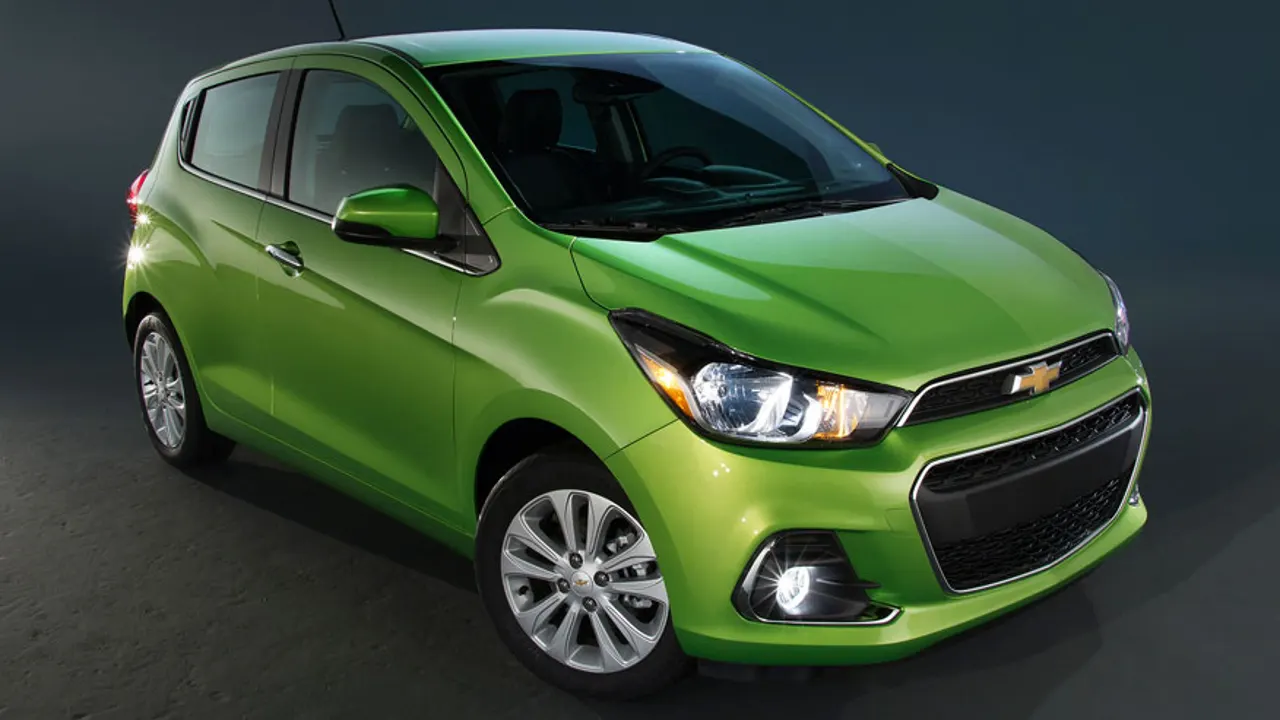
4) Chevrolet Spark
The Chevrolet Spark is a compact and affordable city car, but it struggles in high-altitude areas like Aurora. Thin mountain air affects its small engine, making uphill driving difficult and reducing performance.
The Spark’s small naturally aspirated engine is its biggest limitation. At higher elevations, less oxygen reaches the engine, causing noticeable power loss during acceleration and steep climbs.
On long uphill roads, the Spark often feels strained. Drivers may need to press the accelerator harder just to maintain speed, which can make driving feel tiring and less confident.
Passing other vehicles becomes challenging at altitude. The reduced power means slower acceleration, making it harder to safely overtake on mountain highways or two-lane roads.
The transmission also works harder in these conditions. Frequent downshifting is common as the car searches for power, leading to higher engine noise and reduced driving comfort.
Traction can also be a concern. Most Spark models are front-wheel drive, which struggles on snowy or icy slopes often found around Aurora during winter months.
Cold weather affects the Spark’s performance as well. The engine takes longer to warm up in freezing temperatures, and cabin heating may feel slower during short trips.
Fuel efficiency is one of the Spark’s strengths, but at high altitude, real-world mileage often drops. The engine must work harder to compensate for thin air, reducing its efficiency advantage.
The suspension is designed mainly for smooth city roads. On uneven or mountainous terrain, bumps and elevation changes feel more noticeable inside the cabin.
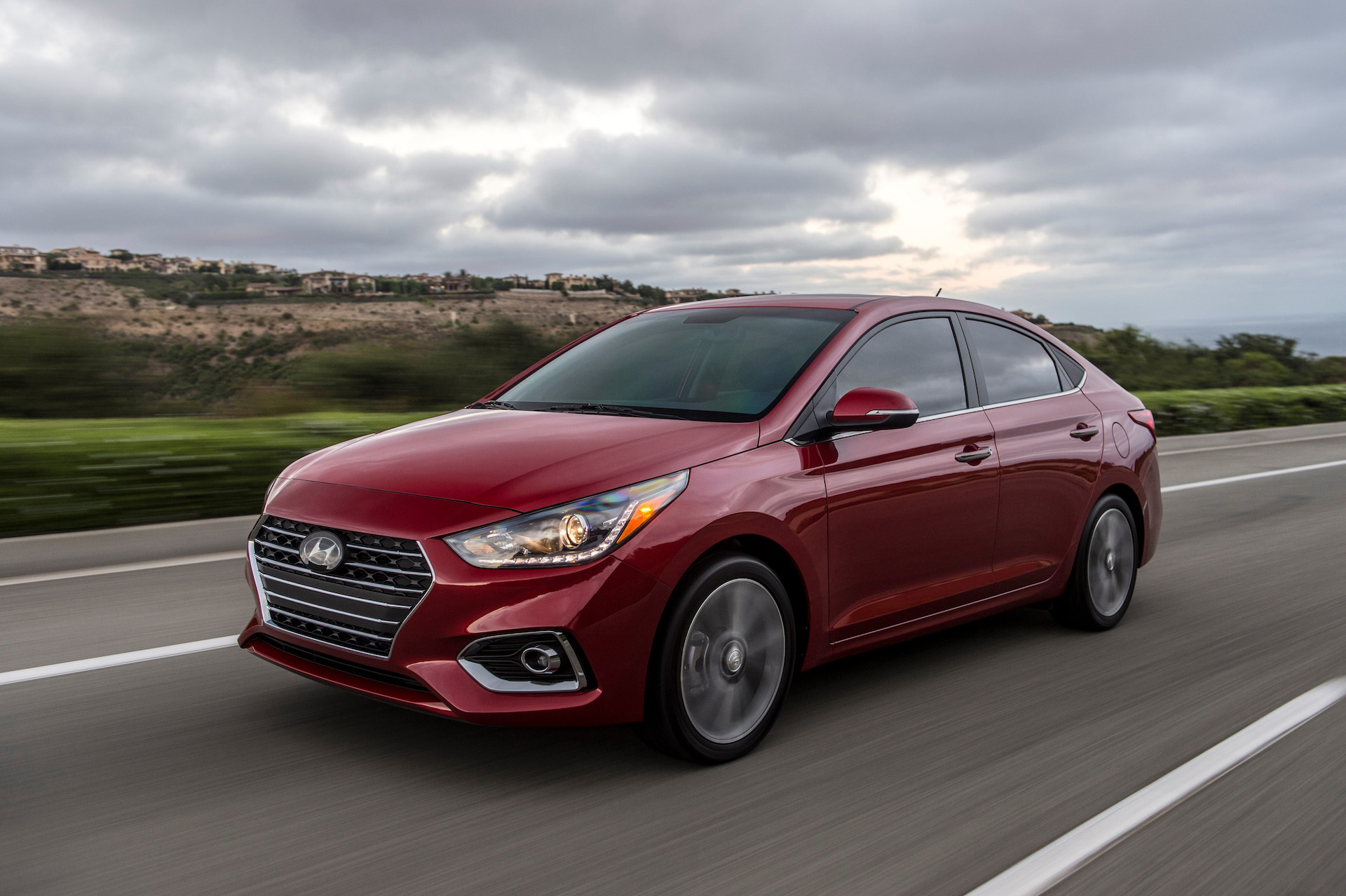
5) Hyundai Accent
The Hyundai Accent is a reliable and budget-friendly car, but it struggles in high-altitude areas like Aurora. Thin mountain air reduces engine power, making daily driving more difficult on steep roads and long inclines.
The Accent’s small naturally aspirated engine loses noticeable power at higher elevations. With less oxygen available, acceleration becomes slower, especially when climbing hills or merging onto highways.
On uphill roads, the engine must work harder to maintain speed. Drivers often find themselves pressing the accelerator deeply, which makes the car feel strained and less responsive during mountain driving.
Passing other vehicles can be difficult at altitude. The reduced power output limits quick acceleration, making overtaking on two-lane mountain roads more stressful and sometimes unsafe.
The transmission also struggles in these conditions. It frequently downshifts to compensate for lost power, increasing engine noise and making long uphill drives less comfortable.
Traction is another concern. Most Hyundai Accent models use front-wheel drive, which can struggle on snow-covered or icy slopes common around Aurora during winter months.
Cold weather further affects performance. The engine takes longer to warm up in freezing temperatures, and cabin heating may feel slower during short trips in winter conditions.