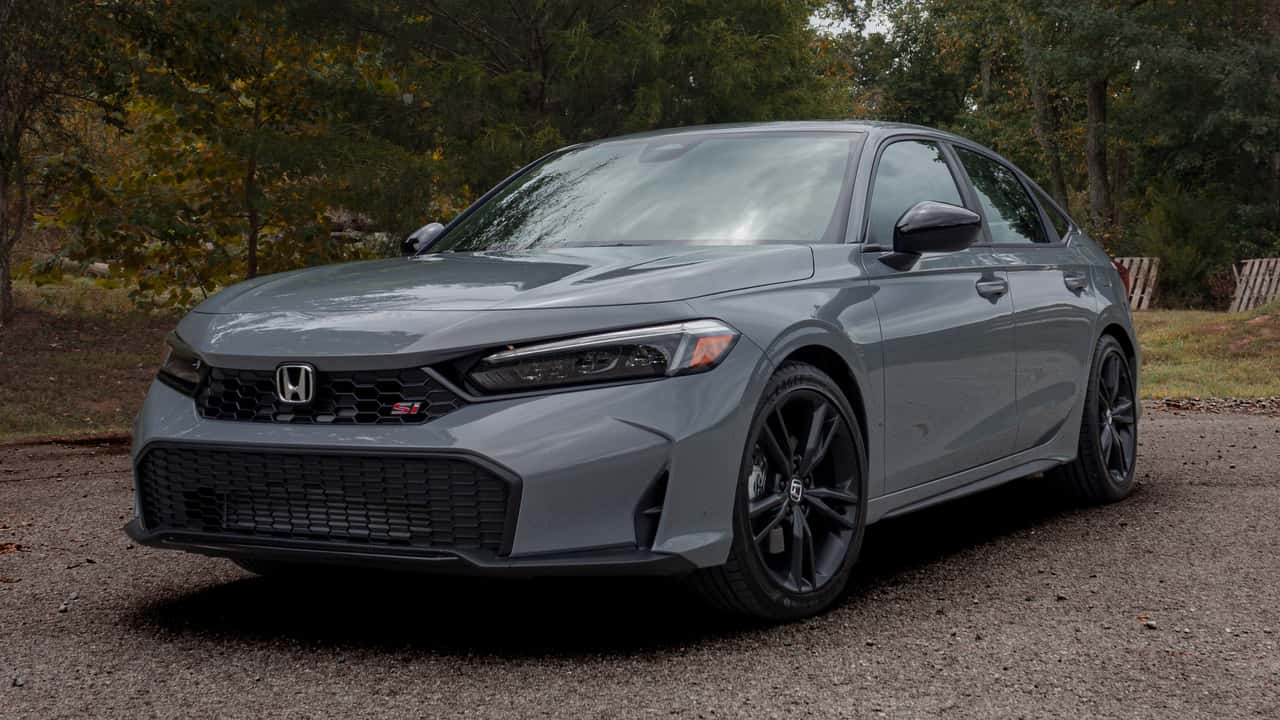
Wichita drivers need cars that can handle long highways, changing weather, and daily commuting without constant repairs. With hot summers, cold winters, and plenty of open-road driving, reliability matters more than style. Some cars are built to last, while others can become expensive headaches over time.
Wichita drivers know practical matters more than most: long stretches between towns, hot summers, blowing dust, and roads that demand reliability over flash. Some cars deliver dependable, cost-effective performance and low headaches year after year. Others, despite looking good on paper, end up in the shop more often than they’re on the road.
In this article, we look at five cars that practical Wichita owners swear by, and five that tend to break down or cost more in repairs than they’re worth. Let’s cut through the fluff and get you a list that helps you spend your money wisely and keep your ride on the road.
1) Toyota Corolla
The Toyota Corolla is one of the most reliable cars ever made. It is known for lasting many years with basic care. For drivers in Wichita, it handles hot summers, cold winters, and daily travel without creating stress or high repair costs.
One reason the Corolla is so trusted is its strong and simple engine design. It does not rely on complicated systems, which reduces the chances of breakdowns. Many owners report their Corolla running smoothly past 200,000 miles with routine servicing.
Wichita weather can change quickly, but the Corolla handles it well. The cooling system manages summer heat effectively, while the engine starts easily during cold winter mornings. This reliability makes it a dependable year-round vehicle.
Fuel efficiency is another major advantage of the Toyota Corolla. It delivers excellent gas mileage both in the city and on highways. For daily commuting or long drives across Kansas, it helps owners save money at the fuel pump.

Maintenance costs for the Corolla are very reasonable. Oil changes, brake replacements, and regular servicing are affordable and easy to find. Almost every mechanic is familiar with the model, making repairs quick and inexpensive.
The Corolla’s smooth ride also makes it comfortable for long drives. The suspension absorbs bumps well, even on rough or uneven roads. Drivers enjoy a calm driving experience without excessive noise or vibration.
Interior quality is another strong point. The materials may be simple, but they are durable and long-lasting. Buttons, seats, and controls hold up well even after years of daily use.
Safety is also a key benefit. Many Corolla models come with reliable safety features like stability control, airbags, and driver assistance systems. These features help protect drivers and passengers in busy traffic or poor weather.
2) Honda CR-V
The Honda CR-V is a smart and practical choice for Wichita drivers who want reliability, comfort, and low running costs. It handles daily commuting, long highway drives, and changing weather conditions with ease, making it a dependable family vehicle.
One of the biggest strengths of the CR-V is its reliable engine. Honda designed it to run smoothly for many years with basic maintenance. Many owners report driving well beyond 200,000 miles without facing major mechanical problems.
Wichita’s hot summers and cold winters can be hard on vehicles, but the CR-V handles both well. Its cooling system works efficiently during heat, while the engine starts easily during cold mornings without strain.
Fuel efficiency is another reason the CR-V remains popular. It offers good mileage for a compact SUV, helping drivers save money on fuel during daily commutes and long road trips across Kansas highways.
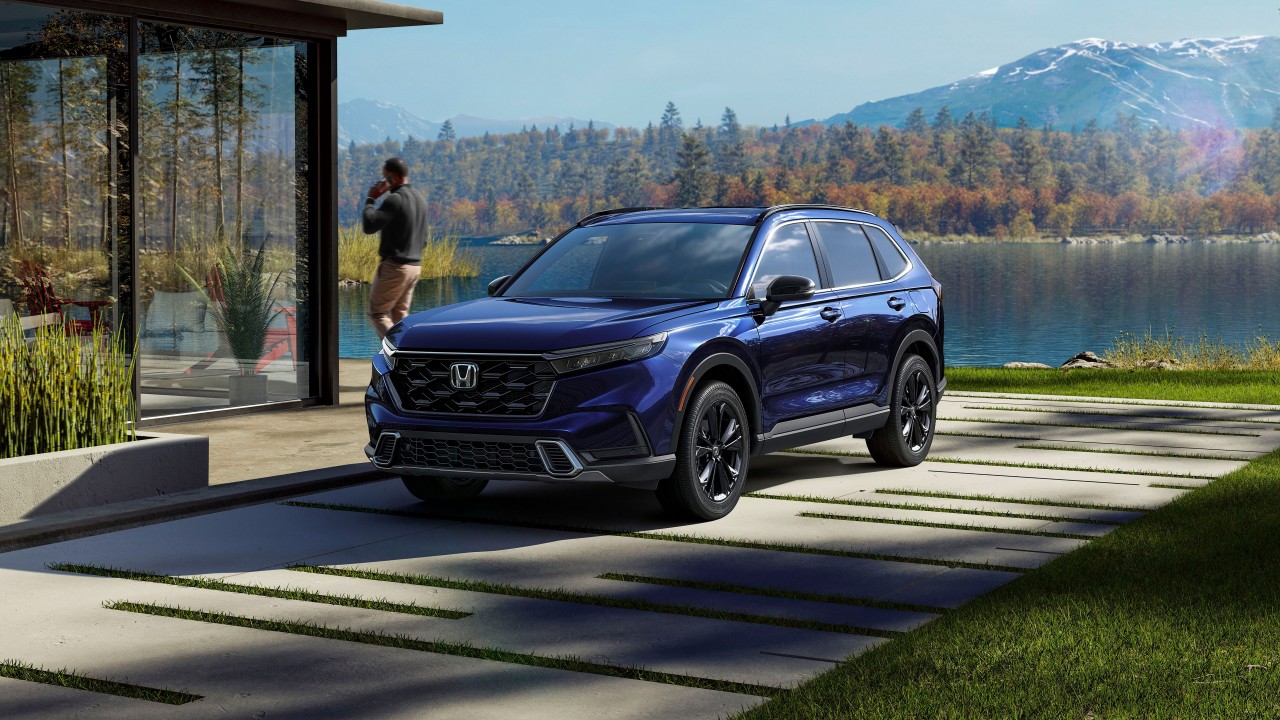
The interior of the CR-V is spacious and practical. There is plenty of legroom for passengers and generous cargo space for groceries, luggage, or work equipment. The seats are comfortable, making long drives less tiring.
Maintenance costs are generally low compared to many other SUVs. Oil changes, brake jobs, and routine servicing are affordable, and parts are easy to find. This makes ownership stress-free for budget-conscious drivers.
The suspension system handles rough roads and potholes well, which is helpful on older or uneven city streets. The ride stays smooth, and the vehicle remains stable even at highway speeds.
Safety is another strong point of the CR-V. It includes dependable braking, solid structure, and available driver-assist features that help prevent accidents and improve confidence behind the wheel.
3)Toyota Camry
The Toyota Camry is a reliable and comfortable midsize sedan that many Wichita drivers choose for daily driving and long trips. It has a strong reputation for excellent reliability, low running costs, and a smooth ride that suits both city streets and highways.
One major reason the Camry is trusted is its durable engine. Toyota builds engines that run for many years with regular oil changes and basic care. Many owners report their Camry lasting well past 200,000 miles without major issues.
Wichita’s hot summers and chilly winters can challenge a vehicle, but the Camry handles both seasons well. Its cooling system works efficiently in heat, and the engine performs reliably even in early winter mornings with lower temperatures.
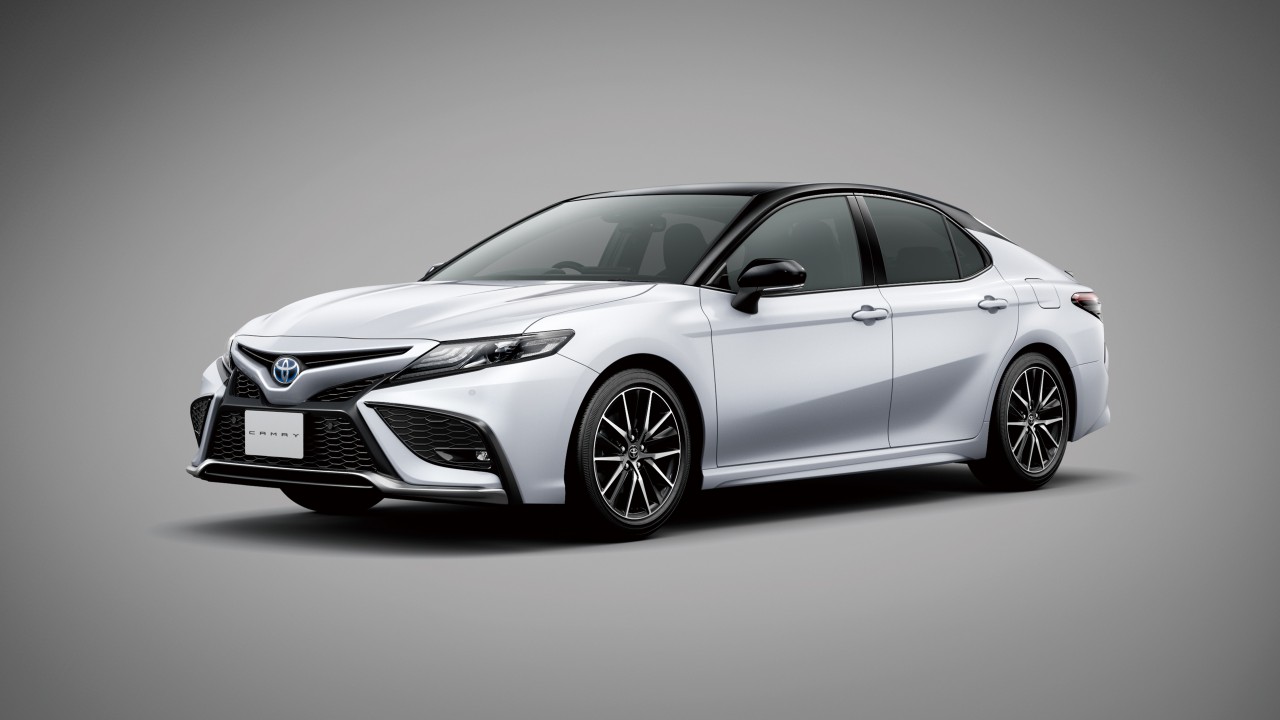
Fuel efficiency is another strength of the Camry. It delivers strong mileage for a car in its class, helping owners save money on long drives and everyday commuting. Some Camry models also offer hybrid options for even better fuel savings.
The interior of the Camry is comfortable and straightforward. Seats are supportive for long trips, and controls are easy to use. There is enough space for passengers in both the front and back seats, making it a good choice for families.
Maintenance costs for the Camry are usually affordable. Parts are widely available, and most mechanics know how to service this model quickly. Routine servicing like brakes and tires are user-friendly and do not cost a fortune.
The Camry also provides a smooth ride. Suspension absorbs road bumps and imperfections well, which makes it pleasant on rough or uneven roads around Wichita. Noise from outside the car is minimal, improving comfort on longer drives.
4) Subaru Outback
The Subaru Outback is a reliable and practical choice for Wichita drivers who want a vehicle that handles all kinds of weather and road conditions. It combines the comfort of a wagon with the capability of an SUV, making it useful for daily travel and longer trips.
One major advantage of the Outback is its standard all-wheel drive. This feature gives better traction in rain, snow, and slippery conditions. For Wichita winters and unpredictable weather, this added control helps drivers feel more confident on the road.
The Outback’s engine and drivetrain are known for lasting many years with basic maintenance. With regular oil changes and scheduled servicing, many owners enjoy long life from their vehicles without frequent major repairs.
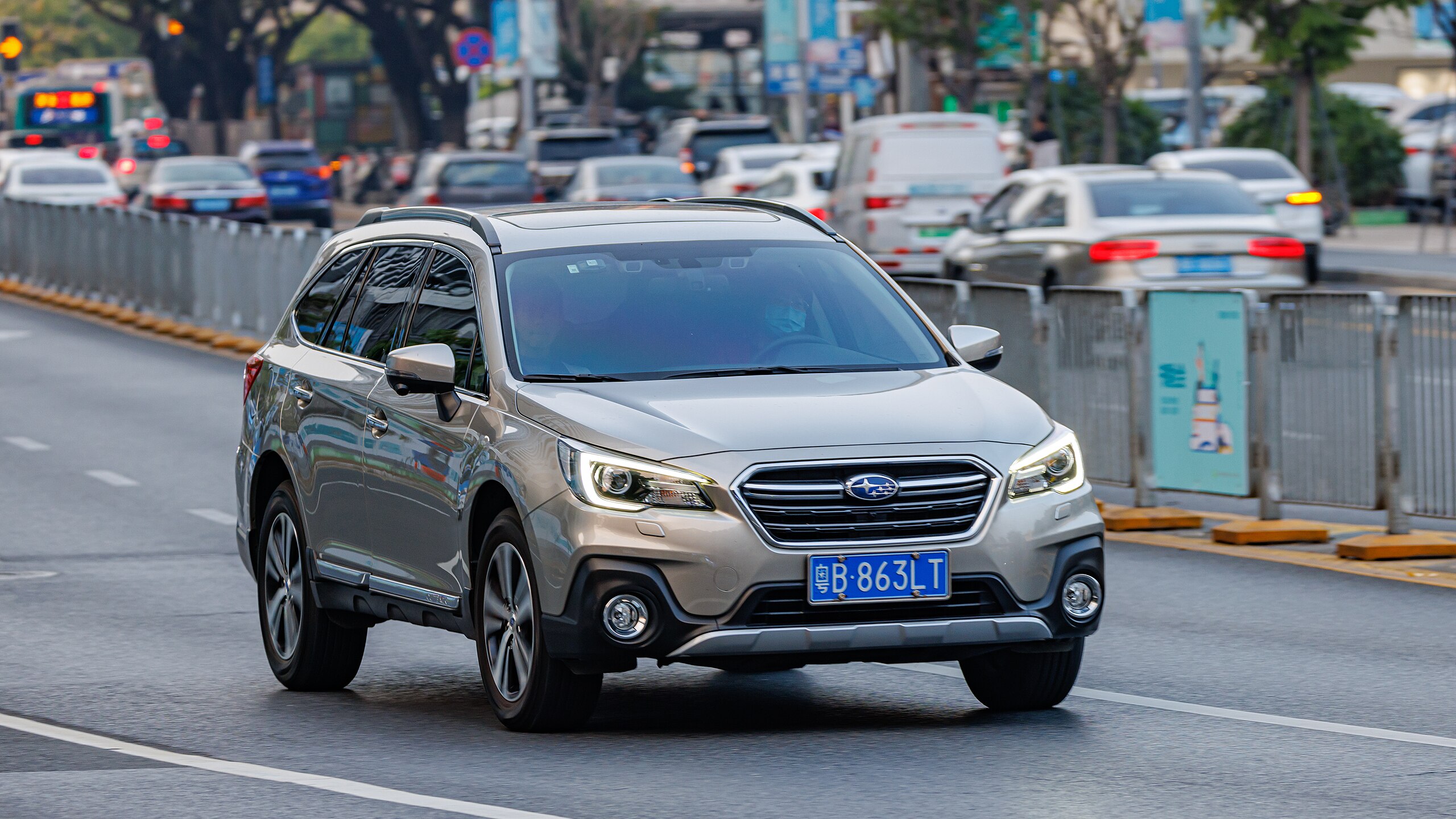
Fuel efficiency for a vehicle of this size is good. The Outback delivers reasonable miles per gallon for both city and highway driving. This helps keep running costs lower than many larger SUVs with similar capability.
Inside, the Outback offers generous space for passengers and cargo. The seats are comfortable, and there is plenty of legroom in both the front and rear. The cargo area is large, making it easy to carry luggage, sports gear, or grocery items.
Maintenance costs for the Outback are usually moderate. Subaru parts are widely available, and many mechanics know how to service these vehicles. Routine care, such as brake and tire work, tends to be straightforward and reasonably priced.
5) Honda Accord
The Honda Accord is a dependable and practical sedan that many Wichita drivers choose for daily use and long-distance travel. It offers a strong mix of reliability, comfort, and fuel efficiency, making it a great all-around vehicle for everyday life.
One of the main reasons the Accord is trusted is its durable engine and transmission. With regular maintenance like oil changes and tune-ups, many owners drive their Accord for over 200,000 miles without major problems, keeping ownership costs low.
Fuel economy is another strong point of the Honda Accord. The car delivers good miles per gallon in both city and highway driving, helping owners save money at the pump, whether commuting around Wichita or heading out on road trips.
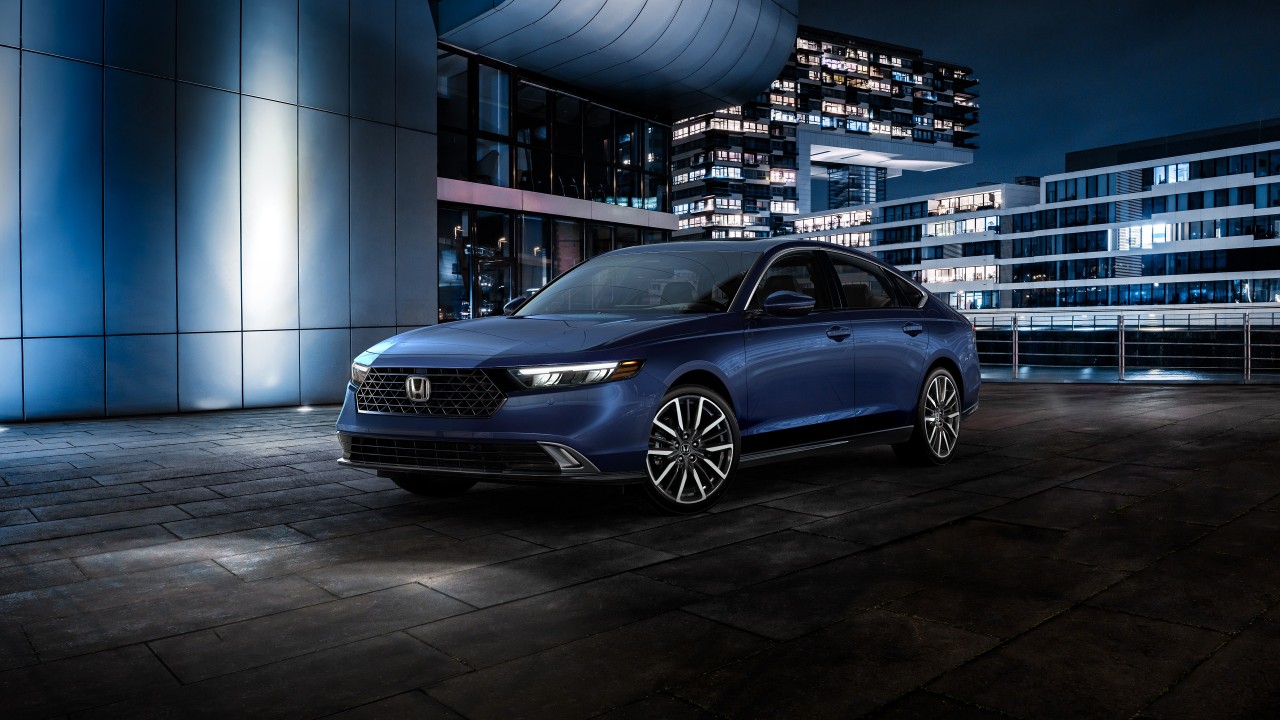
The interior of the Accord is spacious and comfortable. There is plenty of legroom for both front and rear passengers, and the seats are supportive for longer journeys. The dashboard and controls are easy to use, adding to a pleasant driving experience.
Maintenance costs for the Accord are generally affordable. Parts and service are widely available, and most mechanics are familiar with this model. Routine repairs like brakes, tires, and filters are simple and reasonably priced.
The ride quality is smooth and stable. The suspension system handles bumps and rough roads well, which makes city driving and highway cruising more comfortable for both the driver and passengers.
Safety is also a strong feature of the Honda Accord. Most models include reliable safety systems such as stability control, multiple airbags, and driver-assist features that help prevent accidents and protect people inside the car.
5 Cars That Break Often
Some vehicles rack up repairs like they’re going out of style, leaving owners frustrated, out of pocket, and wondering why they ever bought it in the first place. This list isn’t about trashing brands just for clicks, it’s about calling out the models that consistently show up with mechanical issues, electronic gremlins, or costly fixes more often than they should.
Below are five cars that, according to reliability data and owner reports, tend to break often, so you can avoid surprises and choose smarter.
1) Jeep Cherokee
The older Jeep Cherokee models are often seen as tough-looking vehicles, but many drivers face reliability issues with them. While they may seem rugged, their long-term performance can be disappointing for everyday use.
One common problem in older Cherokees is the automatic transmission. Some models are known to have rough shifting, slipping gears, or even complete failure. These issues can be expensive to fix and may happen earlier than expected.
Electrical problems also appear frequently in these vehicles. Owners report issues with wiring, dashboard electronics, and power accessories not working properly. Electrical faults can be difficult to diagnose and costly to repair.
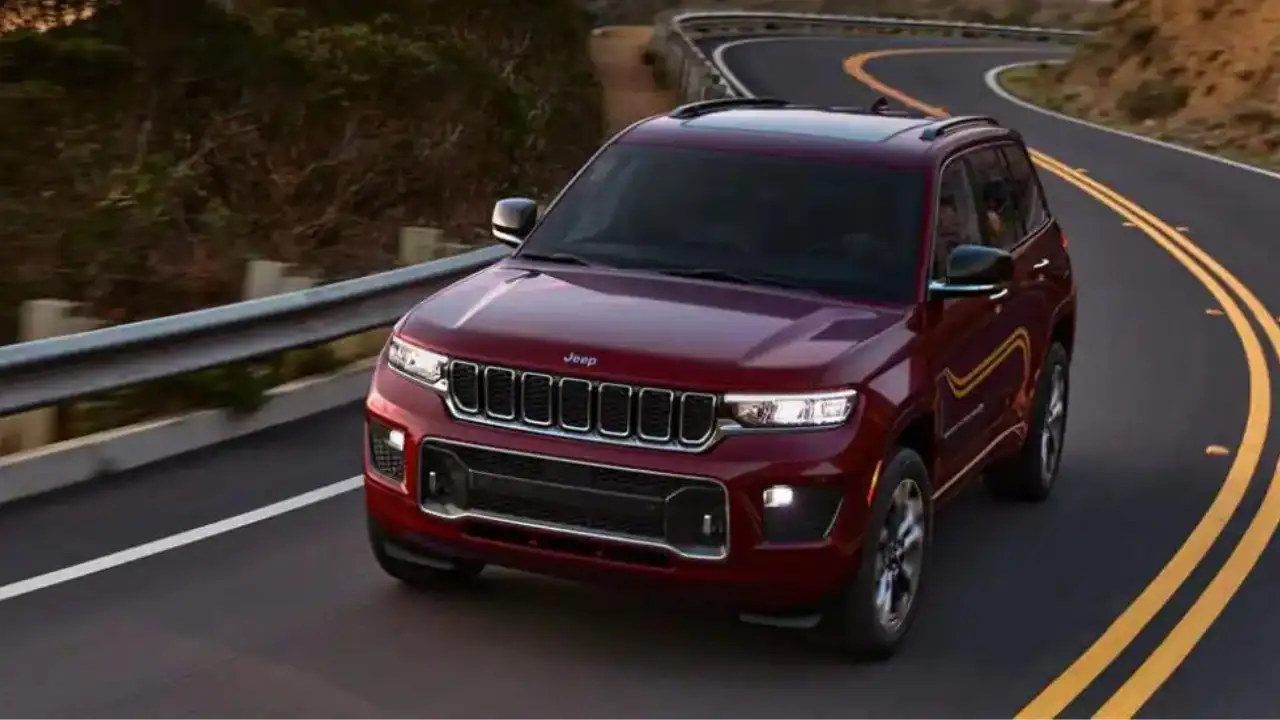
Another concern is the engine cooling system. Overheating can occur if parts like the radiator or thermostat fail, especially in hot climates like Wichita summers. When the cooling system struggles, it puts extra stress on the engine.
Some Cherokee models also have suspension concerns. Worn shocks and faulty components can lead to rough rides, especially on uneven city streets or rural roads. Suspension repairs can add up quickly, increasing maintenance costs.
Fuel economy on these older Jeeps is generally lower compared to newer SUVs. Poor mileage means drivers spend more on fuel, which adds to the cost of ownership over time.
Though some Cherokees can run fine with careful care, many owners find themselves repairing the same issues repeatedly. This pattern makes them less practical for Wichita drivers seeking dependable daily transportation.
2) Ford Focus
The Ford Focus, especially models equipped with automatic transmissions, is often criticized for reliability problems. While the car looks modern and drives well when new, many owners experience serious issues after a few years of use, making it a risky long-term choice.
One of the biggest problems with the Ford Focus is its dual-clutch automatic transmission. Many drivers report jerking, shuddering, delayed shifting, and sudden loss of power. These problems can appear even at low mileage and often return after repairs.
Transmission repairs on the Focus can be very expensive. In many cases, software updates or part replacements only offer temporary relief. Some owners have had to visit repair shops multiple times for the same issue, leading to frustration and high ownership costs.
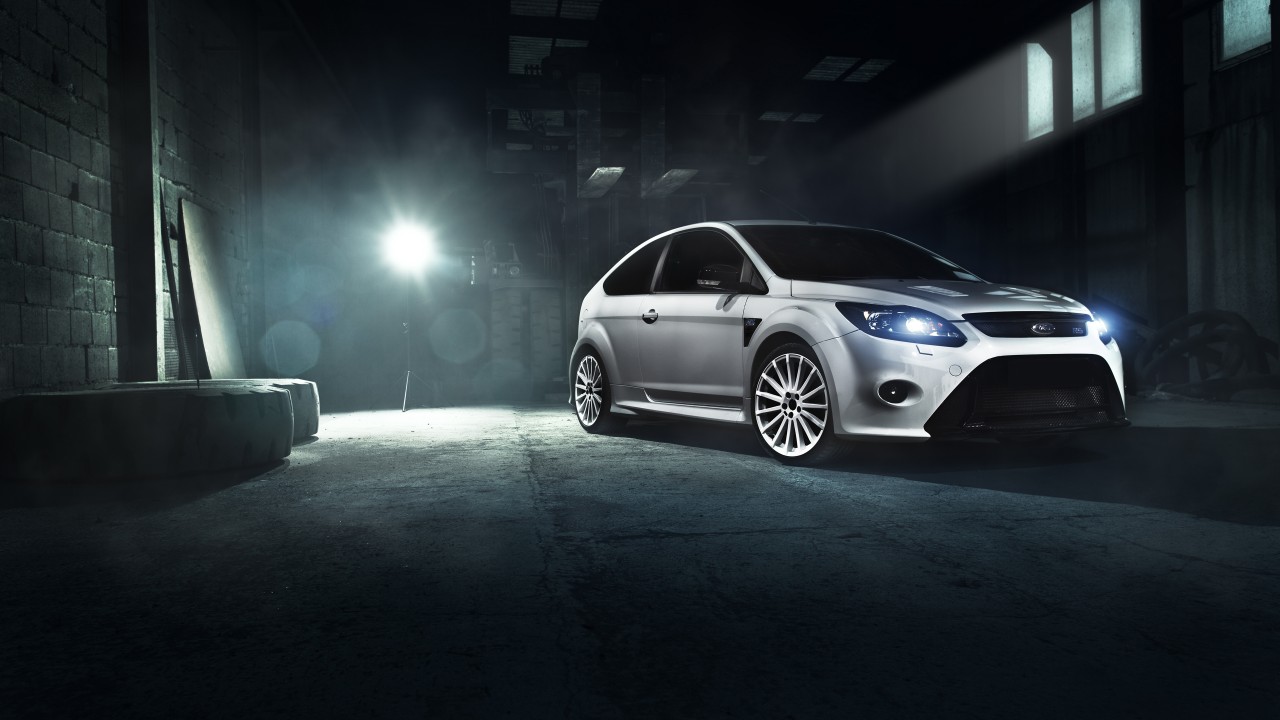
Another concern is the car’s electrical system. Problems with sensors, warning lights, and dashboard electronics are common. These issues may not stop the car from driving, but they can be annoying and expensive to diagnose correctly.
The engine itself is fairly efficient, but it can feel underpowered, especially when paired with the problematic transmission. Acceleration can feel uneven, making merging onto highways or driving in traffic stressful for some drivers.
Interior quality is average at best. While the design looks modern, some materials wear out quickly. Buttons, trim pieces, and interior panels may loosen or show wear earlier than expected, especially with daily use.
Fuel economy is decent, but many owners feel it does not make up for the frequent repair visits. Over time, maintenance and repair costs can outweigh the initial affordability of the vehicle.
Because of these ongoing issues, the Ford Focus with an automatic transmission is often avoided by buyers seeking long-term reliability. For Wichita drivers who want a dependable daily car, this model can bring more frustration than value.
3) Chevrolet Cruze
The Chevrolet Cruze is a compact car that looks modern and drives smoothly at first, but many owners report long-term reliability problems. While it feels comfortable when new, issues often appear as the miles add up.
One common problem with the Cruze is engine trouble, especially with turbocharged models. Owners report coolant leaks, overheating, and cracked components, which can lead to expensive engine repairs if not fixed early.
The transmission can also be a weak point. Some drivers experience rough shifting or delayed gear changes, making daily driving less smooth and more stressful, especially in city traffic or stop-and-go conditions.
Electrical issues are another concern. Sensors, dashboard warnings, and electronic components may fail unexpectedly. These problems are often difficult to diagnose and can increase repair costs over time.
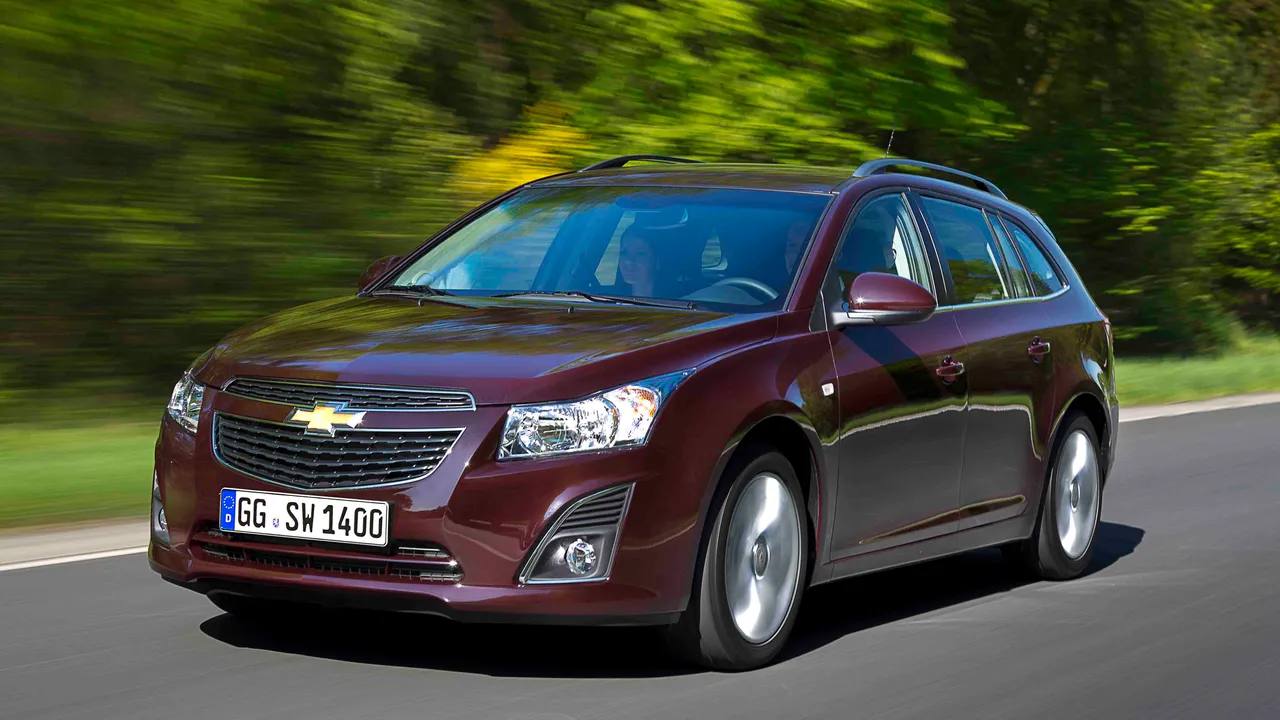
The cooling system is another weak area. Radiators, hoses, and water pumps are known to fail earlier than expected, especially in hot climates like Wichita, where summer heat puts extra strain on the system.
Interior quality is average but not very durable. Buttons, trims, and interior panels may wear quickly, creating rattles and loose parts that affect the driving experience.
Fuel economy is decent, but it does not fully make up for the cost of frequent repairs. Many owners feel that long-term ownership becomes expensive compared to more reliable compact cars.
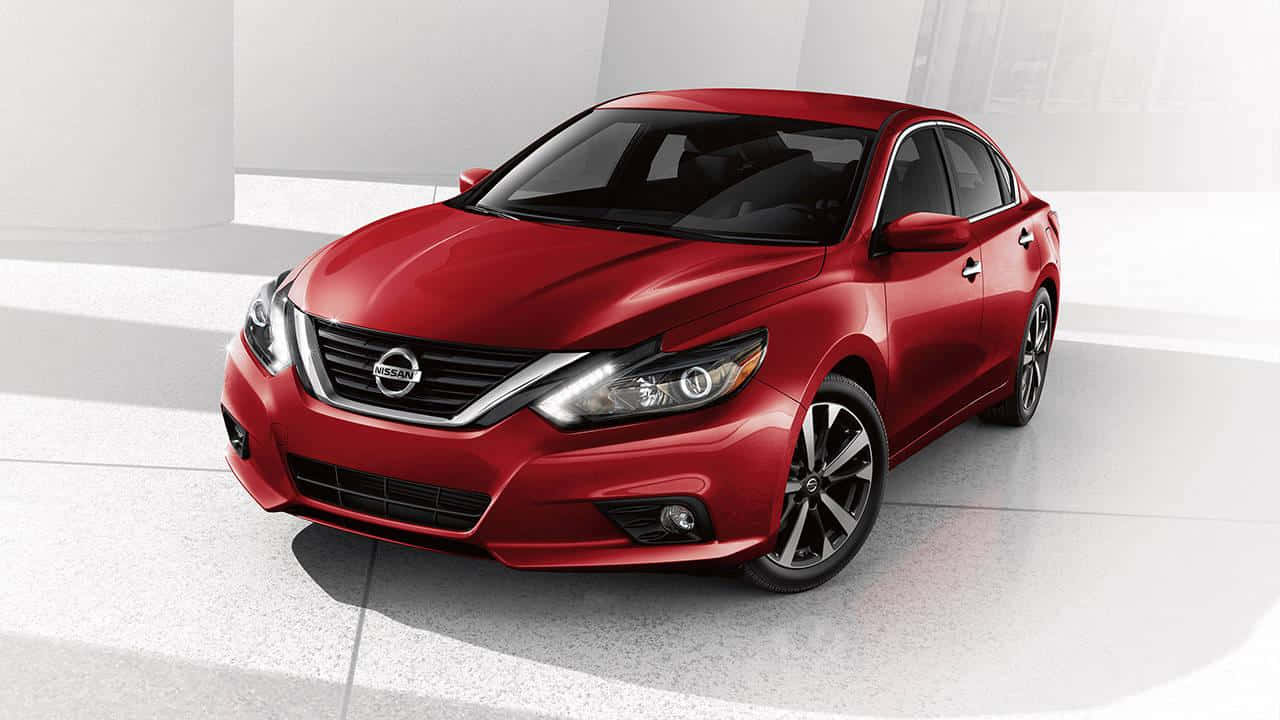
4) Nissan Altima
The Nissan Altima, especially models equipped with older CVT (continuously variable transmission) systems, has a long history of reliability complaints. While the car looks stylish and drives smoothly at first, long-term ownership often becomes costly.
The biggest issue with the Altima is its CVT transmission. Many owners report slipping, jerking, overheating, or complete transmission failure, sometimes well before reaching high mileage. Repairs are expensive and often require full replacement.
Hot weather makes these problems worse. In places like Wichita, high summer temperatures put extra stress on the transmission, increasing the risk of failure during long drives or heavy traffic.
Engine performance is generally acceptable, but it cannot make up for transmission weaknesses. Drivers often notice hesitation during acceleration, which can make merging or passing feel unsafe and frustrating.
Electrical problems are another common complaint. Sensors, warning lights, and electronic controls may fail unexpectedly, leading to frequent trips to the repair shop and added costs.
Interior quality is average at best. Materials tend to wear quickly, and interior trim pieces may loosen or crack over time. This reduces long-term comfort and resale value.
Fuel economy is decent, but savings at the pump are often offset by high repair bills. Many owners feel that the cost of ownership outweighs the benefits of the car’s smooth ride.
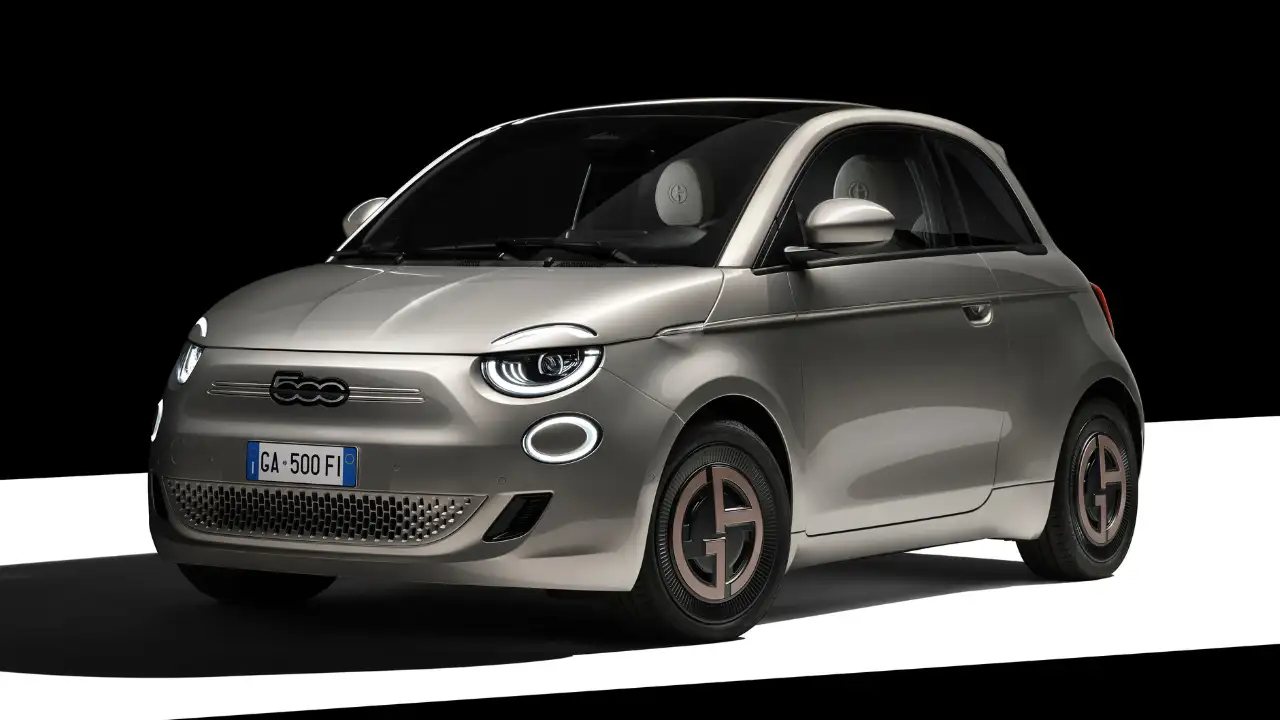
5) Fiat 500
The Fiat 500 is known for its stylish design and compact size, but it often struggles with long-term reliability. While it looks fun and easy to drive, many owners face repeated mechanical and electrical problems over time.
One of the biggest issues with the Fiat 500 is its transmission. Automatic versions, especially older models, are known for rough shifting, hesitation, and early failure. Repairs can be costly and difficult due to limited parts availability.
Electrical problems are also common. Owners frequently report issues with sensors, warning lights, power windows, and dashboard electronics. These faults can appear randomly and are often hard to diagnose correctly.
Engine reliability is another concern. Some models suffer from oil leaks, overheating, or timing-related problems. These issues may start small but can lead to expensive repairs if ignored.
The suspension system is also prone to wear. Many drivers notice clunking noises, worn bushings, and uncomfortable ride quality after moderate use, especially on uneven roads.
Interior quality does not hold up well over time. Plastic panels can rattle, peel, or crack, making the cabin feel worn much earlier than expected. This reduces comfort and resale value.
While the Fiat 500 offers good fuel economy and easy city parking, these benefits often fail to outweigh the long-term reliability concerns. Repairs and downtime can quickly become frustrating for owners.