Some cars are built with logic, while others seem designed by engineers who pushed limits just to prove they could. These vehicles go far beyond what most drivers actually need. Sometimes that extra engineering creates brilliance. Other times, it creates headaches. Here are ten cars that went beyond reason, for better or worse.
Some cars are engineered with purpose, built to be practical, reliable, or downright fun. Then there are the outliers: vehicles that push design and engineering way past what most drivers expect, sometimes with stunning results and sometimes with head-scratching consequences.
Whether it’s an overachieving powertrain that defies logic or a quirky mechanical choice that proves more trouble than it’s worth, these are the cars that stand out not just for how they drive, but for how they’re built.
In this article, we’re diving into 10 cars engineered beyond reason, both the brilliant and the bewildering, so you can appreciate the ingenuity, question the decisions, and maybe even laugh a little at how wild automotive engineering can get.
1) Toyota Land Cruiser
The Toyota Land Cruiser is one of the most overbuilt vehicles ever made. Designed to survive extreme conditions, it has earned a reputation for unmatched durability, strength, and reliability across deserts, mountains, jungles, and harsh city roads worldwide.
From the beginning, Toyota designed the Land Cruiser for toughness, not comfort. Its heavy-duty ladder frame provides incredible strength. This solid foundation allows the vehicle to handle rough terrain, heavy loads, and long-term stress without bending or cracking.
The engine options used in the Land Cruiser are known for longevity. Whether gasoline or diesel, these engines are tuned for endurance rather than speed. Many owners report driving hundreds of thousands of miles with only basic maintenance and care.
Its suspension system is another reason for its legendary reputation. Built to handle uneven ground, rocks, and deep ruts, the suspension absorbs punishment while keeping the vehicle stable. This makes it dependable in deserts, forests, and disaster zones.
Four-wheel drive is a core part of the Land Cruiser’s identity. Advanced traction systems, locking differentials, and low-range gearing allow it to crawl over obstacles that stop ordinary SUVs. Even inexperienced drivers can manage difficult terrain confidently.
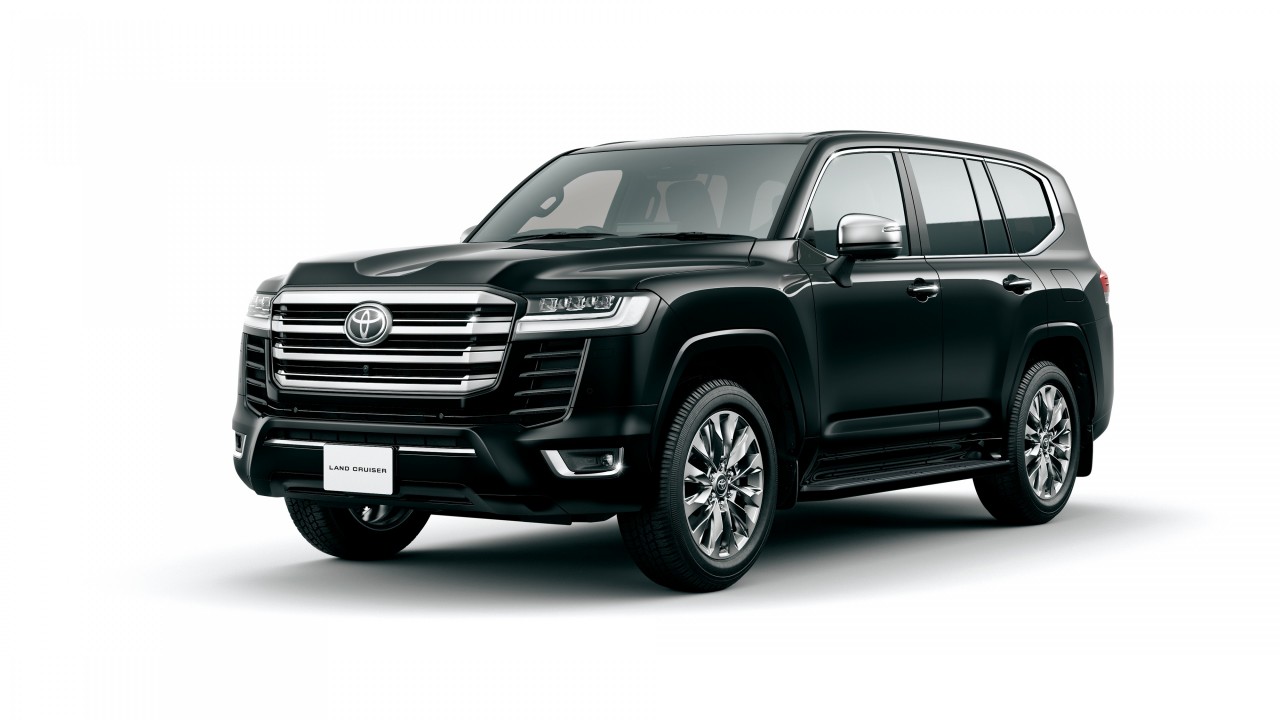
Inside, the Land Cruiser focuses more on durability than flashy design. Controls are simple, strong, and easy to use. Materials are chosen to last for years, resisting wear from heat, dust, and constant use.
Despite its rugged nature, the Land Cruiser still offers comfort. The cabin is quiet for such a tough vehicle, and seats are built for long journeys. Many owners drive thousands of miles without feeling tired or strained.
One reason the Land Cruiser is respected worldwide is its performance in extreme climates. From African deserts to Arctic snow, it continues running where many vehicles fail. Aid organizations and explorers rely on it daily.
However, all this strength comes with trade-offs. The Land Cruiser is heavy, uses more fuel, and costs more than most SUVs. Many owners never push it to its limits, making its extreme engineering seem excessive.
Also Read: Top 10 Sport Bikes You Can Buy in 2026
2) Mercedes-Benz G-Class
The Mercedes-Benz G-Class is one of the most overengineered vehicles ever made. Originally designed for military use, it later became a luxury SUV. Despite modern upgrades, its core design still focuses on strength, durability, and extreme off-road ability.
The G-Class uses a body-on-frame construction, which gives it exceptional toughness. This design helps it handle rough terrain, heavy loads, and constant stress. Few modern luxury vehicles are built with such a strong structural foundation.
Its ladder frame and solid axles make it feel solid and planted, even on uneven ground. While this setup reduces ride softness, it greatly improves durability. The G-Class can survive conditions that would damage most luxury SUVs.
Under the hood, powerful engines deliver strong torque for climbing and towing. Whether gasoline or diesel, these engines are tuned for reliability and long service life. Many examples last decades with proper maintenance and care.
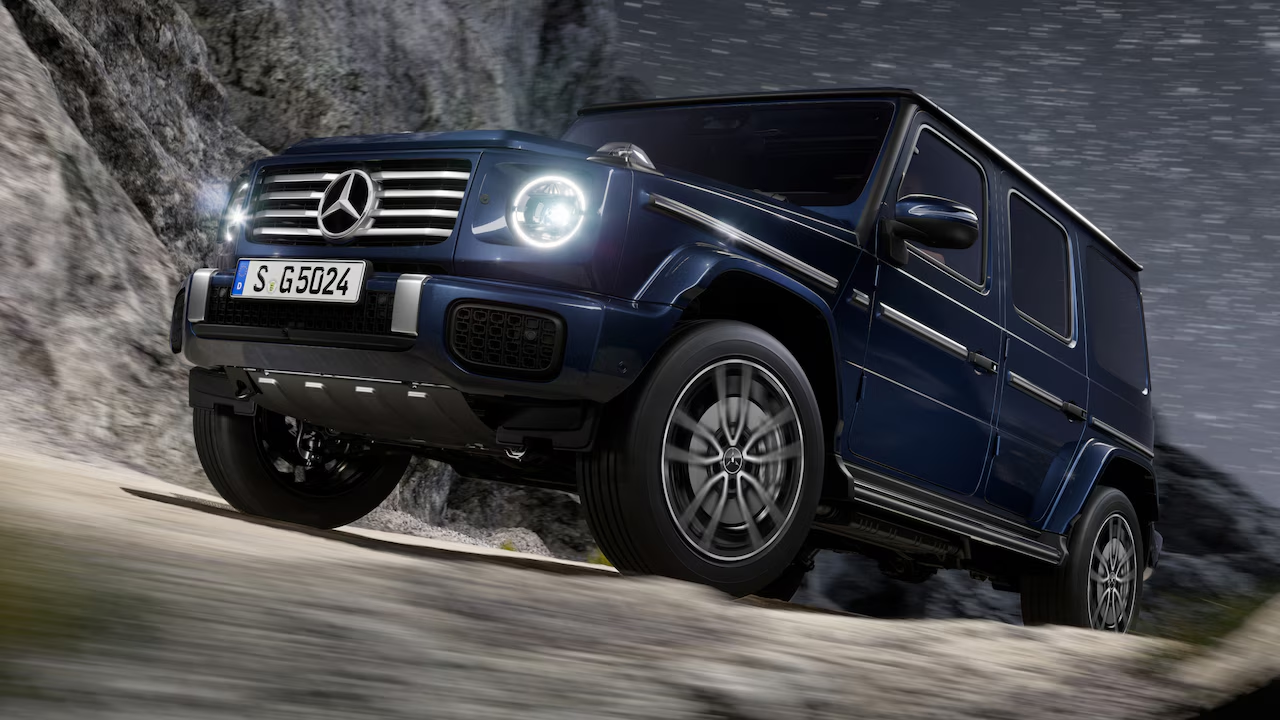
One of the most famous features is its three locking differentials. These allow all wheels to receive power when traction is lost. Very few vehicles offer this level of off-road control, even among serious off-roaders.
Inside, the G-Class mixes toughness with luxury. Thick leather, solid switches, and heavy doors create a sense of strength. Even small details feel overbuilt, from the door handles to the dashboard materials.
Despite its strength, the G-Class is not practical for everyone. It is heavy, boxy, and uses a lot of fuel. Tight city streets and parking spaces can feel challenging due to its size.
Ride comfort is firm, and handling is not sporty. The tall shape and stiff suspension remind drivers that this vehicle was not designed for smooth highways or sharp cornering. It prefers slow, confident movement.
Still, the G-Class has a loyal following because it stays true to its roots. It does not chase trends or sacrifice strength for style. Many owners value it for its honesty and mechanical toughness.
3) Volvo 240
The Volvo 240 is one of the most overengineered cars ever made. Built with safety and durability as top priorities, it earned a reputation for surviving decades of hard use with minimal mechanical trouble.
Volvo designed the 240 during a time when safety mattered more than style or speed. Its thick steel body panels and strong frame were meant to protect passengers in serious accidents, long before modern safety standards existed.
The car’s boxy shape was not for looks. It allowed engineers to create large crumple zones and strong structural pillars. This design helped absorb impact forces and protect occupants better than many newer vehicles.

Under the hood, the engines were simple, low-stress, and extremely reliable. They were not powerful, but they could run for hundreds of thousands of miles with basic maintenance and regular oil changes.
The suspension was tuned for stability rather than comfort or speed. It handled rough roads confidently and stayed predictable in bad weather. This made the Volvo 240 a favorite in snowy and rural areas.
Inside, everything was built to last. Thick seats, solid dashboards, and simple controls made the cabin feel strong and functional. Many interiors still look good even after decades of daily use.
Safety features were far ahead of their time. Reinforced doors, head restraints, and well-designed seatbelts made the 240 one of the safest cars of its era. Volvo’s safety reputation was built on this model.
The car was not fast or exciting to drive. Acceleration was slow, and handling felt heavy. But drivers trusted it completely, especially on long trips or in difficult weather conditions.
Maintenance was simple and affordable. Parts were widely available, and the engine layout made repairs easy. Many mechanics still praise the 240 for being easy to work on.
4) Lexus LS400
The Lexus LS400 was created to challenge the world’s best luxury cars. Toyota invested massive resources into building a sedan that could outperform German rivals in comfort, reliability, and refinement without sacrificing long-term durability.
Engineers spent years perfecting every detail. The LS400’s development included thousands of test miles at high speeds, extreme temperatures, and harsh road conditions. The goal was simple: build the smoothest, quietest, most reliable luxury sedan ever made.
At the heart of the LS400 was a 4.0-liter V8 engine designed from scratch. It delivered smooth power with almost no vibration. The engine was so refined that many drivers couldn’t even tell when it was running.
The build quality was far beyond expectations. Panels fit with incredible precision, and the paint finish was exceptionally durable. Doors closed with a solid, reassuring sound that became a benchmark for luxury vehicles worldwide.
Inside, the cabin focused on comfort and calm. Thick insulation reduced road noise to near silence. Seats were designed for long drives, offering support without stiffness. Every switch and button felt carefully engineered.
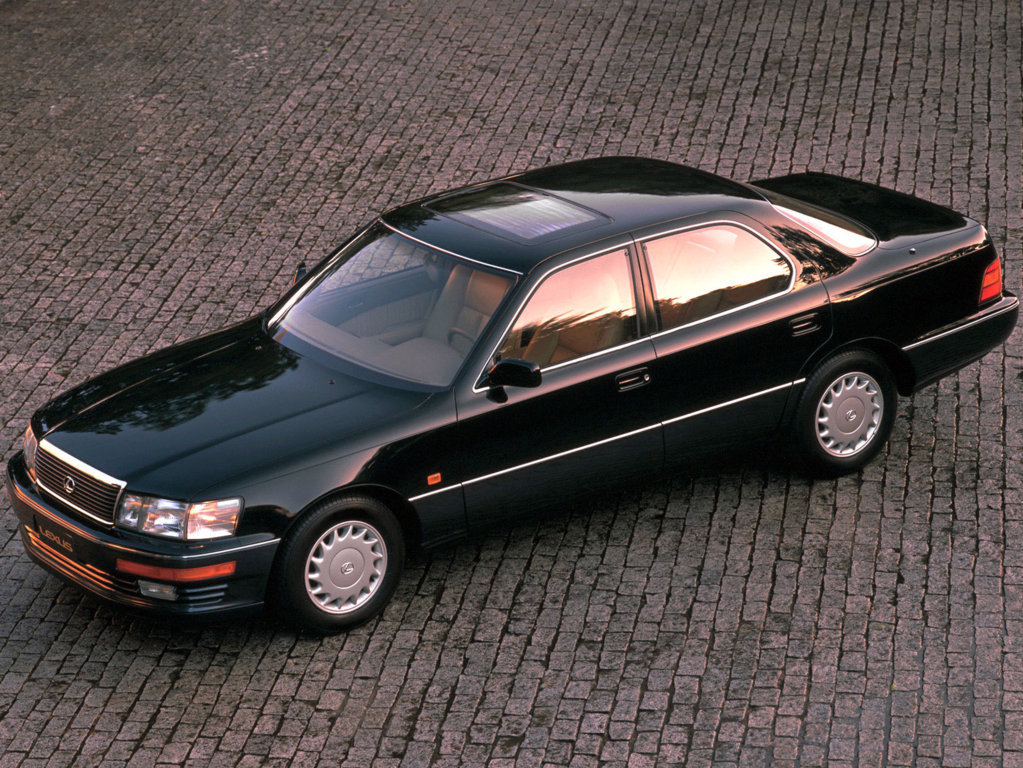
The suspension system balanced comfort and control perfectly. It absorbed bumps effortlessly while keeping the car stable at high speeds. Even today, many LS400s still ride smoothly after hundreds of thousands of miles.
Reliability became the car’s strongest trait. Many owners report driving over 300,000 miles with only basic maintenance. The engine, transmission, and electronics were built with durability far beyond industry standards.
The LS400 also changed how people viewed luxury cars. It proved that refinement did not have to come with constant repairs. This forced established luxury brands to improve quality and reliability.
While it lacked flashy styling, the LS400 earned respect through performance and longevity. Its quiet confidence appealed to buyers who valued substance over show.
5) Toyota Hilux
The Toyota Hilux is one of the toughest vehicles ever built. Known around the world for its strength and reliability, it has earned a reputation for surviving extreme abuse where most vehicles completely fail.
Toyota designed the Hilux to handle harsh environments without complaint. Its strong ladder-frame chassis gives it incredible durability. This solid foundation allows the truck to carry heavy loads and drive over rough terrain daily.
The engines used in the Hilux are tuned for long life rather than speed. Whether diesel or petrol, they are built to run for hundreds of thousands of miles with minimal maintenance and low stress on internal parts.
One of the Hilux’s greatest strengths is its simple mechanical design. Fewer complicated electronics mean fewer failures. This makes it easy to repair in remote areas where tools and spare parts are limited.
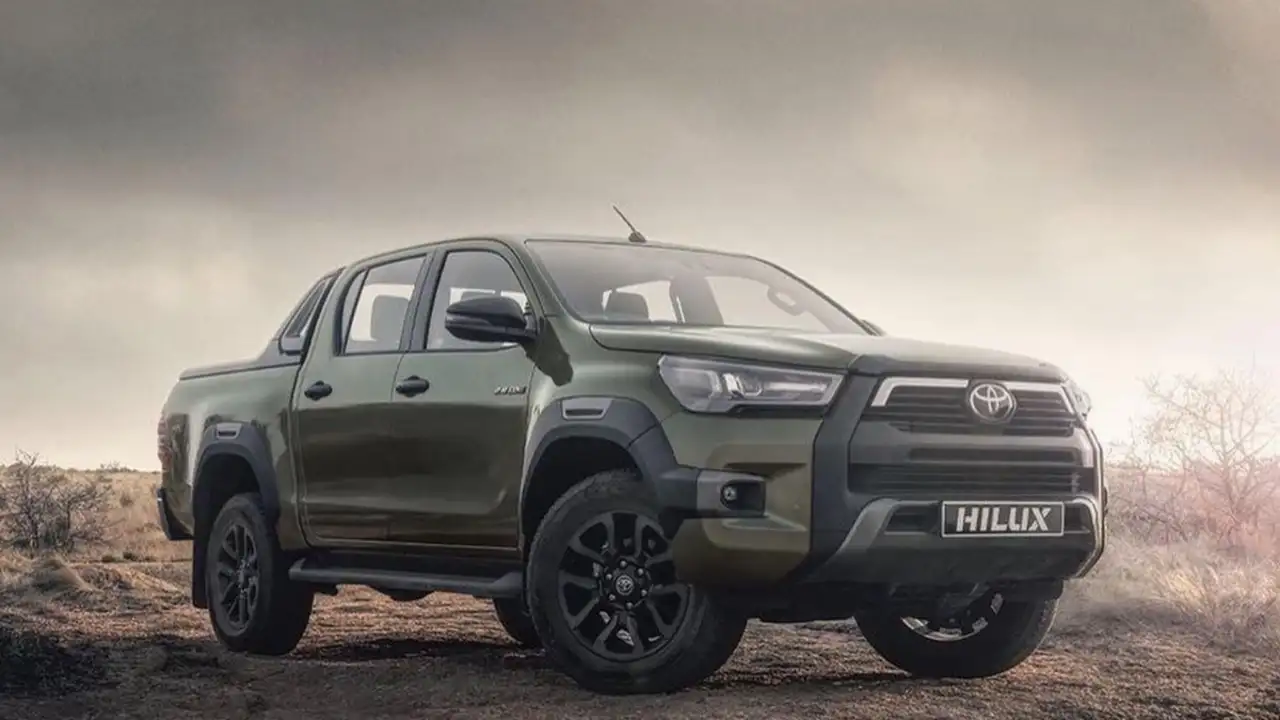
The suspension is made for punishment. It absorbs deep ruts, rocks, and uneven roads while keeping the truck stable. This setup allows the Hilux to work on farms, construction sites, and remote trails without complaint.
Inside, the cabin focuses on function rather than luxury. Controls are simple, tough, and easy to use even with gloves. Materials are chosen for durability, resisting dirt, heat, and constant use.
The Hilux has proven its strength in some of the harshest environments on Earth. From deserts to frozen tundra, it continues to operate where other vehicles fail or break down completely.
Even under extreme abuse, the Hilux keeps running. It has been used in wars, expeditions, and disaster zones, earning a reputation for being nearly indestructible.
Of course, this toughness comes with trade-offs. The ride can feel stiff, and the cabin lacks modern comfort features found in newer SUVs. Fuel economy is also not its strongest point.
Also Read: 5 Hybrid Cars That Are Better Than 5 Non-Hybrid Compacts for Fuel Savings
6) Porsche 911
The classic air-cooled Porsche 911 is one of the most overengineered sports cars ever made. Built with racing in mind, it combined everyday usability with performance that pushed engineering limits for decades.
Unlike most sports cars, the 911 used a rear-mounted engine. This unusual layout challenged engineers, but they refined it over generations until it became a unique advantage for traction and balance during acceleration.
The air-cooled flat-six engine was a masterpiece of durability. Without liquid cooling, it relied on precise airflow and strong internal components. These engines were built to survive high temperatures and constant high revs.
Porsche overbuilt the engine internals, using strong materials that allowed the motor to run hard for long periods. Many air-cooled 911s have crossed 300,000 miles with proper care and regular servicing.
The body structure was equally impressive. Thick steel panels and a stiff chassis gave the car excellent rigidity. Even decades later, many early 911s remain solid with minimal structural fatigue.
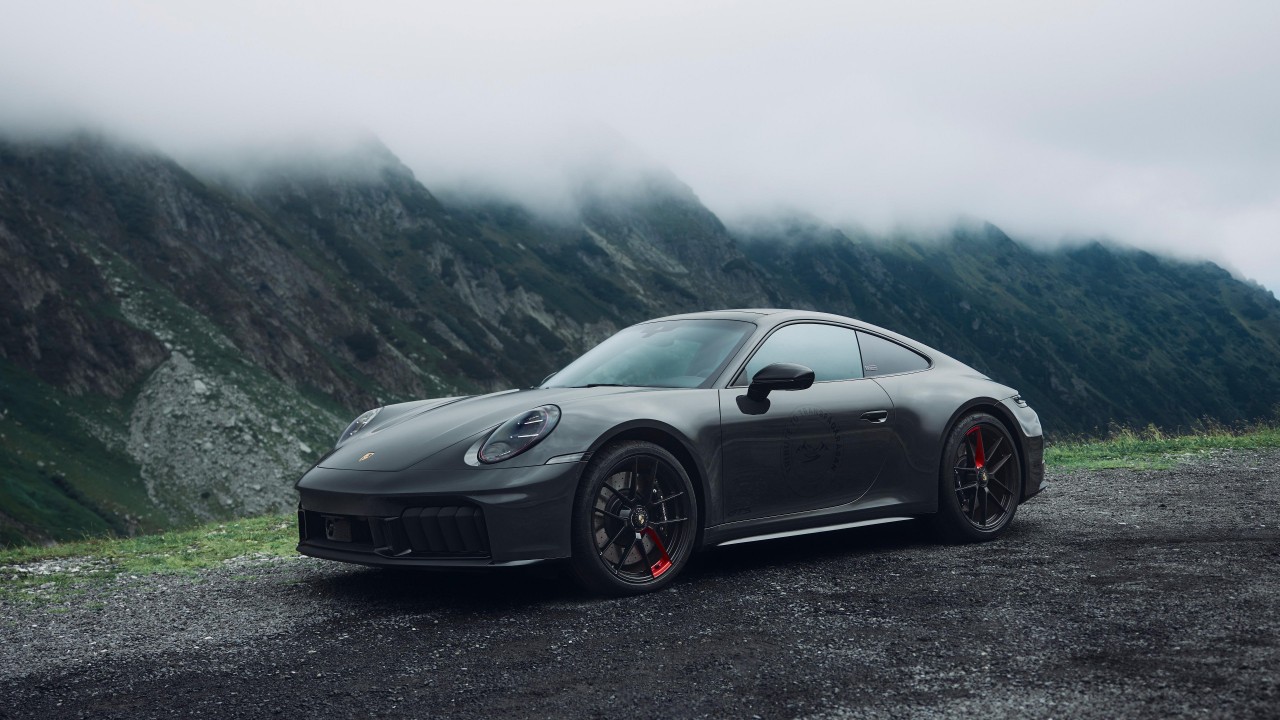
Handling was sharp but demanding. The rear-engine layout punished mistakes but rewarded skilled drivers with exceptional grip and balance. This made the car thrilling but unforgiving, adding to its legendary status.
Inside, the focus was always on driving. Controls were simple, logical, and built to last. The interior avoided luxury trends and instead prioritized function, durability, and clear driver feedback.
Maintenance could be challenging and expensive, especially for inexperienced owners. The engineering was precise, and neglect quickly led to costly repairs. Still, enthusiasts accepted this as part of ownership.
7) Toyota Century
The Toyota Century is one of the most overengineered luxury cars ever built, created not for speed or attention, but for absolute comfort and silence. It represents Japanese craftsmanship taken to an extreme level of refinement.
Unlike flashy luxury sedans, the Century focuses on calmness and dignity. Every part is designed to reduce noise, vibration, and stress. It is built for executives and dignitaries who value peace over performance.
The heart of the Century is its smooth V8 engine, designed to operate almost silently. Later versions even used a hybrid system to enhance quietness. Power delivery is gentle, controlled, and perfectly refined.
Engineers focused heavily on noise isolation. Thick soundproofing materials, special glass, and vibration-dampening mounts make the cabin unbelievably quiet, even at highway speeds. Outside noise feels completely shut out.
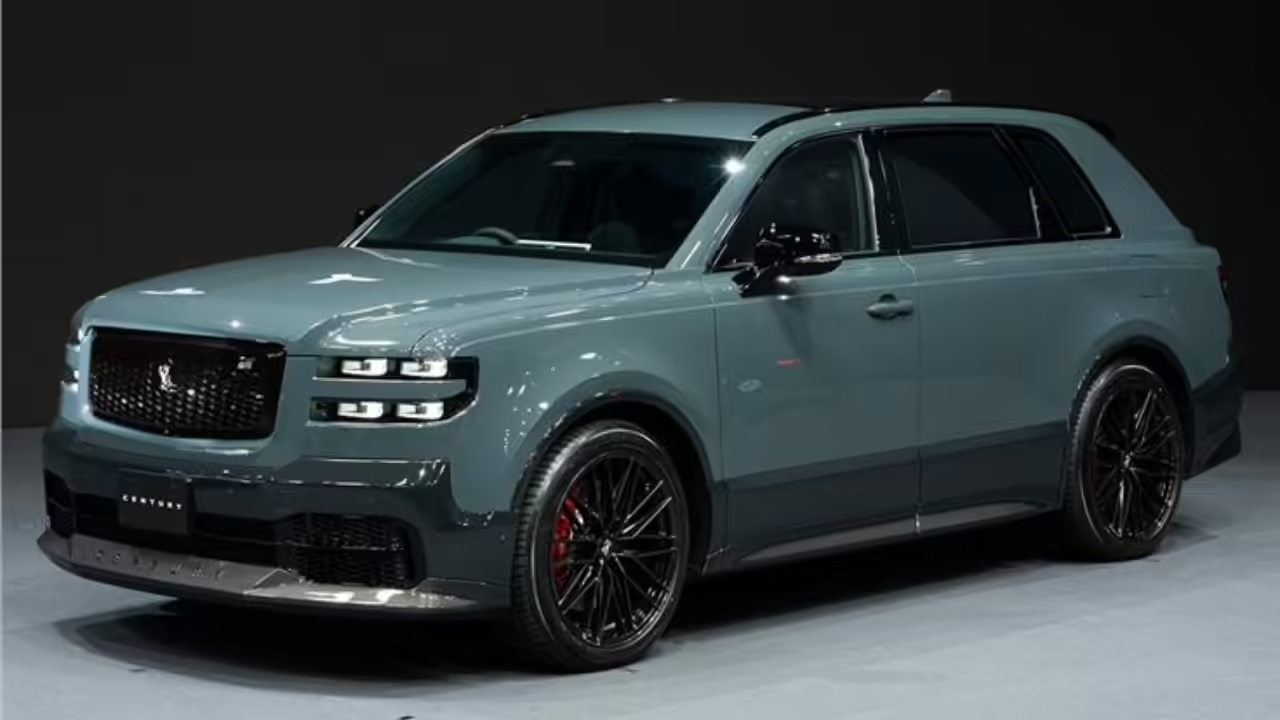
The suspension system is tuned for comfort above all else. It absorbs bumps so smoothly that passengers often feel like the car is floating. Sharp road imperfections rarely make their way into the cabin.
Inside, everything is built by hand with extreme care. Wool upholstery, soft leather, and real wood trim are chosen for comfort, not flash. Every button is placed for ease, not visual drama.
The Century is designed to last decades. Components are overbuilt to reduce wear, and Toyota supports parts for many years. Many older models still run perfectly with regular maintenance.
This car was never meant to impress with speed or styling. Instead, it delivers a calm, respectful driving experience that feels almost ceremonial. It moves quietly and confidently, without drawing attention.
Because of its overengineering, the Century feels timeless. It ignores trends and focuses on perfection through simplicity and durability. Few cars are built with such a clear and disciplined purpose.
8) Land Rover Defender
The Land Rover Defender is one of the most rugged and overengineered vehicles ever produced. Originally designed for farms, military use, and remote exploration, it was built to survive conditions that would destroy ordinary vehicles.
Its body sits on a strong ladder frame designed to handle extreme twisting and heavy loads. This frame allows the Defender to drive over rocks, mud, and deep ruts without structural damage or loss of control.
The suspension system was made for endurance rather than comfort. Long-travel suspension and solid axles allow the wheels to stay in contact with uneven ground, giving the Defender excellent traction in harsh terrain.
Engines used in the Defender were built for reliability, not speed. Diesel options especially were known for running hundreds of thousands of miles with minimal maintenance, even in areas with poor fuel quality.
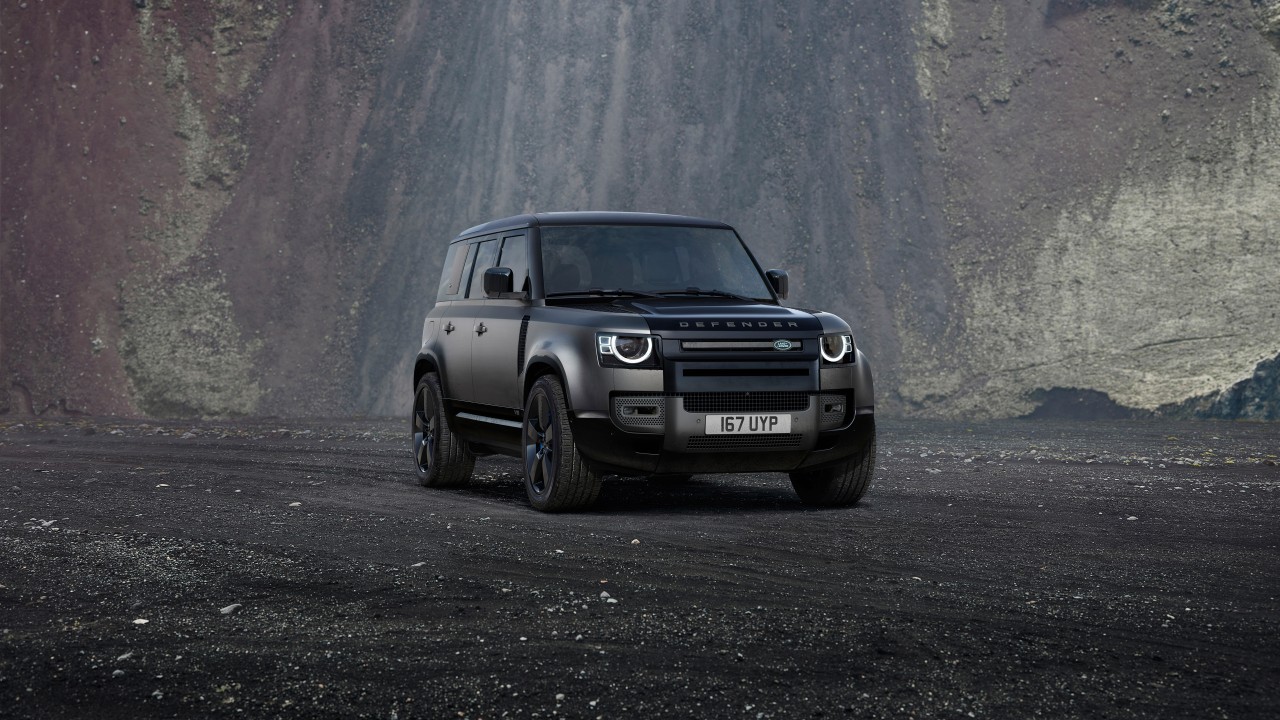
One of the Defender’s strengths is its mechanical simplicity. Fewer electronic systems mean fewer failures. Many repairs can be done with basic tools, making it ideal for remote locations far from service centers.
The interior reflects its working roots. Controls are simple and tough, designed to be used with gloves or muddy hands. Comfort was never the main goal; survival and function were the priorities.
Visibility is excellent thanks to tall windows and an upright driving position. Drivers can easily see obstacles, terrain changes, and surroundings, making it safer in off-road conditions.
Despite its rugged design, the Defender gained a loyal following worldwide. Farmers, explorers, rescue teams, and militaries trusted it for decades in extreme environments.
However, the Defender is not refined. It is noisy, slow, and uncomfortable compared to modern SUVs. Long highway drives can be tiring due to vibration and wind noise.
9) Jeep Wrangler
The Jeep Wrangler is one of the most overengineered vehicles still sold today. It was designed with off-road performance as the top priority, often sacrificing comfort, speed, and efficiency to survive the toughest terrain imaginable.
Its body-on-frame construction gives the Wrangler exceptional strength. This design allows the vehicle to twist and flex over rocks without damaging the body. Few modern SUVs still use such a rugged structure.
Solid axles at both the front and rear make the Wrangler incredibly capable off-road. These axles keep the wheels planted on uneven surfaces, providing traction where most vehicles would lose grip or get stuck.

The four-wheel-drive system is built for extreme use. Low-range gearing, locking differentials, and strong transfer cases allow the Wrangler to climb steep hills, crawl over rocks, and push through deep mud or snow.
Engines in the Wrangler are designed for durability rather than speed. They produce strong low-end torque, which helps during slow, technical driving. Many Wranglers run for hundreds of thousands of miles with proper care.
The Wrangler’s removable doors and roof add to its unique design. While this makes it fun and open, it also adds complexity and wind noise. These features exist for adventure, not comfort or quiet driving.
Inside, the cabin is simple and rugged. Controls are designed to handle dirt, water, and rough use. Washable floors and drain plugs make cleaning easy after muddy trips.
On paved roads, the Wrangler feels less refined. Steering can feel loose, and the ride is firm. Fuel economy is also poor compared to modern crossovers and SUVs.
Still, the Wrangler’s charm lies in its honesty. It does not pretend to be something it is not. It exists for people who value adventure more than smooth highway driving.
10) Nissan GT-R
The Nissan GT-R is one of the most overengineered performance cars ever built. Designed to challenge supercars costing much more, it combines advanced technology, extreme precision, and everyday usability in one powerful package.
From the start, the GT-R was built with one goal: performance without compromise. Engineers focused on lap times, grip, and stability rather than comfort or luxury. Every part of the car serves a performance purpose.
At the heart of the GT-R is a hand-built twin-turbo V6 engine. Each engine is assembled by a single technician, ensuring precision and quality. It delivers massive power while remaining surprisingly reliable for its output.
The all-wheel-drive system is one of the most advanced ever fitted to a road car. It constantly adjusts power between the front and rear wheels, giving incredible traction in corners and during hard acceleration.
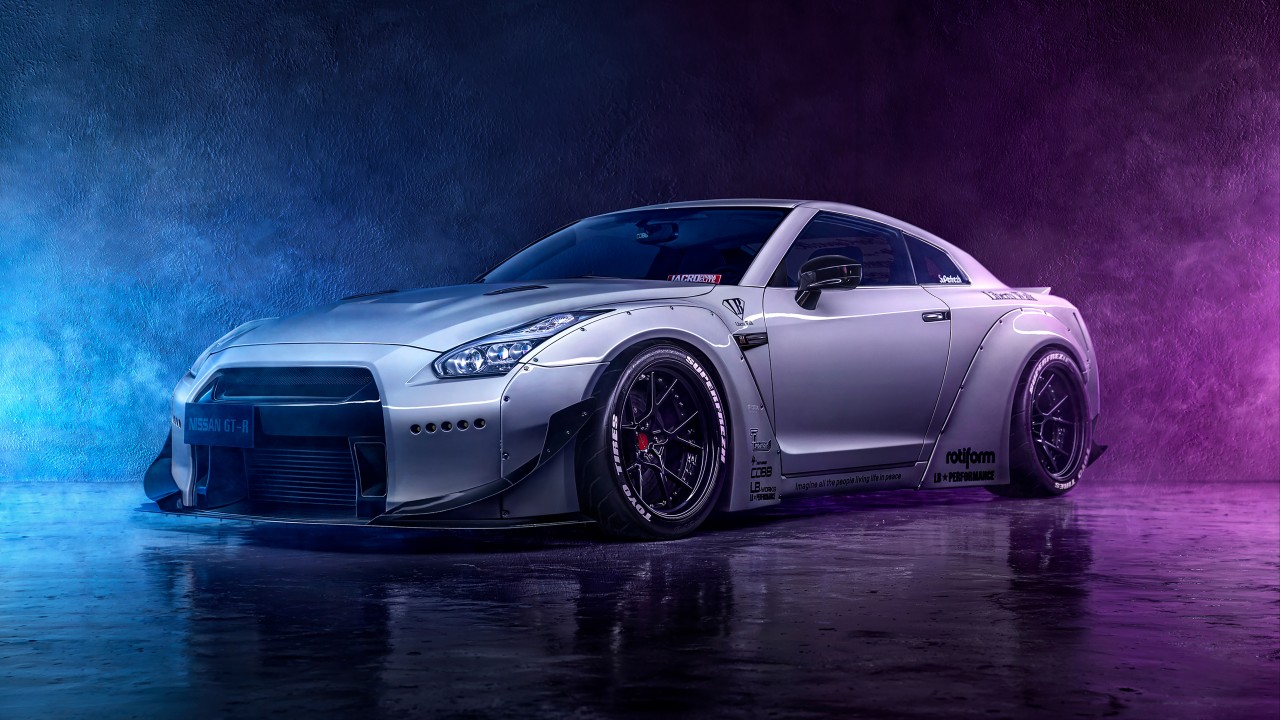
The dual-clutch transmission was also overengineered. Designed to shift extremely fast, it helps the car launch aggressively and stay stable at high speeds. Early versions were complex, but later updates improved durability.
The chassis and suspension were tuned with help from professional racing drivers. Every setting was designed for maximum grip and control. This made the GT-R incredibly fast on racetracks and mountain roads.
Inside, the cabin focuses on driving information. The digital performance display shows boost pressure, G-forces, temperatures, and lap data. It feels more like a cockpit than a traditional car interior.