Living in Riverside and the Inland Empire means contending with extreme summer heat that tests both drivers and their vehicles. Some cars are engineered to handle high temperatures with efficient air-conditioning, robust cooling systems, and heat-resistant components, making daily commutes and road trips far more comfortable.
Vehicles like the Toyota Camry, Honda CR-V, Ford F-150, Tesla Model 3, and Hyundai Tucson are built to maintain performance even when ambient temperatures soar, featuring ventilated seats, remote pre-cooling, hybrid cooling systems, or electric drivetrain advantages.
On the other hand, certain performance-oriented or older cars can struggle under these conditions. Models such as the Subaru Impreza STI, Mitsubishi Lancer Evolution X MR, Honda Civic performance variants, Nissan R35 GT-R, and classic Jaguar E-Type are prone to overheating due to limitations in their cooling systems, high engine output, or aging components.
Understanding which vehicles thrive and which require extra attention can help Riverside drivers make informed choices for comfort, safety, and reliability.
5 Cars for Riverside Inland Heat
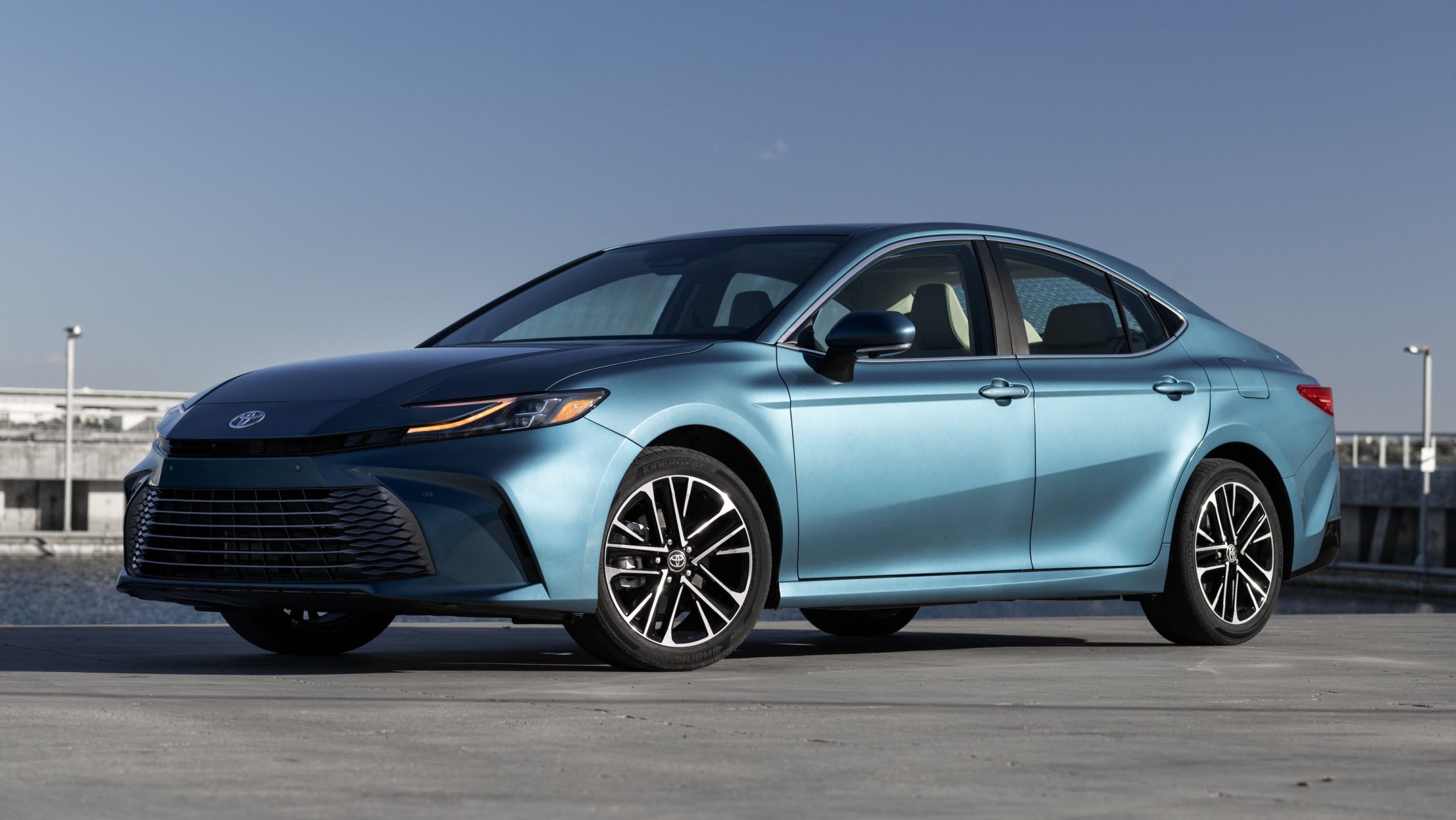
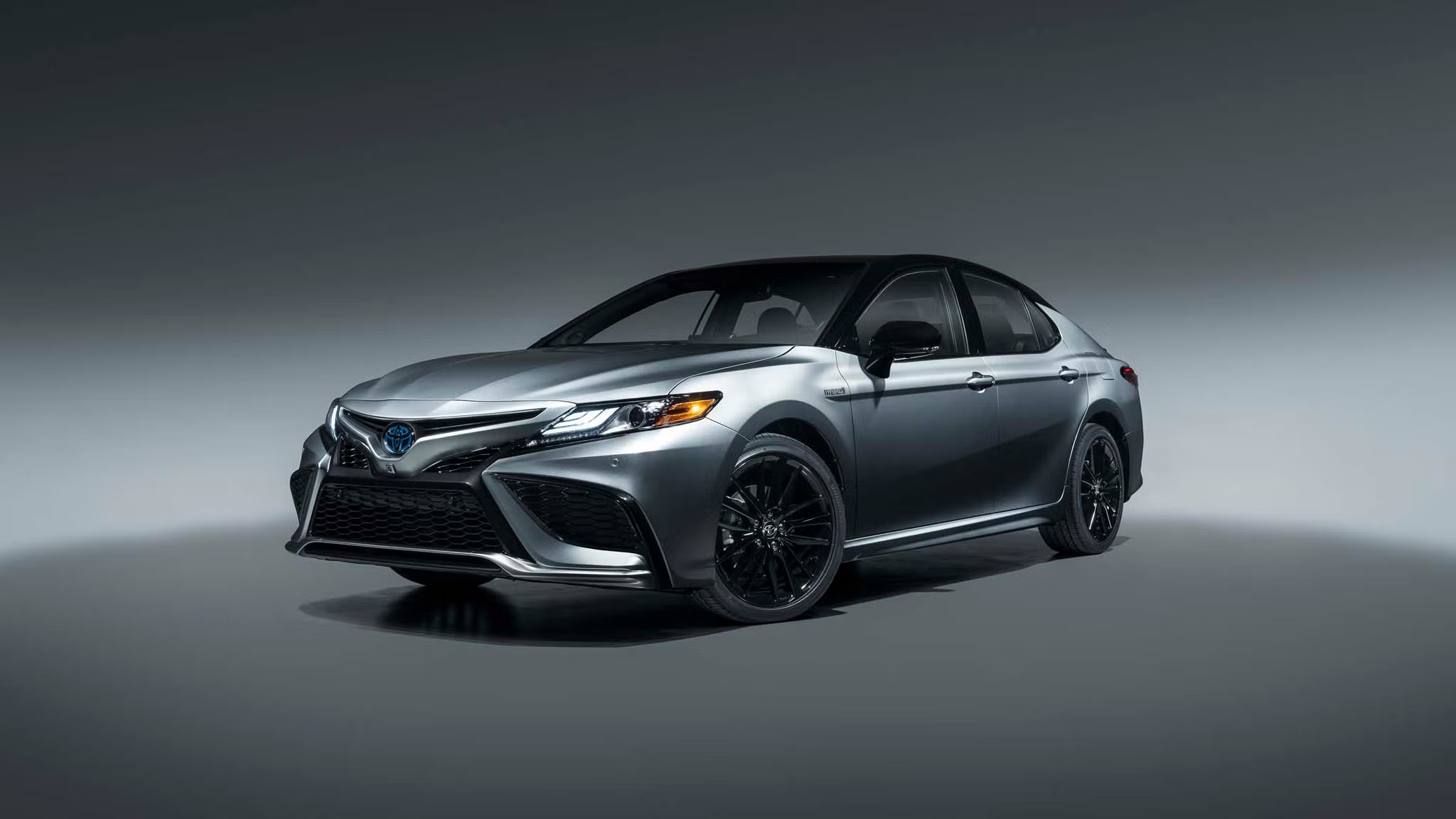
1. Toyota Camry: Designed for Hot Climates
The Toyota Camry is widely recognized for its reliability in extreme heat, making it a popular choice in hot U.S. regions such as Riverside and the Inland Empire. Models from 2012 onward feature strong air-conditioning systems and engineering tested under extreme conditions, often exceeding 120°F, ensuring that the engine and key components remain functional even in high temperatures.
This durability, paired with comfort-focused features, makes the Camry a practical option for drivers facing long stretches of scorching weather, reducing the risk of overheating compared with many competitors.
Camry’s air-conditioning system is powerful and efficient, quickly cooling interiors that are exposed to intense sun. Hybrid models have batteries located under the rear seats, allowing the cabin’s air-conditioning to maintain battery temperature and efficiency, a significant benefit in hot weather.
Additional comfort features such as ventilated seats, dual-zone climate control, and modern interior design help keep passengers comfortable. Simple adjustments, like window tinting to reduce heat buildup and selecting lighter-colored exteriors, can further enhance cabin comfort and make the A/C even more effective during high temperatures.
The Camry Hybrid offers two powertrain options: a front-wheel-drive configuration with a 2.5-liter four-cylinder engine and two electric motors producing 225 horsepower, and an all-wheel-drive setup that adds a rear motor for 232 combined horsepower.
Both use a continuously variable automatic transmission, providing responsive acceleration; the XSE AWD reaches 60 mph in 6.8 seconds. Fuel efficiency is strong, with front-drive LE models rated at 53 mpg city and 50 mpg highway, while XSE AWD trims deliver 44 mpg city and 43 mpg highway.
Inside, the Camry offers spacious seating, dual-zone climate control, optional leather upholstery, and an intuitive infotainment system featuring Apple CarPlay, Android Auto, and available 12.3-inch displays for higher trims.
The Camry comes with a full suite of driver-assistance features, including automated emergency braking with pedestrian and cyclist detection, lane-keeping assist, adaptive cruise control with lane-centering, and curve-prep braking.
Higher trims add luxury touches like heated seats, ambient lighting, and a premium JBL audio system. Warranty coverage includes a three-year/36,000-mile limited warranty, five-year/60,000-mile powertrain warranty, ten-year/150,000-mile hybrid component coverage, and two years of complimentary scheduled maintenance.
This combination of heat resilience, comfort, efficiency, and safety makes the Camry a dependable and practical choice for daily driving in extreme temperatures.
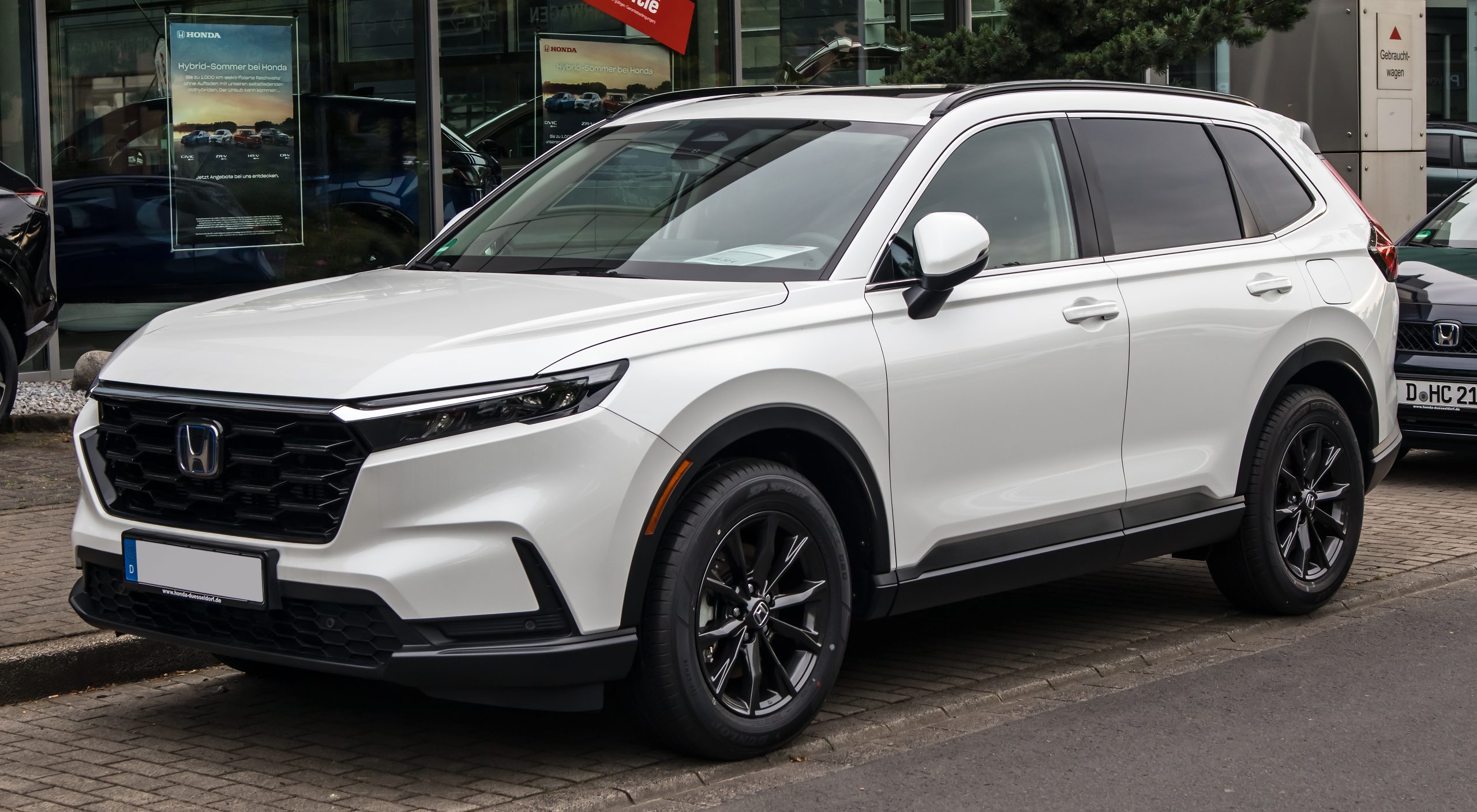
2. Honda CR-V: Compact SUV Built for Hot Climates
The Honda CR-V is a compact SUV designed to perform well in high temperatures, making it suitable for Riverside and the Inland Empire. It comes with a fast-cooling, high-capacity air-conditioning system that is both quiet and efficient. Higher trims offer dual-zone climate control, and some models use GPS to adjust cooling based on sun exposure.
Ventilated front seats are available on select trims, while new UV-blocking glass reduces interior heat and protects against sun damage. A replaceable air filter ensures clean air inside the cabin by removing dust and pollen, which is particularly important in dry, dusty regions. Remote start allows the vehicle to pre-cool the cabin before passengers enter, adding convenience in hot weather.
The CR-V is powered by a 190-hp turbocharged 1.5-liter four-cylinder engine paired with a continuously variable automatic transmission and front- or all-wheel drive. While acceleration is not the fastest in its class, the engine delivers smooth and reliable power, and hill-descent control improves low-speed off-road performance.
Fuel efficiency is strong, with front-wheel-drive models rated at 28 mpg city and 34 mpg highway, and all-wheel-drive models slightly lower at 26 mpg city and 31 mpg highway.
Hybrid versions provide even better fuel economy, reducing the need for frequent refueling during long drives. Optional towing accessories allow up to 1,500 pounds of towing capacity, adding versatility for small trailers or recreational equipment.
Inside, the CR-V offers a spacious and well-organized cabin. Rear seats recline and provide generous legroom, and there is 39 cubic feet of cargo space behind the second row. Front seats are designed to reduce fatigue on long trips, and a large center console provides convenient storage.
The 9-inch touchscreen infotainment system comes standard with Apple CarPlay, Android Auto, wireless smartphone charging, and rear USB-C ports. Higher trims feature a 10.2-inch digital gauge cluster and built-in navigation.
Honda Sensing technology enhances driver confidence with adaptive cruise control, lane-keeping assist, and automated emergency braking, making driving in heavy traffic easier and safer.
The CR-V comes with a full suite of safety features, including forward-collision warning, back-seat reminders, lane-departure warning, and a driver-attention monitor. Honda is known for long-term reliability, making the CR-V a solid investment for daily use in hot climates.
Warranty coverage includes a three-year/36,000-mile limited warranty, a five-year/60,000-mile powertrain warranty, and one year or 12,000 miles of complimentary scheduled maintenance.
With its powerful air-conditioning system, comfortable interior, fuel efficiency, and family-friendly features, the Honda CR-V is a dependable compact SUV for handling the heat and demands of Southern California.
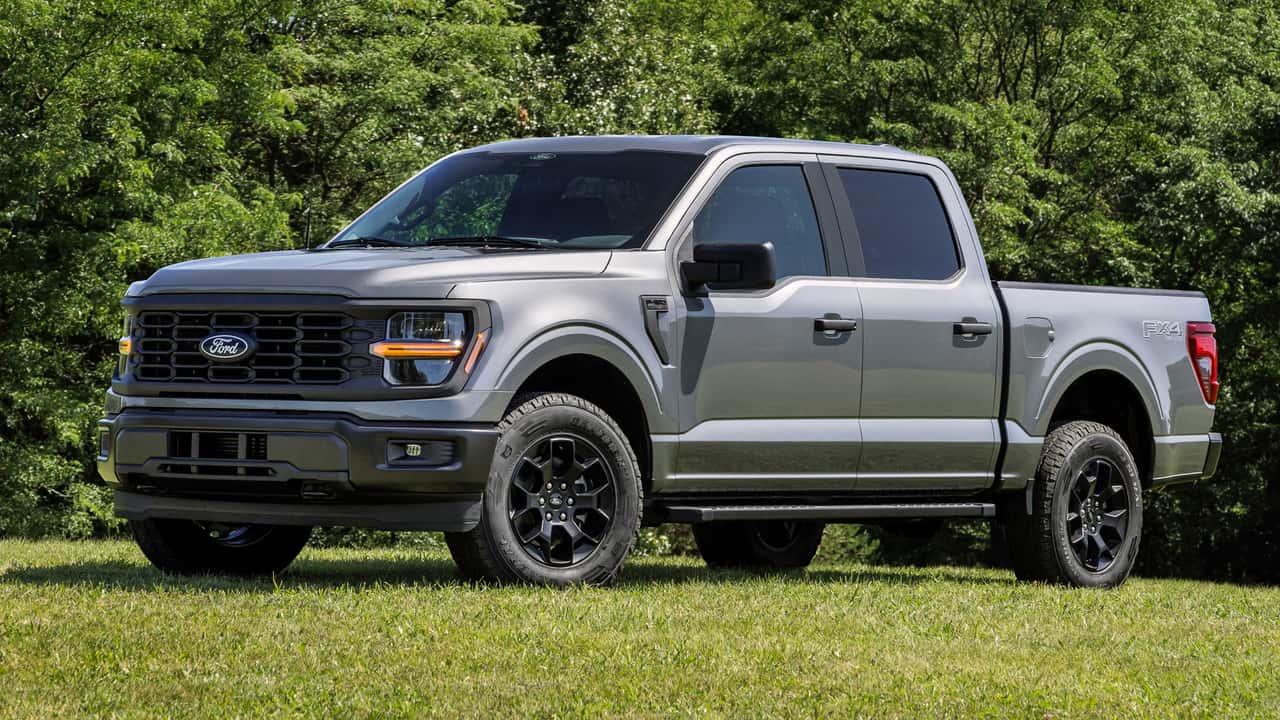
3. Ford F-150: Rugged and Comfortable for Hot Climates
The Ford F-150 is a full-size pickup designed to handle high temperatures and demanding conditions, making it well-suited for Riverside and the Inland Empire. Its robust radiator and engine cooling system keep overheating to a minimum, even under heavy towing or payload loads.
Higher trims add comfort-focused features such as ventilated front seats and dual- or tri-zone climate control to keep occupants cool on scorching days.
Remote start through the FordPass app allows the cabin to pre-cool before entry, while Pro Power Onboard can turn the truck into a mobile generator, providing electricity for tools, camping, or off-grid work. New UV-blocking glass and thoughtfully placed vents ensure the cabin remains comfortable and protected from sun exposure.
The F-150 offers a wide range of engines to meet various performance needs. Base options include a 325-hp twin-turbo 2.7-liter V-6, a 400-hp 5.0-liter V-8, and a 400-hp twin-turbo 3.5-liter V-6. The PowerBoost hybrid pairs a 3.5-liter twin-turbo V-6 with a 47-hp electric motor to produce 430 hp while providing better fuel efficiency.
All engines are paired with a 10-speed automatic transmission, and buyers can choose rear- or four-wheel drive. Acceleration varies by trim, with the hybrid XLT reaching 60 mph in about 5.0 seconds, while other V-8 and V-6 trims are slightly slower.
Fuel economy ranges from 15 to 22 mpg city and 20 to 25 mpg highway, depending on engine and drivetrain, with the hybrid version achieving the highest efficiency.
The F-150 offers a spacious, functional interior with high-end touches on King Ranch, Platinum, and Limited trims. Front seats can include a bench option for six-passenger capacity, while crew-cab models provide generous second-row space.
Storage is abundant, with cubbies, a large center console, and optional flat workspace features. Bed length varies from 5.5 to 8 feet, and hybrid models include an optional onboard generator for up to 7.2 kW of power.
Technology is highlighted by a standard 12-inch touchscreen with Sync 4 software, wireless Apple CarPlay and Android Auto, and optional navigation and Bang & Olufsen audio systems. Features like remote start, smart storage, and Pro Power Onboard enhance convenience for work and recreation.
The F-150 comes with standard safety features, including automated emergency braking, blind-spot monitoring, and lane-keeping assist. Optional upgrades include a 360-degree camera, adaptive cruise control, and Ford’s BlueCruise hands-free driving system.
Warranty coverage includes a three-year/36,000-mile limited warranty and a five-year/60,000-mile powertrain warranty, though no complimentary scheduled maintenance is offered. With its combination of rugged performance, heat-resilient cooling, versatile interior, and advanced technology, the Ford F-150 is a capable and practical choice for work, recreation, and daily driving in hot climates.
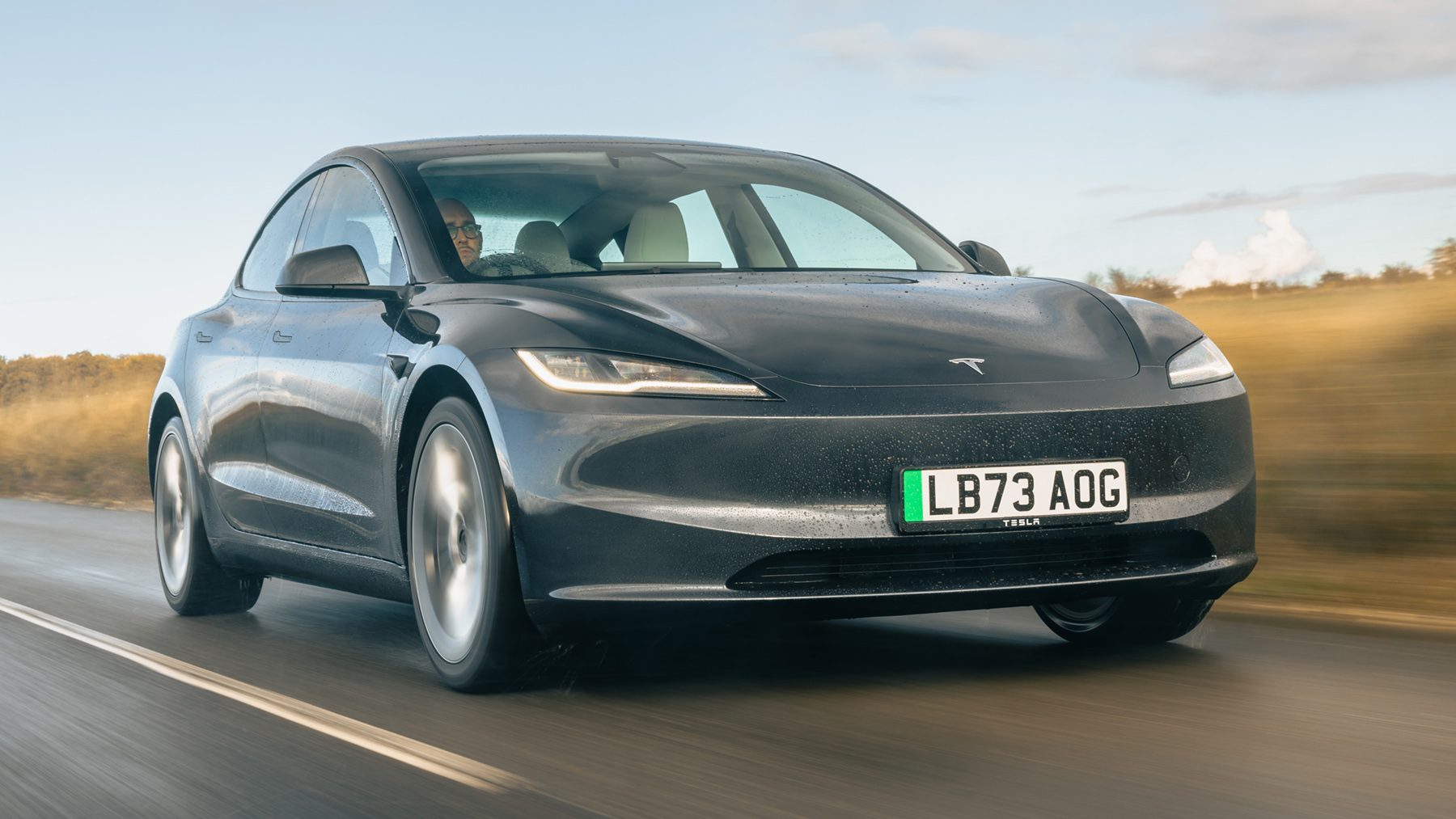
4. Tesla Model 3: Electric Efficiency and Heat Management
The Tesla Model 3 is well-suited for hot climates like Riverside due to its electric drivetrain, which eliminates the risk of engine overheating. It features a powerful and efficient climate-control system capable of rapidly cooling the cabin in extreme temperatures.
The car includes Cabin Overheat Protection, which automatically maintains the interior below a set temperature, and remote preconditioning through the Tesla app allows owners to cool the vehicle before entering.
Features such as ceramic tints, roof sunshades, and smart airflow management help reduce heat buildup from the large glass roof. By using these systems strategically, drivers can maintain a comfortable interior while minimizing battery drain.
The Model 3 offers multiple powertrain options, including a 286-hp single motor, 425-hp dual motor, and 510-hp dual motor Performance variant. All models benefit from low-mounted batteries, giving the car a low center of gravity that improves handling and stability.
Acceleration is swift, with the Performance model reaching 60 mph in just 2.8 seconds, while the Premium RWD model takes 4.6 seconds. Real-world range varies from 260 miles for the dual-motor Performance to 310 miles for the single-motor RWD, with EPA estimates up to 363 miles.
Charging options include Tesla Superchargers, public stations, and home chargers, with fast charging capable of replenishing 10 to 90 percent in under 40 minutes on high-power chargers.
The Model 3 interior features a minimalist design with a flat floor, supportive front seats, and a 15.4-inch central touchscreen controlling most functions. Rear seating is less spacious and can be cramped for adults on long trips, though folding the 60/40 split rear seats expands trunk space, allowing for significant cargo capacity.
Standard entertainment includes streaming apps and a 9-speaker stereo, while the Performance trim adds a 17-speaker system. Rear passengers on Premium and Performance trims can access an 8-inch touchscreen for climate and media control. Tesla does not offer Android Auto, Apple CarPlay, or traditional radio, relying instead on internet streaming for entertainment.
Safety is supported by standard adaptive cruise control, automated emergency braking, and lane-departure warning, with Tesla’s Autopilot providing advanced driver-assist capabilities such as automatic lane changes.
Warranty coverage includes a four-year/50,000-mile limited warranty and an eight-year/100,000-mile battery and drive-unit warranty. Tesla does not provide complimentary maintenance.
With its combination of advanced thermal management, rapid acceleration, long-range efficiency, and intuitive technology, the Model 3 delivers a comfortable and capable driving experience in hot climates while offering the benefits of an electric vehicle.
5. Hyundai Tucson: Budget-Friendly Cooling and Comfort
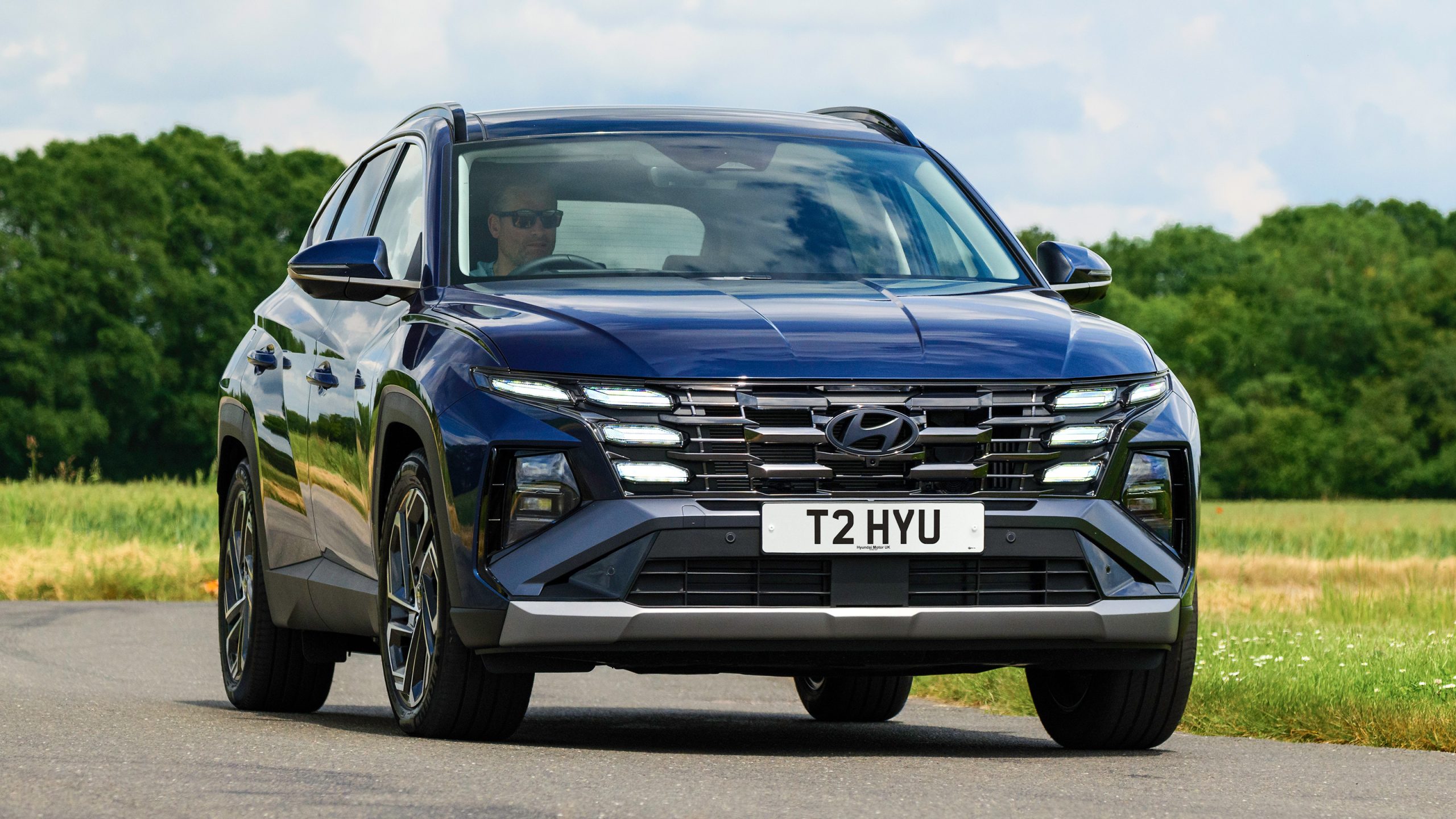
The Hyundai Tucson is a compact SUV that performs well in hot climates like Riverside due to its advanced climate-control system and thoughtful interior features. Higher trims offer ventilated front seats, while UV-resistant dashboard materials reduce heat buildup, keeping the cabin cooler than average.
Automatic Climate Control allows the system to quickly reach and maintain desired temperatures, and dual- or three-zone functionality ensures passengers remain comfortable even in extreme Inland Empire heat. Remote start lets drivers pre-cool the cabin before entering, while recirculate mode blocks hot, polluted air from outside, making daily commutes and weekend trips more pleasant.
The Tucson is powered by a standard 187-hp 2.5-liter four-cylinder engine paired with an eight-speed automatic transmission and either front- or all-wheel drive. Acceleration is moderate, with the all-wheel-drive Limited trim reaching 60 mph in 8.8 seconds, while hybrid and plug-in hybrid versions offer quicker performance.
The ride is comfortable and quiet, with a well-tuned suspension that absorbs road imperfections, giving a refined feel uncommon in this segment.
Hybrid and plug-in hybrid options also provide better fuel efficiency, helping reduce running costs while managing air-conditioning use during hot summer drives. All Tucson models can tow up to 2,000 pounds with an optional hitch, adding versatility for light recreational or work use.
The Tucson’s interior is thoughtfully designed with a modern dashboard, digital gauge display, and a separate control panel for climate settings. Rear-seat space and cargo capacity are generous, with room for nine carry-on suitcases behind the rear seats and 22 bags when the seatbacks are folded.
Standard features include a 12.3-inch infotainment touchscreen with Apple CarPlay and Android Auto, wireless connectivity, and optional upgrades like a larger dual-screen display, SiriusXM, and a Bose stereo system. Hyundai’s digital key smartphone app adds convenience with remote lock, unlock, and start functions, which also aid in pre-cooling the cabin during hot weather.
The Tucson includes a comprehensive set of driver-assistance features, such as automated emergency braking with pedestrian detection, lane-departure warning with lane-keeping assist, and optional adaptive cruise control with lane-centering.
Warranty coverage is strong for the class, offering a five-year/60,000-mile limited warranty, a ten-year/100,000-mile powertrain warranty, and three years or 36,000 miles of complimentary scheduled maintenance.
With its efficient climate control, ventilated seating, quiet ride, and practical interior, the Hyundai Tucson provides a comfortable, reliable, and cost-effective option for drivers coping with Riverside’s extreme heat.
Also Read: 5 Cars for Memphis Delivery Routes and 5 That Break on Duty
5 That Overheat
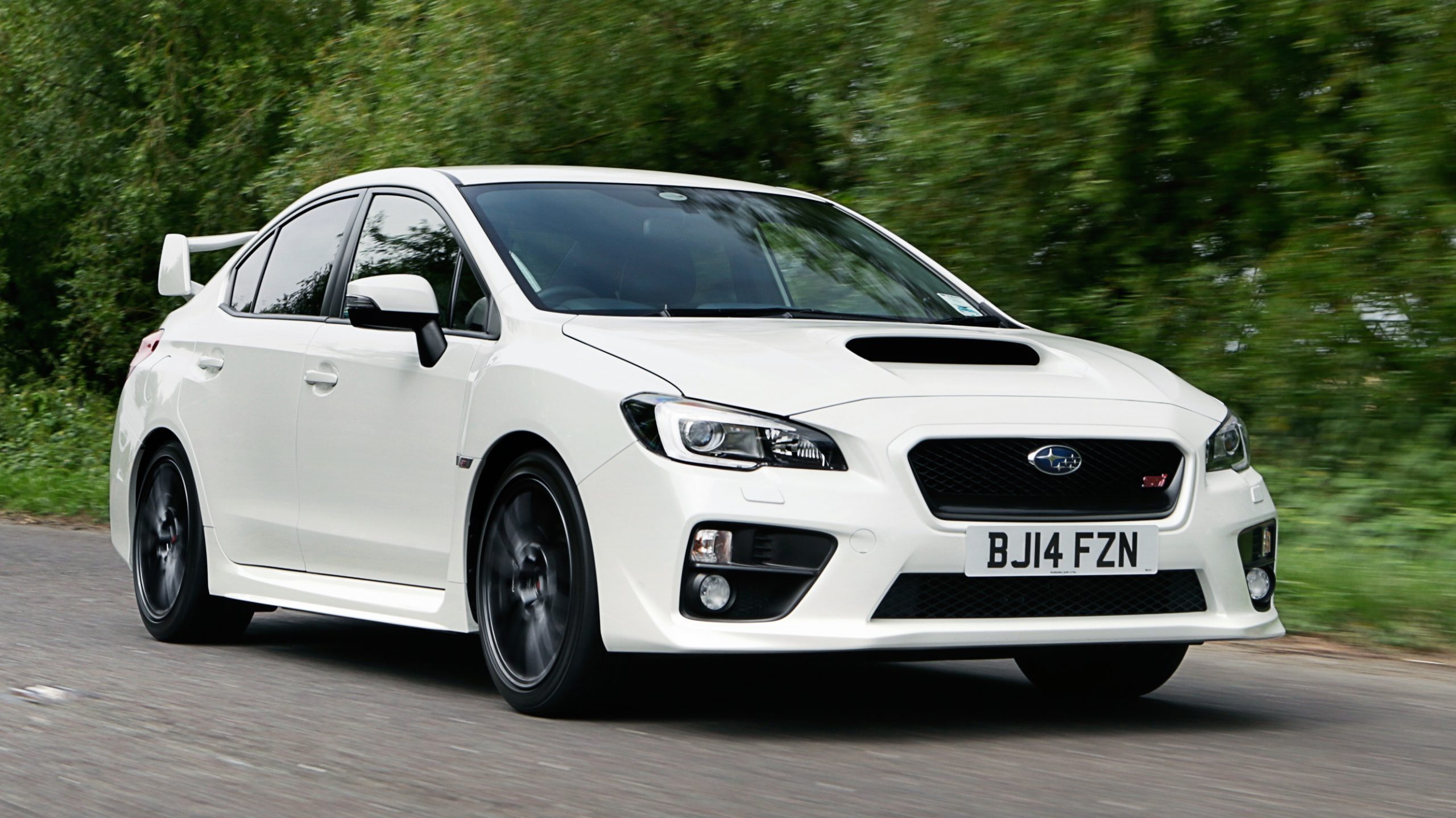
1. Subaru Impreza STI: Overheating Risks in Hot Climates
Certain generations of the Subaru Impreza STI, such as the GRB chassis, are prone to overheating, especially during intense driving or in high-temperature environments like Riverside. The STI’s cooling system can struggle under extreme heat, traffic, or heavy engine loads, particularly if components are aging or not upgraded.
Common causes include low coolant from leaks or air pockets, a stuck thermostat preventing proper flow, clogged or blocked radiators, malfunctioning cooling fans, and failing water pumps. Additionally, Subaru’s known head gasket issues can worsen overheating by allowing coolant and oil to mix or combustion gases to enter the system.
Riverside’s high ambient temperatures exacerbate these issues. Engines must work harder to shed heat when temperatures exceed 100°F, and stop-and-go traffic reduces natural airflow, placing extra demand on cooling fans.
Preventive measures include regularly checking coolant levels and using the correct type, ensuring fans operate correctly, and replacing a faulty thermostat.
For older models, a professional inspection is recommended to pressure-test for leaks, evaluate the water pump, and check the head gasket. Addressing these areas helps maintain reliable engine performance and reduces the risk of overheating in hot climates.
2. Mitsubishi Lancer Evolution X MR: Managing Overheating in Hot Conditions
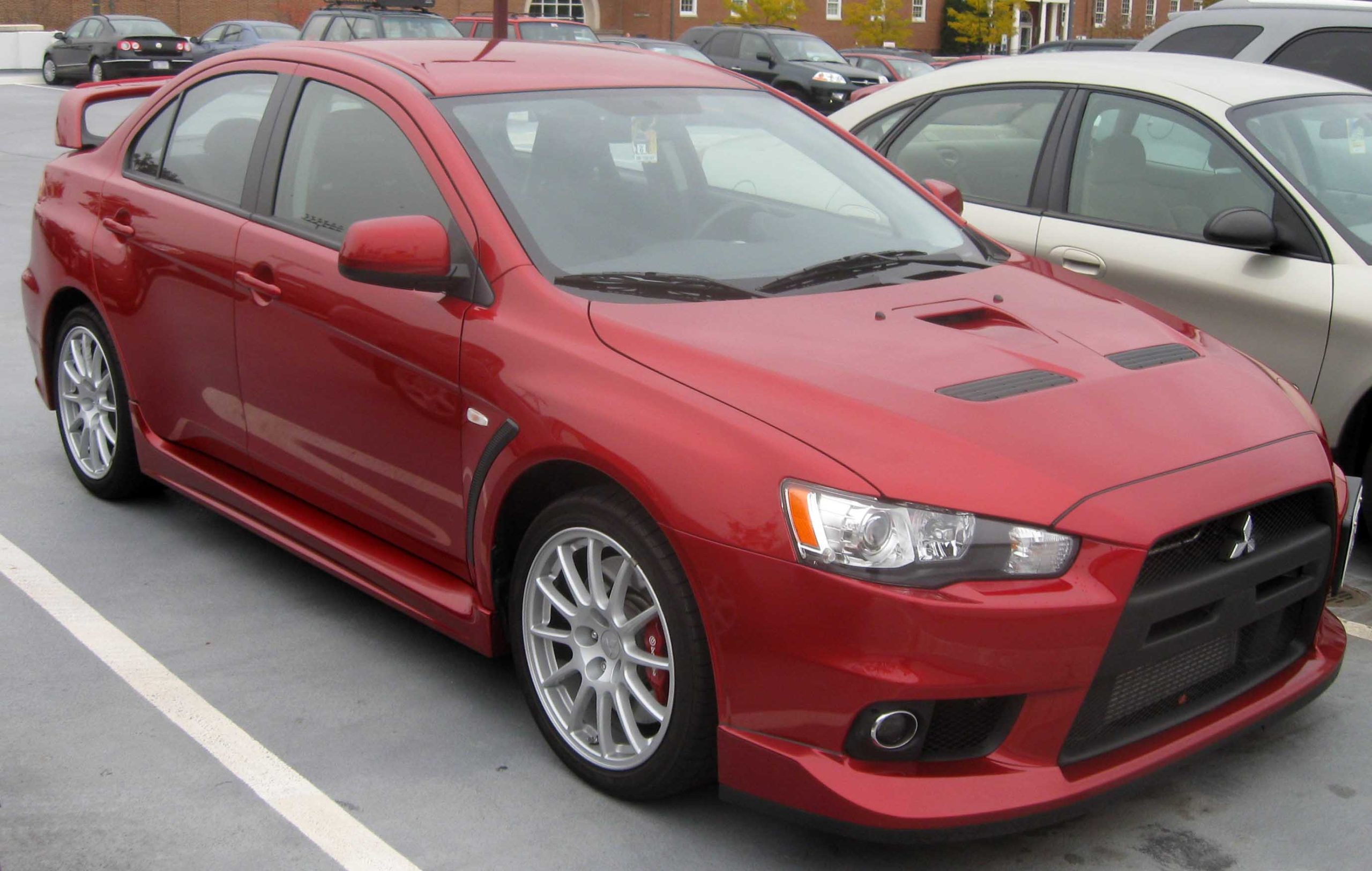
High-performance vehicles like the Mitsubishi Lancer Evolution X MR are susceptible to overheating when driven hard, especially in hot climates such as Riverside. The Evo X’s advanced engine generates significant heat, which can overwhelm the cooling system if any component is failing or compromised.
Common causes of overheating include faulty radiator fans, a stuck or partially closed thermostat, old or low coolant, clogged radiators, weak water pumps, and head gasket failures that allow combustion gases into the cooling system. Extreme temperatures, traffic, and hilly terrain further stress the system, making proper maintenance essential for reliable performance.
The SST automated manual transmission also produces heat, requiring attention to fluid levels and coolers. Modified or performance-tuned vehicles are particularly prone to high temperatures, so ensuring proper fueling and timing is important. The stock temperature gauge may not accurately reflect real-time engine heat, making an aftermarket sensor helpful for monitoring.
Preventive measures include checking coolant levels and color, inspecting radiator fans and hoses, and testing the thermostat and water pump. Signs of head gasket issues, such as white smoke or bubbles in the coolant reservoir, should prompt immediate professional inspection. Maintaining these systems helps the Evo X MR handle Riverside’s intense heat while preserving engine performance and longevity.
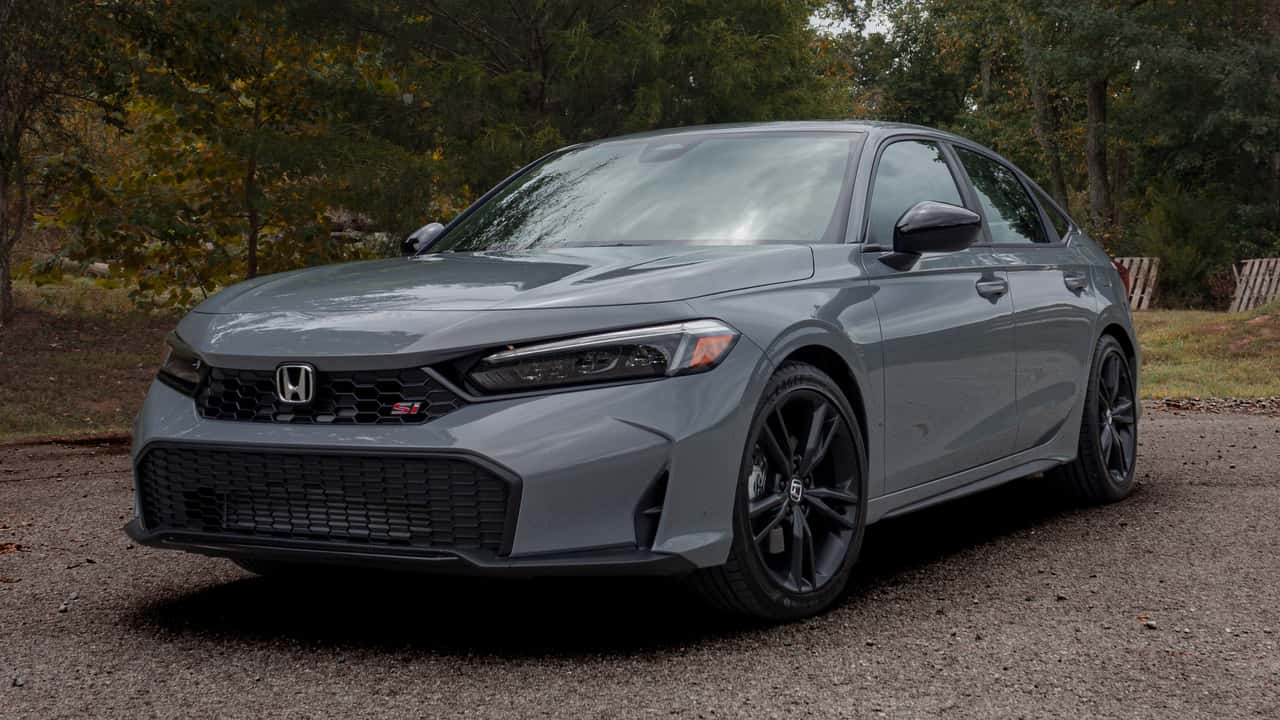
3. Honda Civic Performance Models: Overheating Risks in Hot Climates
Honda Civic performance models can be prone to overheating when driven hard, particularly in hot regions like Riverside and the Inland Empire. While standard Civics are generally reliable, higher-output engines in performance variants generate more heat, which can expose weaknesses in the cooling system.
Common causes include low or old coolant, clogged radiators, failing thermostats, malfunctioning fans, and worn water pumps. Head gasket leaks can further worsen the problem by allowing exhaust gases to enter the coolant, leading to rapid temperature spikes.
High ambient temperatures in Riverside make it harder for the engine to shed heat, and stop-and-go traffic reduces airflow through the radiator, placing extra stress on cooling components. Performance use, such as spirited driving or hill climbs, increases heat production, further challenging the system.
Preventive measures include checking coolant levels and condition, inspecting radiator fans and hoses, clearing blockages in the radiator, and testing the thermostat and water pump.
Regular maintenance is crucial to prevent overheating and maintain engine reliability. By addressing these common points, Honda Civic performance models can handle Riverside’s intense heat more effectively, protecting engine performance and longevity even under demanding conditions.
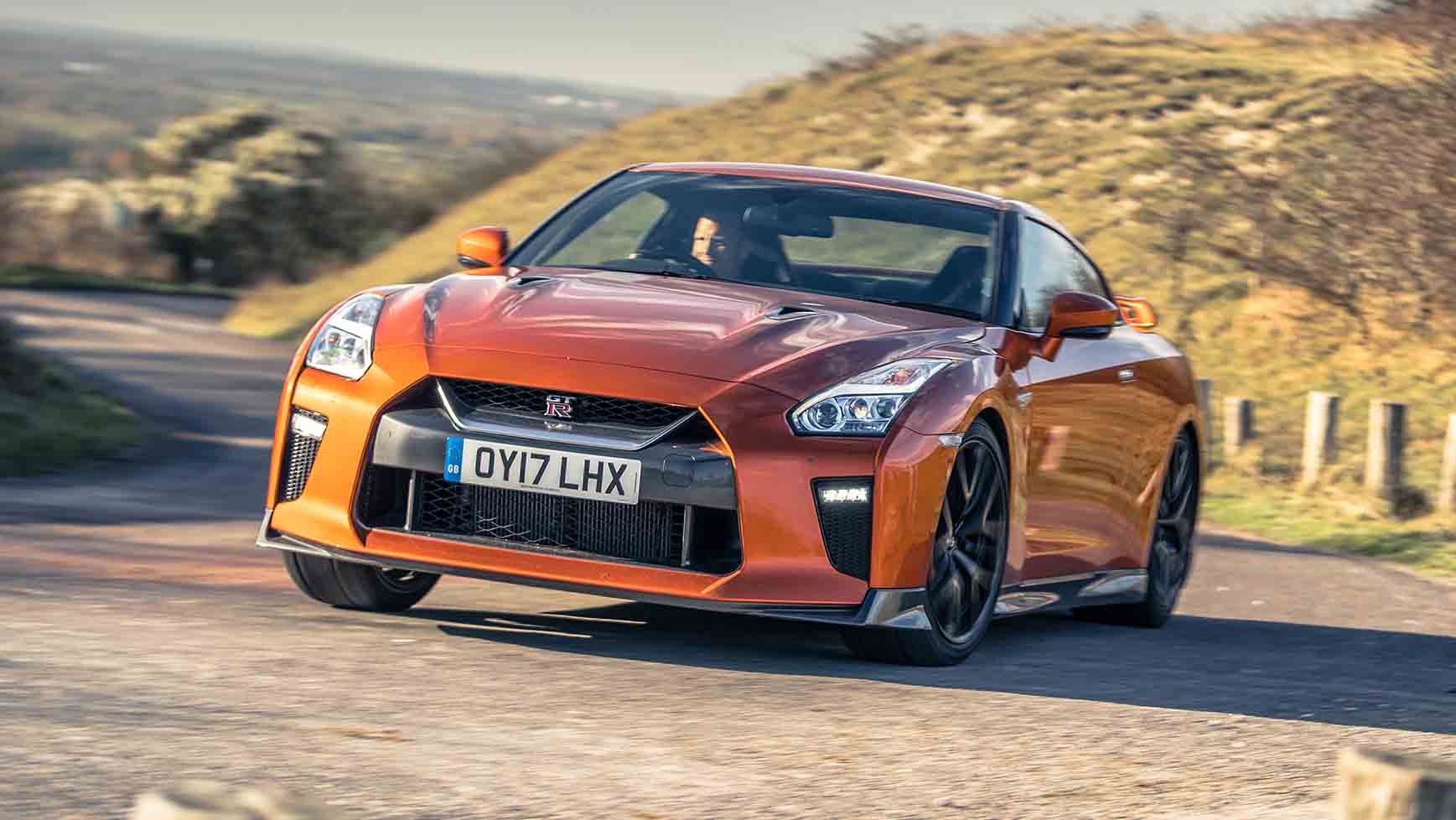
4. Nissan R35 GT-R: Cooling Challenges in Extreme Heat
The Nissan R35 GT-R, a high-performance sports car, is prone to overheating in hot climates like Riverside due to the demands of its powerful VR38 twin-turbo engine and dual-clutch transmission. The stock cooling system, including the radiator, oil cooler, and transmission cooler, often struggles to dissipate heat effectively during sustained aggressive driving.
High heat soak from the tightly packed engine bay amplifies the problem, and Riverside’s intense ambient temperatures reduce cooling efficiency, making overheating more likely and sometimes triggering limp mode.
Common causes of overheating include inadequate stock cooling capacity, rising engine and transmission oil temperatures, and stressed components under high-load driving conditions. Regular maintenance is essential checking coolant levels, hoses, thermostats, and water pumps ensure the system functions optimally.
Many GT-R owners address heat issues by upgrading to larger aftermarket radiators, improved engine and transmission coolers, and adding heat shielding around the transmission tunnel to reduce heat soak into the cabin. These upgrades allow the car to handle extreme conditions without sacrificing performance.
While the factory cooling system is sufficient for moderate driving, high-demand use in hot climates reveals its limitations. Proper maintenance combined with targeted cooling upgrades is key to enjoying the R35 GT-R reliably in areas like Riverside.
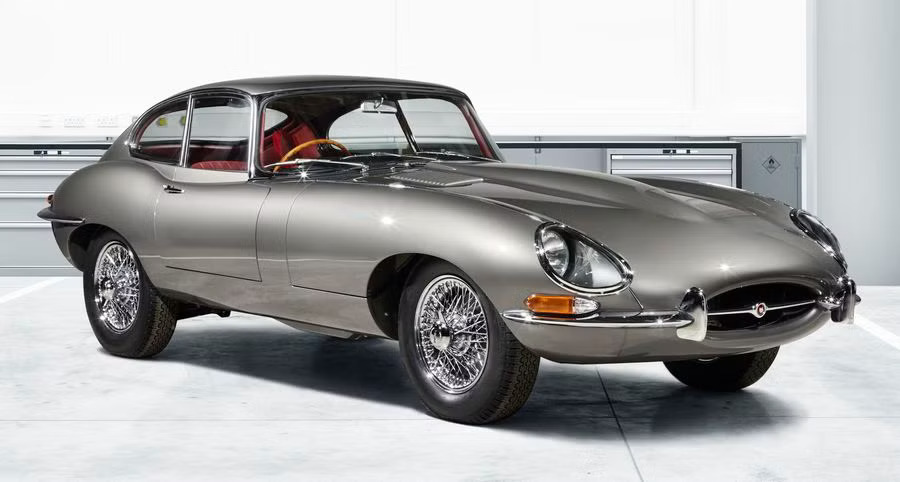
5. Jaguar E-Type: Overheating Challenges for Classic Cars in Hot Climates
Classic Jaguar E-Types are prone to overheating in hot climates like Riverside due to inherent design limitations and age-related cooling system issues. The original radiator is often undersized for modern extreme temperatures, and older components such as water pumps, thermostats, and hoses can lose efficiency over time.
Clogged radiators, corroded water pump impellers, trapped air, and incorrect fan operation further reduce the system’s ability to manage heat. Stop-and-go traffic exacerbates these problems, as airflow through the radiator becomes limited.
Common causes of overheating include blocked radiators, failing water pumps, stuck thermostats, air pockets in the coolant, and loose or cracked belts and hoses that impede circulation.
E-Type specifics, such as two-circuit thermostats and original fan setups, can magnify heat issues if not properly maintained or upgraded. Incorrect engine tuning, including ignition timing and carburetor mixtures, can also increase temperatures.
Solutions involve thorough inspection and maintenance, including flushing the cooling system, checking hoses, and verifying thermostat function. Upgrading to more powerful electric fans, ensuring correct fan direction, and installing a larger modern radiator significantly improve cooling.
Accurate engine temperature readings and proper tuning further help manage heat. With these steps, the E-Type can maintain reliable performance even under Riverside’s intense summer conditions.
Riverside heat creates unique challenges that reveal the difference between vehicles built for high temperatures and those that are not. Cars such as the Camry, CR-V, F-150, Model 3, and Tucson excel because of advanced cooling systems, thoughtful cabin design, and effective heat management, providing reliability and comfort during hot weather.
Performance-oriented and classic cars, including the STI, Evo X MR, Civic performance models, GT-R, and Jaguar E-Type, need careful maintenance, cooling upgrades, or moderated driving to avoid overheating.
Recognizing these risks allows owners to take proactive measures such as regular inspections, component upgrades, or pre-cooling the cabin. By combining the right vehicle choice with proper care, drivers in Riverside can enjoy both performance and peace of mind during the hottest months.
Also Read: 10 Cars With Simple Volume Knobs and Real Buttons