
For residents of Franklin and surrounding suburban communities, choosing the right vehicle is a crucial decision that impacts daily life, finances, and long-term satisfaction.
Whether you’re going through the morning commute to Nashville, shuttling kids to school, or running weekend errands, your car needs to balance practicality, comfort, and value retention.
The suburban lifestyle demands vehicles that can handle diverse tasks from highway cruising to parking lot maneuvering while remaining economical to own and operate.
Franklin’s unique position as a rapidly growing suburb means commuters face varying transportation needs. Some residents work locally in Franklin’s thriving business districts, while others make the daily trek into Nashville’s urban core.
This diversity requires vehicles that offer reliability, fuel efficiency, and comfort for both short trips and longer highway stretches. The ideal suburban commuter car should provide a quiet cabin for those early morning drives, adequate cargo space for grocery runs and family activities, and safety features that offer peace of mind in all driving conditions.
However, not all vehicles are created equal when it comes to value retention. While some cars maintain their worth remarkably well, serving as sound investments that reward their owners at trade-in time, others depreciate at alarming rates. Understanding which vehicles fall into each category can save Franklin residents thousands of dollars over the ownership period.
Rapid depreciation doesn’t just affect your eventual resale value it impacts insurance costs, equity positions, and cost of ownership.
In this comprehensive guide, we’ll explore ten vehicles through two distinct lenses. First, we’ll examine five excellent choices for Franklin suburban commuters vehicles that excel in the specific conditions and requirements of suburban life.
These recommendations consider factors like reliability ratings, fuel economy, comfort features, and total cost of ownership. Then, we’ll identify five vehicles that lose value at concerning rates, helping you avoid costly mistakes that could undermine your automotive investment.
Whether you’re a first-time buyer, a growing family, or someone looking to upgrade, understanding both what to buy and what to avoid will empower you to make the smartest decision for your circumstances and budget.
5 Best Cars for Franklin Suburban Commuters
These exceptionally dependable vehicles feature comfortable rides and proven reliability perfectly suited for Nashville-area suburban living, providing smooth transportation through Franklin’s growing road network and I-65 commutes without the maintenance surprises typically disrupting middle Tennessee household budgets and busy professional schedules.
Their sensible engineering includes refined powertrains and spacious cabins that resist the discomfort and reliability concerns found in harsher-riding vehicles while handling daily Cool Springs corridor traffic, frequent trips to downtown Nashville, and weekend family outings to Percy Priest Lake or Arrington Vineyards.
1. Honda Accord
The Honda Accord stands as a perennial favorite among suburban commuters for compelling reasons that have kept it at the top of automotive rankings for decades.
For Franklin residents, the Accord represents an ideal balance of refinement, efficiency, and practicality that addresses virtually every commuting need.
Its reputation for bulletproof reliability means fewer trips to the service center and lower long-term maintenance costs, a crucial consideration for busy families juggling multiple responsibilities.
The current generation Accord offers two excellent powertrain options: a fuel-efficient turbocharged 1.5-liter four-cylinder engine or a more powerful 2.0-liter turbo four.
For most Franklin commuters, the base engine provides more than adequate performance while delivering impressive fuel economy ratings of up to 30 mpg city and 38 mpg highway.
This efficiency translates directly into savings at the pump, particularly valuable for those making regular trips between Franklin and Nashville. The responsive CVT transmission provides smooth acceleration and seamless power delivery, making stop-and-go traffic less taxing.
Inside, the Accord’s cabin reflects Honda’s understanding of what commuters truly need. The spacious interior accommodates five adults comfortably, with generous legroom in both front and rear seats a blessing when carpooling or traveling with family.
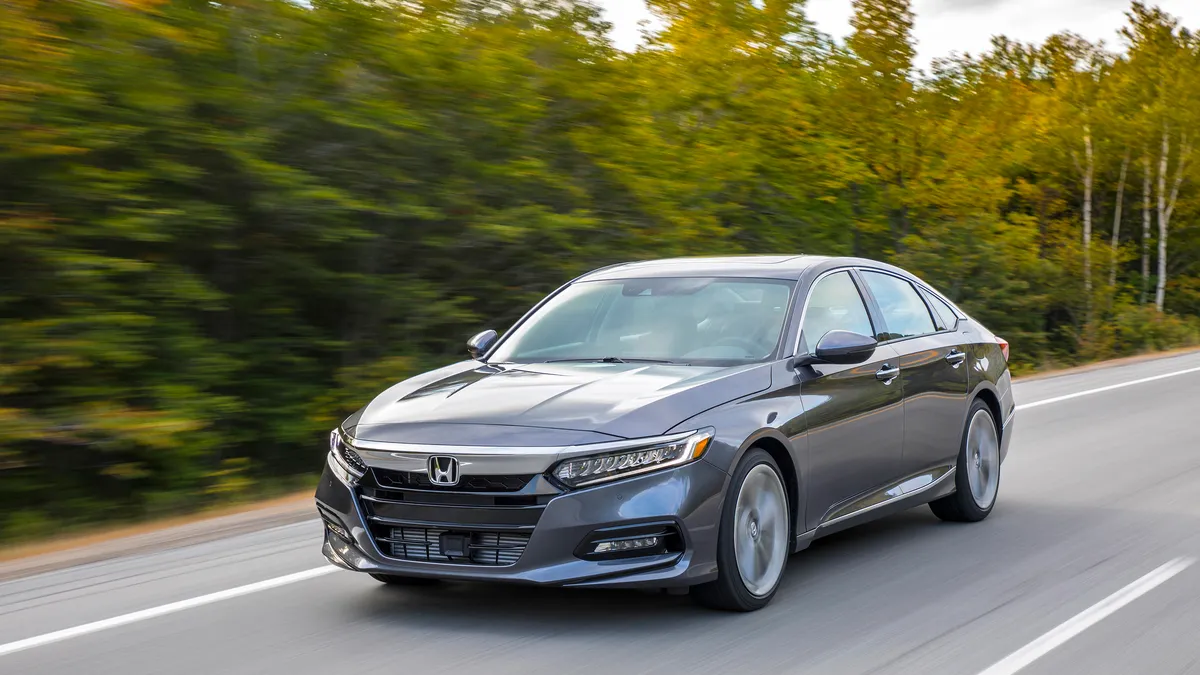
The trunk offers 16.7 cubic feet of cargo space, easily swallowing groceries, sports equipment, or luggage for weekend getaways. Materials quality feels upscale throughout the cabin, with soft-touch surfaces and intuitive control placement that makes the daily drive more pleasant.
Technology features in the Accord cater specifically to modern commuters. The available wireless Apple CarPlay and Android Auto integration means seamless smartphone connectivity without fumbling with cables.
The available head-up display projects crucial information onto the windshield, allowing drivers to monitor speed and navigation without taking eyes off the road.
Honda Sensing, the brand’s comprehensive suite of driver-assistance features, comes standard across the lineup and includes adaptive cruise control, lane-keeping assist, and automatic emergency braking features that reduce fatigue during long commutes and enhance safety in all conditions.
The Accord’s value proposition extends beyond the purchase price. Honda’s legendary reliability means lower-than-average ownership costs, while strong resale values protect your investment when it’s time to trade in.
For Franklin suburban commuters seeking a sedan that does everything well without breaking the bank, the Honda Accord remains the gold standard a vehicle that makes every commute more comfortable, efficient, and enjoyable.
2. Toyota RAV4 Hybrid
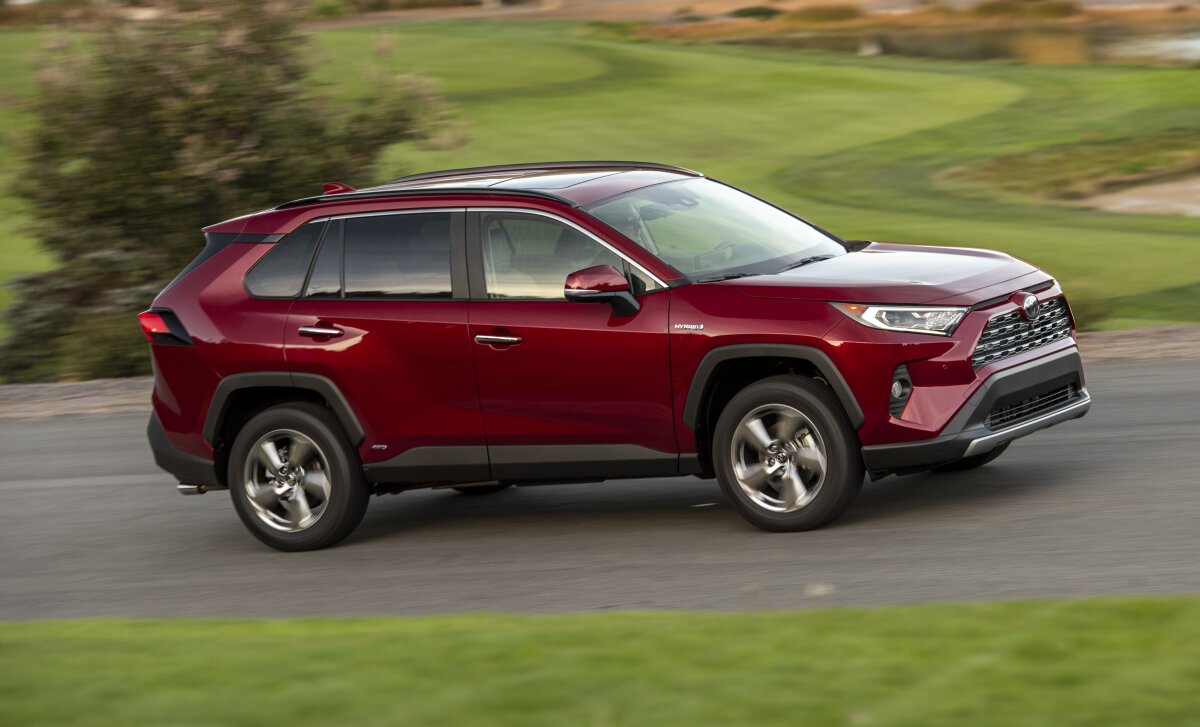
The Toyota RAV4 Hybrid has become the vehicle of choice for countless suburban families, and Franklin residents are discovering why this compact crossover excels in virtually every metric that matters to commuters.
Combining the practicality of an SUV with the efficiency of a hybrid powertrain, the RAV4 Hybrid represents Toyota’s mastery of building vehicles that meet real-world needs without compromise. Its popularity isn’t accidental it’s the result of thoughtful engineering focused on what suburban drivers actually experience daily.
The hybrid powertrain is the RAV4’s secret weapon for commuters. Unlike traditional hybrids that sacrifice performance for efficiency, the RAV4 Hybrid delivers both. The combined output of 219 horsepower provides brisk acceleration that makes highway merging and passing confident and stress-free.
More impressively, the system achieves up to 41 mpg city and 38 mpg highway numbers that dramatically reduce fuel costs compared to conventional compact SUVs. For Franklin commuters making regular trips into Nashville, this efficiency advantage can save hundreds of dollars annually at the pump.
The RAV4 Hybrid’s raised seating position provides excellent visibility, making going through the Franklin’s growing traffic patterns easier and safer. The commanding view of the road reduces blind spots and helps drivers anticipate traffic flow, valuable attributes during rush hour commutes.
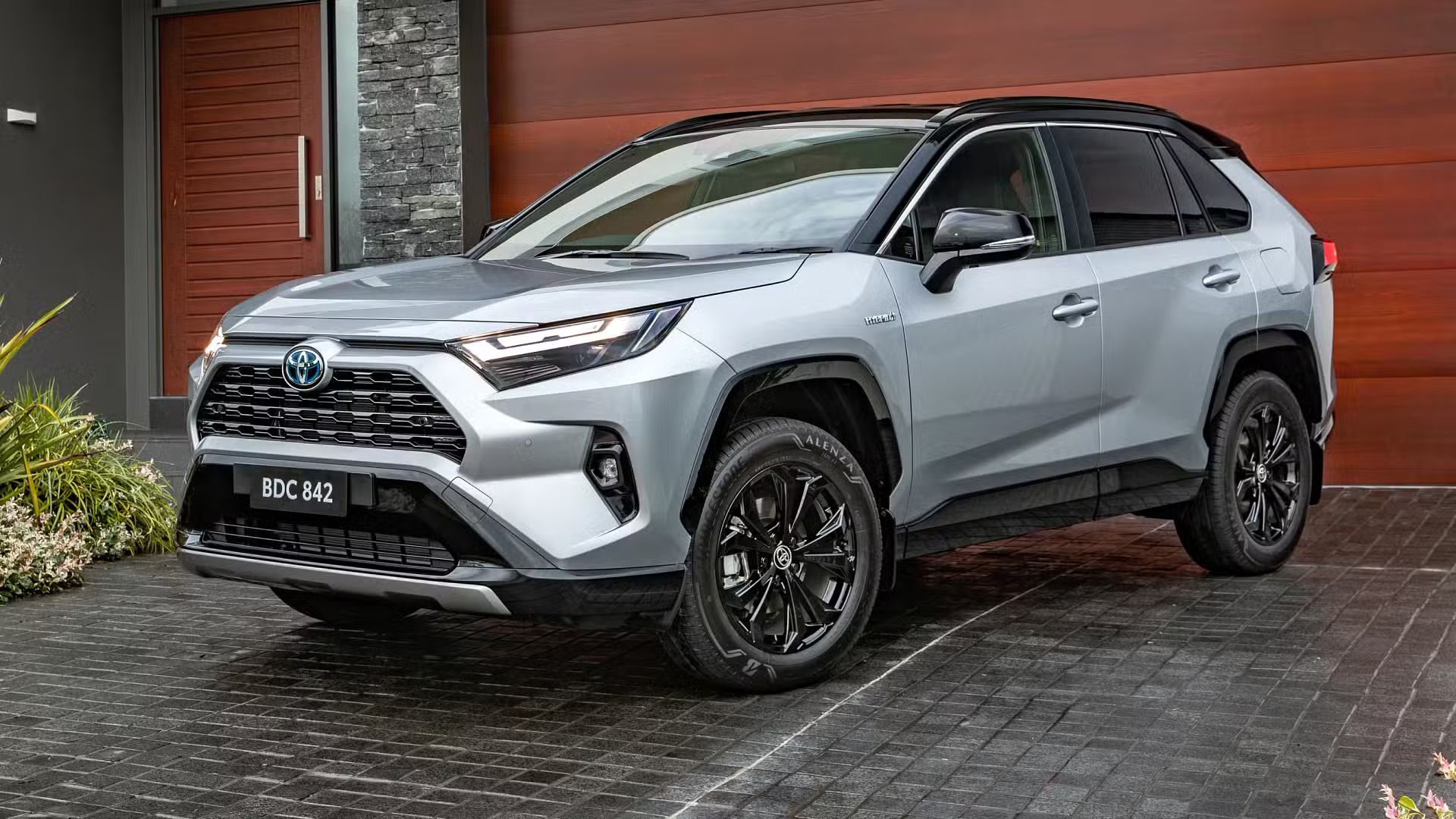
The spacious cabin accommodates five passengers comfortably, with ample headroom and legroom that don’t compromise comfort even on longer drives.
Behind the rear seats, you’ll find 37.5 cubic feet of cargo space that expands to 69.8 cubic feet with seats folded enough capacity for Costco runs, weekend camping gear, or helping a college student move into their dorm.
Standard all-wheel drive makes the RAV4 Hybrid particularly appealing for Franklin’s occasional winter weather. Unlike many AWD systems that add weight and reduce efficiency, Toyota’s electronic on-demand system operates seamlessly without noticeably impacting fuel economy.
This capability provides peace of mind during those unexpected ice storms or wet conditions, knowing your vehicle can maintain traction when roads become challenging.
Toyota Safety Sense 2.0 comes standard, bundling adaptive cruise control, lane departure warning with steering assist, automatic high beams, and pre-collision braking with pedestrian detection.
These systems work together to reduce driver fatigue and enhance safety critical features for anyone making daily commutes in varying traffic conditions. The available digital rearview mirror uses a camera to display what’s behind you, eliminating blind spots created by passengers or cargo.
Reliability is perhaps the RAV4 Hybrid’s greatest asset. Toyota’s hybrid technology has proven remarkably durable, with many RAV4 Hybrids easily surpassing 200,000 miles with minimal issues beyond routine maintenance.
This dependability, combined with strong resale values, makes the RAV4 Hybrid not just a smart commuting choice but a sound financial investment that serves Franklin families well for many years.
3. Mazda CX-5
The Mazda CX-5 brings a touch of premium sophistication to the compact crossover segment, offering Franklin commuters an engaging driving experience wrapped in upscale packaging at a surprisingly accessible price point.
While other vehicles in this class prioritize pure practicality, Mazda has crafted the CX-5 to make the daily commute something you might actually look forward to a rare achievement in the mainstream automotive market. Its combination of sharp handling, refined interiors, and solid reliability makes it an excellent choice for discerning suburban drivers.
What immediately sets the CX-5 apart is its driving dynamics. Mazda’s engineers have tuned the suspension to deliver responsive handling that feels more connected and engaging than typical crossovers.
The precise steering communicates road conditions clearly, while the well-controlled body motions make going through the curvy roads genuinely enjoyable.
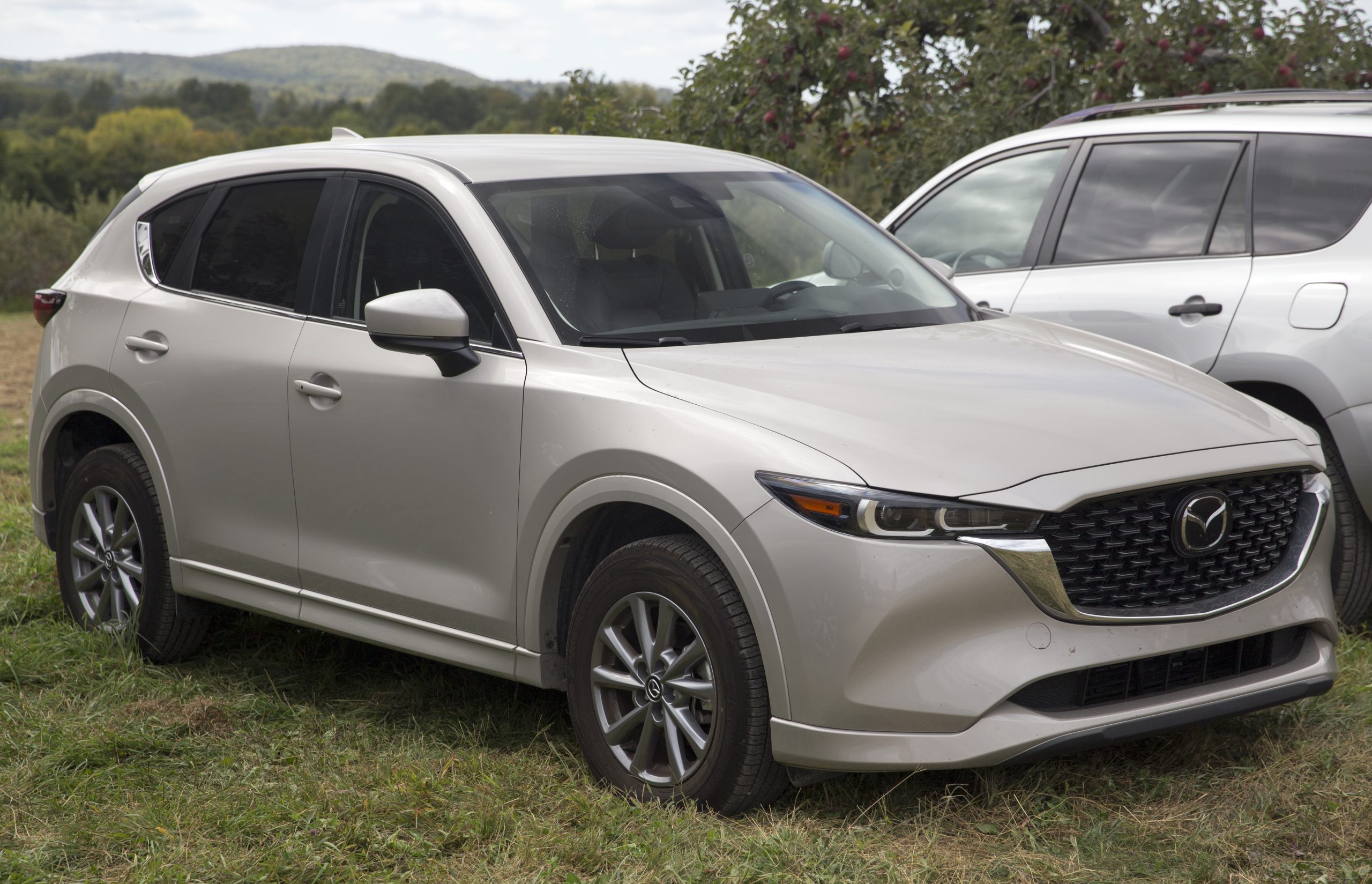
For commuters who view driving as more than mere transportation, the CX-5 delivers satisfaction that transforms mundane trips into pleasant experiences.
The available turbocharged 2.5-liter engine produces 256 horsepower with premium fuel, providing ample power for confident highway merging and passing.
Fuel economy is competitive if not class-leading, with the base engine achieving up to 25 mpg city and 31 mpg highway. While not matching hybrid competitors, these numbers remain respectable for a vehicle that prioritizes driving engagement.
The CX-5’s reliability record has steadily improved, with recent model years showing above-average dependability ratings. Mazda’s commitment to building vehicles that resist rust and maintain structural integrity means the CX-5 should serve Franklin commuters well through harsh winters and humid summers alike, maintaining its premium feel for years to come.
4. Subaru Outback
The Subaru Outback occupies a unique position in the automotive world, blending wagon practicality with SUV capability in a package perfectly suited to Franklin’s suburban lifestyle.
For commuters who refuse to compromise between efficiency and adventure-readiness, the Outback delivers versatility that few vehicles can match.
Its combination of standard all-wheel drive, generous ground clearance, and spacious interior makes it equally at home going through the Franklin’s streets or exploring Tennessee’s beautiful countryside on weekends.
Subaru’s symmetrical all-wheel-drive system, standard across all Outback models, provides outstanding traction in all weather conditions.
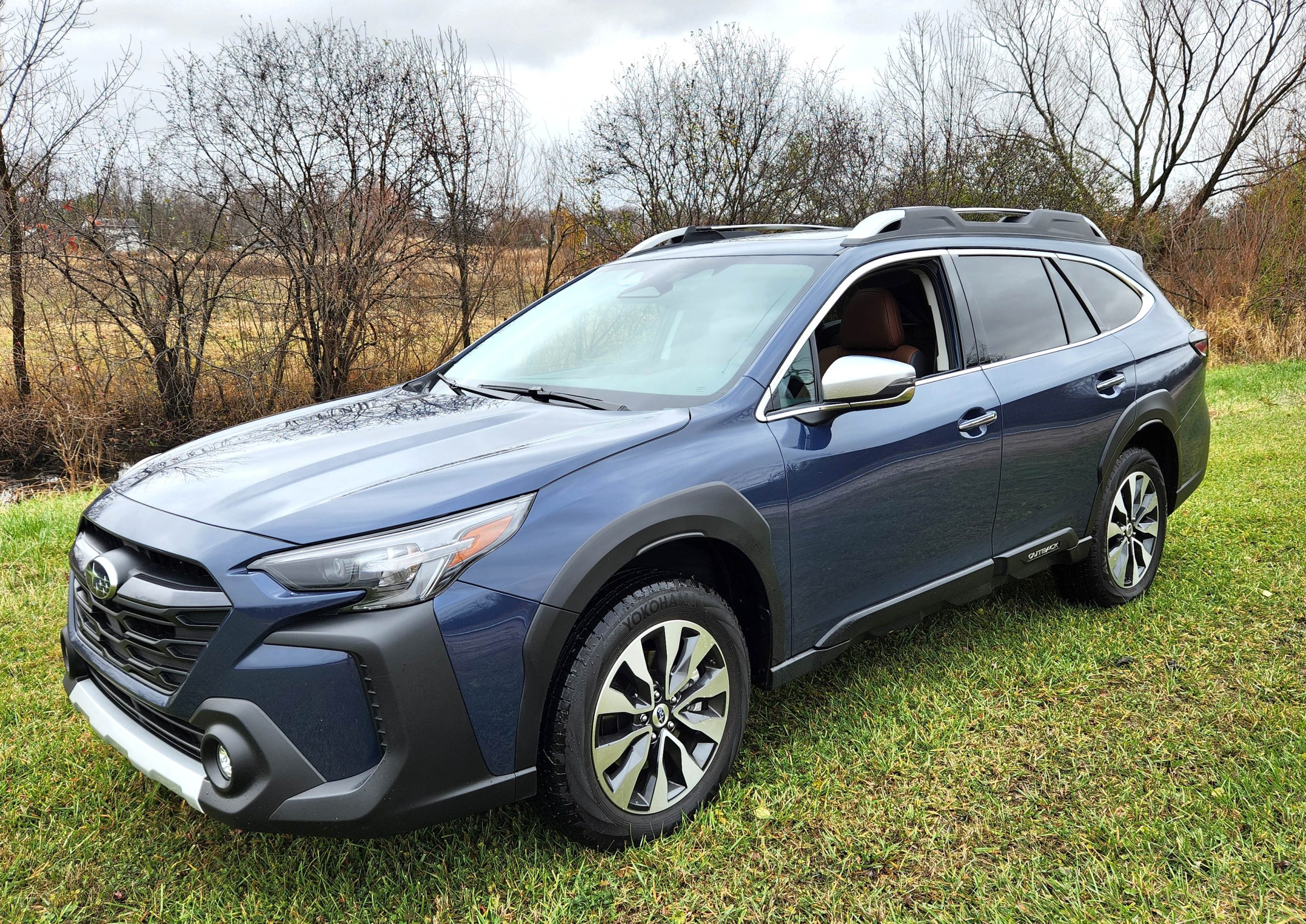
This isn’t a fair-weather AWD system that only engages when wheels slip it continuously distributes power to all four wheels, maximizing grip whether you’re going through the wet morning commutes, dealing with Franklin’s occasional snow and ice, or exploring unpaved roads leading to hiking trailheads.
The Outback’s 8.7 inches of ground clearance exceeds most crossovers, allowing confident navigation through deep puddles, snow drifts, or rough terrain without scraping the undercarriage.
Subaru’s reputation for building vehicles that last reinforces the Outback’s appeal. Many Outbacks easily surpass 200,000 miles, with owners praising their reliability and durability.
For Franklin suburban commuters seeking a vehicle that handles daily transportation duties while enabling weekend adventures, the Outback represents an ideal compromise that refuses to compromise.
Also Read: 5 Cars for Auburn Daily Use and 5 with Hidden Problems
5. Hyundai Sonata Hybrid
The Hyundai Sonata Hybrid represents exceptional value for Franklin commuters who prioritize fuel efficiency, modern technology, and distinctive styling without paying premium prices.
Hyundai has transformed from budget brand to serious contender, and the Sonata Hybrid showcases this evolution brilliantly. It combines genuinely impressive fuel economy with a feature-rich interior and eye-catching design that makes a statement on Franklin’s roads.
For cost-conscious commuters who refuse to sacrifice style or capability, the Sonata Hybrid deserves serious consideration. The hybrid powertrain delivers where it matters most: at the pump.
Achieving up to 50 mpg city and 54 mpg highway, the Sonata Hybrid ranks among the most efficient midsize sedans available. For Franklin residents commuting into Nashville daily, these numbers translate into substantial fuel savings that quickly offset any hybrid premium in purchase price.
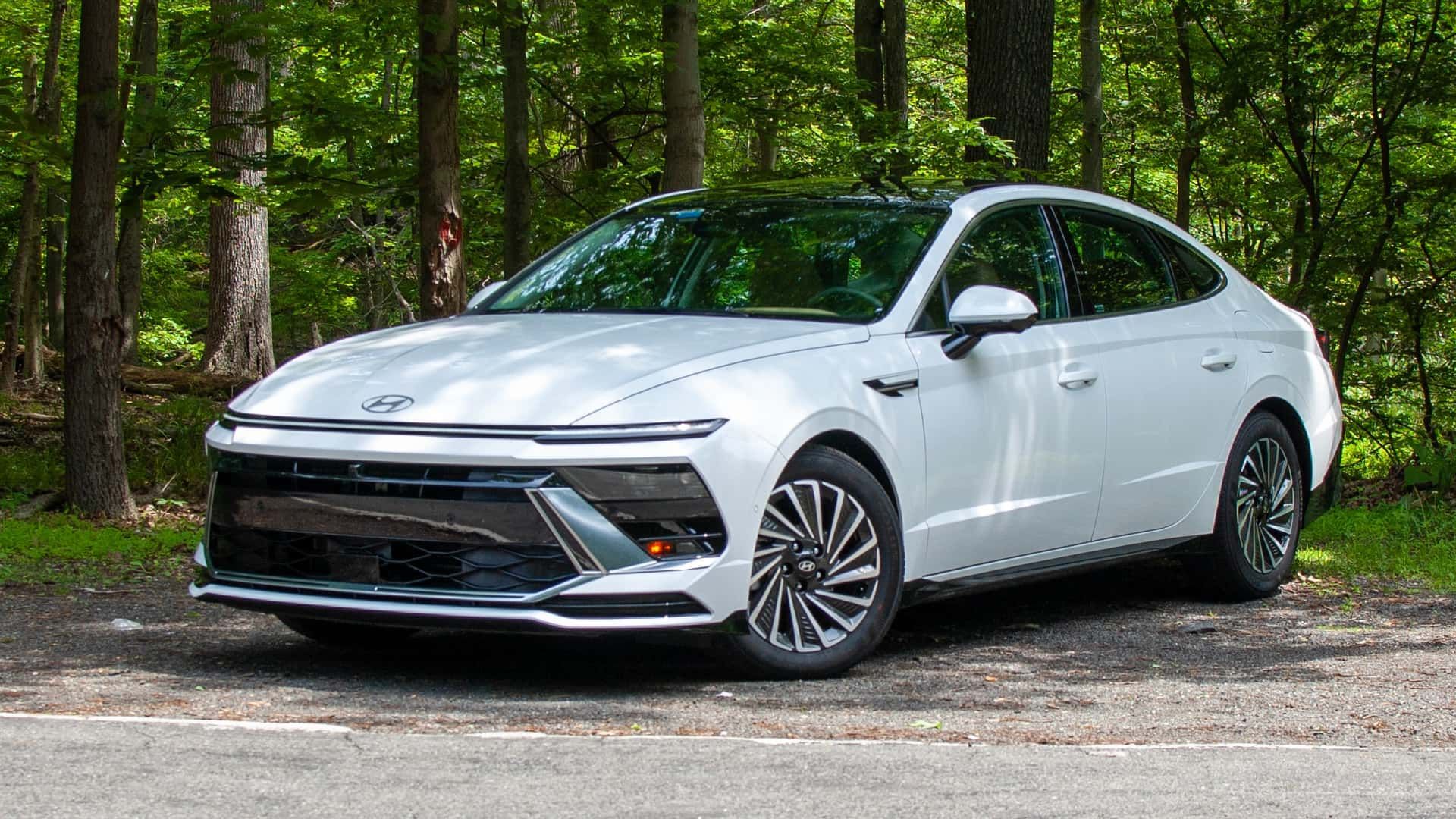
The system seamlessly blends power from the 2.0-liter four-cylinder engine and electric motor, producing a combined 192 horsepower enough for confident acceleration while maintaining remarkable efficiency.
The transitions between gas and electric power happen smoothly, without the abrupt shifts or droning sounds that characterized earlier hybrids.
The Sonata Hybrid’s combination of exceptional fuel economy, generous features, striking design, and comprehensive warranty coverage creates a compelling package for Franklin suburban commuters.
It proves that choosing efficiency doesn’t mean sacrificing style, comfort, or peace of mind it simply means making a smart decision that benefits both your wallet and your daily driving experience.
5 Cars That Lose Value Fast
These financially devastating vehicles suffer from steep depreciation curves and poor resale demand that create equity nightmares for Franklin families, losing shocking percentages of original value within just years as initial appeal fades and reality emerges about long-term ownership costs in competitive Nashville markets.
Their problematic characteristics include oversaturated local markets and documented reliability concerns that cannot maintain buyer interest once warranty periods expire, leading to trade-in values thousands below loan balances and used car lots filled with identical models desperately priced for quick sales.
1. BMW 7 Series
The BMW 7 Series represents automotive luxury at its peak, featuring cutting-edge technology, opulent materials, and powerful engines wrapped in an imposing presence.
However, this flagship sedan also exemplifies how quickly luxury vehicles can depreciate, making it one of the worst financial decisions for value-conscious buyers.
While the 7 Series delivers an exceptional ownership experience when new, the financial reality becomes harsh when it’s time to sell or trade, with owners often losing more than half the vehicle’s original value within just three years.
The depreciation story begins with the 7 Series’ substantial initial price. Base models start around $95,000, with well-equipped examples easily exceeding $120,000 or more.
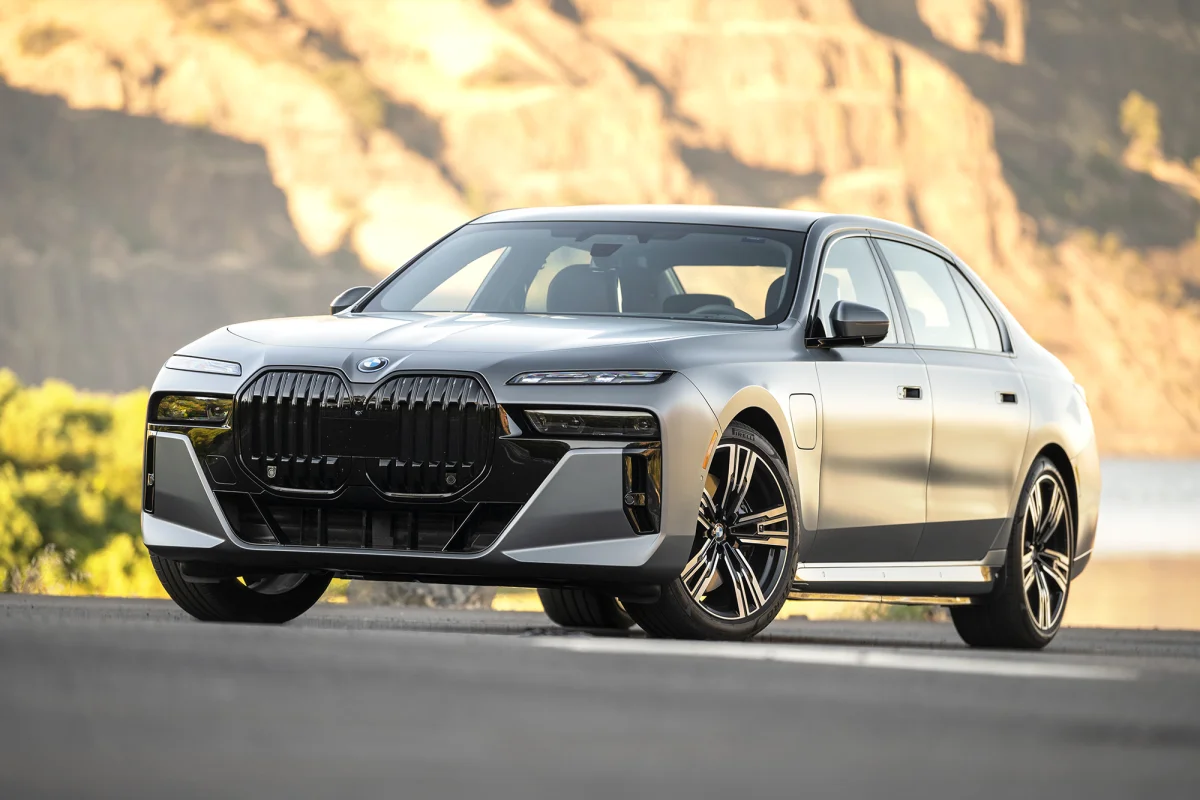
This premium positioning means any depreciation is measured in large dollar amounts, not just percentages. The 7 Series typically loses 30-40% of its value in the first year alone a staggering $30,000 to $50,000 evaporation of equity.
By year three, total depreciation often reaches 60-65%, meaning a $100,000 7 Series might be worth only $35,000 to $40,000. Few vehicles destroy wealth this efficiently.
For those who can afford the initial purchase and don’t mind the depreciation hit, the 7 Series delivers an exceptional luxury experience. The problem is that this experience comes at an extraordinary cost when measured in total ownership expenses.
For Franklin residents considering a 7 Series, the smart move is purchasing a certified pre-owned example rather than buying new, letting the first owner absorb the catastrophic depreciation while you enjoy the luxury at a fraction of the original cost.
2. Maserati Ghibli
The Maserati Ghibli promises Italian exotic car appeal at a more accessible price point than the brand’s traditional offerings, positioning itself as an entry point to the prestigious Maserati marque.
However, this beautiful sedan has become infamous in automotive circles for depreciation rates that rival the worst in the industry. The Ghibli’s combination of reliability concerns, strong competition, and brand positioning issues creates a perfect storm for value destruction that makes it one of the worst vehicles to purchase new if resale value matters at all to you.
New Ghibli models carry base prices around $85,000, with well-equipped examples often exceeding $100,000. Within the first year, a Ghibli typically loses 35-45% of its value a depreciation rate that outpaces most luxury competitors.
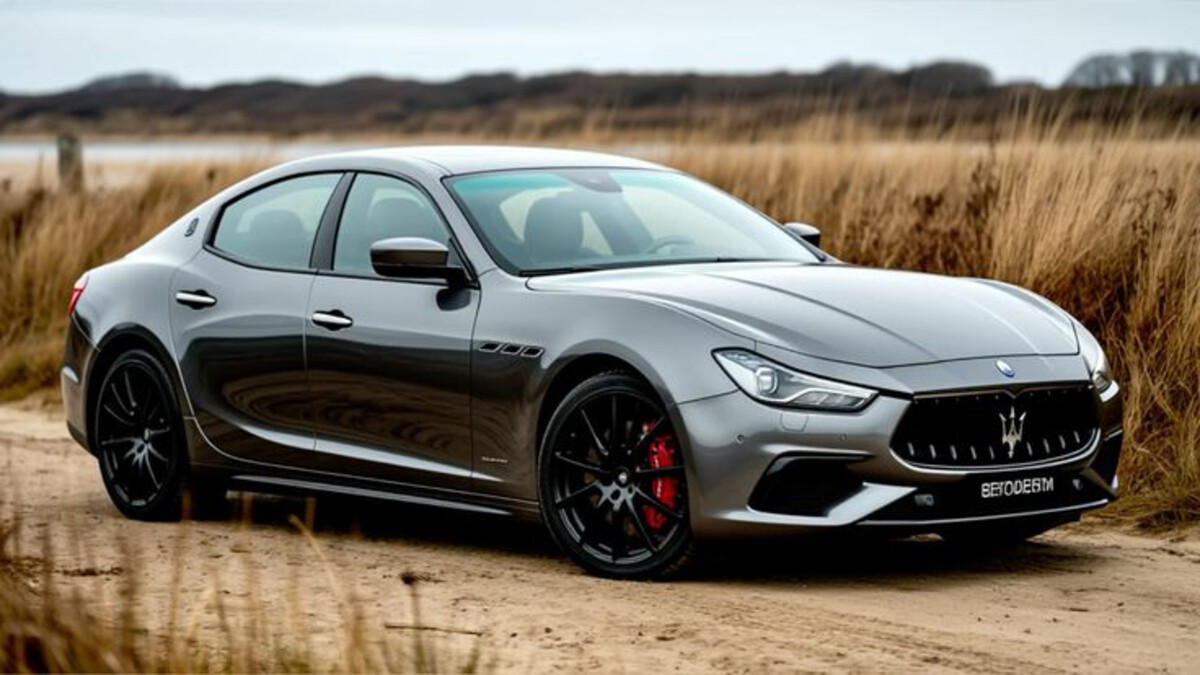
By year three, it’s not uncommon to see Ghiblis selling for 30-35% of their original MSRP, representing catastrophic wealth destruction for original owners.
A $90,000 Ghibli might be worth only $27,000 to $31,000 after three years a loss exceeding $60,000 in just 36 months. For buyers attracted to the Ghibli’s Italian styling and exhaust note, the only sensible approach is purchasing a used example after someone else has absorbed the extreme depreciation.
Even then, budgeting substantial amounts for maintenance and repairs is essential. For most Franklin residents, far better alternatives exist that deliver luxury, reliability, and better value retention.
3. Nissan LEAF
The Nissan LEAF pioneered mass-market electric vehicles, introducing mainstream buyers to emissions-free driving years before Tesla made EVs fashionable.
However, the LEAF’s depreciation rate has become legendary in the automotive world, with these electric hatchbacks losing value faster than almost any vehicle on the market.
While the LEAF serves adequately as an urban commuter when new, its combination of limited range, outdated battery technology, and rapid EV evolution makes it one of the worst vehicles for value retention available today.
New LEAFs start around $30,000 for base models, with longer-range Plus versions approaching $40,000. Despite these relatively moderate prices, the LEAF suffers devastating depreciation.
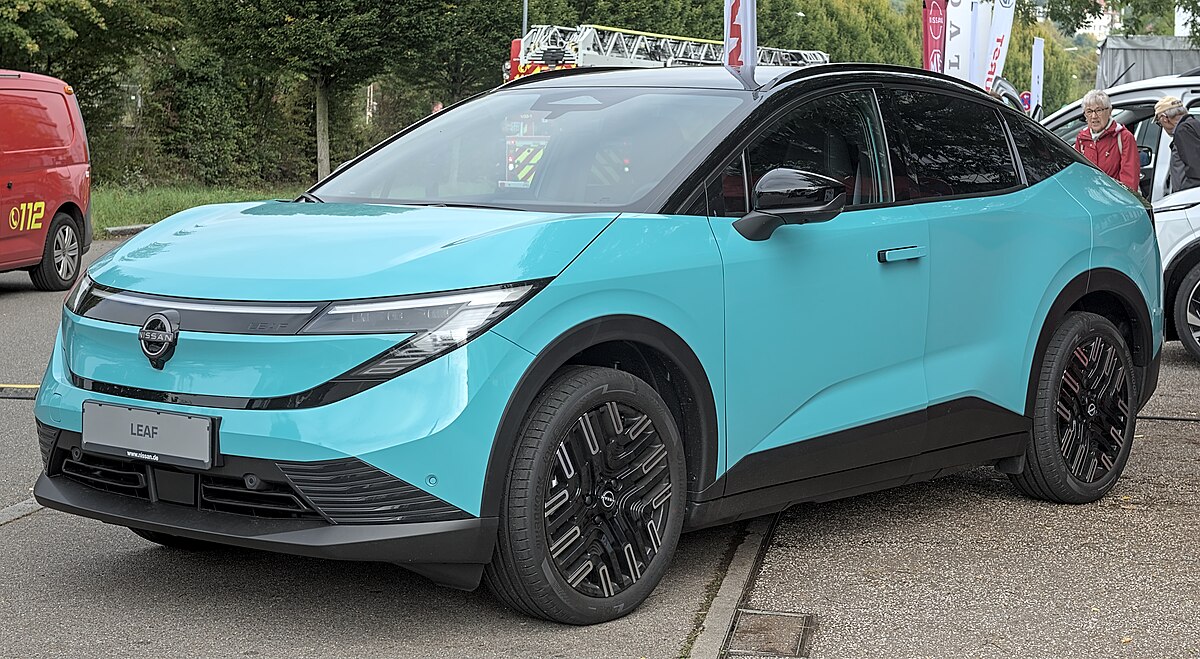
First-year value loss typically reaches 40-50%, with three-year-old LEAFs often worth only 25-30% of original MSRP. A $35,000 LEAF might be worth just $8,000 to $10,000 after three years extraordinary depreciation even by electric vehicle standards. Five-year-old LEAFs frequently sell for under $8,000, representing 75-80% total depreciation.
For Franklin residents considering an EV, the LEAF’s extreme depreciation actually creates an opportunity in the used market just not for new buyers.
A three-year-old LEAF at $10,000 can serve as an affordable secondary vehicle for short commutes, with the understanding that further depreciation should be expected and battery replacement may eventually be needed. However, purchasing a new LEAF makes little financial sense given the catastrophic value loss that awaits.
4. Land Rover Range Rover Sport
The Range Rover Sport combines genuine off-road capability with luxury appointments and prestigious badging, creating an appealing package for affluent buyers seeking status and versatility.
However, this British SUV has earned a reputation as one of the automotive industry’s worst investments from a depreciation perspective.
The Range Rover Sport’s combination of astronomical purchase prices, questionable reliability, and high maintenance costs creates a financial black hole that destroys owner equity at rates that shock even seasoned automotive professionals.
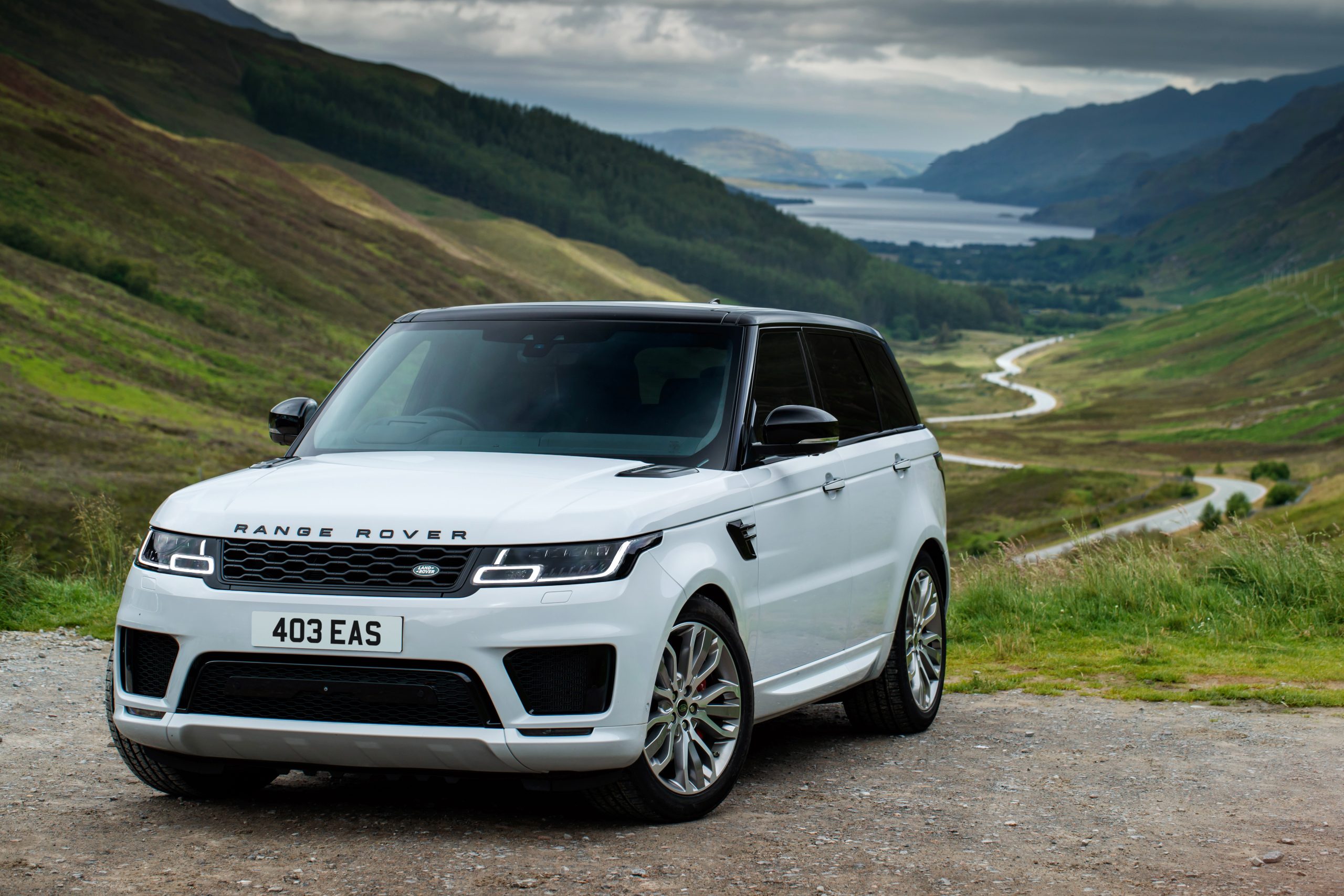
New Range Rover Sports start around $84,000, with well-optioned models easily surpassing $110,000 or more. These premium prices would be more palatable if values held steady, but the opposite occurs. First-year depreciation typically reaches 30-40%, with three-year values often dropping to 35-40% of original MSRP.
A $100,000 Range Rover Sport might be worth only $35,000 to $40,000 after three years a staggering $60,000 to $65,000 evaporation of value. Five-year-old examples frequently sell for under $30,000, representing 70% or greater total depreciation.
Reliability or lack thereof drives much of this depreciation. Land Rover consistently ranks at or near the bottom of reliability surveys from Consumer Reports, J.D. Power, and other automotive research firms.
Range Rover Sports suffer from electrical gremlins, suspension problems, engine issues, and transmission failures at rates far exceeding industry averages.
These problems don’t just inconvenience owners; they create massive repair bills that can reach $5,000 to $10,000 or more for major component failures. The air suspension system alone can cost $6,000 to replace when it inevitably fails.
For those who must have a Range Rover Sport, the only financially rational approach is purchasing a late-model certified pre-owned example, letting the original owner absorb the catastrophic first-year depreciation.
Even then, budgeting several thousand dollars annually for repairs and maintenance is essential. For most Franklin residents, far more sensible alternatives exist that deliver luxury and capability without the financial devastation.
5. Chrysler 300
The Chrysler 300 once represented American automotive ambition, offering bold styling and V8 power at accessible prices when it launched in 2005. However, the aging 300 has become a cautionary tale about how vehicles that aren’t regularly updated lose value rapidly as they fall further behind evolving competition.
With a design fundamentally unchanged since 2011 and technology that feels increasingly dated, the 300 suffers depreciation rates that make it one of the worst mainstream vehicles for value retention.
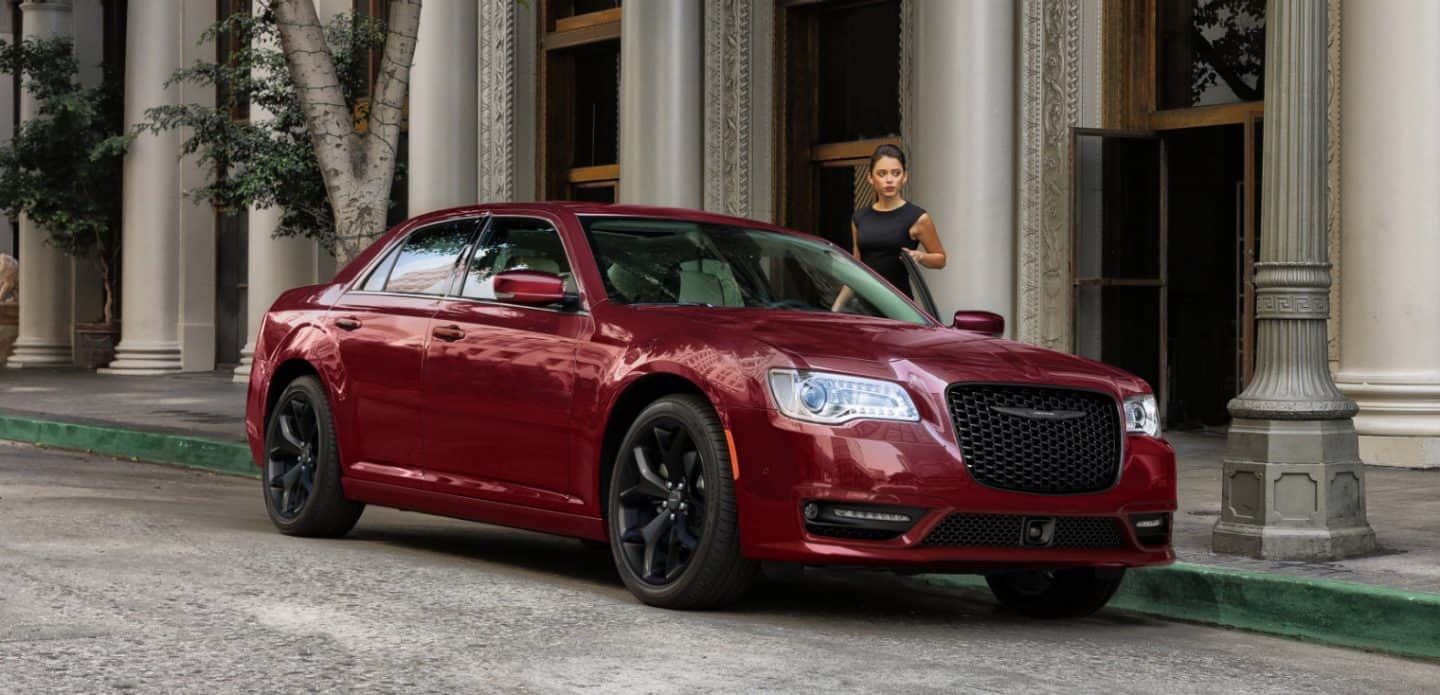
New Chrysler 300s start around $35,000, with well-equipped V8 models approaching $50,000. Despite these moderate prices compared to luxury competitors, the 300 depreciates at alarming rates.
First-year value loss typically reaches 30-35%, with three-year depreciation often exceeding 55-60%. A $40,000 Chrysler 300 might be worth only $16,000 to $18,000 after three years a loss exceeding $22,000. Five-year-old examples frequently sell for under $15,000, representing 60-65% total depreciation even for well-maintained examples.
The 300’s depreciation stems from multiple factors. Most significantly, the design has aged poorly compared to constantly evolving competition.
While the bold styling initially attracted attention, it now appears dated and heavy-handed compared to sleek modern sedans. The interior, despite updates, still uses hard plastics and design elements from the previous decade.
The infotainment system, based on Stellantis’ Uconnect platform, lags competitors in graphics quality and functionality, particularly in base models without the newest version.
For buyers attracted to the 300’s bold styling and available V8 power, the extreme depreciation creates an opportunity in the used market. A three-year-old 300 at $18,000 represents affordable V8 transportation, provided buyers understand that further depreciation is inevitable and budget appropriately for maintenance.
However, purchasing a new 300 makes little financial sense given the value destruction that begins the moment you drive off the lot. Franklin residents seeking large sedans would benefit from exploring competitors that better retain value while offering more modern features and superior efficiency.
Also Read: 5 Cars for Cambridge City Commuters and 5 That Aren’t College-Friendly
