
Muscle cars have always been synonymous with raw power, aggressive styling, and the unmistakable roar of a V8 engine. But not all V8s are created equal. While many muscle cars focus on torque and straight-line acceleration, the real thrill comes from a V8 that can scream to sky-high RPMs, offering a visceral connection between driver and machine.
High-revving V8s combine old-school muscle with modern engineering finesse, rewarding enthusiasts with not just brute force, but a thrilling soundtrack and a sense of precision on every shift.
For American gearheads, this is where performance and passion collide. Here’s a look at ten muscle cars that deliver the highest-revving V8s, ranked from the impressive to the absolute jaw-dropping.
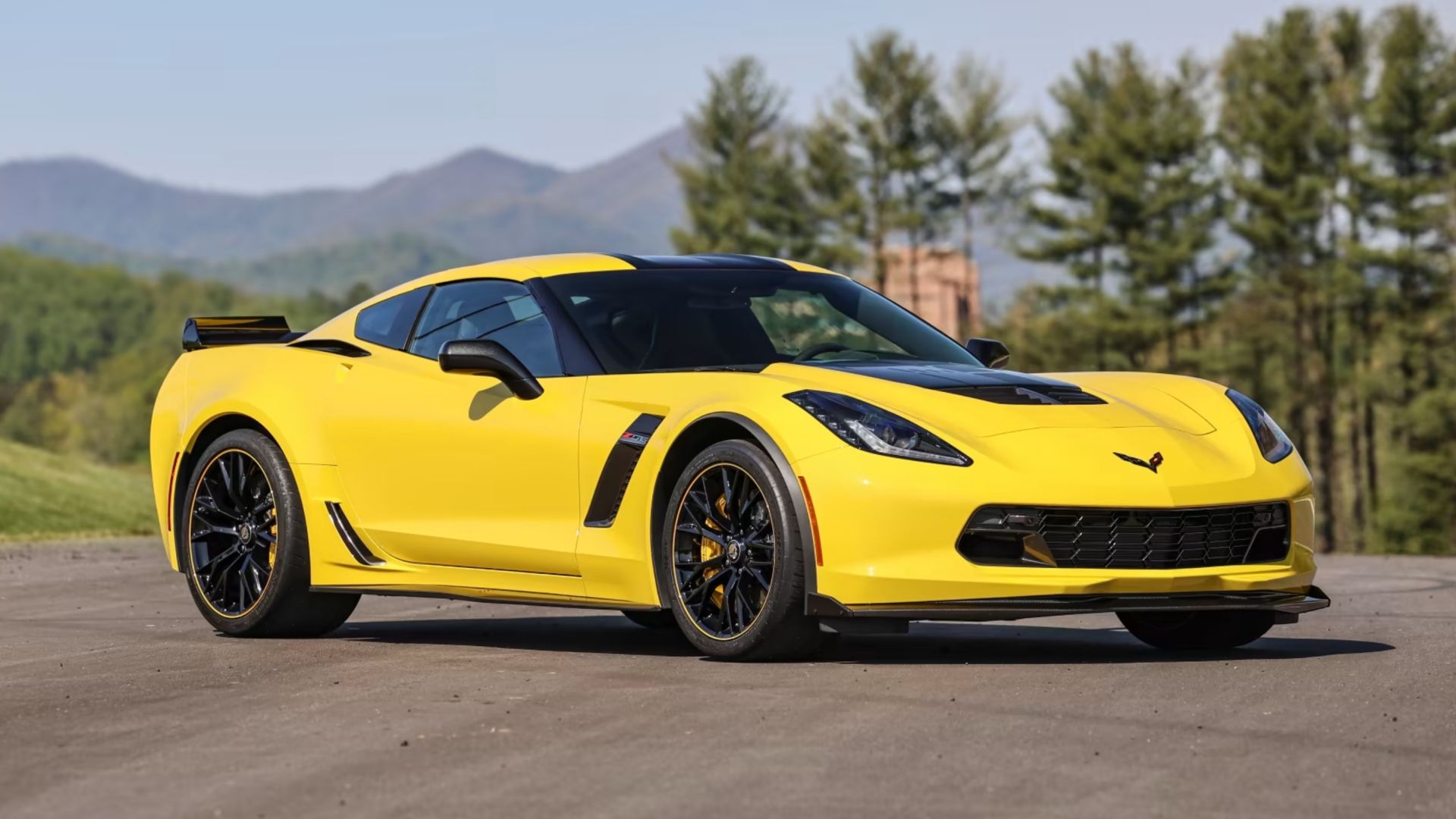
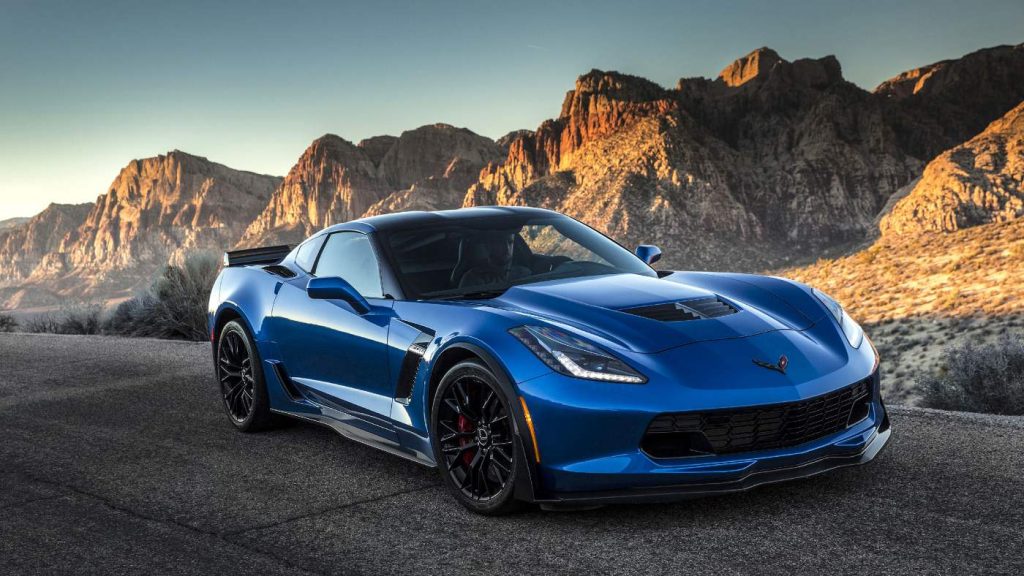
1. Chevrolet Corvette Z06 (C7, 2015-2019)
While the Corvette might be considered more of a sports car than a classic muscle car, the C7 Z06’s 6.2-liter LT4 supercharged V8 blurs that line beautifully. The naturally aspirated engine of earlier generations revved high, but the supercharged LT4 achieves a perfect balance between torque and high RPM performance.
With a redline around 6,600 RPM and the ability to scream up to 650 horsepower, this Corvette combines American muscle heritage with precise engineering, making it a favorite for those who want to hear a V8 sing on a track as well as on the open road.
Things are getting downright extreme in the Corvette lineup. Chevy’s sports car has always promised exotic performance at a more attainable price, and the C8 continues that tradition.
Whether you stick with the standard V-8 or step up to the star of this page, the Z06, you can’t go wrong. Chevy has been offering Z06 models with enhanced performance for more than two decades, and the 2025 Corvette Z06 is a breathtaking example of what the brand can do.
One of the best ways to experience the 2025 Corvette Z06 is to find an empty tunnel and floor it. What makes the Z06 extraordinary isn’t just the as-tested 0-60 mph time of 2.8 seconds, or the 670-hp flat-plane-crank LT6 V-8.
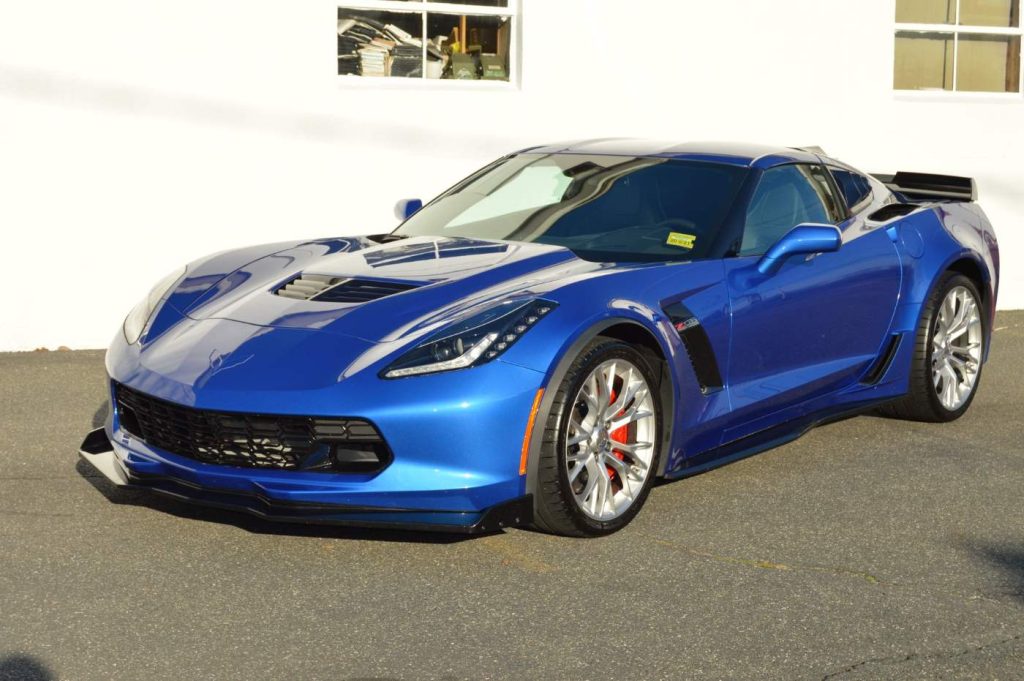
The Corvette E-Ray hybrid starts above $100,000, but the Z06 promises more visceral fun, though you’ll visit the pump more often. If this Ferrari-beating machine is among the last V-8 Corvettes before the move to fully electric powertrains, it’s a phenomenal way for Chevy to bow out.
Under the hood, the 2025 Z06’s flat-plane-crank 5.5-liter V-8 produces 670 hp at 8,400 rpm and 460 lb-ft of torque at 6,300 rpm, paired with a standard eight-speed dual-clutch transmission.
Efficiency and range aren’t this Corvette’s strong points. EPA ratings land at 12/19–20 mpg city/highway depending on options, a notable drop from the standard Corvette’s 16/25 mpg and the Corvette E-Ray’s 16/24 mpg.
A gas-guzzler tax applies. Combined city/highway driving range comes to 259 miles, down sharply from the 352-mile range of both the standard Corvette and the E-Ray.
Also Read: 5 Cars for Midtown Atlanta Short Trips and 5 That Drain Fuel in Stop-and-Go
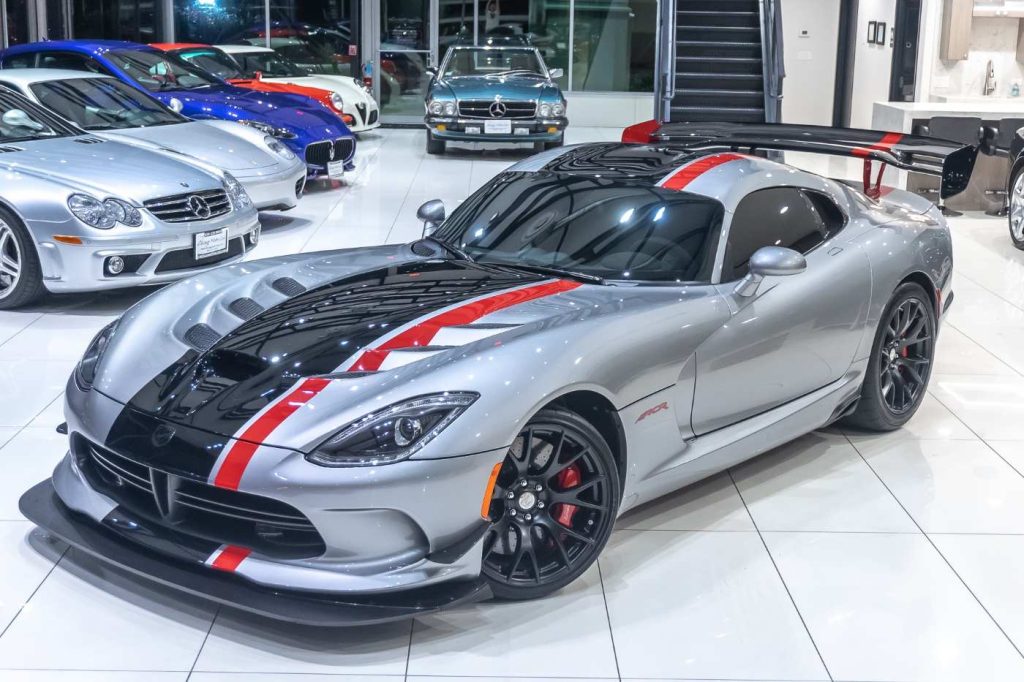
2. Dodge Viper ACR (2016-2017)
The Dodge Viper, especially in its ACR form, is one of the most extreme American muscle cars. Its massive 8.4-liter V10 technically steps outside the V8 classification, but earlier generations featured high-revving V8 variants that earned a reputation for screaming to near 6,200 RPM.
The Viper’s engine is naturally aspirated, meaning the sound and response are immediate, with an almost mechanical purity that few cars can match. American muscle enthusiasts appreciate it for delivering raw power and a rev-happy character that few modern cars can replicate.
3. Ford Mustang Shelby GT350 (2015-2020)
The GT350 brought something unique to the Mustang lineup: a 5.2-liter flat-plane crank V8. Unlike the traditional cross-plane V8s in most American muscle cars, the flat-plane design allows the engine to rev higher and produce a screaming, Ferrari-like exhaust note.
With a redline of 8,250 RPM, the GT350 stands out as a rare high-revving V8 in a muscle car, offering precise handling and a visceral driving experience that balances American power with European-inspired engineering.
Over the decades, Shelby-branded Mustangs have returned periodically, either as Ford Performance OEM models or as custom builds by Shelby American. Historically, the GT350 and GT500 badges were usually reserved for finished Ford products, but that changes with the latest GT350, it’s now a Shelby-built car rather than a Ford-built one.
The last GT350 sold through dealerships was an official Ford Performance model. However, a split between Ford and Shelby led to the GT350 being replaced by the Dark Horse in the current Mustang generation. This opened the door for Shelby American to reintroduce the GT350 as their own official Mustang build.
Unlike the Voodoo-powered GT350 produced by Ford in the 2010s, the new Shelby GT350 generally comes with a supercharged version of the Mustang GT’s standard Coyote V-8. This engine produces a staggering 810 horsepower, a huge leap from the badge’s origins as a track-focused small-block variant.
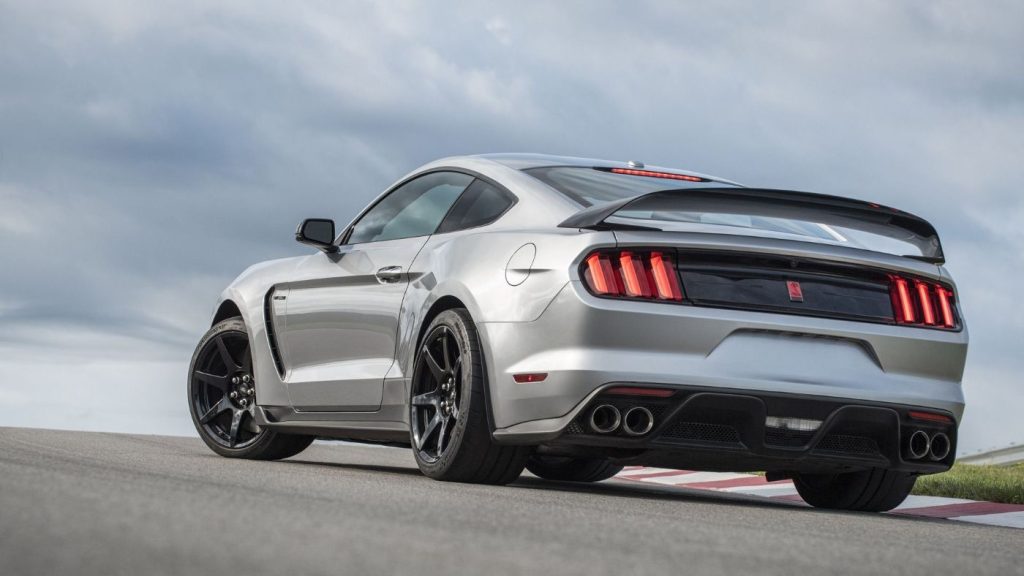
Power is routed through a Shelby-specific Borla exhaust. Additional performance upgrades include lowering springs, front and rear sway bars, and a short-throw shifter for manual-equipped models. Cosmetic and interior changes include re-covered leather seats, a unique grille, and other distinct visual touches.
For enthusiasts seeking something even more extreme, Shelby offers the GT350R, limited to just 36 units. This track-focused variant features extensive carbon fiber work, multiple unspecified chassis upgrades, and JRI race struts and shocks.
Shelby lists the starting price of the supercharged GT350 at $109,995, based on a 2025 Mustang GT with a manual transmission. This detail suggests these GT350s are conversions of completed Mustang road cars rather than vehicles built entirely from the ground up by Shelby.
Pricing for the GT350R has not yet been announced. In some states, the supercharger is sold separately, meaning certain GT350s may be delivered with the standard 480-hp output. Prices for these non-supercharged GT350s, as well as the separate supercharger purchase, have also not been disclosed.
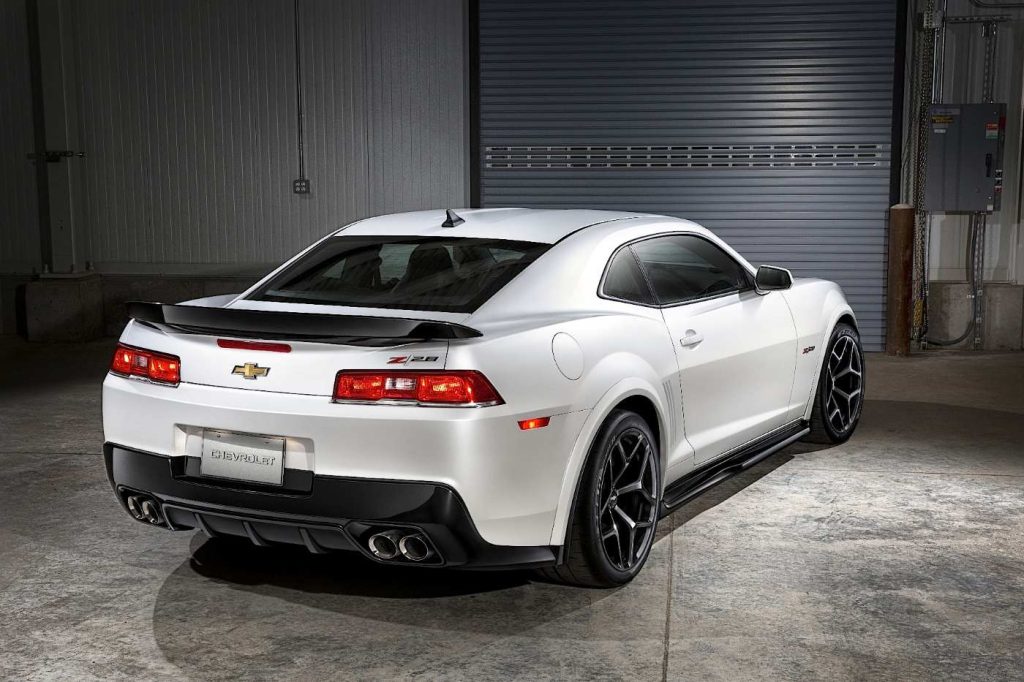
4. Chevrolet Camaro Z/28 (2014-2015)
Chevrolet’s Camaro has always been a benchmark in the muscle car world, and the Z/28 variant pushed the boundaries of high-revving performance. The naturally aspirated 7.0-liter LS7 V8, shared with the Corvette Z06 C6, delivers 505 horsepower with a redline around 7,000 RPM.
The LS7’s lightweight components, including titanium intake valves, allow it to rev smoothly and quickly, providing a thrilling experience on winding roads and the drag strip alike.
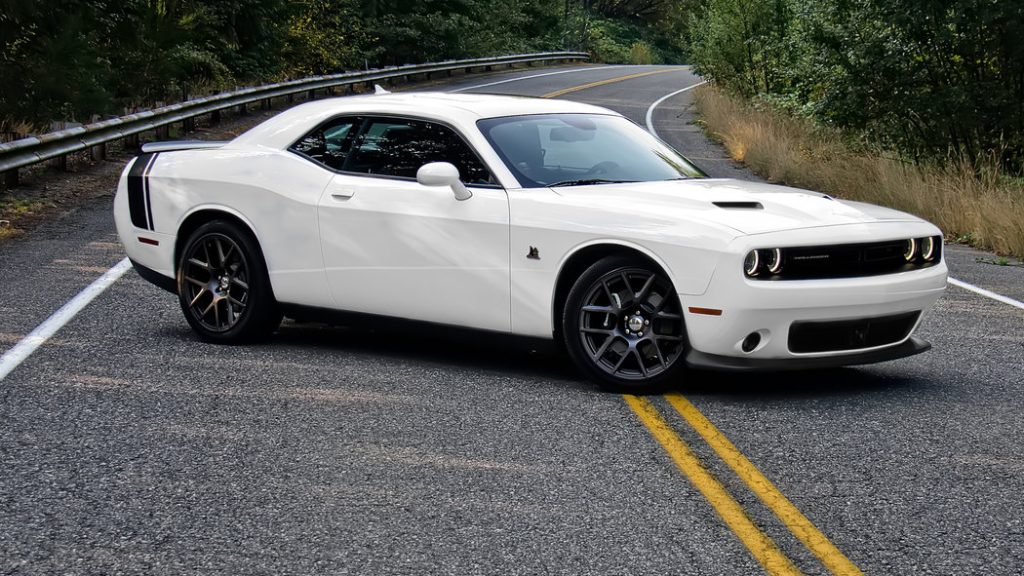
5. Dodge Challenger R/T Scat Pack (2015-Present)
The Challenger may be known for its heavyweight, torquey V8s, but the R/T Scat Pack with its 6.4-liter HEMI manages to rev higher than many of its peers. With a redline around 6,250 RPM, the naturally aspirated HEMI delivers over 485 horsepower, producing a thrilling sound that resonates deep in the chest.
While it may not rev as high as the Shelby GT350, it offers a uniquely American high-RPM experience that emphasizes punchy acceleration and a commanding presence on the road.
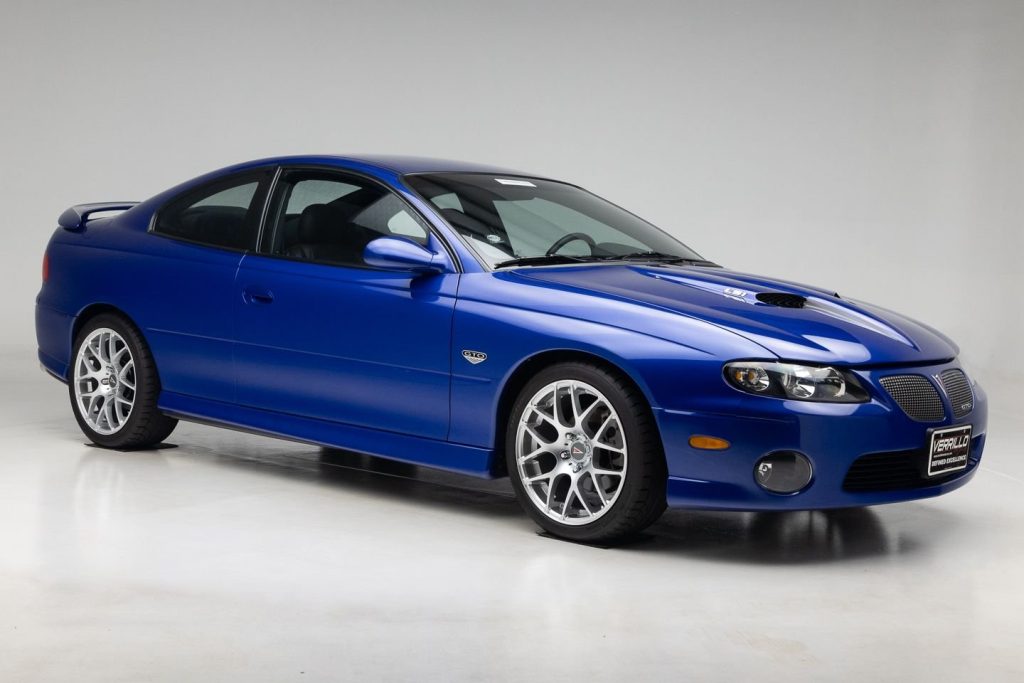
6. Pontiac GTO (2004-2006)
The final-generation Pontiac GTO, powered by a 6.0-liter LS2 V8, offered a surprisingly high-revving experience for a muscle car rooted in straight-line performance.
With a redline of 6,000 RPM and 400 horsepower, the LS2 could be pushed hard without the typical heavy, sluggish feel of older muscle car engines. For U.S. enthusiasts, the GTO represents a blend of nostalgia and modern refinement, delivering a V8 that’s as responsive on the highway as it is on a twisty backroad.
The Pontiac GTO, often hailed as the original muscle car, is a legendary vehicle that has stood the test of time and remains a beloved classic among automotive enthusiasts. With its powerful engines, sleek design, and rich history, the GTO has cemented its place in American car culture.
In this in-depth guide, we’ll explore the Pontiac GTO’s fascinating story, from its origins to its most iconic models. As part of our series on Pontiac car history and famous models, this article examines the GTO’s impact on the automotive industry and its enduring popularity among collectors.
Whether you’re a dedicated fan or simply curious about this iconic car, you’ll gain insights that are both informative and captivating.
First introduced in 1964, the Pontiac GTO was the brainchild of John DeLorean, who envisioned a car that seamlessly blended speed, power, and style.
Its immediate success was unparalleled, quickly earning recognition as the first true muscle car, a term that would come to define high-performance vehicles with large-displacement engines. The GTO changed the automotive landscape, setting a benchmark for future muscle cars to follow.
Today, the Pontiac GTO remains highly sought after by collectors and enthusiasts alike. Its timeless design and thrilling performance continue to resonate, proving its status as a true classic.
Also Read: Top 10 Most Gorgeous Italian Sports Bikes Ever
7. Ford Mustang Boss 302 (2012-2013)
The Boss 302 revived the legendary nameplate with a 5.0-liter Coyote V8 specifically tuned for high-rev performance. Featuring a redline of 7,500 RPM and 444 horsepower, the engine includes unique intake, camshaft, and exhaust configurations designed to keep the power climbing at higher RPMs.
Its naturally aspirated design allows the engine to deliver a clean, aggressive note, making it one of the most exhilarating high-revving V8 Mustangs in history.
Over the course of the Mustang’s storied history, countless variants and special editions have emerged, each offering unique styling cues, performance upgrades, or limited production runs.
Among these, the Boss 302 stands out as a modern tribute to a legendary nameplate. As Ford considers reviving the Boss badge for future models, it’s worth looking back at the 2012–2013 Mustang Boss 302 and the legacy it carries.
Launched in 2012, the modern Boss 302 was powered by a reworked version of the Coyote V8 engine found in the 2011 Mustang GT. The name “Boss 302” references the original 1960s Boss 302, named for its engine displacement of 302 cubic inches, equivalent to 5.0 liters.
The Boss 302 paired its V8 with a six-speed manual transmission and a limited-slip differential, with a Torsen (torque-sensing) version available as an option.
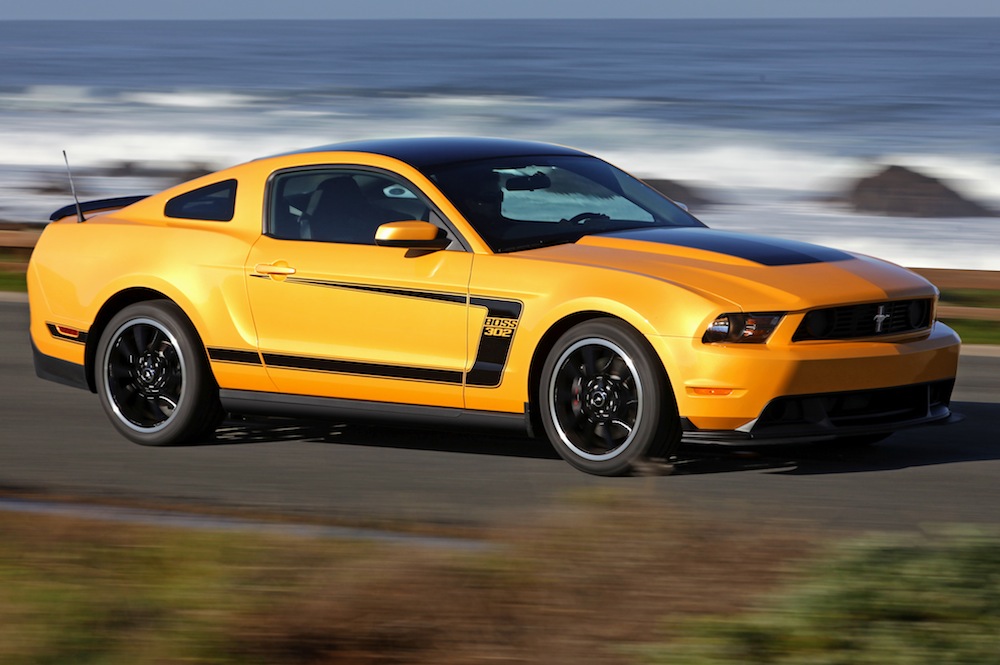
The exhaust system was unique, combining two of the Mustang GT’s original outlets with two additional pipes to create a quad-exhaust configuration. Each side featured attenuation discs that could be removed to produce a louder, more aggressive soundtrack.
Beyond the powertrain, the Boss 302 was distinguished by its aerodynamic and cosmetic upgrades. Borrowing elements from its racing counterpart, the 302R, it came with an aero kit, 19-inch black alloy wheels, and Pirelli P-Zero tires, giving the car both a sharper appearance and improved track performance.
Production of the Boss 302 was limited, with fewer than 10,000 units made. This rarity means that finding a well-preserved example on the used market can be challenging, though not impossible.
Prices vary widely depending on condition and mileage, ranging from around $20,000 for higher-mileage or less pristine models, up to $60,000 for low-mileage, excellent-condition examples.
8. Chevrolet Corvette C6 Z06 (2006-2013)
Before the C7 Z06, the C6 Z06 set a benchmark with its 7.0-liter LS7 V8. With a redline of 7,000 RPM and 505 horsepower, the LS7 provided an intoxicating combination of rev-happy performance and reliability.
The lightweight engine components, paired with a dry-sump oil system, allow drivers to explore the upper limits of the V8’s rev range without hesitation. This Corvette remains a favorite among U.S. enthusiasts who value classic American muscle combined with track-ready engineering.
Even in a class full of impressive performance cars, the Corvette stands out. In Edmunds’ testing, using the car’s launch control system, our 3LT coupe equipped with all-season tires accelerated from 0 to 60 mph in 3.6 seconds (3.3 seconds with one foot of rollout) and completed the quarter mile in 11.8 seconds at more than 118 mph.
Opt for the Z51 Performance Package, and those numbers improve to 3.4 seconds and 11.5 seconds at 120 mph, respectively. Braking performance is excellent, though not quite class-leading, largely due to the narrower front tires. Our 3LT test car stopped from 60 mph in 109 feet, while a Z51 with its stickier tires required just 105 feet.
Steering and handling are impressive, allowing drivers of even moderate skill to explore the Corvette’s considerable limits. The new eight-speed automatic transmission adds to the driving experience with smooth, quick shifts.
Among sports cars, it ranks highly. Our test car had the optional MagneRide adaptive suspension, which handled bumps and rough patches with ease and maintained a compliant ride. Wind and engine noise are minimal, though tire noise can be noticeable on rough surfaces.
The GT2 bucket seats are ideal for long drives, striking a balance between comfort and support during spirited cornering. While less aggressive than the optional Competition seats, they remain well-padded for extended trips. The climate system provides strong airflow, and heated and ventilated seat functions perform effectively.
The Corvette’s interior is as visually striking as its exterior. Controls are generally intuitive, though the climate control buttons’ placement can feel awkward.
Passengers have limited interaction opportunities, and ingress and egress can be challenging, particularly in tight spaces. Rear visibility is compromised by thick pillars, though a camera-based rearview mirror helps mitigate blind spots.
Chevrolet’s latest infotainment system shines in the Corvette. The graphics are sharp, and the touchscreen sits conveniently close to the driver.
While adaptive cruise control and emergency braking are not available, rear cross-traffic alerts are a welcome addition, as are the multiple cameras for low-speed maneuvering.
An optional nose-lift system uses GPS to remember steep driveways, a surprisingly handy feature. Performance Traction Management software is also offered and works exceptionally well.
9. Dodge Charger SRT8 (2006-2010)
The Dodge Charger SRT8, with its 6.1-liter HEMI V8, may be bulkier than some of the other cars on this list, but it delivers an impressive high-RPM experience for a full-size muscle car.
With a redline of 6,200 RPM and 425 horsepower, the SRT8 balances its mass with a thrillingly responsive engine. American drivers who enjoy long straight-line runs and the deep rumble of a naturally aspirated V8 find this car particularly satisfying.
Dodge introduced the 2012 Charger SRT as a high-performance variant of its four-door sedan, aimed at buyers who wanted a family car capable of keeping pace with some supercars.
Following the launch of the seventh-generation Charger, Dodge recognized that its customers desired a more potent version of the model. The 2012 Dodge Charger SRT answered that call with a supercharged V8 under the hood, a premium interior, and upgraded brakes.
Its aggressive styling also made it clear to bystanders that this four-door sedan could outpace most cars on the road, including some supercars. Just a few years later, Dodge replaced it with an even more powerful version for 2015.
The 2012 Dodge Charger SRT8 made a bold statement visually. Its front end featured a wide black grille with Dodge’s signature crosshair design and a silver SRT badge. Integrated scoops on the lower sides of the wraparound plastic bumper housed the fog lamps, adding to the aggressive presence.
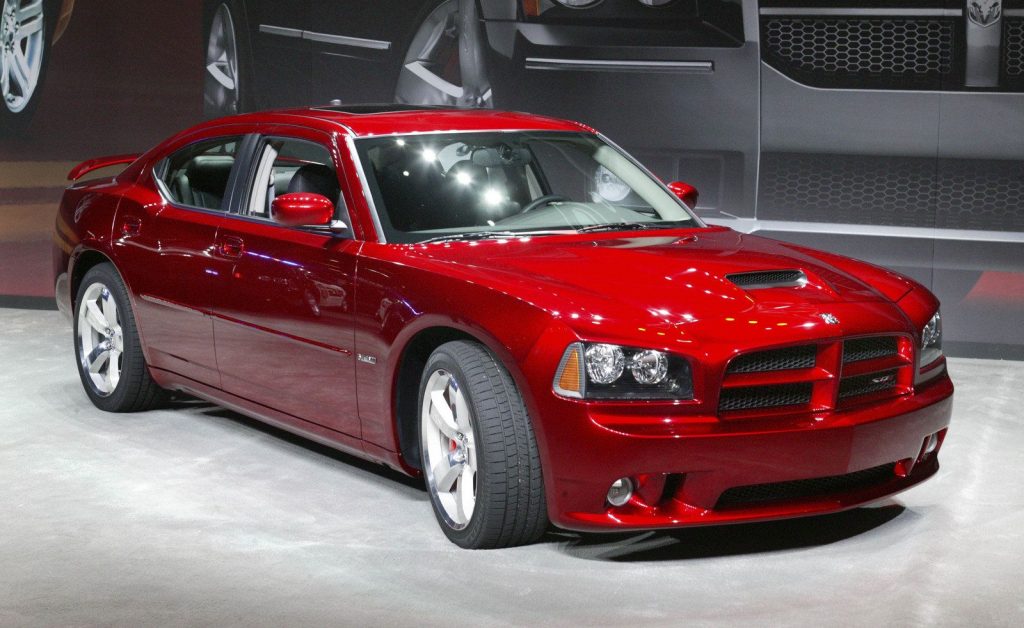
The car’s side profile continued the performance theme. Standard 20-inch five-spoke polished forged aluminum wheels showcased the massive Brembo brakes, while buyers could opt for five double-spoke wheels instead.
Aerodynamic side sills enhanced the sporty appearance, and the rear received a subtle lip spoiler on the trunk, with a wing available as an option. The quad oval exhaust tips completed the look, giving the Charger SRT a distinct growl unique to this high-performance variant.
Inside, the SRT spoiled its occupants with a luxurious cabin. Performance leather-trimmed seats with perforated suede inserts and the SRT logo on the seatbacks fronted the driver and passenger.
The real heart of the 2012 Charger SRT, however, was under the hood. A supercharged 6.4-liter V8 HEMI engine produced 470 hp (477 PS) and sent power to the rear wheels via a five-speed automatic transmission.
Complementing the engine was a Bilstein three-mode adaptive damping system that significantly improved handling, ensuring the Charger SRT was as capable on winding roads as it was on the drag strip.
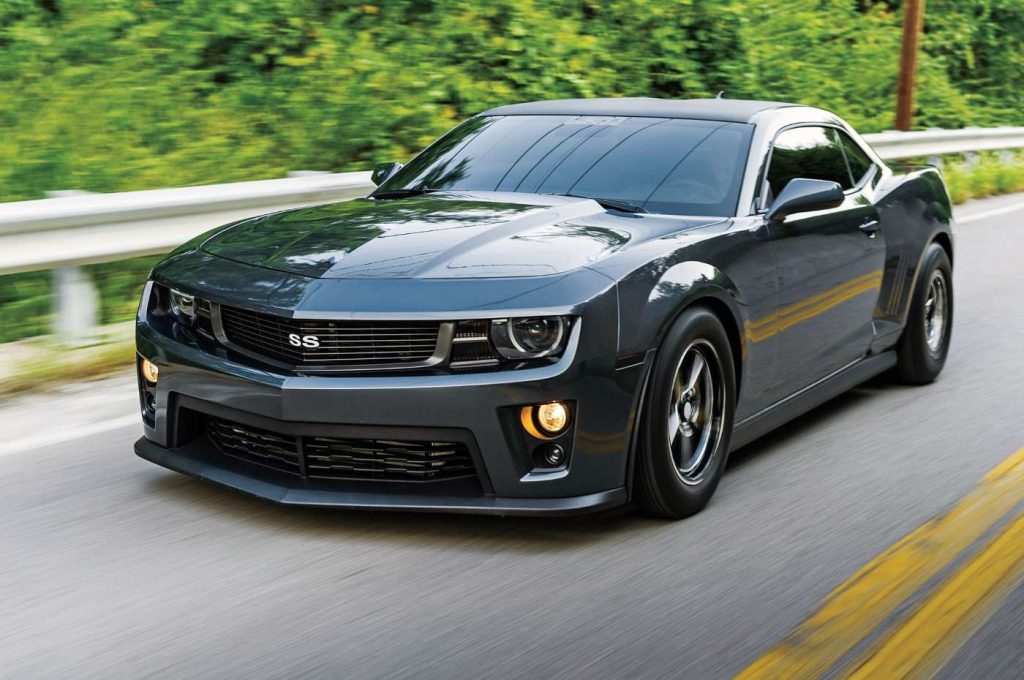
10. Chevrolet Camaro SS (2010-2015)
The fifth-generation Camaro SS, equipped with the 6.2-liter LS3 V8, rounds out the list. Capable of revving to 6,500 RPM, the LS3 produces 426 horsepower and delivers smooth, predictable performance.
While it may not match the ultra-high redlines of the Boss 302 or GT350, it offers a balanced experience that’s perfect for both daily driving and spirited weekend runs. Its widespread availability in the U.S. has made it a favorite for enthusiasts seeking a versatile muscle car that still sings when pushed to the limit.
High-revving V8s represent a different philosophy than the traditional muscle car engine. While torque and low-end grunt dominate classic American muscle, a high-revving V8 emphasizes precision, responsiveness, and the sheer thrill of pushing an engine to its limits.
The 2010 Chevrolet Camaro SS boldly carried forward design cues from the first-generation Camaro, most notably its round, recessed headlights and the egg-crate black grille accented by a prominent gold bow-tie badge. The SS also featured a narrow gap above the grille and a cowl induction hood, setting it apart from its siblings.
Fans of the classic Camaro would instantly recognize the fifth-generation model’s long hood and low-slung greenhouse with narrow windows. Unique to the 2010 SS were its 20-inch alloy wheels.
At the rear, thick C-pillars flowed into coke-bottle–styled quarter panels, echoing the Muscle Car Era. A subtle decklid lip spoiler added a sporty flair, while the trapezoidal rear valance framed dual round exhaust tips for a bold finish.
Inside, the Camaro SS balanced sportiness with comfort. The cabin combined hard plastics with leather-covered, high-bolstered front bucket seats and a rear bench.
A three-spoke steering wheel framed rectangular instrument clusters flanking an LCD screen for navigation. The center stack offered a standard AM/FM radio with CD and MP3 playback, while Bluetooth connectivity was exclusive to the 2SS trim.
Performance was at the heart of the SS experience. The LS3 V8 delivered 416 hp (421 PS) to the rear wheels via a six-speed manual, while the L99 V8 paired with a six-speed Hydra-Matic 6L80 automatic produced 400 hp (405 PS) for those preferring an automatic setup.
All SS models featured a 4.5-link independent rear suspension and a limited-slip differential, offering both a thrilling quarter-mile ride and comfortable cruising capability.
The sound is sharper, the shifts more engaging, and the driving experience more dynamic, rewarding drivers who crave a connection with the machine beyond raw acceleration. In the U.S., these engines are celebrated not just for horsepower figures, but for the character they bring to the road and track.
From the flat-plane crank Mustang GT350 to the legendary LS7 engines in Corvettes and Camaros, high-revving V8s offer a unique slice of American muscle car culture. They blend the traditional appeal of big American engines with the excitement of a rev-happy, responsive driving experience.
For U.S. enthusiasts, these ten cars highlight the pinnacle of what a V8 can do when engineers push beyond torque alone and chase exhilaration in every gear.
Owning or driving one of these machines is not just about speed, it’s about the thrill, the sound, and the undeniable connection between driver and engine. For anyone serious about muscle cars, these high-revving V8s are unmissable.
