
If you’re in the market for an SUV in 2026 and speed matters just as much as utility, you’re in the right place. Gone are the days when an SUV meant lumbering around town with indifferent acceleration.
Today’s sport‑oriented SUVs blend performance and practicality, and in 2026 there’s an impressive crop of them that will give you strong straight‑line speed without busting the $50,000 price barrier. This list focuses on what you can realistically buy in the United States new, with prices under $50K, not just “theoretical” builds or long‑delayed trims.
We break down the 10 fastest SUVs under $50,000 based on factory 0‑60 mph times (or close estimates), real‑world performance, and overall value. You’ll see everything from muscular turbocharged compact crossovers to sport‑tuned midsize machines. The goal here is truthful, buyer‑friendly guidance, speed matters, but so does common sense.
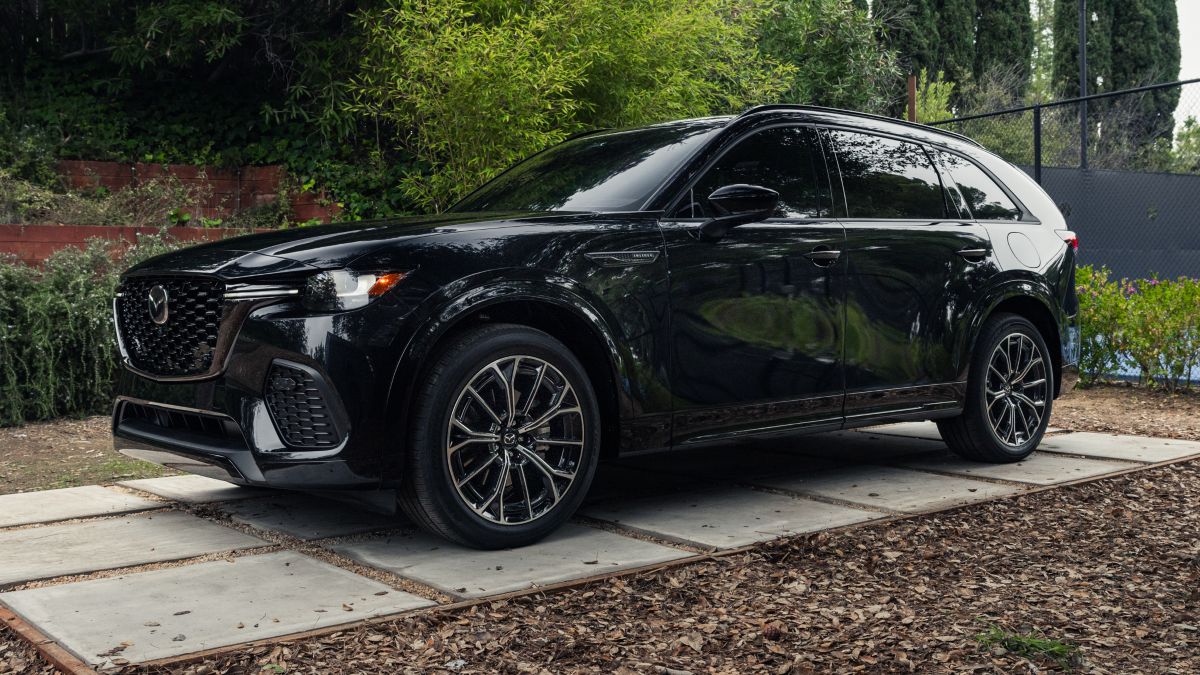
1. Mazda CX‑70 Turbo (0–60 mph ~6.0 sec)
The Mazda CX‑70 Turbo is one of those SUVs that’s easy to love because it blends everyday usability with surprising athleticism. Mazda has been on a tear with its latest vehicles, and in 2026 the CX‑70 continues to punch above its weight.
Under the hood sits a turbocharged inline‑4 that produces robust mid‑range power. You won’t mistake it for a sports car, but when you mash the accelerator, the CX‑70 responds with an eager rush that feels much quicker than its price suggests.
What makes the CX‑70 special is how it drives. Steering is sharp, body control is confident, and road feedback is refreshingly communicative, attributes you don’t often find in SUVs at this price point. It’s a great choice if you want a balanced blend of comfort, utility, and performance.
If you’re a driver who hates numb steering and slow takeoffs, the CX‑70 Turbo should be near the top of your list.
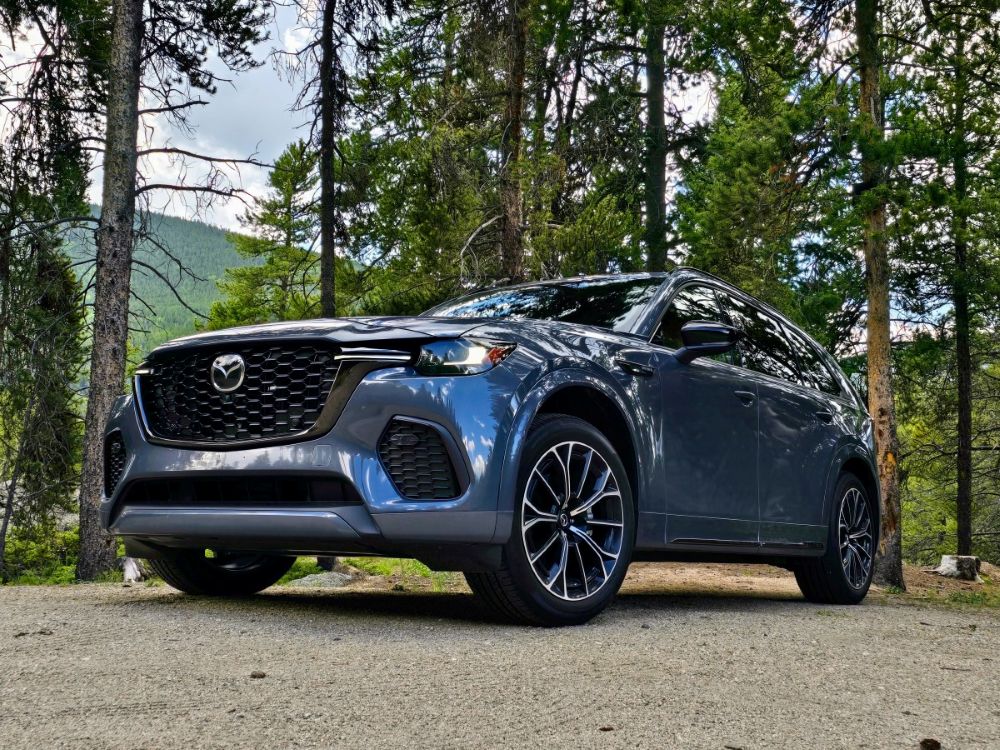
2. Hyundai Tucson N Line (0–60 mph ~6.3 sec)
The Hyundai Tucson N Line is a sleeper hit. It doesn’t look outrageously sporty, but it moves. Hyundai’s N Line treatment adds sharper tuning, sportier suspension, and a zippy powertrain that gives the Tucson genuine pep.
Performance isn’t the only highlight, the Tucson’s interior design and tech features are modern and well‑executed. Apple CarPlay and Android Auto come standard, the display screens are easy to use, and there’s plenty of room for passengers and cargo.
In a segment crowded with compact crossovers, the Tucson N Line stands out because it doesn’t sacrifice comfort for performance. You get enjoyable acceleration and responsive handling without a harsh ride. If you want SUV practicality with a fun edge, this is a compelling pick.
The Tucson isn’t an SUV for those who need speed. Its standard gas engine struggles to move the SUV with authority, taking 10.2 seconds to reach 60 mph, one of the slowest times among the crossovers we’ve tested. It’s fine around town and steady on the highway, but any demand for quick acceleration exposes its sluggishness.
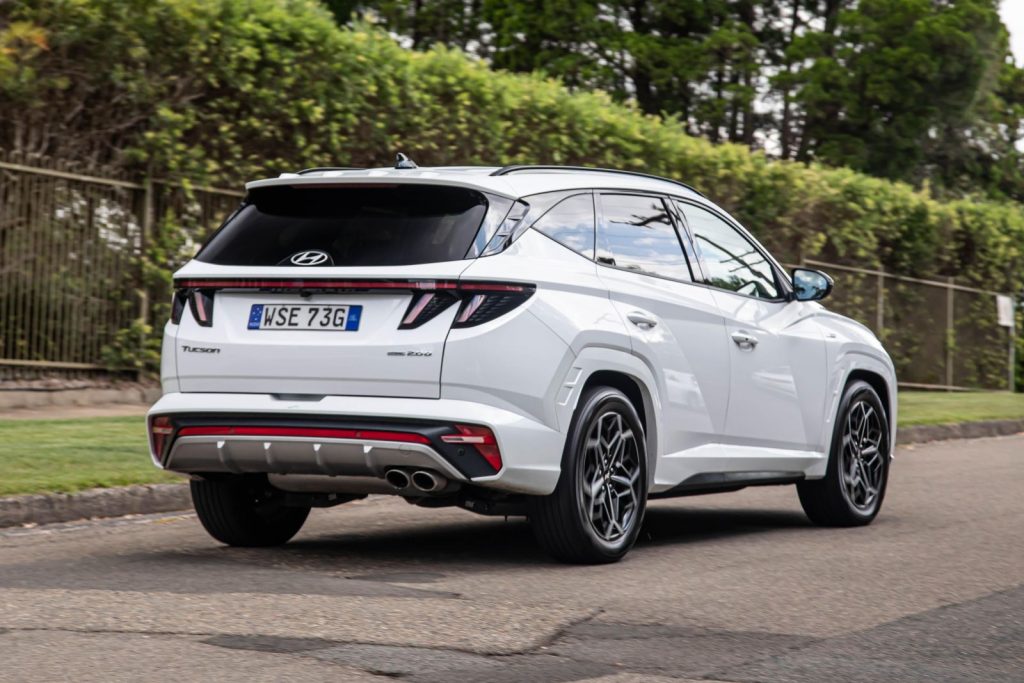
That said, the Tucson impresses with its direct, easy-to-use steering and composed handling through corners. Its supple suspension absorbs bumps and road imperfections exceptionally well, making it one of the smoothest rides in its class.
Visibility is excellent thanks to a large windshield and thin roof pillars. The Tucson’s suite of driver-assistance features also stands out. Blind-spot warning is helpful, adaptive cruise control performs admirably in stop-and-go traffic, and front and rear parking sensors make tight spots easier to navigate, Though the constant beeping can get tiresome.
Inside, the Tucson approaches luxury-level comfort. In our Limited-trim test car, the front seats were superb, with plush, supportive cushions, strong lateral support, and power-adjustable lumbar controls.
The upholstery feels premium, and the seating position strikes a balance between SUV and passenger-car feel, slightly elevated, but not overwhelming. For those who prefer a higher perspective, the front seats adjust vertically. The heavy reliance on touchscreen controls is a drawback, as everything is routed through a flat, featureless panel with no haptic feedback.
Entry and exit are effortless thanks to large door openings, and interior space is generous. Headroom, legroom, and shoulder room are all excellent, allowing a six-foot-tall passenger to sit comfortably behind a six-foot driver.
The rear seats also recline, and the cabin easily accommodates bulky infant seats. LATCH anchors are tucked between the cushions but are straightforward to locate and use, with three top-tether spots integrated into the back of the rear seats.
Also Read: Top 10 SUVs That Cost the Least to Keep on the Road
3. Toyota RAV4 Prime (0–60 mph ~5.7 sec)
The Toyota RAV4 Prime isn’t just fast for an SUV under $50K. It’s fast full stop in this price bracket. This plug‑in hybrid doesn’t just deliver strong acceleration, it does it while also offering excellent fuel economy and an electric‑only driving range most rivals can’t match.
The RAV4 Prime pairs a powerful gas engine with electric motors to serve up more than 300 combined horsepower. The result? A 0‑to‑60 time that rivals some sports cars.
On top of speed, you get Toyota’s reputation for durability, a roomy cabin, and extensive dealer network support across the U.S. The Prime also qualifies for potential federal or state incentives, reducing the effective cost even more.
This one is a no‑brainer if you want sporty performance and fuel savings.
The RAV4 Hybrid combines a 2.5-liter four-cylinder engine with three electric motors for a total output of 219 horsepower. All-wheel drive is standard, with one electric motor powering the rear wheels while the others work with the gasoline engine to drive the front wheels.
A continuously variable automatic transmission (CVT) completes the setup. Compared with the gas-only model, the hybrid is not only more efficient but also quicker. Our test Woodland Edition achieved 0–60 mph in 7.3 seconds, while the nonhybrid took 8.0 seconds.
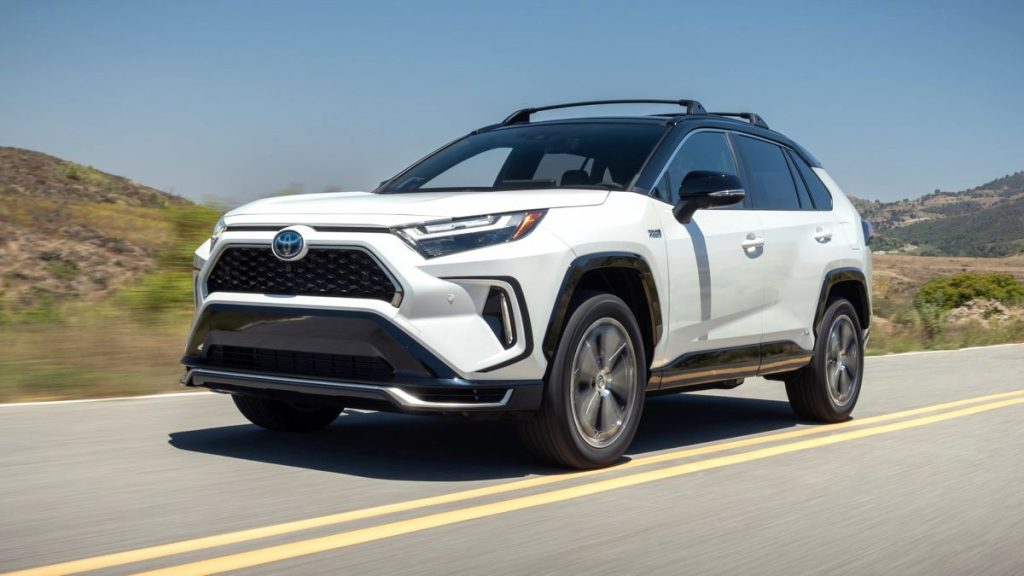
The RAV4 Hybrid delivers lively, responsive acceleration, especially around town, where the electric motor provides instant torque for a noticeable boost off the line. For drivers seeking even more performance, the RAV4 Prime excels, reaching 60 mph in just 5.6 seconds in our testing.
Like the standard RAV4, both hybrid and Prime models offer competent handling and a comfortable ride, though don’t expect any cornering heroics.
4. Ford Bronco Sport Badlands (0–60 mph ~6.5 sec)
Performance in SUVs doesn’t always mean pavement only, and that’s where the Ford Bronco Sport Badlands shines. It’s not the quickest SUV on this list, but what it lacks in straight‑line bragging rights it makes up for in off‑road capability and rugged versatility.
With a turbocharged engine and clever terrain management system, the Bronco Sport Badlands can handle snow, mud, gravel, and fire trails while still offering respectable acceleration.
If your idea of “fast” includes ripping through dirt roads on weekends and still getting to work on time during the week, this is a smart pick. Just know that the suspension prioritizes ruggedness over razor‑sharp on‑road handling.
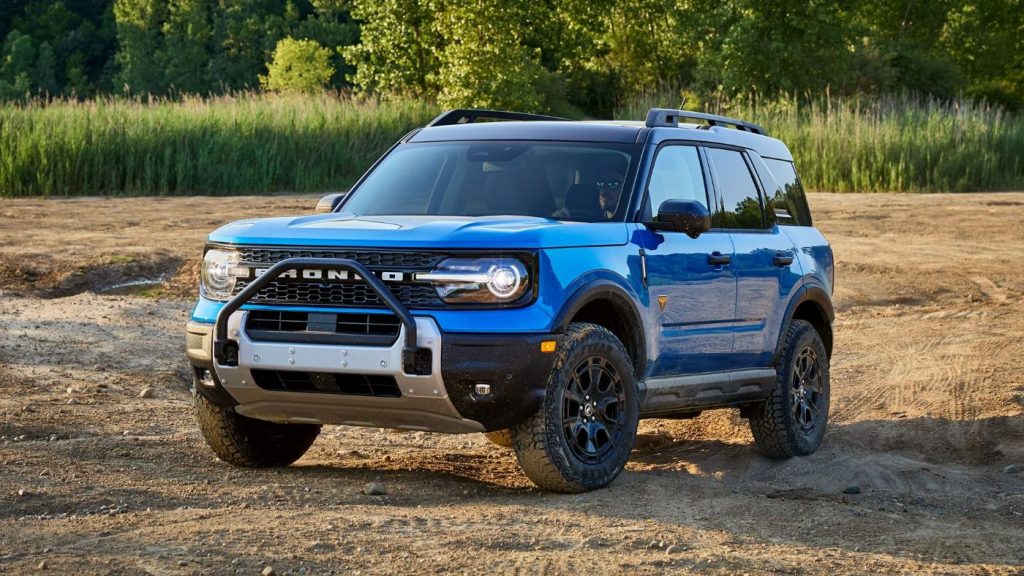
Ford’s research indicates that Bronco Sport owners go camping and off-roading far more frequently than buyers of competing Jeeps, Subarus, and similar vehicles, so the company focused on making the compact Bronco even more capable off the beaten path.
Lower trims now offer an optional Black Diamond Off-Road package, which includes skidplates and recovery hooks, but the standout is the Sasquatch package.
Available on the top-tier Badlands trim for $2,990 and the more affordable Outer Banks trim for $3,535, the Sasquatch package is far more than just oversized tires.
While the larger tires don’t actually raise ground clearance over the previous Bronco Sport, the 29-inch Goodyear Territory all-terrain tires, based on the 35-inch tires used on the full-size Bronco Sasquatch, make short work of most obstacles.
All Bronco Sports come standard with all-wheel drive featuring locking center and rear differentials, but the Sasquatch package elevates capability further. On the Outer Banks trim, the single-clutch rear differential is swapped for the twin-clutch unit previously exclusive to the Badlands trim.
Separate clutches on each rear axle half-shaft enable full side-to-side torque vectoring and allow the rear differential to “lock” for off-road conditions. Steel skidplates and bumpers with integrated recovery points complete the package, rounding out a serious off-road setup in a compact SUV.
5. Subaru Crosstrek XT (0–60 mph ~6.7 sec)
The Subaru Crosstrek XT (with the higher–output engine option) isn’t going to embarrass sports cars, but it’s one of the faster small SUVs you can buy new without paying more than $50,000.
Subaru’s symmetrical all‑wheel‑drive system is standard here, giving you confidence in rain and snow, a big plus for drivers in colder U.S. regions. The Crosstrek’s chassis is composed and its ride quality agreeable, though acceleration is quick in a practical, everyday way rather than punchy like a performance SUV.
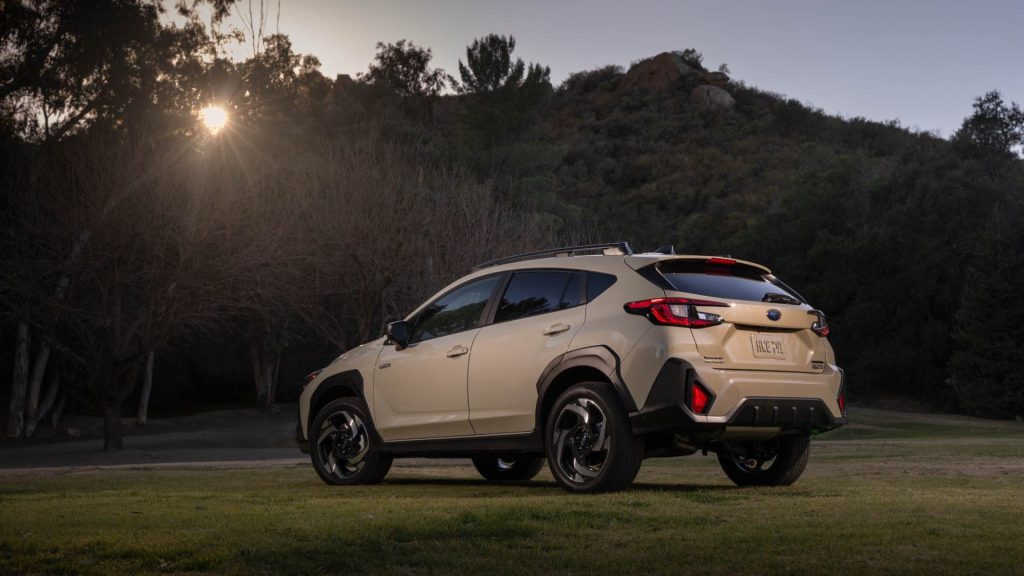
If all‑weather capability, resale value, and real‑world usability matter to you, and you still want enjoyable acceleration, this lineup offers one of the most well‑rounded packages on the market.
Also Read: 10 Cars Engineered Beyond Reason, In the Best (and Worst) Ways
6. Chevrolet Equinox RS (0–60 mph ~6.4 sec)
Chevy’s Equinox RS isn’t typically the first SUV people think of when they want speed, but the RS package adds a more aggressive look and a peppy turbocharged engine that gives it credible performance for the money.
The Equinox RS isn’t a track toy, but it’s competent on the highway and quick enough to satisfy drivers who don’t want to wait forever for an overtake. Steering and suspension are tuned for everyday driving comfort with a touch of sportiness.
Great tech features come standard including a user‑friendly infotainment interface that keeps people happy on long trips.
Since the 1.5-liter turbo-four engine carries over from the previous model, we weren’t expecting major gains in straight-line performance.
The all-wheel-drive model’s new eight-speed automatic transmission is a welcome addition, operating smoothly under light throttle, but the powertrain struggles under heavy acceleration, especially once the vehicle leaves first gear. In those moments, it feels underpowered and hesitant.
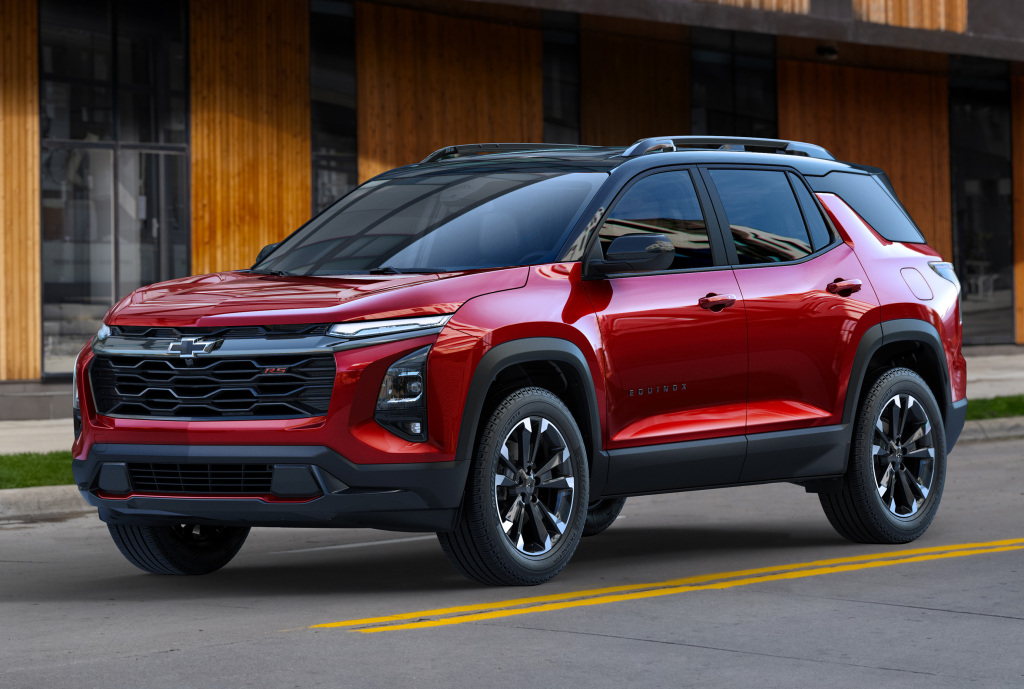
Passing on the highway in the 2025 Chevy Equinox RS AWD requires planning and space. While the initial upshift is smooth, it’s followed by a peculiar surge and dead spot, further compounded by buzzing and vibrations transmitted through the front of the SUV, likely linked to the powertrain.
Our fastest 0–60 mph runs came by overlapping the pedal slightly and releasing the brake around 3,000 rpm. Even so, the SUV feels sluggish through second and third gears, and the numbers confirm it.
The RS clocks 60 mph in a modest 9.2 seconds, 0.3 second slower than the previous Equinox and 0.5 second behind the current Honda CR-V with a similar turbo engine, which produces slightly more horsepower but less torque.
7. Volkswagen Tiguan (0–60 mph ~6.8 sec)
For drivers who appreciate a blend of European feel and SUV practicality, the Volkswagen Tiguan is a smart choice. It’s not the fastest on the list, but its 0–60 time still categorizes it as a quick vehicle in the compact SUV class under $50K.
The Tiguan’s strengths lie in ride quality and interior refinement. Controls feel solid, cabin materials lean toward the premium side, and passenger space is generous. Handling is balanced, not sporty like a hot hatch, but composed and predictable.
If you want an SUV that’s confident cruising on highways and city streets and you appreciate slightly upscale touches, the Tiguan deserves attention.
The turbocharged engine in the Tiguan provides adequate performance. In our testing of a front-wheel-drive model, it accelerated from 0 to 60 mph in 8.9 seconds, average for a small three-row SUV.
However, the power delivery can be inconsistent, sometimes underreacting or overreacting to moderate throttle inputs, which makes smooth acceleration a challenge at times.
Steering is accurate with excellent weight, making the Tiguan easy to maneuver whether in tight parking lots or along twisty roads. The brakes are light and predictable, allowing for smooth stops without effort.
While outright stopping power is somewhat limited, largely due to lower-grip tires, the Tiguan demonstrated good stability and composure in emergency braking scenarios.
Ride comfort is a highlight, leaning toward plush rather than sporty. Sharp bumps are absorbed gracefully, and the highway ride manages imperfections well while maintaining solid body control. Even larger potholes are handled with minimal intrusion into the cabin.
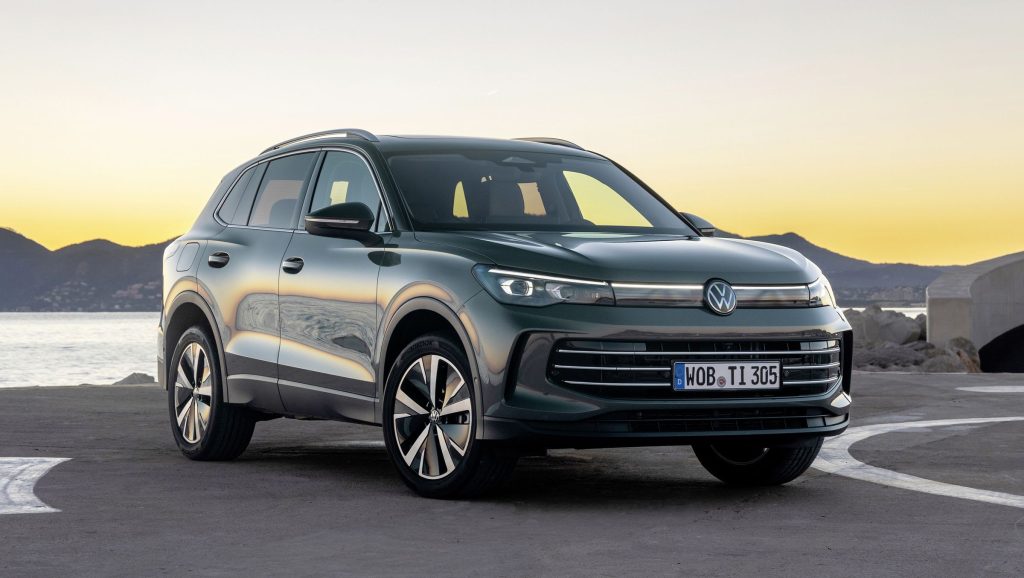
Once moving, the cabin is quiet, with minimal engine, road, and wind noise, even at highway speeds. The engine can sound a bit coarse when pulling away from a stop, but it quickly fades into the background. The climate system’s touch-sensitive controls aren’t our favorite, though the system otherwise provides strong air coverage and adjustability.
Front-seat comfort is decent, though the cushions could offer more support and better breathability. The outboard second-row seats are well sculpted and bolstered, but the third-row seats are best suited for small children, offering only minimal functionality for adults.
8. Nissan Rogue Sport (0–60 mph ~6.9 sec)
Nissan refreshed the Rogue Sport for 2026, and with its updated powertrain it delivers surprisingly brisk acceleration for its class. It’s not a full‑blown performance SUV, but that’s exactly the point: quick enough without compromising fuel economy or practicality.
Standard safety tech like automatic emergency braking, lane‑keep assist, and blind‑spot monitoring gives you peace of mind while the turbocharged engine helps make everyday driving feel fun.
Cargo space isn’t the biggest here, but for young families or daily commuters who want a bit of zest in their ride, the Rogue Sport is a solid middle ground.
If the 2020 Rogue Sport were named for its performance, “Rogue Relaxed” might be more accurate. It’s sprightly in city driving, but the four-cylinder engine quickly runs out of steam at highway speeds, and the crossover isn’t rated for towing.
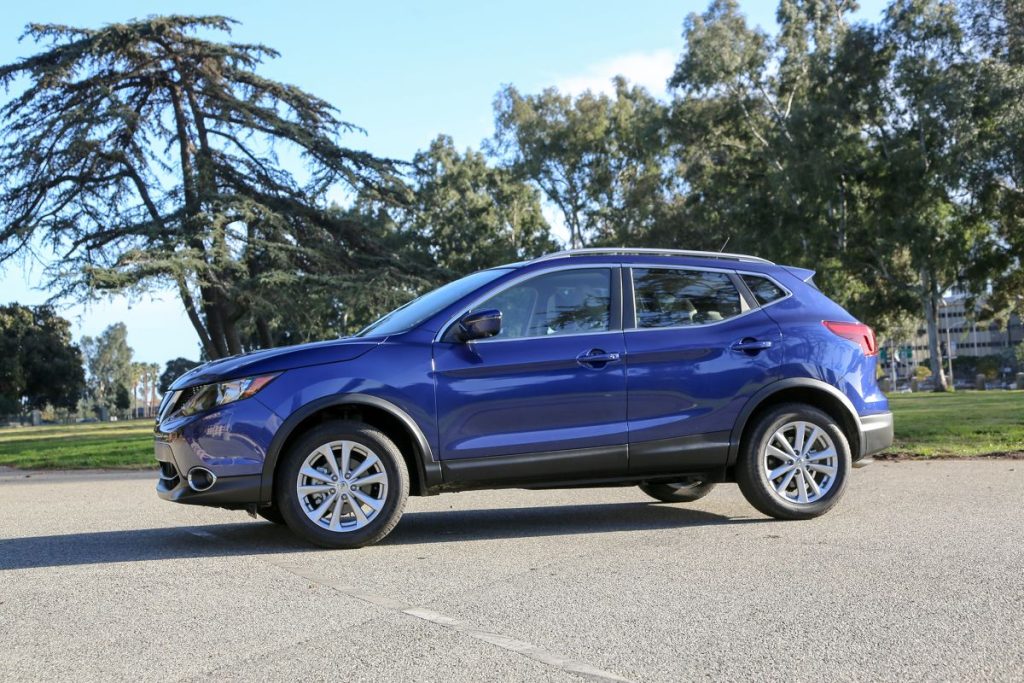
The 141-hp engine is paired with a continuously variable automatic transmission (CVT), which lets the motor rev to high rpm with the slightest throttle input and then hold it there during acceleration.
While the engine could be more refined, it remains appropriate for the class, and the CVT uses preset “shift” points to break up the long stretches of high engine speeds under heavy acceleration.
Handling, braking, and acceleration won’t excite enthusiasts, but the Rogue Sport shines in ride comfort and calm cruising. The suspension soaks up bumps effortlessly, while the steering is light and easy to manage at low speeds.
The Rogue Sport delivers a composed and comfortable subcompact crossover experience, prioritizing refinement over sportiness.
9. Honda CR‑V Sport Hybrid (0–60 mph ~6.6 sec)
Honda’s CR‑V Sport Hybrid pairs efficiency and acceleration in a compelling way. The hybrid system produces strong mid‑range torque, which helps the CR‑V feel sprightly off the line and responsive in traffic.
Honda improved the interior tech and comfort levels for 2026, and the CR‑V remains one of the most practical small SUVs around. Fuel economy is excellent, meaning you get performance without frequent stops at the gas pump.
This is a pragmatic choice for buyers who want an SUV that’s fast enough, extremely reliable, and efficient.
The CR-V isn’t a track star, but it feels composed and responsive compared with other small SUVs. The hybrid Sport Touring model we tested reached 0–60 mph in 8.0 seconds, typical for the class, and the regular 1.5-liter engine delivers similar performance.
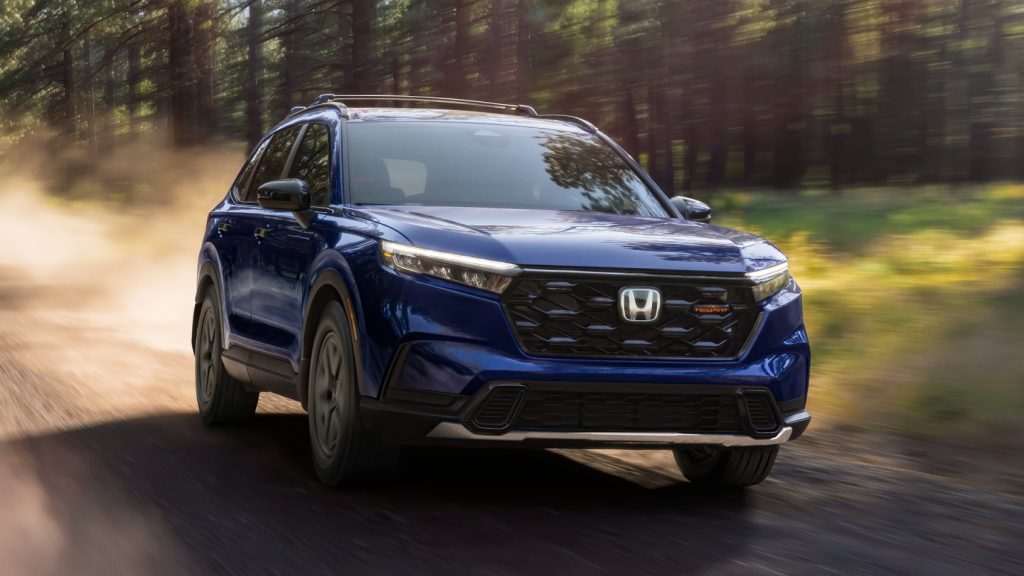
Brakes are strong and predictable, making smooth stops easy, and the hybrid system operates seamlessly with simulated gears in everyday driving, though sustained mountain climbs may require a heavier foot.
Around corners, the CR-V remains composed, and the steering provides enough feedback to give a clear sense of the road. Ride quality is one of the CR-V’s standout attributes.
Visibility is mixed: large front windows help, but rearward sightlines are limited, though the parking cameras are effective. Advanced driver-assistance features function well, but some competitors offer more comprehensive systems.
The CR-V’s interior is thoughtfully designed. Both rows offer generous space, while large windows create a sense of openness.
Front seats are comfortable and adjustable, and rear seating provides above-average legroom for the segment, making it ideal for car-seat installation. Wide door openings and well-positioned seats make entry and exit effortless for adults.
10. Kia Sportage GT‑Line (0–60 mph ~6.5 sec)
Rounding out our list is the Kia Sportage GT‑Line, which brings strong performance, a stylish look, and a generous feature set for the money. The turbocharged engine gives the Sportage real punch, and Kia’s long warranty is a bonus that many buyers appreciate.
Inside, the Sportage offers a comfortable cabin and intuitive tech layout. Cargo and passenger space are competitive for the class.
Under the hood, the 2026 Sportage Hybrid hasn’t seen major changes. We haven’t yet driven the bookends of the updated lineup: the nonhybrid model with a carryover 187-hp 2.5-liter inline-four and the 268-hp plug-in hybrid, which offers 34 miles of EPA-estimated electric range.
Our test focused on the regular hybrid Sportage, which pairs a turbocharged 1.6-liter four-cylinder with two electric motors and a small lithium-ion battery pack.
This hybrid powertrain is coupled to a six-speed automatic transmission, compared with the standard model’s eight-speed gearbox. While it’s largely carried over from the previous model, Kia has extracted a few extra horsepower from the main electric motor for a combined output of 232 hp.
Although we haven’t yet tested the 2026 hybrid on our track, we don’t expect it to be much quicker than the outgoing model’s 7.4-second 0–60 mph run. The nonhybrid will likely be a few seconds slower, while the plug-in hybrid should be slightly quicker.
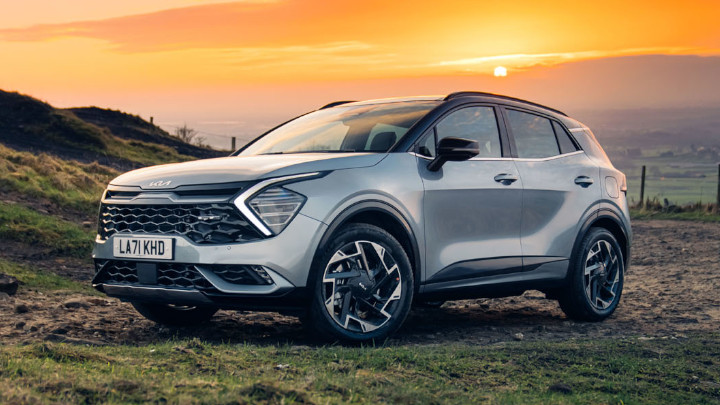
Kia rates the front-wheel-drive Sportage Hybrid at 41 mpg city, 44 mpg highway, and 42 mpg combined. The all-wheel-drive version drops slightly to 35 mpg city, 36 mpg highway, and 35 mpg combined.
Those figures are impressive on paper, though our previous testing of an AWD Sportage Hybrid fell well short of its EPA highway estimate of 38 mpg, achieving only 31 mpg on our 75-mph real-world highway loop. Interestingly, the nonhybrid returned the same 31-mpg figure on the same test. It remains to be seen whether the updated hybrid will close that gap.
While the rest of the Sportage lineup is largely unchanged, the hybrid introduces two new trims. The S trim slots just above the base LX, adding features such as black 18-inch wheels, heated front seats, black exterior trim, and enhanced safety systems, including blind-spot collision warning and rear cross-traffic collision avoidance.
If you want a performance‑oriented compact SUV that’s fun without being over the top and still keeps under the $50K mark, the Sportage GT‑Line is tough to beat.
The SUV segment no longer forces drivers to choose between versatile utility and performance. In 2026 especially, you can find SUVs that feel fun, look good, and function well in everyday life, all for under $50,000. Whether you prioritize acceleration, fuel economy, tech features, or off‑road capability, there’s something in this list worth test‑driving.
Speed isn’t just about bragging rights, it’s about responsiveness, confidence in merging or passing, and a bit of driving joy in the daily routine. With this lineup, 2026 looks like a strong year for fast, affordable SUVs in the U.S. market.
