
Charleston’s charm comes from its history: narrow brick streets, tight alleys, preserved architecture, and gorgeous waterfront roads. Driving here isn’t like open highway cruising it’s about finesse, maneuverability, and coping with slow traffic, limited parking, and occasional uneven surfaces (hello, old cobblestone!).
For pickup trucks, that means prioritizing size, agility, suspension comfort, and urban drivability over raw size and off‑road bravado. Below are five trucks that handle Charleston’s vibe with ease and five that feel like trying to park a docked ship in a boutique alley.
5 Trucks Perfect for Charleston’s Historic Streets
Navigating Charleston’s historic streets is a unique driving experience. Between narrow brick lanes, tight downtown corners, and the occasional cobblestone stretch, city driving here demands more than just horsepower, it requires finesse, agility, and a truck that can handle everyday errands without feeling oversized or unwieldy.
While many pickups excel on highways or off-road trails, only a select few are truly suited to the charm and constraints of Charleston’s historic districts. In this guide, we’ll highlight five trucks that combine maneuverability, comfort, and practicality, making them the perfect companions for city streets, waterfront drives, and weekend adventures in the Lowcountry.
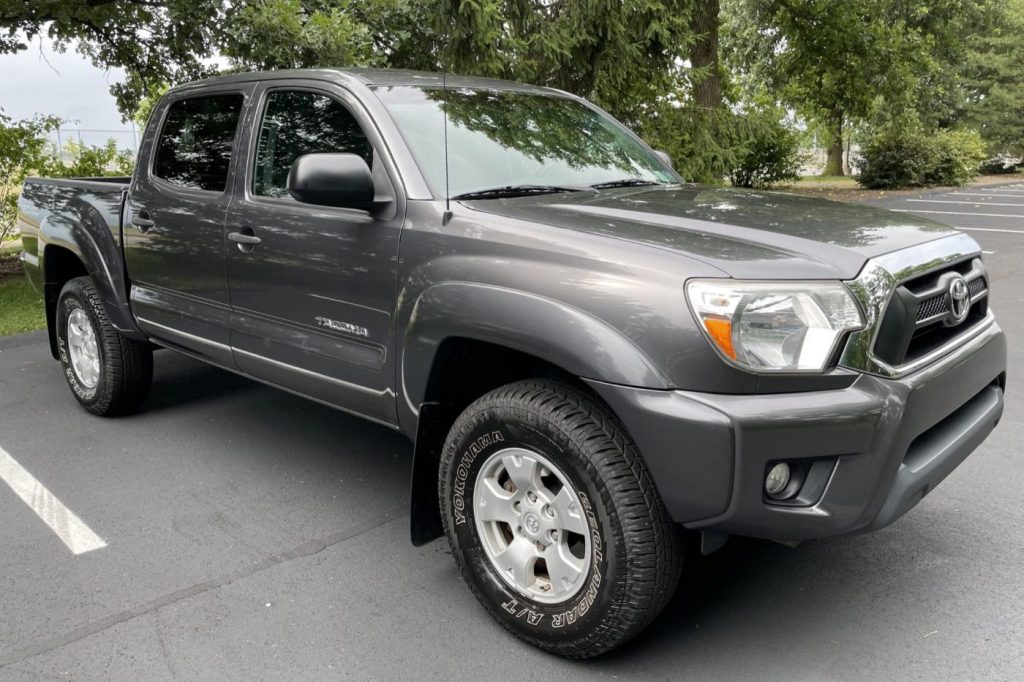
1. Toyota Tacoma (Short Bed, Double Cab)
The Tacoma is a perennial favorite for city truck drivers who don’t want full‑size bulk. In Charleston, the short bed version makes it easy to tuck into narrow downtown parking spaces, and the Double Cab still offers usable rear seats for commuters or weekend adventurers.
Its suspension is forgiving enough for uneven brick streets and its turning radius is surprisingly agile for a pickup. A modest lift isn’t necessary here, keep it stock or lightly dressed, and you’ll feel confident threading down Church Street or Queen Street without scraping bumpers.
Why it works: Compact footprint, reliable cooling, urban‑friendly turning circle, excellent resale.
The Toyota Tacoma is a truck that offers smooth steering and handling, making it generally straightforward to drive in everyday situations. The primary exception is the brakes, which feel grabby and can result in a slight nosedive during hard stops.
While the 3.5-liter V6 engine might seem a touch less eager than some would like, it still delivers enough power for daily driving needs, and the transmission shifts in a predictable manner, extracting the most from the engine’s performance.
When it comes to off-road capability, the Tacoma really excels, with only the Jeep Gladiator posing comparable competition. It boasts the clearance, gearing, and traction necessary to navigate challenging terrain, while the brakes and throttle provide remarkable precision and control during low-range crawling scenarios.
The interior has also seen improvements with the 2020 updates. A fully adjustable 10-way driver’s seat now comes standard on V6 models, ensuring long-distance comfort for drivers of nearly every size.
The addition of thicker side-window glass reduces wind noise relative to earlier models, though rivals such as the Chevrolet Colorado and Honda Ridgeline still maintain a quieter cabin.
Ride quality remains slightly more truck-like than the smoothest-riding competitors, yet the Tacoma consistently delivers a dependable and solid driving experience. The climate control system is simple to operate and offers effective heating and cooling.
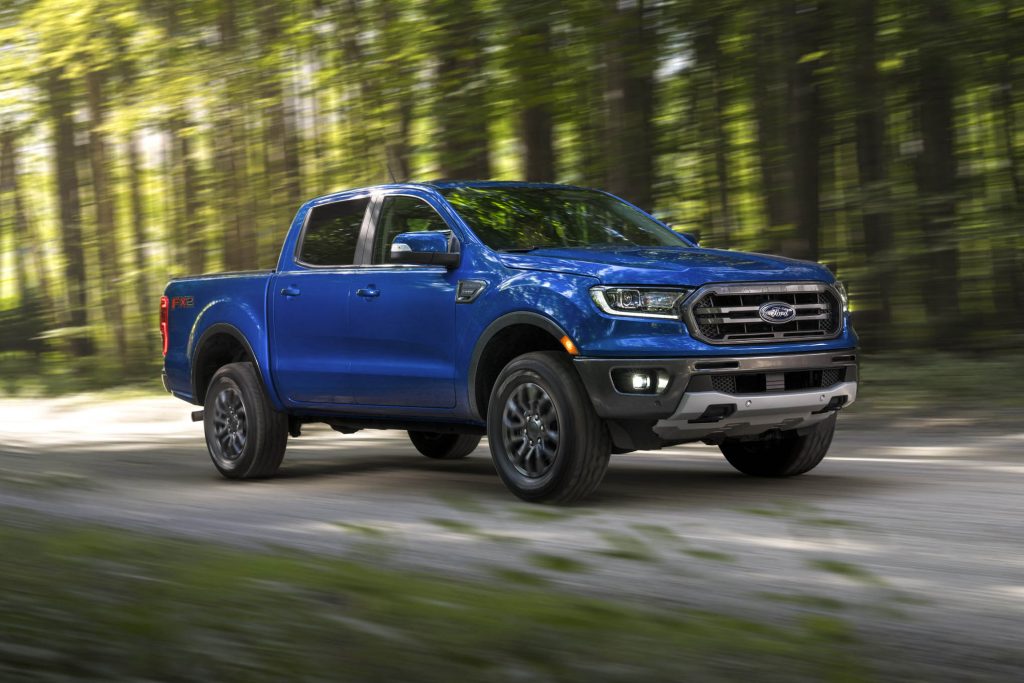
2. Ford Ranger (4‑Cylinder or 2.3 L EcoBoost)
The modern Ranger blends punchy performance and daily comfort without oversized dimensions. Its 2.3 L EcoBoost engine delivers usable torque from low RPM, perfect for stop‑and‑go lanes through historic districts.
It’s lighter and more agile than a full‑size F‑150, and easier to park near King Street shops or waterfront restaurants. Maneuverability and smooth suspension make Charleston’s brick and uneven pavement less jarring.
Why it works: Great freeway manners + city agility, good visibility, easier parking than full‑size.
At lower speeds, the Ranger can feel a bit sluggish, but it delivers ample power for merging or passing on the highway. Its ride quality is smoother over bumps compared to the Colorado and Tacoma, and the steering strikes a balanced feel, providing just the right amount of heft and assist.
The Ranger’s low hood and large windows give it a visibility advantage over competitors, making tight streets and off-road obstacles easier to navigate.
Where the Ranger truly distinguishes itself is in driver-assist features. The optional surround-view camera system is excellent, offering a clear and comprehensive perspective around the truck.
When driving off-road, the forward-facing camera displays the path of the front tires, enabling drivers to maneuver precisely around or over obstacles with confidence.
Interior comfort is another strong suit. The front seats are supportive and comfortable for long drives, while the rear seats provide more legroom than those in the Toyota Tacoma. One area where the Ranger is slightly lacking is engine noise; the four-cylinder sounds coarse at full throttle, though for normal driving, cabin noise remains well-controlled.
Adjustability is abundant, with the steering wheel and driver’s seat offering a wide range of positions, making it easy to find a comfortable driving posture.
All frequently used controls are logically placed within easy reach, including the center touchscreen. Some on-screen climate controls can be a little distracting to use while driving, but the top row of quick-access buttons, which includes shortcuts for features like the available camera system, is particularly helpful.
The climate control system combines digital and physical buttons, and we were impressed with how quickly it brought the cabin to the desired temperature, making the Ranger comfortable in a variety of weather conditions.
Also Read: Top 10 Oldsmobiles That Quietly Became Serious Collector Cars
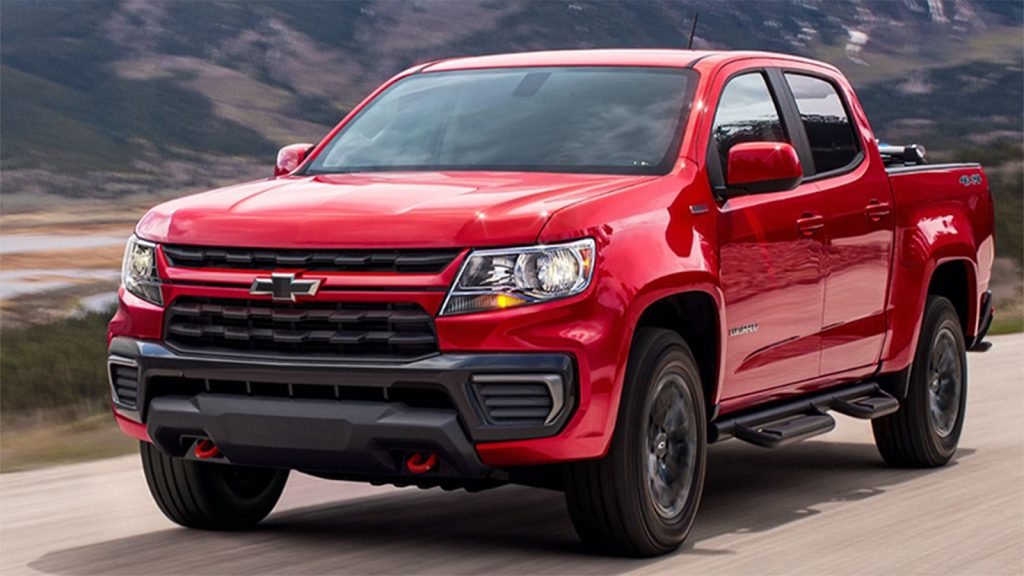
3. Chevrolet Colorado / GMC Canyon (Crew Cab, Mid‑Size)
The Chevy Colorado and its Sierra Canyon twin strike the right balance of capability and size. With a Crew Cab, you get passenger comfort and modern tech, while the mid‑size platform keeps it narrow enough for historic blocks.
Choose the diesel option if you do more highway commuting toward Mt. Pleasant or Summerville, it’ll sip fuel and keep torque consistent without the bulk of a big pickup.
Why it works: Mid‑size confidence, diesel efficiency option, smooth ride over uneven pavement.
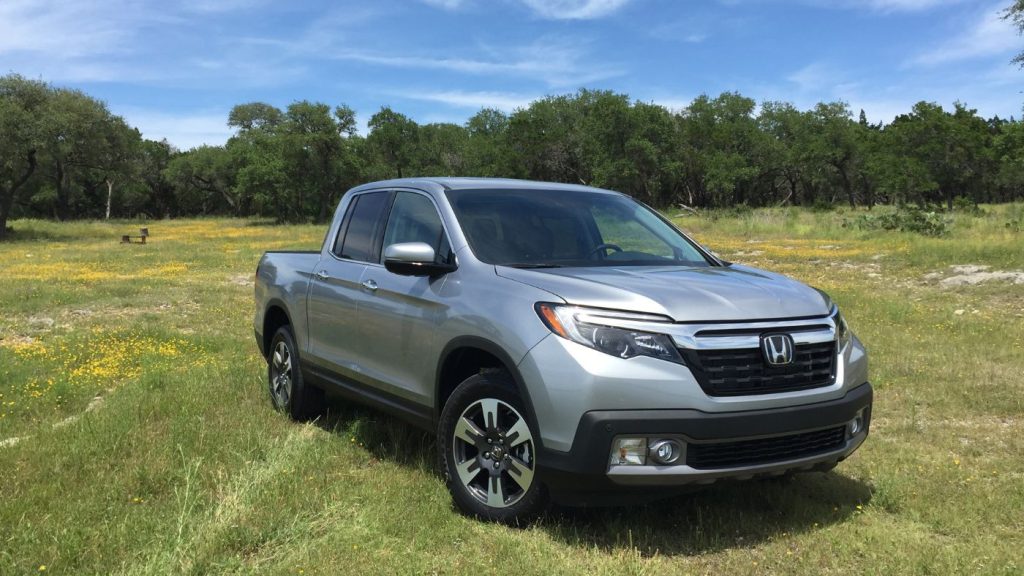
4. Honda Ridgeline
The Ridgeline is a different animal, it handles more like an SUV than a traditional body‑on‑frame pickup. That’s exactly why it suits Charleston so well. Independent rear suspension soaks up cobblestones and potholes, the cabin is car‑like and quiet, and the width feels city‑friendly. You won’t sacrifice everyday practicality, but you will enjoy the easiest parking experience of any truck on this list.
Why it works: SUV comfort, smooth ride quality, excellent city handling, clever storage solutions.
The Honda Ridgeline offers numerous advantages thanks to its unibody chassis, fully independent suspension, and torque-vectoring all-wheel-drive system. Steering and handling are unmatched among midsize pickups, highlighting the benefits of a car-based truck platform.
The combination of the 3.5-liter V6 and nine-speed automatic transmission works seamlessly. The Ridgeline accelerates smoothly and delivers ample passing power on the highway. At our test track, the Ridgeline went from 0 to 60 mph in 7.2 seconds, a notably quick time for a midsize truck.
The trade-off is its off-road capability. The Ridgeline behaves more like a crossover SUV in this regard, lacking the underbody clearance, wheel articulation, and low-range gearing that allow other four-wheel-drive pickups to tackle rockier or more technical terrain.
That said, the independent rear suspension gives it an advantage over typical solid-axle trucks on washboard dirt roads, delivering a smoother and more controlled ride.
Ride comfort is arguably the Ridgeline’s strongest attribute in the midsize pickup segment. It easily absorbs road imperfections and feels stable and composed through corners.
The front seats feature thin yet supportive padding, providing excellent comfort on long drives. The cushions are wide enough to accommodate larger drivers, while the side bolsters prevent narrower drivers from sliding during turns.
Cabin noise and vibration are minimal, though the V6 engine is notably playful and grunty under full throttle. Automatic tri-zone climate control comes standard across the lineup, effectively heating or cooling the cabin, while RTL and higher trims add quickly responsive heated front seats.
The Ridgeline prioritizes driver and passenger convenience. A tilt-and-telescoping steering wheel is standard, making it easy to find an ideal driving position.
Getting in and out of the truck is effortless thanks to wide-opening doors and generous legroom. Visibility is excellent from the driver’s seat; the squared-off hood provides a clear sense of the truck’s front, and the large rear window helps monitor items in the bed as well as vehicles behind the truck.
5. Ford Maverick
If you want the most Charleston‑friendly truck possible for everyday driving, the Ford Maverick delivers. It’s compact, efficient (especially with the standard hybrid), and easy to slip into tight lots around downtown or South of Broad.
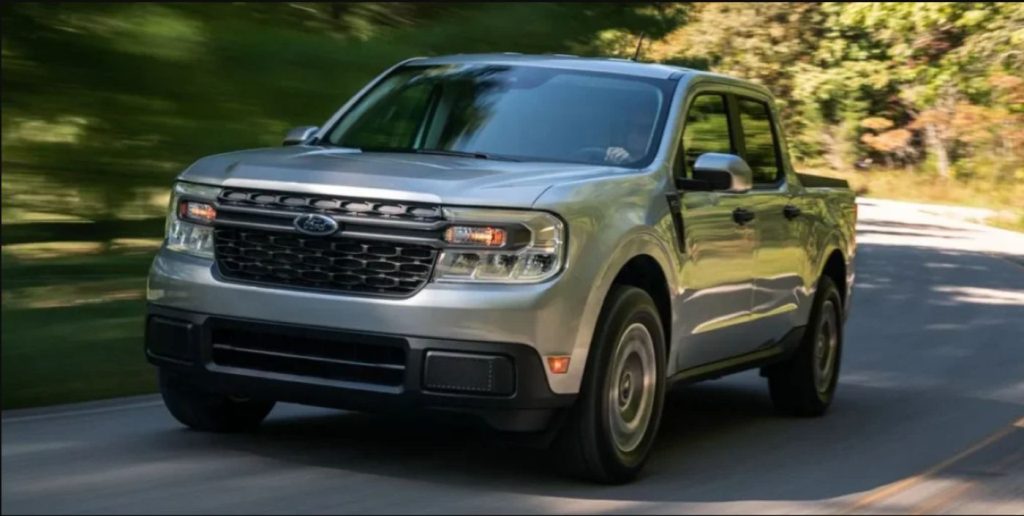
Payload and towing aren’t full‑size levels, but for daily errands, beach gear, bikes, grills, and light hauling, it’s perfect. Charleston’s historic roads feel wide with a Maverick, not intimidating.
Why it works: Urban parking ease, hybrid option reduces fuel cost, approachable size.
5 Trucks That Don’t Fit the Cobblestone Charm
Charleston’s historic streets are full of character, from narrow brick lanes to cobblestone alleys and tight downtown corners. While these roads are charming, they present a challenge for larger vehicles, particularly full-size or heavy-duty trucks. Not every pickup is built for the combination of limited space, uneven surfaces, and pedestrian-filled streets that define the city.
In this guide, we’ll highlight five trucks that, despite their power and capability, simply don’t fit the cobblestone charm of Charleston. For drivers navigating the city’s historic districts, these vehicles can feel cumbersome, awkward, or frustrating, making them less than ideal for everyday use in the Lowcountry.
Also Read: Top 10 Cheapest Electric Cars You Can Buy in 2025
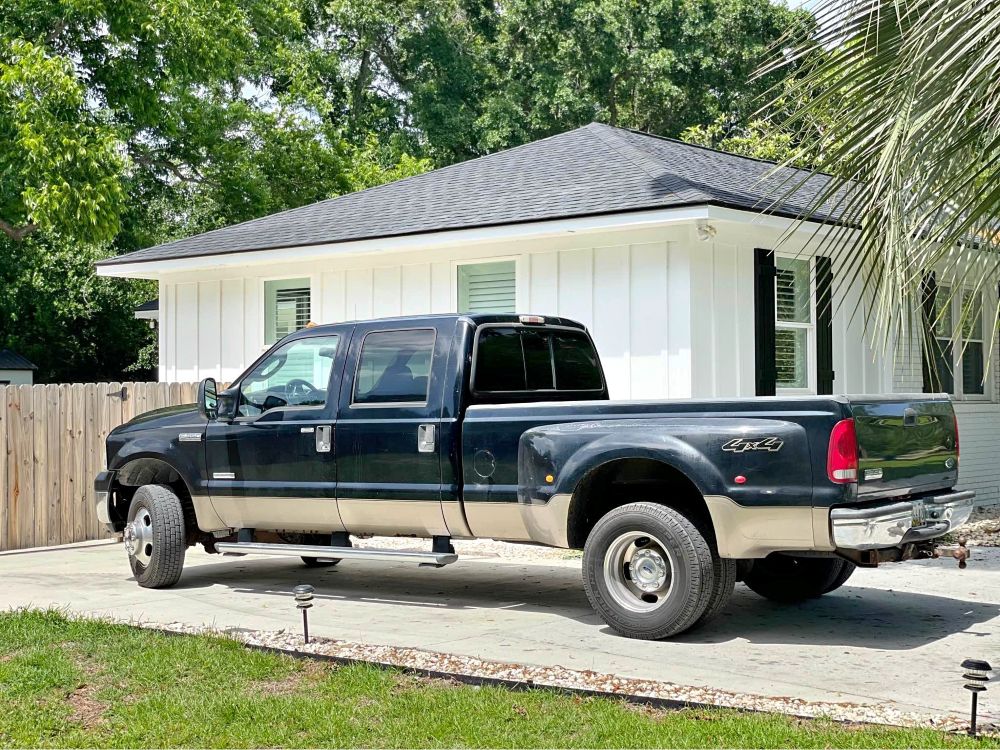
1. Ford Super Duty F‑250 / F‑350 (Long Bed)
These heavy‑duty monsters belong on farms, ranches, and towing routes, not Charleston’s historic grid. Between the long bed and wide track, squeezing downtown turns or angled lots feels like piloting a barge. Parking is almost always stressful, and the truck’s turning radius can make even simple tasks like backing into a brick‑lined alleyway nerve‑wracking.
Why it fails: Too large for tight streets, cumbersome parking, oversized for daily city driving.
The Ford F-350 is often chosen for its exceptional towing and hauling capabilities. When properly equipped, this heavy-duty, full-size pickup can deliver a maximum conventional towing capacity of 21,200 pounds. Opt for a fifth-wheel setup, and the F-350 can handle trailers weighing up to 35,750 pounds.
These ratings make it compatible with most large recreational and commercial trailers. For hauling, the F-350’s cargo bed can carry a maximum payload of 7,850 pounds, depending on the configuration.
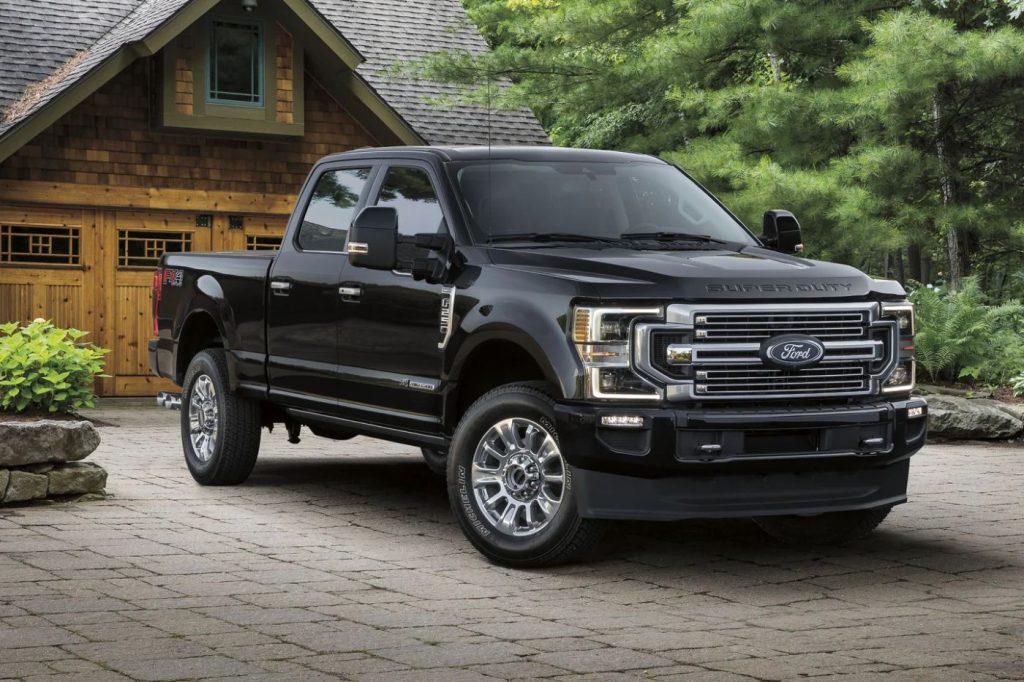
Ford aims to appeal to a wide range of customers by offering the F-350 in numerous trims, from a basic work truck to a luxurious, tech-packed model. For drivers who spend time off-road, the Tremor package adds enhanced capability for challenging terrain, including an optional integrated winch rated at 12,000 pounds.
This year brings several updates to improve the F-350’s appeal. King Ranch and Platinum trims now join the Limited in offering standard four-wheel drive and 20-inch wheels.
Most models, aside from the two most affordable versions, come with a new 12-inch touchscreen display, an upgrade from the previous 4.2- or 8-inch screens. Ford has also introduced new appearance packages for the XLT and Lariat trims, further expanding customization options.
Despite these changes, some things about the Ford F-350 remain constant. It’s a truck that works hard, plays hard, and looks good doing it, maintaining the reputation that has made it a go-to choice for drivers who need capability and confidence in one package.
2. Chevrolet Silverado 3500HD / GMC Sierra 3500HD
Like other HD trucks, the 3500HD class emphasizes load hauling and heavy towing and that bulk comes at the cost of urban agility. Charleston’s narrow lanes and tourist traffic magnify the frustration of driving a 20‑foot truck. Unless you need massive towing capacity for commercial work, these are overkill for city life.
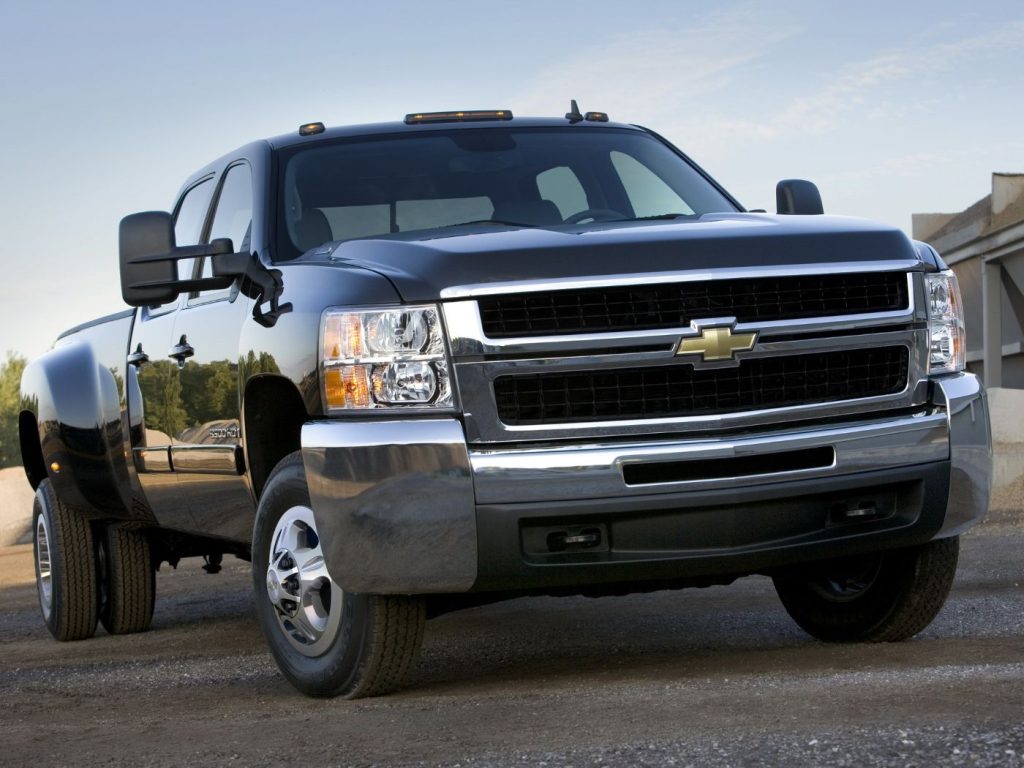
Why it fails: Heavy footprint, poor turning radius, oversized for historic districts.
3. Ram 2500/3500 dually (Dual Rear Wheels)
If you thought a heavy‑duty truck was big, a dually is a different universe. Two rear wheels on each side widen the stance, making simple things like changing lanes on King Street or parallel parking near the Battery feel like a challenge. They’re great for heavy trailers but for Charleston’s vibe, they’re a mismatch.
Why it fails: Excessive width, awkward downtown handling, frequent clipping risk.
As always, the best-selling automotive nameplates in America in 2023 were dominated by trucks, led by the Ford F-Series, followed by the Chevrolet Silverado, and then Ram trucks. These three pickups earned the gold, silver, and bronze positions with nearly 751,000 units, over 543,000 vehicles, and almost 445,000 examples sold, respectively.
Rounding out the top five were crossover SUVs, specifically the Toyota RAV4 and the Tesla Model Y, illustrating just how dominant trucks remain in the U.S. market. It’s no surprise, then, that Ford, GM, and Stellantis are investing heavily to make their pickups even more appealing this year.
Ford, for instance, offers an all-new Super Duty and a refreshed F-150 available at dealerships nationwide, catering to fans of the Blue Oval.
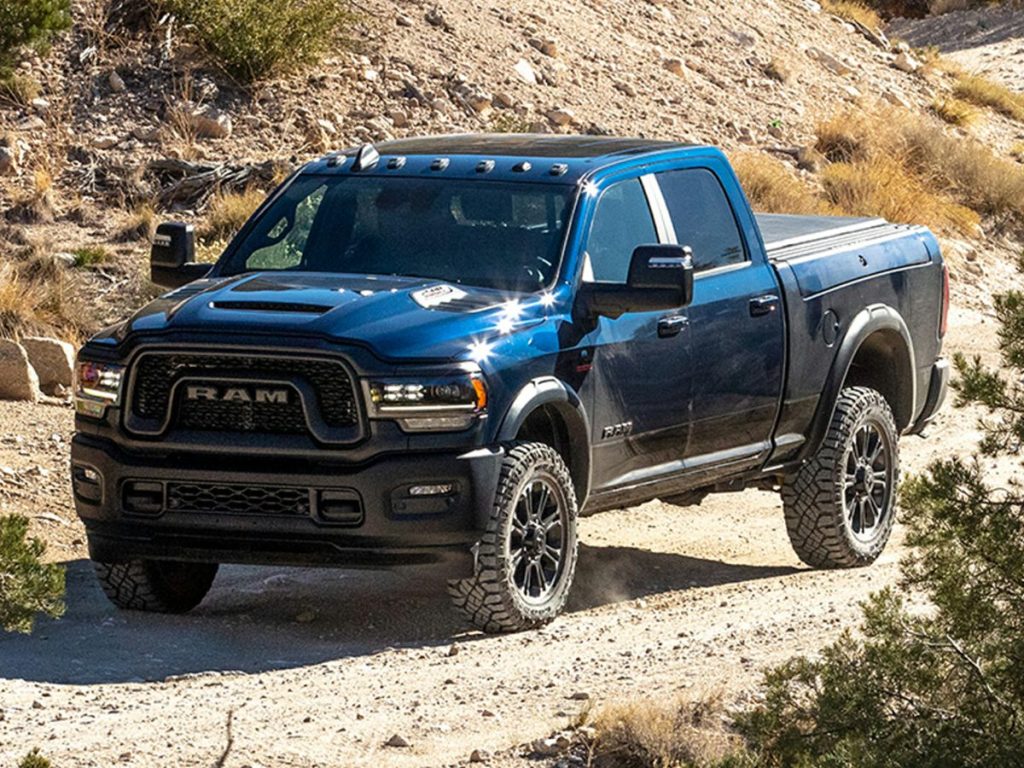
Stellantis, meanwhile, aims to close the gap with the Silverado and potentially claim second place. Last year, Ram launched the redesigned 2025 Ram 1500 series, featuring subtle aesthetic updates, additional onboard technologies, and a reimagined powertrain lineup. The company has moved away from the Hemi V8s, streamlining its engine options for efficiency and performance.
At the base of the 2025 Ram 1500 lineup sits the 3.6-liter Pentastar V6 paired with an eTorque mild hybrid. Above that, Stellantis introduced two 3.0-liter Hurricane inline-six turbo options, available in standard and H/O variants producing 420 or 540 horsepower.
That’s not all: the lineup also includes the all-electric Ram 1500 REV, as well as a potential Ramcharger featuring a range-extender EV setup with a staggering 663 horsepower. Naturally, many enthusiasts are curious if these same powertrains will carry over to the 2025 or 2026 Ram HD refresh.
While the rumor mill churns with speculation, digital car content creators are already imagining what the next Ram 2500 HD and 3500 HD dually could look like.
4. GMC Hummer EV Pickup
Yes, it’s futuristic and powerful, but it’s also huge. With its aggressive stance, mass, and complex size, the Hummer EV pickup is hard to justify for everyday Charleston driving. Bricks, pedestrians, and narrow lots don’t play well with these oversized footprints. You’ll spend more time worrying about clearance than enjoying the drive.
Why it fails: Big size meets small streets, range and regen quirks in stop‑and‑go, oversized for urban.
A brand-new Hummer is something few of us expected to see on American roads again, yet the iconic off-road brand was reborn last year as an electric pickup truck: the GMC Hummer EV.
This isn’t a modest, economy-focused vehicle. Powered by a 1,000-horsepower electric powertrain, it can sprint to 60 mph in just 3.3 seconds and conquer virtually any terrain.
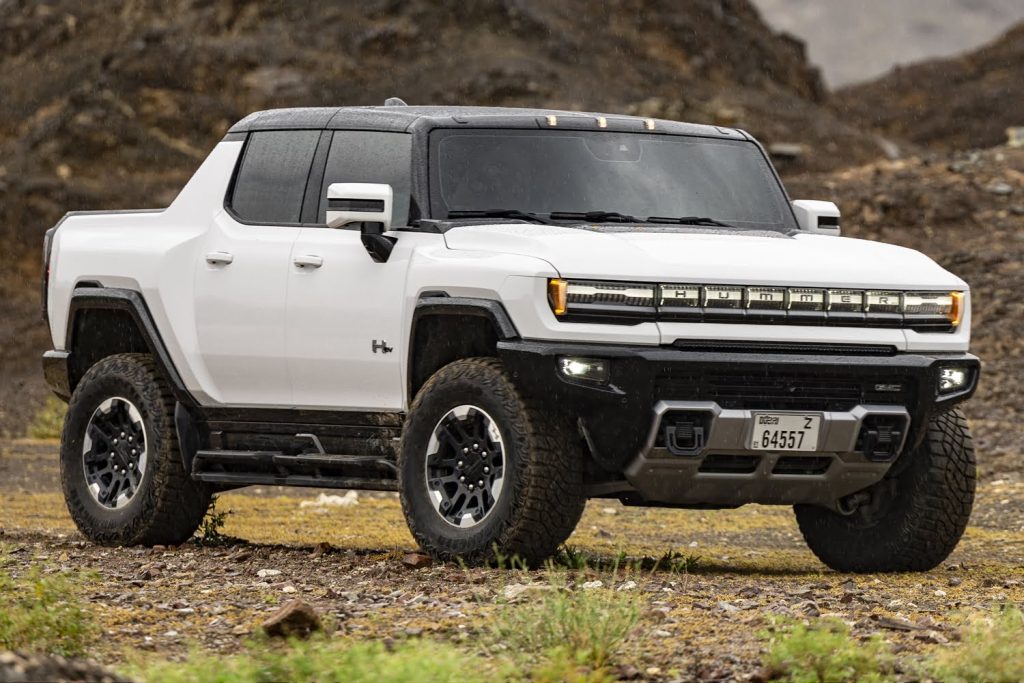
Thanks to its rear-wheel steering system, the Hummer EV maneuvers around obstacles, whether boulders or tight city cars, more easily than expected, and its innovative Crab Mode even allows the vehicle to drive sideways.
While competitors such as the Ford F-150 Lightning and Rivian R1T emphasize traditional pickup practicality, the Hummer EV leans more toward “toy” than “tool.” GMC plans to expand the lineup with an SUV version of the Hummer EV, alongside more utilitarian EV pickups from both GMC and its sister brand, Chevrolet.
Currently, the Hummer EV is available with a three-motor setup producing 1,000 horsepower and standard all-wheel drive.
During testing, the truck rocketed to 60 mph in 3.3 seconds using the “Watts to Freedom” launch control mode. While acceleration is thrilling, braking proved disappointing: stopping from 70 mph required an extended 211 feet, and repeated runs showed noticeable brake fade.
Low-speed maneuverability is surprisingly good, thanks to the rear-wheel steering system. However, once the Hummer EV is up to speed, it becomes as unwieldy as other lifted “brodozer” trucks, making it more challenging to handle in everyday driving situations.
5. Full‑Size Long‑Bed Trucks (e.g., Ram 1500, Silverado 1500 with 8‑Foot Bed)
Even mainstream full‑size pickups with standard gas engines start to lose their charm when they have an 8‑foot bed. That extended length turns every corner into a calculation, and parking near historic plazas or tight waterfront lots becomes a stress test. If you live in Charleston and really need hauling space, go short bed, otherwise, long beds feel like overkill.
Why it fails: Length adds daily frustration, tight lots become headaches, harder to maneuver.
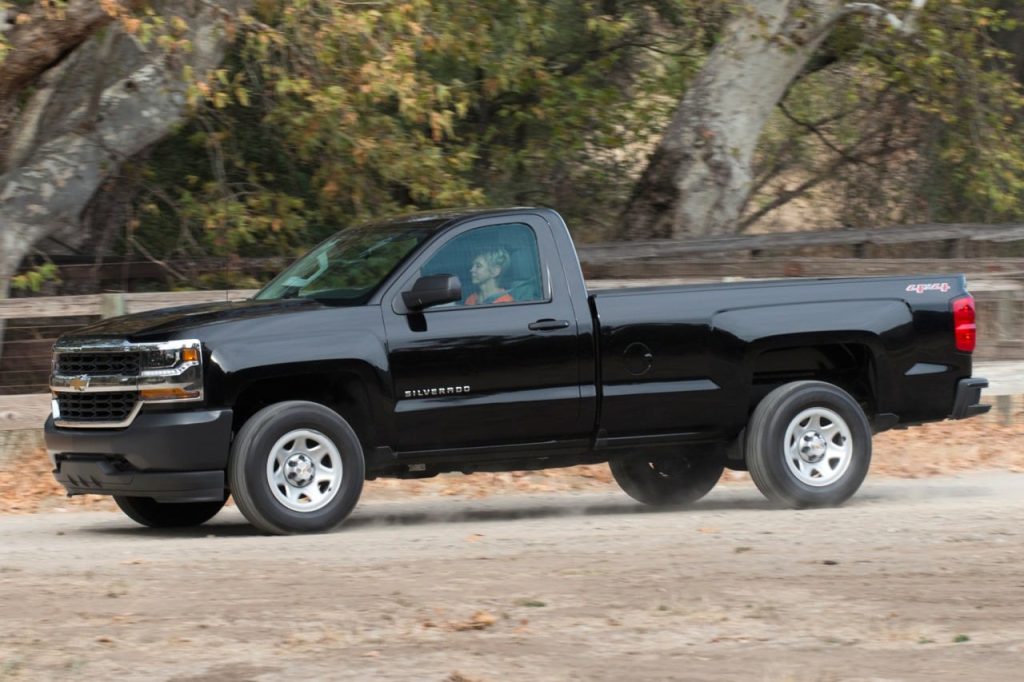
The Chevrolet Silverado 1500 experienced a somewhat rocky debut when it was redesigned in 2019, but since then, Chevrolet has implemented numerous updates to address its initial shortcomings.
The 2022 Silverado 1500 represents the most substantial set of improvements yet, featuring a significantly upgraded interior with a larger infotainment screen, a refreshed front-end design, a revised engine lineup, and the addition of the new ZR2 model focused on off-road capabilities.
Inside, the LT trim and above greet passengers with an impressive 13.4-inch horizontally oriented touchscreen that seamlessly integrates into a fully digital and configurable instrument panel.
The interior has been thoughtfully updated with a redesigned center console, new seats, and upgraded trim materials. The gear shifter has moved from a column-mounted stalk to a more car-like drive selector, creating a layout that is intuitive and in line with the modern, user-friendly interiors buyers expect from a full-size pickup.
Under the hood, Chevrolet has removed the 4.3-liter V6 from the Silverado’s lineup, leaving four engine options. The turbocharged 2.7-liter four-cylinder has received a substantial torque boost, now producing 430 lb-ft, up from 348 lb-ft in the previous model year.
The eight-speed transmission has been updated to complement the engine’s increased torque, improving acceleration while maintaining reasonable fuel efficiency. The Silverado’s two V8 engines and diesel-powered six-cylinder remain available for those seeking more power and capability.
The 2022 Silverado ZR2 builds on the midsize Colorado ZR2, bringing enhanced off-road capability to the full-size platform. It features special suspension dampers and uniquely tuned springs for improved wheel articulation and control during rock crawling.
The ZR2 also comes equipped with locking front and rear differentials, model-specific skid plates, 33-inch off-road tires, and a redesigned steel front bumper for increased clearance. While these upgrades make the ZR2 highly capable off-road, it is not as specialized for high-speed desert driving as competitors like the Ford F-150 Raptor or Ram 1500 TRX
Charleston’s historic streets demand trucks that are compact, maneuverable, and comfortable over uneven surfaces, not just powerful or heavy.
Conversely, heavy‑duty rigs, duelies, long beds, and oversized electric behemoths look impressive on paper but become daily frustrations in Charleston. They’re wonderful for commercial highways or open terrain, just not for King Street brunch or cobblestone cruising.
