
When choosing a car for daily driving, especially in a place like Topeka where you deal with both city traffic and highway commutes, you want reliability, efficiency, comfort, and resale value.
On the flip side, some vehicles, despite their allure, lose value faster than others, making them risky for resale or long-term ownership. Here’s a detailed guide to help you make smart choices.
5 Best Cars for Daily Driving in Topeka
These cars are practical, reliable, and cost-effective, making them excellent choices for commuting, errands, and family use.
1. Toyota Corolla
The Toyota Corolla has been a favorite for decades, thanks to its reliability, fuel efficiency, and low cost of ownership. Its compact size makes city driving easy, while modern versions are equipped with safety tech like adaptive cruise control and lane-keeping assist. Corollas also hold their value better than most compact cars, making them a smart financial choice.
he 2022 Toyota Corolla remains an affordable and attractive compact car, loaded with standard active safety features. While competitors like the Honda Civic and Mazda 3 are more engaging to drive, the Corolla delivers a comfortable ride and even offers sporty variants.
As with many compact cars, the Corolla comes in both sedan and hatchback forms. Both feature distinctive styling, though the hatchback unusually has a smaller rear seat and slightly less cargo space than the sedan. Select models are available with a manual transmission, and the sedan can be had as an exceptionally fuel-efficient hybrid.
Every model’s engine produces a somewhat coarse sound under hard acceleration. Even so, the Corolla continues to be a popular choice, especially among buyers prioritizing style and safety.
Changes to the Corolla lineup are modest. The LE Hybrid now offers a Premium interior package, which includes a leather-trimmed steering wheel, leatherette upholstery, a power-adjustable driver’s seat with lumbar support, and heated front seats. The sedan adds two new paint colors, Ruby Flare and Windchill Pearl, while the hatchback introduces a Finish Line Red option.
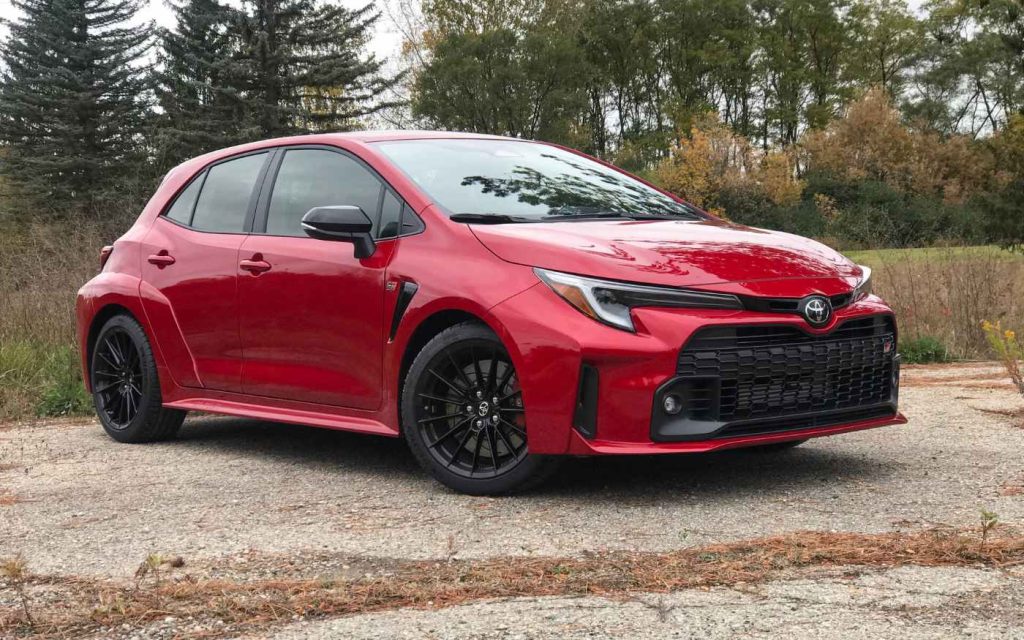
The 2022 Corolla starts at $21,520 and ranges up to $29,805, depending on trim and options. We recommend the sporty SE sedan. It features a sport-tuned suspension for a more engaging drive and is available with a manual transmission, though selecting the manual eliminates some of the option packages available with the standard continuously variable automatic transmission (CVT).
Even so, the SE sedan comes well-equipped, including 18-inch wheels, a leather-trimmed steering wheel, front sport seats, and an 8.0-inch touchscreen with Apple CarPlay and Android Auto.
The base Corolla sedan uses a 139-hp 1.8-liter four-cylinder paired with a CVT that drives the front wheels. The sportier SE and XSE trims feature a 169-hp 2.0-liter four-cylinder with either the CVT or an optional six-speed manual. All hatchbacks use the larger engine, though only the sedan offers a hybrid powertrain.
Our testing of the SE hatchback and XSE sedan revealed that even the stronger engine delivers modest acceleration. Both vehicles are smooth and steady in town and on the highway, but hard acceleration produces coarse engine sounds that detract from refinement.
Ride quality is generally pleasant, with well-controlled body motions that improve agility compared with previous generations. The SE and XSE trims benefit from a firmer sport-tuned suspension and, in the case of the XSE, larger 18-inch wheels, while the other trims ride on 15- or 16-inch rims.
Steering is progressive but not as sharp as the Mazda 3 or Volkswagen Golf. Braking performance is reliable but unremarkable, requiring 174–183 feet to stop from 70 mph. The brake pedal is firm and easy to modulate, providing confidence despite the longer stopping distance.
Also Read: 5 Cars for Midtown Atlanta Short Trips and 5 That Drain Fuel in Stop-and-Go
2. Honda Civic
Another longtime favorite, the Honda Civic offers a comfortable ride, efficient engines, and strong resale value. The Civic strikes a balance between practicality and style, with modern models offering updated infotainment, safety features, and a smooth driving experience. Its longevity makes it one of the most dependable daily drivers on the market.
The Honda Civic has long been the benchmark for compact cars, blending practicality with a fun-to-drive personality. Its versatile lineup offers something for nearly every buyer, including a four-door sedan, a two-door coupe, and a hatchback.
Power comes from two capable four-cylinder engines, paired with either a smooth continuously variable automatic transmission (CVT) or a slick-shifting six-speed manual. In terms of ride comfort, fuel efficiency, and performance, the Civic consistently ranks near the top of a competitive segment that includes rivals like the Nissan Sentra and Toyota Corolla.
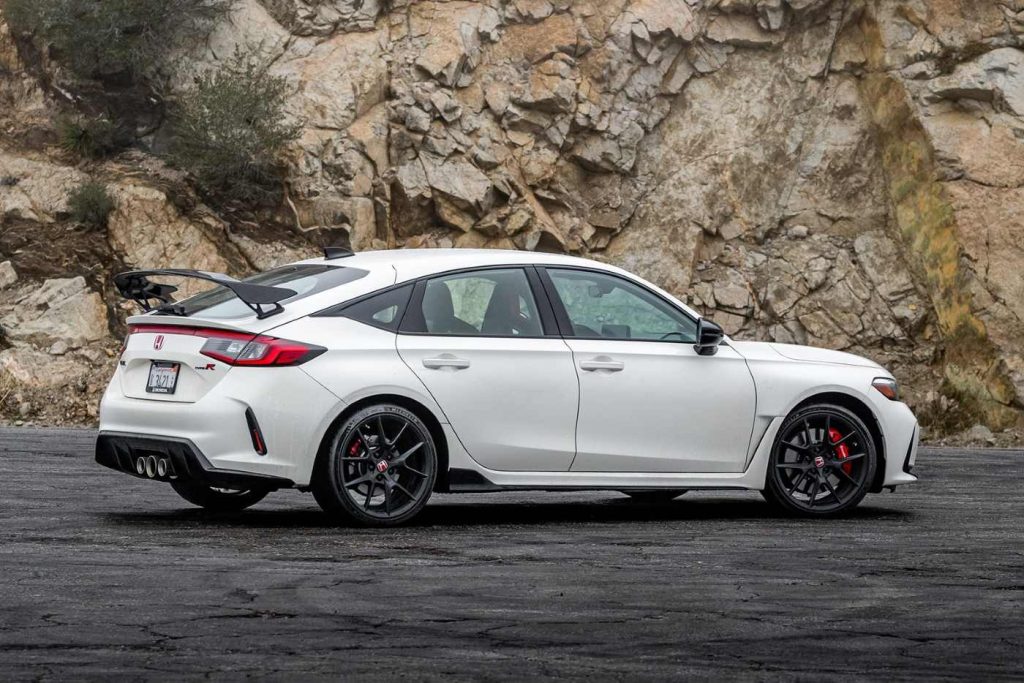
The Civic offers two excellent four-cylinder engines. A 158-hp 2.0-liter four-cylinder powers the LX and EX sedans as well as the LX coupe, while a 174-hp turbocharged 1.5-liter four-cylinder is standard in all other trims.
Sport and Sport Touring hatchbacks increase output to 180 hp. Transmission choices include a six-speed manual, available on lower trims and hatchbacks, or one of the best CVTs in the business.
The Civic is a true all-rounder, balancing comfort with engaging dynamics. Its smooth ride, responsive steering, and athletic chassis make it enjoyable in virtually any driving situation, from city streets to winding back roads.
3. Toyota RAV4
For drivers who prefer an SUV, the Toyota RAV4 provides space, versatility, and reliability. Its AWD options are perfect for winter driving, and the hybrid variant offers excellent fuel economy. RAV4s are popular on the used market, so they tend to retain value longer than other compact SUVs.
The Toyota RAV4 delivers a comfortable ride, is enjoyable to drive, and offers excellent visibility. However, it falls short in a few key areas. The engine performs adequately around town, and passing or merging is generally effortless, but its power is modest.
Our RAV4 took 9.1 seconds to accelerate from 0 to 60 mph, slower than the class average. Steering is another weak point: it feels vague around center and lacks sufficient feedback, making it easy to misjudge input.
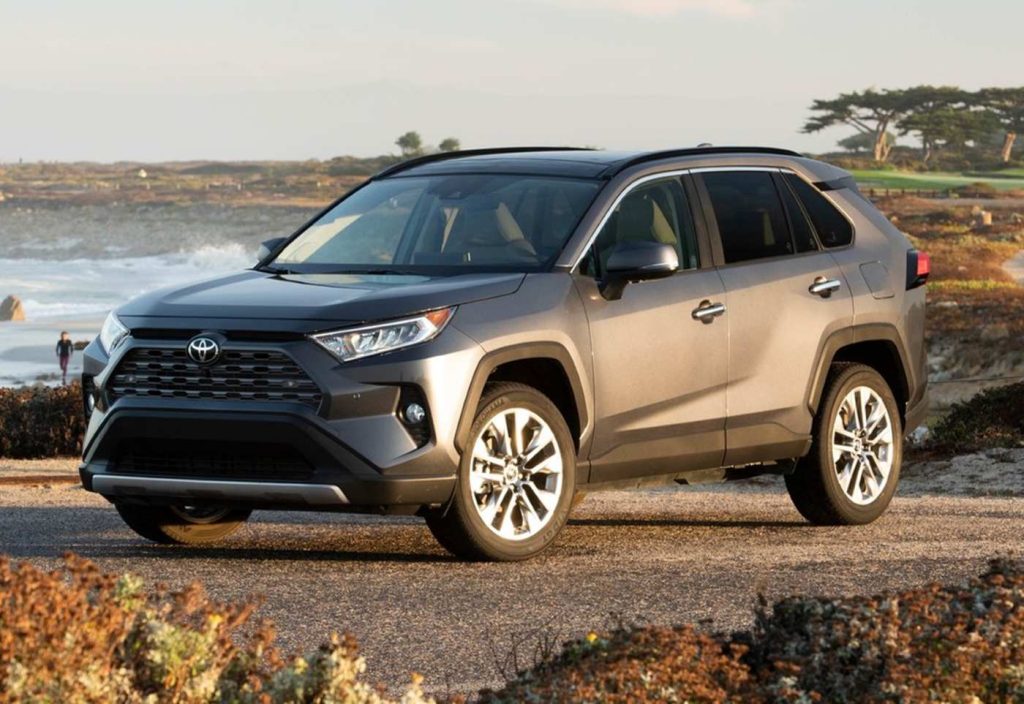
On the upside, the RAV4 Limited trim’s upgraded all-wheel-drive system includes rear-axle torque vectoring and hill descent control. Combined with respectable ground clearance, these features give the RAV4 Limited above-average off-road capability for a small SUV.
Standard driver-assistance features include adaptive cruise control, lane-keeping assist, and automatic emergency braking, with additional aids available on higher trims. While these systems perform adequately, many competitors offer more standard and optional safety technology.
4. Honda CR‑V
The Honda CR‑V combines practical interior space with proven reliability. It’s comfortable for longer commutes, efficient on gas, and supported by Honda’s excellent maintenance network. CR‑Vs are consistent performers in the resale market, making them a safe bet for cost-conscious buyers.
The Honda CR-V isn’t a sports car, but it feels composed and responsive compared with many other small SUVs. In our testing of the hybrid Sport Touring model, it accelerated from 0 to 60 mph in 8.0 seconds, typical for the class. Expect similar performance from the standard 1.5-liter engine.
Braking is confident and smooth, and the hybrid system operates seamlessly, with simulated gear changes that feel natural in everyday driving.
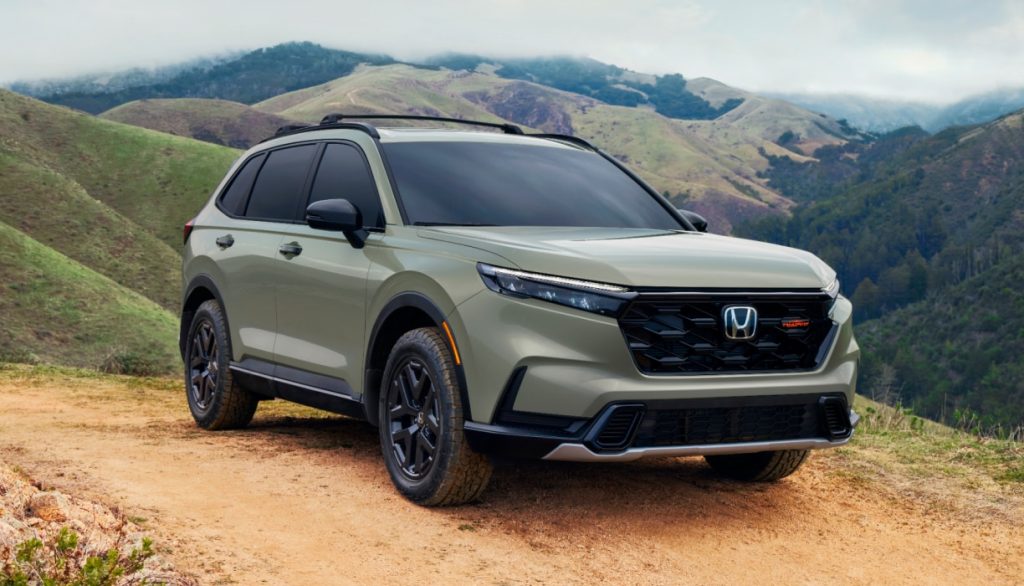
Long uphill climbs can require a firm foot, but the CR-V remains stable and composed around corners. Steering is responsive and provides sufficient feedback to give a clear sense of the road, while the ride quality is one of the SUV’s standout attributes.
Inside, the CR-V is thoughtfully designed. Both rows offer ample space, and large windows enhance the sense of openness. Front seats are comfortable and adjustable, and the rear seat provides above-average legroom, making it excellent for installing child seats. Wide door openings and well-positioned seats allow easy entry and exit for adults.
Controls are intuitive and within easy reach, with physical climate controls that can be operated without taking your eyes off the road, a feature we particularly appreciate in a family-oriented small SUV.
5. Subaru Crosstrek
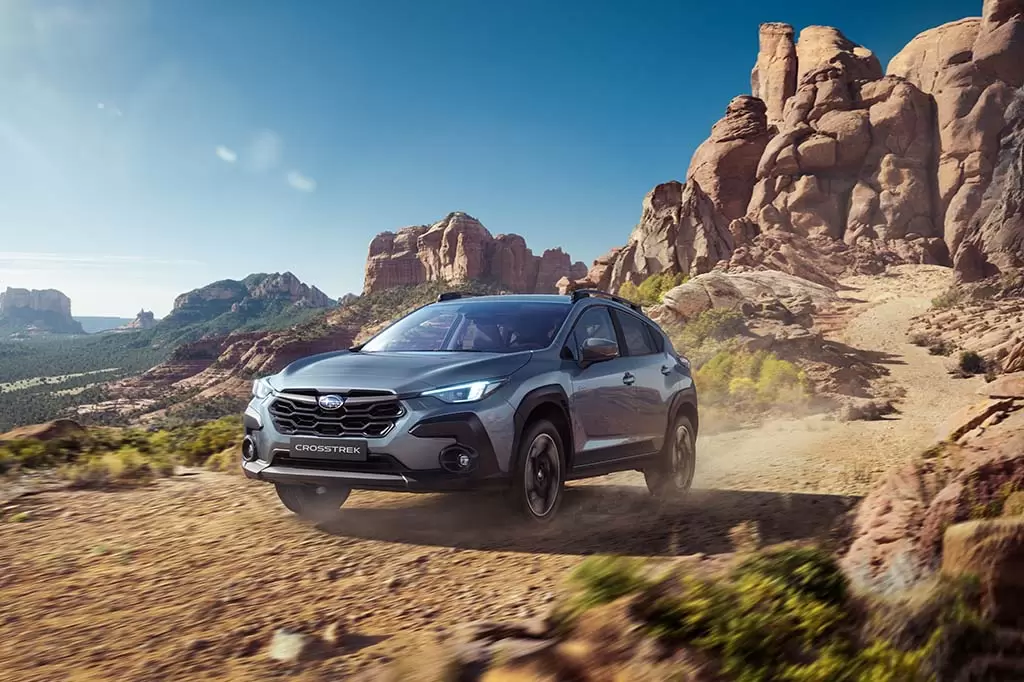
The Subaru Crosstrek stands out for versatility and all-weather capability. Its AWD system makes it ideal for variable Kansas weather, and it’s small enough for city streets while offering enough cargo space for weekend adventures. Crosstreks have good resale value and a loyal following among used buyers.
Summary: If you want a car that is dependable, comfortable, and holds value, stick with Toyota, Honda, and Subaru. These models are practical, easy to maintain, and financially smart for daily commuting.
5 Cars That Lose Value Quickly
While flashy or luxury cars can be tempting, they often depreciate much faster than mainstream vehicles, which can hurt your wallet in the long run.
1. Jaguar I‑Pace
This luxury electric SUV offers impressive performance but suffers from rapid depreciation, losing over 70% of its value in five years. Newer EVs with better range and tech make older I‑Paces less desirable in the used market.
Although the Jaguar I-Pace is now a veteran in the luxury EV segment, it remains impressively quick. It can sprint to 60 mph in just 4.5 seconds with minimal effort and near-silent acceleration.
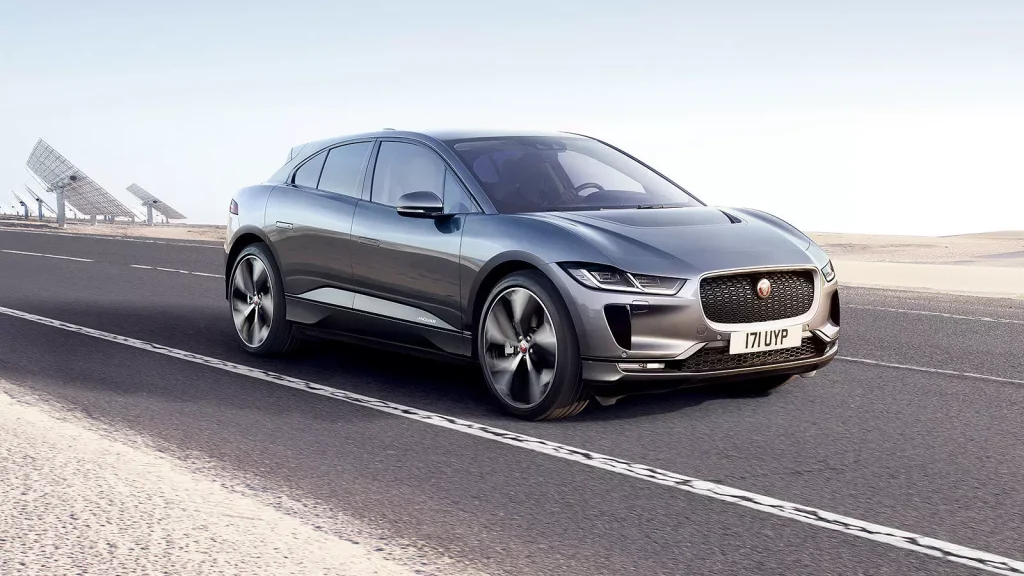
The I-Pace steers and handles with enthusiasm while maintaining composure and control, making it a genuinely engaging electric SUV to drive. If there’s a standout reason to choose the I-Pace over newer competitors, it’s the fun and excitement it delivers behind the wheel.
On the downside, our test vehicle showed longer-than-average emergency stopping distances for a luxury EV. Additionally, the I-Pace’s regenerative braking system cannot bring the car to a complete stop on its own, a detail that may seem minor but has a noticeable impact on everyday driving feel.
Also Read: Top 10 Cheapest Electric Cars You Can Buy in 2025
2. BMW 7 Series
The BMW 7 Series delivers premium luxury and technology, but full-size luxury sedans often lose value quickly. Expect around a 65–70% depreciation over five years due to high maintenance costs and limited used-buyer demand.
The BMW 750i delivers astonishing power and acceleration. Just when you think you’re at full throttle, the car has another gear ready to launch you into triple-digit speeds with ease, perfectly suited for the autobahn, though most U.S. roads won’t let you use even a fraction of its capability.
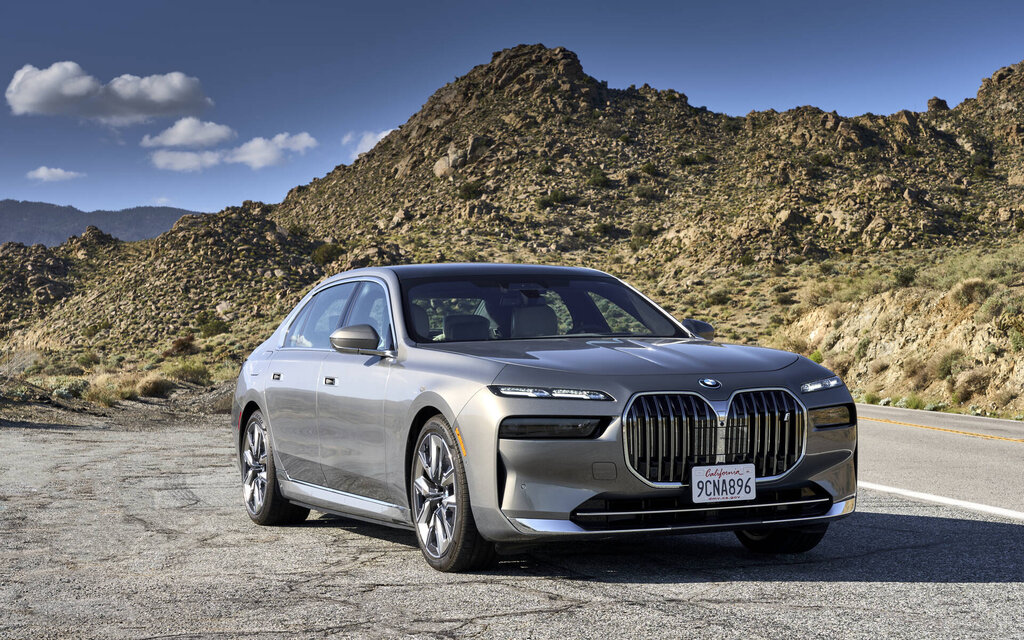
Braking is equally impressive: the large sedan stops with consistent, strong, and drama-free performance during panic-stop testing.
Gear changes are seamless, and the steering is well-weighted at highway speeds while remaining properly assisted in parking lots. Handling is a bit of a paradox: the 750i turns into corners with laser-like precision, yet the substantial body roll never seems to compromise stability. It might feel floppy, but it holds its line perfectly, blending comfort with capable dynamics.
3. Tesla Model S
Tesla’s flagship sedan offers cutting-edge EV technology and performance, but it still loses significant value fast, roughly 60–65% in five years. Rapid advancements in battery tech and range make older models less attractive to buyers.
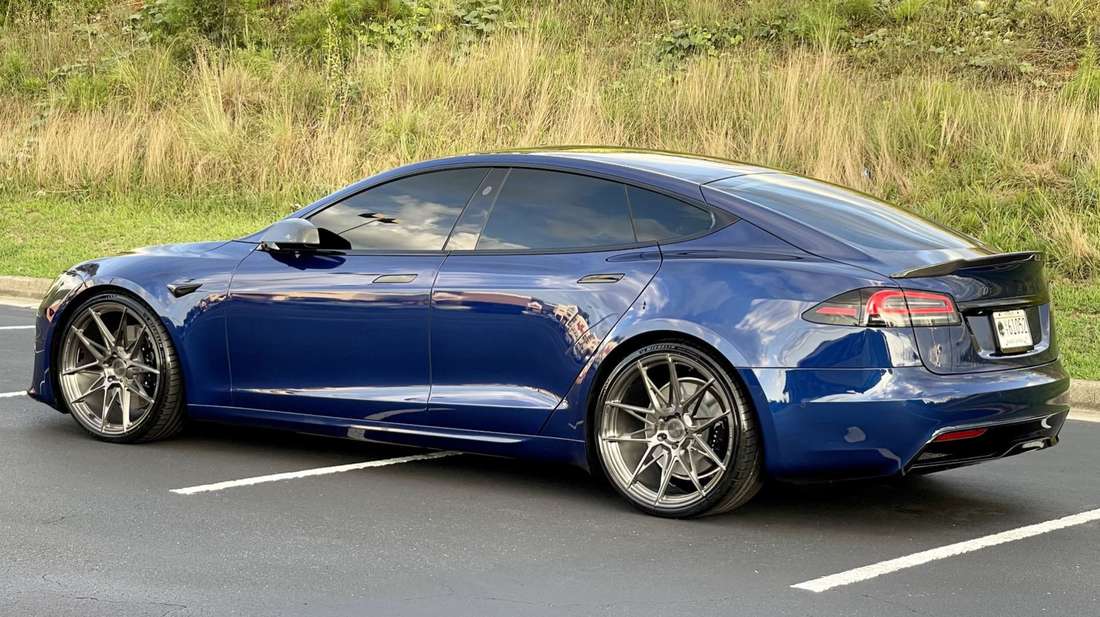
The Tesla Model S paved the way for the growing luxury electric-vehicle market, and even in 2022, it remains one of the most compelling and desirable options in its segment.
With up to 412 miles of estimated driving range depending on the model, the Model S is well-suited for long trips. The 1020-hp Plaid variant delivers supercar-level acceleration while still accommodating four adults. Practicality hasn’t been sacrificed, either: the Model S offers a spacious rear cargo area plus a front trunk for extra storage.
New luxury EV competitors such as the Porsche Taycan and Audi e-tron GT challenge the Model S in performance and comfort, but Tesla’s superior range and available semi-autonomous driving features continue to attract buyers.
The Model S received a significant refresh last year, including updated exterior and interior styling, a unique yoke-style steering wheel, and the high-performance 1020-hp Plaid model. For 2022, changes are minimal, though Tesla has announced a notable price increase for the base trim.
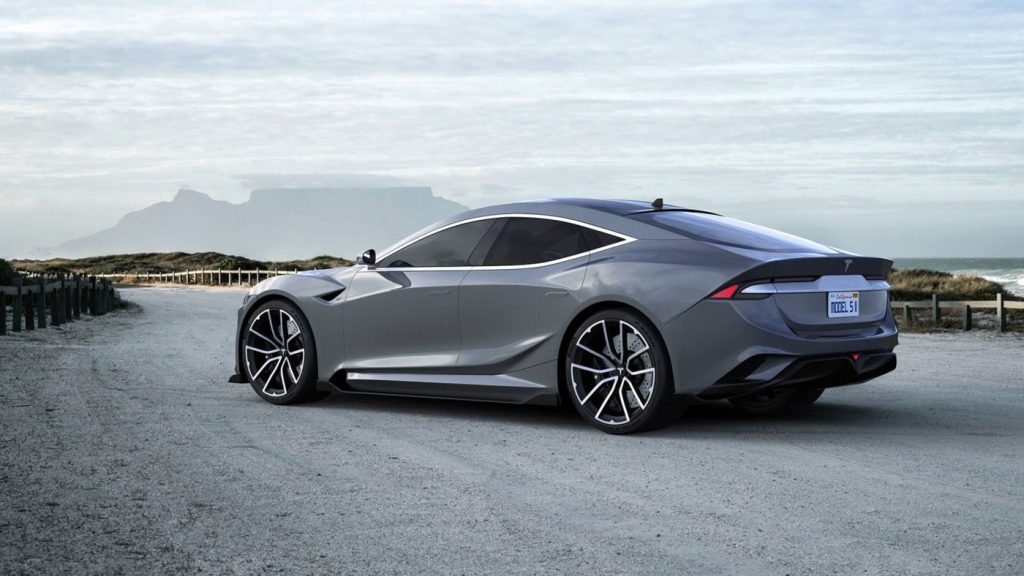
The 2022 Model S starts at $106,440 and ranges up to $137,440 for the Plaid. We recommend the base Model S for most buyers, offering an estimated 412 miles of range per charge. While the Plaid is exciting, its six-figure price represents diminishing value unless extreme performance is a priority.
All Model S versions feature full-time all-wheel drive, thanks to electric motors powering both front and rear axles. Acceleration varies from outstanding to ferocious.
Our 2020 Model S test vehicle achieved a blistering 2.4-second 0–60 mph time, with immediate and exhilarating power delivery. The Plaid adds a third motor, boosting combined output to 1020 horsepower and allowing it to reach 60 mph in just 2.1 seconds.
The standard Model S drives like an agile sports sedan, with controlled body motions and precise steering. Two selectable steering modes allow drivers to choose heavier or lighter effort, though road feedback remains limited. Ride comfort is strong, handling is crisp, and the car feels composed and confident on the highway.
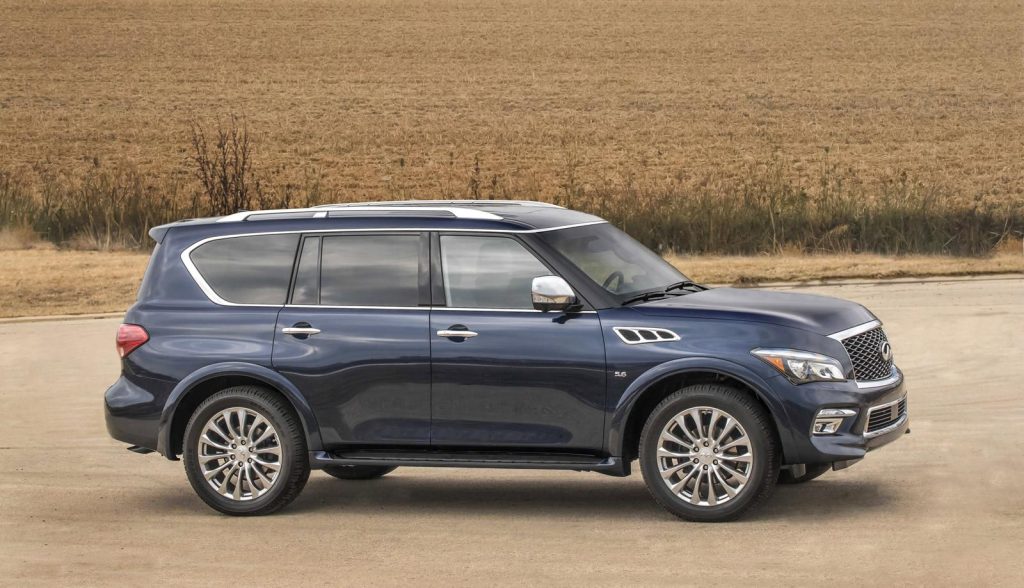
4. Infiniti QX80
This large luxury SUV impresses on paper but resale values drop steeply. Fuel economy, outdated infotainment, and luxury maintenance costs contribute to depreciation exceeding 60% over a five-year period.
The 2022 Infiniti QX80 is visually striking and feels upscale inside, with a solidly built cabin, a smooth ride, and a powerful engine. On paper, these traits should make it a compelling large, three-row luxury SUV, but in practice, it falls short. At its core, the QX80 is essentially a dressed-up Nissan Armada, which costs significantly less.
While there are minor differences between the two, they aren’t enough to justify the QX80’s premium or to compete with newer, more luxurious alternatives in its class.
For buyers still drawn to Infiniti’s largest SUV, the fully independent suspension provides a composed and tranquil ride, and the 400-hp V-8 delivers strong, satisfying thrust, though it is thirsty on fuel. Still, in most respects, the QX80 lags behind more modern rivals.
The QX80 receives a brand-new infotainment system and a redesigned center stack for 2022. Gone are the old dual screens and awkward climate controls, replaced by a prominent 12.3-inch touchscreen with desirable features such as wireless Apple CarPlay.
A redesigned HVAC panel with physical buttons and knobs sits directly below, offering a more intuitive and classy layout. The QX80 also now includes a wireless smartphone charger hidden behind a retractable panel beneath the climate controls.
The 2022 QX80 ranges from $73,645 for the entry-level Luxe trim up to $84,795 for the top-of-the-line Sensory trim. Given that the mid-level Premium Select approaches the price of a Mercedes-Benz GLS450 or BMW X7 xDrive40i, the Luxe trim offers the best value.
It includes leather upholstery, heated front seats, a power-adjustable heated steering wheel, second-row captain’s chairs, a 13-speaker Bose stereo, in-dash navigation, SiriusXM satellite radio, and adaptive cruise control.
Power comes from a 400-hp 5.6-liter V-8 paired with a seven-speed automatic transmission and available rear- or all-wheel drive. In testing, the QX80 accelerated from 0 to 60 mph in 5.9 seconds, quick for its size, but slower than most competitors.
The engine delivers smooth power and snappy throttle response, though the transmission can hesitate to downshift under heavy acceleration. Around town, the QX80 feels composed and powerful, with a satisfying growl from the exhaust when pushed.
Handling emphasizes comfort over sportiness; the ride is serene, but the SUV doesn’t feel as agile as rivals like the GLS450. For buyers seeking a large luxury SUV that prioritizes refinement and passenger comfort over sharp driving dynamics, the QX80 delivers. It also boasts a strong towing capacity of 8,500 pounds, surpassing the Mercedes by 800 pounds.
5. Maserati Ghibli
The Maserati Ghibli combines style and performance, but it’s expensive to maintain, and buyers are wary of older luxury models. Depreciation can exceed 60% in five years, making it one of the riskiest investments for resale.
Summary: Luxury cars and early EVs often look appealing but depreciate far faster than reliable daily drivers. Unless you plan to keep them long-term, they’re a poor choice if resale value matters.
With a twin-turbocharged V-6 or V-8 under its sculpted hood, the 2021 Maserati Ghibli is the Italian thoroughbred of the mid-size luxury sedan segment. Its aggressive headlamps, flowing body lines, and signature fender vents make it look the part, while most models feature a V-6 delivering either 345 or 424 horsepower, available with rear- or all-wheel drive.
Opt for the V-8–powered Trofeo, and Maserati swaps in a Ferrari-derived 572-hp twin-turbo V-8. No matter the engine, the Ghibli rewards drivers with an athletic chassis and a growling exhaust note.
The sedan’s rear seat, however, is less spacious than rivals like the Audi A6 or Mercedes-Benz E-Class, and some interior controls are borrowed from less luxurious Stellantis models. Maserati offers an array of premium cabin materials, including leather-and-silk upholstery from Italian fashion house Ermenegildo Zegna, giving the interior an undeniably upscale feel.
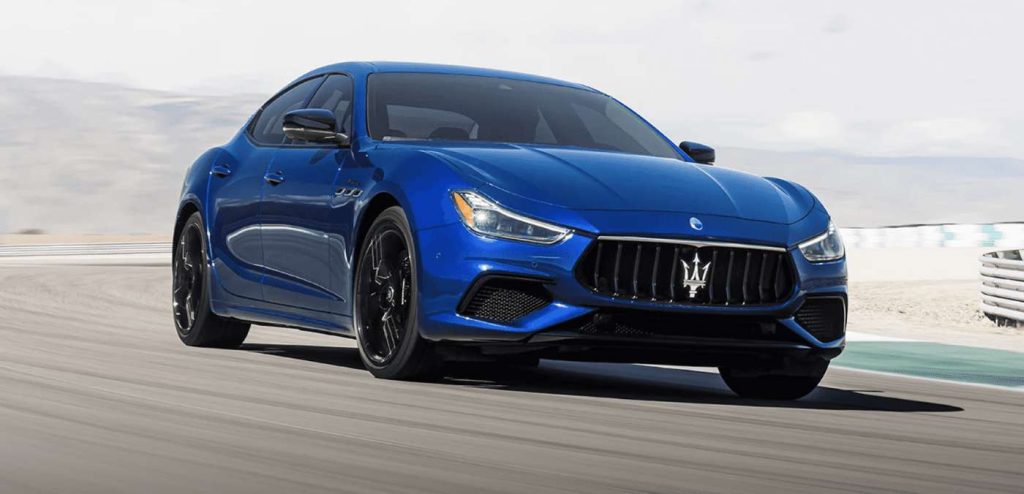
The Ghibli now comes in a racy Trofeo trim with a 580-hp twin-turbo V-8, a limited-slip rear differential, and a Corsa driving mode with launch control. All models receive a new infotainment system with a larger 10.1-inch touchscreen, a voice-activated virtual assistant, and an available wireless charging pad.
The 2021 Ghibli ranges from $73,685 for the base model up to $115,085 for the Trofeo. Most mid-size luxury sedans start with turbocharged four-cylinders, but the Ghibli skips that step, offering a twin-turbo V-6 as standard. We recommend the S trim, which unlocks 424 horsepower and includes extensive genuine leather coverage throughout the cabin.
The base Ghibli comes with a 345-hp twin-turbo 3.0-liter V-6 and rear-wheel drive, while the S version boosts output to 424 horsepower. The Trofeo’s 572-hp twin-turbo 3.8-liter V-8 is the range-topper. All engines pair with an eight-speed automatic transmission.
In past testing, the S model sprinted from 0 to 60 mph in 4.7 seconds, while the lighter Ghibli is expected to be quicker than the Levante SUV’s 5.1-second benchmark.
The Trofeo takes things further with an estimated 3.7-second run to 60 mph. On the road, the Ghibli is lively and responsive yet retains enough refinement to compete with today’s best luxury sport sedans.
For Topeka drivers looking for a daily commuter, prioritize cars like the Toyota Corolla, Honda Civic, or Subaru Crosstrek. They are reliable, efficient, and maintain their value well. If you’re tempted by luxury sedans or EVs like the Jaguar I‑Pace or Maserati Ghibli, be aware that steep depreciation can make these vehicles costly over time.
Your ideal daily driver balances comfort, efficiency, and value retention. For most drivers, sticking with reliable, mainstream brands is both practical and financially savvy.
