
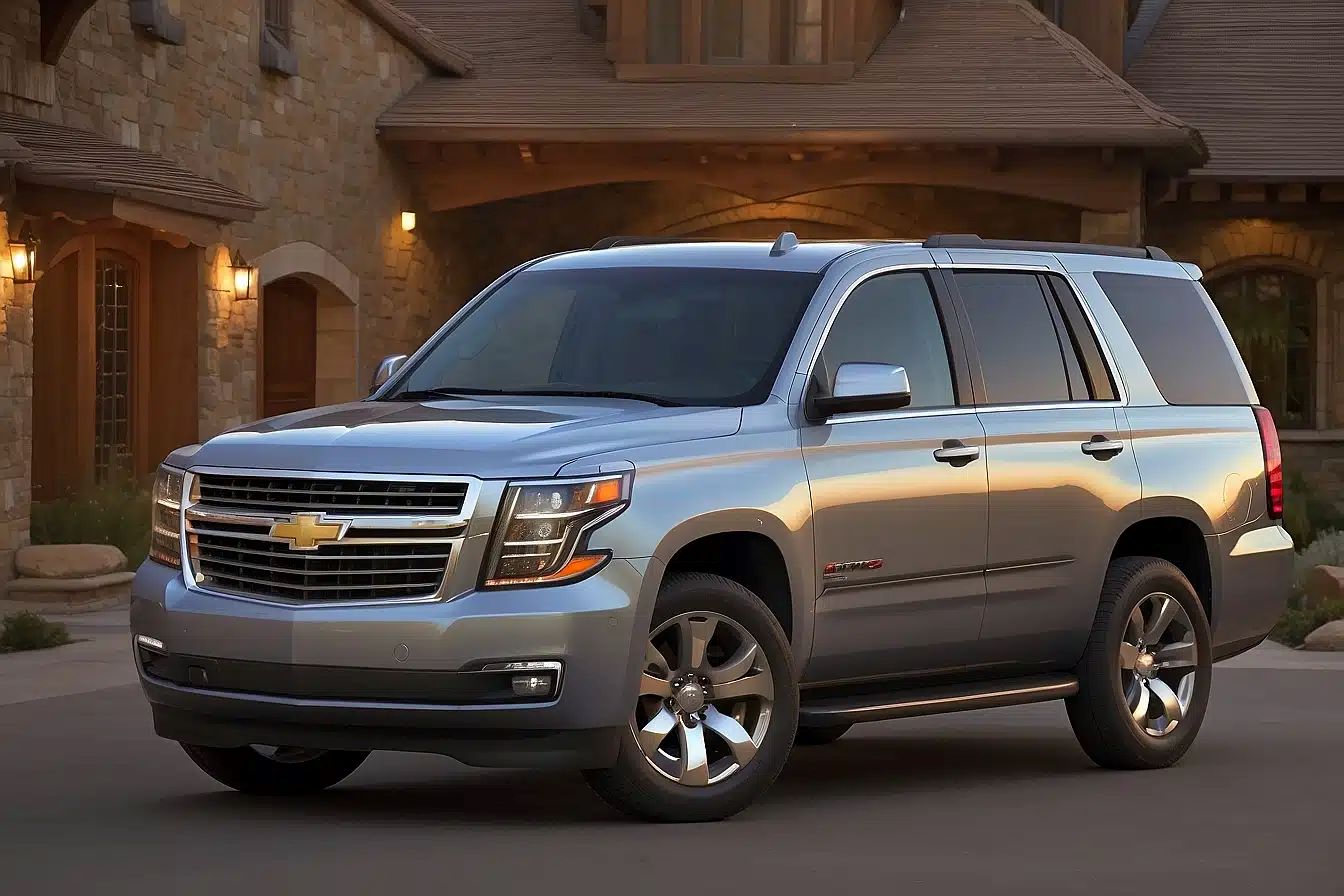
In today’s automotive world, full-size SUVs have become the ultimate expression of family transportation, combining spacious interiors, powerful performance, and commanding road presence.
But beyond the initial appeal of leather seats and third-row capacity, what truly matters is reliability the ability of these substantial vehicles to perform consistently year after year without breaking the bank on repairs or leaving you stranded on the roadside.
The full-size SUV segment represents a significant investment, with many models commanding prices well into the $60,000 to $90,000 range. At these price points, buyers rightfully expect their vehicles to deliver dependable service for many years and hundreds of thousands of miles.
Fortunately, certain manufacturers have built reputations for producing SUVs that can withstand the rigors of daily family duties, long road trips, and even occasional off-road adventures while maintaining their structural integrity and mechanical soundness.
Reliability in full-size SUVs encompasses several critical factors: proven powertrains that avoid costly repairs, robust suspension systems that handle heavy loads, durable interiors that resist wear from constant use, and electrical systems that continue functioning properly as the vehicle ages.
The most reliable models share common characteristics conservative engineering, quality materials, thorough testing, and manufacturers’ commitment to addressing issues promptly.
This comprehensive guide examines the full-size SUVs that have consistently demonstrated exceptional reliability, earning praise from owners and professional reviewers alike. These vehicles represent smart investments that deliver peace of mind alongside capability and comfort.
Toyota Sequoia
The Toyota Sequoia stands as a monument to automotive dependability, embodying the Japanese automaker’s legendary reputation for building vehicles that simply refuse to quit.
Since its introduction in 2001, the Sequoia has been designed with one primary mission: to provide families with a full-size SUV that will reliably serve them for decades.
Unlike some competitors that prioritize cutting-edge technology or luxury appointments, Toyota has focused the Sequoia’s development on durability, using proven components and conservative engineering approaches that minimize the risk of unexpected failures.
The current generation Sequoia, redesigned for 2023, represents a significant evolution while maintaining Toyota’s reliability-first philosophy.
It features a twin-turbocharged 3.5-liter V6 hybrid powertrain producing 437 horsepower, replacing the previous generation’s venerable 5.7-liter V8.
While some traditionalists mourned the loss of the V8, Toyota’s i-FORCE MAX hybrid system combines strong performance with improved fuel efficiency, and early reports suggest it maintains the brand’s reliability standards.
The hybrid system’s integration has been executed with typical Toyota conservatism, using proven technology rather than experimental approaches.
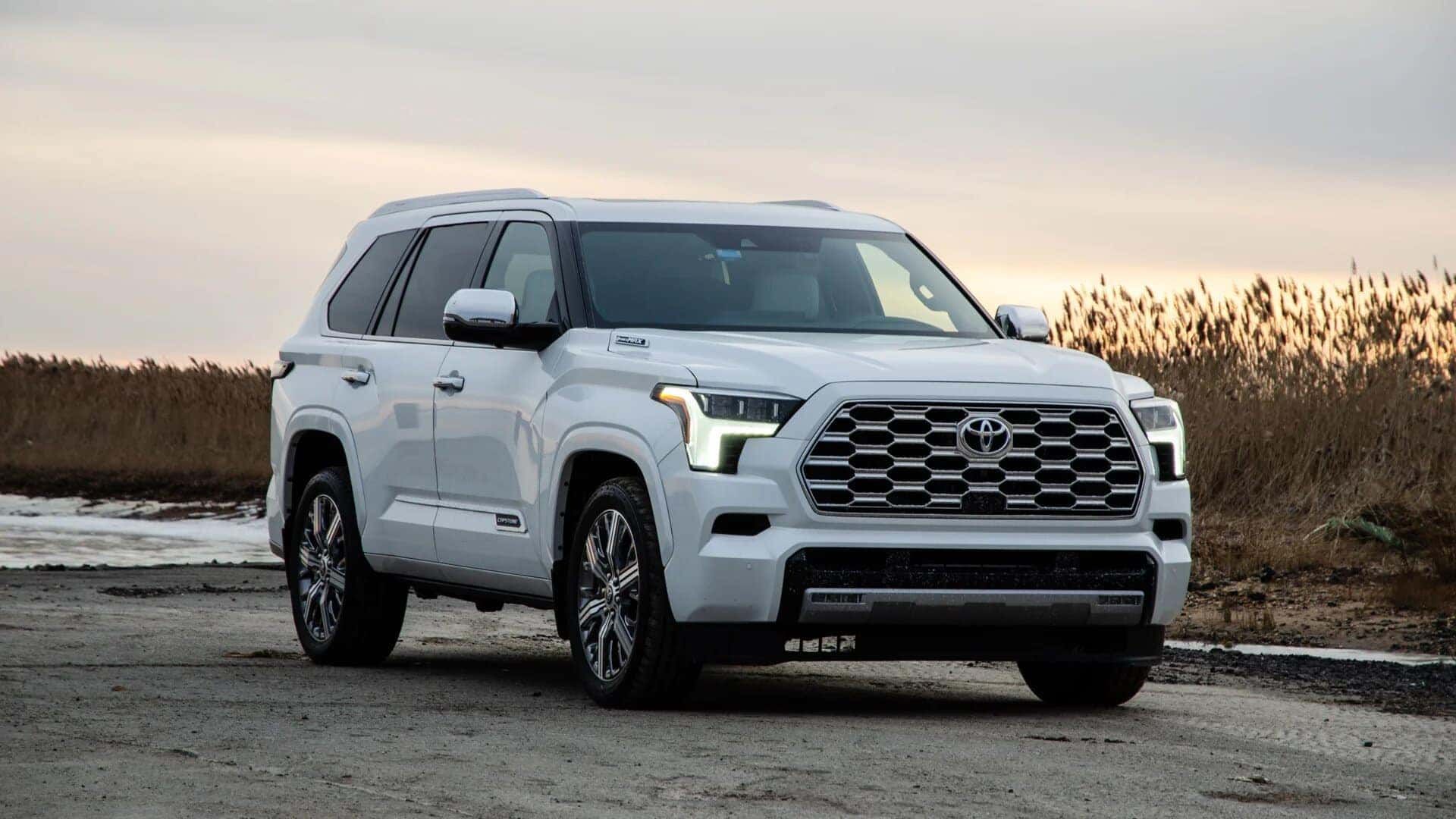
What makes the Sequoia particularly reliable is its body-on-frame construction, shared with the Tundra pickup truck and Land Cruiser. This traditional truck-based architecture is inherently more durable than car-based crossovers, better able to withstand heavy loads and rough conditions without developing structural issues.
The Sequoia’s frame is fully boxed and hydroformed, providing exceptional rigidity that contributes to longevity. Owners regularly report Sequoias exceeding 200,000 miles with only routine maintenance, and examples with 300,000+ miles aren’t uncommon in Toyota enthusiast communities.
The interior quality reflects Toyota’s understanding that reliability extends beyond mechanical components. Materials are chosen for durability rather than luxury appeal, with hard-wearing fabrics and plastics that resist the daily abuse of family life.
Controls are logically arranged and built to last, with switches and buttons that continue operating properly after years of use. The infotainment system, while not the most technologically advanced, uses proven software that rarely experiences glitches or crashes.
Toyota’s commitment to the Sequoia extends to parts availability and dealer support. Components remain available for decades, and Toyota’s extensive dealer network ensures that service is accessible across North America.
This long-term support makes the Sequoia an excellent choice for buyers who plan to keep their vehicles well beyond the warranty period, confident that maintenance will remain straightforward and affordable relative to luxury competitors.
Chevrolet Tahoe/GMC Yukon
The Chevrolet Tahoe and its upscale sibling, the GMC Yukon, represent General Motors’ extensive experience building full-size SUVs that Americans have trusted for generations.
These mechanically identical vehicles trace their lineage back to the 1990s, and GM has refined the formula continuously, addressing issues and improving reliability with each iteration.
The current generation, introduced for 2021, showcases the culmination of this evolutionary development, offering impressive capability alongside improved dependability metrics.
At the heart of the Tahoe and Yukon’s reliability is GM’s time-tested 5.3-liter V8 engine, which has powered millions of GM trucks and SUVs over the past two decades. This naturally aspirated engine features relatively simple architecture without complex turbocharging or direct injection complications that can plague other powertrains.
The 5.3L produces 355 horsepower and is paired with GM’s smooth 10-speed automatic transmission. This powertrain combination has proven remarkably durable, with many examples easily surpassing 200,000 miles when properly maintained.
The optional 6.2-liter V8, producing 420 horsepower, shares the same fundamental reliability characteristics while adding substantial performance.
The body-on-frame construction provides the structural durability that active families require. GM’s K2XX platform (GMT1XX for the current generation) uses high-strength steel in critical areas, creating a robust foundation that resists flexing and fatigue.
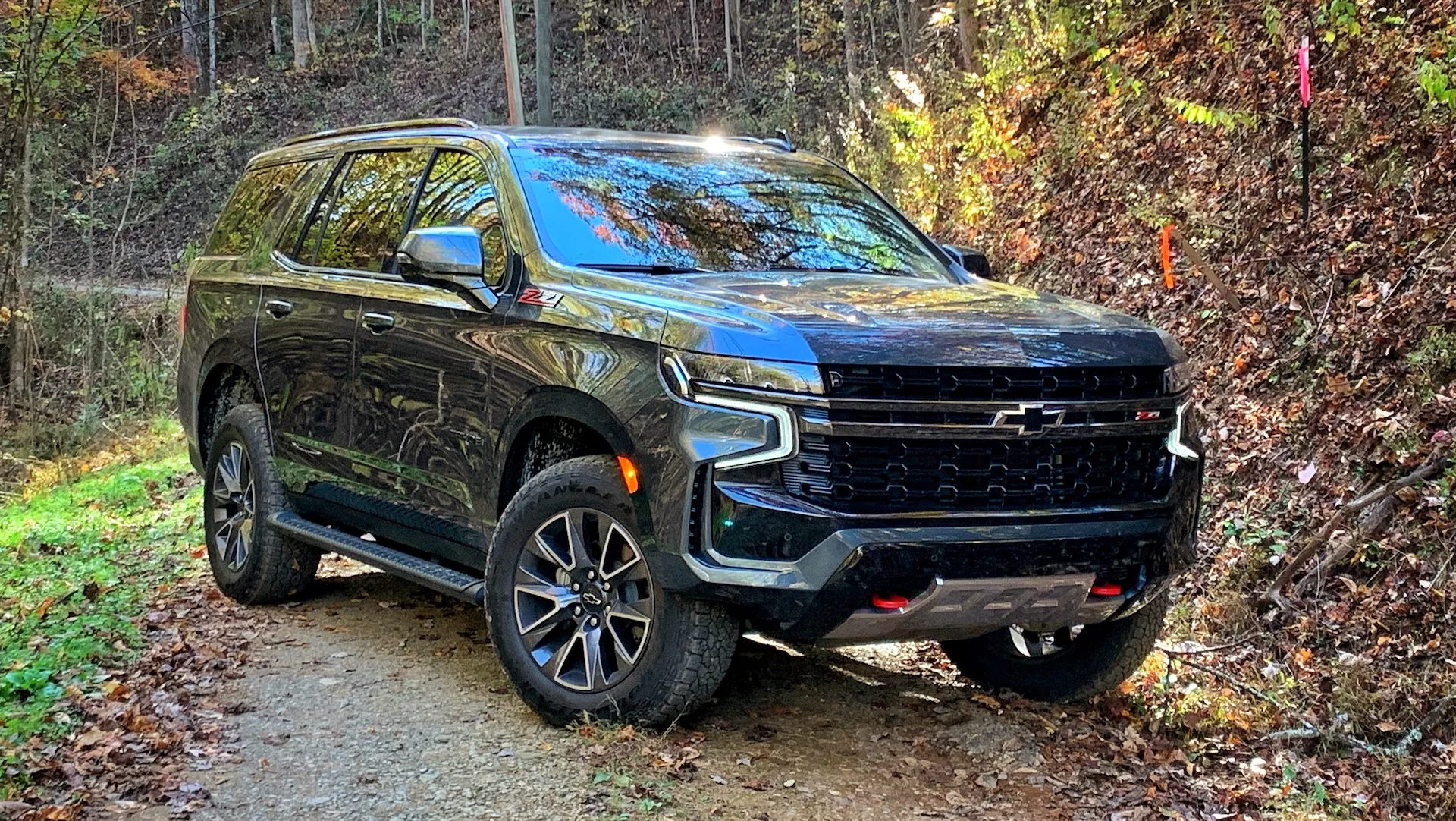
The independent rear suspension, a significant upgrade from previous solid-axle designs, improves ride quality without sacrificing durability. This sophisticated suspension system uses aluminum components to reduce weight while maintaining strength, and early reports suggest it’s holding up well even in harsh winter climates with extensive road salt exposure.
Interior quality has improved dramatically in recent generations. GM addressed previous criticisms about cheap plastics and poor fit and finish, installing higher-quality materials throughout the cabin.
The seats are supportive and well-constructed, maintaining their shape and comfort even after years of use. The Tahoe and Yukon’s interiors are designed to accommodate real-world family life, with durable surfaces that clean easily and control layouts that remain intuitive.
The infotainment system, while feature-rich, occasionally experiences software glitches that require updates, though these rarely affect the vehicle’s core functionality.
One reliability advantage these GM SUVs enjoy is their tremendous popularity, which translates into extensive aftermarket support and widespread mechanic familiarity.
Parts are readily available and typically affordable compared to import alternatives. The dealer network is comprehensive, and independent mechanics across the country have extensive experience maintaining these vehicles.
This accessibility makes ownership less stressful, as repairs and maintenance can be completed without specialized facilities or technicians.
Ford Expedition
The Ford Expedition has undergone a remarkable transformation in recent years, evolving from a decent but unremarkable SUV into one of the segment’s most compelling and reliable options.
Ford’s investment in the Expedition’s development has paid dividends in terms of dependability, with the current generation demonstrating significantly improved reliability metrics compared to its predecessors. This aluminum-bodied SUV combines modern technology with proven mechanical components, creating a package that balances innovation with dependability.
The Expedition’s reliability foundation rests on Ford’s 3.5-liter EcoBoost V6 engine, producing either 380 or 440 horsepower depending on specification. While turbocharged engines historically carried reliability concerns, Ford’s EcoBoost family has matured considerably since its introduction.
The current engines feature improvements addressing earlier issues like carbon buildup and turbocharger failures. When maintained according to Ford’s specifications particularly using quality synthetic oil and changing it at appropriate intervals these engines demonstrate impressive longevity.
The 10-speed automatic transmission, co-developed with GM, provides smooth shifting and has proven generally reliable across Ford’s lineup.
Ford’s decision to construct the Expedition’s body from aluminum rather than steel represents a significant engineering commitment. This weight-saving measure improves fuel efficiency and handling without compromising durability.
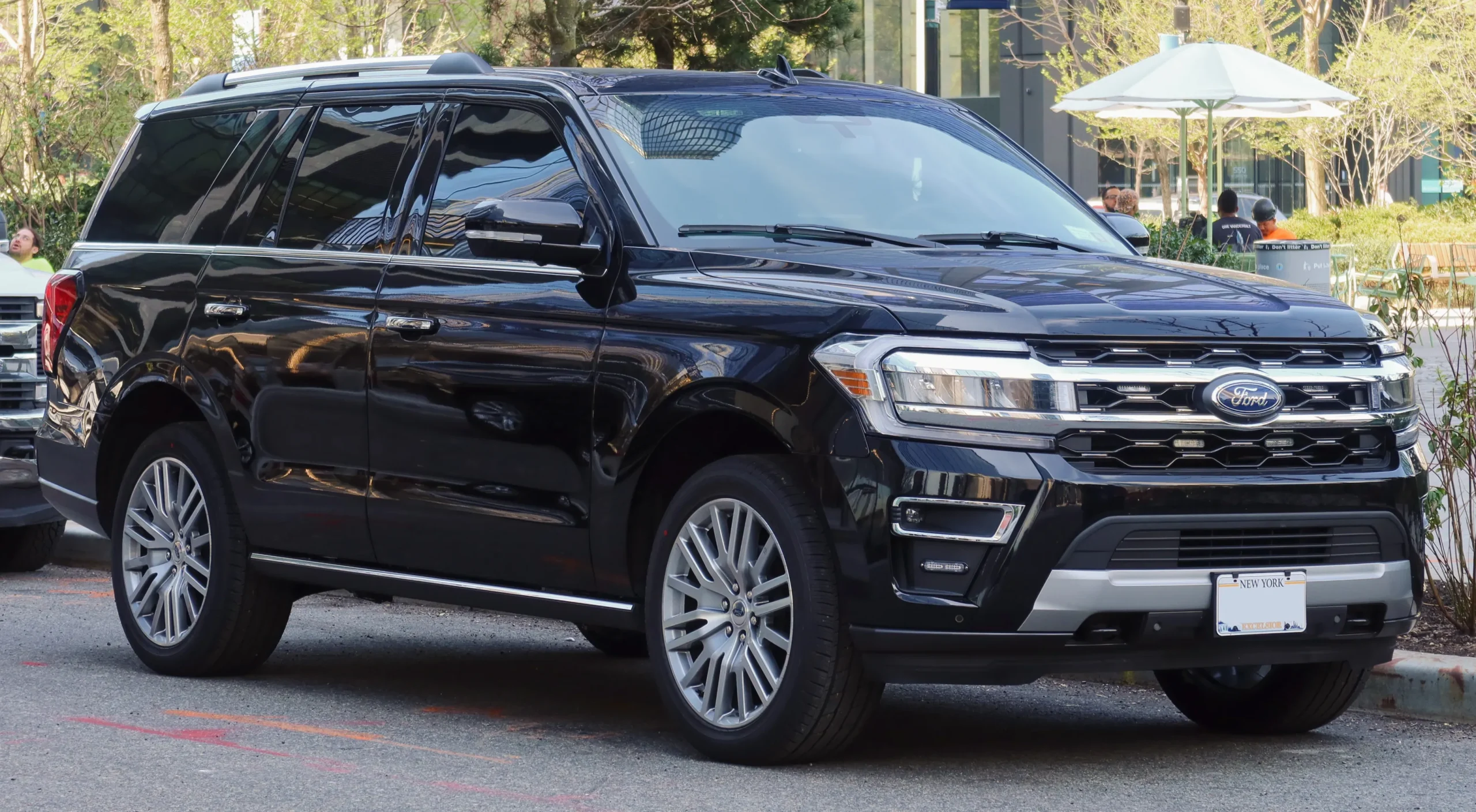
The aluminum panels resist rust far better than steel, a significant advantage in regions where road salt is prevalent. The underlying frame remains steel, providing necessary structural rigidity while the aluminum body contributes to the vehicle’s surprising agility for its size.
Early concerns about aluminum repair costs have largely been addressed as body shops have adapted to working with the material. The Expedition’s interior reflects Ford’s emphasis on functionality and durability.
The cabin materials are thoughtfully chosen to withstand family use, with high-wear areas reinforced appropriately. Ford’s SYNC infotainment system has matured significantly, offering reliable connectivity and intuitive operation, though like most modern systems, it occasionally requires software updates.
The climate control system, seating mechanisms, and other frequently used features are well-engineered and continue functioning properly throughout the vehicle’s lifespan.
One area where the Expedition particularly excels is in Ford’s dealer network and parts availability. Ford’s commercial truck experience translates into excellent long-term support for Expedition owners.
Parts remain available and reasonably priced, and Ford dealers across North America can service these vehicles competently. The Expedition’s popularity means that common repairs and maintenance procedures are well-documented, with extensive online resources available for owners who prefer to understand their vehicle’s needs thoroughly.
Also Read: 5 Cars for Prescott Weekend Escapes and 5 That Hide Problems
Nissan Armada
The Nissan Armada occupies a unique position in the full-size SUV segment, offering body-on-frame durability with distinctive styling and a competitive price point.
Built on the same F-Alpha platform as the Nissan Patrol sold internationally and the Infiniti QX80, the Armada benefits from global engineering resources and extensive real-world testing in challenging environments worldwide.
While Nissan doesn’t always receive the same reliability accolades as Toyota, the Armada represents one of the brand’s most dependable offerings, particularly when properly maintained.
Under the hood, the Armada employs Nissan’s proven 5.6-liter V8 engine, producing a robust 400 horsepower. This naturally aspirated engine features an uncomplicated design that prioritizes reliability over cutting-edge efficiency.
The engine’s direct injection system is paired with port injection, reducing carbon buildup issues that plague some modern engines. Connected to a seven-speed automatic transmission, this powertrain delivers smooth, confident performance while demonstrating impressive longevity when maintained with quality fluids and regular service intervals.
Owners commonly report trouble-free operation well past 150,000 miles. The Armada’s body-on-frame construction provides the durability advantages associated with truck-based SUVs. The fully boxed frame creates exceptional rigidity, contributing to the vehicle’s solid feel and long-term structural integrity.
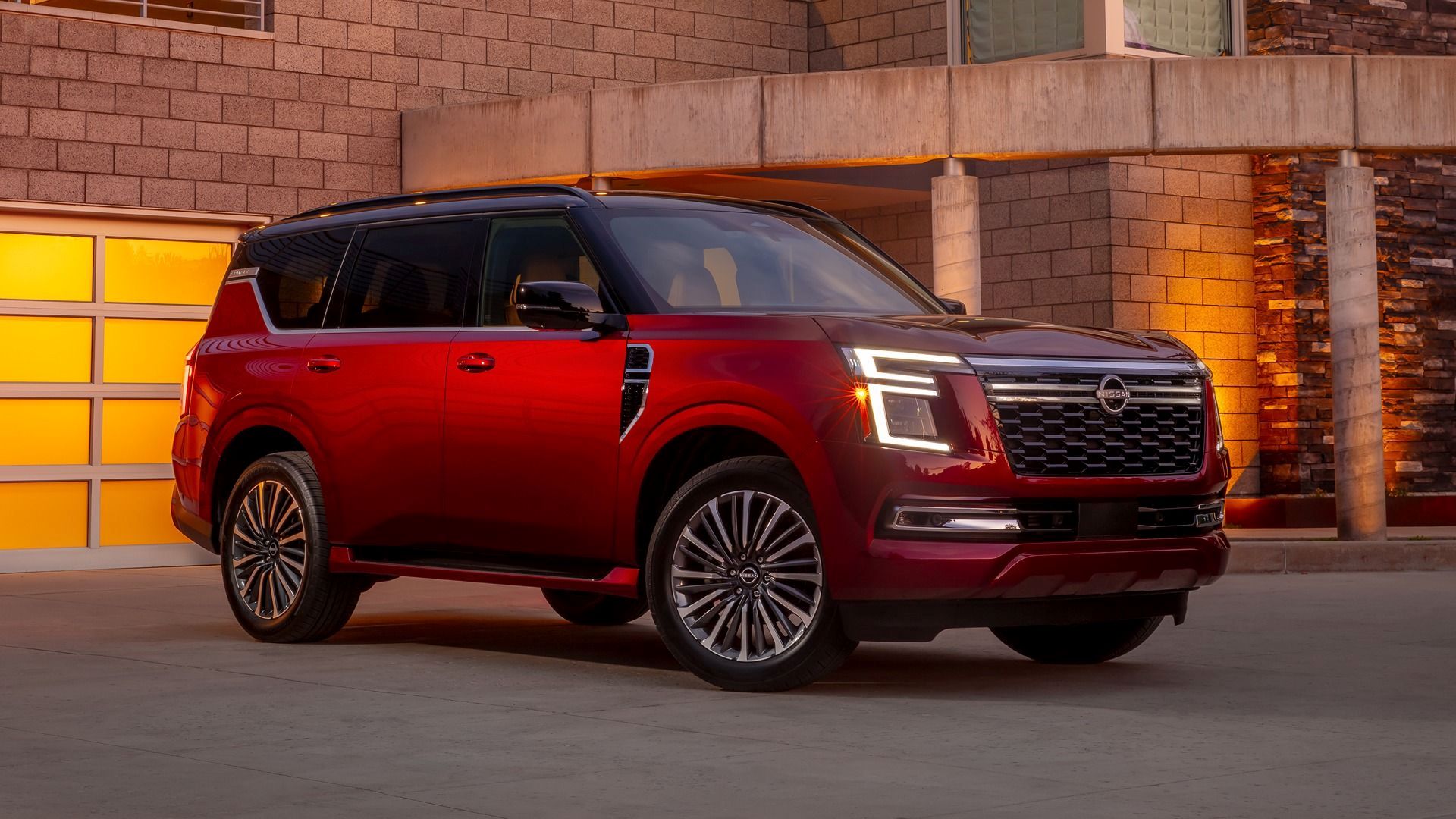
The suspension system uses proven components that resist wear even under heavy loads or challenging road conditions. While the Armada’s ride may feel slightly more truck-like than some competitors using independent rear suspension, this simpler architecture often translates into fewer potential failure points and easier maintenance.
Interior quality in the Armada reflects practical considerations, with materials chosen for durability rather than luxury appeal, though higher trim levels offer genuinely premium appointments.
The seats are well-bolstered and maintain their support over time, and the cabin layout is straightforward and functional. Nissan’s infotainment system isn’t the most advanced in the segment but proves reliable in operation, with straightforward controls that continue functioning properly as the vehicle ages.
Climate control systems and power accessories are generally dependable, though some owners report occasional issues with power window regulators that are fortunately inexpensive to replace.
One advantage the Armada offers reliability-conscious buyers is its relative affordability compared to competitors. This lower entry price means owners can allocate more resources toward premium maintenance practices like using synthetic fluids, replacing wear items proactively, and addressing minor issues before they become major problems.
The Armada’s straightforward mechanical design makes it accessible to independent mechanics, reducing long-term maintenance costs compared to vehicles requiring specialized diagnostic equipment or proprietary service procedures.
Lexus LX
The Lexus LX represents the pinnacle of reliable luxury in the full-size SUV segment, combining Toyota’s legendary dependability with Lexus-grade refinement and comfort. Based on the Toyota Land Cruiser platform, the LX inherits one of the automotive world’s most proven foundations while adding luxurious appointments and enhanced technology.
For buyers who refuse to compromise between luxury and reliability, the LX offers an unparalleled combination, though at a premium price point that reflects its exceptional engineering and build quality.
The LX’s mechanical foundation is nearly identical to the Land Cruiser’s, utilizing proven components engineered for extreme durability. The current generation, redesigned for 2022, features a twin-turbocharged 3.5-liter V6 hybrid producing 409 horsepower, replacing the previous generation’s venerable 5.7-liter V8.
While this change initially concerned some enthusiasts, Toyota’s conservative engineering approach ensures the new powertrain maintains the brand’s reliability standards.
The hybrid system is designed with redundancy and durability in mind, using proven technology rather than experimental approaches. Early adopters report smooth, trouble-free operation with impressive fuel efficiency for the segment.
What distinguishes the LX from less expensive competitors is the extraordinary attention to detail in its construction and the quality of materials used throughout.
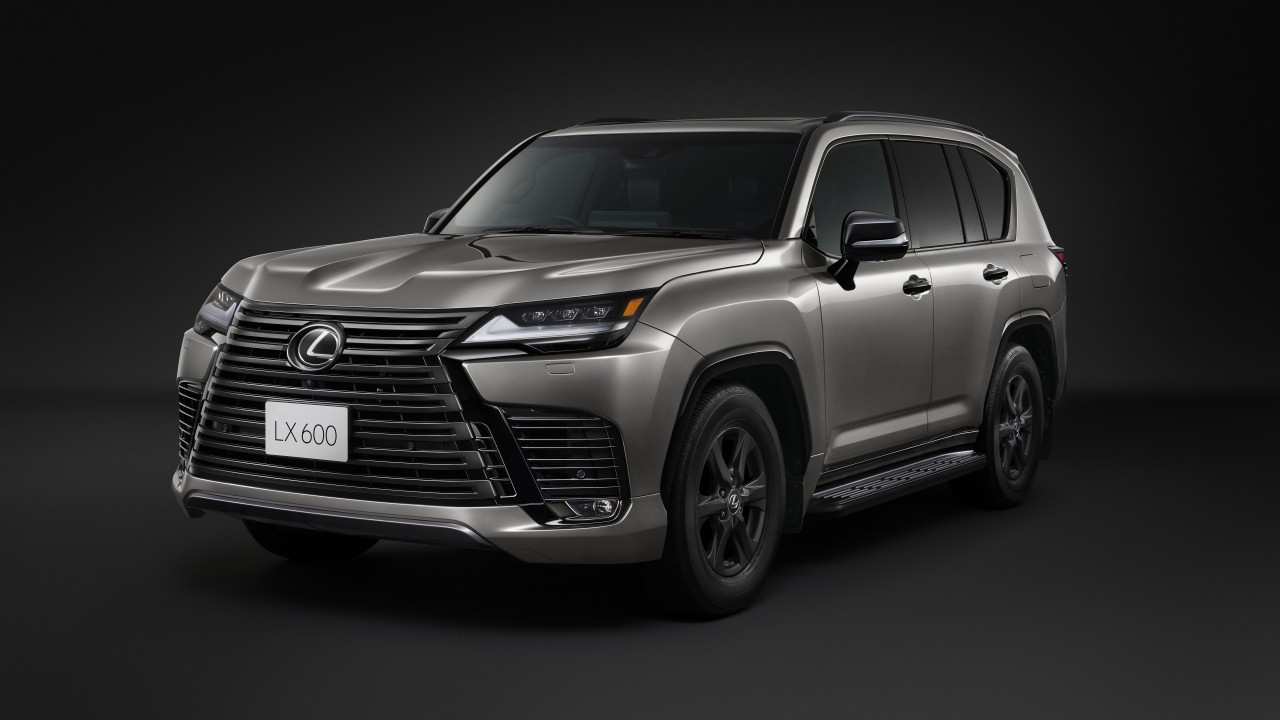
Every component is engineered to exceed normal durability standards, from the reinforced frame to the premium leather in the cabin. Lexus dealers provide exceptional service, and the brand’s reputation for addressing any issues quickly and thoroughly gives owners additional peace of mind.
The LX is built in Toyota’s Tahara plant in Japan, which maintains exacting quality control standards that result in consistently excellent build quality.
The interior represents a masterclass in durable luxury. Materials are selected not just for their aesthetic appeal but for their ability to maintain appearance and function over years of use.
The leather resists wear and cleaning remarkably well, electronic controls are engineered to precise tolerances ensuring long-term reliability, and the fit and finish throughout the cabin maintains its quality even after extensive use.
The infotainment system, while not the most intuitive in the luxury segment, is thoroughly tested and reliable in operation. Climate control, seat adjustments, and other power features operate smoothly and consistently.
The LX’s reliability extends to its resale value, which remains exceptionally strong even at high mileage. This characteristic reflects the market’s recognition of the vehicle’s dependability and desirability.
Owners can expect their LX to retain value better than virtually any competitor, making the substantial initial investment more palatable when considered over a long ownership period.
Many LX owners report keeping their vehicles for 10-15 years or more, accumulating 200,000+ miles with only routine maintenance, a testament to the platform’s exceptional engineering and construction quality.
GMC Yukon Denali
While the standard GMC Yukon shares its fundamental architecture with the Chevrolet Tahoe, the Yukon Denali deserves separate consideration as it represents GMC’s premium offering with enhanced features, materials, and refinement while maintaining the underlying reliability of the GMT platform.
The Denali trim level has evolved into a distinct sub-brand within GMC, offering luxury appointments that rival dedicated luxury marques while preserving the dependability that families require from a full-size SUV used for everything from daily commuting to cross-country road trips.
The Yukon Denali comes standard with GM’s powerful 6.2-liter V8 engine producing 420 horsepower, paired with the smooth 10-speed automatic transmission. This powertrain combination delivers impressive performance while maintaining the reliability characteristics that have made GM’s V8 engines trusted by millions of owners over decades.
The 6.2L uses relatively conservative technology, avoiding complex turbocharging or cylinder deactivation complications that can create long-term reliability concerns. When maintained properly with quality synthetic oil and fluids, this engine easily exceeds 200,000 miles of trouble-free operation.
The Denali’s enhanced interior quality doesn’t come at the expense of durability. GMC uses premium materials throughout the cabin, but these are chosen specifically for their ability to withstand family use while maintaining their appearance.
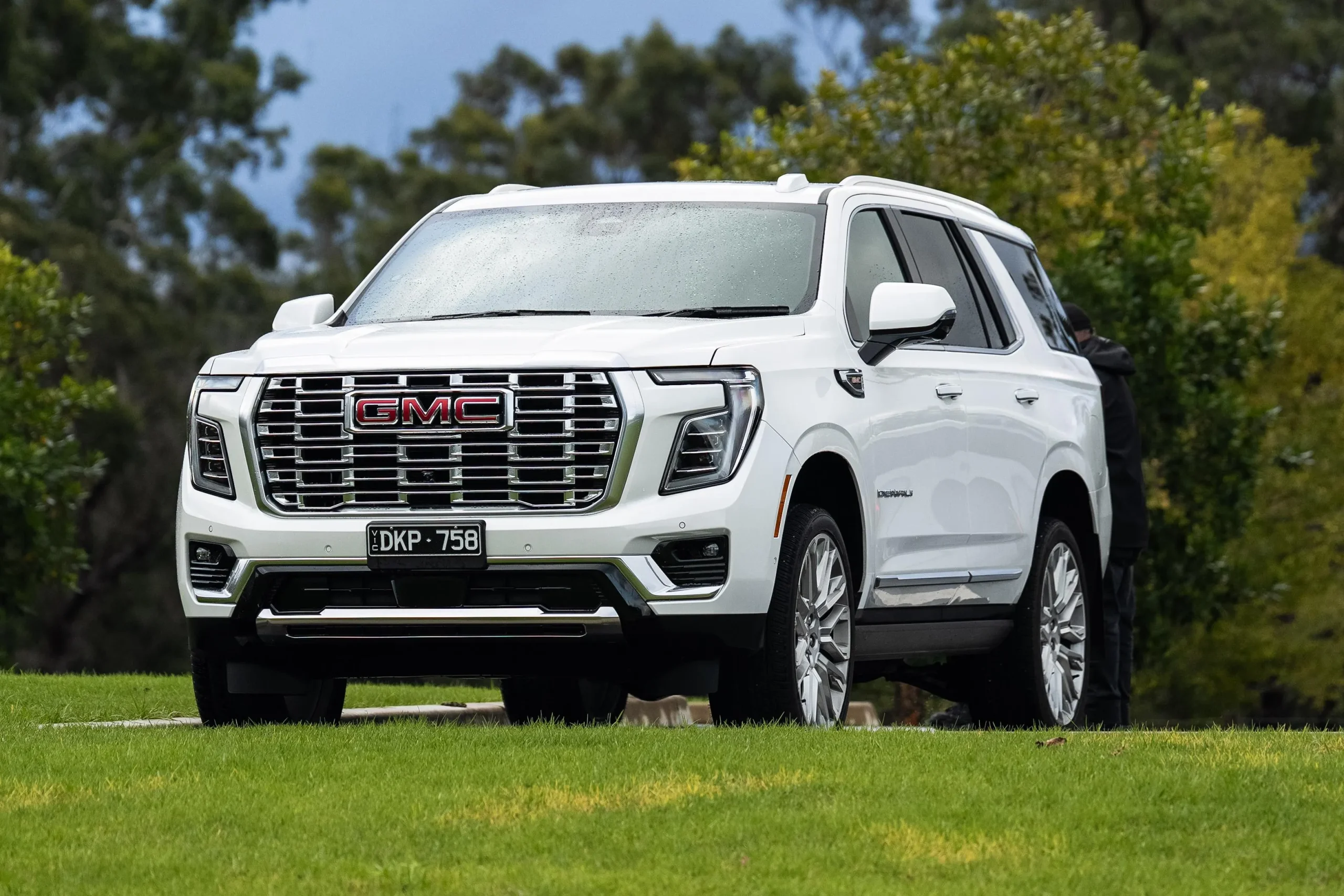
The leather is thick and supple, resistant to wear and easy to clean. The real wood trim is properly finished and sealed, preventing the warping and discoloration that plague some luxury vehicles.
The seats are exceptionally well-constructed, maintaining their support and comfort even after years of use. Electronic controls and power accessories are sourced from premium suppliers and engineered to tight tolerances, ensuring consistent operation.
One reliability advantage the Yukon Denali enjoys is GMC’s dealer network and the brand’s positioning as a premium division within General Motors. Yukon Denali owners typically receive enhanced dealer service, and the higher price point means dealers often go further to ensure customer satisfaction.
Parts availability is excellent given the shared architecture with other GM products, but Denali-specific components maintain good availability as well. The widespread mechanical familiarity means finding qualified service is straightforward across North America.
The Denali’s technology suite is comprehensive but implemented conservatively. The infotainment system offers extensive features and connectivity while maintaining reliable operation.
The available Super Cruise hands-free driving system, while advanced, is engineered with multiple redundancies to ensure safe, reliable operation. GMC doesn’t chase cutting-edge technology that might compromise reliability, instead implementing proven systems that enhance the ownership experience without creating potential failure points.
This measured approach to technology integration contributes significantly to the Yukon Denali’s reputation as a reliable luxury SUV that doesn’t require constant dealer visits for software updates or electronic troubleshooting.
Toyota Land Cruiser
The Toyota Land Cruiser stands alone as the full-size SUV designed explicitly for legendary reliability and durability, with engineering priorities that place longevity above all other considerations.
For over six decades, the Land Cruiser nameplate has represented the ultimate expression of go-anywhere capability combined with absolute dependability.
While the Land Cruiser was temporarily absent from the U.S. market, it returned for 2024 as a more compact, affordable model, though the principles guiding its development remain unchanged.
The Land Cruiser’s reputation is built on real-world performance in the harshest environments, from Australian outback to African deserts to Arctic tundra, where reliability isn’t just convenient it’s essential for survival.
The current Land Cruiser utilizes Toyota’s hybrid powertrain, combining a turbocharged 2.4-liter four-cylinder engine with an electric motor for a total output of 326 horsepower.
While this represents a significant departure from previous Land Cruiser engines, Toyota’s commitment to reliability means this powertrain has been thoroughly tested and proven before reaching production.
The hybrid system is designed with redundancy and durability in mind, using conservative engineering approaches that prioritize longevity over maximum efficiency or performance.
Toyota’s reputation means this new powertrain will likely prove as durable as its predecessors, though only time will provide definitive confirmation.
What makes the Land Cruiser uniquely reliable is Toyota’s “over-engineering” philosophy applied to every component. Where other manufacturers might use a part rated for 100,000 miles, Toyota specifies one designed for 300,000 miles.
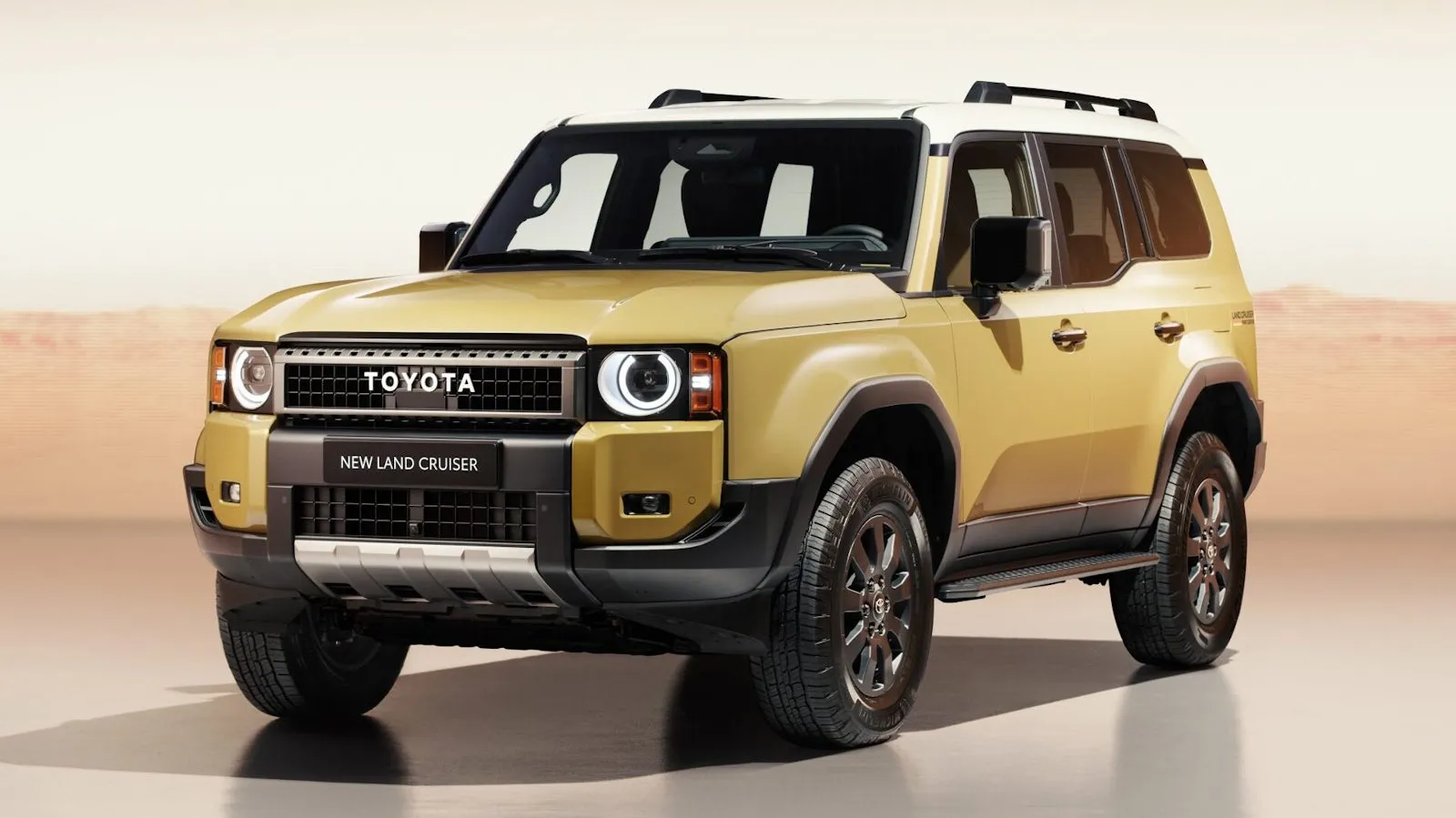
This approach extends from major mechanical components to seemingly minor items like door hinges and seat adjustments. The body-on-frame construction is exceptionally robust, with a fully boxed frame designed to withstand extreme stress without flexing or failing.
The suspension components are massively over-built compared to typical SUVs, contributing to the vehicle’s legendary durability. The interior reflects Toyota’s practical approach to reliability. Materials are chosen for their ability to withstand abuse rather than luxury appeal, though the Land Cruiser’s cabin is certainly comfortable and well-appointed.
Controls are simple, logical, and built to last, with mechanical robustness that ensures continued operation after years of use. The infotainment system is straightforward and reliable, though not the most technologically advanced.
Toyota understands that in remote locations where Land Cruisers often operate, simple, functional technology is far more valuable than cutting-edge features that might fail when needed most.
Perhaps the most impressive aspect of Land Cruiser reliability is the vehicle’s ability to maintain functionality even when neglected or subjected to extreme conditions.
While proper maintenance is always recommended, Land Cruisers have earned their reputation by continuing to operate reliably even when service intervals are missed or the vehicle is driven in conditions that would destroy lesser SUVs.
This exceptional tolerance for abuse, combined with worldwide parts availability and simple, accessible mechanical design, makes the Land Cruiser the benchmark against which all other SUVs’ reliability is measured. Examples with 500,000+ miles aren’t uncommon, and million-mile Land Cruisers exist in fleet service across the globe.
Also Read: 5 Cars for Bowling Green Daily Drives and 5 That Wear Out Fast
