
Danbury, Connecticut, presents unique challenges for daily commuters going through its blend of urban streets, highway access to I-84 and Route 7, and varying weather conditions throughout the year.
Whether you’re commuting to local businesses in the downtown area, traveling to nearby Stamford or Bridgeport, or making the trek to New York City, selecting the right vehicle can transform your daily drive from stressful to seamless.
The ideal commuter car for Danbury residents balances fuel efficiency for those longer highway stretches, reliability to handle New England winters, compact dimensions for downtown parking, and enough comfort to make those hours behind the wheel bearable.
However, not all vehicles are created equal when it comes to long-term ownership costs. While some cars offer straightforward maintenance that any independent mechanic can handle, others require specialized dealer service that can significantly impact your wallet over time. Understanding which vehicles fall into each category is crucial for making an informed purchasing decision.
In this comprehensive guide, we’ll explore five excellent vehicles perfectly suited for Danbury commuters cars that offer reliability, efficiency, and practicality for daily drives.
Then we’ll examine five vehicles that, despite their appealing features, require dealer-only repairs that can lead to expensive maintenance bills and limited service options.
Whether you’re a first-time car buyer or looking to upgrade your current ride, this information will help you go through the automotive world and choose a vehicle that fits both your commuting needs and your budget for years to come.
The 5 Best Cars for Danbury City Commuters
These exceptionally practical vehicles feature compact dimensions and affordable maintenance perfectly suited for Fairfield County commuting, providing nimble transportation through Danbury’s congested downtown and I-84 corridor traffic without the service costs typically draining Connecticut household budgets during expensive Tri-State area ownership.
Their sensible engineering includes straightforward mechanical designs and widespread parts availability that resist the dealer-dependency found in complex vehicles while handling daily Main Street navigation, frequent trips to Danbury Fair Mall, and Metro-North station parking requiring easy maneuverability.
1. Honda Civic
The Honda Civic has earned its reputation as one of America’s most reliable commuter cars, and for Danbury residents, it checks every essential box.
This compact sedan offers an impressive EPA-estimated 32 mpg city and 42 mpg highway with the base engine, making those daily commutes to work or weekend trips significantly more affordable.
The 2024 Civic starts at a reasonable price point while delivering features that matter for Connecticut commuters, including standard Honda Sensing safety suite with adaptive cruise control, lane-keeping assist, and collision mitigation braking.
For Danbury’s variable weather conditions, the Civic provides confident handling in rain and available all-wheel drive for winter months when Route 7 and I-84 can become treacherous.
The interior is surprisingly spacious for a compact car, with comfortable seating for four adults and a trunk that accommodates everything from grocery runs to weekend getaway luggage.
The infotainment system includes Apple CarPlay and Android Auto integration, ensuring your smartphone connects seamlessly for navigation through Danbury’s downtown area or streaming music during longer highway stretches.
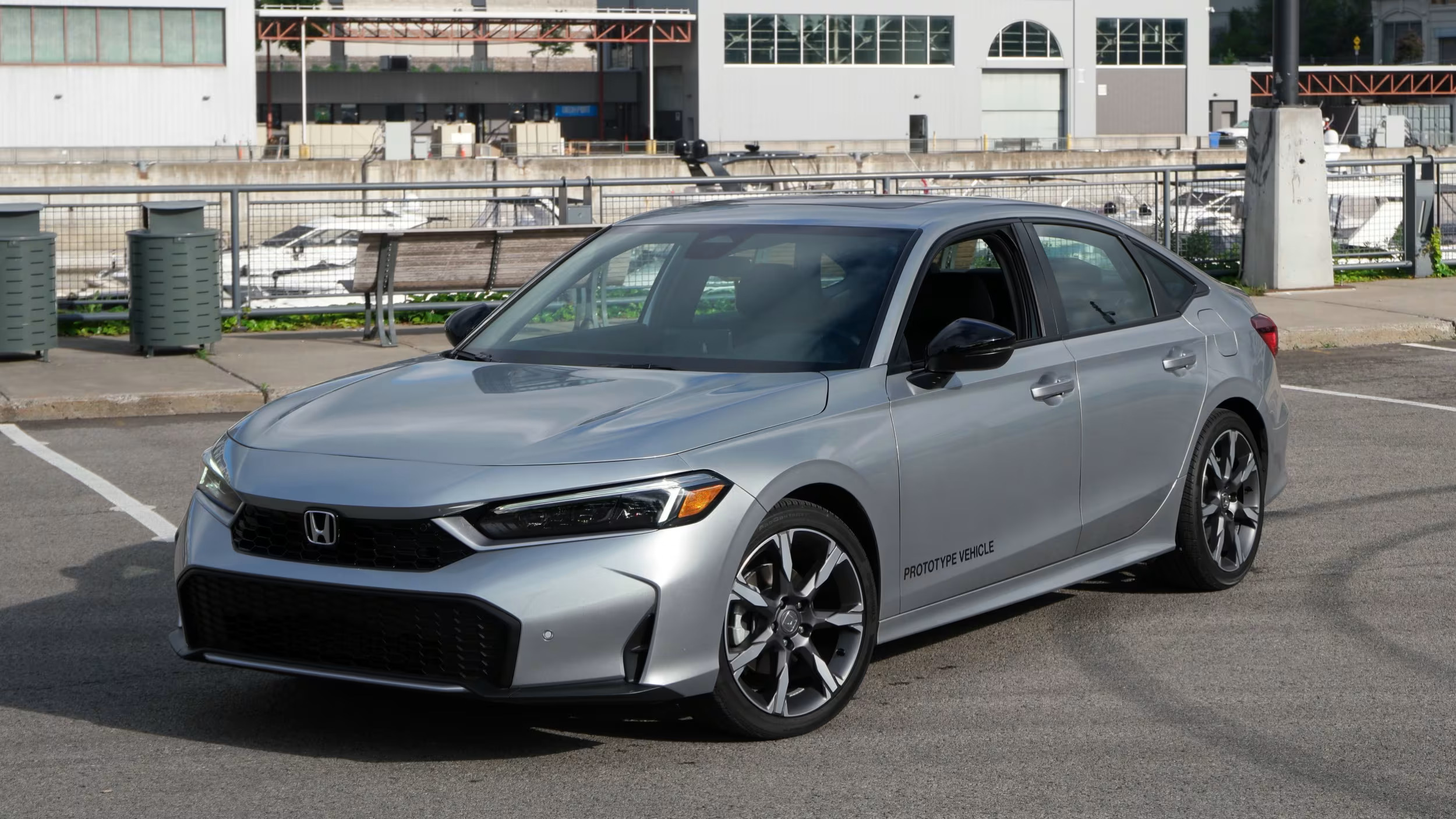
What truly sets the Civic apart for commuters is its legendary reliability and low maintenance costs. Honda has engineered this vehicle with longevity in mind, and it’s common to see Civics surpassing 200,000 miles with proper care.
The widespread availability of parts means any independent mechanic in Danbury can service your Civic affordably, keeping ownership costs low.
The continuously variable transmission (CVT) in modern Civics is proven and durable, though regular fluid changes are recommended. Insurance rates for the Civic remain reasonable due to its excellent safety ratings and affordable repair costs.
The driving experience strikes an ideal balance between comfort and engagement. The suspension soaks up Danbury’s occasional potholes while maintaining composure during spirited highway merges. Road noise is well-controlled, and the cabin remains quiet even at highway speeds.
For young professionals, families, or anyone seeking a no-nonsense commuter that won’t break the bank, the Honda Civic represents one of the smartest automotive investments available today.
2. Toyota Corolla
The Toyota Corolla stands as the world’s best-selling car for good reason it delivers unmatched reliability wrapped in an efficient, comfortable package that’s perfect for Danbury commuters.
With fuel economy ratings reaching 31 mpg city and 40 mpg highway, the Corolla keeps fuel costs manageable even with daily commutes.
Toyota’s reputation for building vehicles that simply refuse to quit makes the Corolla an excellent choice for anyone prioritizing long-term dependability over flashy features.
The 2024 Corolla comes standard with Toyota Safety Sense 3.0, an impressive suite of driver-assistance technologies including pre-collision system with pedestrian detection, dynamic radar cruise control, lane departure alert with steering assist, and automatic high beams.
For going through the Danbury’s mix of residential streets, busy commercial areas, and highway driving, these features provide an extra layer of confidence and safety.
The design has evolved from the Corollas of yesteryear, now featuring sharp styling that appeals to younger buyers while maintaining the practical sensibilities that have always defined the nameplate.
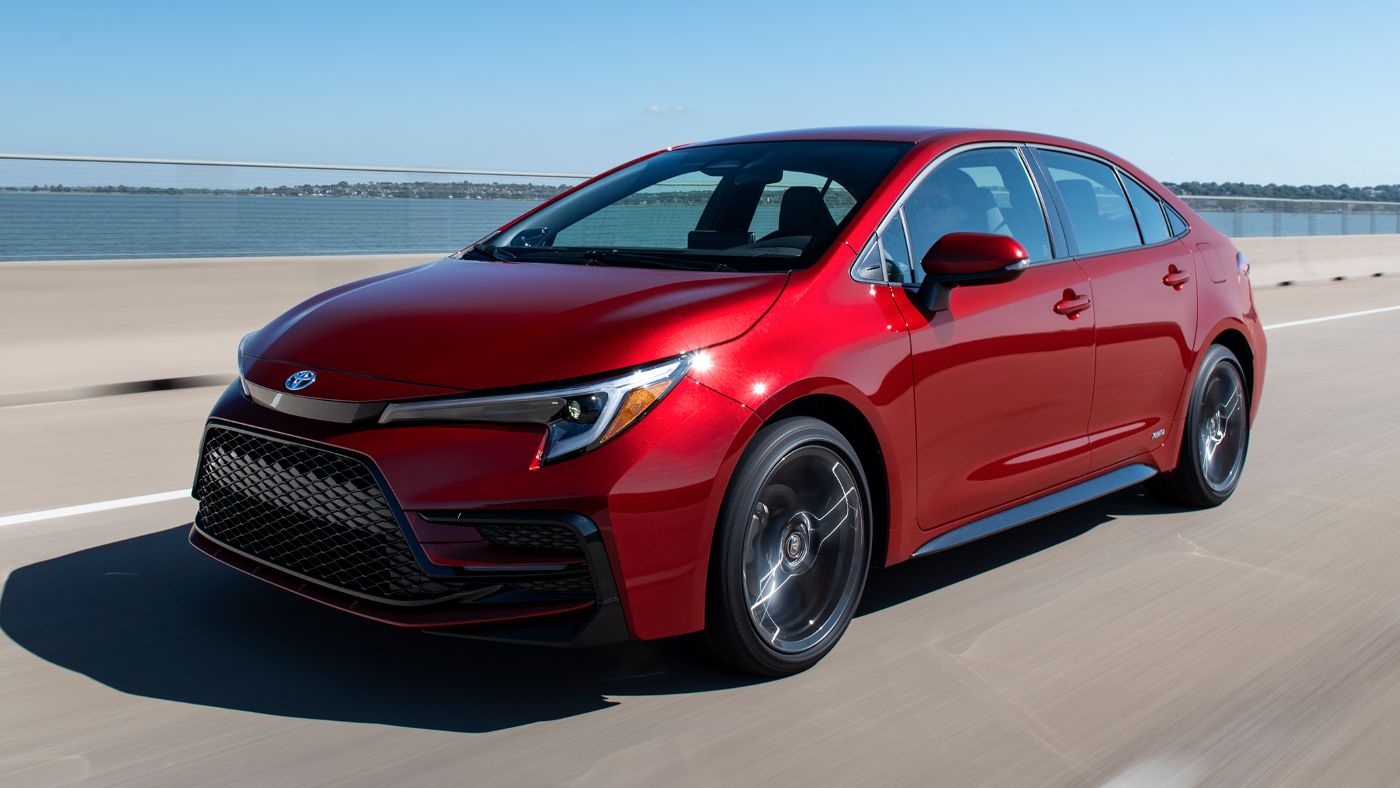
Inside, the Corolla offers a well-designed cabin with intuitive controls and quality materials that belie its affordable price point. The seats provide adequate support for longer commutes, and rear passengers enjoy generous legroom for the segment. The 13.2 cubic feet of trunk space handles daily needs with ease.
The available 8-inch touchscreen with wireless Apple CarPlay and Android Auto keeps you connected without fumbling with cables. Climate control works efficiently, important for Connecticut’s temperature swings from humid summers to freezing winters.
What makes the Corolla particularly appealing for budget-conscious commuters is its incredibly low cost of ownership. Toyota has engineered simplicity into every aspect of this vehicle, meaning repairs are straightforward and parts are universally available.
Any competent mechanic can service a Corolla, and used parts availability is excellent should you ever need them. The engine and transmission are proven over millions of miles worldwide, and it’s not unusual to see Corollas running strong well past 300,000 miles.
Resale value remains strong, so when you’re ready to upgrade, you’ll recoup a significant portion of your investment. For Danbury commuters seeking pure practicality and peace of mind, the Toyota Corolla is nearly impossible to beat.
3. Mazda3
For Danbury commuters who want efficiency and reliability but refuse to sacrifice driving enjoyment, the Mazda3 delivers the perfect combination.
This compact sedan and hatchback stands out in a segment often criticized for boring dynamics, offering genuinely engaging handling that makes even your daily commute something to look forward to. With fuel economy of 28 mpg city and 36 mpg highway, it’s competitive with rivals while providing a more premium experience.
Mazda’s upscale ambitions shine through in the Mazda3’s interior, which features materials and build quality you’d expect from luxury brands. The cabin is quiet and refined, with excellent sound insulation that keeps highway and wind noise at bay during highway cruising.
The available Bose audio system delivers impressive sound quality for your commute soundtrack. The design is distinctly more upscale than competitors, with flowing lines and attention to detail that raise the ownership experience.
The hatchback variant offers particular versatility, with a cargo area that can swallow larger items while maintaining the car’s sleek profile.

Driving dynamics are where the Mazda3 truly differentiates itself. The steering is weighted perfectly, providing genuine feedback that’s disappeared from most modern economy cars.
The suspension tuning strikes an admirable balance compliant enough for comfort on Danbury’s imperfect roads but firm enough to inspire confidence in corners.
The available 2.5-liter turbocharged engine delivers 227 horsepower when running on premium fuel, transforming the Mazda3 into a genuine sport sedan that can make highway merges and passing maneuvers effortless. Even the base 2.5-liter naturally aspirated engine provides adequate power for most commuting situations.
Reliability-wise, Mazda has steadily improved and now ranks among the more dependable brands. The Skyactiv engines and transmissions have proven themselves over hundreds of thousands of miles.
While Mazda dealers exist in the area, the Mazda3’s conventional engineering means independent mechanics can handle routine maintenance and most repairs without specialized equipment.
Parts availability is good, and the enthusiast community means plenty of resources exist for DIY maintenance if you’re so inclined. For commuters who view their daily drive as more than mere transportation who want a car that brings a smile rather than simple conveyance the Mazda3 represents exceptional value and an ownership experience that punches well above its price class.
4. Hyundai Elantra
The Hyundai Elantra has transformed from bargain-basement transportation to a genuinely compelling commuter car that competes with established players on quality, features, and value.
For Danbury commuters, the Elantra offers an impressive combination of fuel efficiency (33 mpg city, 43 mpg highway), contemporary styling, and a generous warranty that provides peace of mind.
The dramatic exterior design turns heads, while the spacious interior accommodates passengers and cargo with ease. Hyundai includes an extensive list of standard features that would be optional extras on competitors.
Even base models come with an 8-inch touchscreen, wireless Apple CarPlay and Android Auto, forward collision avoidance assist, lane keeping assist, and driver attention warning.
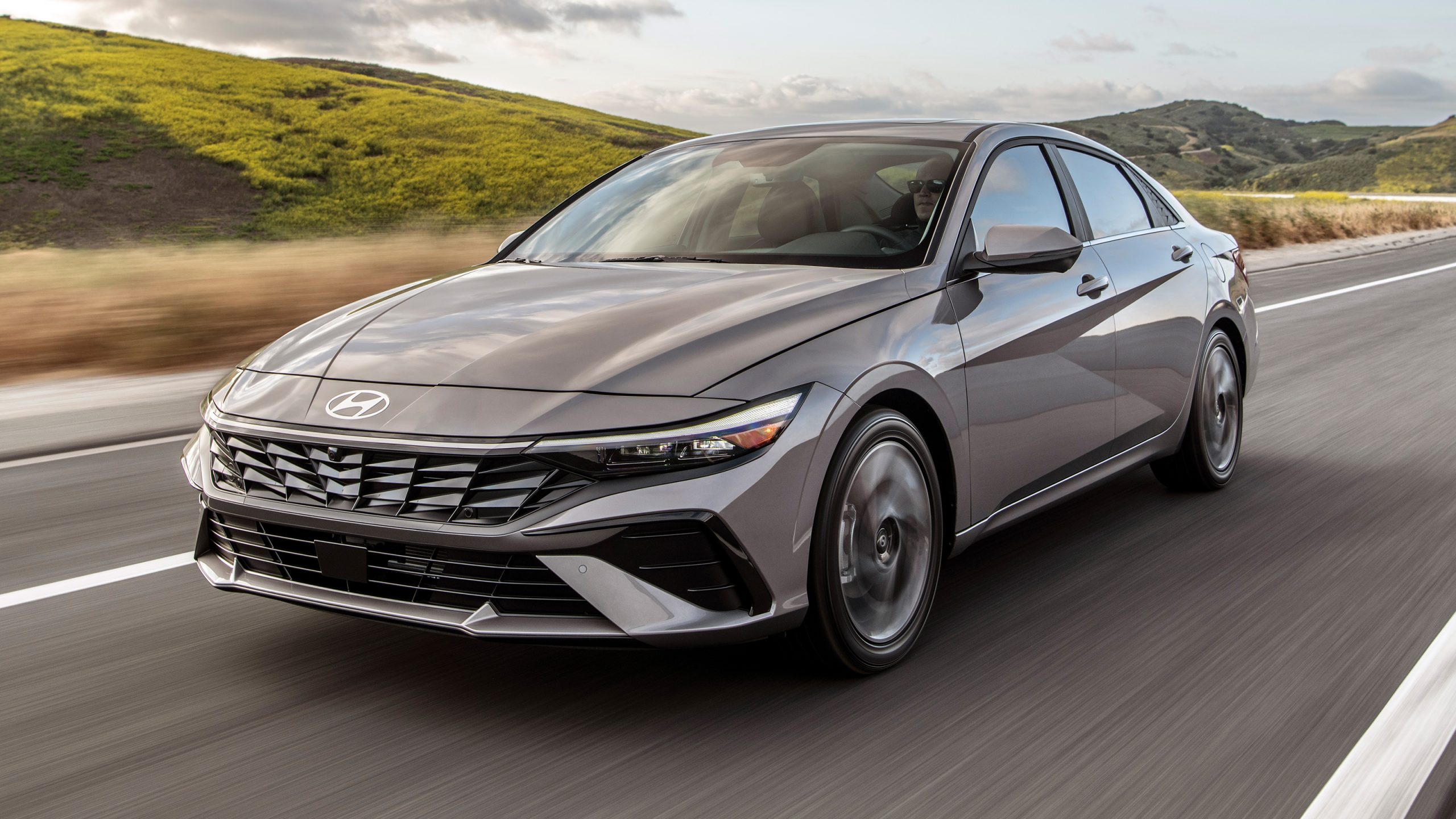
Moving up the trim levels adds luxuries like heated and ventilated seats, sunroof, premium audio, and a digital instrument cluster—features that make those daily commutes significantly more pleasant.
The Elantra Hybrid variant pushes fuel economy even higher, achieving up to 54 mpg combined, making it an excellent choice for those with longer commutes or who simply want to minimize fuel costs.
What truly sets the Elantra apart is Hyundai’s industry-leading warranty: 5 years/60,000 miles basic and 10 years/100,000 miles powertrain coverage. This provides exceptional peace of mind, especially for those purchasing new.
While Hyundai has faced some engine reliability concerns with certain older models, the current Elantra uses proven powertrains and has shown good reliability.
Maintenance costs are reasonable, and the growing Hyundai dealer network means service is convenient. Independent mechanics can handle most routine maintenance, though some warranty work requires dealer service.
For budget-conscious commuters seeking maximum features, efficiency, and warranty protection, the Hyundai Elantra delivers tremendous value that’s hard to ignore in today’s market.
Also Read: 10 Most Reliable Full-Size SUVs That Stand the Test of Time
5. Subaru Impreza
For Danbury commuters facing Connecticut winters and valuing safety above all else, the Subaru Impreza stands out with its standard all-wheel drive system a feature that costs extra or isn’t available at all on most competitors.
This permanent AWD provides confidence on snow-covered Route 7, icy I-84, or rain-slicked downtown streets. With fuel economy of 23 mpg city and 31 mpg highway, the Impreza trades some efficiency for that all-weather capability, but for those prioritizing safety and capability, it’s a worthwhile compromise.
Subaru’s EyeSight driver assistance technology comes standard, including adaptive cruise control, pre-collision braking, lane departure and sway warning, and lane keep assist. The system is among the most effective in the industry, genuinely reducing accident rates according to insurance data.
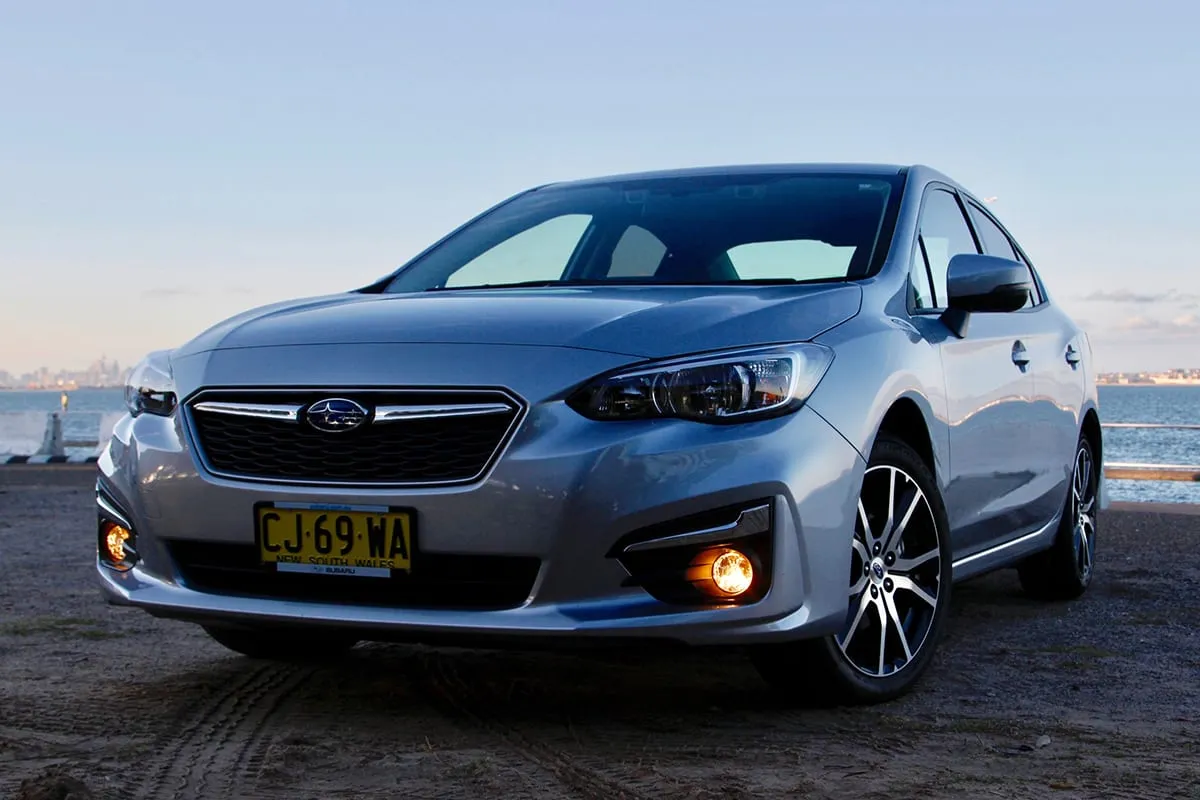
The Impreza achieves top safety ratings from both IIHS and NHTSA, making it an excellent choice for families or anyone prioritizing occupant protection.
The symmetrical AWD system isn’t just for winter it provides superior traction in all conditions, making the Impreza more stable and predictable than front-wheel-drive competitors.
Subaru’s boxer engine design and AWD system have proven reliable over millions of miles, though earlier models faced head gasket issues that have been largely resolved in current generations.
The CVT transmission is durable with proper maintenance, including fluid changes every 30,000 miles. Service is straightforward, and while Subaru dealers provide excellent support, independent mechanics can handle most routine maintenance.
The Subaru community is passionate and supportive, with extensive online resources for troubleshooting and DIY maintenance. Resale values remain strong due to the AWD advantage and reputation for durability.
For Danbury commuters who refuse to let weather dictate their plans and value safety engineering above all else, the Subaru Impreza provides capabilities that simply can’t be matched by two-wheel-drive competitors at this price point.
5 Cars That Need Dealer-Only Repairs
These financially draining vehicles suffer from proprietary systems and European complexity that force expensive dealer-only service, transforming Danbury commuting into budget nightmares through mandatory specialist maintenance that Connecticut’s independent shops refuse touching due to liability concerns and specialized equipment investments.
Their problematic characteristics include computerized systems requiring dealer diagnostic tools and German engineering that cannot receive affordable service from trusted local mechanics, leading to routine maintenance costing triple domestic equivalents and simple repairs requiring appointments at Danbury or Newtown luxury dealerships with premium Fairfield County labor rates.
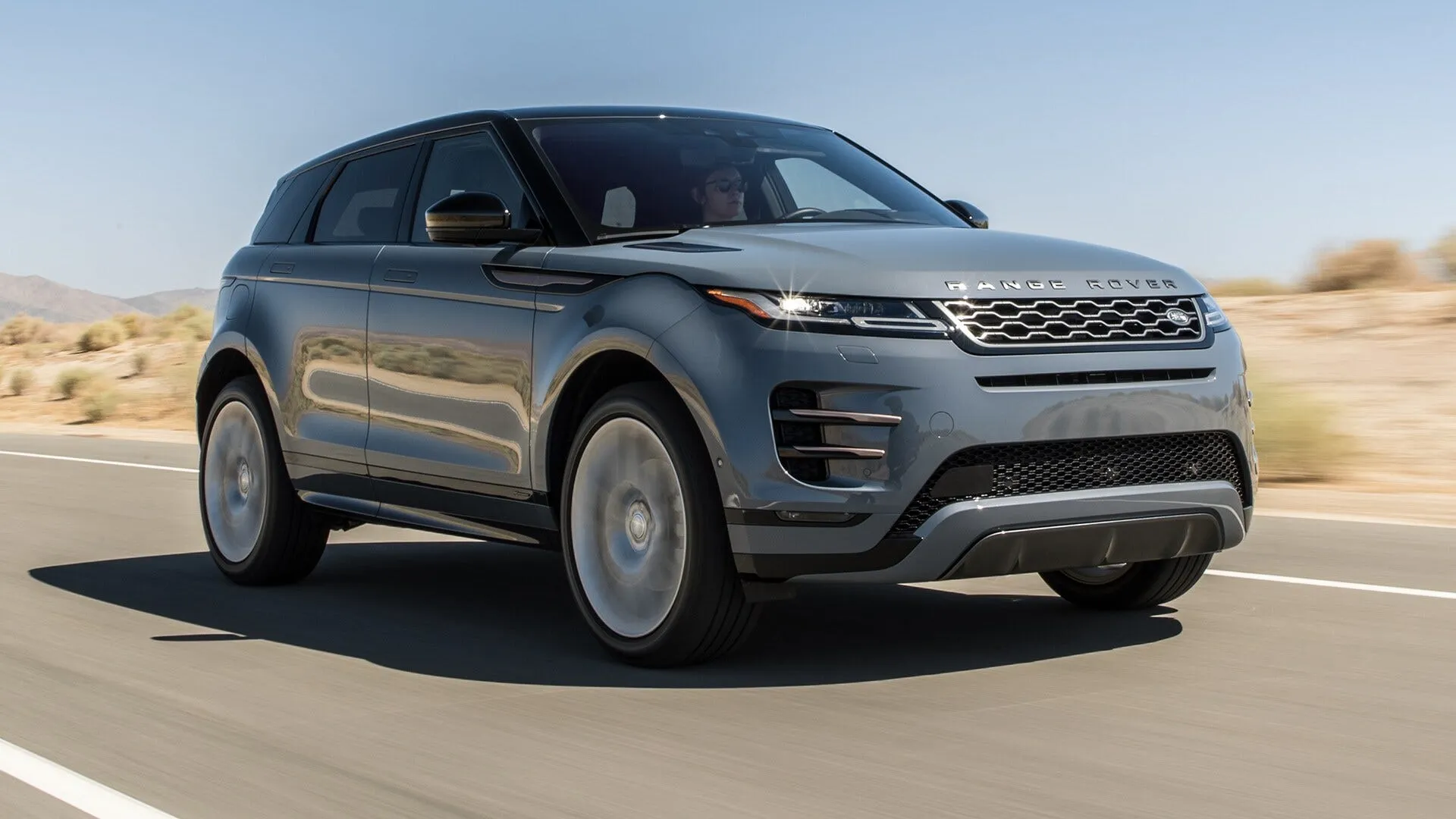
1. Land Rover Range Rover Evoque
The Range Rover Evoque embodies luxury and style in a compact SUV package, with its distinctive design turning heads wherever it goes. However, beneath that attractive exterior lies a vehicle that demands dealer-only service for nearly every repair, making it one of the most expensive vehicles to maintain long-term.
The Evoque’s complexity stems from Land Rover’s use of proprietary systems, specialized diagnostic equipment, and integration of technology that independent mechanics simply cannot access or service properly.
The Evoque’s engine management system requires manufacturer-specific diagnostic software that costs tens of thousands of dollars, pricing it out of reach for independent shops.
Even routine maintenance like oil changes can be complicated by the dealer’s requirement for specific Land Rover-approved fluids and parts that aren’t available through normal automotive supply channels.
The turbocharged engines, while powerful and efficient, require precise calibration that only Land Rover’s diagnostic tools can properly execute.
When something goes wrong and with Land Rover’s reliability track record, something often does you’ll find yourself towed to a dealer for repairs that frequently run into thousands of dollars.
The nine-speed automatic transmission has been particularly problematic in Evoques, exhibiting rough shifting, hesitation, and outright failure. Transmission work requires specialized knowledge and tools, with repairs often exceeding $5,000.
The sophisticated all-wheel-drive system integrates with multiple electronic control modules, and diagnosing issues requires dealer-level equipment.
Suspension components, including the available adaptive dynamics system, cannot be properly serviced without manufacturer tools. Even brake work can be complicated by the electronic parking brake and brake-by-wire system.
Electrical issues plague many Evoques, from malfunctioning infotainment systems to faulty sensors that trigger dashboard warning lights. Diagnosing these problems requires accessing Land Rover’s proprietary networks and often involves software updates that only dealers can perform.
The convenience features that make the Evoque attractive gesture-controlled liftgate, advanced climate control, premium audio system all become expensive liabilities when they fail.
Parts prices are astronomical compared to mainstream brands, with even minor components costing multiples of equivalent parts for other vehicles. Labor rates at Land Rover dealers are among the highest in the industry, often exceeding $200 per hour in metropolitan areas.
For anyone considering an Evoque, especially a used one outside warranty coverage, be prepared for maintenance costs that can easily exceed $3,000 annually and individual repairs that might cost more than the entire value of a reliable used Corolla.
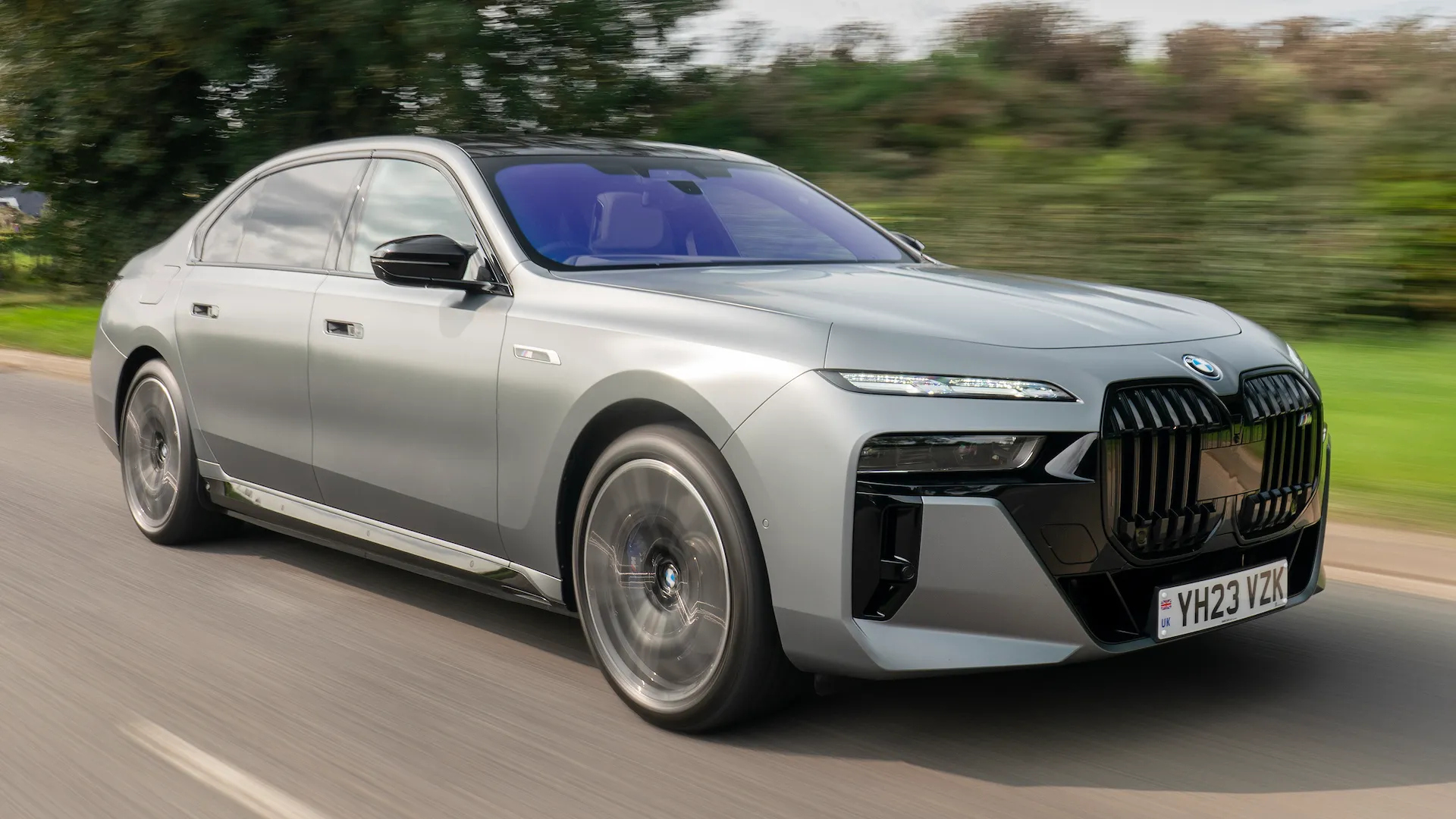
2. BMW 7 Series
The BMW 7 Series represents the pinnacle of German luxury and technology, offering an experience that rivals the best luxury sedans. However, this technological sophistication comes with a significant downside: virtually every system requires dealer-only service using specialized BMW equipment and proprietary software.
The complexity of modern 7 Series vehicles makes them nearly impossible for independent mechanics to properly service, leading to extraordinary maintenance costs that can cripple owners who don’t budget accordingly.
BMW’s iDrive system integrates with nearly every vehicle function, from engine management to suspension tuning to climate control.
This integration means that even seemingly simple repairs can require dealer-level diagnostic equipment and software access. The turbocharged engines, while powerful and smooth, rely on precise electronic control that demands BMW-specific tools for proper service.
These engines require expensive synthetic oil and specialized filters available only through BMW channels. The variable valve timing system, turbocharger wastegate controls, and direct injection system all require dealer-level diagnostics when problems arise.
The 7 Series’ air suspension system provides an exceptional ride but becomes a financial nightmare when it fails. Air struts cost thousands of dollars each, and the compressor and control modules are equally expensive.
The system requires dealer equipment for proper diagnosis and programming. The sophisticated all-wheel-drive system with dynamic torque distribution integrates with stability control and requires BMW’s proprietary diagnostic tools.
Even the transmission whether the eight-speed automatic or earlier models needs dealer-level software for proper service and programming.
The electrical architecture of the 7 Series is extraordinarily complex, with dozens of control modules managing everything from adaptive LED headlights to massaging seats to gesture controls.
When any of these systems malfunction, diagnosis requires BMW’s ISTA diagnostic software and dealer-level access to BMW’s network.
Software updates, which BMW issues regularly to address bugs and improve functionality, can only be performed by dealers. The 48-volt mild hybrid system in recent models adds another layer of complexity that absolutely requires dealer service.
The cost of maintaining a 7 Series out of warranty is staggering. Annual maintenance can easily exceed $5,000, and major repairs a new transmission, engine work, suspension replacement can reach $10,000 or more. Parts prices are astronomical, with even routine items like brake rotors costing multiples of mainstream vehicles.
Labor rates at BMW dealers frequently exceed $200 per hour. The sophisticated nature of these vehicles means that repair times are often lengthy as technicians diagnose complex integrated systems.
For anyone considering a used 7 Series, be aware that the affordable purchase price is deceiving the ongoing costs will quickly dwarf your initial investment, making this a vehicle suitable only for those with substantial budgets for maintenance or those purchasing with comprehensive extended warranties that cover dealer service.
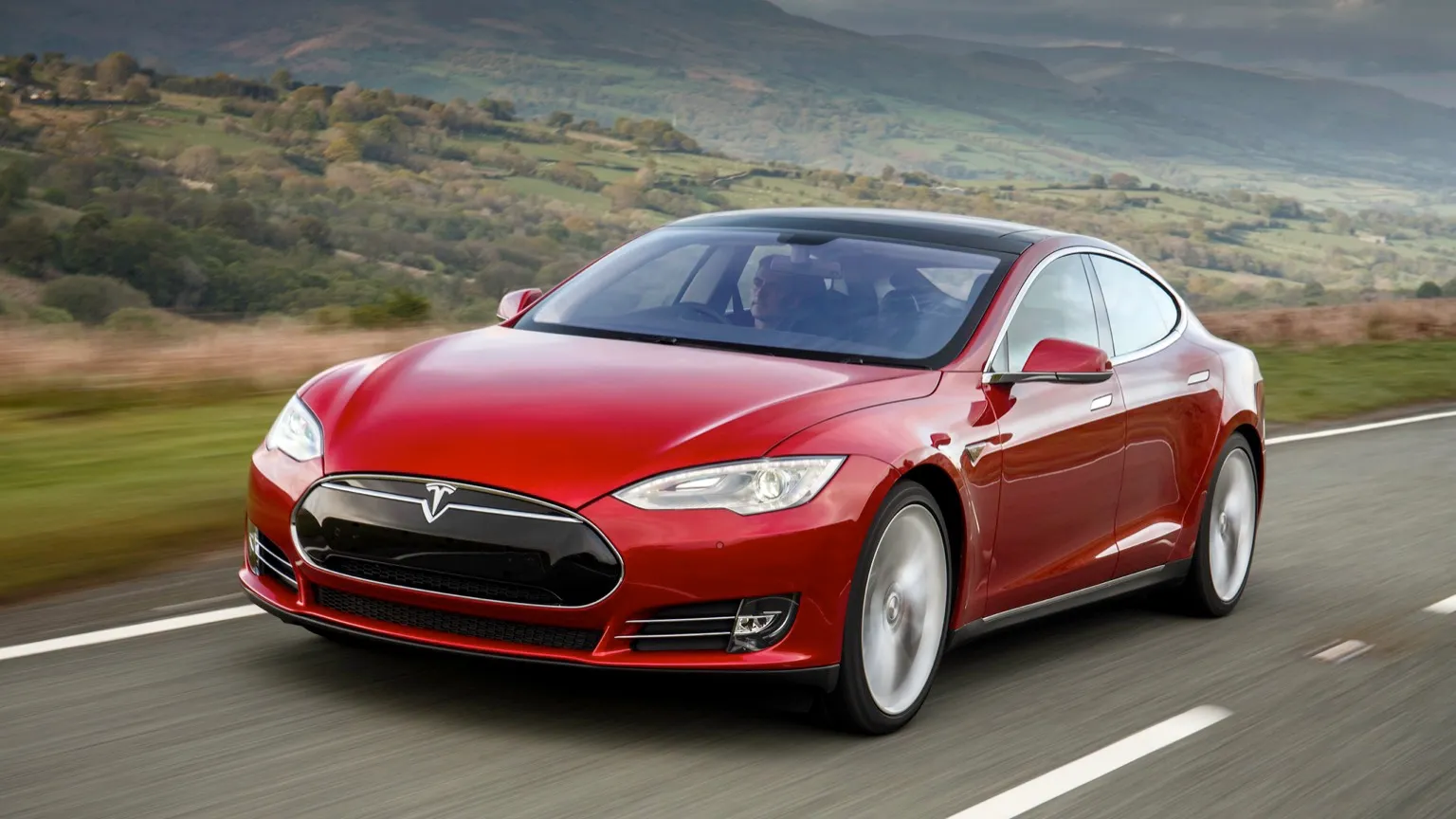
3. Tesla Model S
The Tesla Model S revolutionized the automotive industry with its impressive performance, long-range capability, and over-the-air software updates.
However, Tesla’s direct-to-consumer model and proprietary technology mean that owners have no choice but to use Tesla’s service centers for virtually all repairs and maintenance.
Unlike traditional vehicles where a competitive aftermarket has developed, Tesla maintains tight control over parts, diagnostics, and repair procedures, making the Model S one of the most dealer-dependent vehicles on the market.
Tesla’s electric powertrain, while simpler than internal combustion engines in some ways, requires specialized knowledge and equipment that only Tesla technicians possess. The high-voltage battery pack, which can cost $20,000 or more to replace when it fails, can only be serviced by Tesla.
The electric motors, inverters, and power electronics are proprietary designs that require Tesla-specific tools and training. Even routine maintenance items like cabin air filters and brake fluid changes, while technically simple, can require Tesla service center visits due to the vehicle’s integrated diagnostic systems and software locks.
The financial implications of Tesla’s service monopoly are significant. While the Model S doesn’t require oil changes or many traditional maintenance items, when repairs are needed, costs are high and options are non-existent.
Battery degradation over time is inevitable, and replacement represents an expense comparable to engine replacement in traditional vehicles. The lack of independent repair options means owners have no ability to shop for competitive pricing or service.
Parts prices are set by Tesla with no aftermarket alternatives. For anyone considering a used Model S outside warranty coverage, the risk of expensive, dealer-only repairs should be carefully weighed.
Recent right-to-repair advocacy is slowly opening access to some Tesla repair information, but the company’s vertical integration means that true independent service remains years away for most repairs.
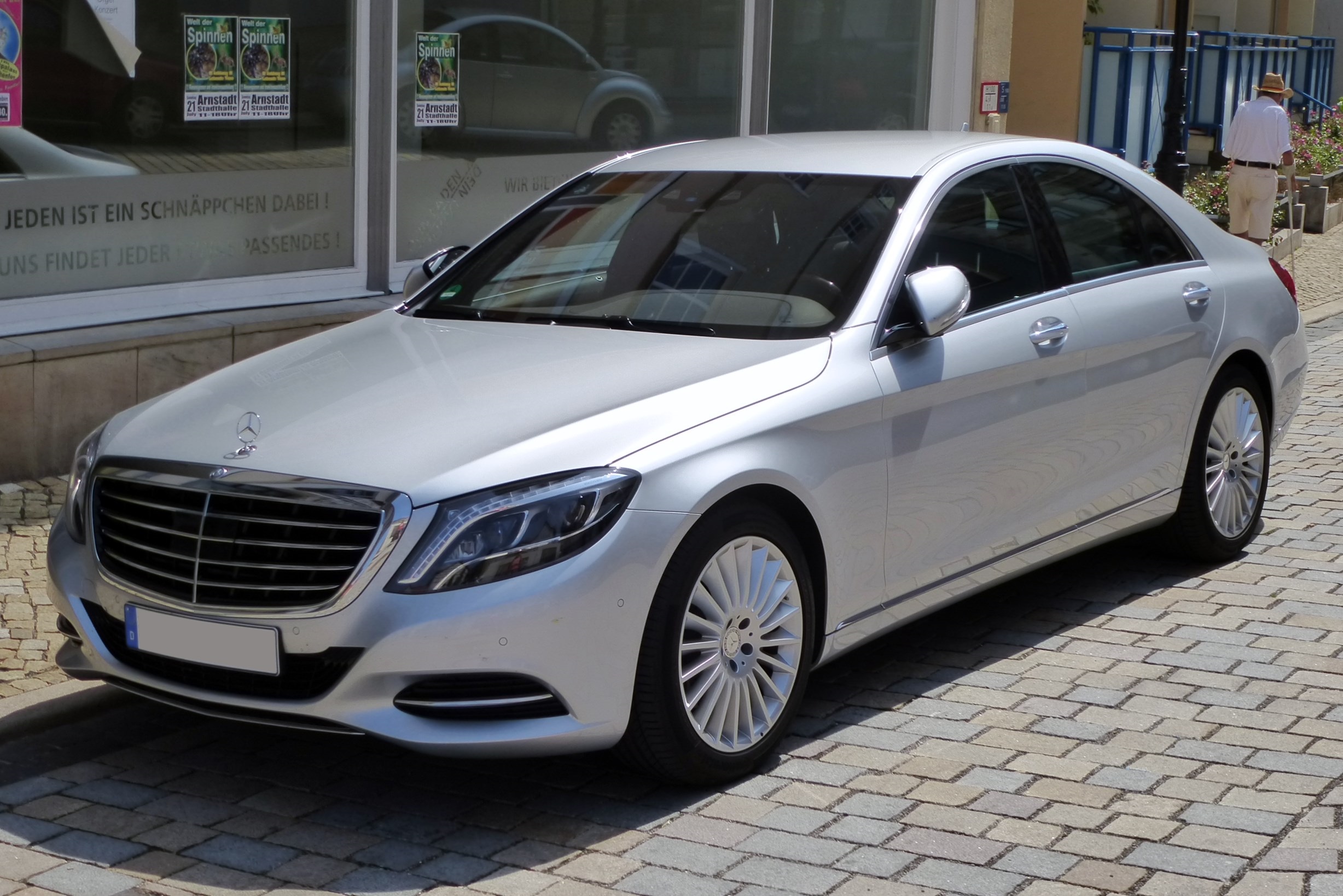
4. Mercedes-Benz S-Class
The Mercedes-Benz S-Class has long represented the ultimate expression of automotive luxury, featuring technology and refinement that other manufacturers spend years trying to replicate.
However, this technological leadership comes with absolute dependence on Mercedes-Benz dealers for service and repair. The S-Class incorporates such sophisticated, integrated systems that independent mechanics cannot properly diagnose or repair most issues, leading to maintenance costs that can easily rival the annual income of many households.
The S-Class’ MBUX infotainment system connects to virtually every vehicle system, requiring Mercedes’ proprietary XENTRY diagnostic equipment for proper service.
The turbocharged engines, whether four-cylinder, inline-six, or V8, incorporate technology like cylinder deactivation, variable compression ratios (in some models), and 48-volt mild hybrid systems that absolutely require dealer-level diagnostics.
These engines demand specific Mercedes-approved synthetic oils and filters, and even oil changes can cost $400 or more at dealers. The sophisticated engine management systems require Mercedes Star Diagnostic System for proper calibration and troubleshooting.
The AIRMATIC air suspension system provides an exceptionally smooth ride but becomes fantastically expensive when components fail.
Air springs cost thousands of dollars each, the compressor is equally expensive, and the adaptive damping system requires Mercedes equipment for proper diagnosis and programming.
The 4MATIC all-wheel-drive system integrates with dynamic handling systems and requires dealer access for service. The steering system, whether traditional or the available rear-wheel steering, needs Mercedes-specific tools for repair and calibration.
Electrical complexity in the S-Class is mind-boggling, with hundreds of sensors and dozens of control modules managing everything from active multicontour seats with massage functions to adaptive LED headlights with Ultra Range high beam to active road noise cancellation.
When these systems malfunction and in aging S-Class vehicles, they frequently do diagnosis requires Mercedes’ diagnostic network and often involves software updates or module reprogramming that only dealers can perform. The digital instrument cluster, head-up display, and augmented reality navigation all require dealer service when issues arise.
The cost of S-Class ownership outside warranty protection is staggering. Routine annual maintenance at Mercedes dealers frequently exceeds $3,000. Major service intervals can reach $5,000 or more.
Individual repairs transmission work, suspension replacement, electrical troubleshooting regularly exceed $10,000. Parts prices are astronomical even by luxury vehicle standards, with Mercedes charging premium prices for proprietary components. Labor rates at Mercedes dealers typically exceed $200 per hour, and complex repairs require substantial time.
The sophistication that makes the S-Class impressive when new becomes a financial albatross as the vehicle ages. Even wealthy owners often find themselves shocked by repair bills.
For anyone considering a used S-Class, understand that the low purchase price is inversely proportional to the high maintenance costs you’re essentially paying for the luxury in installments rather than upfront, and those installments never end.
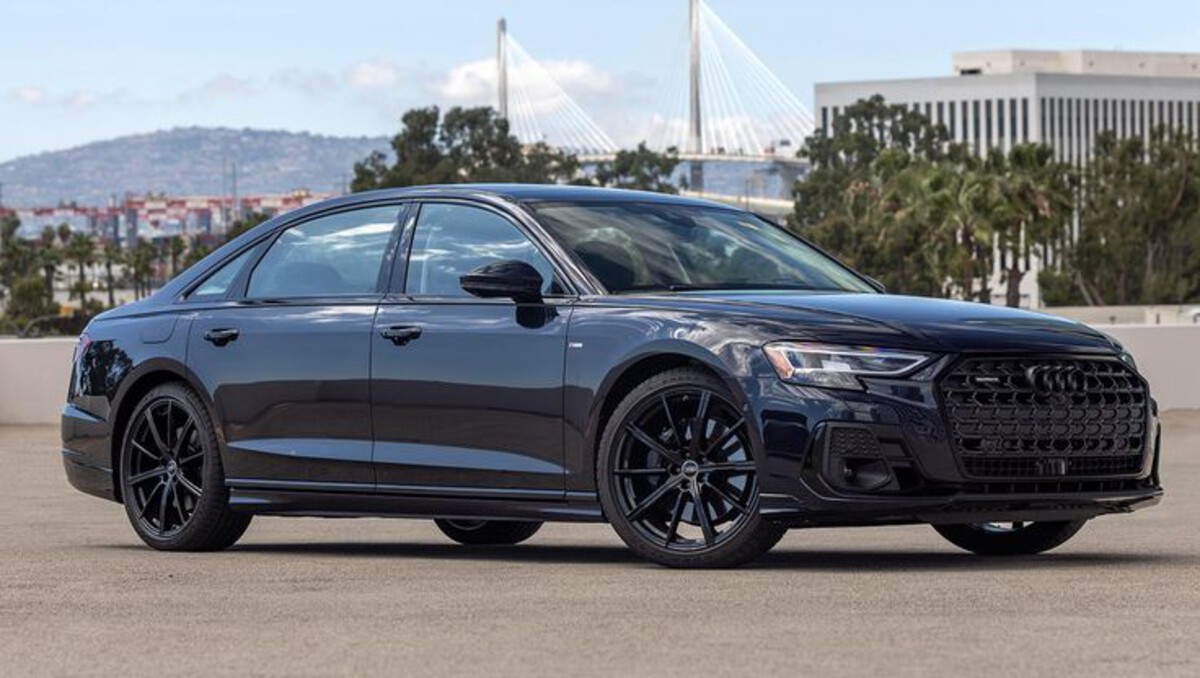
5. Audi A8
The Audi A8 showcases German engineering excellence with its aluminum spaceframe construction, sophisticated Quattro all-wheel-drive system, and cutting-edge technology.
However, this technical achievement requires absolute commitment to Audi dealer service, as virtually every system demands proprietary diagnostic equipment and specialized knowledge that independent mechanics cannot provide.
The integration of mechanical and electronic systems means that even minor issues can cascade into expensive dealer-only repairs.
The A8’s turbocharged engines, whether the fuel-efficient four-cylinder or powerful V6 and V8 options, incorporate technology like variable valve timing, direct injection, and turbocharger wastegate control that requires Audi’s factory diagnostic equipment for proper service.
These engines demand specific Audi-approved fluids that cost significantly more than standard alternatives. The dual-clutch transmission and tiptronic automatic options both require dealer-level software for proper diagnosis and service. Transmission fluid changes, which Audi recommends at specific intervals despite early claims of “lifetime” fluid, can cost over $500 at dealers.
The sophisticated Quattro all-wheel-drive system with torque vectoring integrates with stability control and active suspension, requiring Audi’s proprietary tools for diagnosis and repair.
The available adaptive air suspension provides exceptional comfort but becomes a financial liability when components fail. Replacing all four air springs can cost $6,000 or more in parts alone, plus substantial labor.
The predictive active suspension, which uses cameras to scan the road ahead and adjust damping accordingly, requires dealer-specific calibration equipment. Even conventional suspension components integrate with electronic systems that need Audi diagnostic tools for proper service.
Parts availability presents another challenge, with Audi-specific components carrying premium prices and sometimes requiring weeks-long waits for delivery.
Labor rates at Audi dealers regularly exceed $175-200 per hour, and complex repairs take substantial time given the vehicle’s sophisticated integration of systems.
Annual maintenance costs for an A8 outside warranty easily exceed $4,000, with major services reaching $6,000 or more. Individual repairs frequently run into thousands of dollars a failed infotainment system might cost $5,000 to replace, electrical issues can require $3,000 in diagnostic time alone, and suspension work regularly exceeds $8,000.
For prospective A8 buyers, especially those considering used examples, understand that Audi’s technological sophistication creates absolute dealer dependence.
The impressive capabilities that make the A8 desirable when new become expensive maintenance obligations that never end. Only buyers prepared for annual maintenance costs that rival a new economy car payment should consider A8 ownership outside comprehensive warranty coverage.
Also Read: 10 Best Honda Sports Bikes Ever Made
