
Boise offers a lifestyle that blends city convenience with immediate access to the outdoors. Many residents commute during the week and head straight for trailheads, river access points, mountain roads, or high-desert terrain on weekends.
That lifestyle places very different demands on a vehicle than pure urban driving. Pavement quickly turns into gravel, washboard roads, loose stone, and uneven surfaces that punish cars not designed for it.
Outdoor commuting in Boise is not extreme off-roading, but it is constant exposure to rougher-than-average conditions. Gravel roads create vibration that loosens fasteners, stresses suspension components, and accelerates wear on tires, bushings, and wheel bearings.
Dust infiltrates brakes and engine bays. Low ground clearance leads to underbody scrapes, while weak suspension tuning causes premature failures.
Some vehicles are built to handle this reality. They balance daily commuting comfort with durability on gravel roads. These cars typically offer stronger suspension geometry, higher ride height, better tire compatibility, and drivetrains that tolerate vibration and dust.
They may not look rugged, but their engineering supports regular travel beyond smooth asphalt.
Other vehicles struggle badly. Low-slung cars, stiffly tuned suspensions, fragile body panels, and exposed underbody components do not tolerate gravel well.
Over time, owners experience rattles, broken trim, alignment issues, and expensive suspension repairs. What feels fine on city streets becomes frustrating and costly once gravel roads become routine.
This article covers both sides. First, it highlights five cars that make sense for Boise outdoor commuters, explaining why they handle gravel roads and mixed-use driving reliably.
Then, it examines five cars that do not tolerate gravel roads, showing how their design choices lead to accelerated wear and ownership headaches. The goal is to help Boise drivers choose vehicles that support their lifestyle rather than fight it.
Also Read: 5 Cars for Beavercreek Daily Driving and 5 Long-Lasting Options
5 Cars for Boise Outdoor Commuters
Boise outdoor commuters need vehicles that live comfortably in two worlds. During the week, they deal with city traffic, parking lots, and highway driving. On weekends or even evenings, those same vehicles are expected to handle gravel access roads, forest service routes, and uneven terrain without complaint.
The cars in this section are chosen because they handle that transition well. They feature suspension systems that absorb vibration instead of transferring it into the cabin. Ground clearance is sufficient to avoid constant underbody contact, and drivetrains are durable enough to handle dust, heat, and uneven traction.
Another important factor is longevity. Gravel roads accelerate wear in subtle ways. Weak bushings, thin control arms, and fragile wheel assemblies fail sooner when subjected to constant vibration. Vehicles that survive gravel driving are those engineered with durability margins rather than razor-thin efficiency targets.
Tire compatibility also matters. Cars that can comfortably run all-terrain or gravel-friendly tires without upsetting handling or suspension geometry are far more practical for Boise’s mixed terrain.
Brake protection, sealed electrical connectors, and underbody shielding further separate capable outdoor commuters from fragile pavement-only cars.
I am writing about these vehicles because Boise drivers often underestimate how much gravel affects long-term ownership.
These cars reduce maintenance stress, resist rattles and premature failures, and allow drivers to enjoy outdoor access without worrying about damaging their daily transportation.
They are not hardcore off-road machines. They are practical, durable tools built for Boise’s outdoor-oriented lifestyle.
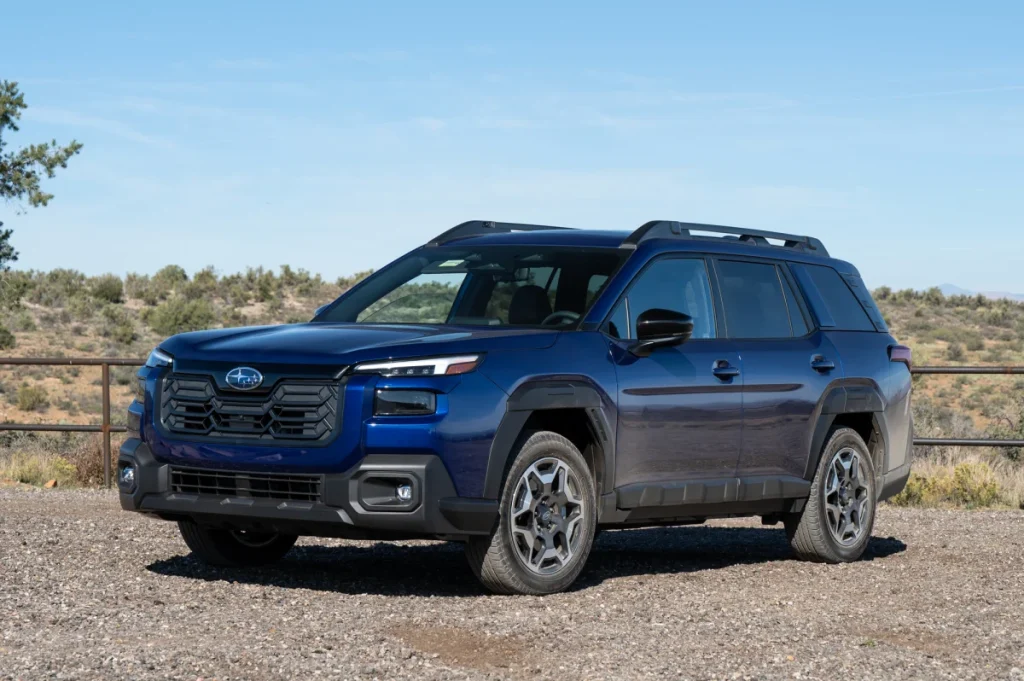
1. Subaru Outback
The Subaru Outback is one of the best vehicles for Boise outdoor commuters because it is designed specifically for mixed-surface driving. While it functions comfortably as a daily commuter, its engineering choices make it unusually tolerant of gravel roads and uneven terrain.
Ground clearance is a major advantage. The Outback sits high enough to avoid scraping on rutted gravel roads, shallow washouts, and uneven surfaces common around Boise’s trail access points. This reduces underbody damage and driver stress when leaving pavement behind.
The suspension is tuned for compliance rather than stiffness. On gravel roads, this matters more than outright toughness.
The Outback absorbs vibration instead of transmitting it into the chassis, reducing rattles, interior wear, and suspension fatigue over time. Control arms, bushings, and mounts tend to last longer than those in stiffer, sport-tuned vehicles.
All-wheel drive further improves gravel-road stability. Power delivery remains smooth and predictable on loose surfaces, helping the vehicle track straight instead of slipping or hopping over stones. This reduces stress on driveline components and improves driver confidence on dusty or washboard roads.
Tire compatibility is another strength. The Outback can comfortably run gravel-friendly or mild all-terrain tires without negatively affecting ride quality or alignment. This flexibility dramatically improves durability for drivers who regularly leave paved roads.
Interior and exterior durability also support outdoor use. Doors, seals, and trim tolerate dust and repeated use well. The vehicle does not feel fragile when subjected to constant vibration.
I am writing about the Subaru Outback because it perfectly matches Boise’s outdoor commuter profile.
It handles city driving with ease while remaining calm and durable on gravel roads. For drivers who split their time between pavement and outdoor access routes, the Outback remains one of the most reliable and least stressful choices.
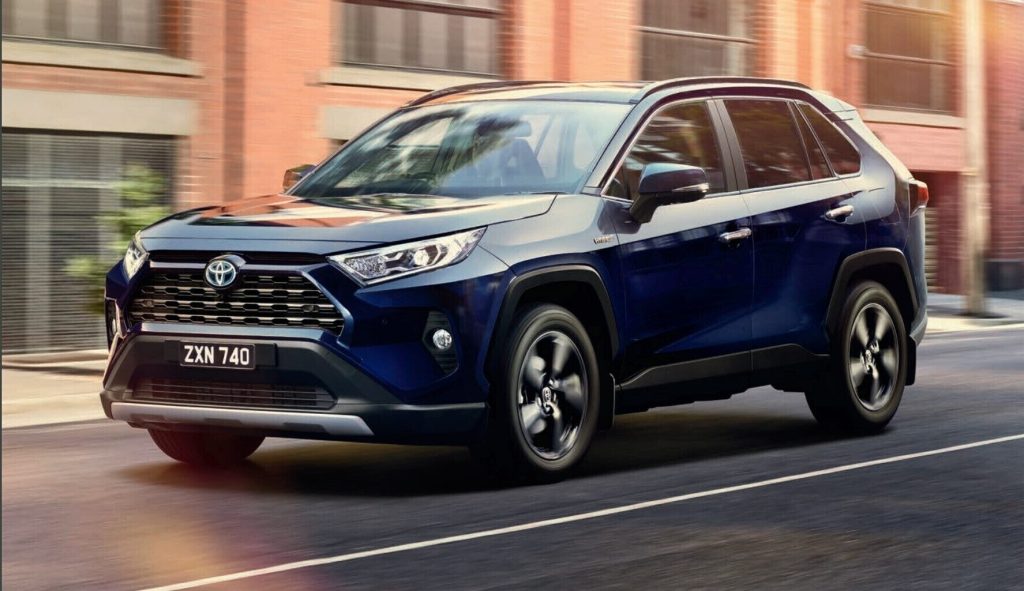
2. Toyota RAV4 (Adventure / TRD Off-Road Trims)
The Toyota RAV4, especially in its Adventure and TRD Off-Road trims, is a strong choice for Boise outdoor commuters because it is engineered to handle rougher surfaces without sacrificing everyday usability. It remains comfortable on pavement while offering the durability needed for frequent gravel-road travel.
Ground clearance is higher than standard compact crossovers, which helps prevent underbody scraping on rutted gravel roads and uneven access routes. This matters for Boise drivers who regularly visit trailheads, campsites, or river access points where pavement ends abruptly.
Suspension tuning is another key advantage. Unlike sport-oriented crossovers that use stiff setups, the RAV4’s suspension absorbs washboard vibration effectively. This reduces stress on bushings, control arms, and wheel bearings that often fail early when subjected to constant gravel vibration.
Drivetrain durability also supports outdoor commuting. The AWD system distributes power smoothly on loose surfaces, helping maintain traction without abrupt engagement. This controlled behavior reduces strain on driveline components and improves stability on dusty or uneven roads.
Tire flexibility further enhances gravel tolerance. The RAV4 can run all-terrain or gravel-rated tires without significantly impacting ride quality or alignment. This allows owners to tailor the vehicle to outdoor use without compromising daily comfort.
Underbody protection on Adventure and TRD trims adds another layer of durability. Skid plates and reinforced components reduce damage from loose stones and uneven surfaces, extending the vehicle’s usable lifespan in mixed terrain.
I am writing about the Toyota RAV4 because it represents a balanced solution for Boise outdoor commuters. It does not require the compromises of a full off-road vehicle, yet it tolerates gravel roads far better than typical crossovers.
For drivers who want reliability, low maintenance stress, and outdoor access without worry, the RAV4 is a dependable and practical choice.
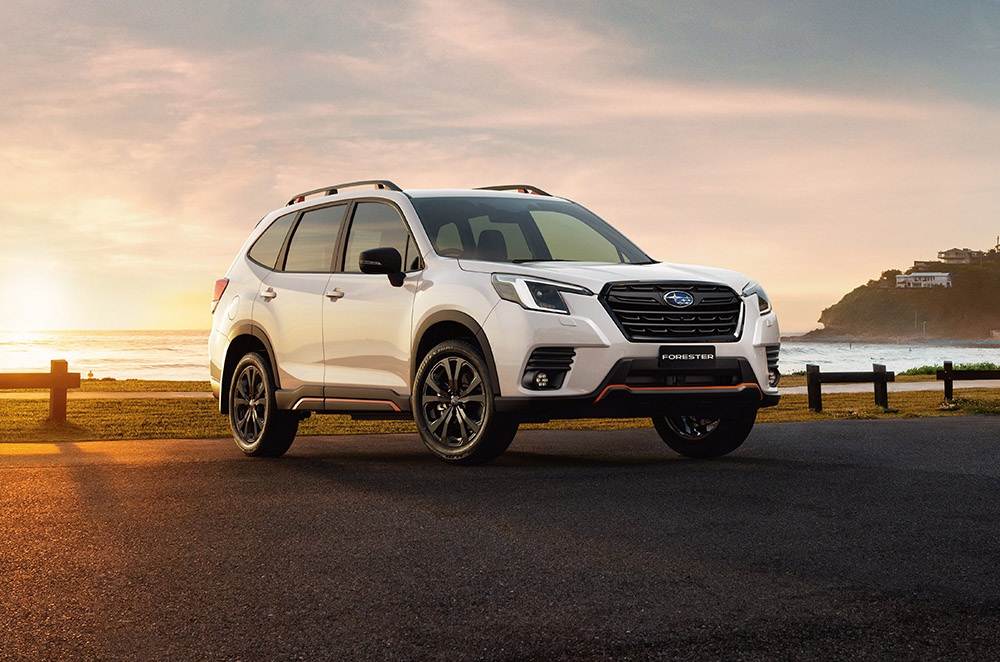
3. Subaru Forester
The Subaru Forester is exceptionally well suited for Boise outdoor commuters because it prioritizes visibility, suspension compliance, and drivetrain stability on mixed surfaces. It handles gravel roads calmly while remaining easy to live with as a daily commuter.
Ground clearance allows the Forester to navigate uneven gravel, shallow ruts, and washboard roads without frequent scraping. This reduces underbody contact and helps protect exhaust and suspension components over time.
The suspension is tuned for comfort and durability rather than sportiness. On gravel, this results in less vibration transfer to the chassis, fewer interior rattles, and reduced long-term wear on suspension joints. Vehicles with stiffer setups often feel unsettled on gravel, but the Forester remains composed and predictable.
All-wheel drive enhances stability on loose surfaces. Power delivery is continuous and smooth, helping the vehicle track straight rather than slipping or hopping over stones. This stability reduces driver fatigue and mechanical stress during longer gravel stretches.
Wheel and tire compatibility also supports outdoor use. The Forester accommodates gravel-friendly tires without compromising alignment or ride comfort. This makes it easier to tailor the vehicle for Boise’s terrain without major modifications.
Interior durability plays a role as well. Doors, seals, and trim tolerate dust exposure and repeated outdoor use better than more fragile designs. Controls remain functional despite vibration and temperature swings common in outdoor environments.
I am writing about the Subaru Forester because it consistently proves itself on gravel roads while remaining practical for everyday commuting. For Boise drivers who want confidence on outdoor access routes without stepping into a large SUV or truck, the Forester offers an excellent balance of comfort and durability.
4. Honda CR-V AWD
The Honda CR-V with all-wheel drive is a strong fit for Boise outdoor commuters because it combines everyday reliability with suspension durability that tolerates frequent gravel-road use. While not marketed as an off-road vehicle, its engineering choices make it far more resilient than many compact crossovers when pavement gives way to loose surfaces.
Ground clearance is adequate for most gravel access roads around Boise. While not as tall as some adventure-focused vehicles, the CR-V avoids constant underbody scraping on mild ruts, uneven washboard sections, and rocky pullouts. This keeps exhaust components and suspension parts safer over time.
Suspension tuning is a major reason the CR-V works well on gravel. It favors compliance over stiffness, allowing the vehicle to absorb vibration rather than transmit it directly into the chassis. This reduces long-term wear on bushings, mounts, and wheel bearings that often fail early in vehicles driven regularly on gravel.
The AWD system improves stability on loose stone and dusty surfaces. Power delivery is smooth and predictable, helping the vehicle maintain traction without abrupt engagement that can stress driveline components. On winding gravel roads, this translates to calmer handling and less driver fatigue.
Tire compatibility is another advantage. The CR-V can comfortably run gravel-friendly or all-terrain-leaning tires without significantly affecting ride quality or alignment. This flexibility makes it easier to adapt the vehicle to Boise’s mixed terrain without compromising daily driving comfort.
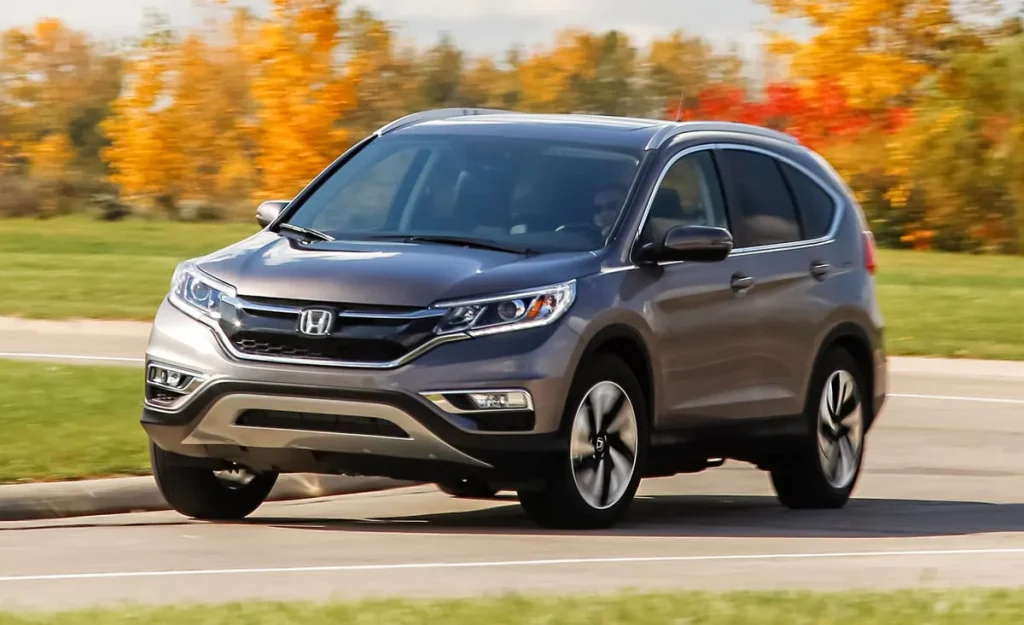
Interior durability also supports outdoor commuting. Cabin materials tolerate dust, temperature swings, and vibration better than expected. Controls remain functional, and trim is less prone to loosening over time.
I am writing about the Honda CR-V AWD because it is often overlooked as an outdoor commuter. In reality, it handles gravel roads far better than many sport-tuned crossovers while remaining reliable, efficient, and easy to live with in daily Boise driving.
5. Toyota Tacoma
The Toyota Tacoma is exceptionally well suited for Boise outdoor commuters who regularly encounter gravel roads, forest service routes, and uneven terrain. While more rugged than a typical commuter vehicle, it remains manageable for daily use while offering outstanding durability on rough surfaces.
Ground clearance is a major advantage. The Tacoma easily clears ruts, rocks, and uneven gravel without underbody contact. This dramatically reduces damage risk when traveling to trailheads or remote access points common around Boise.
The suspension is designed for durability. Unlike car-based crossovers, the Tacoma’s components are built to tolerate vibration, dust, and repeated impacts. Control arms, bushings, and mounts tend to last significantly longer under gravel use, reducing maintenance frequency.
Rear-wheel drive with optional four-wheel drive provides strong traction on loose surfaces. When equipped with 4WD, the Tacoma maintains stability and control on steep or uneven gravel roads, reducing wheel spin and drivetrain stress.
Tire compatibility further strengthens its suitability. The Tacoma can run aggressive all-terrain tires without affecting reliability or alignment. This allows drivers to tailor the vehicle specifically for outdoor access without modification.
Dust resistance is another benefit. The Tacoma’s engine bay, electrical connectors, and underbody components are better sealed than many passenger vehicles, reducing dust-related wear and electrical issues.
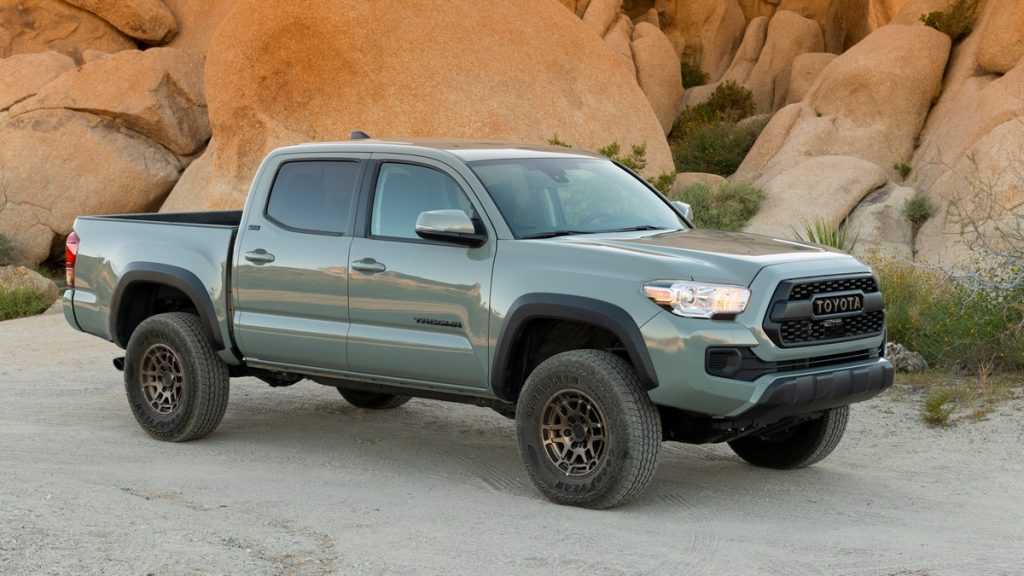
I am writing about the Toyota Tacoma because it represents the most rugged end of the outdoor commuter spectrum. For Boise drivers who prioritize gravel-road durability above all else and are willing to accept a slightly firmer daily ride, the Tacoma delivers unmatched toughness and long-term reliability.
5 That Don’t Tolerate Gravel Roads
Gravel roads expose weaknesses that smooth pavement hides. In Boise, where many drivers regularly leave asphalt behind, vehicles not designed for vibration and uneven surfaces deteriorate quickly. Loose stone, washboard sections, and constant dust accelerate wear in ways many owners do not anticipate.
Cars that struggle on gravel often share similar design traits. Low ground clearance leads to repeated underbody contact. Stiff, sport-tuned suspensions transfer vibration directly into the chassis, loosening fasteners and stressing mounts. Thin tires and delicate wheel assemblies are easily damaged by sharp stones.
Dust infiltration is another major problem. Gravel roads coat brake components, engine bays, and suspension joints in fine particles that accelerate wear. Vehicles with poorly sealed electrical connectors and exposed components often develop faults long before their time.
Interior degradation also accelerates. Vibration loosens trim, creates rattles, and shortens the lifespan of plastics and fasteners. What starts as minor noise often becomes a constant annoyance after repeated gravel exposure.
This section focuses on five cars that do not tolerate gravel roads well. I am writing about them to highlight why certain designs are poorly matched to Boise’s outdoor lifestyle. These vehicles may perform well on pavement, but frequent gravel use turns them into maintenance headaches.
For Boise drivers, understanding which cars struggle on gravel is just as important as knowing which ones thrive. Avoiding these models can prevent costly repairs, premature wear, and long-term frustration.
1. Mazda3
The Mazda3 struggles to tolerate gravel roads because it is engineered primarily for smooth pavement and responsive handling rather than durability on uneven surfaces. While enjoyable to drive on asphalt, frequent gravel use exposes several weaknesses that quickly affect long-term ownership.
Low ground clearance is one of the biggest issues. On gravel access roads, the Mazda3 frequently scrapes or comes uncomfortably close to contacting rocks and ruts. Over time, this leads to underbody damage affecting exhaust components, splash shields, and suspension parts.
Suspension tuning further compounds the problem. The Mazda3 uses a relatively stiff setup designed for road feel and cornering precision.
On gravel, this stiffness transfers vibration directly into the chassis instead of absorbing it. The result is accelerated wear on bushings, mounts, and wheel bearings, as well as an increase in interior rattles.
Wheel and tire durability is another concern. The Mazda3’s low-profile tire options are vulnerable to sharp stones. Sidewall damage and bent wheels are more common when driven regularly on gravel, increasing repair and replacement costs.
Dust infiltration also takes a toll. Brake components accumulate fine gravel dust that accelerates wear, while engine bay exposure contributes to faster degradation of belts and seals. Electrical connectors are not well sealed for dusty environments, increasing the risk of intermittent faults over time.
Interior durability suffers as well. Vibration loosens trim and fasteners, leading to persistent rattles that are difficult to eliminate. What begins as minor noise often becomes a constant annoyance after repeated gravel exposure.
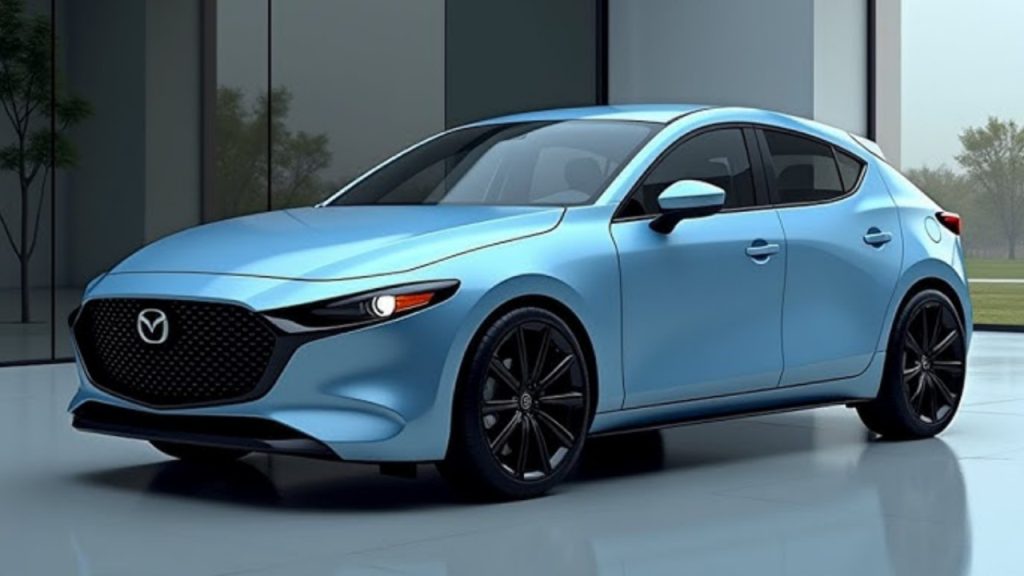
I am writing about the Mazda3 because it highlights how a well-built commuter car can be poorly matched to Boise’s outdoor access roads. While excellent on pavement, regular gravel driving shortens its lifespan and increases maintenance stress, making it a frustrating choice for outdoor commuters.
2. Volkswagen GTI
The Volkswagen GTI is another car that does not tolerate gravel roads well, largely because it prioritizes performance and road feel over durability on loose surfaces. Designed as a sporty hatchback, its strengths on pavement become liabilities on gravel.
Ground clearance is limited, making underbody contact a frequent issue on rutted gravel roads. Rocks and uneven surfaces threaten the oil pan, exhaust, and suspension components, increasing the risk of costly damage over time.
Suspension stiffness further works against gravel-road durability. The GTI’s sport-tuned suspension transmits vibration directly into the chassis, accelerating wear on suspension joints and mounts. Washboard sections cause harsh oscillation that stresses components not designed for continuous vibration.
Tire and wheel setups are another weakness. Performance-oriented tires with stiff sidewalls and low profiles are highly susceptible to punctures and wheel damage on gravel. Owners often experience frequent tire replacements and bent rims when using the GTI on loose stone surfaces.
Dust exposure also affects reliability. Fine gravel dust infiltrates brakes, accelerating pad and rotor wear. Electrical systems are more complex and less sealed than those in outdoor-oriented vehicles, increasing the likelihood of dust-related sensor and connector issues.
Interior quality suffers as well. The GTI’s tight tolerances amplify vibration-induced rattles, which become persistent after repeated gravel use. Trim and fasteners loosen over time, reducing cabin refinement.

I am writing about the Volkswagen GTI because it demonstrates how performance-focused engineering clashes with Boise’s outdoor lifestyle. While excellent on winding pavement, frequent gravel-road use quickly erodes its strengths and turns ownership into a maintenance-heavy experience.
3. Hyundai Veloster
The Hyundai Veloster does not tolerate gravel roads well because it is designed almost entirely around urban driving and sporty styling rather than durability on uneven surfaces. While it may appear rugged due to its hatchback form, regular gravel use exposes significant weaknesses.
Ground clearance is a major limitation. The Veloster sits low, and its front bumper, underbody panels, and exhaust components are vulnerable to contact with rocks and ruts. On gravel access roads around Boise, this leads to repeated scraping and gradual underbody damage that is expensive to address.
Suspension tuning further accelerates wear. The Veloster uses a stiff setup to enhance handling on pavement. On gravel, this stiffness prevents the suspension from absorbing vibration, sending constant shock through the chassis. Over time, this leads to worn bushings, loose mounts, and premature wheel bearing failure.
Wheel and tire durability is another problem. Many Velosters are equipped with low-profile tires mounted on large wheels. These setups are highly vulnerable to punctures, sidewall damage, and bent rims when driven on loose stone. Tire replacement becomes frequent and costly for drivers who regularly leave pavement.
Dust exposure also affects reliability. Gravel dust coats brake components, accelerating wear and reducing braking consistency. The Veloster’s engine bay and electrical connectors are not well sealed for dusty environments, increasing the likelihood of sensor-related issues over time.
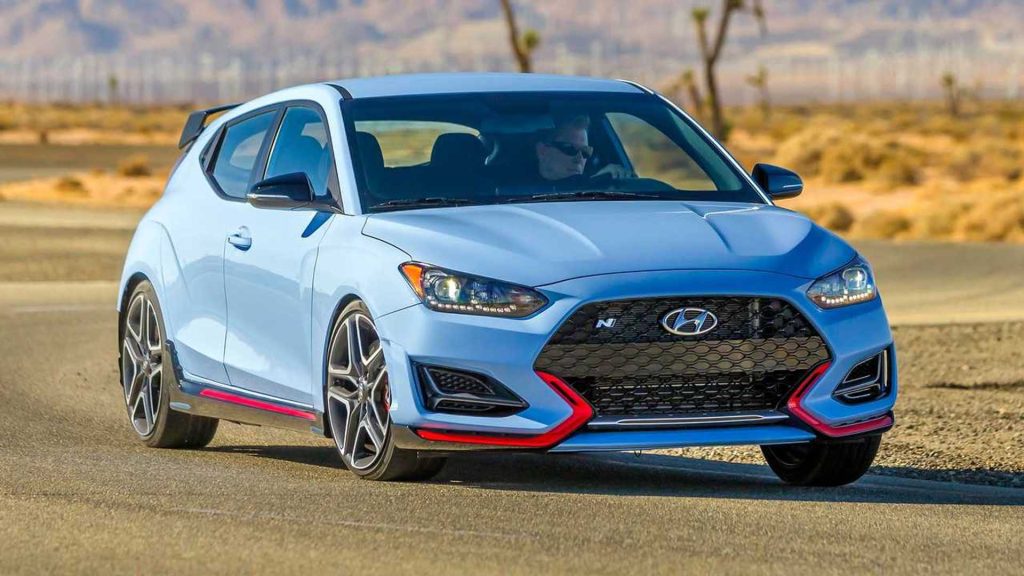
Interior durability suffers noticeably. Vibration loosens trim pieces and fasteners, creating rattles that become increasingly difficult to eliminate. What starts as minor noise often becomes a constant annoyance after repeated gravel use.
I am writing about the Hyundai Veloster because it is often mistaken as a versatile hatchback. In reality, frequent gravel-road driving quickly undermines its reliability and comfort. For Boise outdoor commuters, the Veloster becomes a maintenance-heavy and frustrating choice once pavement ends.
4. BMW 3 Series
The BMW 3 Series is poorly suited for gravel roads because it is engineered primarily for refined handling on smooth pavement rather than durability on rough surfaces. While excellent as a sport sedan, regular gravel exposure accelerates wear in ways that significantly increase ownership costs.
Low ground clearance creates immediate challenges. On rutted gravel roads, the 3 Series frequently risks underbody contact, threatening oil pans, exhaust systems, and aerodynamic panels. Even cautious driving does little to prevent gradual damage over time.
Suspension design is another weak point. The 3 Series uses performance-oriented tuning that emphasizes road feel. On gravel, this stiffness transmits vibration directly into suspension joints, control arms, and mounts. Washboard surfaces accelerate wear dramatically, leading to alignment issues and frequent suspension repairs.
Wheel and tire setups further limit gravel tolerance. Low-profile performance tires offer minimal protection against sharp stones. Bent wheels, sidewall damage, and premature tire failure are common complaints when the car is driven regularly on gravel.
Dust infiltration also affects long-term reliability. Brake systems accumulate abrasive dust that shortens pad and rotor life. Electrical components and sensors are sensitive to contamination, and gravel dust increases the risk of intermittent faults and warning lights.
Interior refinement suffers as well. The tight tolerances that make the 3 Series feel solid on pavement amplify vibration-induced rattles on gravel. Over time, cabin noise increases and trim looseness becomes noticeable.
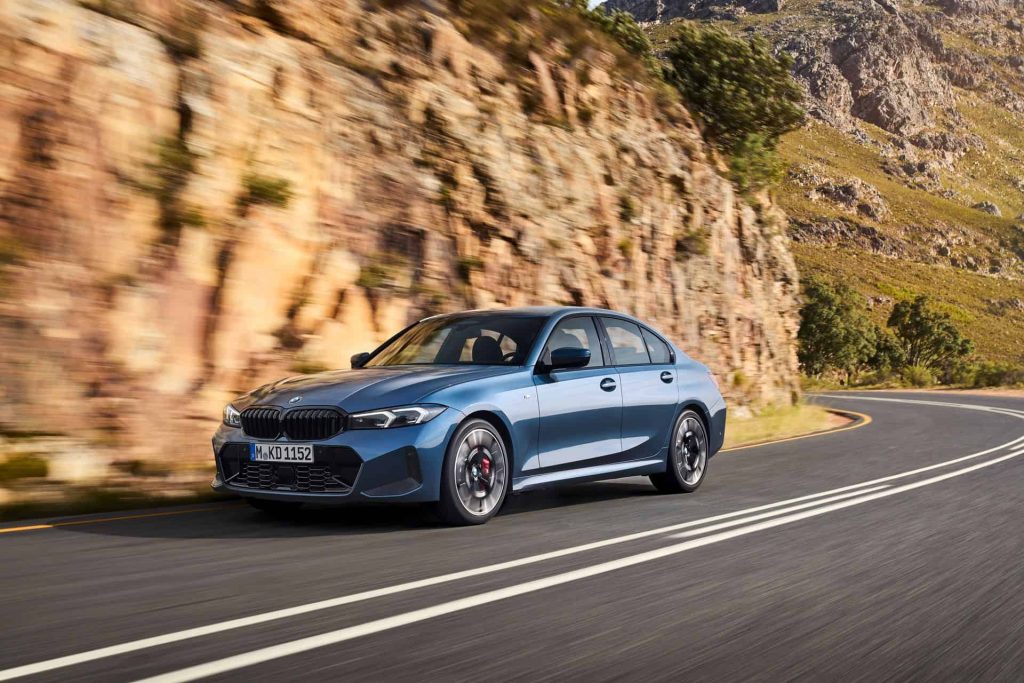
I am writing about the BMW 3 Series because it illustrates how premium engineering can be mismatched to Boise’s outdoor access roads. While excellent on asphalt, frequent gravel driving quickly erodes its strengths and drives up maintenance costs.
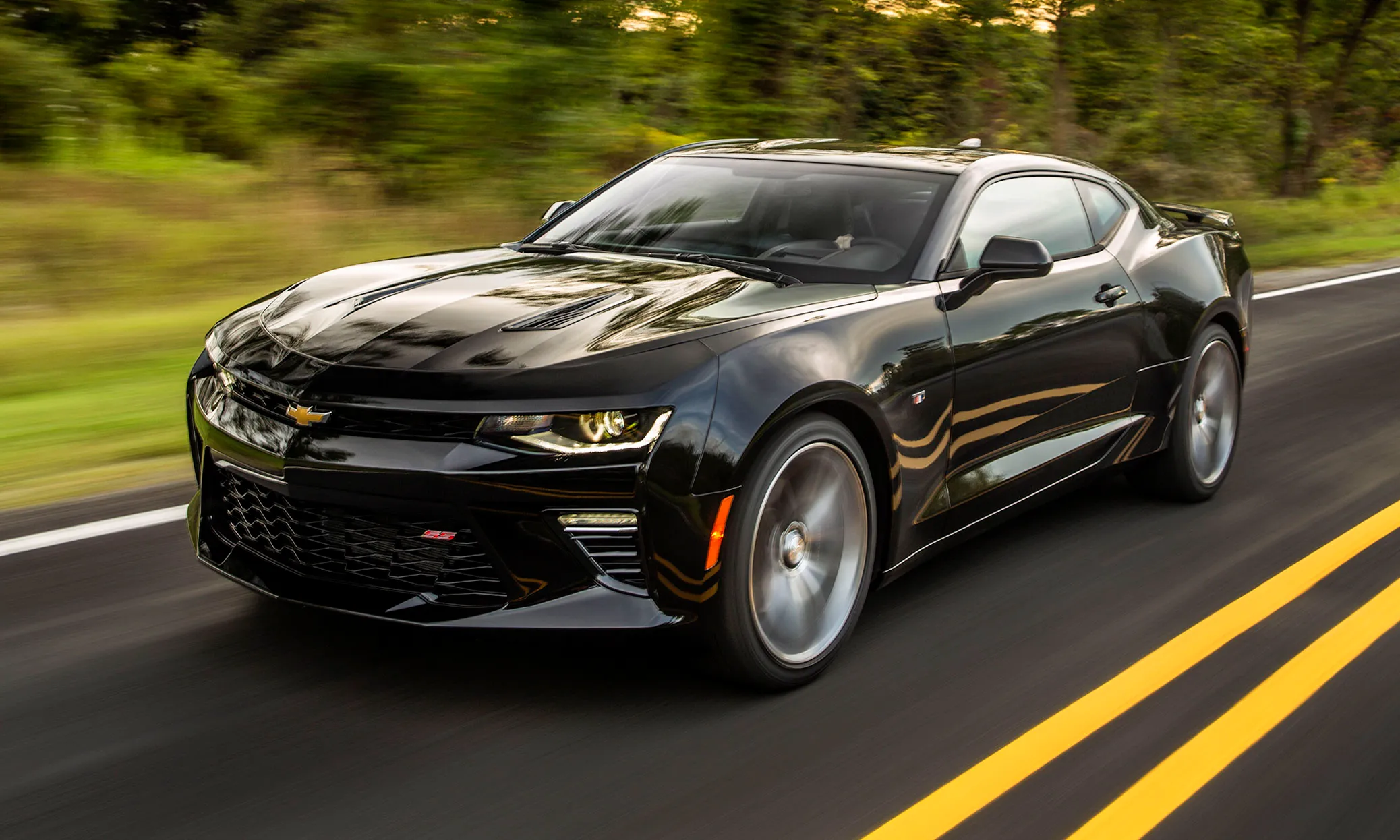
5. Chevrolet Camaro
The Chevrolet Camaro does not tolerate gravel roads well because it is engineered for performance and visual impact rather than durability on uneven surfaces. While it excels on smooth pavement, regular exposure to gravel roads around Boise quickly exposes serious limitations.
Low ground clearance is the most immediate problem. The Camaro’s front splitter, underbody panels, and exhaust components sit close to the ground, making them vulnerable to scraping on ruts, rocks, and uneven gravel. Even cautious driving often results in underbody damage over time.
Suspension stiffness further compounds the issue. The Camaro uses a firm, performance-oriented suspension designed for handling precision.
On gravel, this stiffness transfers vibration directly into the chassis, accelerating wear on bushings, mounts, and suspension joints. Washboard sections are especially punishing, leading to premature component failure.
Wheel and tire setups are another weakness. The Camaro typically runs wide, low-profile performance tires that are highly susceptible to punctures, sidewall damage, and bent wheels when driven on gravel. Tire replacement becomes frequent and costly, especially for drivers who regularly leave paved roads.
Dust exposure also affects reliability. Gravel dust infiltrates brake components, accelerating wear and reducing braking consistency. Electrical systems and sensors are sensitive to contamination, increasing the likelihood of warning lights and intermittent faults after repeated gravel exposure.
Interior durability suffers noticeably. Vibration loosens trim pieces and fasteners, creating persistent rattles that are difficult to eliminate. What begins as occasional noise often becomes constant after repeated gravel driving.

I am writing about the Chevrolet Camaro because it represents a clear mismatch between design intent and Boise’s outdoor lifestyle.
While impressive on smooth roads, frequent gravel-road use rapidly degrades comfort, reliability, and ownership satisfaction. For Boise outdoor commuters, the Camaro becomes a high-maintenance and impractical choice once pavement ends.
Also Read: 5 Cars for Baton Rouge Heat & Humidity and 5 That Corrode Quickly
