
Driving in Bakersfield presents challenges that many vehicles are simply not built to handle long-term.
Extreme summer heat, dry air, heavy dust, agricultural debris, and long stretches of stop-and-go traffic combine to punish engines, cooling systems, and air filtration components. In this environment, heat management and dust tolerance matter far more than performance or styling.
Bakersfield regularly experiences triple-digit temperatures, especially during peak commuting hours. Engines run hotter, cooling systems work harder, and air conditioning operates continuously.
Vehicles with marginal radiators, undersized cooling fans, or complex turbocharged setups often struggle to keep temperatures under control. Over time, this leads to overheating, warped components, and premature mechanical failure.
Dust adds another layer of stress. Fine particles infiltrate air filters, cooling fins, radiators, and engine bays. Vehicles not designed with effective filtration and cooling airflow quickly suffer reduced efficiency. Dust-clogged radiators lose cooling capacity, while contaminated sensors and electronics become unreliable.
Some vehicles are built to survive these conditions. They use conservative engine tuning, large cooling systems, robust fans, and effective filtration. These cars tolerate heat soak, heavy idling, and dusty environments without constant breakdowns.
Others are far less forgiving. High-output engines, tight engine bays, fragile cooling components, and poor airflow make overheating a recurring issue.
This article looks at both sides. First, it highlights five cars well suited for Bakersfield heat and dust, focusing on cooling reliability, filtration strength, and long-term durability.
Then, it examines five cars that overheat often, explaining why their design choices make them poor fits for Bakersfield’s climate. The goal is to help drivers avoid vehicles that struggle daily and choose those that remain dependable under relentless heat and dust.
Also Read: 5 Cars for Beavercreek Daily Driving and 5 Long-Lasting Options
5 Cars for Bakersfield Heat & Dust
Bakersfield demands vehicles that can survive sustained heat without complaint. Unlike short heat waves elsewhere, high temperatures here are persistent.
Engines rarely get a break, and cooling systems operate near their limits for months at a time. Cars that succeed in this environment are those engineered with thermal durability and airflow efficiency as priorities.
The vehicles in this section are chosen because they manage heat effectively. They feature larger radiators, strong cooling fans, and engine layouts that allow heat to escape rather than remain trapped.
Conservative engine tuning also plays a role. Vehicles that avoid pushing high output from small engines tend to remain cooler and more stable in extreme heat.
Dust tolerance is equally important. Bakersfield’s dry environment fills engine bays with fine particles that clog filters, coat radiators, and degrade sensors. Cars that handle this well use effective air filtration, protected electrical connectors, and cooling systems less prone to blockage.
Air conditioning performance also matters. In extreme heat, AC systems run continuously. Vehicles that can maintain cabin cooling without overloading the engine or causing temperature spikes are far more livable in daily use.
I am writing about these vehicles because Bakersfield ownership exposes weaknesses quickly. Cars that manage heat and dust well reduce stress, repairs, and downtime. These are not exotic or high-performance machines. They are durable, practical tools that survive relentless heat and dusty conditions without frequent overheating or component failure.
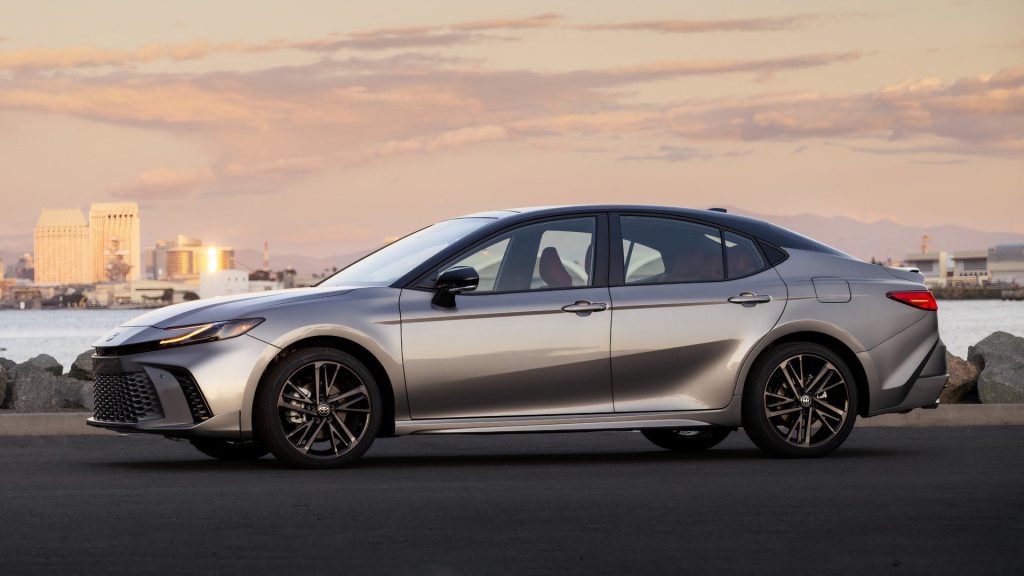
1. Toyota Camry
The Toyota Camry is one of the most reliable cars for Bakersfield heat and dust because it is engineered with conservative thermal management and proven durability. In extreme temperatures, its cooling system performs consistently without operating near its limits.
The Camry’s engine is tuned for efficiency and longevity rather than maximum output. This reduces heat generation, especially during long idling periods and stop-and-go traffic common in Bakersfield. Lower thermal stress means cooling components last longer and overheating incidents are rare.
Radiator size and airflow are major strengths. The Camry uses a well-sized radiator and strong cooling fans that move sufficient air even when the car is stationary. This is critical during summer traffic when airflow from motion is limited.
Dust tolerance further supports reliability. Air filtration systems are effective at keeping fine particles out of the engine, reducing contamination that can degrade performance. The engine bay layout also limits dust buildup on critical components, helping sensors and cooling fins remain functional longer.
Air conditioning performance is another advantage. The Camry’s AC system cools efficiently without overloading the engine, even in triple-digit heat. This balance prevents temperature spikes that often lead to overheating in less capable vehicles.
Maintenance accessibility also matters. Radiators, fans, and hoses are easy to service and clean, which helps prevent dust-related cooling degradation over time. Parts availability is excellent, keeping repair costs manageable.
I am writing about the Toyota Camry because it exemplifies heat-resilient design. In Bakersfield’s punishing climate, it remains calm, cool, and dependable where many cars struggle. For drivers seeking reliability over drama, the Camry is a proven and stress-free choice.
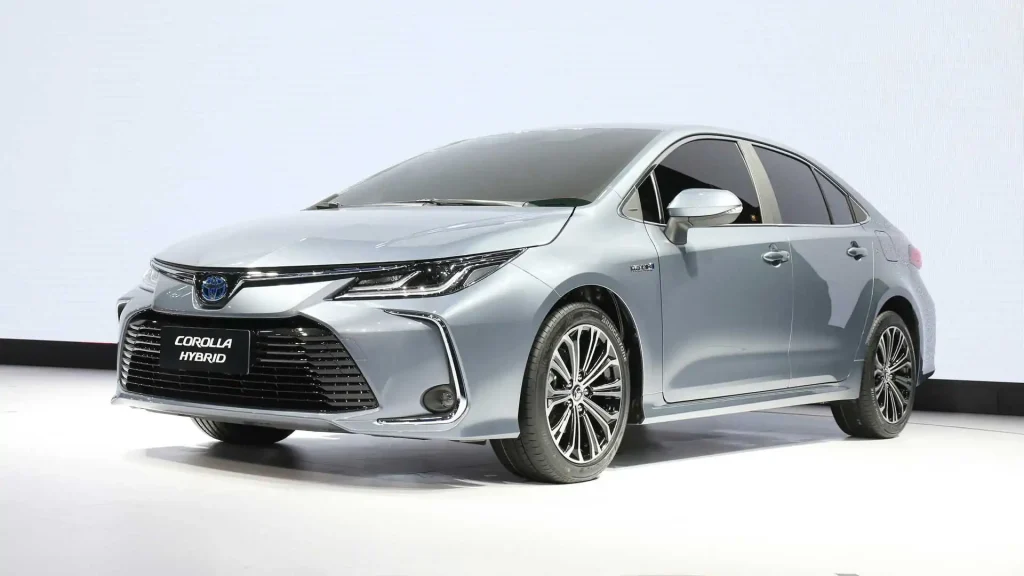
2. Toyota Corolla
The Toyota Corolla is exceptionally well suited for Bakersfield heat and dust because it relies on simple, proven engineering that manages thermal stress effectively. In an environment where extreme temperatures and fine dust are constant, simplicity becomes a major advantage.
The Corolla’s engine produces modest power, which keeps heat generation low. In Bakersfield’s stop-and-go traffic, this matters more than peak performance. Lower operating temperatures reduce strain on cooling systems, hoses, and gaskets, helping prevent overheating during long summer commutes.
Cooling system design is conservative and reliable. The radiator is appropriately sized, and cooling fans engage predictably even during extended idling. This ensures consistent airflow through the radiator when ambient temperatures climb well into triple digits.
Dust resistance is another strong point. The Corolla’s air filtration system does a good job of trapping fine particles before they reach the engine.
This protects sensors, throttle components, and internal parts from dust-related degradation. Radiator fins are also less prone to clogging compared to tightly packed high-performance designs.
Electrical systems benefit from limited complexity. In dusty environments, exposed connectors and fragile sensors often fail early. The Corolla avoids unnecessary electronics, reducing the chance of heat- or dust-related electrical issues.
Air conditioning performance supports daily livability. The AC system cools the cabin efficiently without forcing the engine to work excessively hard. This balance prevents temperature spikes that often occur in smaller or heavily turbocharged vehicles under extreme heat.
Maintenance accessibility further enhances longevity. Routine filter replacement, radiator cleaning, and cooling system servicing are straightforward. This allows owners to keep the system operating at peak efficiency even in dusty conditions.
I am writing about the Toyota Corolla because it demonstrates how modest design can outperform complexity in harsh climates. In Bakersfield, where heat and dust are relentless, the Corolla remains stable, cool, and dependable without demanding constant attention.
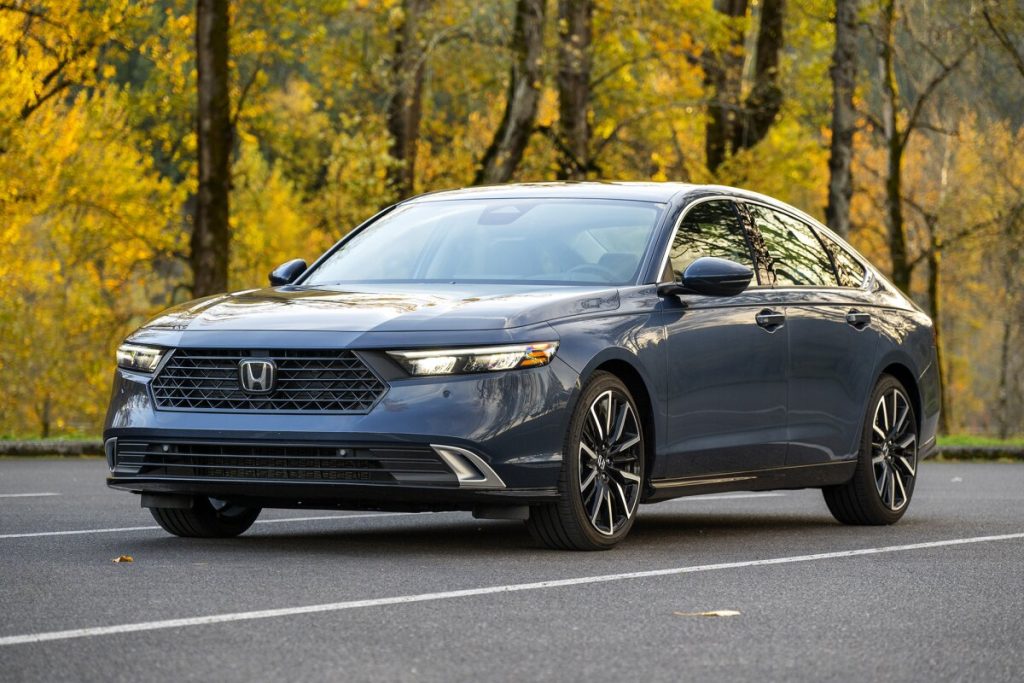
3. Honda Accord
The Honda Accord performs well in Bakersfield heat and dust because it combines efficient cooling, conservative engine tuning, and robust component quality. While larger than compact sedans, its thermal management system is well equipped for sustained high temperatures.
Engine output is balanced for efficiency rather than stress. This reduces heat buildup during daily driving, especially in traffic where airflow is limited. The Accord’s engine maintains stable operating temperatures even when ambient heat is extreme.
Cooling system capacity is a key strength. The radiator and cooling fans are designed to move significant airflow at low speeds, preventing heat soak during prolonged idling. This reliability is critical during Bakersfield summers when traffic congestion and heat combine.
Dust tolerance is also strong. Air filters effectively capture fine particles common in agricultural regions. Engine bay layout reduces direct dust accumulation on sensitive components, helping sensors and cooling fins remain functional longer.
Air conditioning performance supports heat resilience. The Accord’s AC system delivers strong cooling without overwhelming the engine. This balance helps avoid temperature spikes that can trigger overheating in less capable vehicles.
Electrical reliability further enhances suitability. Wiring and connectors are well protected, reducing the risk of dust-related faults. In hot environments, electrical failures often accompany overheating, but the Accord minimizes this risk through robust design.
Serviceability also matters. Cooling components are accessible for cleaning and maintenance, allowing dust buildup to be addressed before it compromises performance. This helps maintain cooling efficiency over long periods of extreme heat.
I am writing about the Honda Accord because it combines comfort with heat tolerance. In Bakersfield’s demanding climate, it delivers consistent cooling performance and reliability, making it a dependable choice for drivers who want a midsize sedan that stays calm under pressure.
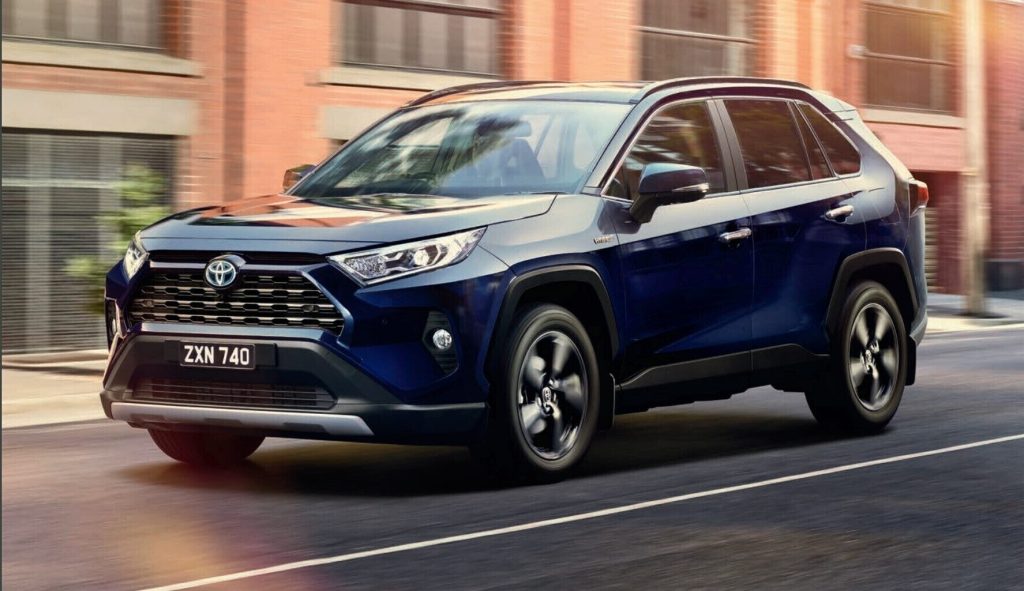
4. Toyota RAV4
The Toyota RAV4 is well suited for Bakersfield heat and dust because it combines durable cooling hardware with an engine layout that manages heat efficiently under sustained stress. In a climate where temperatures stay high for months, the RAV4’s conservative design works strongly in its favor.
Heat management is one of the RAV4’s biggest strengths. The engine is not aggressively tuned, which keeps thermal output predictable. Even during extended idling in traffic or slow rural driving, engine temperatures remain stable without pushing the cooling system to its limits.
The cooling system itself is robust. A well-sized radiator and strong electric fans provide consistent airflow even when vehicle speed is low. This prevents heat soak during stop-and-go driving, which is a common trigger for overheating in Bakersfield summers.
Dust tolerance also plays a major role. The RAV4’s air intake and filtration systems are effective at trapping fine dust before it reaches the engine. This protects internal components and prevents airflow restriction that can increase operating temperatures. Radiator placement and spacing reduce the likelihood of dust clogging cooling fins.
Air conditioning performance is reliable under extreme heat. The system cools the cabin efficiently without overloading the engine or causing noticeable temperature spikes. This balance is critical when AC use is constant for much of the year.
Electrical systems are relatively simple and well protected. Heat and dust often expose weaknesses in complex electronics, but the RAV4’s design minimizes this risk. Sensors and connectors are less prone to heat-related failure.
Maintenance accessibility further supports long-term reliability. Radiator cleaning, filter replacement, and cooling system service are straightforward, allowing owners to counteract dust buildup before it affects performance.
I am writing about the Toyota RAV4 because it offers a strong balance of durability, practicality, and heat tolerance. For Bakersfield drivers who want an SUV that remains cool and reliable in extreme conditions, the RAV4 is a proven and low-stress choice.
5. Ford F-150 (Naturally Aspirated Engines)
The Ford F-150 equipped with naturally aspirated engines performs exceptionally well in Bakersfield heat and dust due to its heavy-duty cooling systems and spacious engine bay design. Unlike smaller vehicles, it is built to manage heat under load and in harsh environments.
Engine bay space is a major advantage. Heat dissipates more easily because components are not tightly packed. This reduces heat soak and allows cooling systems to operate more efficiently during extreme temperatures.
Cooling capacity is another key strength. The F-150 uses large radiators, powerful fans, and robust cooling pathways designed for towing and heavy use. In Bakersfield’s heat, this translates to excellent temperature control even during prolonged idling or low-speed driving.
Dust resistance is strong due to effective filtration and durable engine bay components. Air filters handle fine particulate matter well, protecting the engine from contamination that can degrade performance and increase heat output. Cooling fins are less likely to clog compared to smaller, tightly packed designs.
Air conditioning systems are built to perform under high load. Cabin cooling remains strong without causing engine temperature spikes, which is important when AC use is constant.
Mechanical simplicity in naturally aspirated variants further improves reliability. Fewer heat-sensitive components mean fewer failure points in extreme temperatures.
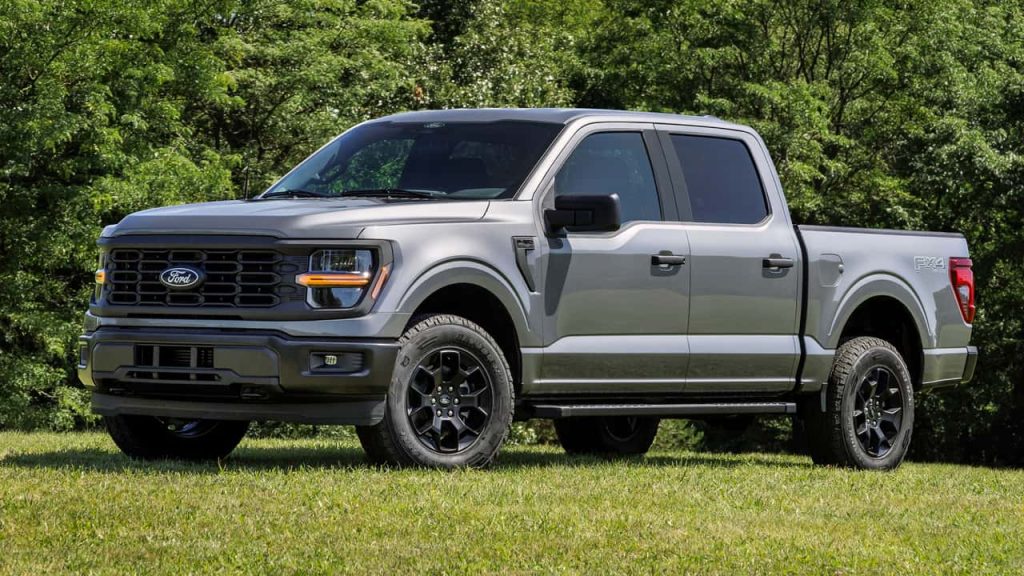
I am writing about the Ford F-150 because it demonstrates how size and conservative engineering can be advantages in harsh climates. For Bakersfield drivers who prioritize durability and cooling reliability above efficiency, the F-150 remains one of the most heat-resilient vehicles available.
5 That Overheat Often
Extreme heat exposes weaknesses that moderate climates never reveal. In Bakersfield, overheating is not an occasional concern. It is a recurring problem for vehicles that are poorly matched to sustained high temperatures, heavy traffic, and constant air conditioning use.
Cars that overheat often tend to share common traits. Small, highly stressed engines generate excessive heat. Tight engine bays trap hot air. Undersized radiators and weak cooling fans struggle to dissipate heat when airflow is limited. Turbocharged systems add additional thermal load, pushing cooling systems beyond their limits.
Dust makes matters worse. Fine particles clog radiators, coat cooling fins, and restrict airflow. Vehicles without adequate filtration or easy maintenance access lose cooling efficiency over time, making overheating more frequent and harder to diagnose.
Electrical systems are also affected. Heat degrades sensors, wiring, and control modules. When cooling fans fail to engage properly or temperature readings become inaccurate, engines can overheat rapidly.
This section focuses on five cars that are known to overheat often in hot, dusty environments. I am writing about them to highlight design choices that struggle under Bakersfield conditions. These vehicles may perform acceptably in cooler regions, but sustained heat exposes their limits quickly.
For Bakersfield drivers, understanding which cars overheat frequently can prevent costly repairs and breakdowns. Avoiding these models helps ensure reliable transportation during months when heat is unavoidable and cooling performance is critical.
1. Mini Cooper (Turbocharged Models)
Turbocharged Mini Cooper models are well known for overheating issues in hot, dusty climates like Bakersfield. While compact and fun to drive, their design places heavy thermal stress on components that struggle under sustained extreme temperatures.
The primary issue is the tightly packed engine bay. Turbocharged engines generate significantly more heat than naturally aspirated ones, and in the Mini Cooper, that heat has limited space to escape. In Bakersfield’s triple-digit temperatures, this leads to rapid heat soak, especially during stop-and-go traffic.
Cooling system capacity is marginal for the demands placed on it. Radiators and cooling fans are sized for moderate climates, not prolonged high-heat operation. When airflow is reduced during idling or slow driving, cooling efficiency drops sharply, increasing the risk of overheating.
Dust further worsens the problem. Fine particulate matter clogs radiator fins and intercoolers, reducing airflow and heat dissipation. Over time, even minor dust buildup significantly impacts cooling performance in these compact systems.
Turbochargers add another layer of stress. They increase intake air temperatures and place extra load on cooling systems already operating near their limits. In Bakersfield heat, this often leads to elevated coolant temperatures and frequent warning alerts.
Electrical reliability also suffers. Cooling fan sensors and temperature management components are sensitive to heat and dust. Failures or inaccurate readings can prevent fans from engaging when needed most, accelerating overheating.
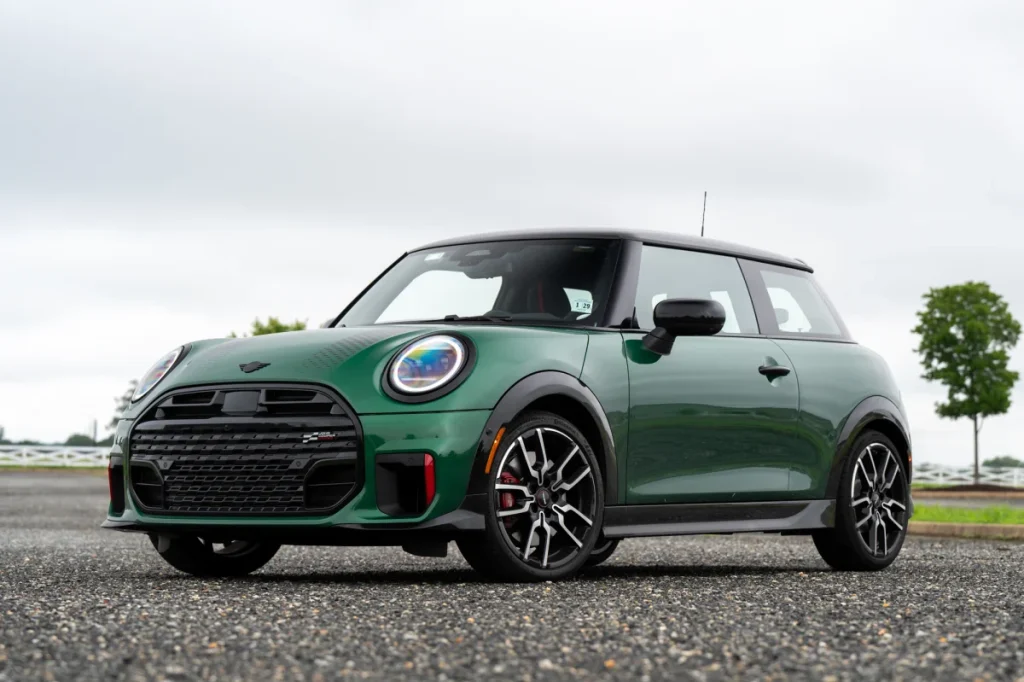
I am writing about the Mini Cooper because it highlights how compact performance cars struggle in extreme heat. In Bakersfield, turbocharged Mini models often require frequent cooling system attention and still struggle to maintain safe operating temperatures, making them a poor long-term choice for this climate.
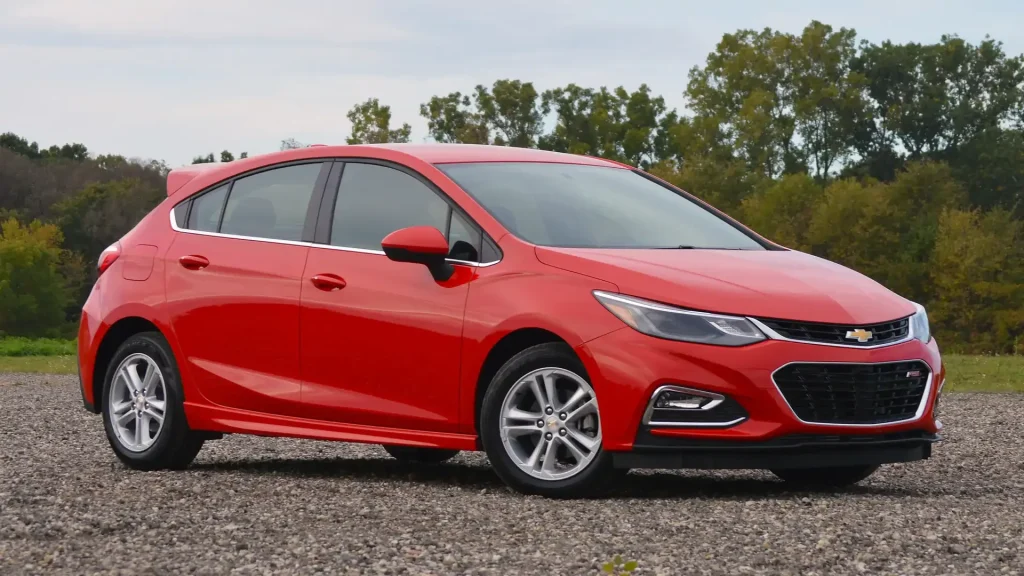
2. Chevrolet Cruze (Turbo Models)
Turbocharged Chevrolet Cruze models frequently experience overheating issues in hot environments, making them ill suited for Bakersfield’s sustained heat and dust. While efficient on paper, their thermal management systems are often pushed beyond safe limits.
The engine’s small displacement combined with turbocharging creates high thermal output. In Bakersfield’s summer heat, the cooling system must work continuously at maximum capacity. During traffic congestion or prolonged idling, heat builds faster than it can be dissipated.
Cooling system components are another weakness. Radiators and fans are not particularly robust, and coolant pathways are prone to heat-related degradation over time. Hoses, sensors, and thermostats fail more frequently under extreme heat stress.
Dust exposure compounds these issues. Fine particles clog radiator fins and coat engine bay components, reducing airflow and cooling efficiency. Without frequent cleaning, cooling performance degrades steadily, increasing the likelihood of overheating.
Electrical systems are also sensitive. Cooling fan failures and sensor malfunctions are common complaints in hot climates. When fans fail to engage correctly, temperatures rise rapidly, often triggering limp modes or shutdowns.
Air conditioning use further strains the system. With AC running constantly in Bakersfield heat, engine load increases, pushing already stressed cooling components even harder.
I am writing about the Chevrolet Cruze because it demonstrates how small turbocharged cars struggle in extreme climates. In Bakersfield, overheating becomes a recurring issue that leads to repeated repairs, reduced reliability, and increased ownership frustration.
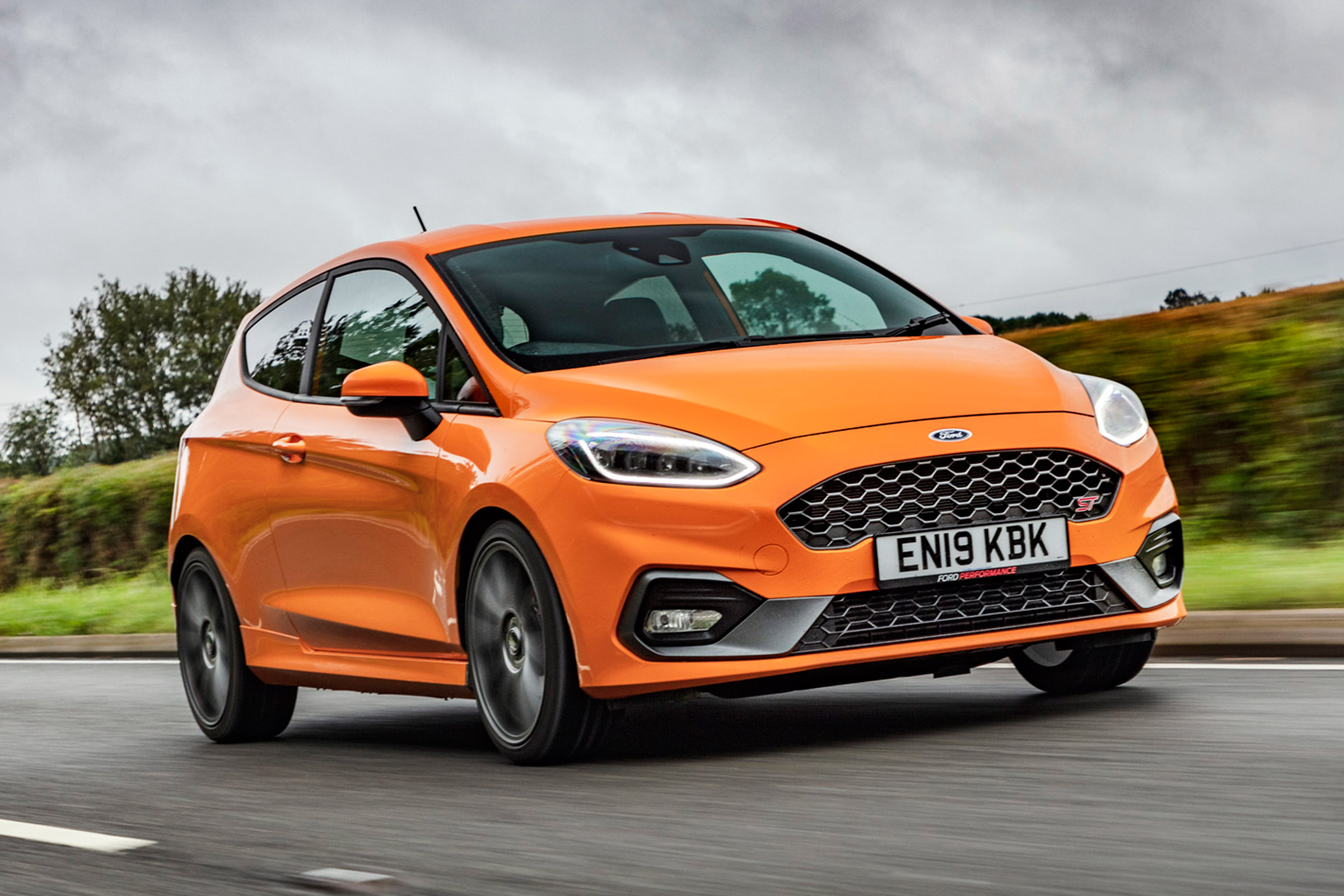
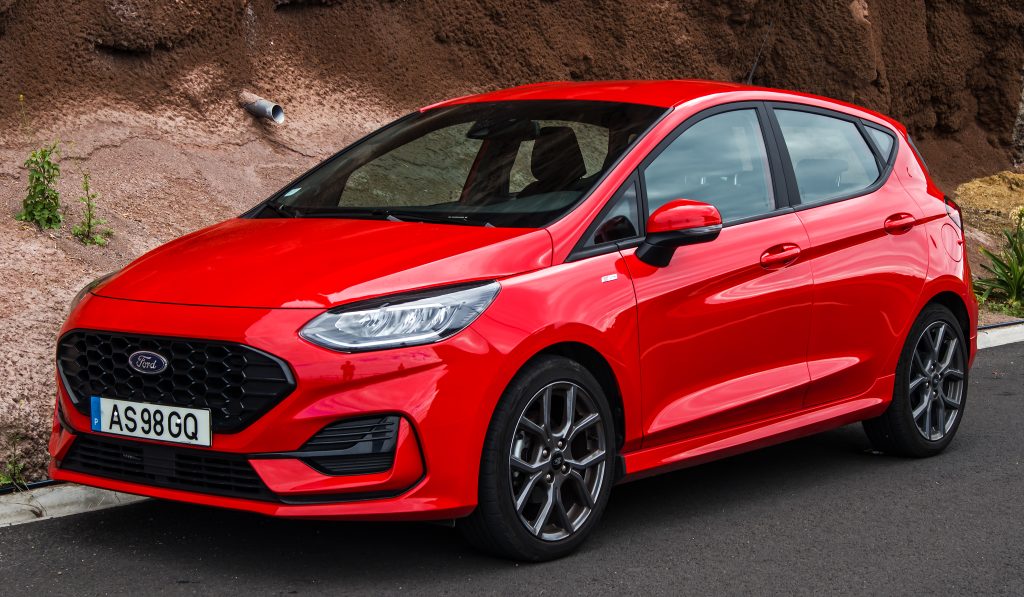
3. Ford Fiesta ST
The Ford Fiesta ST is a car that frequently struggles with overheating in extreme heat, making it poorly suited for Bakersfield’s climate. While designed as a performance-oriented hot hatch, its cooling system and engine layout are not built for prolonged high-temperature operation.
The core issue is thermal density. The Fiesta ST’s turbocharged engine produces substantial heat relative to its small size. In Bakersfield’s triple-digit temperatures, the engine bay retains heat quickly, especially during stop-and-go traffic or extended idling. Once heat soak sets in, temperatures rise faster than the cooling system can compensate.
Cooling system capacity is limited. The radiator and fans are sized for spirited driving in moderate climates rather than sustained extreme heat. When airflow is reduced, such as during congestion or low-speed driving, cooling efficiency drops significantly. This leads to elevated coolant and oil temperatures even under normal driving conditions.
Dust exposure further worsens the situation. Fine particulate matter accumulates in radiator fins and intercooler surfaces, restricting airflow and reducing heat dissipation. Because the Fiesta ST’s cooling components are tightly packed, even modest dust buildup has an outsized impact on temperature control.
Turbocharging adds another layer of strain. The turbo increases intake temperatures and places additional load on the cooling system. In Bakersfield heat, this often results in frequent temperature warnings, reduced performance modes, or forced cooldown periods.
Electrical components related to cooling are also sensitive. Fan control modules and temperature sensors are prone to heat-related issues. When these components fail or provide inaccurate readings, overheating can occur rapidly.
I am writing about the Ford Fiesta ST because it illustrates how performance-focused design clashes with extreme climates. In Bakersfield, where heat is relentless and dust is constant, the Fiesta ST often struggles to maintain safe operating temperatures, turning daily driving into a careful balancing act rather than a reliable experience.
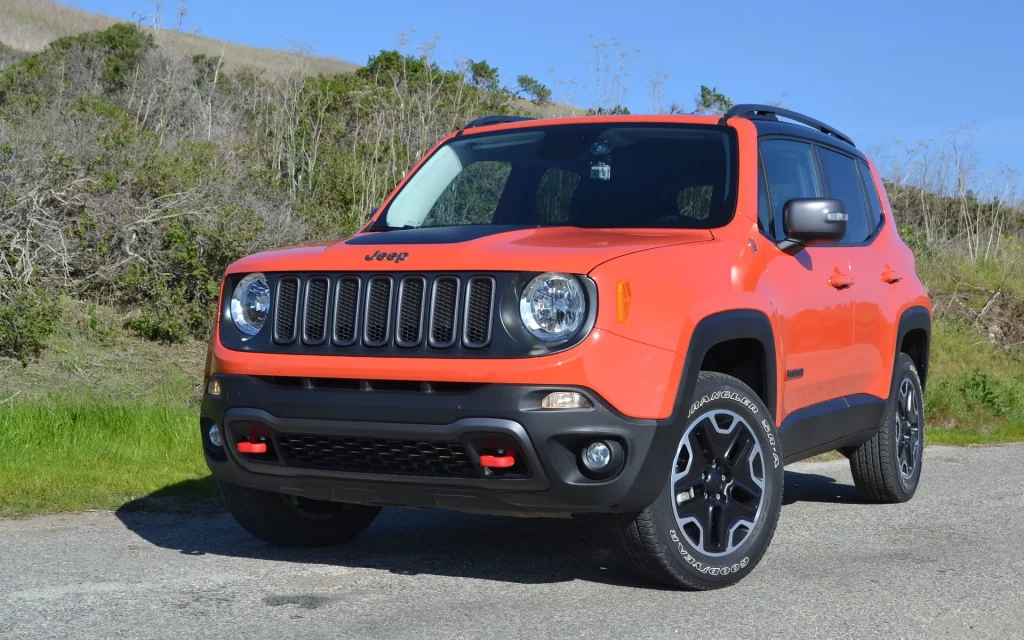
4. Jeep Renegade (Turbocharged Models)
Turbocharged Jeep Renegade models are another vehicle that commonly overheat in hot, dusty environments like Bakersfield. While marketed as rugged and adventurous, their thermal management systems are not well suited for sustained extreme heat.
One of the biggest problems is the compact engine bay. The Renegade’s turbocharged engine generates significant heat, but airflow within the engine compartment is restricted. In high ambient temperatures, heat becomes trapped, leading to rapid heat soak during routine driving.
Cooling system robustness is another concern. Radiators and cooling fans are not particularly large or powerful relative to the thermal load produced. In stop-and-go traffic or slow rural driving, cooling performance drops sharply, increasing the risk of overheating.
Dust exposure further degrades reliability. Fine agricultural dust common around Bakersfield clogs radiator fins and coats engine components. Over time, this reduces airflow and cooling efficiency, making overheating more frequent even during moderate driving.
Transmission and drivetrain heat also contribute. Some Renegade models generate additional heat through their drivetrains, adding to the overall thermal burden. When combined with constant air conditioning use, engine temperatures rise quickly.
Electrical reliability compounds the issue. Cooling fan relays, sensors, and control modules are sensitive to heat and dust. Failures in these systems often prevent fans from engaging correctly, causing temperatures to spike unexpectedly.
I am writing about the Jeep Renegade because it highlights how appearance can be misleading. Despite its rugged image, turbocharged Renegade models struggle in Bakersfield’s heat. Frequent overheating complaints, combined with dust sensitivity, make it a challenging vehicle to live with in this environment.
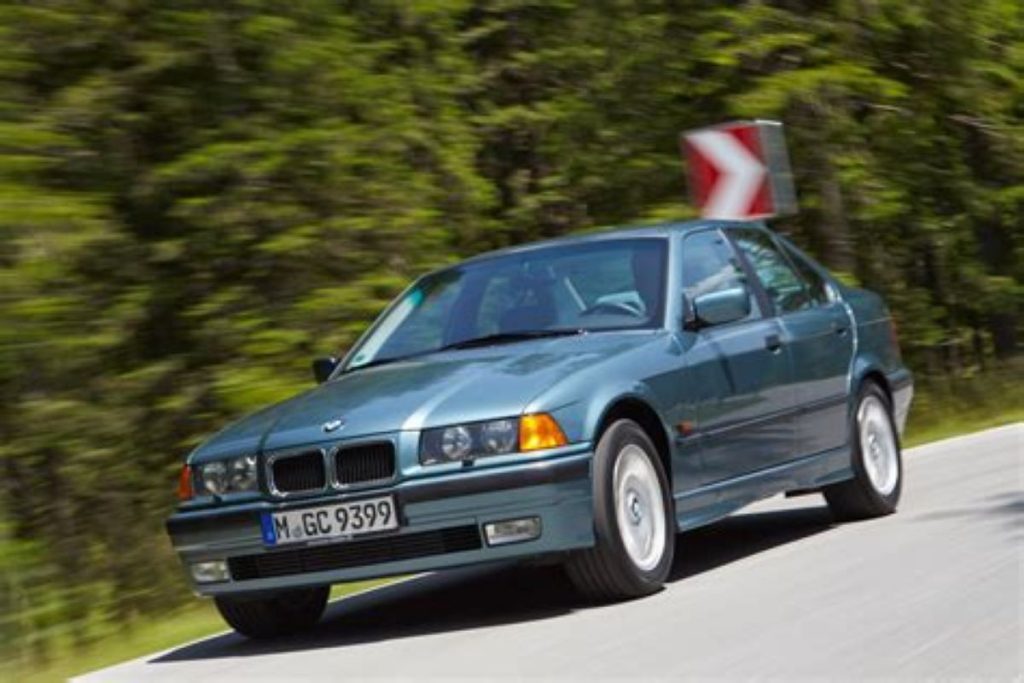
5. BMW 3 Series (Turbocharged Models)
Turbocharged BMW 3 Series models are well known for overheating issues in hot climates, making them a poor fit for Bakersfield’s extreme heat and dusty conditions. While refined and engaging to drive, their cooling systems are often pushed beyond safe limits when temperatures remain high for extended periods.
A major issue is thermal load concentration. Turbocharged BMW engines produce high output from relatively small displacements, generating significant heat. In Bakersfield’s triple-digit temperatures, this heat builds rapidly, especially during stop-and-go traffic where airflow is limited.
Engine bay packaging further complicates cooling. Components are tightly packed for performance and efficiency, leaving little room for heat to escape. Once heat soak occurs, temperatures rise quickly and cooling systems struggle to recover without sustained highway airflow.
Cooling system components are another weak point. Radiators and cooling fans are sized for moderate European climates and spirited driving, not prolonged extreme heat. In dusty environments, cooling efficiency degrades further as radiator fins become coated with fine particles.
Electrical systems related to cooling are sensitive. Temperature sensors, fan controllers, and auxiliary pumps are prone to heat-related failures. When these systems malfunction, overheating can occur suddenly and repeatedly, often triggering warning lights and reduced performance modes.
Dust exposure worsens reliability. Fine particulate matter infiltrates engine bays and cooling systems, accelerating wear on sensors and reducing airflow. Without frequent cleaning, cooling performance deteriorates quickly.
Air conditioning use adds additional strain. Continuous AC operation increases engine load, pushing already stressed cooling systems closer to failure in extreme heat.
I am writing about the turbocharged BMW 3 Series because it represents how high-performance engineering can struggle in harsh climates.
In Bakersfield, frequent overheating incidents, combined with dust sensitivity, make ownership stressful and costly. For drivers seeking reliability under relentless heat, these models are best avoided.
Also Read: 5 Cars for Detroit City Drivers and 5 That Have Costly Fixes
