The café racer movement has never really faded it has simply evolved. Born in post-war Britain, café racers were originally stripped-down street bikes built by riders who wanted speed, style, and individuality without factory constraints.
Decades later, the same philosophy drives modern builders across the United States.
Whether working out of a professional shop or a suburban garage, American enthusiasts continue to gravitate toward certain motorcycles that lend themselves perfectly to café racer transformations.
These bikes combine mechanical simplicity, strong aftermarket support, and design fundamentals that still look right when reimagined with clip-ons, rearsets, and minimalist bodywork.
What makes a motorcycle ideal for a café racer project isn’t just age or aesthetics. The best candidates offer reliable engines, manageable electronics, widely available parts, and frames that accept modification without extensive fabrication.
In the U.S. market, availability and affordability also matter projects stall quickly when parts are rare or donor bikes are overpriced.
The following ten motorcycles have proven themselves over decades as timeless platforms that builders return to again and again, not because they are trendy, but because they consistently deliver satisfying results.
1. Honda CB750 (1969–1978)
Few motorcycles carry as much historical weight in the café racer world as the Honda CB750. Often referred to as the first “superbike,” the CB750 revolutionized motorcycling with its inline-four engine, electric start, and bulletproof reliability.
For builders, this model offers a rare blend of classic proportions and modern-enough engineering. The engine is smooth, powerful, and capable of handling performance upgrades without sacrificing longevity.
In the United States, CB750s remain relatively easy to find, particularly non-collector examples that make ideal donors.
The steel frame accommodates café racer modifications cleanly, and the aftermarket support is enormous everything from rear sets and exhausts to full fiberglass tanks is readily available.
Most importantly, the CB750 still looks right when stripped down, maintaining its visual balance even after significant customization.
Before the CB750 ever existed, Honda had already carved out strong success in Canada and the U.S. with small-displacement motorcycles like the 50cc Super Cub and the 305cc Super Hawk.
At that point, no one in the global motorcycle industry seriously believed the Japanese manufacturers would pose a real competitive threat. Honda, in particular, was seen as a builder of approachable, “fun” machines.
That perception ignored an important clue: Honda’s deep experience with multi-cylinder racing engines clearly showed the company had the technical chops to design an advanced, street-legal large-bore motorcycle.
Honda offered a preview of its ambitions in 1965 with the introduction of the technically complex CB450. Its DOHC vertical twin engine hinted that something bigger was on the horizon. The CB450 failed to truly resonate with the broader market, and as a twin-cylinder bike, it stopped short of delivering the kind of leap that would redefine expectations.
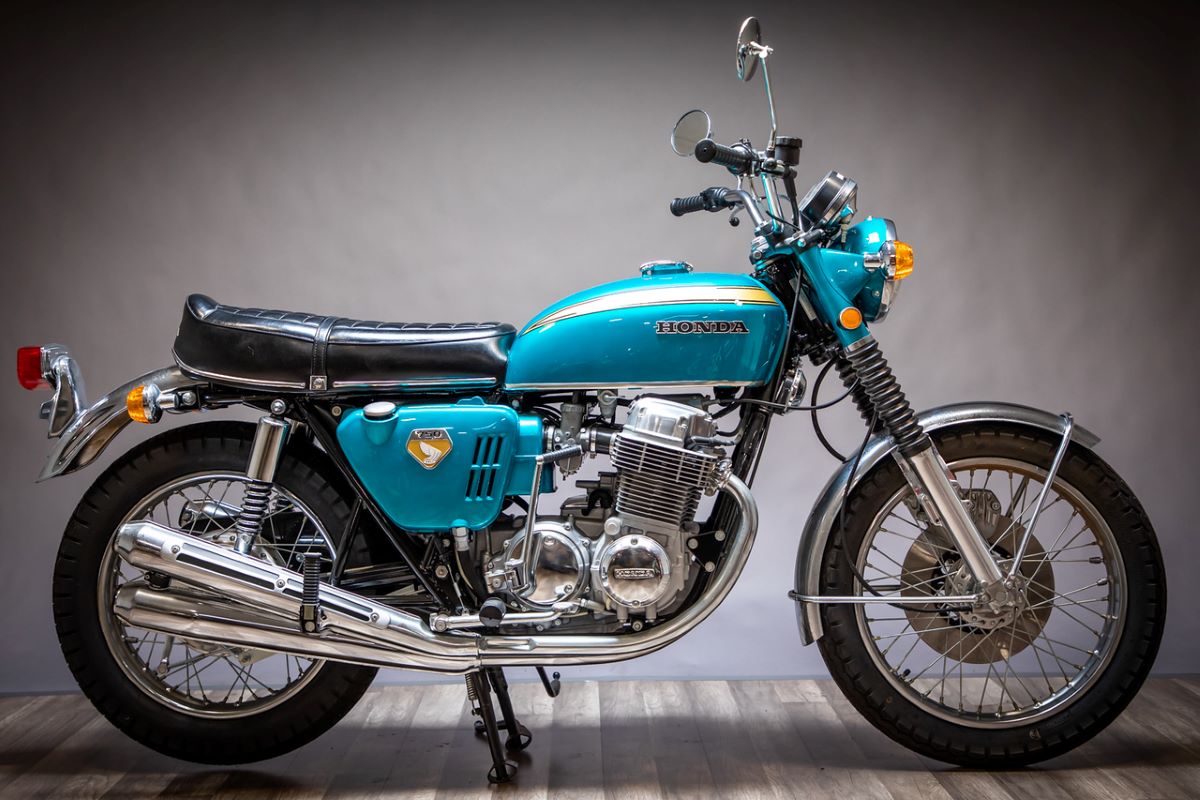
In 1969, Honda revealed the CB750 K0, the company’s first mass-produced four-cylinder motorcycle, and it changed everything.
With its 736cc SOHC, transversely mounted four-cylinder engine, electric starter, and front disc brake, Honda delivered a package no one else had managed to offer at scale. Before the CB750, transverse four-cylinder machines were rare, exotic, or limited to racing, and well beyond the reach of everyday riders.
Early CB750 K0 models earned the nickname “sandcast” bikes due to the manufacturing process used for their engine cases, which resulted in a rougher surface finish. Once Honda realized just how successful the CB750 was going to be, the company quickly revised its casting methods to streamline production.
One early example of Honda’s rapid evolution involved the throttle system. The K0 originally used a single throttle cable that directly pulled all four carburetor slides. This setup was soon replaced by a cable-and-bell-crank arrangement, which allowed one cable to operate all four carburetors in unison with greater control.
Both the K0 and K1 are regarded by Honda enthusiasts as the high-performance versions of the CB750. These bikes came equipped with larger carburetor jets, freer-flowing exhaust systems, and a quick-advance ignition mechanism that delivered full spark advance by 2,000 rpm. The result was impressive output for the era, around 67 horsepower measured at the rear wheel.
By the time the K3 debuted in 1973, featuring an even more restrictive exhaust, redesigned gauge mounts, a disc brake splash guard, and a wide stripe running along each side of the fuel tank, the CB750’s shine had started to fade.
Competitors had caught up quickly. Suzuki launched its liquid-cooled, two-stroke GT750 triple in 1971, and Kawasaki raised the stakes further in 1973 with the Z1 900 four-cylinder. The Japanese superbike era ignited almost overnight.
Although Honda continued with the CB750 K4 in 1974 and the K5 in 1975, these models saw no major revisions beyond updated paint schemes.
By this point, fuel economy had become a critical concern in the North American market. Honda responded by further detuning the 736cc engine to improve efficiency. Better mileage came at a cost: horsepower continued to fall, with output now hovering at approximately 38 horsepower at the rear wheel.
Also Read: The Best Custom Muscle Cars You Could Buy in 2024
2. BMW R75 / R80 / R90 Airheads (1970s–1980s)
BMW’s air-cooled boxer twins occupy a unique niche in the café racer world. While not traditionally British or Japanese, these motorcycles have become favorites among builders who value mechanical honesty and long-distance reliability.
The horizontally opposed twin-cylinder engine gives BMW airheads a distinctive look that instantly stands out once the bike is stripped to café racer essentials.
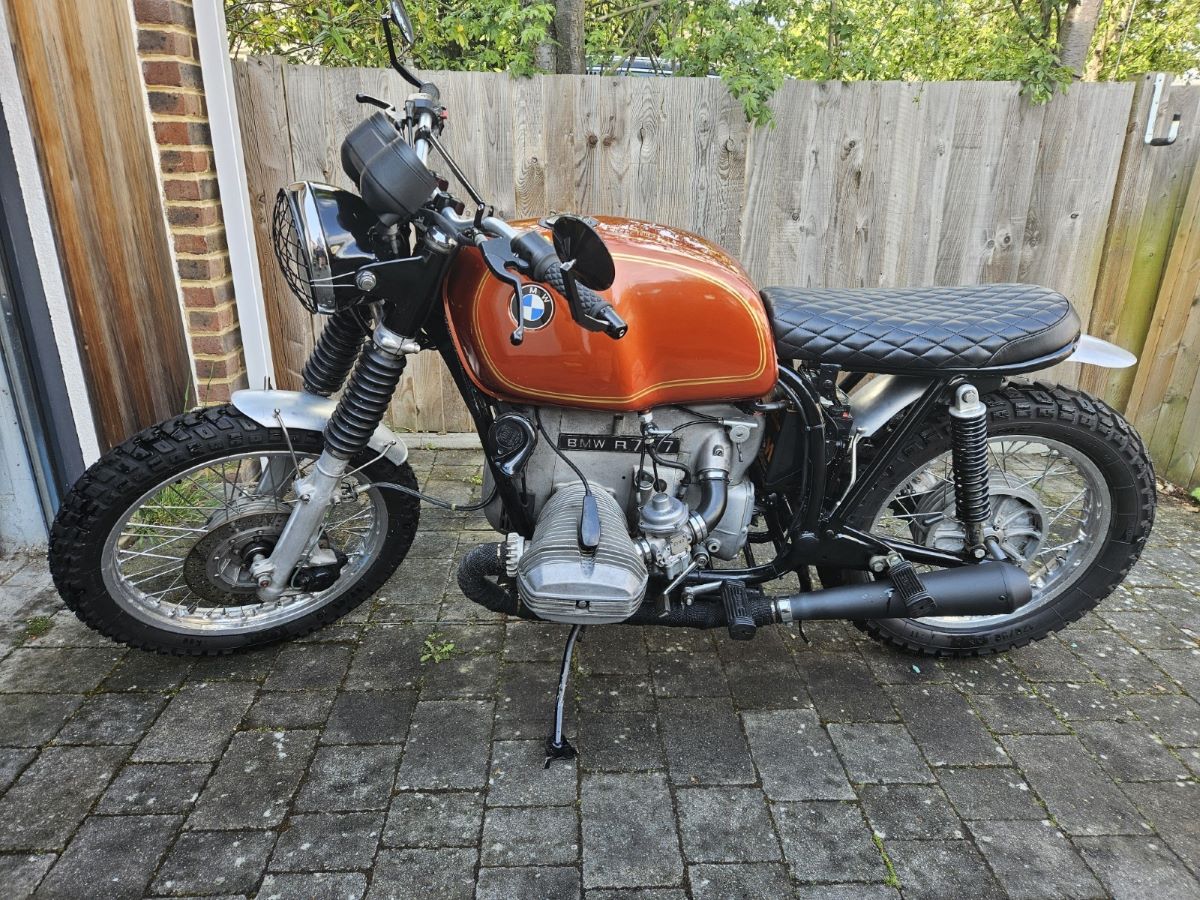
In the U.S., BMW airheads are prized for their durability and extensive service documentation. The engines are famously understressed, making them ideal for projects that emphasize riding rather than show-only builds.
Shaft drive reduces maintenance concerns, and the exposed engine layout becomes a visual centerpiece when paired with minimalist bodywork. For builders seeking a café racer with European character and real-world usability, few platforms are as rewarding.
3. Triumph Bonneville (Pre-2001 Carbureted Models)
The Triumph Bonneville is café racer DNA made tangible. Long before the modern retro revival, older Bonnevilles embodied the spirit of British motorcycling that inspired the original café racer culture.
Pre-2001 carbureted models, in particular, strike a sweet spot for U.S. builders by combining classic styling with improved reliability over earlier British bikes.
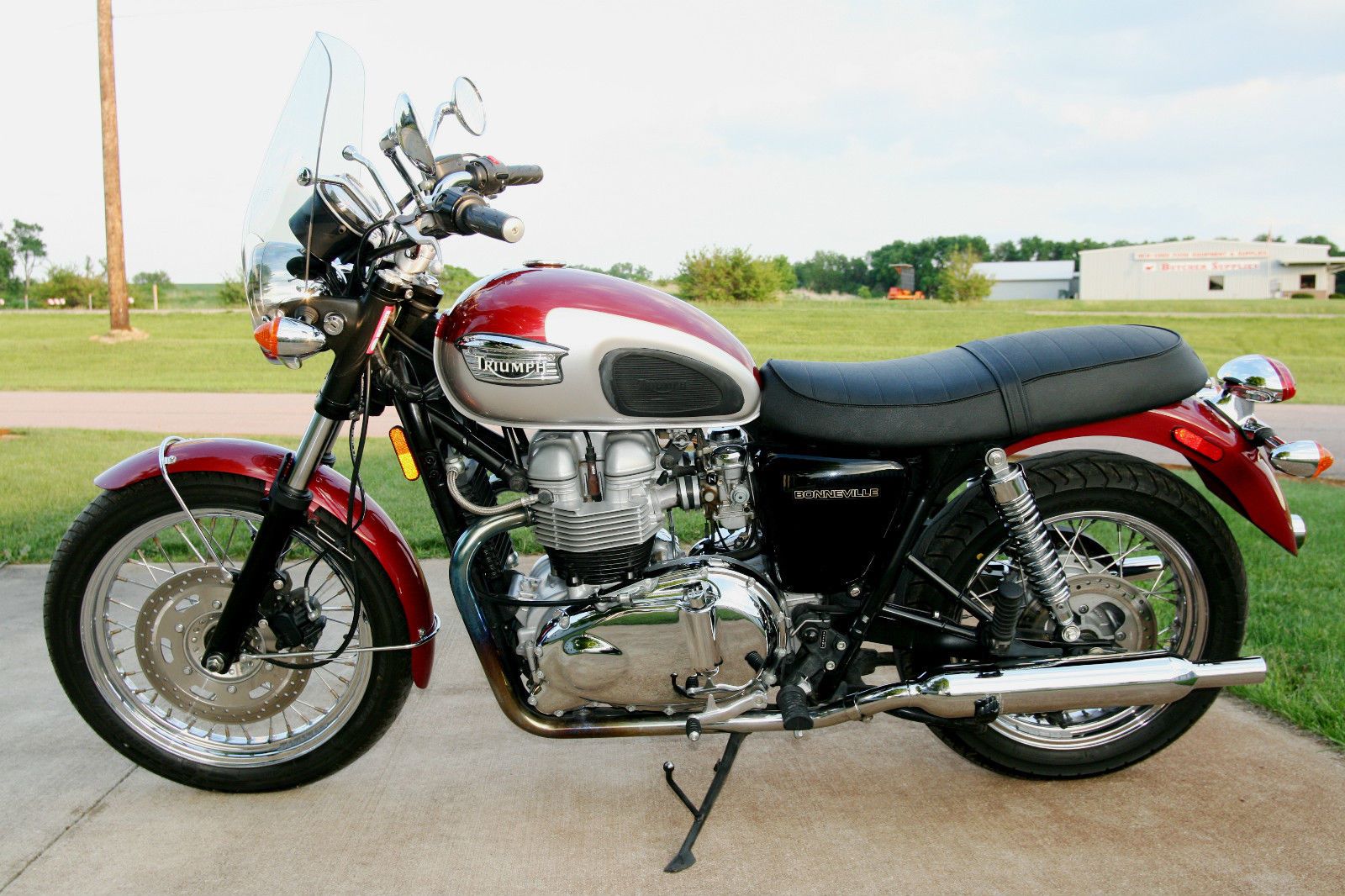
These models are ideal because they require less structural modification to achieve a proper café stance. The parallel-twin engine looks correct with open intakes and a slim exhaust, while the frame geometry works naturally with clip-ons and a solo seat.
Parts availability in the U.S. is excellent, and the aftermarket caters heavily to Triumph customization. The Bonneville is a reminder that sometimes the best café racers don’t need radical changes they just need restraint and thoughtful execution.
Triumph Bonneville models are known for their strong, capable engines, typically falling in the 900cc to 1200cc range. These powerplants deliver smooth, controlled acceleration along with generous torque, making the bikes equally comfortable in urban environments and on longer highway stretches.
The Street Twin, for example, uses a 900cc engine that provides lively, responsive performance well suited to daily riding, while the Speedmaster’s 1200cc engine delivers deeper reserves of power for riders who want a more commanding feel on open roads.
This well-judged blend of strength and manageability is a big reason riders value the Bonneville lineup, it offers confidence and enjoyment for beginners while still satisfying experienced motorcyclists.
What truly draws people to the Bonneville is its unmistakable design. The motorcycles feature classic proportions, flowing retro lines, a solid-looking fuel tank, and tasteful chrome accents that reflect Triumph’s long-standing heritage.
Bikes such as the Bonneville T100 highlight careful attention to detail and refined finishes, pairing old-school aesthetics with modern comfort.
Ergonomics are thoughtfully executed, with a relaxed seating position and handlebars positioned to reduce fatigue. Whether weaving through city streets or settling into a steady highway cruise, the design supports comfort as much as it does style.
Despite their vintage appearance, modern Triumph Bonnevilles are equipped with advanced technology designed to improve safety and overall riding enjoyment.
Newer models include features like selectable ride modes, ABS, and traction control, giving riders the ability to adapt the bike’s behavior to changing road conditions or personal riding preferences. Instrumentation is clear and easy to read, presenting essential information at a glance so you can stay focused on the ride.
Triumph also offers extensive customization options, allowing owners to personalize their motorcycles to suit both aesthetic tastes and functional needs, adding another level of connection and satisfaction to the ownership experience.
4. Yamaha XS650 (1970–1983)
The Yamaha XS650 is one of the most beloved café racer platforms ever produced, particularly in North America. Its air-cooled parallel-twin engine delivers a raw, mechanical feel that suits the café ethos perfectly.
More importantly, the XS650 was sold in large numbers in the U.S., making donor bikes relatively affordable and parts easy to source.
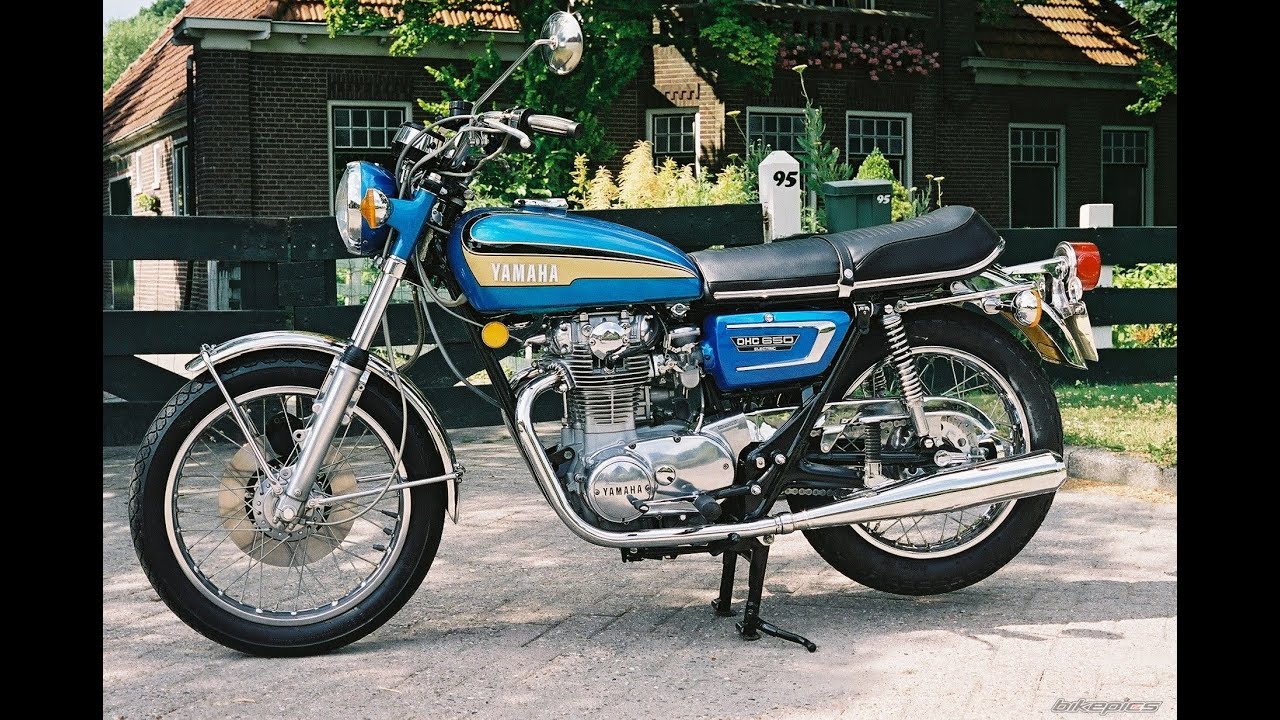
From a builder’s perspective, the XS650 is nearly ideal. The frame is simple and strong, the engine responds well to tuning, and the bike sheds weight easily.
Whether built as a minimalist café racer or a more aggressive street tracker hybrid, the XS650 adapts beautifully. Many professional builders still choose this model not out of nostalgia, but because it consistently produces excellent results.
Also Read: 10 Fastest Chevrolet Camaros Ever Built That Remain Iconic
5. Kawasaki KZ650 / KZ750 (Late 1970s)
Kawasaki’s KZ series often flies under the radar compared to Honda’s CB lineup, but these motorcycles are exceptional café racer candidates. Powered by robust inline-four engines, KZ models offer strong performance potential and classic Japanese reliability.
In the U.S., they are often more affordable than equivalent Hondas, making them attractive to budget-conscious builders.
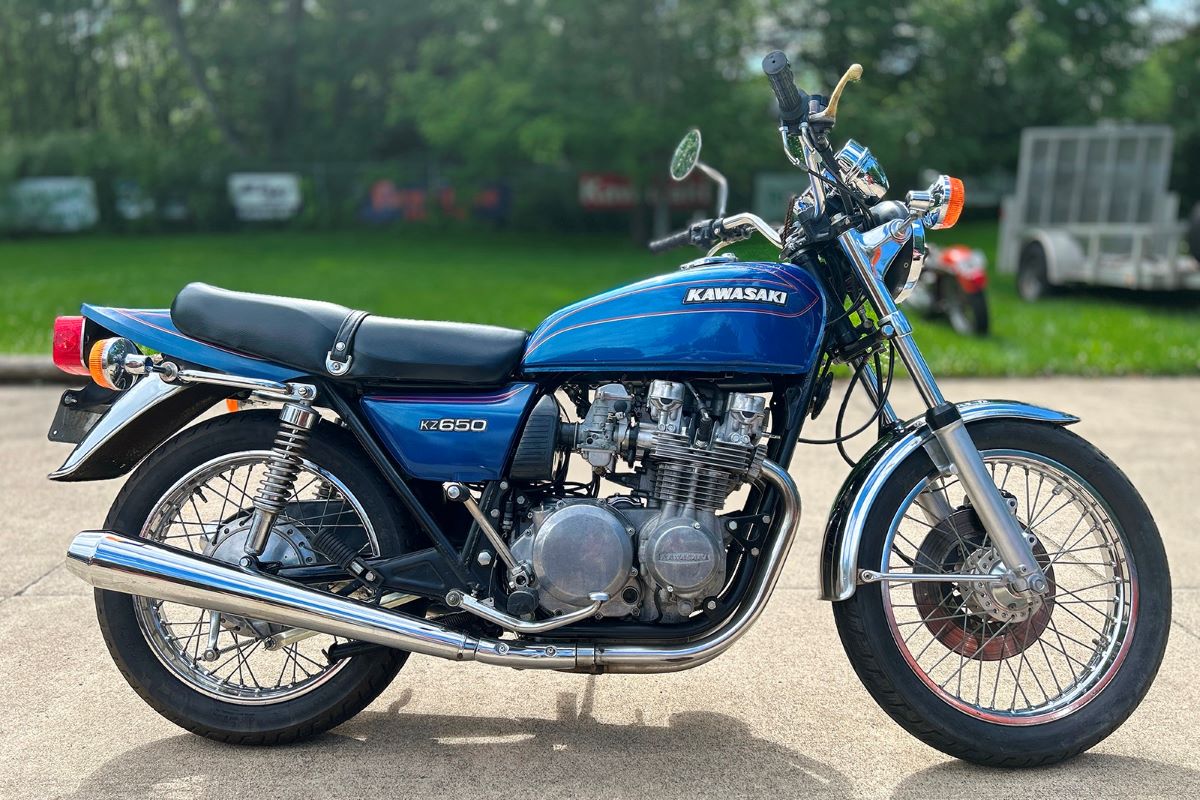
The KZ frame is sturdy, and the engine architecture supports both stock restorations and high-performance builds. When stripped of factory bodywork, the bike’s proportions shine, especially with a shortened tail and a slim fuel tank.
For builders who want vintage four-cylinder sound and power without paying premium prices, the KZ series is a smart, underrated choice.
6. Suzuki GS750 / GS850 (Late 1970s–Early 1980s)
Suzuki’s GS series represents one of the best values in classic Japanese motorcycles. These bikes were engineered conservatively, which translates into impressive durability decades later.
For café racer projects, the GS platform provides a stable frame, torquey engines, and excellent parts interchangeability.
In the U.S. market, GS models are plentiful and often overlooked, keeping prices reasonable. The engines handle aftermarket exhausts and carburetor upgrades well, while the overall design lends itself to clean, understated builds.
The GS series may not have the cult following of other models, but for builders focused on riding performance and reliability, it remains an outstanding foundation.
After more than two decades spent building exclusively two-stroke motorcycles, Suzuki marked a major turning point in its history with the debut of its first modern four-stroke model, the GT750, revealed in October 1976.
Technically, Suzuki had experimented with four-stroke power much earlier, the 1954 Colleda COX with a 90cc engine, but that model was discontinued shortly after launch and never defined the brand’s direction. The GT750 signaled Suzuki’s true and lasting commitment to four-stroke engineering.
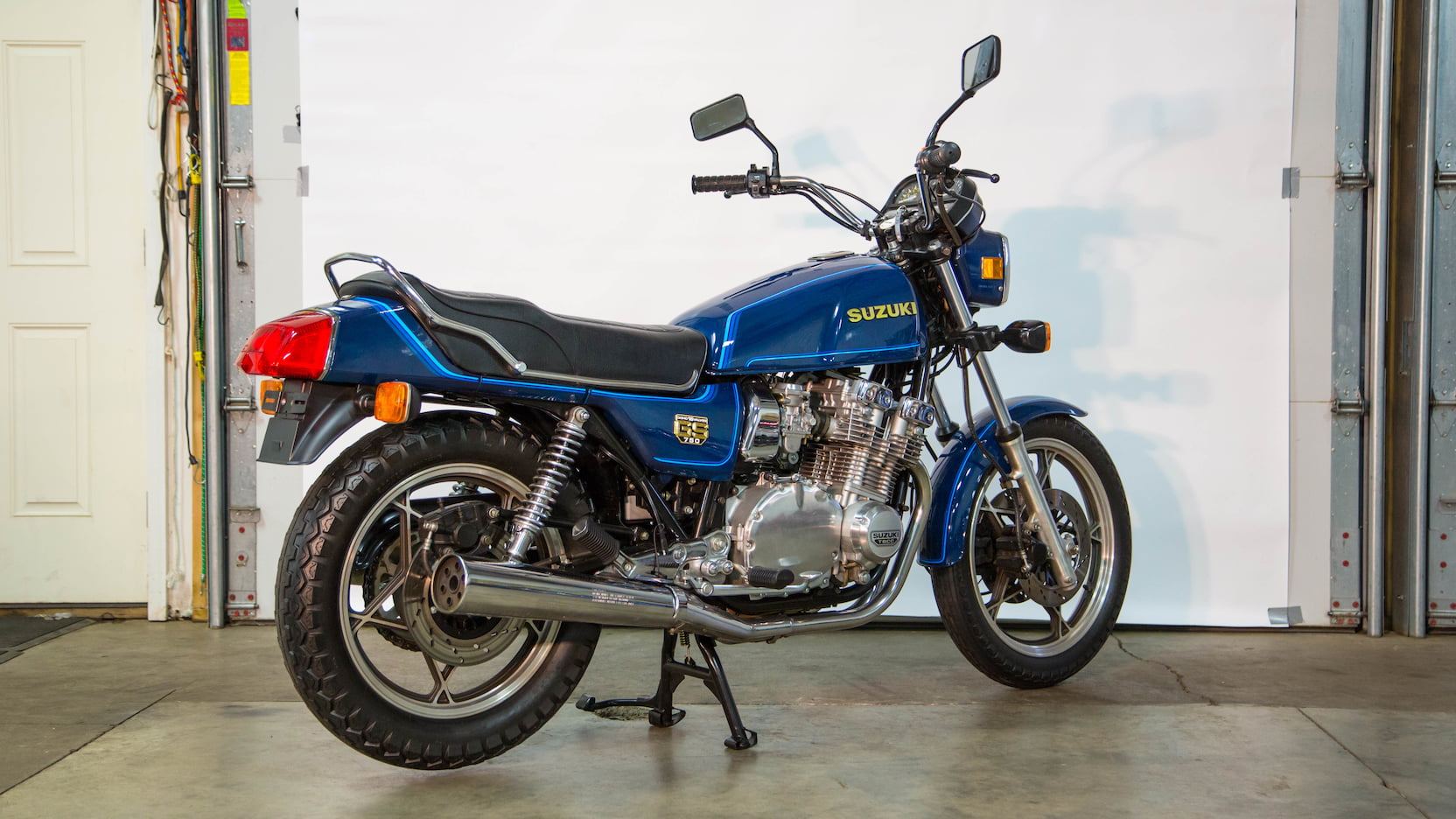
The earliest motorcycles in this new four-stroke lineup were the GS750 and GS400, both introduced in 1976 as 1977 model-year machines. Among them, the GS750 quickly stood out, earning a reputation for superior handling when compared to Japanese rivals of the era, including the Honda CB750, Yamaha XS750, and Kawasaki 900.
Visually, the GS750 stayed true to classic motorcycle design cues. It came equipped with a traditional round headlight at the front, a wide handlebar for leverage and comfort, and a one-piece dual seat.
A four-into-two exhaust layout featured a silencer on each side, while side-mounted rear shock absorbers and wire-spoke wheels reinforced its conventional, no-nonsense appearance.
Suspension duties were handled by a 35 mm adjustable Kayaba front fork incorporating an anti-dive system, paired with twin rear shock absorbers that allowed adjustment for preload and spring rebound. This setup contributed significantly to the GS750’s composed ride and confident handling characteristics.
Braking performance was equally well considered. The 19-inch front wheel was fitted with a 292 mm disc brake gripped by a single-piston caliper, while the 18-inch rear wheel also used a 292 mm disc with a single-pot caliper, delivering balanced and reliable stopping power.
At the heart of the 1976 Suzuki GS750 was a 748cc air-cooled, four-stroke, four-cylinder engine supplied by four VM26SS Mikuni carburetors.
This powerplant produced 63 horsepower at 8,500 rpm and generated 60 Nm (44 lb-ft) of torque at 8,250 rpm, giving the GS750 strong performance credentials and firmly establishing Suzuki as a serious contender in the four-stroke superbike arena.
7. Honda CB550 (1974–1978)
Often considered the “sweet spot” of the CB lineup, the Honda CB550 delivers nearly everything builders love about the CB750 in a lighter, more agile package.
Its inline-four engine provides smooth power, while the reduced weight makes it more engaging on twisty roads an important consideration for café racers meant to be ridden.
CB550s are particularly appealing in the U.S. because they balance availability with manageability. The bike’s size suits a wide range of riders, and its frame proportions make it easy to achieve a classic café silhouette.
For builders who want vintage four-cylinder character without the bulk of larger bikes, the CB550 is an excellent choice.
The Honda CB550 stands out as one of the most well-balanced motorcycles Honda produced during the 1970s. While it didn’t deliver the jaw-dropping power of the legendary CB750, it made up for that deficit with a stronger chassis, reduced weight, and quicker overall performance.
The CB550 earned a reputation as Honda’s “Goldilocks bike” because it struck the ideal middle ground: the CB750 was simply too large and powerful for many riders, while the CB360 and CB400 felt undersized by comparison.
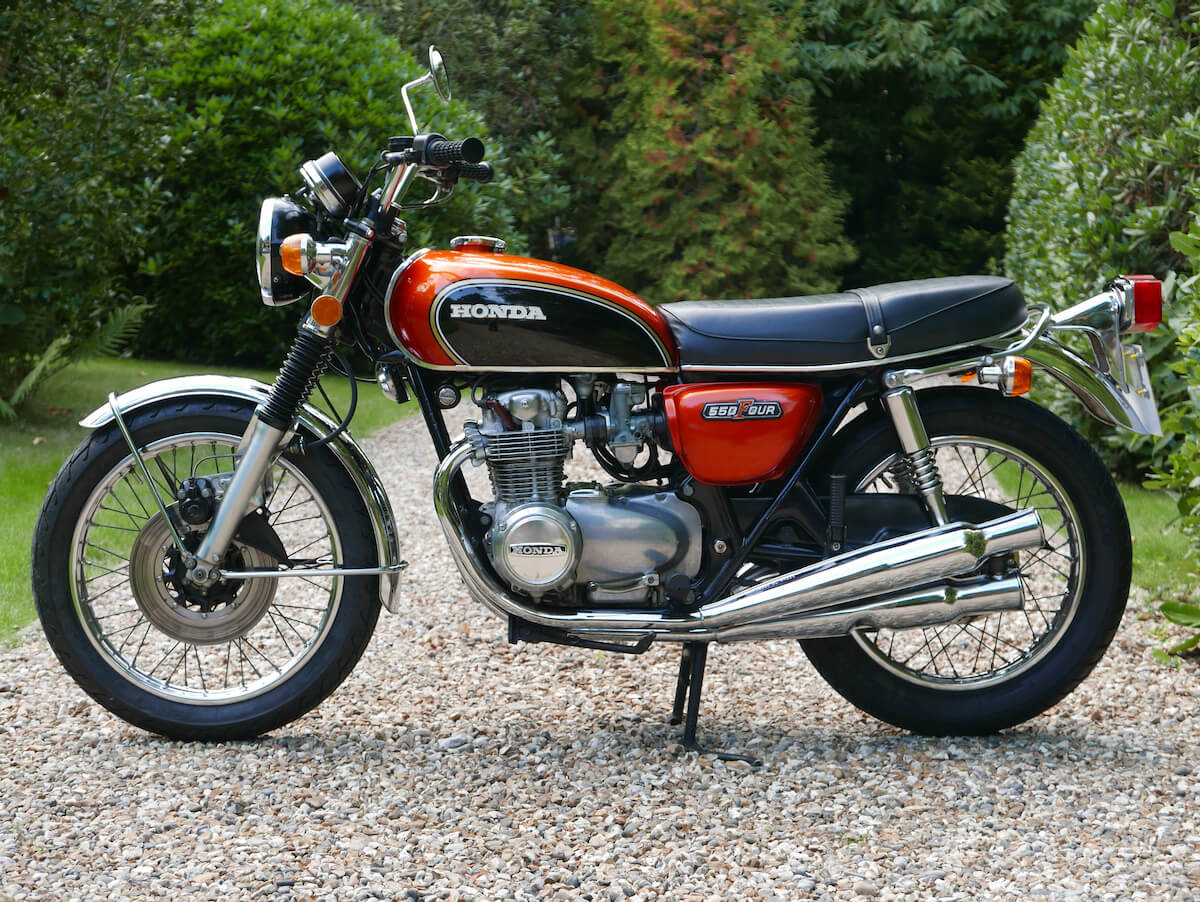
As riders pushed the CB360 toward the upper limits of its speed range, stability became an issue. The CB550 avoided that problem entirely, offering a planted and confidence-inspiring ride. Honda introduced the CB550 in 1974, and production ran for just five years, ending in 1978.
In many respects, the Honda CB550 functioned as a “bug repair” model. It evolved directly from the CB500 and was engineered not only to increase power, but also to correct the technical shortcomings that had affected its predecessor.
While the CB550 used the same basic engine architecture as the CB500, displacement was increased to 544cc. This change raised output to 50 horsepower at 8,000 rpm and torque to 30.4 lb-ft at 7,500 rpm.
The Honda CB550 proved to be a substantially improved motorcycle over the CB500, thanks to corrections of critical flaws and several thoughtful refinements.
To help reduce wear and improve durability, the engine was housed in a dual-downtube cradle steel frame. Additionally, the front suspension was updated, with the forks revised from a piston-valve design to a free-valve configuration, further improving ride quality and control.
8. Moto Guzzi V7 (Classic Models)
Moto Guzzi’s transverse V-twin motorcycles offer an unmistakable personality that translates beautifully into café racer form. Older V7 models, in particular, are ideal for builders who want something different from the usual Japanese or British platforms.
The exposed engine, shaft drive, and longitudinal crankshaft give these bikes a mechanical presence few others can match.
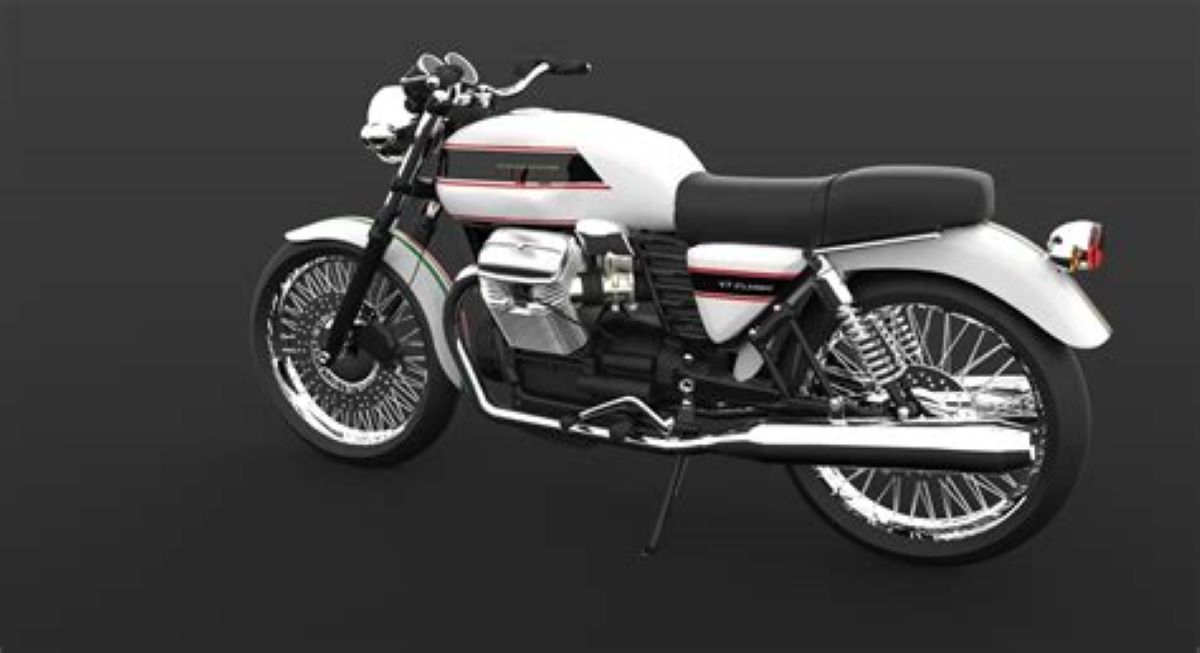
In the U.S., Moto Guzzi ownership often attracts enthusiasts who enjoy doing their own maintenance, which aligns perfectly with the café racer mindset.
While parts availability isn’t as extensive as Japanese brands, it is sufficient for thoughtful builds. The end result is a café racer that feels distinctive, soulful, and deeply mechanical.
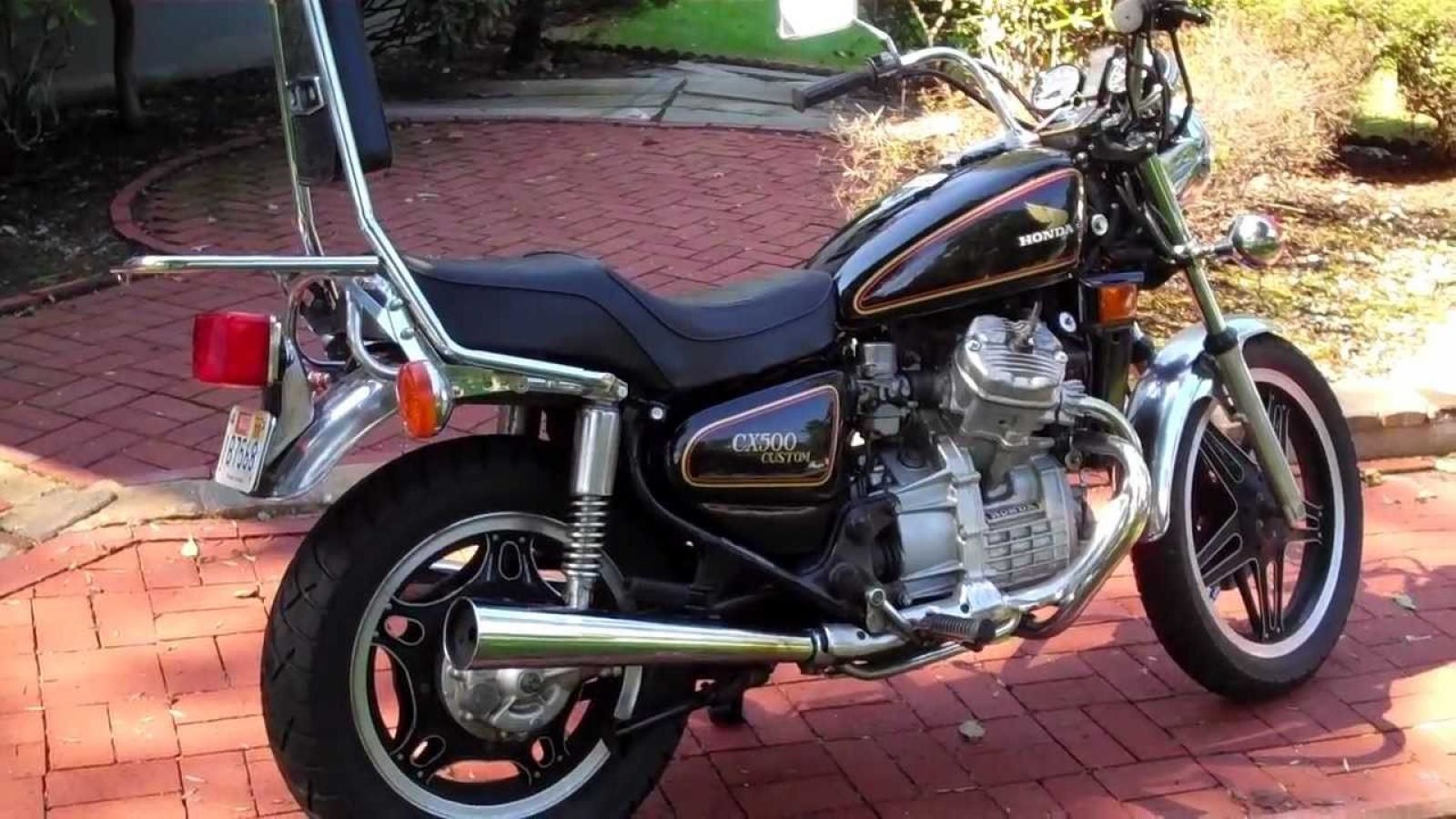
9. Honda CX500 (Late 1970s–Early 1980s)
The Honda CX500 has experienced a renaissance in recent years, and for good reason. Originally designed as a utilitarian commuter, the CX500’s liquid-cooled V-twin engine and shaft drive make it surprisingly adaptable.
Its unconventional design allows builders to create café racers that feel modern yet rooted in classic aesthetics.
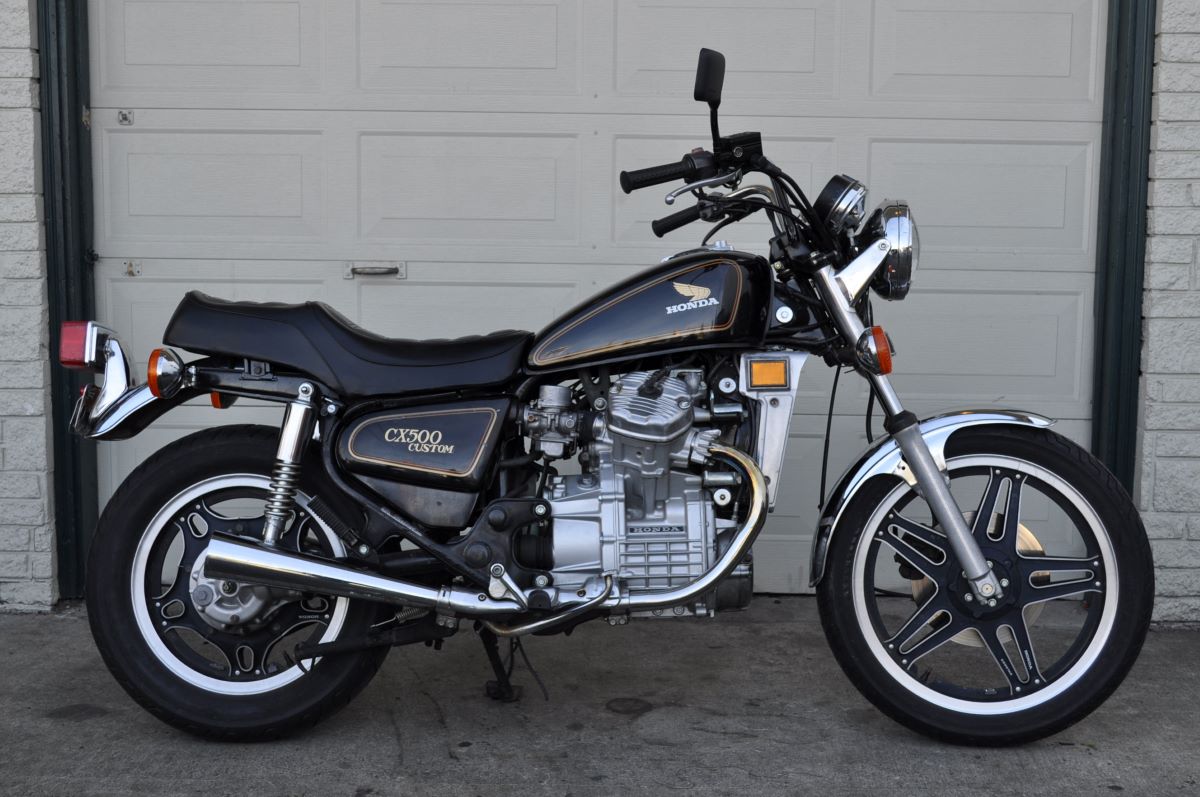
In the U.S., CX500s are still relatively affordable and mechanically durable. While the frame requires more creativity than traditional café platforms, the payoff is a unique build that stands apart from the crowd.
For builders willing to think beyond tradition, the CX500 offers tremendous creative potential.
The Honda CX 500 was a mid-range touring motorcycle produced by Honda from 1978 through 1986. It was driven by a longitudinally mounted, two-cylinder V-twin engine featuring four overhead valves per cylinder, with power delivered to the rear wheel through a five-speed manual gearbox and a shaft-drive system.
The CX 500 quickly earned a reputation for exceptional reliability and also made history as the first motorcycle to be fitted with tubeless tires. It became widely known by the nickname “manure pump” and was offered in numerous versions throughout its production run.
In 1987, the Japanese manufacturer introduced the Honda CX 500 as a touring-oriented machine that was large and heavy, yet still manageable on the road. One of its most distinctive engineering elements was the construction of the cylinders and crankcase, which were cast together as a single unit, enhancing strength and durability.
In terms of suspension, the CX 500 used a 33 mm Showa telescopic front fork offering 132 mm of travel, while the rear employed a dual-sided swingarm with two adjustable shock absorbers providing 84 mm of travel. This configuration delivered a stable and comfortable ride suitable for touring duties.
Powering the 1978 Honda CX 500 was a 497cc, four-stroke, liquid-cooled V-twin engine fed by two 34 mm Keihin carburetors. The engine produced 50 horsepower at 9,000 rpm and 42 Nm (31 lb-ft) of torque at 7,000 rpm, giving the CX 500 respectable performance for its class and reinforcing its reputation as a dependable mid-range tourer.
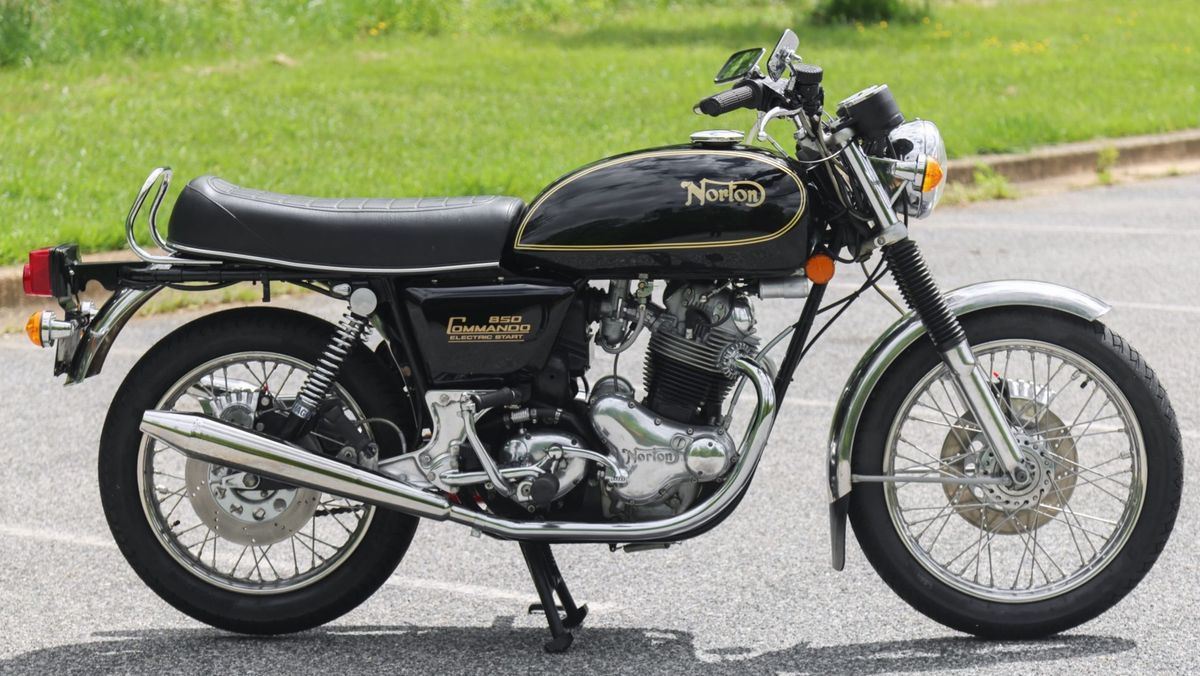
10. Norton Commando (750 & 850)
Few motorcycles embody café racer heritage like the Norton Commando. While not as common or affordable in the U.S. as Japanese models, the Commando remains a gold standard for authenticity.
Its Isolastic frame system, torquey parallel-twin engine, and unmistakable British styling make it a dream platform for purists.
A Commando-based café racer is as much about craftsmanship as riding experience. Parts support in the U.S. remains strong through specialty suppliers, and the bike rewards careful, knowledgeable building.
For those willing to invest time and resources, a Norton Commando café racer delivers a connection to the movement’s origins that few other bikes can match.
What unites these ten motorcycles is not just age or nostalgia, but adaptability. Each one offers a foundation that respects the café racer philosophy mechanical simplicity, honest performance, and visual clarity.
In the United States, where riding conditions, parts availability, and long-distance usability matter, these bikes continue to prove their worth.
A successful café racer isn’t about chasing trends. It’s about choosing a platform that invites creativity without fighting the builder at every step. These motorcycles have earned their timeless status because they do exactly that, generation after generation.