Choosing the right car for a family involves balancing practicality, safety, comfort, and driving enjoyment, while also considering long-term maintenance and reliability. For the Bartlett family, vehicles that can handle daily errands, school runs, and weekend trips without sacrificing performance or convenience are essential.
Cars like the Honda Civic Hybrid, Mazda CX-5, BMW 3 Series Touring, Skoda Octavia vRS Estate, and Dodge Charger SIXPACK offer a mix of family-friendly features, safety technology, and engaging driving experiences.
These models provide ample passenger space, cargo flexibility, modern infotainment, and advanced driver-assistance systems, making life on the road easier and more enjoyable for parents and children alike. Some prioritize efficiency, like hybrid options, while others deliver sporty performance or premium comfort, showing that a family car does not have to compromise on excitement or style.
Alongside these versatile family vehicles, low-maintenance choices such as the Honda CR-V, Toyota Camry, Subaru Forester, Toyota RAV4, and Kia Telluride provide long-term reliability, durable engineering, and cost-effective upkeep.
By selecting vehicles with proven track records, high-quality materials, simple mechanics, and strong warranties, families can reduce unexpected repair costs and enjoy peace of mind. These cars demonstrate that dependable ownership does not mean sacrificing practicality, comfort, or enjoyment, making them ideal solutions for both everyday life and extended journeys.
5 Cars for Bartlett’s Family Driving
1. Honda Civic (Hybrid & Type R): A Versatile Choice for Families and Enthusiasts
The Honda Civic range demonstrates how a single model line can successfully meet both family needs and driving enthusiasm through the Hybrid (e:HEV) and Type R variants. Each version serves a different purpose, yet both retain the Civic’s core strengths of practicality, safety, and reliability.
The Honda Civic Hybrid is designed with everyday family use in mind. Its standout feature is fuel efficiency, achieving around 50 mpg combined, which helps reduce running costs and makes it well suited for daily commuting and frequent errands.
The hybrid system delivers a smooth, quiet, and refined driving experience, particularly in city traffic. With four doors, comfortable seating, and generous passenger space, it accommodates families with ease. Modern technology enhances usability, including intuitive infotainment systems and available Google built-in features.
Safety is a major strength, as the Civic Hybrid comes equipped with Honda Sensing, offering adaptive cruise control, lane-keeping assist, and automated emergency braking. ISOFIX child-seat anchors and a well laid-out interior further support its family-friendly character.
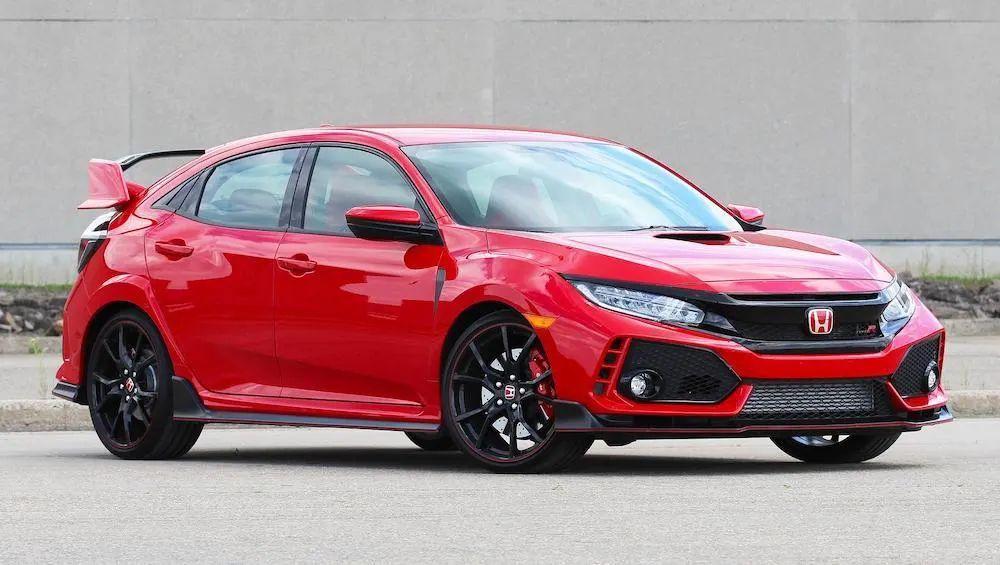
The Honda Civic Type R focuses on performance while still maintaining surprising practicality. It is powered by a 315-horsepower turbocharged 2.0-liter four-cylinder engine, paired exclusively with a six-speed manual transmission and front-wheel drive.
Performance is impressive, with a 0–60 mph time of 4.9 seconds, making it quicker than rivals such as the Hyundai Elantra N. Advanced suspension design helps control torque steer, ensuring stability under hard acceleration. Despite its performance focus, the Type R remains usable for daily driving thanks to a Comfort mode that softens the suspension.
Practicality is enhanced by the Type R’s hatchback body style, which provides substantial cargo space. Testing showed capacity for seven carry-on suitcases, expanding to 20 with the rear seats folded.
The cabin blends sporty design with comfort, featuring supportive front seats, a digital instrument cluster with shift lights, a 9.0-inch touchscreen, wireless Apple CarPlay and Android Auto, and a 12-speaker Bose sound system. Safety features mirror those of the standard Civic, including advanced driver-assistance systems and multiple airbags.
Both Civic variants benefit from four-door access, strong safety credentials, modern technology, and Honda’s reputation for long-term dependability. The Hybrid prioritizes efficiency and comfort, while the Type R delivers engaging performance without sacrificing everyday usability, making the Civic a compelling option for a wide range of drivers.
2. Mazda CX-5: Premium Comfort, Safety, and Driving Enjoyment for Families
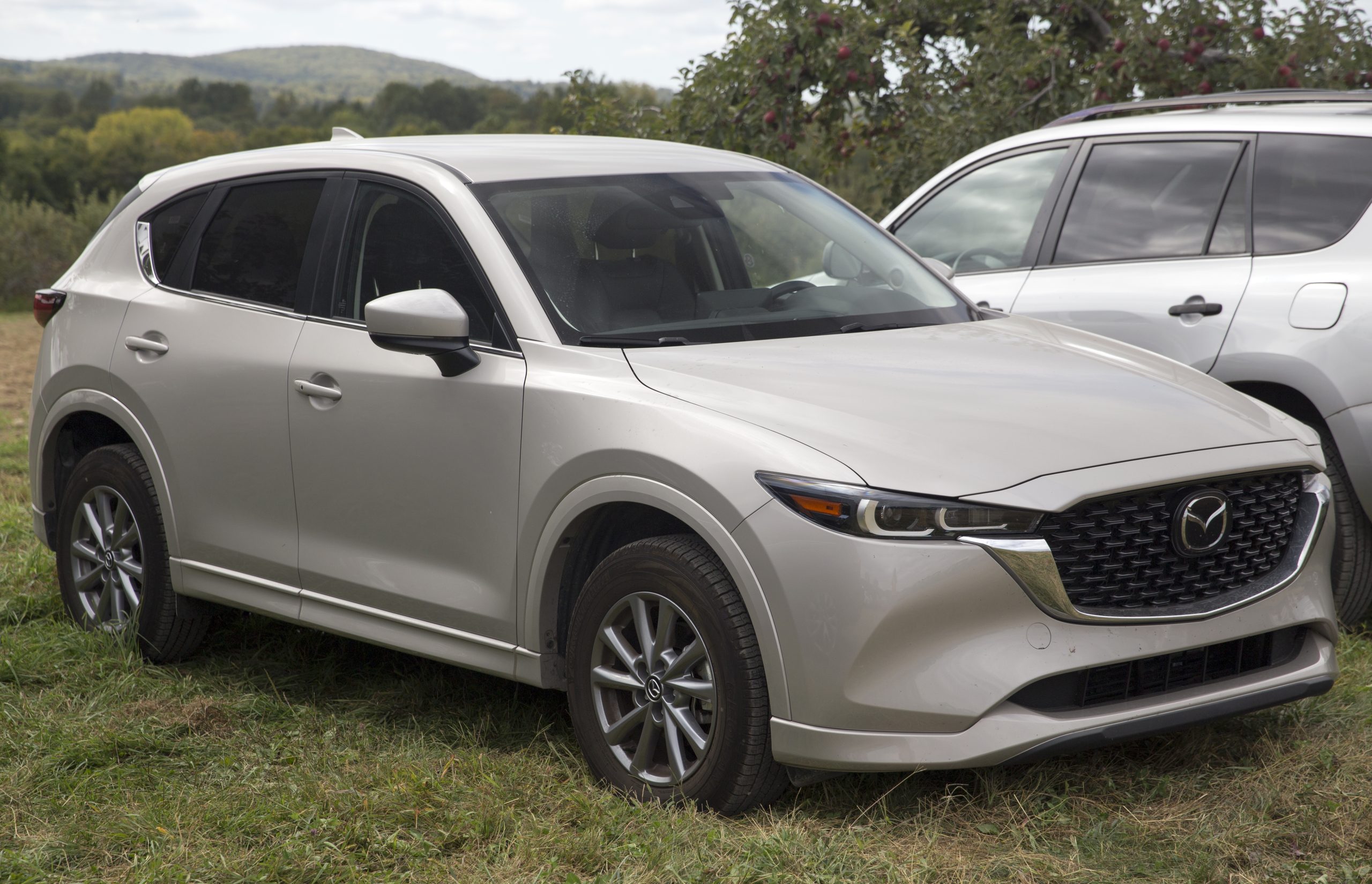
The Mazda CX-5 stands out in the compact SUV segment by blending family-friendly practicality with a strong focus on driving enjoyment. Mazda’s driver-first philosophy is evident throughout the CX-5, making it an appealing option for families who want comfort, safety, and style without sacrificing an engaging driving experience.
For family use, the CX-5 delivers strong safety credentials that provide peace of mind. Every model comes equipped with Mazda’s i-Activsense® safety suite, which includes blind spot monitoring, lane-keeping assist, smart city brake support with automated emergency braking, and adaptive cruise control.
These features help reduce driver stress and actively work to prevent accidents. Child-focused safety is also well covered, with LATCH or ISOFIX anchors for car seats and rear door child locks. Mazda’s reputation for solid build quality and durability further supports long-term reliability for growing families.
Inside, the CX-5 offers a level of comfort and refinement that feels closer to luxury brands than mainstream competitors. High-quality materials, a thoughtful cabin layout, and excellent noise insulation create a quiet, relaxing environment that is ideal for long drives or naptime on the road.
The elevated seating position improves visibility for both drivers and children, while available rear air vents, USB ports, and convenient cupholders help keep passengers comfortable and entertained. The higher ride height also makes entry and exit easier for adults and kids alike.
In terms of performance and everyday practicality, the CX-5 strikes an appealing balance. The standard 187-horsepower four-cylinder engine feels responsive around town, while the available 256-horsepower turbocharged engine provides noticeably stronger acceleration for highway merging and passing.
Both engines are paired with a smooth six-speed automatic transmission, and all-wheel drive is available for added confidence in poor weather. The CX-5 handles with precision and composure, offering stable cornering and a refined ride that absorbs road imperfections without feeling soft or disconnected.
Cargo space is sufficient for daily errands, groceries, and weekend trips, even if some rivals offer larger interiors. The CX-5 can also tow up to 2000 pounds, adding versatility for small trailers or recreational gear.
Combined with strong fuel economy, upscale design, and engaging road manners, the Mazda CX-5 presents a compelling option for families who value safety, comfort, and an enjoyable drive in one well-rounded package.
3. BMW 3 Series Touring: Premium Practicality with True Driving Enjoyment
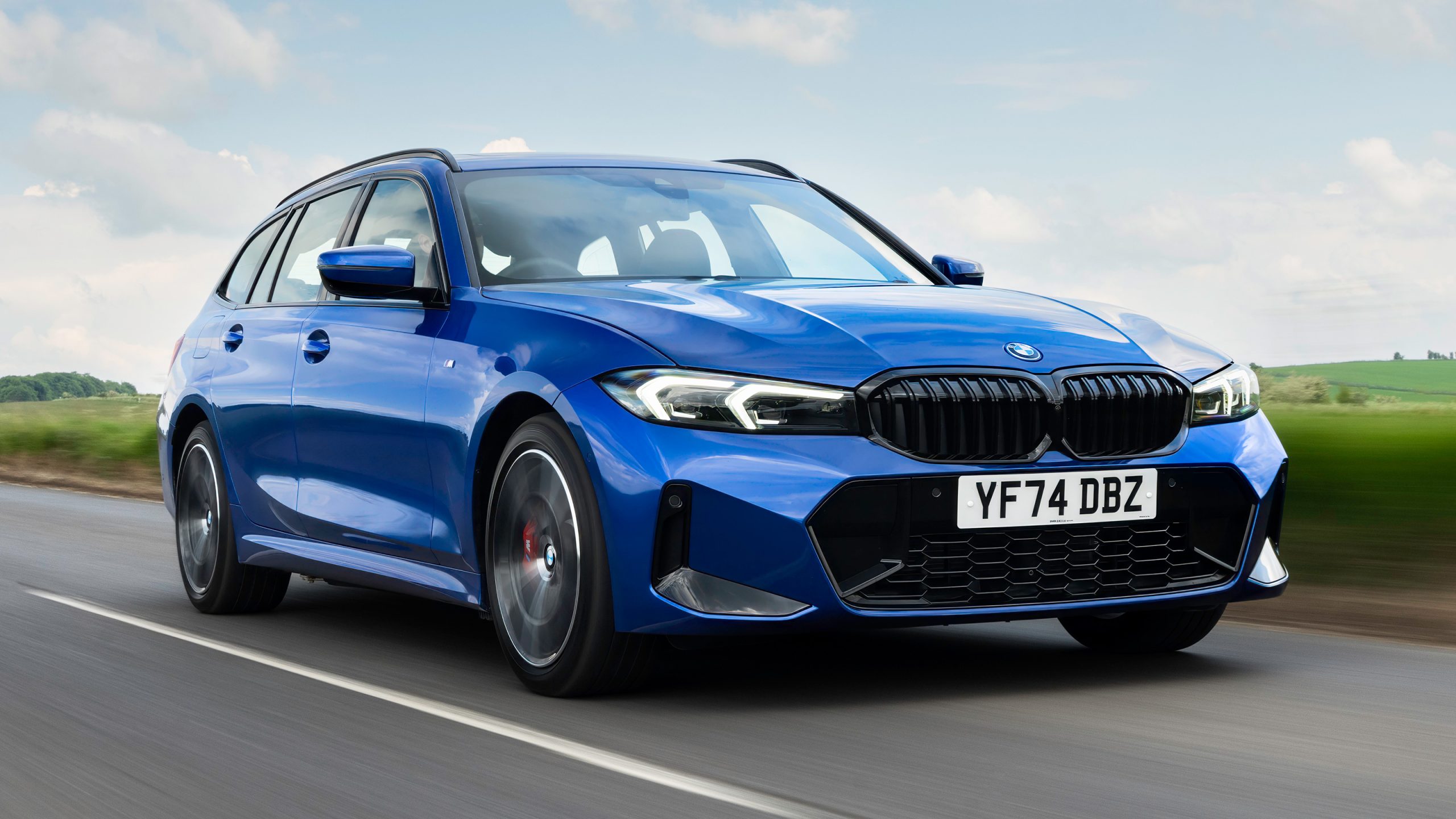
The BMW 3 Series Touring stands as one of the most complete family cars available, combining the usability of an estate with the driving engagement and refinement BMW is known for. For families like the Bartletts, it offers a compelling alternative to bulkier SUVs by delivering strong practicality, premium comfort, and efficient performance in a sleek, well-balanced package.
One of the Touring’s biggest strengths is practicality. Its estate body style provides a 500-liter boot, making it far more versatile than the saloon for family life. The wide load opening, flat floor, and clever storage solutions make it easy to carry pushchairs, sports gear, bikes, or holiday luggage.
A standout feature is the split-opening tailgate glass, which allows quick access to the boot without lifting the entire tailgate. While plug-in hybrid versions lose some cargo space due to battery placement, the Touring remains highly usable for daily errands and longer trips.
The driving experience sets the 3 Series Touring apart from most family cars. It delivers sharp handling, precise steering, and excellent body control, making it genuinely enjoyable to drive without compromising passenger comfort.
The suspension strikes a careful balance between composure and refinement, absorbing road imperfections while remaining stable on winding roads. Compared with SUVs, the lower center of gravity improves efficiency and responsiveness, which many drivers find more rewarding and confidence-inspiring.
Engine choices focus on petrol and hybrid powertrains. The 330e plug-in hybrid is particularly appealing for families, offering electric-only driving for short city trips and the potential for very low fuel consumption when charged regularly.
For drivers seeking performance, the M340i xDrive Touring delivers strong acceleration and smooth power from its turbocharged six-cylinder engine, while still remaining practical and refined. Even the entry-level petrol engine provides solid everyday performance with good efficiency.
Inside, the Touring offers a premium cabin with high-quality materials, supportive seating, and a clean, modern design. The curved digital display combines a 12.3-inch instrument cluster with a 14.9-inch infotainment screen, offering intuitive controls, Apple CarPlay, and Android Auto. Advanced driver-assistance systems and strong crash-test results reinforce its family credentials.
The BMW 3 Series Touring excels as a daily commuter, school-run companion, and long-distance cruiser. It blends space, safety, technology, and driving pleasure into a single, elegant estate, making it an ideal choice for families who want practicality without giving up comfort or enjoyment behind the wheel.
4. Skoda Octavia vRS Estate: The Ultimate Family All-Rounder with a Sporting Edge
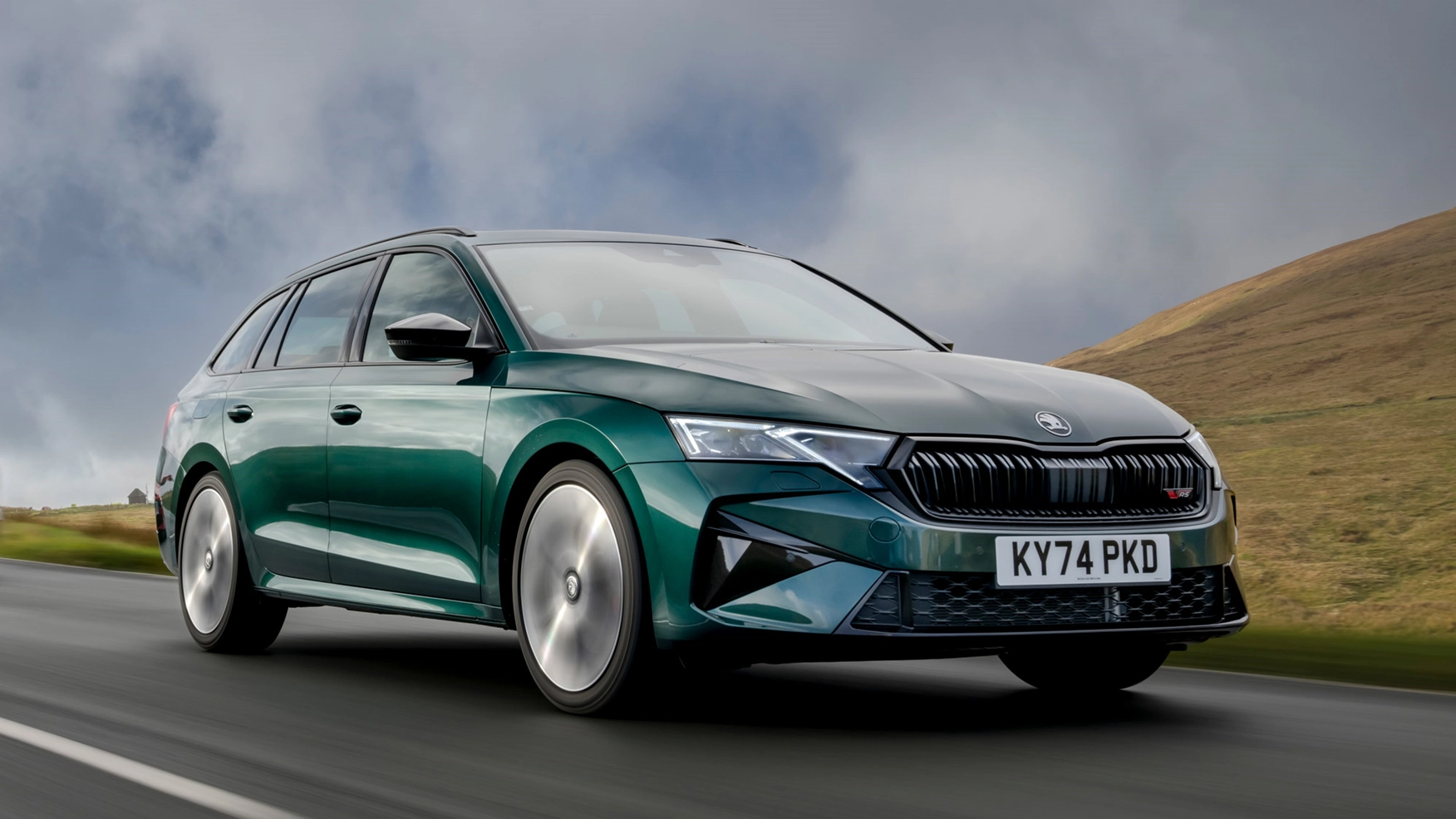
The Skoda Octavia vRS Estate has earned a reputation as one of the most complete real-world family cars available. It combines vast interior space, clever everyday features, and strong performance into a discreet estate body, making it ideal for families like the Bartletts who need practicality without giving up driving enjoyment.
At the heart of the Octavia vRS Estate’s appeal is space. Its estate boot offers more than 600 liters of cargo capacity, placing it among the largest in its class. This makes it effortless to load prams, bikes, sports equipment, or holiday luggage.
Skoda’s trademark “Simply Clever” details enhance usability, with load nets, hooks, underfloor storage, and a wide, low loading lip that simplifies heavy lifting. The cabin is equally accommodating, providing generous rear legroom for adults or growing children and a layout that feels airy and functional.
The interior comfort and practicality are well-suited to family life. Supportive front seats, a refined ride, and good noise insulation make long journeys relaxed, while thoughtful touches such as umbrella holders, large door bins, multiple USB-C ports, and ample storage cubbies keep daily routines stress-free.
The driving position is comfortable, and visibility is good, which helps during school runs and urban driving.
Despite its sensible nature, the Octavia vRS Estate delivers discreet performance. The refreshed 2.0-litre turbocharged petrol engine now produces 262 horsepower, enabling confident acceleration while remaining smooth and refined.
The standard seven-speed DSG automatic gearbox balances responsiveness with ease of use, making the car enjoyable on winding roads yet relaxed in traffic. It is not a hardcore performance car, but its handling is composed and engaging, offering genuine driving satisfaction without the firmness or noise often associated with hot hatchbacks.
The Octavia vRS Estate also scores highly on efficiency and value. Buyers can choose from petrol, diesel, or plug-in hybrid powertrains depending on priorities, with diesel and hybrid versions delivering particularly strong fuel economy. Compared with premium performance estates, the Skoda offers similar space and capability at a more accessible price point, making it a financially sensible choice for families.
Modern safety and technology complete the package, with driver-assistance systems such as emergency braking, blind-spot monitoring, and adaptive cruise control, alongside large infotainment screens and smartphone connectivity.
The Skoda Octavia vRS Estate succeeds by blending everyday family needs with just enough performance to keep driving enjoyable. It handles school runs, road trips, and weekend fun with equal confidence, making it one of the most well-rounded family cars on the road.
5. Dodge Charger SIXPACK: American Muscle with Real Family Practicality
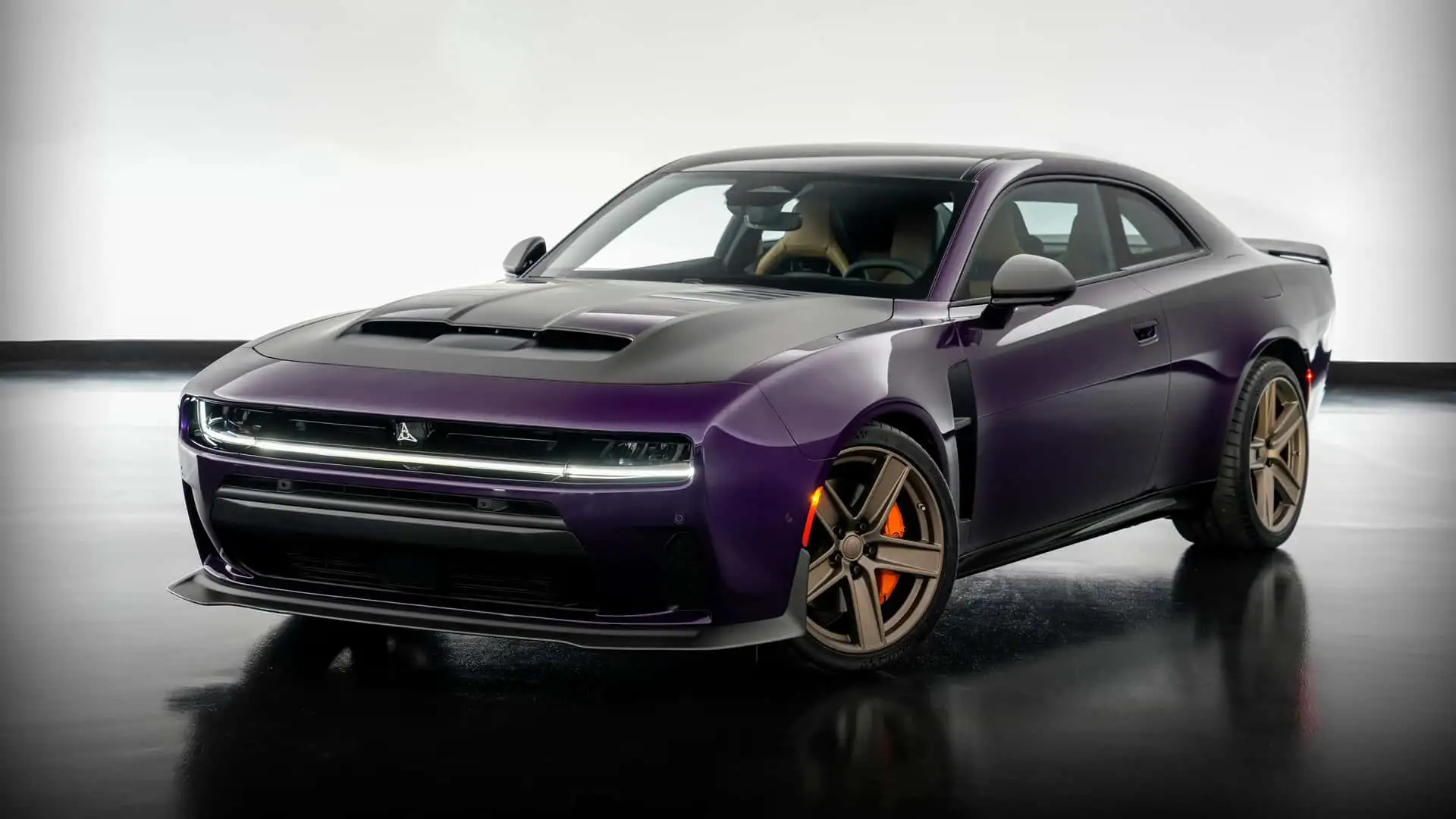
The Dodge Charger SIXPACK challenges traditional ideas of what a family car can be by combining bold American muscle performance with genuine everyday usability. Designed for families in the United States who want space, safety, and excitement in one vehicle, the Charger SIXPACK delivers strong practicality while offering a level of performance rarely found in a five-seat family car.
From a family-friendly perspective, the Charger benefits greatly from its four-door layout and spacious cabin. It comfortably seats five passengers, with generous legroom in both the front and rear, making it suitable for growing children and adults on longer journeys.
This makes school runs, carpools, and road trips easy to manage without the cramped feeling often associated with performance-focused cars. The wide doors and sensible seating height also make child-seat installation and passenger entry more convenient.
Cargo capacity further strengthens its family credentials. The Charger’s hatchback-style design offers 22.7 cubic feet of cargo space, expanding to 37.3 cubic feet when the rear seats are folded. This flexibility allows it to handle groceries, sports equipment, strollers, or luggage for weekend getaways with ease, reducing the need for an SUV or minivan for many households.
Safety is another strong point. The Charger SIXPACK comes equipped with a comprehensive suite of modern driver-assistance technologies, including forward collision warning with automatic emergency braking, lane-keeping assistance, adaptive cruise control with stop-and-go functionality, and blind-spot monitoring with rear cross-traffic alert.
Parking sensors and an available 360-degree camera system help with maneuvering in tight spaces, while active noise cancellation contributes to a quieter, more relaxed cabin environment. Ride quality is also impressive, with the suspension absorbing bumps effectively and maintaining comfort during highway cruising.
Where the Charger SIXPACK truly stands apart is in performance and character. Powered by a 3.0-liter twin-turbo inline-six Hurricane engine producing 550 horsepower, it delivers explosive acceleration and effortless highway performance.
Despite this power, it remains composed and usable for daily driving. The standard all-wheel-drive system adds confidence in a variety of weather conditions, including rain and snow, making it more versatile than traditional rear-wheel-drive muscle cars.
Beyond numbers, the Charger SIXPACK offers unmistakable presence and style. It allows families to own a practical daily driver that also delivers excitement and individuality, appealing to those who want something more distinctive than a conventional crossover or sedan. The Dodge Charger SIXPACK proves that a family car can be spacious, safe, and thrilling at the same time.
Also Read: 5 Cars for Baldwin Park City Use and 5 Compact Daily Drivers
5 Low-Maintenance Choices
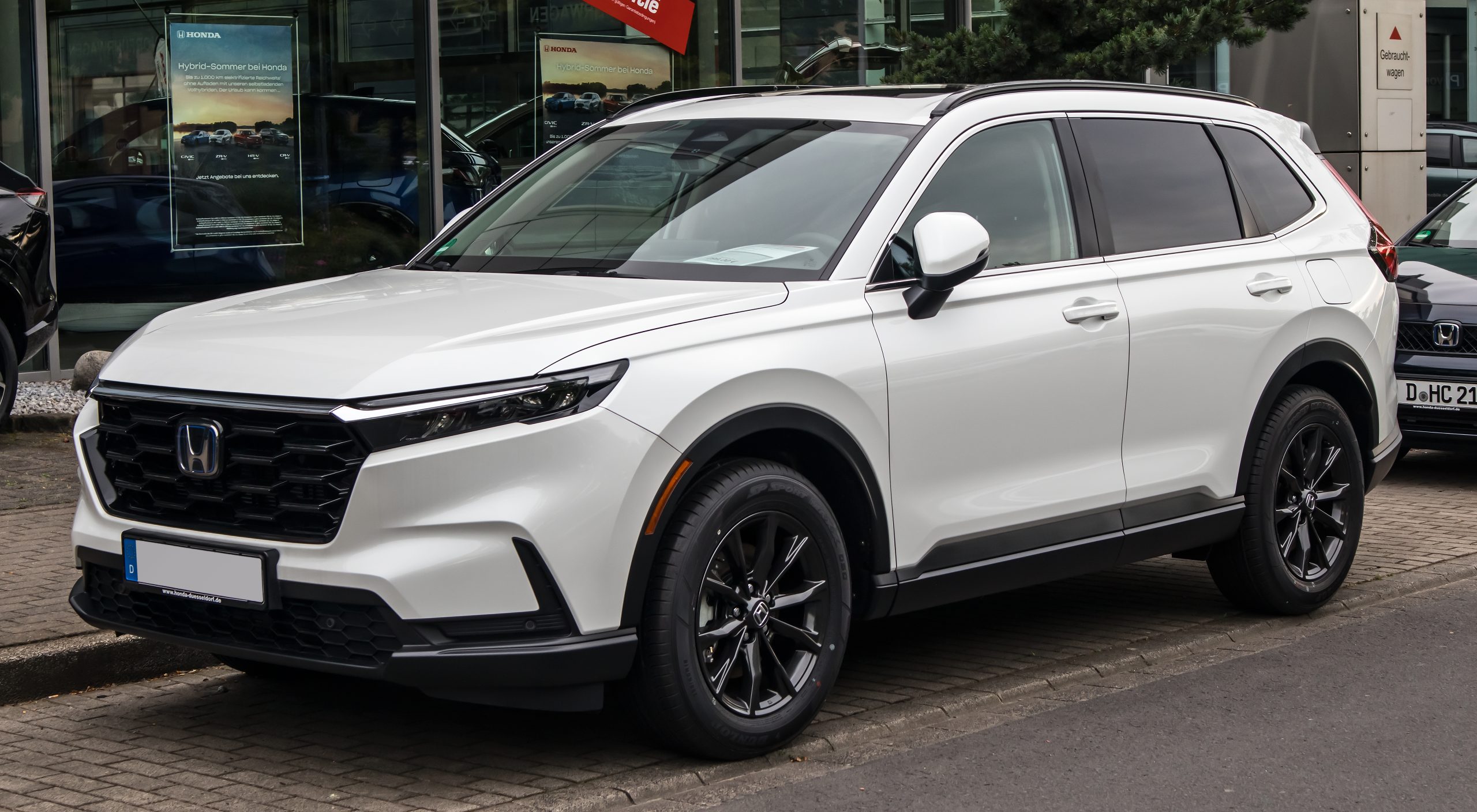
1. Honda CR-V: Reliable, Low-Maintenance, and Family-Friendly
The Honda CR-V is a highly practical choice for families, combining comfort, safety, and fuel efficiency with long-term reliability. Its engineering emphasizes durability, affordability, and simplicity, resulting in fewer unexpected repairs and lower ownership costs compared to many competitors. Hybrid models further reduce mechanical strain, offering even fewer maintenance needs while benefiting from long warranties.
The CR-V’s powertrains and transmissions are built for longevity. The refined Continuously Variable Transmission (CVT) delivers smooth, lasting performance, and hybrid systems reduce wear on traditional components.
Routine servicing such as oil changes, tire rotations, and brake maintenance is straightforward and cost-effective, keeping running costs manageable. Durable construction using high-strength steel and scratch-resistant interior materials helps the vehicle withstand daily wear and tear, reducing replacement needs over time.
Honda’s focus on simple, efficient design makes repairs easier and parts more accessible, which lowers labor costs. Its widespread popularity ensures replacement parts are readily available and generally less expensive than for less common brands. Consistently high ratings from J.D. Power and Consumer Reports indicate fewer unexpected breakdowns, saving owners from costly repairs.
While some older models may require additional oil monitoring, and certain turbo engines can experience oil dilution, these issues are manageable with proper care. Hybrid variants offer a reliable alternative with fewer potential maintenance concerns, making the Honda CR-V a dependable, practical, and family-friendly SUV.
2. Toyota Camry: A Low-Maintenance, Long-Term Ownership Champion
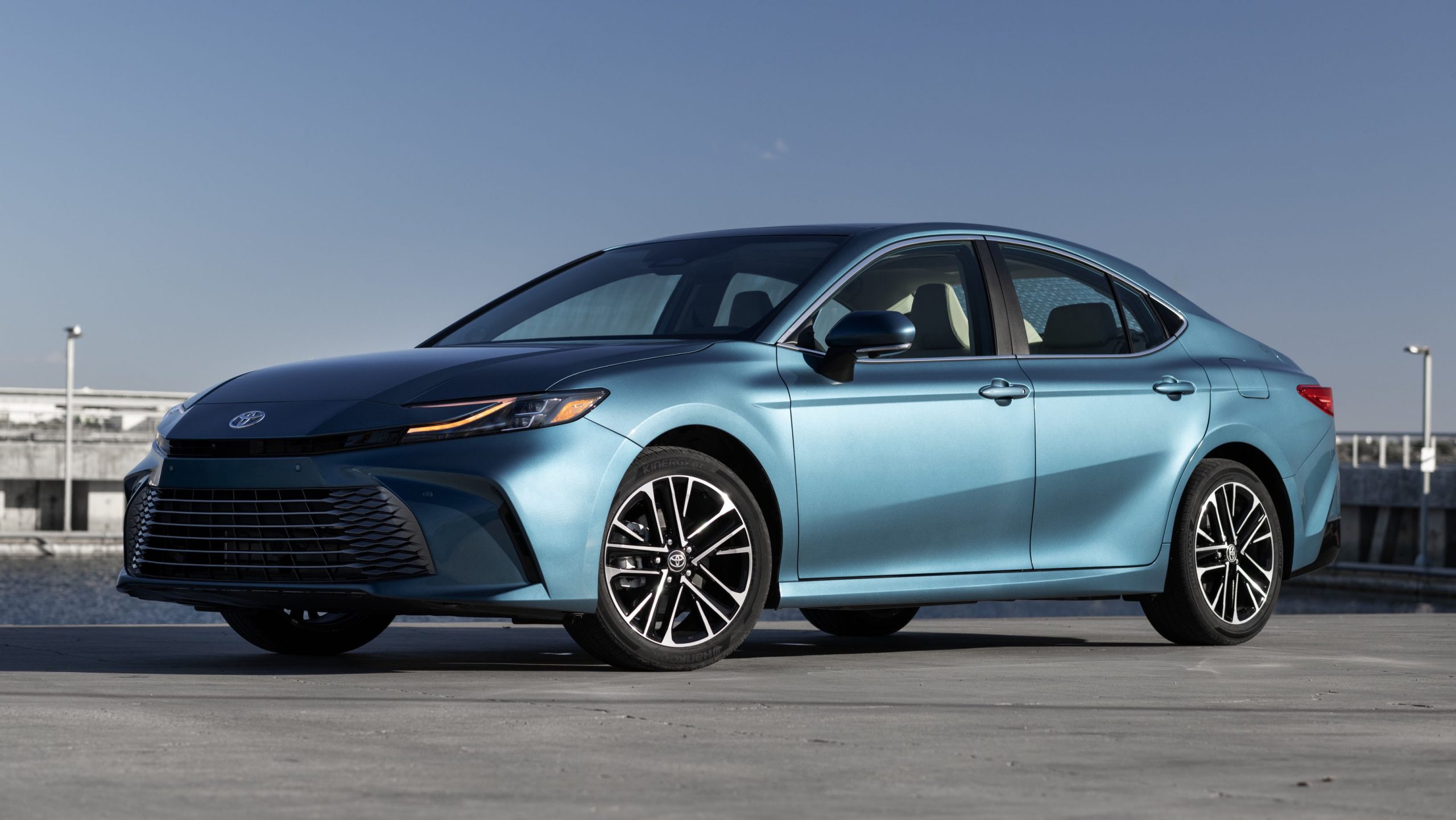
The Toyota Camry is widely regarded as one of the easiest and most cost-effective cars to own over the long term, making it an excellent choice for drivers who value reliability and minimal maintenance. Its reputation is built on decades of proven engineering, dependable performance, and sensible design choices that prioritize durability and ease of ownership.
One of the Camry’s strongest advantages is its exceptional reliability. Toyota engines and drivetrains are engineered to last, with many Camrys comfortably exceeding 200,000 miles when properly maintained. This longevity reduces the likelihood of major mechanical failures, giving owners confidence that the car will remain dependable for years.
Maintenance and repair costs are also notably low. The Camry experiences fewer unexpected breakdowns compared to many competitors, and when repairs are needed, they tend to be straightforward and affordable. Parts are widely available and inexpensive, and because the Camry is so common, most mechanics are highly familiar with its systems, keeping labor costs down.
Toyota’s manufacturing quality further supports low ownership stress. Components are built to withstand long-term use, with durable materials and logical engine layouts that make routine servicing easier. Maintenance schedules are simple and predictable, with oil changes often required only every 10,000 miles when using synthetic oil.
Added benefits such as ToyotaCare, which covers routine maintenance on new models, reduce early ownership costs. Combined with strong owner satisfaction and low hassle, the Toyota Camry remains a smart, economical choice for drivers who want a car that simply works.
3. Subaru Forester: Rugged, Reliable, and Low-Maintenance
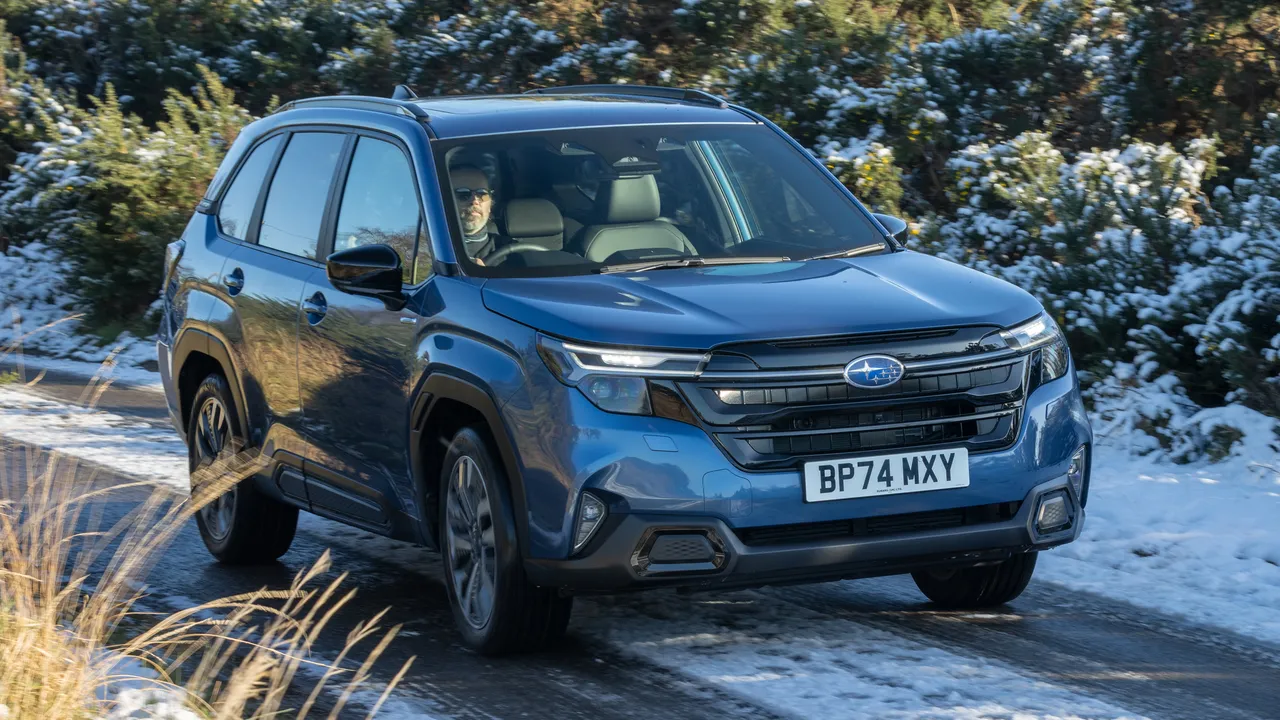
The Subaru Forester is widely recognized as a durable and dependable SUV, making it a practical choice for drivers seeking long-term reliability with minimal maintenance.
Its reputation stems from a combination of solid engineering, high-quality materials, and straightforward mechanical design, all of which contribute to fewer issues over time. Many Foresters easily exceed 200,000 miles with proper care, demonstrating their longevity.
A key factor in the Forester’s low-maintenance profile is its Boxer engine. The horizontally opposed design provides excellent balance and durability while avoiding overly complex components, reducing the likelihood of costly repairs.
Standard Symmetrical All-Wheel Drive adds stability and distributes power efficiently, lowering wear on drivetrain components and enhancing performance in varied road conditions. The SUV’s build quality and use of durable materials further support long-term reliability, while its simpler mechanics make routine servicing more accessible and affordable.
While generally dependable, certain model years have minor concerns, such as oil consumption due to seal issues or windshield cracking in 2019–2020 models, but these are not widespread or deal-breaking.
The Subaru Forester combines rugged engineering, practical AWD capability, and straightforward mechanics to deliver a low-maintenance SUV. Its design prioritizes longevity and cost-effective ownership, making it a smart choice for drivers who want reliability, durability, and peace of mind over many years.
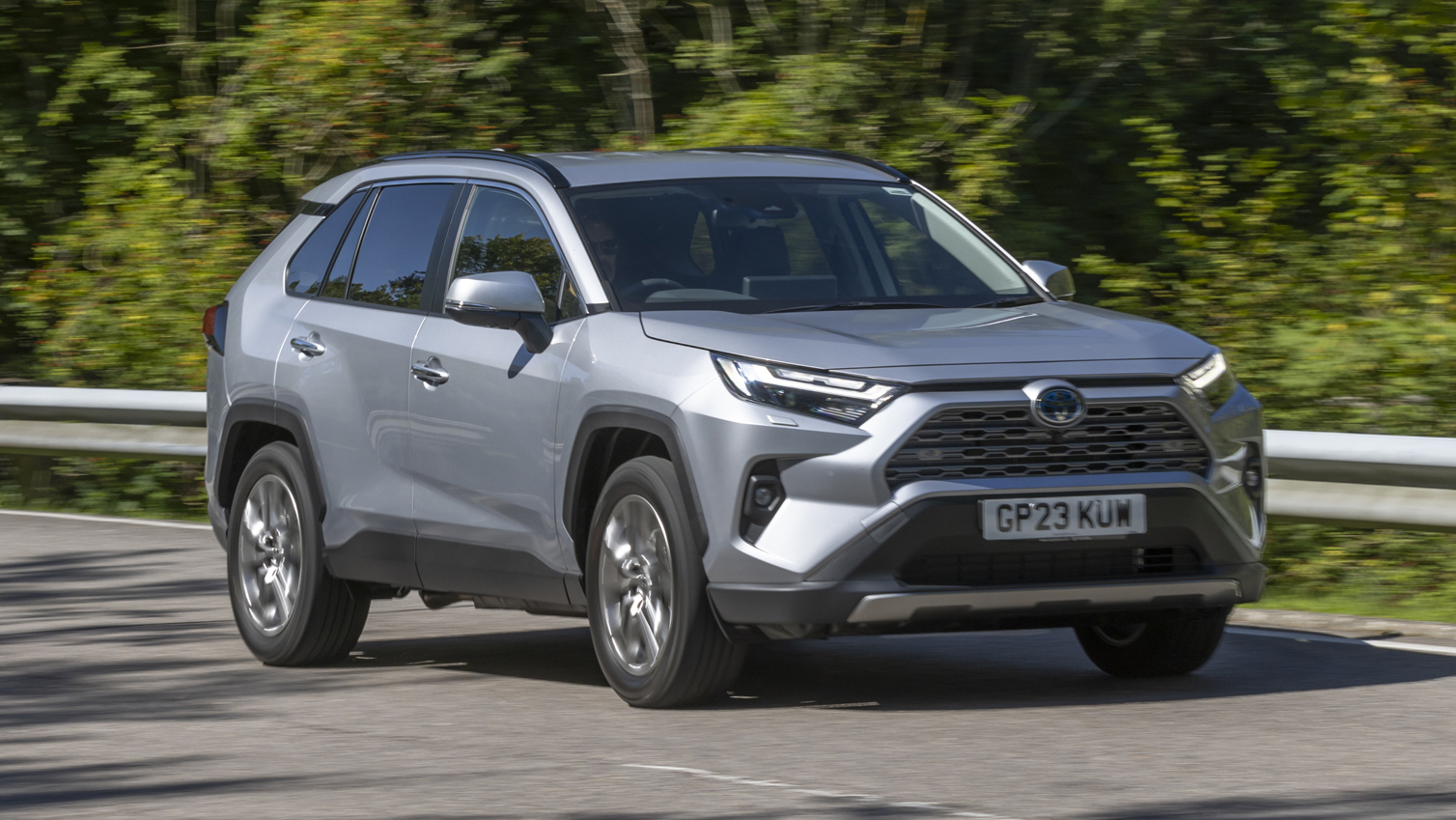
4. Toyota RAV4: Reliable, Low-Maintenance, and Family-Friendly
The Toyota RAV4 is a well-established choice for families looking for a practical, durable, and low-stress SUV. Its reputation for reliability, combined with fuel-efficient options including hybrid models, makes it ideal for daily commuting, school runs, and longer road trips.
Built with high-quality materials and thoughtful engineering, the RAV4 consistently earns high marks for dependability, giving owners confidence that major mechanical issues are unlikely.
A key reason for its low-maintenance profile is its proven reliability. Toyota has a long history of producing long-lasting vehicles, and the RAV4 is no exception. Many models exceed 200,000 miles with proper care.
Durable components, including the VVT-i engine, robust braking systems, and a sturdy suspension, reduce the likelihood of unexpected breakdowns. Routine maintenance helps keep the vehicle performing reliably for years and ensures it remains safe and comfortable for family use.
Repair costs are typically lower than the industry average. Most expenses are limited to standard servicing items such as oil changes, tire rotations, and brake pads. Following recommended maintenance intervals, such as oil changes every 7,500 to 10,000 miles, further supports longevity. The RAV4’s durability also contributes to strong resale value, making it a practical financial choice for long-term ownership.
Maintenance needs can vary based on driving habits and conditions. Smooth driving, gentle braking, and regular servicing reduce wear, while city traffic or dusty roads may require more frequent checks. The Toyota RAV4 combines thoughtful engineering, proven reliability, and manageable running costs, offering families a practical and dependable SUV for years of everyday use.
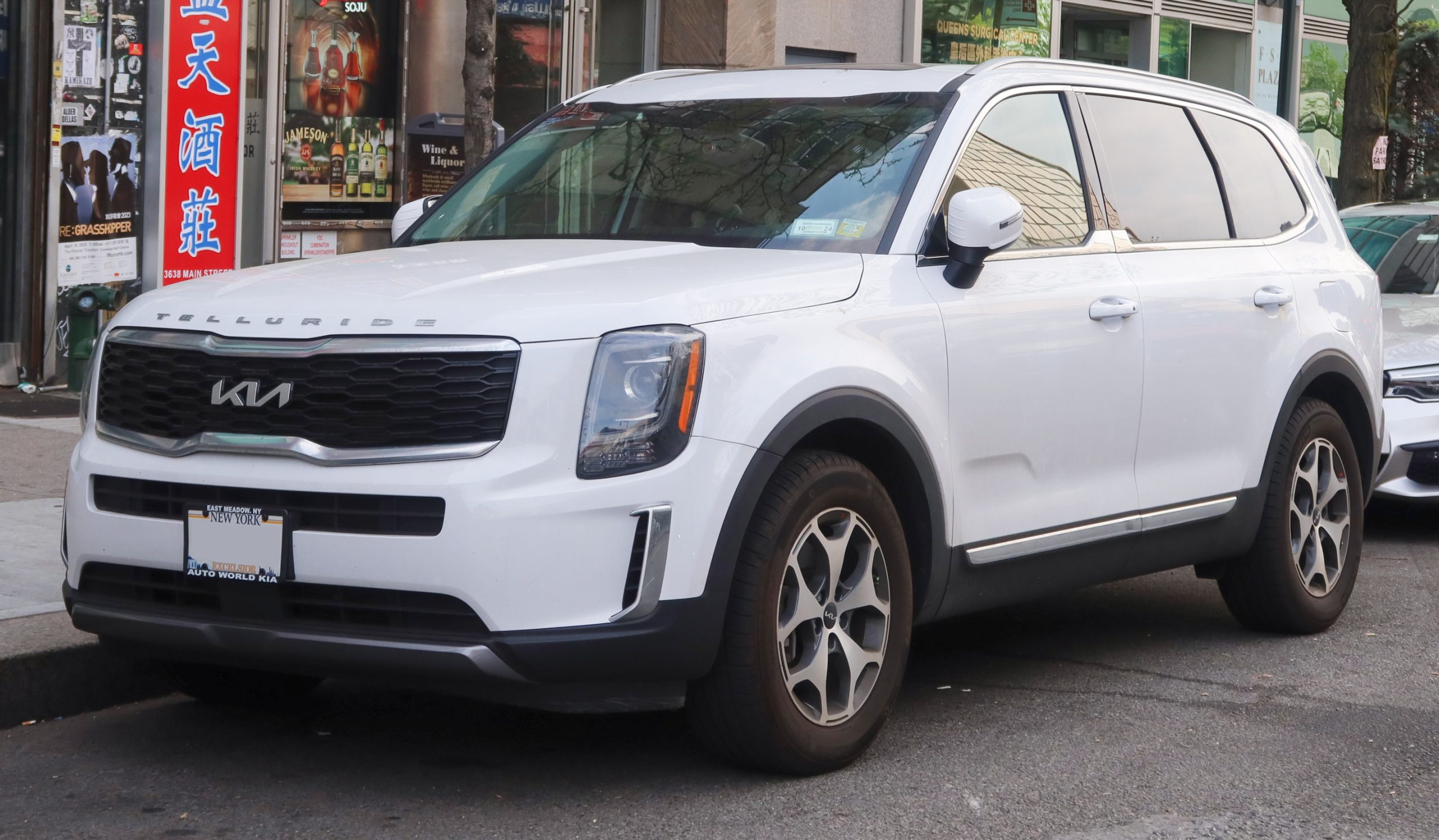
5. Kia Telluride: Spacious, Reliable, and Low-Maintenance
The Kia Telluride is a leading choice in the large three-row SUV segment, offering reliability, generous interior space, and long-term ownership peace of mind. Its naturally aspirated 3.8-liter V6 engine is known for strong durability and straightforward mechanics, avoiding the complexity of turbocharged alternatives.
Routine maintenance is simple and cost-effective, and with proper care, many Tellurides can surpass 200,000 miles, making it a dependable option for families and long-distance driving.
Routine service tasks such as oil changes, fluid inspections, and brake checks are easy and affordable, while the SUV’s strong engineering, including a solid chassis and high-quality interior materials, ensures long-lasting performance and resistance to wear.
Kia’s 10-year/100,000-mile warranty provides significant reassurance, protecting against unexpected major repairs and keeping long-term ownership costs lower than many competitors.
Some minor issues may arise with proactive care. Certain models may experience oil filter housing leaks, which can be fixed with durable aftermarket aluminum parts. Early all-wheel-drive systems may require regular lubrication to prevent premature wear. Following the recommended maintenance schedule is essential to maintain reliability and maximize the vehicle’s lifespan.
The Kia Telluride combines a premium, spacious interior with dependable, budget-friendly engineering. Its strong warranty, ease of maintenance, and proven reliability make it a smart choice for families seeking a practical and long-lasting SUV with lower long-term running costs.
For families like the Bartletts, the right vehicle provides usability and dependability. Family-focused cars such as the Civic Hybrid, Mazda CX-5, BMW 3 Series Touring, Skoda Octavia vRS Estate, and Dodge Charger SIXPACK ensure safety, comfort, and convenience while still offering enjoyable driving experiences. These models make daily routines, road trips, and weekend adventures comfortable and stress-free for all passengers.
Low-maintenance options such as the Honda CR-V, Toyota Camry, Subaru Forester, Toyota RAV4, and Kia Telluride show the benefits of durable, simple, and reliable engineering. Their robust engines, easy-to-access parts, and predictable servicing reduce unexpected repair costs and help maintain a practical family budget.
By considering both family-oriented and low-maintenance vehicles, drivers can combine enjoyment, convenience, and reliability, making every journey safer, simpler, and more rewarding.
Also Read: 10 Cars That Look Stunning But Disappoint True Enthusiasts