
Classic motorcycles hold a special place in the hearts of enthusiasts across the United States. They combine timeless design, mechanical simplicity, and a raw riding experience that modern bikes, with all their electronics and rider aids, often can’t replicate.
While some collectors chase the big, flashy superbikes with engines north of 1000cc, there is a rich history of sub-1000cc motorcycles that deliver incredible style, reliability, and enjoyment at a fraction of the cost.
These motorcycles are often easier to maintain, lighter, and more manageable, making them perfect for both new riders and seasoned collectors looking for a fun weekend ride.
Below is a list of eleven classic motorcycles under 1000cc that are truly worth owning, combining cultural impact, engineering brilliance, and pure riding pleasure.
1. Honda CB750 (1969–1978)
Often hailed as the first true “superbike,” the Honda CB750 changed motorcycling forever. Its 736cc inline-four engine delivered smooth power and reliable performance, making high-speed touring accessible to a wider audience.
The CB750’s combination of a chain-driven overhead camshaft, front disc brake, and comfortable ergonomics set a new benchmark for motorcycles globally.
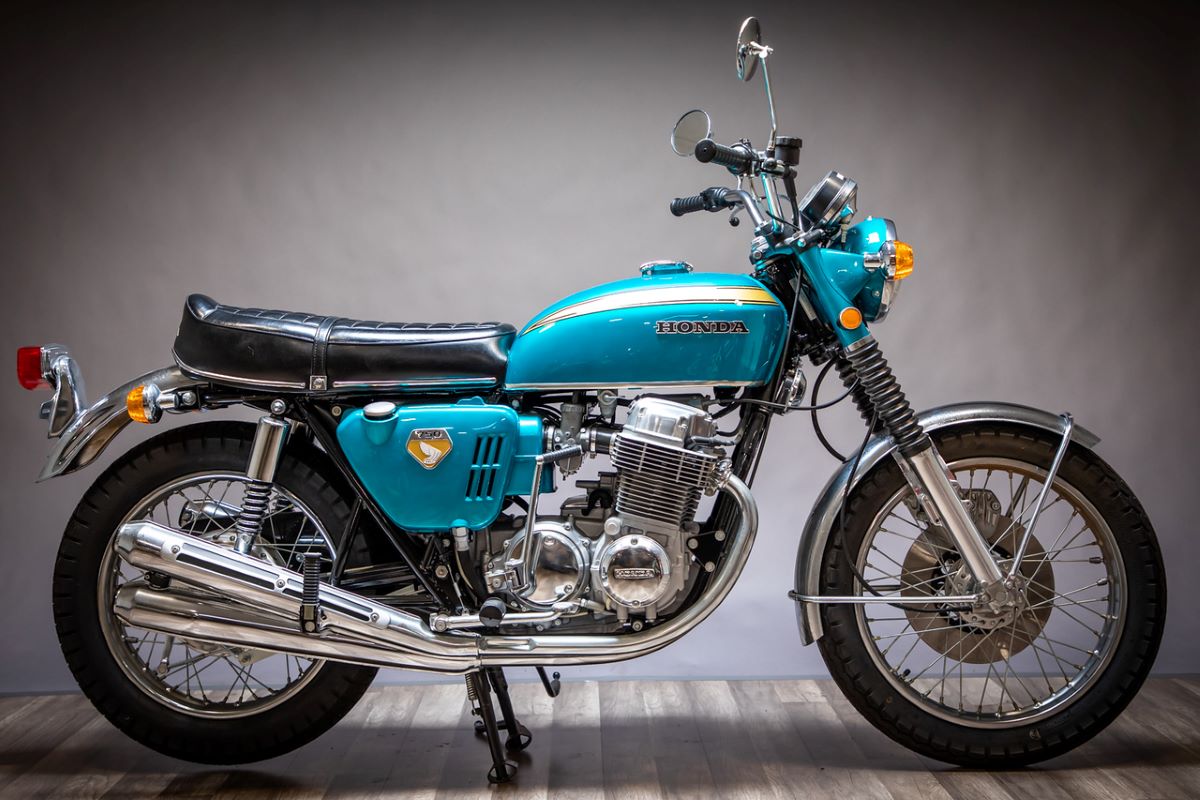
In the U.S., it became a cultural icon, embodying the rise of the Japanese motorcycle industry.
Today, a well-maintained CB750 offers a rewarding blend of classic looks, mechanical simplicity, and the unmistakable thrum of a four-cylinder engine.
2. Yamaha XS650 (1968–1985)
The Yamaha XS650 is a legendary parallel-twin that earned a reputation for bulletproof reliability. Its 654cc engine is known for smooth torque delivery, making it forgiving for new riders while still engaging for enthusiasts.
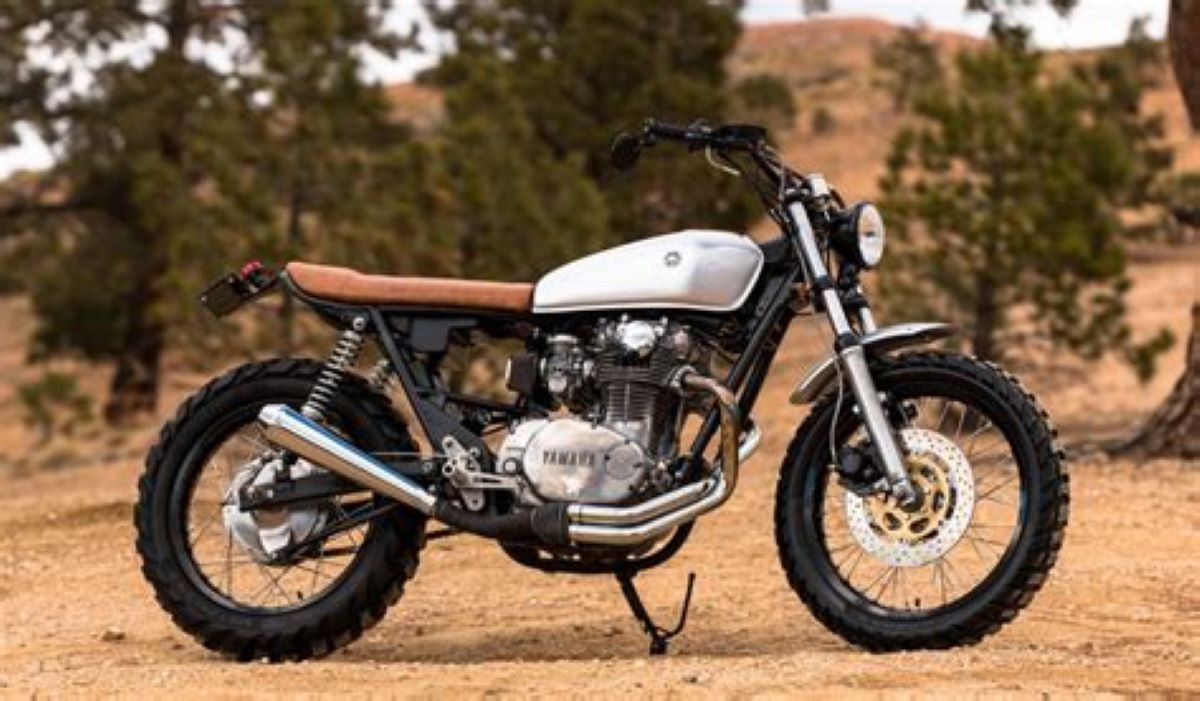
Beyond performance, the XS650’s clean, minimalist design makes it a favorite for cafe racer and bobber builds in the U.S.
Its simplicity carbureted fuel system, straightforward maintenance, and air-cooled engine ensures that even decades later, owners can enjoy hands-on tinkering without needing high-tech tools.
When it comes to motorcycles that truly stand the test of time, few machines are as universally admired as the Yamaha XS650. Introduced in the late 1960s, this versatile motorcycle quickly earned a reputation for its durability, balanced handling, and timeless design, making it a favorite among both vintage purists and custom bike builders even today.
Yamaha first introduced the XS650 in 1968 as a direct competitor to the popular British twins of the era, particularly Triumph and BSA. The company’s secret weapon was a powerful 653cc parallel twin engine, renowned for its smooth power delivery and legendary reliability.
Unlike its British counterparts, the XS650 offered several advantages, including easy maintenance, oil-tight cases, electric start on later models, and more consistent build quality. Riders quickly realized that the XS650 wasn’t just another clone, it established a new benchmark for middleweight motorcycles, redefining what the class could achieve.
At the core of the XS650 was its forward-thinking SOHC (Single Overhead Camshaft) parallel twin engine. Lightweight, simple, and surprisingly robust, this motor became a favorite among racers, tourers, and custom builders alike.
Its balance and torque made it equally at home on the track, cruising city streets, or tackling long-distance rides. Even today, custom builders continue to prize this engine, whether creating café racers, scramblers, bobbers, or choppers, the XS650’s motor remains the foundation for countless builds around the world.
Beyond its mechanical prowess, the XS650 also inspired a movement in motorcycle design. Its clean lines and simple double-cradle frame, combined with strong frame geometry, provided builders with a versatile canvas that could accommodate nearly any style, from vintage trackers and hardtail choppers to modern retro machines, with a little imagination and craftsmanship.
In many ways, the XS650 served as a gateway bike that helped ignite the modern custom motorcycle movement, cementing its place as one of the most influential motorcycles of its era.
3. Kawasaki Z1 900 (1972–1975)
While the Z1 came in a 903cc version, there were plenty of sub-1000cc Z-series bikes, like the Z900’s slightly smaller sibling models, which helped Kawasaki dominate the superbike scene.
Known for its strong inline-four engine, excellent handling, and iconic styling, the Z series cemented Kawasaki’s reputation in America.
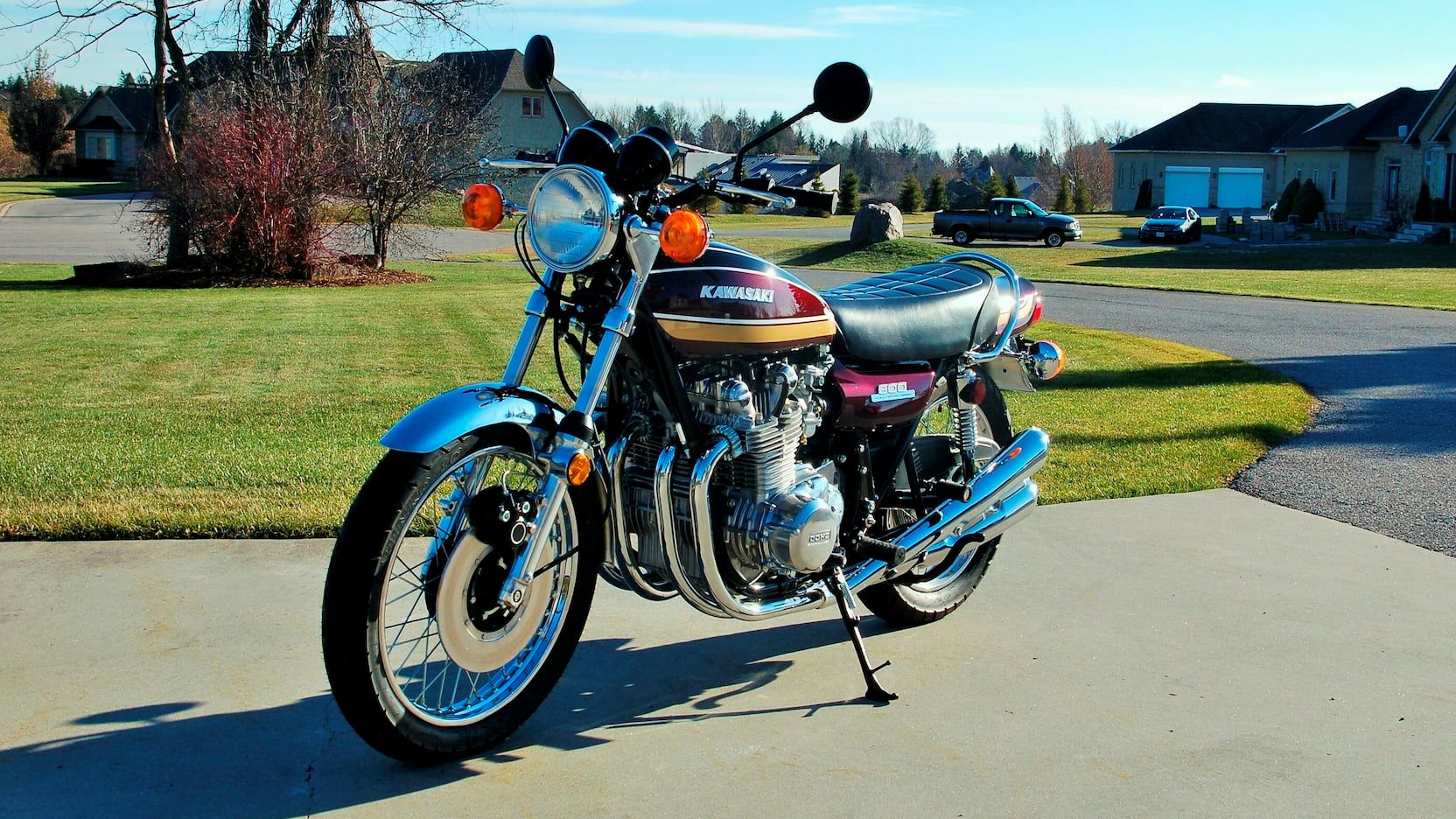
The bike’s distinctive four-pipe exhaust, aggressive stance, and reliability make it a collectible even today. Riders appreciate the balance of classic aesthetics and genuine sportbike performance that defined early ’70s Japanese motorcycles.
Kawasaki is a major global manufacturer known for its motorcycles, utility vehicles, all-terrain vehicles, watercraft, outboard motors, and other electric products, all derived from its roots in Kawasaki Aircraft Industries.
Headquartered in Japan, the company has a long-standing history in motorcycles, boats, and engines. Among its notable motorcycles is the Kawasaki Z900, also referred to as the Z1-900, 900 Z1, or 900 S4 (Super Four). Introduced in 1972 as the first “Z” model, the Z900 marked a milestone in Kawasaki’s motorcycle lineage.
By 1975, Kawasaki released the Z900 as the first large-capacity four-cylinder motorcycle to feature a double-overhead-camshaft (DOHC) system on a production bike.
Visually, the Z900 was distinctive, featuring a round headlight, analog instruments, a one-piece dual seat with a pillion grab rail, side-mounted rear shocks, a four-into-four exhaust system with two silencers on each side, and classic wire-spoke wheels.
Its tubular steel frame housed a suspension system composed of a 36 mm telescopic fork at the front and five-way preload-adjustable twin shocks at the rear, delivering a balanced ride and handling.
Braking was handled by a 296 mm front disc clamped by a dual-piston caliper, paired with a 200 mm rear drum, ensuring effective stopping power for the era.
Underneath, the 1975 Kawasaki Z900 was powered by a 903cc air-cooled four-stroke, four-cylinder engine, producing 82 horsepower at 8,500 rpm and 74 Nm (54 lb-ft) of torque at 7,000 rpm, making it a benchmark for performance motorcycles of its time.
Also Read: Top 11 Japanese Sports Cars That Defined Performance History
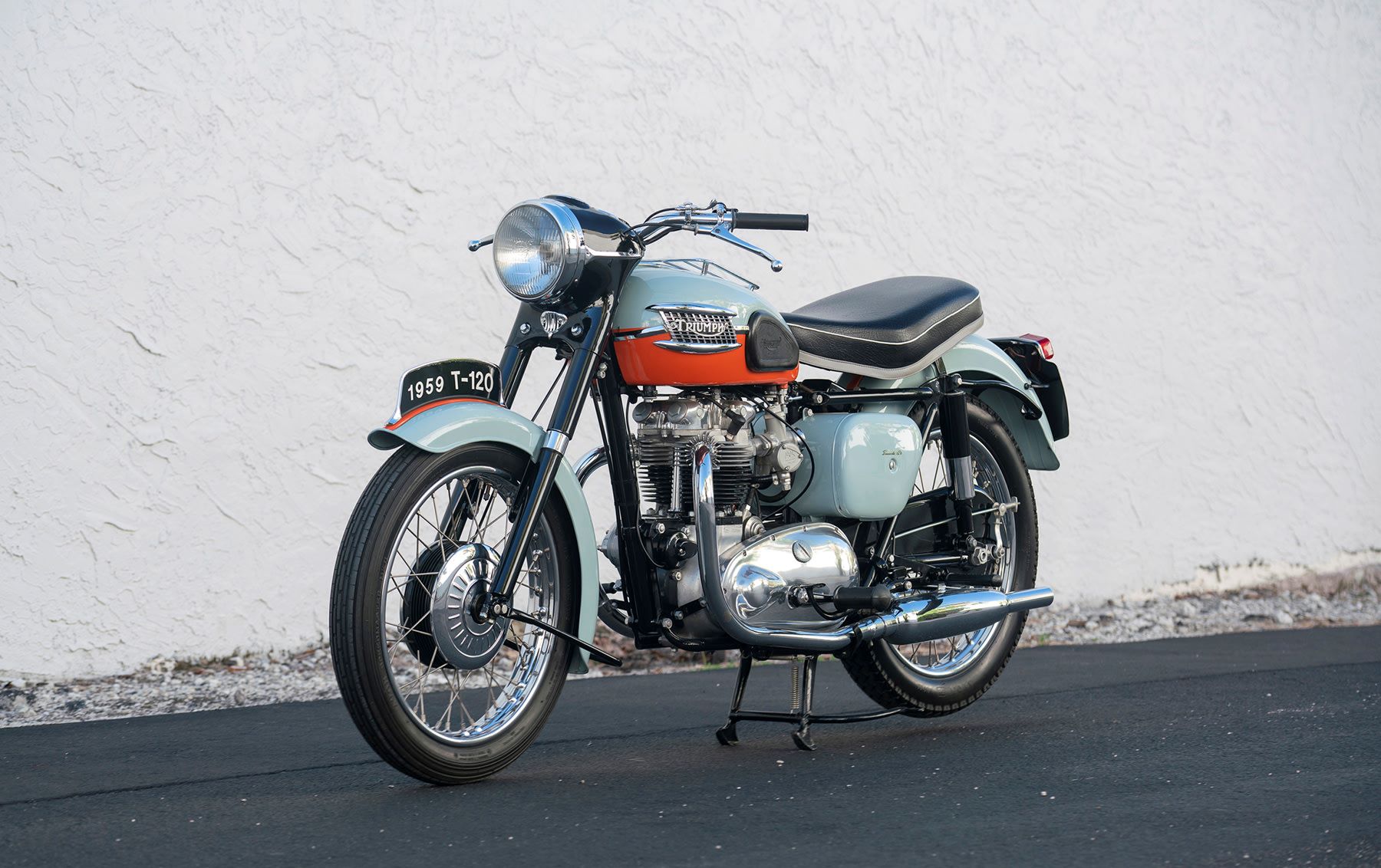
4. Triumph Bonneville T120 (1959–1988)
The Triumph Bonneville T120 is a quintessential British classic. Its 650cc parallel-twin engine provides a smooth, torquey ride with that signature thrum that British bikes are famous for.
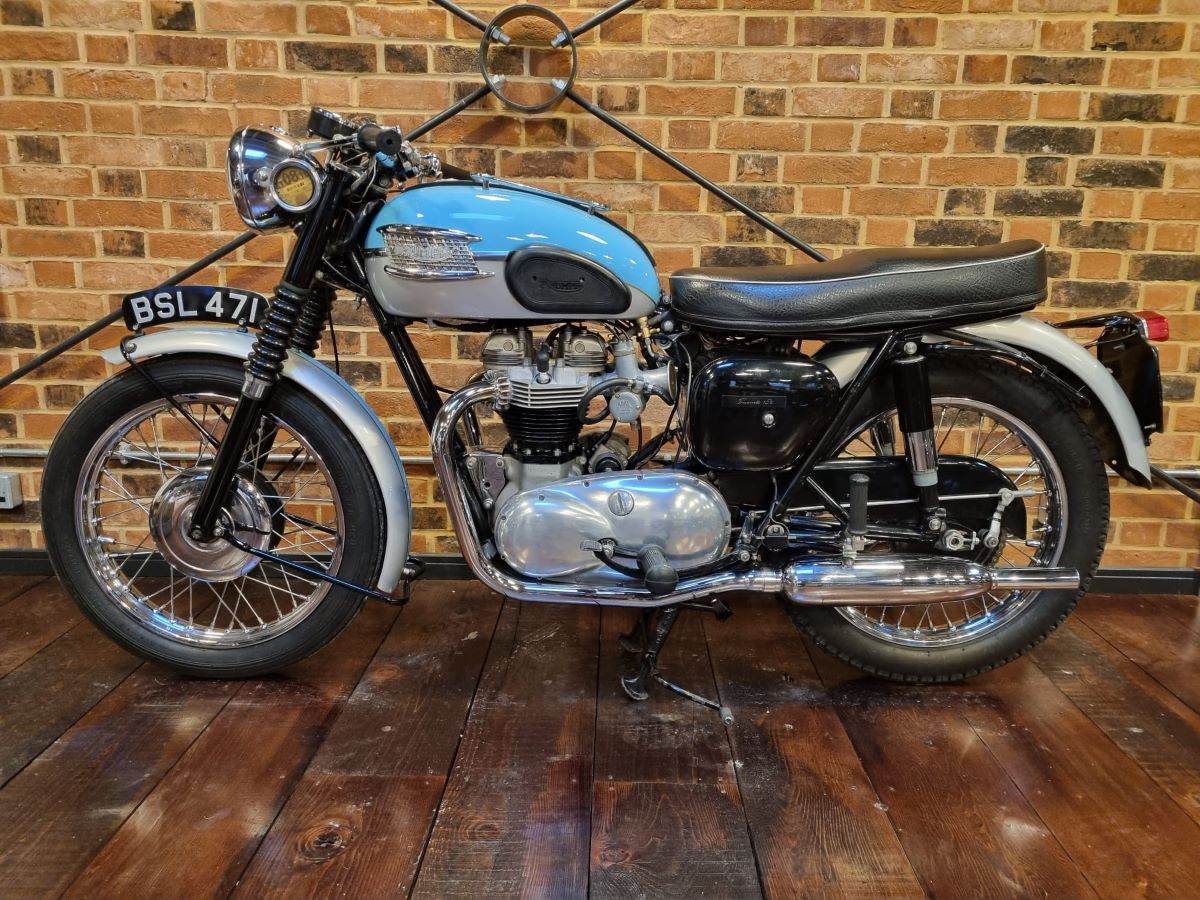
Bonnevilles of the 1960s and ’70s gained popularity in the U.S., particularly among riders seeking style as much as performance.
With chrome detailing, classic tank graphics, and a relaxed upright riding position, the Bonneville offers a perfect blend of vintage charm and usable performance for daily cruising or weekend rides.
5. Ducati 750 Sport (1973–1977)
Ducati’s 750 Sport brought Italian flair to the U.S. market, offering an air-cooled L-twin that was both responsive and charismatic. At 748cc, this bike combined sporty handling with timeless Italian design.
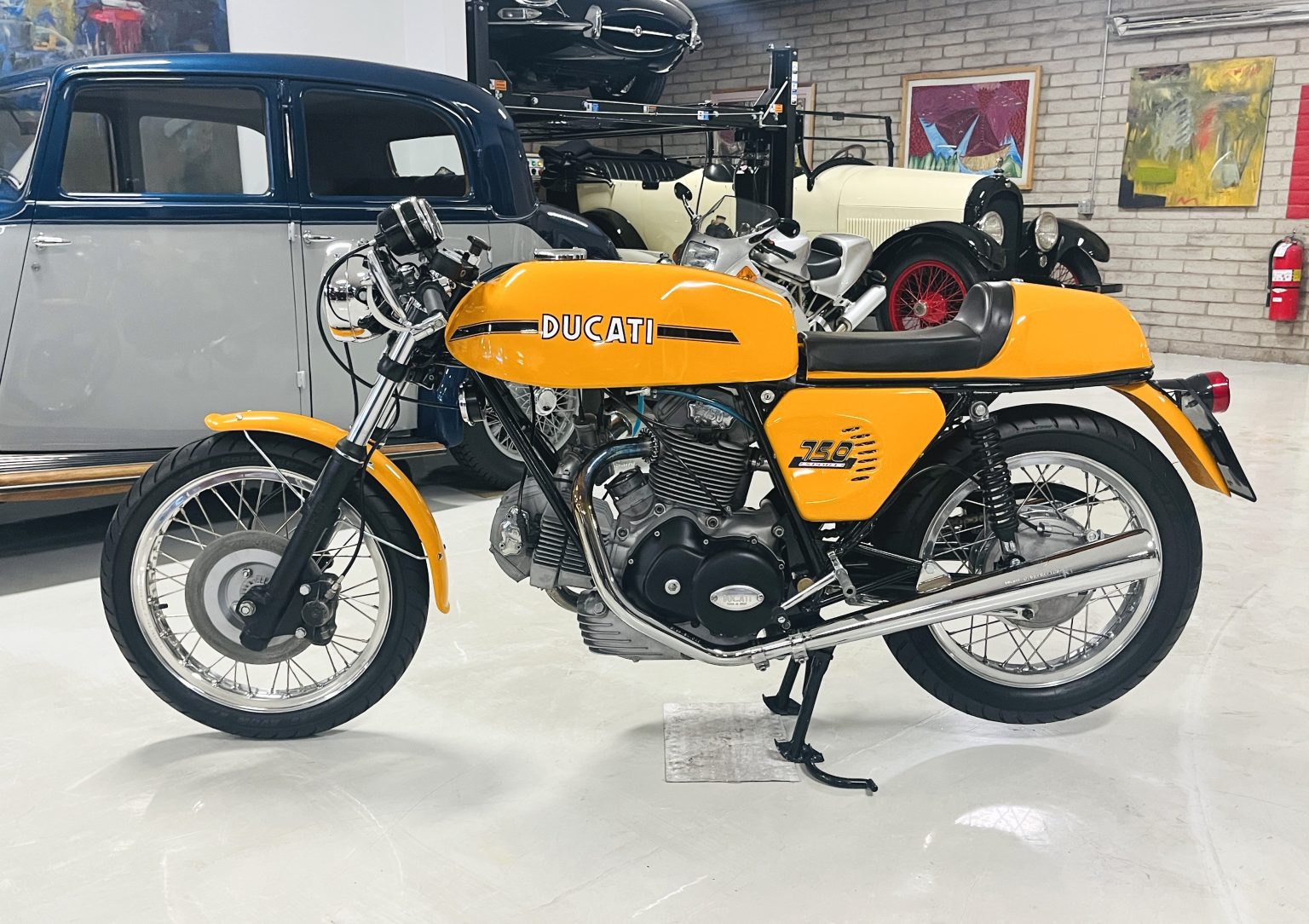
The tubular steel frame, minimalist bodywork, and lightweight engine made it a favorite among enthusiasts who valued style as much as speed.
While Ducatis of this era require attentive maintenance, the reward is a visceral riding experience and a piece of Italian motorcycling history that turns heads at every stoplight.
The Ducati SS is undoubtedly one of the brand’s most iconic models. While modern Ducatis like the 916, 996, 999, Monsters, and Multistradas often dominate conversations today, none of these can trace a lineage as historic as the SS family, which began over 40 years ago with the 1973 750 SS.
Ducati honored this triumph by producing a limited edition of 200 units, which eventually evolved into the 750SS for the production line, alongside a naked version called the 750S and the road-going 750 GT. The 750 GT provided a revised engine for sporty use, laying the groundwork for the characteristics that defined the SS family.
Mechanically, the 750SS featured a tubular trellis frame paired with a 90° L-twin, air-cooled engine with two valves per cylinder actuated by a desmodromic system. At the time, the desmodromic actuation relied on a conventional shaft and conical transmission, not the belt-driven system that would appear on late-’80s SS models.
This engine produced a remarkable 73 horsepower, making the 750SS a class-leading performer capable of speeds up to 220 km/h. For comparison, the 1972 Honda CB 750 K2 delivered 69 hp, while the 6-cylinder Benelli 750 SEI of 1974 offered 71 hp.
The chassis was equally impressive, with high-quality Marzocchi suspension and, from 1975 onward, a pair of Brembo discs and calipers that replaced earlier braking systems deemed inadequate. The open-cradle frame, strengthened by the engine itself, emphasized stability over nimble handling, typical of sports bikes of the era.
The 750SS demanded a confident touch from its rider, especially when pushing the bike to its limits. Its riding position was intensely sporty, with the seat set far back due to the long fuel tank, high-mounted footrests, and straps under the upper fork crown. While this position could be tiring in everyday use, it was ideal for aggressive riding.
One distinctive feature was the plastic fuel tank with a transparent gauge, a simple yet effective solution. Unsurprisingly, the success of the 750SS led to numerous descendants.
Today, while the SS family no longer serves as Ducati’s primary sporting spearhead, a role assumed in 1988 by the 851 and its successors, it continues as the custodian of Ducati’s sporting tradition and legacy.
6. BMW R90/6 (1973–1976)
The BMW R90/6 is a classic airhead boxer that became a staple for American riders seeking reliability and touring comfort.
Its 898cc flat-twin engine produces ample torque and is known for longevity, often running hundreds of thousands of miles with basic maintenance.
The shaft drive system reduces upkeep compared to chain-driven motorcycles, and the upright seating position makes it comfortable for longer rides.
Collectors prize the R90/6 for its blend of German engineering, distinctive styling, and historical significance in the U.S. touring scene.
In 1973, BMW introduced the revised /6 series, which included two models in the 900cc class: the R 90 S, a sport-oriented machine, and the R 90/6, a high-torque tourer designed for long-distance riders.
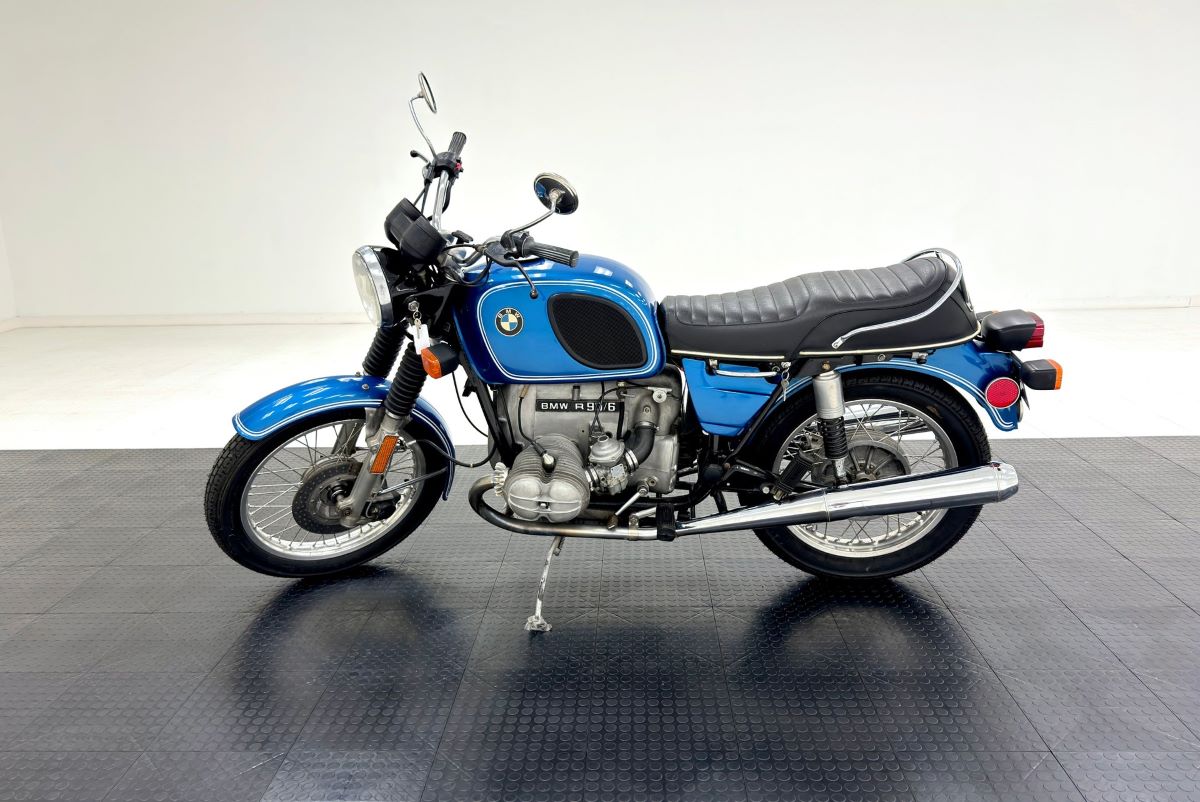
The R 90/6 stood out as the world’s first production motorcycle to feature an H4 headlight as standard equipment, paired with a large 200 mm round lamp that delivered exceptional illumination. This practical approach helped make the R 90/6 a sales success, with approximately 3,600 more units sold than the sportier R 90 S.
At its heart, the R 90/6 housed an 898cc air-cooled, four-stroke, two-cylinder boxer engine, producing 60 horsepower at 6,500 rpm and reaching a top speed of 188 kph (115 mph).
Its suspension setup included a telescopic fork with hydraulic shock absorbers at the front and a long swingarm with adjustable shocks at the rear, providing a balanced ride for touring. Braking was handled by a 260 mm front disc and a 200 mm simplex drum at the rear, ensuring dependable stopping power.
The bike also came equipped with a number of standard touring-friendly features, including a dual seat with pillion grab rails, a prominent round headlight, wire-spoked wheels, a dual exhaust system, and a straightforward analog instrument cluster, all of which contributed to the R 90/6’s reputation as a reliable and well-rounded long-distance motorcycle.
7. Honda CB500 Four (1971–1978)
The Honda CB500 Four brought the four-cylinder formula to a smaller displacement, offering riders a high-revving, smooth engine that was both approachable and exciting.
With 498cc, the CB500 Four is lighter and more manageable than its bigger sibling, the CB750, while still providing that characteristic inline-four power delivery.
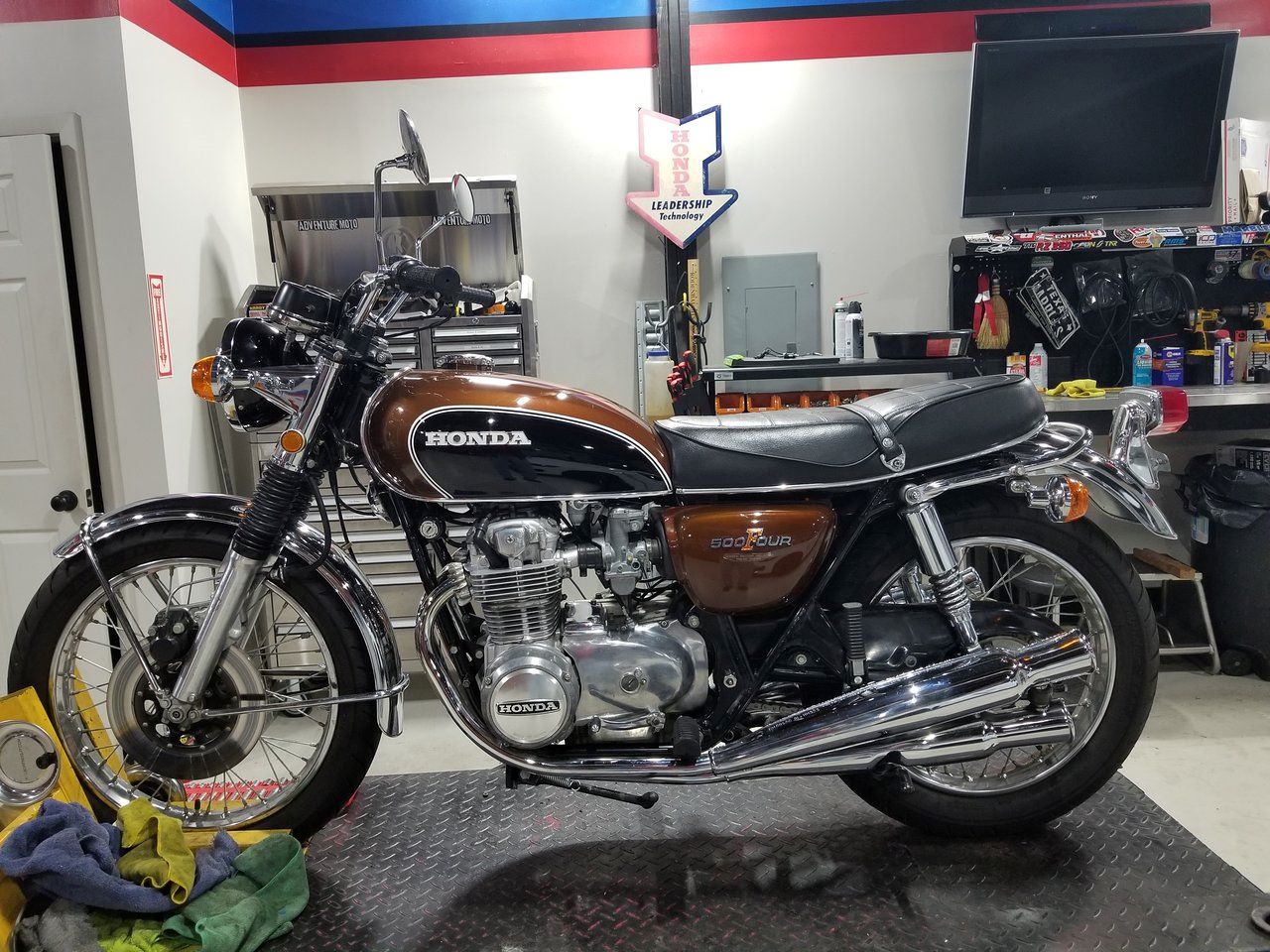
Its historical importance, reliability, and classic styling make it an excellent entry point into collecting Japanese superbikes without dealing with the complexities of larger engines.
The Honda CB500 Four was a standard motorcycle within Honda’s CB series, a lineup celebrated for its reliability and well-rounded performance. The bike made its debut at the London Racing and Sporting Motorcycle Show and was manufactured from 1971 to 1978, with sales in the U.S. market continuing until 1973.
In 1974, the CB500 Four was replaced in the U.S. by the CB550, though it remained available in Europe until 1978. Styled similarly to the iconic CB750 but in a smaller, lighter package, the CB500 Four was powered by a 498cc, four-cylinder SOHC engine.
In the early 1970s, several CB500 machines competed in the Production TT races on the Isle of Man, where Bill Smith claimed victory in the 1973 500cc TT Production race riding a CB500. Smith finished the four-lap contest 8.2 seconds ahead of Stan Woods, who rode a Suzuki T500 two-stroke twin.
The CB500 Four’s suspension comprised a telescopic fork at the front and dual spring preload-adjustable shock absorbers at the rear, delivering optimal handling and ride comfort. Braking was managed by a single front disc with a hydraulic caliper and a rear drum unit, providing reliable stopping power.
Powering the bike was a 498cc, air-cooled, four-stroke four-cylinder engine fed by four Keihin carburetors, producing 48 horsepower at 9,000 rpm and 45 Nm (33 lb-ft) of torque at 7,500 rpm. Its combination of smooth power delivery, manageable size, and responsive handling made the CB500 Four a standout in Honda’s lineup and a favorite among riders of the era.
Also Read: 2025 Suzuki Sportbike Lineup: GSX-R1000, GSX-R750, and GSX-R600 Updates and Prices
8. Suzuki GS750 (1976–1980)
The Suzuki GS750 marked Suzuki’s entry into the sport-touring market with a robust 748cc inline-four. In the U.S., it was praised for smooth handling, solid brakes, and a comfortable yet sporty riding position.
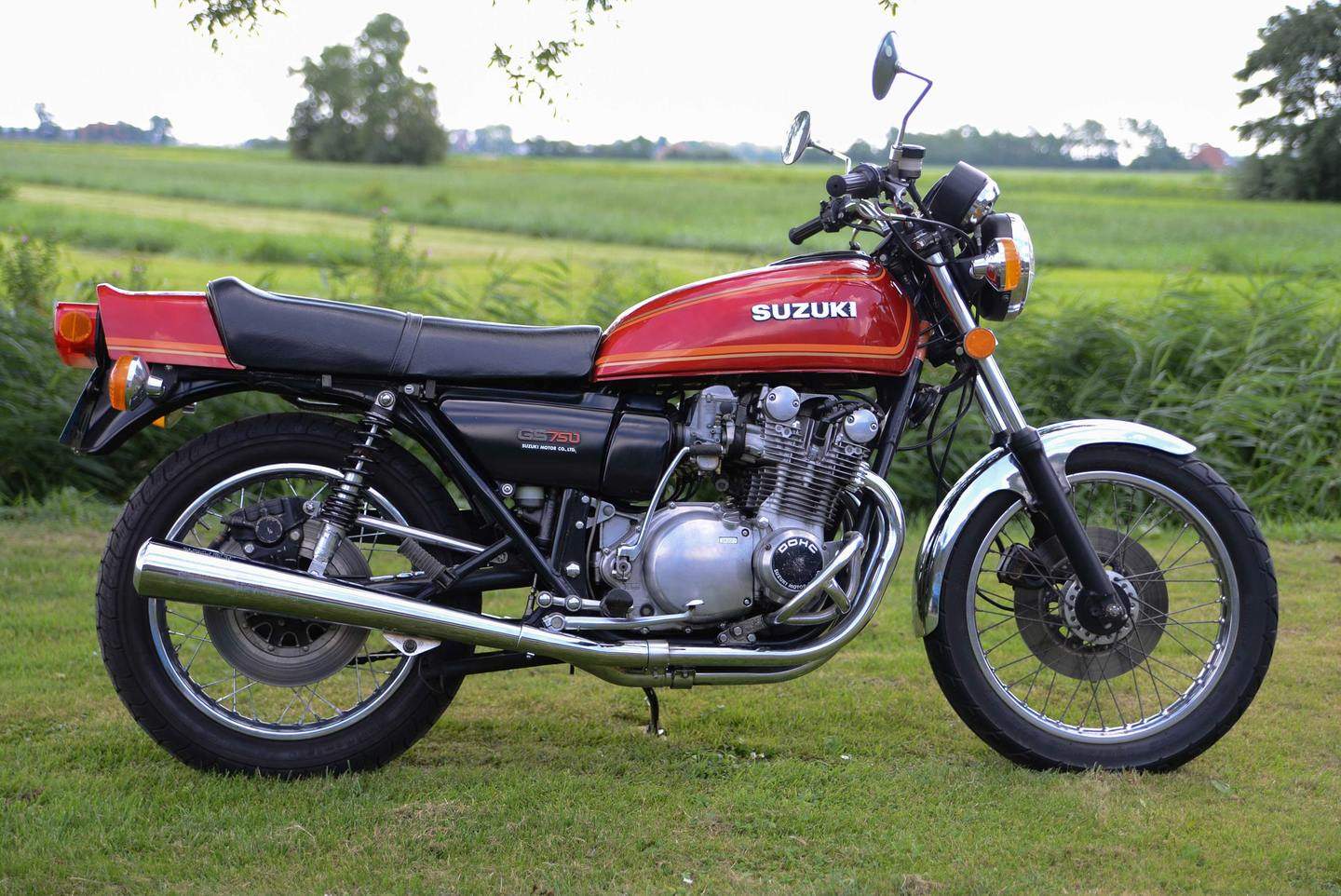
Unlike some contemporaries, the GS750 was known for its durability and ease of maintenance, making it ideal for riders who want a classic experience without frequent mechanical headaches. Today, a well-kept GS750 combines vintage charm with reliable performance for a true classic ride.
Modern motorcycles may boast the latest technology, but it’s important to remember that the classics were once the cutting-edge machines of their day.
Even bikes like the BMW K1, which didn’t always achieve strong sales, introduced innovations that influenced the industry. There’s something to be said for taking an idea and refining it, and the Suzuki GS750 is a perfect example of this approach.
The Suzuki GS750 didn’t reinvent the Universal Japanese Motorcycle (UJM) formula, it honed it. The concept of the UJM began with the Honda CB750, which launched in 1969 and caused a sensation with features like a front disc brake, electric starter, and a 750cc four-cylinder engine.
Its combination of strong performance, reliability, ease of use, and stylish design helped define the new UJM segment. Seeing Honda’s success, other Japanese manufacturers quickly followed suit: Kawasaki introduced the 903cc Z1 in 1973, and three years later, Suzuki responded with the GS750.
At the time of the GS750’s release in 1976, Suzuki faced considerable pressure. Decades before its record-breaking Hayabusa, the company was renowned for two-stroke machines, but tightening emissions regulations threatened the viability of such engines.
Suzuki’s experiments with rotary engines had also failed. In response, the GS750 closely followed the UJM blueprint established by its competitors. While some accused Suzuki of copying Kawasaki’s design, the company was simply observing and applying lessons from the market to create a competitive bike.
Although the GS750 did not introduce groundbreaking technology, it refined the UJM formula, resulting in a bike that feels more modern than the earlier CB750 and Z1. Its 748cc inline-four engine, paired with a five-speed transmission, produced roughly 60 horsepower at the rear wheel.
Later E models added more valves and higher compression, increasing output to 65 horsepower. Beyond raw numbers, the engine was celebrated for its smoothness, reliability, and straightforward maintenance, thanks in part to its traditional shim-based valve adjustment.
Handling was another area where the GS750 excelled. The bike’s stiffer, more rigid chassis outperformed the CB750 and Z1, helping the later GS1000 secure a victory at the 1978 Daytona 200.
The GS platform would go on to win two AMA Superbike Championships and form the foundation for NHRA Pro Stock drag racing. At the time, the GS750 was widely regarded as the best-handling of the large Japanese bikes.
The model also introduced a few technological advantages over other UJMs, including optional twin-disc front brakes in 1977, years before Honda adopted the same feature, and a gear indicator, which was rare for a 1970s motorcycle. Thanks to these qualities, the GS750 became one of the most well-regarded UJMs of its era, capable of reliable weekly commuting with regular maintenance.
Suzuki sold the GS750 from 1976 to 1983, before replacing it with the first GSXR. Despite its strong performance and favorable reviews, the GS750 has largely been overlooked by collectors, unlike other classics such as the Honda CB350 Four.
As a result, a GS750 or GS1000 in good condition remains surprisingly affordable, with even pristine GS750E examples generally priced between $3,000 and $4,000. Bikes equipped with Yoshimura Racing parts, like the Daytona-winning GS1000, fetch higher prices, but even these remain accessible relative to the broader classic market.
9. Norton Commando 750 (1967–1977)
The Norton Commando 750 is one of the most celebrated British motorcycles of its era. Its 745cc parallel-twin engine delivered strong performance, while the innovative “Isolastic” frame reduced vibration a common problem for bikes of the time.
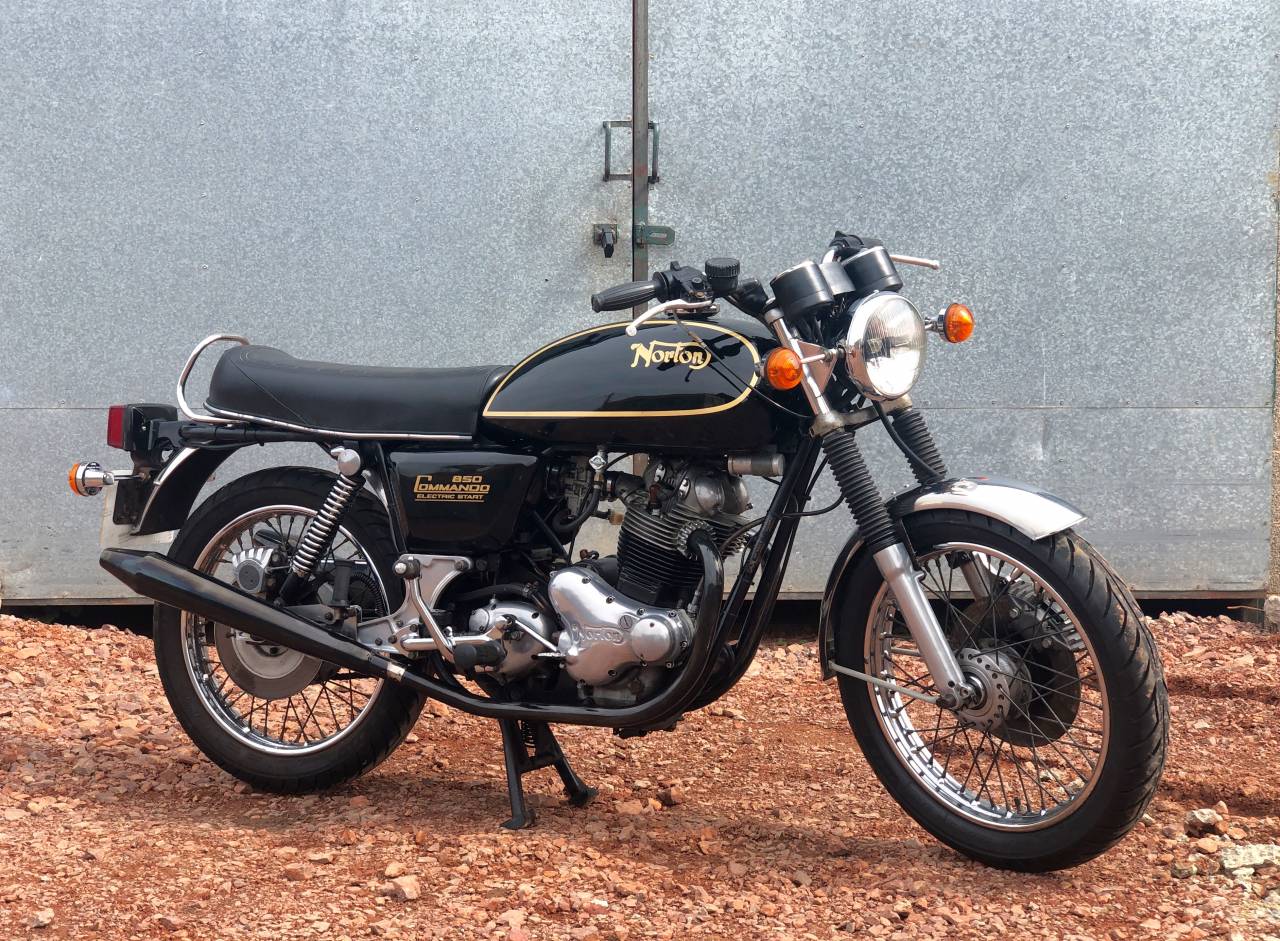
In the U.S., the Commando developed a cult following thanks to its combination of speed, handling, and distinctive British styling.
Owning a Norton today means embracing a piece of motorcycle history that’s both iconic and mechanically satisfying for those willing to invest in proper upkeep.
10. Moto Guzzi V7 (1967–1973)
The Moto Guzzi V7 introduced American riders to the uniqueness of Italian engineering beyond Ducati. Its 703cc transverse V-twin engine offers plenty of torque at low RPMs, making it ideal for city streets and cruising.
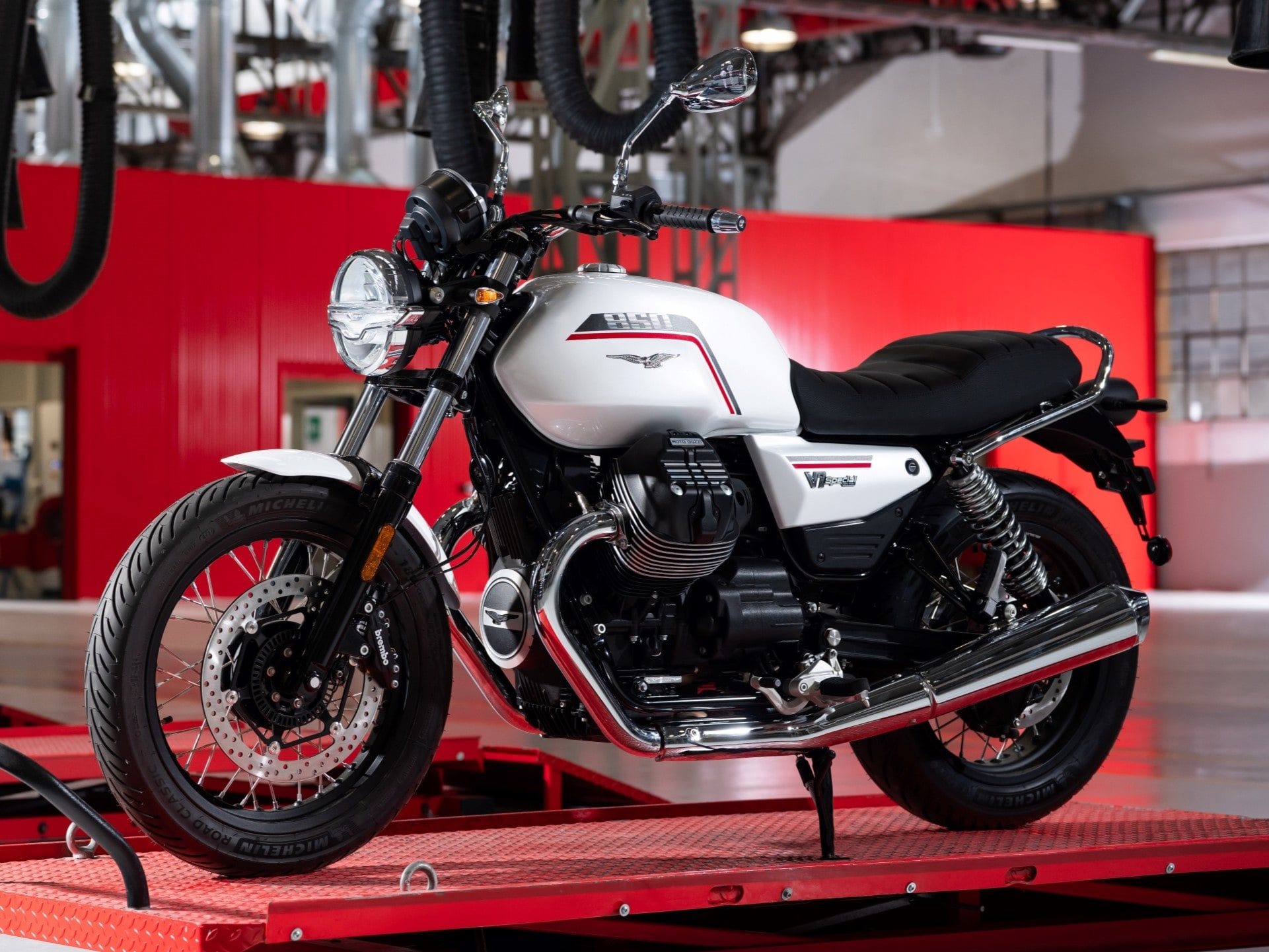
The shaft drive ensures low maintenance, while the distinctive longitudinal engine layout and classic styling stand out in any vintage collection.
For enthusiasts who appreciate personality as much as performance, the V7 represents the height of Italian craftsmanship in a manageable package.
11. Kawasaki KZ900/1000 (1976–1983)
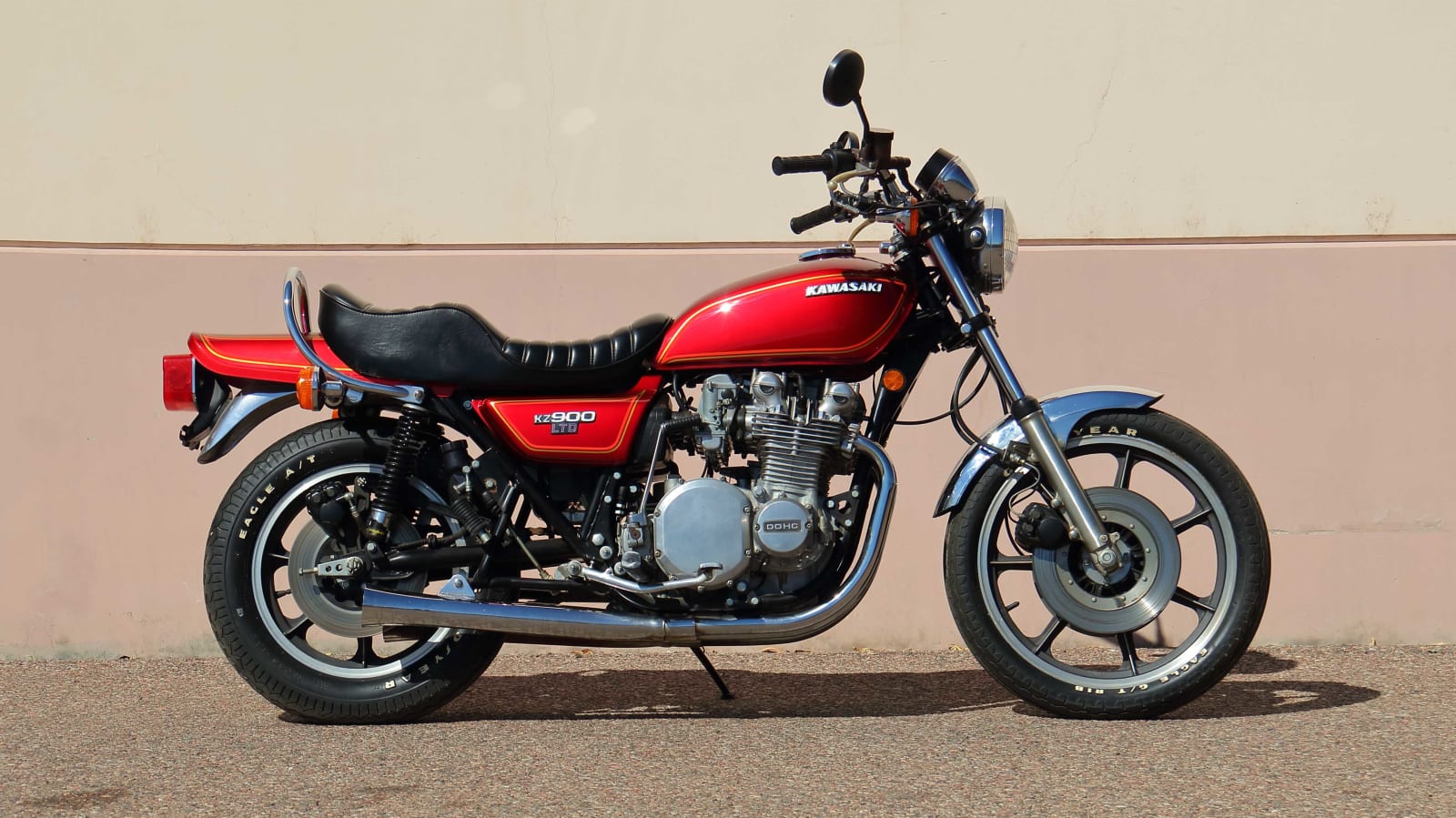
The Kawasaki KZ series, particularly the KZ900, offered high-performance inline-four engines under 1000cc that appealed to American riders seeking speed and reliability.
The 903cc KZ900 and later KZ1000 models were nimble, fast, and perfect for spirited weekend rides.
With a simple, elegant design and proven engineering, the KZ900 remains a favorite among collectors who want a classic Japanese superbike without venturing into vintage high-maintenance territory.
Its balance of performance, reliability, and classic styling makes it a worthy addition to any garage.
Classic motorcycles under 1000cc offer a unique mix of accessibility, style, and mechanical engagement that larger bikes often lack.
They are generally lighter, easier to ride, and simpler to maintain, making them ideal for both beginners and seasoned collectors. In the U.S., many of these bikes have become cultural icons, representing eras when motorcycles were both a statement and a passion.
Whether you’re drawn to British elegance, Japanese innovation, or Italian flair, owning one of these motorcycles is more than a hobby it’s preserving a piece of history that continues to thrill riders decades later.
This list emphasizes bikes that are not only historically significant but also practical to own and ride today.
From the Honda CB750’s groundbreaking design to the Moto Guzzi V7’s distinctive Italian engineering, these motorcycles prove that sub-1000cc bikes can deliver a full-throttle dose of classic motorcycle excitement.
