
City driving in Madison Heights places very specific demands on vehicles. Short trips, frequent stop-and-go traffic, tight parking, rough pavement, and constant braking define daily use.
Over time, these conditions expose weaknesses in cars that are not designed for urban environments, while rewarding those built for simplicity, efficiency, and durability.
For Madison Heights drivers, the ideal city car is compact enough to maneuver easily, comfortable in traffic, and durable enough to tolerate repeated starts and stops without developing chronic issues.
Fuel efficiency matters, but reliability and ease of ownership matter more. Vehicles that require frequent service appointments or complicated repairs quickly become frustrating in daily city use.
At the same time, not all good city cars are easy to maintain. Some models drive well but rely on complex electronics, specialized parts, or dealership-only service procedures.
For many drivers, especially those using independent repair shops, ease of service becomes just as important as driving comfort.
This article explores both sides of ownership in Madison Heights. First, it highlights five cars that work well for Madison Heights city driving, focusing on maneuverability, ride comfort, reliability, and real-world urban usability. These vehicles are chosen because they handle daily city routines without creating unnecessary stress.
Then, it examines five easy-service models, vehicles known for mechanical simplicity, affordable parts, and straightforward maintenance. These cars minimize downtime and keep ownership costs predictable.
Together, these two perspectives help city drivers choose cars that are not only pleasant to drive but also easy to live with long term.
Also Read: 5 Cars for Blue Springs Family Driving and 5 Fuel-Efficient Choices
5 Cars for Madison Heights City Driving
Madison Heights city driving rewards vehicles that are easy to control, forgiving in traffic, and resilient under constant use. Short trips, frequent braking, and uneven pavement place steady strain on engines, transmissions, and suspension components.
The cars in this section are selected because they thrive in city conditions. Compact dimensions make parking easier and reduce stress in tight spaces. Steering is light and predictable, helping drivers navigate congested streets and busy intersections confidently.
Ride comfort also plays a major role. City roads often feature potholes, patched asphalt, and sharp bumps. Vehicles with compliant suspension tuning absorb these imperfections, improving comfort and reducing long-term wear on components.
Reliability is critical in city use. Frequent starts and stops are hard on powertrains, especially in winter. Cars that tolerate this pattern without overheating, transmission issues, or electrical faults make city ownership far less stressful.
Fuel efficiency matters, but not at the expense of durability. The vehicles chosen here balance efficiency with mechanical simplicity, avoiding systems that struggle under repeated short trips.
I am writing about these vehicles because Madison Heights drivers need cars that work every day, not just on paper. These models reduce maintenance surprises, handle urban challenges gracefully, and remain dependable as mileage accumulates.
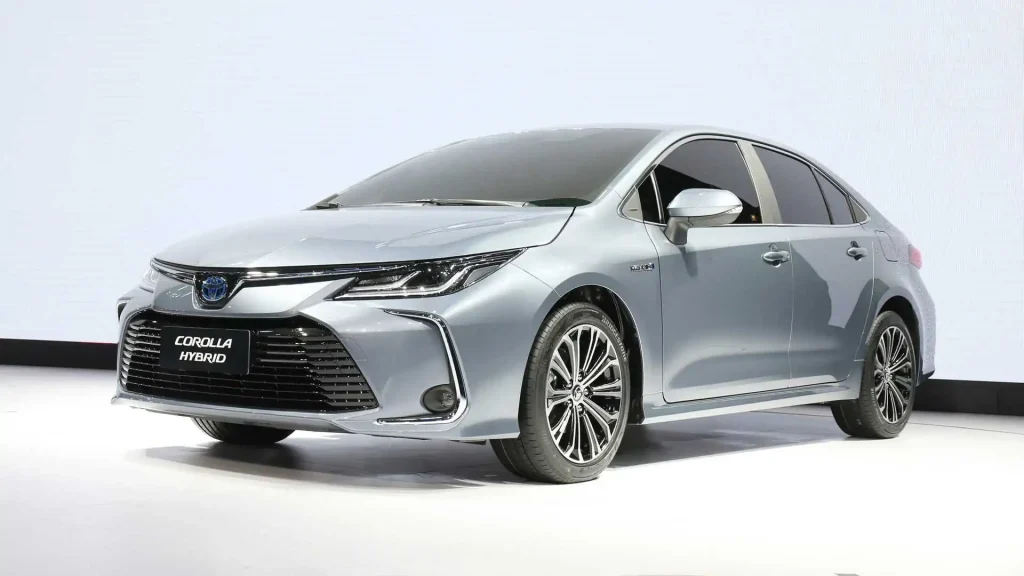
1. Toyota Corolla
The Toyota Corolla is one of the most dependable cars for Madison Heights city driving because it is engineered specifically for reliability and ease of use in daily urban conditions.
Its compact size makes it easy to maneuver through traffic and park in tight city spaces. Visibility is good, steering is light, and controls are intuitive, reducing driver fatigue during stop-and-go commutes.
Engine tuning is conservative, keeping heat and mechanical stress low during frequent idling and short trips. This is especially important in city driving, where engines rarely operate at steady speeds for long periods.
The transmission emphasizes smooth, predictable behavior rather than aggressive shifting. This reduces wear caused by constant speed changes and improves long-term durability.
Suspension tuning suits city roads well. The Corolla absorbs potholes and rough pavement without harshness, protecting suspension components and improving ride comfort.
Fuel efficiency supports daily use without relying on complex systems that increase maintenance risk. At the same time, winter reliability remains strong, with dependable cold starts and quick warm-up.
Maintenance simplicity strengthens its appeal. Parts are inexpensive and widely available, and independent shops are very familiar with the Corolla platform.
I am writing about the Toyota Corolla because it represents the ideal city car for Madison Heights: easy to drive, easy to maintain, and dependable year after year.
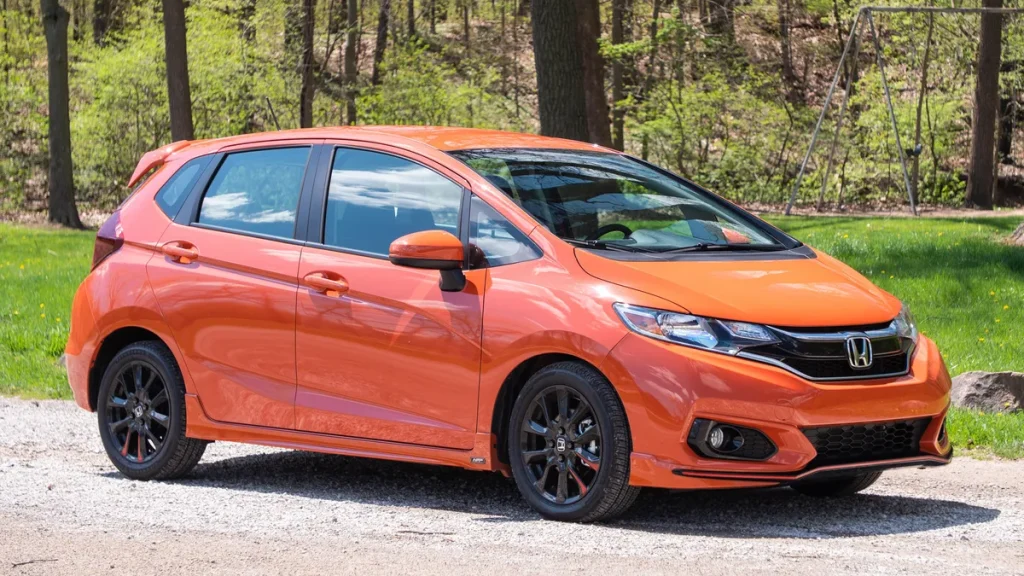
2. Honda Fit
The Honda Fit is exceptionally well suited for Madison Heights city driving because it combines compact exterior dimensions with surprising interior flexibility and strong urban reliability. For drivers navigating dense traffic and limited parking, the Fit delivers practicality without stress.
Its small footprint makes maneuvering through narrow streets and crowded parking lots easy. Tight turning radius and responsive steering help drivers handle frequent lane changes and quick stops common in city environments. Visibility is excellent, which reduces blind-spot anxiety during busy urban driving.
Engine output is modest and well matched to city use. The Fit’s powertrain avoids excessive heat buildup during frequent idling and short trips, which are common in Madison Heights. This conservative tuning helps extend engine life and reduces cooling-related issues.
Transmission behavior supports stop-and-go traffic. Smooth engagement and predictable response minimize wear caused by constant speed changes. This is especially important in urban driving, where harsh shifting accelerates drivetrain fatigue.
Suspension tuning favors comfort over stiffness. The Fit absorbs potholes, speed bumps, and uneven pavement effectively, protecting suspension components while keeping the ride comfortable. Over time, this reduces the likelihood of premature strut and bushing replacements.
Interior flexibility is a standout advantage. Despite its compact size, the Fit’s seating and cargo layout handle groceries, work gear, and daily errands with ease. This versatility is valuable for city dwellers who need one car to do everything.
Maintenance accessibility further enhances its appeal. Parts are affordable, independent shops are familiar with the Fit, and routine service is straightforward.
I am writing about the Honda Fit because it proves that small cars can be incredibly capable in city environments. For Madison Heights drivers who value easy maneuvering, low ownership costs, and daily reliability, the Fit is a smart and practical choice.
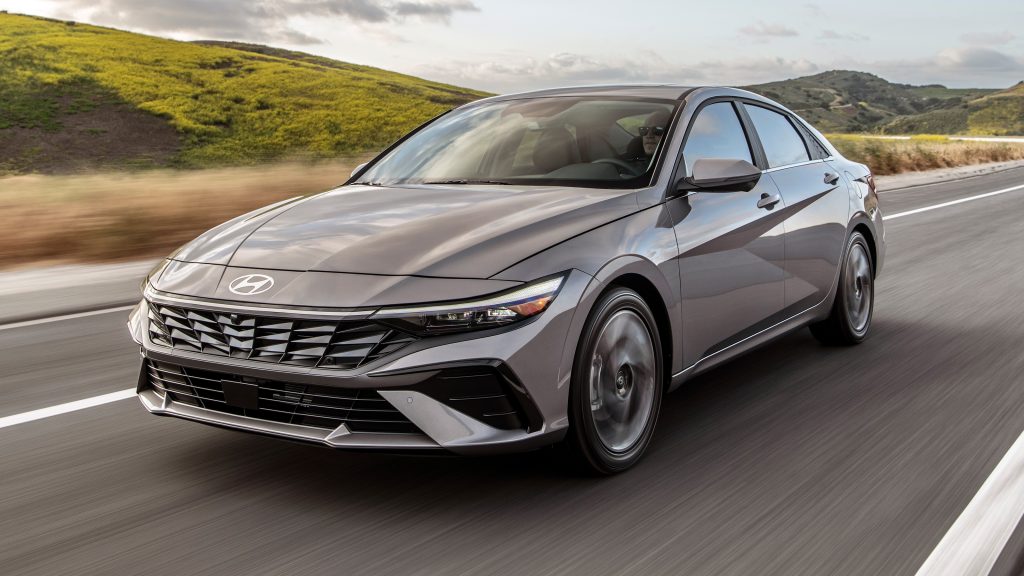
3. Hyundai Elantra
The Hyundai Elantra is a strong city-driving option for Madison Heights because it balances compact dimensions with comfort, efficiency, and modern usability. It handles urban routines without demanding constant attention from its owner.
The Elantra’s size is well suited for city streets. It is easy to park, simple to maneuver, and stable in traffic. Steering is light, which reduces fatigue during frequent stops and tight turns.
Engine tuning focuses on efficiency and smoothness. In city driving, this keeps operating temperatures stable and reduces stress during repeated short trips. The Elantra tolerates idle-heavy use better than many turbocharged competitors.
Transmission response supports daily commuting. Shifts are smooth and predictable, which minimizes wear caused by stop-and-go conditions. This contributes to longer drivetrain life under urban use.
Ride comfort is another advantage. The suspension absorbs road imperfections and patched pavement without harshness. This not only improves passenger comfort but also reduces long-term wear on suspension components.
Fuel efficiency remains strong without relying on overly complex systems. This helps keep running costs low while maintaining reliability in city conditions.
Interior quality supports daily use. Controls are intuitive, seating is comfortable for short and medium trips, and cabin noise remains controlled in traffic.
Maintenance costs are generally manageable. Parts availability is good, independent shops can handle routine service, and ownership costs remain predictable.
I am writing about the Hyundai Elantra because it delivers a balanced city-driving experience. For Madison Heights drivers who want modern features, easy maneuverability, and reasonable maintenance costs, the Elantra is a dependable urban companion.
4. Mazda 3
The Mazda 3 is a strong match for Madison Heights city driving because it blends compact dimensions with a solid, well-controlled driving feel that holds up under constant urban use. It is easy to live with in traffic while remaining comfortable and dependable over time.
Its size makes city navigation simple. Parking in tight spaces is stress-free, and the steering is responsive without being overly sensitive. This balance helps drivers maneuver through congested streets and busy intersections with confidence.
Engine tuning favors smooth power delivery rather than aggressive output. In city driving, this reduces heat buildup during frequent idling and short trips. The engine operates efficiently without being pushed hard, which supports long-term reliability.
Transmission behavior is well suited to stop-and-go conditions. Shifts are predictable and smooth, minimizing wear from constant acceleration and deceleration. This consistency is especially important for city cars that rarely experience steady cruising speeds.
Suspension tuning leans toward comfort while maintaining control. The Mazda 3 absorbs potholes, road patches, and speed bumps effectively without feeling soft or unstable. This protects suspension components and keeps ride quality pleasant during daily driving.
Interior quality supports frequent use. Controls feel solid, seating remains supportive, and cabin noise stays manageable in traffic-heavy environments. These factors reduce fatigue during daily city routines.
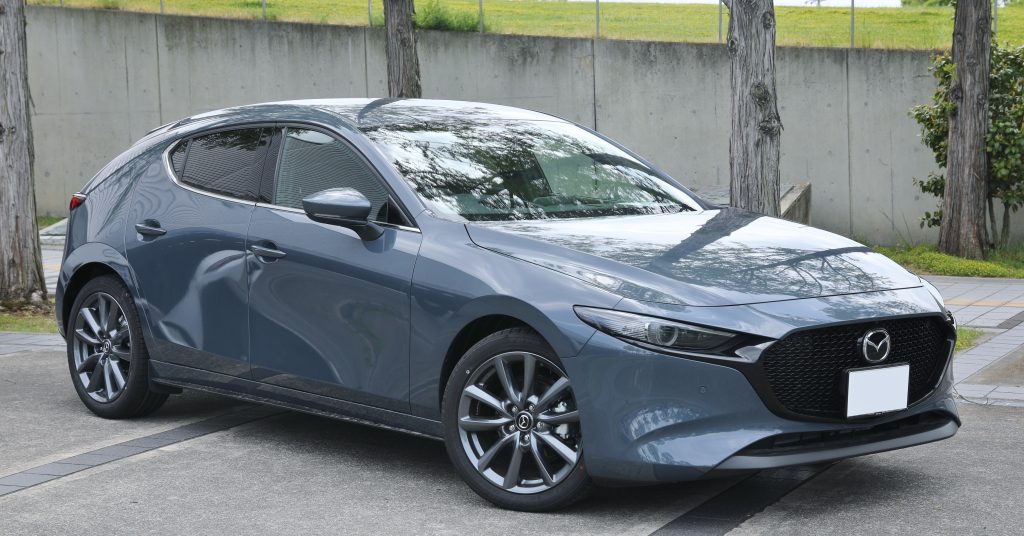
Maintenance accessibility adds to its appeal. Parts are widely available, independent shops are familiar with Mazda platforms, and routine service costs remain reasonable.
I am writing about the Mazda 3 because it offers a refined yet durable city-driving experience. For Madison Heights drivers who want something engaging without sacrificing reliability, the Mazda 3 is a well-rounded urban choice.
5. Kia Forte
The Kia Forte is a practical and reliable option for Madison Heights city driving, offering compact dimensions, easy handling, and low ownership stress. It fits well into daily urban routines that demand efficiency and simplicity.
The Forte’s size makes it easy to maneuver through city traffic and park in tight spaces. Steering is light and predictable, reducing effort during frequent stops and turns.
Engine output is modest and well matched to city use. This keeps operating temperatures stable and reduces wear caused by repeated short trips and idling. The Forte handles urban driving without overheating or mechanical strain.
Transmission tuning supports smooth operation in stop-and-go traffic. Predictable shifts reduce drivetrain stress and improve long-term durability under city conditions.
Ride comfort is another strength. The suspension absorbs uneven pavement and potholes effectively, improving comfort while protecting suspension components from early wear.
Fuel efficiency supports daily use without relying on complex systems. This keeps operating costs low and maintenance simple.
Interior design emphasizes practicality. Controls are easy to use, seating is comfortable for daily errands, and materials hold up well under frequent entry and exit.
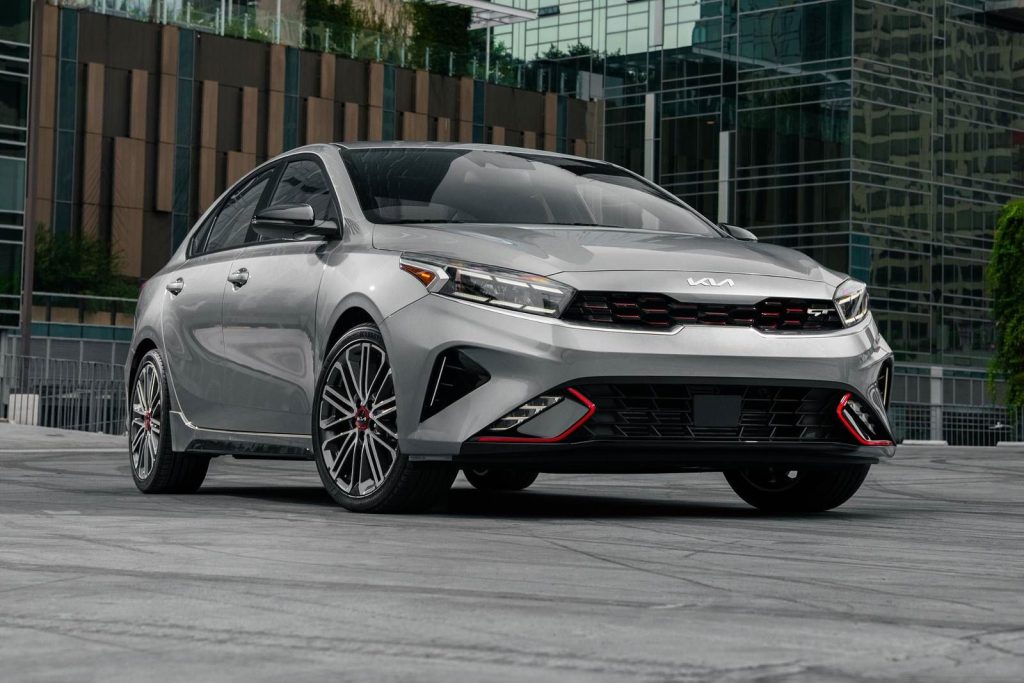
Maintenance remains straightforward. Parts availability is good, independent shops can service the Forte easily, and long-term costs remain manageable.
I am writing about the Kia Forte because it delivers exactly what city drivers need: simplicity, efficiency, and dependable performance in daily urban use.
5 Easy-Service Models
For many Madison Heights drivers, how easy a car is to service matters just as much as how it drives. Frequent city use means regular maintenance, and vehicles that are difficult or expensive to service quickly become frustrating.
Easy-service models share a few key traits. They use proven engines and transmissions, avoid unnecessary complexity, and rely on parts that are widely available. Independent repair shops can service them without specialized tools, keeping costs and downtime low.
City driving accelerates wear on brakes, suspension, and fluids. Cars that are easy to maintain allow owners to address these needs quickly and affordably. This keeps vehicles reliable even as mileage climbs.
This section focuses on five models known for straightforward maintenance and long-term serviceability. I am writing about them to highlight vehicles that simplify ownership rather than complicate it. These cars reduce repair anxiety and fit well into the daily realities of city life.
For Madison Heights drivers who value predictability and affordability, choosing an easy-service vehicle can make years of ownership smoother and less stressful.
1. Toyota Camry
The Toyota Camry is one of the easiest vehicles to service for Madison Heights drivers because it is engineered with simplicity, durability, and long-term ownership in mind. For city drivers who rely on independent repair shops, the Camry consistently proves to be low-stress and predictable.
Mechanical design is straightforward. The Camry uses proven engines and transmissions that avoid unnecessary complexity. Components are laid out with service access in mind, allowing common maintenance tasks such as belt replacements, fluid service, and cooling system work to be completed efficiently.
Parts availability is excellent. Replacement components are widely stocked, affordable, and interchangeable across multiple model years. This reduces wait times and keeps repair costs stable, even as the vehicle ages.
Independent shop familiarity is another major advantage. Most repair shops have extensive experience servicing Camry models, which speeds up diagnosis and reduces labor costs. Owners are not locked into dealership service for routine repairs.
Reliability reduces service frequency. While no car is maintenance-free, the Camry avoids chronic issues that trigger repeated visits. When service is needed, it is usually predictable and preventative rather than reactive.
City driving suits the Camry’s design. Stop-and-go traffic does not place excessive stress on its drivetrain, and suspension components hold up well on rough urban pavement. This further reduces repair frequency.

Electrical systems are relatively simple compared to many modern vehicles. Sensors and modules are durable, and failures are less frequent. When issues arise, they are easier to diagnose than those in more complex cars.
I am writing about the Toyota Camry because it represents the gold standard of easy ownership. For Madison Heights drivers who want a car that can be serviced quickly, affordably, and reliably year after year, the Camry remains one of the most practical choices available.
2. Honda Accord
The Honda Accord is another standout easy-service vehicle for Madison Heights drivers, combining mechanical simplicity with long-term reliability and strong support from independent repair networks.
Engine and transmission layouts are service-friendly. Common maintenance tasks such as oil changes, brake service, cooling system repairs, and suspension work are straightforward and do not require specialized tools. This reduces labor time and overall service costs.
Parts availability is strong. Accord components are widely available from multiple suppliers, keeping prices competitive. This also means repairs can be completed quickly without extended downtime waiting for parts.
Independent shop familiarity plays a major role. The Accord is one of the most commonly serviced vehicles, which means mechanics are comfortable diagnosing issues efficiently. This reduces guesswork and unnecessary part replacements.
Reliability minimizes emergency repairs. Accord powertrains handle city driving well, avoiding the overheating, transmission failures, and electronic issues that cause frequent service visits in other vehicles.
Suspension components are durable and easy to replace when wear does occur. Urban potholes and uneven pavement do not cause cascading failures, keeping maintenance manageable.
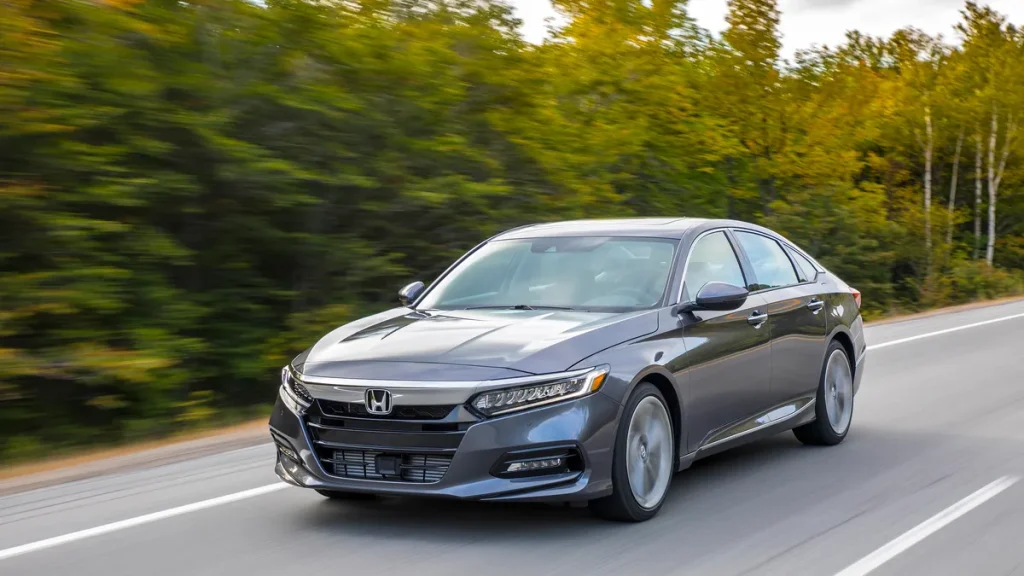
Electrical systems are relatively conservative. While modern features are present, they are not overly complex. Sensor failures are less frequent and easier to address compared to more technologically dense vehicles.
I am writing about the Honda Accord because it balances comfort, reliability, and service simplicity. For Madison Heights drivers who want predictable ownership and easy maintenance, the Accord consistently delivers a stress-free experience.
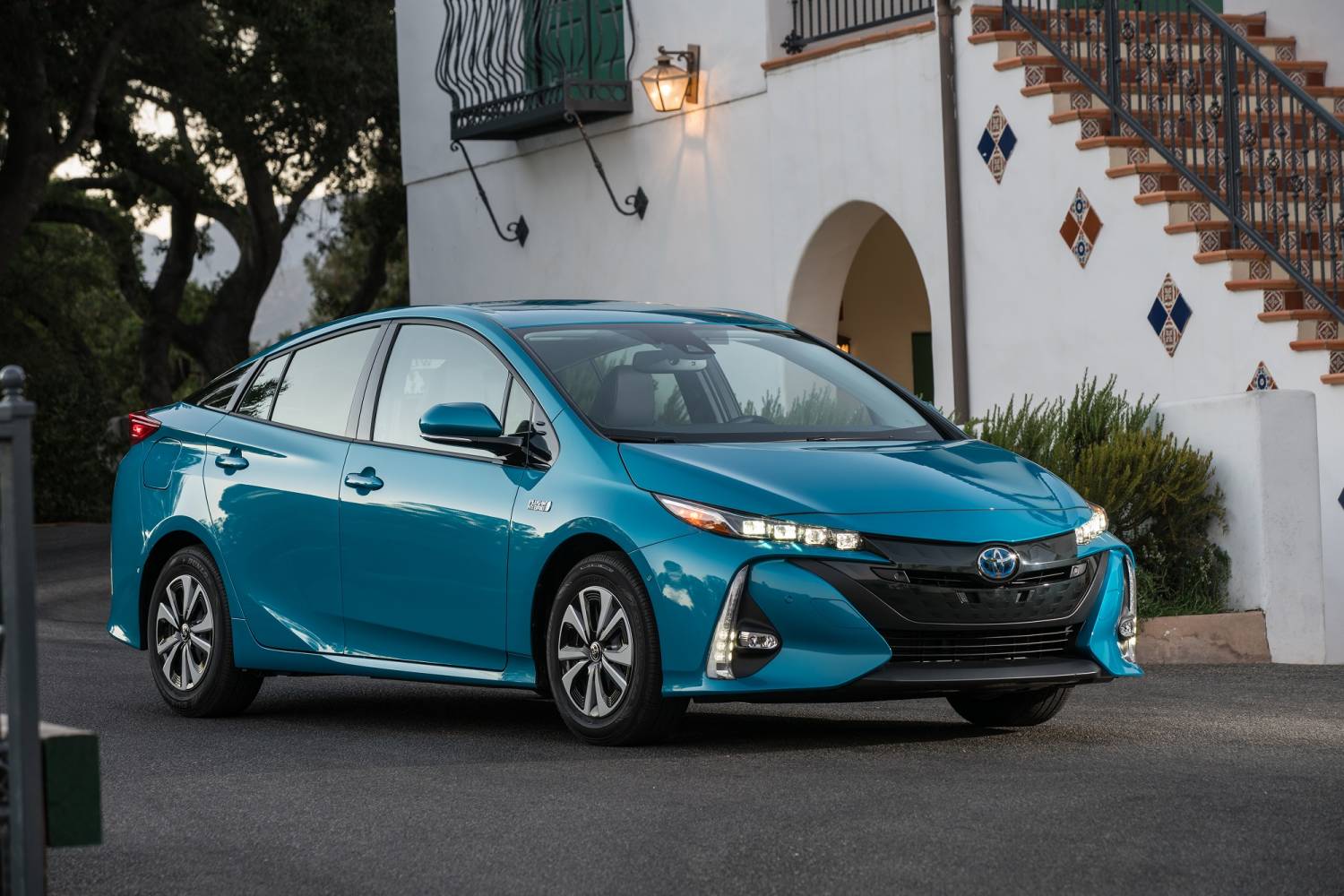
3. Toyota Prius
The Toyota Prius is one of the easiest vehicles to service for Madison Heights drivers because it combines mechanical simplicity with exceptional durability, especially in city-driving conditions. Despite its advanced reputation, real-world ownership proves surprisingly straightforward.
One of the biggest advantages is reduced mechanical wear. City driving involves constant braking and idling, but the Prius’s hybrid system significantly reduces stress on the engine and brakes. The electric motor handles low-speed movement, allowing the gasoline engine to operate under lighter loads. This leads to fewer engine-related service issues over time.
Brake service is less frequent than in traditional cars. Regenerative braking reduces wear on brake pads and rotors, which is a major benefit in stop-and-go urban driving. For city drivers, this means fewer routine service visits.
Engine layout is simple and well understood by independent repair shops. Prius engines are not performance-focused, which keeps heat and internal stress low. Oil consumption issues are less common compared to many turbocharged vehicles used in similar conditions.
Parts availability is excellent. Prius components are widely stocked due to the model’s long production history and popularity. Hybrid-specific parts are now common at independent shops, reducing reliance on dealerships.
Electrical systems are stable and well integrated. While hybrid systems sound complex, Prius electronics are designed for longevity and reliability. Failures are less frequent than many modern non-hybrid vehicles with dense electronic features.
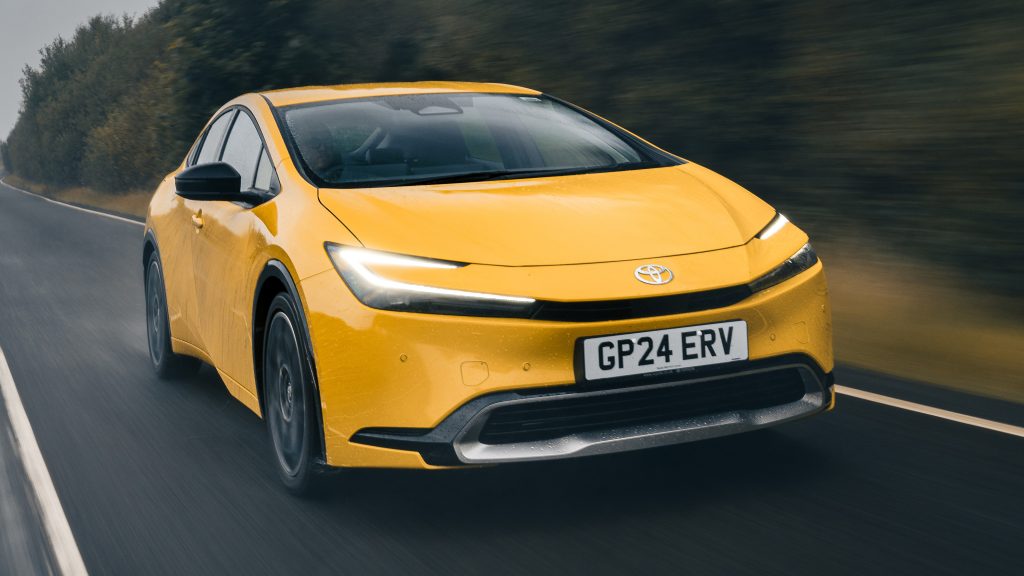
Cooling systems are robust and well sized. City driving does not overwhelm thermal management, helping prevent overheating and sensor-related failures.
I am writing about the Toyota Prius because it challenges misconceptions. For Madison Heights city drivers who want an easy-service car with low wear and predictable maintenance, the Prius delivers long-term simplicity and cost efficiency.
4. Ford Fusion (Naturally Aspirated Models)
Naturally aspirated Ford Fusion models are easy to service and well suited for Madison Heights drivers who want a midsize car without complex maintenance demands. When equipped without turbochargers, the Fusion becomes a straightforward and reliable daily driver.
Engine design is simple and accessible. Without turbocharging, the engine produces moderate heat and avoids many of the cooling and oil-related issues that drive frequent service visits in other modern sedans.
Transmission behavior supports city driving. Smooth, predictable shifts reduce internal wear caused by stop-and-go traffic. This consistency lowers the likelihood of premature transmission service needs.
Parts availability is strong. The Fusion shares components across multiple Ford platforms, keeping replacement parts affordable and readily available. Independent repair shops are comfortable servicing these vehicles.
Suspension components are durable and easy to replace. Urban road imperfections do not trigger cascading failures, and when wear does occur, repairs are straightforward and inexpensive.
Electrical systems are relatively conservative. The Fusion avoids excessive reliance on fragile electronics, reducing diagnostic complexity and service frequency.
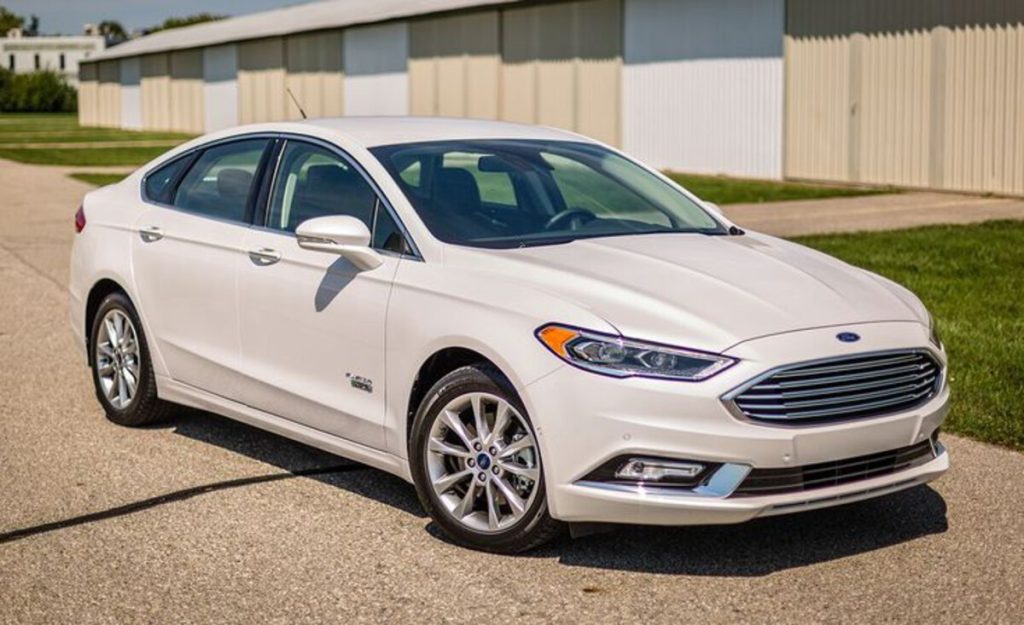
Routine maintenance is simple. Oil changes, brake service, cooling system repairs, and suspension work can be handled quickly without specialized tools.
I am writing about the Ford Fusion because it shows how avoiding unnecessary complexity leads to easier ownership. For Madison Heights drivers who want an affordable, easy-to-maintain sedan, naturally aspirated Fusion models remain a practical and service-friendly choice.
5. Chevrolet Malibu (Non-Turbo Models)
The Chevrolet Malibu equipped with non-turbocharged engines is one of the easiest vehicles to service for Madison Heights drivers, particularly those who rely on independent repair shops and want predictable ownership costs. Its straightforward design makes it well suited for long-term city use.
Mechanical simplicity is the Malibu’s biggest strength. Naturally aspirated engines operate under lower heat and pressure compared to turbocharged alternatives. This reduces stress on cooling systems, oil components, and internal engine parts, resulting in fewer service issues over time.
Engine bay layout supports easy access. Routine maintenance such as oil changes, belt replacements, and cooling system work can be completed quickly without extensive disassembly. This keeps labor costs low and reduces time spent in the shop.
Transmission behavior favors smoothness over performance. In city driving, this predictability reduces wear caused by constant acceleration and braking. As a result, transmission service needs are less frequent compared to more aggressively tuned vehicles.
Parts availability is excellent. The Malibu shares components with other General Motors vehicles, ensuring replacement parts are widely stocked and affordable. This shortens repair timelines and keeps costs reasonable even as the vehicle ages.
Independent shop familiarity further improves serviceability. Most mechanics have experience working on Malibu models, reducing diagnostic time and minimizing unnecessary part replacements. Owners are not tied to dealership-only service for common repairs.
Suspension durability also contributes to easy ownership. The Malibu’s suspension absorbs city road imperfections without excessive stiffness, protecting components from premature wear. When replacement is needed, parts are inexpensive and straightforward to install.
Electrical systems remain relatively simple. While modern features are present, the Malibu avoids overly complex electronics that can trigger frequent warning lights and diagnostic issues.
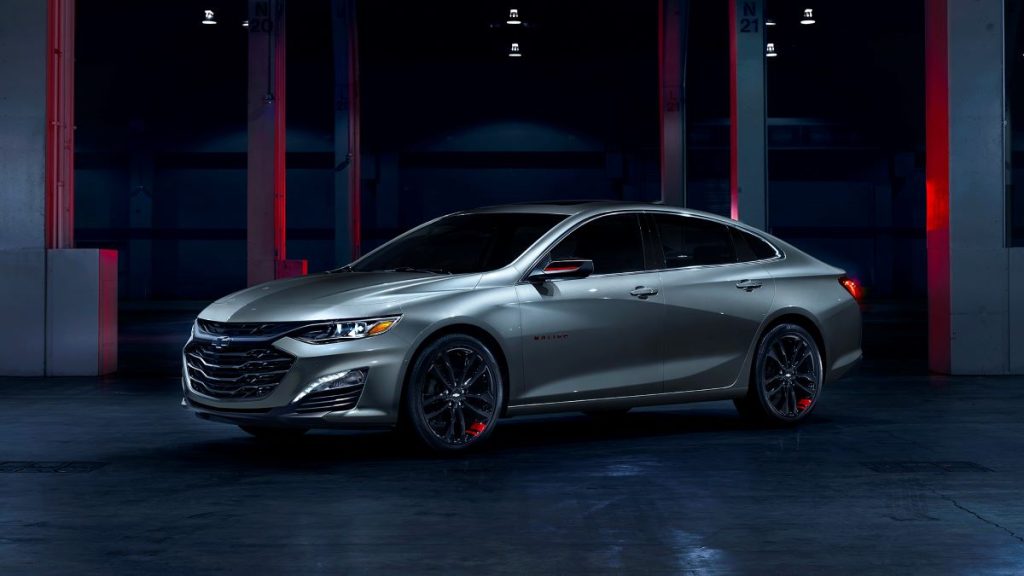
I am writing about the Chevrolet Malibu because it represents a practical, service-friendly choice for city drivers.
For Madison Heights residents who want a vehicle that is easy to maintain, affordable to repair, and dependable in daily urban use, non-turbo Malibu models offer long-term peace of mind.
City driving in Madison Heights places steady demands on vehicles due to frequent stop-and-go traffic, short trips, tight parking, and uneven pavement.
This article examined two important aspects of ownership for urban drivers: cars that perform well in Madison Heights city driving and cars that are easy to service over long-term use.
The first section highlighted five cars well suited for Madison Heights city driving. Vehicles such as the Toyota Corolla and Honda Fit stood out for their compact size, easy maneuverability, and strong reliability in traffic-heavy environments.
Their conservative engine tuning and smooth transmissions handle repeated short trips without overheating or excessive wear. The Hyundai Elantra and Mazda 3 offered a balance of comfort and control, absorbing rough pavement while remaining easy to park and drive in crowded areas.
The Kia Forte completed the list by combining efficiency, predictable handling, and low ownership stress, making it a dependable choice for daily urban routines.
Across these models, shared strengths included light steering, compliant suspension tuning, efficient powertrains, and proven reliability under constant stop-and-start use. These traits reduce driver fatigue and help minimize unexpected repairs as mileage increases.
The second section focused on five easy-service models, vehicles designed for straightforward maintenance and affordable repairs. The Toyota Camry and Honda Accord were highlighted for their simple mechanical layouts, widespread parts availability, and strong support from independent repair shops.
The Toyota Prius demonstrated how hybrid systems can actually reduce wear in city driving through regenerative braking and low engine stress.
Naturally aspirated Ford Fusion models offered service-friendly design without turbo complexity, while non-turbo Chevrolet Malibu models rounded out the list with accessible engine bays and inexpensive replacement parts.
The key takeaway is clear: Madison Heights drivers benefit most from cars that combine urban-friendly design with mechanical simplicity. Vehicles that are easy to drive in traffic and easy to service over time deliver lower costs, fewer disruptions, and a far more stress-free city ownership experience.
Also Read: 5 Convertibles for Kenosha Lakefront Driving and 5 Rust-resistant Models
