
Daily commuting in Mission is shaped by heat more than almost any other factor. Long summers, high humidity, intense sun exposure, and warm nights place constant stress on vehicles.
Add daily traffic, short trips, highway stretches, and frequent air-conditioning use, and it becomes clear that not every car is suited for this environment.
For Mission commuters, reliability is not just about mileage. It is about how a vehicle handles sustained heat, idling in traffic, and repeated starts under high temperatures.
Cooling systems, transmissions, electronics, and interior materials are all tested daily. Cars that perform well in cooler climates often struggle here, developing overheating issues, sensor failures, or premature wear.
At the same time, not all heat-capable vehicles make good commuters. Some handle high temperatures well but are uncomfortable, inefficient, or costly to run every day. Others are reliable but poorly suited for stop-and-go driving or daily mileage.
This article looks at both sides of ownership in Mission. First, it highlights five cars that work well for daily commuting, focusing on reliability, comfort, efficiency, and long-term ownership in a hot environment. These vehicles are chosen because they handle traffic, daily mileage, and constant AC use without drama.
Then, it examines five heat-ready models, vehicles specifically known for handling extreme temperatures without overheating or degrading quickly. These cars excel at thermal management and durability under sustained heat.
Together, these two perspectives help Mission drivers choose cars that are not only dependable commuters but also capable of surviving and thriving in South Texas heat.
Also Read: 5 Cars for Bloomington Daily Use and 5 Practical Ownership Picks
5 Cars for Mission TX Daily Commuting
Daily commuting in Mission demands cars that remain consistent under stress. Heat amplifies every weakness, from cooling systems to transmissions and electronics. Vehicles that perform well here are those engineered for stability, not performance extremes.
The cars in this section are selected because they tolerate repeated short trips, stop-and-go traffic, and highway cruising while running air conditioning almost constantly. They manage heat effectively without relying on overly complex systems that increase failure risk.
Comfort is also critical. Commutes in Mission often involve long stretches in warm conditions, making cabin cooling performance, seat comfort, and smooth ride quality essential.
Vehicles that struggle to cool interiors or transmit excessive road vibration quickly become tiring to drive.
Fuel efficiency matters, but not at the expense of durability. Cars that sacrifice cooling capacity or engine robustness to chase fuel economy often fail prematurely in hot climates. The vehicles here strike a better balance.
Maintenance accessibility further separates good commuters from bad ones. Cars that can be serviced easily by independent shops, with affordable parts and straightforward cooling systems, reduce ownership stress once warranty coverage ends.
I am writing about these vehicles because Mission commuters need cars that handle heat quietly and consistently. These models reduce breakdown risk, manage daily wear effectively, and remain dependable as mileage increases.
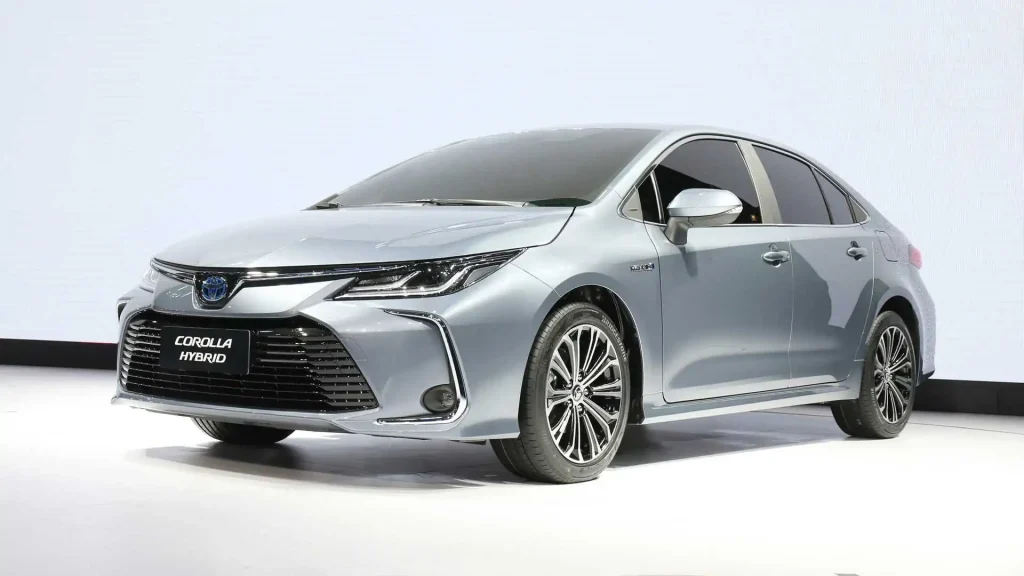
1. Toyota Corolla
The Toyota Corolla is one of the most dependable cars for daily commuting in Mission because it is engineered with conservative thermal management and long-term reliability in mind. In extreme heat, this approach makes a noticeable difference.
Engine output is modest, which keeps heat generation low during traffic and idling. In Mission’s climate, where engines spend significant time under load with air conditioning running, this reduced thermal stress helps prevent overheating and cooling system strain.
The cooling system itself is robust and uncomplicated. Radiators, fans, and coolant pathways are designed for durability rather than peak performance. This makes the Corolla resistant to heat soak during stop-and-go driving.
Transmission tuning further supports commuter use. Smooth, predictable shifting reduces heat buildup and internal wear, especially during traffic-heavy commutes.
Interior cooling performance is another advantage. The Corolla’s air-conditioning system cools the cabin effectively without placing excessive load on the engine, which is critical during long summer commutes.
Suspension tuning suits daily driving. It absorbs rough pavement and expansion joints without transferring excessive vibration into the cabin, improving comfort and reducing component wear.
Maintenance simplicity strengthens long-term ownership. Parts are widely available, independent shops are familiar with the platform, and cooling system service is straightforward.
I am writing about the Toyota Corolla because it exemplifies heat-tolerant commuting reliability. For Mission drivers who want a car that quietly handles daily heat without frequent issues, the Corolla remains a trusted and practical choice.
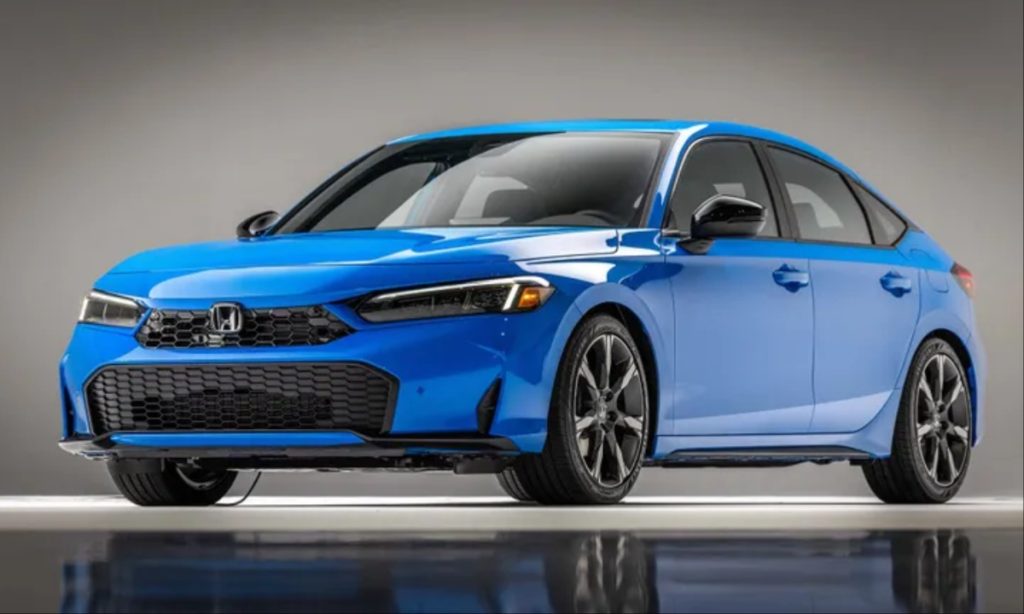
2. Honda Civic
The Honda Civic is an excellent daily commuter for Mission, Texas, because it balances efficiency, comfort, and heat tolerance in a way that works well under constant summer conditions. Its reputation for reliability is especially valuable in a climate where heat accelerates wear on weaker vehicles.
Engine tuning in the Civic is conservative and efficiency-focused. This keeps internal temperatures stable during long drives with the air conditioning running continuously. In Mission traffic, where idling and low-speed driving are common, the Civic avoids excessive heat buildup that can strain cooling systems.
The cooling system itself is well matched to the engine’s output. Radiator capacity and fan performance are sufficient to manage extended hot-weather operation without frequent cycling or temperature spikes. This stability reduces long-term stress on hoses, sensors, and coolant components.
Transmission behavior supports daily commuting. Smooth, predictable shifting minimizes heat generation inside the gearbox, which is important in stop-and-go conditions. This contributes to long-term drivetrain durability in high temperatures.
Cabin cooling is another strength. The Civic’s air-conditioning system cools quickly and maintains comfortable temperatures even in intense heat. Importantly, it does this without placing excessive load on the engine, which helps overall thermal balance.
Ride quality suits daily use. Suspension tuning absorbs rough pavement and expansion joints without harshness, improving comfort and protecting components from premature wear. Steering remains light and responsive, reducing fatigue during longer commutes.
Maintenance accessibility further supports Civic ownership in Mission. Parts are widely available, independent shops are familiar with the platform, and routine cooling system service is simple and affordable.
I am writing about the Honda Civic because it delivers consistent performance in hot climates without demanding special attention. For Mission commuters who want reliable transportation that handles daily heat calmly and predictably, the Civic remains a strong choice.
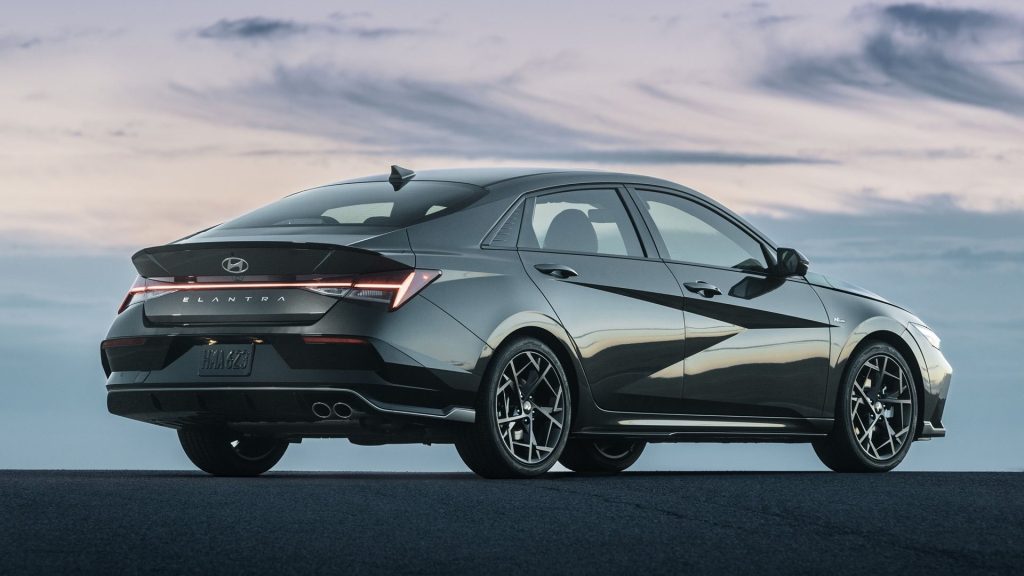
3. Hyundai Elantra
The Hyundai Elantra is a strong daily commuting option for Mission drivers because it offers dependable heat management, modern comfort, and manageable ownership costs.
It performs well under sustained hot-weather use without developing chronic issues common in less robust designs.
Engine output in the Elantra is modest, which helps limit heat generation during traffic and extended idling. This is critical in Mission, where high ambient temperatures reduce cooling efficiency across all vehicles. The Elantra’s engine operates comfortably within safe thermal limits.
Cooling system design is well suited to daily heat exposure. Radiators and fans are sized to handle prolonged air-conditioning use and low-speed driving. This reduces the likelihood of overheating or heat-related sensor failures over time.
Transmission tuning supports commuter patterns. Shifts are smooth and deliberate, minimizing internal friction and heat buildup. In stop-and-go conditions, this consistency helps extend transmission life.
Interior cooling performance is reliable. The Elantra’s AC system cools the cabin effectively during peak summer heat, maintaining comfort without excessive strain on the powertrain.
Ride comfort adds to daily usability. Suspension tuning absorbs rough pavement and road seams common on city routes, reducing vibration and long-term wear on suspension components.
Maintenance costs remain predictable. Parts availability is good, routine service is straightforward, and independent shops can handle most repairs without specialized equipment.
I am writing about the Hyundai Elantra because it offers a modern, commuter-friendly experience that holds up well in hot climates. For Mission drivers who want comfort, efficiency, and dependable daily performance under extreme heat, the Elantra is a sensible and reliable option.
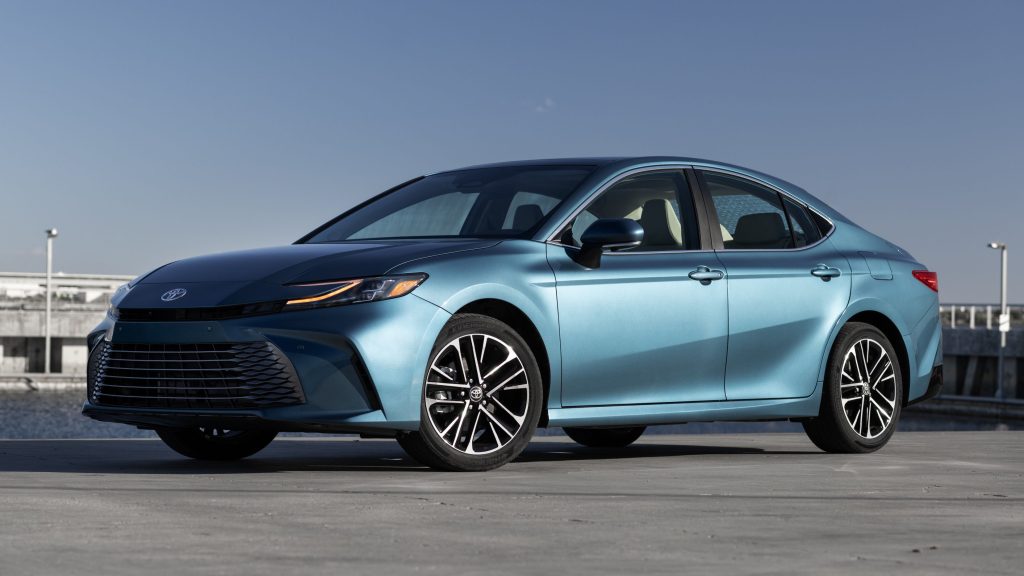
4. Toyota Camry
The Toyota Camry is an excellent daily commuter for Mission, Texas, especially for drivers who spend long hours on the road in extreme heat. Its midsize layout provides added comfort without sacrificing reliability, which is critical in a hot, high-AC-use environment.
Engine tuning in the Camry prioritizes smoothness and longevity rather than aggressive performance. This keeps heat generation under control during extended idling and highway cruising with the air conditioner running. In Mission’s climate, this conservative approach significantly reduces cooling system strain.
The cooling system itself is robust. Radiators, fans, and coolant routing are designed to handle prolonged thermal load without temperature spikes. Even during stop-and-go traffic in peak summer heat, the Camry maintains stable operating temperatures.
Transmission behavior supports commuter use. Shifts are gradual and predictable, minimizing internal heat buildup and wear. This consistency helps transmissions last longer under daily heat exposure.
Cabin comfort is another advantage. The Camry’s air-conditioning system cools large interior spaces quickly and maintains consistent temperatures without forcing the engine to work excessively hard. Seats remain comfortable during long commutes, reducing fatigue.
Ride quality suits Mission roads well. The suspension absorbs rough pavement and expansion joints smoothly, protecting suspension components from premature wear while keeping passengers comfortable.
Maintenance remains straightforward. Parts are widely available, independent shops are familiar with the Camry, and cooling system service is simple and affordable.
I am writing about the Toyota Camry because it offers dependable daily commuting with added comfort. For Mission drivers who want a calm, heat-tolerant sedan that holds up over years of daily use, the Camry is a proven and reassuring choice.
5. Mazda CX-5
The Mazda CX-5 is a strong commuter vehicle for Mission drivers who prefer an SUV but still need reliability in extreme heat. Its balance of comfort, durability, and heat management makes it well suited for daily use in South Texas.
Engine tuning favors smooth power delivery rather than high output. This keeps thermal stress manageable during hot-weather driving with constant air-conditioning use. The CX-5’s engine remains stable even during prolonged low-speed traffic.
Cooling system design is effective for hot climates. Radiators and fans are well sized, and airflow through the engine bay is efficient. This helps prevent heat soak during idling and stop-and-go driving.
Transmission performance supports daily commuting. Shifts are smooth and predictable, reducing internal heat buildup and wear. This contributes to long-term reliability in high-temperature environments.
Cabin cooling is a standout feature. The CX-5’s air-conditioning system cools the interior quickly and maintains comfort even under intense sun exposure, without excessive engine load.
Ride comfort adds to its commuter appeal. Suspension tuning absorbs rough pavement while maintaining stability at highway speeds. The slightly higher ride height improves visibility and confidence in traffic.

Maintenance accessibility strengthens ownership. Parts availability is good, independent shops can service the CX-5 easily, and cooling system components are straightforward to maintain.
I am writing about the Mazda CX-5 because it shows that compact SUVs can be reliable daily commuters in extreme heat. For Mission drivers who want comfort, durability, and effective heat management, the CX-5 is a practical and dependable choice.
5 Heat-Ready Models
Extreme heat exposes weaknesses that mild climates never reveal. In Mission, Texas, sustained high temperatures test cooling systems, electronics, transmissions, and interior materials every single day.
Vehicles that are not designed to manage heat effectively often develop chronic issues such as overheating, sensor failures, degraded interiors, and shortened drivetrain life.
Heat-ready models share several key traits. They use oversized or well-designed cooling systems, engines tuned for thermal stability, and components proven to tolerate prolonged exposure to high temperatures. These vehicles are often conservative in design, prioritizing durability over performance extremes.
Air-conditioning performance plays a major role. In Mission, AC systems run constantly, increasing engine load and thermal stress. Heat-ready vehicles are built to handle this demand without compromising reliability or comfort.
Electrical systems are also tested by heat. Vehicles with fragile sensors, dense electronics, or poorly protected wiring often fail prematurely. Heat-ready models use simpler, more robust electrical architectures.
This section focuses on five vehicles known for handling extreme heat reliably. I am writing about them to highlight models that remain dependable even when temperatures stay high for months at a time. These cars are not just commuters. They are survivors of harsh climates.
For Mission drivers, choosing a heat-ready vehicle can mean the difference between stress-free ownership and constant repair visits. The following models represent designs that endure heat quietly and consistently.
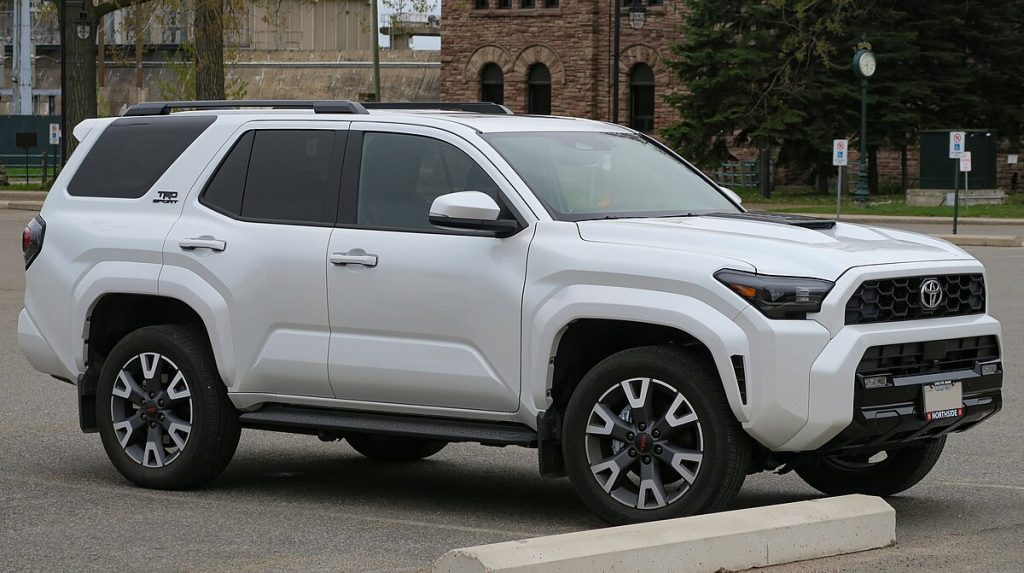
1. Toyota 4Runner
The Toyota 4Runner is one of the most heat-ready vehicles available for drivers in Mission, Texas, because it is engineered for durability in extreme environments rather than efficiency or refinement alone.
Its design philosophy prioritizes thermal stability, which makes it especially reliable in sustained high temperatures.
A major strength of the 4Runner is its naturally aspirated engine. Without turbocharging, the engine generates heat in a more predictable and manageable way.
This reduces stress on cooling components during prolonged idling, heavy air-conditioning use, and slow-moving traffic common in hot climates.
The cooling system is oversized compared to many modern crossovers. Radiators, fans, and coolant flow are designed to support off-road and towing use, which translates well to extreme heat tolerance. Even during peak summer temperatures, engine temperatures remain stable without constant fan cycling.
Engine bay layout further improves heat management. Components are spaced to allow airflow, reducing heat soak after shutdowns. This helps prevent heat-related sensor failures and electrical degradation that plague tightly packed engine bays.
Transmission durability also contributes to heat readiness. Smooth power delivery and conservative tuning reduce internal heat buildup, especially during stop-and-go driving. This extends transmission life in high-temperature conditions.
Interior materials are another advantage. The 4Runner’s cabin components tolerate heat exposure better than many softer, luxury-focused interiors. Dashboards, trim, and controls resist warping and cracking under constant sun exposure.
Air-conditioning performance is strong and consistent. The system cools large cabin volumes quickly without forcing the engine to operate at high stress levels.
I am writing about the Toyota 4Runner because it represents old-school durability adapted perfectly to extreme heat. For Mission drivers who want a vehicle that shrugs off high temperatures day after day, the 4Runner is a proven heat survivor.
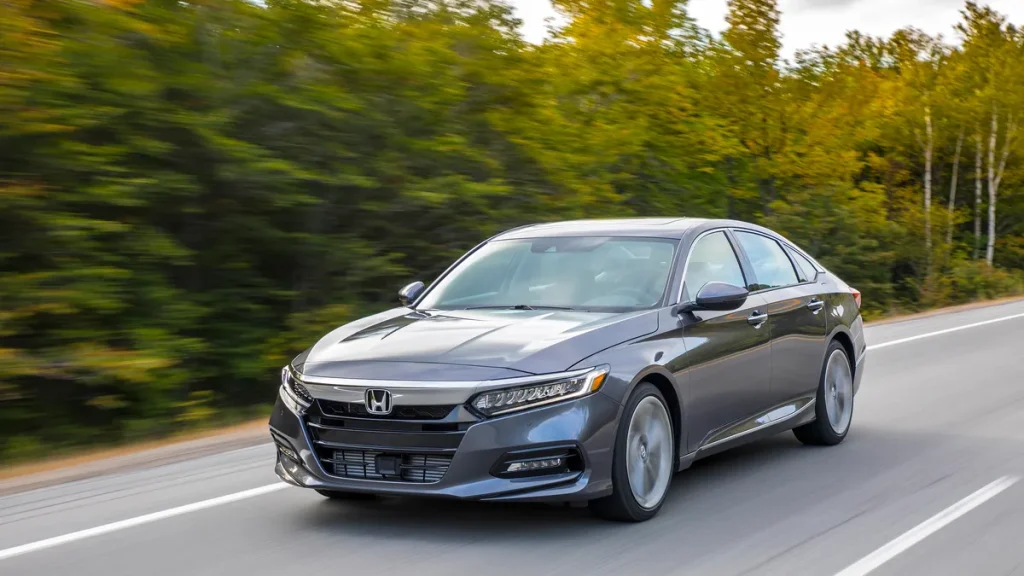
2. Honda Accord
The Honda Accord is a heat-ready sedan that performs exceptionally well in Mission’s extreme climate thanks to its balanced thermal management, conservative engine tuning, and durable components. It proves that heat tolerance does not require a truck-based platform.
Engine design is a key factor. Accord engines are tuned for smooth, efficient operation rather than peak output. This keeps operating temperatures stable during extended highway driving and city traffic with constant air-conditioning use.
Cooling system capacity is well matched to the engine’s demands. Radiators and fans manage heat effectively even when ambient temperatures remain high throughout the day. This reduces stress on hoses, sensors, and coolant components over long-term use.
Transmission behavior supports thermal stability. Smooth, predictable shifts minimize friction and heat buildup, especially in stop-and-go conditions. This consistency helps prevent premature transmission wear in hot climates.
Electrical reliability further enhances heat readiness. The Accord avoids overly dense electronic packaging, reducing heat-related sensor failures and wiring degradation. Electrical systems remain stable even under prolonged sun exposure.
Cabin cooling performance is another strong point. The Accord’s air-conditioning system cools quickly and maintains comfort without pushing the engine into higher thermal load. This balance is critical in Mission, where AC use is nearly constant.
Interior materials tolerate heat well. Seats, trim, and dashboards resist cracking and fading better than many competitors, preserving cabin quality over years of sun exposure.
Maintenance accessibility supports long-term heat resilience. Cooling system service is straightforward, parts are widely available, and independent shops are familiar with the platform.
I am writing about the Honda Accord because it shows how thoughtful engineering creates real-world heat reliability.
For Mission drivers who want a comfortable sedan that handles extreme temperatures without drama, the Accord remains a dependable and heat-ready choice.
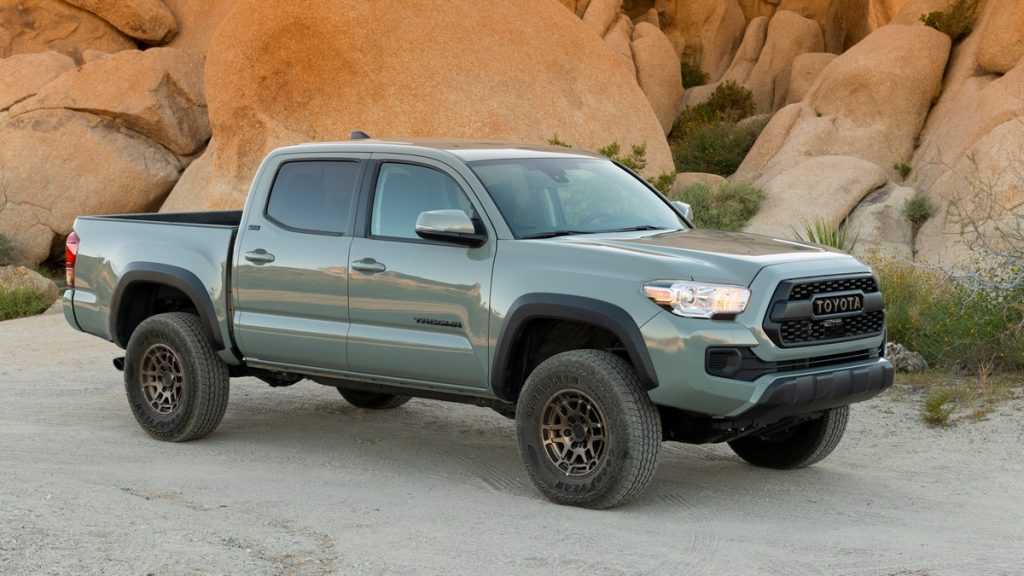
3. Toyota Tacoma (Naturally Aspirated Models)
The Toyota Tacoma equipped with naturally aspirated engines is one of the most heat-ready vehicles for Mission, Texas, because it is engineered for durability in demanding environments. Its design focuses on mechanical simplicity and thermal stability, which are critical in extreme heat.
A major advantage of the Tacoma is its conservative engine tuning. Without turbocharging, heat generation remains predictable and manageable during long drives, traffic idling, and constant air-conditioning use. This reduces stress on cooling systems and helps prevent overheating under sustained high temperatures.
The cooling system is robust and designed for heavy use. Radiators and fans are sized to handle towing, off-road driving, and slow-speed operation, all of which translate well to hot-climate commuting. Even during peak summer conditions, the Tacoma maintains stable engine temperatures.
Engine bay layout supports airflow and heat dissipation. Components are not tightly packed, allowing heat to escape more efficiently after shutdown. This reduces heat soak, which is a common cause of sensor failures and electrical issues in hot climates.
Transmission durability further contributes to heat readiness. Power delivery is smooth and deliberate, minimizing internal heat buildup. This is especially valuable in stop-and-go traffic, where heat accumulation often shortens drivetrain life.
Interior materials are built for resilience. Seats, trim, and controls tolerate prolonged sun exposure better than many passenger cars, reducing cracking and fading over time.
Air-conditioning performance is strong. The Tacoma’s system cools the cabin effectively without placing excessive load on the engine, maintaining comfort during long summer drives.
I am writing about the Toyota Tacoma because it combines proven reliability with real-world heat tolerance. For Mission drivers who want a vehicle that handles extreme temperatures without mechanical drama, the Tacoma remains a dependable and durable option.
4. Chevrolet Tahoe (Non-Turbo V8 Models)
The Chevrolet Tahoe equipped with non-turbocharged V8 engines is a heat-ready vehicle well suited for Mission’s extreme climate. Its full-size design allows for generous cooling capacity and thermal stability that smaller vehicles often lack.
Engine design plays a key role. Naturally aspirated V8s manage heat more predictably than smaller, highly stressed turbocharged engines. In prolonged hot conditions, this reduces the likelihood of overheating and cooling system overload.
Cooling systems in the Tahoe are built for heavy-duty use. Large radiators, powerful cooling fans, and efficient airflow paths help maintain stable temperatures even during extended idling, highway cruising, and constant air-conditioning use.
Engine bay space further improves heat management. Components are spread out, allowing heat to dissipate more effectively. This reduces heat soak after shutdowns and protects sensors, wiring, and electronic modules from premature heat-related failure.
Transmission and drivetrain components are tuned for smooth operation rather than aggressive performance. This minimizes friction and internal heat buildup, extending drivetrain life in hot environments.
Interior durability is another strength. Materials are designed to handle sun exposure and high cabin temperatures without rapid degradation. Dashboards, seating, and controls resist cracking and fading better than many smaller vehicles.
Air-conditioning capacity is excellent. The Tahoe cools large interior spaces quickly and maintains comfort without forcing the engine to operate under excessive thermal load.
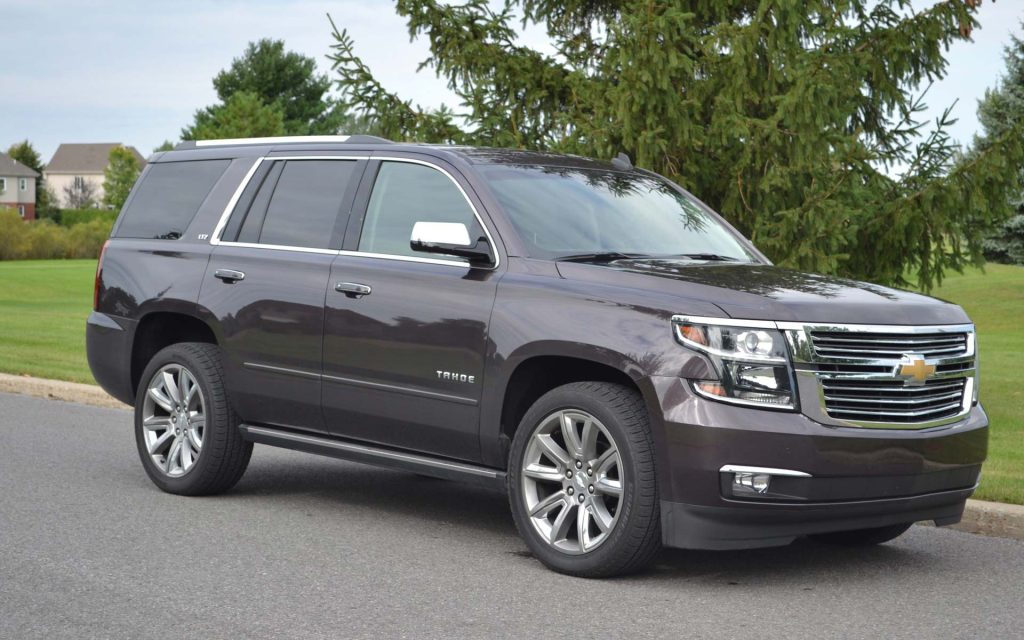
I am writing about the Chevrolet Tahoe because it demonstrates how size and conservative engineering contribute to heat resilience. For Mission drivers who want a vehicle that remains stable and reliable in extreme temperatures, non-turbo Tahoe models are well equipped for the challenge.
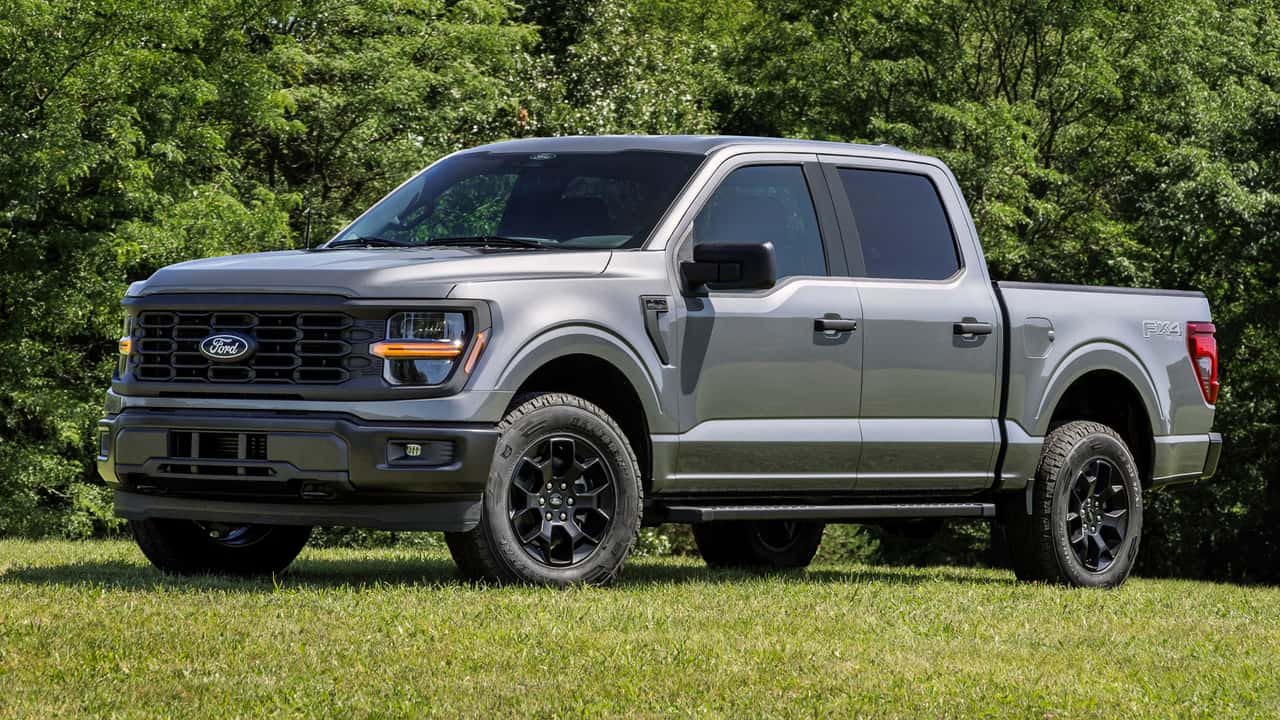
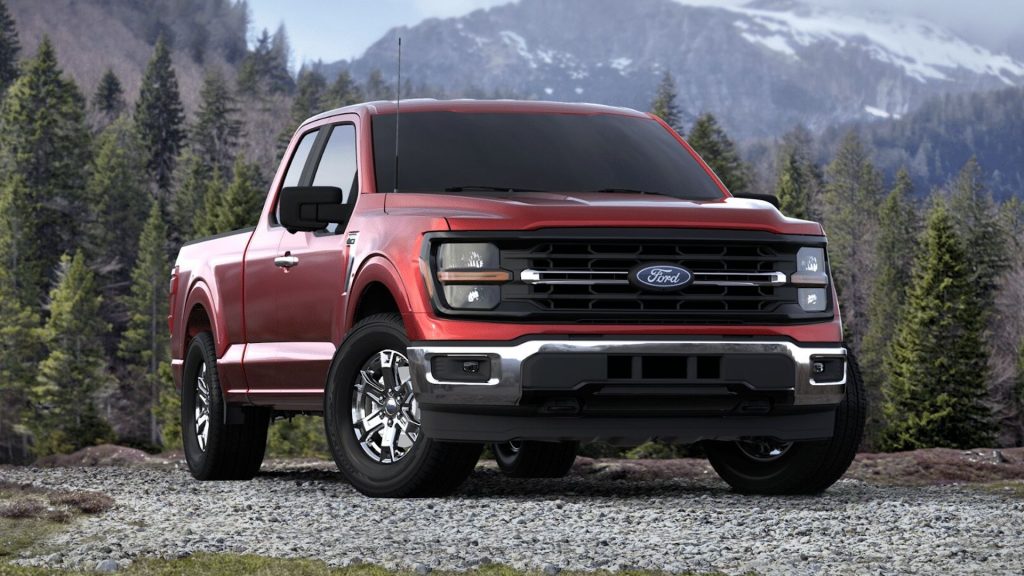
5. Ford F-150 (Naturally Aspirated V6 and V8 Models)
The Ford F-150 equipped with naturally aspirated engines is one of the most heat-ready vehicles for Mission, Texas, thanks to its heavy-duty cooling systems, spacious engine bay, and conservative power delivery. Built to handle work and towing, it translates exceptionally well to extreme heat conditions.
A key advantage is engine simplicity. Naturally aspirated V6 and V8 engines predictably produce heat, avoiding the intense thermal spikes associated with turbocharged setups.
In Mission’s climate, this consistency reduces strain on cooling components during extended idling and continuous air-conditioning use.
Cooling system capacity is a major strength. The F-150 uses large radiators, high-capacity cooling fans, and robust coolant pathways designed for sustained load. Even during long periods of stop-and-go traffic in peak summer heat, engine temperatures remain stable.
Engine bay layout further enhances heat management. The spacious compartment allows airflow to circulate freely, reducing heat soak after shutdowns. This helps protect sensors, wiring, and electronic modules from heat-related degradation over time.
Transmission durability contributes to overall heat readiness. Smooth torque delivery and conservative tuning minimize internal heat buildup, especially during low-speed driving. This extends drivetrain life in high-temperature environments.
Interior materials are built for durability. Dashboards, seating surfaces, and controls tolerate prolonged sun exposure without rapid cracking or fading. This is especially important in Mission, where vehicles are exposed to intense sunlight year-round.
Air-conditioning performance is another highlight. The F-150’s AC system cools large cabin volumes efficiently without pushing the engine into high thermal stress. This keeps both driver comfort and mechanical reliability intact.
Maintenance accessibility supports long-term ownership. Parts availability is excellent, independent shops are familiar with the platform, and cooling system service is straightforward.
I am writing about the Ford F-150 because it demonstrates how robust design equals heat resilience. For Mission drivers who want a vehicle that handles extreme temperatures quietly and consistently, naturally aspirated F-150 models are among the most heat-tolerant options available.
Daily driving in Mission, Texas demands vehicles that can handle constant heat, heavy air-conditioning use, and stop-and-go traffic without breaking down. This article compared cars suited for everyday commuting with models built to survive extreme temperatures.
Reliable commuters like the Toyota Corolla, Honda Civic, Hyundai Elantra, Toyota Camry, and Mazda CX-5 were highlighted for their stable cooling systems, comfort, and long-term reliability in hot conditions.
The heat-ready section focused on tougher vehicles such as the Toyota 4Runner, Honda Accord, Toyota Tacoma, Chevrolet Tahoe, and Ford F-150, all known for robust cooling, conservative engine tuning, and durable interiors.
The key takeaway is simple: in Mission’s climate, choosing heat-tolerant, mechanically proven vehicles ensures lower stress, fewer repairs, and dependable daily transportation.
Also Read: 5 Cars for Bethlehem Commuters and 5 Low Repair Cost Options
