
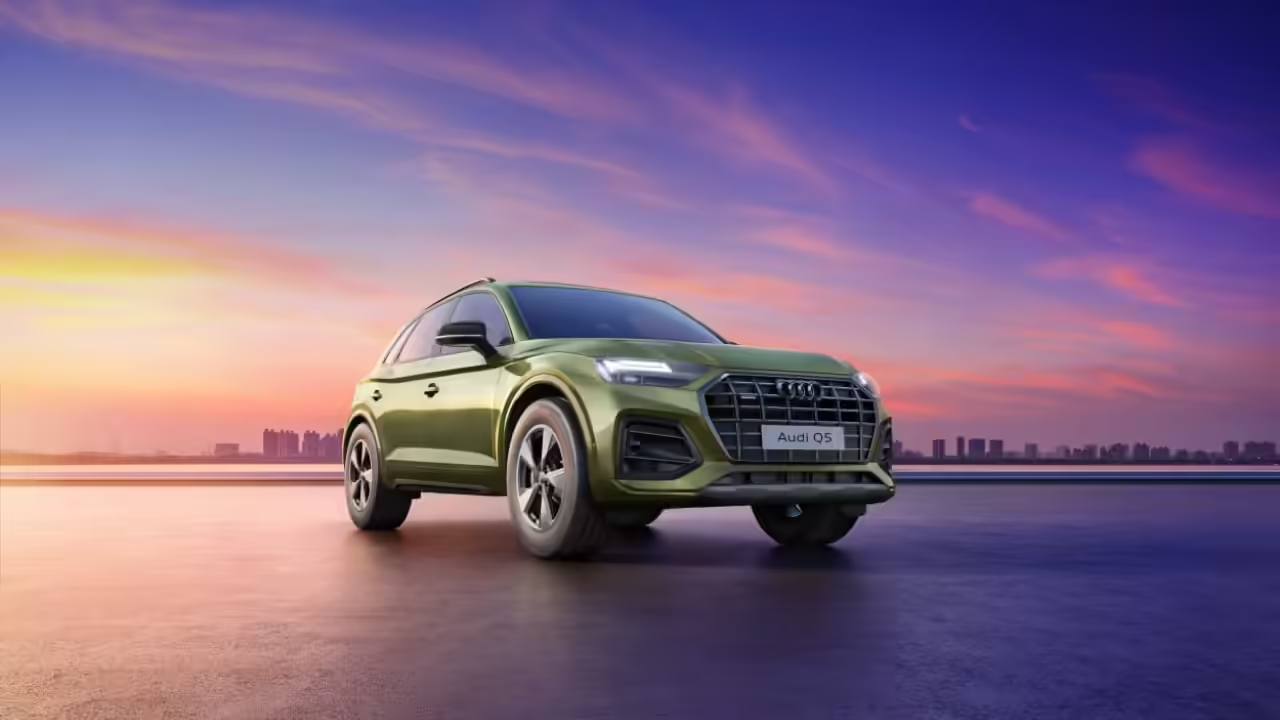
The German luxury automotive market has long been dominated by prestigious brands, and Audi continues to stand as a pillar of engineering excellence, sophisticated design, and cutting-edge technology.
As we go into 2026, the used car market presents an intriguing opportunity for enthusiasts and practical buyers alike to own a piece of Audi’s legendary craftsmanship without the steep depreciation hit that comes with purchasing new.
Choosing a used Audi requires careful consideration of reliability, maintenance costs, available features, and value retention. While Audi vehicles have historically faced criticism for higher maintenance expenses compared to their mainstream counterparts, certain models have proven themselves as remarkably dependable choices that offer an excellent balance of luxury, performance, and longevity.
This comprehensive guide examines twelve Audi models that have demonstrated exceptional reliability and continue to make financial and practical sense in today’s market. From compact sedans to spacious SUVs, these vehicles represent the sweet spot where Audi’s premium appeal meets real-world dependability.
Whether you’re seeking quattro all-wheel-drive capability, refined interior appointments, or spirited performance, these models offer compelling arguments for choosing pre-owned German engineering.
We’ve evaluated each based on common reliability metrics, ownership costs, available technology, and the ownership experience to help you make an informed decision in your search for a dependable used Audi.
1. Audi A4 (2017-2019)
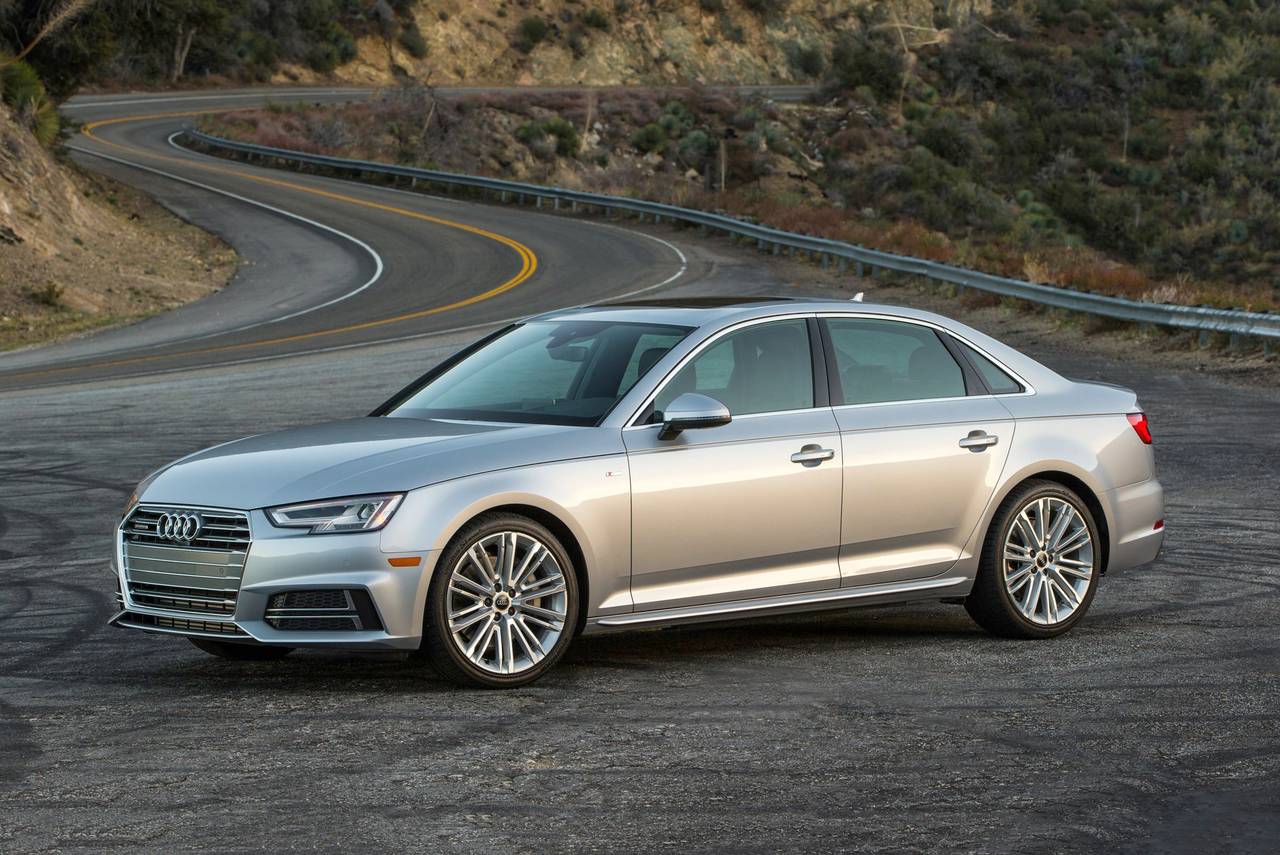
The Audi A4 from the 2017-2019 model years represents the pinnacle of the B9 generation’s early production run, offering a masterful combination of refinement, technology, and dependability that has aged remarkably well.
This generation marked a significant leap forward for Audi’s core sedan, introducing a lighter MLB Evo platform that improved handling dynamics while maintaining the brand’s signature understated elegance.
Under the hood, most A4 models from this era feature the venerable 2.0-liter turbocharged four-cylinder engine producing 252 horsepower, paired with a smooth seven-speed S tronic dual-clutch transmission.
This powertrain has proven itself across hundreds of thousands of miles in various Volkswagen Group applications, demonstrating excellent longevity when properly maintained.
The Quattro all-wheel-drive system, standard on most configurations, provides exceptional traction and stability in adverse weather conditions while adding minimal complexity to the drivetrain.
From a value perspective, depreciation has stabilized on these models, making them excellent purchases in the current market. Buyers should prioritize examples with complete service histories, preferably from Audi dealerships or reputable independent specialists.
The Premium Plus trim offers the best balance of features and value, including LED headlights, navigation, and upgraded interior materials without the premium commanded by fully-loaded Prestige models.
2. Audi Q5 (2018-2020)
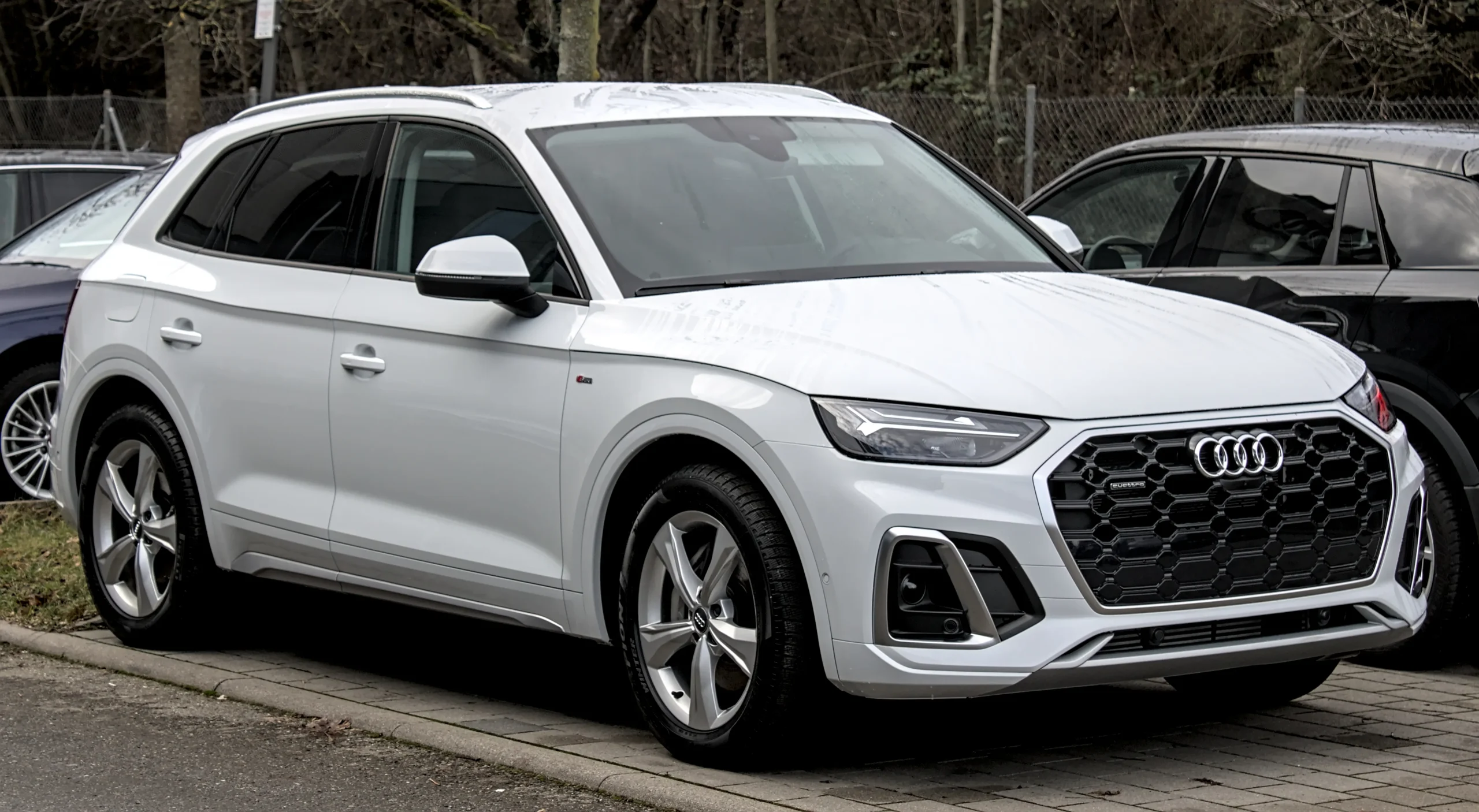
The second-generation Audi Q5, spanning the 2018-2020 model years, has emerged as one of the most dependable luxury compact SUVs available in the used market.
Built on the same MLB Evo platform as its A4 sibling, the Q5 offers increased practicality and versatility while maintaining the brand’s reputation for sophisticated engineering and refined driving dynamics.
The standard 2.0-liter turbocharged four-cylinder engine delivers 248 horsepower and 273 lb-ft of torque, providing ample power for daily driving and highway merging.
The seven-speed dual-clutch automatic transmission shifts smoothly and responsively, though some drivers may notice occasional low-speed hesitation characteristic of dual-clutch designs.
Quattro all-wheel drive comes standard, distributing power intelligently between axles and providing confidence-inspiring handling in all weather conditions.
Fuel economy remains respectable at approximately 23 mpg combined, impressive for a luxury SUV in this segment. The Q5’s suspension system, featuring a multi-link setup at both ends, delivers a comfortable ride while maintaining composed handling.
Optional adaptive dampers on Prestige models further enhance the driving experience but add complexity. Most owners report that standard suspension components are durable and require minimal replacement through normal ownership cycles. Brake systems are robust, and the electrical systems have proven reliable with few reported failures.
Safety features are comprehensive, with standard automatic emergency braking, blind-spot monitoring, and rear cross-traffic alert providing peace of mind. The Q5’s strong safety ratings from IIHS and NHTSA add to its appeal for families seeking a dependable luxury SUV.
3. Audi A3 (2015-2018)
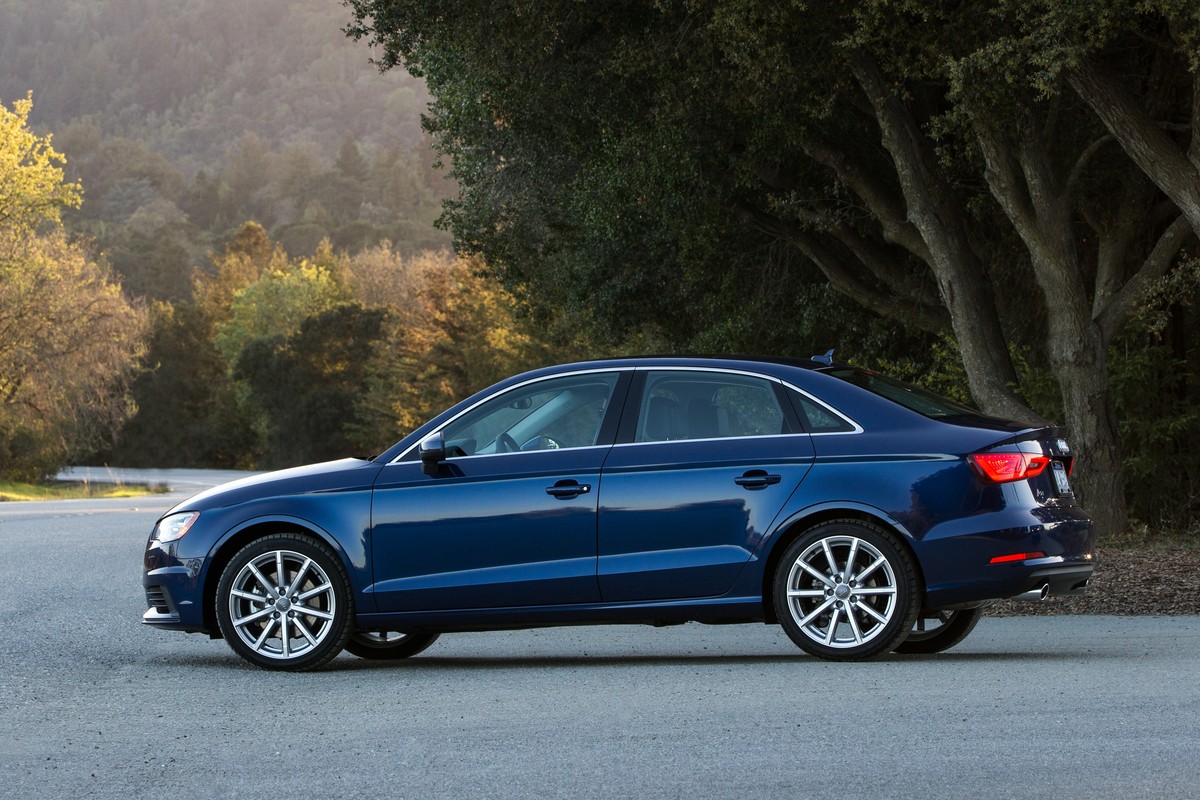
The Audi A3 from 2015 to 2018 represents an exceptional entry point into the brand’s lineup, offering genuine luxury, advanced technology, and impressive reliability in a compact, efficient package.
This third-generation model, built on Volkswagen’s MQB platform, demonstrates that smaller Audis can deliver the same premium experience as their larger siblings while being more affordable to purchase and maintain.
Available as both a sedan and a more practical Sportback hatchback, the A3 combines European styling with practical dimensions ideal for urban environments and tight parking spaces.
The base 2.0-liter turbocharged engine produces 186 horsepower in front-wheel-drive models, while Quattro-equipped versions receive a slightly detuned variant.
The six-speed S tronic dual-clutch transmission provides quick, engaging shifts that enhance the driving experience, though some drivers report occasional rough engagement when cold.
Interior quality punches well above the A3’s compact dimensions, with premium materials, excellent build quality, and Audi’s signature attention to detail evident throughout the cabin.
The MMI infotainment system features a retractable 7-inch display that rises from the dashboard, providing navigation, audio controls, and smartphone integration.
While the screen size may seem modest by today’s standards, the interface remains functional and responsive. The available Virtual Cockpit digital instrument cluster, introduced in 2017, adds a modern touch and remains impressive even years later.
From a value perspective, the A3 has depreciated significantly from its original MSRP, making it an affordable entry into luxury car ownership.
Fuel economy is excellent, averaging 28-30 mpg in mixed driving, reducing long-term operating costs. Insurance rates are reasonable compared to larger luxury vehicles, and parts availability is good due to platform sharing with the Volkswagen Golf.
4. Audi Q7 (2017-2019)
The second-generation Audi Q7, introduced for the 2017 model year, represents a transformative redesign that addressed many of the first generation’s shortcomings while introducing cutting-edge technology and improved reliability.
These model years offer a compelling combination of three-row versatility, advanced safety features, and refined driving dynamics that continue to impress in 2026.
Built on the MLB Evo platform and utilizing extensive aluminum construction, the redesigned Q7 shed approximately 700 pounds compared to its predecessor while gaining interior space and modern amenities.
The standard 2.0-liter turbocharged four-cylinder engine produces 252 horsepower, providing adequate power for most driving situations, though the optional supercharged 3.0-liter V6 with 333 horsepower offers noticeably more effortless acceleration.
The eight-speed automatic transmission shifts smoothly and intelligently adapts to driving styles, while Quattro all-wheel drive provides excellent traction and stability.
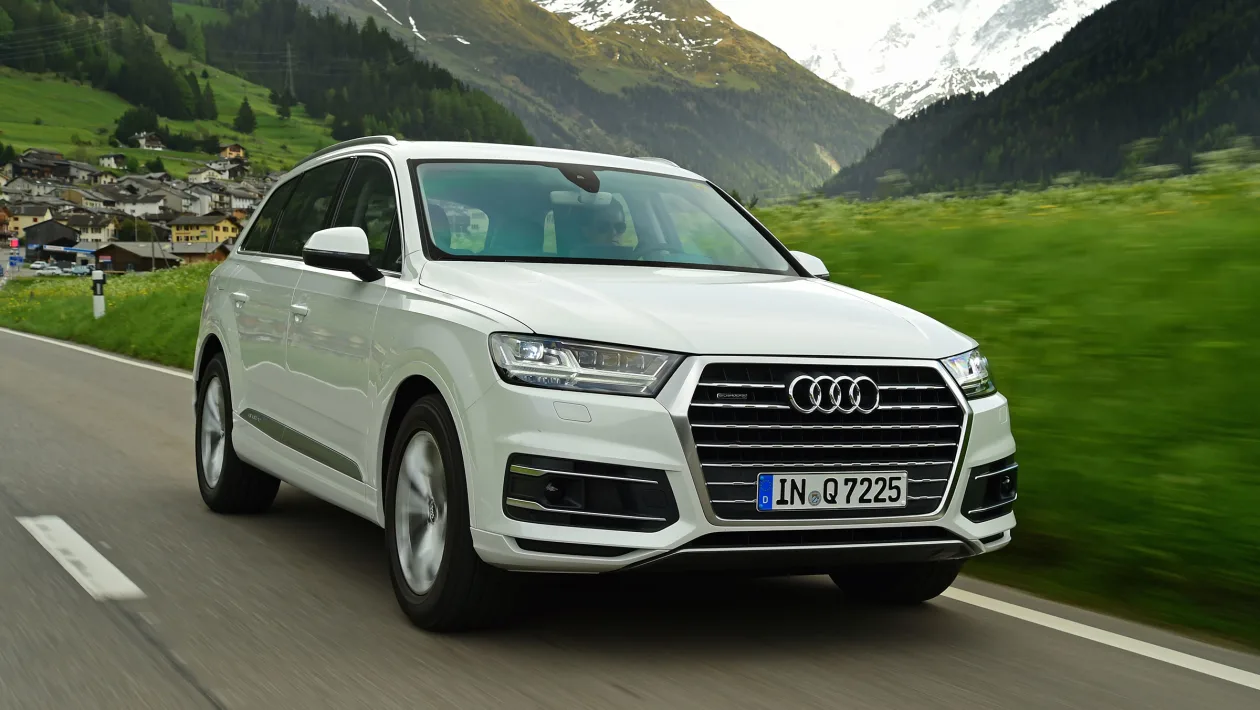
The Q7’s interior represents one of Audi’s finest achievements, with three rows of genuinely usable seating, luxurious materials, and a thoughtfully designed dashboard featuring the MMI Touch infotainment system with an 8.3-inch display.
The available Virtual Cockpit transforms the instrument cluster into a configurable 12.3-inch digital display that remains crisp and responsive.
Second-row passengers enjoy generous legroom and available reclining seats, while the third row, though best suited for children or occasional adult use, is surprisingly accessible thanks to easy-entry mechanisms.
From a practical standpoint, the Q7 offers 14.2 cubic feet of cargo space behind the third row, expanding to 41.7 cubic feet with the third row folded and an impressive 71.6 cubic feet with both rear rows folded, making it genuinely practical for families with varying cargo needs.
Also Read: 10 Most Reliable Full-Size SUVs That Stand the Test of Time
5. Audi S4 (2018-2019)
The Audi S4 from 2018 and 2019 represents the performance-oriented variant of the B9 A4 platform, offering a compelling blend of everyday usability, thrilling performance, and surprising reliability that makes it stand out in the used sport sedan market.
This generation marked a significant departure from previous S4 models by replacing the supercharged V6 with a turbocharged 3.0-liter V6, bringing both benefits and concerns for potential buyers.
The EA839 turbocharged V6 produces 354 horsepower and 369 lb-ft of torque, delivering linear power delivery and impressive mid-range punch.
Acceleration from 0-60 mph takes approximately 4.4 seconds, placing the S4 firmly in sports sedan territory while maintaining refinement and comfort for daily driving.
The eight-speed Tiptronic automatic transmission, though lacking the dual-clutch engagement of some competitors, shifts smoothly and offers manual control through steering wheel-mounted paddles. Quattro all-wheel drive provides exceptional grip and allows the S4 to deploy its power effectively in all weather conditions.
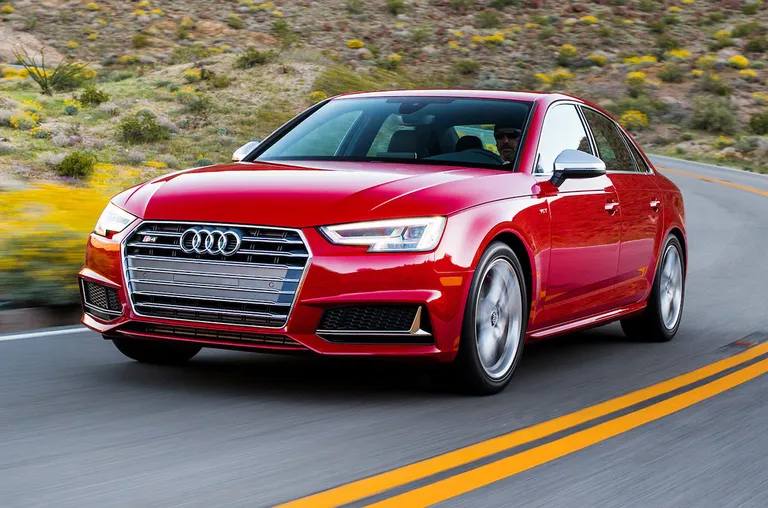
The S4’s handling characteristics strike an excellent balance between comfort and performance. The sport-tuned suspension manages to control body motions during spirited driving while remaining compliant over rough pavement.
Optional dynamic dampers further enhance this capability, allowing drivers to select between comfort and sport settings. The progressive steering provides good feedback and weights up naturally at speed, though some enthusiasts may find it less communicative than older hydraulic systems.
Common issues include occasional oil consumption requiring monitoring between services, coolant pipe leaks from plastic connections that may crack with age, and water pump failures typically occurring after 80,000 miles.
The braking system, featuring larger rotors and more aggressive pads than the standard A4, performs excellently but requires more frequent pad replacements. Maintenance and repair costs are higher than standard A4 models but remain reasonable for the performance segment.
6. Audi Q3 (2016-2018)
The first-generation Audi Q3, particularly from the 2016-2018 model years after receiving significant updates, offers a compact luxury crossover experience with proven reliability and attractive used market pricing.
Built on the versatile PQ35 platform shared with the Volkswagen Tiguan, the Q3 combines manageable dimensions with premium appointments and Audi’s renowned build quality.
The 2.0-liter turbocharged four-cylinder engine produces 200 horsepower and 207 lb-ft of torque, providing adequate performance for most driving situations.
The six-speed automatic transmission shifts smoothly, though it lacks the engagement and responsiveness of dual-clutch units found in more expensive Audi models.
Quattro all-wheel drive comes standard on all Q3 models, delivering confidence-inspiring traction and stability in adverse weather. Fuel economy averages around 23 mpg combined, respectable for the segment and competitive with non-luxury alternatives.
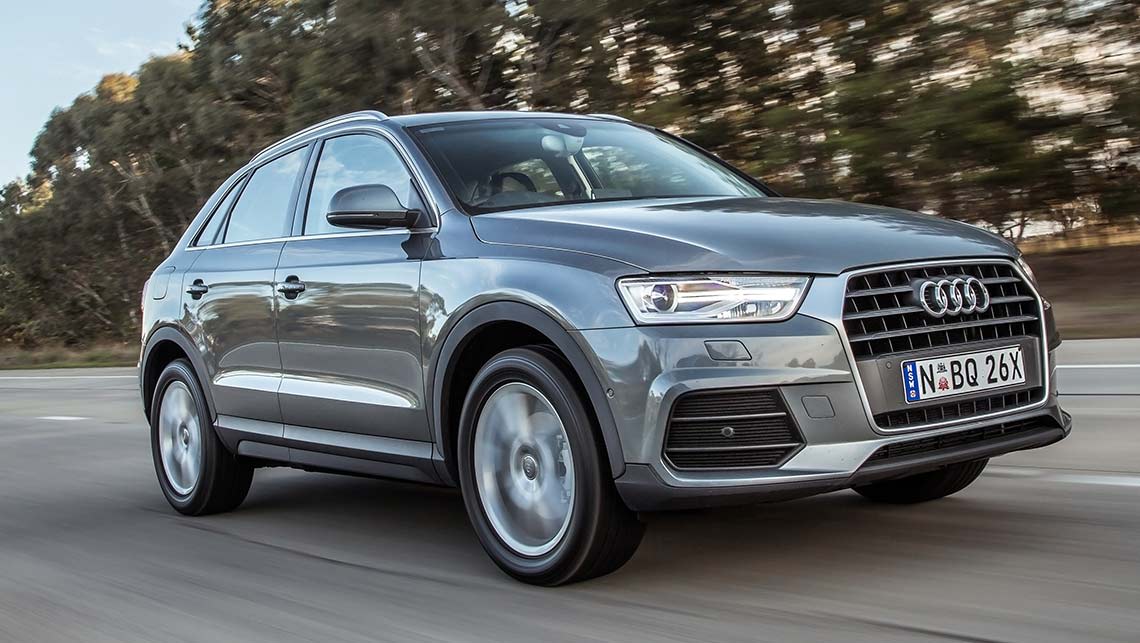
The Q3’s compact exterior dimensions make it ideal for urban environments, with easy maneuverability and parking in tight spaces. Despite its small footprint, the interior offers surprising space, with comfortable seating for four adults and adequate headroom front and rear.
Cargo capacity measures 16.7 cubic feet behind the rear seats, expanding to 48.2 cubic feet with seats folded sufficient for weekend getaways and shopping trips, though less generous than larger crossovers.
Interior quality reflects Audi’s attention to detail, with premium materials, excellent fit and finish, and intuitive controls. The MMI infotainment system features a 7-inch display with navigation, Bluetooth connectivity, and smartphone integration.
While not as advanced as systems in newer Audis, it remains functional and user-friendly. Available features include panoramic sunroof, leather upholstery, and heated front seats, all of which enhance the ownership experience.
The Q3’s smaller size translates to lower ownership costs compared to larger Audi SUVs. Parts are generally more affordable due to platform sharing, insurance rates are reasonable, and fuel costs remain manageable. The vehicle’s manageable weight and simple mechanical systems make it less expensive to maintain than more complex models.
7. Audi A6 (2016-2018)
The Audi A6 from 2016 to 2018 represents the mature, refined phase of the C7 generation, offering executive-class luxury, advanced technology, and improved reliability after early production issues were resolved.
These model years provide an excellent value proposition for buyers seeking a full-size luxury sedan with proven dependability and comprehensive features.
The standard 2.0-liter turbocharged four-cylinder produces 252 horsepower, delivering smooth, refined power adequate for the A6’s mission as a comfortable cruiser.
The more desirable supercharged 3.0-liter V6 generates 333 horsepower, providing effortless acceleration and a more satisfying exhaust note.
Both engines pair with a smooth-shifting eight-speed Tiptronic automatic transmission, while Quattro all-wheel drive ensures confident handling in all conditions.
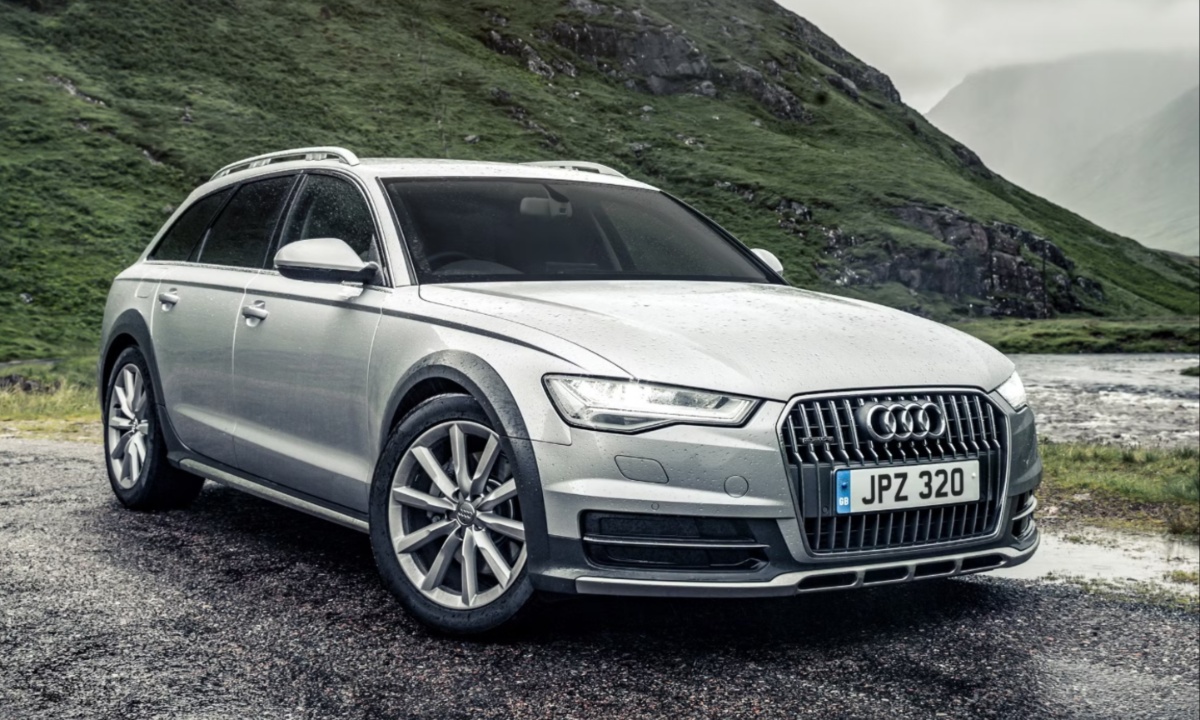
The optional sport differential on V6 models enhances cornering ability by actively distributing torque between rear wheels. The A6’s interior exemplifies Audi’s design philosophy, with clean lines, high-quality materials, and meticulous attention to detail.
The dashboard features an elegant layout with the MMI infotainment system’s 8.3-inch display, which rises from the center console. Navigation, premium audio options including Bang & Olufsen systems, and comprehensive connectivity features ensure the A6 remains technologically relevant.
Comfort is exceptional, with available massaging front seats, four-zone climate control, and active noise cancellation creating a serene cabin environment.
The A6’s advanced driver assistance features, including adaptive cruise control, lane keeping assist, and pre-sense collision mitigation, function reliably and add significant value to the ownership experience.
These systems, standard on Premium Plus and Prestige trims, continue to enhance safety and reduce driver fatigue during long journeys.
8. Audi Q5 Hybrid (2018-2020)
The Audi Q5 Plug-in Hybrid, marketed as the Q5 55 TFSI e in later model years, represents an intelligent alternative for buyers seeking luxury SUV practicality with improved fuel efficiency and environmental credentials.
These model years combine the Q5’s proven reliability with sophisticated hybrid technology that has demonstrated surprising durability in real-world use.
The powertrain consists of a 2.0-liter turbocharged four-cylinder engine working in conjunction with an electric motor integrated into the transmission, producing a combined 367 horsepower and 369 lb-ft of torque.
This substantial power output transforms the Q5 into a genuinely quick vehicle, capable of 0-60 mph in approximately 5 seconds while maintaining the ability to operate in pure electric mode for roughly 20-25 miles on a full charge. The seven-speed dual-clutch automatic transmission manages power delivery smoothly, though occasional low-speed hesitation can occur when transitioning between electric and gasoline power.
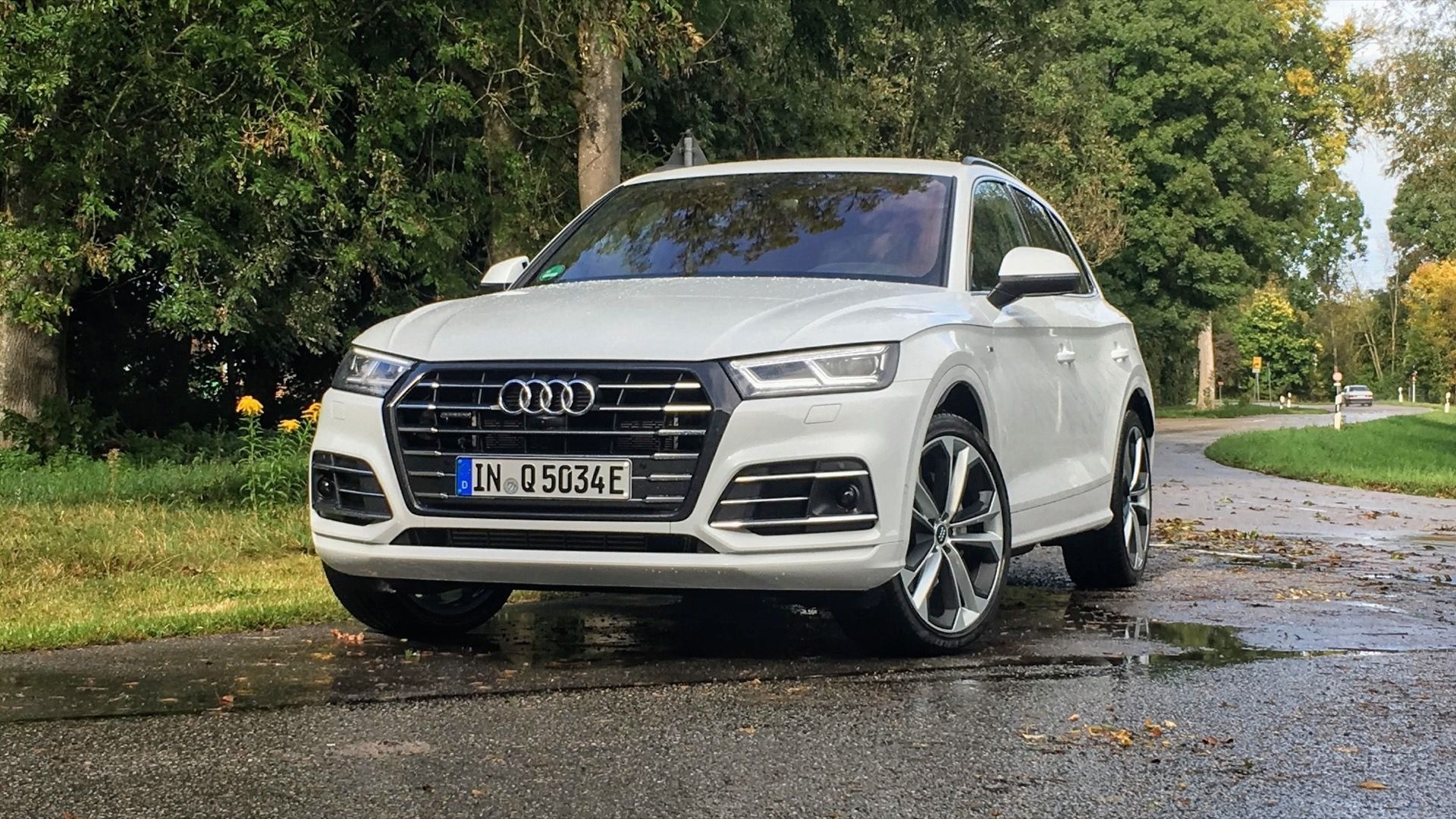
The 14.1 kWh lithium-ion battery pack, mounted under the cargo floor, reduces cargo capacity slightly compared to conventional Q5 models but remains practical with 22.6 cubic feet behind the rear seats.
Charging capability includes standard Level 2 charging at 7.2 kW, allowing a full charge in approximately 2-3 hours from a 240-volt outlet. The hybrid system adds complexity but has proven remarkably reliable, with battery degradation remaining minimal even after several years of use.
Interior appointments match non-hybrid Q5 models, with the same premium materials, excellent build quality, and comprehensive technology features. The MMI infotainment system includes hybrid-specific displays showing energy flow, charging status, and electric range predictions.
The available Virtual Cockpit provides additional hybrid information with configurable displays showing power delivery and battery status. All standard Q5 comfort and convenience features remain available, including heated seats, panoramic sunroof, and premium audio systems.
Operating costs are favorable, particularly for owners with short commutes who can complete most daily driving in electric mode. Electricity costs are significantly lower than gasoline, providing substantial fuel savings.
Federal tax credits expired for these model years, but used buyers benefit from lower purchase prices compared to conventional Q5 models.
9. Audi TT (2016-2019)
The Audi TT from 2016 to 2019, representing the third generation of this iconic sports coupe, offers a unique combination of striking design, engaging driving dynamics, and surprising practicality.
While not traditionally considered the most reliable sports car, these model years have demonstrated improved durability and represent an excellent value in the used market for enthusiasts seeking a distinctive, driver-focused vehicle.
Available as both a coupe and roadster, with front-wheel drive or Quattro all-wheel drive, the TT provides multiple configurations to suit different preferences.
The base 2.0-liter turbocharged four-cylinder produces 220 horsepower in front-drive models and 228 horsepower with Quattro, delivering spirited performance and an engaging exhaust note. The six-speed dual-clutch S tronic transmission shifts quickly and responsively, enhancing the sporting character.
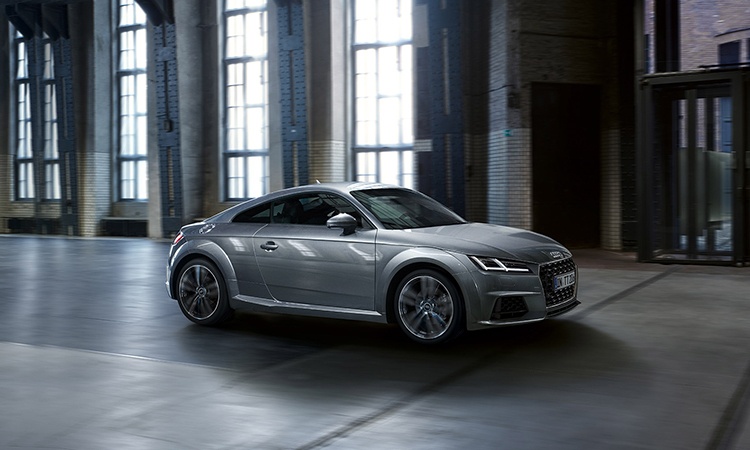
The more powerful TTS variant, with 292 horsepower, raises performance significantly and includes standard Quattro all-wheel drive.
Common issues include occasional water pump failures around 80,000 miles, thermostat housings that may develop leaks, and the typical direct-injection carbon buildup requiring cleaning every 50,000-70,000 miles.
The magnetic ride suspension, optional on TTS models and standard on TT RS variants, adds complexity but generally functions reliably. Electrical systems have shown good durability, with few reported issues concerning the Virtual Cockpit or other electronics.
The TT’s unique design ensures it stands out years after production, while depreciation has created excellent value opportunities. Insurance costs are higher than mainstream vehicles but reasonable for the performance offered. Fuel economy averages 25-27 mpg combined, respectable for a sports car, reducing operating costs.
10. Audi A5 Sportback (2018-2019)
The Audi A5 Sportback from 2018-2019 represents a compelling middle ground between the A4 sedan’s practicality and the A5 Coupe’s sleek styling, offering five-door versatility with sophisticated design and proven reliability.
This body style, unique in the luxury segment, provides distinctive appearance and genuine utility that continues to resonate with buyers in 2026.
Built on the same MLB Evo platform as the A4, the A5 Sportback benefits from lightweight construction, refined driving dynamics, and well-sorted mechanical systems.
The standard 2.0-liter turbocharged four-cylinder produces 252 horsepower, providing smooth, responsive power delivery adequate for most driving situations.
The seven-speed S tronic dual-clutch transmission shifts quickly and holds gears appropriately during enthusiastic driving. Quattro all-wheel drive comes standard, providing excellent traction and stability in all weather conditions while adding minimal weight or complexity.
The Sportback body style creates a striking profile with a sweeping roofline that maintains surprising headroom through clever interior design.
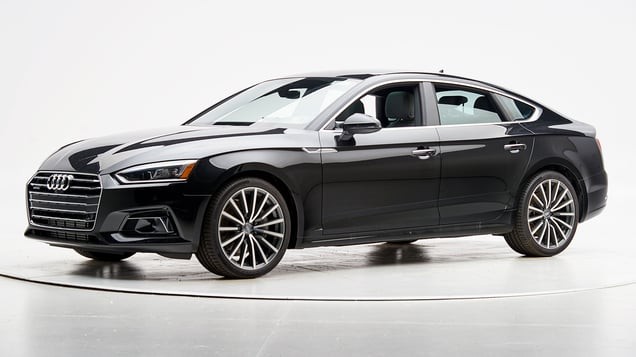
Rear seat passengers enjoy comfortable accommodations with adequate legroom and headroom, while the liftback design provides 21.8 cubic feet of cargo space, expandable to 35.0 cubic feet with rear seats folded.
This configuration offers significantly more versatility than the conventional coupe while maintaining the sleek appearance that defines the A5 aesthetic.
Interior quality matches the A5 Coupe, with premium materials, excellent fit and finish, and Audi’s signature attention to detail. The MMI infotainment system features a 7-inch or optional 8.3-inch display with navigation, comprehensive connectivity, and intuitive controls.
The available Virtual Cockpit transforms the instrument cluster into a configurable digital display that remains impressive and functional. Sound insulation is excellent, with active noise cancellation creating a serene cabin environment even at highway speeds.
The A5 Sportback’s unique positioning creates interesting market dynamics. Depreciation has been more favorable than conventional sedans, with the distinctive styling maintaining stronger residual values.
Insurance costs are slightly higher than comparable A4 models but remain reasonable. Fuel economy averages 26-28 mpg combined, excellent for a luxury vehicle with standard all-wheel drive.
11. Audi Q7 e-tron (2017-2018)
The Audi Q7 e-tron represents a rare opportunity to own a full-size luxury SUV with plug-in hybrid technology, combining three-row versatility with impressive fuel efficiency and advanced engineering.
While only officially sold in limited markets, these models have found their way into the U.S. used market and offer unique advantages for buyers willing to accept their specialized nature.
The powertrain combines a 2.0-liter turbocharged four-cylinder engine with an electric motor integrated into the eight-speed automatic transmission, producing a combined 373 horsepower and substantial torque.
This power output seems incongruous with a large SUV, but the electric motor’s instant torque delivery provides surprisingly brisk acceleration and smooth power delivery in all driving conditions.
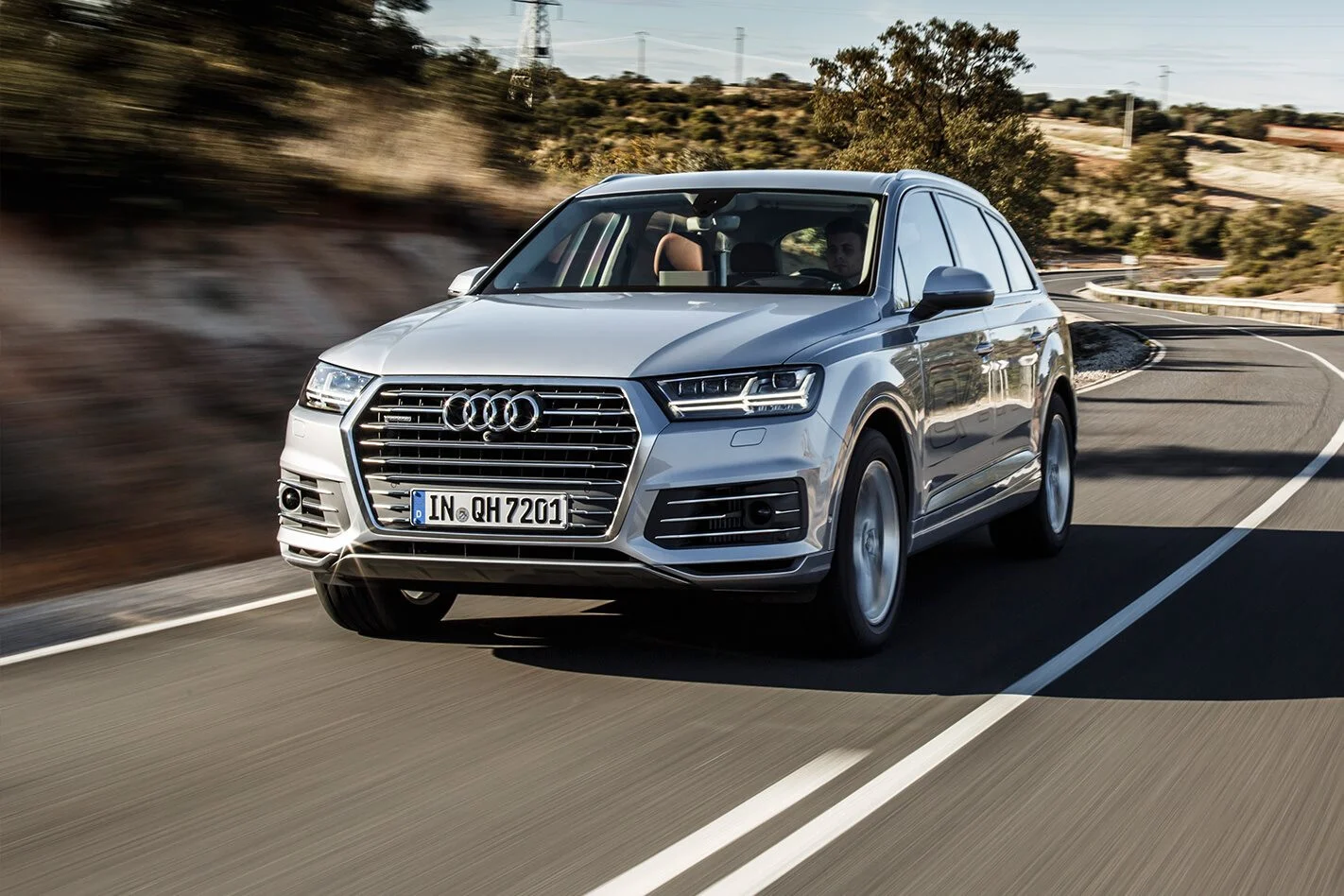
The 17.3 kWh battery pack provides approximately 15-20 miles of electric-only range, sufficient for many daily commutes and local errands. Despite adding hybrid components, the Q7 e-tron maintains three-row seating and respectable cargo capacity.
The battery pack, mounted under the cargo floor, reduces available space to 14.2 cubic feet behind the third row, but with seats folded, capacity remains impressive.
The interior matches standard Q7 models, with premium materials, excellent build quality, and comprehensive technology features. The MMI system includes hybrid-specific displays showing energy flow, charging status, and range predictions.
Operating costs are favorable for owners with access to charging, as electricity costs are significantly lower than gasoline. The ability to complete short trips in electric-only mode provides substantial fuel savings. However, parts availability may be more limited than conventional Q7 models due to lower production volumes.
12. Audi A4 Allroad (2017-2019)
The Audi A4 Allroad from 2017-2019 represents a unique niche in the automotive world, combining the A4 Avant wagon’s practicality with enhanced ground clearance and rugged styling cues that create a versatile vehicle suitable for both daily commuting and weekend adventures.
This model exemplifies Audi’s ability to create specialized vehicles that serve multiple purposes without compromising core capabilities.
Built on the MLB Evo platform shared with the A4 sedan, the Allroad adds approximately 1.3 inches of ground clearance, bringing total clearance to 7.3 inches sufficient for light off-road excursions, rough roads, and deep snow.
Standard Quattro all-wheel drive with Quattro ultra technology distributes power intelligently between axles, providing excellent traction while improving fuel efficiency by decoupling the rear axle when not needed.
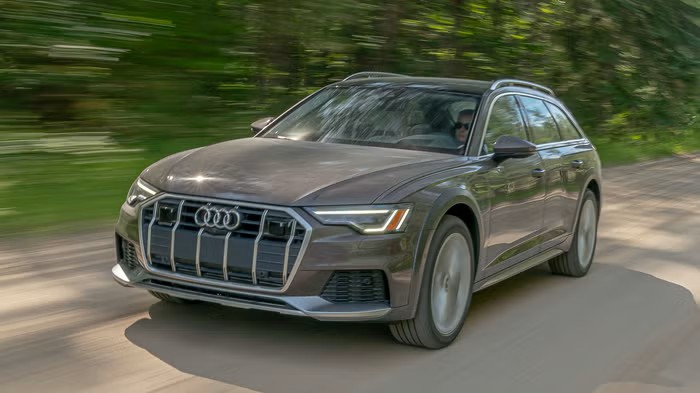
The 2.0-liter turbocharged four-cylinder produces 252 horsepower, providing adequate power for the Allroad’s increased ride height and slight weight penalty.
The seven-speed dual-clutch S tronic transmission shifts smoothly and responsively, adapting to driving conditions and driver inputs.
Suspension tuning strikes an excellent balance between comfort and control, with adaptive dampers available on Prestige models further enhancing versatility.
The Allroad’s increased ride height creates slightly more body motion during spirited cornering but improves ride quality over rough surfaces.
The Allroad occupies a unique market position, appealing to buyers seeking wagon versatility with enhanced capability. Depreciation has been favorable, creating excellent value opportunities.
Insurance costs are slightly higher than standard A4 models but reasonable. Fuel economy averages 25-27 mpg combined, respectable given the vehicle’s capabilities and versatility.
Also Read: 10 Best Honda Sports Bikes Ever Made
