
When enthusiasts think of American performance cars, names like Chevrolet, Dodge, and Ford typically dominate the conversation. Yet lurking in General Motors’ sophisticated corner sits Buick, a brand that has quietly built some of the most formidable performance machines to ever terrorize dragstrips and racetracks.
While Buick cultivated an image of luxury and refinement throughout much of its history, the division never abandoned its sporting DNA entirely.
From the legendary Grand Nationals that embarrassed Corvettes in the 1980s to the turbocharged Regals that rewrote the rules of forced induction, Buick has consistently demonstrated that elegance and velocity aren’t mutually exclusive.
These weren’t crude, sledgehammer approaches to speed. Instead, Buick engineers employed sophisticated technology, from turbocharging to advanced suspension geometries, creating cars that delivered blistering performance wrapped in premium packages.
The beauty of Buick’s performance legacy lies in its unexpectedness. Opponents at stoplights routinely underestimated these upscale sedans and coupes, only to watch taillights disappear into the distance.
Whether through cutting-edge technology, clever engineering, or sheer displacement, Buick proved repeatedly that you didn’t need aggressive styling or a muscle car badge to dominate the performance game.
These twelve cars represent the pinnacle of Buick’s performance heritage, each one a testament to the idea that speed, sophistication, and comfort can coexist harmoniously under one badge.
They challenged perceptions, rewrote rulebooks, and established that luxury brands could build cars every bit as thrilling as their more overtly aggressive competitors.
1. 1987 Buick GNX
The 1987 Buick GNX stands as perhaps the ultimate expression of turbocharged American muscle and represents the pinnacle of Buick’s performance achievements.
Built in collaboration with McLaren Performance Technologies and ASC, only 547 examples were produced, making it one of the most collectible American performance cars ever created.
This wasn’t simply a cosmetic exercise; the GNX received extensive mechanical upgrades that transformed the already formidable Grand National into something approaching supercar territory.
Under the hood, the 3.8-liter turbocharged V6 received a ceramic turbocharger, upgraded intercooler, and recalibrated engine management that pushed output to an underrated 276 horsepower and 360 lb-ft of torque. In reality, these numbers were significantly conservative, with actual output estimated closer to 300 horsepower.
The results spoke volumes: the GNX could sprint from zero to sixty in just 4.7 seconds and complete the quarter-mile in 13.5 seconds at over 102 mph. These figures embarrassed contemporary Corvettes and Ferrari 328s, all while maintaining a sophisticatedly sinister all-black appearance.
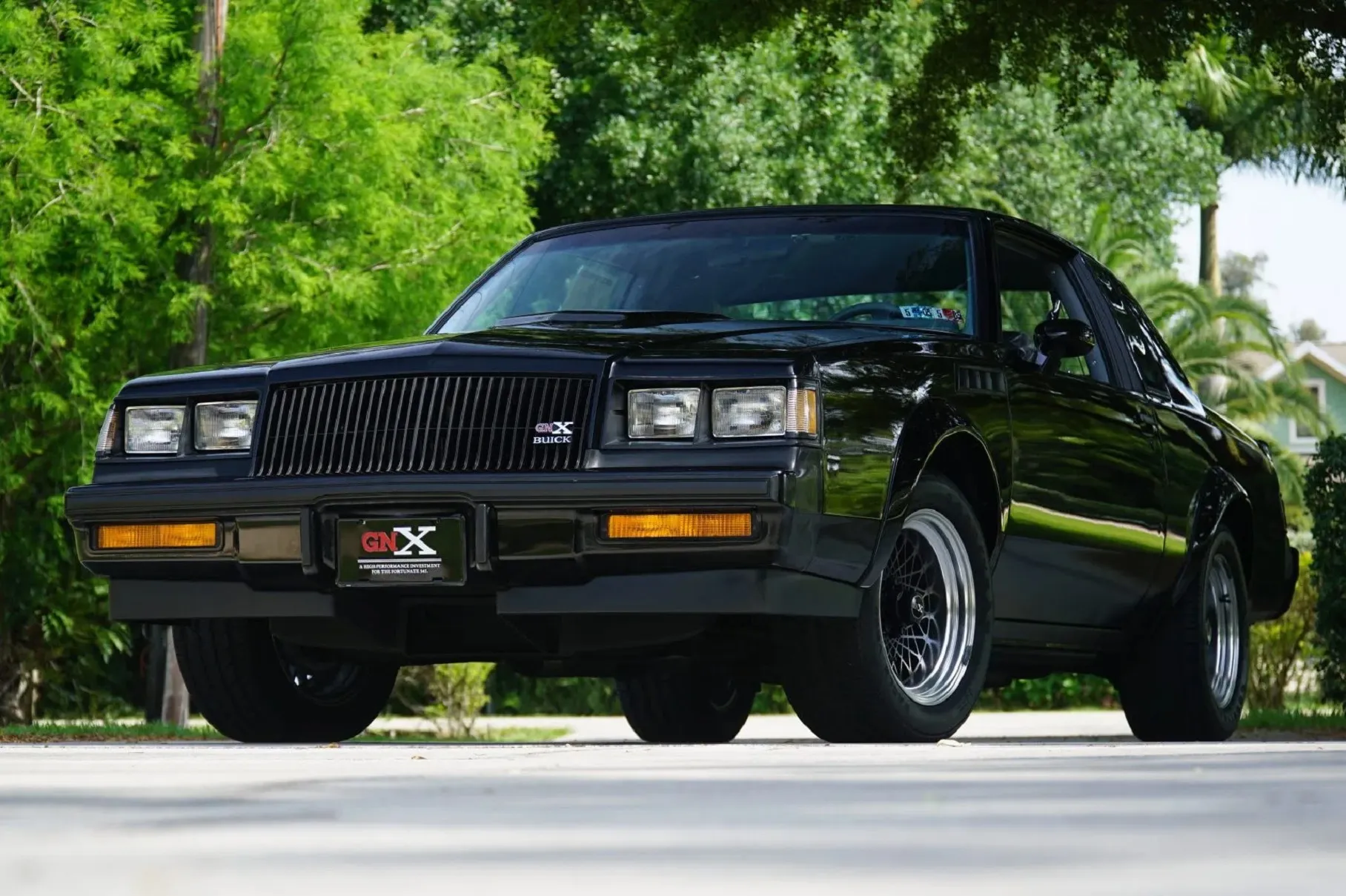
The GNX featured unique chassis modifications including a revised rear suspension with torque arm, panhard rod, and aluminum rear cover that improved weight distribution and traction.
Special 16-inch wheels wore Goodyear Eagle VR50 performance tires developed specifically for this application. Inside, every GNX received special commemorative plaques, embroidered headrests, and a unique dash plaque indicating the car’s production number.
Visual distinctions included unique front fender vents with “GNX” badging, mesh grille inserts, and a subtle rear spoiler. The monochromatic black treatment extended to every element, creating an intimidating presence that perfectly matched the car’s devastating performance capabilities.
Buick priced the GNX at $29,900, a significant premium over the standard Grand National, but buyers received what many consider the greatest turbocharged car America has ever produced.
Today, pristine examples command six-figure prices, cementing the GNX’s status as an automotive icon that proved turbocharging could deliver muscle car performance with technological sophistication.
2. 1970 Buick GSX Stage 1
The 1970 Buick GSX Stage 1 represented Buick’s full-throttle assault on the muscle car market, arriving at the absolute zenith of the horsepower wars.
Based on the Gran Sport, the GSX package added aggressive styling and distinctive color options that made these cars impossible to ignore.
Only 678 GSX models were built for 1970, with 400 finished in Apollo White and 278 in Saturn Yellow, both featuring bold contrasting black accents on the hood, rear deck, and lower body panels.
The Stage 1 performance package transformed the GSX into one of the quickest muscle cars of its era. The 455 cubic-inch V8 officially produced 360 horsepower and 510 lb-ft of torque, though these figures were substantially underrated for insurance purposes.
The Stage 1 package included high-compression cylinder heads, a hotter camshaft, stronger valve springs, and a free-flowing exhaust system. Most significantly, it featured functional hood-mounted tachometer and a sport-calibrated automatic transmission that made the most of the engine’s prodigious torque.
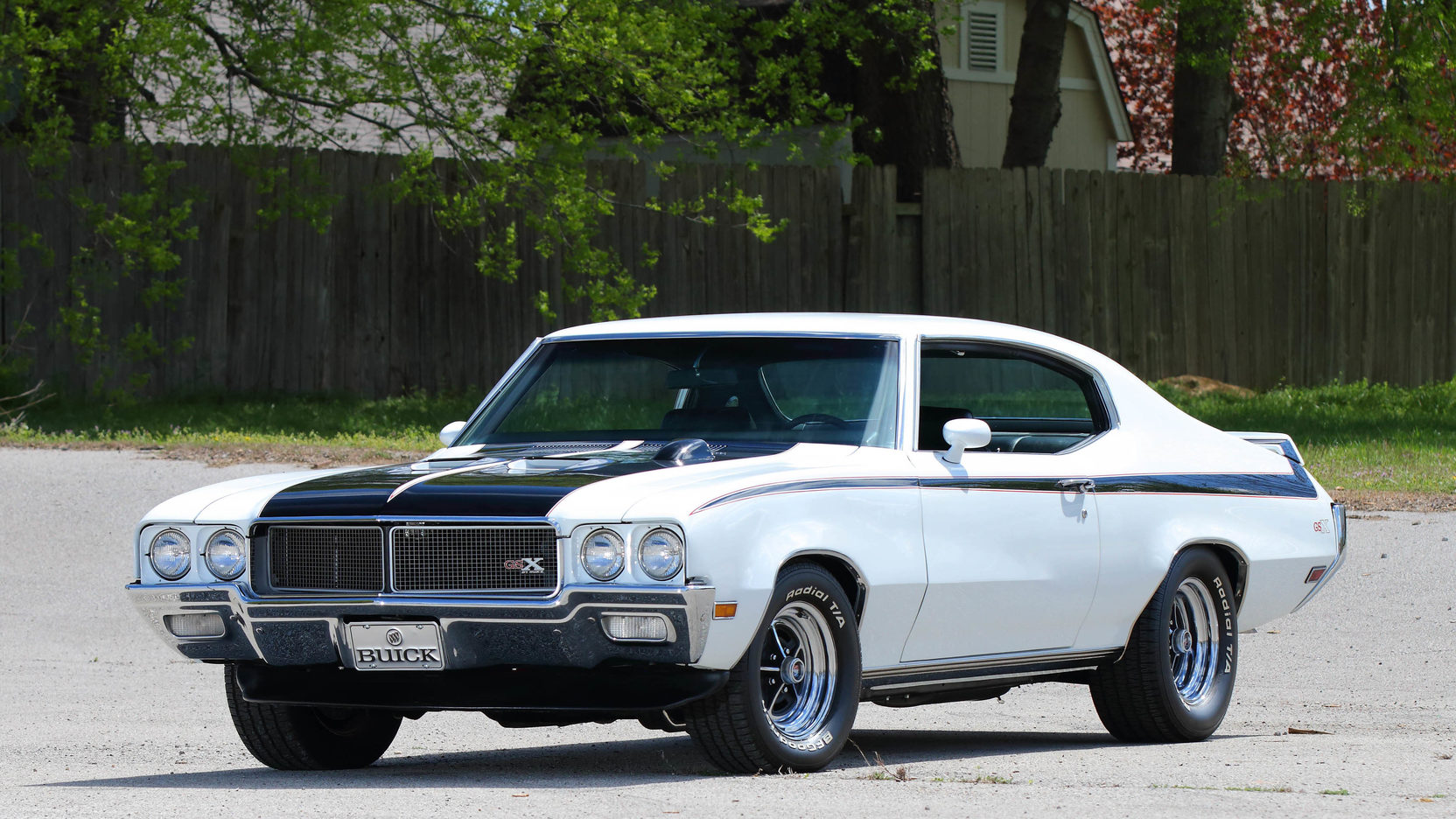
Performance was genuinely impressive, with contemporary magazine tests recording quarter-mile times in the mid-13-second range at over 105 mph. The GSX could reach sixty mph in approximately 5.5 seconds, figures that competed directly with the Hemi Cuda and LS6 Chevelle.
The car’s suspension received upgrades including heavy-duty springs, larger front and rear sway bars, and performance shock absorbers that helped control the considerable power.
Distinctive styling elements included a prominent rear spoiler, hood-mounted tachometer visible through the windshield, front and rear spoilers, and unique GSX badging. The interior featured bucket seats, center console, and full instrumentation befitting a serious performance machine.
Front disc brakes provided stopping power commensurate with the acceleration capabilities, while power steering made the substantial car manageable in everyday driving.
The GSX represented Buick at its most aggressive, a brief moment when the luxury brand shed pretense and built cars specifically to dominate dragstrips and street races.
Today, these cars rank among the most collectible Buicks ever produced, with values reflecting their rarity, performance credentials, and stunning period-correct aesthetics.
3. 1987 Buick Grand National
While the GNX grabbed headlines with its limited production and extreme performance, the 1987 Buick Grand National served as the foundation for that legend and deserves recognition as a performance icon in its own right.
The final year of production saw Buick refine the turbocharged formula to near-perfection, creating a car that delivered exotic-car performance wrapped in an understated, all-black package that earned it the nickname “Darth Vader’s car.”
The heart of the Grand National was its 3.8-liter turbocharged V6 producing 245 horsepower and 355 lb-ft of torque. While these numbers seem modest by today’s standards, the engine’s broad torque curve and aggressive boost delivery made the Grand National devastatingly quick.
Equipped with the mandatory four-speed automatic transmission featuring a high-stall torque converter and overdrive, the Grand National could sprint to sixty mph in under six seconds and complete the quarter-mile in the high 13-second range at nearly 100 mph.
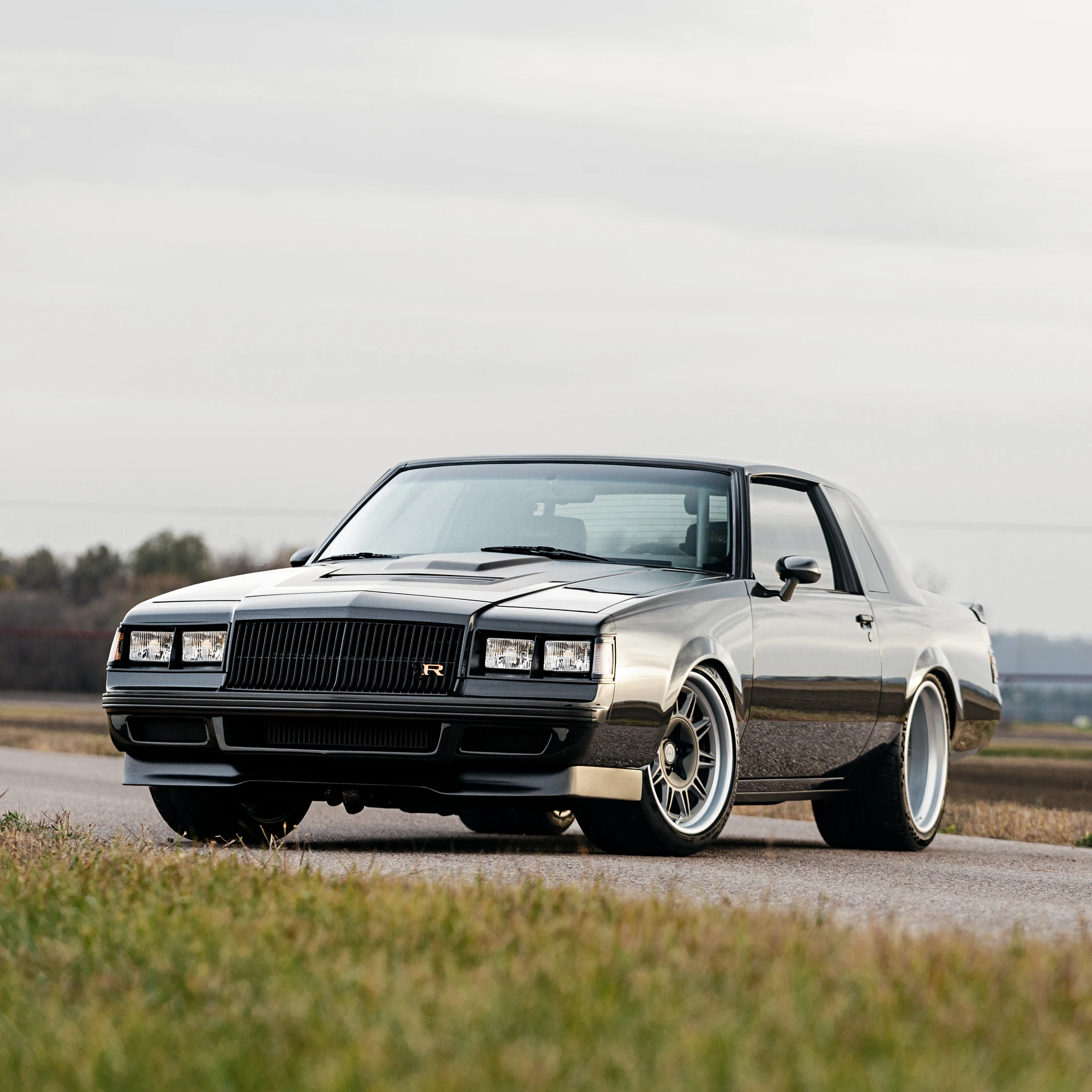
What made the Grand National particularly remarkable was its technological sophistication. The sequential fuel injection system represented cutting-edge technology for 1987, while the engine management system featured boost control and knock sensing that allowed the engine to run high boost levels on pump gasoline.
An air-to-air intercooler kept inlet temperatures manageable, maximizing power output while maintaining reliability. The suspension featured revised springs, shock absorbers, and anti-roll bars that provided composed handling despite the car’s front-wheel-drive platform roots adapted for rear-wheel-drive duty.
The Grand National proved that sophisticated engineering could produce muscle car performance without resorting to massive displacement.
Its legacy influenced an entire generation of turbocharged performance cars and established the template for modern forced-induction applications. Today, these cars command strong collector interest, representing an affordable entry point into Buick’s performance heritage while delivering genuine thrills.
4. 1965 Buick Riviera Gran Sport
The 1965 Buick Riviera Gran Sport merged elegant design with genuine performance capabilities, creating what many consider the most beautiful American car of the 1960s.
The Riviera’s stunning Bill Mitchell-penned styling featured clean lines, hidden headlamps, and sophisticated proportions that placed it in a class above typical American luxury coupes.
When equipped with the Gran Sport package, this aesthetic masterpiece gained the mechanical prowess to match its stunning appearance.
The Gran Sport package centered around Buick’s “Wildcat 465” 425 cubic-inch V8 producing 340 horsepower and 465 lb-ft of torque. This engine featured higher compression, improved breathing through larger valves and ports, and a dual-exhaust system that produced a satisfying rumble.
Backing this substantial powerplant was a Super Turbine 400 automatic transmission featuring a variable-pitch torque converter that could adjust its stall characteristics for optimal performance.
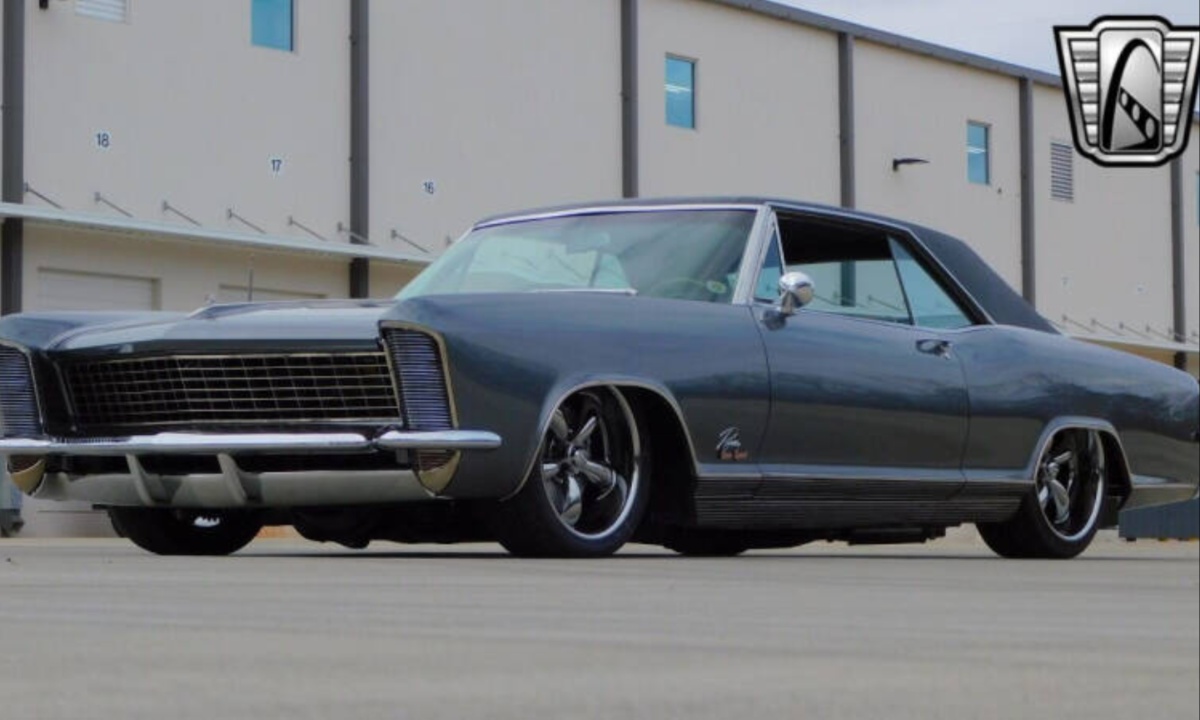
This allowed the Riviera to launch aggressively yet cruise efficiently at highway speeds. Performance figures impressed for a car weighing over 4,000 pounds. The Riviera Gran Sport could reach sixty mph in approximately 7.5 seconds and complete the quarter-mile in the mid-15-second range.
More importantly, the car delivered its performance with refinement and sophistication unavailable from crude muscle cars. The suspension featured revised spring rates and shock valving that balanced comfort with controlled body motions, while power steering and power brakes made the substantial coupe easy to manage.
The 1965 Riviera Gran Sport proved that performance didn’t require compromising elegance or comfort. It established Buick as capable of building cars that competed with European grand touring machines while maintaining distinctly American character and capability.
Also Read: 5 Cars for Danbury City Commuters and 5 That Need Dealer-Only Repairs
5. 1970 Buick Gran Sport 455 Stage 1
Beyond the flashy GSX, the standard 1970 Buick Gran Sport 455 with Stage 1 package offered nearly identical performance in a more subtle wrapper.
These cars appealed to enthusiasts who wanted devastating performance without advertising their capabilities through wild paint schemes and prominent graphics.
The result was arguably the ultimate sleeper muscle car of the classic era, capable of embarrassing far more overtly aggressive machinery.
The Stage 1 package transformed Buick’s 455 cubic-inch V8 into one of the torquiest engines of the muscle car era. Official ratings claimed 360 horsepower and 510 lb-ft of torque, but these conservative figures masked the engine’s true capabilities.
The Stage 1 featured high-flow cylinder heads, aggressive camshaft timing, strengthened valve train components, and a functional cold-air induction system. The engine breathed through a large Rochester Quadrajet carburetor and expelled gases through low-restriction dual exhausts.
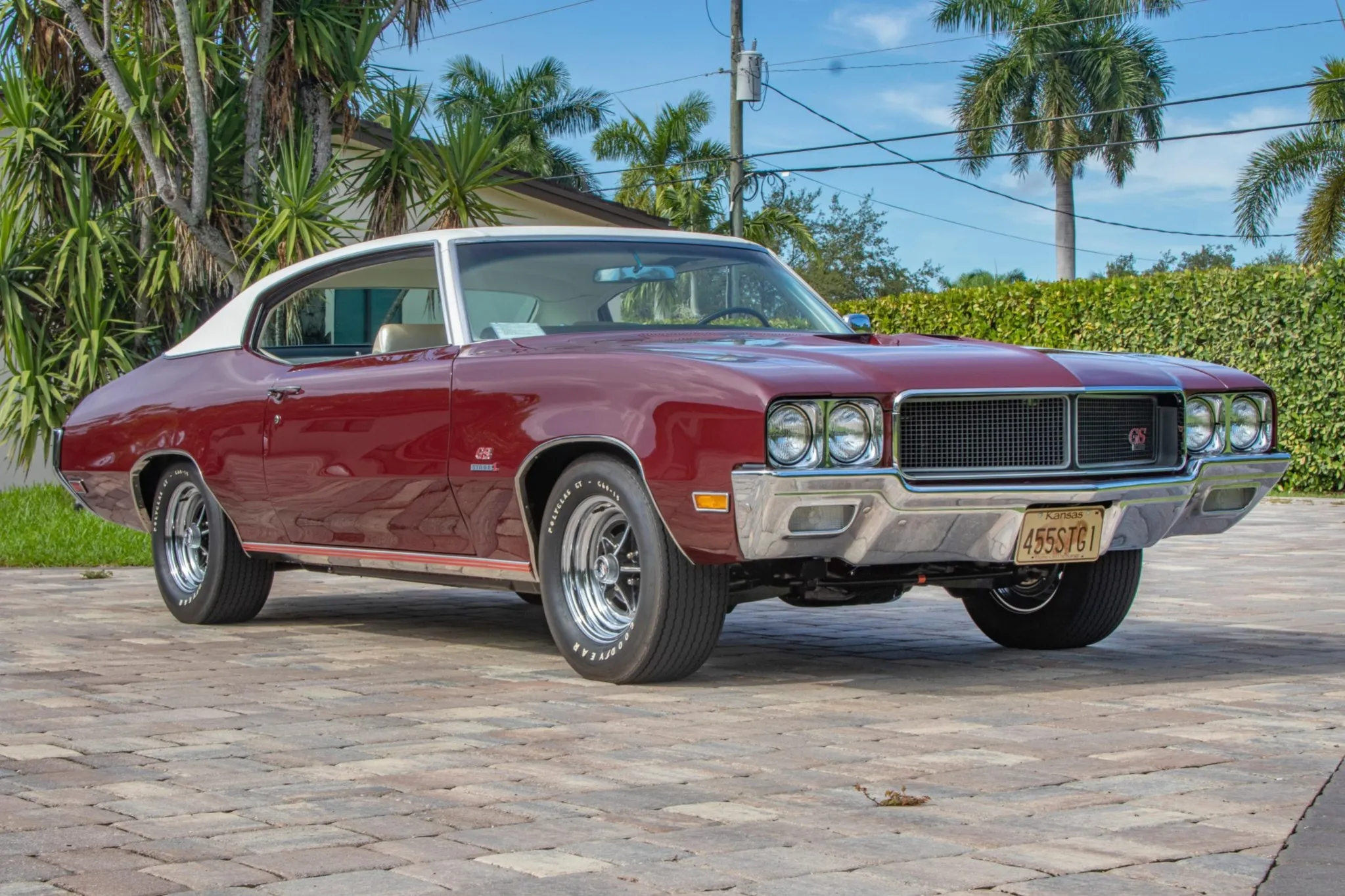
Performance was simply staggering. Contemporary magazine tests recorded quarter-mile times in the low-to-mid 13-second range at over 105 mph, with zero-to-sixty sprints completed in 5.5 seconds or less. What made these figures particularly impressive was the engine’s effortless power delivery.
The massive torque curve meant the Gran Sport accelerated hard from any speed in any gear, making it devastatingly effective in real-world driving situations. The available close-ratio four-speed manual transmission allowed enthusiasts to maximize performance, though most cars received the excellent Turbo-Hydramatic 400 automatic.
The Gran Sport 455 received suspension upgrades including heavy-duty springs, larger anti-roll bars, and performance-calibrated shock absorbers.
Front disc brakes and optional rear discs provided stopping power appropriate to the car’s capabilities. Inside, buyers enjoyed comfortable bucket seats, comprehensive instrumentation, and the comfort features expected from Buick.
The exterior featured distinctive GS badging, dual hood scoops, and subtle graphics that identified the car to those in the know while appearing relatively conservative to casual observers.
The 1970 Gran Sport 455 Stage 1 represented muscle car engineering at its finest, combining brutal acceleration with everyday usability and relative comfort.
6. 1962 Buick Wildcat
The 1962 Buick Wildcat established the nameplate that would become synonymous with Buick performance throughout the 1960s. Initially offered as a trim level on the Invicta, the Wildcat combined distinctive styling with Buick’s most powerful engine options, creating a full-size performance car that competed directly with Pontiac’s Grand Prix and Oldsmobile’s Starfire.
This represented Buick’s recognition that buyers wanted luxury and performance in equal measure. Power came from Buick’s 401 cubic-inch “Wildcat 445” V8 producing 325 horsepower and 445 lb-ft of torque.
This substantial engine featured advanced design elements including thin-wall casting, efficient combustion chamber design, and sophisticated valve train geometry that allowed impressive output for the era.
The engine’s prodigious torque delivery made the Wildcat devastatingly quick off the line despite its substantial 4,200-pound curb weight.
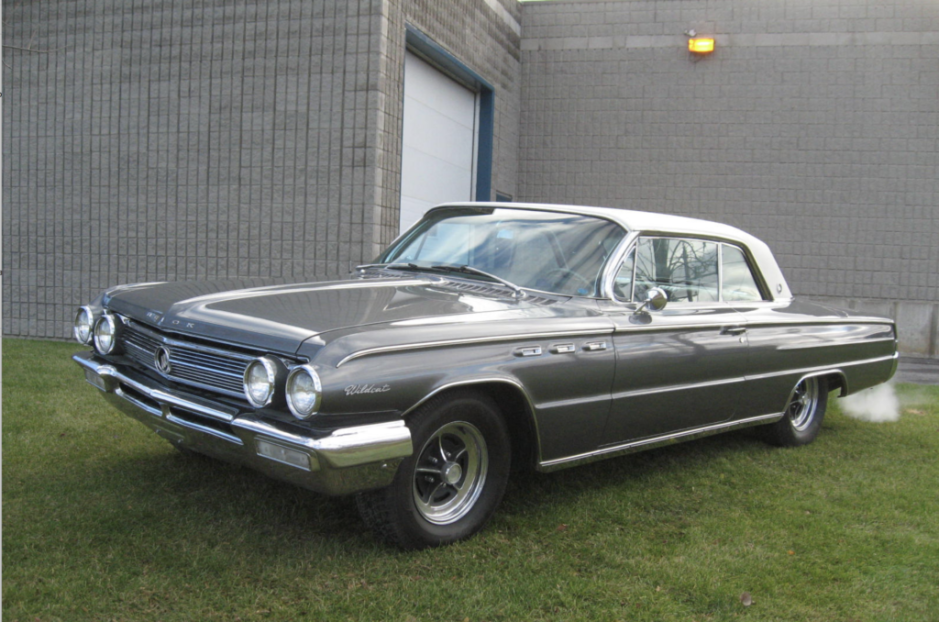
Backing the V8 was Buick’s innovative Turbine Drive automatic transmission featuring a variable-pitch stator that could adjust its characteristics based on throttle input.
The Wildcat could accelerate from zero to sixty mph in approximately 8 seconds and complete the quarter-mile in the mid-16-second range at nearly 85 mph.
These figures placed it among the quickest full-size cars available and demonstrated that large luxury cars needn’t sacrifice performance.
The suspension featured heavy-duty components that controlled the substantial mass while maintaining the comfortable ride Buick customers expected. Power steering and power brakes came standard, making the large coupe manageable in everyday driving.
The 1962 Wildcat proved that full-size cars could deliver genuine performance while maintaining luxury appointments and comfort. It established a template Buick would follow throughout the decade, creating performance variants of existing platforms that appealed to enthusiasts who refused to compromise comfort for speed.
7. 1989 Buick Reatta
The 1989 Buick Reatta represented a bold attempt by Buick to create an American rival to European sports coupes like the Mercedes SL. Hand-assembled at Buick’s Craft Centre in Lansing, Michigan, each Reatta received meticulous attention during its 16-hour build process.
While not an outright muscle car, the Reatta demonstrated Buick’s commitment to performance and technology, featuring sophisticated engineering wrapped in distinctive styling penned by the same team responsible for the acclaimed Riviera.
Under the Reatta’s sculpted hood sat a 3.8-liter V6 producing 165 horsepower and 210 lb-ft of torque. While these figures seem modest, the engine featured sequential fuel injection and sophisticated engine management that delivered smooth, responsive power.
The available four-speed automatic transmission with overdrive provided well-chosen ratios that made the most of the available power. The Reatta could reach sixty mph in approximately 9 seconds and complete the quarter-mile in the mid-16-second range, respectable figures for a luxury sports coupe of the era.
Where the Reatta truly excelled was chassis dynamics. The front-wheel-drive platform featured fully independent suspension with MacPherson struts up front and a sophisticated trailing arm rear suspension.
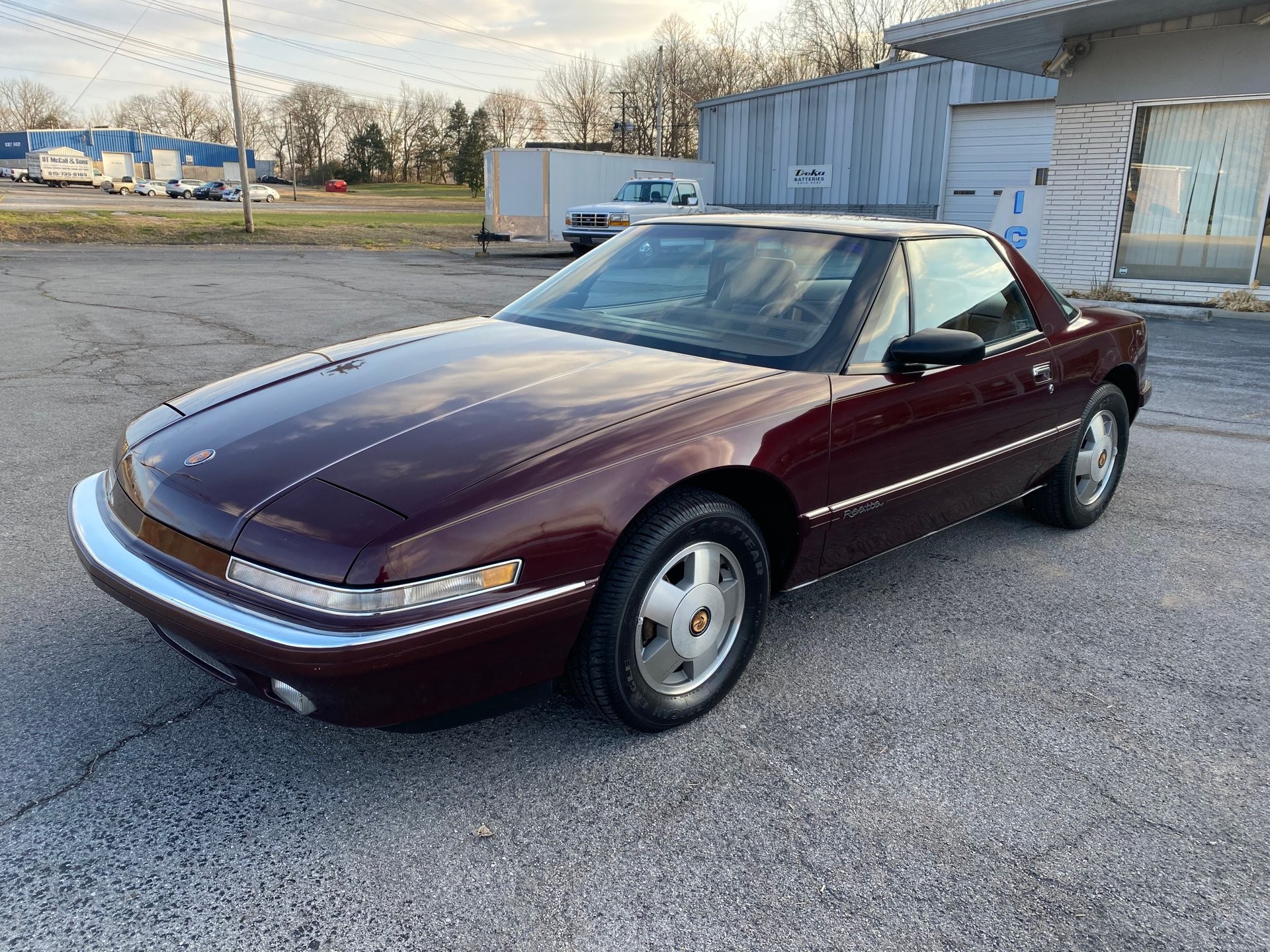
Four-wheel disc brakes with ABS provided confident stopping power, while precisely weighted power steering delivered excellent feedback.
The result was a car that handled with poise and composure, encouraging spirited driving on winding roads while maintaining comfort during highway cruising.
The interior showcased Buick’s technological ambitions with an innovative CRT touchscreen interface controlling climate, audio, and vehicle functions.
Leather seats, premium materials, and meticulous build quality created an environment befitting the Reatta’s premium positioning. The two-seat configuration emphasized the car’s sporting intentions while providing generous space for occupants. Unique features included an aircraft-inspired parking brake lever and comprehensive analog instrumentation.
Only 21,751 Reattas were produced during its four-year production run, making these cars relatively rare today. While not achieving the commercial success Buick hoped for, the Reatta demonstrated the brand’s willingness to experiment and push boundaries, creating a sophisticated sports coupe that deserves recognition as part of Buick’s performance heritage.
8. 1991-1993 Buick Roadmaster Estate Wagon
The Buick Roadmaster Estate Wagon proves that performance cars come in unexpected packages. This full-size, wood-paneled station wagon might seem an unlikely candidate for a performance car list, but equipped with Chevrolet’s LT1 5.7-liter V8 from 1994-1996, these behemoths could genuinely haul both family and cargo, and themselves down the road with surprising vigor.
Earlier models featured the 5.7-liter L05 V8 producing 180 horsepower, respectable but not particularly exciting. The real performance story began in 1994 when Buick installed the Corvette-derived LT1 V8 producing 260 horsepower and 330 lb-ft of torque.
This sophisticated engine featured sequential fuel injection, reverse-flow cooling, and advanced engine management that delivered smooth, powerful acceleration completely at odds with the wagon’s traditional appearance.
Backing the LT1 was a heavy-duty 4L60-E four-speed automatic transmission with electronic controls and overdrive. Despite weighing nearly 4,500 pounds, the LT1-powered Roadmaster Estate could reach sixty mph in approximately 7.5 seconds and complete the quarter-mile in the mid-15-second range.
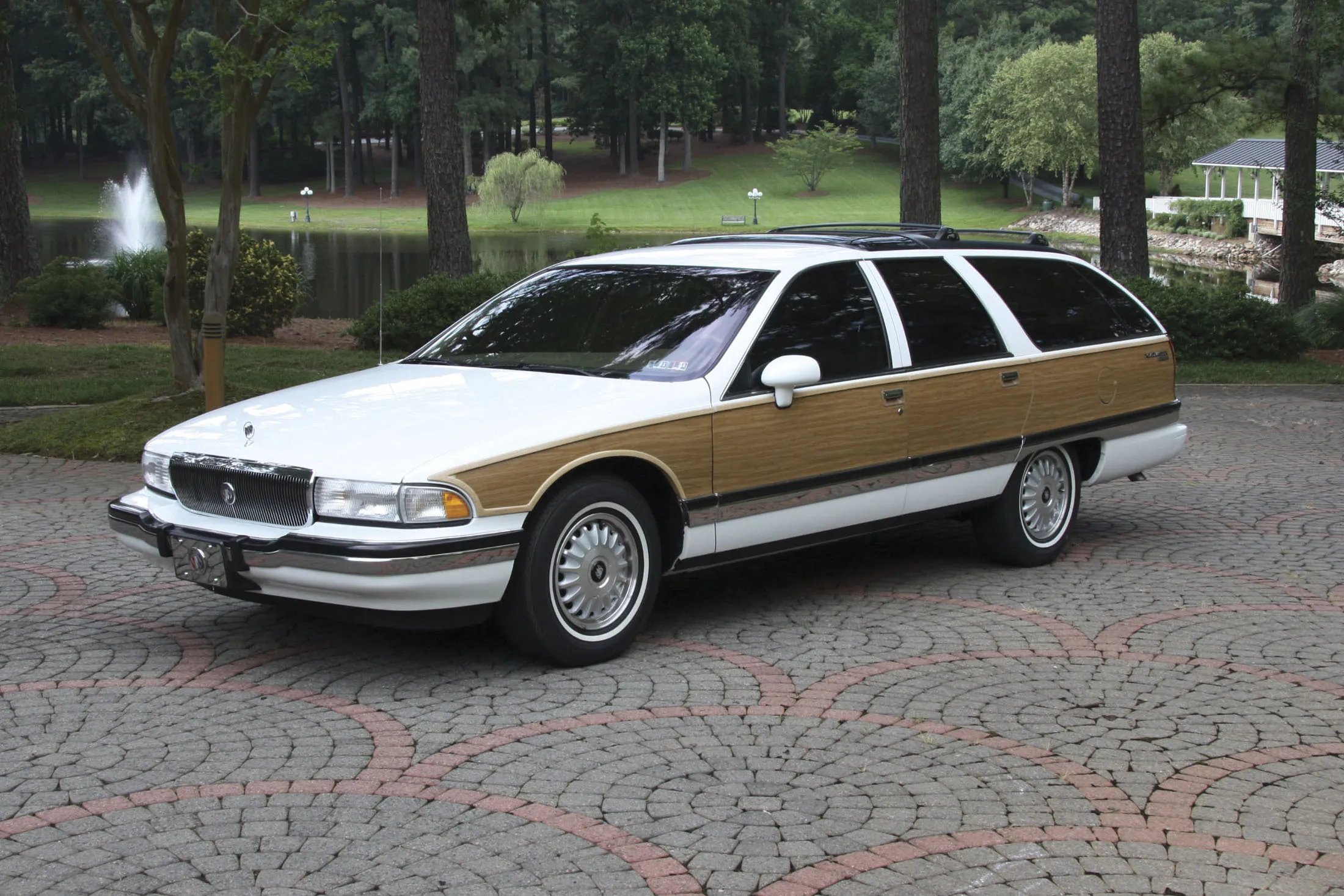
What made the Roadmaster Estate particularly impressive was its chassis dynamics. The body-on-frame construction featured a rear-wheel-drive layout with a solid rear axle located by four trailing links and a Panhard rod.
This old-school configuration delivered excellent traction during acceleration while providing a comfortable, controlled ride. Four-wheel disc brakes with ABS provided stopping power appropriate to the wagon’s substantial mass.
The long wheelbase and heavy weight created exceptional stability at highway speeds, making the Roadmaster an outstanding long-distance cruiser.
Inside, the Roadmaster Estate offered seating for eight passengers across three rows, with optional rear-facing third-row seats that delighted children. The cargo area behind the third row provided generous space that expanded dramatically with seats folded.
Features included power accessories, available leather upholstery, premium audio systems, and climate control. The traditional wood-grain exterior paneling and classic proportions created nostalgic appeal while the mechanical components delivered modern performance and reliability.
Today, LT1-powered Roadmaster Estate Wagons enjoy cult status among enthusiasts who appreciate their combination of practicality, comfort, and genuine performance capability wrapped in retro styling.
9. 1979 Buick Riviera S-Type
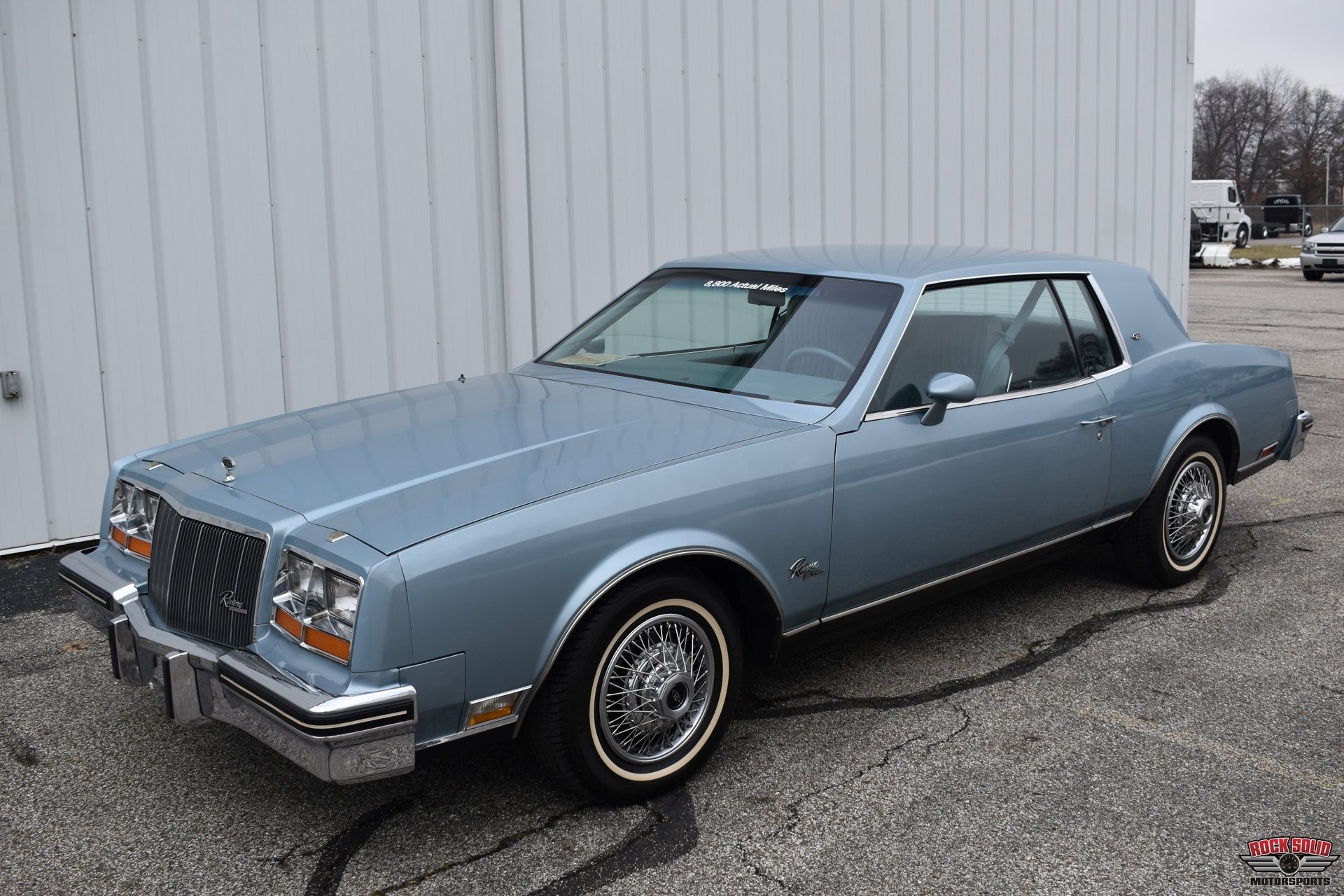
The 1979 Buick Riviera S-Type emerged during the malaise era as a surprisingly capable performance car that demonstrated Buick’s engineering prowess despite restrictive emissions regulations and fuel economy pressures.
The S-Type package transformed the downsized Riviera into a competent handler with credible performance, creating what many consider the best-driving American luxury coupe of the late 1970s.
Power came from Buick’s venerable 350 cubic-inch V8 producing 170 horsepower and 275 lb-ft of torque through a four-barrel carburetor. While these figures pale compared to earlier Buick performance cars, they represented respectable output for the era and provided adequate motivation for the 3,800-pound coupe.
The S-Type featured Buick’s THM-350 three-speed automatic transmission with a floor-mounted shifter that added a sporting touch. Zero-to-sixty acceleration took approximately 11 seconds with quarter-mile times in the high 17-second range, competitive for the period.
The S-Type’s true distinction came through its chassis modifications. Buick fitted specific springs and shock absorbers, larger anti-roll bars, and wider wheels wearing performance-oriented tires.
These changes dramatically improved handling precision and body control compared to standard Riviera models. Gran Touring suspension components included revised front suspension geometry that reduced understeer and provided more communicative steering feedback.
The result was a car that could be driven with genuine enthusiasm on winding roads while maintaining the comfort expected from Buick.
Visual distinctions included specific S-Type badging, unique wheels, and subtle exterior graphics. Inside, buyers received sport bucket seats with lumbar support, full instrumentation including a tachometer, and a sport steering wheel.
The interior maintained Buick’s commitment to quality with premium materials and comprehensive features including available power accessories and climate control.
The S-Type represented Buick’s refusal to abandon performance despite challenging circumstances. It proved that careful chassis tuning and attention to dynamics could create rewarding driving experiences even with relatively modest power outputs, establishing principles that would inform Buick’s turbocharged performance cars of the 1980s.
10. 2017-2020 Buick Regal GS
The modern Buick Regal GS demonstrated that the brand hadn’t forgotten its performance heritage, creating a sophisticated sports sedan that competed directly with European rivals.
Based on the Opel Insignia platform developed for global markets, the Regal GS featured advanced engineering and technology that delivered genuine driving excitement wrapped in Buick’s signature refined package.
Under the hood sat a 3.6-liter V6 producing 310 horsepower and 282 lb-ft of torque through direct injection and variable valve timing.
This smooth, sophisticated engine delivered linear power across its rev range, making the Regal GS feel quick in everyday driving situations.
An eight-speed automatic transmission with paddle shifters provided well-chosen ratios and intelligent programming that anticipated driver intent.
Zero-to-sixty acceleration took approximately 6 seconds with quarter-mile times in the mid-14-second range, respectable figures that placed the Regal GS among genuine sport sedans.
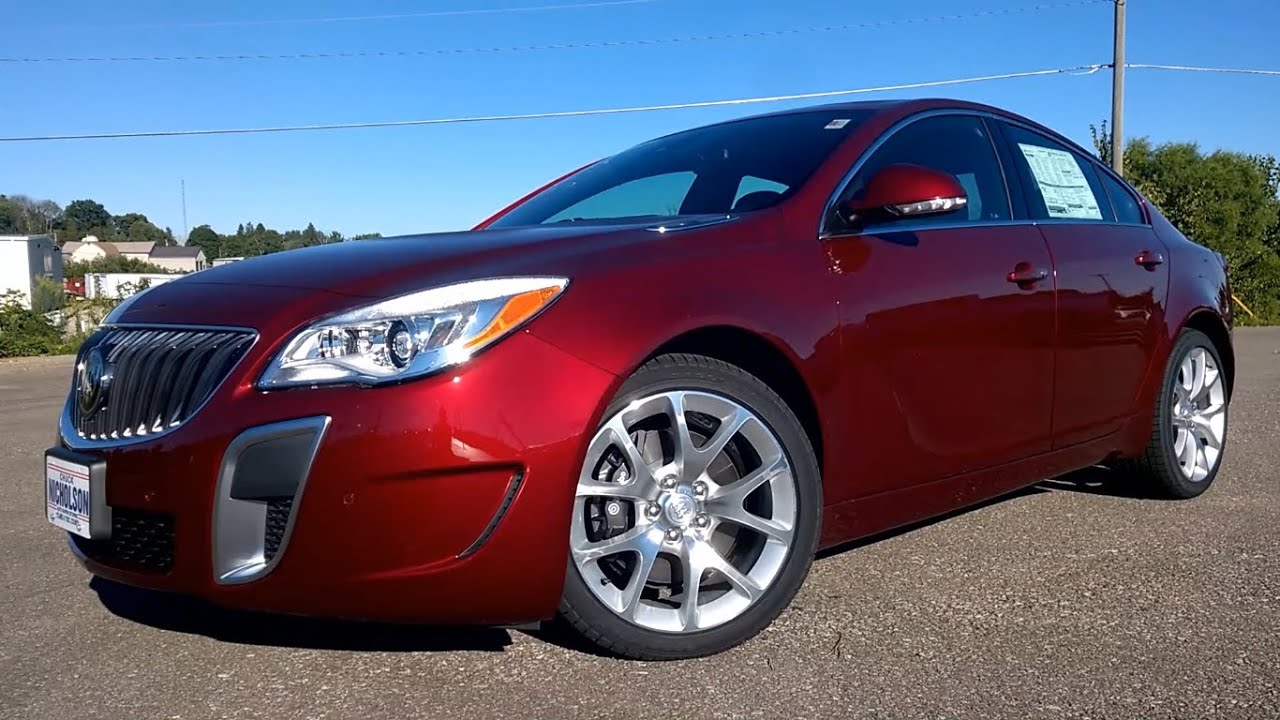
The chassis featured sophisticated MacPherson strut front suspension and multi-link rear suspension with HiPer Strut geometry that minimized torque steer and maintained precise wheel control.
Adaptive dampers allowed drivers to select between tour and sport modes, adjusting shock absorber firmness to match driving conditions.
The available all-wheel-drive system could vector power between front and rear axles and between individual rear wheels, enhancing both traction and handling precision. Brembo brakes provided exceptional stopping power with excellent pedal feel.
Inside, the Regal GS featured sport seats with aggressive bolstering, premium materials including available leather and suede, and comprehensive technology including an 8-inch touchscreen infotainment system with navigation and smartphone integration.
Driver assistance technologies included adaptive cruise control, lane keeping assist, and forward collision warning with automatic emergency braking. The interior blended sporting intent with Buick’s traditional emphasis on comfort and refinement.
While the Regal GS never achieved strong sales in the American market, it represented a genuine performance sedan that competed credibly with established European rivals while offering distinctive styling, comprehensive features, and Buick’s traditionally strong value proposition.
11. 1971 Buick GSX Stage 1
The 1971 Buick GSX represented the final hurrah for Buick’s muscle car program before increasingly restrictive emissions regulations and insurance pressure forced manufacturers to detune their performance offerings.
Only 124 GSX models were produced for 1971, making these cars extraordinarily rare today. While performance didn’t quite match the legendary 1970 models due to reduced compression ratios mandated by new regulations requiring lower-octane fuel, the ’71 GSX remained a formidable performer.
The Stage 1 455 V8 now produced 345 horsepower and 460 lb-ft of torque, reductions from previous years but still substantial output that placed the GSX among the most powerful cars available.
The engine retained its sophisticated design with high-flow heads, aggressive camshaft, and functional cold-air induction. The available four-speed manual transmission featured closer ratios that maximized acceleration, though most buyers selected the excellent Turbo-Hydramatic 400 automatic that proved nearly as quick in acceleration tests.
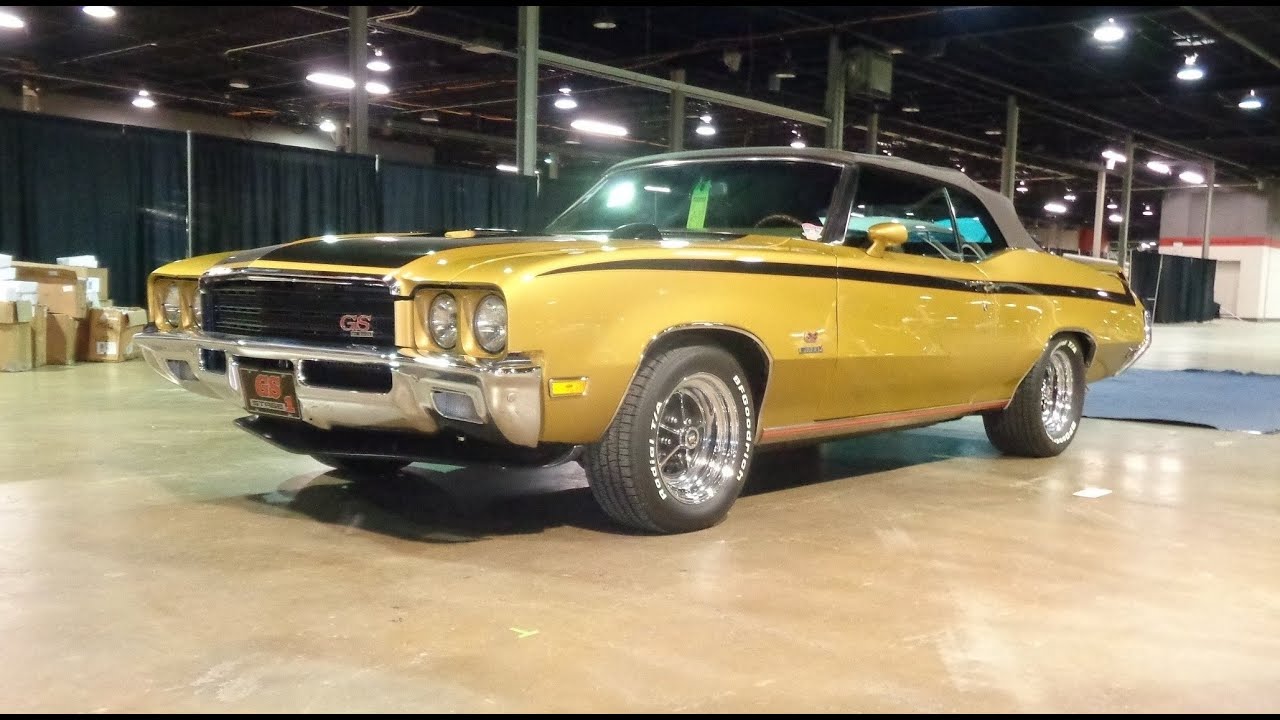
Quarter-mile performance slipped into the mid-to-high 13-second range at around 100 mph, with zero-to-sixty times approaching 6 seconds. While not matching 1970’s blistering pace, these figures still embarrassed most competitors and provided thrilling acceleration.
The chassis retained heavy-duty suspension components, larger anti-roll bars, and four-wheel disc brakes that provided controlled handling and confident stopping power. Power steering remained standard, making the substantial coupe manageable in all driving situations.
The 1971 GSX represented the end of an era, the final time Buick would build cars specifically designed to dominate dragstrips and street races. Its rarity makes it highly collectible today, valued for representing the classic American muscle car performance.
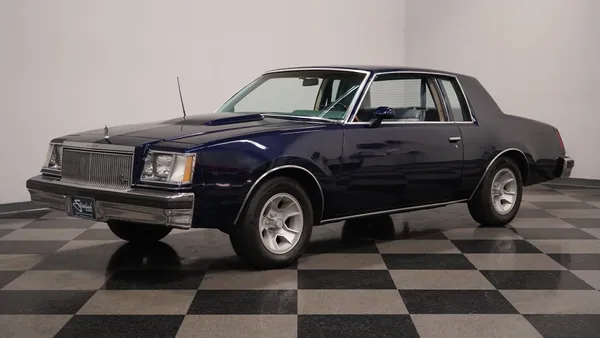
12. 1978 Buick Regal Sport Coupe
The 1978 Buick Regal Sport Coupe may seem an unlikely choice for a performance car list, arriving during the depths of the malaise era when emissions controls and fuel economy concerns strangled performance across the industry.
However, this car proved historically significant as the foundation upon which Buick would build its legendary turbocharged Grand National program. The Sport Coupe demonstrated that even during challenging times, Buick maintained its performance aspirations.
Standard power came from Buick’s 231 cubic-inch (3.8-liter) V6 producing just 105 horsepower, though buyers could opt for larger V8 engines including Buick’s 350 cubic-inch unit or Oldsmobile’s 350 diesel for improved fuel economy.
Optional was Buick’s innovative turbocharged 3.8-liter V6 producing 150 horsepower and 245 lb-ft of torque, previewing technology that would transform Buick’s performance credentials.
This represented one of the first production applications of turbocharging in American passenger cars, demonstrating engineering sophistication during an era dominated by primitive emissions controls.
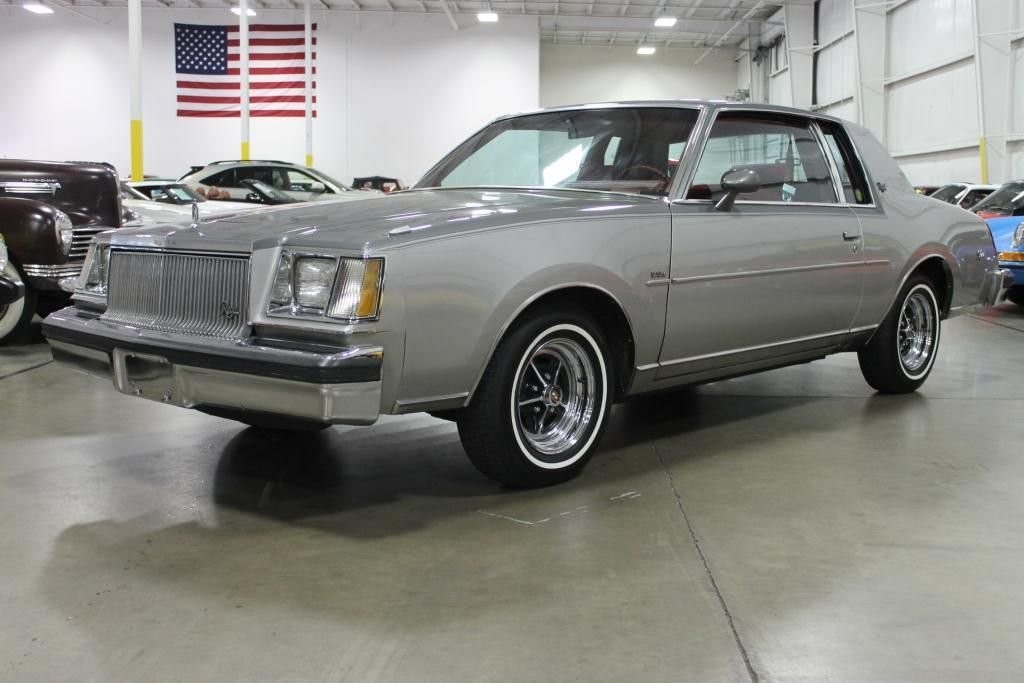
The turbocharged Regal could reach sixty mph in approximately 11 seconds and complete the quarter-mile in the high 17-second range, respectable figures for 1978 that placed it among quicker domestic cars available.
More importantly, the turbocharged V6 delivered its power smoothly with impressive refinement, demonstrating that forced induction could provide performance without sacrificing drivability.
The chassis featured revised suspension tuning with specific springs and shock absorbers that improved handling precision compared to standard Regal models.
The Sport Coupe featured distinctive exterior treatment with two-tone paint schemes, special badging, and unique wheels that differentiated it from standard Regals.
Inside, bucket seats, full instrumentation, and available luxury features created comfortable accommodations. The formal roofline and classic proportions aged gracefully, creating attractive styling that remains appealing today.
While not genuinely quick by contemporary or modern standards, the 1978 Regal Sport Coupe established the template and platform that would evolve into the Grand National and ultimately the legendary GNX, earning its place in Buick’s performance history as the foundation for greatness.
Also Read: 5 Cars for Cedar Rapids Reliable Drivers and 5 That Lose Value Fast
