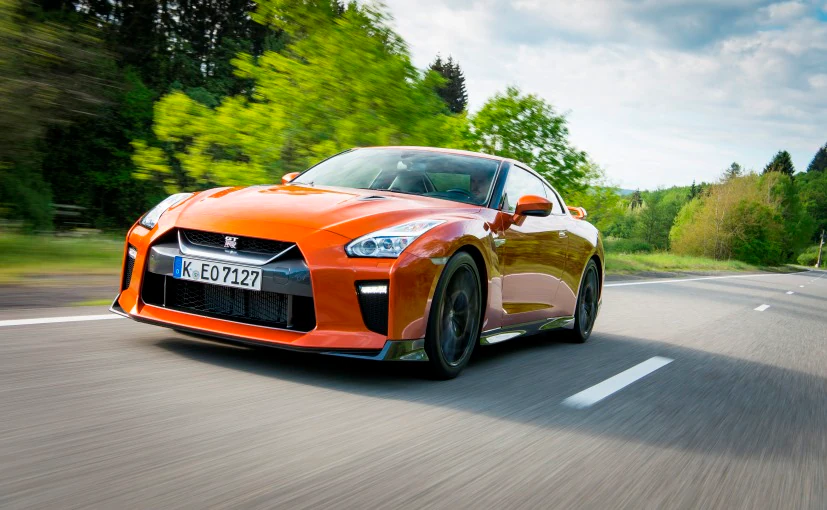
Sports cars are often associated with speed, aggressive styling, and thrilling performance, but reliability is rarely the first quality people expect from them. Many assume that sports cars demand constant maintenance, frequent repairs, and high ownership costs over time.
While that reputation can be true for some models, it does not apply to all. A number of sports cars have proven that strong performance and long-term dependability can coexist when engineering, build quality, and thoughtful design come together properly.
Long-term reliability matters not only for cost savings but also for peace of mind. Owners who plan to keep their cars for many years value engines that age gracefully, transmissions that withstand repeated stress, and electrical systems that do not become unpredictable as mileage increases.
Sports cars that achieve this balance often come from manufacturers known for conservative engineering, extensive testing, and a focus on mechanical simplicity rather than excessive complexity.
Another factor influencing reliability is how a car delivers its performance. Vehicles that rely on naturally aspirated engines, well-proven platforms, and moderate power outputs tend to age better than those pushing extreme limits.
Reliability does not mean a car is boring, but rather that it was designed with durability in mind alongside excitement. These cars reward owners who drive them regularly instead of fearing long-term ownership.
This article highlights ten sports cars that have earned reputations for long-term reliability through consistent performance, solid engineering, and real-world durability.
These models are respected not only for how they drive when new but also for how well they continue to operate after years of use. They show that owning a sports car does not always mean sacrificing dependability, making them appealing choices for enthusiasts who want excitement without constant worry.
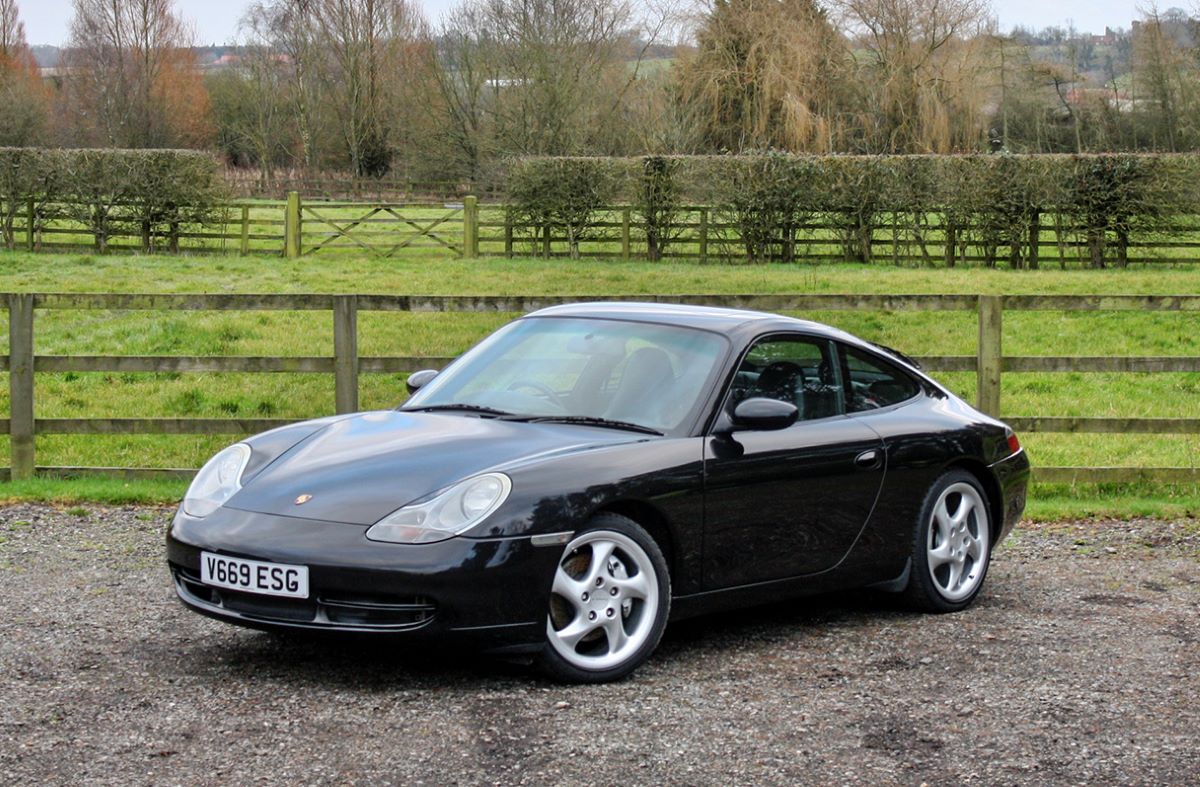
1. Porsche 911
The Porsche 911 has remained remarkably consistent in its core design philosophy for decades, which has contributed significantly to its reliability. Porsche has refined the same basic formula rather than reinventing it repeatedly, making each generation stronger than the last.
The attention to detail in areas like suspension geometry, weight distribution, and engine layout ensures the car remains balanced and predictable on the road. Owners often note that the 911’s design allows it to handle daily driving as well as spirited weekend runs without excessive wear.
The flat six engine used in the 911 is known for durability when properly maintained, and it has a reputation for smooth operation even at high mileage. The air-cooled versions were simpler mechanically, reducing the chance of complex failures, while the water-cooled generations improved cooling efficiency and longevity.
Timing chains, oiling systems, and engine internals are designed to last, and routine maintenance such as oil changes and valve adjustments usually keeps the car running reliably for hundreds of thousands of kilometers. This robustness contributes to the 911’s long-term value.
Porsche also places strong emphasis on build quality and materials throughout the vehicle. The chassis is welded and reinforced to maintain stiffness over time, while interior components such as switches, dashboards, and trim pieces are engineered to resist wear and fading.
Suspension components, brakes, and steering systems are designed for repeated high-stress use, making them highly durable. These factors make ownership more predictable, and owners rarely encounter hidden defects that would compromise long-term reliability.
Another reason for the 911’s long-term dependability is its extensive support network and parts availability. Porsche ensures that replacement parts are widely accessible and that service procedures are well-documented.
Experienced mechanics can maintain older models efficiently, and enthusiasts often find that even rare models benefit from a wealth of community knowledge. Regular servicing combined with careful driving ensures that the 911 remains a dependable, high-performance car for decades.

2. Mazda MX-5 Miata
The Mazda MX-5 Miata is widely respected for combining driving enjoyment with exceptional reliability, a combination that is rare in sports cars. Mazda focused on keeping the car lightweight, mechanically simple, and free of unnecessary complexity.
This approach minimizes strain on the engine, transmission, and suspension, allowing each component to last longer. The consistent focus on balance and simplicity has made multiple generations of Miata remarkably durable, even in daily use.
The Miata’s engines are known for durability, efficiency, and predictable performance. They are not pushed to extreme power levels, which helps internal components operate within safe limits.
Many owners report engine mileage exceeding 200,000 miles without major repairs when regular maintenance is performed. Timing belts, water pumps, and valve trains are straightforward to service, and the reliability of these systems contributes to the car’s reputation as a low-stress sports car.
Transmissions in the Miata, particularly the manual option, have strong longevity and are easy to maintain. Gearboxes are smooth and precise, rarely requiring rebuilding if driven carefully.
The clutch system, assisted by the car’s lightweight design, often lasts far longer than expected compared to other sports cars. Even the automatic transmission, while slightly more complex, has proven durable when oil changes are done on schedule.
Another key factor supporting the Miata’s reliability is the affordability of maintenance and parts. Replacement components are reasonably priced, and repairs can often be performed by knowledgeable enthusiasts.
The simplicity of the engine bay and drivetrain layout makes routine maintenance manageable, while the car’s consistent engineering ensures that once an issue is resolved, it rarely recurs. This combination of accessible maintenance and mechanical durability keeps the Miata highly dependable.
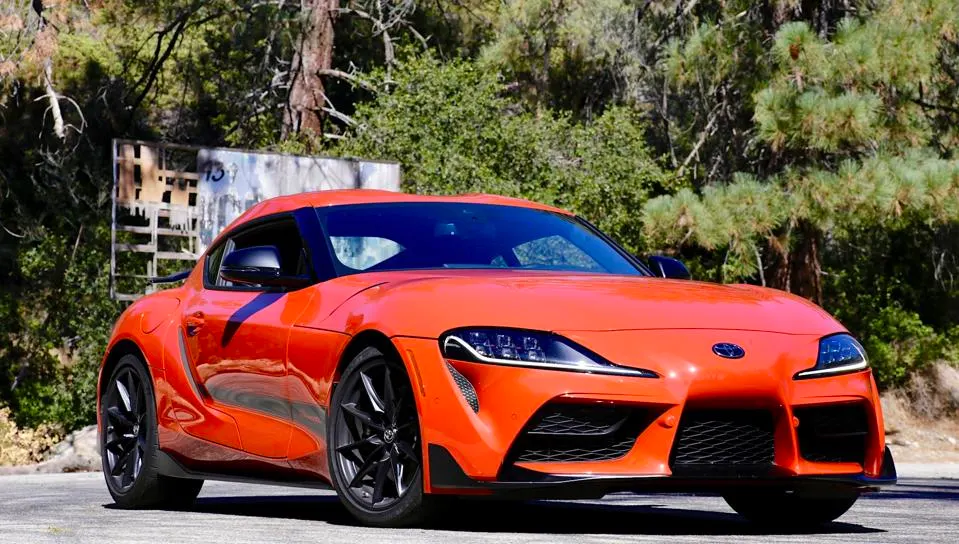
3. Toyota Supra
The Toyota Supra earned its reputation through a blend of strong engineering, conservative performance tuning, and attention to longevity. Toyota emphasized building engines and drivetrains that could withstand heavy use over time.
This approach involved overengineering critical components to handle higher-than-stock stress, creating a sports car that could survive spirited driving without frequent repairs. Owners often find that the Supra remains mechanically sound well after its first decade.
The Supra’s inline six engine is one of its most defining features and a major contributor to reliability. It combines smooth power delivery with internal strength, allowing it to endure prolonged use under heavy loads.
Turbocharged variants, when properly maintained, are particularly robust due to reinforced components such as pistons, connecting rods, and bearings. Timing systems, fuel systems, and cooling systems are designed with longevity in mind, which helps the engine maintain performance over many years.
Toyota’s strict manufacturing standards contribute significantly to the Supra’s dependability. Quality control ensures that engines, transmissions, and electronics are assembled precisely, minimizing defects that could affect long-term ownership.
Electrical systems are reliable, and mechanical systems rarely fail prematurely. This consistency in manufacturing allows the Supra to retain value and remain a reliable daily driver as well as a performance machine.
Another factor supporting long-term reliability is the Supra’s balanced performance profile. Acceleration, braking, and handling are tuned to provide excitement without overstressing components.
The car’s suspension geometry and drivetrain are built to tolerate spirited driving while avoiding excessive wear. Combined with routine maintenance, these design choices allow the Supra to maintain dependable performance for decades, making it one of the most trusted sports cars among enthusiasts.
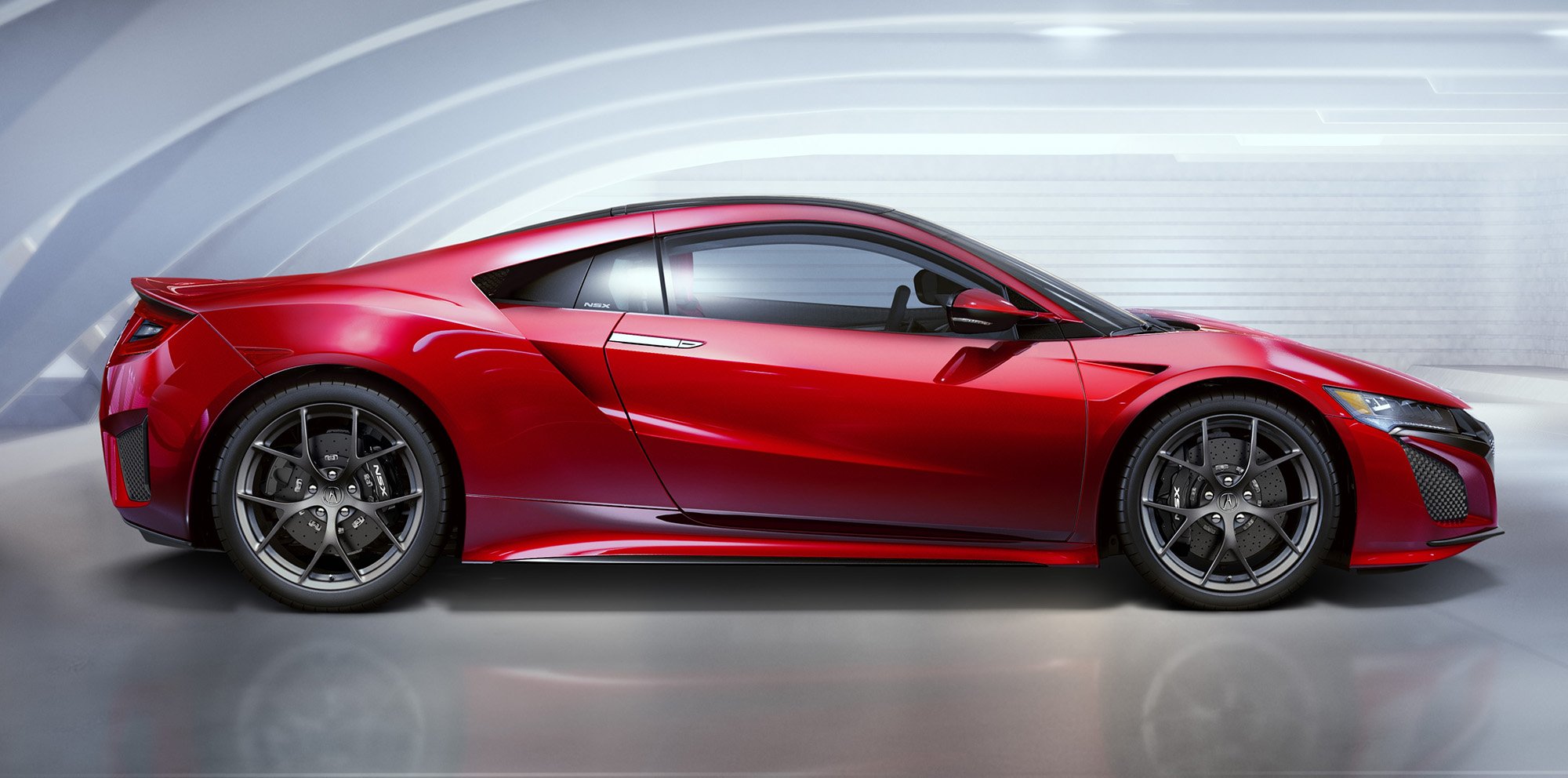
4. Honda NSX
The Honda NSX is a rare example of a supercar engineered with reliability as a core principle. Honda applied its expertise in building durable engines and transmissions to a high-performance platform, creating a car that could handle daily driving and track use without constant repairs.
Unlike many other exotic cars, the NSX was designed to be approachable for ownership over the long term. Its mechanical reliability complements its striking performance.
The naturally aspirated V6 engine in the NSX is celebrated for smooth power delivery and mechanical strength. Honda avoided pushing the engine to extreme limits, which reduces stress on components like pistons, valves, and bearings.
Cooling and lubrication systems are carefully engineered to maintain optimal performance under repeated high-speed driving. As a result, many NSX examples remain mechanically sound decades after production.
Another strength of the NSX is its meticulous build quality and component selection. The chassis, suspension, and brakes were designed to endure repeated stress, while interior materials were chosen to resist wear and maintain a premium feel.
Honda’s careful attention to detail ensures that mechanical and cosmetic elements age gracefully, contributing to the car’s dependability. Owners often report few unexpected issues even after extensive use.
Honda’s reliability culture also extends to maintenance simplicity. Service intervals are predictable, and many components share design principles with other Honda vehicles, allowing easier sourcing of parts.
Regular servicing is straightforward, reducing the likelihood of neglect or deferred repairs. These factors make the NSX a unique supercar that combines exotic performance with long-term reliability, a combination rarely seen in its class.
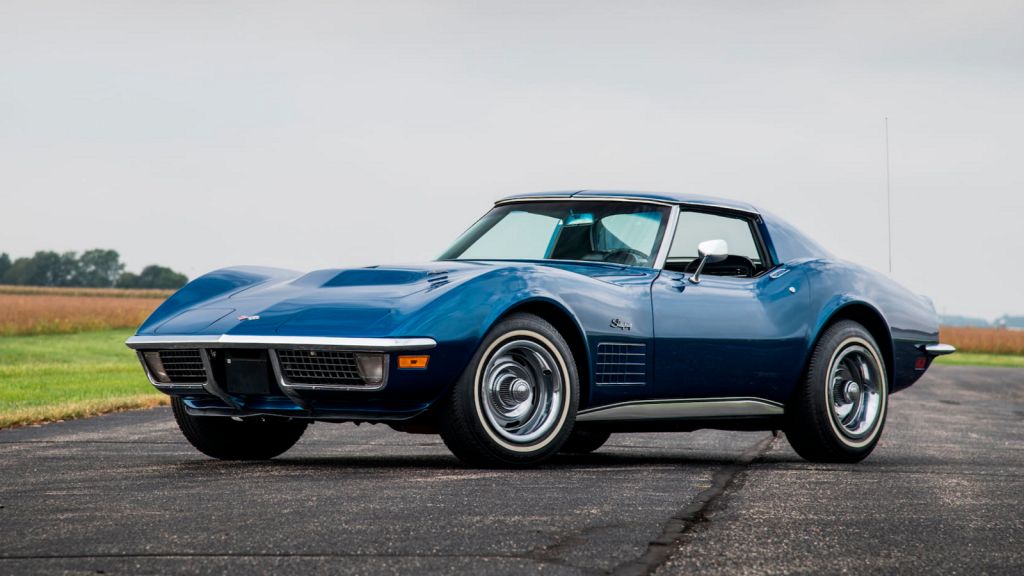
5. Chevrolet Corvette
The Chevrolet Corvette is widely recognized for delivering strong performance with impressive durability. General Motors invested heavily in refining its V8 engines over multiple generations, ensuring that they could handle repeated stress.
This careful engineering, combined with a robust chassis and suspension, allows the Corvette to remain dependable even when used aggressively. Many owners report decades of reliable service when maintenance is followed.
One reason for the Corvette’s long-term reliability is its use of proven mechanical components. The engine, transmission, and rear axle are designed for strength and longevity.
Cooling and lubrication systems are efficient, reducing the likelihood of overheating or premature wear. This engineering ensures that the car maintains performance without frequent major repairs, which is unusual for a high-powered sports car.
The Corvette’s suspension, braking, and drivetrain systems are built to endure repeated high-stress use. High-quality materials and precise engineering reduce wear on critical components, allowing the car to maintain handling and performance over time. Owners often find that even older Corvettes remain capable on twisty roads and tracks, highlighting their mechanical resilience.
Another advantage of the Corvette is the accessibility of parts and service knowledge. Widespread availability of replacement components and experienced technicians makes maintenance more predictable and affordable.
Owners can keep the car in excellent condition without relying on rare or expensive parts. Combined with its robust engineering, these factors make the Corvette one of the most reliable American sports cars available.
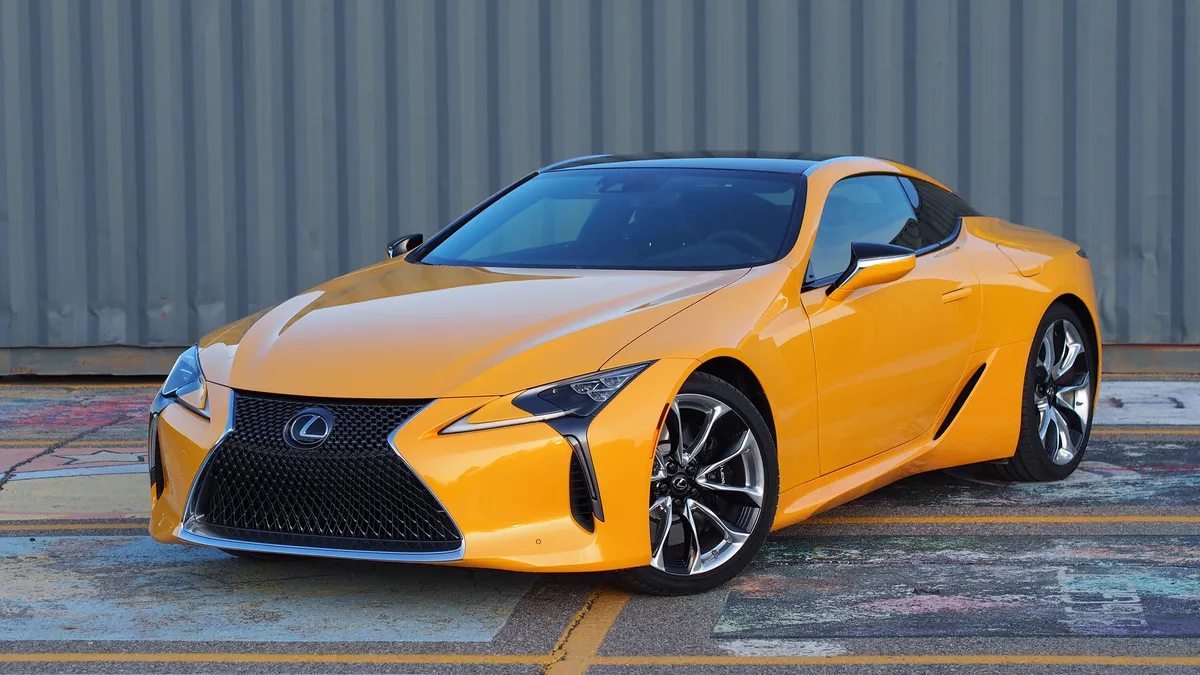
6. Lexus LC 500
The Lexus LC 500 reflects the brand’s reputation for producing luxury vehicles that last for decades, applied to a performance coupe. Lexus engineers focused on precision manufacturing and quality control to minimize potential failures.
Every component, from suspension to electronics, is designed to handle high-stress conditions while maintaining smooth operation. This approach ensures the LC 500 remains reliable even under spirited driving or extended use.
Its naturally aspirated V8 engine contributes significantly to long-term dependability. Unlike turbocharged or supercharged alternatives, the engine does not rely on forced induction, which reduces strain on internal components.
Pistons, rods, and valve systems are robustly built, while lubrication and cooling systems are highly efficient. Regular oil changes and inspections are usually sufficient to keep the engine performing optimally for many years.
Lexus also emphasizes interior and electronic durability. The cabin materials, screens, and controls are engineered to resist wear and maintain functionality under long-term use.
Even complex features like adaptive suspension, navigation, and infotainment systems are thoroughly tested for reliability. This attention to detail reduces the chances of failure that can plague other high-performance vehicles.
Another factor contributing to the LC 500’s dependability is conservative tuning. While the car offers thrilling acceleration and sharp handling, Lexus ensures that components are not pushed to their absolute limits.
The drivetrain, transmission, and brakes are designed to tolerate prolonged stress, making long-term maintenance predictable. Owners benefit from a sports car experience without the constant worry of mechanical issues.
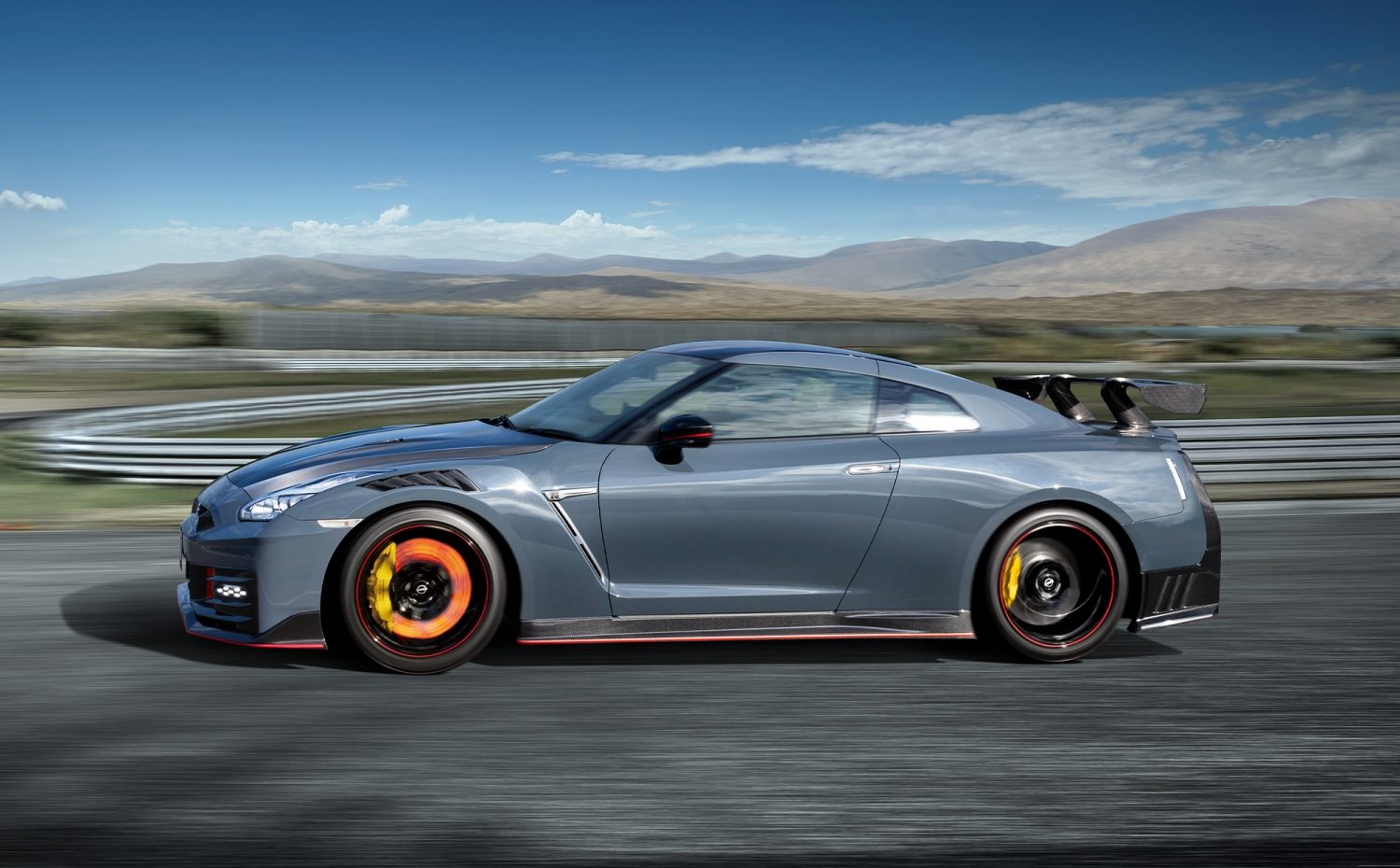
7. Nissan GT-R
The Nissan GT-R is an iconic high-performance sports car that combines advanced technology with remarkable long-term reliability. Nissan designed the GT-R with durability in mind, using reinforced components and rigorous testing to withstand repeated high-speed use.
While its performance rivals many supercars, the car’s mechanical systems are engineered to tolerate stress over long periods, making it suitable for both daily driving and track use.
The GT-R’s twin-turbo V6 engine is renowned for internal strength and longevity. The engine features reinforced pistons, rods, and crankshaft components to handle high boost pressures without failure.
Cooling systems are robust and designed to prevent overheating even under prolonged aggressive driving. When serviced regularly, the engine maintains performance well into high mileage, reflecting the car’s engineering focus on durability.
Another contributor to reliability is the GT-R’s all-wheel-drive system. While complex, it was designed to evenly distribute power and reduce stress on individual drivetrain components.
Regular servicing of the differential, transfer case, and transmission ensures consistent performance, and owners find that the system remains reliable over the long term. The AWD system also improves traction, reducing unnecessary wear on tires and suspension parts.
Nissan’s attention to manufacturing discipline further supports the GT-R’s dependability. Components are assembled with tight tolerances, and quality control is rigorous, minimizing defects that could affect long-term use.
Electronics, cooling systems, and suspension components are thoroughly tested for durability. This combination of advanced engineering and careful design allows the GT-R to remain a reliable high-performance car for many years.
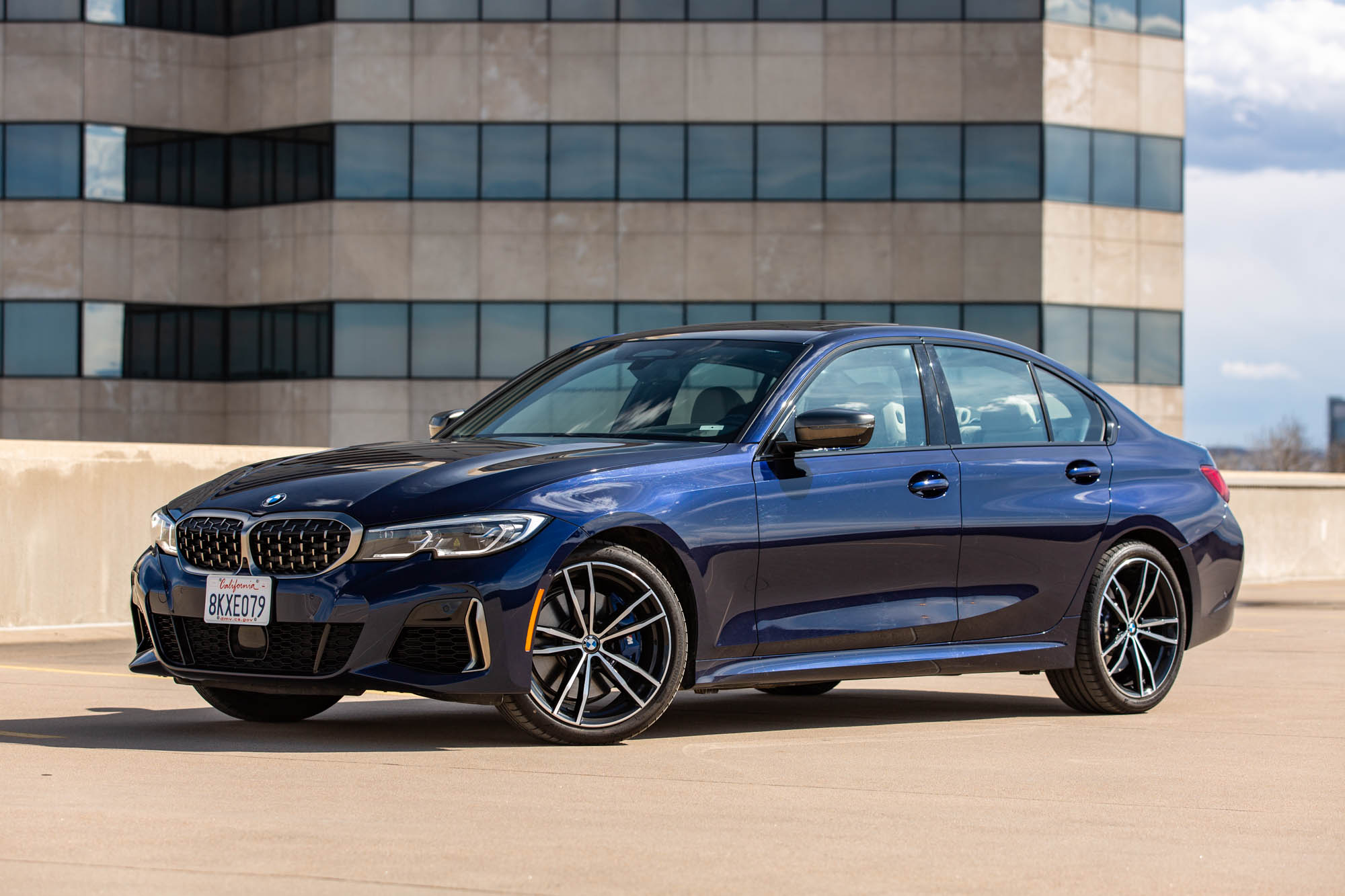
8. BMW M3
The BMW M3 blends high performance with engineering designed to support long-term reliability. BMW developed the M3 as a performance variant of a proven platform, which allows it to benefit from tested chassis and drivetrain components.
By building on a foundation of known durability, BMW was able to enhance power and handling without sacrificing dependability, ensuring that the M3 can handle spirited driving over many years.
M3 engines are precision-engineered for both power and longevity. Inline-six or V8 engines, depending on the generation, are balanced and stress-tested to operate smoothly under demanding conditions.
Proper maintenance of the cooling system, oiling system, and valve timing ensures that the engine continues to perform reliably for hundreds of thousands of kilometers. Enthusiasts often cite engine durability as a key factor in the M3’s reputation.
The chassis and suspension are built to withstand aggressive driving without excessive wear. Components like control arms, bushings, and shock absorbers are designed for longevity, allowing the M3 to maintain sharp handling characteristics for many years.
Braking systems and steering components are similarly robust, contributing to the car’s reliability and safety under repeated high-stress conditions.
BMW also focuses on proactive reliability measures through electronics and diagnostics. Warning systems alert drivers to potential issues early, helping prevent serious mechanical failures.
Regular maintenance is straightforward, and replacement parts are widely available. These factors combine to make the M3 a sports car that offers exhilarating driving while remaining dependable over long-term ownership.
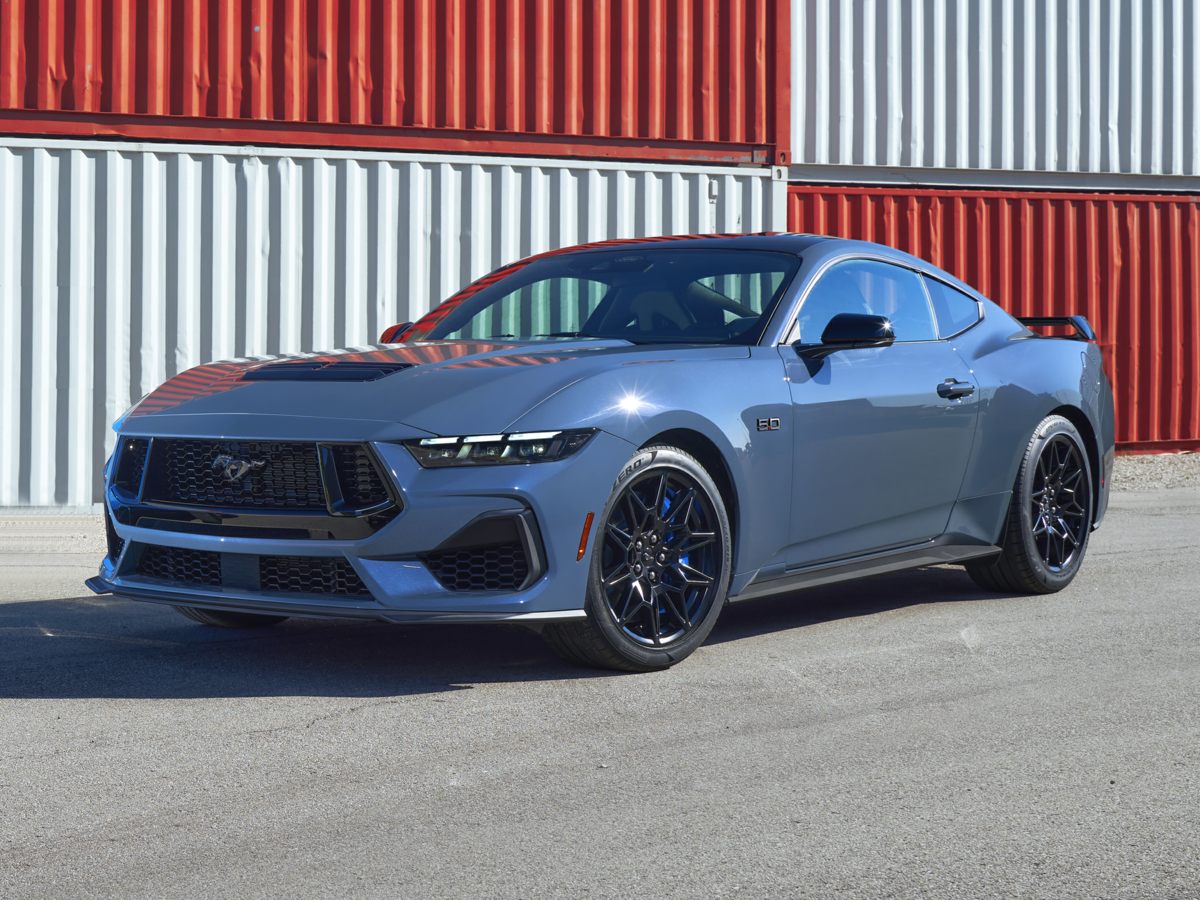
9. Ford Mustang GT
The Ford Mustang GT is a performance-oriented vehicle with a long history of dependable ownership. Over generations, Ford has refined the car’s engines, transmissions, and suspension to withstand repeated stress.
This focus on durability allows owners to enjoy high horsepower and spirited driving without encountering frequent breakdowns. Reliability and performance are balanced to make the Mustang GT both thrilling and practical.
The naturally aspirated V8 engine is central to the Mustang GT’s dependability. It produces substantial power without relying on overly complex forced induction systems.
Engine internals, including pistons, rods, and bearings, are built for longevity, while cooling and lubrication systems handle prolonged high-performance use. With routine maintenance, the engine can continue delivering smooth, reliable power for many years.
The drivetrain and suspension components are designed to endure repeated stress. Transmissions, differentials, axles, and control arms are engineered to handle torque without excessive wear.
Brakes and steering systems are robust and require minimal intervention when maintained correctly. This strength ensures that the Mustang GT retains its performance and handling characteristics over the long term.
Another factor supporting reliability is the accessibility of parts and service knowledge. Replacement components are widely available, and mechanics are familiar with common maintenance tasks.
Predictable servicing schedules and a solid parts network allow owners to maintain the car effectively, making the Mustang GT a practical choice for a high-powered sports car that can remain dependable for decades.
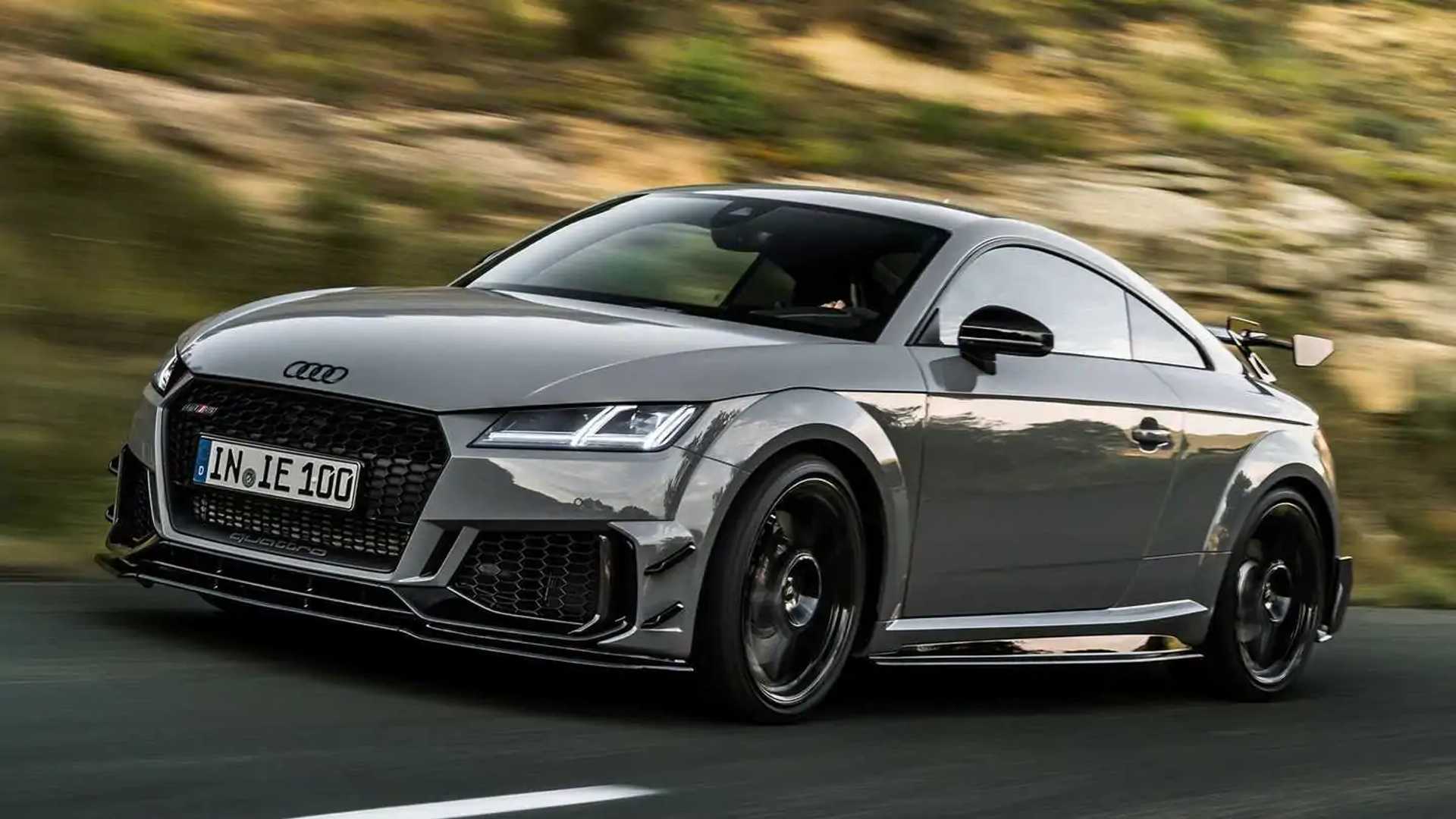
10. Audi TT
The Audi TT combines sporty aesthetics with engineering focused on durability and dependability. Audi emphasizes build quality, precise assembly, and the use of high-grade materials, which contribute to the car’s long-term reliability.
Chassis components, drivetrain elements, and body structures are designed to withstand regular use without rapid deterioration, ensuring that performance and comfort remain consistent over time.
The TT’s engines are designed for smooth, efficient operation without overstressing mechanical components. Whether turbocharged four-cylinder or higher-performance variants, engines benefit from careful engineering that balances power with longevity.
Cooling, oiling, and timing systems are built to maintain reliability even under spirited driving, allowing the car to retain its sporty character without compromising durability.
Audi’s all-wheel-drive system, present in many TT models, contributes to both performance and component longevity. By distributing power effectively, the system reduces stress on individual parts and improves handling in various conditions.
Regular maintenance, including fluid changes and system inspections, ensures that the drivetrain remains reliable even after years of use, protecting the car’s mechanical integrity.
Interior quality also supports long-term dependability. Controls, trim, seating, and infotainment systems are engineered to resist wear and maintain functionality over time.
Combined with Audi’s attention to assembly and quality control, these elements ensure that the TT provides a reliable and enjoyable ownership experience. Owners benefit from a sports car that balances style, performance, and long-term reliability.