
Winter driving in Binghamton places serious demands on any vehicle. Extended periods of freezing temperatures, heavy snowfall, icy hills, and salt-treated roads test traction systems, batteries, engines, and suspension components year after year.
Choosing the right car is not only about comfort or appearance. It is about reliability, control, and confidence when road conditions deteriorate quickly. This guide, 5 Cars for Binghamton Winter Driving and 5 Cold-Start Reliable Models, focuses on vehicles that consistently perform well in harsh winter environments.
The first group highlights models that maintain stability, ground clearance, and grip in snow and slush. The second group emphasizes vehicles known for dependable cold starts, efficient thermal management, and durability during repeated sub-zero use. Together, these selections reflect the key priorities for upstate New York drivers: safety, long-term dependability, and reliable performance on the coldest mornings.
5 Cars for Binghamton Winter Driving
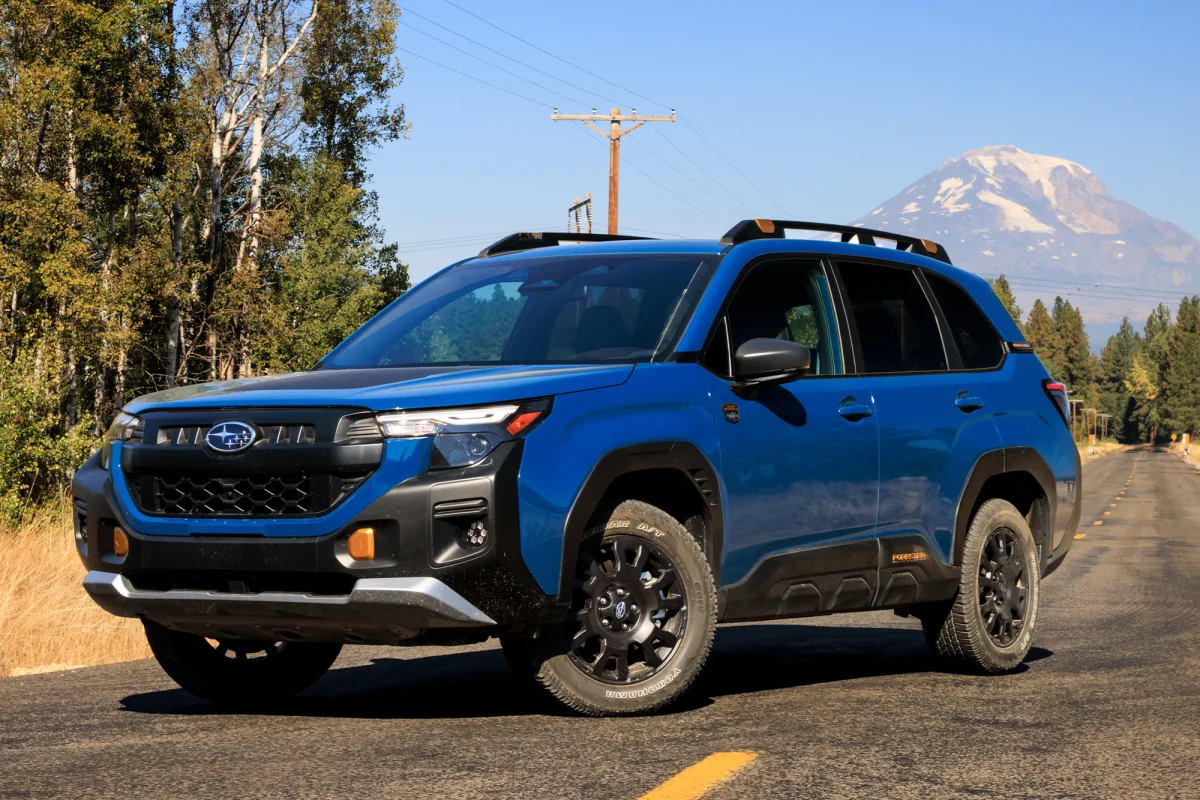
1. Subaru Forester (2026): A Reliable and Practical Compact SUV for All Conditions
The 2026 Subaru Forester continues to be a strong choice for drivers who value dependability, all-weather capability, and long-term value. With 8.7 inches of ground clearance and standard Symmetrical All-Wheel Drive, the Forester is well-suited for hilly terrain, dirt roads, and snowy conditions.
For 2026, Subaru updates its X-Mode system to better manage engine output and transmission behavior in deep snow and loose surfaces, improving confidence in challenging environments.
A major advantage of the Forester is its reputation for low repair and ownership costs. Subaru vehicles are known for reliability and durability, and the Forester benefits from a straightforward engineering approach that avoids overly complex systems.
Its 2.5-liter BOXER flat-four engine is designed to reduce vibration and improve balance, contributing to long-term mechanical health. Standard EyeSight safety technology, including pre-collision braking and adaptive cruise control, helps prevent accidents and can reduce repair expenses over time.
Predictable service intervals and capped-price servicing in some regions further help owners manage maintenance costs.
Performance is adequate rather than exciting. The 2.5-liter engine produces 180 horsepower and 178 pound-feet of torque, paired with a continuously variable transmission and all-wheel drive. Acceleration to 60 mph takes just over eight seconds, which feels acceptable in daily driving but will not satisfy drivers seeking strong performance.
The suspension prioritizes comfort, delivering a smooth ride on highways and rough roads alike. The Wilderness trim adds enhanced off-road capability and a towing capacity of up to 3,500 pounds, while other trims are rated at 1,500 pounds.
Fuel economy remains competitive, with EPA estimates of 26 mpg in the city and 33 mpg on the highway, though the Wilderness trim sacrifices efficiency for added ruggedness. Inside, the Forester shines with excellent visibility, generous passenger space, and a flexible cargo area offering up to 75 cubic feet with the rear seats folded.
A large available touchscreen with wireless smartphone integration and comprehensive safety features round out a practical, well-balanced SUV designed for longevity and everyday usability.
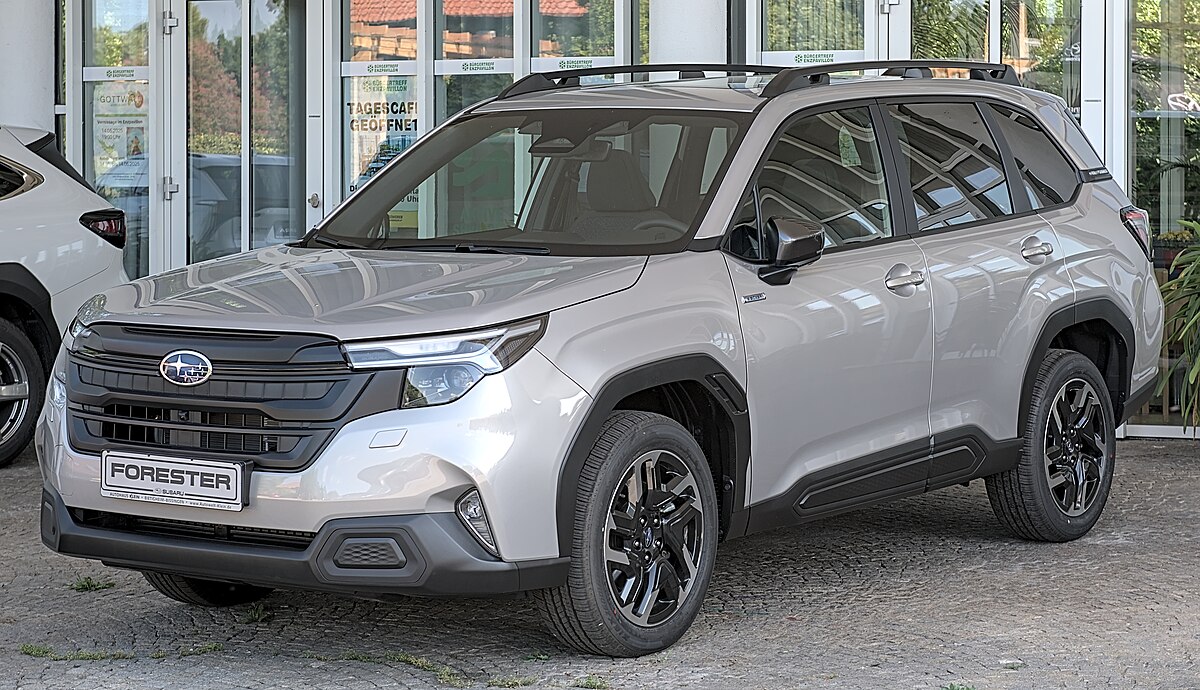
2. Toyota RAV4 Hybrid (2026): Proven Efficiency and Long-Term Value in a Hybrid-Only SUV
The 2026 Toyota RAV4 Hybrid marks a significant transition for one of the best-selling vehicles in the United States, as Toyota now offers the RAV4 exclusively with hybrid powertrains.
This decision builds on years of success, since earlier RAV4 hybrids proved quicker, quieter, and more fuel efficient than their gasoline-only counterparts. With strong sales momentum and growing consumer acceptance of hybrid technology, the shift makes practical sense for Toyota’s most popular SUV.
A standout feature of the RAV4 Hybrid is its Electronic On-Demand All-Wheel Drive system. Rather than using a traditional mechanical setup, the rear wheels are powered by a dedicated electric motor that activates instantly when front-wheel slip is detected.
This provides confident traction when pulling away on icy hills or wet roads. Buyers can also opt for a front-wheel-drive hybrid, which offers slightly lower power but better fuel economy and a lower purchase price.
Low repair and ownership costs are central to the RAV4 Hybrid’s appeal. Toyota’s hybrid technology is widely regarded as one of the most reliable in the industry, with many systems lasting well beyond 150,000 miles with minimal issues.
Electric motors handle much of the low-speed driving, reducing wear on the gasoline engine. Regenerative braking further lowers maintenance costs by significantly extending brake life. Combined with Toyota’s strong reliability ratings and high resale values, long-term ownership expenses remain competitive even if the initial price is higher.
Power comes from a 2.5-liter four-cylinder engine paired with electric motors, producing 226 horsepower in front-wheel-drive form and 236 horsepower with all-wheel drive. Acceleration is smooth and responsive, with the AWD version reaching 60 mph in about 7.1 seconds.
Fuel economy is a major strength, with combined ratings reaching up to 44 mpg. Ride comfort is well-tuned for daily use, though engine noise becomes noticeable under hard acceleration.
The RAV4 Hybrid offers generous rear-seat space, a practical cargo area, modern infotainment screens, and a wide range of standard driver-assistance features. Interior materials remain functional rather than luxurious, particularly at higher trims where pricing is expected to exceed $45,000.
Even so, the 2026 RAV4 Hybrid delivers efficiency, reliability, and proven hybrid performance that continue to make it a compelling choice for cost-conscious SUV buyers.
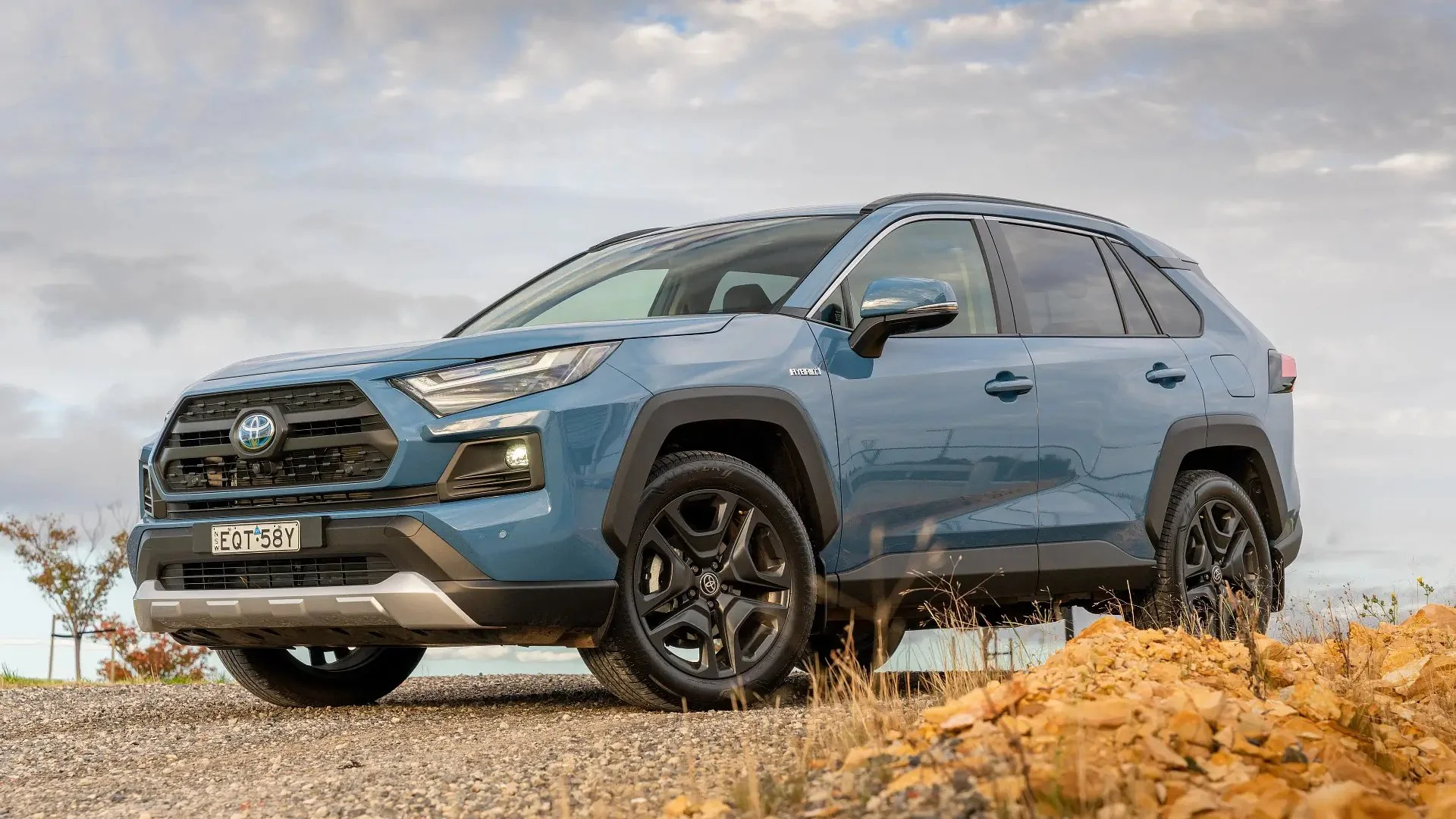
3. Jeep Grand Cherokee (2026): Comfort, Capability, and Caution for Long-Term Ownership
The 2026 Jeep Grand Cherokee remains one of the most versatile midsize SUVs on the market, blending everyday comfort with genuine off-road capability. For drivers in rural areas such as parts of Broome County, available features like the Quadra-Lift air suspension stand out.
This system allows the vehicle’s ride height to be raised, making it easier to clear deep snowbanks, uneven terrain, or plow-packed driveways during the winter months.
Unlike some rivals, the Grand Cherokee is not widely regarded as a low-repair-cost vehicle. Previous model years have shown above-average long-term maintenance expenses and mixed reliability ratings. Jeep aims to improve ownership value for 2026 through careful updates and the introduction of newer powertrain technology, but buyers should approach with realistic expectations.
The new Hurricane turbocharged four-cylinder engine is designed to deliver more power with improved efficiency, potentially lowering fuel costs compared to older engines. Its long-term durability, however, remains to be proven.
Jeep continues to offer a wide range of powertrain choices. Standard models use a 293-horsepower 3.6-liter V-6 paired with an eight-speed automatic transmission, while an available 324-horsepower turbocharged four-cylinder provides a more modern alternative.
Rear-wheel drive comes standard, with multiple all-wheel-drive systems available, including advanced setups capable of sending power to a single wheel when traction is limited. The plug-in hybrid Grand Cherokee 4xe delivers strong acceleration and significant fuel savings for owners who can regularly charge at home or work.
Ride quality is a clear strength. The Grand Cherokee feels composed and comfortable on the road, especially in higher trims equipped with air suspension and adaptive dampers. Properly equipped models can tow up to 6,200 pounds, making it one of the more capable SUVs in its class. Fuel economy is competitive for the segment, though not class-leading.
Inside, the cabin ranges from practical in lower trims to genuinely upscale in Limited and Summit models. Space is generous for passengers and cargo, though the two-row layout may limit larger families. A large touchscreen, modern connectivity, and comprehensive safety features come standard, but Jeep’s history of electronic glitches means technology-heavy trims may carry added risk.
The 2026 Grand Cherokee offers comfort, capability, and advanced features, but buyers should carefully weigh trim selection, powertrain choice, and long-term reliability expectations before committing.
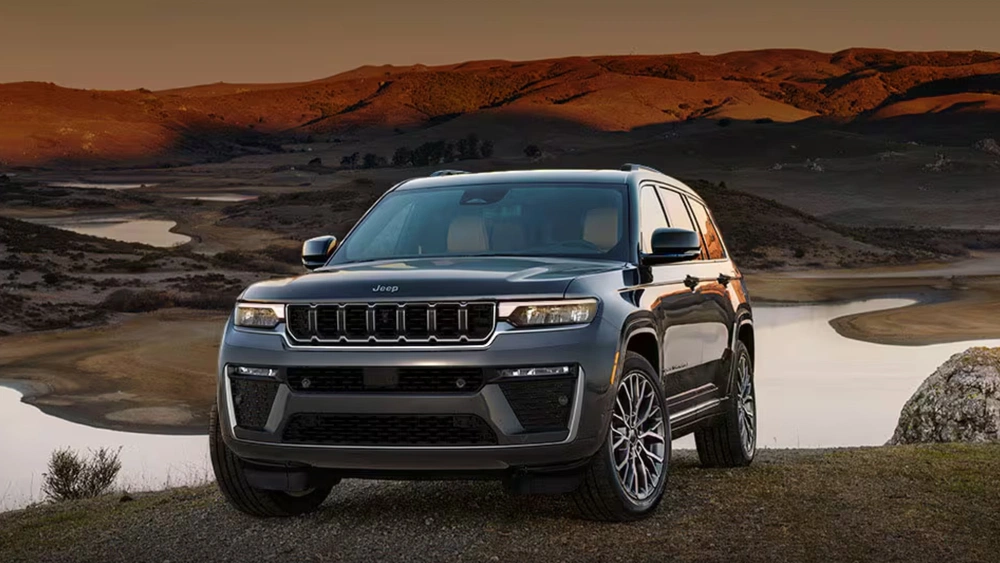
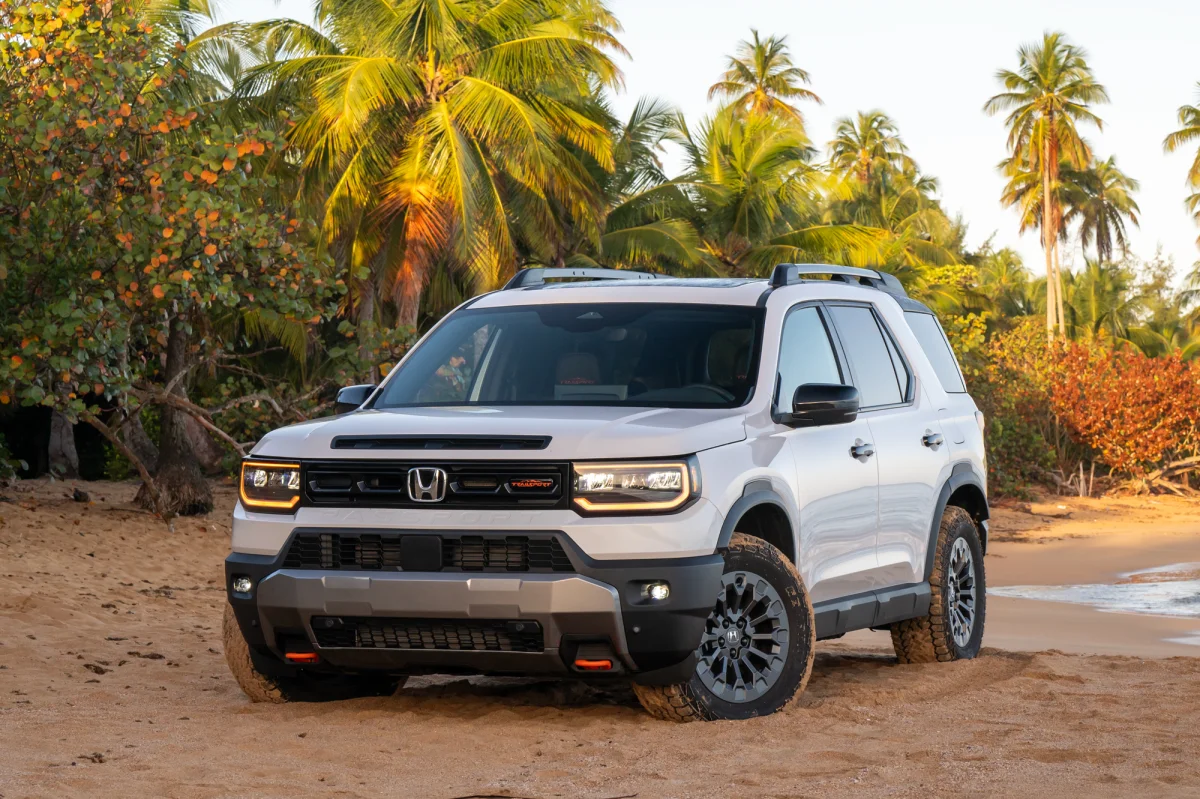
4. Honda Passport (2026): A Durable, Understated SUV Built for Stability and Longevity
The 2026 Honda Passport is often overshadowed by flashier competitors, yet it offers a compelling blend of durability, stability, and low long-term ownership costs. Its wider stance and solid chassis make it feel especially planted in difficult conditions, such as high-wind snowstorms on highways like I-81.
The introduction of Honda’s heavy-duty i-VTM4 all-wheel-drive system further enhances confidence by sending up to 70 percent of engine torque to the rear wheels when needed, improving traction and stability on slippery surfaces.
One of the Passport’s biggest strengths is its reputation for low repair costs. Honda’s long-standing focus on reliability carries over strongly to this model. Power comes from a proven 3.5-liter naturally aspirated V-6 paired with a traditional 10-speed automatic transmission.
This setup avoids the complexity of turbocharged or hybrid systems, which can introduce higher long-term repair risks. The Passport consistently earns above-average quality and dependability ratings, and its shared components with other Honda models make replacement parts easy to find and relatively affordable. Predictable maintenance and strong resale value further help keep total ownership costs in check.
For 2026, the Passport benefits from a stiffer chassis and revised suspension tuning, particularly in the TrailSport trims. Skid plates, all-terrain tires, and multiple drive modes enhance off-road capability without sacrificing on-road comfort.
Acceleration is respectable rather than quick, with a 0 to 60 mph time of about 7.3 seconds, but the ride is quiet and refined for everyday driving. Towing capacity remains competitive at 5,000 pounds, outperforming several midsize rivals.
Fuel economy is reasonable for a V-6 all-wheel-drive SUV, with EPA estimates of 21 mpg combined and slightly lower figures for TrailSport models. Inside, the redesigned cabin emphasizes simplicity and usability, with improved materials, heated power seats, and significantly more rear-seat legroom than before. Cargo space is generous, making the Passport practical for family use and road trips.
Technology is modern and well integrated, featuring a large touchscreen, wireless smartphone connectivity, and a full suite of Honda Sensing safety features.
While the warranty coverage is average, the Passport’s sturdy construction, proven mechanical design, and reputation for dependability make it a smart, confidence-inspiring choice for drivers prioritizing long-term reliability over trend-driven features.
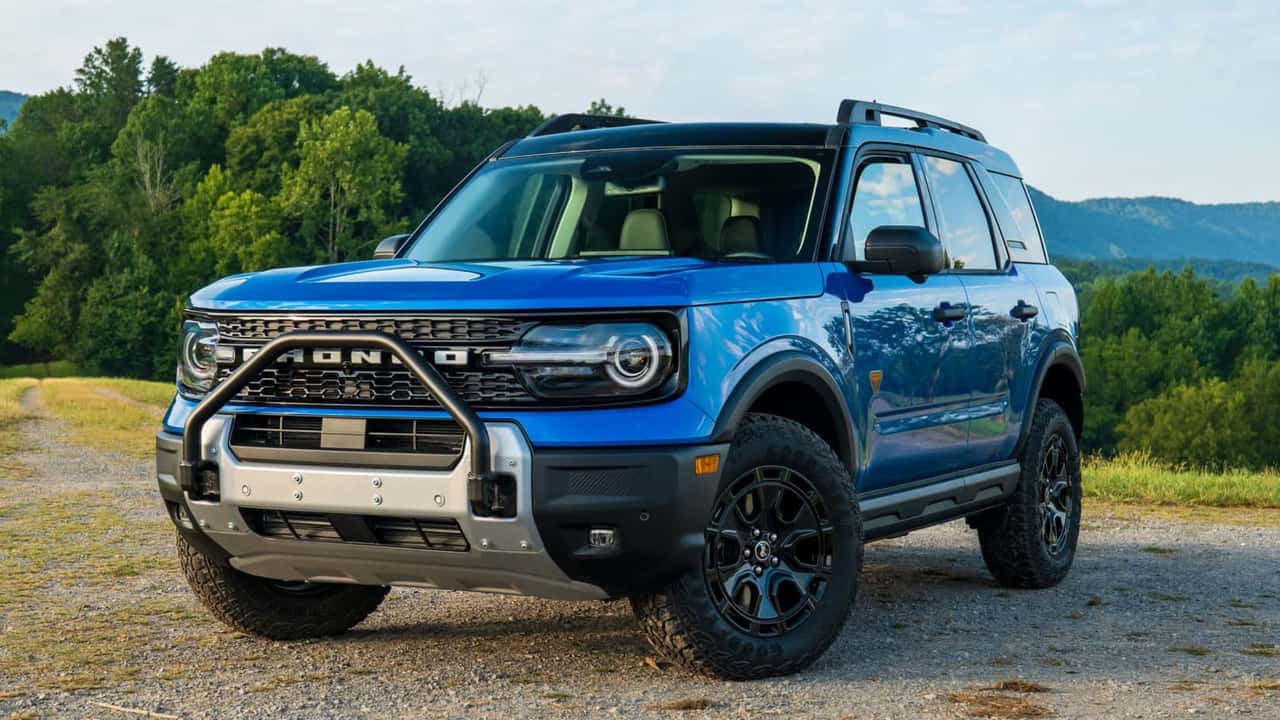
5. Ford Bronco Sport (2026): Agile, Feature-Rich, and Built for Urban Winter Adventures
The 2026 Ford Bronco Sport, often called the “Baby Bronco,” is designed around agility and adaptability rather than outright size. Its compact footprint and standard all-wheel drive make it especially effective in urban winter conditions, where slushy streets and frequent stops demand quick traction responses.
Drive modes such as Slippery and Sand or Snow adjust throttle and braking behavior to reduce wheel spin, helping drivers maintain control on slick downtown roads.
The Bronco Sport is not typically classified as a low-repair-cost vehicle, but it offers a balanced value proposition for buyers who prioritize capability and affordability. Standard all-wheel drive across the lineup adds meaningful value and eliminates the need for expensive drivetrain upgrades.
The interior uses durable, easy-to-clean materials, particularly in off-road-focused trims, which helps prevent damage from mud, snow, and moisture. Ford’s extensive dealer and parts network also keeps routine service accessible and labor costs competitive.
That said, there are ownership considerations to keep in mind. Recent model years, including the 2026 version, have seen recalls and owner complaints related to 12-volt battery failures and intermittent power loss.
Ford has issued fixes, including upgraded battery solutions, but these issues may affect long-term confidence for some buyers. Heavy use in off-road environments can also increase wear, especially for suspension and drivetrain components.
Performance varies by engine choice. The base 180-horsepower turbocharged three-cylinder is adequate for daily driving and delivers excellent fuel economy, while the available 250-horsepower turbocharged four-cylinder provides strong acceleration and makes the Bronco Sport one of the quicker vehicles in its class.
Off-road packages such as Sasquatch and Black Diamond add skid plates, torque-vectoring differentials, and trail-focused technology, significantly boosting capability. Towing capacity ranges from 2,200 to 2,700 pounds, depending on engine selection.
Fuel efficiency is competitive, with smaller-engine models delivering strong highway mileage. Inside, the Bronco Sport offers a practical layout, good front-seat visibility, and clever cargo solutions, though rear-seat space is tighter than some rivals. Technology is a strong point, highlighted by a large touchscreen, wireless smartphone integration, and standard driver-assistance features.
The 2026 Bronco Sport blends everyday usability with genuine adventure appeal. While potential powertrain concerns merit attention, its standard AWD, rugged design, and accessible ownership costs make it a compelling option for budget-conscious buyers who want year-round capability and off-road personality.
Also read: 5 Cars for Moorhead Winter Commuting And 5 Cold-weather Performers
5 Cold-Start Reliable Models
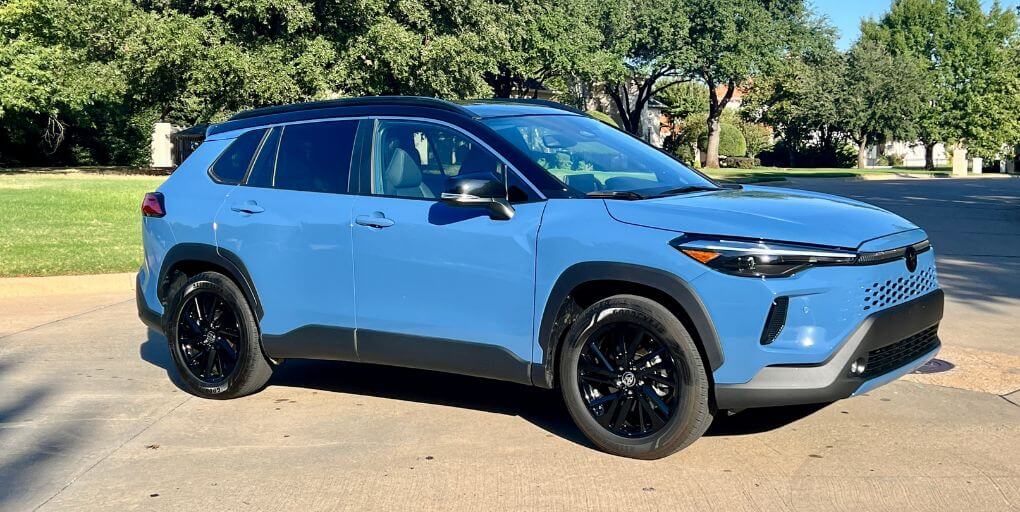
1. Toyota Corolla Hybrid (2026): Cold-Start Confidence with Proven Hybrid Reliability
The 2026 Toyota Corolla Hybrid stands out as one of the most dependable compact cars for cold-weather use, particularly when it comes to starting reliably in freezing temperatures.
Unlike traditional gasoline vehicles that rely solely on a 12-volt battery to crank the engine, the Corolla Hybrid uses its high-voltage hybrid battery to initiate engine start-up. This provides significantly more starting power, reducing strain during cold mornings and improving consistency in sub-zero conditions.
Toyota’s hybrid system is supported by smart thermal management technology designed specifically for cold climates. The vehicle automatically prioritizes warming both the engine and hybrid battery, helping the system reach operating temperature efficiently and minimizing wear.
Battery insulation further protects the hybrid pack from extreme cold, allowing it to maintain efficiency and responsiveness. Cold-weather software programming also adjusts how the system behaves at start-up, temporarily limiting electric-only driving so the engine and battery can stabilize before resuming normal hybrid operation.
Traction is another winter advantage. Available Electronic On-Demand All-Wheel Drive uses a dedicated rear electric motor to power the rear wheels instantly when slip is detected. This setup improves stability and control when pulling away on icy intersections or snow-covered roads, without the complexity of a traditional mechanical AWD system.
Performance is modest but well-suited to daily driving. The Corolla Hybrid pairs a 1.6-liter four-cylinder engine with electric motors for a combined 138 horsepower. Acceleration is adequate around town, though the CVT can become noisy under hard throttle. Sport mode sharpens responses slightly, but efficiency remains the priority.
Fuel economy is a major strength, even in winter. Front-wheel-drive models are rated at 4.7 L/100 km combined, while AWD versions rise only slightly to 4.9 L/100 km. These figures are far better than the gas-only Corolla, helping offset winter fuel consumption increases.
Safety and reliability are key pillars. The Corolla Hybrid earns top crash-test ratings and comes standard with a comprehensive suite of driver-assistance features. Consumer Reports predicts above-average reliability, and J.D. Power ranks the Corolla as the most dependable compact car in its class.
Inside, the cabin is practical and comfortable, with heated seats standard and upgraded digital displays on higher trims. While not luxurious, the Corolla Hybrid delivers dependable cold-start performance, excellent efficiency, and Toyota’s long-standing reputation for durability, making it a smart year-round choice for cold climates.
2. Subaru Outback (2026): Cold-Climate Reliability and All-Weather Confidence
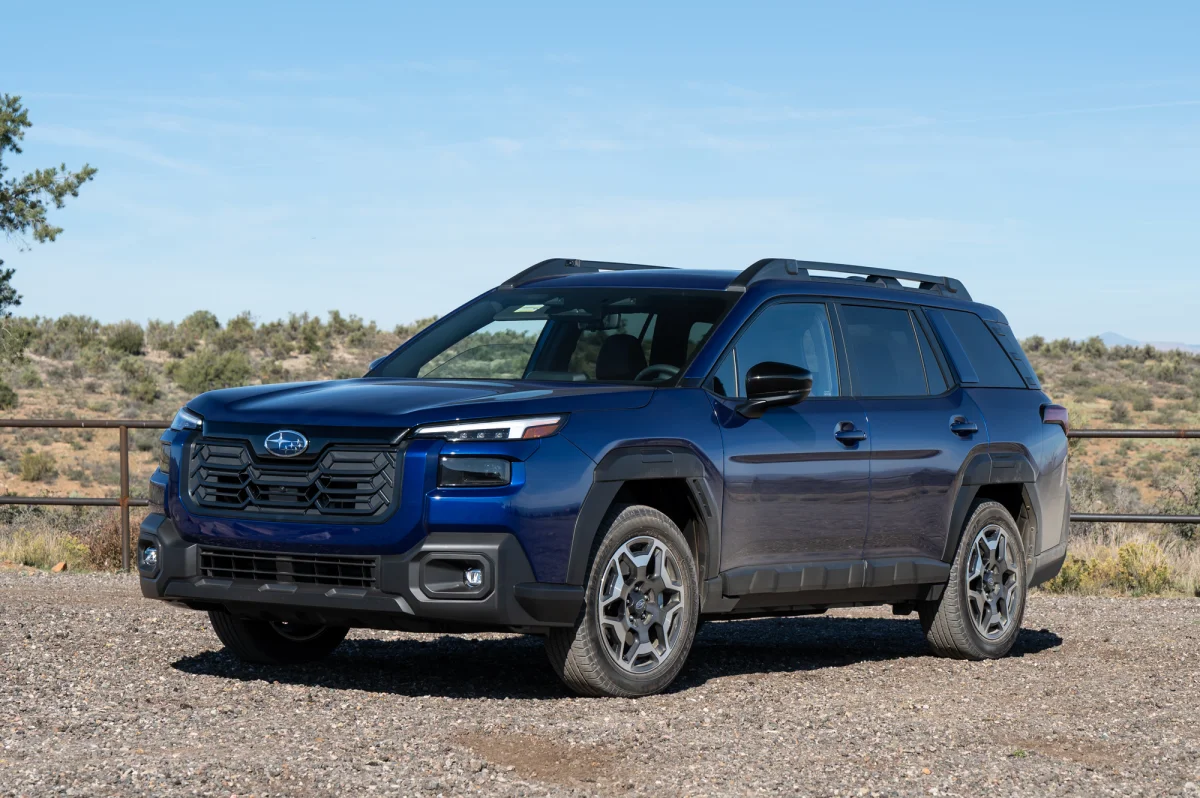
The 2026 Subaru Outback continues to build on its long-standing reputation as a dependable vehicle for cold climates and challenging weather. Beyond its standard Symmetrical All-Wheel Drive, the Outback is engineered with longevity and winter reliability in mind.
Its horizontally opposed boxer engine sits low in the chassis and is designed to promote consistent oil circulation, even when lubricants thicken in sub-zero temperatures. This design helps ensure reliable cold starts and smooth operation during harsh winters.
Cold-start performance is a core strength of the Outback. Subaru’s boxer engine layout has proven dependable in freezing conditions, and many owners report easy starts even after overnight exposure to extreme cold.
For 2026, Subaru introduces internal engine updates such as revised piston rings and camshafts aimed at improving long-term durability while reducing noise and vibration. Standard all-wheel drive across the lineup provides consistent traction on icy or snow-covered roads, making it easier to get moving and stay in control.
Winter comfort and usability also receive attention. Available cold-weather features such as heated seats, heated mirrors, and a windshield de-icer improve visibility and comfort on frigid mornings. Subaru also reintroduces physical HVAC buttons beneath the infotainment screen, a practical change that makes climate adjustments easier when wearing gloves, addressing a common winter driving complaint.
The Outback offers two four-cylinder engine options. The standard 2.5-liter engine produces 180 horsepower, while turbocharged XT trims and the Wilderness model use a 260-horsepower 2.4-liter engine. Both are paired with a continuously variable transmission.
The base engine prioritizes efficiency but feels slow under acceleration, while the turbo engine delivers stronger performance despite some CVT behavior that can feel abrupt. Ground clearance remains a healthy 8.7 inches, and selectable terrain modes preserve the Outback’s light off-road capability, with the Wilderness trim adding extra clearance, all-terrain tires, and rugged styling.
Inside, the 2026 Outback benefits from a redesigned cabin with improved materials, a new digital instrument cluster, and a faster 12.1-inch infotainment system. A slightly raised roofline improves rear headroom, and cargo capacity increases modestly. Fuel economy remains competitive, and towing capacity ranges from 2,700 to 3,500 pounds depending on engine choice.
While past models experienced occasional electrical issues, Subaru has refined the 2026 Outback to reinforce its reputation for dependable cold-weather performance, making it a strong choice for drivers who face long winters and unpredictable road conditions.
3. Honda CR-V (2026): Cold-Weather Refinement and Dependable Everyday Performance
The 2026 Honda CR-V continues to be a strong choice for drivers who face freezing morning commutes and unpredictable winter conditions. Honda’s engineering emphasis on thermal management allows the CR-V to warm its engine and cabin more quickly than many competitors.
This faster warm-up reduces engine wear during cold starts and improves comfort within the first few minutes of driving, a key benefit in harsh climates.
Cold-start reliability is supported by Honda’s proven powertrain philosophy. Most CR-V models use a 1.5-liter turbocharged four-cylinder engine that traces its roots to Honda’s long-running K-series lineage, known for durability and consistent performance.
The available hybrid system is also carefully refined, delivering smooth transitions between electric and gasoline power that minimize rough starts in cold weather. While hybrids benefit from longer drives to reach optimal battery temperature, Honda’s system is designed to operate confidently even when conditions are less than ideal.
Traction and control further support winter usability. Available Real-Time AWD with Intelligent Control System improves grip on icy or snow-covered roads, while standard hill-descent control helps manage speed on steep or slippery declines. Updated traction-management programming enhances low-speed control, adding confidence during winter driving or light off-road use.
Performance is adequate rather than sporty. The 190-horsepower turbo engine is paired with a continuously variable transmission that prioritizes smoothness and efficiency, though acceleration feels modest, with 0 to 60 mph times just over eight seconds.
Ride quality is a highlight, offering comfort and composure for daily commuting. Fuel economy remains competitive, with recent models delivering strong highway mileage even with all-wheel drive.
Inside, the CR-V combines thoughtful design with practicality. The cabin features a clean layout, supportive seats designed to reduce fatigue, generous rear legroom, and one of the largest cargo areas in the compact SUV segment. Modern technology includes a touchscreen infotainment system with standard smartphone integration, multiple USB-C ports, and available wireless charging.
Safety remains a core strength, with a comprehensive suite of standard driver-assistance features such as automated emergency braking, lane-keeping assist, and adaptive cruise control. Warranty coverage is typical for the class, though Honda includes one year of complimentary scheduled maintenance.
With its emphasis on refinement, thermal efficiency, and proven engineering, the 2026 Honda CR-V delivers reliable cold-start performance and everyday comfort, making it a practical and reassuring companion for winter driving.
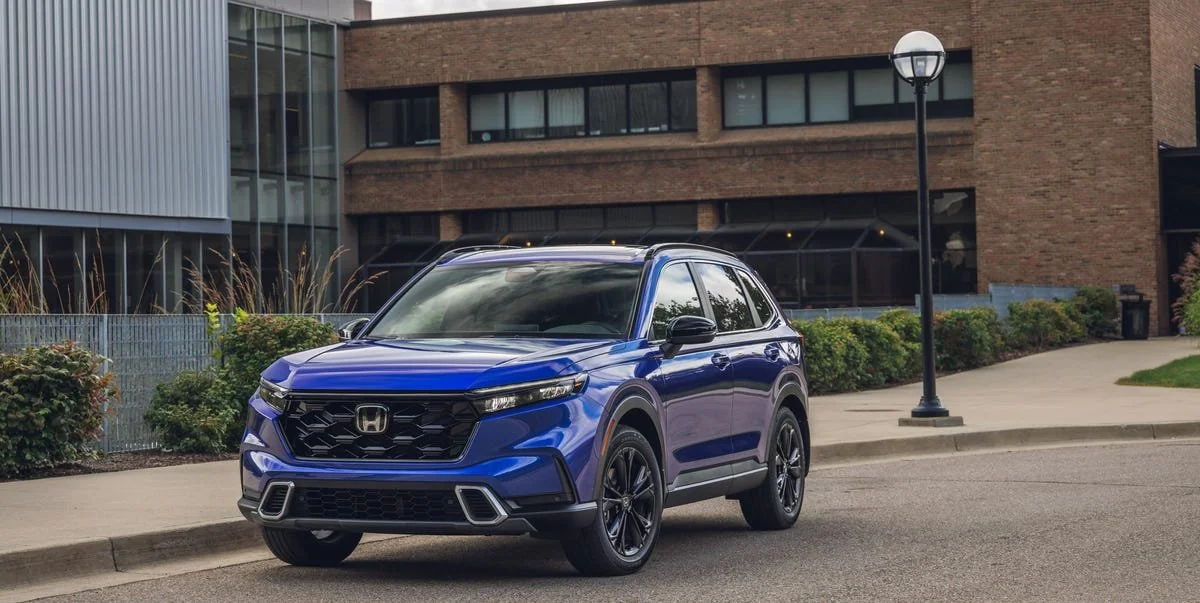
4. Mazda CX-5 (2026): Cold-Weather Durability with Premium Build Quality
The 2026 Mazda CX-5 continues Mazda’s reputation for exceptional build quality and long-term durability, particularly in cold and corrosive climates.
Known for its tight panel gaps, high-grade seals, and carefully chosen materials, the CX-5 is engineered to resist the brittleness, leaks, and premature wear that can develop after years of exposure to road salt and freezing temperatures common in New York winters. Built in Mazda’s Hiroshima, Japan, facility, the CX-5 reflects consistent manufacturing standards that emphasize longevity.
Cold-start reliability is anchored by Mazda’s proven SkyActiv-G powertrain. The standard 2.5-liter naturally aspirated four-cylinder engine is a well-understood and thoroughly tested design, paired with a traditional six-speed automatic transmission.
This combination avoids the complexity of newer, unproven systems and has earned a strong reputation for dependable operation in all seasons. For 2026, Mazda notes updated tuning that improves throttle response and flexibility, supporting smooth starts and stable operation in cold conditions.
Standard i-Activ all-wheel drive enhances traction by proactively distributing power when slippery surfaces are detected, improving confidence when pulling away on icy roads.
Mazda’s attention to durability extends beyond mechanical components. High-quality weather seals and robust body construction help prevent moisture intrusion and reduce long-term corrosion risks. While earlier CX-5 generations experienced occasional minor infotainment quirks, the 2026 model benefits from updated electronics designed to improve stability and everyday usability.
Performance remains familiar. The 187-horsepower 2.5-liter engine delivers predictable acceleration, with 0 to 60 mph times expected to mirror the outgoing model’s low-eight-second range.
While not quick, the CX-5 emphasizes smoothness and control rather than outright speed. A turbocharged engine has not yet been confirmed for 2026, and a Mazda-developed hybrid is planned for a future model year.
Interior improvements enhance comfort and practicality. The redesigned cabin offers increased rear-seat legroom, a larger cargo area with a lower load floor, and refined materials that maintain Mazda’s near-luxury feel. Infotainment receives a major upgrade with a standard 12.0-inch touchscreen and an available 15.6-inch display featuring Google-based software, voice control, and navigation.
Safety equipment is expected to remain comprehensive, with standard driver-assistance features such as automated emergency braking and adaptive cruise control. Warranty coverage is average for the segment and does not include complimentary maintenance.
The 2026 Mazda CX-5 stands out as a well-built, cold-climate-ready SUV that prioritizes durability, proven engineering, and refined design, making it a dependable choice for long-term ownership in harsh weather environments.
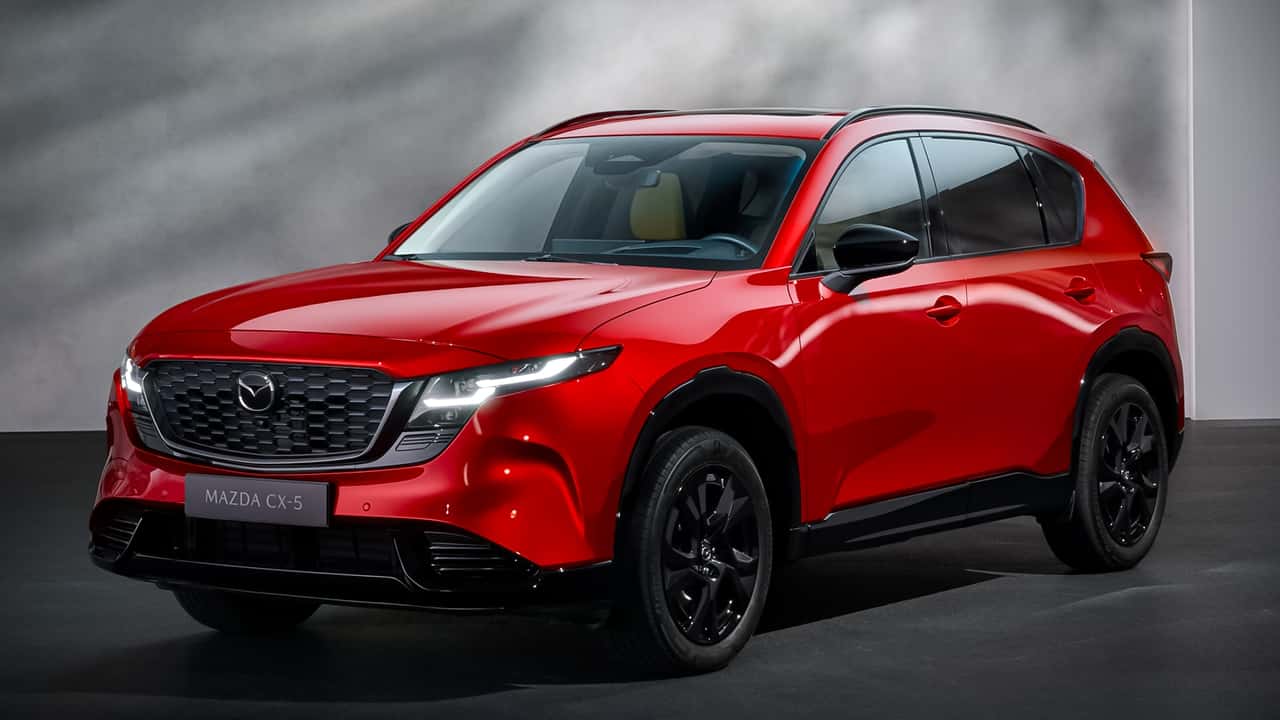
5. Chevrolet Tahoe (2026): Heavy-Duty Cold-Start Confidence for Full-Size SUV Buyers
The 2026 Chevrolet Tahoe is engineered with cold-weather reliability in mind, making it a strong option for drivers who need a large SUV that can handle harsh winter conditions.
Built on a rugged, truck-based platform, the Tahoe benefits from components designed for demanding use, including a heavy-duty electrical system, robust powertrains, and available cold-weather hardware that directly supports reliable starting on frigid mornings.
A major advantage for cold climates is Tahoe’s range of proven engine options. Buyers can choose between two naturally aspirated V8 engines, a 5.3-liter and a more powerful 6.2-liter, both known for consistent performance and durability in low temperatures.
For those prioritizing efficiency and torque, the available 3.0-liter Duramax turbo diesel provides strong low-end pulling power and refined cold-start behavior, supported by modern glow-plug and fuel-management systems. All engines are paired with a well-established 10-speed automatic transmission designed for smooth operation in varying conditions.
Cold-start reliability is further enhanced by the Tahoe’s heavy-duty battery with high cold-cranking amperage, ensuring adequate power delivery when temperatures drop sharply.
An available factory-installed engine block heater is especially valuable in extreme cold, pre-warming the engine to reduce strain, improve startup speed, and minimize wear. Advanced thermal management features, such as active grille shutters, help the engine reach and maintain optimal operating temperature more quickly, supporting efficiency and smoother warm-up.
For 2026, the Tahoe continues refinements introduced during the 2025 refresh. These updates focus on improved technology integration, steering and suspension tuning, and interior quality.
Inside, the Tahoe offers a spacious and comfortable cabin with three rows of seating, large digital displays, and available premium materials in higher trims. Cargo capacity is generous, and the independent rear suspension provides a low, flat load floor that enhances everyday usability.
Capability remains a defining trait. Properly equipped, the Tahoe can tow up to 8400 pounds, making it suitable for trailers, boats, and winter recreation gear. Available four-wheel drive systems, including the off-road-focused Z71 package, add confidence on snow-covered roads and unplowed surfaces.
While some owners report mixed long-term reliability related to electronics and build quality, the Tahoe’s mechanical foundation, cold-weather features, and heavy-duty design make it a compelling choice for families or professionals who need space, strength, and dependable winter performance in a full-size SUV.
Binghamton winters can be unpredictable and demanding, making vehicle choice an important long-term decision. The models featured in this list demonstrate that winter readiness goes beyond all-wheel drive alone.
Proven engine designs, strong electrical systems, cold-weather features, and durable construction all play critical roles. Some vehicles stand out for maintaining control on snow-covered roads, while others excel at starting reliably after long nights of extreme cold.
In many cases, the strongest options balance both qualities. Buyers should also factor in maintenance history, battery condition, and driving habits, whether that means short daily trips or longer rural commutes.
While no vehicle is immune to winter challenges, the cars highlighted here offer reassuring capability and resilience. With the right choice and proper care, even the toughest Binghamton winter mornings can feel far more manageable and less stressful.
