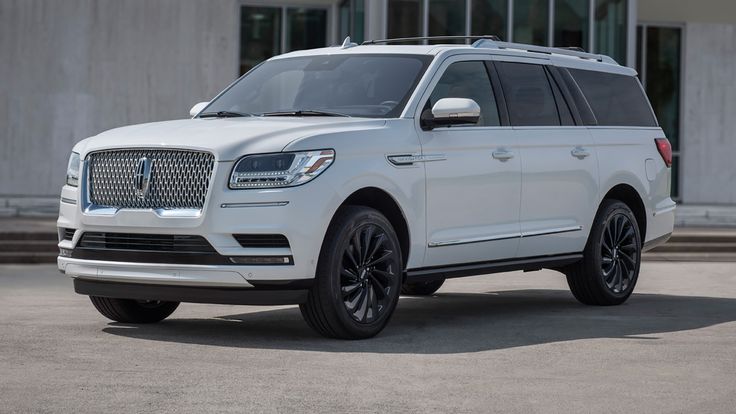
Salem, Oregon drivers face frequent rain, wet roads, and rolling hills throughout the year. Choosing the right car matters here. Some vehicles handle moisture and slopes confidently, while others suffer from leaks, poor traction, and long-term water damage.
This article looks at five cars that perform well in Salem’s rainy, hilly conditions and five cars known to struggle with water leaks or weather-related issues. The focus is on real-world ownership, reliability, and everyday driving comfort.
1) Subaru Outback
The Subaru Outback is a favorite for drivers living in rainy and hilly areas like Salem, Oregon. It is designed for tough weather, slippery roads, and daily comfort. Many owners trust it for year-round driving without worry.
One of the biggest strengths of the Outback is its standard all-wheel-drive system. Power goes to all four wheels at all times, helping the car stay stable on wet roads. This is very useful when climbing or descending steep hills.
Salem receives frequent rain, and the Outback handles it with confidence. The tires maintain grip on slick pavement, and the traction control works smoothly. Drivers feel more secure during sudden showers or long periods of steady rainfall.
The Outback also sits higher than a regular car. Its raised ride height helps keep water from splashing into sensitive areas underneath. This design reduces the chance of water-related damage during flooded streets or heavy downpours.
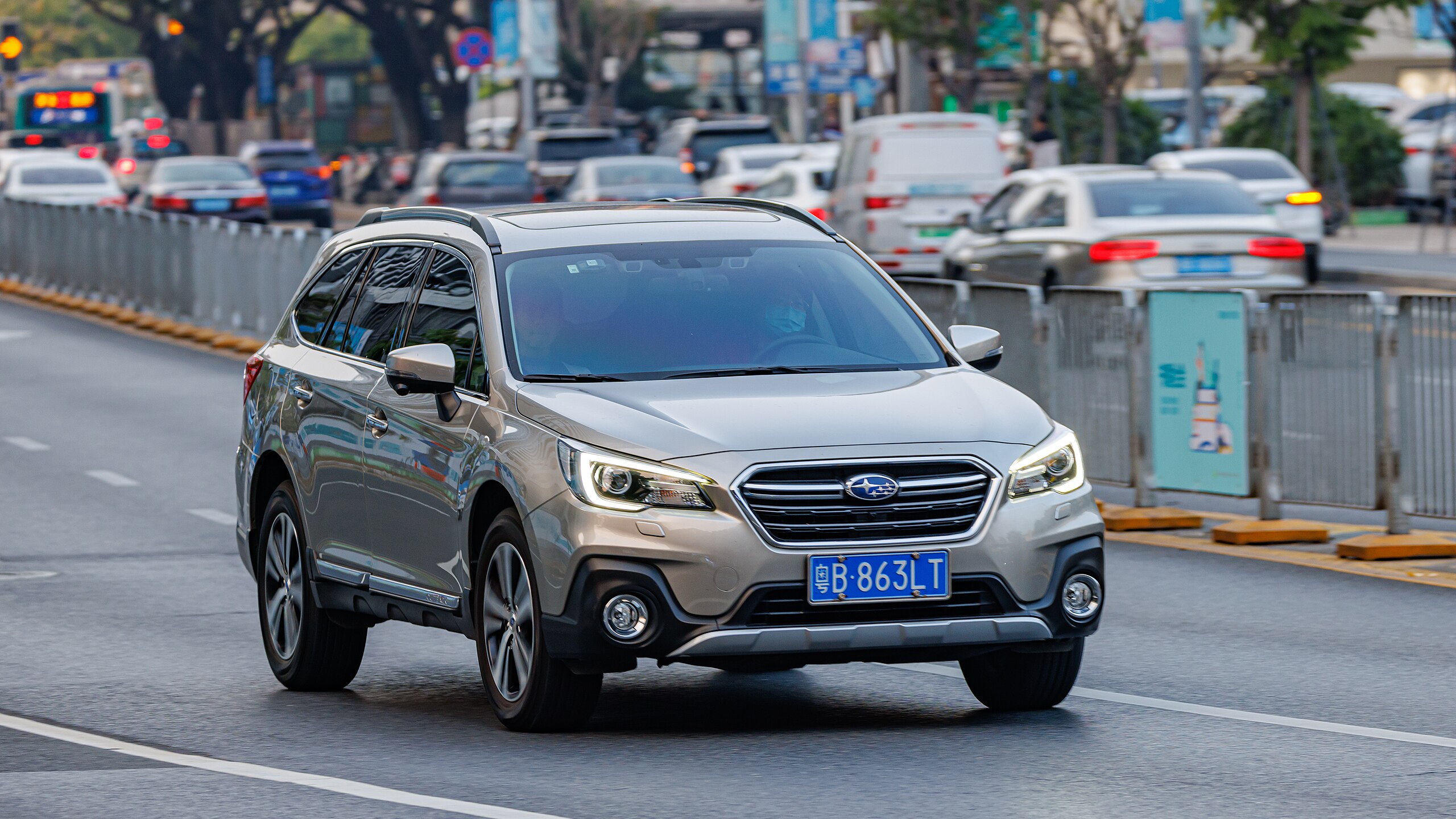
Strong door seals are another important benefit. Subaru builds the Outback with tight-fitting seals around doors and windows. This helps keep rain outside, even during storms. The cabin stays dry, quiet, and comfortable for passengers.
Braking performance is another strong point. The Outback stops confidently on wet roads, and the brake system feels predictable. This helps drivers stay in control when traffic slows suddenly on rainy mornings or downhill stretches.
Maintenance costs for the Outback are reasonable. Routine services like oil changes and brake replacements are simple. Parts are widely available, and many local mechanics are familiar with Subaru vehicles, keeping repair costs manageable.
2) Toyota RAV4
The Toyota RAV4 is a very popular choice for people who live in rainy, hilly areas like Salem, Oregon. It gives drivers confidence on wet roads and steady performance no matter the weather. Many families trust it for everyday use.
A key reason people choose the RAV4 is its available all-wheel drive system. This helps send power to the wheels that need grip most when roads are slippery. On Salem’s rainy hills, the AWD makes starts and turns easier and safer.
In heavy rain, wet pavement can make driving stressful. The RAV4’s traction control and stability systems help keep the vehicle steady. Drivers feel more secure when rain is falling hard or when fog reduces visibility on winding roads.
Toyota builds the RAV4 with strong weather seals around doors and windows. These seals help prevent rain from entering the cabin, so the interior stays dry even on long wet drives. Passengers stay comfortable and protected from outside moisture.
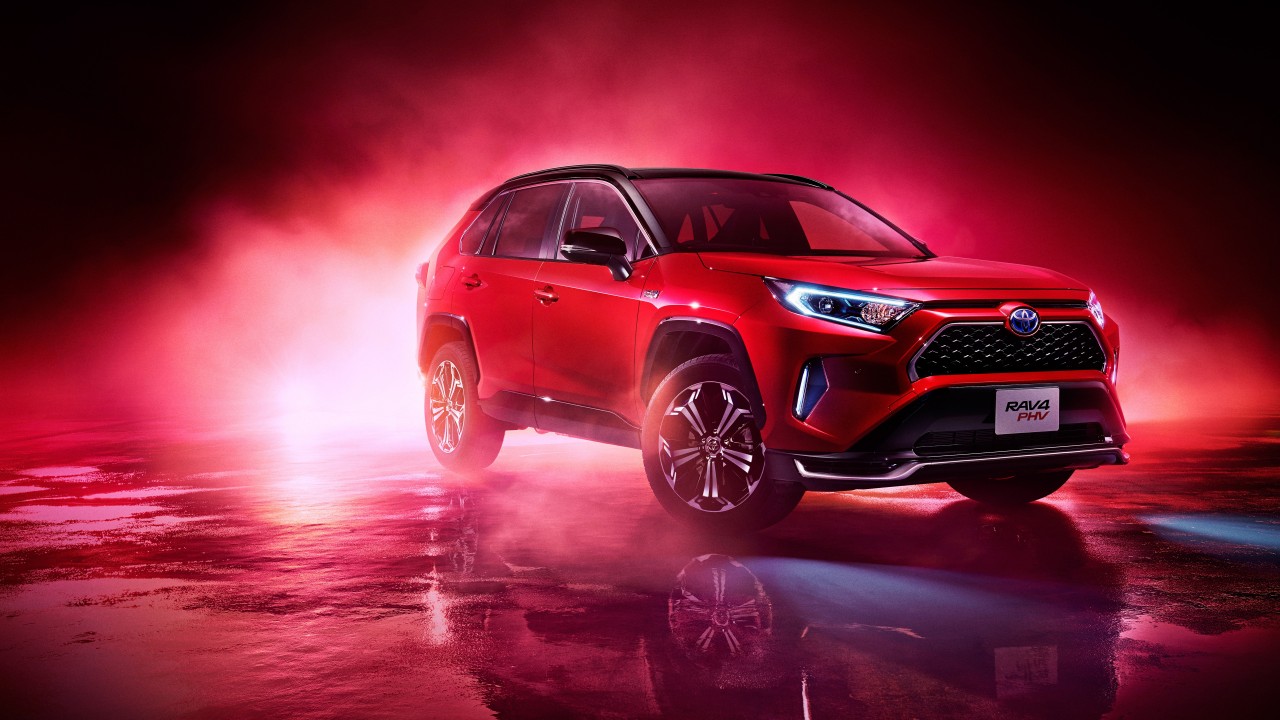
The RAV4 also has good ground clearance. This means the vehicle sits higher off the road than many cars. In heavy rain or shallow flooding, this extra height helps prevent water from splashing into the engine or underbody.
Braking on wet roads is smooth and reliable. The RAV4’s brake system feels responsive in rain, helping drivers slow down safely on downhill slopes. This is helpful on Salem’s hilly routes where wet brakes can feel less effective.
The RAV4 is also known for strong long-term reliability. Toyota vehicles are often easy to maintain, and parts are easy to find at service centers. This lowers repair costs and keeps the RAV4 running well for many years.
3) Honda CR-V
The Honda CR-V is a comfortable and reliable SUV that works well in rainy, hilly places like Salem, Oregon. Many drivers choose it for daily travel and long trips alike. Its design helps keep drivers confident when weather is wet.
One strong point of the CR-V is its available all-wheel-drive system. This helps the vehicle stay balanced on slippery roads by sending power where traction is needed most. On wet hills, AWD makes uphill starts feel safer and easier.
In heavy rain, slippery pavement can surprise drivers. The CR-V’s traction control and stability systems help prevent wheel spin, keeping the SUV stable. This gives more control when rain falls hard or when the road curves up and down.
The Honda CR-V also has good weather sealing around its doors and windows. These seals help keep rain out of the cabin, so drivers and passengers stay dry and comfortable. This matters a lot on rainy mornings or long wet drives.
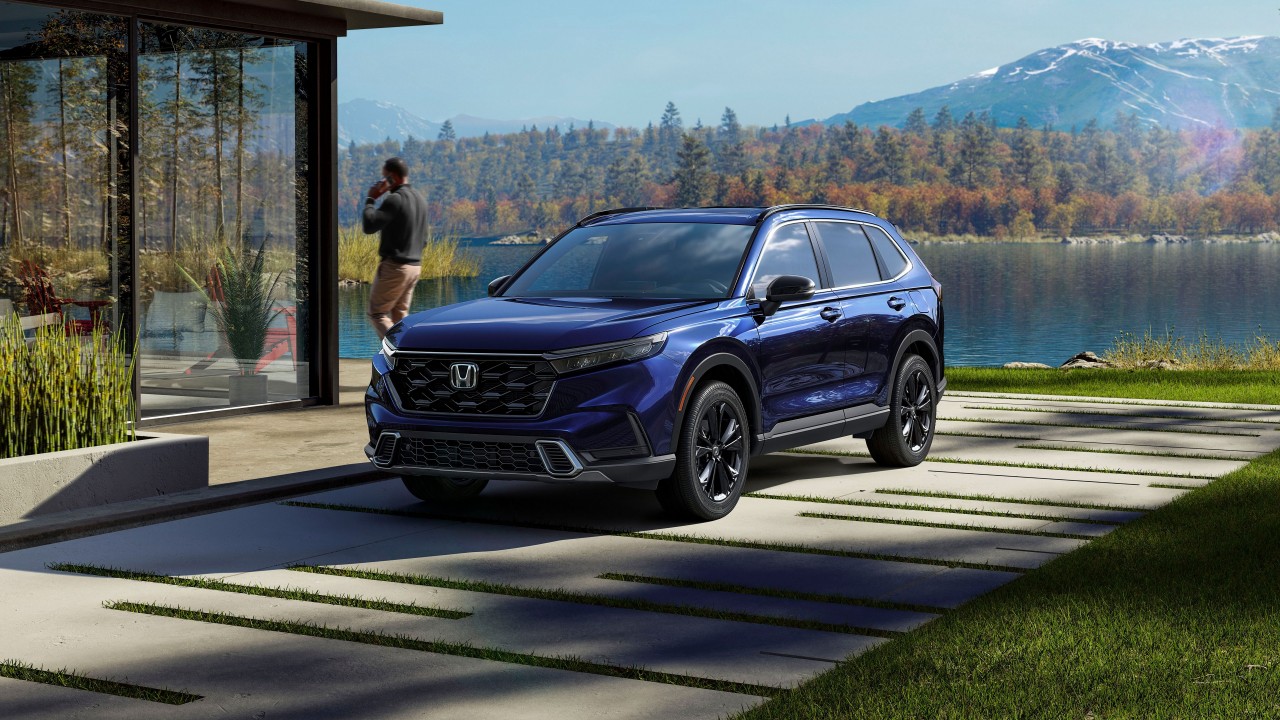
Ground clearance on the CR-V is higher than many cars, helping it handle deeper puddles without scraping or pulling in water. This extra height gives peace of mind on roads with standing water after heavy rainstorms.
Braking performance is steady on wet pavement. The CR-V responds predictably when slowing down in rain, which helps drivers feel more in control on wet, winding roads and hill descents.
The CR-V is also known for its long-lasting reliability. Honda vehicles tend to require fewer costly repairs, and many mechanics are familiar with them. This keeps ownership costs down and makes long-term driving more enjoyable.
4) Volvo XC60
The Volvo XC60 is a stylish and safe SUV that works well in rainy, hilly areas like Salem, Oregon. It stands out for excellent safety features and strong performance in wet weather. Many drivers choose it for comfort and confidence on the road.
A key strength of the XC60 is its all-wheel-drive system. This helps send power to the wheels with the most grip, which improves stability on slick pavement and steep hills. Drivers feel secure even when rain makes roads slippery.
Volvo is known for safety, and the XC60 includes many features that help in rain and fog. Systems like automatic braking, lane assist, and stability control reduce stress in bad weather. These tools support drivers when visibility is low or the road is slick.
The XC60 also has good ground clearance, helping it handle rain-soaked streets and shallow standing water. This extra height helps reduce the chance of water entering sensitive parts under the vehicle, adding peace of mind in heavy rainstorms.
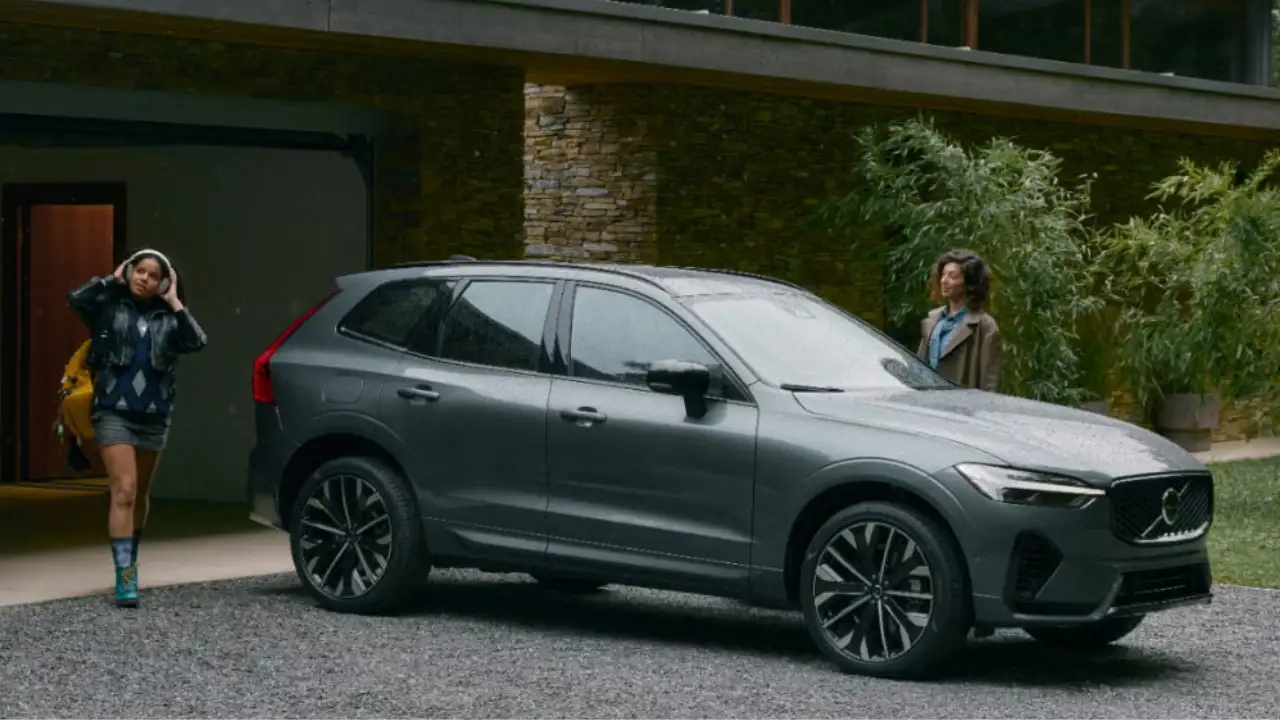
Strong seals around doors and windows help keep the interior dry. In constant wet conditions, tight seals block out moisture and wind noise. This means passengers stay comfortable even when rain pours for long periods.
Braking performance is smooth and confident on wet roads. The XC60’s advanced brake system feels predictable, helping drivers slow down safely on downhill stretches or sudden rainy-day stops.
Maintenance for the Volvo is often handled at certified service centers. While repairs may cost more than some mainstream brands, many owners appreciate the luxury feel and long-term durability that Volvo provides.
5) Mazda CX-5
The Mazda CX-5 is a sporty and practical SUV that suits rainy, hilly places like Salem, Oregon. It combines good handling with a comfortable cabin and reliable performance in wet weather. Many drivers enjoy its balance of control and style every day.
One of the CX-5’s strengths is its available all-wheel-drive system. This helps power reach the wheels that need it most, improving traction on slick roads and uphill slopes. On wet hills, AWD boosts confidence when starting, climbing, and turning.
In heavy rain, wet pavement can make braking feel uncertain. The CX-5’s traction and stability systems work well to keep the SUV steady and reduce wheel spin. This makes rainy driving feel safer, especially when rain falls hard or suddenly.
The CX-5 also has good ground clearance. This extra height helps it roll through shallow puddles without scraping the underbody. On Salem’s wet streets, this means fewer worries about water splashes or rough road edges after storms.
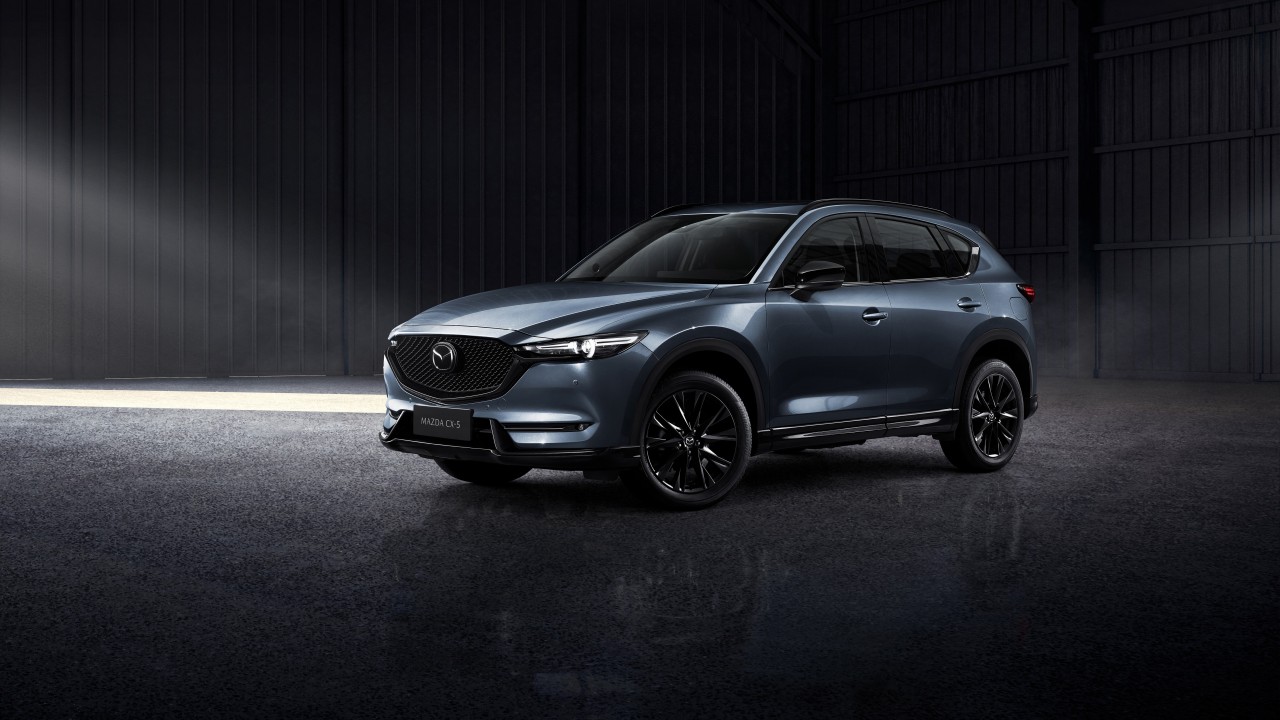
Mazda builds the CX-5 with tight weather seals around doors and windows. These strong seals help keep rain outside the cabin, so passengers stay dry and comfortable. Quiet insulation also reduces wind and rain noise inside the vehicle.
Braking on wet roads feels predictable and sure-footed. The CX-5’s responsive brakes help drivers stop smoothly, even on wet surfaces or downhill curves. This balanced performance adds confidence in rainy conditions.
Maintenance costs for the CX-5 are reasonable compared with many other SUVs. Mazda parts and service are widely available, and many mechanics know the model well. This helps keep long-term ownership costs manageable.
5 Cars That Tend To Leak
1) Jeep Liberty
Now shifting to the second half of the topic, some vehicles struggle badly in rainy cities like Salem, Oregon. The Jeep Liberty is a clear example. While it looks rugged, many owners report problems with water leaks and wet-weather driving comfort.
One common issue with the Jeep Liberty is poor door and window sealing. During steady rain, water can enter around doors and roof areas. This leads to damp carpets, foggy windows, and unpleasant odors inside the cabin.
Salem’s frequent rain exposes these weaknesses quickly. Even moderate storms can allow moisture to seep into the interior. Over time, trapped water may cause mold, electrical issues, and interior damage, making ownership frustrating in wet climates.
Hill driving is another challenge for the Liberty. Its older four-wheel-drive systems are not as smooth as modern AWD setups. On wet hills, traction can feel uneven, especially when starting uphill or driving downhill on slick pavement.
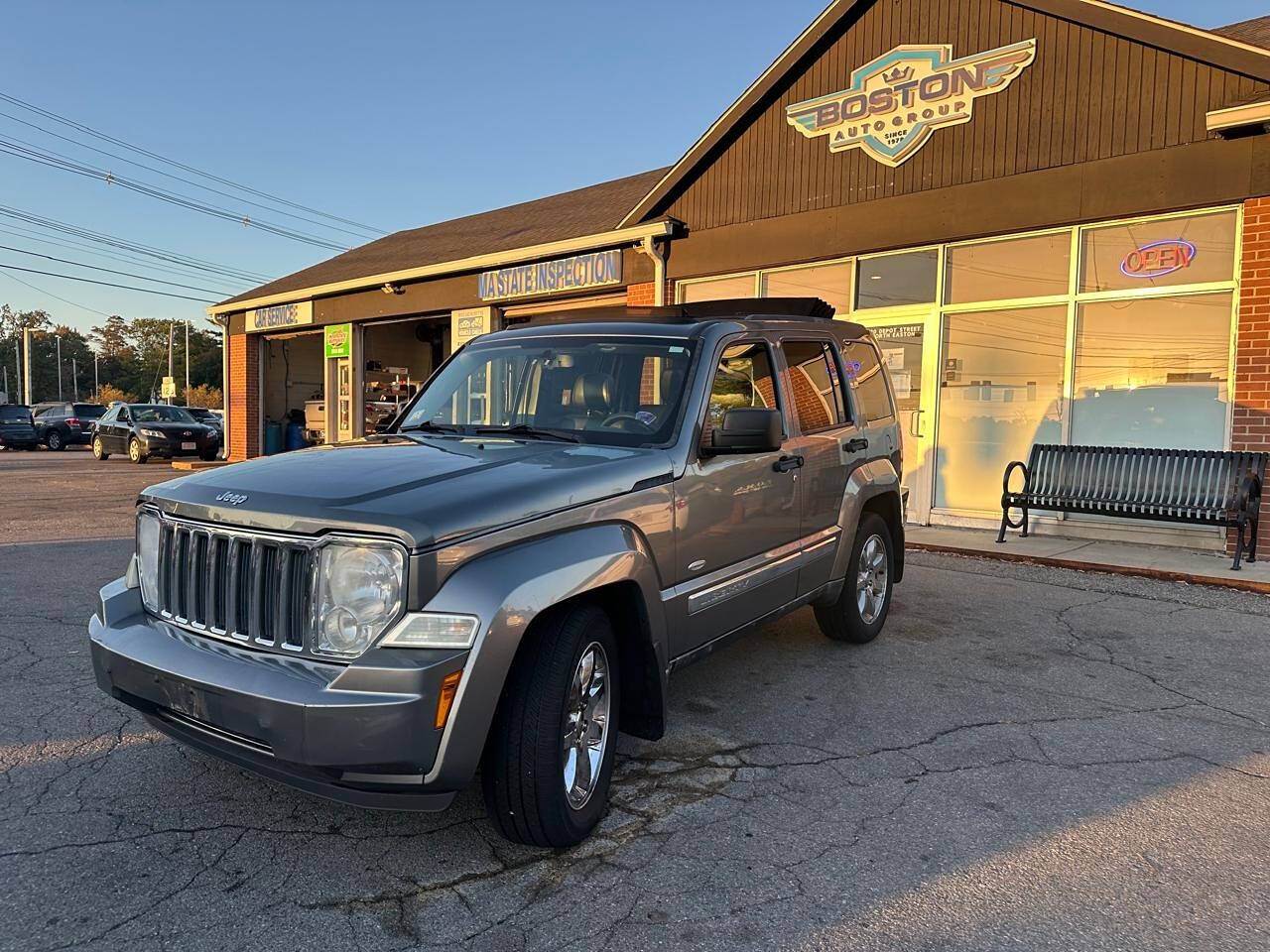
The Liberty’s braking performance in rain is also less confidence-inspiring. On wet roads, stopping distances feel longer, and the brake response can feel inconsistent. This makes downhill driving in rainy conditions more stressful than it should be.
Ground clearance may seem helpful, but it does not solve water intrusion problems. While the Liberty sits higher than many cars, poor sealing allows rainwater inside regardless of ride height. This makes its design less suitable for constant rain exposure.
Maintenance costs can also increase due to water-related issues. Electrical components under the dash or seats may fail after repeated moisture exposure. Repairs for leaks often take time and may return even after fixes.
Fuel economy is another downside. The Liberty uses more fuel than many newer SUVs while offering less comfort and weather protection. For daily commuting in rain, it feels outdated and inefficient compared to modern alternatives.
2) Mini Cooper
The Mini Cooper is stylish and fun to drive, but it struggles in rainy places like Salem, Oregon. While it looks sporty and modern, many owners report water leaks and poor comfort during long periods of wet weather.
One of the biggest problems with the Mini Cooper is water leaking through door seals and sunroofs. In steady rain, moisture can enter the cabin. Wet carpets and foggy windows become common issues for many drivers.
Salem’s frequent rainfall quickly exposes these weaknesses. Even light rain can cause damp spots inside the car. Over time, trapped moisture may lead to mold smells, interior damage, and electrical problems under seats or dashboards.
The Mini Cooper also sits very low to the ground. This makes it more vulnerable to water splashes and puddles. On roads with standing water, rain can easily reach sensitive areas underneath the car.
Hill driving in wet conditions is another challenge. The Mini’s short wheelbase and front-wheel-drive setup struggle for grip on slick slopes. Starting uphill in rain often causes wheel spin, especially on older or worn tires.
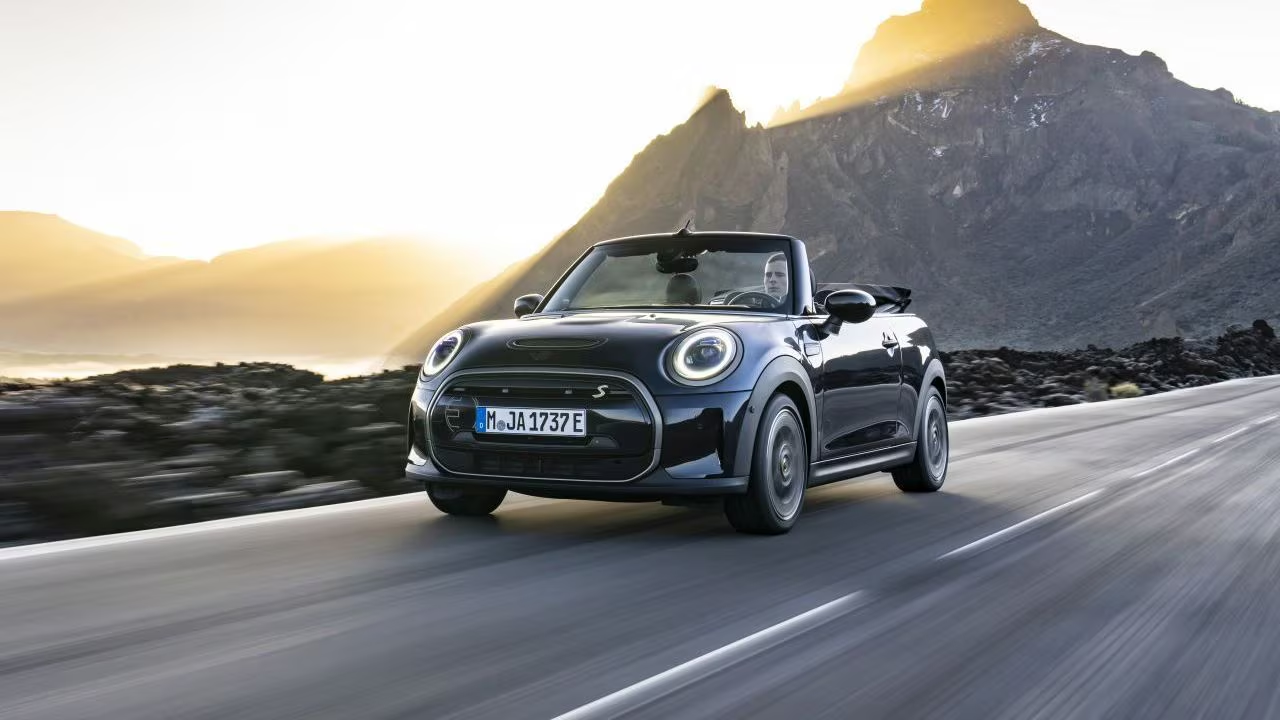
Braking performance on wet roads can feel nervous. Because the car is light, braking on downhill wet roads may feel less stable. Drivers often need to slow down earlier to maintain control in rainy conditions.
Interior comfort also suffers in damp climates. Moisture affects seats, floor mats, and trim more quickly than in better-sealed vehicles. Over time, the cabin may feel worn and uncomfortable in a city with constant rain.
Maintenance costs can rise due to leak-related repairs. Fixing sunroof drains or replacing seals can be expensive. Worse, leaks often return, making long-term ownership frustrating for drivers living in wet regions.
3) Ford Fiesta
The Ford Fiesta is a small and fuel-efficient car, but it struggles in rainy, hilly places like Salem, Oregon. While it works fine in dry cities, constant rain exposes several weaknesses that affect comfort, safety, and long-term ownership.
One major complaint from Fiesta owners is water leakage. Rain can enter through the windshield edges, trunk seals, or door areas. Over time, this leads to wet carpets, foggy windows, and unpleasant smells inside the cabin.
Salem’s frequent rain makes these problems worse. Even light storms can cause moisture buildup inside the car. When water gets trapped under carpets, it may cause mold growth and damage interior materials.
The Fiesta also sits very low to the ground. This makes it vulnerable to water splashes and puddles on rain-soaked roads. Driving through standing water feels risky, especially during heavy rainstorms common in Oregon.
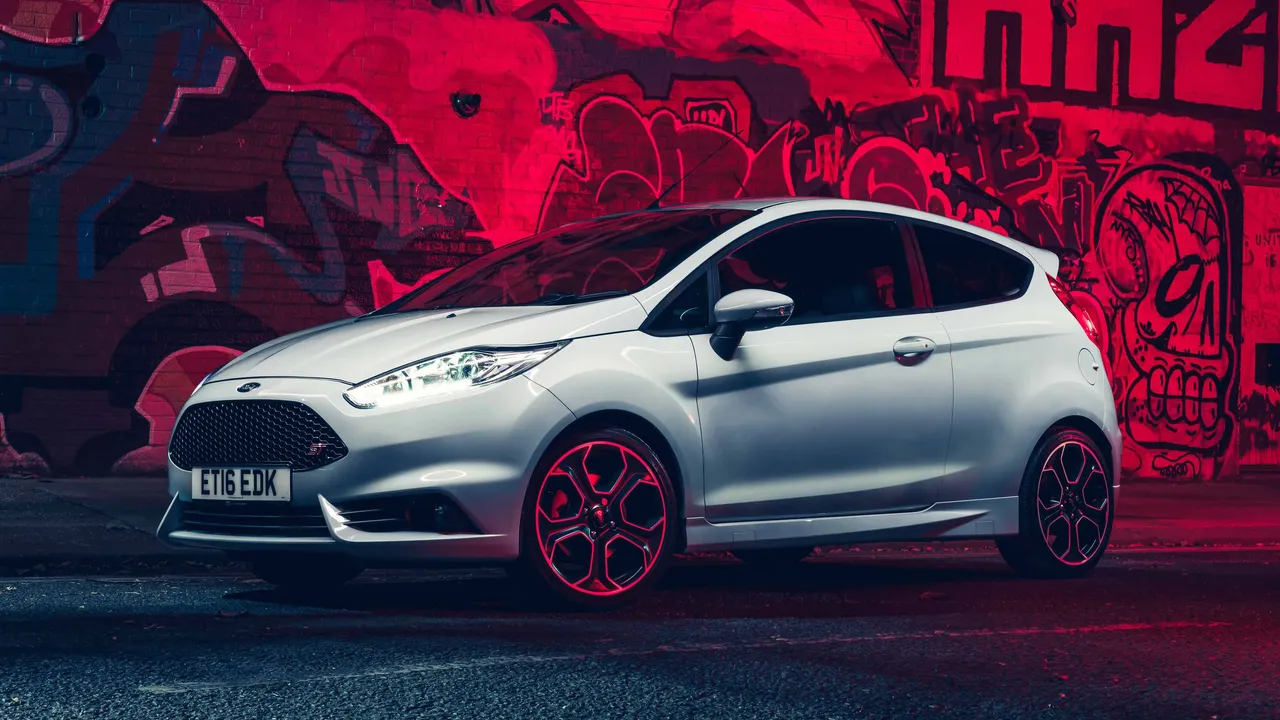
Hill driving is another weakness for the Fiesta. Its light weight and front-wheel-drive setup struggle for grip on wet slopes. Starting uphill in rain often causes wheel spin, making driving stressful on Salem’s hilly streets.
Traction control helps slightly, but it cannot fully fix the lack of grip. On slick roads, especially when turning uphill, the Fiesta feels less stable compared to larger vehicles with all-wheel drive.
Braking performance in rain can also feel uncertain. Because the car is lightweight, it may feel less planted during wet downhill braking. Drivers often need extra distance to stop safely on slick pavement.
Interior comfort suffers in damp weather. Moisture affects seat fabric, floor mats, and trim pieces faster than in better-sealed vehicles. Over time, the cabin may feel worn and uncomfortable in a rainy climate.
4) Chevrolet Cruze
The Chevrolet Cruze is a compact sedan that looks practical, but it struggles in rainy, hilly cities like Salem, Oregon. Many owners report water leaks and weak wet-road confidence, which makes daily driving uncomfortable during long rainy seasons.
One of the most common problems with the Cruze is water entering near the windshield and door seals. During steady rain, moisture can drip inside. Wet carpets and foggy windows become frequent complaints among long-term owners.
Salem’s constant rain quickly exposes these sealing issues. Even small leaks grow worse over time. Water trapped under floor mats can cause mold, bad smells, and damage to interior materials, making the cabin feel damp and unhealthy.
The Cruze also sits low to the ground. This low ride height makes it vulnerable to splashes and puddles on rain-soaked streets. Driving through standing water feels risky, especially during heavy storms or poorly drained roads.
Hill driving in wet conditions is another challenge. The Cruze uses front-wheel drive, which struggles for grip on slick slopes. Starting uphill in rain often causes wheel spin, reducing confidence on Salem’s rolling roads.
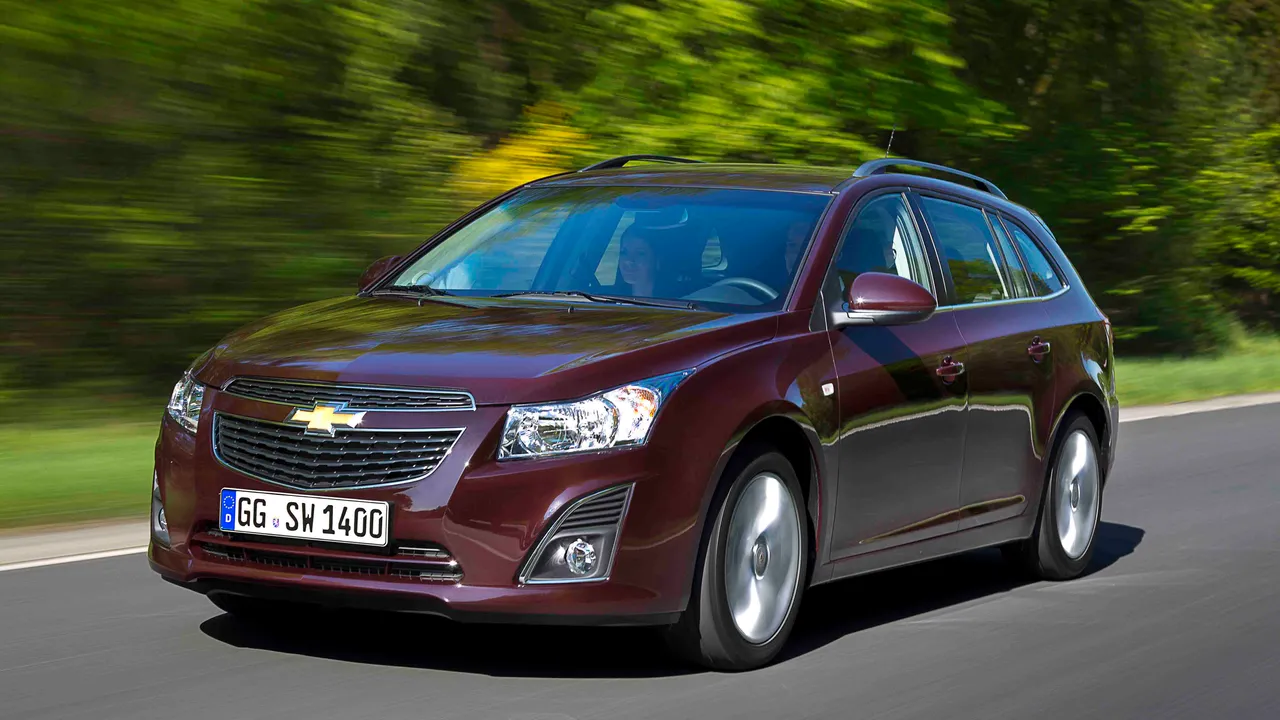
Traction control helps somewhat, but it reacts slowly on very wet pavement. On rainy mornings, the car can feel hesitant when pulling away from intersections or climbing mild hills, especially with worn tires.
Braking performance in rain feels average at best. On downhill wet roads, stopping distances can feel longer. Drivers often need to brake earlier to feel safe, which can be stressful in traffic or steep areas.
Interior quality also suffers in damp climates. Moisture affects fabrics, trims, and electronics faster than in better-sealed vehicles. Over time, the cabin may feel worn, noisy, and less comfortable in constant rain.
Maintenance costs can increase because of water-related issues. Fixing leaks around windshields or doors can be time-consuming. Electrical problems caused by moisture may return, even after repairs, adding frustration for owners.
Fuel efficiency is reasonable, which helps with daily commuting. However, good mileage does not balance out the problems caused by rain exposure and weak hill performance in a city like Salem.
5) Volkswagen Passat
The Volkswagen Passat is a comfortable midsize sedan, but it struggles in rainy, hilly places like Salem, Oregon. While it offers good space and a smooth ride, long-term owners often report water leaks and wet-weather frustrations.
One of the most common issues with the Passat involves sunroof drain systems. When these drains clog, rainwater backs up and enters the cabin. Wet carpets and damp headliners become frequent problems during Oregon’s long rainy seasons.
Salem’s steady rain makes these issues worse. Even small clogs can cause major leaks after a few storms. Moisture often collects under carpets, where it is hard to dry, leading to odors and hidden interior damage.
The Passat also sits fairly low to the ground. This low stance increases exposure to splashes and puddles. On poorly drained roads, water can reach sensitive underbody areas, increasing the risk of corrosion over time.
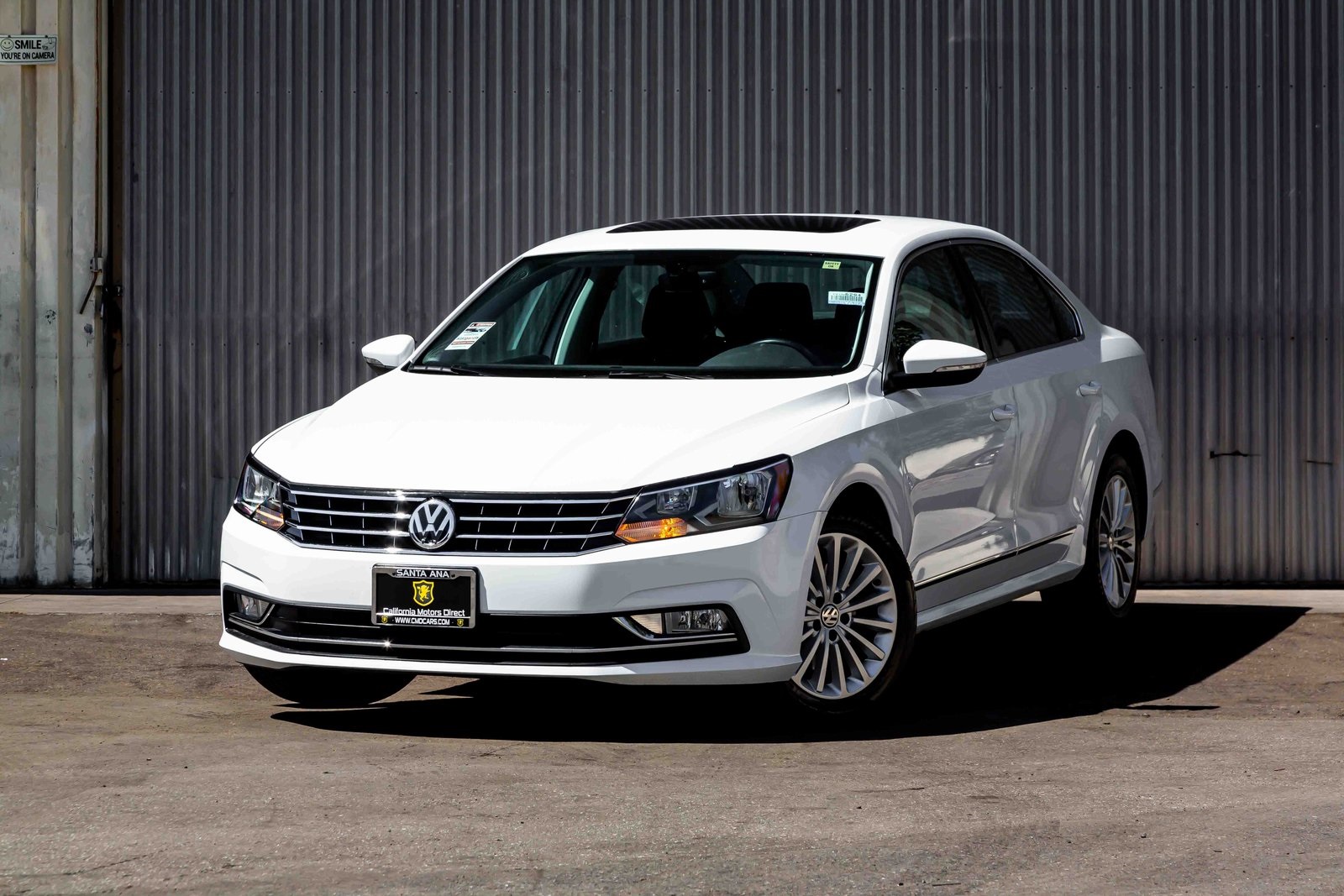
Hill driving in wet conditions is another weakness. Most Passat models use front-wheel drive, which struggles for grip on slick slopes. Starting uphill during rain often causes wheel spin, reducing driver confidence on Salem’s rolling streets.
Traction control helps, but it cannot fully compensate for limited grip. On wet mornings, the car may feel slow to respond when pulling away or turning uphill, especially with worn tires or added passenger weight.
Braking performance in rain is acceptable but not strong. On downhill wet roads, stopping distances feel longer than expected. Drivers often need to brake early, which can feel stressful in traffic or steep areas.
Interior quality also suffers in damp climates. Moisture affects carpets, seat padding, and electronic components faster than in better-sealed vehicles. Over time, the cabin may feel musty and less comfortable during rainy months.
Maintenance costs can increase due to leak-related repairs. Clearing sunroof drains or fixing water-damaged electronics can be expensive. In some cases, leaks return, making long-term ownership frustrating in wet regions.