
Shopping for a used Audi in 2026 means walking a tightrope between luxury appeal and reliability concerns. German engineering brings sophistication, performance, and that premium badge everyone recognizes, but it also brings maintenance costs that can make your wallet weep.
Not all Audis are created equal when it comes to dependability. Some models have earned reputations for running strong past 150,000 miles with only routine care, while others seem designed to keep mechanics employed through constant, expensive repairs.
Understanding which used Audi models actually hold up matters tremendously when you’re shopping with your own money rather than a corporate lease budget. Buying the wrong model means facing repair bills that exceed your car payment, parts that take weeks to arrive, and that sinking feeling every time a dashboard warning light appears.
Choosing wisely means enjoying German luxury without the financial nightmares that give Audi ownership its mixed reputation. What separates reliable Audis from problematic ones often comes down to specific engines, transmissions, and model years. A particular engine might prove bulletproof while its replacement becomes a disaster.
Certain transmissions last forever, while others fail at 80,000 miles. Model year differences matter enormously, as mid-cycle updates often address problems that plagued earlier versions. Knowing these details separates smart buyers from people funding their mechanic’s retirement.
This guide examines twelve used Audi models that have proven themselves more dependable than their siblings. These aren’t perfect cars that never need repairs. They’re Audis, after all, and German luxury always costs more to maintain than Japanese economy brands.
But these specific models, years, and configurations give you the best chance of enjoying Audi ownership without constant expensive surprises. Each one offers something special while maintaining reliability that lets you actually drive rather than constantly visiting repair shops.
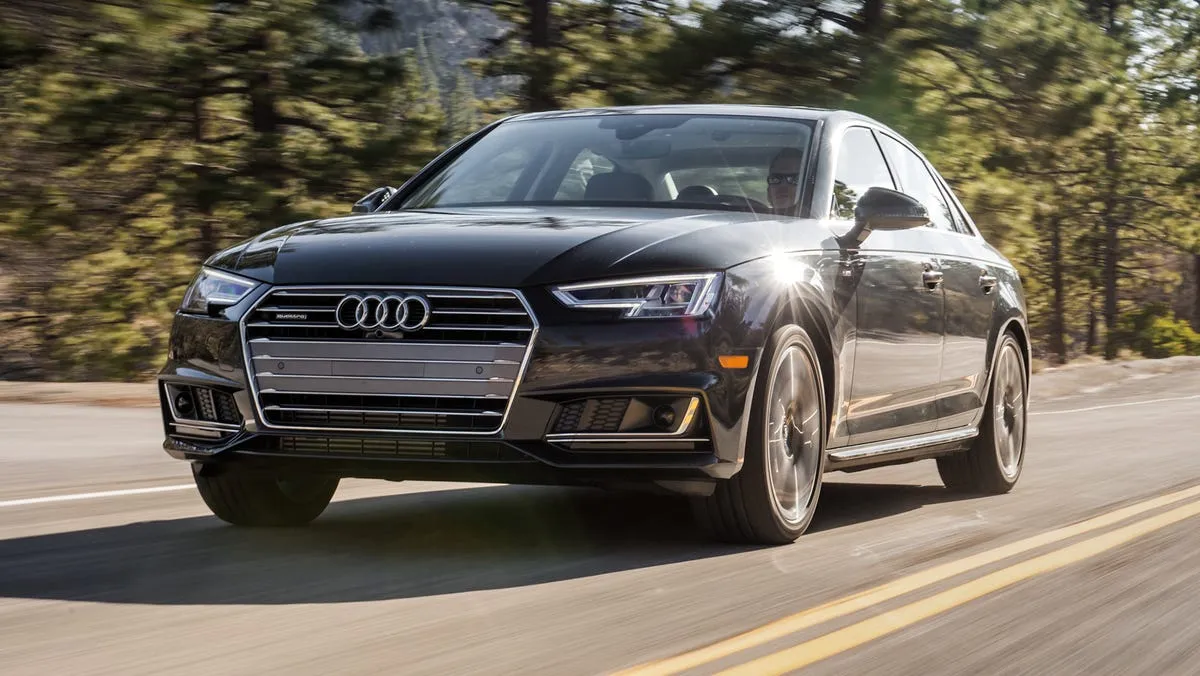
1. Audi A4 2.0T Quattro 2017-2019
B9 generation A4 brought substantial improvements that addressed problems plaguing earlier models. That 2.0T EA888 Gen 3 engine produces 252 horsepower while proving far more reliable than Gen 1 and 2 predecessors.
Engineers fixed timing chain tensioner issues that destroyed countless earlier engines, redesigned the PCV system, reducing oil consumption, and improved turbocharger cooling, extending component life. These changes transformed a problematic engine into one that regularly reaches 150,000 miles without major mechanical failures.
Interior quality impresses with materials that feel genuinely premium rather than trying too hard. Leather seats wear well, dashboard materials resist cracking despite sun exposure, and controls operate smoothly even after years of use.
The virtual cockpit digital gauge cluster looks modern in 2026 despite being several years old, with crisp graphics that don’t feel outdated. MMI infotainment system responds quickly to inputs, supporting Apple CarPlay and Android Auto for seamless smartphone integration.
What makes these A4s particularly appealing is parts availability and independent shop accessibility. Any competent European specialist can service this generation without dealer-only equipment, keeping maintenance costs reasonable.
Used examples with 50,000-80,000 miles sell for $18,000-$25,000 in 2026, offering a genuine luxury sedan experience at prices that match mainstream brands. Insurance costs stay reasonable, fuel economy averages 27-30 MPG combined, and reliability exceeds what most people expect from a used Audi. For those wanting German luxury without constant anxiety, this A4 represents a solid choice.
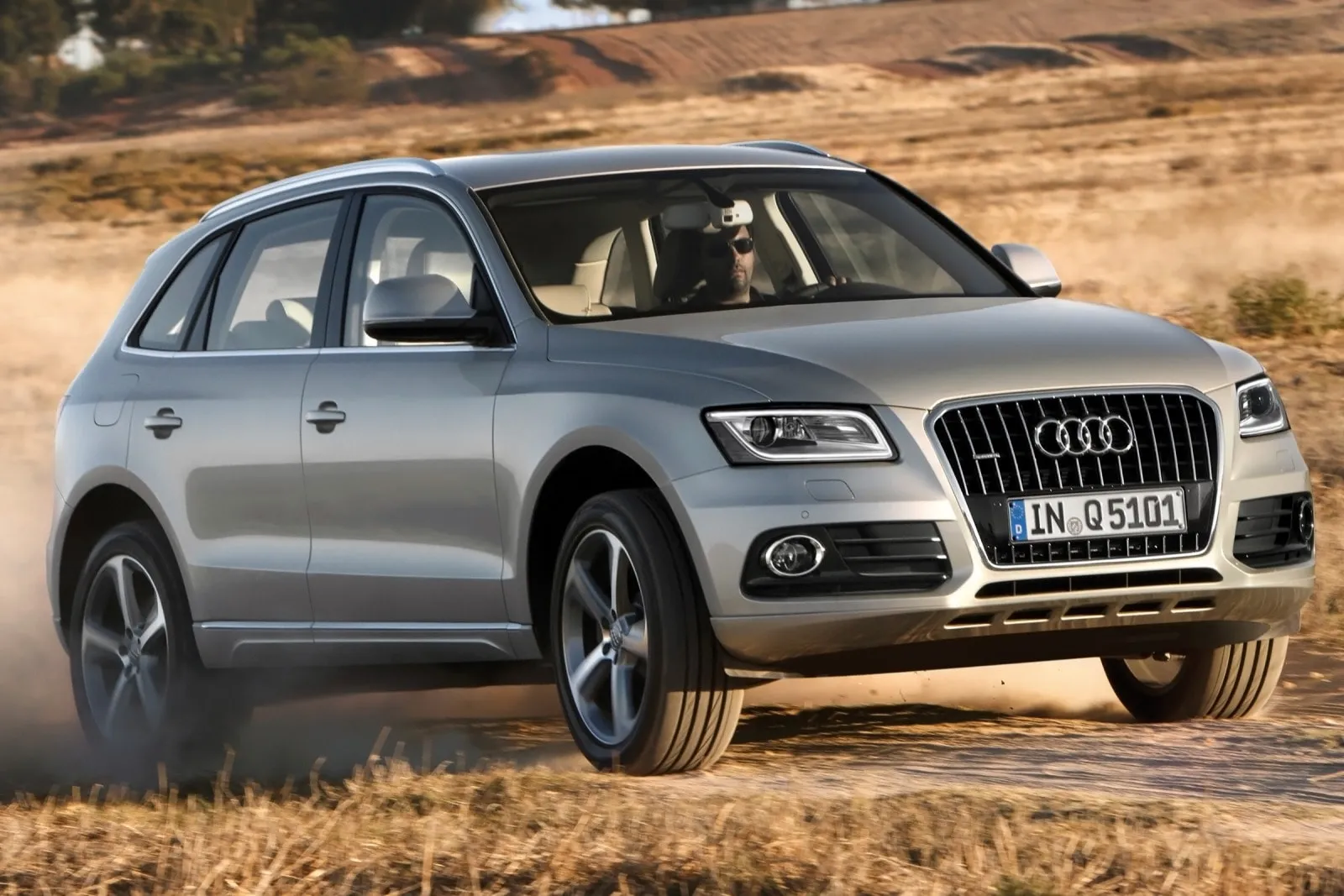
2. Audi Q5 3.0T Premium Plus 2013-2017
First-generation Q5 with supercharged 3.0-liter V6 delivers performance and reliability that turbocharged alternatives cannot match. This engine produces 272 horsepower with 295 lb-ft torque, providing smooth, linear power without turbo lag. Roots-style supercharger proves remarkably durable, with most units lasting well past 150,000 miles without rebuilds.
What separates this engine from problematic Audi powerplants is its dual-injection system, combining direct and port injection, keeping intake valves cleaner and reducing carbon buildup that plagues purely direct-injected engines.
Quattro all-wheel drive handles varied weather without drama, distributing power seamlessly between axles. You’ll drive confidently in rain or snow without second-guessing traction. Cargo space impresses for a compact luxury crossover, with a rear hatch providing substantial capacity for groceries, luggage, or weekend adventures.
Rear seats fold nearly flat, creating an extended cargo floor when you need to haul larger items. Roof rails accept cargo boxes or bike racks, expanding utility further. Interior materials resist wear better than many competitors, maintaining an attractive appearance even after years of family use.
Common problems include typical Audi issues like water pump failures around 100,000 miles, costing $800-1,200. Thermostat housings can crack, causing coolant leaks requiring $500-800 repairs. Ignition coils fail around 80,000 miles, costing $500-800 for all six.
Carbon cleaning becomes necessary around 100,000 miles despite dual injection, costing $700-1,000 at independent shops. The supercharger itself requires minimal maintenance beyond periodic oil changes for internal bearings.
Also Read: 10 Audi Engines Known for Legendary Reliability
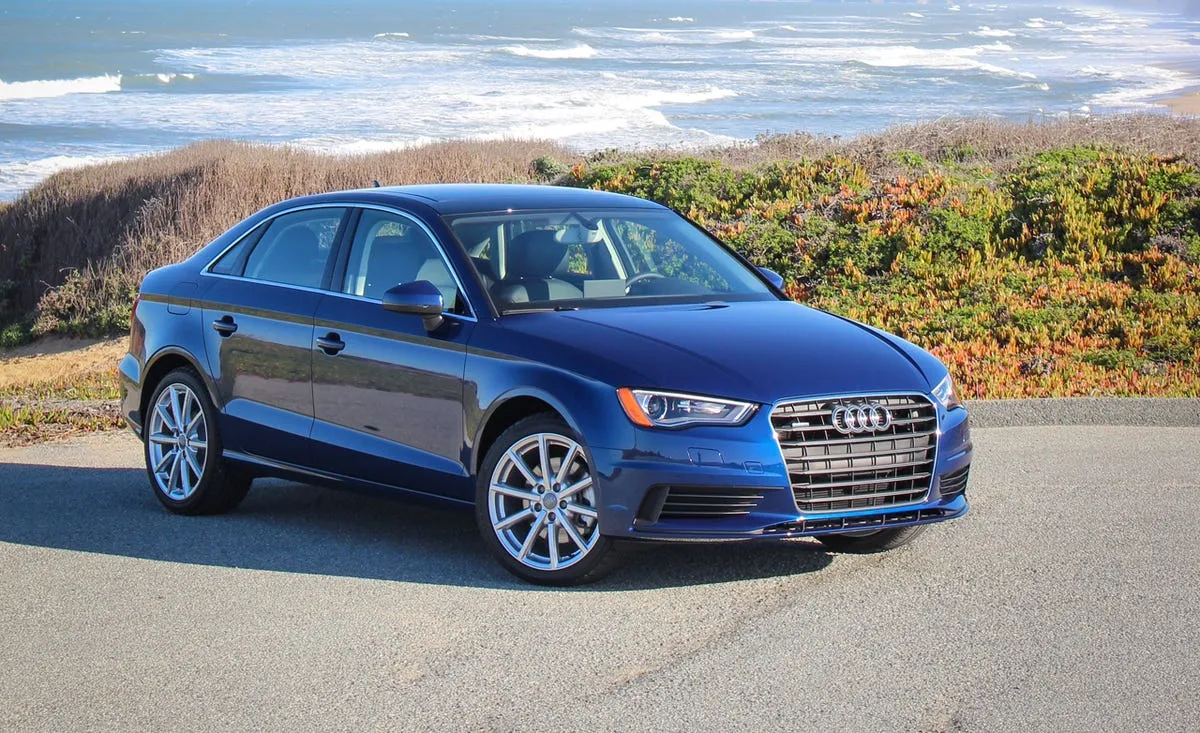
3. Audi A3 1.8T Premium 2015-2018
Audi struck a smart balance between compact luxury and long-term dependability with the third-generation A3 powered by the 1.8T engine. This turbocharged four-cylinder makes 170 horsepower, which is plenty for everyday driving while still returning excellent fuel mileage.
Because it produces less power than the 2.0T versions, the engine works under lighter loads. That reduced stress helps major components last longer. The turbo runs at lower boost, and internal parts are less likely to wear prematurely.
Power is handled by a six-speed dual clutch transmission that feels quick when pushed and smooth during normal driving. This DQ250 unit has a solid reputation as long as fluid services are done every 40,000 miles. Manual mode gives drivers control when they want a more involved feel, and launch control delivers clean starts when used occasionally rather than constantly.
Inside, the A3 feels more upscale than its size suggests. The seats are comfortable on longer drives without being overly firm, and the layout of the dashboard feels logical and easy to use. The MMI system remains intuitive, and smartphone connectivity keeps the tech feeling modern. A panoramic sunroof helps the cabin feel brighter and more open.
Fuel economy stands out as one of the A3’s strongest traits. Most drivers see 28 to 32 mpg in mixed use, with highway numbers climbing well into the mid-30s or better. That efficiency makes daily commuting easy on the wallet.
Space is limited, especially in sedan form, though hatchback versions offer added flexibility. Known issues tend to be mild and predictable, and used prices remain affordable. For buyers seeking an entry point into Audi ownership without high running costs, this A3 makes a strong case.
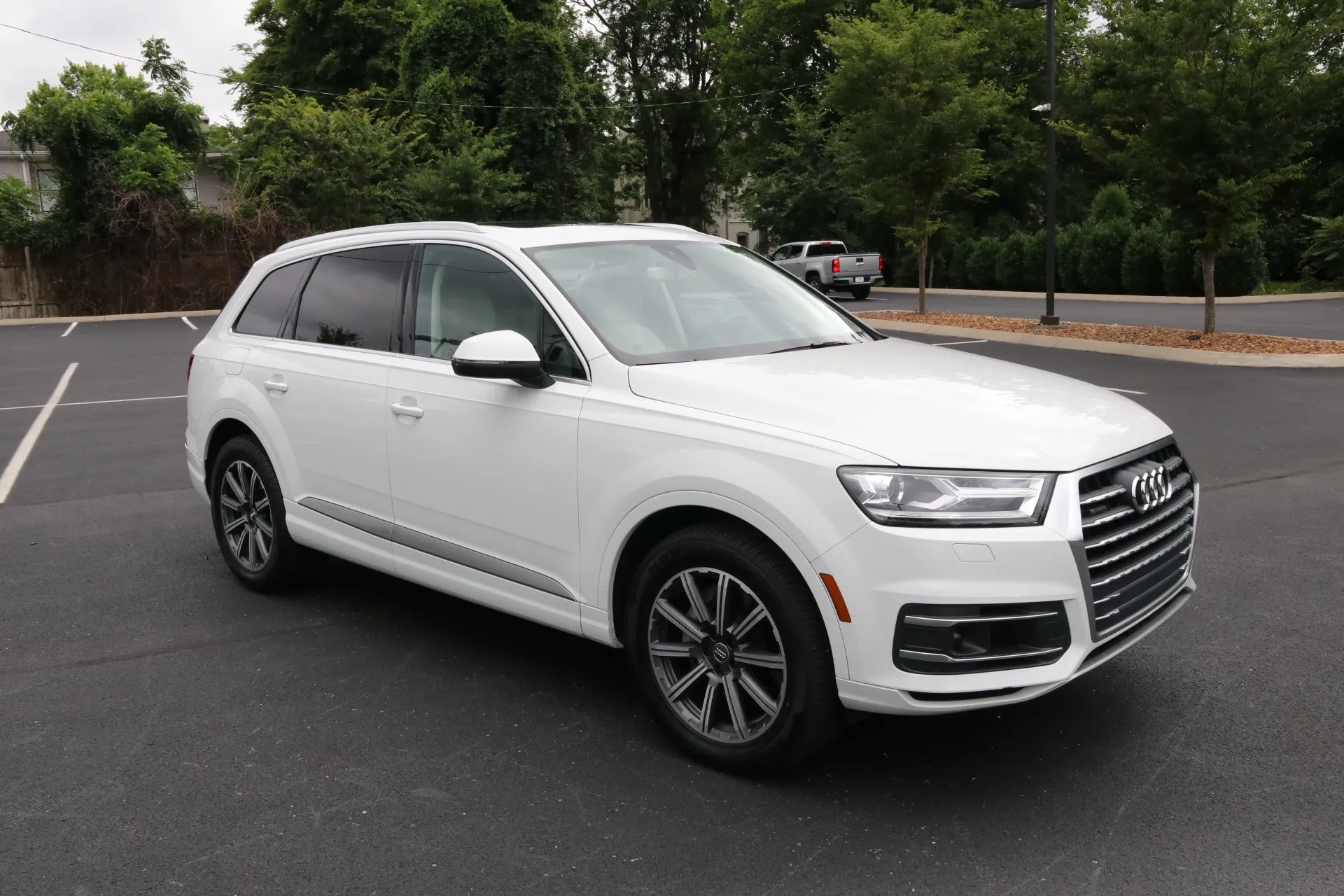
4. Audi Q7 3.0T Premium 2017-2019
Three-row luxury met reliable power when the Q7 received a supercharged V6 for these model years. That 3.0T produces 333 horsepower with 325 lb-ft torque, moving this substantial SUV confidently despite its size. Supercharger provides instant throttle response without turbo lag, making acceleration feel immediate.
Dual-injection system keeps intake valves cleaner than purely direct-injected engines, extending intervals between expensive carbon cleaning services. Interior quality justifies Audi’s premium positioning. Leather seats resist wear, dashboard materials feel substantial, and controls operate smoothly even after years of use.
Three-zone climate control keeps all passengers comfortable regardless of seating position. The panoramic sunroof creates an open feeling that makes the large interior seem even more spacious. Ambient lighting adds an upscale touch during evening driving.
Fuel economy stays reasonable for a three-row luxury SUV, averaging 20-23 MPG in mixed driving. That’s better than many competitors offering a similar size and capability. Highway cruising achieves 26-28 MPG when maintaining steady speeds.
Premium fuel requirement adds cost, but strong performance and decent efficiency partially offset that expense. Common problems include water pump failures around 100,000 miles, costing $900-1,400. Thermostat housings can crack, requiring $600-1,000 repairs. Ignition coils fail around 80,000 miles, costing $600-1,000 for all six.
Carbon cleaning becomes necessary around 100,000 miles despite dual injection, costing $800-1,400 at independent shops. Supercharger requires minimal maintenance but can develop a slight whine as it ages, though mechanical failures remain rare.
Used examples with 50,000-80,000 miles sell for $25,000-$35,000 in 2026, offering three-row luxury at prices that match mainstream competitors. Independent shops can service these Q7s, keeping maintenance costs below dealer rates. For families needing space and luxury with acceptable reliability, this Q7 delivers. You’re getting a proven supercharged engine rather than turbocharged alternatives that create more problems.
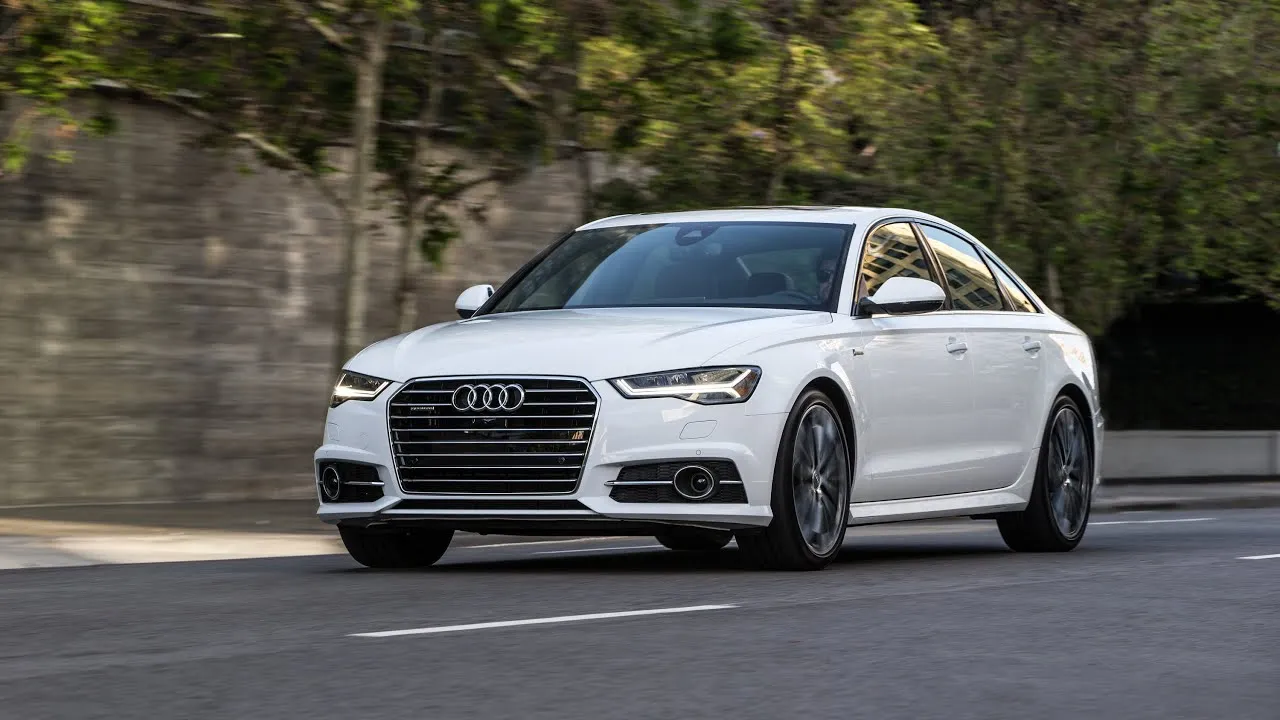
5. Audi A6 2.0T Premium 2016-2018
The Audi A6 paired luxury sedan comfort with smart efficiency when it adopted the 2.0T EA888 Gen 3 engine. This turbocharged four-cylinder engine produces 252 horsepower, more than enough to propel a midsize sedan confidently while still delivering strong fuel economy.
Compared to the larger V6 options, this simpler single turbo setup keeps ownership easier and usually cheaper. With less mechanical strain, many components tend to last longer before needing attention. A seven-speed dual-clutch transmission handles shifting duties. It responds quickly when driving with enthusiasm and stays smooth and unobtrusive in everyday traffic.
When serviced on schedule, with fluid changes around every 40,000 miles, this S tronic gearbox has proven dependable. Quattro All Wheel Drive adds security in poor weather without introducing excessive complication, while electronic torque management quietly improves grip and stability.
Interior space is a strong point. The rear seat offers generous legroom, making it comfortable for taller passengers and suitable for long trips. The trunk easily handles luggage or large grocery runs, and the pass-through rear seat allows longer items when necessary. Build quality feels solid, with a reassuring heft to the doors and well-assembled interior panels.
Technology still holds up well. The MMI system remains easy to use, and smartphone integration helps it feel current. The digital gauge cluster continues to look modern and provides useful, customizable information. Driver assistance features make highway driving less tiring.
Fuel economy is impressive for a car this size, often landing in the high twenties and even better on the highway. With reasonable running costs and used prices in the low to mid twenties, the 2.0T A6 offers a practical path into executive-level comfort without the expense of a larger engine.
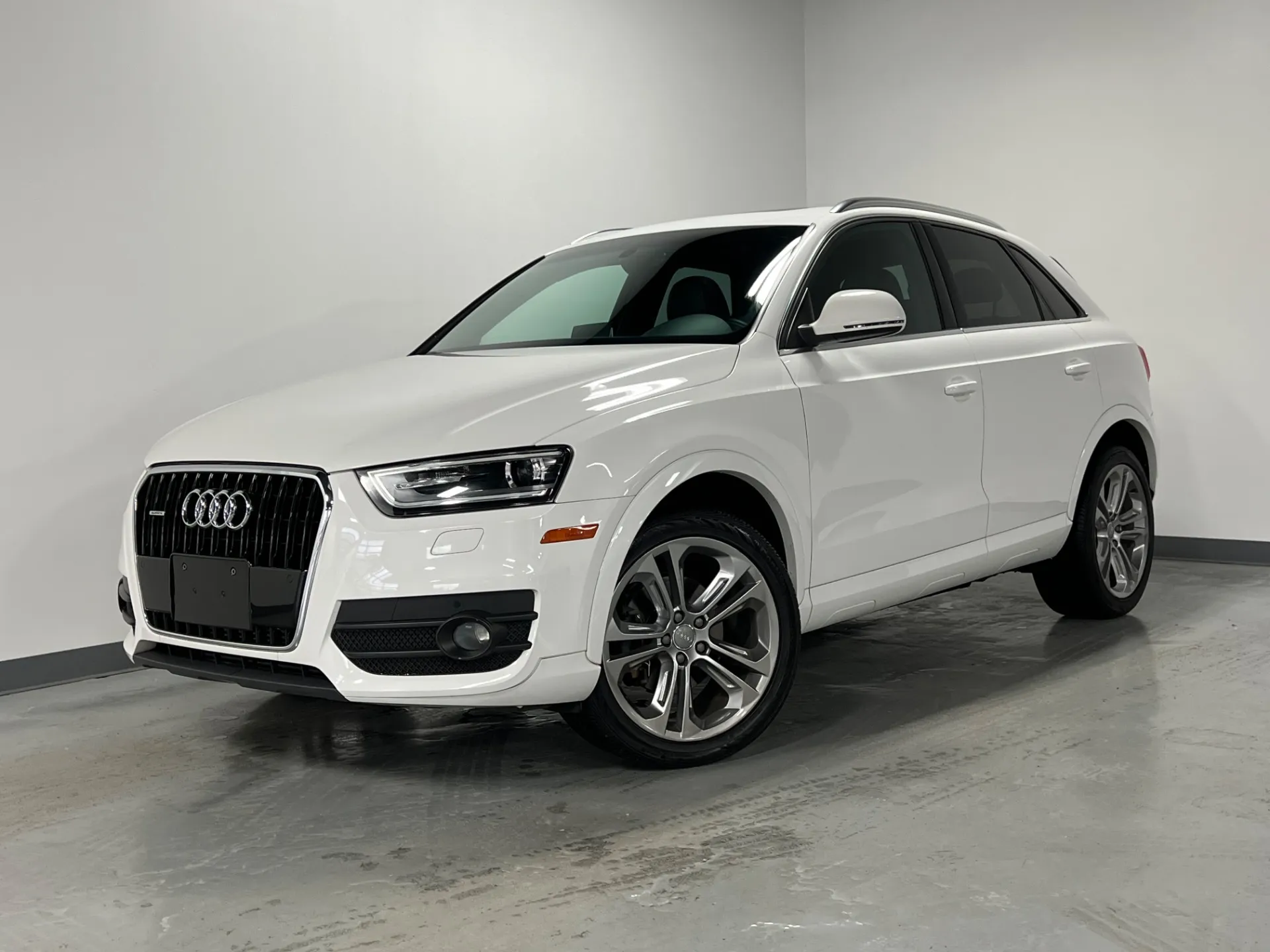
6. Audi Q3 2.0T Premium 2015-2018
Compact luxury crossover delivered surprising reliability when equipped with the 2.0T EA888 engine. This turbocharged four-cylinder produces 200 horsepower, providing adequate performance for daily driving while maintaining decent fuel economy. Smaller, lighter Q3 doesn’t stress this engine as much as larger vehicles, potentially contributing to improved longevity. The turbocharger runs moderate boost pressures, extending its operational life.
Cargo space stays adequate for a compact crossover, with the rear hatch providing reasonable capacity for daily needs. Rear seats fold to expand cargo room when hauling larger items. Roof rails accept cargo boxes for additional storage during trips. Interior quality feels upscale despite compact dimensions, with materials that resist wear better than mainstream competitors.
Elevated seating position provides better visibility than sedans, helping you spot traffic and obstacles earlier. Entry and exit prove easier than low sports cars, a valuable feature as you age or develop mobility concerns. Compact dimensions simplify parking in tight urban spaces where larger SUVs struggle. You’ll fit into spots that Q5 or Q7 drivers pass by.
Fuel economy remains reasonable for all-wheel-drive crossover, averaging 24-27 MPG in mixed driving. Highway cruising achieves 29-32 MPG when maintaining steady speeds. That efficiency keeps operating costs manageable despite premium fuel requirements. Small fuel tank fills quickly and cheaply compared to larger vehicles.
Common problems include typical 2.0T issues like minor oil consumption requiring monitoring. Carbon buildup necessitates cleaning around 80,000-100,000 miles, costing $600-1,000 at independent shops. Water pumps fail around 100,000 miles, requiring $700-1,100 replacement. Ignition coils can fail around 80,000 miles, costing $400-700 for all four.
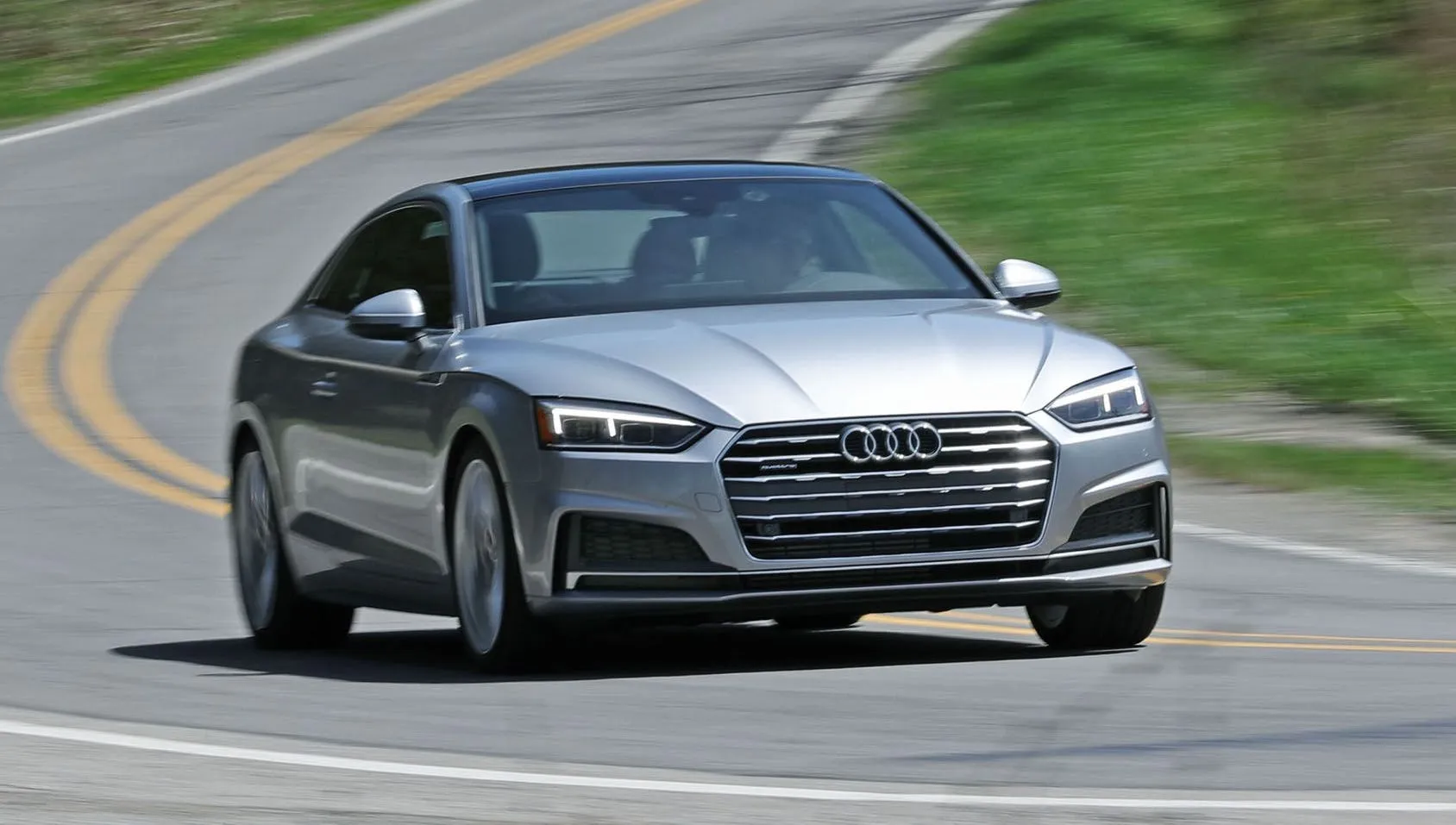
7. Audi A5 Sportback 2.0T Premium 2018-2020
The Audi A5 Sportback blends sleek four-door coupe styling with everyday dependability, thanks to the refined EA888 Gen 3 engine. Its turbocharged 2.0-liter four-cylinder makes 248 horsepower, giving the car strong, responsive performance that keeps daily driving interesting.
The Sportback layout delivers the best of both worlds. You get the low, flowing roofline of a coupe along with rear doors that make getting in and out easy. It looks special without asking you to live with a couple of compromises. Power flows through a seven-speed dual-clutch transmission that feels sharp when pushed and smooth when not.
Hard acceleration brings quick, confident movements, while relaxed cruising feels calm and effortless. Launch control is there when you want a burst of excitement, and manual mode adds involvement on winding roads. Paddle shifters respond instantly and hold gears exactly when you ask.
Inside, the A5 Sportback feels a step above the A4, even though they share the same foundation. Sport seats provide extra support during spirited driving without becoming tiring on long trips. The dashboard design feels cleaner and more elegant, with soft lighting that adds atmosphere at night. Materials and switchgear feel solid and well finished throughout the cabin.
The hatchback design adds real usefulness. The cargo area is wider and more flexible than a traditional sedan trunk, and the rear seats fold nearly flat. Larger items like bikes or furniture fit easily, making the car far more versatile than it looks.
Fuel economy remains strong, averaging around 27 to 30 mpg in mixed driving and even better on the highway. Ownership costs stay reasonable, and with used prices in the low to mid twenties, the A5 Sportback delivers style, performance, and practicality in one well-balanced package.
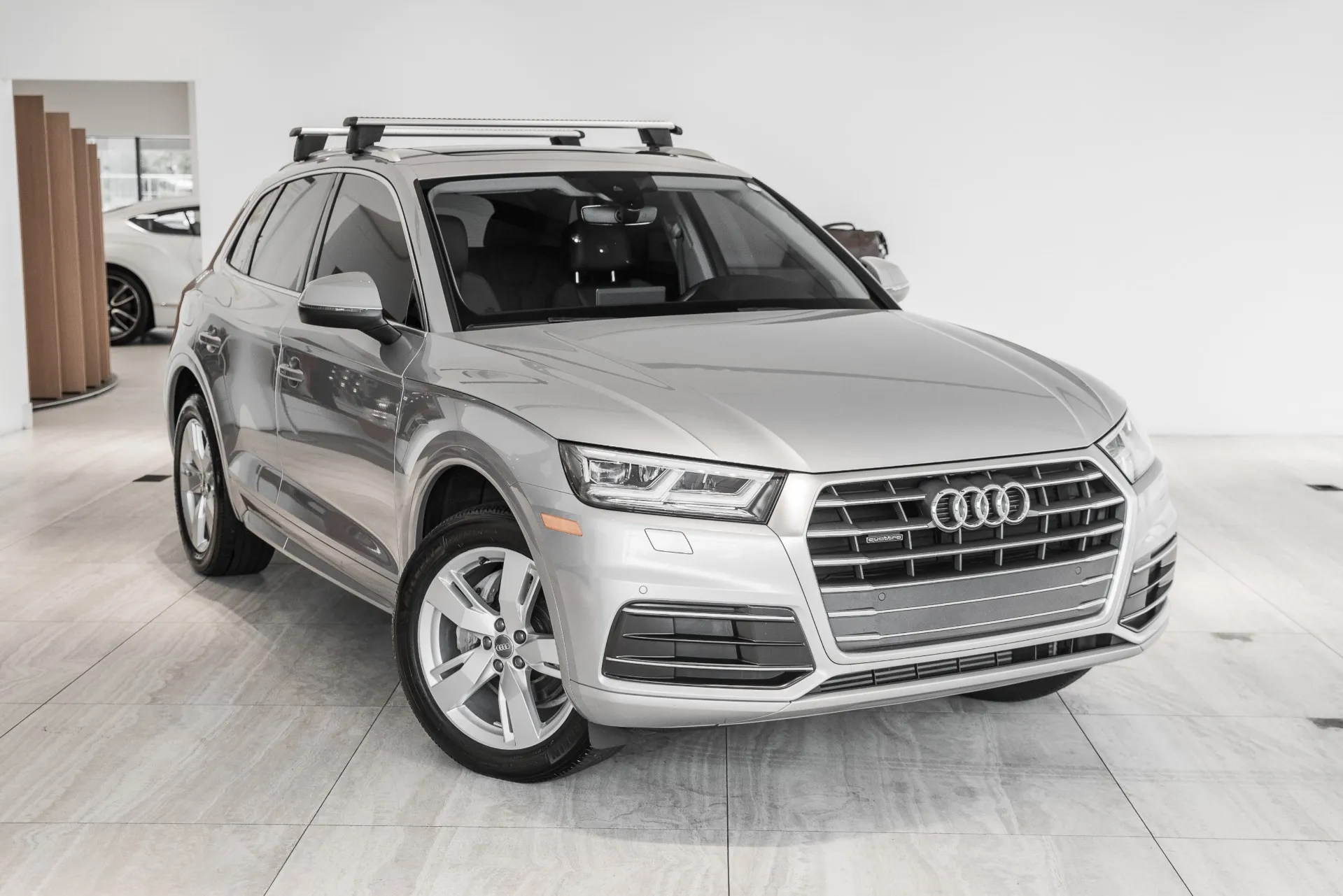
8. Audi Q5 2.0T Premium 2018-2021
The second-generation Q5 brought a refined 2.0T engine that proved more reliable than the first-generation alternatives. This turbocharged four-cylinder produces 248 horsepower, moving the crossover confidently despite a single turbo rather than a supercharged V6. Lower maintenance costs compared to 3.0T make this engine appealing for budget-conscious buyers. Simplified design means fewer expensive components that might fail.
Interior quality improved substantially compared to first-generation models. Materials feel more premium, controls operate more smoothly, and fit-and-finish reaches higher standards. The virtual cockpit digital gauge cluster looks modern with crisp graphics. MMI infotainment system responds quickly, supporting wireless Apple CarPlay and Android Auto. Three-zone climate control keeps all passengers comfortable.
Fuel economy benefits from lighter weight and improved aerodynamics, averaging 24-27 MPG in mixed driving. Highway cruising achieves 29-32 MPG when maintaining steady speeds. That efficiency beats the first-generation Q5 with 2.0T despite similar power output. You’re getting better performance and economy simultaneously.
Common problems remain minimal for these model years. Minor oil consumption requires monitoring but typically stays under one quart per 2,000 miles. Carbon buildup progresses more slowly than earlier 2.0T engines, with cleaning often not needed until 100,000+ miles. Water pumps last longer, frequently reaching 110,000-120,000 miles before requiring $800-1,300 replacement. Ignition coils can fail around 80,000 miles, costing $500-800 for all four.
Used examples with 30,000-60,000 miles sell for $26,000-$35,000 in 2026, offering modern luxury crossover at prices that match mainstream competitors. Independent shops can service these Q5s, keeping ownership costs manageable.
For families wanting a current Audi with decent reliability, this second-generation Q5 delivers a sensible choice. You’re getting a refined vehicle that addresses the problems plaguing earlier models.
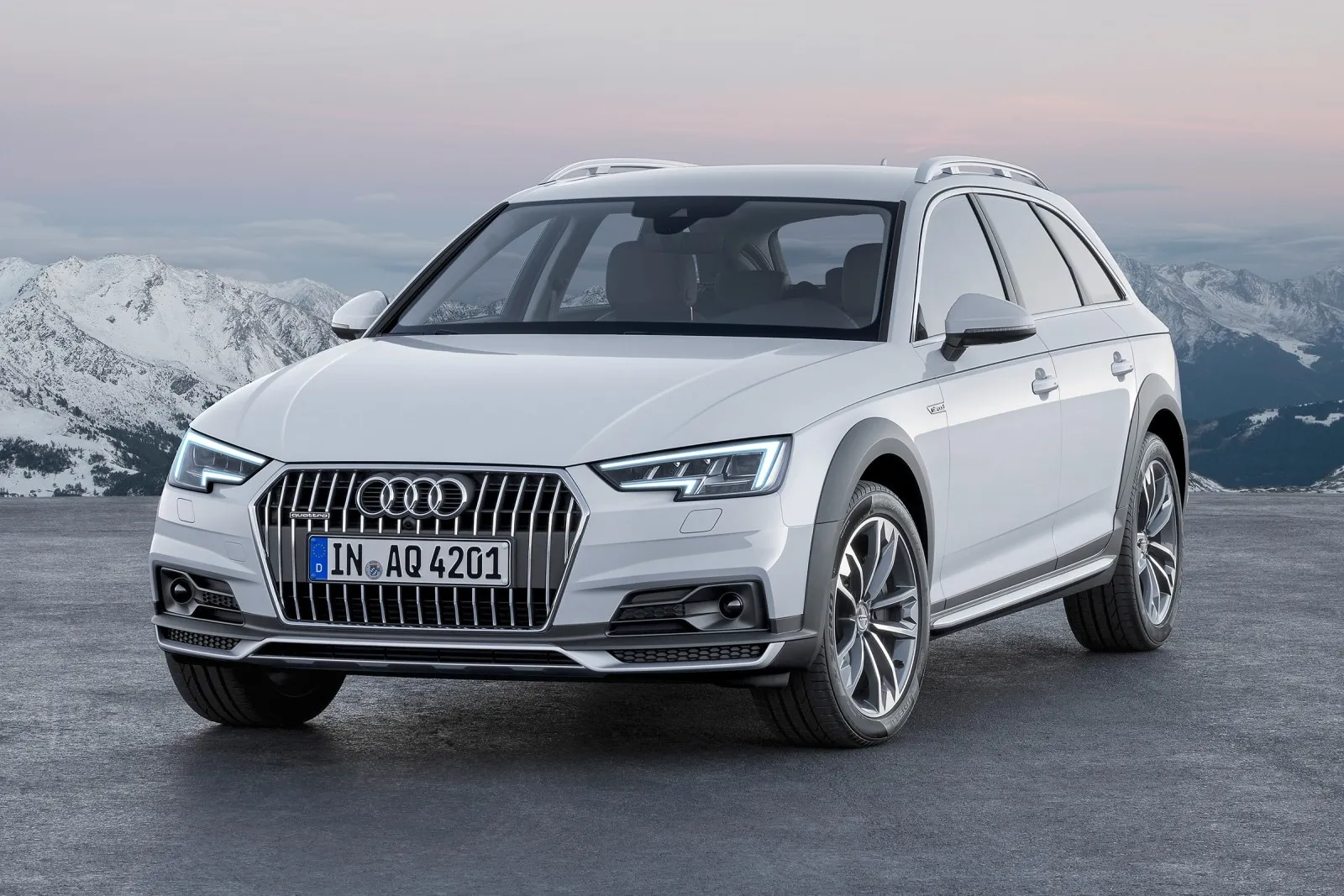
9. Audi A4 Allroad 2.0T Premium 2017-2019
Lifted wagon configuration brought versatility when the A4 Allroad received the EA888 Gen 3 engine. This turbocharged 2.0-liter produces 252 horsepower, moving the slightly heavier Allroad confidently despite extra weight from raised suspension and body cladding.
Ground clearance reaches 7.3 inches, handling rough roads that sedans cannot manage. You can tackle dirt roads accessing trailheads or beach parking, without scraping the undercarriage. Wagon body style provides more cargo capacity than sedan equivalents. Rear hatch opens wide, simplifying the loading of bulky items.
With rear seats folded, the cargo floor extends nearly flat from the hatch to the front seats. You can haul bicycles, camping gear, or large shopping trips that sedans cannot accommodate. That versatility makes this Allroad genuinely practical for active lifestyles.
Interior quality matches standard A4 despite rugged exterior appearance. Leather seats resist wear, dashboard materials feel substantial, and controls operate smoothly. The virtual cockpit digital gauge cluster looks modern with customizable displays. MMI infotainment system works intuitively, supporting smartphone integration that keeps the interface feeling current.
Fuel economy remains reasonable despite raised ride height and extra weight, averaging 25-28 MPG in mixed driving. Highway cruising achieves 30-33 MPG when maintaining steady speeds. That efficiency keeps operating costs manageable despite premium fuel requirements and slightly higher insurance costs compared to the standard A4.
Common issues mirror standard A4 applications. Minor oil consumption requires monitoring. Carbon buildup necessitates cleaning around 80,000-100,000 miles, costing $700-1,100 at independent shops.
Water pumps fail around 100,000 miles, requiring $800-1,300 replacement. Ignition coils can fail around 80,000 miles, costing $500-800 for all four. Air suspension adds potential maintenance concerns, though failures remain relatively rare when the system receives proper care.
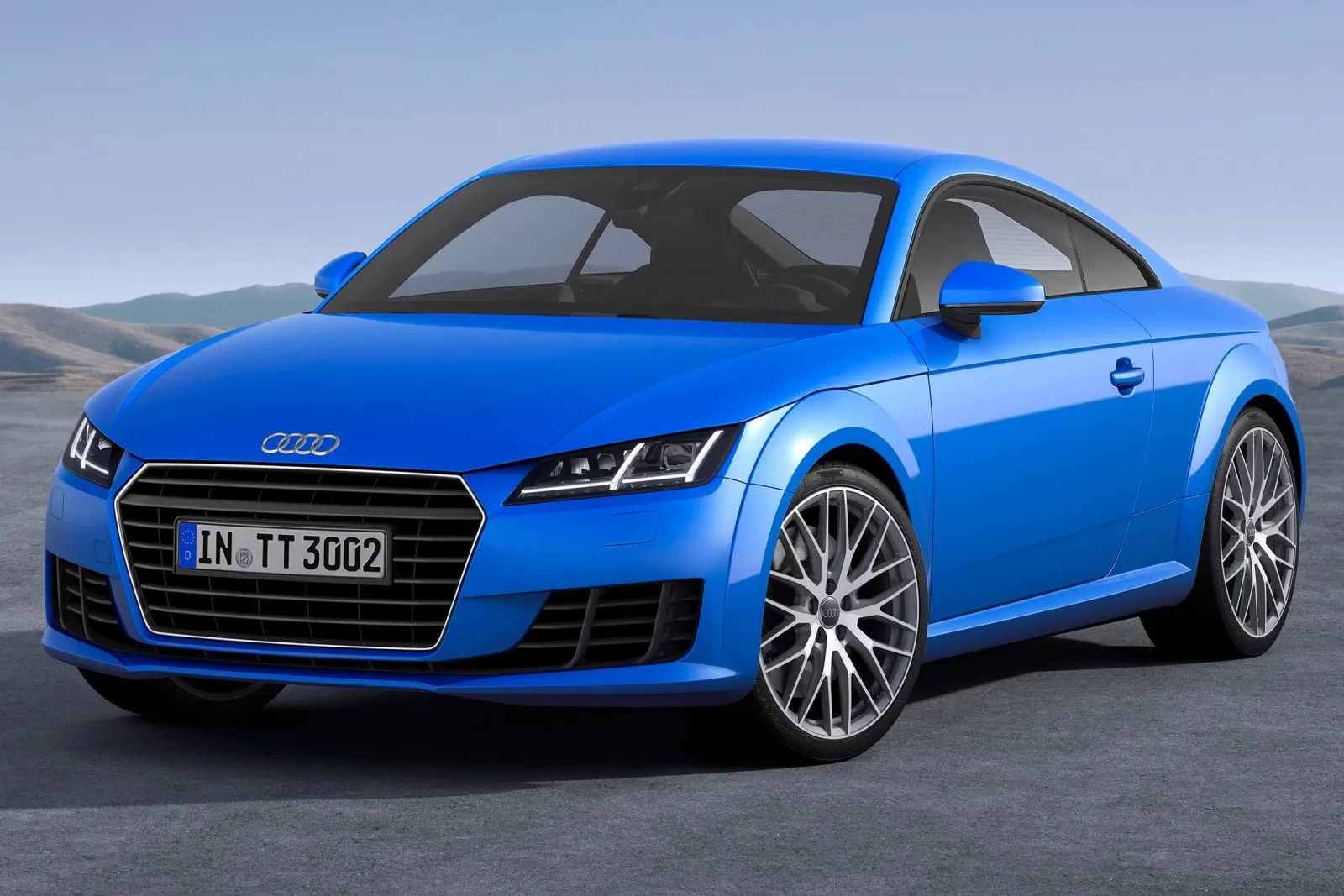
10. Audi TT 2.0T Premium 2016-2019
Thrilling sports car character blends with unexpected dependability once the TT adopts the refined EA888 Gen 3 engine. This turbocharged 2.0-liter powerplant delivers 220 horsepower in standard configuration, creating lively performance that makes every drive engaging. Thanks to the car’s light weight, acceleration feels stronger than the numbers imply. Curving back roads become the ideal environment, where sharp handling matters far more than raw straight-line speed.
A six-speed dual clutch transmission handles movements with remarkable speed when driving hard. Launch control provides repeatable, forceful starts that never fail to impress. Switching to manual mode gives full control over gear changes, keeping the engine right in its sweet spot during spirited driving.
Paddle shifters react immediately, holding gears precisely as requested. This gearbox raises an already enjoyable car into something truly involving behind the wheel. Cornering ability stands out due to a well-balanced chassis that willingly rotates through bends.
Quattro All Wheel Drive delivers secure grip when pushing hard, letting drivers apply throttle earlier when exiting corners. Magnetic ride suspension adjusts constantly, remaining comfortable during relaxed cruising while firming up as driving becomes more aggressive. The result is athletic handling without sacrificing daily comfort.
Cabin styling feels modern, highlighted by circular air vents and a virtual cockpit display that dominates the dash. Controls and layout focus on the driver, reinforcing the sporty atmosphere. Materials feel upscale, and front seats offer enough room even for taller occupants.
Storage space remains limited, especially in coupe form. This TT prioritizes driving pleasure over practicality. Rear seats exist mostly on paper rather than for regular passenger use, making the car best suited for singles or couples who want excitement without exotic ownership costs.
Efficiency stays respectable for a sports car, with mixed driving returning 25 to 28 mpg. Careful highway cruising can achieve 32 to 35 mpg, helping keep ownership costs manageable despite premium fuel needs. Enjoyable driving does not automatically translate into excessive fuel spending.
Typical issues align with other 2.0T engines. Some oil consumption is normal and should be watched. Carbon buildup often requires cleaning around 80,000 to 100,000 miles, usually costing $700 to $1,100 at independent shops.
Water pump failures appear near the 100,000-mile mark, with replacements ranging from $800 to $1,300. Ignition coils may fail around 80,000 miles, costing $500 to $800 for a full set. Magnetic ride suspension introduces added maintenance potential, though major failures remain uncommon.
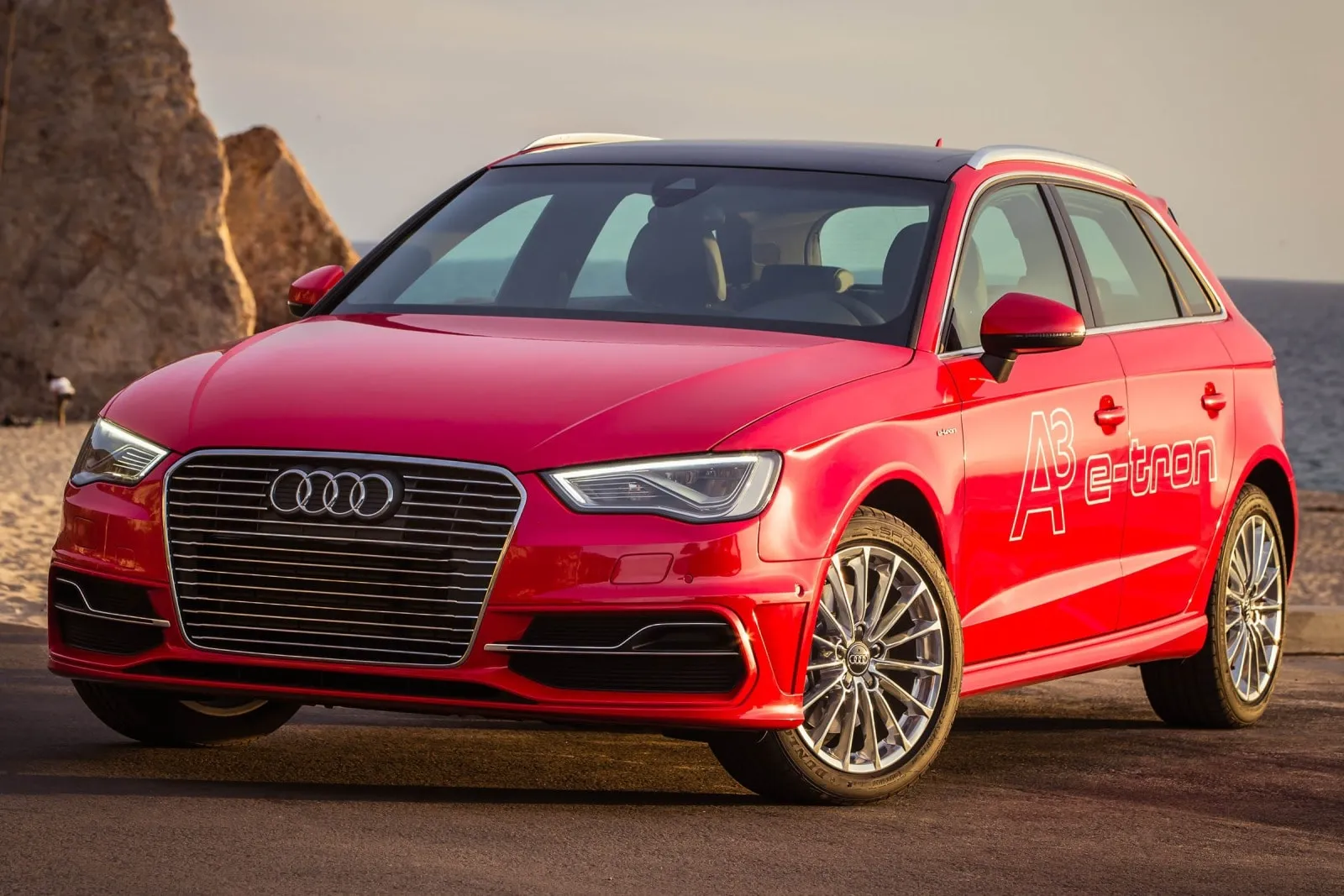
11. Audi A3 e-tron Premium 2016-2018
Plug-in hybrid technology met practical reliability when the A3 e-tron combined a 1.4T engine with an electric motor. Combined output reaches 204 horsepower, providing adequate performance for daily driving. Electric-only range spans approximately 16 miles, sufficient for short commutes or local errands. You can eliminate gasoline consumption during typical daily use when charging regularly at home.
Six-speed dual-clutch transmission manages power from both the engine and motor smoothly. System seamlessly transitions between electric-only, hybrid, and engine-only modes without driver intervention. You’ll barely notice when the gasoline engine starts or stops during normal driving. Regenerative braking captures energy during deceleration, recharging the battery while reducing brake wear.
Fuel economy impresses when the battery stays charged, achieving the equivalent of 80+ MPG during mixed driving with regular charging. Even when the battery depletes, hybrid operation delivers 35-40 MPG, better than the standard gasoline A3. That efficiency makes commuting affordable despite premium fuel requirements when the engine runs. You’ll spend less on fuel than conventional vehicles while enjoying Audi luxury.
Interior space matches standard A3, providing adequate room for four adults during shorter trips. Cargo space decreases slightly due to battery placement, but remains sufficient for daily needs. Build quality matches conventional A3 with materials that feel premium and controls that operate smoothly. Technology features include navigation that considers charging station locations when planning routes.
Used examples with 35,000-65,000 miles sell for $15,000-$22,000 in 2026, offering plug-in hybrid luxury at prices matching conventional economy cars. Federal tax credits no longer apply to used purchases, but state or local incentives might exist.
Independent shops familiar with hybrids can service these e-trons, though some repairs require dealer equipment. For those wanting Audi with minimal fuel consumption, this e-tron delivers when your driving suits plug-in hybrid strengths.
Also Read: Top 12 Dependable Used Audi Models That Still Make Sense in 2026
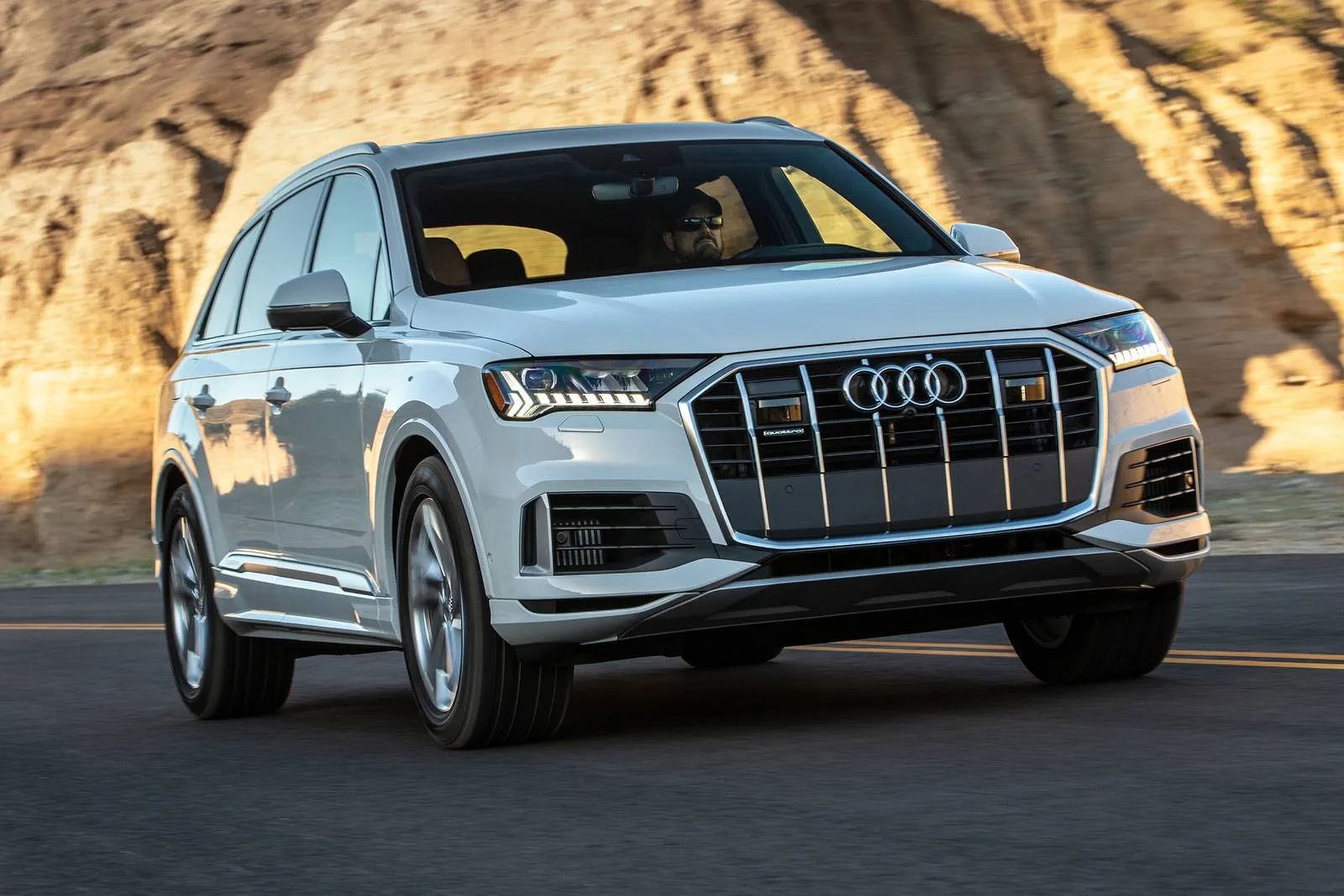
12. Audi Q7 2.0T Premium 2020-2021
Three-row luxury met efficient power when Q7 received a 2.0T engine for these model years. This turbocharged four-cylinder produces 248 horsepower, providing adequate performance for a large SUV while maintaining decent fuel economy.
Single turbocharger stays simpler than supercharged V6, reducing potential maintenance costs. You sacrifice some performance but gain better efficiency and potentially lower ownership costs. Cargo space impresses when the third row folds, creating massive hauling capacity.
Second row slides and reclines, allowing customization between passenger comfort and cargo space. Roof rails accept cargo boxes for additional storage during trips. Interior quality justifies premium pricing with materials that resist wear and controls that operate smoothly even after years of use.
Technology features stay current with a virtual cockpit gauge cluster and an MMI infotainment system supporting wireless smartphone integration. Three-zone climate control keeps all passengers comfortable regardless of seating position. Driver assistance features, including adaptive cruise control and lane-keeping assist, reduce fatigue during highway driving.
Fuel economy benefits from four-cylinder efficiency, averaging 21-24 MPG in mixed driving. Highway cruising achieves 26-28 MPG when maintaining steady speeds. That’s better than V6 alternatives while maintaining adequate performance for normal driving. You’ll save substantially on fuel during the years of ownership.
Common problems include typical 2.0T issues like minor oil consumption requiring monitoring. Carbon buildup necessitates cleaning around 80,000-100,000 miles, costing $700-1,100 at independent shops. Water pumps fail around 100,000 miles, requiring $800-1,300 replacement.
Ignition coils can fail around 80,000 miles, costing $500-800 for all four. Some owners report the 2.0T feeling underpowered in heavy Q7, particularly when fully loaded or towing.
