
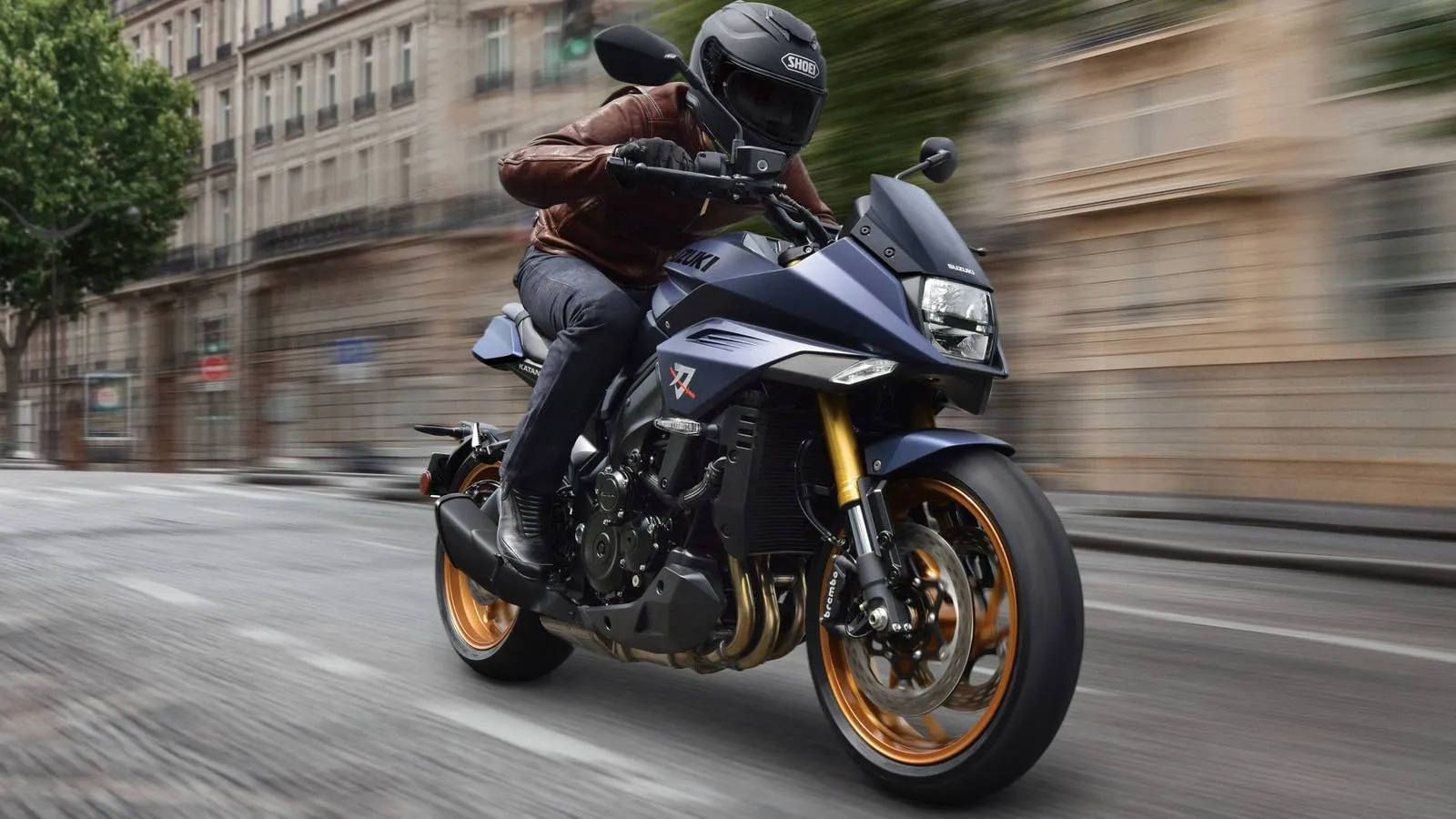
Suzuki’s engineering tradition reflects decades of advancing performance and challenging expectations of what Japanese manufacturers could achieve. While other brands pursued different philosophies, Suzuki consistently produced motorcycles that combined exceptional power with dependable reliability.
This dedication to performance resulted in machines that dominated racetracks, excelled on highways, and set benchmarks that competitors often struggled to match. From high-revving inline-fours to torque-rich V-twins, Suzuki continually sought ways to create exhilarating riding experiences.
Raw power alone does not tell the full story. These motorcycles offered performance that was practical and engaging, translating into excitement on the road rather than merely impressive specifications. Several models redefined their categories, compelled competitors to respond, and built loyal followings that continue decades after production ceased.
Some introduced innovative engineering solutions, while others refined existing designs to extract maximum efficiency and responsiveness. Each motorcycle discussed here reflects Suzuki’s persistent pursuit of performance and engineering excellence.
Assessing these machines requires considering more than peak horsepower. Torque delivery, throttle response, and how the motorcycle behaves under real-world conditions are essential factors. Motorcycles from the 1980s, producing around 140 horsepower, achieved remarkable results given the technological limitations of that period.
Modern machines exceeding 200 horsepower benefit from advanced materials, electronics, and engine management systems developed over decades. Both eras deserve respect for pushing the boundaries of what was possible at the time.
The following overview highlights ten Suzuki motorcycles that produced the most formidable power outputs in the brand’s history. These motorcycles embody engineering ambition, a focus on performance, and a determination to produce machines that prioritise riding excitement over convenience.
Whether your interest lies in classic two-stroke screamers, refined modern superbikes, or torque-heavy muscle bikes, these motorcycles demonstrate Suzuki’s commitment to creating machines that command attention, exhilarate riders, and deliver unforgettable experiences with every movement of the throttle.
The Most Powerful Suzuki Motorcycles
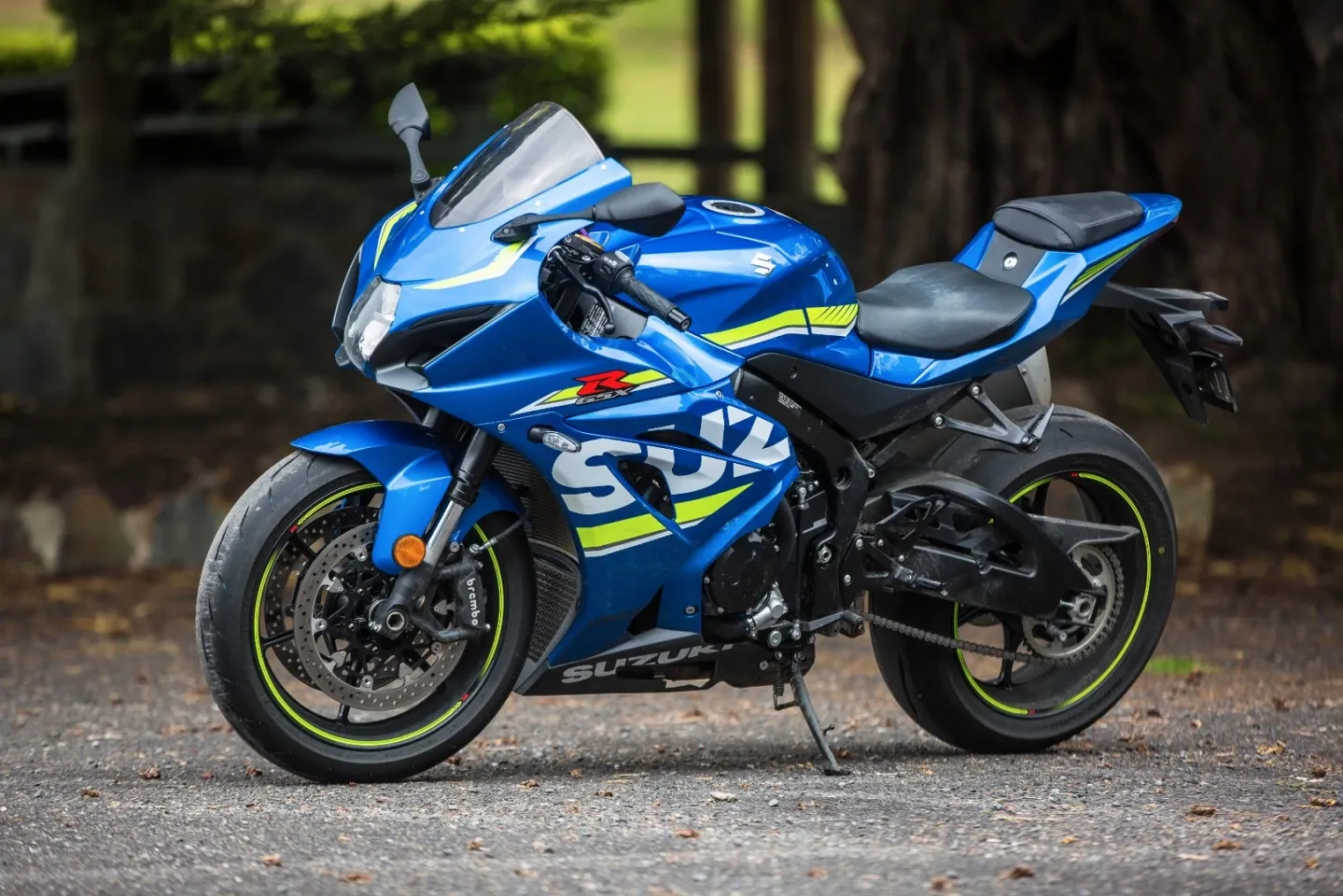
1. Suzuki GSX-R1000R 2017-2020
Cutting-edge technology defines the Suzuki GSX-R1000R from 2017-2020. That 999cc inline-four engine produces 202 horsepower at 13,200 rpm, delivering face-melting acceleration that pins riders to fuel tanks. Variable valve timing adjusts intake cam timing based on engine speed, optimizing power delivery across the rev range.
You’ll feel strong low-end torque transitioning into screaming top-end power that refuses to quit until redline. That broad powerband creates usable performance rather than just peak numbers, impressing magazine testers.
Electronics package rivals factory race bikes with multiple riding modes, traction control offering ten levels of intervention, and launch control managing wheelies during aggressive starts.
Quick-shifter allows clutchless upshifts and downshifts, keeping power delivery smooth during hard acceleration and aggressive braking. ABS prevents wheel lockup during emergency stops. These systems work together, creating accessible performance that doesn’t overwhelm skilled riders while providing safety nets preventing catastrophic mistakes.
Aerodynamic bodywork reduces drag while providing wind protection during high-speed runs. You’ll maintain triple-digit speeds comfortably rather than fighting buffeting that fatigues riders. Fuel tank capacity provides adequate range for track sessions or spirited rides. Seating position emphasizes aggressive riding with low bars and high pegs that fold riders into aerodynamic tucks.
Weight management through extensive use of aluminum and magnesium components keeps wet weight around 443 pounds, creating a power-to-weight ratio that delivers blistering acceleration. You’ll rocket from 0-60 mph in under three seconds when conditions allow. Top speed exceeds 180 mph, given adequate space. That performance creates a superbike that dominates racetracks while remaining street-legal.
Reliability proves good when properly maintained. Regular oil changes using quality synthetic oil extend engine life. Valve adjustments should be checked according to service intervals. Chain maintenance prevents premature wear.
Budget $1,200-$1,800 annually for maintenance, reflecting the performance nature. This GSX-R1000R represents Suzuki’s superbike engineering at its finest, delivering face-melting performance through sophisticated electronics and a race-bred chassis that creates riding experiences few motorcycles can match.
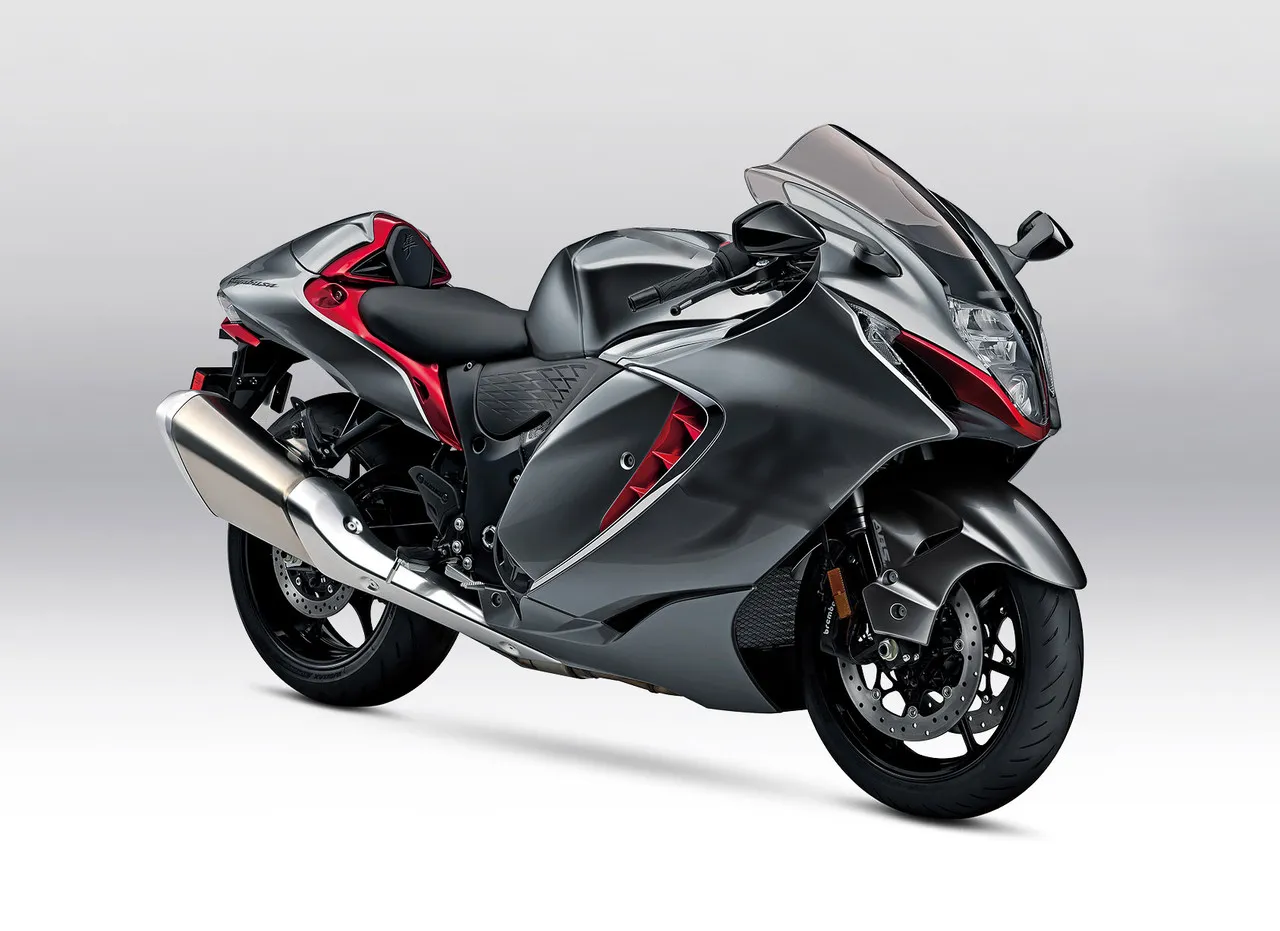
2. Suzuki Hayabusa GSX1300R 2021-2024
Legendary status is combined with modern refinement in the Suzuki Hayabusa GSX1300R produced between 2021 and 2024. Its 1,340cc inline four-cylinder engine generates an impressive 187 horsepower, delivering extremely forceful acceleration that appears to challenge the limits of physics.
Peak torque of 110 lb-ft is achieved at 9,700 rpm, producing a strong mid-range response that propels this heavyweight machine forward with commanding authority. Upon twisting the throttle, the rider experiences acceleration so intense that vision momentarily blurs, and physical forces are strongly felt throughout the body.
Despite this immense output, the power delivery remains smooth and well-controlled rather than sudden or intimidating, enabling skilled riders to harness its performance with confidence and precision. The electronic systems introduce advanced technology to this iconic platform.
Six selectable riding modes regulate power delivery, traction control sensitivity, and ABS intervention levels to suit varying riding conditions and preferences. Launch control assists in managing wheel lift during aggressive starts.
Cruise control supports relaxed and comfortable highway travel. The quick-shifter allows seamless clutchless gear changes. Collectively, these electronic features convert raw performance into accessible and manageable power, ensuring that riders of different experience levels can enjoy the motorcycle rather than feel overwhelmed by it.
Aerodynamic refinements reduce air resistance when compared to earlier Hayabusa models, while preserving the unmistakable styling that enthusiasts immediately recognise. Riders benefit from effective wind protection at sustained highway speeds that frequently exceed 100 mph.
The seating position strikes a careful balance between comfort and control, allowing for extended journeys without excessive fatigue. The fuel tank capacity offers an impressive cruising range, making the motorcycle suitable for touring as well as long-distance highway riding.
With a wet weight approaching 580 pounds, the motorcycle possesses substantial mass that demands caution and respect during low-speed manoeuvres. However, this weight becomes an advantage at higher speeds, contributing to remarkable stability during triple-digit cruising that lighter motorcycles cannot easily replicate.
Long distances are covered effortlessly, with the engine operating smoothly and without strain at highway speeds. Top speed exceeds 180 mph, although electronic limiters prevent riders from accessing the absolute maximum velocity.
Reliability remains strong when the motorcycle is properly maintained. Regular oil changes using high-quality synthetic oil help to extend engine longevity. Valve clearances should be inspected and adjusted according to the recommended service intervals. The drive chain requires consistent lubrication and adjustment. Owners should budget between $1,000 and $1,500 annually for routine maintenance.
Also Read: 10 Best-Looking Superbikes From the 1990s
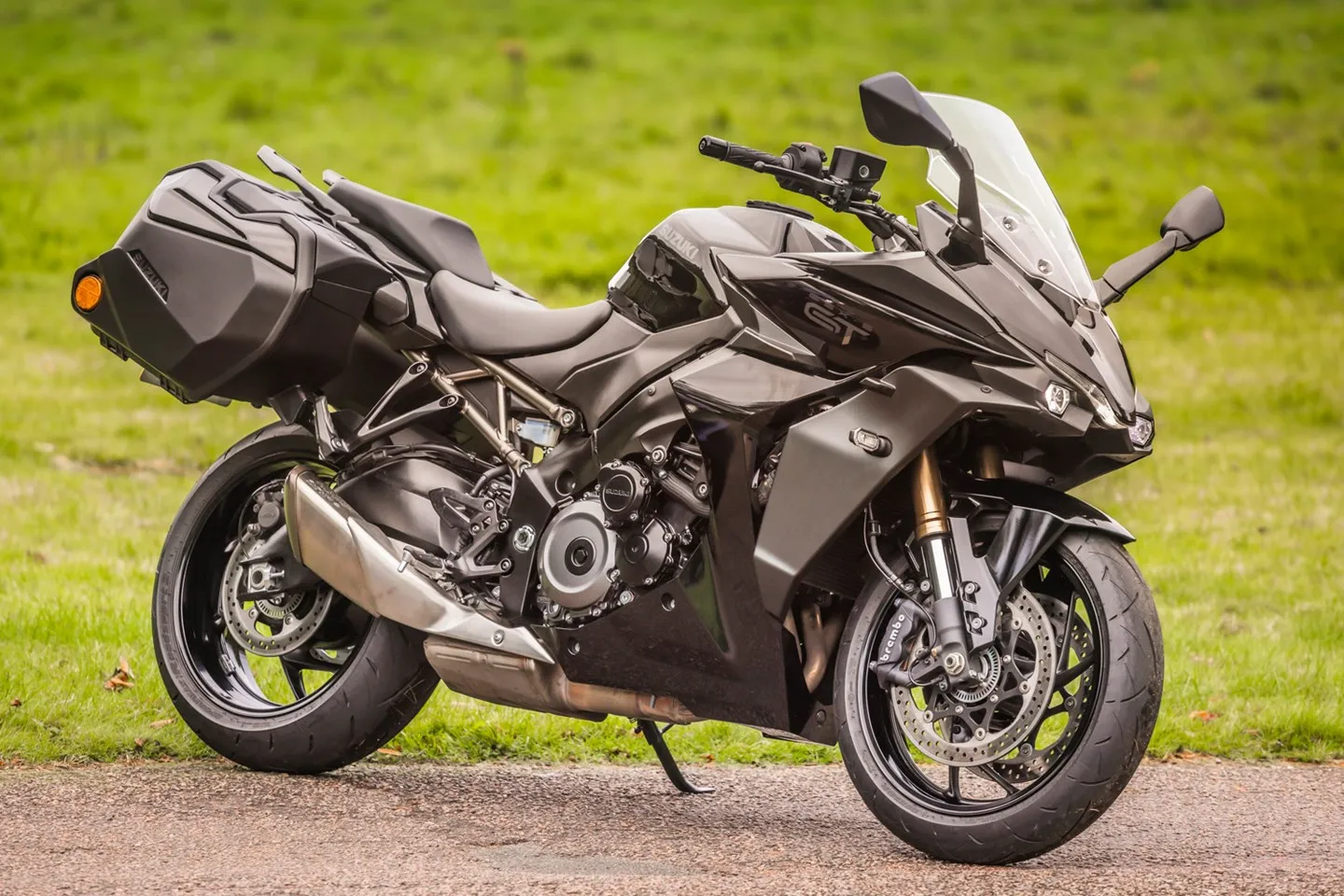
3. Suzuki GSX-S1000GT 2022-2024
Sport-touring capability meets serious power in the Suzuki GSX-S1000GT from 2022 to 2024. That 999cc inline-four produces 152 horsepower, delivering strong acceleration across a broad rev range. Peak torque of 78 lb-ft arrives at 9,250 rpm, creating midrange punch perfect for highway passing and spirited riding.
You’ll enjoy a responsive throttle that makes riding engaging without overwhelming during daily use. The engine character emphasizes flexibility rather than peaky top-end rush, creating usable performance for varied riding situations.
The electronics package includes multiple riding modes, traction control offering five intervention levels, and cruise control for relaxed highway cruising. Quick-shifter allows clutchless upshifts. ABS prevents wheel lockup during emergency braking. These systems create accessible performance that less experienced riders can enjoy confidently while providing tools skilled riders appreciate during spirited sessions.
Touring features separate this GT from naked GSX-S100,0 including a full fairing providing excellent wind protection, an adjustable windscreen allowing customization for rider height, and pannier mounts accepting hard luggage. You’ll cover long distances comfortably with seating position balancing, control, and comfort. Fuel tank capacity provides an impressive range for touring. Storage compartments accommodate daily essentials.
Suspension offers adequate compliance for varied road surfaces while maintaining composure during spirited riding. You’ll absorb bumps comfortably during touring while cornering confidently when roads get twisty. Brakes deliver strong stopping power without racing-level aggression. That balance creates a motorcycle that handles varied riding situations competently.
Weight approaches 500 pounds wet, creating a substantial feel that inspires confidence during highway cruising. You’ll maintain stability at speed while managing weight adequately during parking lot maneuvers. Seat height accommodates average riders comfortably. Ergonomics allows all-day riding without excessive fatigue.
Reliability proves good when properly maintained. Regular oil changes extend engine life. The chain requires periodic maintenance. Valve adjustments should be checked according to intervals. Budget $900-$1,400 annually for maintenance.
This GSX-S1000GT delivers serious power in a package prioritizing touring comfort and versatility, creating a motorcycle that handles daily commuting, weekend trips, and spirited rides equally well without demanding racing-level commitment or skills.
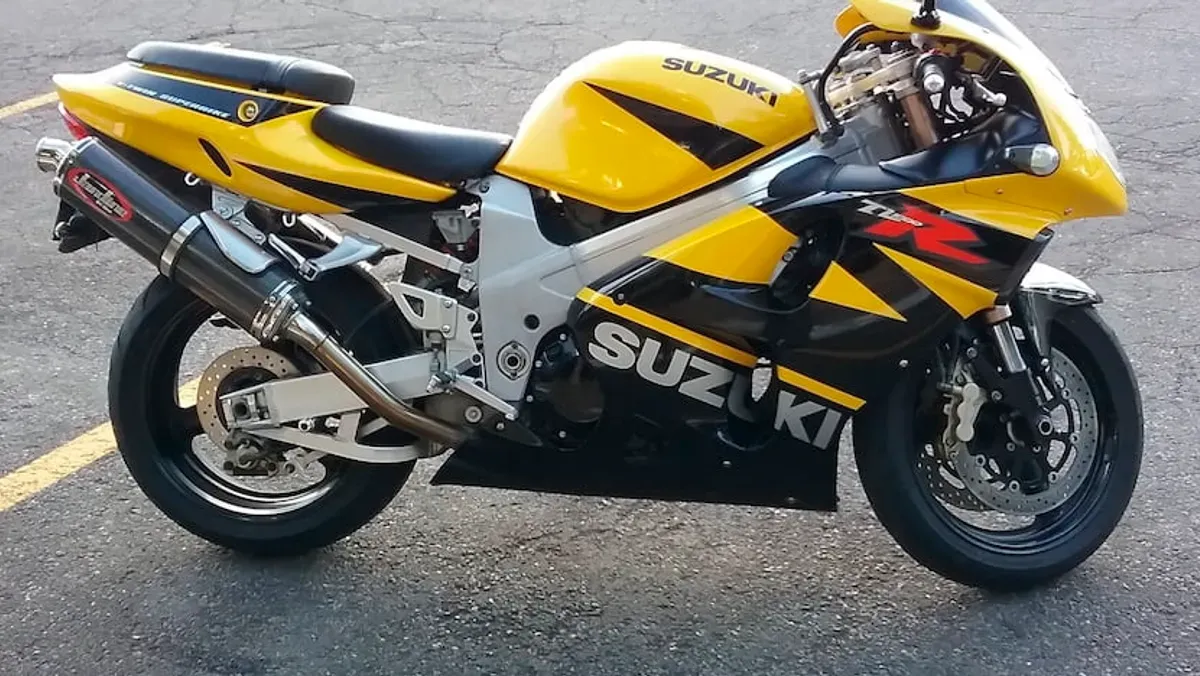
4. Suzuki TL1000R 1998-2003
V-twin muscle is firmly established in the Suzuki TL1000R produced between 1998 and 2003. Its 996cc 90-degree V-twin engine delivers approximately 135 horsepower, producing strong and forceful torque that propels this superbike forward with unmistakable authority.
Peak torque exceeds 75 lb-ft and arrives relatively low in the rev range, generating acceleration that feels more aggressive and immediate than that of many inline-four competitors with similar peak power figures.
When the throttle is opened, the motorcycle responds with a powerful surge that presses the rider firmly against the fuel tank. This engine character creates a highly engaging and addictive riding experience that prioritises low-end and mid-range strength over high-revving performance.
There is extensive availability of performance parts, allowing owners to pursue a wide range of modifications. The engine responds positively to exhaust system upgrades, fuel delivery tuning, and other enhancements designed to extract additional power and sharpen throttle response.
Wet weight remains relatively reasonable at approximately 440 pounds, resulting in a power-to-weight ratio capable of delivering very rapid acceleration. The motorcycle is capable of accelerating from 0 to 60 mph in under three seconds, while top speed exceeds 160 mph when sufficient space is available.
This level of performance, combined with the distinctive characteristics of a V-twin engine, creates a riding experience that inline-four superbikes are unable to replicate.
Reliability is generally satisfactory when the motorcycle is properly maintained, although V-twin engines typically require more frequent valve clearance inspections than inline-four configurations. Regular oil changes are essential for long-term engine durability, and the cooling system must be well-maintained to prevent overheating issues.
Owners should budget between $1,100 and $1,700 annually for maintenance, reflecting the motorcycle’s high-performance nature. The Suzuki TL1000R delivers powerful V-twin performance within a full superbike package, offering a distinctive and characterful riding experience, although its handling characteristics and maintenance demands require dedication from riders seeking an alternative to conventional inline-four Japanese superbikes.
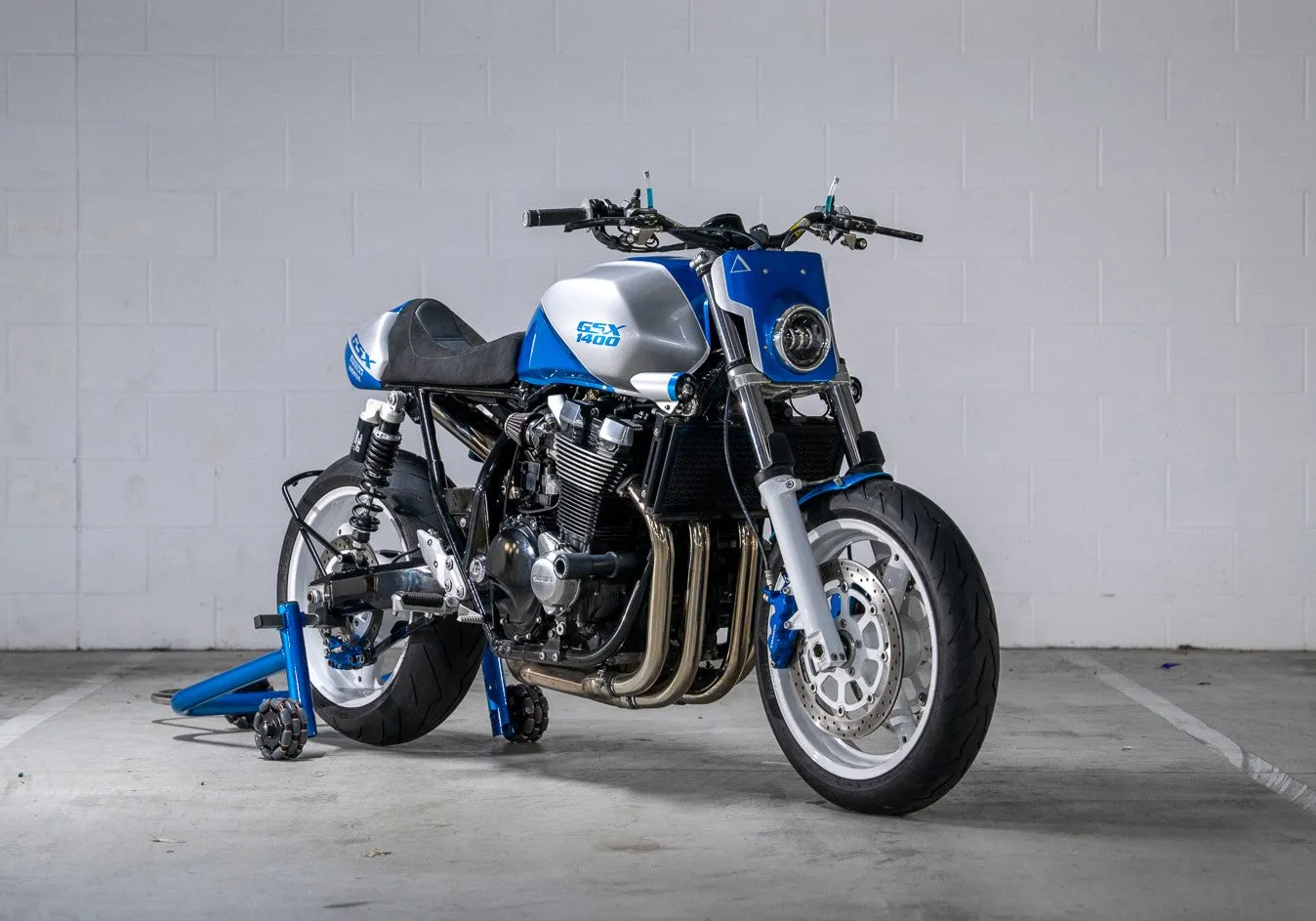
5. Suzuki GSX1400 2001-2008
Muscle bike attitude defines the Suzuki GSX1400 from 2001-2008. That 1,402cc inline-four produces 106 horsepower, emphasizing torque over peak power.
Midrange punch exceeds 88 lb-ft, creating acceleration that feels stronger than horsepower numbers suggest. The engine character prioritizes flexibility, pulling strongly from just above idle through midrange without requiring constant gear changes.
Retro styling deliberately evokes 1980s muscle bikes with angular fairing, round headlight, and substantial proportions. You’ll ride something that looks purposeful and nostalgic simultaneously.
Chrome accents and quality paint create a premium appearance. Seating position balances comfort and control, allowing extended rides without excessive fatigue. Fuel tank capacity provides an impressive range for touring or long highway runs.
Chassis emphasizes stability and comfort rather than razor-sharp handling. You’ll corner adequately, though this GSX1400 prioritizes straight-line grunt over racetrack agility.
Suspension offers a compliant ride quality that absorbs bumps comfortably. Brakes deliver adequate stopping power, matching character rather than racing-level aggression. That balance creates an excellent motorcycle excelling at relaxed cruising and highway passing rather than canyon carving.
Weight approaches 550 pounds wet, creating a substantial feel that inspires confidence during highway cruising while requiring effort during parking lot maneuvers. You’ll appreciate stability at speed, though low-speed handling demands respect. Seat height accommodates most riders comfortably. Passenger accommodations prove generous with adequate seat space and grab handles.
Reliability impresses with these GSX1400s, demonstrating durability through years of service. The engine proves bulletproof when properly maintained with regular oil changes. The shaft drive eliminates chain maintenance requirements. Valve adjustments should be checked according to the interval, though clearances remain stable. The cooling system requires periodic maintenance. Budget $800-$1,200 annually for maintenance.
This GSX1400 delivers an old-school muscle bike experience, emphasizing torque and presence, creating a motorcycle that excels at relaxed cruising and effortless highway passing while offering retro styling that stands out from generic modern bikes, prioritizing peak power over character and usability.
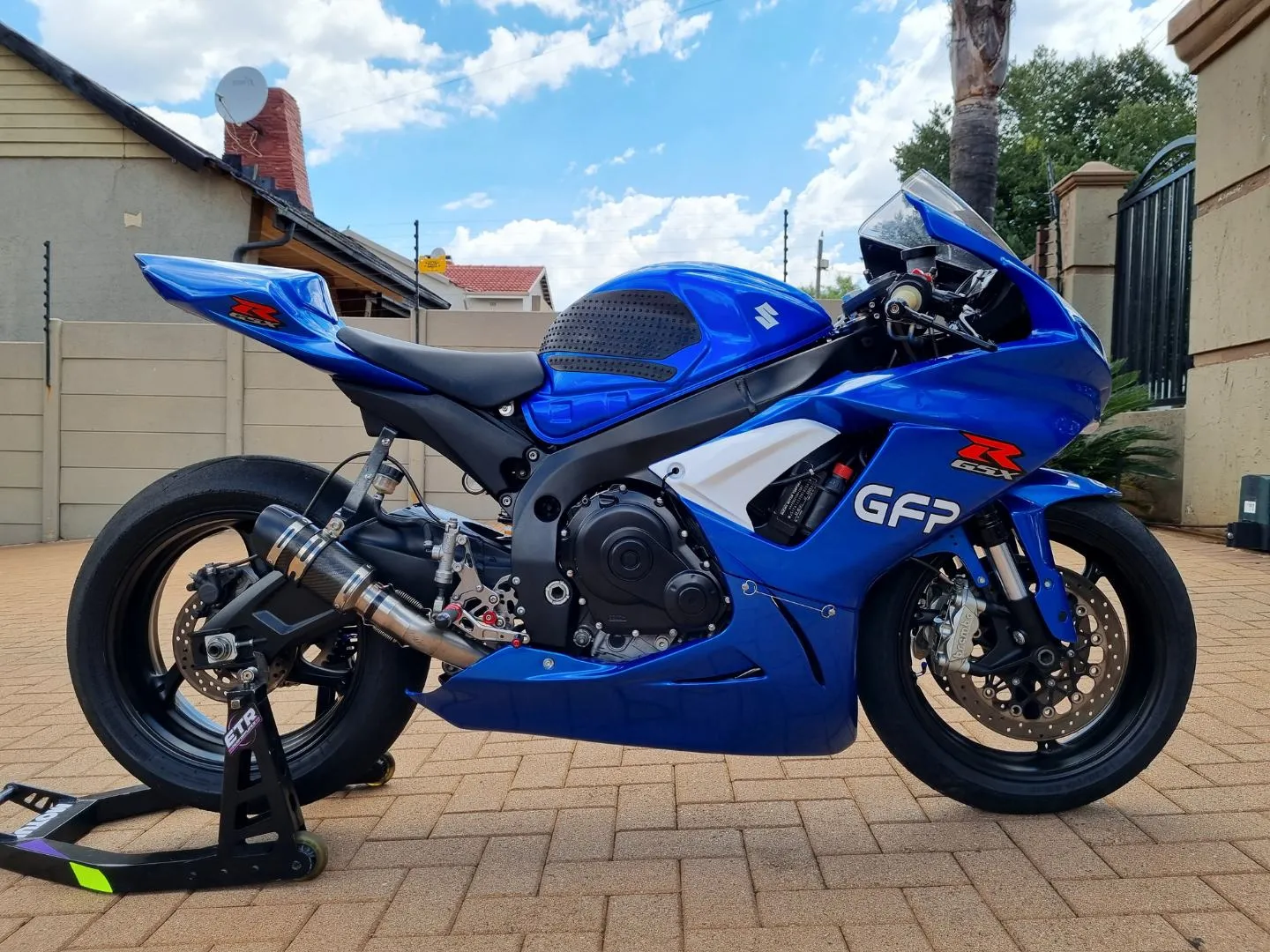
6. Suzuki GSX-R750 2011-2016
Middleweight perfection arrives in the Suzuki GSX-R750 from 2011-2016. That 750cc inline-four produces 148 horsepower at 12,000 rpm, delivering power density that rivals larger displacement superbikes. You’ll rev this engine to screaming heights where power keeps building rather than flattening.
Peak torque of 64 lb-ft arrives at 10,200 rpm, creating midrange punch that makes street riding engaging. That combination of usable midrange and explosive top-end creates an addictive powerband rewarding riders who use the full rev range.
Electronics include three-mode traction control, allowing adjustable intervention levels. You’ll select settings matching riding conditions and skill levels.
ABS prevents wheel lockup during emergency braking. These systems provide safety nets without constantly interfering during spirited riding. Quick-shifter became available, le allowing clutchless upshifts that keep power delivery smooth during hard acceleration.
Weight stays remarkably low around 420 pounds wet, creating a power-to-weight ratio that embarrasses larger displacement bikes. You’ll accelerate from 0-60 mph in approximately three seconds.
Top speed exceeds 165 mph, given adequate space. That performance, combined with nimble handling, creates a motorcycle that dominates twisty roads where lighter weight and precise handling matter more than peak horsepower.
Aerodynamic bodywork reduces drag while providing wind protection during spirited riding. You’ll tuck behind the windscreen during highway speeds or aggressive track sessions.
Seating position emphasizes control with clip-on bars and rear-set footpeg, folding riders into a racing crouch. Fuel tank capacity provides adequate range for track days or canyon runs, though touring range remains limited.
Reliability proves excellent when properly maintained. Regular oil changes using quality synthetic oil extend engine life. Valve adjustments should be checked according to service intervals. The chain requires regular lubrication and adjustment. Budget $1,000-$1,500 annually for maintenance, reflecting the performance nature.
This GSX-R750 represents the sweet spot between 600cc and 1000cc superbikes, delivering explosive performance in a nimble package that rewards skilled riders while remaining more manageable than larger displacement alternatives that can overwhelm less experienced enthusiasts.
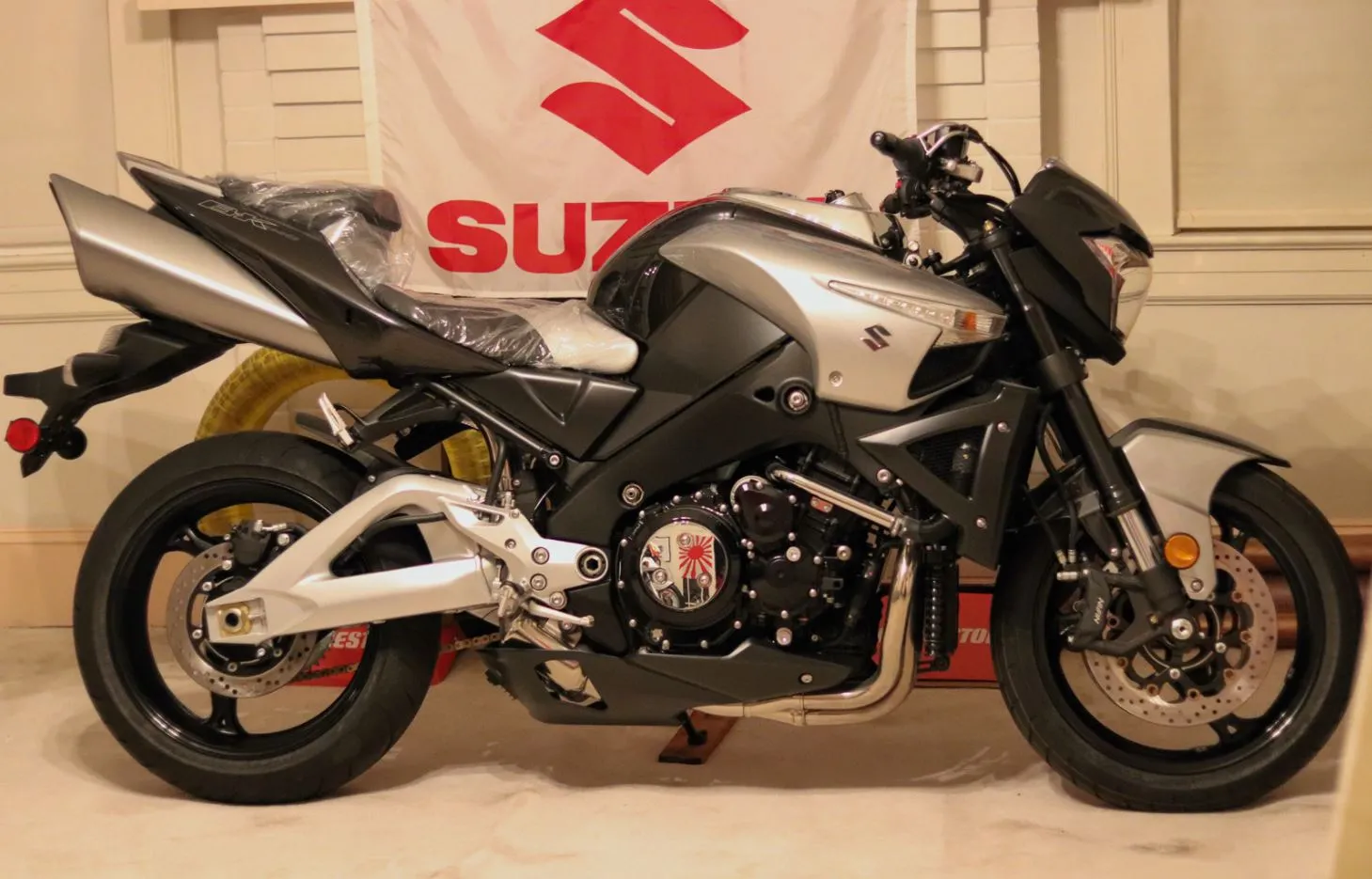
7. Suzuki B-King 2008-2012
Naked muscle defines the Suzuki B-King produced between 2008 and 2012. Its 1,340cc inline four-cylinder engine, derived from the first-generation Hayabusa, develops 181 horsepower, delivering aggressive acceleration in a streetfighter configuration. Peak torque exceeds 100 lb-ft, generating a strong mid-range response that propels this motorcycle forward with commanding authority.
The styling proved controversial due to sharply angular bodywork, a distinctive headlamp design, and bold proportions that divided opinion. Riders encounter a machine that refuses to blend into ordinary traffic.
Chrome detailing and high-quality paint finishes contribute to a premium appearance. The naked format eliminates conventional fairings, leaving the engine and frame exposed while reducing weight in comparison to fully faired alternatives.
The chassis prioritises stability during straight-line acceleration, while handling remains competent during spirited riding. Cornering performance is adequate, though this model emphasizes forceful acceleration over razor-sharp agility.
The suspension delivers a compliant ride, absorbing road irregularities while maintaining composure. The seating position achieves a careful balance between comfort and control, allowing for extended riding without excessive fatigue.
With a wet weight of approximately 510 pounds, the motorcycle has a solid presence at low speeds while remaining stable during high-speed travel. Riders experience a planted and reassuring feel during triple-digit highway cruising.
Seat height accommodates riders of average stature comfortably. Fuel tank capacity allows for a reasonable range during spirited rides or touring, although fuel consumption increases under aggressive use.
Reliability is satisfactory when the machine is maintained according to schedule. Regular oil changes contribute to long engine life, while valve clearances should be inspected and adjusted at the recommended intervals. The final drive chain requires routine lubrication and adjustment.
Owners should budget between $1,000 and $1,500 annually for maintenance. The Suzuki B-King delivers Hayabusa-derived power in a naked streetfighter configuration, offering a distinctive riding experience, although its polarizing styling and minimal electronic support make it best suited for riders who value raw acceleration over modern rider aids.
8. Suzuki GSX-R1100 1989-1992
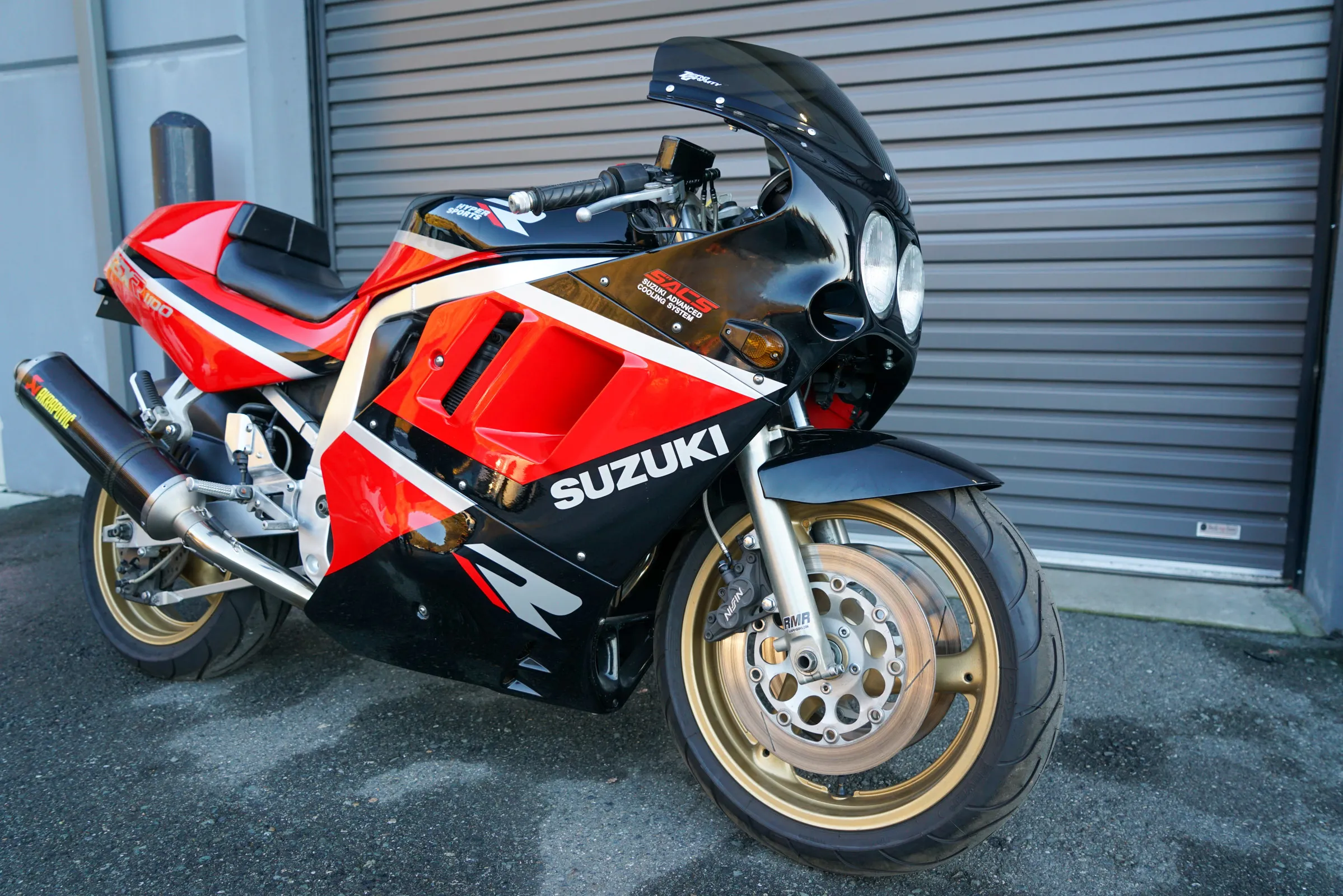
Legendary status defines the Suzuki GSX-R1100 from 1989-1992. That 1,127cc inline-four produces 145 horsepower, delivering face-melting performance that dominated its era.
You’ll experience acceleration that felt brutal during the early 1990s when competing superbikes struggled to match this output. Peak torque exceeding 80 lb-ft creates a midrange punch that makes street riding engaging without requiring constant gear changes.
Racing heritage influenced every aspect, with the GSX-R1100 competing successfully in various production-based series. Factory support and aftermarket development created strong tuning potential. You’ll find extensive parts availability for performance modifications decades after production ended. The engine responds well to exhaust upgrades, carburetor tuning, and other modifications that extract additional power.
Styling remains iconic with angular bodywork, distinctive graphics, and aggressive proportions that define the late 1980s superbike aesthetic. You’ll ride something that looks purposeful and nostalgic simultaneously. Full fairing provides wind protection during high-speed runs. Seating position folds riders into an aggressive crouch, emphasizing control during spirited riding.
Weight stayed reasonable around 490 pounds wet, creating a weight-to-weight ratio that delivered explosive acceleration by 1990 standards. You’ll rocket from 0-60 mph in under four seconds. Top speed exceeded 160 mph, an impressive velocity that few motorcycles achieved during that era. That performance established GSX-R1100 as a superbike benchmark that competitors struggled to match.
Reliability proves adequate when properly maintained, though carburetor tuning requires more attention than modern fuel injection. Regular oil changes extend engine life. Valve adjustments should be checked according to intervals. The cooling system requires proper maintenance.
Budget $900-$1,400 annually for maintenance reflecting age and performance nature. This GSX-R1100 represents Suzuki superbike engineering at its peak during the golden era, delivering brutal performance that dominated its period while creating a devoted following that persists decades after production ended.
9. Suzuki RGV500 Gamma 1993-1995
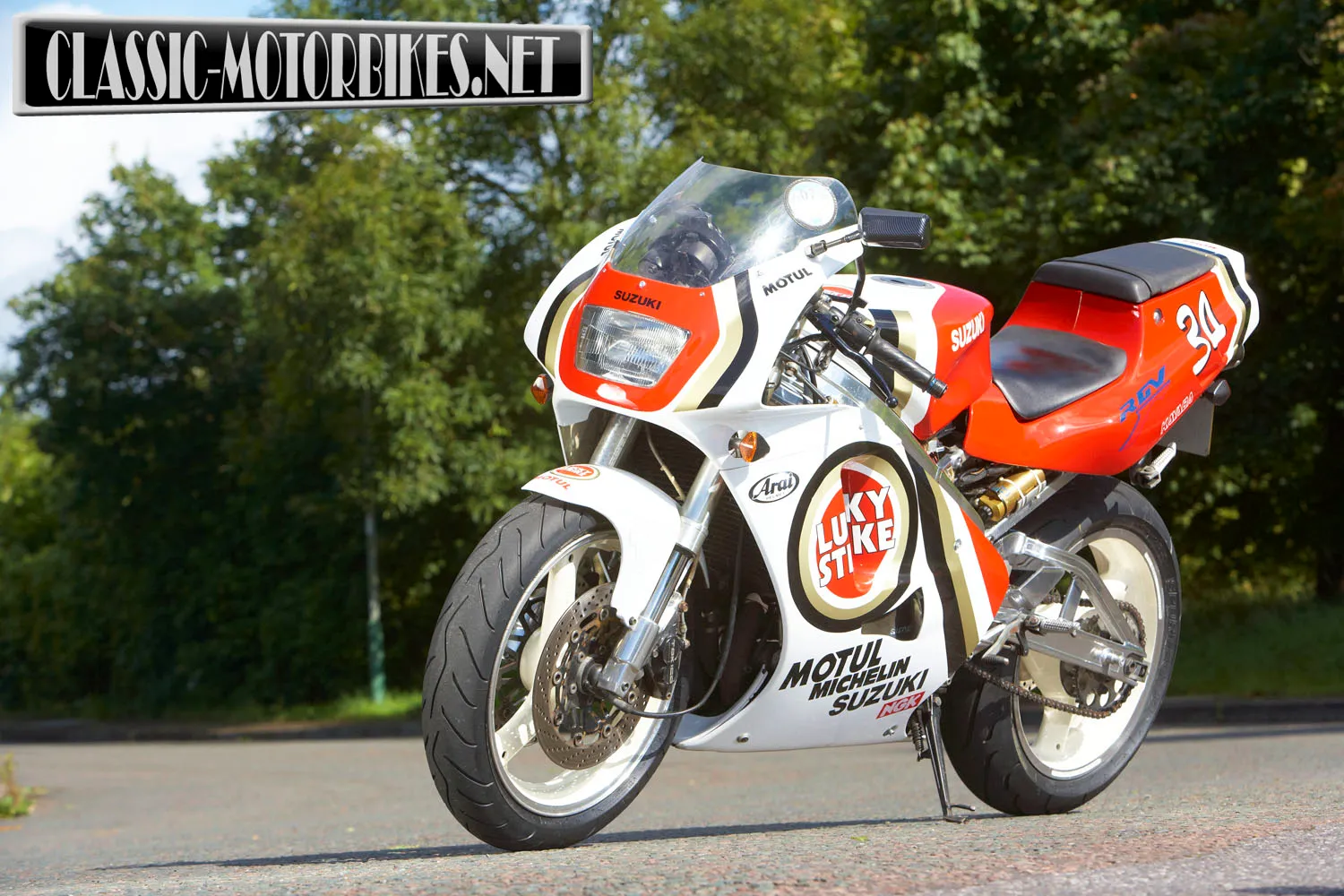
Two-stroke intensity defines the Suzuki RGV500 Gamma produced between 1993 and 1995. Its 499cc two-stroke V-four engine produces approximately 95 horsepower, generating a power density unmatched by four-stroke machines of the same period.
The engine must be revved to high rpm ranges to access its full potential, delivering a sudden surge of power rather than a gradual build. The two-stroke delivery produces an on-off character that requires precision, skill, and respect. Riders who maintain engine speed are rewarded, while allowing revs to drop results in a sharp loss of performance.
The chassis was designed with track performance as the priority. Its aluminium frame provides rigidity while keeping the weight low. Suspension settings are focused on racing and can feel firm during street use. Braking performance matches the engine’s output, allowing for strong and confident stopping. The motorcycle demands attention and precision from the rider, offering high rewards for skill while punishing errors.
Styling reflects its racing origins, featuring a full fairing, aerodynamic proportions, and liveries that reference its success on the track. The seating position positions the rider in a full racing crouch, which may become uncomfortable during extended street rides. Wind protection performs well at high track speeds, though buffeting can occur at lower velocities.
With a dry weight of around 360 pounds, the motorcycle offers a remarkable power-to-weight ratio that delivers rapid acceleration. Performance during the mid-1990s was explosive, and top speed exceeded 150 mph despite modest displacement. The combination of two-stroke character and light weight produces a riding experience that modern four-stroke motorcycles cannot replicate.
Maintenance requirements are demanding due to the two-stroke design. Frequent oil changes, regular spark plug replacements, and periodic top-end rebuilds are necessary. Parts availability has become limited decades after production, and owners should plan annual maintenance costs between $2,000 and $3,500.
The Suzuki RGV500 Gamma provides two-stroke performance and a racing pedigree, offering a rare and intense riding experience for collectors and enthusiasts who appreciate machines closely tied to Grand Prix competition.
Also Read: 10 Classic Adventure Bikes That Have Skyrocketed in Value
10. Suzuki SV1000S 2003-2007
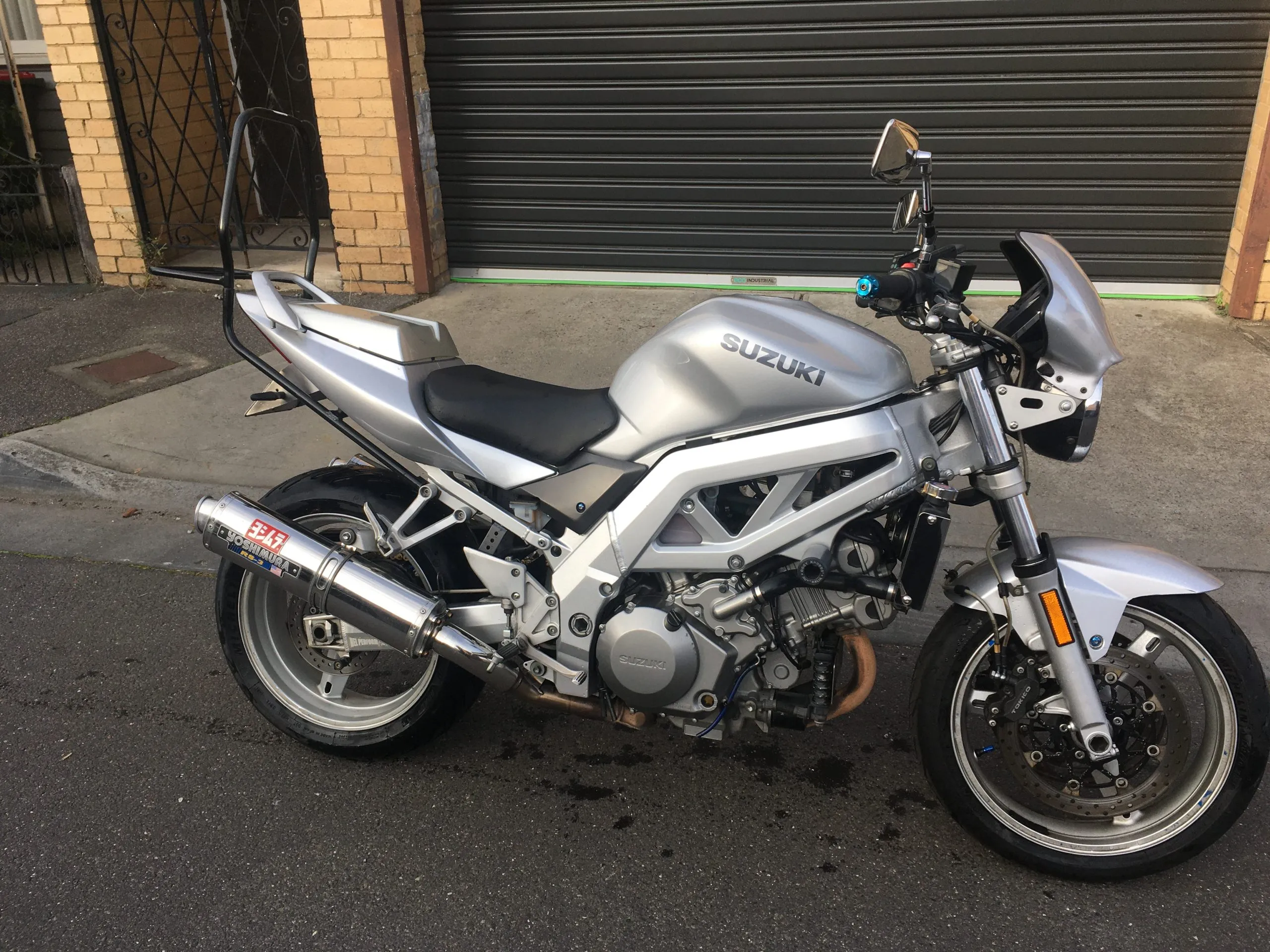
V-twin versatility arrives in the Suzuki SV1000S from 2003-2007. That 996cc 90-degree V-twin produces 120 horsepower, delivering strong acceleration across a broad rev range. Peak torque exceeding 75 lb-ft arrives low in the powerband, creating a punch that makes street riding engaging without requiring constant gear changes.
Sport-touring capability comes through full fairing providing wind protection, a comfortable seating position balancing control and comfort, and fuel tank capacity allowing a decent range. You’ll cover varied riding situations competently, from daily commuting to weekend trips. Passenger accommodations prove adequate with reasonable seat space and grab handles.
Chassis emphasizes versatility rather than razor-sharp handling. You’ll corner competently, though this SV1000S prioritizes comfort and flexibility over track-day performance.
Suspension offers a compliant ride quality that absorbs bumps while maintaining adequate control. Brakes deliver strong stopping power without racing-level aggression. That balance creates motorcycle handling in varied situations without excelling at any single purpose.
Weight approaches 470 pounds wet, creating a manageable feel that inspires confidence without feeling cumbersome. You’ll appreciate planted stability at highway speeds while managing weight adequately during parking lot maneuvers. Seat height accommodates average riders comfortably. Ergonomics allows extended riding without excessive fatigue.
Reliability impresses with these SV1000s demonstrating durability through years of service. V-twin engines require more frequent valve adjustments than inline fours, though maintenance intervals remain reasonable. Regular oil changes extend engine life. The cooling system requires proper maintenance. The chain needs periodic lubrication and adjustment. Budget $850-$1,300 annually for maintenance.
Affordability defines ownership experience with used examples available at reasonable prices. Parts availability remains good with Suzuki dealers and aftermarket suppliers stocking components. You’ll enjoy V-twin character and versatile performance without premium pricing or exotic maintenance requirements.
This SV1000S delivers V-twin power in a versatile package that handles daily riding, touring, and spirited sessions equally well, creating a motorcycle that rewards riders wanting distinctive character and usable performance without demanding racing-level commitment or skills that more extreme machines require for safe enjoyment.
