
Dallas drivers face a unique challenge: brutal stop-and-go traffic combined with genuine towing needs. Whether you’re hauling a boat to Lake Ray Hubbard, pulling a camper for weekend getaways, or transporting equipment for work, your vehicle needs to handle both congested freeways and heavy loads without breaking a sweat. Not every car or truck can pull off this balancing act.
Sitting in traffic on I-35E during rush hour tests your patience and your vehicle’s cooling system. Temperatures soar into triple digits during the summer months, and engines work overtime when idling in parking-lot conditions at 5 PM. Add a trailer to that equation, and you’re asking even more from your drivetrain, transmission, and brakes.
Some vehicles thrive under these conditions. They’ve got the cooling capacity, transmission gearing, and structural strength to tow several thousand pounds while keeping you comfortable in air-conditioned comfort as you crawl past downtown.
Others? They’re pretenders. These vehicles might claim towing capability on paper, but real-world experience tells a different story. Transmissions overheat after twenty minutes of stop-and-go traffic with a loaded trailer. Engines struggle to maintain speed on highway on-ramps.
Brakes fade dangerously when trying to stop several tons of combined vehicle and trailer weight. Suspension systems sag under tongue weight, creating dangerous handling characteristics and blinding other drivers with headlights aimed at the sky.
This guide separates the champions from the frauds. We’ll start with five vehicles built to handle Dallas traffic and towing demands simultaneously. These are machines engineered for hot climates, heavy loads, and endless commutes.
Then we’ll expose five vehicles that fail miserably when asked to tow, despite manufacturers suggesting they’re capable. If you’re shopping for a vehicle in the Dallas area and towing is part of your lifestyle, this information could save you from an expensive mistake.
Vehicles Built for Dallas Traffic and Towing
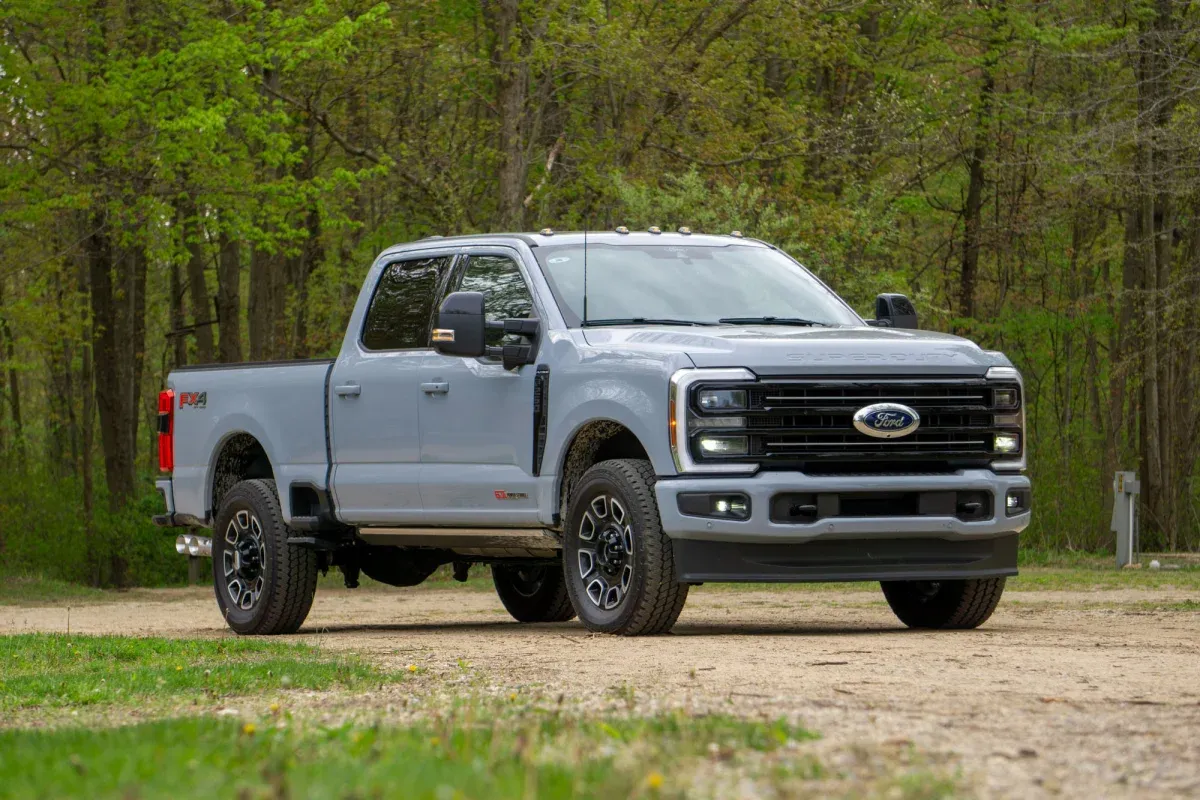
1. Ford F-250 Super Duty 2020-2025
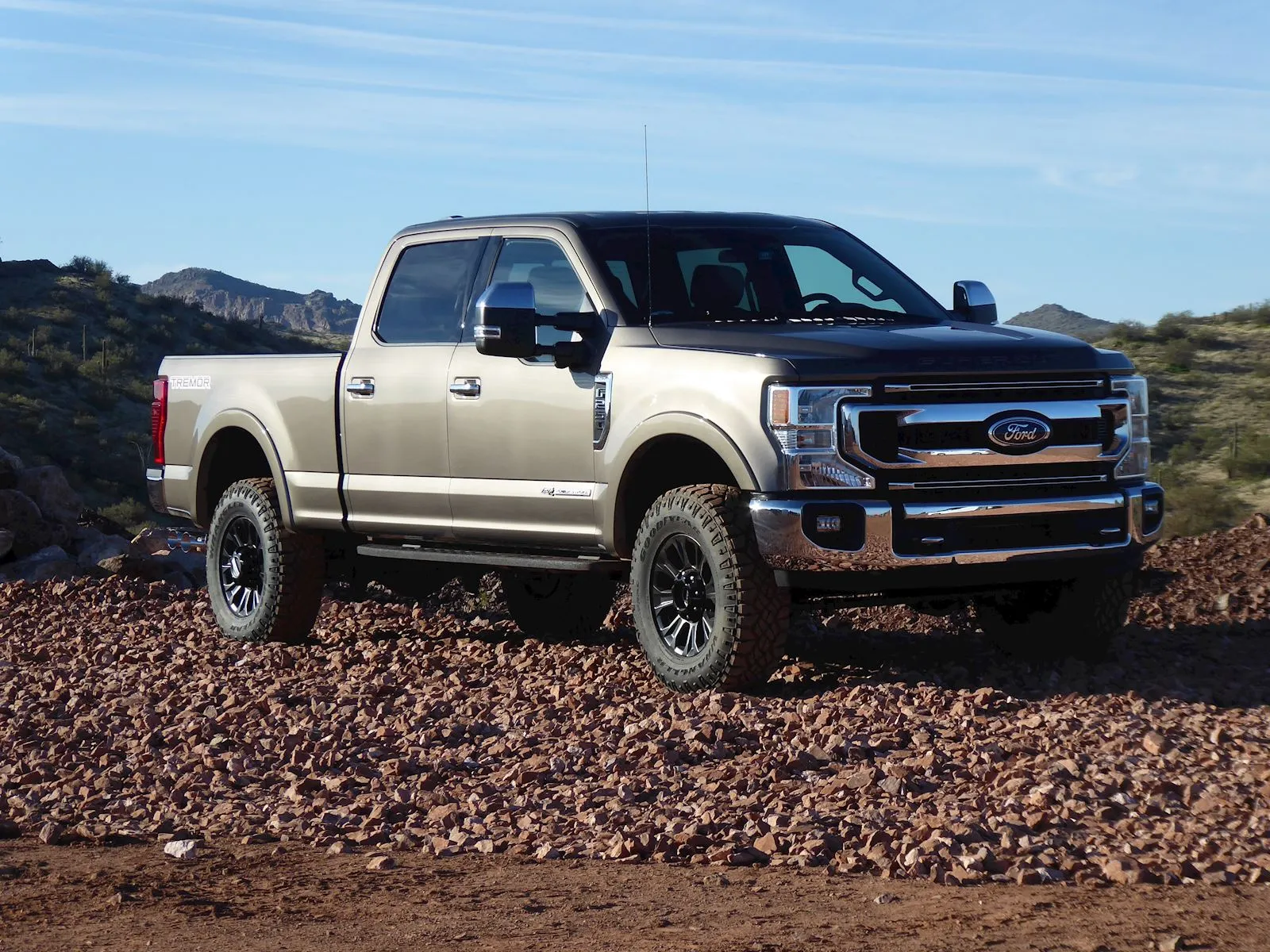
Power defines this heavy-duty pickup, and Dallas drivers who tow regularly know the F-250 delivers without excuses. Ford’s 6.7-liter Power Stroke diesel produces 475 horsepower and an earth-moving 1,050 pound-feet of torque, numbers that make towing a 10,000-pound trailer feel effortless. That massive torque figure means you’re not flogging the engine to maintain highway speeds when pulling heavy loads up overpasses or merging onto I-635 during afternoon traffic.
Transmission cooling gets serious attention from Ford engineers. A dedicated transmission oil cooler keeps fluid temperatures under control even when you’re creeping along LBJ Freeway at 15 MPH with a loaded horse trailer behind you.
Temperature gauges on the dashboard let you monitor coolant and transmission fluid temps in real time, providing peace of mind during those brutal July afternoons when pavement temperatures could fry an egg.
Air conditioning blows ice-cold even when the engine’s working hard, a blessing during Dallas summers where 100-degree days stretch from June through September.
Payload capacity matters just as much as towing capacity. Dropping a fifth-wheel hitch into the bed adds weight before you even hook up a trailer.
The F-250’s payload rating handles this tongue weight plus passengers and cargo without maxing out suspension components. Rear springs don’t sag when loaded properly, keeping headlights aimed correctly and maintaining safe handling characteristics.
Living with an F-250 in Dallas means accepting the size and fuel economy compromises. Parking at North Park Center or downtown restaurants requires hunting for spaces large enough to accommodate an eight-foot bed and crew cab.
Diesel fuel costs more than regular unleaded, and even unloaded, you’ll see mid-teens MPG during city driving. But when you need genuine towing capability combined with daily drivability, few vehicles match the Super Duty’s competence.
2. Ram 2500 Laramie 2021-2025
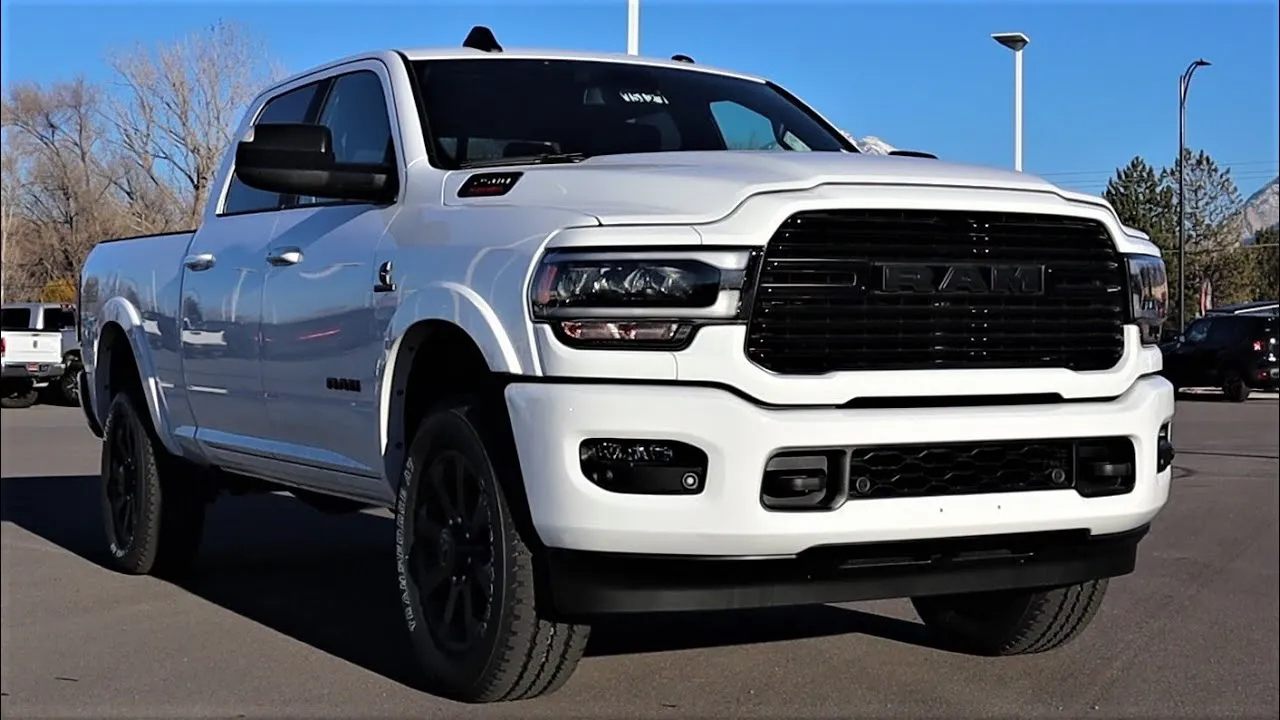
Luxury meets capability in Ram’s heavy-duty offering, a truck that coddles occupants with premium materials while hauling massive loads through Dallas traffic. The 6.4-liter Hemi V8 produces 410 horsepower and 429 pound-feet of torque, adequate for most towing situations without stepping up to the diesel option.
Choose the 6.7-liter Cummins turbo diesel, however, and you get 370 horsepower with a stump-pulling 850 pound-feet of torque that laughs at steep boat ramps and heavy trailers. Interior quality exceeds expectations for a work truck. Real leather covers seats that offer heating, ventilation, and massage functions, making those long waits on Central Expressway more tolerable.
A massive 12-inch touchscreen handles infotainment duties with quick responses and intuitive menus. The available 19-speaker Harman Kardon audio system transforms the cabin into a concert hall, drowning out road noise and wind buffeting from towing at highway speeds.
The coil spring rear suspension differentiates the Ram from competitors using leaf springs. This setup delivers a smoother ride quality when driving unloaded, absorbing Dallas’s numerous potholes and pavement imperfections without the harsh impacts traditional truck suspensions transmit.
Some worry coil springs can’t handle heavy loads, but Ram engineers incorporated progressive-rate springs and optional air suspension that maintain load-leveling capability while improving comfort dramatically. Towing technology includes helpful features like surround-view cameras showing trailer position from multiple angles.
A rear-facing camera mounted in the tailgate displays your trailer connection point, making hitching up simple even for beginners. Trailer tire pressure monitoring alerts you if a trailer tire loses pressure during your drive to Possum Kingdom Lake. Blind-spot monitoring extends coverage to include trailer length, warning when vehicles hide alongside your rig.
Fuel economy from the diesel engine impresses for a truck this size. Highway towing delivers around 15 MPG depending on trailer weight and aerodynamics, while unloaded highway cruising can crack 20 MPG. The Hemi V8 drinks more fuel but costs less upfront, making it suitable for occasional drivers who don’t need maximum capability. Either powertrain handles Dallas heat without issues, maintaining proper operating temperatures during summer traffic jams.
Also Read: 5 Performance Cars That Handle Urban Roads and 5 That Don’t
3. Toyota Tundra Hybrid 2022-2025
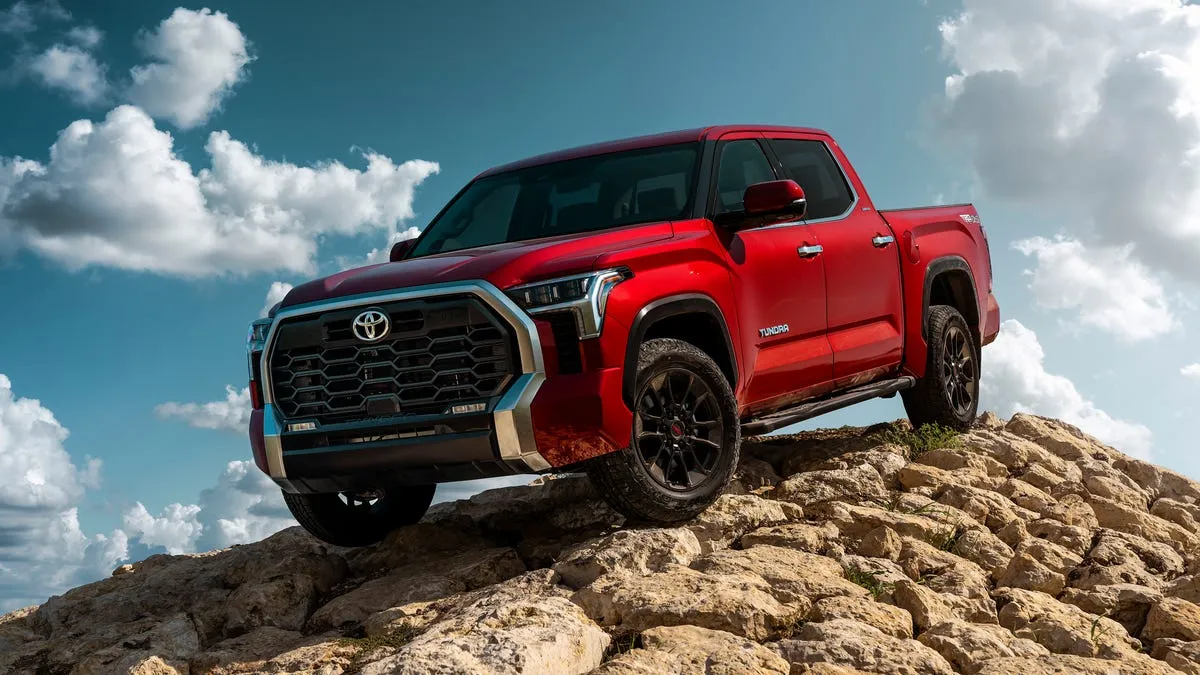
Hybrid technology might seem odd in a full-size truck, but Toyota’s system adds low-end torque perfect for towing while improving fuel economy during city driving. The twin-turbo 3.4-liter V6 combines with an electric motor for 437 horsepower and 583 pound-feet of torque, numbers that push heavy trailers confidently.
Electric motor torque arrives instantly, eliminating turbo lag and providing immediate response when merging into traffic on the Dallas North Tollway with a boat trailer. Battery placement doesn’t compromise bed space or payload capacity, a concern some buyers have about hybrid trucks.
Toyota mounted the battery pack beneath the rear seat, leaving the full bed available for cargo and preserving the truck’s 1,940-pound payload rating. Towing capacity reaches 12,000 pounds when properly equipped, handling most recreational trailers without issue. That rating covers pontoon boats, travel trailers, and utility trailers loaded with side-by-sides heading to riding areas outside Dallas.
Technology features make the Tundra user-friendly for towers. A tow/haul mode adjusts transmission behavior and throttle response for optimal trailer control. Integrated trailer brake controller setup happens through the touchscreen, with adjustments available from the steering wheel while driving.
Blind-spot monitoring extends to cover trailer length, and a suite of cameras provides views from multiple angles to simplify parking and maneuvering in tight spaces. Fuel economy benefits from hybrid assistance during city driving. Stop-and-go traffic on I-30 allows the electric motor to handle low-speed movement, shutting down the gas engine completely at stoplights and during coasting.
This intermittent engine shutdown keeps coolant temperatures lower and reduces fuel consumption compared to traditional trucks idling in traffic. Highway economy doesn’t match smaller vehicles, but 18-20 MPG unloaded beats competitors offering similar capability.
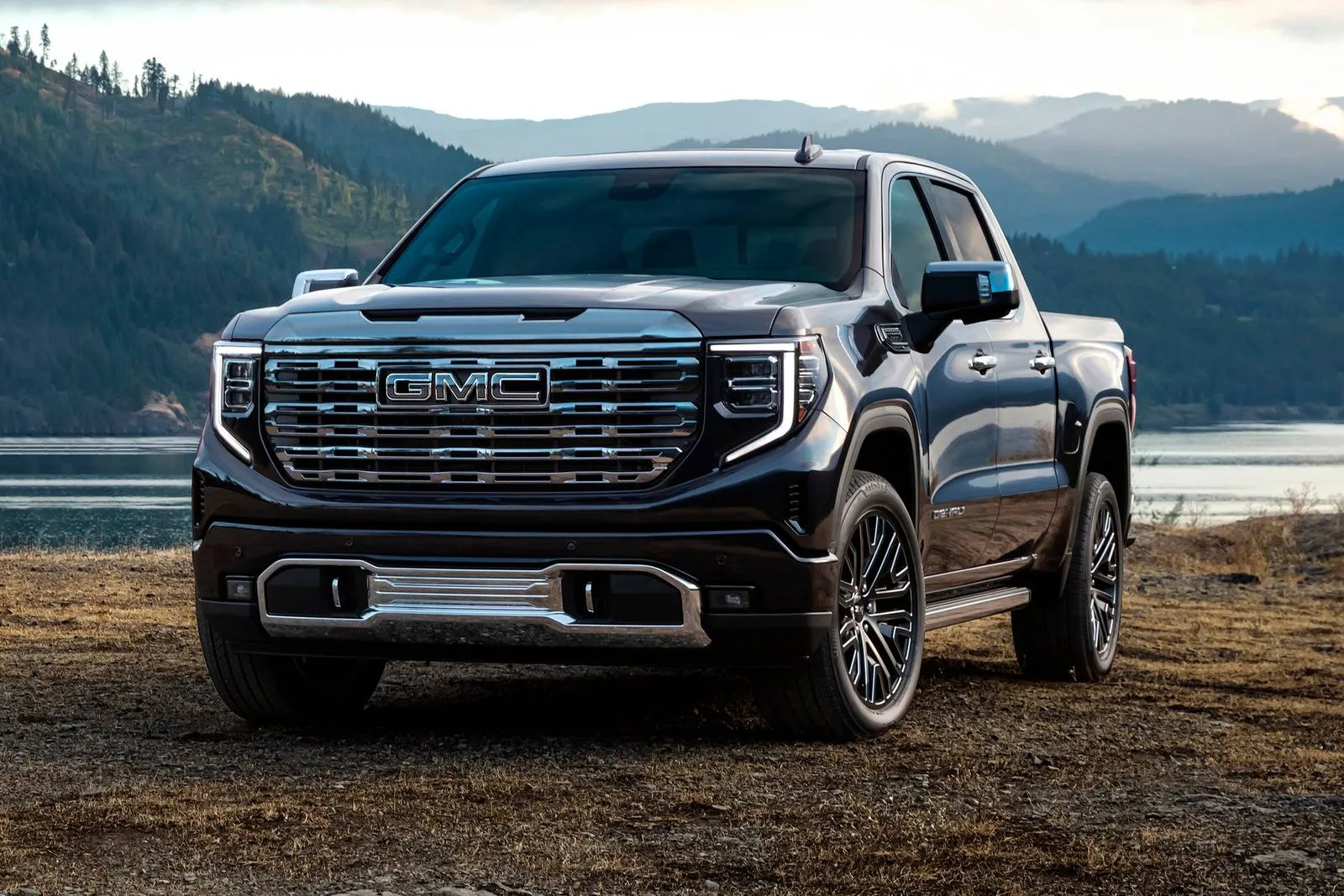
4. GMC Sierra 1500 Denali 2022-2025
Premium appointments combine with genuine towing ability in GMC’s flagship half-ton truck. A choice of engines tops out with the 6.2-liter V8 producing 420 horsepower and 460 pound-feet of torque, plenty for towing mid-weight trailers through Dallas suburbs. That engine pulls travel trailers up to 9,500 pounds, adequate for most recreational towing needs without requiring a heavy-duty truck’s harsher ride and higher operating costs.
Ten-speed automatic transmission programming emphasizes smooth operation and quick responses. Gear ratios provide low-end multiplication for pulling away from stoplights with a trailer, while taller upper gears keep engine RPM low during highway cruising to save fuel.
Tow/haul mode holds lower gears longer and increases transmission cooling flow, protecting components during extended towing sessions through Dallas traffic. Air conditioning performance deserves mention because Dallas summers punish vehicles mercilessly.
Dual-zone automatic climate control keeps the driver and passenger comfortable independently, and the system maintains interior temperatures even when the engine works hard pulling grades or idling in traffic. Rear passengers get dedicated vents plus available seat heaters and coolers, making family trips comfortable regardless of outside temperatures.
The trailer package includes helpful equipment like an integrated brake controller, a seven-pin connector, and trailer sway control. That last feature monitors trailer movement and applies individual brakes, plus reduces engine power if it detects dangerous swaying, preventing jackknife situations that terrify inexperienced towers.
A rearview camera system offers multiple views, including one showing hitch alignment, making trailer connection simple without requiring a helper to guide you. Payload capacity reaches 2,250 pounds on properly equipped models, handling tongue weight from most recreational trailers comfortably.
Rear suspension doesn’t sag excessively when loaded within ratings, maintaining proper ride height and headlight aim. Available adaptive suspension adjusts damping rates automatically based on load and road conditions, providing comfortable daily driving while maintaining control when towing.
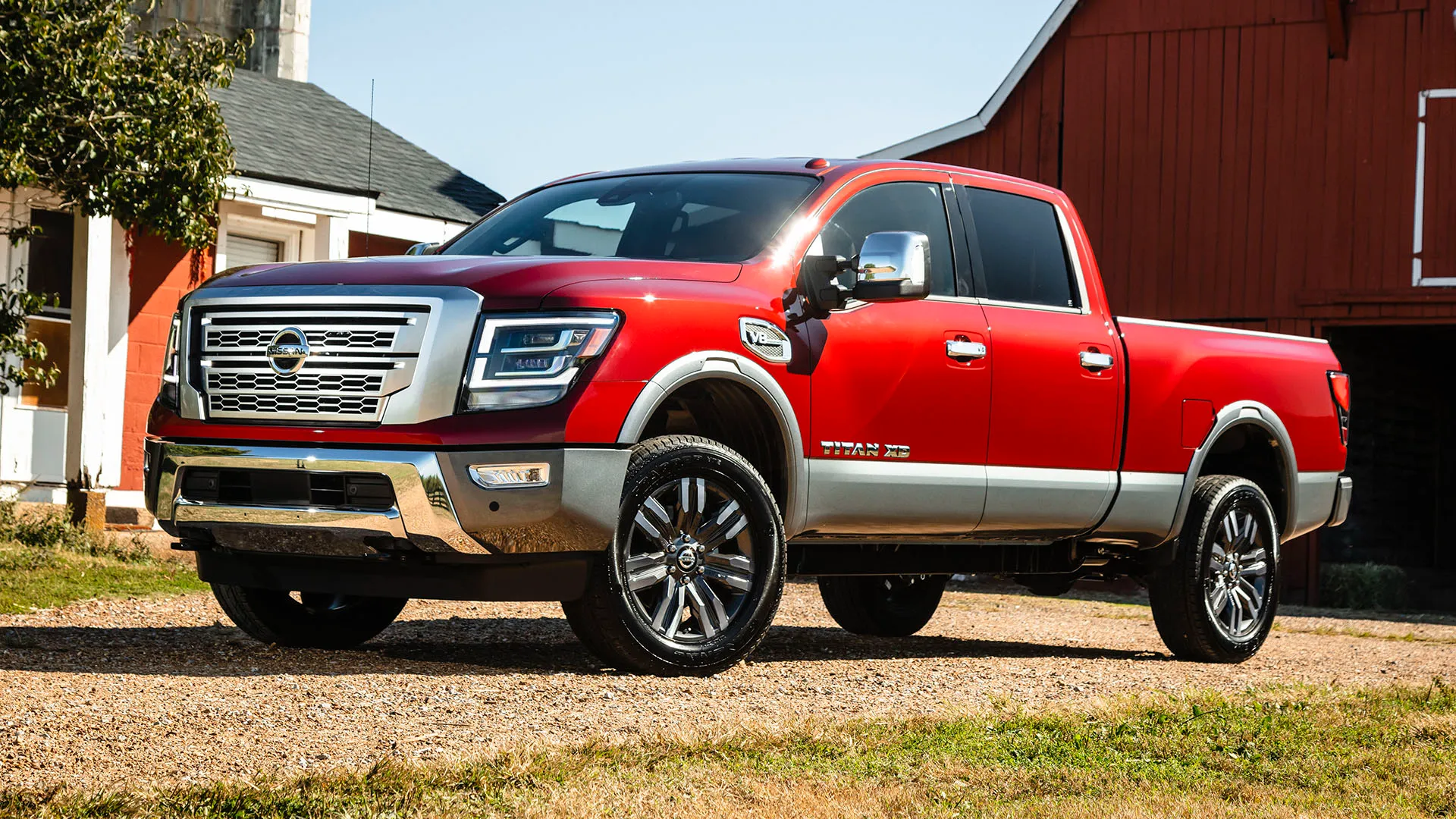
5. Nissan Titan XD 2020-2024
Positioned between light-duty and heavy-duty trucks, the Titan XD targets buyers needing more capability than a half-ton but not requiring a full-size heavy-duty truck. A 5.6-liter V8 produces 400 horsepower and 413 pound-feet of torque, moving the truck confidently even when towing near its 11,040-pound maximum capacity.
That rating covers larger travel trailers, enclosed car haulers, and heavy equipment trailers that exceed most half-ton truck capabilities. Frame construction uses fully boxed steel with hydroformed sections, providing stiffness that prevents flexing under load.
This structural rigidity improves towing stability and allows the truck to handle higher tongue weights without compromising ride quality or safety. Rear suspension uses heavy-duty leaf springs with progressive-rate characteristics, soft enough for comfortable empty driving but stiffening under load to prevent excessive sagging.
Nissan includes a factory-integrated gooseneck hitch system in the bed, a feature typically requiring aftermarket installation on competitors. This system allows easy connection of gooseneck trailers without permanently mounting bulky hitches in the bed.
Flip-up ball mechanisms hide beneath removable covers when not in use, preserving bed functionality for non-towing duty. Combined with the Titan XD’s payload capacity, the gooseneck capability opens options for serious tower hauling heavy equipment or livestock.
Interior comfort matches family sedan standards, with supportive front seats covered in leather and plenty of rear-seat legroom for adult passengers. An eight-inch touchscreen handles infotainment duties competently, though the interface feels dated compared to fresher competitors. Climate control maintains comfortable temperatures during hot Dallas days, and the audio system provides clear sound even with windows down at highway speeds.
Fuel economy won’t win awards, but it stays reasonable for the truck’s capability. Expect 14-16 MPG during combined city and highway driving, dropping to 10-12 MPG when towing heavy loads. A 26-gallon fuel tank provides decent range, though towing dramatically reduces miles between fill-ups.
Regular unleaded fuel keeps operating costs lower than diesel competitors, and the V8 engine requires only routine maintenance without expensive diesel-specific service items.
Vehicles That Struggle With Towing
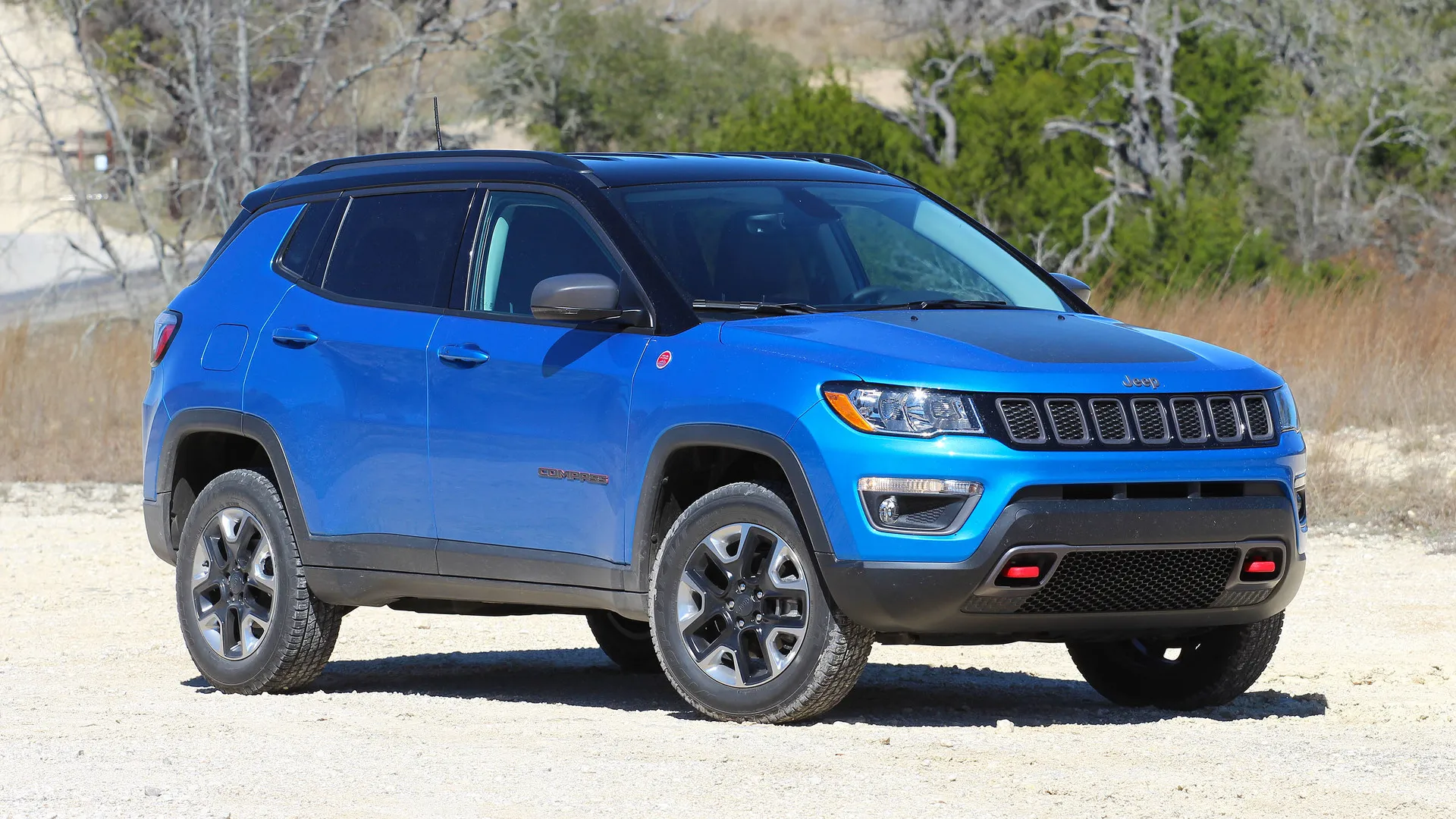
1. Jeep Compass 2017-2024
Small crossovers like the Compass claim towing capability on their spec sheets, but reality paints a different picture for Dallas drivers. Jeep rates this compact SUV for 2,000 pounds of towing when properly equipped, a number that sounds reasonable until you factor in Dallas heat and traffic conditions.
That 2.4-liter four-cylinder engine produces only 180 horsepower, barely adequate for moving the Compass itself, let alone pulling a loaded trailer through stop-and-go traffic on Loop 12. Attempting to tow even a small utility trailer loaded with lawn equipment or motorcycles reveals the Compass’s limitations immediately.
Acceleration from stoplights becomes painfully slow, forcing you to wait for larger gaps in traffic than normal. Highway on-ramps turn into white-knuckle experiences as the engine screams at maximum RPM while struggling to reach merge speeds. Transmission hunting between gears becomes constant, never settling into a comfortable cruising ratio because the engine lacks torque to maintain momentum.
Cooling system capacity falls short during Texas summers. Dashboard temperature gauges climb toward the red zone after thirty minutes of towing in afternoon traffic, forcing you to blast the heater to dump excess engine heat or risk overheating completely.
Air conditioning performance suffers because the overtaxed engine can’t spare power for the AC compressor while struggling to move the vehicle and trailer. Interior temperatures become unbearable, turning summer towing trips into endurance tests.
Braking performance deteriorates dangerously when towing near the rated capacity. Factory brakes designed for a 3,500-pound vehicle struggle when asked to stop 5,500 pounds of combined weight. Pedal feel becomes soft and mushy as brake fluid heats up, requiring increased pressure to achieve the same stopping force.
Following distances must increase dramatically to compensate for longer stopping distances, and panic stops from highway speeds feel terrifying as the Compass takes forever to scrub off speed. Transmission longevity suffers when regularly towing with the Compass.
These continuously variable transmissions already have questionable reliability records, and adding towing stress accelerates failure. Fluid temperatures spike during towing, degrading the CVT fluid and causing slippage.
Owners report transmission replacements well before 100,000 miles when towing regularly, with repair costs often exceeding the vehicle’s remaining value. Smart buyers avoid towing with the Compass entirely, treating the 2,000-pound rating as theoretical rather than practical.
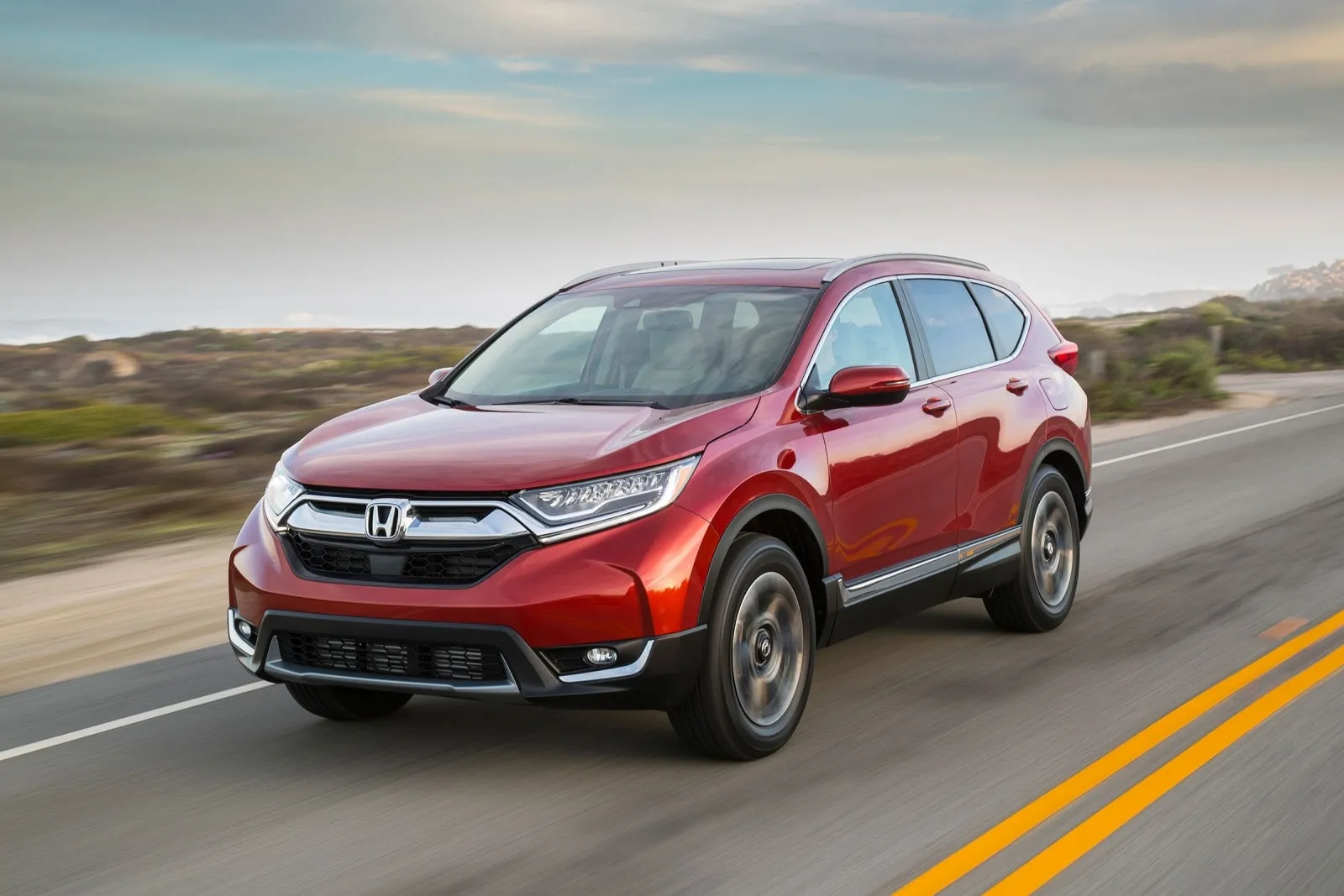
2. Honda CR-V 2017-2022
Honda doesn’t even offer a towing package on CR-V models sold in the United States, a telling decision that speaks to the crossover’s unsuitability for pulling trailers. European-spec CR-V models receive towing ratings around 3,300 pounds, but American buyers get nothing, likely due to liability concerns and the vehicle’s marginal cooling capacity.
Aftermarket hitch installation remains possible, but doing so voids certain warranties and ignores Honda’s engineering judgment about the CR-V’s limitations. That turbocharged 1.5-liter four-cylinder generates 190 horsepower, adequate for moving the CR-V and passengers but insufficient for towing.
Turbo lag creates frustrating delays when trying to accelerate from stops with a trailer, and the engine sounds strained even under moderate load. CVT transmission programming prioritizes fuel economy rather than performance, resulting in sluggish responses when you need power for merging or passing. Hills that wouldn’t register in a proper tow vehicle become obstacles requiring downshifts and patience.
Some owners report limp mode activation after extended highway towing during hot weather, with the engine computer reducing power to prevent damage. This safety feature might save the engine, but it leaves you dangerously slow in traffic.
Suspension components weren’t designed for tongue weight. MacPherson struts up front and multi-link rear suspension provide decent ride quality for daily driving, but lack the robustness for towing duty. Adding several hundred pounds of tongue weight to the rear suspension causes noticeable sagging, altering the vehicle’s geometry and creating dangerous handling characteristics.
Steering feel becomes vague, and the CR-V’s nose points skyward, blinding oncoming traffic with misaligned headlights. Brake system limitations become apparent quickly when attempting to slow a combined vehicle and trailer weight from highway speeds.
Honda sized the CR-V’s brakes for its curb weight, not for towing duty. Heat buildup during repeated braking causes fade, with pedal travel increasing and stopping distances lengthening. Trailer brakes would help, but installing a brake controller in a vehicle not designed for towing adds expense and doesn’t address the fundamental problem that the CR-V simply wasn’t engineered for this duty.
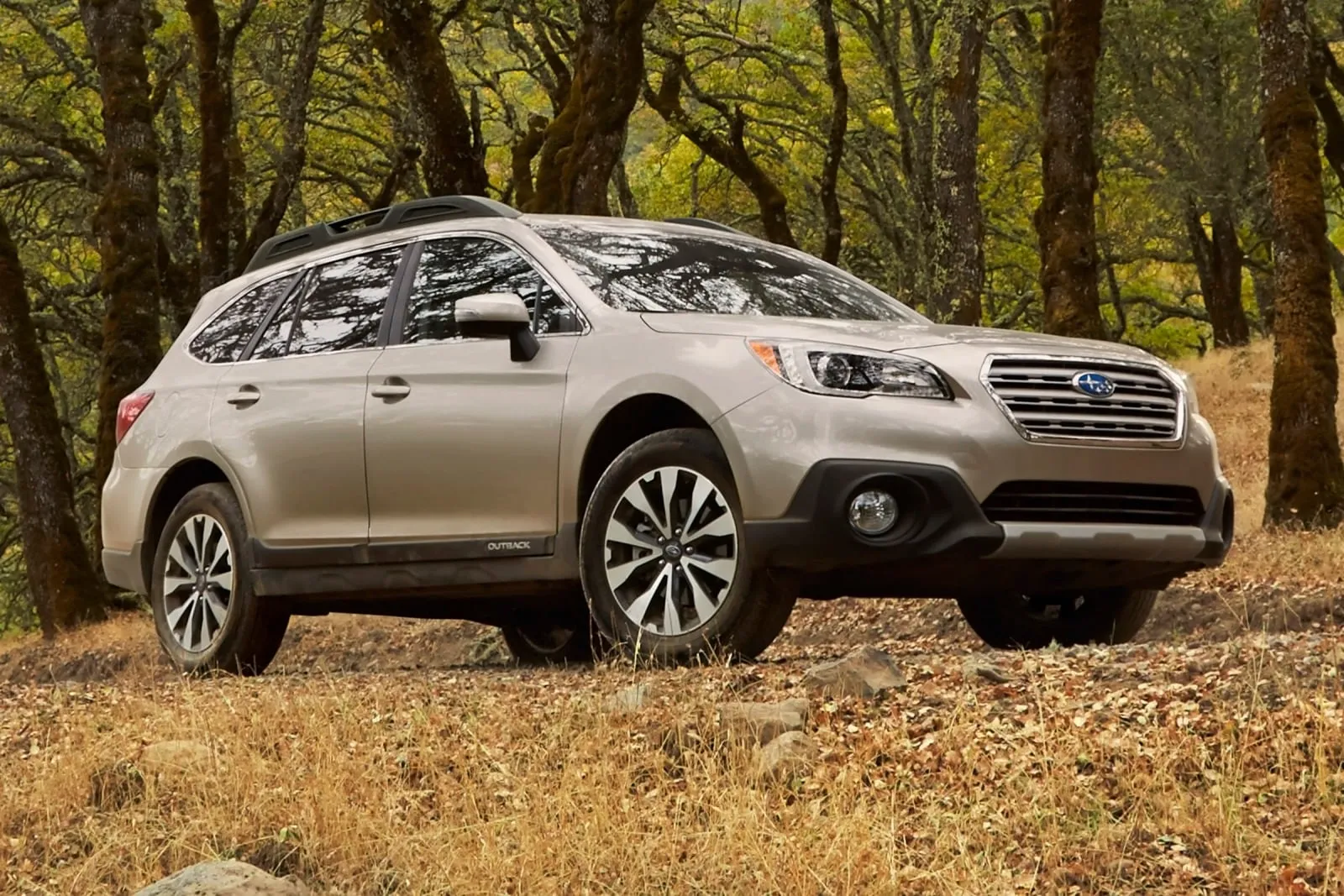
3. Subaru Outback 2015-2019
Subaru’s crossover wagon appeals to active buyers with its all-wheel drive and rugged styling, but towing capability disappoints despite the manufacturer’s 2,700-pound rating. That naturally aspirated 2.5-liter boxer four-cylinder produces only 175 horsepower, a figure that struggles to move a loaded Outback up hills, let alone pull a trailer.
Flat-four engine design places the center of gravity low for handling benefits, but torque output suffers compared to inline or V-configuration engines with similar displacement. CVT transmission programming creates frustrating behavior when towing.
Attempting to maintain highway speeds with a trailer causes the transmission to hold engine RPM high, creating a constant drone that becomes exhausting during long drives. Fuel economy plummets because the engine never operates in its efficiency range, instead screaming at 4,000-plus RPM to generate enough power.
Temperature monitoring reveals CVT fluid heating beyond optimal ranges, shortening transmission life and risking expensive failures. Ground clearance initially seems like an advantage for the Outback, but that 8.7 inches disappears quickly when tongue weight compresses the rear suspension.
Loaded properly with a trailer approaching 2,700 pounds, the Outback squats noticeably, reducing effective ground clearance and making steep driveway entrances scrape the rear bumper. Rear springs weren’t designed for sustained heavy loads, and metal fatigue from repeated towing causes sagging that worsens as miles accumulate.
Dallas summer heat combined with towing stress pushes the Outback’s cooling system past its limits. Radiator size adequate for normal driving proves insufficient when asking the engine to work hard pulling a trailer at 75 MPH on I-20.
Temperature gauges show readings approaching danger zones, forcing reduced speeds or complete stops to let things cool down. Some owners install auxiliary transmission coolers to manage heat, but this aftermarket solution highlights the factory setup’s inadequacy.
Resale value takes a hit if you admit to regular towing when selling or trading the Outback. Savvy buyers know these vehicles struggle when used for towing, and they inspect CVT condition carefully, looking for signs of abuse or overheating.
Even with maintenance records showing proper care, a towing history raises red flags that lower offers or eliminate buyers. Those 2,700 pounds of rated capacity exist primarily as a marketing checkbox rather than a genuine capability for regular use.
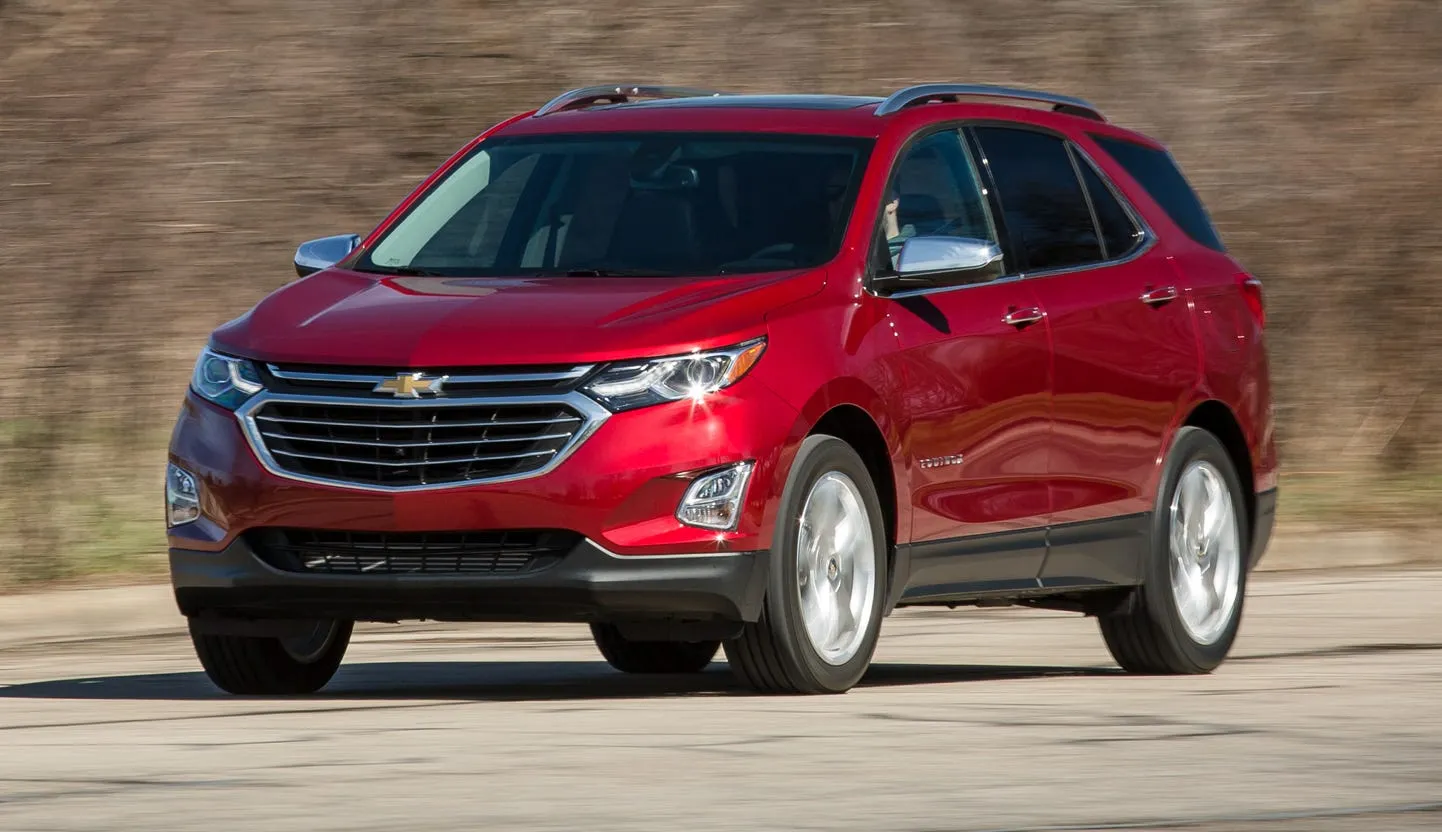
4. Chevrolet Equinox 2018-2023
Chevy’s compact crossover receives a 1,500-pound towing rating when equipped with the optional towing package, a number so low it barely covers a small utility trailer with a few pieces of lawn equipment. That turbocharged 1.5-liter four-cylinder musters just 170 horsepower, making it one of the weakest engines in its class.
Attempting to tow near the rated capacity through Dallas traffic reveals just how inadequate this powertrain is for pulling duty.
Nine-speed automatic transmission programming creates confusion when towing. Gear hunting becomes constant as the transmission searches for the right ratio, never quite finding a comfortable middle ground between lugging the engine and screaming at high RPM.
Fuel economy benefits promised by the small turbocharged engine evaporate when towing. Advertised MPG ratings mean nothing when you’re towing because the engine operates at maximum load constantly, burning fuel at rates comparable to much larger, more capable vehicles.
You get V8 fuel economy from a four-cylinder engine, with none of the power or capability that justifies higher consumption. The Equinox gets decent mileage, but hook up a trailer and watch the fuel gauge drop like a stone.
Structural rigidity feels lacking when towing, with the unibody flexing perceptibly over bumps and during acceleration. This flex creates unsettling sensations, making the Equinox feel less planted and secure than proper tow vehicles.
Wind gusts from passing semi-trucks on I-45 push the Equinox around alarmingly when towing, requiring constant steering corrections to maintain lane position. Confidence drops quickly, turning highway drives into stressful experiences.
Build quality issues common to these Equinox models get amplified by towing stress. Engine oil consumption problems affect many examples, with some requiring oil added between changes, even during normal driving. Towing accelerates this consumption, with owners reporting quart-low oil levels after just 1,000 miles of towing use.
Transmission shudder at low speeds plagues many units, and towing heat makes this problem worse. Electrical gremlins crop up randomly, from malfunctioning sensors to glitchy infotainment systems that freeze or reboot unexpectedly.
Also Read: 5 Sports Cars That Survive Bad Roads and 5 That Scrape Constantly
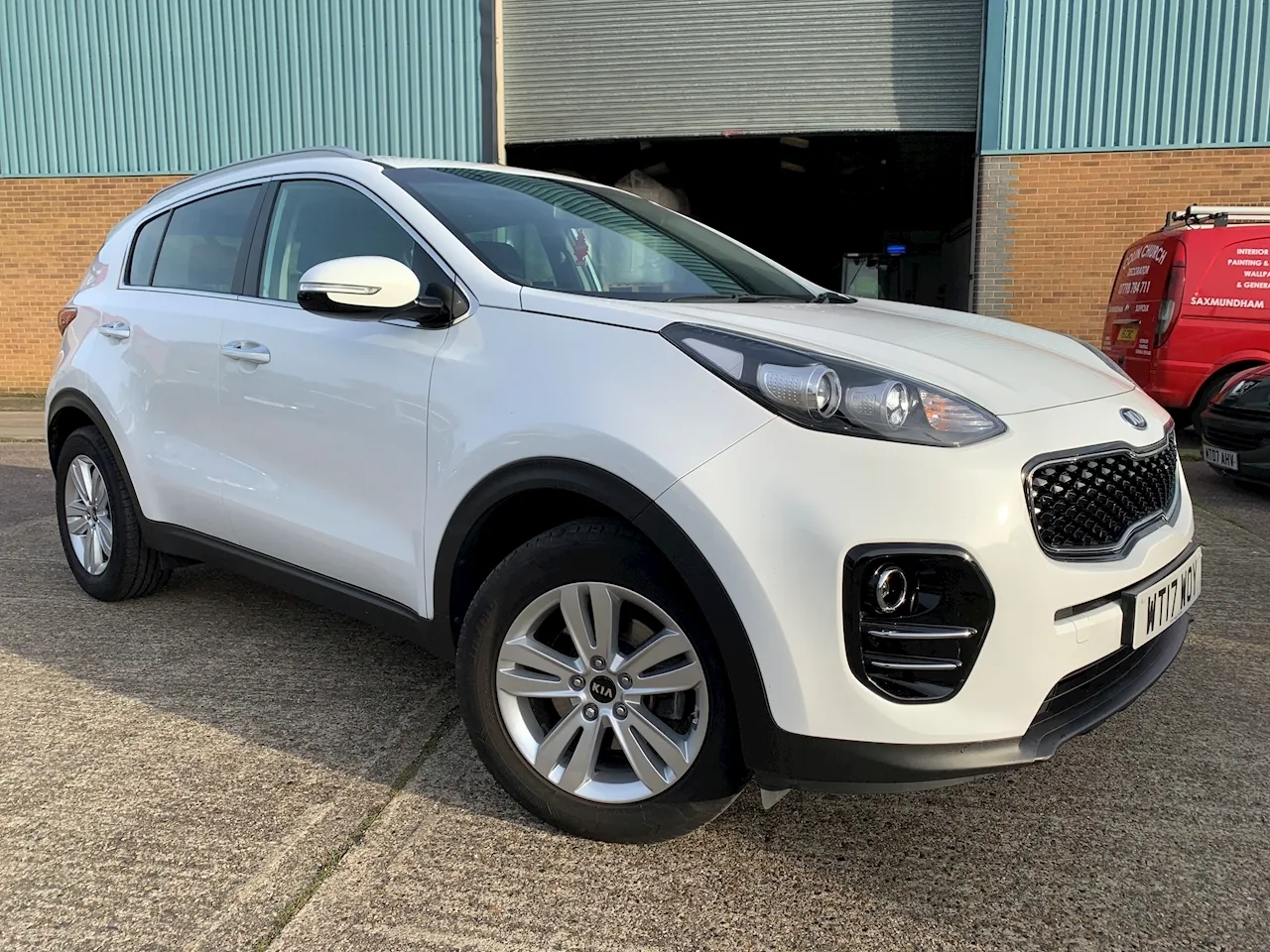
5. Kia Sportage 2017-2022
Kia’s compact crossover earns credit for offering a towing package when many competitors skip this option entirely, but the rated capacity of 2,000 pounds pushes the Sportage beyond its comfort zone. Available engines include a base 2.4-liter four-cylinder making 181 horsepower or a turbocharged 2.0-liter producing 240 horsepower.
Even with the more powerful turbo engine, the towing capability feels marginal at best during real-world use around Dallas. Transmission behavior when towing frustrates owners. A six-speed automatic handles gear changes adequately during normal driving, but add trailer weight and the programming reveals flaws.
Cooling capacity concerns arise during extended towing in hot weather. Radiator sizing seems marginal even for non-towing duty, and Dallas temperatures stress the system further. Add trailer aerodynamic drag and weight, and coolant temperatures climb into ranges that trigger warning lights.
Owners report decreased performance as the engine computer pulls timing and reduces power to protect against overheating. These protective measures might prevent catastrophic damage, but leave you crawling along highways at reduced speeds.
Suspension tuning prioritizes comfort during unloaded driving, resulting in excessive body roll and vague handling when towing. Adding tongue weight to the rear suspension causes squat that changes steering geometry and creates unpredictable handling characteristics.
Lane changes require extra caution because the Sportage’s rear end feels loose and disconnected with a trailer attached. Crosswinds from weather or passing trucks amplify these handling issues, making highway driving tense.
Warranty coverage becomes questionable if you tow regularly and experience mechanical failures. Kia’s impressive 10-year, 100,000-mile powertrain warranty contains fine print excluding damage from misuse or operating the vehicle beyond its capabilities.
Dealers might argue that towing, even within rated capacity, constitutes misuse if temperatures exceeded normal ranges or if maintenance intervals weren’t shortened appropriately. This uncertainty about coverage adds stress to owning a Sportage used for towing, particularly as repair costs for modern vehicles climb into thousands of dollars for transmission or engine work.
