
City commuting is one of the toughest real world tests for any vehicle. You deal with stop and go traffic, short trips, tight parking, impatient drivers, and roads that are often full of bumps and sudden lane changes.
In this environment, electric vehicles can be a smarter choice than traditional petrol or diesel cars. EVs are naturally smooth at low speeds, they respond instantly in traffic gaps, and they do not waste fuel while idling in congestion. For daily urban commuters, this can mean lower running costs and a more relaxed drive.
The best EVs for city commuting are not always the ones with the biggest batteries or the highest top speeds. Instead, they are the cars that make daily routines easier.
A good city commuter EV should have comfortable seats, a calm ride, good visibility, and strong low speed control.
It should also be easy to park in apartment basements and crowded street parking areas. Features like parking sensors, cameras, and tight turning circles matter more in cities than performance figures.
Charging convenience is another big part of city commuting. Many commuters do not drive extremely long distances every day, but they need predictable range and easy charging options.
Cars that support fast charging and offer good efficiency can easily fit into urban life, even without a private home charger. Public chargers at malls, offices, and metro parking areas have made EV ownership much easier in many parts of the world.
Regenerative braking is also a major city advantage. In daily traffic, EVs can recover energy while slowing down, improving efficiency.
Instead of wasting energy as heat, the car feeds some of it back into the battery. This helps commuters stretch range further in crowded roads, making EVs well suited for unpredictable city driving.
In this article, we will cover ten electric sedans from global markets that work especially well for city commuters. Each one is chosen for real world commuting comfort, efficiency, ease of driving in traffic, and everyday practicality.
If your daily routine involves city traffic and short trips, these EVs are among the best options that make commuting simpler and more cost effective.
Also Read: 6 EVs That Handle Daily City Driving Well
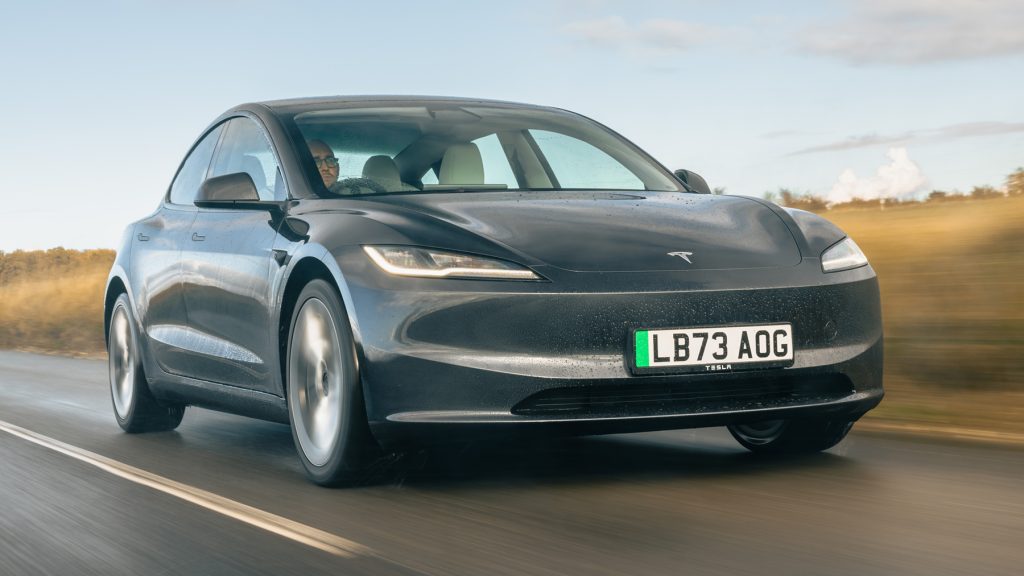
1. Tesla Model 3
The Tesla Model 3 is one of the most popular electric sedans in the world, and it works extremely well for city commuters.
It combines strong efficiency, smooth traffic behavior, and advanced assistance systems that make daily commuting less stressful. For people who spend hours every week in city congestion, these factors matter more than performance numbers.
In stop and go traffic, the Model 3 feels calm and controlled. The electric drivetrain responds instantly, but it can also move gently when needed.
This makes it easy to handle bumper to bumper traffic without jerky acceleration. The car feels smooth while creeping forward, which improves comfort during long city commutes.
Regenerative braking is a major advantage for commuters. It allows the driver to slow down smoothly while recovering energy. In heavy traffic, this reduces brake wear and improves range. It also makes driving easier because you can manage speed with fewer pedal movements.
Efficiency is another reason the Model 3 works well for commuting. It consumes less energy compared to many larger EV sedans. That means fewer charging sessions per week, which is useful for commuters who may not have home charging. You can drive several days before needing to recharge.
Charging convenience supports commuting lifestyles. The Model 3 charges quickly at fast chargers, allowing short top ups during errands or break times. This fits well with commuting life because you do not need long charging sessions to stay prepared for the week.
Parking support also matters in city commuting. Many commuters park at apartments, offices, and crowded public areas. The Model 3 includes strong camera systems and sensor support, making parking easier and reducing the chance of small dents or scratches.
Cabin comfort is strong for long daily use. Seats are supportive, and the driving position feels natural. Noise levels are low, which helps reduce fatigue. City commuting can be mentally tiring, and a quiet cabin improves the experience.
Storage practicality is also solid. The boot is spacious enough for work bags, daily shopping, and commuting essentials. This makes it easy to use as an everyday family sedan while still being commuter friendly.
Overall, the Tesla Model 3 is one of the best EV sedans for city commuters. It delivers smooth traffic control, excellent efficiency, and strong tech support, making daily commuting simpler and more comfortable.
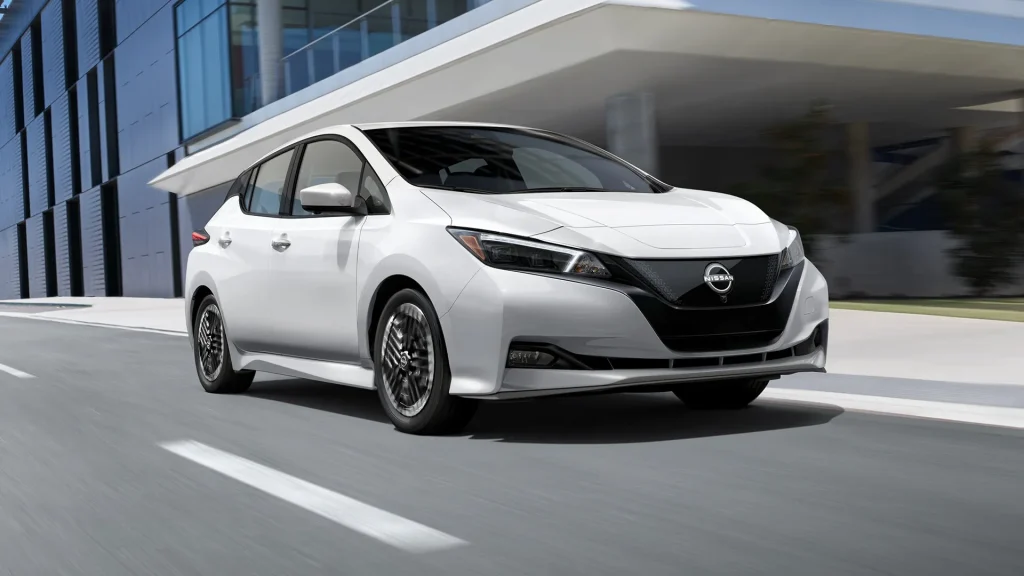
2. Nissan Leaf
The Nissan Leaf is one of the most commuter friendly electric sedans in global markets because it focuses on what matters in daily city driving.
It is easy to operate, smooth in traffic, and practical for people who want a simple EV ownership experience. For urban commuters who spend most of their time driving short distances through congestion, the Leaf fits naturally.
In stop and go traffic, the Leaf feels calm and predictable. Acceleration is smooth at low speed, which is important in city driving where you constantly move in small gaps. The car does not feel aggressive or hard to control, so it suits both experienced drivers and beginners.
Regenerative braking improves commuter convenience. In city driving, you brake often, and regen helps recover energy. This makes the Leaf efficient in traffic and reduces wear on traditional brake components. Over time, that also means lower maintenance for commuters.
The Leaf’s size makes it easier to manage in tight city roads. Many city routes involve narrow streets and sudden lane restrictions. The Leaf does not feel bulky, which helps it stay comfortable in crowded areas. Parking is also simpler than with larger sedans.
Charging practicality is another advantage. The Leaf supports public charging systems that are widely available in many regions. This makes it suitable for commuters who may rely on workplace chargers or public charging hubs rather than private home charging.
Range is generally enough for daily commuting routines. Most city commuters drive predictable distances every day, and the Leaf handles these trips comfortably. It also provides stable range estimates, which reduces stress when planning the week.
Comfort is strong for daily driving. Seats support commuting posture well, and the cabin feels spacious enough for passengers. For commuters who drive every morning and evening, comfort becomes a major factor in long term satisfaction.
Boot space supports city living. Work bags, shopping, and daily essentials fit easily. This makes the Leaf more useful than smaller city cars that sacrifice practicality.
Ownership costs also make sense for commuters. Maintenance requirements are low, and electric running costs are generally more stable than fuel expenses. For daily commuters, this can mean significant savings over time.
Overall, the Nissan Leaf works well for city commuters because it is smooth, efficient, and easy to use. It focuses on practical daily commuting needs instead of unnecessary complexity.
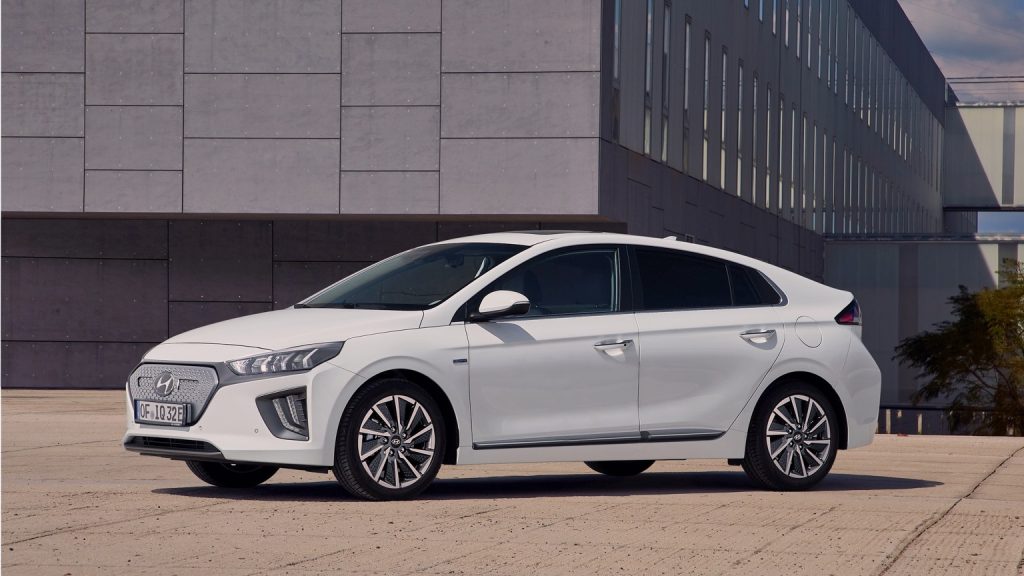
3. Hyundai Ioniq Electric
The Hyundai Ioniq Electric is one of the most efficient electric sedans ever produced, which makes it an excellent choice for city commuters.
Efficiency matters a lot in commuting life because it reduces charging frequency and makes daily trips feel less demanding. For commuters, the Ioniq Electric offers a clean balance of comfort and practicality.
In heavy city traffic, the Ioniq feels smooth and controlled. The electric drivetrain delivers power in a calm manner, making it easy to drive in congestion. Even when you are crawling through traffic, the car feels easy to modulate and stable.
Regenerative braking improves the commuting experience. In city driving, regen helps the car recover energy while slowing down. This makes stop and go driving more efficient, turning traffic into less of a range problem.
Another advantage is range consistency. Many commuters want predictable behavior rather than extreme numbers. The Ioniq Electric delivers stable real world range in urban conditions, which helps commuters plan charging around routines instead of worrying daily.
Charging support also fits commuting life. The Ioniq Electric supports fast charging, allowing commuters to top up quickly when needed. This is useful for people who charge at malls, workplace locations, or public hubs during the week.
Ride comfort is important in cities with rough roads. The Ioniq handles uneven surfaces well, keeping the cabin stable. This matters for daily commuting because repeated vibrations and harsh ride quality can become exhausting over time.
Interior comfort also adds value. The seating position feels natural, and the cabin has enough room for passengers. Commuters often carry colleagues, family members, or friends, and the Ioniq remains practical for those needs.
Parking and maneuvering are easy as well. The Ioniq is not too large, so it fits in most urban parking spaces comfortably. Sensors and visibility help in tight spots, which is useful for commuters who park in crowded areas every day.
Maintenance costs remain low, which benefits long term commuting ownership. Commuters put consistent mileage on cars, and EVs reduce service needs compared to conventional engines. The Ioniq Electric suits people who want reliable daily use with fewer mechanical worries.
Overall, the Hyundai Ioniq Electric is ideal for city commuters because it is efficient, comfortable, and easy to manage in traffic. It reduces charging stress and fits smoothly into everyday commuting routines.
4. BYD Seal
The BYD Seal has become one of the most impressive modern EV sedans for real world urban commuting. It is designed with a strong focus on efficiency, comfort, and everyday usability, which are exactly the things city commuters need. Instead of feeling like a complicated technology product, it feels like a proper sedan that happens to be electric.
In city traffic, the Seal feels smooth and confident. Power delivery is instant, but it is also controlled at low speeds.
This matters in daily commuting because you are constantly accelerating gently, braking often, and moving through tight gaps. The Seal makes these actions feel natural and stress free.
Regenerative braking helps improve commuting efficiency. In heavy traffic, it recovers energy while slowing down, which reduces wasted power. This makes the Seal more efficient than many fuel sedans in stop and go conditions. It also reduces brake wear, which is useful for commuters who drive every day.
Ride quality is a big strength of the Seal. City roads often have potholes, patches, speed breakers, and uneven surfaces. The Seal handles these conditions with good composure. A comfortable ride makes daily commuting less tiring, especially for people who spend long hours on city roads.
Cabin refinement supports commuter comfort as well. Noise levels remain low, making the car feel calm even when the city outside is loud. This matters for commuters because a quiet cabin reduces fatigue. Long commutes become easier when you are not constantly dealing with engine noise or vibration.
Charging flexibility is another reason it works well. Many commuters do not require daily charging, but they do need fast charging capability when needed.
The Seal supports fast charging, allowing drivers to add meaningful range during short breaks. This suits commuters who charge at workplaces, malls, or public charging hubs.
Interior practicality also matters in commuting life. The Seal offers enough space for passengers, and the boot is useful for daily needs. Work bags, groceries, and regular commuting items fit easily. It feels like a sedan designed for daily usage rather than limited use.
The Seal also benefits from reliable technology features. Parking sensors and cameras make it easier to handle tight office parking lots and apartment basements. In dense cities, this support becomes essential because parking situations often involve tight gaps and careless drivers.
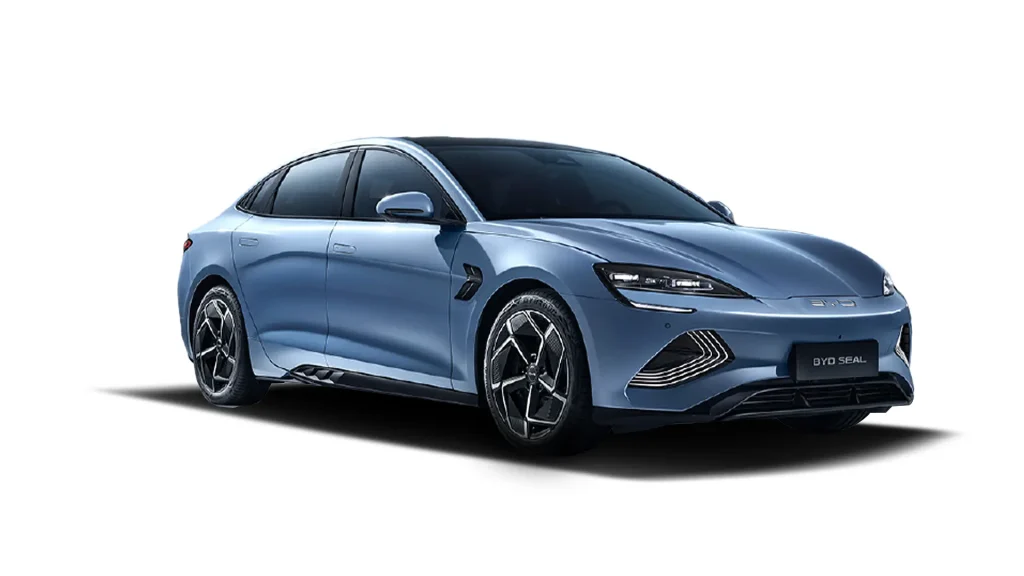
For daily commuting cost management, the Seal performs well. EV running costs are generally lower than fuel cars, especially in stop and go traffic. Over time, the Seal can save commuters money while also reducing the stress of daily driving.
Overall, the BYD Seal works well for city commuters because it delivers comfort, smooth city drivability, practical charging support, and strong daily usability. It feels like a modern commuter sedan that fits city realities perfectly.
5. Polestar 2
The Polestar 2 is a strong electric sedan choice for commuters who want a refined and confident daily driving experience in cities.
It blends solid range, premium comfort, and charging practicality, which makes it well suited for commuting in busy urban areas. For many commuters, it feels like an EV that was built for everyday use rather than occasional driving.
In heavy traffic, the Polestar 2 feels stable and easy to manage. The drivetrain delivers smooth acceleration, allowing drivers to control the car comfortably in crowded roads. This matters because city commuting involves constant small speed adjustments and frequent braking.
Regenerative braking improves efficiency during daily commutes. In stop and go traffic, regen helps recover energy and makes driving easier. Over time, this helps reduce charging frequency and lowers brake wear. Both are practical commuter benefits.
Ride comfort is one of its biggest commuter strengths. The suspension feels mature and balanced. Many urban roads are rough, but the Polestar 2 absorbs imperfections well. This makes daily driving less stressful, especially during long commutes through uneven city streets.
Cabin comfort also supports commuter use. The interior feels quiet, solid, and well insulated. City noise is tiring, and a quieter cabin improves overall commuting mood. Seating is supportive, which helps commuters who sit in the car daily for long hours.
Charging capability is important for urban commuters, and Polestar offers fast charging support. This allows commuters to top up range efficiently during shopping breaks or workplace charging opportunities. It makes the car practical even for those who do not have private home charging.
Range consistency is another plus. Commuters rely on predictable performance. The Polestar 2 delivers dependable real world range in daily conditions, helping drivers plan the week. Stable range predictions reduce anxiety for people who drive long city routes daily.
Parking assistance features add value too. Cities demand repeated parking in tight areas. Sensors and camera feedback help reduce parking stress. This becomes important in office parking lots and crowded apartment basements, where damage risks are higher.
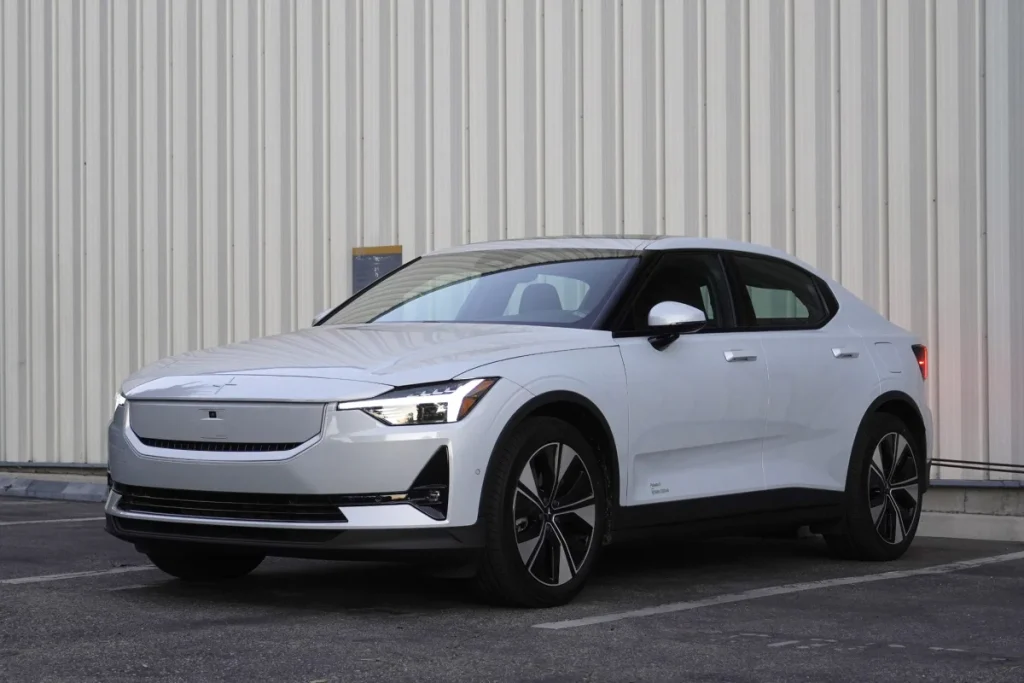
Interior practicality is also suitable for commuters. The boot space supports daily luggage, office bags, and small shopping runs. It can handle daily family use as well, making it more versatile than many sporty sedans.
In terms of cost and ownership ease, the Polestar 2 fits commuters well. EV maintenance needs are lower than fuel cars, and urban commuting tends to increase fuel expenses. Electric driving keeps running costs more predictable.
Overall, the Polestar 2 works well for city commuters because it balances comfort, efficiency, and charging practicality. It feels refined, commuter friendly, and easy to manage in everyday urban routines.
6. BMW i4
The BMW i4 is one of the best EV sedans for city commuters who want comfort, refinement, and confidence in daily traffic.
It is a premium electric sedan, but what makes it special is how naturally it fits into everyday commuting life. It feels smooth in congestion, quiet on busy streets, and practical enough for routine office runs and errands.
City commuting is often slow and repetitive, and this is where the i4 shines. The electric drivetrain delivers instant response, but it remains gentle at low speeds. This helps when you are moving through tight traffic gaps or creeping forward at signals. Instead of feeling tiring, daily commuting becomes smoother and more relaxed.
Regenerative braking is very useful for commuters. In city traffic, you brake constantly, and regen helps recover energy while slowing down. This improves efficiency and reduces brake wear. Over months of commuting, that means fewer visits to service centers and better overall running cost control.
One of the strongest commuter benefits is cabin refinement. Cities are noisy, filled with honking, construction sounds, and constant background chaos. The i4 offers strong insulation and a quiet cabin. This creates a calm environment during commuting, which reduces fatigue and stress.
Ride comfort also matters for commuters. Daily city travel means dealing with potholes, uneven roads, speed breakers, and patched sections. The i4 feels composed and stable over rough surfaces. It does not bounce excessively, and it protects passengers from harsh shocks. This adds comfort to daily driving routines.
Charging practicality supports urban commuting well. The i4 can handle fast charging, allowing commuters to top up quickly when needed. Many commuters charge at work, malls, or public hubs. A car that can add meaningful range during a short stop becomes far easier to live with in a city.
Range confidence is strong too. Commuters need predictable performance, not just advertised numbers. The i4 delivers reliable real world range, and the system offers accurate range estimates. This makes planning daily and weekly commuting easier, especially when chargers are not always convenient.
Parking support also makes the i4 commuter friendly. Many commuters park in crowded office lots or apartment basements. Cameras, sensors, and smart assistance systems help reduce the risk of dents and scratches. This matters because city parking often involves tight gaps and careless neighbors.
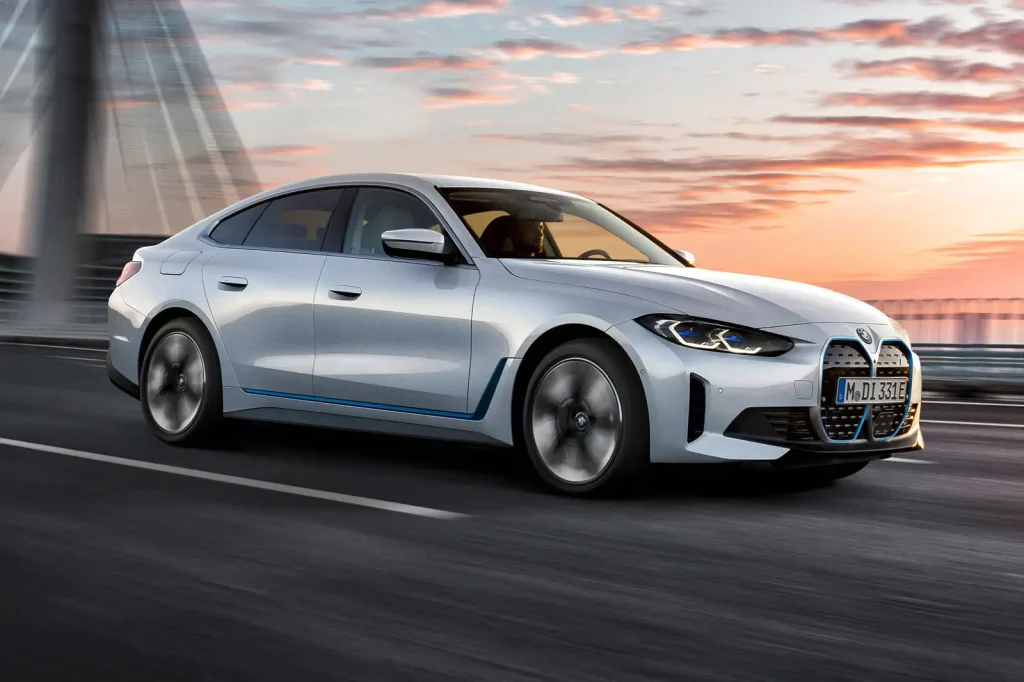
Practical space is another advantage. A commuter sedan must handle daily luggage, office bags, and shopping. The i4’s boot space makes it easy to carry routine items. It can serve as a daily family car while still being commuter focused.
Long term ownership is also easier compared to fuel cars in cities. With fewer mechanical components and strong EV durability, maintenance needs are lower. Urban fuel costs can be unpredictable, but EV running costs remain more stable.
Overall, the BMW i4 works extremely well for city commuters because it offers smooth traffic driving, comfort, strong charging support, and refined daily usability. It feels designed to make commuting calmer, not more demanding.
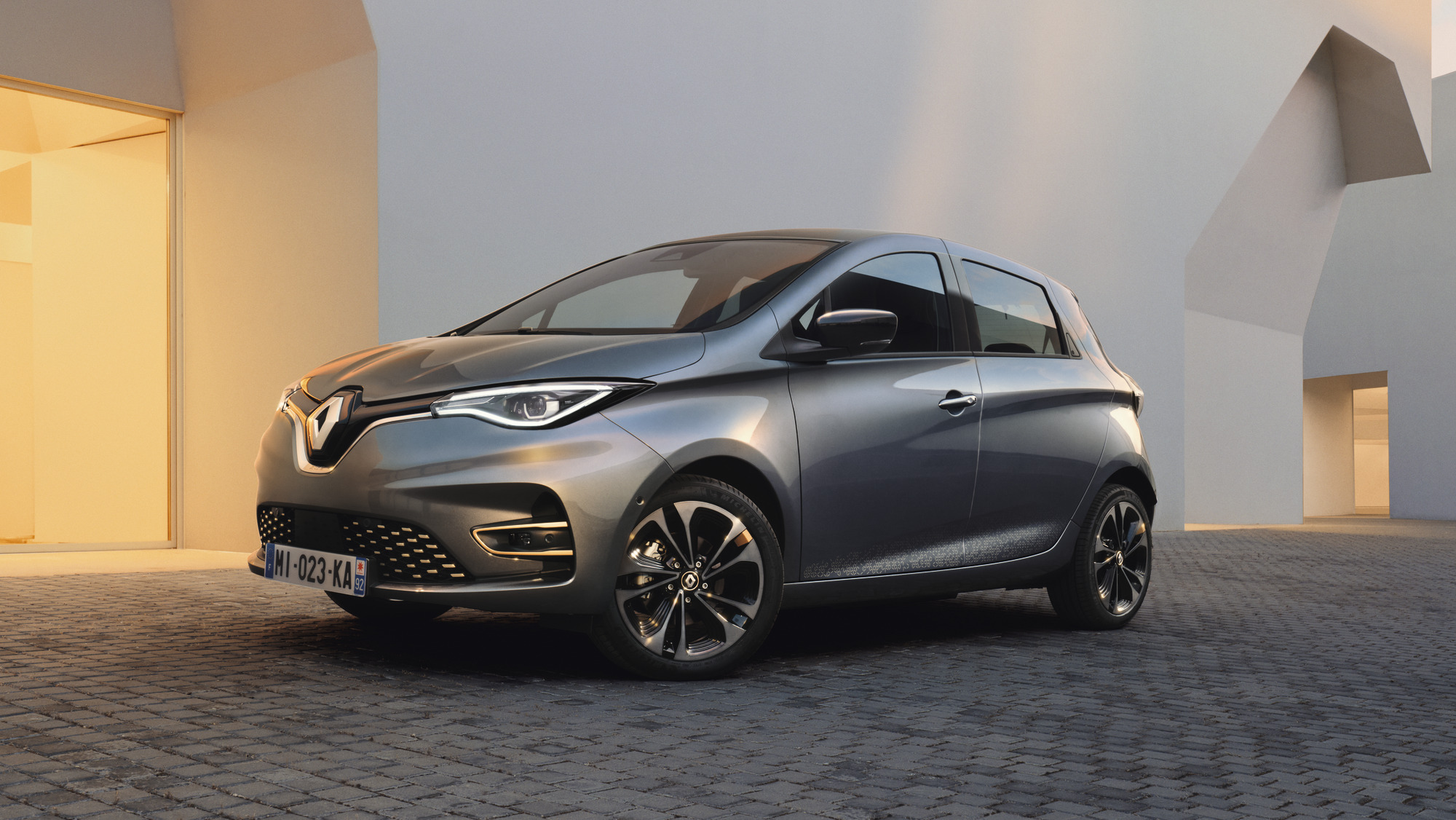
7. Renault Zoe E Tech Electric
The Renault Zoe E Tech Electric is one of the most urban friendly EVs in global markets, and it works very well for city commuters who want simplicity and practicality.
Many city commuters do not need huge performance or massive size. What they need is an EV that fits tight streets, parks easily, and delivers strong efficiency for daily travel. The Zoe fits these needs perfectly.
For commuting in dense cities, size is a huge advantage. The Zoe is compact and easy to maneuver. In narrow streets with heavy traffic, it feels nimble rather than bulky. Drivers can change lanes, take sharp turns, and navigate crowded zones without constant stress.
Parking is a big commuter advantage too. City commuters often park at offices, apartments, or roadside spots where space is limited. The Zoe can fit into smaller parking gaps than most sedans. This saves time because you spend less effort searching for parking. It also reduces frustration during peak hours.
Stop and go traffic behavior is smooth. The Zoe’s electric drivetrain delivers quiet, predictable power. This makes commuting more comfortable because the car does not feel jerky in congestion. Even beginners find it easy to drive because electric operation removes clutch work and gear shifting.
Regenerative braking supports commuter efficiency. Since commuting involves frequent braking, regen helps recharge the battery slightly while slowing down. This improves real world range in traffic. It also reduces brake wear, which is useful for daily commuters.
Efficiency is one of the Zoe’s biggest strengths. It uses battery power wisely, allowing commuters to travel more distance between charges. This is helpful for urban owners who rely on public charging rather than home chargers. Fewer charging sessions means less time spent waiting at charging stations.
Charging convenience is practical for city living. The Zoe is compatible with common public charging networks in many markets. That means commuters can easily top up during shopping trips or after office hours. A commuter EV should charge easily without creating complicated routines, and the Zoe supports that.
The cabin is designed for daily commuting. It has enough space for commuters and passengers, and seating is comfortable for regular travel. Boot space is practical for office bags, small grocery runs, and daily essentials. This makes it a usable commuter vehicle instead of a limited micro car.
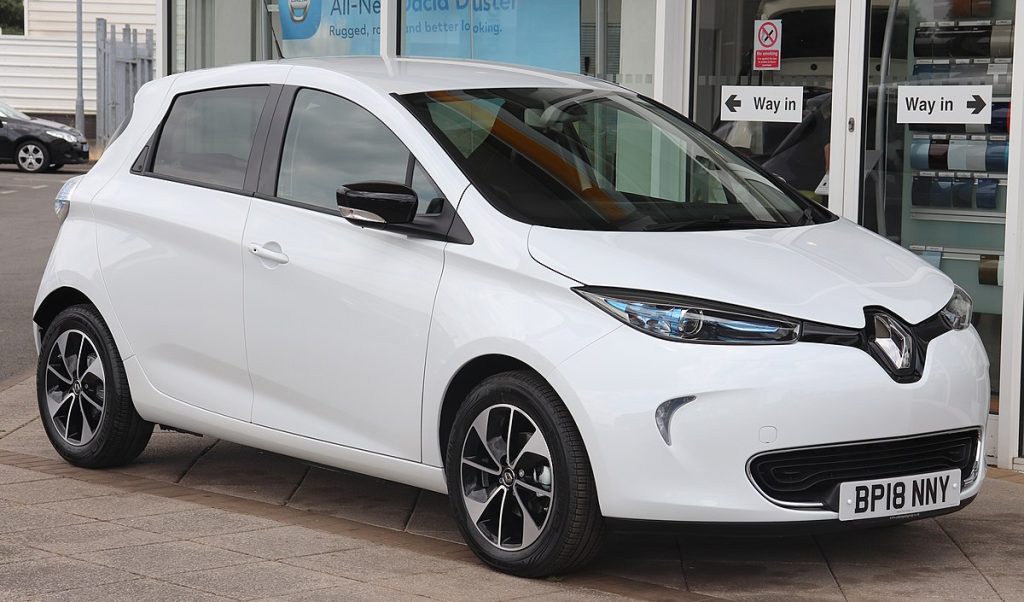
Ride quality supports city roads well. Since it is designed for urban environments, it handles bumps, speed breakers, and rough patches comfortably. This matters because commuters often travel through imperfect roads daily.
Ownership costs remain low, which matters to commuters. With simpler maintenance requirements and low running costs, the Zoe fits people who want budget friendly daily commuting. It is not only easy to drive, but also easy to maintain.
Overall, the Renault Zoe E Tech Electric is one of the easiest EVs for city commuters. Its compact size, efficiency, and daily comfort make it ideal for crowded urban routines where simplicity matters most.
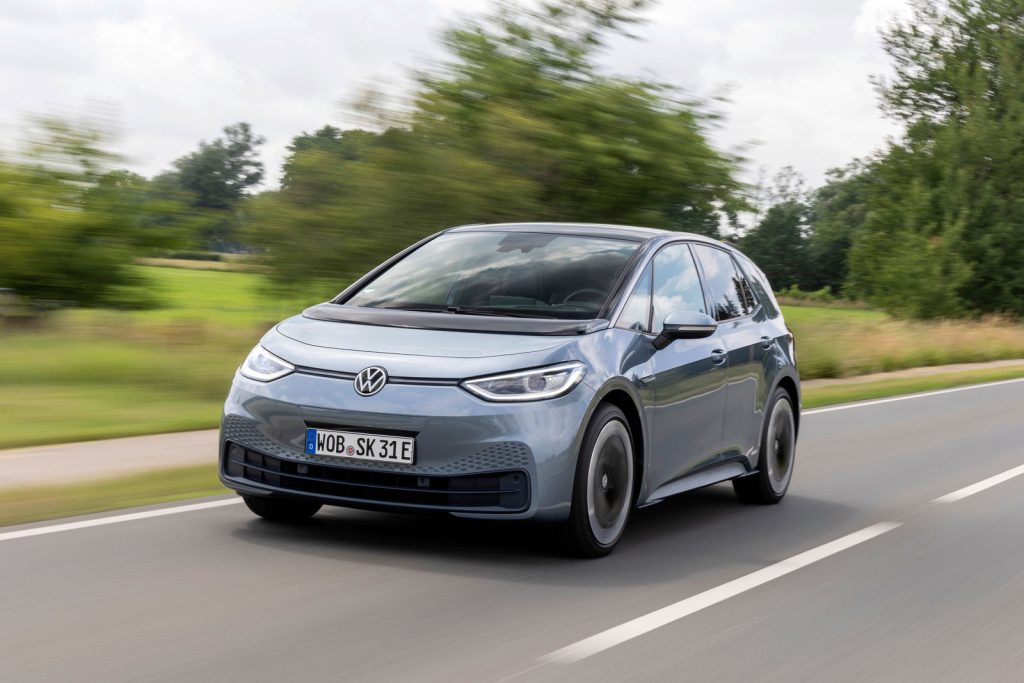
8. Volkswagen ID.3
The Volkswagen ID.3 is a smart electric sedan style commuter car that fits city life extremely well. It was developed with everyday urban usage in mind, focusing on efficiency, comfort, and ease of driving rather than flashy performance. For city commuters who want a practical EV that feels effortless in daily routines, the ID.3 is a very sensible choice.
In stop and go traffic, the ID.3 feels smooth and easy to control. Acceleration is gentle at low speeds, which helps during heavy congestion where you constantly creep forward. The electric drivetrain delivers power without delays, making it easy to merge into small gaps and move confidently when traffic opens.
Regenerative braking is a major advantage for commuting. In city driving, the car slows down frequently, and regen helps recover energy instead of wasting it. This increases efficiency and can reduce how often commuters need to charge. It also reduces wear on brake components, which supports lower long term maintenance.
Efficiency is one of the biggest reasons the ID.3 works well for commuters. Many commuters drive predictable daily distances, and a car that stretches battery range helps create a stress free ownership routine.
In urban traffic, the ID.3 tends to deliver solid real world efficiency, helping drivers cover more distance between charging sessions.
Charging practicality also supports commuting life. The ID.3 supports fast charging, allowing commuters to top up during short breaks. Many city commuters charge at malls, offices, or public parking areas. A car that can add useful range quickly makes commuting ownership far more convenient.
Ride comfort is another major strength. City roads are often uneven, filled with potholes and rough patches. The ID.3 handles these conditions with good balance and composure. It does not feel harsh, so daily commuting remains comfortable even on poor road surfaces.
Cabin comfort also suits commuter use. The seating is supportive, and the car feels spacious for daily trips. A commuter car must be comfortable enough for daily routine driving, and the ID.3 delivers a relaxed driving position that helps reduce fatigue.
Urban maneuvering is easy because the ID.3 is designed to be city friendly. It feels manageable on narrow streets and in crowded lanes. Parking in tight spaces is simpler thanks to good visibility and helpful sensors.
Practical storage is another commuter advantage. The boot and cabin space support daily work bags, laptop backpacks, and commuting essentials. It can handle grocery shopping after work without feeling cramped.
Technology support helps commuters plan and drive efficiently. Range predictions are generally reliable, which helps when managing charging routines. When commuting daily, accurate range feedback makes life easier because you can plan charging stops without guesswork.
Ownership costs also work in the commuter’s favor. EV maintenance is generally lower than fuel cars, and city commuters often spend a lot on fuel due to constant idling. Electric commuting reduces this burden and makes costs more predictable.
Overall, the Volkswagen ID.3 works very well for city commuters because it delivers comfort, efficiency, and easy charging flexibility. It feels built for real urban routines, making daily commutes calmer and more convenient.
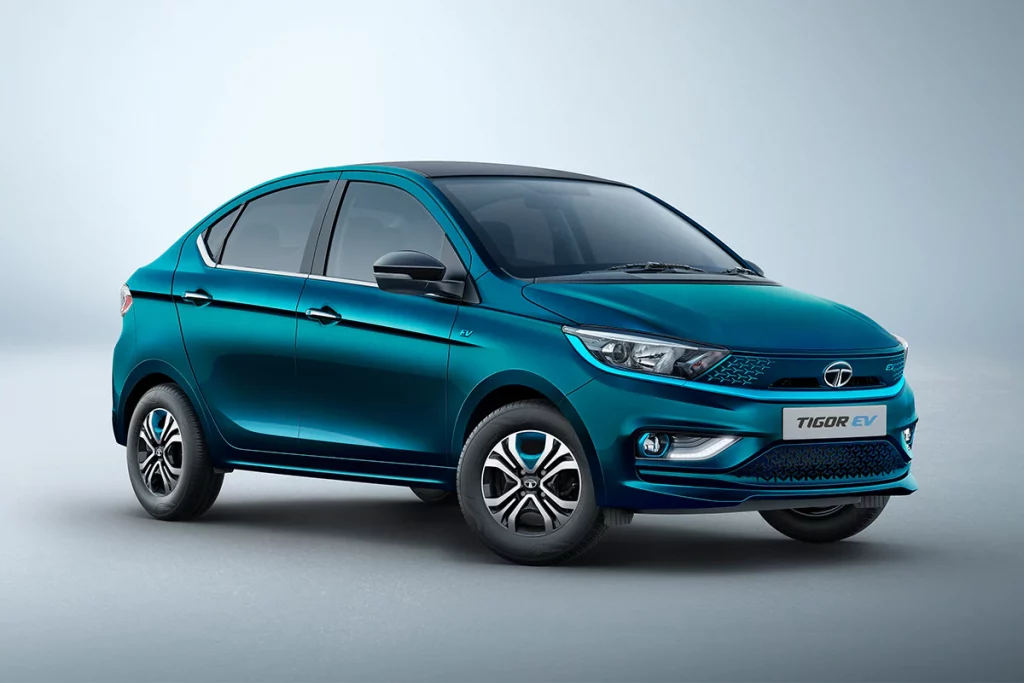
9. Tata Tigor EV
The Tata Tigor EV is one of the most practical electric sedans for city commuters, especially in crowded urban areas where roads are tight and daily travel is short and repetitive. It focuses on the basics that commuters actually need, such as low running costs, easy maneuvering, and comfortable stop and go performance.
In city traffic, the Tigor EV performs exactly as a commuter EV should. The electric motor delivers smooth low speed power, helping the car creep forward calmly in congestion. This makes daily commuting less stressful because the car is easy to control in slow moving traffic.
Regenerative braking helps commuters in traffic conditions. Since urban driving requires constant braking, regen recovers energy and improves efficiency. For city commuters, this translates into better real world range and fewer charging sessions over time.
Compact size is one of its biggest commuting advantages. Many city commuters deal with narrow streets, crowded lanes, and parking spaces that are limited. The Tigor EV fits into tight gaps more easily than many longer sedans. This makes daily parking simpler at offices, apartments, and public parking lots.
Steering is tuned for city use. Low speed steering feels light, which helps in repeated turning and maneuvering. This is important for commuters who park daily in tight areas or navigate congested roads with constant lane adjustments.
Ride comfort matters in city commuting, and the Tigor EV handles typical urban road problems well. Speed breakers, potholes, and uneven surfaces are common in many cities. The Tigor EV offers a stable ride that protects passengers from harshness.
Efficiency is strong for daily commuting. City driving often allows EVs to stretch range through regen braking. The Tigor EV benefits from that, making it suitable for commuters who drive daily but do not want frequent charging stress.
Charging is convenient for urban routines. Many commuters charge at work, shared community chargers, or public stations near shopping centers. The Tigor EV supports practical charging behavior, allowing regular top ups without needing complicated routines.
Interior practicality adds to commuter friendliness. The cabin has enough space for daily use, and the boot can handle office bags, daily shopping, and regular household items. A commuter EV should be useful beyond just driving to work, and the Tigor EV delivers that.
Ownership costs are a major commuter advantage. City driving increases fuel spending in petrol cars, but EVs reduce that burden. The Tigor EV is known for affordable operation and lower maintenance, making it very attractive for commuters who want cost control.
Daily usability is also strong because it feels simple. It is not overloaded with complex systems that distract drivers. In city commuting, simplicity is a benefit because you want a car that starts, drives, parks, and charges without complications.
Overall, the Tata Tigor EV works well for city commuters because it is compact, efficient, and practical. It fits the daily urban commute lifestyle with low stress driving and manageable ownership costs.
10. MG4 EV Sedan Variant
The MG4 EV sedan variant is a modern electric commuter car that fits urban routines extremely well. It has been designed around practical EV ownership rather than complicated premium branding.
For city commuters, what matters most is smooth daily drivability, manageable charging habits, comfort in traffic, and low stress maintenance. The MG4 EV delivers strongly in these areas, making it a smart choice for everyday city travel.
In stop and go traffic, the MG4 EV feels smooth and easy to control. Power delivery is instant, but it remains predictable when driving gently.
This is very important for commuters because daily traffic requires constant small throttle adjustments. The MG4 EV allows you to creep forward, merge into small gaps, and move confidently without feeling jumpy.
Regenerative braking adds another commuting advantage. City commuters brake frequently at traffic lights, crossings, and slow moving congestion.
Regen helps recover energy each time you slow down, improving efficiency and extending usable range. It also reduces brake wear, which helps commuters lower maintenance costs over time.
Efficiency is one of the biggest benefits for urban commuters. The MG4 EV uses energy wisely in city conditions, allowing you to cover your daily commute with less battery use.
This reduces charging frequency during the week. For commuters who rely on public charging or workplace charging, fewer charging stops means less wasted time.
Charging flexibility is practical too. The MG4 EV supports fast charging, which suits city routines where drivers often charge during errands. A commuter does not want long charging sessions. The MG4 EV allows quick top ups, making it easy to fit charging into daily life without disruptions.
Another strength is urban maneuverability. City commuting involves narrow streets, sudden lane changes, and limited parking spaces. The MG4 EV feels manageable in tight environments, which makes it easier to handle crowded roads. Parking is also less stressful because the car feels easy to judge in tight spaces.
Parking assistance features add value in commuter ownership. Sensors and camera support reduce the chance of minor bumps in crowded parking lots. Many commuters park daily in office areas or apartment basements, and small scrapes can become expensive. These assistance systems help prevent that.
Ride comfort is important for commuters who drive daily on uneven roads. The MG4 EV provides a stable ride that handles potholes, rough patches, and speed breakers well. A comfortable ride reduces fatigue, which matters for people who commute every day.
Interior comfort supports long term commuting. The cabin feels modern and practical, with supportive seating and good driving posture. A commuter car must feel comfortable for daily routine driving, not just occasional trips. The MG4 EV offers enough cabin space for passengers and daily usage.
Boot practicality also adds commuter convenience. Daily city life often includes shopping, carrying office equipment, or traveling with bags. The boot can handle these tasks easily. This makes the MG4 EV useful not only for commuting, but also for weekend errands and family use.
Ownership cost control is another reason it suits commuters. EV maintenance needs are generally lower than fuel cars, and city driving usually increases fuel expenses due to constant idling. The MG4 EV reduces running cost stress and supports predictable long term ownership.
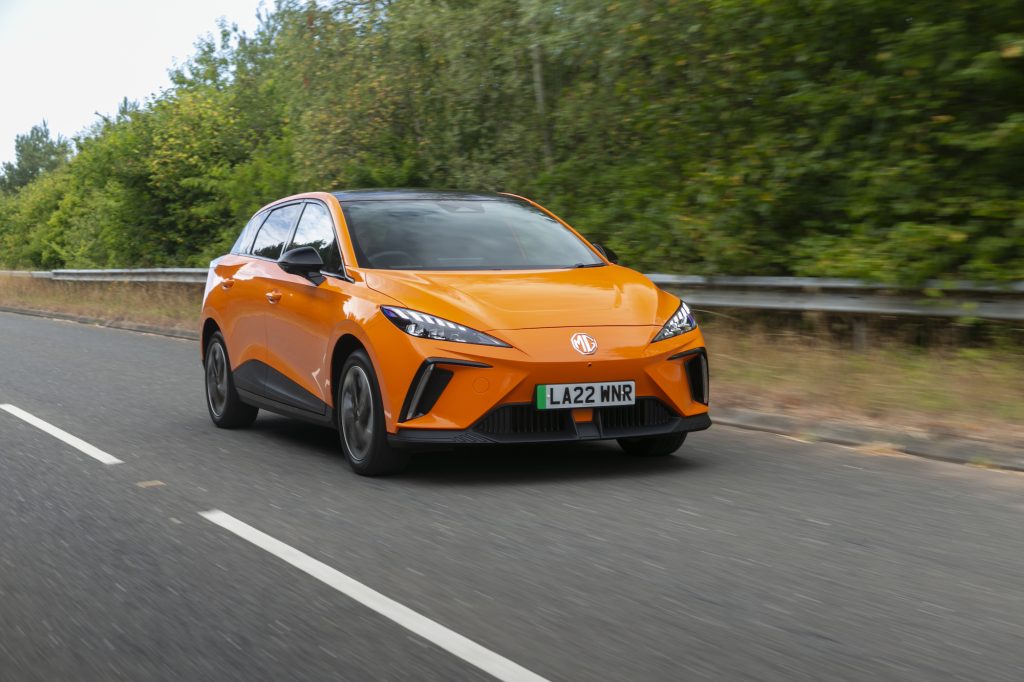
Overall, the MG4 EV sedan variant works well for city commuters because it delivers smooth traffic behavior, strong efficiency, practical charging support, and comfortable daily usability. It feels like an EV built for everyday commuting life, not just for show.
Also Read: 9 EVs That Make Sense Without Home Charging
