
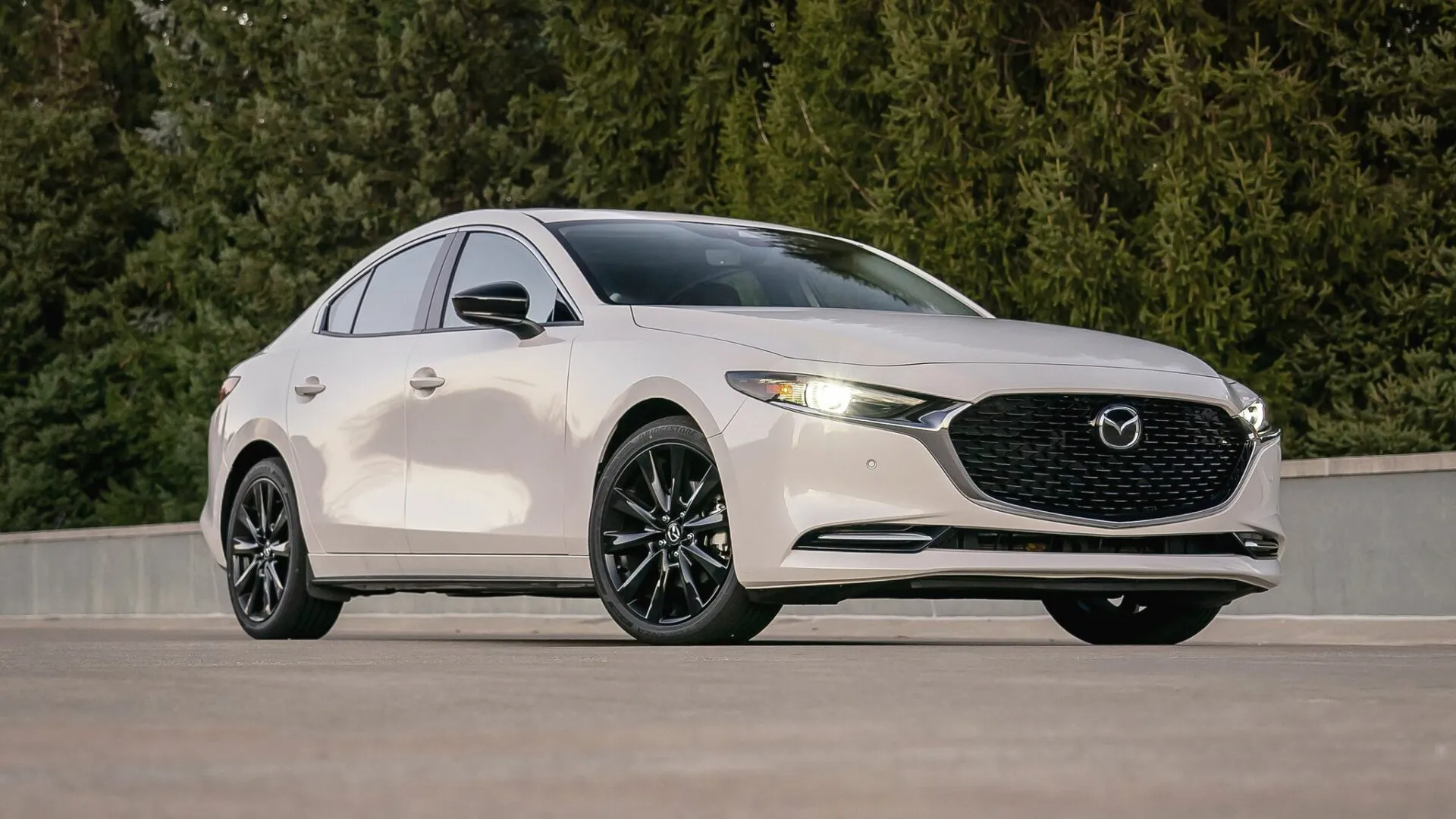
Short trips are one of the toughest use cases for any car. While they may seem easy on paper, frequent short drives place unique stress on engines, transmissions, and emissions systems. Many sedans that perform well on highways struggle when used mostly for quick errands and daily commutes.
Short trips often mean the engine does not reach full operating temperature. This can lead to incomplete combustion, moisture buildup, and faster oil degradation. Over time, these factors increase wear and reduce long term reliability if the car is not designed to handle such usage.
City based owners often drive only a few kilometers at a time. School runs, grocery shopping, office commutes, and local errands make up most of their driving routine. For them, reliability under short trip conditions matters more than highway performance.
Sedans that stay reliable with short trips tend to share certain characteristics. They usually have engines tuned for efficiency and durability rather than peak power. Simple mechanical designs often hold up better than highly stressed or complex systems.
Cooling systems also play an important role. Cars that warm up quickly and manage heat efficiently reduce internal stress during repeated cold starts. This helps preserve engine components over time.
Transmission behavior matters as well. Smooth shifting and calm low speed response reduce wear during frequent starts and stops. Sedans that are easy to drive at low speeds usually cope better with short trip usage.
Maintenance friendliness is another factor. Cars that tolerate delayed warm up cycles and frequent cold starts without demanding constant servicing are better suited for short trip owners. Predictable maintenance schedules add peace of mind.
Fuel efficiency is often improved in sedans designed for urban use. While short trips generally increase fuel consumption, some cars handle this better than others through efficient engine management and lightweight construction.
Cabin comfort should not be ignored. Even though trips are short, they happen frequently. Comfortable seating, good visibility, and easy controls make repeated drives less tiring.
This article focuses on nine sedans from global markets that remain reliable even when used mostly for short trips. These cars are chosen for their durability, simple engineering, and proven performance in urban conditions.
They are not selected for speed or luxury, but for how well they handle the realities of everyday driving. For owners whose cars rarely see long highway runs, these sedans offer confidence and long term dependability.
Also Read: Top 10 Pontiac Performance Legends Built for Speed Lovers
1. Toyota Corolla
The Toyota Corolla is widely regarded as one of the most reliable sedans for short trip usage. Its engineering prioritizes longevity, simplicity, and consistent performance. These traits help it cope with frequent cold starts and brief drives without developing issues early.
The Corolla’s engine design focuses on efficiency and durability. It warms up relatively quickly, which helps reduce internal wear during short trips. This is important when the car is driven multiple times a day for brief distances.
Throttle response is smooth and controlled. The engine does not feel strained during low speed driving. This reduces stress on internal components during stop and go conditions.
Short trips often involve frequent idling and slow traffic. The Corolla handles this calmly. Cooling and lubrication systems are designed to operate efficiently even before full operating temperature is reached.
Transmission behavior supports urban driving well. Gear changes are smooth and predictable, reducing wear during constant acceleration and braking. This helps maintain long term reliability.
Fuel efficiency remains reasonable even with short drives. While no car performs perfectly under such conditions, the Corolla manages consumption better than many competitors. This reflects efficient engine management.
The car’s compact size contributes to ease of use. It does not require aggressive throttle input to move smoothly. This gentle operation supports durability during daily errands.
Braking components are tuned for everyday use. The Corolla handles frequent braking without excessive wear. This is beneficial for owners who drive mainly in traffic.
Suspension tuning supports comfort and durability. It absorbs road imperfections without placing unnecessary stress on components. Short trips on uneven roads feel controlled and calm.
Interior systems also hold up well to frequent use. Switches, controls, and seats are designed for longevity. Repeated entry and exit do not quickly wear down the cabin.
Maintenance requirements are predictable. The Corolla does not demand special care for short trip usage beyond routine servicing. This makes ownership simple and stress free.
Engine oil and fluids remain stable when maintained on schedule. Toyota’s conservative tuning helps reduce sludge buildup, which can be an issue with repeated cold starts.
Electrical systems are reliable. Short trips often stress batteries, but the Corolla’s charging system manages daily use effectively when maintained properly.
The car handles frequent starts without hesitation. Ignition systems and starters are built to withstand repeated use. This adds to long term confidence.
Owners who primarily drive short distances often report fewer issues with the Corolla compared to more complex sedans. Its simplicity works in its favor.
Over time, the Corolla proves that reliability is about consistency. It does not rely on aggressive performance or complex systems to function well.
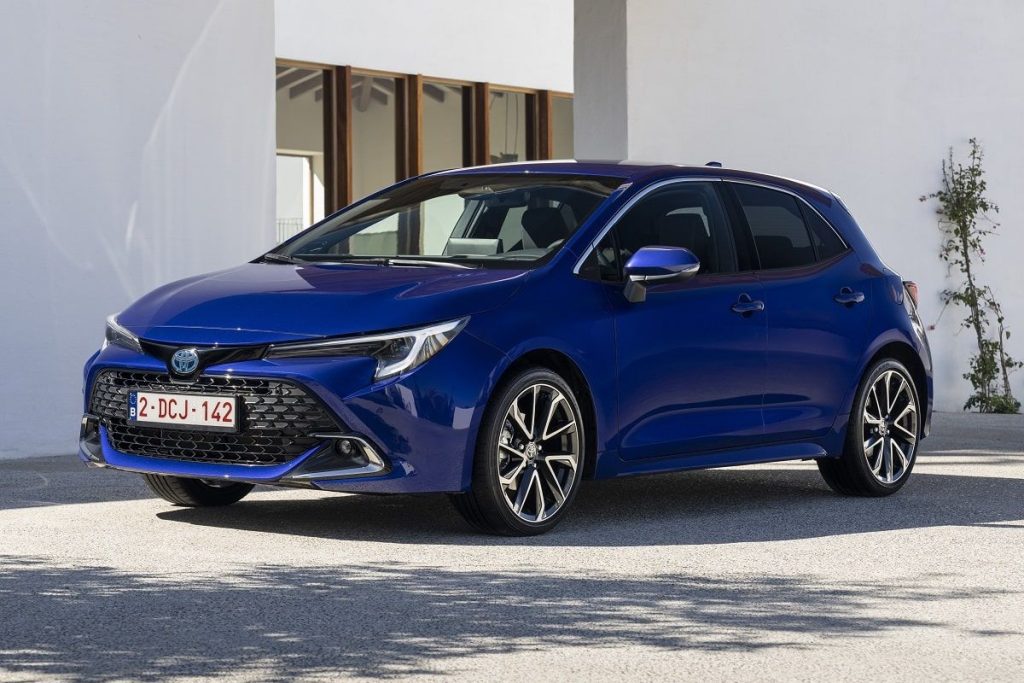
For urban drivers who rarely take long highway trips, the Corolla offers peace of mind. It is designed to handle everyday routines without complaint.
Overall, the Toyota Corolla stays reliable with short trips because it is engineered for real world use. Its durability, efficient systems, and calm driving behavior make it one of the safest choices for frequent short distance driving.
2. Honda Civic
The Honda Civic has a long standing reputation for handling daily use reliably, and it performs especially well when subjected to frequent short trips. Honda engineered the Civic with efficiency, durability, and balanced performance in mind, which helps it cope with repeated cold starts and brief driving cycles.
One of the Civic’s strengths is how quickly its engine reaches stable operating conditions. Faster warm up reduces the time the engine spends running cold, which is when most internal wear occurs during short trips. This characteristic supports long term reliability.
The engine tuning emphasizes smoothness rather than aggressive power delivery. At low speeds, the Civic responds gently to throttle input. This calm behavior reduces stress on pistons, valves, and bearings during frequent starts.
Short trips often involve traffic lights, congestion, and slow movement. The Civic handles these conditions without feeling strained. The cooling system manages heat effectively even during low speed operation.
Transmission performance is well suited for urban driving. Gear changes are smooth and predictable, which helps limit wear caused by constant shifting. This is especially important for cars used mainly in cities.
Fuel efficiency remains relatively stable even when trips are brief. While short distances naturally increase consumption, the Civic manages fuel delivery efficiently. This reflects careful engine management programming.
Frequent short trips can be hard on batteries. The Civic’s charging system is designed to recover charge efficiently during everyday driving. When maintained properly, battery related issues are less common.
Braking systems are built for daily use. The Civic tolerates repeated braking without excessive wear. This suits owners who drive mainly in traffic heavy areas.
Suspension components are tuned for durability and comfort. Short drives over uneven roads do not quickly fatigue bushings or joints. This helps the car feel solid over time.
Interior durability also matters for short trip users. Frequent entry and exit can wear seats and controls. The Civic’s interior materials are chosen to withstand repeated use.
Oil management plays a key role in short trip reliability. Honda engines are designed to tolerate varied driving patterns when oil changes are done on schedule. This reduces sludge related concerns.
The Civic’s overall weight and balance help reduce mechanical strain. It does not require heavy throttle input to move smoothly from a stop. This gentle operation supports longevity.
Electrical systems perform consistently in daily use. Frequent starts do not overwhelm the starter or ignition components. This reliability adds confidence for short trip owners.
The Civic also handles frequent shutdowns well. Restarting the engine multiple times a day does not lead to hesitation or rough operation when maintained properly.
Owners who use the Civic mostly for errands and commuting often report long service life with minimal issues. This real world feedback supports its reputation.
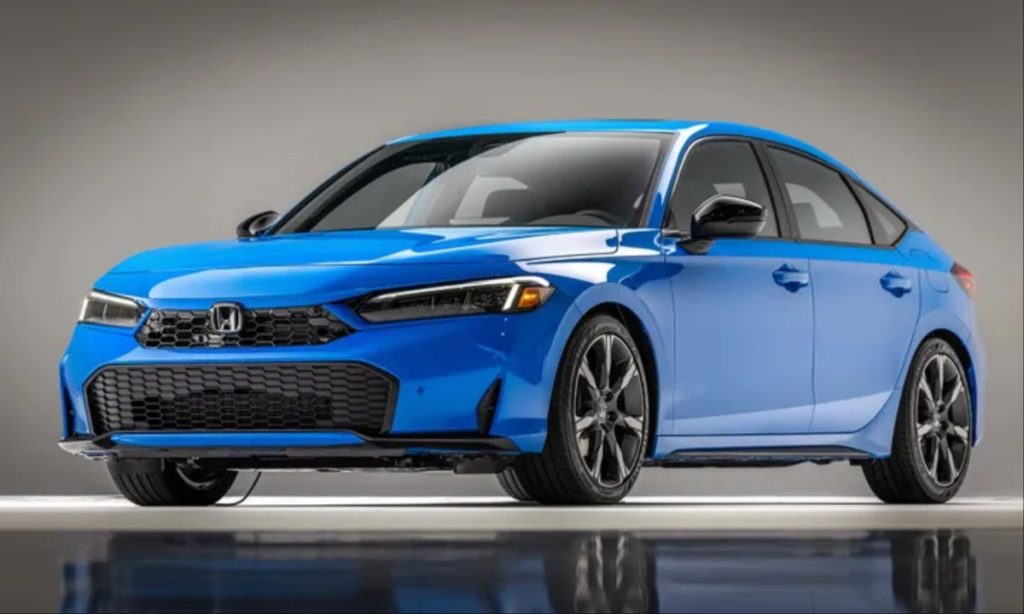
The simplicity of the Civic’s design helps it cope with short trip usage. It avoids unnecessary mechanical complexity that can struggle under repeated cold starts.
Climate systems perform reliably even on short drives. Heating and cooling respond quickly, which improves comfort without overworking components.
For drivers whose routines involve school runs, shopping, and local commuting, the Civic remains dependable. It adapts well to urban patterns.
Overall, the Honda Civic stays reliable with short trips because it is engineered for everyday use. Its efficient warm up, smooth low speed behavior, and durable components allow it to handle frequent short drives without sacrificing long term reliability.
3. Toyota Yaris Sedan
The Toyota Yaris Sedan is one of the most short trip friendly sedans available in global markets. Its compact size, efficient engine, and simple engineering allow it to remain reliable even when used primarily for brief daily drives.
The Yaris Sedan warms up quickly due to its small displacement engine. Faster warm up reduces cold running time, which is critical for minimizing wear during short trips. This gives it a natural advantage in urban use.
Engine tuning focuses on efficiency and longevity rather than performance. Throttle response is gentle and predictable, reducing internal stress during repeated starts and stops.
Short trips often involve low speeds and idling. The Yaris Sedan handles these conditions calmly. Cooling and lubrication systems operate efficiently even before full operating temperature is reached.
Transmission behavior supports smooth low speed driving. Gear changes are unobtrusive, reducing wear caused by constant shifting in traffic. This helps preserve drivetrain health.
Fuel efficiency remains strong despite short distances. While consumption increases slightly, the Yaris Sedan manages fuel delivery well. This reflects efficient engine management and low vehicle weight.
Battery reliability is important for short trip users. The Yaris Sedan’s electrical system recovers charge effectively during everyday driving. This helps prevent premature battery issues when maintained properly.
Braking components are designed for frequent use. The car handles repeated braking without rapid wear. This suits city driving patterns well.
Suspension tuning prioritizes durability. Short trips over speed bumps and uneven roads do not quickly fatigue components. The car remains composed over time.
Interior durability supports frequent use. Seats, switches, and controls are built to handle repeated entry and exit. This keeps the cabin functional despite daily errands.
Oil management is conservative. Toyota engines are known for tolerating varied driving patterns when serviced on schedule. This reduces sludge risks associated with short trips.
The Yaris Sedan’s lightweight construction reduces mechanical strain. It accelerates smoothly without demanding high engine load. This gentle operation supports longevity.
Starter and ignition systems are built to handle frequent use. Multiple daily starts do not typically lead to early failure. This reliability is valuable for short trip owners.
Frequent shutdowns do not cause hesitation on restart. The engine resumes smooth operation quickly, which is important for repeated errands.
Owners who use the Yaris Sedan mainly in cities often report low maintenance issues. Its simplicity works in its favor under short trip conditions.
The absence of overly complex systems improves reliability. Fewer components are stressed by cold starts and brief runs. This makes long term ownership easier.
Heating and cooling systems respond quickly. Even on short drives, cabin comfort is achieved without excessive strain on components.
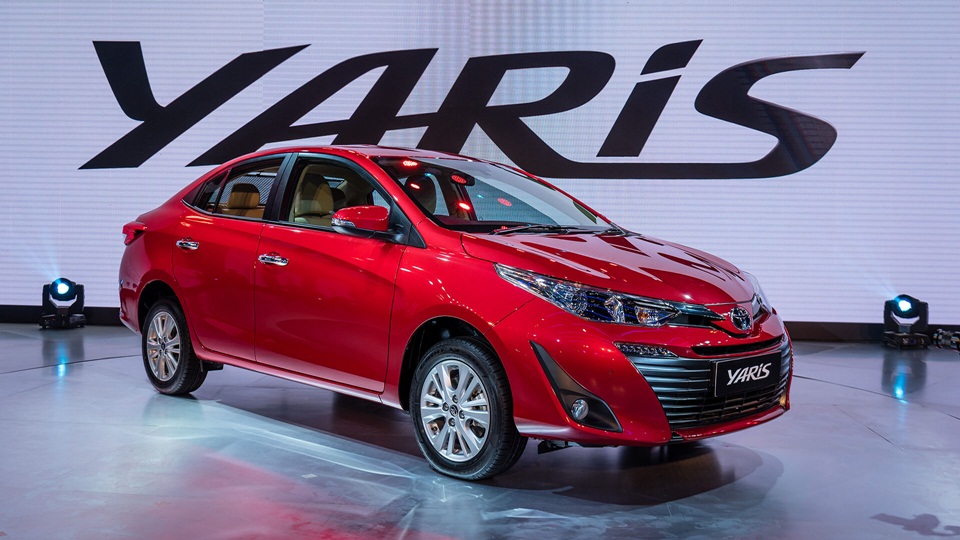
The compact size also helps reduce wear. The car does not need aggressive throttle input to keep up with traffic. This supports engine health.
For drivers whose vehicles rarely leave the city, the Yaris Sedan offers peace of mind. It is built for exactly this type of usage.
Overall, the Toyota Yaris Sedan stays reliable with short trips because it combines efficient warm up, simple engineering, and gentle driving behavior. It is one of the best choices for owners whose driving consists mainly of short daily journeys.
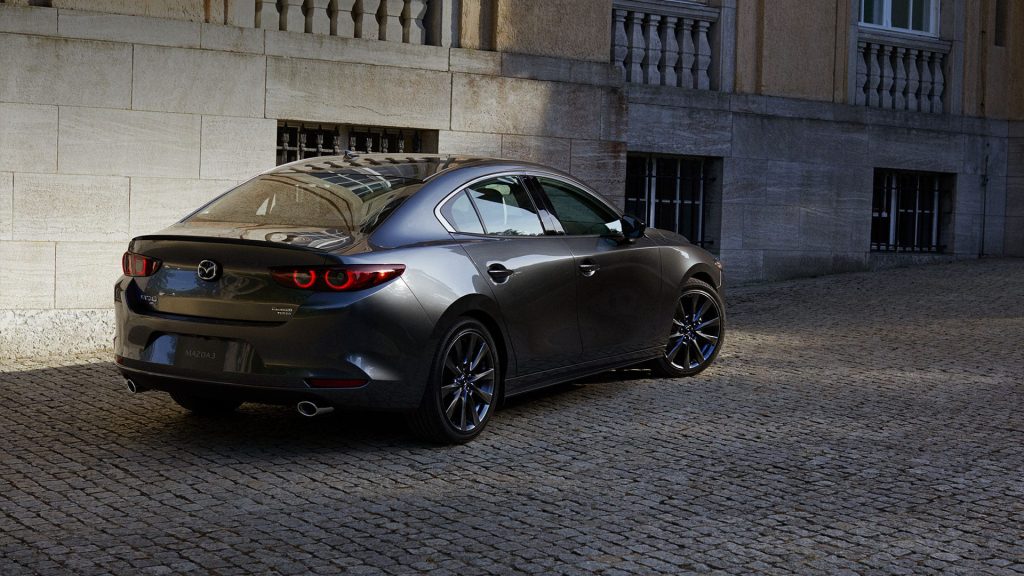
4. Mazda 3 Sedan
The Mazda 3 Sedan is well known for its engaging driving feel, but it is also a sedan that remains reliable when used mostly for short trips. Mazda’s focus on efficient combustion, responsive warming, and mechanical simplicity helps this car cope with frequent cold starts and brief journeys.
One of the key strengths of the Mazda 3 is how smoothly its engine operates at low temperatures. The engine reaches stable operation relatively quickly, which reduces the time spent running cold. This helps limit internal wear during short drives.
Throttle response is progressive and controlled. The car does not surge or hesitate when pulling away from a stop. This calm behavior reduces stress on pistons, valves, and bearings during frequent starts.
Short trips often involve low speed driving and repeated idling. The Mazda 3 manages heat effectively in these conditions. The cooling system maintains balance even before full operating temperature is achieved.
Transmission behavior supports urban use. Gear changes are smooth and timely, avoiding unnecessary revving. This reduces wear caused by constant shifting during stop and go driving.
Fuel efficiency remains respectable with short trips. While consumption increases slightly, the Mazda 3 manages fuel delivery efficiently. This reflects well tuned engine management.
Battery and charging performance are important for short trip reliability. The Mazda 3 recovers charge effectively during everyday use when maintained properly. This helps prevent early battery failure.
Braking systems are built for repeated use. The Mazda 3 handles frequent braking without rapid deterioration. This suits city driving patterns well.
Suspension components are designed to handle uneven roads and speed bumps. Short trips over rough surfaces do not quickly wear bushings or joints. The car remains composed over time.
Interior materials support frequent entry and exit. Seats, switches, and controls are durable and resist premature wear. This matters for owners making multiple short trips daily.
Oil management is conservative and reliable. When oil changes are done on schedule, the engine tolerates varied driving patterns well. This reduces concerns related to sludge buildup.
The Mazda 3’s balanced weight helps reduce mechanical strain. It accelerates smoothly without demanding high engine load. This gentle operation supports longevity.
Starter and ignition systems are designed for frequent use. Multiple daily starts do not typically cause early failures when maintenance is followed.
Frequent shutdowns do not lead to rough restarts. The engine resumes smooth operation quickly, which is important for errands and local commuting.
Owners who primarily use the Mazda 3 for city driving often report strong reliability over time. Its engineering works well under short trip conditions.
The absence of unnecessary complexity improves durability. Systems are designed to work efficiently without relying on extreme tuning. This benefits long term ownership.
Heating and ventilation systems respond quickly. Cabin comfort is achieved even on short drives without excessive strain on components.
The car’s compact footprint also helps. It does not require aggressive throttle input to keep pace with traffic. This reduces wear during daily use.
For drivers whose routines involve mostly short distances, the Mazda 3 Sedan offers reassurance. It adapts well to urban driving patterns.
Overall, the Mazda 3 Sedan stays reliable with short trips because it combines efficient warm up, smooth low speed behavior, and durable engineering. It is a dependable option for owners whose driving rarely includes long highway runs.
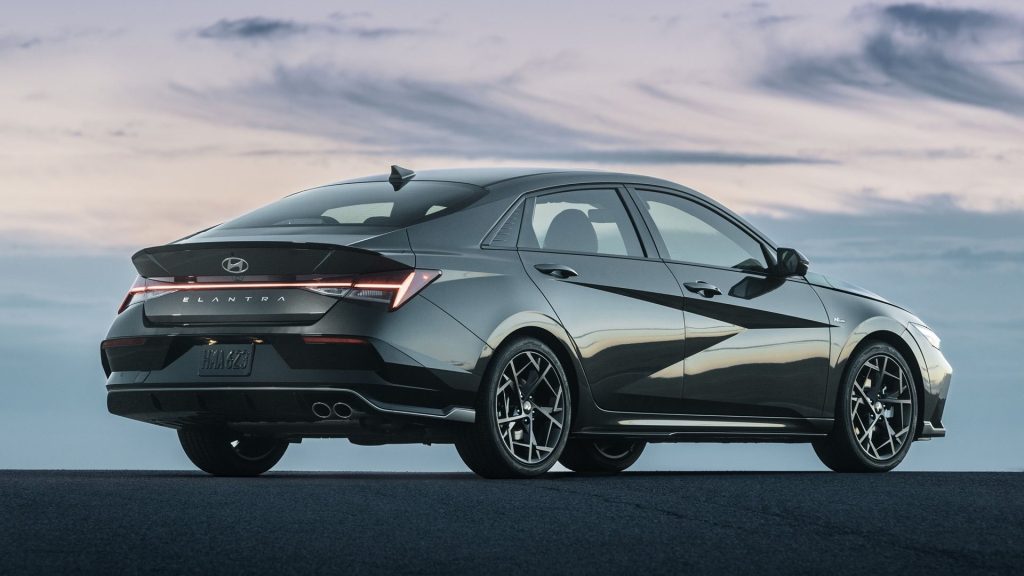
5. Hyundai Elantra
The Hyundai Elantra is a sedan that has steadily improved its reliability record, particularly for drivers who use their cars mostly for short trips. Its modern yet practical engineering allows it to handle frequent cold starts and brief drives without excessive wear.
The Elantra’s engine warms up efficiently, which is crucial for short trip reliability. Reduced cold running time helps protect internal components from premature wear.
Engine tuning focuses on smooth and predictable response. At low speeds, throttle input results in gentle acceleration. This calm behavior reduces strain during repeated starts and stops.
Short trips often involve traffic congestion and idling. The Elantra manages these conditions well. Cooling and lubrication systems operate effectively even during low speed operation.
Transmission behavior supports urban driving. Gear changes are smooth and consistent, limiting wear from constant shifting. This contributes to drivetrain longevity.
Fuel efficiency remains reasonable with short distances. Although short trips increase consumption, the Elantra handles fuel delivery efficiently. This reflects well tuned engine control.
Battery performance is important for frequent short drives. The Elantra’s charging system recovers charge adequately during daily use when maintained properly. This helps avoid early battery problems.
Braking systems are designed for everyday use. The Elantra tolerates repeated braking without excessive wear. This suits stop and go city driving.
Suspension tuning balances comfort and durability. Short trips over potholes and uneven surfaces do not quickly fatigue components. The car maintains composure over time.
Interior materials are chosen for long term use. Frequent entry and exit do not rapidly wear down seats or controls. The cabin remains functional and comfortable.
Oil management is conservative. With regular oil changes, the Elantra’s engine tolerates varied driving patterns well. This reduces risks associated with short trips.
The Elantra’s overall balance reduces mechanical stress. It moves smoothly from a stop without demanding high engine load. This gentle operation supports longevity.
Starter and ignition components are designed to handle repeated use. Frequent starts do not typically lead to early failure under proper maintenance.
Frequent shutdowns and restarts are handled smoothly. The engine resumes normal operation quickly, which is important for daily errands.
Owners who use the Elantra mainly for local commuting often report dependable performance over time. Its design suits urban routines well.
The car avoids excessive mechanical complexity. This simplicity helps systems cope better with short trip usage. Fewer components are stressed by cold starts.
Climate control systems respond quickly. Cabin comfort is achieved even during brief drives without overworking components.
The Elantra’s size also supports reliability. It does not require aggressive driving to stay responsive in traffic. This reduces long term wear.
For drivers whose cars see mostly short journeys, the Elantra provides confidence. It handles daily routines without complaint.
Overall, the Hyundai Elantra stays reliable with short trips because it combines efficient warm up, smooth low speed behavior, and durable components. It is a sensible choice for owners whose driving consists mainly of frequent short distances.
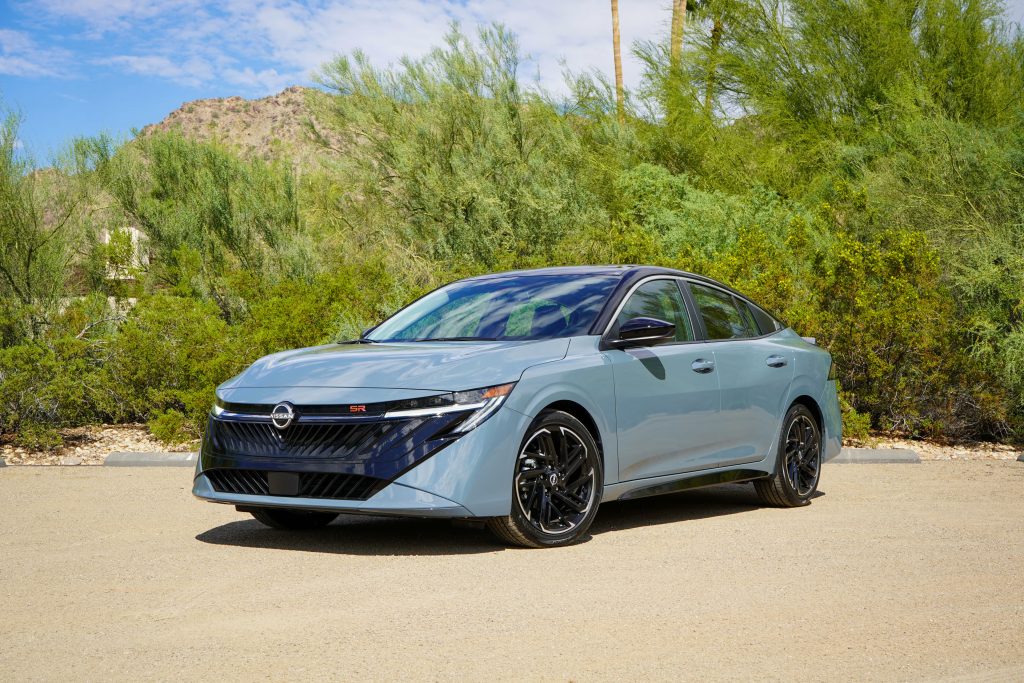
6. Nissan Sentra
The Nissan Sentra is a sedan that performs reliably when subjected to frequent short trips, which are common in urban and suburban routines. Its engineering focuses on smooth low speed operation and efficiency, helping it cope with repeated cold starts and brief drives.
The Sentra’s engine warms up at a steady pace, allowing systems to stabilize quickly. Reducing prolonged cold operation helps limit internal wear, which is a major concern for short trip users.
Throttle response is gentle and predictable. The car does not demand aggressive input to move smoothly from a stop. This reduces stress on engine components during frequent starts.
Short trips often include idling and slow traffic. The Sentra manages these conditions calmly. Cooling and lubrication systems function effectively even before full operating temperature is reached.
Transmission behavior supports urban usage. Shifts are smooth and consistent, which helps reduce wear caused by constant acceleration and braking. This contributes to long term drivetrain health.
Fuel efficiency remains acceptable with repeated short drives. While consumption naturally increases, the Sentra manages fuel delivery efficiently. This reflects balanced engine tuning.
Battery reliability is important for frequent short trips. The Sentra’s charging system recovers energy adequately during everyday driving when maintained properly. This helps avoid premature battery failure.
Braking components are designed for regular use. The Sentra tolerates frequent braking without rapid wear. This suits city and suburban driving patterns.
Suspension tuning emphasizes comfort and durability. Short trips over speed bumps and uneven roads do not quickly fatigue components. The car remains stable over time.
Interior durability supports frequent entry and exit. Seats, switches, and controls are built to handle daily use. The cabin remains functional despite repeated short journeys.
Oil management is conservative. When oil changes are done on schedule, the engine tolerates varied driving patterns well. This reduces risks associated with moisture buildup.
The Sentra’s balanced weight helps reduce mechanical strain. It accelerates smoothly without demanding high engine load. This gentle operation supports longevity.
Starter and ignition systems are designed for frequent use. Multiple daily starts do not typically cause early issues when maintenance is followed.
Frequent shutdowns and restarts are handled smoothly. The engine resumes normal operation quickly, which is important for errands and commuting.
Owners who use the Sentra primarily for short trips often report consistent reliability. Its design suits urban routines without complication.
The car avoids unnecessary mechanical complexity. Simpler systems cope better with cold starts and brief runs. This supports long term dependability.
Climate control systems respond quickly. Cabin comfort is achieved even during short drives without overworking components.
The Sentra’s manageable size also helps. It does not require aggressive driving to stay responsive in traffic. This reduces wear during daily use.
For drivers whose vehicles rarely see long highway trips, the Sentra offers reassurance. It adapts well to everyday local driving.
Overall, the Nissan Sentra stays reliable with short trips because it combines smooth low speed behavior, conservative engineering, and durable components. It is a dependable choice for frequent short distance driving.
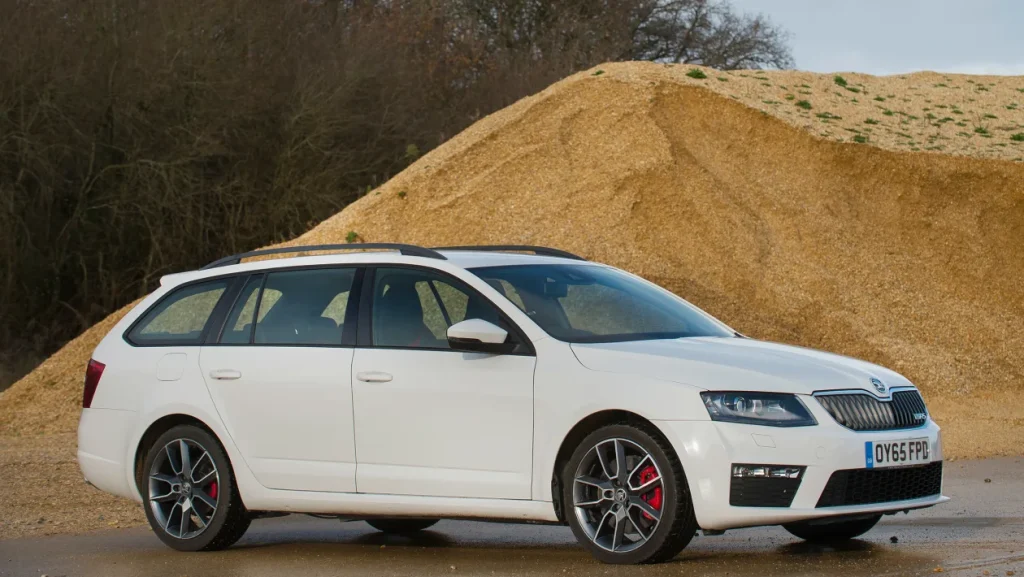
7. Skoda Octavia
The Skoda Octavia is often associated with space and comfort, but it also remains reliable when used mostly for short trips. Its solid engineering and conservative tuning help it handle frequent cold starts and brief journeys without developing issues early.
The Octavia’s engine reaches stable operating conditions efficiently. Faster warm up reduces the time spent running cold, which is critical for minimizing wear during short drives.
Throttle response is smooth and progressive. The car does not surge or hesitate when moving from a stop. This calm behavior reduces internal stress during repeated starts.
Short trips often involve traffic congestion and idling. The Octavia manages these conditions well. Cooling and lubrication systems maintain balance even during low speed operation.
Transmission behavior supports urban driving. Gear changes are smooth and timely, limiting unnecessary revving. This helps reduce drivetrain wear over time.
Fuel efficiency remains reasonable in short trip usage. Although consumption increases slightly, the Octavia manages fuel delivery efficiently. This reflects careful engine management.
Battery performance is important for frequent short drives. The Octavia’s electrical system recovers charge adequately during everyday use when serviced properly.
Braking systems are built for daily use. The Octavia tolerates frequent braking without rapid deterioration. This suits city based driving patterns.
Suspension components are designed for durability. Short trips over uneven roads do not quickly fatigue bushings or joints. The car maintains its solid feel.
Interior materials support frequent use. Seats, controls, and switches hold up well despite repeated entry and exit. This matters for daily errands.
Oil management is conservative. With regular oil changes, the engine tolerates varied driving patterns well. This reduces sludge related concerns.
The Octavia’s balanced chassis reduces mechanical strain. It moves smoothly without demanding aggressive throttle input. This supports long term reliability.
Starter and ignition systems are designed to handle repeated use. Frequent starts do not usually lead to early failures when maintained correctly.
Frequent shutdowns and restarts do not cause rough operation. The engine resumes smooth running quickly, which is important for short trip users.
Owners who primarily drive locally often report good reliability from the Octavia. Its engineering suits everyday urban and suburban routines.
The car avoids overly stressed mechanical systems. This simplicity helps components cope better with cold starts and brief runs.
Heating and ventilation systems respond quickly. Cabin comfort is achieved even on short drives without excessive strain.
The Octavia’s size does not compromise reliability. Despite offering more space, it does not require aggressive driving to perform well in traffic.
For drivers who need space but mostly take short trips, the Octavia remains dependable. It adapts well to daily local use.
Overall, the Skoda Octavia stays reliable with short trips because it combines solid construction, smooth low speed behavior, and conservative engineering. It is well suited for owners whose driving rarely involves long highway journeys.
Also Read: 10 SUVs Discontinued for 2025 That Deserved a Longer Run
