
Rain shapes daily life in Seattle. Drizzle lingers from October to May, turning windscreens into hazy surfaces and making routine journeys harder to manage.
Drivers require an SUV that maintains grip on wet asphalt, keeps glass clear without constant adjustment, and offers dependable sightlines during heavy showers. Many vehicles struggle under these conditions, while a few manage them with calm assurance.
The city rarely experiences short, dramatic storms. Instead, moisture arrives as a steady mist that builds hour after hour, soaking roads and lowering tyre grip. The Highway 520 floating bridge becomes hazardous when rain mixes with rubber residue, forming a slick film that reduces traction.
Interstate 5 through the city centre turns into a corridor of spray, as water thrown up by heavy trucks coats windscreens faster than many wipers can clear. Under such conditions, drivers depend on sharp visibility, effective wiper systems, and All Wheel Drive setups that maintain stability when standing water spreads across lanes.
Certain SUVs perform well in this environment. Strong wiper motors and well-designed blades keep glass readable during persistent rainfall. Generous window areas and slimmer pillars allow drivers to see pedestrians, cyclists, and crosswalk activity clearly, even when rain gear darkens clothing.
Defrost systems respond quickly, clearing interior mist caused by damp passengers and water-soaked bags. Intelligent All Wheel Drive distributes power smoothly, reducing wheel slip on slick surfaces and helping drivers feel composed rather than tense during long wet commutes.
Other SUVs fall short. Weak wipers leave streaks that scatter headlight glare into distracting patterns after dusk. Thick roof pillars block sightlines and can hide people waiting at crossings. Demisting systems react slowly, forcing drivers to peer through small clear sections while the rest of the windscreen clouds over.
Headlights with limited reach struggle to reveal lane markings once the rain deepens. For anyone choosing an SUV in Seattle or any city with frequent rainfall, knowing which models manage moisture properly and which ones compromise vision can reduce daily strain and lower the risk of collisions. Careful selection supports safer travel, steadier confidence, and calmer routines during months of constant rain.
SUVs Engineered for Rainy Conditions
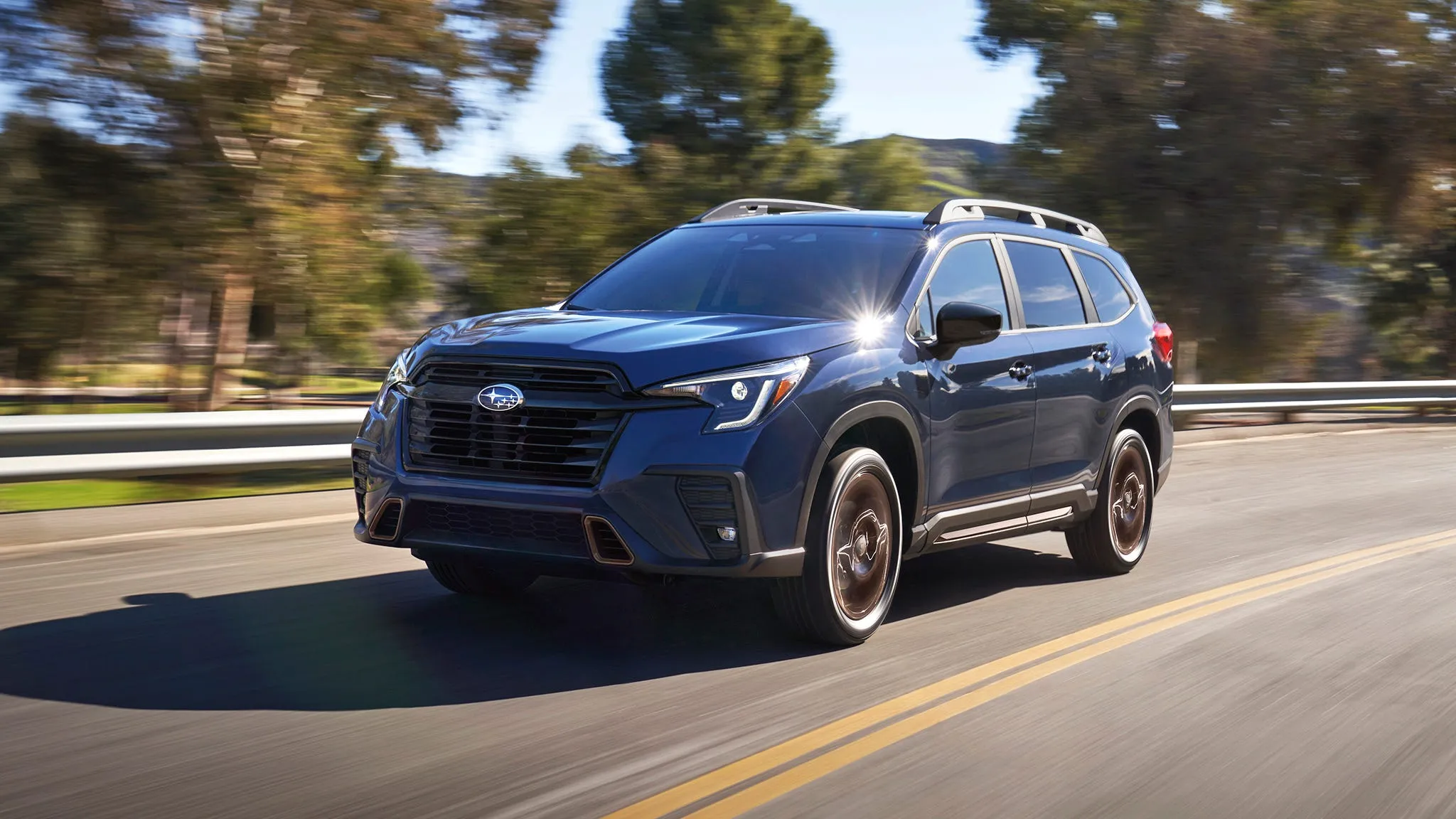
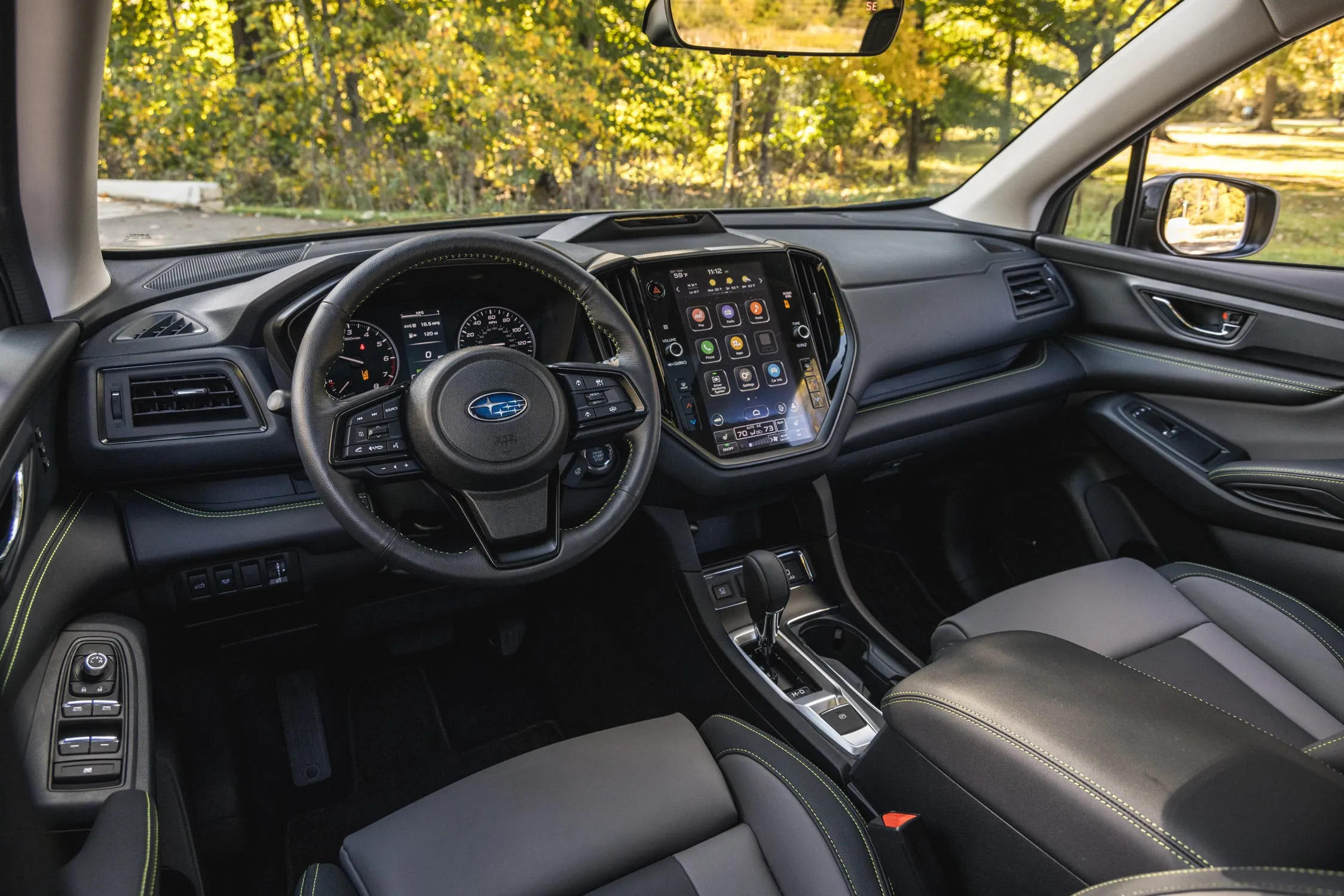
1. Subaru Ascent 2019-2025
All-wheel drive comes standard on every Ascent, a decision that immediately separates this three-row SUV from competitors offering it as an option. Symmetrical all-wheel drive sends power to all four wheels continuously, not just when sensors detect slip.
This proactive approach prevents problems rather than reacting to them, keeping you moving confidently when I-405 turns into a river during November storms. Traction feels planted even when crossing painted lane markings and metal bridge grates that become ice-rink slippery when wet.
Visibility through the greenhouse ranks excellent with large windows and relatively thin roof pillars. You can actually see pedestrians waiting at crosswalks before you’re practically on top of them, important when people wear dark clothing that blends into grey Seattle backgrounds.
Rear three-quarter visibility helps when changing lanes on I-5, letting you spot vehicles hiding in blind spots. Backup camera provides clear images even during rain, and available surround-view cameras show all angles simultaneously.
Defrost and defogging systems work efficiently to eliminate interior condensation. Seattle’s damp climate means moisture invades vehicle interiors constantly, particularly when loading wet passengers, dogs, and cargo.
Powerful climate control directs warm, dry air across the windshield and side window surfaces, clearing fog within seconds rather than minutes. Heated front seats dry out wet clothing quickly, and available heated rear seats extend this comfort to passengers.
Ground clearance measures 8.7 inches, adequate for driving through standing water at intersections where storm drains can’t keep pace with rainfall. That extra height prevents water from splashing into engine compartments or soaking undercarriage components.
Approach and departure angles allow safe passage over speed bumps and parking lot entrances where water pools during heavy rain. Cargo space handles wet outdoor gear, camping equipment, and muddy mountain bikes without difficulty.
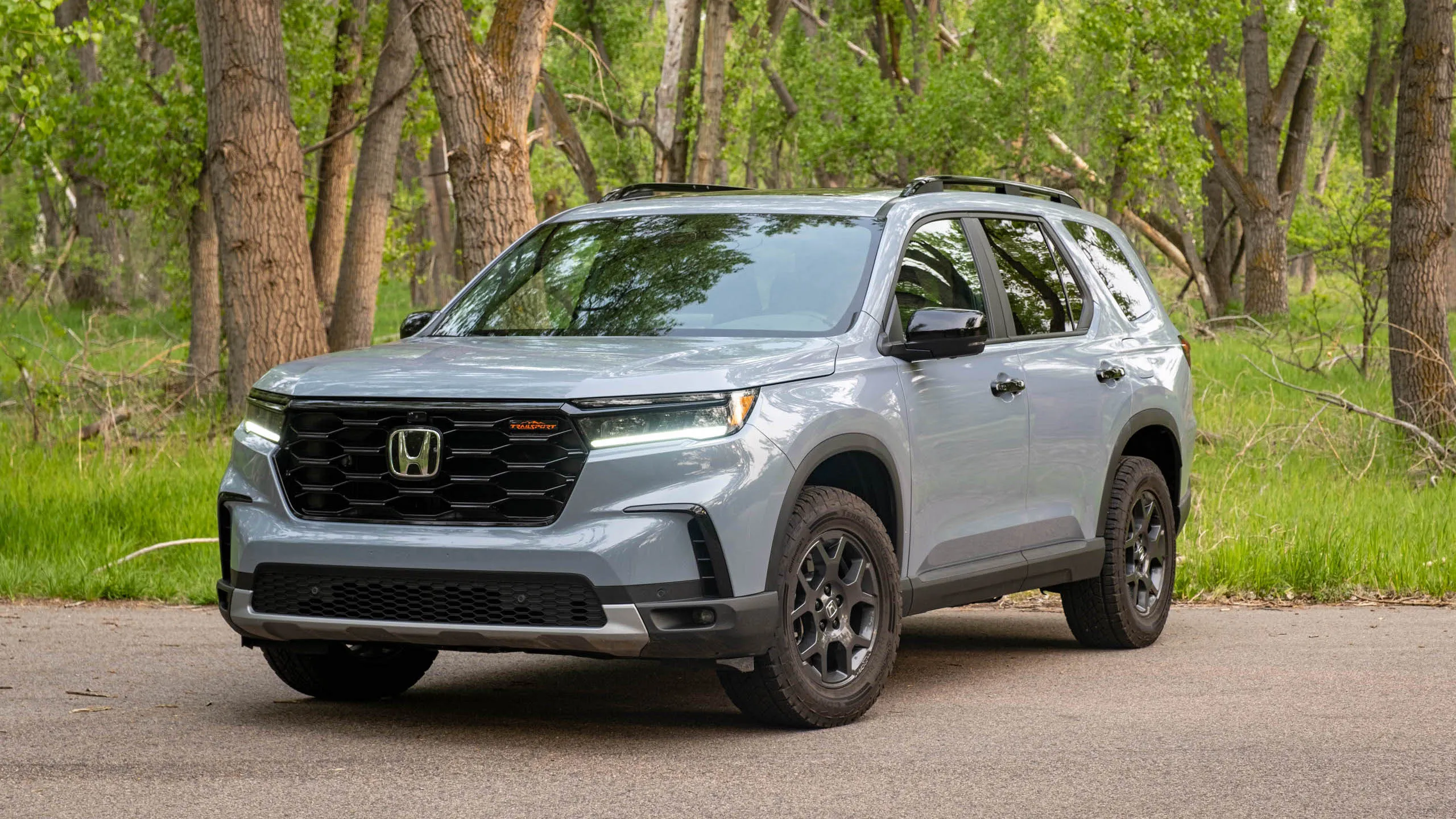
2. Honda Pilot TrailSport 2023-2025
Honda introduced a redesigned Pilot for the 2023 model year, presenting a stronger and more purposeful sport utility vehicle that responds well to demanding weather conditions common in regions such as the Pacific Northwest.
The new exterior design communicates durability, while engineering updates improve stability and road confidence during extended periods of rainfall. A TrailSport variant was added to address drivers who face frequent wet roads, steep inclines, and slippery urban streets, without sacrificing daily comfort or ease of use.
TrailSport specification comes equipped with standard All Wheel Drive and a traction management system designed to adapt to varying road surfaces. One of its practical additions is a rain driving setting that softens throttle response and adjusts power distribution to reduce wheel spin when pulling away from traffic lights on wet asphalt.
This function proves valuable during repeated stop-and-go movement in congested city conditions, where sudden acceleration often leads to loss of grip. Visibility received careful attention during development. The windscreen features a pronounced rake and generous size, allowing the wipers to clear water efficiently.
Inside the cabin, climate systems work proactively. Automatic defrost activates when moisture is detected, preventing screen fog before visibility is affected. Three-zone climate control allows separate temperature preferences, reducing manual adjustments that often cause misting.
Seat heating and ventilation help manage damp clothing and changing temperatures. Solid build quality, responsive infotainment controls, and competitive pricing reinforce the Pilot’s position as a dependable three-row family vehicle.
Also Read: 5 Cars for Canton City Use and 5 Low-Repair Vehicles
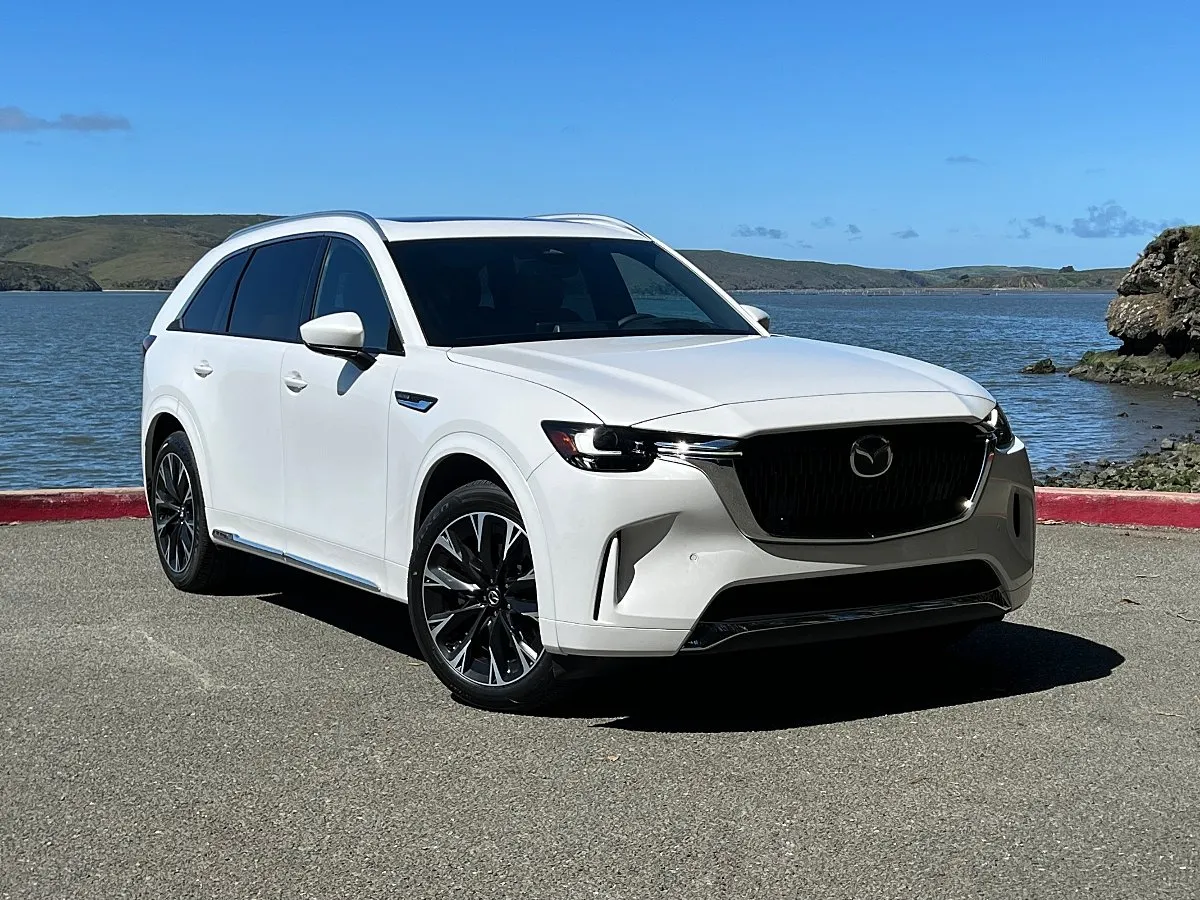
3. Mazda CX-90 PHEV 2024-2025
Plug-in hybrid technology pairs with all-wheel drive in Mazda’s new three-row SUV, creating an efficient vehicle that handles wet roads confidently. Electric motor torque provides instant response when accelerating from stops, eliminating the lag that causes wheelspin on slippery surfaces.
Combined output reaches 323 horsepower, adequate for highway merging and passing even when loaded with passengers and cargo. All-wheel drive comes standard, distributing power between front and rear axles to maintain traction during rain.
Visibility impresses with relatively thin A-pillars and large side windows. Driver positioning places you high enough to see over traffic but not so tall that forward visibility suffers. The rearview mirror provides a wide field of view, and door mirrors offer excellent side visibility.
Blind-spot monitoring with rear cross-traffic alert comes standard across all trims. The available 360-degree camera system shows vehicle position from multiple angles, helpful when parking in tight Seattle spaces during rain.
Defrosting capability benefits from Mazda’s dual-zone automatic climate control with dedicated windshield vents. Heated airflow across glass surfaces prevents fog buildup even when loading wet passengers after hiking at Rattlesnake Ledge.
Front seats offer heating and ventilation to dry damp clothing, and a heated steering wheel keeps hands comfortable during cold, wet commutes. Sound insulation keeps road noise and rain patter at acceptable levels, creating a refined cabin atmosphere.
Premium interior materials include real leather, genuine wood trim, and soft-touch surfaces throughout. Build quality approaches luxury standards with precise assembly and attention to detail. The infotainment system uses a rotary controller rather than a touchscreen, a divisive choice that some drivers appreciate for tactile feedback.
Expected reliability should match Mazda’s improved track record, though the plug-in hybrid powertrain adds unproven elements. Fuel economy benefits from electric-only driving for short trips, reducing gas consumption during local errands.
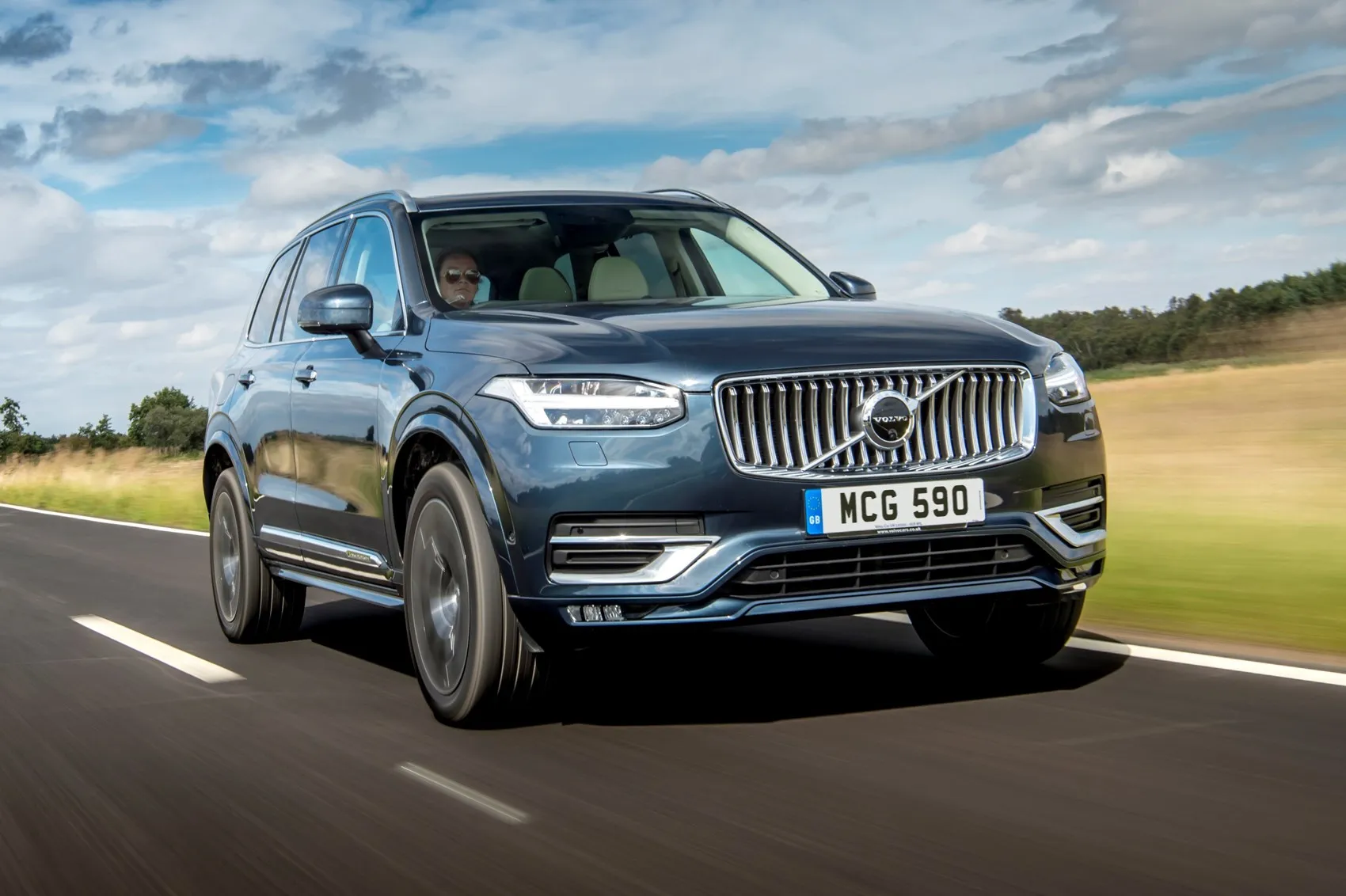
4. Volvo XC90 2020-2024
Swedish automotive engineers have long worked under harsh climate conditions, and that background is reflected clearly in the Volvo XC90 when rain dominates daily driving. Standard All Wheel Drive works with torque distribution software that directs engine power toward tyres holding the strongest grip on wet asphalt.
This system limits wheelspin before motion becomes unstable, allowing smooth movement from traffic lights and junctions during steady rainfall. Electronic stability assistance responds calmly to sliding by applying selective braking and moderating power delivery without sharp or unsettling reactions.
Lighting equipment contributes strongly to confident driving during dark, wet evenings. Optional LED headlamps produce clear and evenly spread illumination that cuts through rain without glare.
Steering-responsive corner lights rotate gently as the wheel turns, allowing drivers to identify pedestrians, lane markings, and road edges earlier than fixed beams allow. Automatic headlamp control senses approaching vehicles and adjusts beam strength instantly, reducing driver workload during long commutes.
Windscreen clearing systems are built for persistence. Durable wiper blades paired with high torque motors maintain uniform sweeping speed during intense downpours.
Automatic rain detection adjusts wiping rhythm accurately, while manual settings remain available for personal preference. Heated washer nozzles prevent fluid freezing during cold rainfall, ensuring proper spray coverage. A wide windscreen surface supports generous forward visibility in poor weather.
Material selection and assembly quality support the XC90’s premium pricing. Soft leather seating, natural wood trim, and a crystal gear selector reflect Scandinavian craftsmanship. Audio performance from the Bowers and Wilkins system remains impressive.
Mechanical dependability has improved compared with earlier generations, although servicing costs remain above average. Driver assistance technology supports safe progress during reduced visibility. Careful tuning of suspension and braking balance also helps drivers maintain confidence when puddles, painted road markings, and uneven surfaces threaten grip during extended rainy commuting periods.
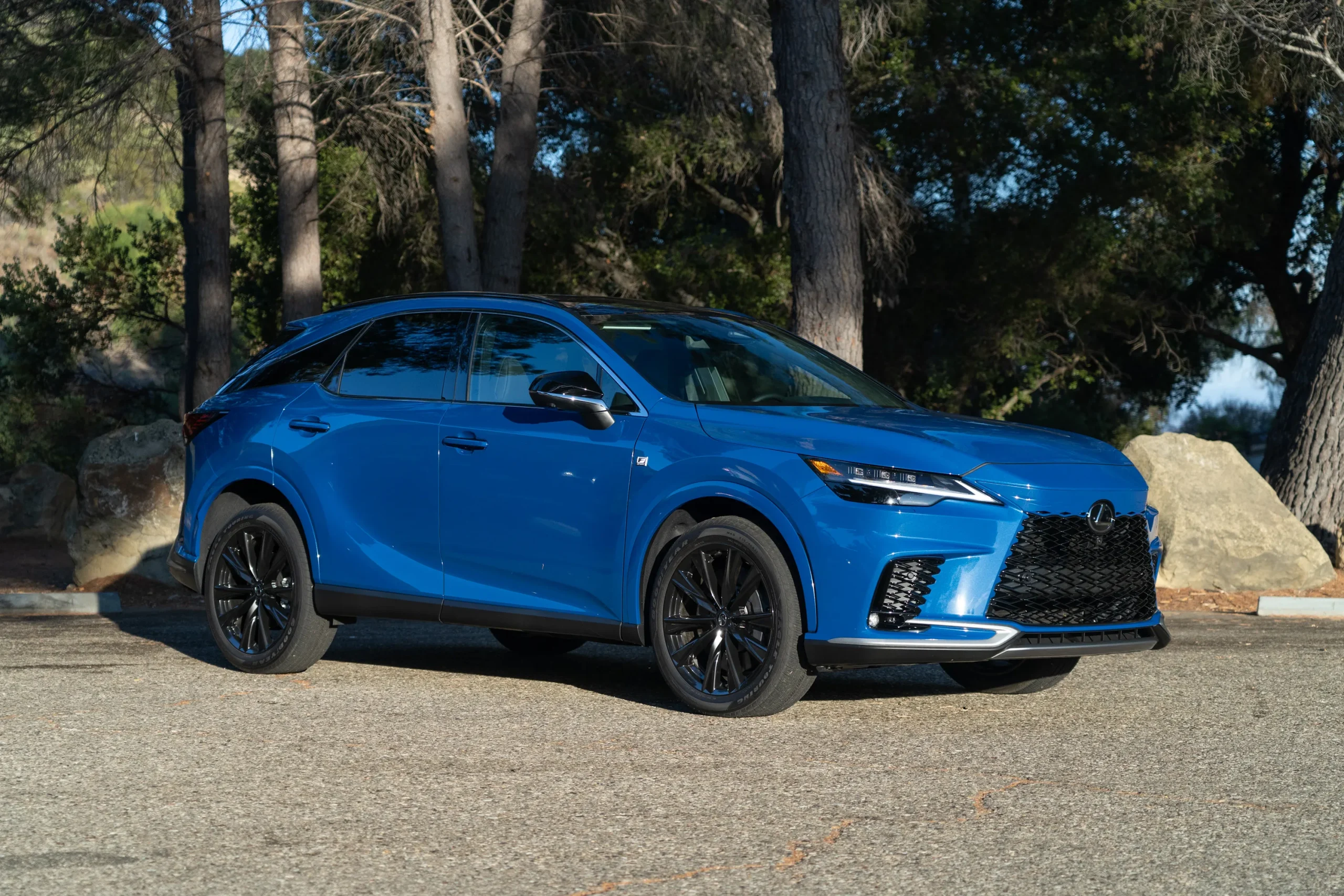
5. Lexus RX 350h 2023-2025
The hybrid powertrain combines with standard all-wheel drive in Lexus’s best-selling SUV, creating efficient transportation that handles wet roads with confidence. Electric motor assistance provides smooth power delivery without the lurching that causes traction loss on slippery surfaces.
Combined output reaches 246 horsepower, adequate for daily driving though not particularly exciting. All-wheel drive system includes snow mode that optimizes power delivery for reduced traction conditions, helpful during Seattle’s occasional winter weather.
Visibility benefits from Lexus’s design philosophy that prioritizes sightlines. Large windows and relatively thin pillars provide good views in all directions. Blind-spot monitoring with rear cross-traffic alert comes standard.
Available digital side-view mirrors replace traditional mirrors with cameras, providing clear views even during heavy rain when traditional mirrors become obscured by water droplets. This technology takes adjustment but offers superior visibility during precipitation.
Climate control includes an automatic defrost that prevents windshield fogging before it becomes problematic. Four-zone automatic climate control allows individual temperature settings for the driver, front passenger, and both rear passengers.
Heated and ventilated front seats dry wet clothing while keeping occupants comfortable. Heated steering wheel adds warmth during cold, rainy commutes. Interior air filtration removes moisture and allergens from incoming air.
Interior quality meets Lexus standards with premium leather, real wood trim, and precise assembly. Build quality feels solid with no squeaks or rattles. Expected reliability ranks among the best in the class based on Lexus’s track record. Hybrid components carry extensive warranty coverage.
Fuel economy impresses with mid-30s MPG during combined driving, reducing refueling frequency. Pricing reflects luxury positioning but includes generous standard equipment.
SUVs With Serious Visibility Problem
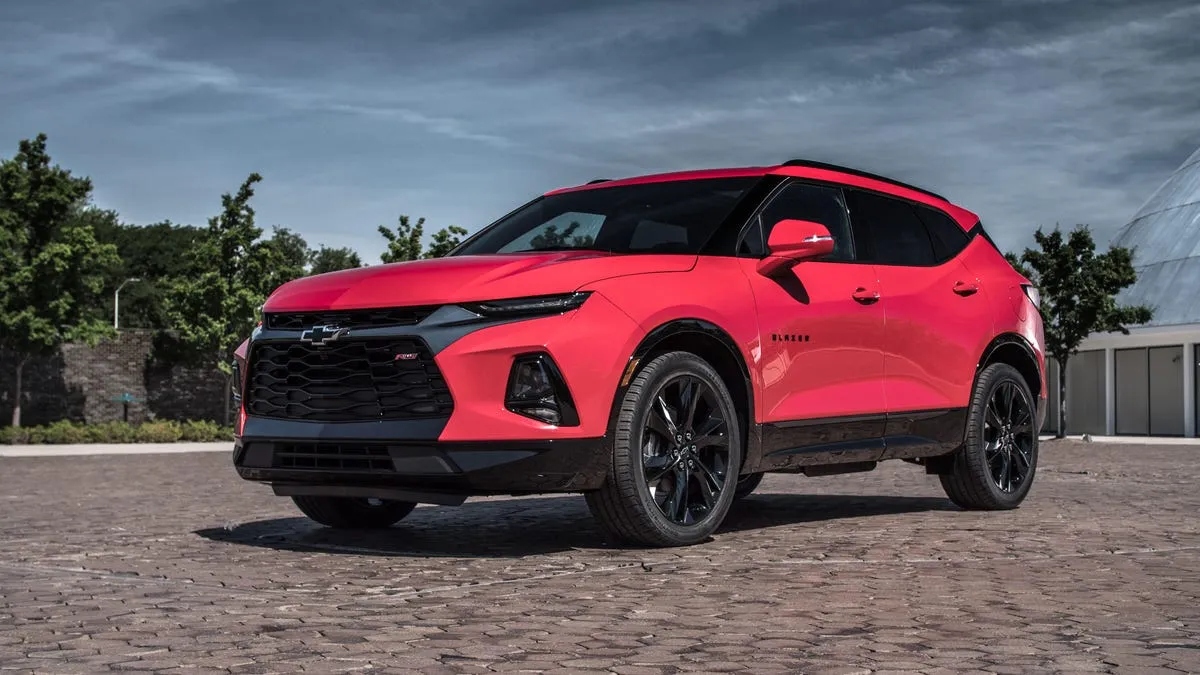
1. Chevrolet Blazer 2019-2024
Styling took priority over function when Chevy designed this mid-size SUV, resulting in visibility issues that make rainy Seattle driving frustrating and dangerous. Thick C-pillars create massive blind spots that hide entire vehicles when changing lanes.
Rear three-quarter visibility barely exists, forcing total reliance on blind-spot monitoring that sometimes fails to detect motorcycles and bicycles in rainy conditions. Looking over your shoulder provides minimal useful information because body structure blocks most rearward views.
A-pillars measure thick enough to hide pedestrians at crosswalks. This dangerous design flaw becomes especially problematic during Seattle’s dark winter months when people wear dark rain gear that blends into backgrounds.
You need to lean forward and move your head to see around pillars, a distracting maneuver when you should focus on road conditions. Intersections require extra caution because pedestrians literally disappear behind structural elements.
Windshield wipers struggle to keep up with heavy Pacific Northwest rain. Blade design leaves streaks that scatter oncoming headlight glare into blinding patterns during evening commutes. Rain-sensing automatic mode activates slowly, allowing water to accumulate before the wipers start working.
Manual speed settings provide a limited adjustment range between too slow and unnecessarily fast. Wiper motor noise intrudes into the cabin, creating an annoying distraction during quiet drives. Interior fogging becomes problematic because climate control doesn’t direct enough airflow to the windshield defrost vents.
Condensation builds up during wet weather, requiring manual adjustments to clear glass surfaces. Defrost mode works eventually, but takes longer than competitors to eliminate fog.
Front passengers loading into the vehicle with wet clothing and bags introduce moisture that overwhelms the system’s capacity to maintain clear windows. You’ll spend the first ten minutes of every rainy drive waiting for visibility to improve.
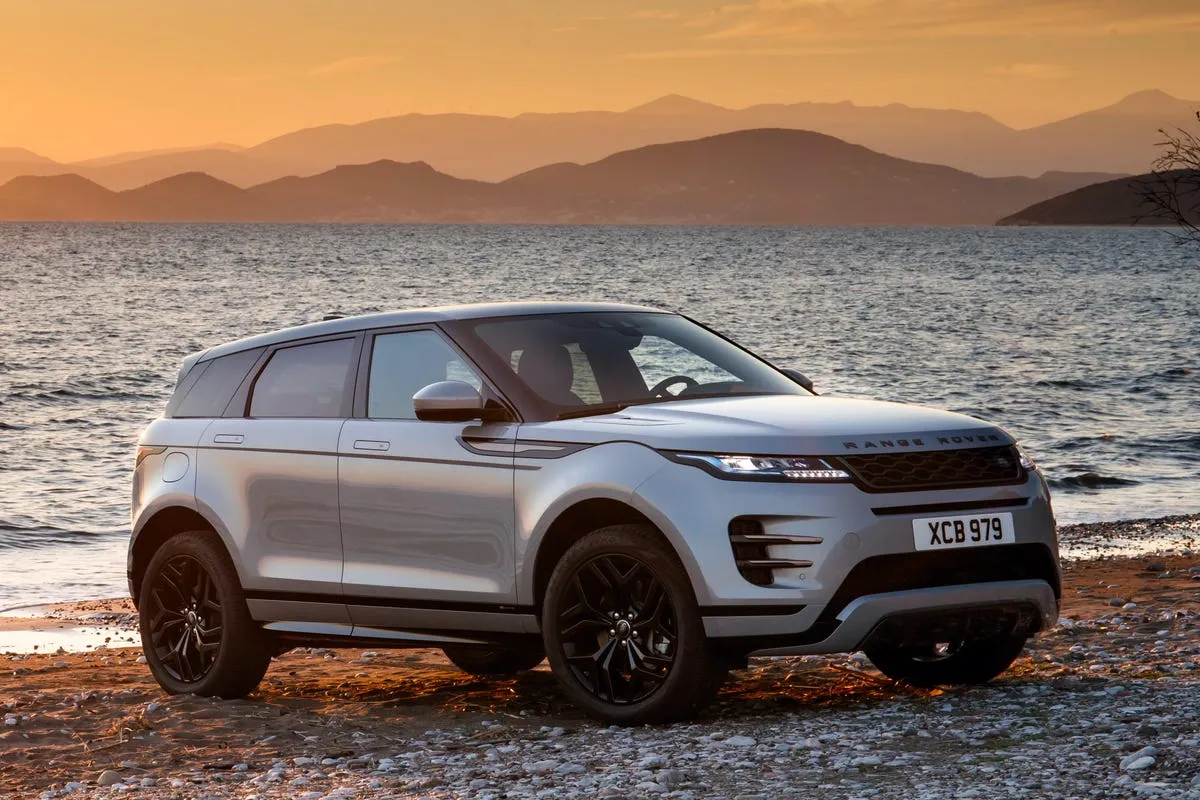
2. Range Rover Evoque 2020-2024
Land Rover’s compact luxury SUV presents a polished British image while delivering disappointing visibility. Exterior design places a strong priority on a low roofline and tight glass areas, trading clear sightlines for visual appeal.
The rear screen is extremely small, closer to a narrow slot than a proper window, and offers little practical assistance when reversing or monitoring traffic behind.
Broad D pillars worsen the problem by blocking wide sections of the driver’s view, allowing cars, cyclists, and pedestrians to disappear. In wet weather, the situation deteriorates as rainwater overwhelms the small rear wiper, leaving the glass smeared and unclear.
Slim side windows combined with thick door structures reduce what a driver can see during routine mirror checks. Looking over the shoulder before changing lanes provides limited reassurance because body panels obstruct much of the adjacent roadway.
Electronic blind spot alerts become essential equipment rather than a helpful addition, yet these systems also struggle during heavy rainfall when spray and moisture interfere with sensors. Forward angled A pillars, styled to support the vehicle’s shape, obstruct views at junctions and increase the risk of missing approaching road users.
Its sharply angled windscreen leaves small triangular areas untouched by the wipers, where rain gathers and distorts vision during storms.
Wiper performance is uneven, creating streaks that reflect headlight glare from oncoming vehicles at night. Automatic wiper operation behaves unpredictably, sometimes reacting late to downpours and at other times activating during drizzle without need.
Moisture control inside the cabin proves equally frustrating. The ventilation system struggles to keep glass surfaces clear when damp clothing or luggage introduces humidity. The demisting vents supply weak airflow to critical areas, allowing fog to persist on the windscreen and side glass. Manual adjustments offer partial relief.
A heated windscreen is offered on higher specifications, requiring extra payment to address issues that many rivals resolve as standard.
Lighting performance fails to meet expectations for a vehicle in this price class. Base halogen headlights deliver limited reach during rainy night driving. Automatic high beam operation lacks consistency, complicating efforts to read lane markings and judge road edges in poor weather.
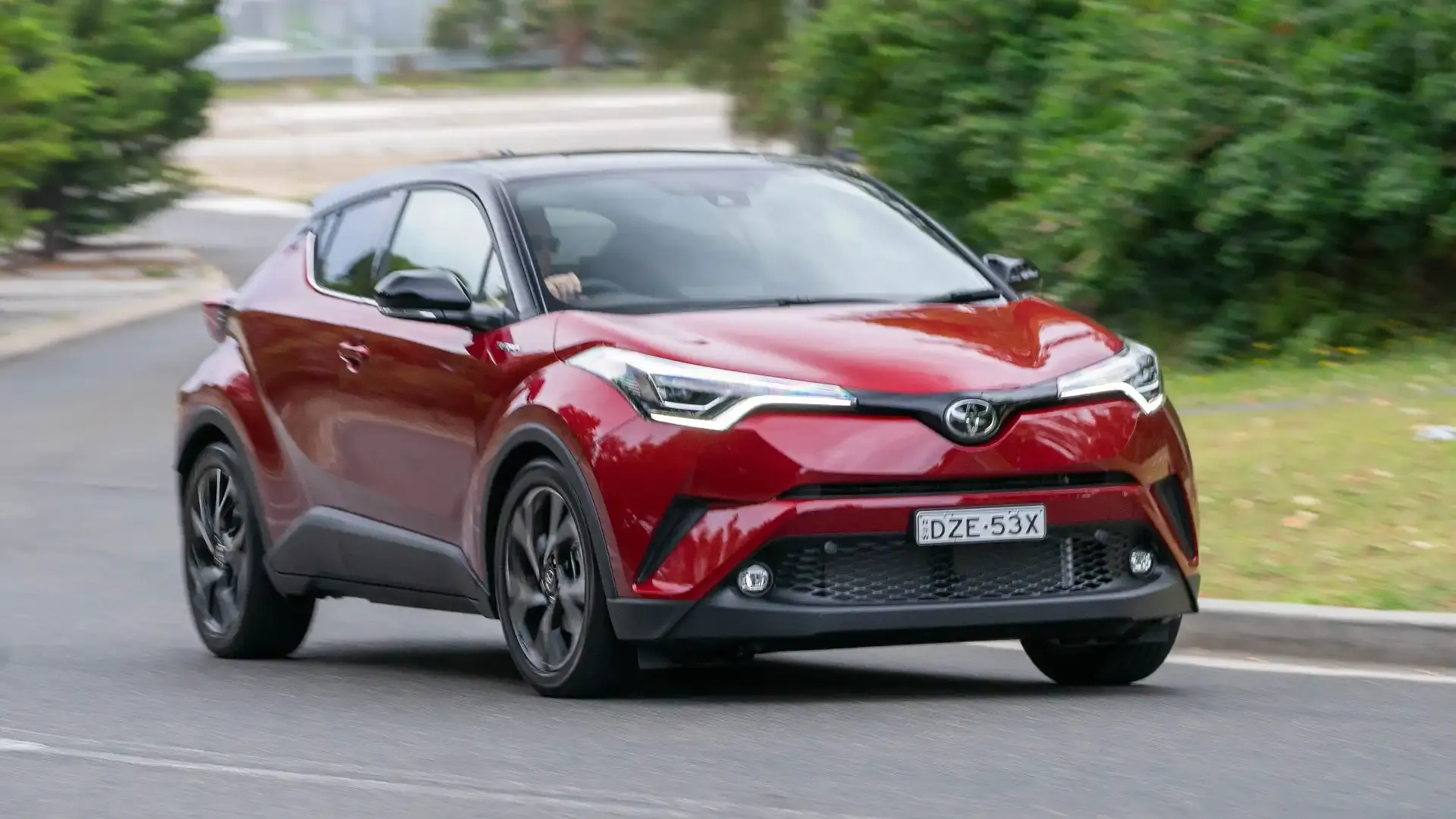
3. Toyota C-HR 2018-2023
Quirky styling defines this compact crossover, but aggressive design choices created visibility nightmares. Rear three-quarter windows sit small and positioned high, providing almost zero useful visibility.
Looking over your shoulder reveals only interior plastic trim because the window placement sits too far back and too high to show approaching traffic.
Blind spots become so large that multiple vehicles can hide simultaneously, making lane changes on rainy highways terrifying experiences. The rear window slopes dramatically and sits deeply recessed, limiting rearward visibility even during clear weather. Add rain to this equation, and visibility approaches zero.
Small rear wiper clears only a fraction of the glass, leaving most of the surface covered with water that distorts views and scatters light. Backup camera becomes essential for any reverse maneuvers, but this doesn’t help during forward driving when you need to see traffic behind you.
A-pillars measure thick and are angled sharply to create the C-HR’s distinctive appearance. These structural elements hide pedestrians, cyclists, and vehicles at intersections.
During Seattle’s rainy season, when people wear dark clothing,g and visibility already suffers, and these blind spots become genuinely dangerous. You’ll develop the habit of ducking and weaving your head to see around pillars, a distracting necessity that pulls attention from road conditions and traffic.
Windshield wiper performance barely meets minimum standards. Blades clear water but leave streaks that reduce visibility during nighttime driving. Rain-sensing automatic mode responds sluggishly, allowing water to accumulate before activating.
Manual speed settings offer limited adjustment options that never quite match rainfall intensity. Washer fluid spray pattern misses corners of the windshield, leaving dirty patches that catch headlight glare. Interior climate control takes excessive time to clear the windshield fog. Defrost mode directs weak airflow across glass surfaces, requiring several minutes to eliminate condensation.
During typical Seattle drizzle, when you’re constantly getting in and out of the vehicle, fogging becomes a persistent problem. Heated seats help dry wet clothing, but don’t address visibility issues. Sound insulation quality suffers, with road noise and rain patter intruding into the cabin more than expected for a modern vehicle.
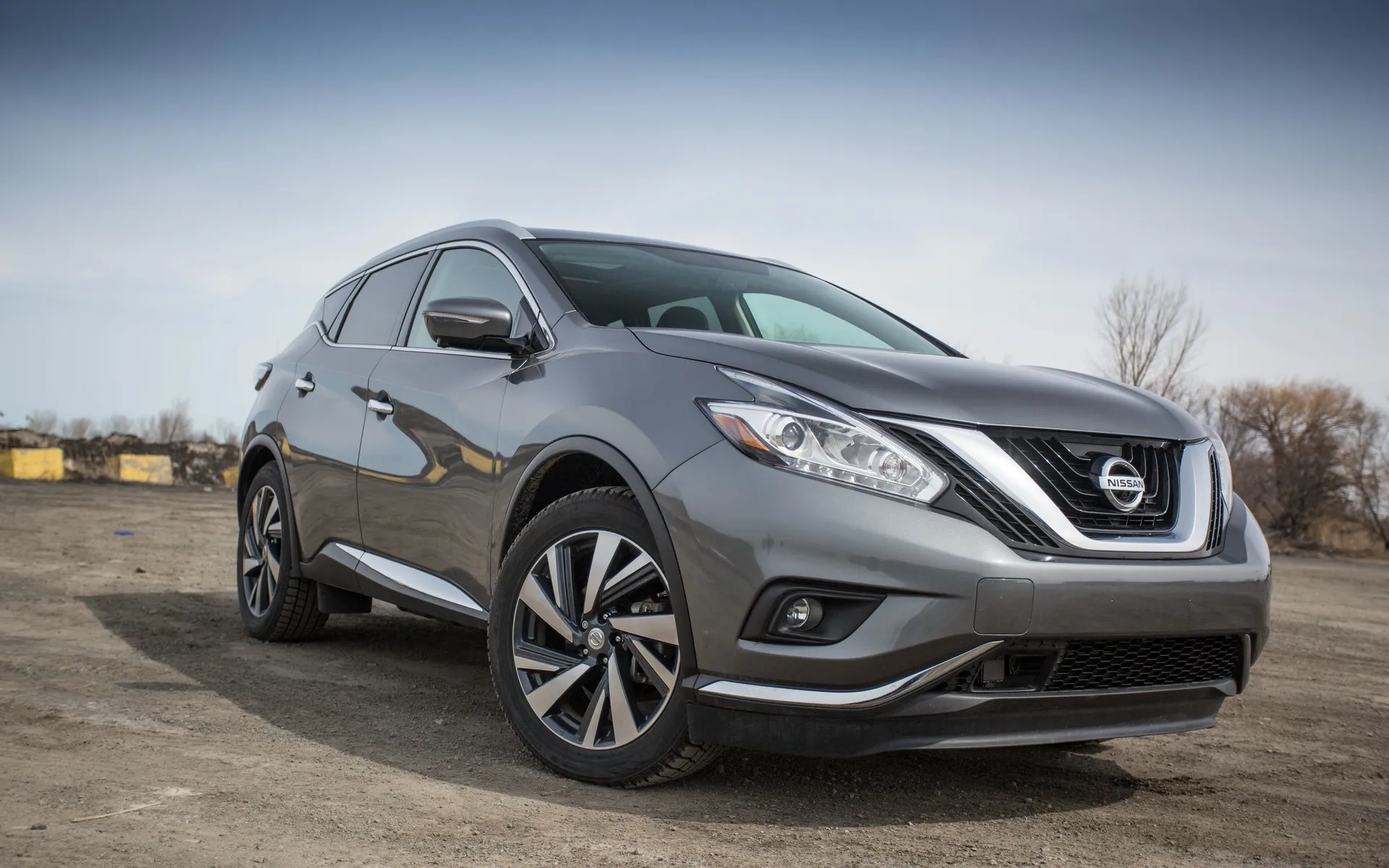
4. Nissan Murano 2015-2024
Design cues carried over from an earlier period remain evident, and the vehicle’s visibility limitations were problematic even at launch. Thick C pillars form wide blind areas that conceal nearby vehicles during lane changes.
Rear three-quarter sightlines are almost absent, leaving the driver heavily reliant on blind spot alerts that fail to register motorcycles and bicycles at times. A physical shoulder check delivers little reassurance, as window placement and structural elements obstruct meaningful views.
The rear screen is positioned far from the driver and kept deliberately small, which reduces its value when checking surrounding traffic. The rear wiper sweeps only a narrow central portion, leaving the sides coated with grime and rainwater.
During intense rainfall common in cities such as Seattle, the limited cleared area proves inadequate for safe judgement. The reversing camera assists during parking manoeuvres, yet it offers no solution for monitoring vehicles approaching from behind while driving.
Forward sightlines also suffer due to a high-mounted dashboard that restricts downward vision. Pedestrians crossing directly ahead can disappear from view unless the driver leans forward, an issue that affects shorter drivers more acutely.
Pronounced bonnet contours make it difficult to judge front corner placement, adding stress during parking and confined manoeuvres. The A pillars are wide enough to conceal smaller road users at junctions, increasing risk during turning movements.
The windscreen wiper system reflects its age through dated blade geometry that leaves streaks and untouched patches. Effectiveness declines rapidly as the blades wear, making frequent replacement necessary to maintain acceptable clarity.
An automatic rain-sensing feature is fitted, yet its responses vary, activating during light mist while failing to react promptly in heavy showers. Manual settings allow basic control, though they lack the fine adjustment expected in newer rivals.
Moisture control inside the cabin also disappoints during wet conditions. The defrost system requires extended time to clear fog from the windscreen, delaying safe departure. Interior surfaces retain moisture from damp passengers and luggage, encouraging persistent condensation.
Ventilated seating could reduce this issue, yet it is unavailable. Cabin materials feel dated, dominated by hard plastics and switchgear that produces hollow feedback instead of reassuring precision.
Also Read: 5 Sports Cars That Can Be Daily-Driven in Cities and 5 That Can’t
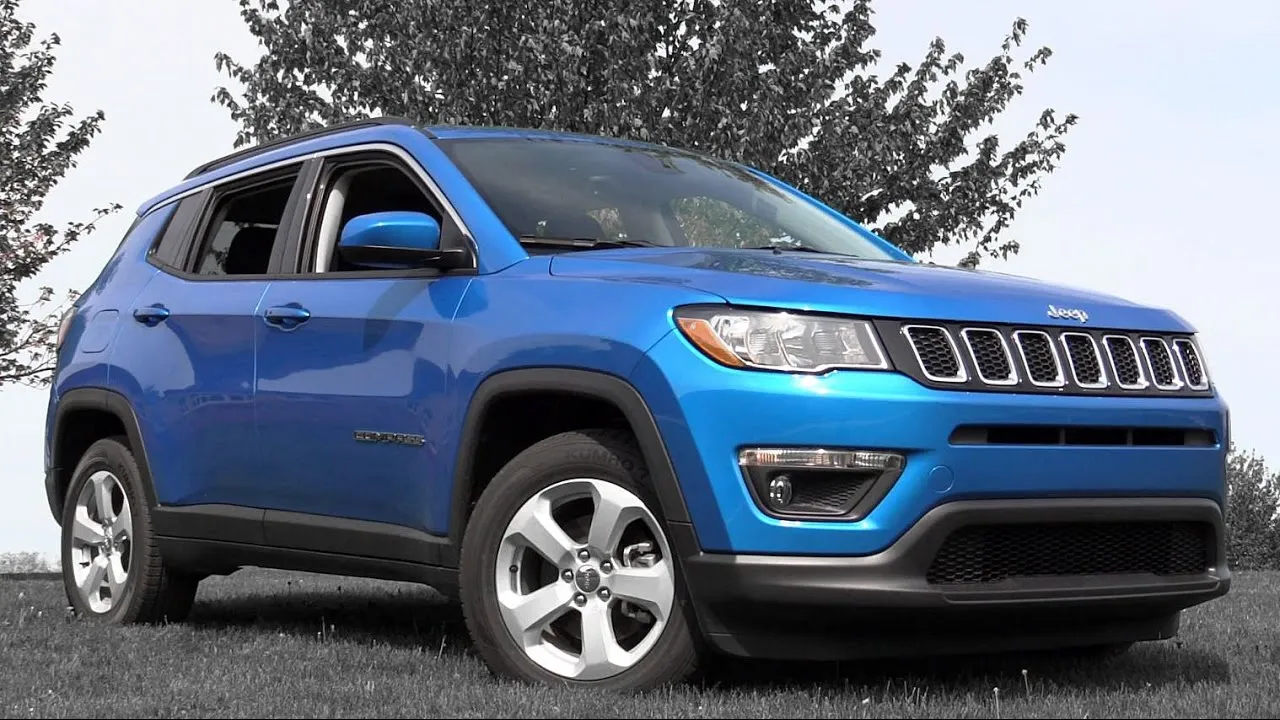
5. Jeep Compass 2017-2024
Budget constraints limited the Compass’s engineering, resulting in visibility compromises that make rainy driving stressful. Thick pillars all around create blind spots at every corner.
A-pillars hide pedestrians at crosswalks, B-pillars obscure traffic when pulling out of parking spaces, and C-pillars eliminate rear three-quarter visibility. This combination makes defensive driving nearly impossible because you simply can’t see potential hazards hiding in blind zones.
The rear window provides minimal useful visibility even during clear weather. A small glass area sits far behind the driver, and a thick surrounding structure further limits views. Rear wiper clears only a portion of the glass, leaving edges covered in water droplets that scatter approaching headlight beams.
During Seattle’s rainy season, checking traffic behind you becomes guesswork rather than observation. Backup camera quality looks grainy and low-resolution, with poor performance during rain.
Windshield design incorporates a steep angle that causes wipers to leave uncovered sections at corners. Water collects in these areas during rain, creating distorted views through accumulated droplets.
Manual adjustments help somewhat, but the system lacks the capacity to maintain clear glass when conditions challenge it. Heated seats help dry wet clothing, but don’t address fundamental visibility problems.
Headlight performance falls short during nighttime rain when visibility matters most. Standard halogen units provide weak illumination that struggles to light up dark, wet roads.
Trying to see lane markings through heavy rain becomes difficult, and identifying pedestrians wearing dark rain gear approaches is impossible.
An LED upgrade option exists on higher trims, but adds cost to solve problems competitors handle with standard equipment. Automatic high-beam function works inconsistently, providing unreliable assistance during low-visibility conditions.
