
Going through congested city streets and heavy traffic requires a vehicle that combines nimbleness with capability. Small cars have evolved significantly over the years, transforming from basic economy boxes into sophisticated machines that punch well above their weight class.
Today’s compact vehicles offer an impressive blend of agility, visibility, and responsive powertrains that make them ideal companions for urban driving challenges.
The beauty of a small car lies in its ability to slip through tight gaps, park in spaces that larger vehicles can’t even consider, and maintain excellent fuel efficiency while doing so.
But confidence in traffic isn’t just about size it’s about how a car responds to your inputs, how well you can see what’s around you, and whether the vehicle feels planted and secure even when surrounded by larger SUVs and trucks.
Modern small cars have also benefited from advances in safety technology, with many now featuring driver assistance systems that were once reserved for luxury vehicles.
Features like blind-spot monitoring, rear cross-traffic alert, and automatic emergency braking have become increasingly common, adding an extra layer of security when merging, changing lanes, or going through busy intersections.
This article explores six small cars that excel in traffic conditions, each offering unique characteristics that inspire driver confidence. Whether you prioritize sporty handling, raised seating position, cutting-edge technology, or simply a car that feels bigger than its dimensions suggest, you’ll find options here that prove small can indeed be mighty on crowded roads.
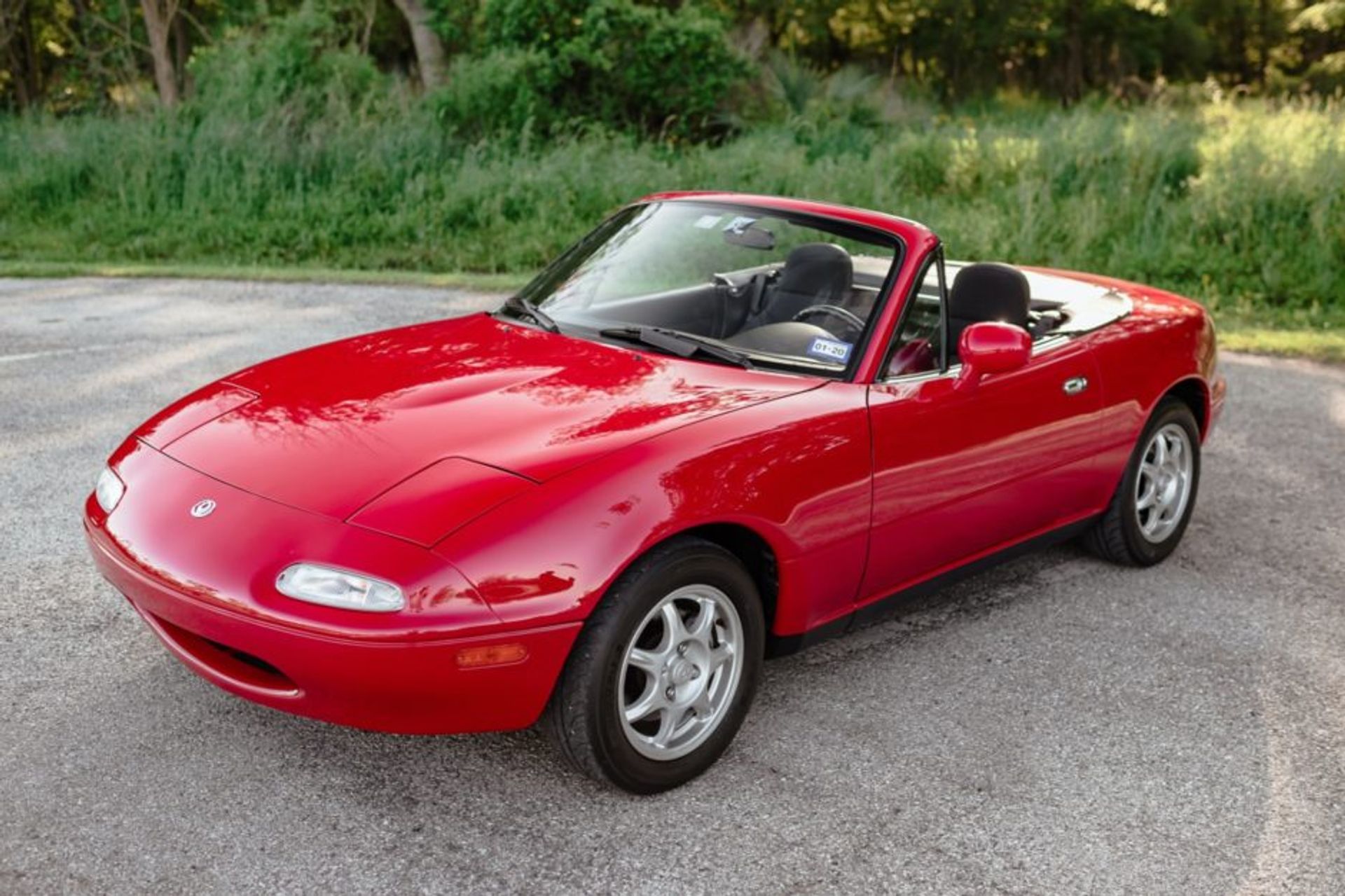
1. Mazda MX-5 Miata
The Mazda MX-5 Miata might seem like an unusual choice for traffic confidence, but this legendary roadster brings qualities that make urban driving genuinely enjoyable rather than merely tolerable.
At its core, the Miata is about the connection between the driver and the machine, between steering input and road response, and between throttle application and forward motion. This intimate relationship translates beautifully to stop-and-go traffic situations where precision matters.
One of the Miata’s greatest strengths in traffic is its compact footprint combined with exceptional visibility. Sitting low to the ground with minimal overhangs and a short wheelbase, you can place this car exactly where you want it with confidence.
The hood line drops away dramatically from the driver’s seat, giving you a clear view of the road directly ahead a feature that’s invaluable when going through the tight parking lots or squeezing through narrow gaps. The Miata’s dimensions make it feel like an extension of your body rather than a separate entity you’re piloting.
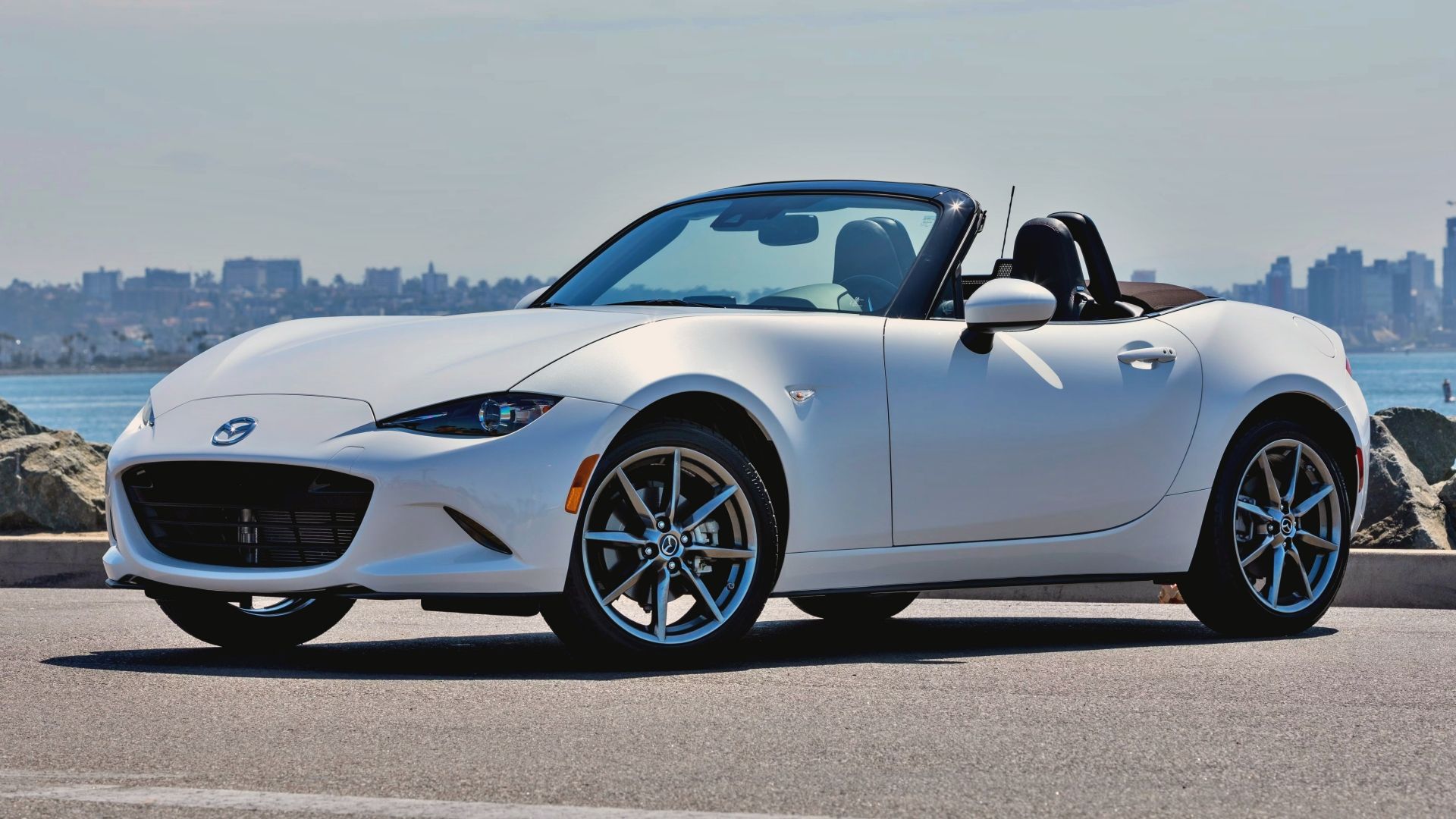
The steering is communicative and beautifully weighted, providing genuine feedback about what’s happening at the front wheels. This might seem unnecessary in traffic, but it actually matters tremendously when you’re making small adjustments or need to react quickly to other drivers’ unpredictable moves.
You always know exactly where your front wheels are pointed, eliminating the guesswork that plagues many modern cars with overly assisted electric steering systems.
Power delivery from either the standard 181-horsepower or the upgraded 184-horsepower engine is smooth and linear, making the Miata easy to modulate in slow-moving traffic.
The manual transmission, which most enthusiasts choose, has short, precise throws and a clutch with excellent feel, so even hours of stop-and-go driving don’t become tedious. For those who prefer it, the automatic transmission is equally responsive and well-programmed.
The Miata’s compact size means you can fit into parking spaces that would be impossible for larger vehicles, and its tight turning circle makes U-turns and parking maneuvers effortless.
While it’s a two-seater with limited cargo space, the trade-off is a car that feels nimble and eager in situations where other vehicles feel cumbersome.
The optional retractable hardtop on the RF model adds a layer of refinement and security for urban environments, though the soft-top’s simplicity and lighter weight have their own appeal. In traffic, where driving is often reduced to a chore, the Miata reminds you why you love cars in the first place.
2. Honda Fit
The Honda Fit represents intelligent packaging at its finest, delivering remarkable space efficiency and practicality in a footprint that makes city driving a breeze.
While it may not have the sporty appeal of some competitors, the Fit’s confidence-inspiring characteristics in traffic stem from its well-thought-out design, excellent visibility, and surprising versatility that punches well above its size class.
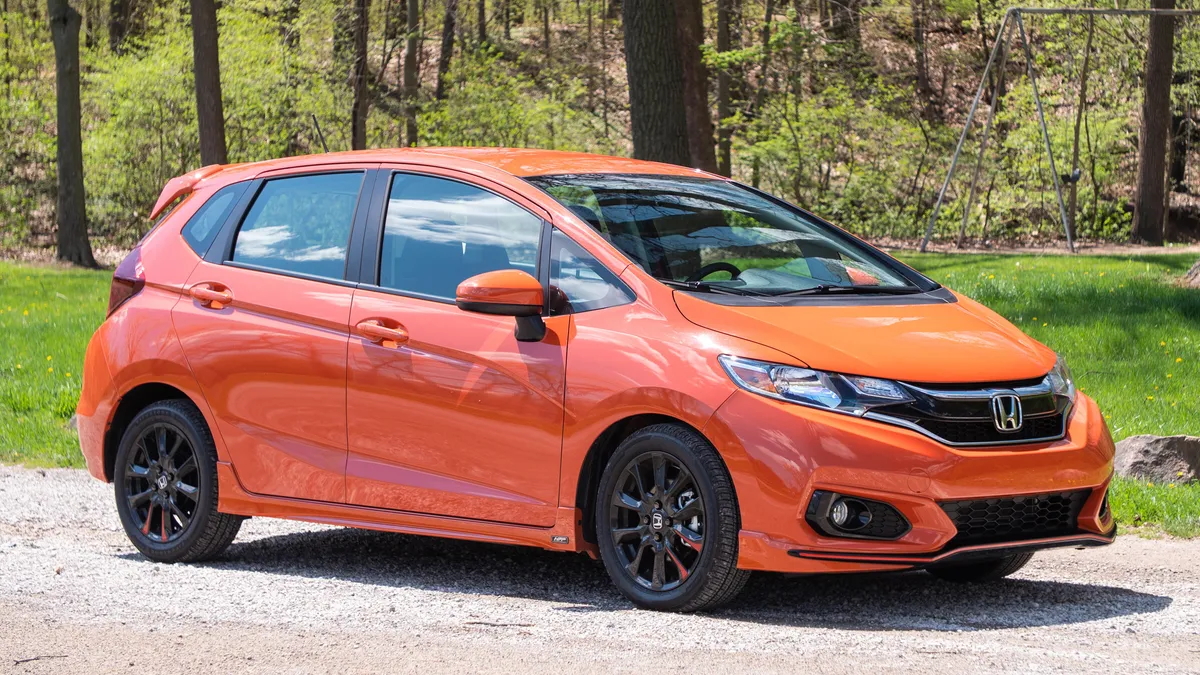
Visibility is perhaps the Fit’s strongest asset when going through the congested roads. The greenhouse is expansive, with large windows all around and relatively thin pillars that don’t create massive blind spots.
The upright seating position gives you a commanding view of the road ahead, similar to what you’d experience in a small crossover, but without the bulk.
This raised perspective helps you spot brake lights early, anticipate traffic flow, and identify gaps for lane changes with confidence. The large side mirrors are well-positioned, and the relatively small rear pillars mean your over-the-shoulder checks actually show you what’s in the adjacent lanes.
Under the hood, the Fit’s 1.5-liter four-cylinder engine produces 130 horsepower, which might sound modest on paper but proves more than adequate in real-world traffic situations.
The engine is responsive and willing to rev, and Honda’s CVT transmission, while not the most engaging for spirited driving, does an excellent job in stop-and-go conditions.
It responds smoothly to throttle inputs and doesn’t hunt for ratios the way some CVTs do. The powertrain’s refinement means you can accelerate briskly to close gaps or merge confidently without excessive noise or vibration.
The Fit’s compact dimensions, just 161 inches long, make it incredibly maneuverable in tight urban environments. The turning radius is impressively tight, making parking garage navigation and parallel parking straightforward.
Yet despite its small exterior, the interior is remarkably spacious thanks to Honda’s Magic Seat system. The rear seats fold in multiple configurations, including flipping the seat bottoms up to create space for tall items.
This means you can run errands, pick up supplies, or help friends move small furniture items without compromising your ability to go through the traffic easily.
Build quality is typical Honda, meaning solid and reliable with materials that feel durable even if they’re not luxurious. The driving position is comfortable with good support, and the controls are logically laid out and easy to operate while driving.
Standard safety features on recent models include Honda Sensing, which bundles adaptive cruise control, lane-keeping assist, and automatic emergency braking technologies that add an extra margin of safety and reduce driver fatigue in heavy traffic.
The Fit may be discontinued in the U.S. market, but used examples remain excellent values for anyone seeking a small car that maximizes practicality without sacrificing confidence in urban driving conditions.
3. Mini Cooper
The Mini Cooper has built its reputation on being the ultimate urban warrior, a car that transforms congested city streets into a personal playground.
Its combination of go-kart handling, distinctive style, and premium features in a compact package creates a driving experience that feels confident and engaging even in the most challenging traffic scenarios. The Mini doesn’t just cope with traffic; it thrives in it.
Behind the wheel, you immediately notice the Mini’s solid, planted feel. The chassis tuning is firm but controlled, giving you excellent feedback about what’s happening beneath you. This might seem harsh on rough roads, but in traffic situations, it translates to confidence.
You know exactly how the car will respond to your inputs, and there’s no vagueness or float in the suspension. When you need to make a quick lane change or swerve around an obstacle, the Mini responds instantly and precisely, feeling more like a performance car than an economy vehicle.
The steering deserves special mention; it’s one of the best in the small car segment, offering a genuine feel and perfect weighting. In traffic, where you’re constantly making small corrections and adjustments, having steering that communicates clearly makes all the difference.
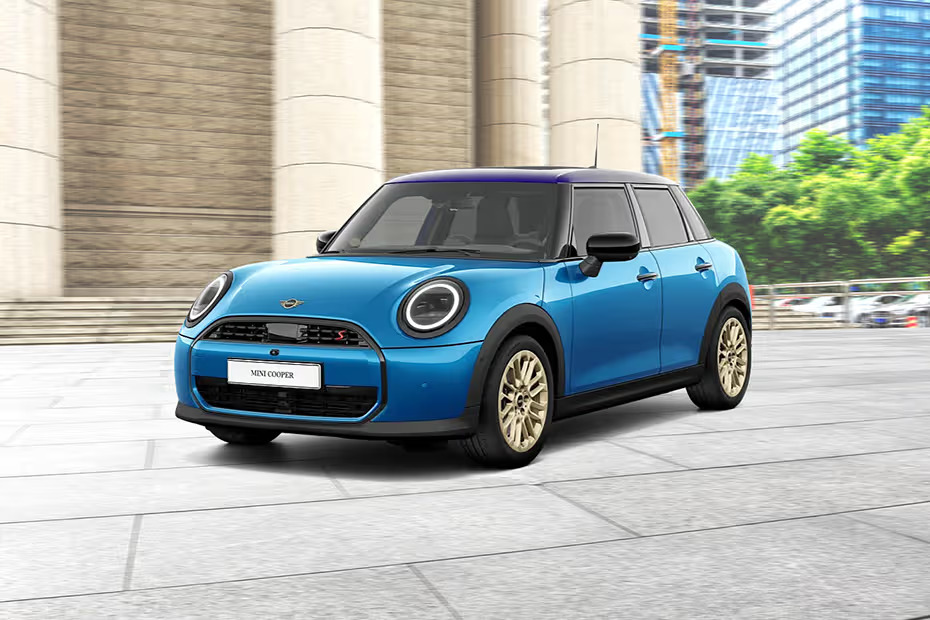
You can place the Mini within inches of where you intend, making tight squeezes and parking maneuvers stress-free. The quick steering ratio means you don’t need to make large inputs, keeping your hands in the proper position on the wheel even during sharper turns.
Engine options range from the efficient three-cylinder in the base model to the turbocharged four-cylinder in the Cooper S, with the latter providing seriously entertaining performance.
Even the base engine is peppy enough for confident merging and gap-closing, but the Cooper S transforms the car into something genuinely quick, with eager throttle response and a satisfying exhaust note.
The available manual transmission is a joy to use, with a short, mechanical throw and a clutch that’s light enough for traffic but engaging enough for spirited driving.
Interior quality is where the Mini justifies its premium pricing over competitors. The materials feel upscale, the design is distinctive with the iconic circular center display, and the build quality is solid. The seating position is excellent, with good visibility despite the retro styling cues.
Modern Minis also come well-equipped with safety technology, including parking sensors, backup cameras, and available driver assistance features that make urban maneuvering even easier.
The Mini’s compact footprint barely 152 inches long in the two-door version, makes it supremely maneuverable. Parking is almost absurdly easy, and the tight turning circle lets you execute U-turns where other cars would need a three-point turn.
The trade-off is limited rear-seat space and a small trunk, but for urban dwellers or those who rarely carry passengers, these compromises are easily accepted in exchange for the Mini’s exceptional traffic-taming abilities and undeniable personality.
Also Read: 5 Cars for Leander Suburban Commuting And 5 Ownership-friendly Options
4. Volkswagen Golf
The Volkswagen Golf represents the gold standard in the small car segment, offering a level of refinement, versatility, and driving dynamics that few competitors can match.
Now in its eighth generation, the Golf has spent decades proving that a compact car doesn’t need to feel cheap or compromised. In traffic, it delivers confidence through solid construction, precise controls, and a feeling of quality that’s immediately apparent from the moment you close the door.
What sets the Golf apart in traffic situations is its feeling of substance. This is a car that feels planted and stable at any speed, with a weight and solidity that’s unusual in the compact class.
The doors close with a reassuring thunk, the controls operate with precision, and the whole car feels like it was built to tighter tolerances than many of its competitors.
This quality extends to the driving experience, where you feel protected and secure rather than vulnerable, even when surrounded by larger vehicles.
The Golf’s engine lineup provides options for every preference. The base turbocharged 1.4-liter four-cylinder delivers smooth, responsive power with excellent fuel economy, while the available 2.0-liter turbo in the GTI variant provides genuinely thrilling performance. Even the base engine responds crisply to throttle inputs, making merging and passing straightforward.
The turbocharger’s boost comes in smoothly without the lag that characterized older turbocharged engines, and the available DSG dual-clutch automatic transmission shifts quickly and intelligently, reading traffic conditions well.
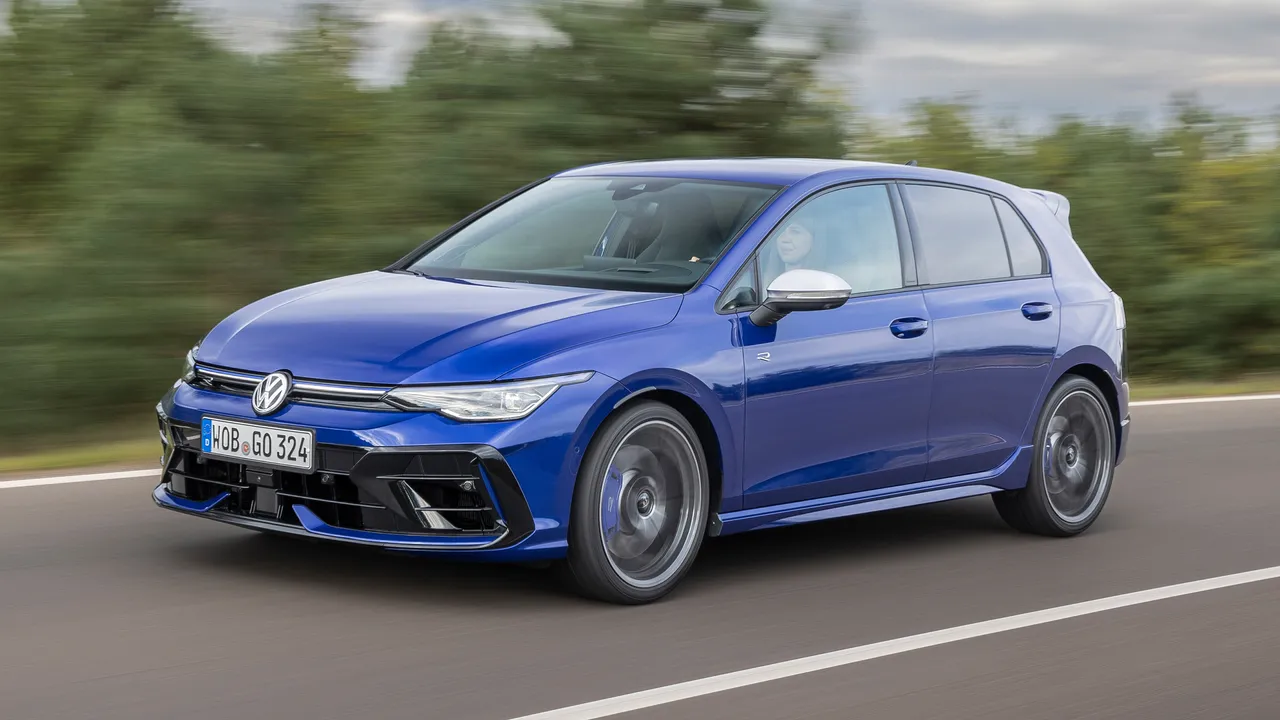
Visibility from the Golf’s driver’s seat is excellent, with a good balance between the car’s modern styling and practical outward sightlines.
The greenhouse provides clear views in all directions, and the mirrors are properly sized and positioned. The seating position strikes an ideal balance, not too low like a sports car, but not SUV-high either, giving you a natural, commanding view of the road ahead.
This makes it easy to judge distances, spot potential hazards early, and go through the confidently through congested areas. The Golf’s interior is where Volkswagen’s German engineering heritage truly shines.
Everything feels purposeful and well-designed, from the straightforward instrument cluster to the intuitive climate controls. The seats provide excellent support for long commutes, with available adjustments that help you find the perfect driving position.
Material quality is high, with soft-touch surfaces and solid plastics that feel like they’ll withstand years of use. While recent models have moved to more touch-sensitive controls that some find frustrating, the cabin experience remains premium.
Practicality is another Golf strength, with a genuinely usable rear seat that can accommodate adults comfortably and a cargo area that’s both generously sized and smartly shaped.
The rear seats fold to expand carrying capacity, making the Golf viable as an only car for many buyers. This versatility means you’re never compromising practicality for your choice of a smaller vehicle.
With its combination of refinement, substance, and dynamic capability, the Golf proves that confidence in traffic doesn’t require size it requires thoughtful engineering and quality execution.
5. Hyundai Venue
The Hyundai Venue takes a different approach to small-car confidence by adopting the increasingly popular subcompact crossover format. While technically not a car but a small SUV, the Venue’s footprint is compact enough to include here, and it brings unique advantages to traffic situations that traditional small cars can’t match.
The raised seating position and upright design provide psychological confidence and practical visibility benefits that many drivers prefer in congested urban environments.
Sitting higher off the ground makes a surprising difference in traffic confidence. From the Venue’s driver’s seat, you’re at eye level with sedan drivers and can see over many compact cars, giving you a better view of traffic flow ahead.
This forward visibility helps you anticipate slowdowns, spot brake lights earlier, and identify the best lanes for making progress through congestion.
The higher perspective also makes it easier to judge distances when parking or going through the tight spaces, despite the Venue being slightly larger than a traditional subcompact car.
The Venue’s styling is modern and upright, maximizing interior volume within its compact 159-inch length. Large windows all around provide excellent visibility, with relatively thin pillars that don’t create significant blind spots.
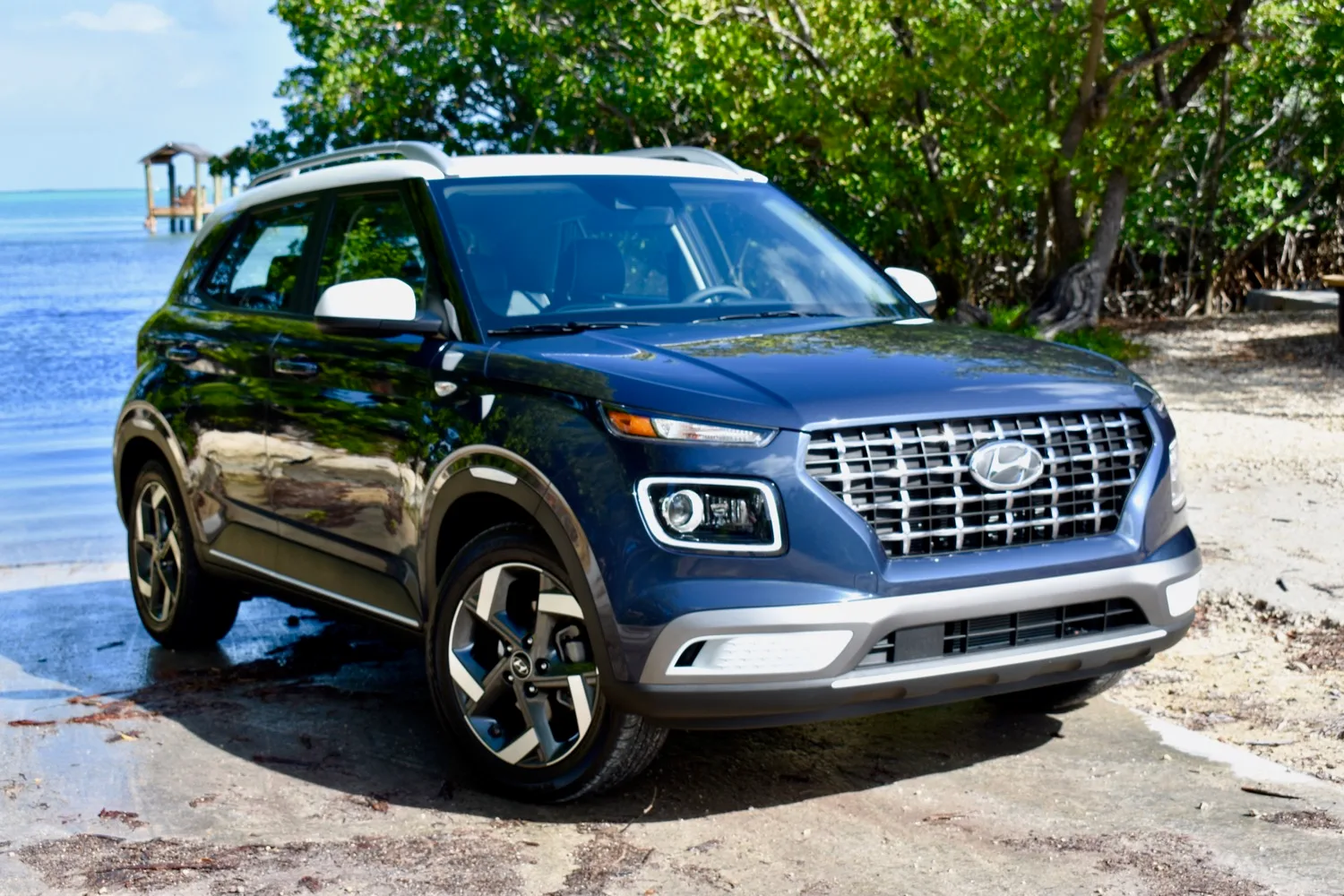
The tall roofline means you can sit naturally upright without feeling cramped, and there’s enough headroom that even taller drivers will be comfortable. This upright architecture also creates more rear-seat space than you’d find in a similarly-sized traditional hatchback.
Power comes from a 1.6-liter four-cylinder producing 121 horsepower, paired with either a six-speed manual or a CVT automatic. While not powerful by modern standards, the engine provides adequate performance for urban driving, and the light curb weight means it doesn’t feel sluggish in normal traffic conditions.
The CVT, often maligned in performance contexts, actually works well here, keeping the engine in its power band and responding smoothly to throttle applications.
The manual transmission is a nice option for enthusiasts who want more control, though the clutch is light and easy to modulate in stop-and-go traffic.
Where the Venue particularly shines is in its value proposition and feature content. Even base models come well-equipped with modern safety technology, including forward collision warning and automatic emergency braking.
Higher trims add blind-spot monitoring, rear cross-traffic alert, and additional driver aids that increase confidence when changing lanes or backing out of parking spaces in busy lots.
The infotainment system is intuitive and responsive, with Apple CarPlay and Android Auto making smartphone integration seamless. The Venue’s ground clearance of over seven inches is genuinely useful in urban environments, allowing you to clear speed bumps, potholes, and poorly maintained roads without worry.
The ride quality is compliant without being floaty, absorbing typical road imperfections while still feeling controlled. While it won’t deliver the sharp handling of a Mini Cooper or Mazda MX-5, the Venue’s predictable dynamics and light steering make it easy to maneuver in tight spaces.
For buyers who want the confidence of a higher seating position and crossover styling in a genuinely compact package, the Venue delivers impressive capability and value.
6. Toyota GR Corolla
The Toyota GR Corolla represents the pinnacle of small-car confidence, combining everyday usability with genuine performance capability that inspires trust in any traffic situation.
This isn’t just a hot hatch, it’s a thoroughly engineered performance machine that happens to be sized right for urban environments. While it occupies the pricier end of the small car spectrum, the GR Corolla delivers driving dynamics and capability that justify the premium.
At the heart of the GR Corolla’s confidence-inspiring character is its powertrain: a turbocharged 1.6-liter three-cylinder producing 300 horsepower and 273 lb-ft of torque.
This might sound like overkill for traffic, but having power in reserve means you’re never in a situation where you can’t confidently merge, pass, or accelerate when needed.
The engine responds instantly to throttle inputs, with virtually no turbo lag, so when you spot a gap in traffic and need to move, the GR Corolla responds immediately.
The six-speed manual transmission is the only option, with a short-throw shifter and perfectly weighted clutch that make even lengthy commutes engaging rather than tiresome.
What truly sets the GR Corolla apart is its rally-bred all-wheel-drive system, which can vary power distribution between front and rear axles. In normal traffic, it provides exceptional traction and stability, especially in wet or slippery conditions.
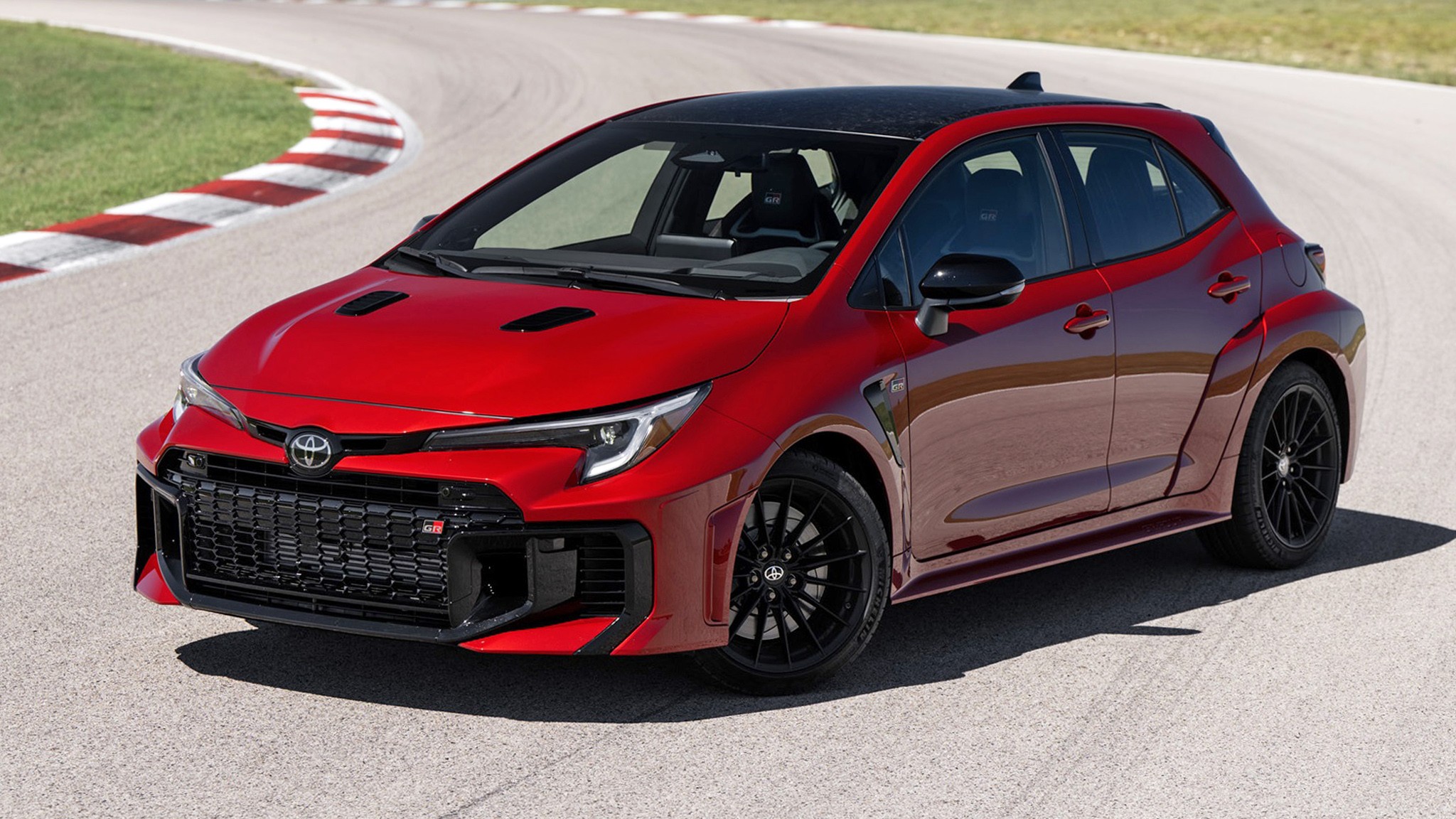
The all-wheel-drive system inspires confidence when accelerating from stops, changing lanes quickly, or going through the roads with inconsistent surfaces. You feel completely planted and secure, with none of the torque steer or wheelspin that can affect front-wheel-drive hot hatches.
The chassis tuning is sophisticated, with a double-wishbone front suspension and multi-link rear setup that delivers both handling precision and ride quality.
In traffic, this translates to a car that feels stable and controlled, absorbing typical road imperfections without feeling harsh. The wide stance and low center of gravity create a planted feeling that’s confidence-inspiring, especially when surrounded by larger vehicles.
You feel like you’re driving something substantial and well-engineered, not a lightweight economy car. Visibility is good for a performance-oriented vehicle, with the GR Corolla maintaining reasonably thin pillars and large enough windows that you can see your surroundings clearly.
The seating position is sporty but not uncomfortably low, giving you a good view of the road ahead. The interior is purposeful rather than luxurious, but the build quality is solid, and the layout is driver-focused, with all controls falling easily to hand.
Recent additions include modern safety features and a decent infotainment system, though the focus remains squarely on the driving experience.
Practicality is surprisingly good, with a usable rear seat and hatchback versatility that makes the GR Corolla viable as a daily driver. At 173 inches long, it’s larger than some cars on this list but still compact enough to maneuver easily in urban settings.
The combination of serious performance capability, all-weather traction, everyday usability, and compact dimensions makes the GR Corolla the ultimate confidence-inspiring small car for enthusiasts who refuse to compromise driving dynamics for practicality. It’s a car that makes even mundane traffic situations feel special, reminding you with every drive why you love cars.
Also Read: 5 Cars for Lubbock Daily Driving and 5 Long-mileage Performers
