
Nestled between Austin and San Antonio along Interstate 35, New Braunfels, Texas, has grown rapidly over the past decade.
Families, remote workers, and commuters alike are increasingly faced with choosing a vehicle that not only handles daily driving well but also tackles the intense Texas sun and high temperatures that define summers in the Hill Country.
With average summer highs regularly topping 90°F and often pushing into the triple digits, the right car choice matters not just for comfort, but for reliability, longevity, and overall cost of ownership.
In this article, we’re breaking down five vehicles that are especially well-suited for commuting around New Braunfels considering urban traffic, fuel economy, and comfort as well as five cars known for excellent heat-tolerance and cooling systems to handle long Texas summers without breaking a sweat.
Some overlap between the two lists is intentional where a vehicle truly excels in both areas.
Cars Great for Commuting Around New Braunfels
Finding the right car for daily commuting around New Braunfels means balancing comfort, efficiency, and practicality. Whether you’re go through busy city streets, tackling winding Hill Country roads, or making the occasional longer drive to San Antonio or Austin, the right vehicle can make your daily routine smoother and more enjoyable.
From fuel-efficient sedans to compact crossovers that handle both traffic and curves with ease, there are plenty of options designed to keep your commute stress-free while offering reliability, comfort, and modern tech. In this guide, we highlight some of the best cars for getting around New Braunfels efficiently and comfortably.
1. Toyota Camry
For decades, the Toyota Camry has been the go-to commuter sedan in the U.S., and that reputation holds in New Braunfels. Its blend of smooth ride quality, excellent fuel economy, and Toyota’s legendary reliability makes it ideal for daily driving.
With highway fuel ratings often exceeding 30 mpg, a Camry owner commuting to San Antonio or to Austin keeps fuel costs low.
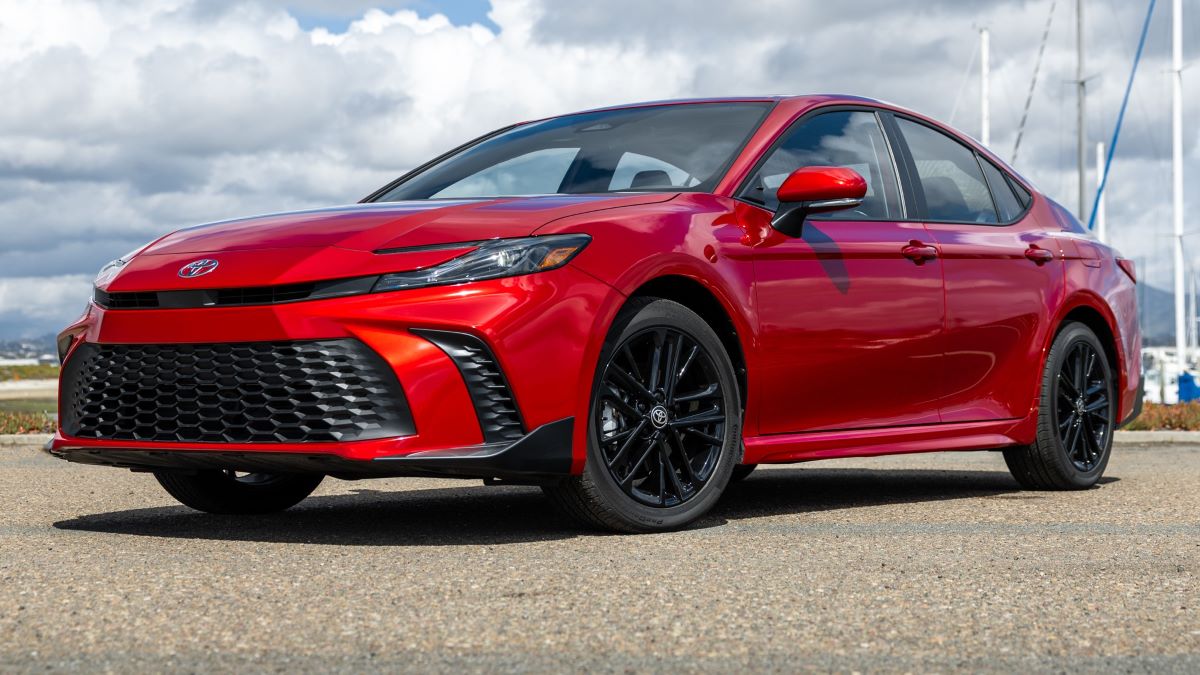
Available safety features like automatic emergency braking, adaptive cruise control, and lane-keeping assist make long highway drives less stressful.
Its cabin remains comfortable even after long periods in hot traffic a big plus when temperatures soar.
The 2025 Camry also offers an efficient hybrid variant that can push over 40 mpg combined a compelling choice for commuters who want both savings and performance in Texas’s weather extremes.
We tested the four-cylinder Camry SE. Toyota has tuned this model to prioritize high fuel economy, though the trade-off is somewhat sluggish acceleration from a standstill.
Our test vehicle reached 0 to 60 mph in a modest 8.2 seconds, although it does feel a bit peppier in everyday driving. The transmission helps compensate slightly, offering reasonably quick shifts and responsive behavior.
With eight speeds, there’s always a gear suited to the situation, though you can expect a couple of downshifts when you floor the accelerator as the system works to make the most of the engine’s available power.
The Camry SE also benefits from a slightly sportier suspension setup, giving it a more planted, hunkered-down feel. It’s not intended for aggressive driving, but it handles everything an average driver will encounter during normal use.
The brakes are easy to modulate, with a light and responsive pedal, and the Camry’s stopping performance falls around the segment average.
Also Read: Top 8 Used Sports Cars Under $30K That Investors Are Quietly Chasing
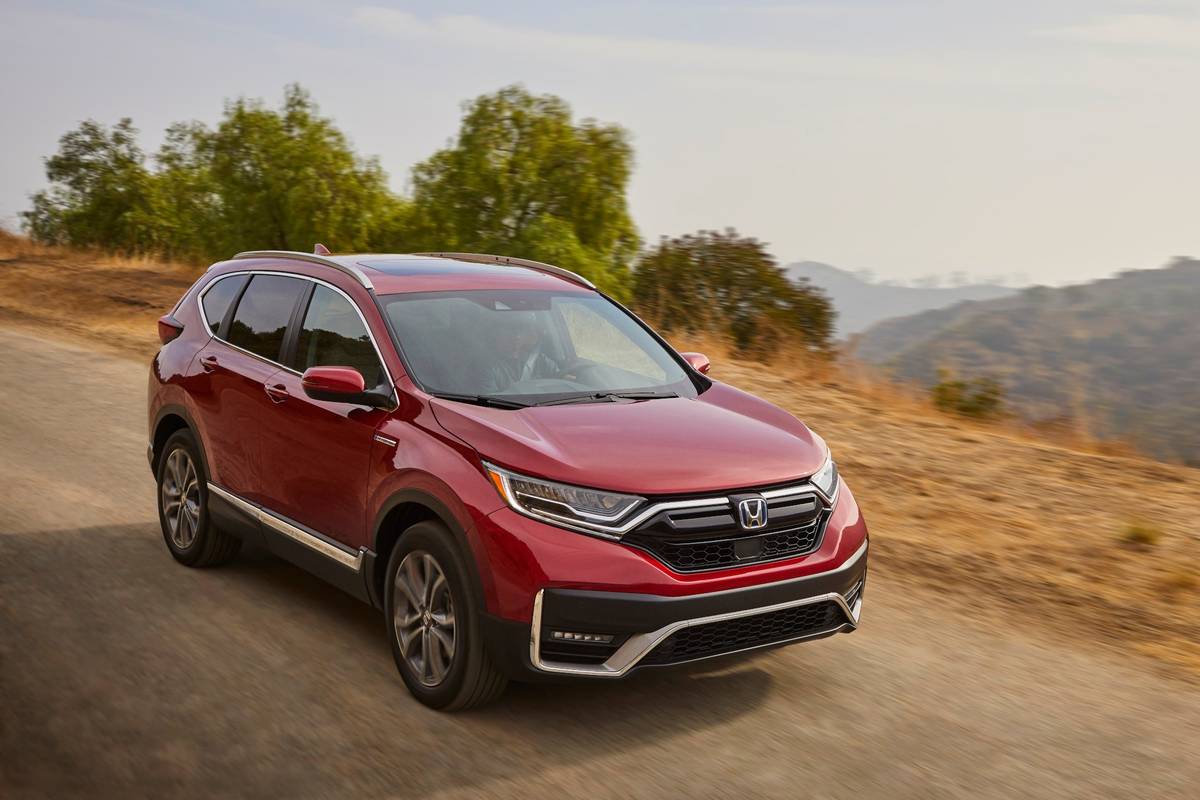
2. Honda CR-V
If your commute includes a mix of urban streets and feeder roads, the Honda CR-V delivers substantial versatility.
This compact crossover has a generously sized cabin, excellent outward visibility, and a suspension tuned for comfort over broken pavement or highway miles.
The CR-V’s fuel economy is strong for its class, and unlike many SUVs, it doesn’t feel overly thirsty on extended trips.
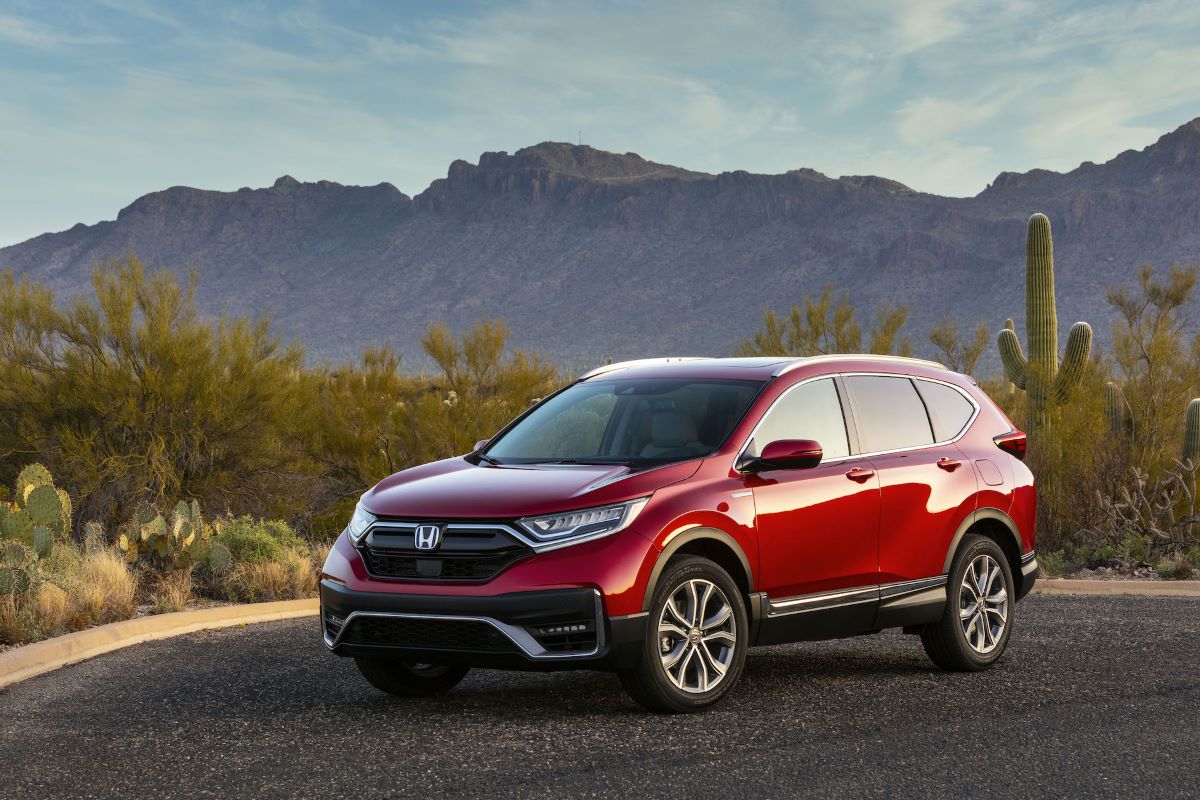
For New Braunfels drivers, the higher driving position makes navigating traffic easier, and the available all-wheel-drive system is a nice bonus during rare wet spells.
The CR-V’s cabin ventilation and climate systems are also robust, which matters when the car sits in a hot parking lot before you get in.
3. Hyundai Sonata
The Hyundai Sonata has emerged as a strong competitor in the midsize sedan market, offering a high-value mix of tech, comfort, and efficiency often at a lower price than rivals.
The Sonata’s roomy interior and straightforward tech interface make long drives much more pleasant. Its suspension strikes a comfortable balance, helping absorb the bumps common on secondary roads around Comal County.
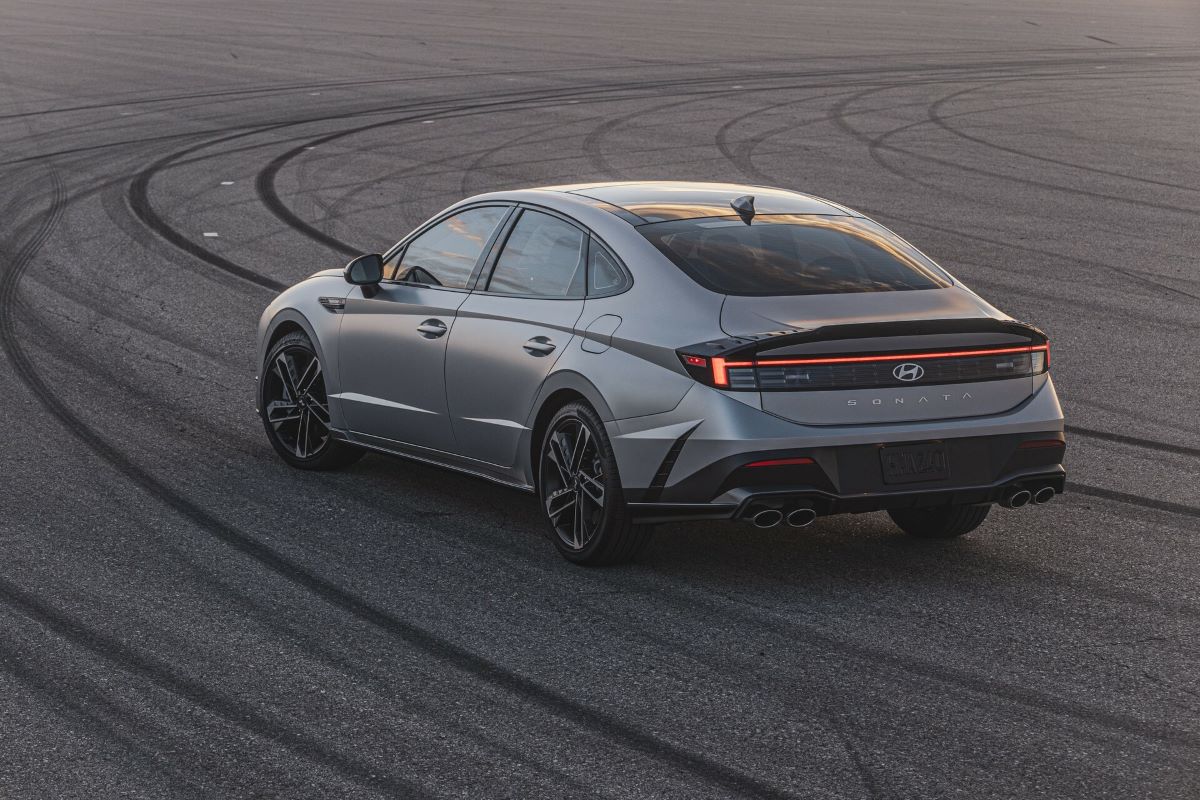
Standard safety features like forward collision assist with pedestrian detection and blind-spot monitoring are beneficial for commuter peace of mind.
Additionally, Hyundai’s excellent warranty coverage (10-year/100,000-mile powertrain warranty) appeals to commuters who plan to keep their car for many years.
We tested a Sonata Limited equipped with the turbocharged 1.6-liter engine. While it’s not particularly fast, the Sonata can hold its own against similarly powered family sedans, achieving a 0–60 mph time of 7.6 seconds.
It doesn’t struggle to keep up with traffic or accelerate onto freeway on-ramps, though doing so requires a firmer push on the gas pedal than some drivers might expect.
Steering, handling, and braking are competent but unremarkable, with a few quirks. The ride is firm, which doesn’t translate into a meaningful handling advantage.
Additionally, the brake pedal produces a slight pulsation under light, steady pressure, such as when descending a gentle grade. There’s nothing objectionable, but there’s also little that stands out as exceptional.
While it gives the impression of refinement, the interior comfort doesn’t fully meet expectations. The seats are firm and lack the plushness and adjustment range of segment leaders, and the ride transmits bumps and road imperfections into the cabin more than other similarly priced family sedans. The interior is also slightly louder than anticipated.
On the upside, the climate controls, including heated and ventilated front seats, operate quietly and effectively. The Sonata’s interior gets the job done but doesn’t go beyond the basics.
4. Mazda CX-5
The Mazda CX-5 proves that commuter-friendly vehicles don’t have to be boring.
Boasting strong fuel economy for a crossover along with engaging handling, the CX-5 feels nimbler than many of its competitors a bonus when navigating parking lots, neighborhood streets, or winding back roads west of town.
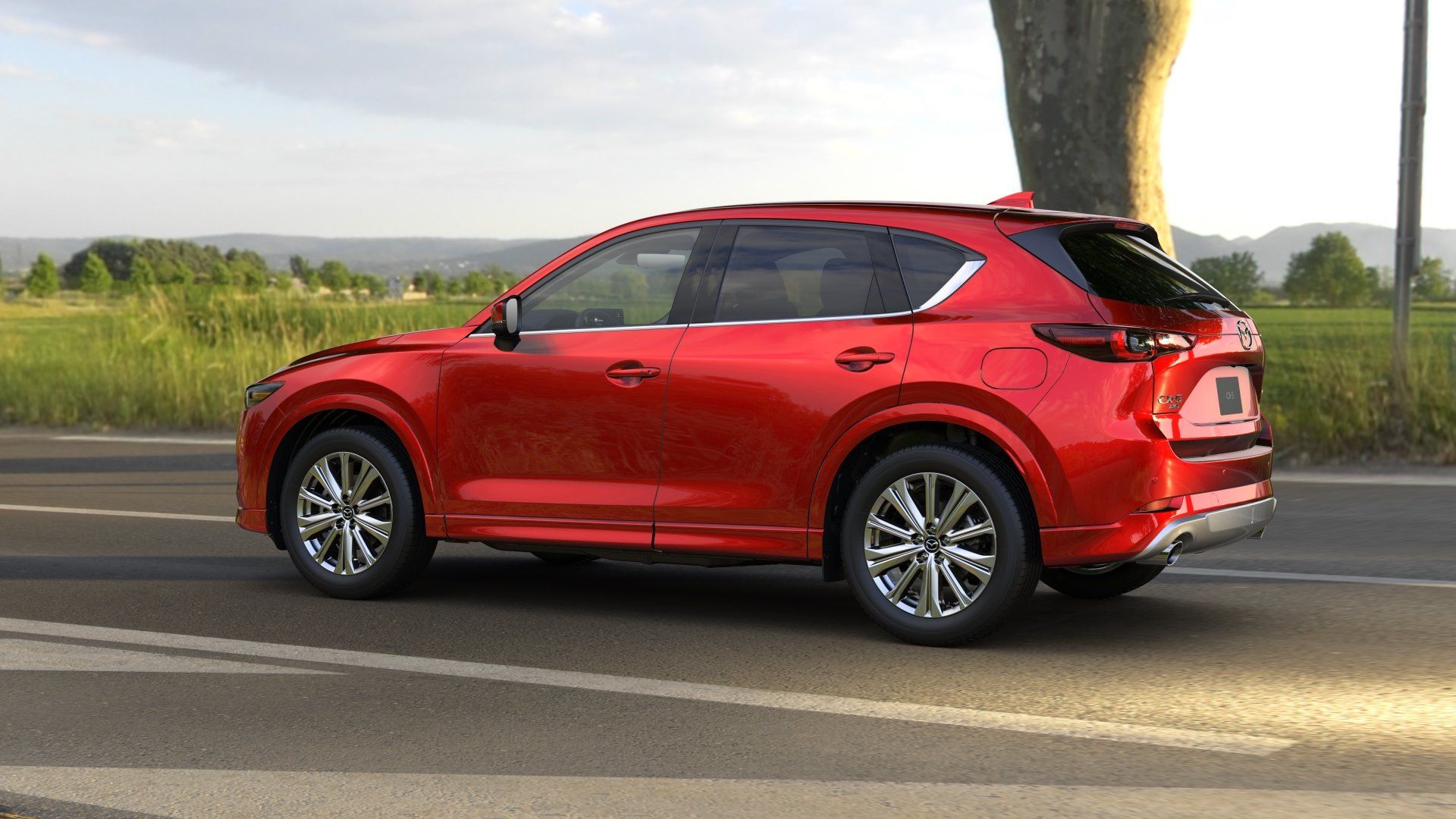
The interior finishes punch above the price class, and standard features like Apple CarPlay/Android Auto make daily life easier. The available turbocharged engine offers extra passing power on highways without a huge hit to overall efficiency.
It’s a comfortable, refined choice for New Braunfels drivers who want something a little premium without a premium price tag.
5. Toyota Prius
If fuel economy is your number-one priority, the Toyota Prius remains one of the best choices for commuters.
Easily returning 50+ mpg in many driving scenarios, the Prius can reduce the pain of daily driving costs a real benefit given how much Texas drivers rely on cars.
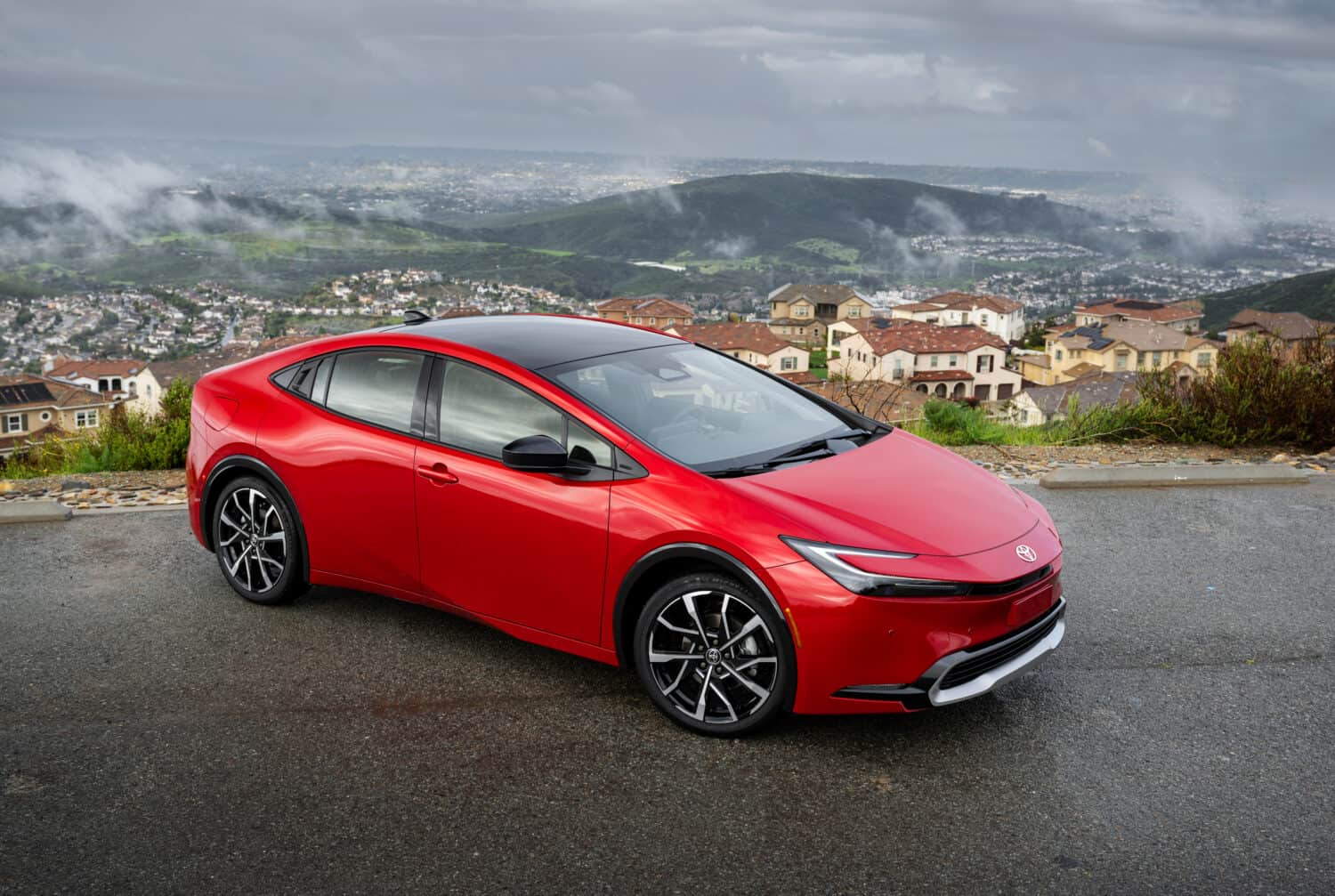
The Prius’s cabin may feel more utilitarian than some rivals, but its reliability and low running costs are strong arguments for urban and suburban commuters alike.
On top of that, Toyota’s hybrid expertise helps ensure the battery and drivetrain stay reliable even in high heat.
Also Read: 5 Cars for Bowling Green Daily Drives and 5 That Wear Out Fast
Heat-Tolerant Cars That Handle the Texas Sun
When summer temperatures soar, you need a vehicle that can take the heat without breaking a sweat. Heat‑tolerant cars aren’t just about having a powerful air conditioner; they’re about reliable cooling systems, heat‑resistant interiors, and engines that stay calm under pressure.
From dependable sedans to rugged crossovers, these cars are built to handle long Texas sun‑soaked days, keeping you cool, confident, and comfortably on the road no matter how high the mercury climbs.
1. Ford F-150
Pickups are everywhere in Texas and for good reason. The Ford F-150 isn’t just popular; it’s heat-tough.
The F-150’s engine cooling system is engineered for heavy use, whether you’re towing, hauling, or cruising long distances in 100-plus degree heat. Its cabin climate control systems are capable of chilling the interior quickly, even after long parking lot exposure.
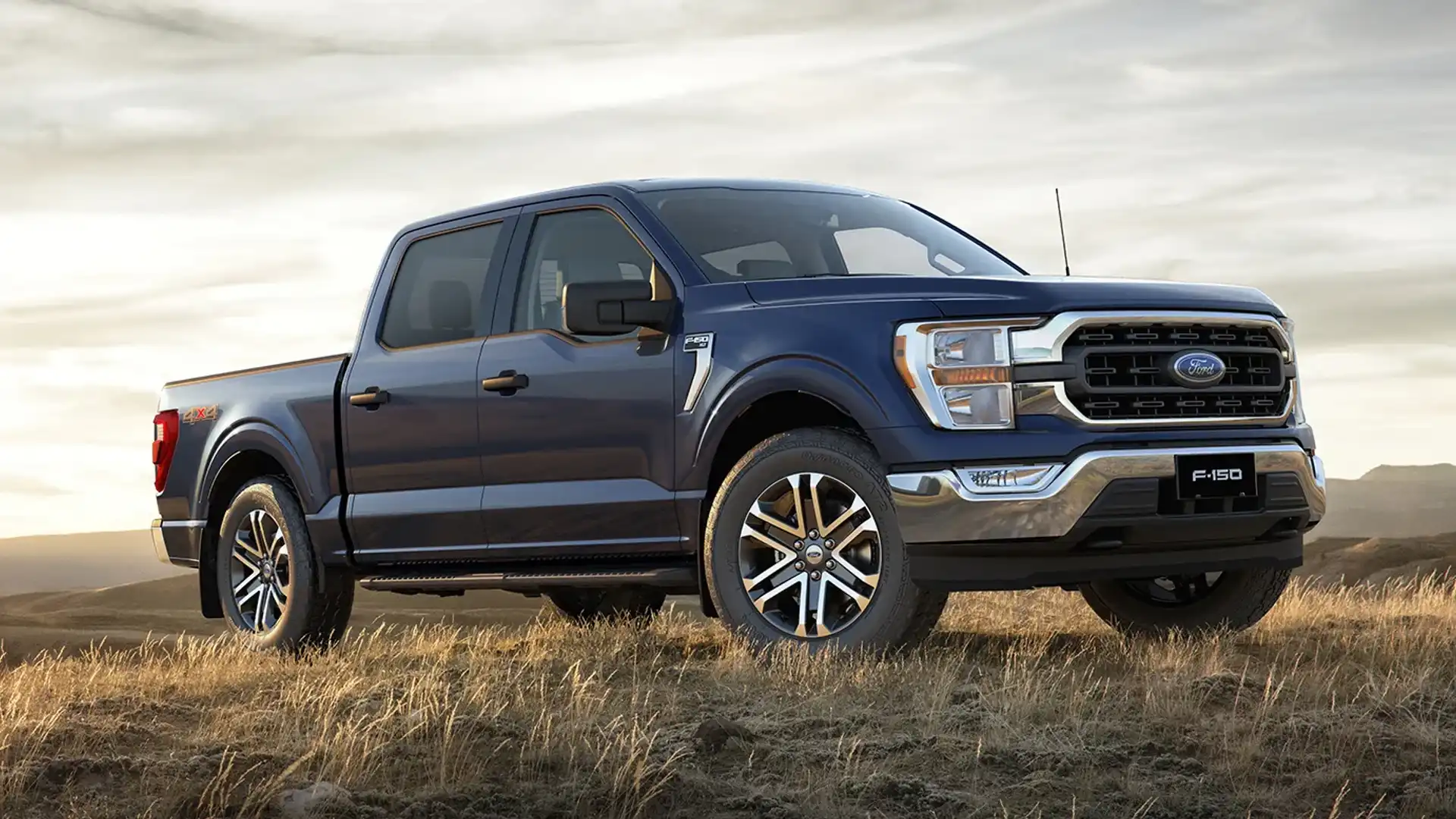
Plus, many Texas drivers use their trucks for work, recreation, and family duties and the F-150’s broad range of powertrains (including efficient turbo V6 and hybrid options) delivers both power and respectable fuel economy.
If your lifestyle includes commuting mixed with weekend plans or towing, the F-150 is hard to beat.
It’s been a long time since the Ford F-150 was just a workhorse, and for 2024 it has evolved into an even more modern tool for today’s truck buyer. Beneath its hood, a wide range of engines awaits, including a hybrid option. While a V-8 is still available, most F-150s now come equipped with EcoBoost V-6 engines.
Step inside, and the cabin underscores the truck’s modernity: every model comes with a 12.0-inch infotainment display, and for a monthly subscription fee, buyers can unlock a hands-free driving feature capable of handling long stretches of highway.
The F-150 offers heroic towing capacity and a vast array of trim options, ensuring there’s a version to suit nearly every budget. Its competitors, like the Ram 1500, which benefits from a smoother air-suspension ride, and the Chevrolet Silverado, which offers more standard connectivity and driver-assistance tech, also deliver strong offerings.
The F-150’s combination of capability, features, and versatility makes it a formidable contender in the full-size pickup segment, and this latest iteration represents the most technologically advanced version of America’s bestselling truck yet.
2. Chevrolet Tahoe
Large SUVs like the Chevrolet Tahoe are built with robust cooling capacity because they’re often used in demanding conditions.
The Tahoe’s radiator, fans, and airflow systems are engineered to keep a big truck running cool under load, but those same attributes help it cope when the thermometer climbs.
Its powerful air conditioning system rapidly cools the cabin, even with multiple passengers and cargo.
This capability is especially useful for families and carpoolers in New Braunfels, where outside temperatures can make kids’ car rides feel unbearable without strong climate control.
The Tahoe’s size and comfort also make it favorable for longer drives to Hill Country destinations.
The 2022 Chevrolet Tahoe is one of the most versatile large SUVs on the market, offering minivan-like passenger accommodations and towing capabilities that rival many pickups.
As Chevy’s second-largest three-row SUV, the Tahoe offers three engine options: a standard 355-hp V-8, a more powerful 420-hp V-8, and a diesel six-cylinder that produces a stump-pulling 460 pound-feet of torque. Its range of trims includes the rugged Z71 for off-road adventures and the more upscale High Country.
While the High Country’s price puts it in competition with premium alternatives like the Cadillac Escalade and Lincoln Navigator, it doesn’t quite match their level of luxury.
The Tahoe’s bold, sometimes polarizing front-end design might push some buyers toward the GMC Yukon, but most will appreciate its popular tech features and impressively quiet cabin.
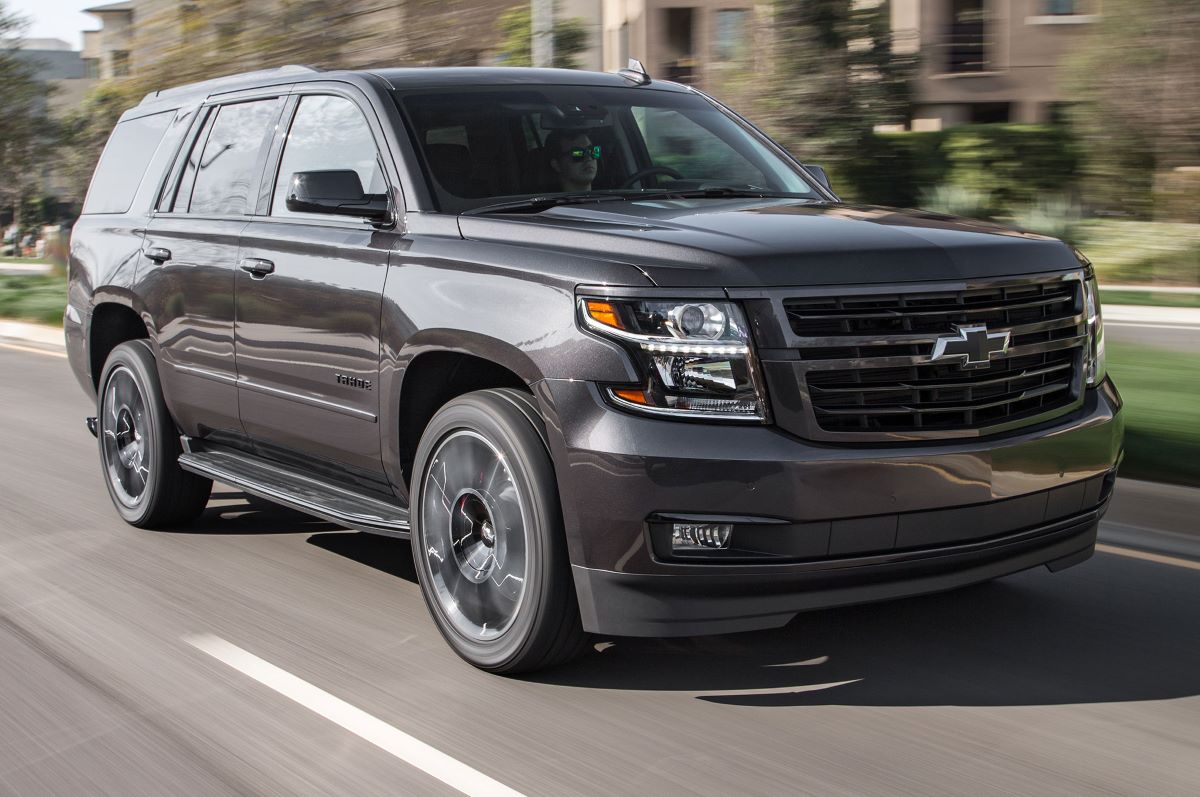
For 2022, Chevrolet made several updates to the Tahoe lineup. The 420-hp 6.2-liter V-8 is now available on the RST, Z71, and Premier trims, while the off-road-focused Z71 adds an electronic limited-slip differential.
All Tahoes except the base LS now feature a customizable 12.3-inch digital gauge cluster, and infotainment systems on the LT and higher trims now include Google’s voice assistant, maps, and app store functionality.
Pricing for the 2022 Tahoe ranges from $53,695 for the LS to $74,295 for the High Country, depending on trim and options. We consider the mid-level RST and Z71 trims the best value: the RST appeals with flashier styling, while the Z71 is geared toward adventurous drivers.
The Z71’s standard four-wheel drive, rugged appearance, and exclusive off-road features make it especially compelling. Upgrading from the standard 5.3-liter V-8 to the newly available 6.2-liter V-8 adds 65 horsepower and 77 pound-feet of torque.
Our recommended Z71 would also include the Z71 Signature package, which adds blind-spot monitoring, a heated steering wheel and second-row seats, memory settings, a panoramic sunroof, power-folding third-row seats, and upgraded towing equipment.
Under the hood, the Tahoe continues its legacy of V-8 power. The standard 355-hp 5.3-liter and optional 420-hp 6.2-liter V-8s are joined by a diesel 3.0-liter six-cylinder engine, which, despite its lower horsepower, matches the bigger V-8 in torque at 460 pound-feet.
Every Tahoe comes with a 10-speed automatic transmission and a choice of rear- or all-wheel drive. Our test Z71 model featured the standard V-8 along with a two-speed transfer case for traditional four-wheel drive, 20-inch wheels wrapped in all-terrain tires, and underbody protection.
It delivered adequate acceleration, a firm brake pedal, and a remarkably quiet cabin at highway speeds. The Z71 trim also includes air springs that allow the ride height to be manually or automatically adjusted, along with adaptive dampers, which are standard on the Premier and High Country trims.
3. Toyota 4Runner
The Toyota 4Runner has earned a reputation for rugged reliability and mechanical simplicity traits that also serve it well in hot climates.
Its traditional body-on-frame construction, durable cooling components, and efficient airflow help maintain core operating temperatures, even when idling or crawling in hot weather.
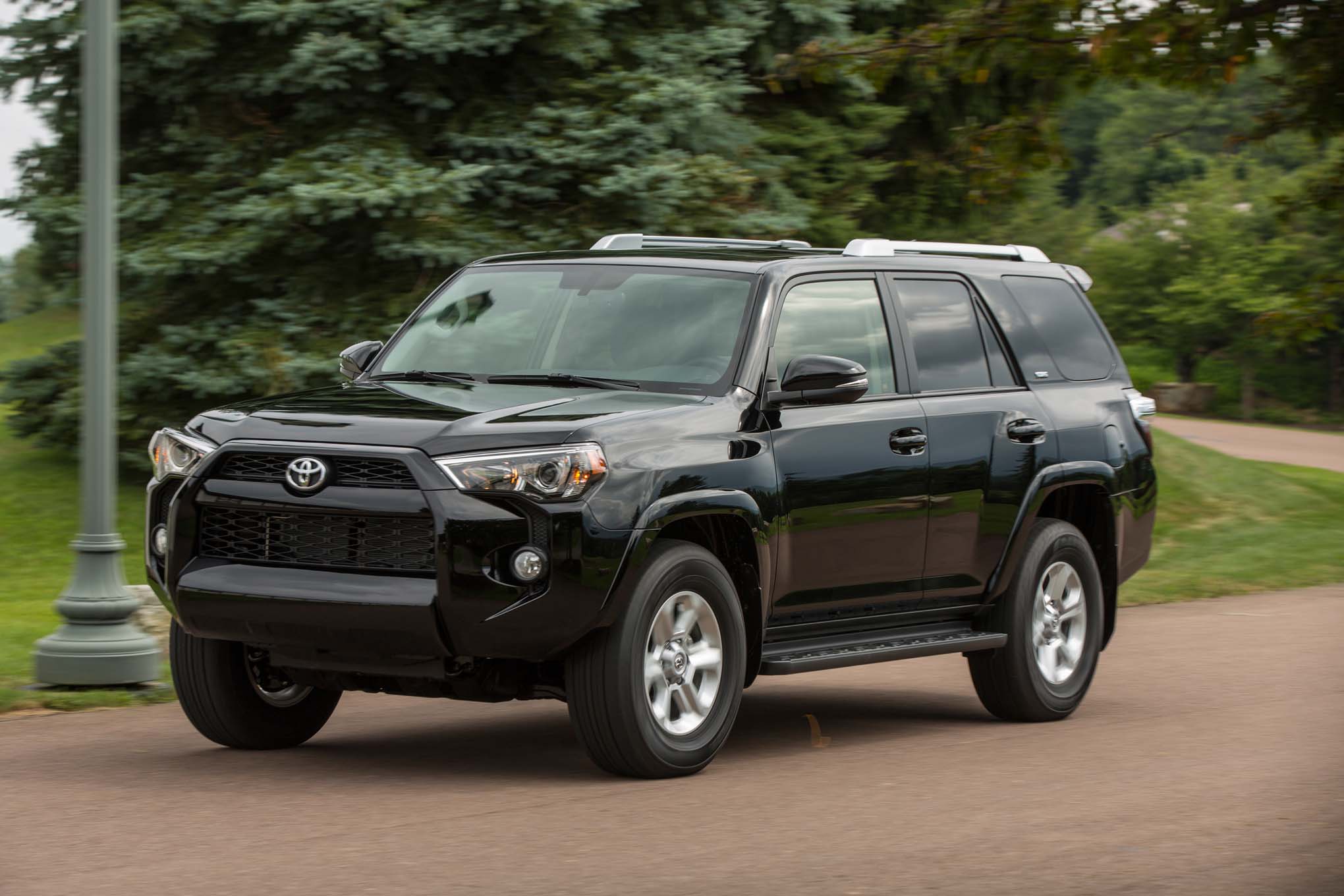
While not the best fuel-sipper, the 4Runner’s ventilation and climate control systems are designed with utility in mind, supporting quick cabin cool-down.
For drivers who split time between commuting and outdoor adventures around New Braunfels, this SUV is a strong all-around choice.
The 4Runner’s performance is adequate for daily driving. It’s not exceptionally quick, but the engine and transmission are smooth, allowing it to hold its own in traffic.
The brakes feel a bit jumpy, and you’ll notice some nosedive when pressing the pedal hard, though drivers typically adapt quickly. Around corners, the 4Runner turns in with surprising promptness and offers a satisfying degree of stability for a truck-based SUV, though car-like crossovers remain more nimble.
Where the 4Runner truly shines is off-road. For those who enjoy adventure camping or trail exploration, its multimode 4WD system, high ground clearance, and TRD-specific features make it highly capable on rocky terrain. For enthusiasts, the 4Runner’s otherwise average on-road performance becomes largely irrelevant.
Assessing the 4Runner’s comfort, its truck-based construction produces a somewhat bouncy and stiff ride. While not unbearable, most crossover SUVs offer smoother day-to-day driving.
Wind noise is more noticeable due to the 4Runner’s boxy shape, though tire and road noise are relatively muted thanks to the body-on-frame construction, which adds an extra layer of sound insulation.
Inside, living with a 4Runner is largely pleasant, though its tall ride height can make entering and exiting the cabin somewhat challenging, side steps help mitigate this issue.
Once inside, controls are straightforward, and the driver’s seat is highly adjustable, providing a commanding view of the road ahead. There’s ample space in both front and rear rows, and visibility to the sides and rear is excellent thanks to the 4Runner’s squared-off design and generous window openings.
4. Honda Accord
You might not think of a midsize sedan as a “heat-tolerant” car, but the Honda Accord deserves mention due to its efficient engine cooling and reliable A/C systems.
Hondas have a reputation for durability, and the Accord’s thermal management is no exception helping prevent overheating even in stop-and-go traffic when the sun is at its peak.
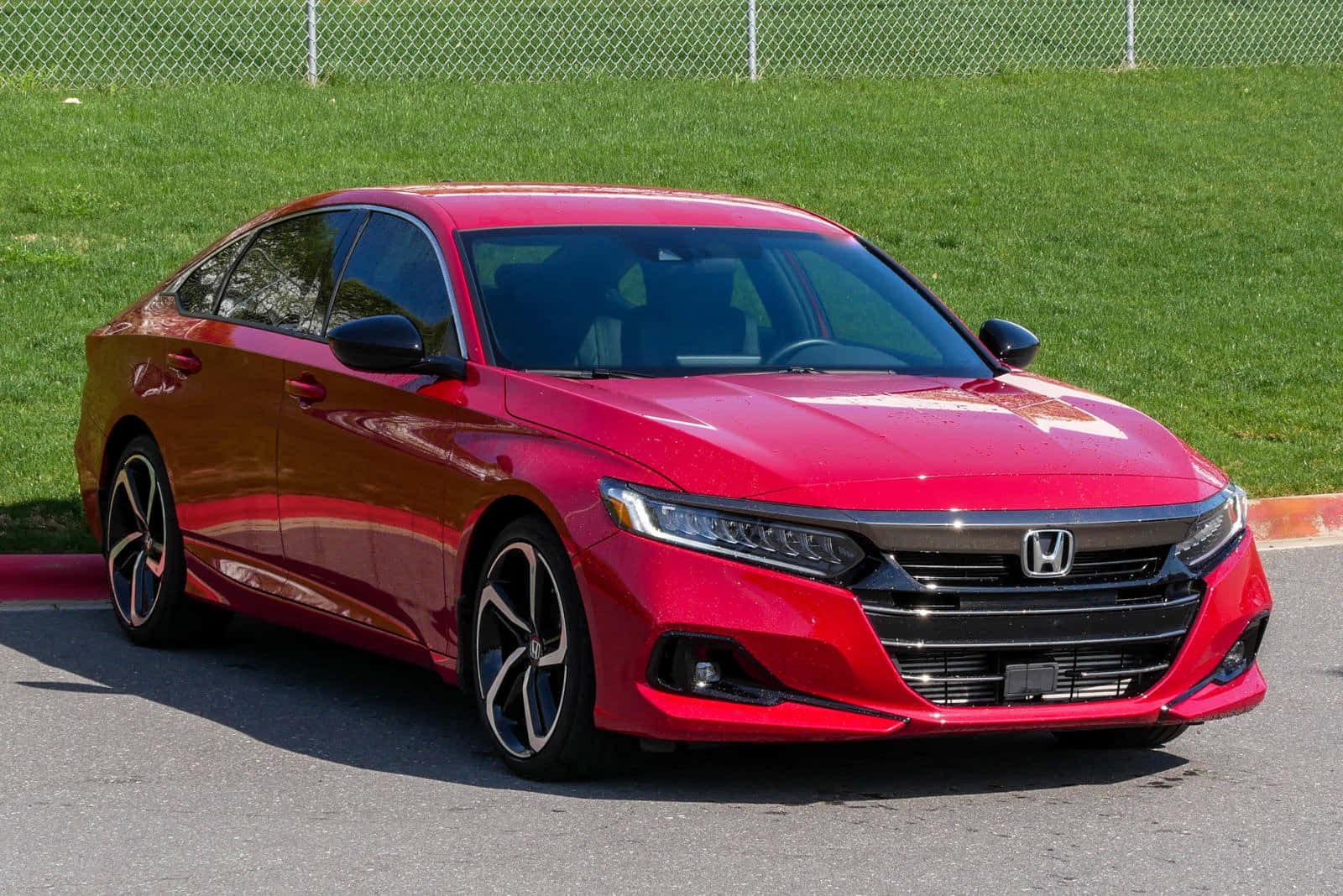
Its cabin airflow design is excellent, distributing cool air efficiently throughout the interior. This makes a big difference during summer months when waiting at intersections or in parking lots under direct sun.
5. Subaru Outback
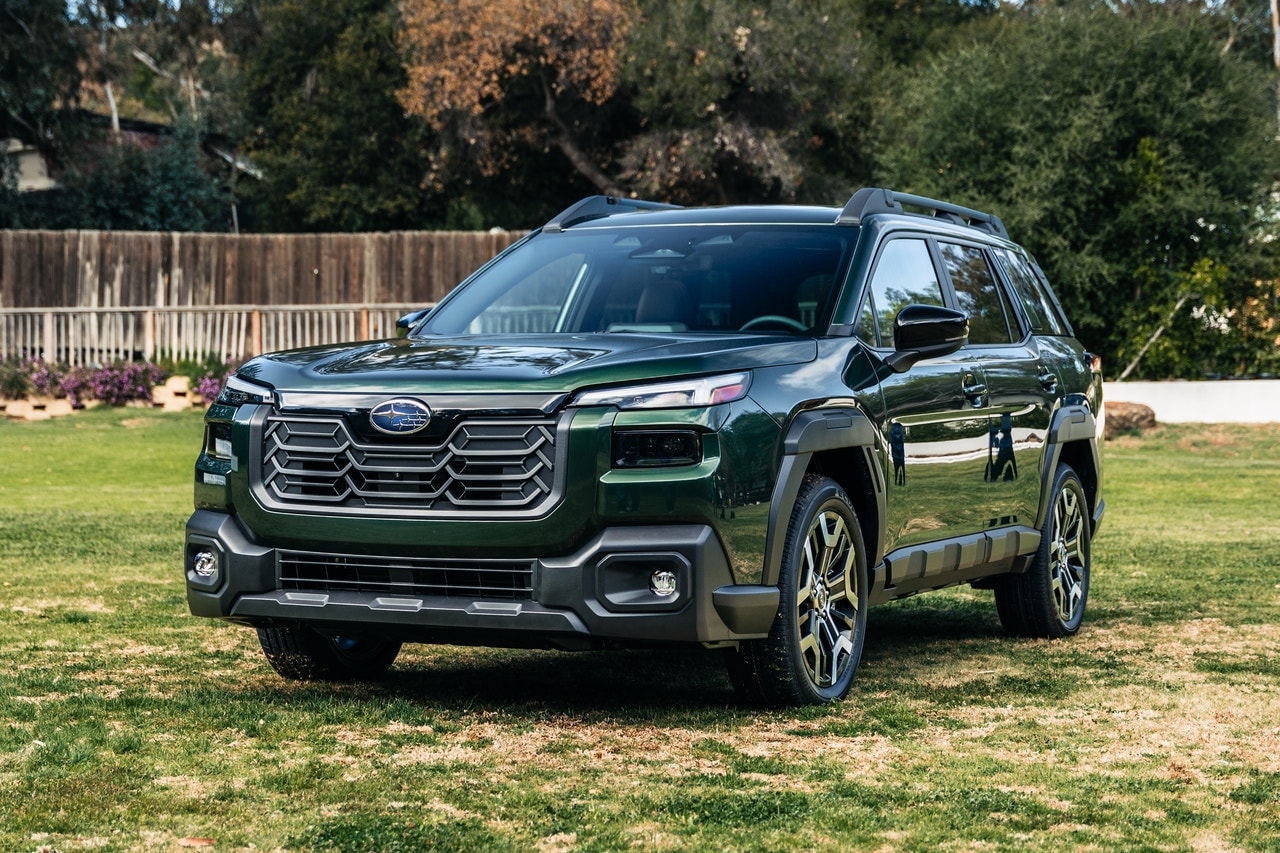
Subaru’s all-wheel-drive wagon blends commuter comfort with adventure readiness. While Outbacks aren’t known for raw power, their mechanical systems including cooling and airflow are engineered for varied terrain and weather.
This means they handle heat stress without drama, whether on Texas highways or gravel roads near Canyon Lake.
The Outback’s large cabin vents and adjustable climate zones help keep passenger comfort high even during long trips or hours spent idling in the midday sun.
In a market dominated by crossovers, Subaru’s long-running Outback has succeeded by blending SUV-inspired styling cues with the usability and driving manners of a traditional station wagon.
Buyers can choose between turbocharged and non-turbocharged four-cylinder engines, both of which come standard with all-wheel drive. A sturdy roof rack provides an easy way to carry bikes or kayaks without the towering height of a full-size SUV, making loading and unloading much easier.
The Wilderness model also comes standard with the turbocharged four-cylinder engine, a roof rack rated to support up to 700 pounds, and water-repellant interior upholstery designed for outdoor use.
The 2022 Subaru Outback starts at $28,820 and can climb to $41,820 depending on trim and equipment. We believe the Premium trim offers the best balance of value and features. While it’s only available with the standard 182-hp four-cylinder engine, upgrading to the 260-hp turbocharged option adds at least $6,000, and we don’t think the performance gains and additional 800 pounds of towing capacity justify the cost.
The Outback is offered with two flat-four engine choices: a standard 182-hp 2.5-liter and an optional 260-hp turbocharged 2.4-liter. Both are paired with a continuously variable automatic transmission (CVT) that simulates eight gear ratios to help reduce engine drone.
As expected from Subaru, all-wheel drive is standard across the lineup. In testing, the Outback equipped with the base engine delivered modest acceleration and a somewhat sluggish transmission response.
The turbocharged version was noticeably quicker, though it suffered from the same hesitant CVT behavior. That said, most Outback buyers prioritize ride comfort and light off-road capability over outright speed.
With 8.7 inches of ground clearance and standard all-wheel drive, the Outback confidently handles bad weather and rough, muddy roads. Those seeking maximum capability should consider the Wilderness model, which increases ground clearance to 9.5 inches and adds a reinforced suspension, skid plates, and selectable Snow and Mud drive modes.
The Outback rides comfortably and offers steering that’s predictable and easy on the highway, though it lacks the athletic edge that might surprise drivers familiar with Subaru’s WRX. The standard engine allows the Outback to tow up to 2,700 pounds, while the turbocharged version increases capacity to 3,500 pounds.
The Outback rides comfortably and offers steering that’s predictable and easy on the highway, though it lacks the athletic edge that might surprise drivers familiar with Subaru’s WRX.
Choosing a vehicle in Central Texas isn’t just about horsepower or price heat affects components you might not immediately consider. High temperatures accelerate battery degradation, tire wear, and coolant boil-over risks.
Strong A/C systems reduce driver fatigue and improve safety by keeping occupants alert. Vehicles built with robust cooling, airflow design, and reliable ventilation handle these stresses much better over time, reducing long-term maintenance costs.
For commuters in New Braunfels, the right car should help you forget the heat, not fight it.
Whether you prioritize fuel economy, family-friendly space, rugged capability, or all-weather performance, there are strong options out there that pair daily comfort with heat-resilient engineering suited to life under the Texas sun.
