
When most people think of luxury cars, the first images that come to mind are shiny new sedans or SUVs with price tags that reach well into six figures.
However, the reality is that the luxury segment has expanded dramatically over the last two decades, and there are now numerous ways to experience refined interiors, powerful engines, and cutting-edge technology without breaking the bank.
For American drivers looking for the feel of a luxury car but unwilling to commit to the steep depreciation of a brand-new vehicle, pre-owned or gently used options provide exceptional value.
With careful research and an understanding of each model’s strengths, it’s possible to own a luxury vehicle that delivers comfort, performance, and style all while staying within a reasonable budget.
Buying a budget-friendly luxury car comes with unique advantages. Many luxury brands are built to last well over 100,000 miles if maintained properly, meaning a used vehicle with the right service history can feel as premium as a brand-new model.
Furthermore, vehicles from brands like Lexus, Acura, and BMW often depreciate faster than mainstream brands, which paradoxically makes them more affordable to own while still offering superior ride quality, safety, and technology.
For American consumers, balancing maintenance costs, fuel economy, insurance, and resale value is crucial, and the models highlighted below reflect this practical approach.
Here are the top ten budget-friendly luxury cars that are genuinely worth owning in the US market.
1. Lexus ES
The Lexus ES has long been a staple for buyers seeking a smooth, quiet, and dependable luxury sedan.
Older models from the late 2010s can often be found in the $20,000 to $25,000 range, yet they retain features like leather seating, a large infotainment system, and top-tier safety technology.
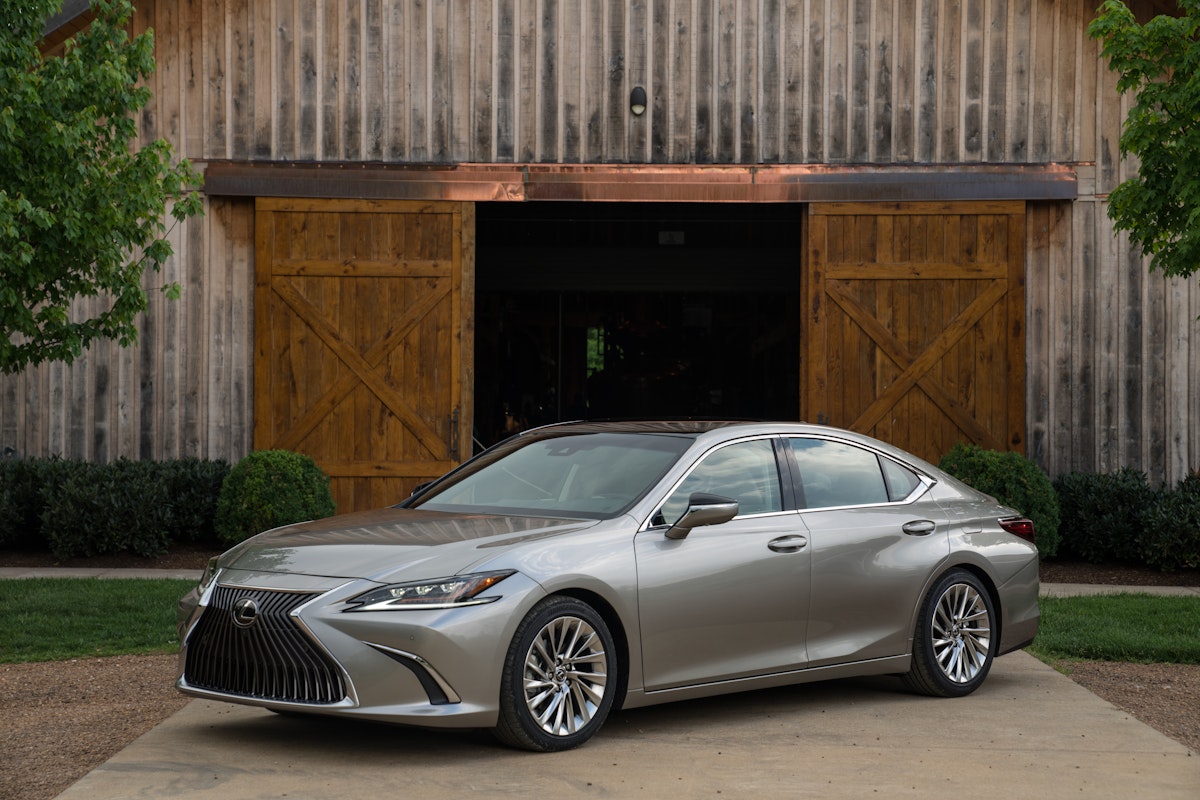
The ES is known for its reliability Lexus consistently scores at the top of consumer satisfaction surveys making it an ideal choice for someone who wants a luxurious experience without frequent trips to the repair shop.
Its comfortable suspension and refined cabin make daily commuting a pleasure, while modest maintenance costs further cement its value as a budget-friendly luxury sedan.
Acceleration is confident and refined, even if the ES doesn’t rank among the fastest cars in its segment. Steering effort is well judged, helping give the ES 350 a relaxed, composed feel when carving through corners.
Ultimate grip from the tires is limited, but taken as a whole, the ES delivers handling that’s more capable than you’d expect from a sedan focused primarily on comfort and luxury.
In everyday driving, the combination of smooth power delivery and nearly seamless gear changes makes the ES especially enjoyable. Around town, it feels as though the car simply floats along, insulating you from the grind of traffic.
It’s best thought of as a calm, leather-trimmed retreat, ideal for unwinding on the drive home after a long, meeting-heavy workday.
While the ES doesn’t offer every cutting-edge driver assistance feature available today, the systems it does include, such as lane keeping assistance, blind-spot monitoring, and adaptive cruise control, operate effectively and help reduce the stress of daily commuting.
Comfort and isolation define the Lexus ES experience. The cabin is impressively free of unwanted noises and vibrations, creating an atmosphere of near-total serenity. In fact, the ES is so quiet and composed that it rivals much larger luxury sedans, including the Mercedes S-Class and Genesis G90, in terms of overall calmness.
Up front, the seats strike an excellent balance between firmness and support, without overly aggressive side bolsters that make entry and exit difficult. Rear-seat passengers are treated to similarly comfortable accommodations, even if the seats are somewhat wide and flat.
Whether you’re riding in front or back, long drives can be completed without fatigue. At highway speeds, some wind noise does make its way into the cabin, but it’s likely more noticeable only because road and tire noise are so effectively suppressed. Engine sound, meanwhile, is barely audible.
Also Read: Top 10 Luxury Cars That Still Make Sense in Cities
2. Acura TLX
Acura’s TLX combines sporty handling with classic luxury touches, offering an engaging ride for drivers who don’t want to sacrifice performance for comfort.
Model years around 2018 to 2020 can often be purchased under $30,000, giving buyers access to features like adaptive cruise control, premium audio systems, and dual-zone climate control.
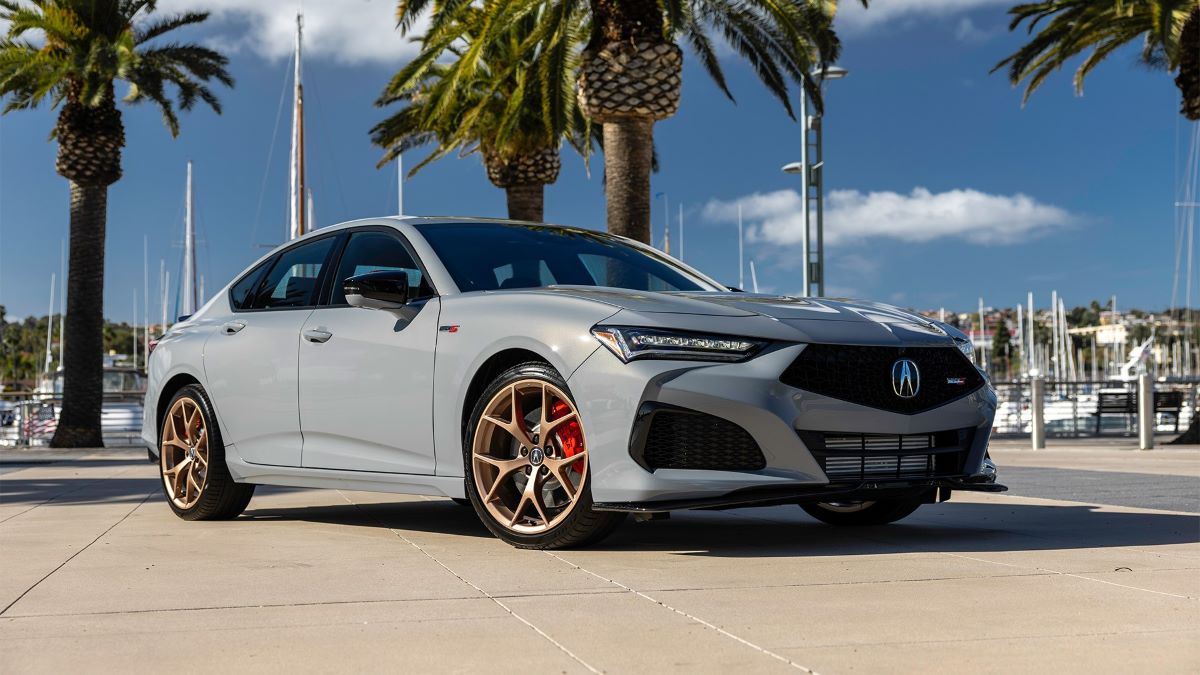
Acura’s reputation for reliability is a major plus; the TLX can easily reach over 150,000 miles with regular maintenance.
For those who appreciate a slightly more dynamic driving experience than the Lexus ES, the TLX strikes an appealing balance between sport and luxury.
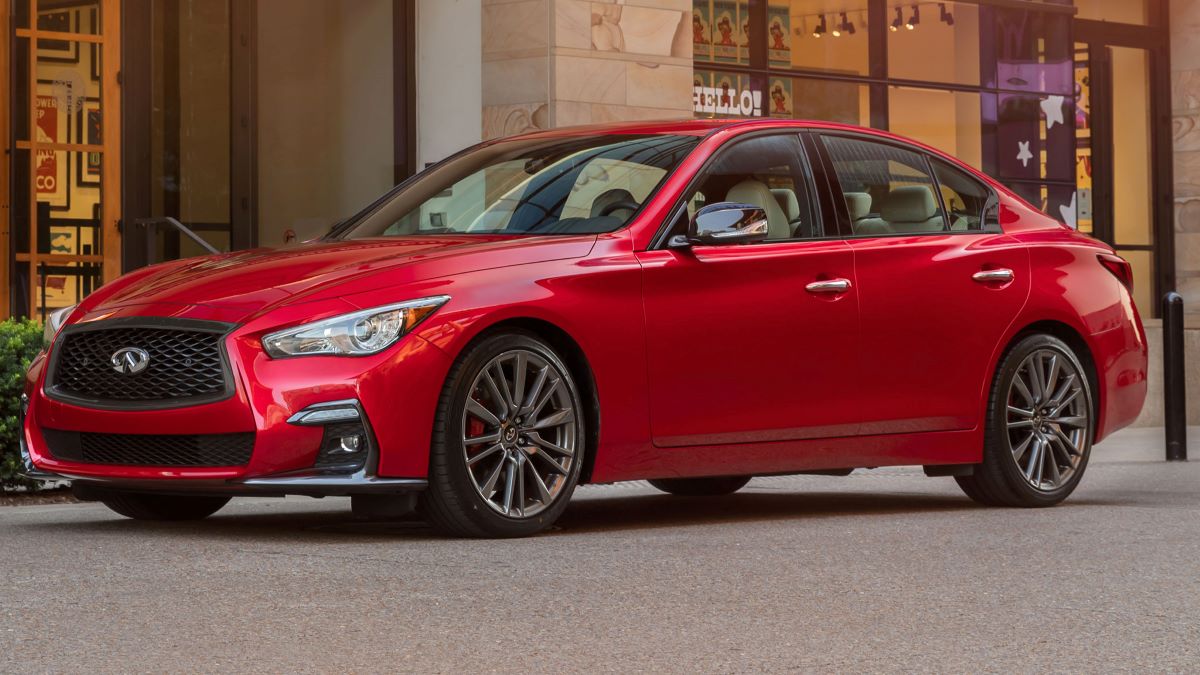
3. Infiniti Q50
The Infiniti Q50 is a stylish, performance-oriented sedan that often goes overlooked in the US luxury market.
Pre-owned models from 2017 to 2019 can be found under $30,000, offering a powerful turbocharged engine, precise steering, and a sophisticated interior.
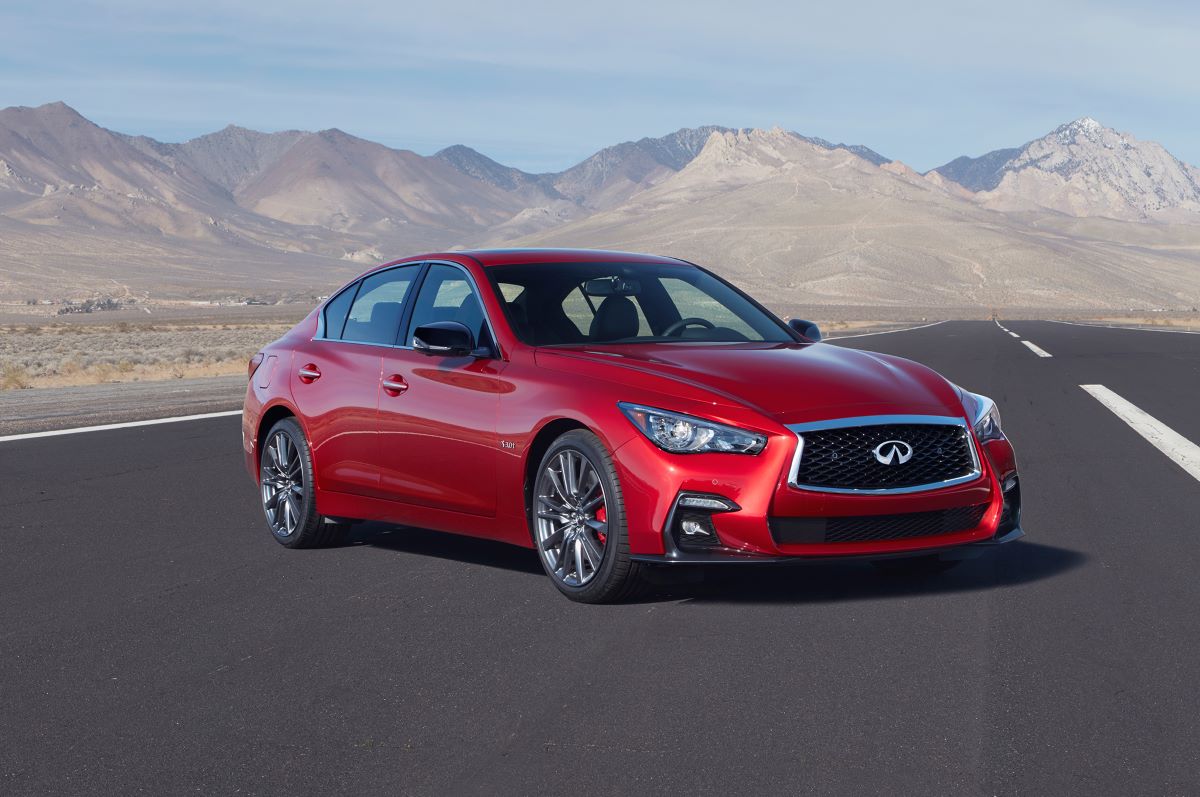
Infiniti’s tech features, including intuitive infotainment systems and driver-assistance packages, are typically more generous than what competitors offer at a similar price point.
While maintenance can be slightly more expensive than Japanese rivals like Lexus and Acura, the Q50 rewards careful owners with a sporty, luxurious driving experience that feels much more expensive than its price suggests.
There’s still some spark left in the Q50, and much of that can be credited to its standard turbocharged V6. The engine revs cleanly and delivers strong, readily available power, giving the Q50 quicker acceleration than most small luxury sedans.
In testing, it reached 60 mph in just 5.4 seconds, making tasks like merging into fast-moving traffic easy and stress-free. The brake pedal is well tuned for everyday use, allowing for smooth, predictable stops, though outright braking performance falls short. In emergency testing, the Q50 required 123 feet to stop from 60 mph, roughly 10 feet longer than most of its rivals.
Unfortunately, the driving experience takes a hit when it comes to handling and steering. The Q50’s fully electric steering system removes the traditional mechanical connection to the front wheels, resulting in a noticeable lack of feedback and precision.
While there may be the foundation of a capable sport sedan beneath the surface, intrusive electronic systems dull the response and make it difficult to drive the car smoothly or with much enjoyment.
The Q50 gets some things right in terms of comfort. The front seats remain supportive and pleasant even on longer trips, and rear-seat passengers are generally well accommodated. Ride quality, however, is a persistent weakness.
Unless the pavement is perfectly smooth, the Q50 feels busy and unsettled, with even modest road imperfections sending sharp impacts through the cabin.
Noise levels are another drawback. At highway speeds, road noise from surrounding traffic is especially noticeable, likely due to thin glass and limited insulation in the doors.
On the positive side, the engine produces a subdued, refined sound, even when pushed hard. The climate control system does a respectable job of maintaining a consistent temperature, but the layout of its controls is unintuitive and takes time to get used to.
4. BMW 3 Series
The BMW 3 Series has long been synonymous with driving enjoyment, and used models from the F30 generation (2012–2018) can often be purchased for under $25,000.
These vehicles offer a perfectly balanced combination of handling precision, engine responsiveness, and interior quality.
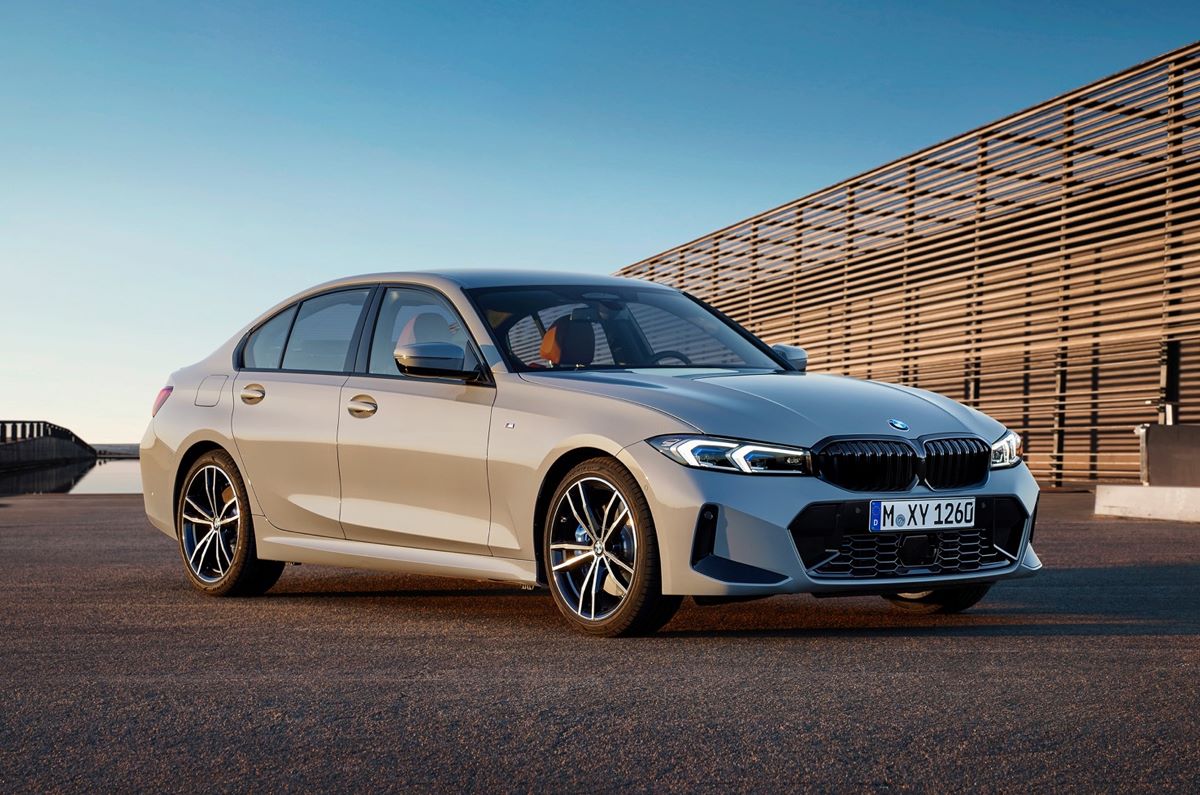
While BMW maintenance can be more intensive, careful selection of vehicles with a documented service history can mitigate many concerns.
For American drivers who want a true “driver’s car” in a luxury package, the 3 Series remains one of the most rewarding options.
5. Audi A4
The Audi A4 offers understated elegance, all-wheel drive, and a high-quality cabin, making it a favorite for those in regions with variable weather conditions.
Pre-owned models from 2017 onward can be found near the $25,000 to $30,000 range, bringing features like virtual cockpit displays, leather upholstery, and sophisticated safety systems within reach.
While maintenance costs are moderate compared to BMW, reliability is generally solid if buyers focus on certified pre-owned examples.
The A4 provides a refined driving experience, whether cruising on highways or navigating city streets, proving that budget-friendly luxury doesn’t have to compromise comfort.
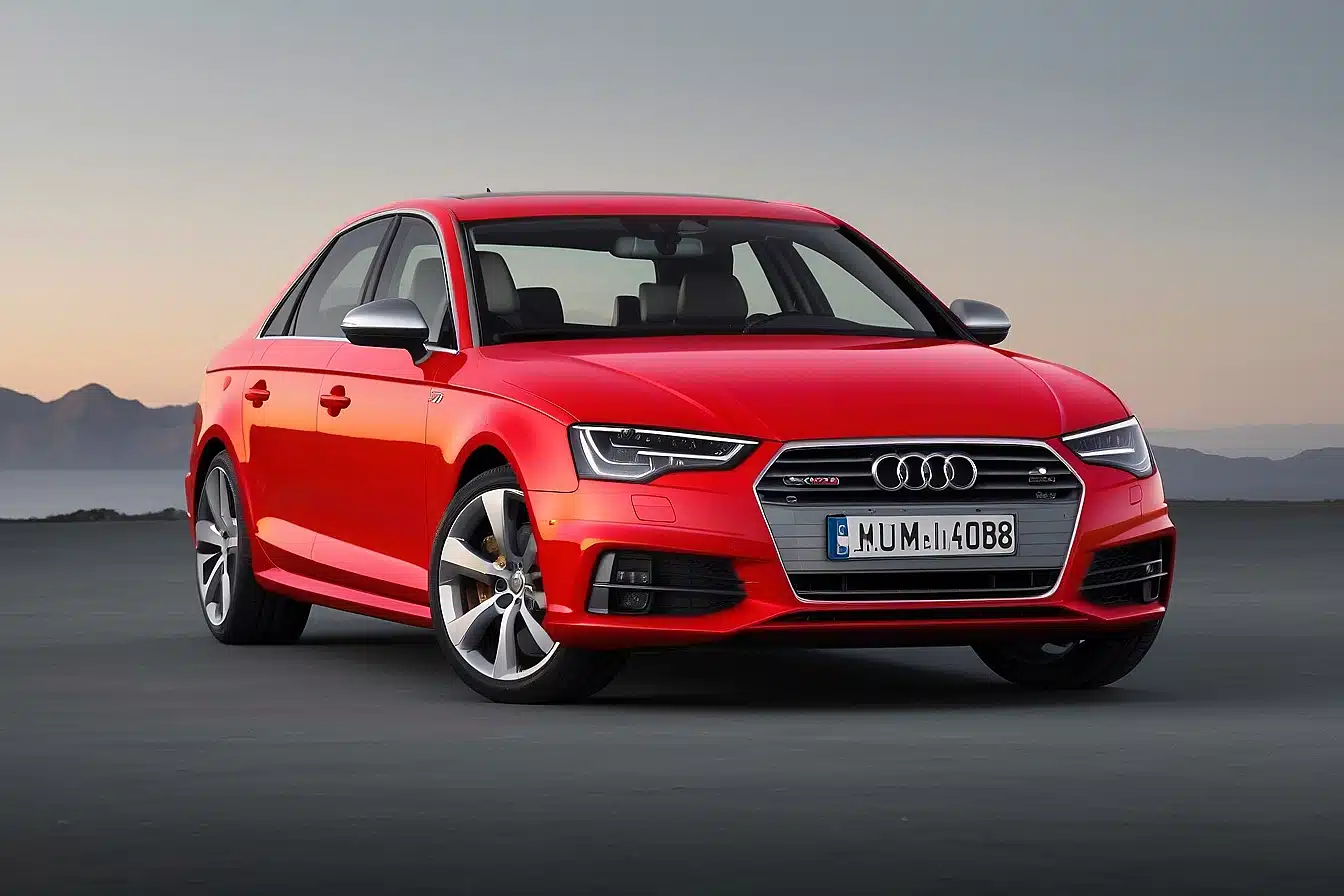
While some rivals clutter their lineups with a wide range of powertrains, including hybrids and diesels, Audi takes a more streamlined approach. The A4 is offered with a 248-horsepower turbocharged four-cylinder as standard, along with a less potent but more fuel-efficient variant known as the Ultra, which produces 188 horsepower.
A seven-speed automatic transmission and front-wheel drive come standard, while Audi’s well-known Quattro all-wheel-drive system is available as an option.
In the A4 2.0T Quattro Prestige we evaluated, the drivetrain performed exceptionally well. Acceleration is among the best in the class, with a 0–60 mph time of just 5.2 seconds, and power delivery is consistently smooth and responsive.
Sharp steering, disciplined body control, and strong grip work together to give the A4 confident, engaging handling. Typically, that level of responsiveness comes at the expense of ride comfort, yet the A4 manages to absorb rough pavement with impressive composure.
Steering feel, an essential ingredient in a sport-leaning sedan, is somewhat muted at lower speeds and during highway cruising. But when the road begins to twist, the character changes noticeably. As if on cue, the steering gains clarity and feedback, becoming genuinely communicative when the car is driven hard on winding roads.
6. Lexus RX
For buyers seeking luxury in an SUV form, the Lexus RX stands out as an excellent choice. Older RX 350 models from 2015–2018 are typically priced under $30,000 and offer spacious interiors, smooth V6 engines, and Lexus’s signature quiet ride.
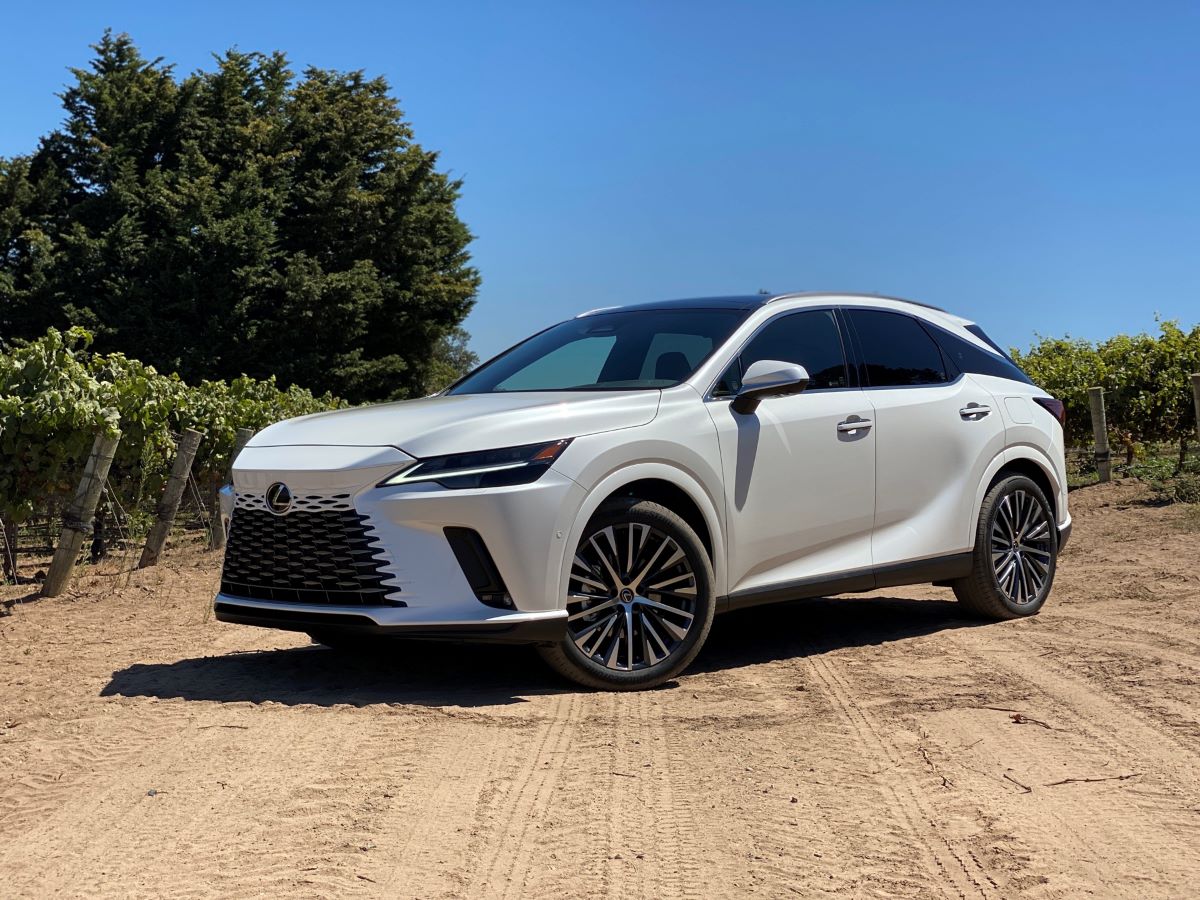
The RX also shines in reliability, requiring fewer repairs than many European luxury SUVs.
For American families or those who need extra cargo space without losing a premium feel, the RX delivers long-term value, a comfortable ride, and excellent resale prospects.
7. Acura MDX
The Acura MDX is a three-row luxury SUV that balances practicality and refinement. Pre-owned models from 2017–2019 often fall under $35,000, offering advanced safety systems, a strong V6 engine, and generous interior space.
The MDX’s well-regarded reliability and relatively low maintenance costs make it a standout in the used luxury SUV market.
Its combination of comfort, utility, and longevity ensures it remains a smart investment for buyers who prioritize both family-friendly functionality and luxury appeal.
The MDX’s strongest dynamic qualities lie in its steering and handling. Acura’s latest iteration of Super Handling All-Wheel Drive gives the MDX an unexpectedly agile feel for a three-row SUV and improves traction in wet conditions.
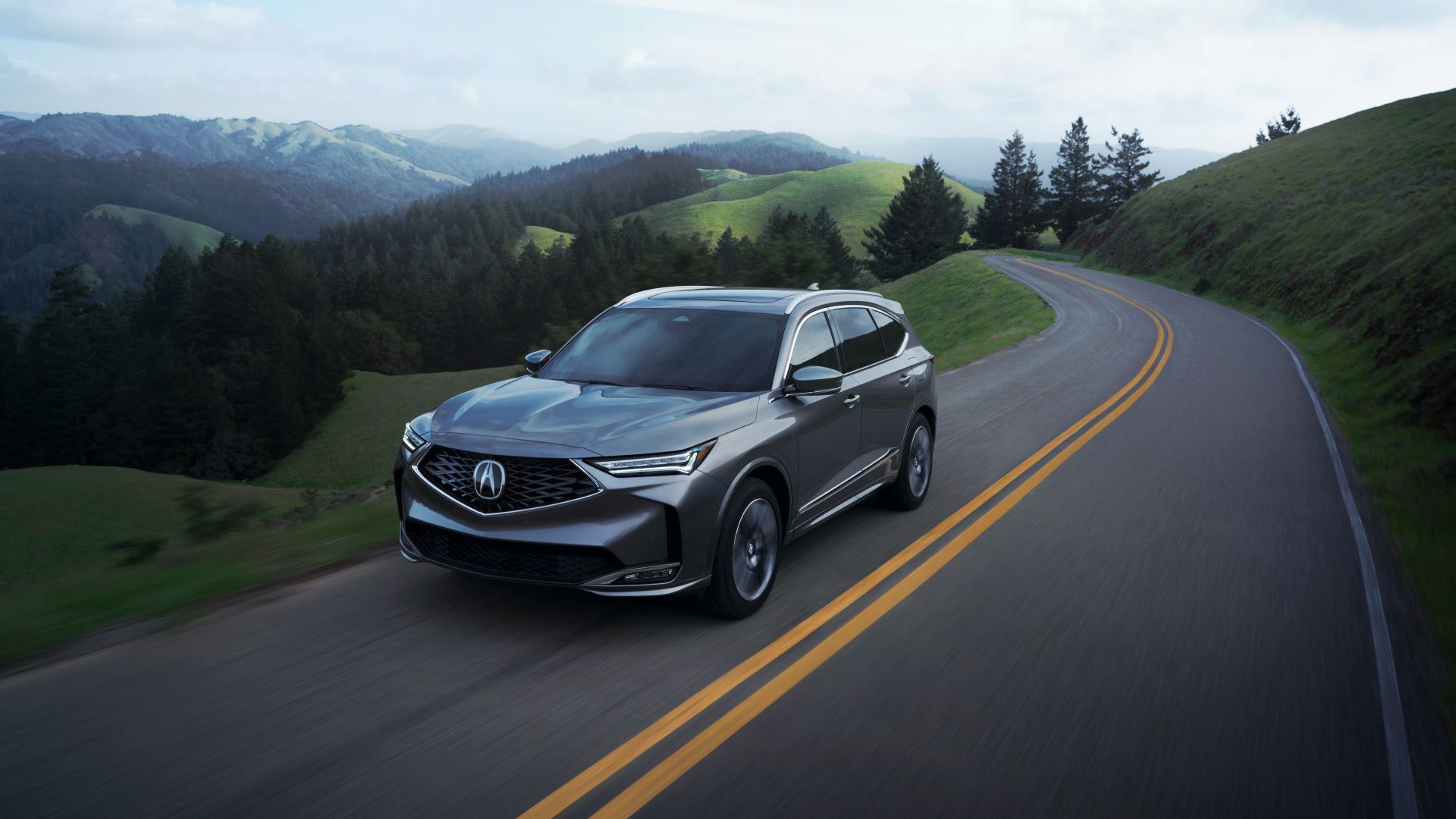
That system works in concert with precise steering and a suspension setup that allows the MDX to maintain strong grip through corners, regardless of whether you’re driving casually or pushing a bit harder.
For those prioritizing straight-line performance, the turbocharged MDX Type S is the clear choice. The standard V6, while delivering a robust engine note, lags behind most competitors in the three-row luxury SUV segment, needing 7.5 seconds to reach 60 mph.
The 10-speed automatic transmission also leaves room for improvement, as it isn’t as quick to respond or as smooth in its shifts as expected.
Acura’s refreshed driver-assistance suite benefits from upgraded sensors and adds features such as curve-slowing functionality when adaptive cruise control is engaged.
MDX Type S models further enhance the tech package with lane-change assist and a touch-sensitive steering wheel. The driver-assistance systems are well executed, particularly given that they come standard across the lineup.
Visibility is another area where the MDX performs well. Large windows provide clear sightlines in all directions, and the available surround-view camera system further improves awareness by offering a comprehensive 360-degree, bumper-level view of the vehicle’s surroundings.
Also Read: 5 Cars For Monroe Daily Driving And 5 Dependable Ownership Picks
8. Genesis G80
Hyundai’s luxury offshoot, Genesis, has quietly carved out a niche for delivering top-tier luxury at remarkably accessible prices.
The G80 sedan, particularly models from 2018–2020, is often available under $35,000, offering premium leather interiors, robust turbocharged engines, and advanced safety features.
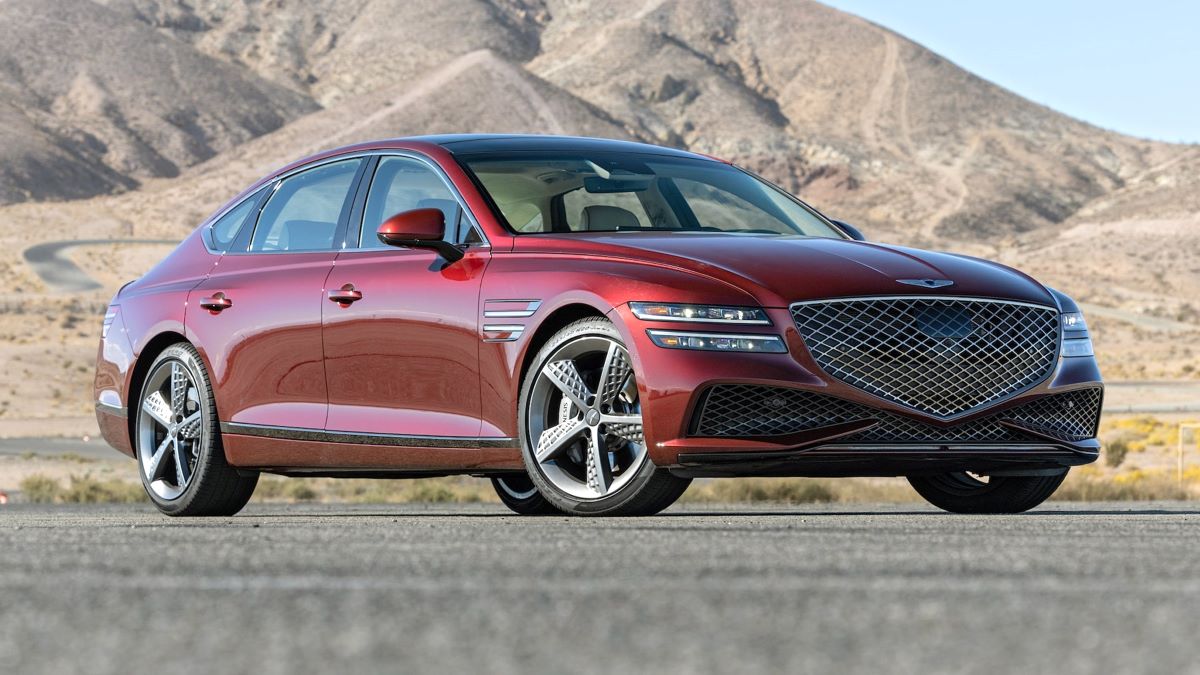
Reliability is solid, and Genesis models frequently outshine traditional European rivals in value for money.
The G80’s roomy cabin, composed ride, and attention to detail make it a compelling choice for those who want a modern luxury experience without the traditional European maintenance concerns.
The redesigned G80 delivers strong performance across the board. The turbocharged V6 we tested provides ample power in a variety of situations, whether launching briskly from a stop or calling up extra thrust for passing on the highway. In our testing, the V6-equipped G80 sprinted from 0 to 60 mph in 5.1 seconds.
While that’s slightly behind comparable six-cylinder German competitors, it aligns closely with the Cadillac CT5 V-Series. Additional strengths include quick, refined transmission shifts and an engine stop-start system that operates smoothly and unobtrusively.
The G80 3.5T comes standard with an adaptive suspension, a feature that is optional on the 2.5T model. Switching the car into Sport mode firms up the suspension and effectively limits body roll, helping the G80 stay composed and controlled when navigating corners.
9. Volvo XC60
Volvo’s XC60 is a mid-size luxury SUV that combines Scandinavian design, safety, and versatility.
Pre-owned models from 2017–2019 can often be purchased around $30,000, making it an attractive option for Americans seeking style and functionality.
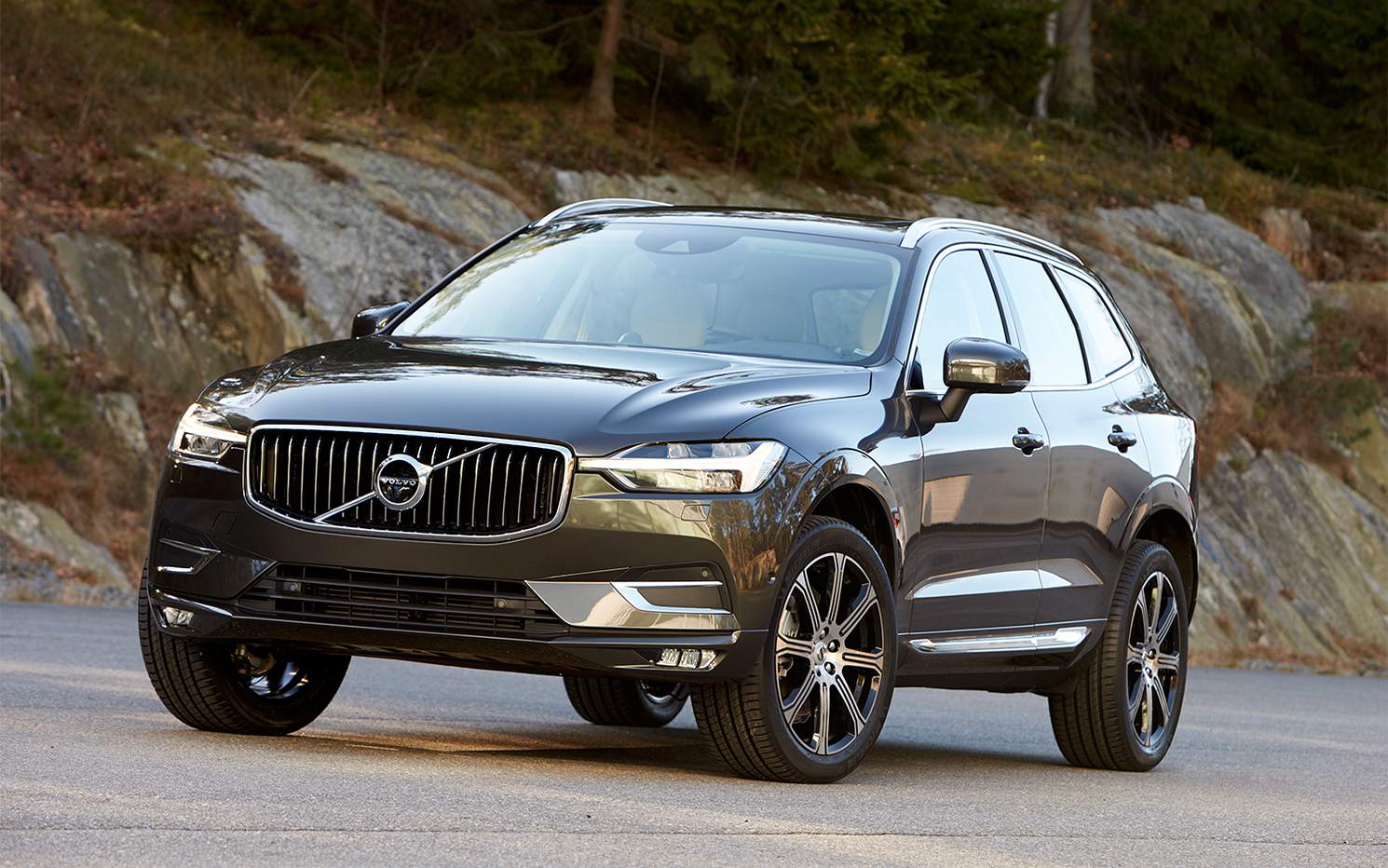
Volvo’s reputation for safety innovation including semi-autonomous driving aids and collision avoidance technology adds significant value.
With a refined ride, supportive seats, and a sophisticated interior, the XC60 provides a luxurious driving experience that prioritizes comfort and peace of mind.
A long-standing presence in the compact luxury SUV class, the 2026 Volvo XC60 draws confidently on its Scandinavian roots to stand out as a restrained and refined alternative in a crowded, fiercely competitive segment.
Volvo’s familiar design cues are all present, including the signature Thor’s Hammer LED headlamps, now paired with a newly updated front grille for 2026 that mirrors the diagonal styling theme found on the XC90’s fascia.
That clean, Nordic aesthetic carries through to the interior, where supportive front seats and a five-passenger cabin are finished with materials that emphasize craftsmanship and quality rather than flash.
Power comes from a turbocharged 2.0-liter four-cylinder engine combined with an integrated starter-generator, producing a total of 247 horsepower. Although it isn’t among the quickest SUVs in its class, the XC60 never feels genuinely underpowered.
Steering response is reasonably direct, grip levels are sufficient, and the driving experience is relaxed and enjoyable. For 2026, infotainment updates introduce a reportedly quicker operating system, further enhancing the XC60’s well-rounded nature and reinforcing its position as a distinctive and compelling choice in the segment.
10. Cadillac CTS
For those interested in domestic luxury, the Cadillac CTS is an underrated gem. Older models from 2015–2017 often fall below $25,000, yet they offer bold styling, powerful engines, and a well-appointed interior.
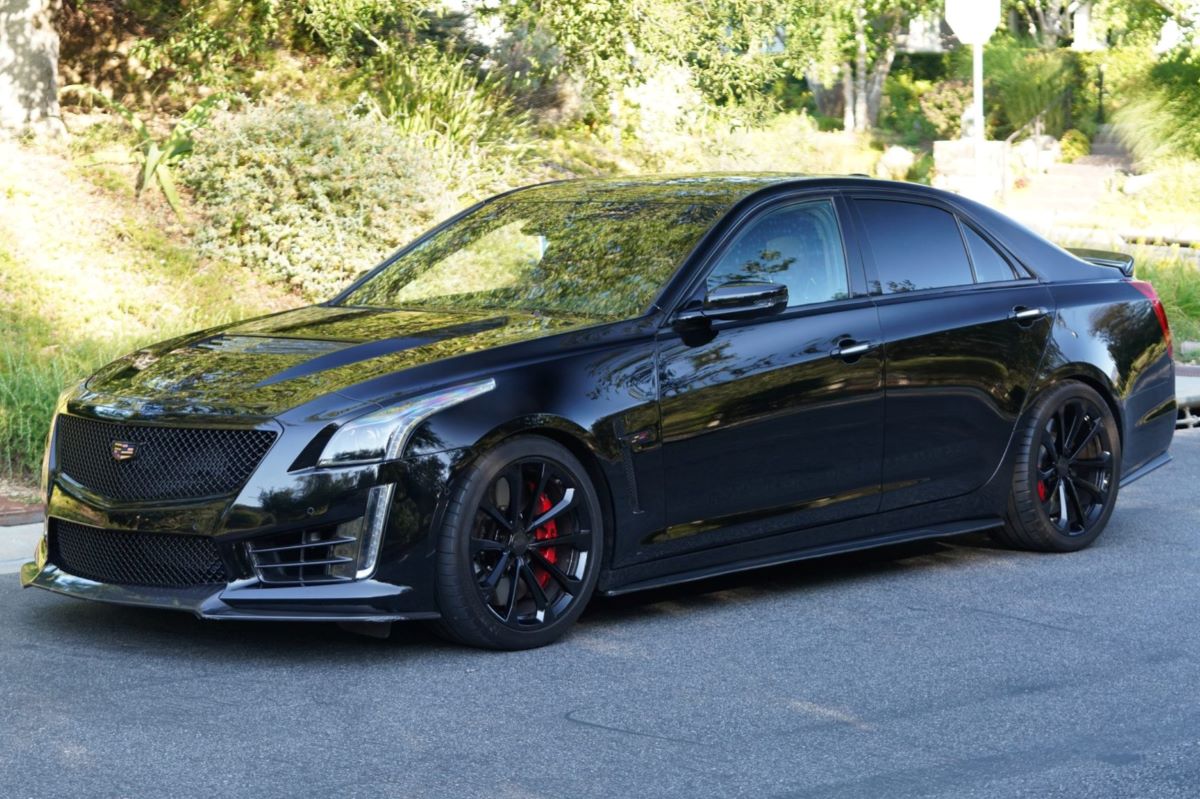
Cadillac’s focus on performance trims, such as the V-Series, allows buyers to experience a sporty driving character at a fraction of the cost of German competitors.
While domestic luxury may not have the same prestige as European brands, the CTS delivers exceptional comfort, technology, and American muscle perfect for buyers who want a luxury car that stands out from the crowd.
In a segment increasingly dominated by comfort-first luxury sedans, the 2019 Cadillac CTS stands out as a refreshing option for driving enthusiasts. Its rear-wheel-drive layout, balanced suspension, and direct steering make it especially rewarding on winding back roads, delivering a sense of athleticism that many modern BMWs have drifted away from.
The CTS also distinguishes itself visually, with edgy exterior styling that certainly won’t blend into traffic, for better or worse. Inside, it offers the infotainment features premium buyers expect, including an onboard Wi-Fi hotspot.
However, the CTS doesn’t fully deliver on luxury: rear-seat space is tight, build quality can be inconsistent, and powertrain refinement trails some rivals. Even so, in a crowded sport-luxury market, the CTS remains one of the more compelling choices.
For 2019, the CTS carries over unchanged. Pricing starts at $47,990 for the rear-wheel-drive model and climbs to $72,790 depending on trim and options. All-wheel drive is available on select trims, including the base and Luxury models, while higher-performance variants remain rear-drive only.
The lineup ranges from the standard CTS to Luxury, Premium Luxury, and the performance-oriented V-Sport and V-Sport Premium Luxury trims, giving buyers a wide spread of pricing and equipment levels to choose from.
The standout in the range remains the CTS V-Sport, which pairs a 420-horsepower twin-turbocharged 3.6-liter V-6 with the sedan’s finely tuned chassis. Like the extreme CTS-V with its 640-hp supercharged V-8, the V-Sport sends power exclusively to the rear wheels.
Buyers who require all-wheel drive must opt for one of the less powerful engines, either the 268-hp turbocharged 2.0-liter four-cylinder or the 335-hp 3.6-liter V-6, both of which offer AWD as an option.
From a performance standpoint, the CTS is one of the most engaging midsize luxury sedans available. The base turbo-four outpaced similarly powered European competitors in our acceleration testing, though it lacks the refinement of engines found in the BMW 530i or Audi A6 2.0T.
The optional V-6 struggles to keep up with rivals like the BMW 540i and Audi A6 Competition, but the V-Sport’s twin-turbo V-6 transforms the CTS into a genuine performance standout, rocketing from 0 to 60 mph in just 4.5 seconds.
Steering is quick and precise, with sharp turn-in and excellent body control through corners, though some editors feel the steering effort is artificially heavy across all drive modes.
The trade-off for this athleticism is ride comfort: the CTS can feel firm over rough pavement, falling short of the plush, isolated ride delivered by competitors such as the Mercedes-Benz E300.
Choosing a budget-friendly luxury car requires more than just picking a model it demands diligence in checking service histories, understanding potential maintenance costs, and prioritizing reliability.
In the US, many luxury cars depreciate faster than mainstream brands, creating an opportunity for savvy buyers to acquire premium vehicles at affordable prices.
By considering sedans like the Lexus ES or Acura TLX for commuting, SUVs like the Lexus RX or Volvo XC60 for family use, and performance-oriented models like the BMW 3 Series or Cadillac CTS, buyers can enjoy the sophistication, technology, and comfort of a luxury vehicle without overstretching their budget.
Ultimately, the key to owning a budget-friendly luxury car is patience and research.
By focusing on well-maintained, moderately aged models, American drivers can experience premium features, elegant design, and powerful performance all at a fraction of the new-car cost.
With these ten vehicles, luxury ownership is not just a dream; it’s an achievable reality that rewards those willing to invest a little time in finding the right car.
