
Dense urban areas are built for people, not cars. Streets are narrow, traffic is constant, parking is limited, and every small mistake becomes stressful.
That is why choosing the right vehicle for city life is less about power and more about practicality. In crowded cities, a small car can feel like a cheat code. It fits into gaps easily, turns in tight spaces without drama, and makes parking possible even when the city feels full.
The best small cars for urban areas share a few key qualities. First, they must be compact in length and width. This helps when driving through narrow lanes, squeezing past buses, and parking between pillars or tight roadside gaps.
Second, they require light steering and a tight turning radius, as city driving involves frequent manoeuvring. Third, they should have strong visibility. When traffic includes scooters, bicycles, pedestrians, and sudden lane changes, being able to see clearly reduces mental pressure.
Comfort also matters more than many people think. Cities have potholes, speed breakers, broken road patches, and endless stop and go traffic. A small car that is too stiff becomes tiring.
A good urban car should have decent suspension tuning, supportive seats, and quick air conditioning performance. Efficiency is another major factor, because traffic burns fuel. Hybrids and small engines help reduce running costs and make daily ownership easier.
Practicality is the final piece. Even in a small car, people need space for groceries, backpacks, and weekend luggage. Hatchback designs and foldable seats become important because they add flexibility without increasing size.
In this article, we highlight eight small cars from global markets that are ideal for dense urban areas.
These cars are chosen for their ease of parking, smooth city driving, low running costs, and real-world everyday usability. If your daily life involves narrow streets and tight parking, these small cars will make urban driving feel far less stressful and far more convenient.
Also Read: 8 Vehicles That Reduce City Driving Fatigue
1. Honda Fit (Jazz)
The Honda Fit, also known as the Honda Jazz in many global markets, is one of the most ideal small cars for dense urban areas because it was designed like a city tool. It is compact on the outside, yet extremely practical inside. In crowded streets, where space is limited and traffic is constant, the Fit makes life easier every day.
The first reason it suits dense cities is size. The Fit is short and easy to position in traffic. Narrow roads and tight gaps feel manageable because the car does not take up much space. Parking also becomes simpler because you can fit into smaller bays that bigger cars cannot use. In urban life, that is a daily advantage.
Steering is light and easy. This matters in stop and go traffic where drivers make constant small steering inputs. The Fit feels effortless to guide through narrow lanes. The turning radius is also tight, helping with U turns in crowded streets and sharp parking lot turns.
Visibility is another huge advantage. The Fit has a tall cabin and large windows, giving the driver a clear view of surroundings. In dense cities filled with scooters, bicycles, and pedestrians, visibility reduces mental stress. You can spot hazards earlier and react more calmly.
Practicality is where the Fit becomes special. It has a clever seating setup known for flexibility. Rear seats fold in ways that create a large usable cargo area. Grocery runs, shopping bags, and daily errands become easier because the Fit carries more than most small cars. For apartment living, this makes the Fit feel like a bigger car without the size penalty.
Fuel efficiency is another key benefit. Dense traffic increases fuel use, but the Fit stays economical. Lower fuel bills reduce ownership stress. It is also reliable, which is extremely important in cities where cars face constant stop and go strain.
Ride comfort is good for an urban hatchback. It handles potholes and speed breakers without feeling harsh. Seats provide decent support, which matters in traffic jams where drivers sit for long periods.
The Fit also has a simple, driver friendly cabin. Controls are easy to use, infotainment systems are straightforward, and daily driving feels stress free. A complicated car makes city life harder, but the Fit stays user-friendly.
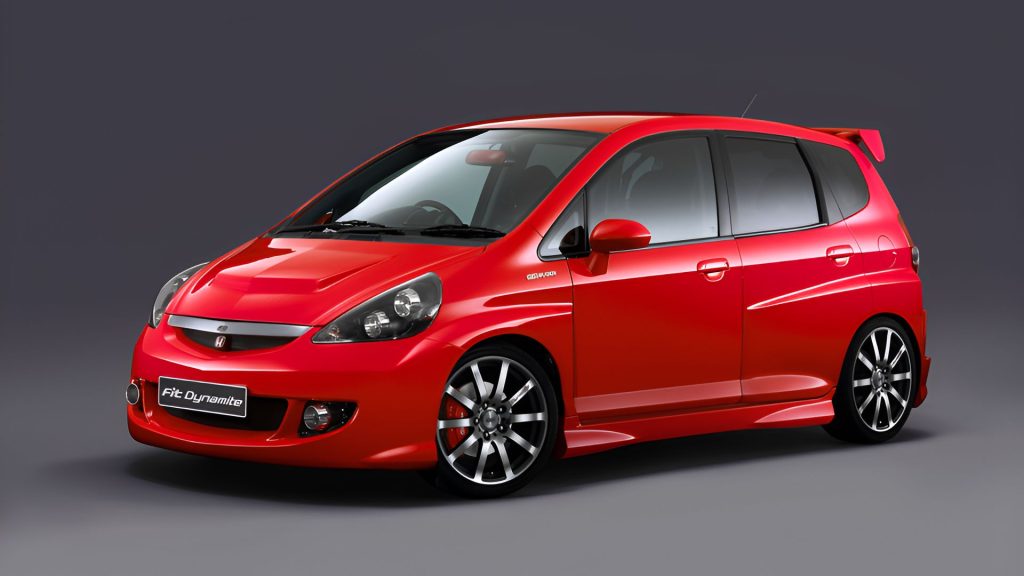
Overall, the Honda Fit is ideal for dense urban areas because it blends compact size, excellent visibility, easy parking, strong efficiency, and unmatched practicality. It is one of the smartest small cars ever made for city life.
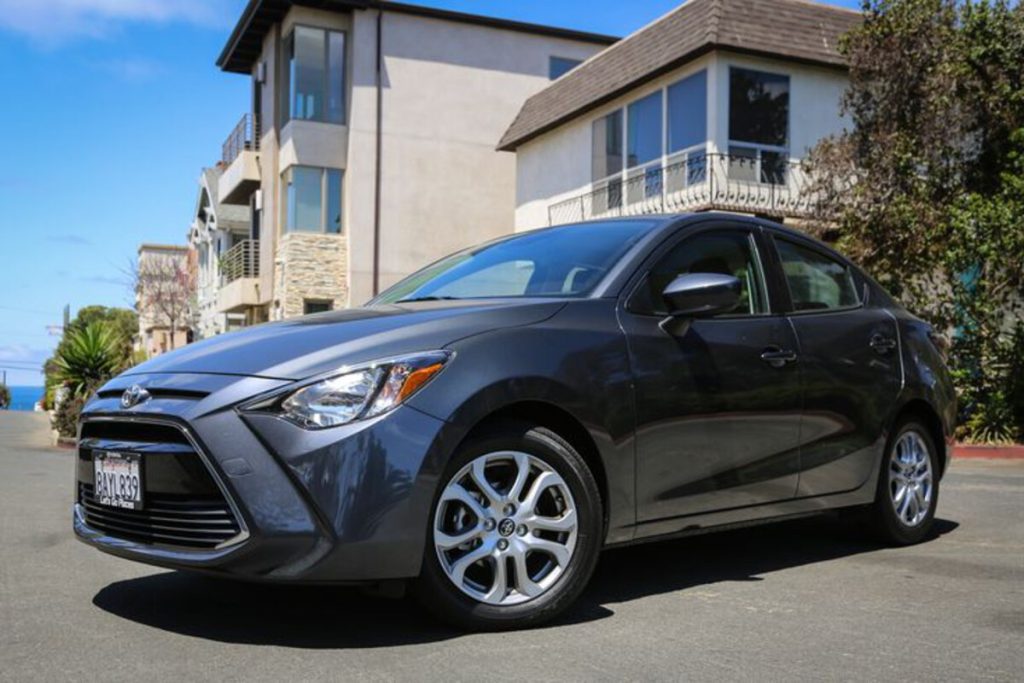
2. Toyota Yaris
The Toyota Yaris is one of the best small cars for dense urban areas because it focuses on simplicity and easy ownership.
In crowded cities, drivers do not need extra stress. They need a car that fits anywhere, runs cheaply, and stays reliable for years. The Yaris delivers those benefits in a compact, practical package that works perfectly in tight city life.
The first advantage is size. The Yaris is small enough to squeeze through narrow lanes and busy traffic gaps. It feels easy to handle in chaotic city roads where larger vehicles feel like a burden. Parking is also far less stressful. You can fit into tight roadside spaces and small garage bays that bigger cars cannot use.
Steering is light and predictable, which helps in stop and go driving. In dense traffic, constant steering corrections can be tiring. The Yaris keeps effort low, which reduces daily fatigue. It also has a tight turning radius, making U turns easier in narrow streets.
Fuel efficiency is a major reason it is ideal for urban areas. City traffic wastes fuel, but the Yaris stays economical. In many markets, the Yaris Hybrid adds even more advantage. Hybrid systems make low speed city driving smoother, quieter, and more efficient, which is perfect for traffic conditions.
Ride comfort is solid for a compact car. It handles speed breakers and potholes without feeling overly harsh. Cities often have broken road patches, and a car with stiff suspension becomes annoying quickly. The Yaris remains comfortable enough for daily commuting.
Reliability is one of the strongest reasons it fits urban life. Stop and go driving creates wear, but the Yaris is known for durability. This reduces ownership stress because breakdowns in cities are expensive and frustrating. With proper maintenance, the Yaris can handle years of heavy city use.
The interior is practical. It can carry passengers comfortably for daily commuting, and the boot handles groceries and shopping loads well. Rear seats fold down for extra flexibility when needed. For urban families or young professionals, this practicality matters a lot.
Safety is also improved in many versions, with features like emergency braking and lane alerts in newer models. These are helpful in crowded environments where sudden hazards appear.
Overall, the Toyota Yaris is ideal for dense urban areas because it is compact, easy to park, fuel efficient, reliable, and simple to live with. It reduces the daily stress of city driving and gives practical value that urban owners appreciate.
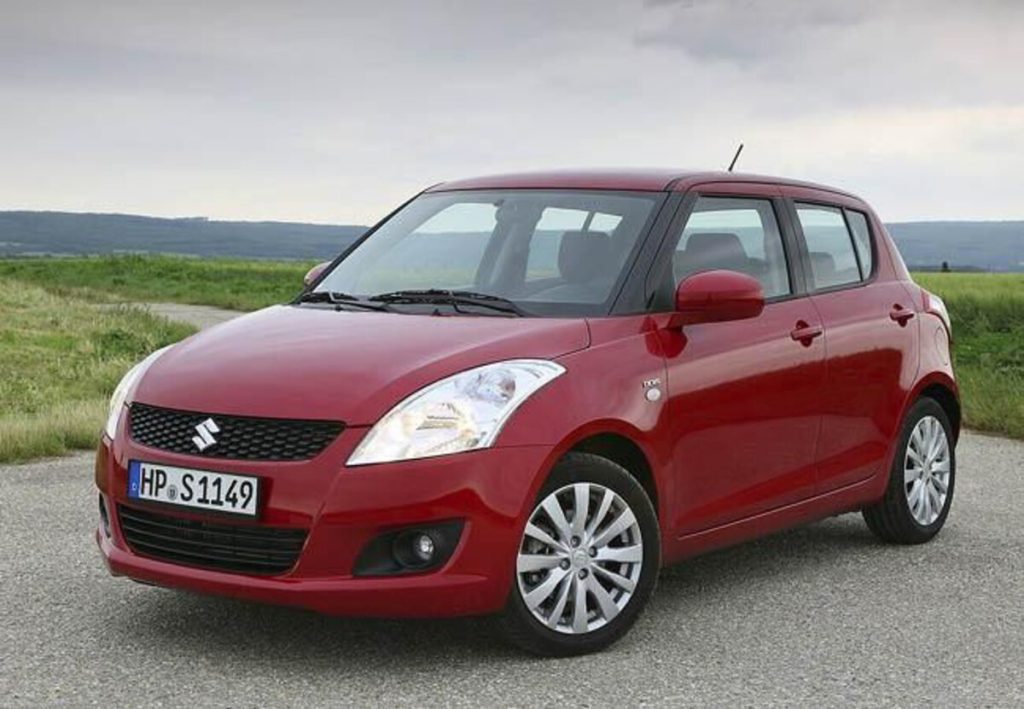
3. Suzuki Swift
The Suzuki Swift is one of the best small cars for dense urban areas because it is built around lightness and agility. In a crowded city, heavy cars feel tiring. The Swift feels easy, quick to respond, and simple to maneuver in tight streets. It is also practical enough for everyday commuting, which makes it a smart choice for busy urban life.
The biggest advantage is size. The Swift is compact in both length and width, so it fits naturally into narrow lanes.
When traffic becomes chaotic, you can guide it through gaps more confidently than a larger vehicle. Parking is also easier because you can squeeze into smaller spaces. In cities where every spot matters, this becomes a daily benefit.
Steering feel is another reason the Swift works so well. It is light and responsive at low speed, which is perfect for stop and go traffic.
Drivers do not want heavy steering when moving slowly through jams. The Swift reduces effort and keeps commuting less exhausting. The turning radius is also tight, helping with U turns and sharp turns in narrow streets.
Fuel efficiency is strong, which is extremely important in dense cities. Traffic burns fuel quickly, but the Swift remains economical. Lower running cost matters more than performance numbers for most city drivers. You want a car that does not punish you financially just for being stuck in traffic.
Ride comfort is better than many people expect. The suspension handles speed breakers and potholes reasonably well, keeping the cabin stable. Dense urban roads often include uneven patches that make driving tiring. The Swift stays smooth enough to keep everyday commutes comfortable.
Another advantage is visibility. The Swift provides a clear view of the road, making it easier to spot scooters, pedestrians, and cyclists. In dense traffic, good visibility reduces mental pressure. Drivers make fewer nervous decisions when they can see clearly.
The cabin is also simple and practical. Controls are easy to use, and the driving position feels natural. In busy city conditions, a complicated interior increases distraction. The Swift keeps the experience straightforward.
Practicality is decent for a small hatchback. The boot can handle groceries and everyday shopping, and folding rear seats add extra flexibility. For apartment living, that flexibility matters.
The Swift also has a fun driving character. Even at city speeds, it feels lively. That makes daily commuting less boring. Many city drivers appreciate a car that feels cheerful rather than dull.
Overall, the Suzuki Swift is ideal for dense urban areas because it offers compact size, easy steering, good mileage, and a light agile feel. It turns stressful city driving into something more manageable and enjoyable.
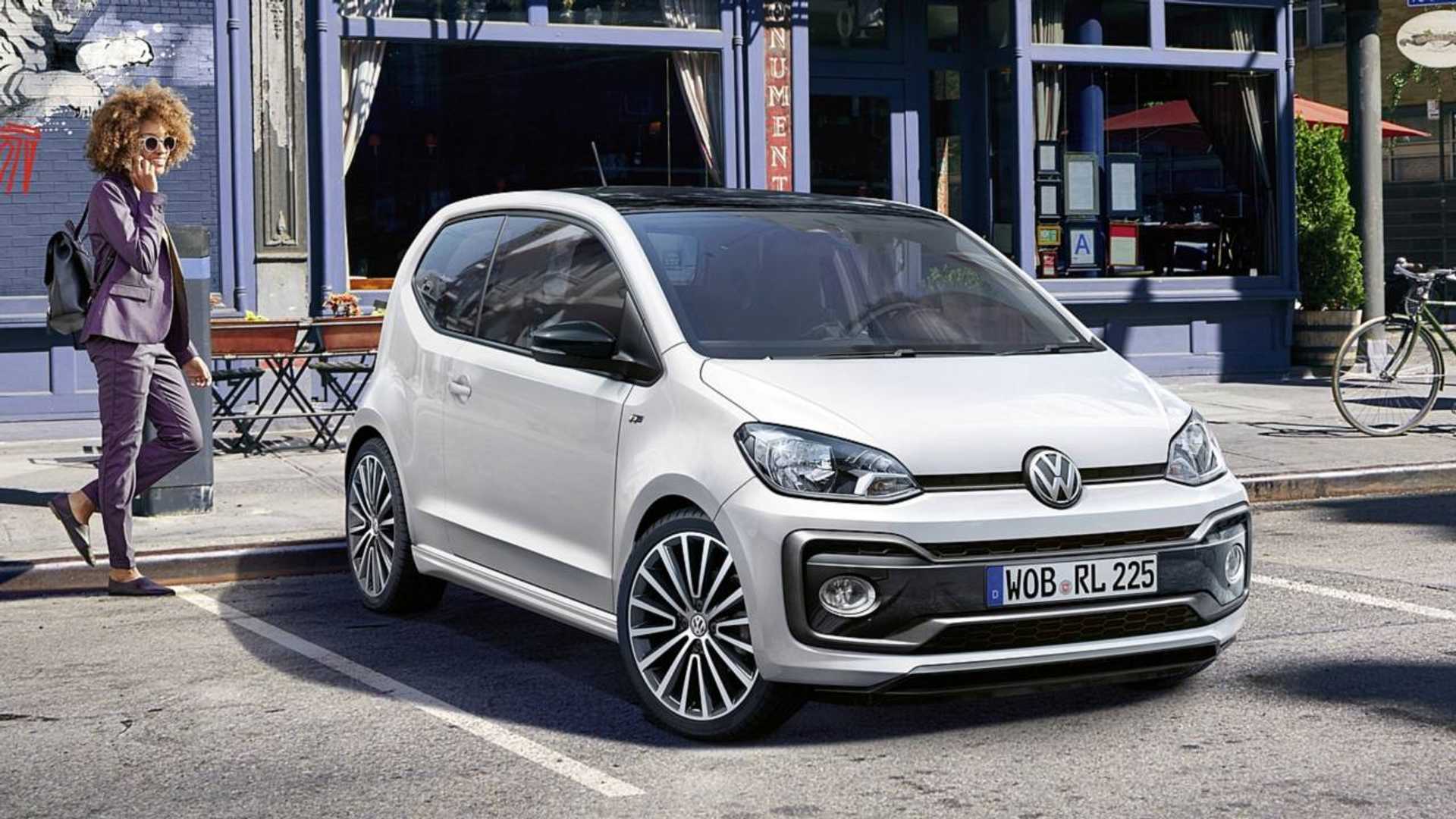
4. Volkswagen Up!
The Volkswagen Up! is one of the most ideal small cars for dense urban areas because it is engineered like a pure city specialist. It is tiny, easy to park, and designed for maximum convenience in crowded streets. In cities where roads are narrow and parking is limited, the Up! feels like the perfect solution.
The biggest advantage is its ultra compact size. The Up! fits into parking gaps that other cars cannot use. It is short enough to park in tight roadside spaces, and narrow enough to handle small lanes without stress. In dense cities, this makes the daily driving experience far easier.
Steering is light and effortless, making it perfect for constant urban maneuvering. The turning circle is tight, which helps in narrow streets and cramped intersections. You can make U turns and sharp turns without needing multiple corrections. For city drivers, this reduces frustration every single day.
Visibility is also excellent. The Up! has a tall cabin and large windows, giving a clear view around the vehicle. This is important in dense cities where pedestrians and bicycles appear suddenly. When you can see clearly, driving becomes less mentally tiring.
Fuel efficiency is another major advantage. The Up! is designed to be economical, especially in stop and go traffic. Small engines reduce fuel bills and make ownership affordable. In dense cities where people drive short distances often, efficiency matters more than speed.
Ride comfort is surprisingly decent for such a small car. It handles broken road patches and speed breakers reasonably well. Many ultra small cars feel harsh, but the Up! stays stable enough to feel comfortable during daily commutes. It does not feel like a cheap toy. It feels solid and well built.
The cabin design is simple and practical. Controls are easy to understand, which helps in city driving where distraction is dangerous. Even though it is small, it offers enough room for daily commuting. It can comfortably handle short trips with passengers, and the boot fits groceries or shopping bags.
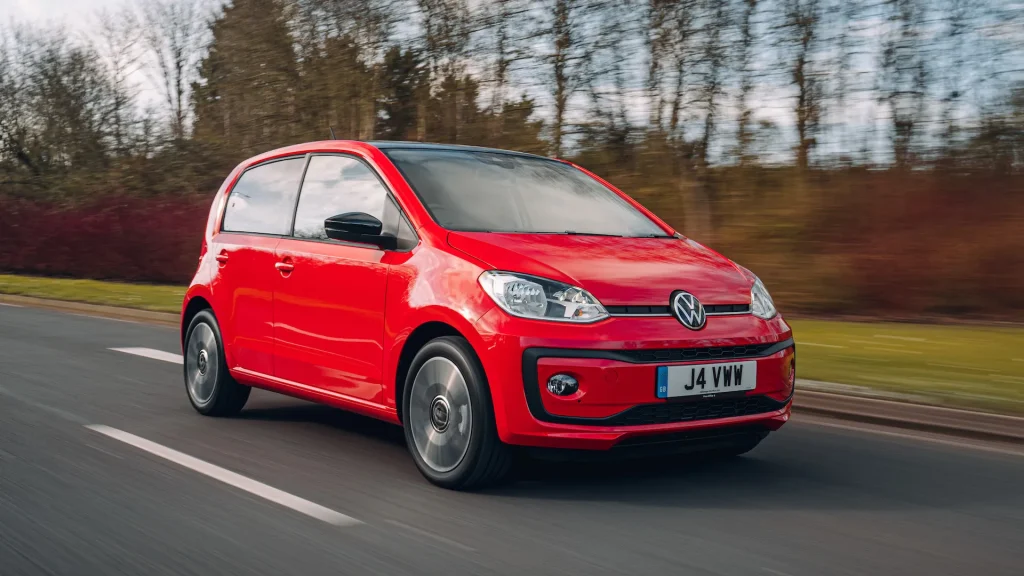
The Up! is also easy to maintain, with predictable running costs. City cars face constant braking and traffic stress, so low maintenance cost is important. Volkswagen engineering keeps the car feeling stable and reliable when maintained properly.
Overall, the Volkswagen Up! is ideal for dense urban areas because it is compact, easy to park, easy to steer, and economical. It is one of the smartest city cars ever made, especially for drivers who live in crowded neighborhoods where space is always limited.
5. Fiat 500
The Fiat 500 is one of the most ideal small cars for dense urban areas because it was born for tight streets and crowded parking.
It is compact, easy to maneuver, and full of personality, which makes it a favorite in cities across Europe and other global markets. In dense urban life, the Fiat 500 makes daily driving feel simple and less stressful.
The biggest advantage is size. The Fiat 500 is short and narrow, so it fits naturally into narrow lanes and tight gaps. In traffic, it feels easy to position without fear of scraping mirrors. Parking is also a major strength.
It can slip into small roadside spaces that larger cars cannot use, which saves time and frustration every day.
Steering is light and very city friendly. Many versions include a special city steering mode that makes low speed maneuvering even easier. This matters because dense cities require constant steering corrections. A heavy steering car becomes tiring quickly. The Fiat 500 stays effortless, making it relaxing to drive in traffic jams.
The turning radius is tight, which is important when streets are narrow and intersections feel cramped. U turns and parking lot turns feel simple. This makes the Fiat 500 feel like a natural fit for dense city streets.
Fuel efficiency is another advantage. Small engines keep running costs low, which is important because city traffic burns fuel. Owners can commute daily without worrying too much about high fuel bills. Efficient running also makes it a smart choice for people who drive short distances frequently.
Ride comfort is decent, especially considering the car’s small size. It handles speed breakers and rough patches reasonably well. It is not as smooth as a bigger hatchback, but it remains comfortable enough for daily commuting in busy cities.
Visibility is also helpful. The car’s shape and driving position make it easy to judge corners. In dense traffic filled with scooters and pedestrians, this improves confidence. The compact body reduces blind spot fear because you always know where the car sits in the lane.
The cabin is small but practical. It fits daily passengers and basic shopping without trouble. Rear seats fold down for extra cargo space when needed. For apartment living, that flexibility matters even in a tiny car.
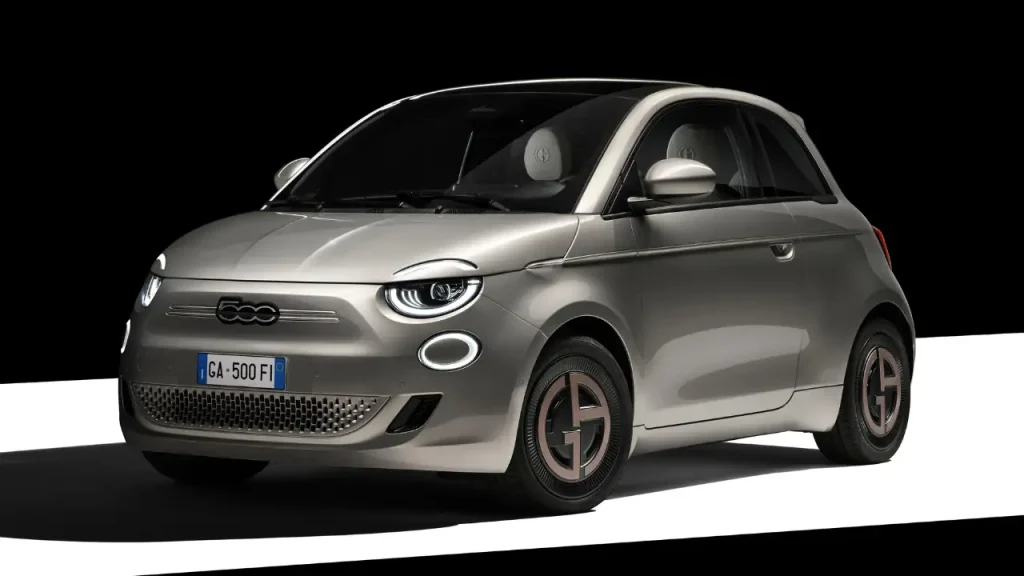
The biggest charm of the Fiat 500 is that it makes city life feel fun. It does not feel like a boring commuter tool. It feels stylish and cheerful, which improves the daily experience.
Overall, the Fiat 500 is ideal for dense urban areas because it offers compact dimensions, easy steering, simple parking, and low running costs. It turns city driving into something easier and more enjoyable.
6. Smart Fortwo
The Smart Fortwo is one of the most perfect small cars for dense urban areas because it is designed around one main goal: making city driving effortless.
In cities where parking is impossible and streets feel crowded, the Fortwo feels like a solution rather than a compromise. It is one of the smallest production cars ever sold in many markets, and that tiny footprint makes it uniquely valuable in dense cities.
The biggest advantage is parking. The Fortwo can fit into parking spaces that no normal car can use. In many places, it can even park sideways in short gaps. For city drivers, this changes daily life. Instead of circling blocks looking for parking, you can take spaces others cannot.
Size also helps with traffic movement. The Fortwo is extremely narrow, meaning it can fit through tight lanes more easily. While you still must drive responsibly, the car’s compact body reduces stress because you are not constantly afraid of scraping mirrors. Dense streets feel less intimidating.
The turning radius is excellent. The car can pivot quickly, which helps in narrow intersections and tight alley like roads. U turns become far easier. In dense urban environments, this reduces frustration because you are not constantly doing multiple point turns.
Steering is light and simple, making it easy to guide in traffic. Low speed control is the main purpose of the car, and it delivers that. You can drive through congestion without feeling tired.
Fuel efficiency is also strong, especially in small engine versions. Some markets also offered electric versions, which are even better for cities because they run quietly and smoothly. Lower running costs matter for people who drive daily in traffic.
Ride comfort is not luxury level, but it is decent for the segment. The Fortwo is short, so bumps can feel more noticeable, yet the car remains stable at city speeds. Since most of its driving happens below 60 km/h, the comfort is acceptable for urban routines.
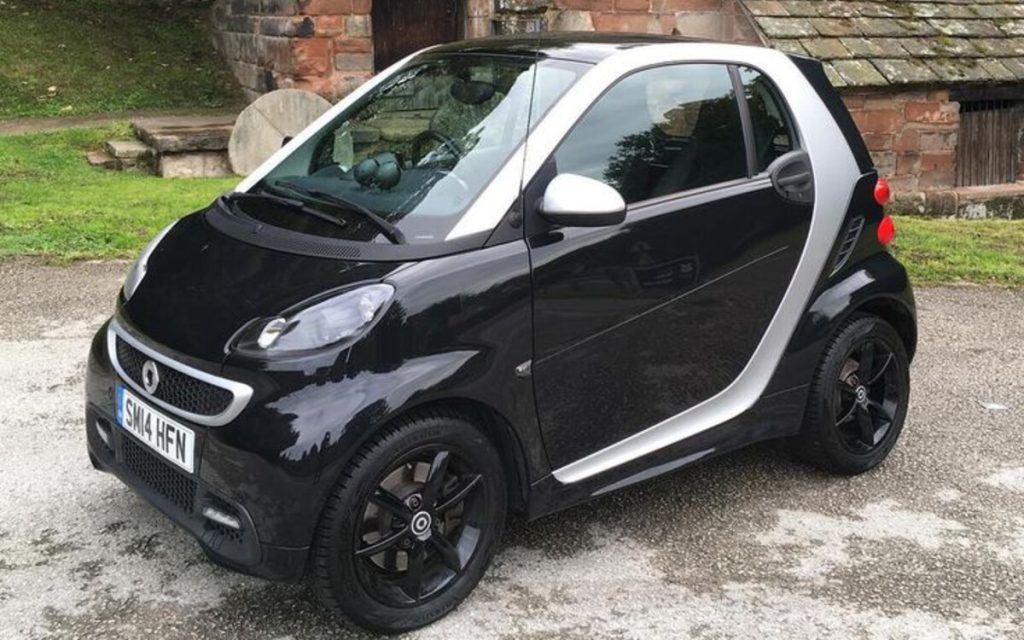
Practicality is limited, but still useful. The Fortwo is mainly for two people, making it ideal for singles or couples. The rear cargo space can hold groceries, bags, and small shopping loads. For city living, that is often enough.
The Fortwo also feels unique and modern. It looks different from other cars, and that gives it personality. Many urban drivers enjoy this because it fits the lifestyle of city movement.
Overall, the Smart Fortwo is ideal for dense urban areas because it solves the biggest city problem: parking and space. It is the ultimate compact commuter for people who want maximum convenience in crowded cities.
7. Kia Picanto (Morning)
The Kia Picanto, also known as the Kia Morning in some markets, is one of the most ideal small cars for dense urban areas because it delivers maximum convenience with minimal stress.
In crowded cities, drivers need a car that fits into tiny parking spaces, moves easily through traffic, and stays cheap to run. The Picanto is built around exactly those needs, which is why it works so well in daily city life.
The biggest advantage is compact size. The Picanto is short and narrow, making it easy to handle in tight streets.
When traffic becomes messy, the car feels simple to position without constant worry. Narrow lanes, crowded junctions, and tight side streets feel manageable because the car does not take up much room. This reduces daily driving stress.
Parking is where the Picanto truly shines. It fits into spaces that larger hatchbacks struggle with. In dense city neighborhoods where roadside parking is limited, this becomes one of the biggest ownership advantages. You spend less time hunting for a spot and more time actually reaching your destination.
Steering is light and easy, which helps in stop and go traffic. In cities, you constantly turn the wheel, adjust position, and navigate small gaps. Heavy steering becomes tiring. The Picanto stays effortless, which reduces fatigue during long commutes.
The turning circle is also tight, making U turns and sharp corners easier. In cities where roads often force sudden turns, this matters. It makes the car feel like a true city specialist rather than a small car that struggles in tight areas.
Fuel efficiency is another major benefit. The Picanto’s small engines consume less fuel in traffic, which helps reduce running cost. Dense urban driving burns fuel quickly, and lower fuel usage makes daily commuting cheaper. Many buyers choose the Picanto for this reason alone.
Ride comfort is surprisingly decent. It handles speed breakers and potholes better than many people expect. While it will not feel like a big luxury car, it stays stable enough to feel comfortable at urban speeds. Suspension tuning is designed for city use, which improves everyday comfort.
Practicality is also good for the size. The boot can handle grocery bags and daily shopping. Rear seats fold down when extra space is needed. For apartment life, this flexibility matters because you often carry bags, boxes, or daily items.
Modern Picanto versions also offer useful features like touchscreen infotainment, phone connectivity, and parking sensors. These features make the car feel more modern and easier to use in city life.
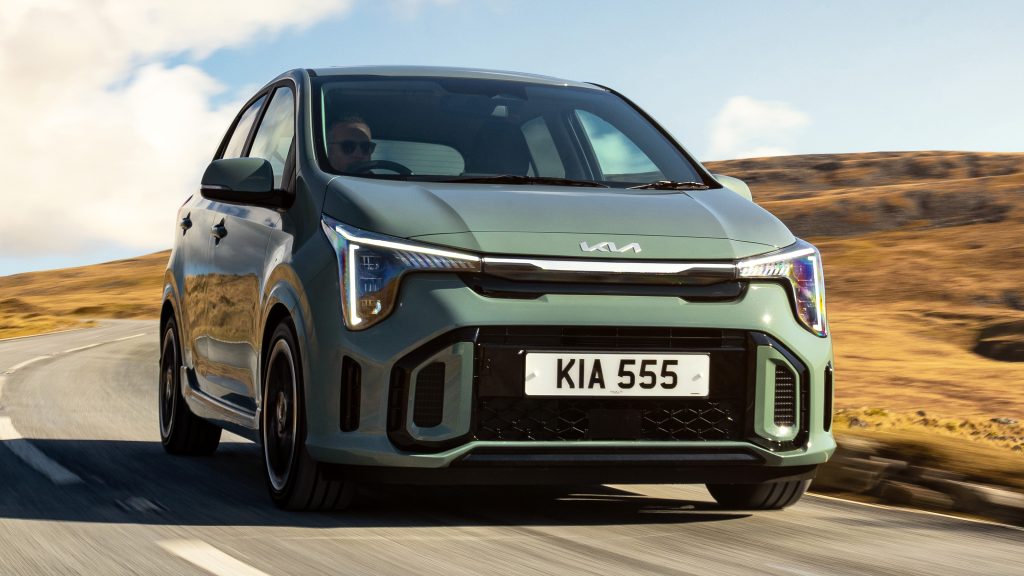
Overall, the Kia Picanto is ideal for dense urban areas because it combines compact size, easy parking, light steering, and low running cost. It is one of the best small cars for city commuters who want stress free daily driving.
8. Renault Twingo
The Renault Twingo is one of the most underrated small cars for dense urban areas because it was designed specifically for city use.
Unlike many small cars that are simply shortened versions of larger models, the Twingo feels like a true urban vehicle. It focuses on compact dimensions, tight maneuvering, and everyday practicality in crowded environments.
The biggest advantage is its ability to turn sharply. The Twingo is famous for its extremely tight turning radius. This is a massive benefit in dense cities where narrow streets and tight intersections are common.
U turns that feel impossible in bigger cars become simple. Even in cramped parking areas, the Twingo can rotate and position itself easily.
Size is also ideal. The car is short and easy to place in traffic. In dense areas, you always feel like the car fits naturally. You do not need constant worry about scraping walls, mirrors, or other vehicles. The compact body makes driving less mentally exhausting.
Parking is another reason the Twingo works so well. It can fit into tight roadside spaces that larger hatchbacks cannot. In crowded neighborhoods, this saves time daily. Many people underestimate how much time parking steals in cities. The Twingo helps solve that problem.
Steering is light and city-friendly. In stop-and-go traffic, a light steering car reduces fatigue. The Twingo feels smooth to guide through narrow lanes, which makes traffic jams less stressful. It is a car that feels built for slow speed control.
Fuel efficiency is strong, making it affordable to run in city conditions. Dense traffic increases fuel use, but small cars like the Twingo remain economical. Running cost is a major factor for city owners, especially those who commute daily.
Ride comfort is decent for urban roads. It handles speed breakers and potholes reasonably well. The car feels stable at city speeds, and the suspension does not feel overly harsh. Since most driving is at low to medium speeds, the comfort level suits daily routines well.
Practicality is also better than expected. The cabin can carry passengers comfortably for short trips, and the boot works for groceries and bags. Folding seats add flexibility for larger loads, which helps apartment living.
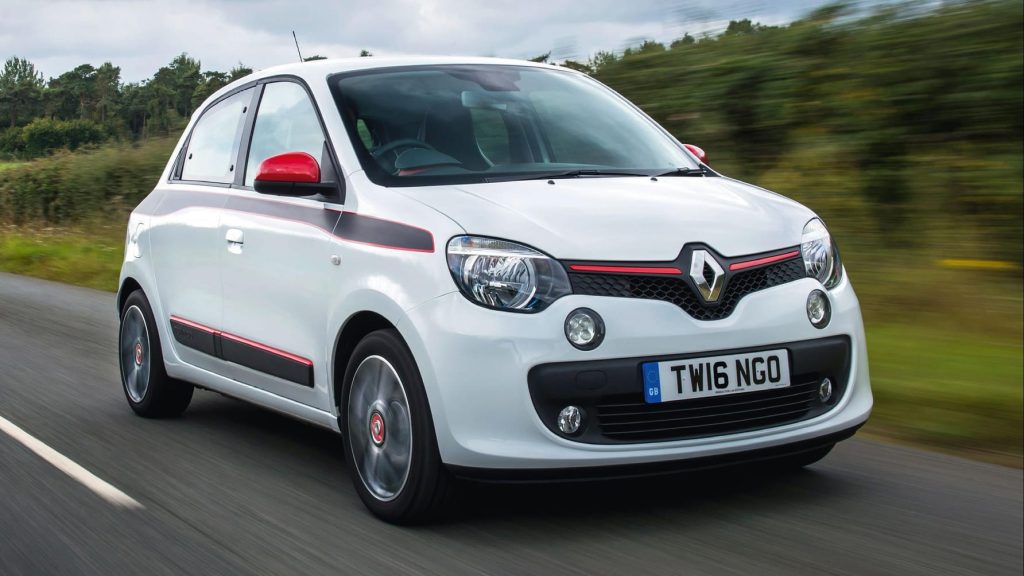
The Twingo also has personality. It feels playful and cheerful, which makes daily commuting less boring. For many city drivers, that emotional factor matters because you spend a lot of time in traffic.
Overall, the Renault Twingo is ideal for dense urban areas because it offers compact size, incredible maneuverability, easy parking, and low running cost. It is a true city car that makes urban life simpler.
