
City driving is not always hard because of distance. It is hard because of repetition. Constant braking, constant lane changes, tight parking, noise from traffic, and the mental pressure of watching for pedestrians, scooters, and sudden turns can drain energy quickly.
Even a short commute can feel exhausting when the traffic is heavy and the roads are rough. That is why reducing city driving fatigue is not about speed or power. It is about comfort, smoothness, visibility, and driver friendly design.
A vehicle that reduces fatigue makes the driver feel calmer and more in control. Light steering helps during long traffic jams because your arms do not feel tired. Smooth throttle response helps because stop and go traffic becomes less irritating.
Quiet cabins matter because noise can create stress without you noticing. Supportive seats reduce back pain, especially when you sit for long periods every day. A good suspension matters too, because potholes and speed breakers are a daily reality in most cities.
Modern technology also plays a big role. Features like adaptive cruise control, lane keeping support, blind spot monitoring, and 360 degree cameras reduce mental load. You do not need to constantly stress about every corner and every vehicle around you.
The car supports your awareness, which makes daily driving less tiring. Parking sensors and cameras also reduce stress because parking becomes easy instead of frustrating.
Efficiency matters as well. EVs and hybrids often feel smoother in city traffic because they have instant response without gear shifts.
They also run quietly at low speeds, which adds calmness. Many fatigue reducing vehicles also have simple infotainment systems and comfortable climate control, because being uncomfortable in the cabin makes fatigue worse.
In this article, we will cover eight global vehicles that reduce city driving fatigue. These cars are chosen for comfort, calm city drivability, strong visibility, and smart features that make commuting feel easier. If city traffic drains you daily, these vehicles can genuinely change how you feel behind the wheel.
Also Read: 8 Best EVs That Are Easy to Own in Urban Areas
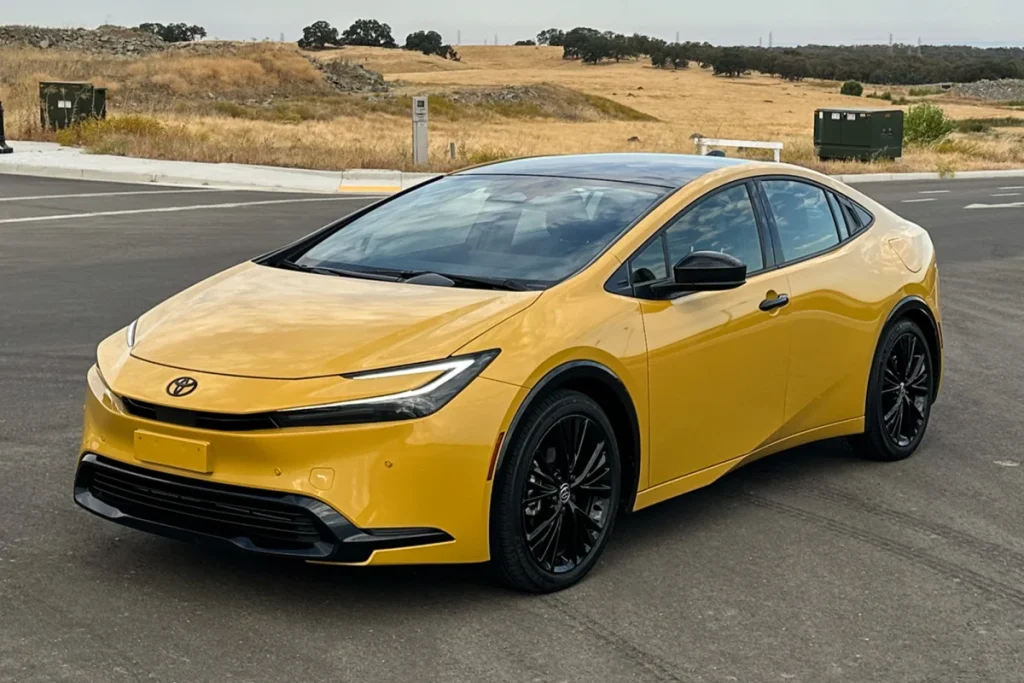
1. Toyota Prius Hybrid
The Toyota Prius Hybrid is one of the best vehicles for reducing city driving fatigue because it is built around smooth efficiency. Urban traffic is where most cars feel irritating. Engines strain, gear shifts feel harsh, and fuel gets wasted. The Prius avoids these problems, making daily city driving calmer.
The biggest fatigue reducing advantage is smooth low speed driving. In heavy traffic, the Prius often runs using electric assistance. This reduces engine noise and vibration. A quiet and smooth vehicle makes the driver feel calmer, which directly reduces fatigue.
Stop and go driving becomes easier because the Prius drivetrain is refined. Acceleration feels gentle and predictable. You do not feel sudden jerks that make traffic stressful. This is important because city fatigue often comes from repeated harsh movement.
Regenerative braking improves comfort too. In normal cars, braking wastes energy and creates wear. In the Prius, braking feels smoother because regen handles much of the slowing down. This creates a more controlled feel in traffic.
Fuel efficiency also reduces mental stress. Drivers in cities often worry about fuel costs because traffic increases consumption. The Prius stays economical even in heavy congestion. Lower fuel stress makes driving feel lighter.
Visibility is also good. The Prius offers a clear view of the road, helping the driver spot pedestrians, cyclists, and scooters quickly. When you can see clearly, driving becomes less mentally exhausting.
Cabin comfort supports daily routines. Seats are comfortable enough for commuting, and the cabin remains quiet. Less noise means less stress, especially in loud city roads.
Technology features also help. Many Prius models include driver assistance systems that reduce fatigue. Safety alerts help in crowded situations. Parking cameras and sensors reduce stress during city parking.
Overall, the Toyota Prius Hybrid reduces city driving fatigue by delivering smooth low speed comfort, quiet driving, strong efficiency, and practical technology. It is one of the easiest city vehicles to live with daily.
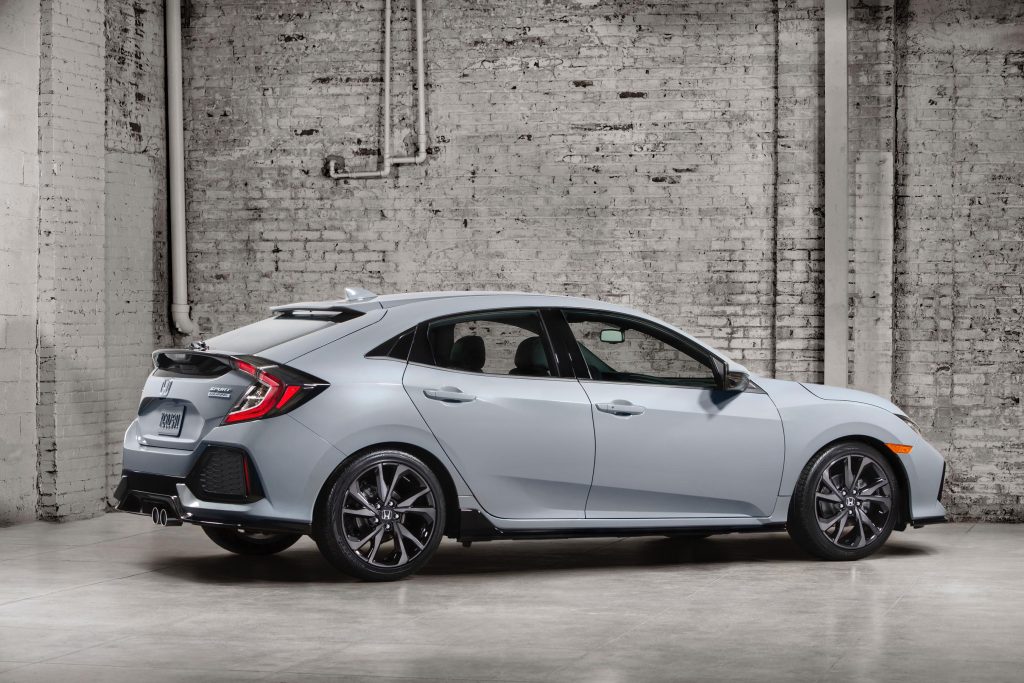
2. Honda Civic
The Honda Civic is one of the best vehicles for reducing city driving fatigue because it balances comfort, visibility, and smooth daily drivability in a very natural way.
Many cars feel tiring in cities because they are either too stiff, too noisy, or too complicated to drive smoothly in traffic. The Civic avoids those issues and gives drivers an easy, relaxed experience even in crowded conditions.
One major fatigue reducing advantage is steering lightness. In traffic, you constantly turn and adjust position. Heavy steering makes your arms tired over time. The Civic feels light and easy at low speeds, which helps drivers stay relaxed even after long city commutes.
Low speed drivability is also smooth. The Civic responds gently to throttle input. In stop and go traffic, this matters because jerky acceleration creates stress. The Civic makes traffic feel calmer because it moves forward smoothly without constant harshness.
Ride comfort is another big reason it works well. City roads include potholes, broken patches, and speed breakers. A stiff car makes these surfaces exhausting. The Civic suspension absorbs bumps well, keeping the cabin stable. That stability reduces fatigue because the driver and passengers do not feel shaken repeatedly.
Noise levels are also controlled. City life is loud, and road noise increases stress even when drivers do not realize it. The Civic cabin stays reasonably quiet, which helps the driver stay calm. A quieter cabin makes every trip feel less tiring.
Visibility is another advantage. In cities filled with scooters, pedestrians, and sudden lane cuts, good visibility reduces mental strain. The Civic provides a clear view of the road ahead and good mirror coverage. This reduces the constant worry of missing hazards.
Comfort features also support fatigue reduction. Many Civic trims offer supportive seating that helps posture. If seating is uncomfortable, fatigue builds quickly. The Civic seats feel comfortable enough for both short errands and long commutes, making it a reliable daily option.
Technology features improve convenience. Modern Civics often include safety tech such as blind spot alerts, lane support, and emergency braking. These features reduce stress because the driver does not feel alone in crowded traffic.
Parking ease is also important for reducing fatigue. Many city drivers feel stressed when parking daily. The Civic has manageable dimensions and often includes camera support. This makes parking less frustrating.
Fuel efficiency also reduces stress. City traffic burns fuel quickly, but the Civic remains efficient. Drivers spend less time worrying about fuel costs or frequent refueling.
Overall, the Honda Civic reduces city driving fatigue because it feels smooth, comfortable, quiet, and easy to control. It is one of the most balanced city cars in global markets and makes daily commuting far less exhausting.
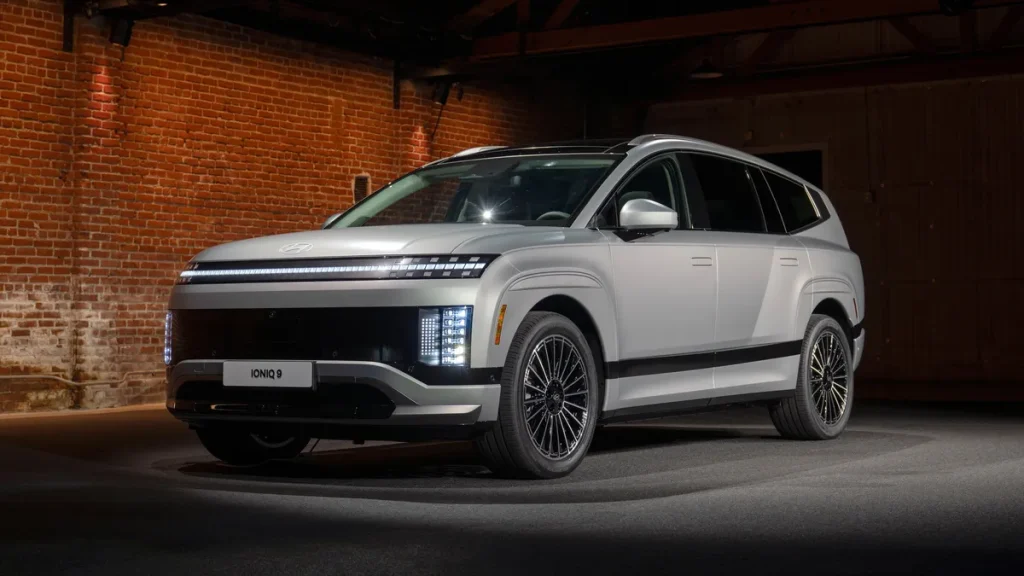
3. Hyundai Ioniq 5
The Hyundai Ioniq 5 is one of the best vehicles for reducing city driving fatigue because it takes advantage of EV smoothness and pairs it with comfort focused design.
City driving is stressful because of constant braking, noise, and stop and go movement. Electric vehicles naturally reduce many of these stress points, and the Ioniq 5 does it especially well.
The biggest fatigue reducing factor is the EV drivetrain. There are no gear shifts, and acceleration is smooth and silent. In traffic, the car moves with calm precision. This smoothness reduces mental strain because the vehicle feels easy to control.
Regenerative braking helps reduce fatigue too. In city driving, you brake constantly. The Ioniq 5 allows strong regen modes, meaning the car slows smoothly without heavy brake use. Many drivers enjoy one pedal style driving, which reduces effort in traffic and makes commuting less tiring.
Cabin quietness is another major advantage. Cities are noisy environments, and traditional engines add vibration and sound. The Ioniq 5 stays quiet even in stop and go conditions. This quietness reduces stress and makes the driver feel calmer, especially in long traffic jams.
Ride comfort is excellent. Many EVs feel heavy but stable because of battery placement. The Ioniq 5 suspension is tuned for comfort, absorbing bumps well. Speed breakers and potholes feel smoother, which helps drivers feel less drained.
Interior design supports relaxation. The cabin feels open and modern, with good seating comfort. Many trims offer supportive seats and strong climate control. For city fatigue, cabin comfort matters because daily driving becomes repetitive.
Visibility and driving position also help. The Ioniq 5 offers a clear view of the road, helping drivers handle crowded streets. When drivers can see clearly, they make quicker decisions with less stress.
Technology features reduce mental load. Driver assistance systems help with lane positioning and traffic movement. Parking cameras and sensors reduce the stress of tight parking in apartment basements or malls. This matters because parking is a major fatigue source for city drivers.
Charging convenience is also improved by fast charging capability. While EV charging can be stressful, the Ioniq 5 reduces that stress with quick charging support. Many city drivers top up during short mall stops rather than needing daily long charging sessions.
Overall, the Hyundai Ioniq 5 reduces city driving fatigue because it offers silent smooth EV driving, comfortable ride quality, and strong technology support. It turns stressful city commuting into a calmer experience, which is exactly why EVs fit urban life so well.
4. Toyota RAV4 Hybrid
The Toyota RAV4 Hybrid is one of the best vehicles for reducing city driving fatigue because it combines SUV practicality with hybrid smoothness.
Many people love SUVs for visibility and space, but large SUVs can feel tiring in cities because they consume fuel and feel heavy in traffic. The RAV4 Hybrid solves that by offering an efficient and calm driving experience while still giving the higher seating families enjoy.
The biggest fatigue reducing advantage is the hybrid drivetrain. In traffic, the RAV4 Hybrid often runs partly on electric power. This means less engine noise, less vibration, and smoother movement in stop and go conditions. That calmness reduces stress, especially in long urban commutes.
Low speed control feels effortless. The car creeps forward smoothly in traffic without harsh gear shifts. This is important because city fatigue often comes from repeated jerky acceleration and braking. The RAV4 Hybrid feels predictable and steady, making traffic less exhausting.
Visibility is another major advantage. Many city drivers feel tired because they must constantly watch for hazards. The RAV4 Hybrid offers a higher driving position, improving road view. You can spot scooters, cyclists, and pedestrians earlier, which reduces mental load and makes driving feel safer.
Ride comfort is also strong. City roads are full of potholes, broken patches, and speed breakers. The RAV4 suspension stably absorbs bumps. A stable ride helps reduce fatigue because the driver does not feel shaken repeatedly.
Noise insulation adds more comfort. Compared to many non hybrid SUVs, the RAV4 Hybrid remains quieter. Hybrid operation keeps engine noise lower at low speeds. A quieter cabin keeps drivers calmer, which directly reduces fatigue.
Technology features are another key benefit. Many RAV4 Hybrid trims include adaptive cruise control, lane keeping support, blind spot monitoring, and emergency braking. These systems reduce stress in traffic, because the vehicle supports awareness and safety.
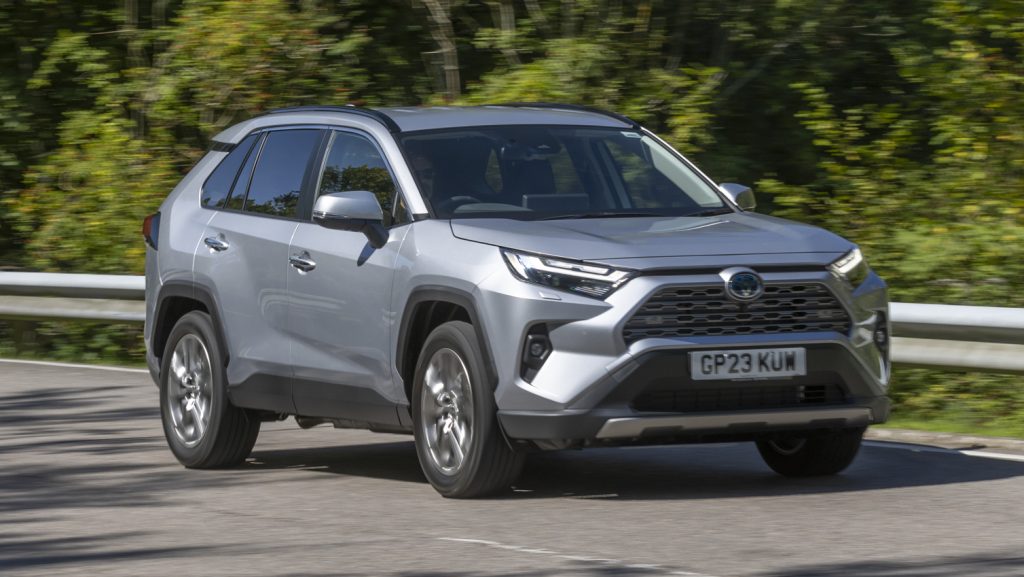
Parking stress is also reduced with assistance tech. Many versions include reverse cameras, sensors, and sometimes 360 degree views. For city drivers who park daily in tight spaces, this reduces frustration.
Fuel efficiency reduces financial stress too. City traffic can make running costs unpredictable. Hybrid efficiency keeps fuel bills lower, making daily commuting feel less burdensome. Lower fuel usage also means fewer refueling trips.
Overall, the Toyota RAV4 Hybrid reduces city driving fatigue by combining smooth hybrid driving, high visibility, strong comfort, and useful safety technology. It is one of the best fatigue reducing SUVs for urban life.
5. Volkswagen Golf
The Volkswagen Golf is one of the most fatigue reducing city cars because it feels refined and easy in everyday driving. Many hatchbacks are practical, but they can feel noisy or harsh. The Golf stands out because it offers a more premium feel, smoother driving behavior, and a cabin designed to reduce stress.
One of the biggest fatigue reducing benefits is cabin refinement. The Golf feels quiet for its class, blocking out road noise and city chaos. Less noise means less stress. In long traffic conditions, a quiet cabin keeps the driver calmer and reduces mental exhaustion.
Steering is light and precise. City driving requires constant steering adjustments. Heavy or vague steering increases fatigue. The Golf feels easy to control and responds smoothly, making traffic driving feel less frustrating.
Ride comfort is also impressive. Many hatchbacks feel stiff on potholes and speed breakers. The Golf suspension absorbs bumps better than most rivals, keeping the cabin stable. This is important because repeated harsh bumps can drain energy quickly.
Low speed drivability is smooth. In stop and go traffic, the Golf behaves predictably. The throttle response is controlled, and automatic versions shift smoothly. This makes crawling forward in congestion less tiring.
Visibility is another advantage. The Golf offers clear outward vision, helping the driver spot hazards early. In cities filled with bikes and pedestrians, visibility reduces mental pressure because you feel more in control.
Cabin ergonomics also help reduce fatigue. Controls are placed logically, and infotainment systems are designed to be easy to use. In city driving, you need quick control access without distraction. The Golf feels user friendly, which lowers stress.
Parking is easy because of compact dimensions. Many city drivers become tired due to parking stress. The Golf fits into tight spots easily, and many trims include cameras and sensors that support parking.
Fuel efficiency also reduces ownership stress. The Golf remains economical in city use, meaning fewer refueling stops and lower running costs. This adds to the overall ease of daily driving.
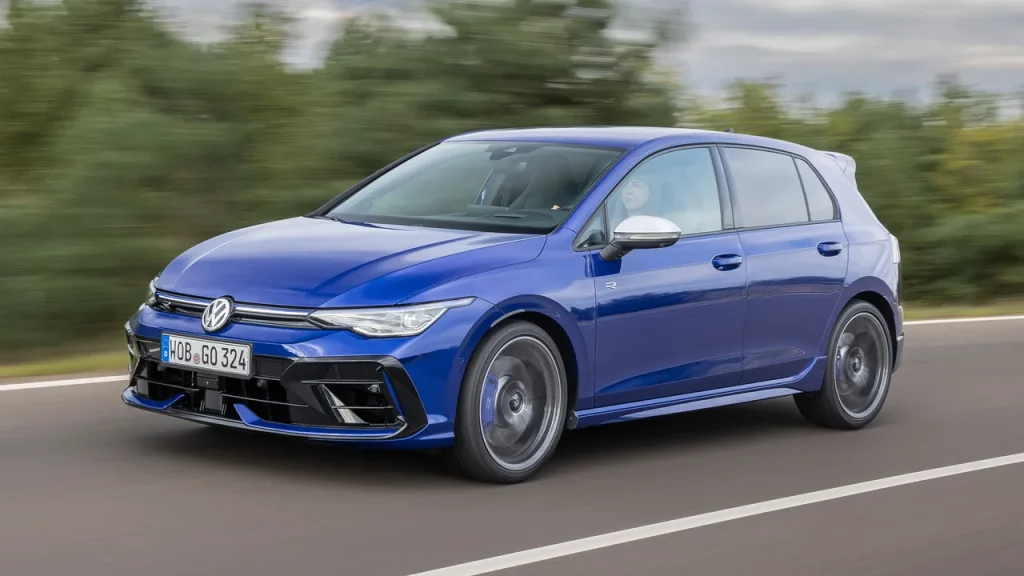
Another factor is driving confidence. The Golf feels stable and planted, even in chaotic city lanes. That stability reduces fatigue because you do not feel nervous or unsettled while driving.
Overall, the Volkswagen Golf reduces city driving fatigue because it feels smooth, quiet, and easy to control. It offers premium refinement in a compact form, making daily urban driving calmer and less exhausting.
6. Lexus ES 350
The Lexus ES 350 is one of the best vehicles for reducing city driving fatigue because it is built around calm comfort. Many premium sedans focus on sporty handling, but that often makes them stiff and tiring in traffic.
The ES takes the opposite approach. It is designed to feel smooth, quiet, and effortless, which makes daily city driving far less draining.
Ride comfort is the biggest fatigue reducing strength. City roads are full of potholes, speed breakers, and rough patches. The ES absorbs these imperfections gently. Instead of feeling harsh jolts, passengers experience a soft glide. This matters because repeated bumps can quickly tire drivers and passengers.
Cabin quietness is another major benefit. City traffic is noisy, with horns, engines, and road sounds. Lexus has strong sound insulation, and the ES cabin stays calm. Less noise means less stress, and less stress means less fatigue over a long day of city driving.
The seats are also designed for comfort. Lexus seats provide soft cushioning with supportive posture. Short trips feel comfortable immediately, and longer city commutes do not cause back pain. Fatigue often builds from small discomfort, and supportive seating prevents that.
Low speed driving is extremely smooth. In stop and go traffic, many cars feel jerky because the transmission and throttle response are aggressive. The ES responds gently. It creeps forward smoothly and brakes calmly. This refined behavior makes traffic feel less annoying.
Steering is light, which helps in city conditions. Drivers constantly adjust position in traffic and narrow streets. Heavy steering makes arms tired. The ES feels easy to steer, which reduces effort and keeps driving relaxed.
Climate comfort adds another advantage. Automatic climate control is strong and stabilizes cabin temperature quickly. In city heat, cabin discomfort increases fatigue. The ES keeps the cabin cool and pleasant, improving driver concentration.
Technology also supports fatigue reduction. Many ES models include driver assistance systems like blind spot monitoring, lane alerts, and parking sensors. These features reduce mental load because the car helps monitor surroundings in crowded streets.
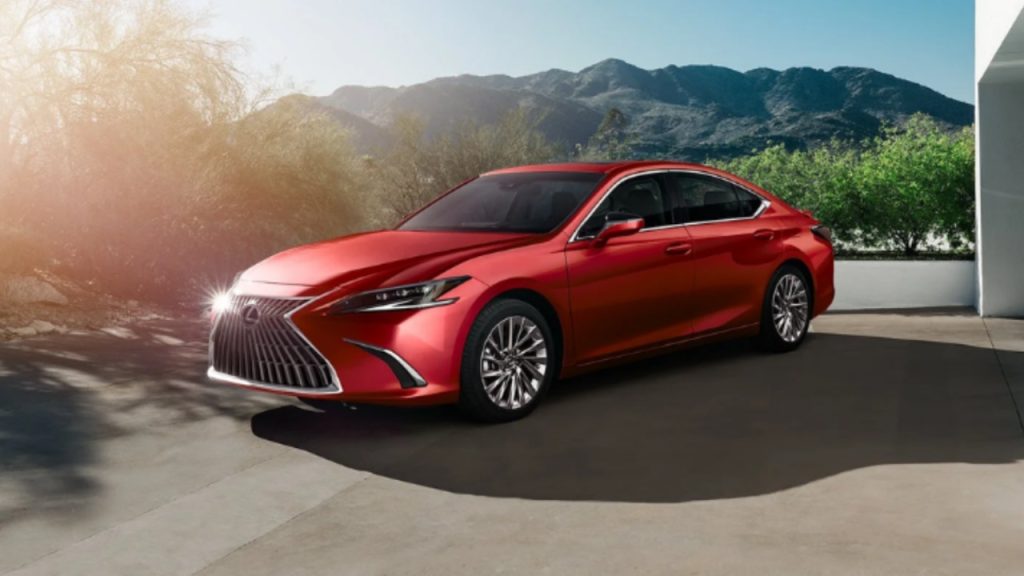
Parking becomes less stressful thanks to cameras and sensors. City drivers often feel fatigue because parking becomes a repeated daily struggle. The ES makes parking easier, which reduces frustration.
Another advantage is the relaxed driving character. The ES encourages smooth driving rather than aggressive movement. This matches city driving needs and helps reduce stress levels.
Overall, the Lexus ES 350 reduces city driving fatigue because it provides soft ride comfort, quiet cabin refinement, smooth low speed behavior, and easy steering. It turns daily commuting into a calmer experience.
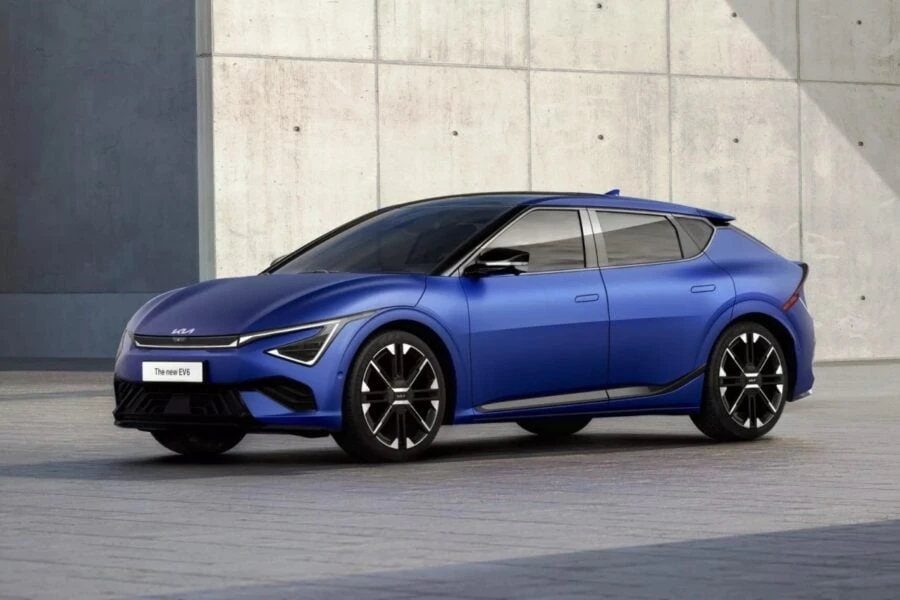
7. Kia EV6
The Kia EV6 is one of the best modern vehicles for reducing city driving fatigue because it combines EV smoothness with comfort focused design. City fatigue comes from constant stopping, noise, and stress. EVs naturally remove many of those problems, and the EV6 adds strong technology and refinement that make daily driving easier.
The biggest fatigue reducing advantage is smooth EV driving. There are no gear shifts, and acceleration is instant and controlled. In traffic, this makes driving calmer because movement feels smooth. Stop and go driving becomes easier without the jerkiness of traditional transmissions.
Regenerative braking helps even more. City drivers brake constantly, and that repeated effort causes fatigue. The EV6 allows strong regen modes, so the car slows smoothly with minimal brake pedal use. Many drivers enjoy one pedal style driving, which reduces effort in traffic jams.
Cabin quietness is another major benefit. Without an engine, the EV6 stays quiet at low speeds. City noise feels reduced because the cabin environment is calmer. Quietness reduces stress and improves driving concentration.
Ride comfort is excellent. The EV6 feels stable because of its battery placement. Speed breakers and potholes are handled with confidence. A stable ride reduces fatigue because the driver is not constantly jolted.
Technology features reduce mental load. The EV6 offers driver assistance systems that help with lane positioning, traffic control, and blind spot monitoring. These tools support the driver and reduce stress in crowded conditions.
Parking is also easier thanks to cameras and sensors. EV6 models often include strong parking tech, including camera views that reduce fear of scraping in tight spaces. This matters because parking can be one of the most exhausting parts of city driving.
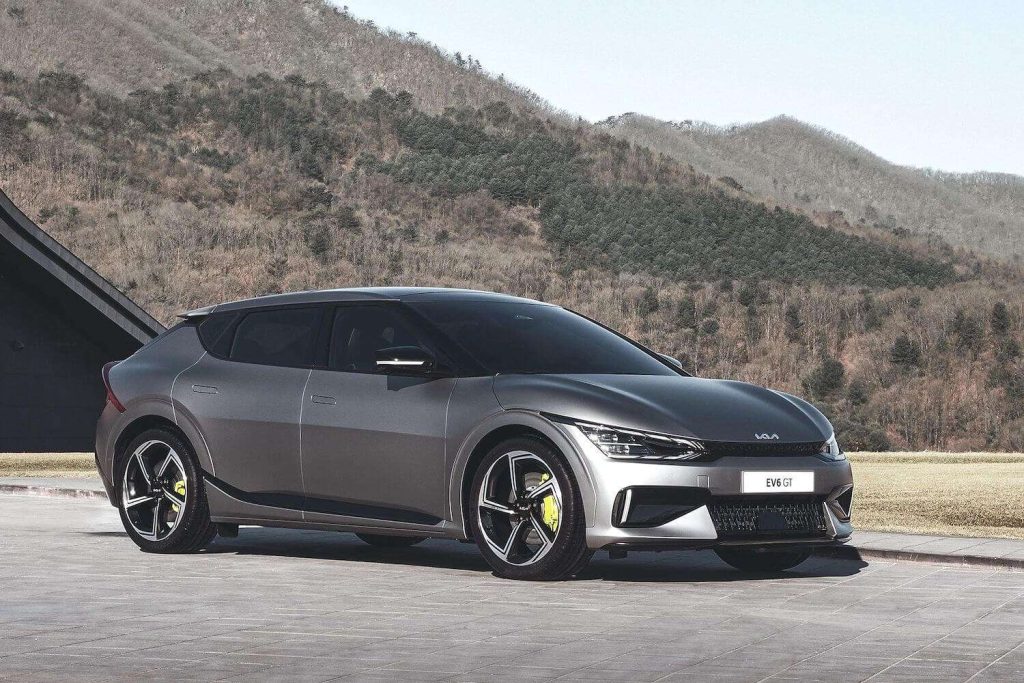
Interior comfort supports fatigue reduction too. Seats are designed for long use, and cabin space feels airy. A comfortable driving position reduces body strain, which helps on daily commutes.
Charging convenience is also improved because the EV6 supports fast charging. While EV ownership can be stressful without home charging, quick top ups at charging stations reduce that stress. Many city drivers charge during shopping trips rather than planning long charging stops.
Overall, the Kia EV6 reduces city driving fatigue because it offers smooth quiet EV drivability, easy regen braking, strong comfort, and helpful technology. It makes city driving feel less tiring and more modern.
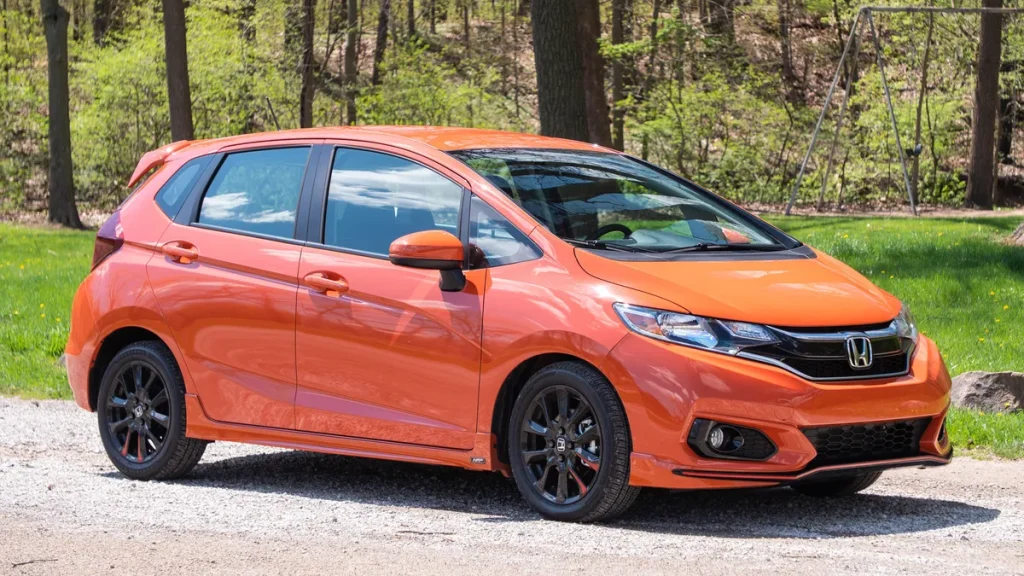
8. Honda Fit (Jazz)
The Honda Fit, also known as the Honda Jazz in many global markets, is one of the best vehicles for reducing city driving fatigue because it is designed like a perfect city tool. It is compact, light, easy to maneuver, and extremely practical.
Many cars cause fatigue simply because they feel stressful in traffic or difficult to park. The Fit solves those problems through simple smart design.
The biggest fatigue reducing advantage is size. In crowded cities, large vehicles become tiring because you must constantly judge gaps and worry about scraping mirrors. The Fit is compact and narrow, which makes it easier to drive through tight lanes. When your car fits naturally into city spaces, your stress level drops automatically.
Steering is light and effortless. In city traffic, drivers constantly turn and adjust positioning. Heavy steering can make arms tired during long traffic jams. The Fit feels easy and light, so you can drive for long periods without feeling physically drained.
Visibility is another major reason the Fit reduces fatigue. It has a tall cabin and large glass area. This allows drivers to see pedestrians, scooters, cyclists, and traffic movement clearly. When you can see well, you make fewer nervous decisions, and driving becomes less mentally exhausting.
Stop and go traffic is also smoother because the Fit’s light weight makes it responsive. The car does not feel sluggish or heavy. It creeps forward easily, and braking feels controlled. In traffic jams, this smooth behavior helps reduce frustration.
Ride comfort is surprisingly good. While it is not a luxury car, the suspension is tuned for daily use. It absorbs city bumps reasonably well, keeping passengers comfortable. Many small cars feel harsh, but the Fit remains stable and calm on rough roads.
Parking is one of the biggest city fatigue sources, and this is where the Fit shines. Tight parking spaces that cause stress in SUVs become easy. The Fit fits into small gaps, and turning radius helps with quick maneuvering. Less parking stress means less daily fatigue.
Fuel efficiency is another benefit. City driving consumes fuel quickly, and worrying about fuel costs adds mental burden. The Fit stays efficient even in heavy traffic, which reduces financial stress.
Interior practicality also reduces fatigue because it makes errands easier. The Fit’s clever cabin layout provides excellent storage and flexible cargo space. Grocery runs, shopping bags, and daily items fit easily. You do not feel forced to manage space constantly.
Reliability is another fatigue reducer. A dependable car reduces worry. Honda Fit models are known for durability, which makes owners feel confident in daily use. Confidence reduces stress, and less stress means less fatigue.
Overall, the Honda Fit reduces city driving fatigue because it is compact, easy to steer, easy to park, and provides excellent visibility. It makes urban driving simpler, smoother, and less stressful every day.
Also Read: Top 8 Used Sports Cars Under $30K That Investors Are Quietly Chasing
