
Cars from the 1980s and 1990s had a kind of energy that modern vehicles often filter out. They were lighter, more mechanical, and built before electronic driving aids took over the experience.
You could feel the road through hydraulic steering, hear the engine clearly, and sense weight transfer in corners. Even when the speedometer numbers were not massive, the driving felt exciting because everything happened right in your hands. That is why so many enthusiasts still chase cars from this era.
V6 engines played a special role in that golden period. They sat in the perfect sweet spot between four cylinders and V8s. A good V6 offered strong mid range torque, smooth power delivery, and a sporty character without adding too much weight to the nose.
Automakers used V6 power in everything from sleek coupes to stealthy sedans and even supercar level machines. Some V6 models became legendary for high rev excitement, while others were known for turbocharged punch that made them feel quicker than their official horsepower numbers suggested.
What makes these V6 cars “still feel alive” today is not just nostalgia. It is the real mechanical connection. Many had manual gearboxes, analog dashboards, simple chassis tuning, and strong feedback.
You had to work the car, shift at the right moment, and control traction with your right foot. That involvement creates emotion that does not depend on screens, modes, or artificial sound.
In this list, we are focusing on ten V6 cars from the ’80s and ’90s that still feel exciting right now. These are global legends from Japan, Europe, and America, chosen for character, driver engagement, and the kind of performance that still makes you smile.
Each one has a V6 that adds personality and a chassis that keeps the experience alive. These cars are proof that when a machine is built with soul, age does not kill excitement.
Also Read: 10 Chevy Models We Wish Had Never Been Discontinued
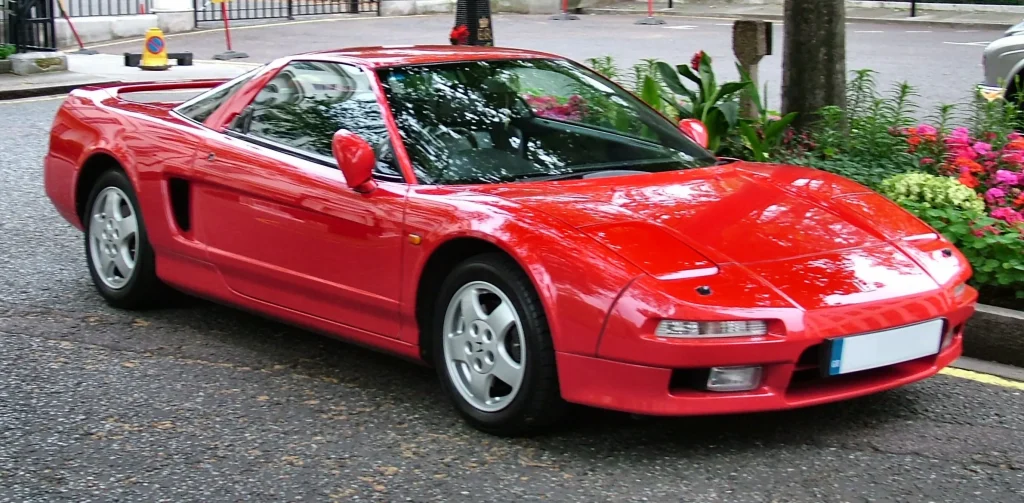
1. Honda NSX (1990–2005)
The first generation Honda NSX is one of the most alive feeling V6 cars ever built because it mixes supercar balance with everyday usability.
It was designed to challenge the best European exotics, but it did it with Honda precision and driver friendly engineering. Even today, the NSX feels sharp, light, and confident in a way many newer sports cars struggle to match.
Its V6 is a huge part of the experience. The 3.0 liter and later 3.2 liter engines are smooth, high revving, and full of character.
They do not rely on turbo punch. Instead, they build power cleanly as the revs climb, and that makes the car feel alive because you want to chase the redline. When VTEC engagement hits, the engine note becomes more urgent and addictive.
The mid engine layout gives the NSX a natural balance that still feels modern. It turns into corners with precision, and it stays stable when pushed hard.
Hydraulic steering gives you clear road feedback, so you always feel what the front tires are doing. That feedback keeps the driver mentally connected, which is why the car still feels engaging after decades.
Another reason the NSX feels alive is that it encourages skill. It is not trying to hide the driving experience behind electronics. Instead, it rewards smooth throttle control and clean cornering lines. It makes you feel like part of the machine rather than a passenger.
Unlike many old exotics, the NSX also remains dependable. That matters because you can actually drive it often, which keeps the car’s personality in your life instead of sitting in a garage. The NSX is a rare example of a V6 classic that still feels fresh, usable, and thrilling.
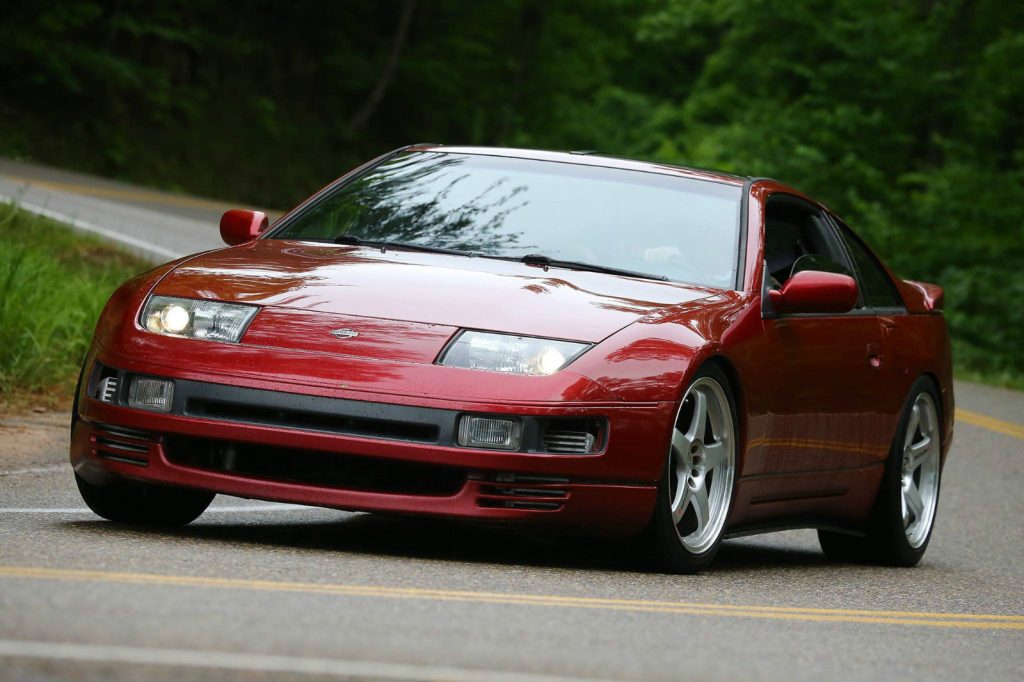
2. Nissan 300ZX Twin Turbo (Z32, 1990–1996)
The Nissan 300ZX Twin Turbo is one of the most iconic V6 performance cars of the 1990s because it combined bold design with serious engineering. It was not built as a simple sports coupe.
It was built as a technology heavy grand tourer that could compete with far more expensive machines. Even today, it feels alive because it delivers turbo drama, stability, and that classic 90s Japanese performance attitude.
The heart of the Z32 is its twin turbocharged VG30DETT V6. The engine delivers strong torque, especially in the mid range where turbo power feels addictive. When boost hits, the car surges forward with real urgency.
That boost delivery is a big part of why it still feels exciting, because modern cars often smooth power too much. In the 300ZX, you feel the punch.
Handling is planted and confident. The car feels wide, stable, and secure at speed, which makes it enjoyable on highways and fast sweeping roads.
It does not feel fragile. It feels like a serious performance machine built for long high speed runs. Steering is heavier than many modern cars, but that adds to the sense of control and connection.
The 300ZX also still feels alive because it has personality. The seating position feels sporty, the view over the hood feels aggressive, and the car communicates its weight and traction clearly. It rewards smooth driving, but it also feels strong enough to handle spirited pushing.
Another reason it remains loved is tuning potential. The VG30 engine responds well to upgrades, and many owners keep these cars alive through performance builds. Even stock, it is quick enough to feel fun. Modified, it can embarrass modern cars.
The Nissan 300ZX Twin Turbo is alive because it combines turbo excitement with real mechanical feel. It is one of the clearest examples of 90s performance that still delivers thrills today.
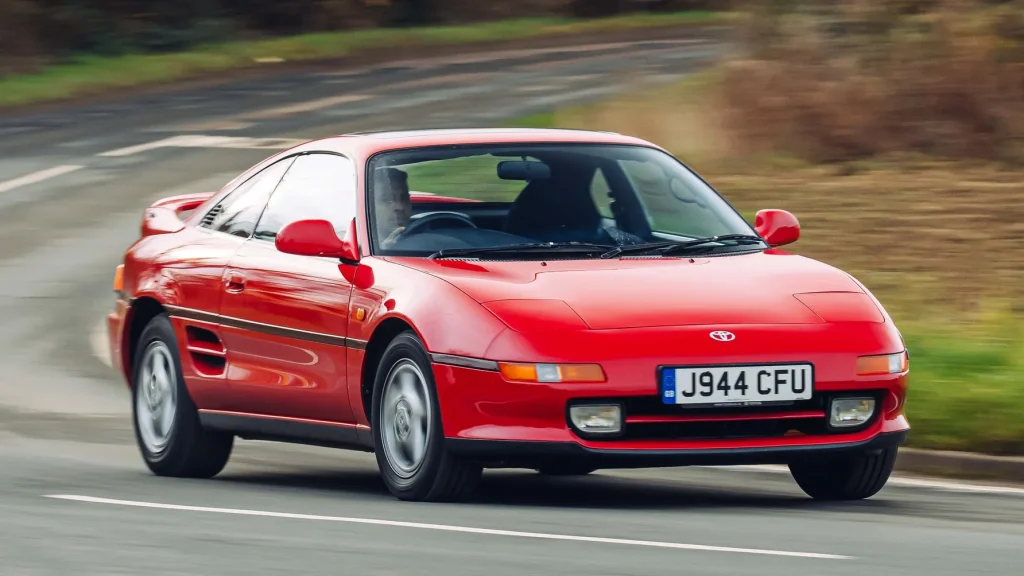
3. Toyota MR2 (SW20) V6 Swap Culture (1990–1999)
The Toyota MR2 SW20 is one of the most alive feeling cars of the 1990s, and while it came from the factory with four cylinder power, it became legendary in the V6 world because of how well it accepts V6 swaps.
In the enthusiast scene, the MR2 with a V6 has become one of the most exciting retro performance builds, and it absolutely embarrasses many heavier sports cars in real driving.
The reason it works so well is the layout. The MR2 is mid engine and relatively light, which gives it a natural balance that feels sharp and responsive.
Add a V6 like Toyota’s 3VZ-FE or 1MZ-FE, and the car transforms into a torque rich, real world fast machine. The V6 adds strong mid range pull, which is perfect for road driving where you want instant response.
A swapped MR2 feels alive because it is raw and direct. Steering feedback is strong, the seating position feels low and aggressive, and the car reacts instantly to throttle input.
With V6 torque, exits out of corners feel brutal compared to the stock four cylinder. It becomes a mini exotic, because the mid engine feel and V6 sound make it feel far more expensive than it really is.
It also stays exciting because the car demands respect. The SW20 chassis is famous for being sensitive if driven carelessly. When the power increases with a V6, the MR2 becomes even more thrilling. It rewards smooth inputs and punishes sloppy ones, which is exactly why enthusiasts love it.
Unlike many classics, the MR2 is also compact enough to feel playful at normal speeds. You do not need 300 km/h to have fun. A V6 swapped MR2 feels like a street fighter, alive in every corner.
This is why the MR2 SW20 has become one of the most loved V6 retro builds. It gives lightweight chassis balance with V6 muscle, creating a driving feel that still feels electric today.
4. Alfa Romeo GTV6 (1980–1987)
The Alfa Romeo GTV6 is one of the most soulful V6 cars of the 1980s, and even today it feels alive in a way modern sports cars rarely match. It does not rely on huge horsepower or modern grip.
Instead, it delivers emotion through sound, balance, and mechanical feedback. If you want a classic V6 that feels like it has a heartbeat, the GTV6 is exactly that.
The star of the car is the legendary Alfa Busso V6. This engine is famous for its smoothness and its voice. It has a rich metallic growl that turns into a sharp howl as the revs rise.
The sound alone makes the car feel alive, because it creates excitement even when you are not driving fast. It is one of those engines that makes you look for tunnels just to hear it sing.
The GTV6 also feels special because of its unusual balance. It uses a transaxle layout, meaning the gearbox is placed at the rear. This helps weight distribution and gives the car a stable, planted feel in corners. Steering is old school hydraulic, full of feel and communication. You can sense grip levels and road texture instantly.
Driving it fast is not about brute power. It is about flow. You carry momentum, work the gears, and keep the engine in its sweet spot. That level of involvement is exactly what makes it feel alive. It demands attention and rewards skill.
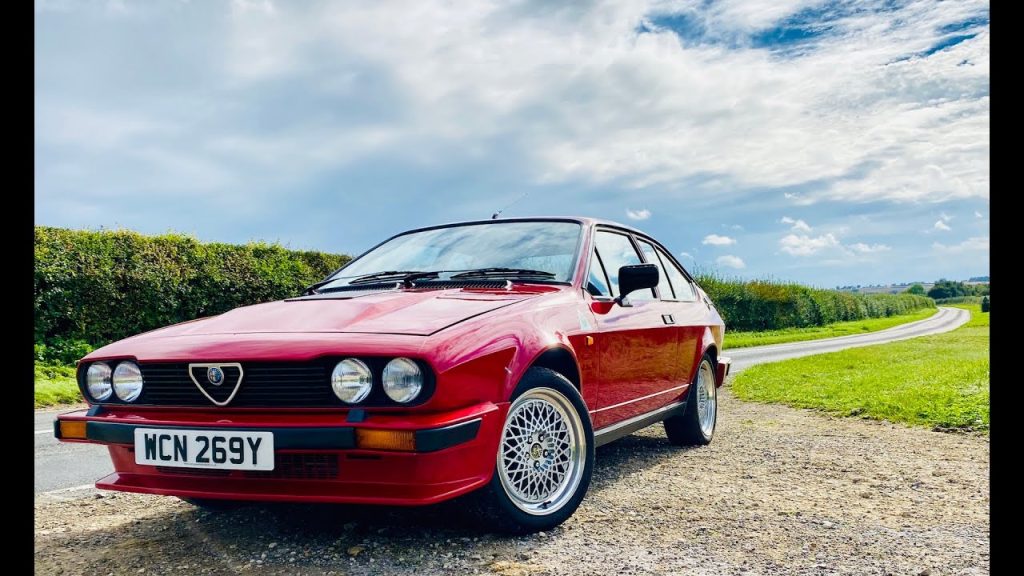
The interior is full of 80s Italian character, and the driving position feels sporty and purposeful. It may not be perfect, but it is passionate. That imperfect charm adds to the experience.
The Alfa Romeo GTV6 remains alive because it is emotional. It feels like a machine with personality, and every drive feels like an event rather than a routine.
5. Ford Taurus SHO (1989–1995)
The Ford Taurus SHO is one of the coolest V6 cars of the late 80s and early 90s because it was a true sleeper. From the outside, it looked like a normal family sedan, but underneath it carried a high-revving performance engine and sharper tuning than most people expected.
Even today, the SHO still feels alive because it blends everyday usability with a surprising sense of speed and character.
The heart of the SHO is its Yamaha-developed V6, and that engine is the reason enthusiasts still talk about it. Unlike most American sedans of the time, the SHO’s V6 was designed to rev freely.
It feels eager, smooth, and sporty, with a sound that is more European than typical Detroit muscle. When you push it toward the top of the rev range, it feels like the car wakes up and starts to chase speed.
The SHO also feels alive because of its unique personality. It is not just a straight line car. Ford tuned the suspension and steering to be sharper than the standard Taurus.
That means the car feels more connected in corners than you would expect from a four door sedan of that era. It will not feel like a modern hot sedan, but for its time, it was genuinely special.
Part of the fun comes from the surprise factor. You can cruise quietly in traffic, then suddenly accelerate hard and feel the car transform. That dual nature makes it exciting. It feels like a secret weapon, and that is why the SHO remains legendary.
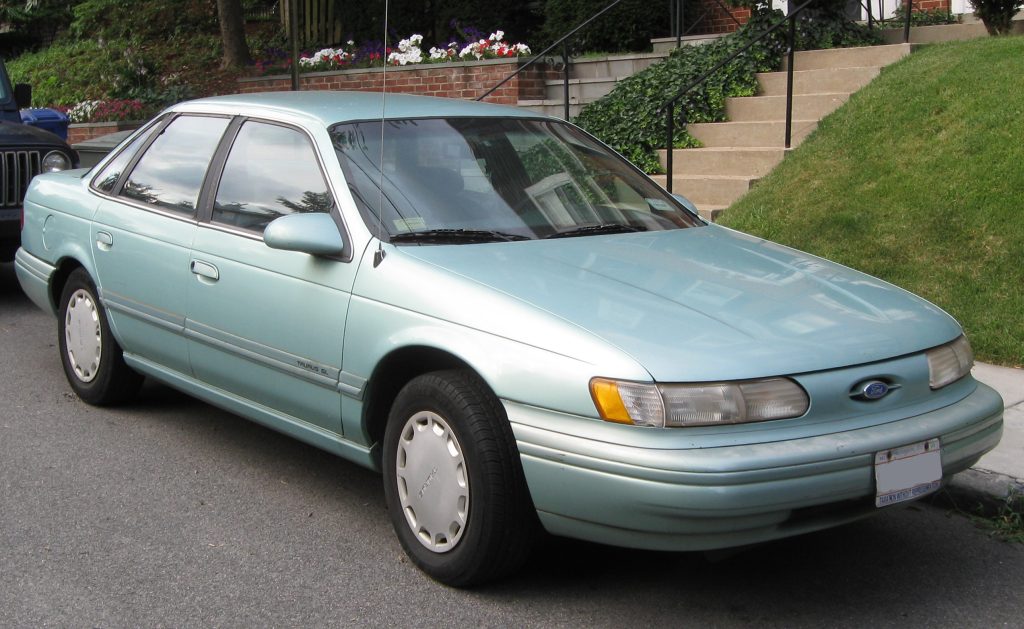
Another reason it still feels alive is the analog driving feel. The controls are mechanical, the feedback is real, and the engine response feels honest. Nothing feels filtered.
The Taurus SHO is alive because it represents an era when automakers took strange risks. It proves that performance is not always about looks. Sometimes the most exciting V6 is hiding in the most ordinary body.
6. Mazda MX-6 V6 (1993–1997)
The Mazda MX-6 V6 is one of the most underrated V6 coupes of the 1990s, and it still feels alive because it was built when Mazda cared deeply about driver feel. It was not the fastest car in the world, but it had the right ingredients: smooth V6 power, a balanced chassis, and a light sporty nature that still makes it fun today.
Its V6 engine delivers a smooth, linear pull that feels satisfying in daily driving. It does not rely on turbo boost. Instead, it builds speed naturally, and that makes the car feel connected to your right foot. When you rev it out, the engine feels eager and willing, giving the coupe a sporty personality that many modern cars have lost.
The MX-6 also feels alive because it is genuinely enjoyable in corners. The steering is light but communicative, and the chassis feels predictable.
It is a Front Wheel Drive coupe, but it is tuned well enough that you can still feel weight transfer and control the car smoothly through bends. On twisty roads, it feels agile rather than heavy.
Another reason it stays exciting is how mechanical it feels. The car does not overload you with electronics, so the driving experience feels honest. Gear shifts in manual versions feel satisfying, and the car encourages smooth driving rather than brute acceleration.
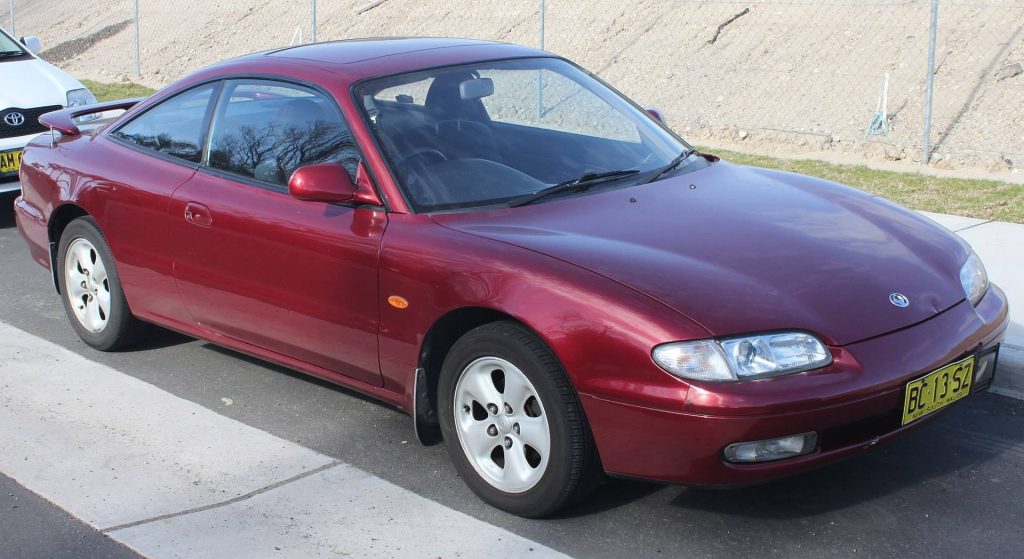
The design also adds to the charm. It has classic 90s coupe proportions, low stance, and clean lines that still look good today. Sitting in it makes you feel like you are driving something purposeful, not just transportation.
The Mazda MX-6 V6 remains alive because it delivers pure old school sporty feel. It is one of those forgotten V6 coupes that still makes a simple drive feel fun and personal.
7. Mitsubishi 3000GT VR-4 (1991–1999)
The Mitsubishi 3000GT VR-4 is one of the wildest V6 performance cars of the 1990s, and it still feels alive because it was built with ambition.
Mitsubishi wanted a high-tech super coupe that could take on the world, and the VR-4 became their ultimate statement. Even today, it feels like a machine packed with drama, speed, and personality.
Its twin-turbo V6 is the main reason the car still excites. When boost builds, the VR-4 surges forward with serious force, especially for a car from that era.
You can feel the turbo punch in the mid range, and that kick makes driving exciting in a way that naturally aspirated cars often cannot match. The engine feels strong and aggressive, with a sound that becomes deeper and more intense as you push harder.
What makes the VR-4 special is how advanced it was. Many versions offered all wheel drive, four-wheel steering, and active aero.
These features were rare in the early 90s, and they still make the car feel futuristic today. The VR-4 feels planted and confident at speed, especially on highways where it feels like it was designed to crush long distances quickly.
It also feels alive because it has weight and presence. The car is heavier than smaller sports coupes, but that weight gives it a solid, muscular feel. It feels like a performance tank that is built to fight through the road, which adds to the thrill.
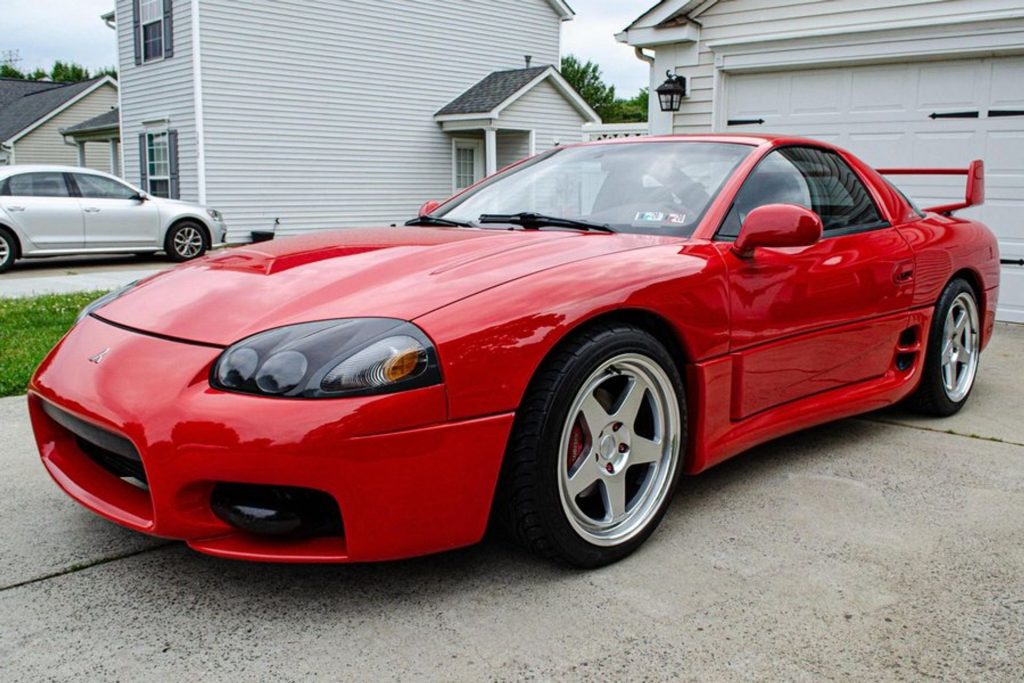
Driving the VR-4 today still feels like an event. The cockpit vibe is pure 90s, the turbo response feels dramatic, and the car demands attention. It is not a smooth modern experience. It is exciting because it is mechanical and intense.
The Mitsubishi 3000GT VR-4 remains alive because it represents a fearless era of engineering. It mixes turbo power, bold tech, and aggressive character into one unforgettable V6 machine.
8. Opel Calibra V6 (1994–1997)
The Opel Calibra V6 is one of the most underrated V6 coupes of the 1990s, and it still feels alive because it blends style, balance, and real performance in a clean European way.
It was designed with aerodynamic efficiency in mind, and even today its shape looks sleek and purposeful. But the real magic is the V6 under the hood, which gives it grand tourer energy.
The V6 engine delivers smooth torque that feels strong and mature. It is not a brutal turbo motor, but it pulls confidently and makes the car feel quick on real roads. The power delivery is linear, which makes it easy to drive fast without constant effort. It feels like a coupe that enjoys speed rather than fighting for it.
One reason the Calibra still feels alive is stability. The chassis feels planted at highway pace, and the car loves long sweeping roads. It holds its line calmly and gives the driver confidence. Many older coupes feel nervous at speed, but the Calibra feels composed, which makes it enjoyable for long drives.
The steering has that classic 90s European feel, light but responsive, with decent feedback. It helps the car feel connected without being exhausting. The driving position also feels sporty, with a low seating stance that makes the experience more engaging.
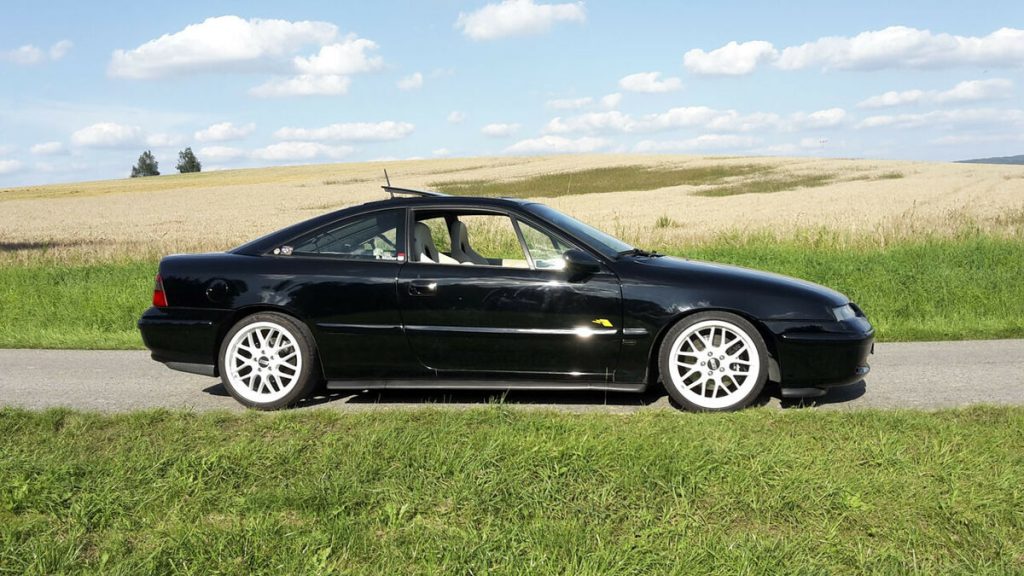
The Calibra also has charm because it feels rare. It is not a common classic like a Supra or 300ZX, so it feels special when you see one. The V6 adds to that uniqueness, giving it real performance character.
The Opel Calibra V6 remains alive because it captures a time when coupes were designed with elegance and purpose. It still feels like a fast, stylish machine built for drivers who love the road.
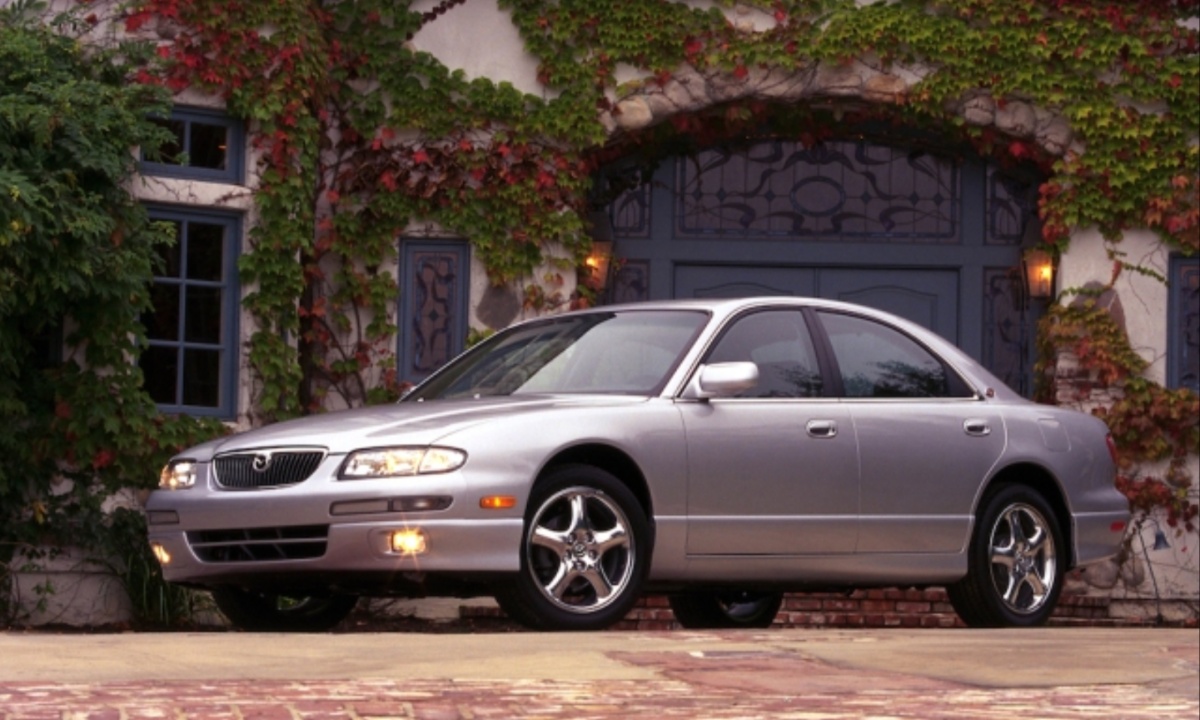
9. Mazda Millenia S (1995–2002)
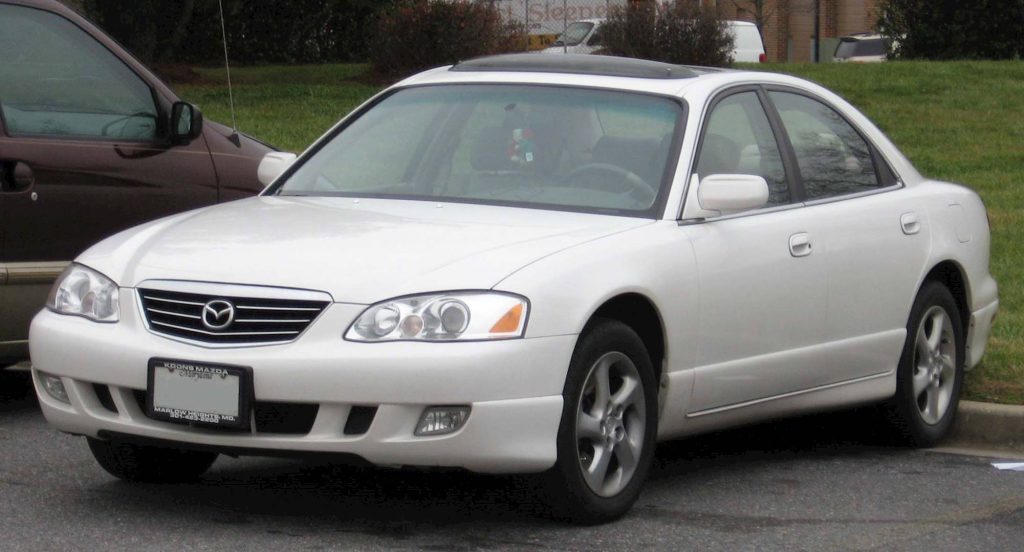
The Mazda Millenia S is one of the most unusual V6 cars to come out of the 1990s, and it still feels alive today because it was engineered differently from almost everything else on the road. While most sedans focused on simple comfort, Mazda tried something ambitious.
They gave the Millenia S a supercharged V6 using a rare Miller cycle design, creating a car that feels smooth, refined, and surprisingly eager when you press the throttle.
The engine is the star. The supercharged V6 delivers strong mid range torque, which makes the car feel quick in everyday driving. It does not need high rev drama to feel alive.
Instead, it pulls confidently at normal speeds, which is exactly what makes it satisfying on real roads. You feel a smooth surge when you accelerate, and that response gives the car character.
The Millenia S also feels alive because of its premium driving feel. The steering is smooth and controlled, and the suspension is tuned to balance comfort with stability. It is not a sports sedan, but it does not feel floaty either. On highways, it feels calm and steady, and in city traffic, it feels refined and easy to manage.
Another reason it still feels special is rarity. Many people do not even know this car existed. That makes ownership feel unique, and the engineering under the hood makes it even more interesting. It is the kind of sedan enthusiasts appreciate because it represents a forgotten experiment that actually worked.
The cabin design also has old-school charm. It feels clean, simple, and focused on driver comfort rather than flashy screens. That simplicity makes it feel authentic. You drive it as a car, not as a device.
The Millenia S stays alive today because it offers a blend of smooth luxury and mechanical personality. It reminds you of a time when Mazda was willing to try weird ideas and create something different. For a V6 sedan, it has one of the most unique hearts of the era.
10. Peugeot 406 Coupe V6 (1997–2004)
The Peugeot 406 Coupe V6 is one of the most elegant V6 cars from the late 1990s, and it still feels alive because it delivers charm instead of aggression.
Many performance cars are loud and demanding, but the 406 Coupe feels like a stylish grand tourer. It is designed for driving pleasure, comfort, and smooth power, and that makes it special even decades later.
The V6 engine gives the car its soul. It delivers smooth torque and refined acceleration, making it easy to cruise but strong enough to feel exciting when pushed. The power delivery is clean and confident. It feels like a mature engine built for long road trips and effortless overtakes, not just quick sprints.
The driving feel is calm but still engaging. The steering has a classic European balance, and the chassis feels stable at speed. It is not a sharp sports car, but it is a car that encourages smooth, fast driving. On highways, it feels planted and quiet, which makes it feel premium for its era.
One reason it still feels alive is design. The coupe styling, often linked with Italian influence, still looks beautiful. It does not feel outdated. The car has timeless proportions, clean lines, and an elegant stance that makes it look special in traffic even today.
The cabin also adds to the experience. It is comfortable, simple, and focused on driving. You feel like you are in a real car built for the road, not a modern tech box. That feeling adds to the emotional connection.
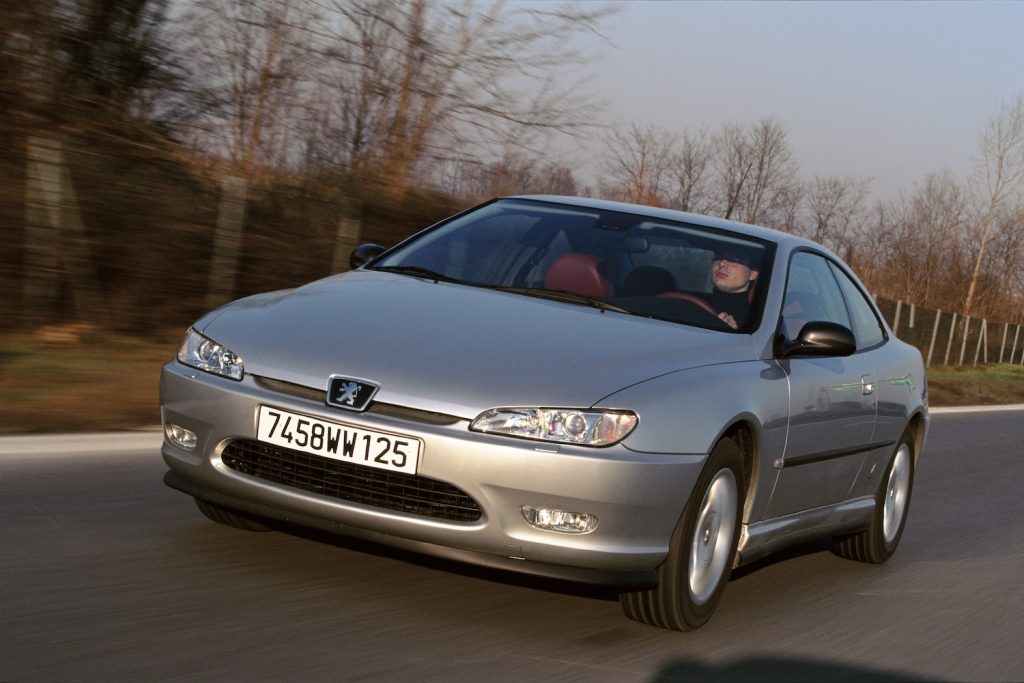
The Peugeot 406 Coupe V6 remains alive because it offers a rare mix of beauty, smooth power, and everyday usability. It is a V6 coupe that makes driving feel stylish and enjoyable, proving that excitement can also come from elegance.
V6 cars from the 1980s and 1990s still feel alive because they offer real mechanical connection, lighter weight, and driver focused design. Unlike many modern vehicles, they deliver raw steering feedback, responsive throttle feel, and engines full of character.
This list highlights legends like the Honda NSX and Nissan 300ZX Twin Turbo, plus underrated gems like the Mazda MX-6 V6 and Opel Calibra V6.
From sleepers like the Ford Taurus SHO to tech-heavy machines like the Mitsubishi 3000GT VR-4, these cars prove V6 excitement never died.
Also Read: 10 EVs That Work Well for City Commuters
