
BMW has long carried a reputation for producing luxurious, performance-oriented vehicles that unfortunately come with equally impressive repair bills.
The German automaker’s complex engineering, sophisticated electronics, and high-performance engines have made “BMW reliability” something of an oxymoron in automotive circles.
Tales of cooling system failures, electrical gremlins, and expensive maintenance schedules have become folklore among car enthusiasts. However, this reputation, while not entirely undeserved, doesn’t tell the whole story.
Buried within BMW’s extensive lineup are genuine gems models that defy the brand’s troublesome stereotype and deliver the driving excellence BMW is known for without the constant trips to the mechanic.
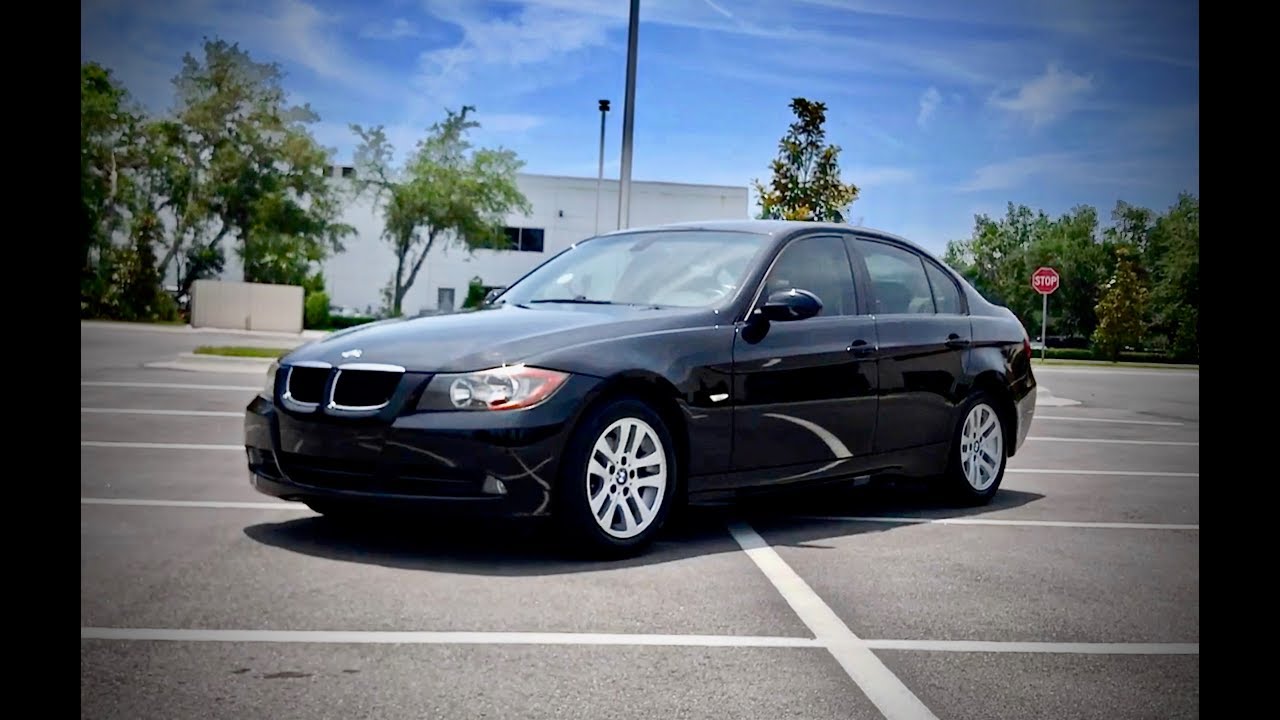
These are the BMWs that rack up impressive mileage figures, require only routine maintenance, and continue performing admirably year after year. They represent moments when BMW’s engineering brilliance aligned perfectly with simplicity and durability.
Whether you’re a BMW enthusiast tired of the reliability jokes or a prospective buyer wanting to experience the ultimate driving machine without the typical ownership anxieties, these ten models prove that reliable BMWs do exist.
From naturally aspirated inline-sixes to simpler mechanical designs that eschewed problematic innovations, these vehicles have earned their reputations through real-world longevity.
They’re the models that owners keep for 200,000 miles and beyond, the ones mechanics actually recommend, and the BMWs that might just change your perception of what it means to own a German luxury car.
1. E46 BMW 330i (1999-2005)
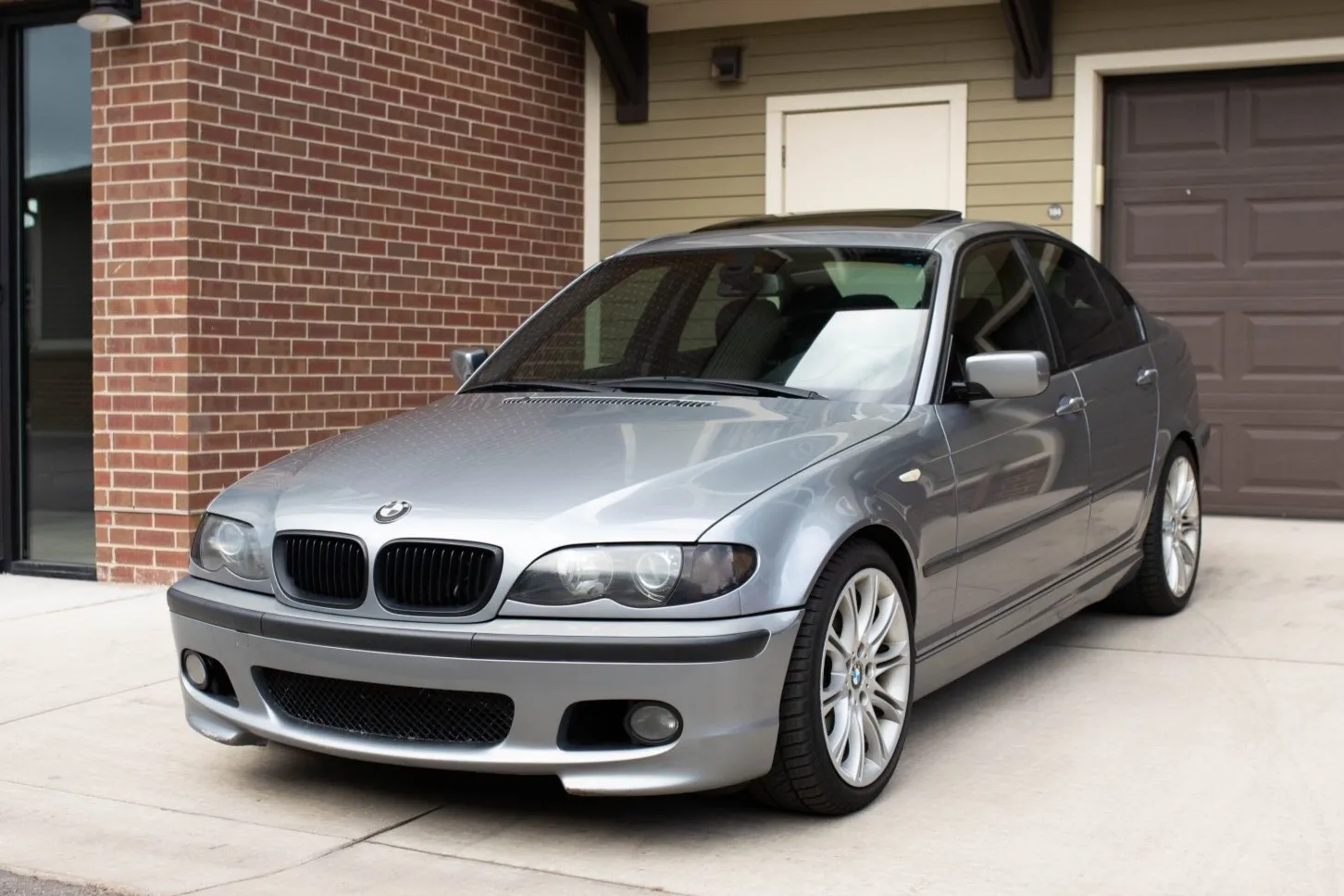
The E46-generation BMW 3 Series represents what many enthusiasts consider the sweet spot of BMW engineering, a perfect balance of driving dynamics, build quality, and most importantly, reliability.
Among the E46 lineup, the 330i equipped with the M54 3.0-liter inline-six engine stands out as particularly dependable, especially in comparison to its turbocharged successors.
The M54 engine is widely regarded as one of BMW’s most reliable powerplants ever produced. This naturally aspirated straight-six develops a smooth 225 horsepower and features a relatively simple design without the complexity of forced induction.
The engine’s robust construction, featuring an aluminum block and head, combined with BMW’s proven variable valve timing system (VANOS), creates a powertrain that regularly exceeds 200,000 miles with proper maintenance.
Unlike later turbocharged models, there are no turbocharger failures, high-pressure fuel pumps, or carbon buildup issues to worry about.
The E46 330i’s reliability extends beyond its engine. The chassis design is straightforward and well-engineered, with suspension components that are both durable and reasonably priced to replace when necessary.
The cooling system, while requiring attention around 80,000-100,000 miles with replacement of the plastic expansion tank and water pump, is manageable and predictable.
These are known issues with straightforward solutions, rather than mysterious electrical problems or catastrophic failures.
The manual transmission option is particularly robust, with the Getrag five or six-speed gearboxes being nearly bulletproof. Even the automatic transmission, while not as engaging, proves reliable with regular fluid changes.
The rear-wheel-drive layout is simple and time-tested, with the differential requiring minimal attention throughout the vehicle’s life.
Interior build quality in the E46 is exceptional, with materials that have aged far better than many modern BMWs. While some electronic window regulators and seat sensors may eventually fail, these are minor inconveniences rather than major reliability concerns.
The electrical system is relatively simple compared to newer models, reducing the likelihood of the complex electronic issues that plague later BMWs.
Common maintenance includes the cooling system overhaul mentioned earlier, regular oil changes with quality synthetic oil, and eventual replacement of the rear subframe bushings. However, these are all predictable, well-documented issues with established solutions.
With a dedicated community of enthusiasts and abundant parts availability, keeping an E46 330i running is both affordable and straightforward, making it the poster child for reliable BMW ownership.
2. E39 BMW 540i (1997-2003)
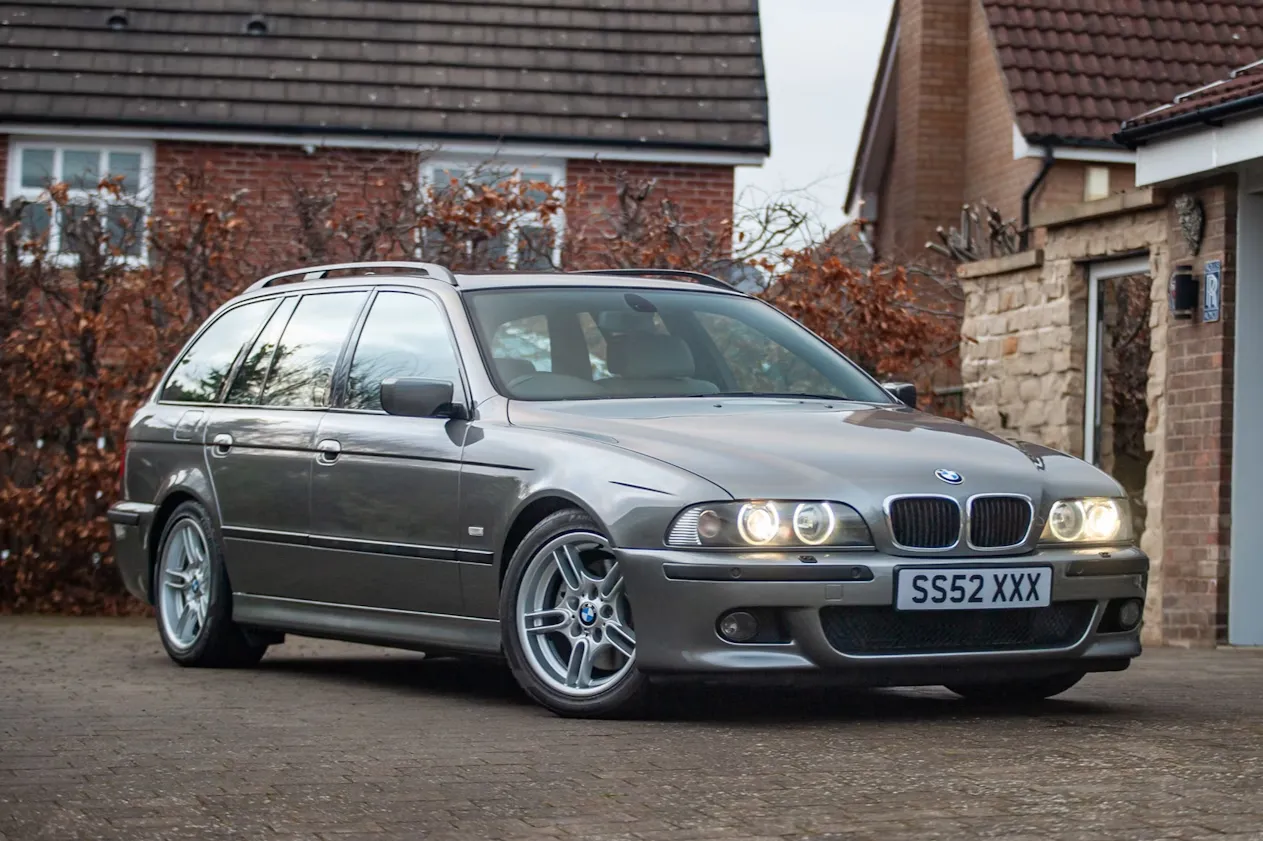
The E39 5 Series is often hailed as the pinnacle of BMW’s large sedan design, and the 540i model equipped with the M62 V8 engine offers surprising reliability for those who maintain it properly.
While V8 BMWs generally don’t top reliability lists, the E39 540i has earned a devoted following among enthusiasts who appreciate its durability when compared to more complex modern alternatives.
The M62 4.4-liter V8 engine produces a robust 282 horsepower and delivers the smooth, effortless power that defines the luxury sedan experience.
What makes this engine noteworthy from a reliability standpoint is its relatively conventional design. Unlike later V8s with variable valve timing on both intake and exhaust, the M62 features simpler single-VANOS technology, reducing potential failure points.
The engine block is constructed from lightweight aluminum with Nikasil-lined cylinders in later versions, which proved far more durable than the earlier Alusil blocks that had issues in certain markets.
The key to M62 reliability lies in addressing known weaknesses proactively. The engine’s valley gasket and timing chain guides are predictable maintenance items that should be addressed around 100,000 miles.
While this sounds daunting, it’s a one-time job that, when completed, essentially resets the engine for another 100,000 miles of service. The cooling system also requires periodic attention, but this is true of virtually all BMWs of this era.
The E39 540i’s transmission options include both manual and automatic variants, with the five-speed automatic being the more common choice.
The GM-sourced 5L40-E automatic transmission is considerably more reliable than BMW’s later transmissions, tolerating higher mileage with regular fluid changes. Manual transmission cars feature a Getrag six-speed that’s virtually indestructible with proper use.
The E39 chassis is renowned for its balanced handling and solid construction. Suspension components are robust and reasonably priced, with control arms and bushings being the primary wear items.
The rear subframe on the 540i is stronger than on the six-cylinder E39 models, avoiding the cracking issues that occasionally plague those variants.
The mechanical design favors durability over complexity, with hydraulic power steering and conventional suspension systems rather than the electronic systems that would come later.
Interior quality is exceptional, with the E39 featuring some of BMW’s finest materials and construction. Electronic issues are minimal compared to newer models, though some window regulators and pixel failures in the instrument cluster LCD may occur. These are minor compared to the comprehensive electronic failures seen in later models.
3. E36 BMW 328i (1996-1999)
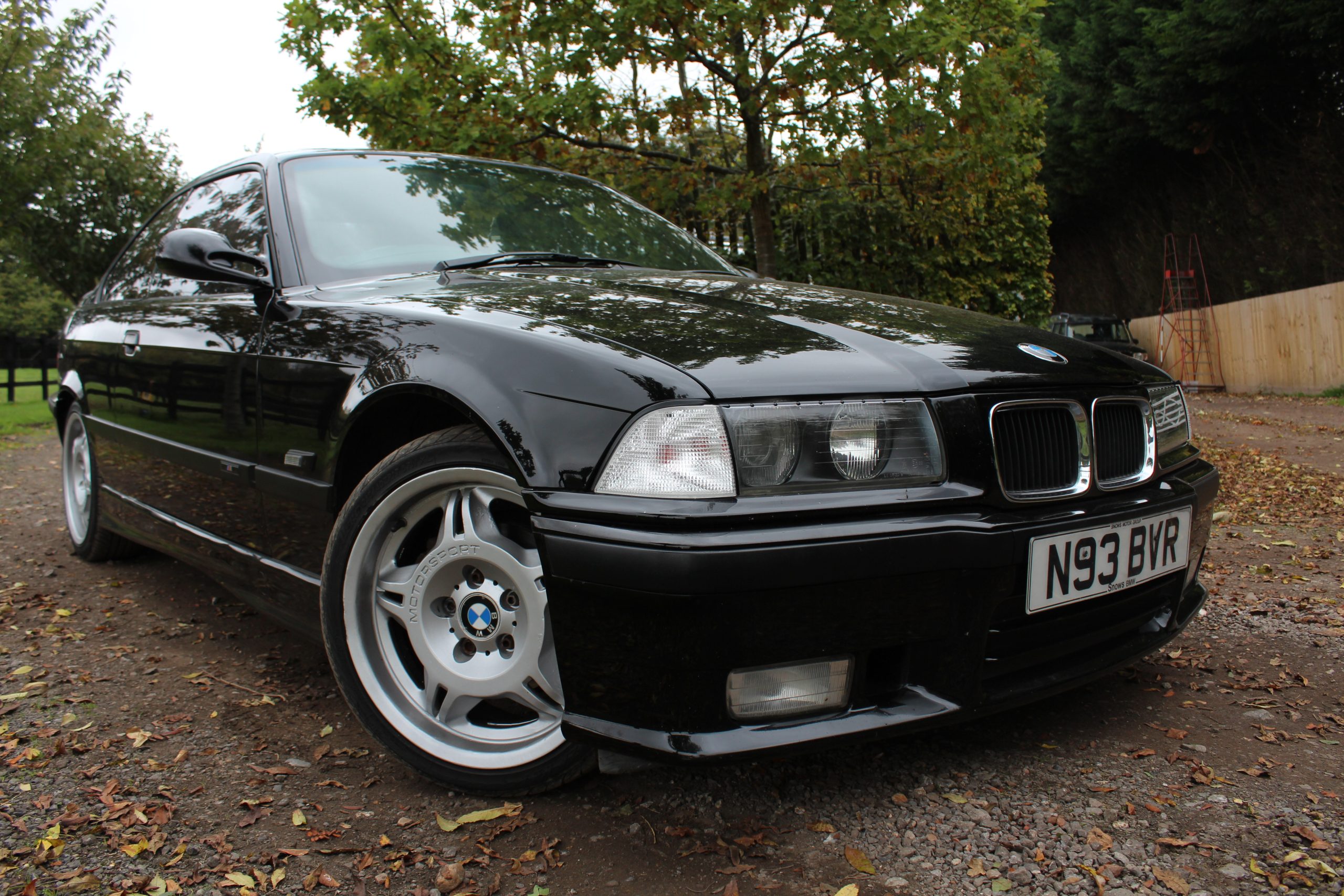
The E36 328i represents BMW engineering from an era when simplicity and mechanical excellence took precedence over electronic wizardry, resulting in one of the most dependable BMWs ever produced.
The final years of E36 production, particularly the 1996-1999 328i models, benefited from all the refinements learned throughout the generation’s lifespan while maintaining the straightforward design that makes these cars so reliable.
At the heart of the 328i lies the M52 2.8-liter inline-six engine, producing 190 horsepower through a naturally aspirated design that’s both smooth and durable.
The M52 features an aluminum block and head, reducing weight while maintaining structural integrity. The engine’s single-VANOS variable valve timing system is far simpler than dual-VANOS or the turbocharged powertrains that followed, meaning fewer components to fail.
Oil leaks from the valve cover gasket and oil filter housing gasket are the most common issues, but these are inexpensive fixes that don’t impact drivability.
The cooling system, as with most BMWs of this era, requires periodic attention. The plastic expansion tank and water pump should be replaced around 80,000 miles, but this maintenance is straightforward and affordable.
Once refreshed, the cooling system typically provides another 80,000 miles of trouble-free service. Unlike some BMWs, the E36 doesn’t suffer from head gasket failures or cylinder scoring issues that plague other models.
Transmission reliability is excellent across both manual and automatic variants. The five-speed manual transmission is virtually bulletproof, with most failures being clutch-related rather than internal transmission issues.
The four-speed automatic, while not particularly exciting, is robust and reliable with regular fluid changes. The rear differential is similarly trouble-free, requiring only periodic fluid changes to maintain proper operation.
The E36’s suspension design is both simple and effective, using conventional MacPherson struts up front and a multi-link setup in the rear. Components wear predictably and are inexpensive to replace.
The steering system uses traditional hydraulic power assist rather than electric systems, providing excellent feedback while maintaining reliability. Brake systems are conventional and parts are widely available and affordable.
Electrical systems in the E36 are refreshingly simple compared to modern BMWs. While some window regulators may fail and the on-board computer can experience minor issues, these are straightforward repairs.
The lack of complex electronic systems means fewer potential failure points. The interior, while not as refined as later models, features durable materials that age well with proper care.
4. E90 BMW 328i (2006-2011)
The E90-generation 328i equipped with the naturally aspirated N52 engine represents the last of BMW’s reliable naturally aspirated inline-sixes in the 3 Series, making it a standout choice for those seeking modern features with old-school dependability.
This model bridges the gap between the simpler E46 and the more complex turbocharged models that followed, offering contemporary technology without the troublesome forced induction systems.
The N52 3.0-liter inline-six is a marvel of BMW engineering, featuring an aluminum block with magnesium-alloy components that create an incredibly lightweight yet robust powerplant.
Producing 230 horsepower, the N52 utilizes BMW’s Valvetronic variable valve lift system alongside double-VANOS variable valve timing.
While more complex than earlier engines, the N52 has proven remarkably reliable, with many examples exceeding 200,000 miles without major issues.
The engine’s most common problems are relatively minor oil filter housing gasket leaks and valve cover gasket leaks both of which are preventable maintenance items rather than design flaws.
One of the N52’s greatest advantages is its resistance to the carbon buildup issues that plague turbocharged direct-injection engines.
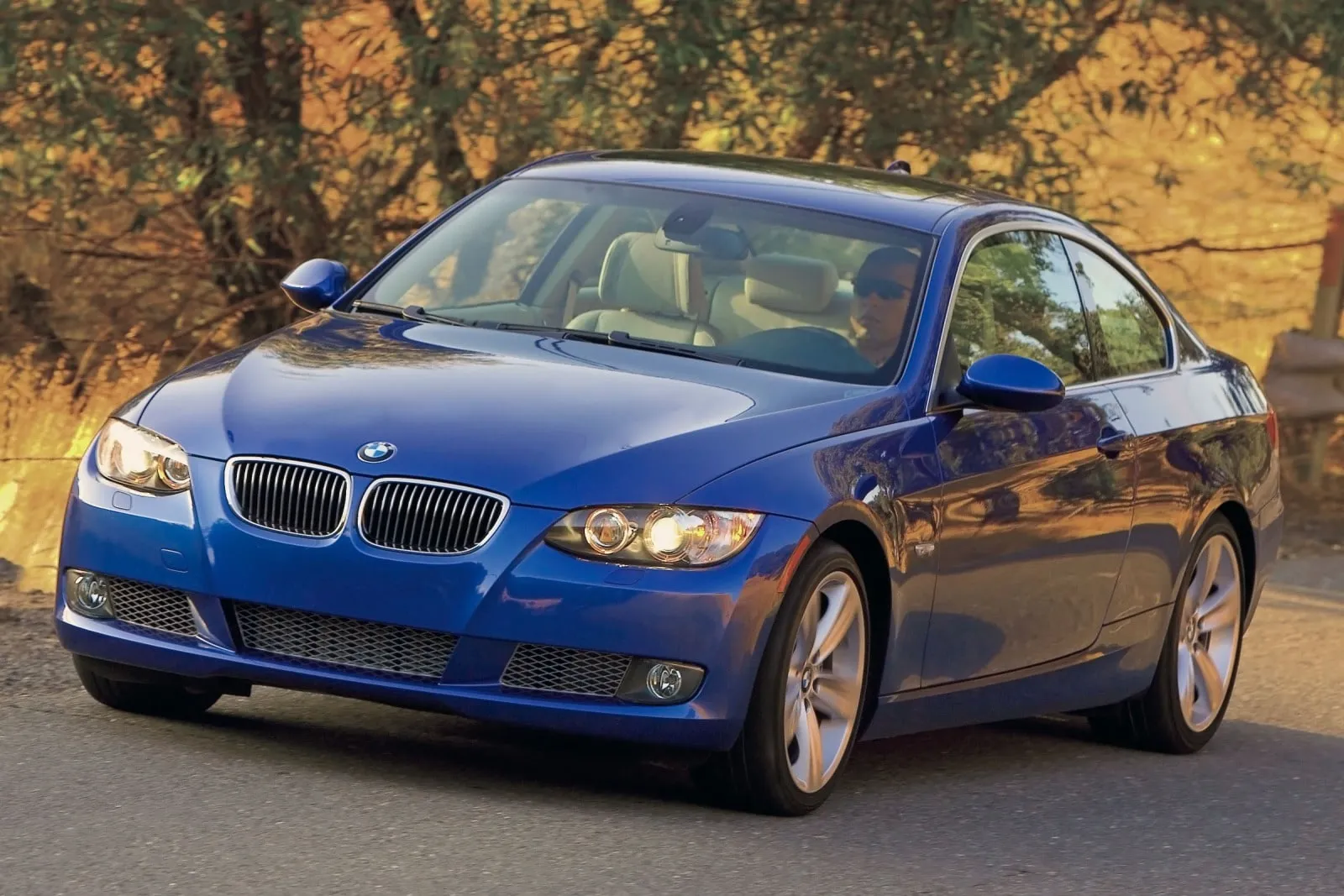
As a naturally aspirated engine with port fuel injection, intake valves remain clean, avoiding the expensive walnut blasting procedures required on later models.
The engine also avoids the high-pressure fuel pump failures common to turbocharged BMWs, significantly reducing potential repair costs. The E90 328i’s transmission options include an excellent six-speed manual and a six-speed automatic.
The manual transmission is robust and enjoyable, while the automatic, though occasionally criticized for programming, is mechanically sound with proper maintenance. The rear differential is similarly reliable, requiring only periodic fluid changes to maintain longevity.
Suspension and chassis components are well-engineered, though the E90 does introduce more complexity than earlier generations with features like dynamic stability control and various electronic driving aids.
However, the mechanical components themselves—control arms, bushings, and shocks are durable and reasonably priced. The electric power steering, while not providing the feedback of hydraulic systems, has proven reliable in practice.
The E90’s interior represents a significant step forward in quality and technology compared to earlier models. The iDrive infotainment system can occasionally experience glitches, but reliability is good.
Some electronic gremlins can appear, particularly with window regulators and seat sensors, but these pale in comparison to the comprehensive electrical failures seen in some other models. Build quality is excellent, with materials that maintain their appearance well over time.
Also Read: 7 Luxury Cars That Handle City Driving Comfortably
5. E60 BMW 530i (2004-2010)
The E60 5 Series 530i is another beneficiary of BMW’s excellent N52 naturally aspirated inline-six engine, offering big-sedan comfort and space with surprisingly robust reliability.
While the E60 generation introduced significant technological complexity to the 5 Series lineup, the 530i manages to avoid many of the pitfalls that affected its V8 siblings, making it the sweet spot in the range.
The N52 3.0-liter inline-six in the 530i produces 255 horsepower in this application, providing ample power for the larger sedan while maintaining the engine’s proven reliability characteristics.
All the benefits of the N52 engine discussed in the E90 328i apply here lightweight construction, port fuel injection preventing carbon buildup, and resistance to the major failures that affect turbocharged engines. The engine smoothly pulls the heavier E60 chassis while delivering respectable fuel economy for a vehicle of this size.
What makes the 530i particularly appealing is what it lacks compared to other E60 models. It doesn’t have the complex V8 engines with their timing chain guide issues, nor does it feature the troublesome N54 twin-turbo inline-six.
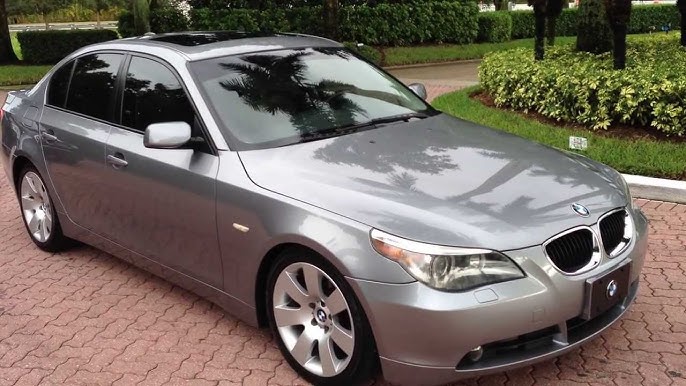
The 530i also avoids the advanced suspension systems like active roll stabilization found on higher-end models, which can be expensive to repair. This simplicity translates directly into reduced maintenance costs and fewer potential failure points.
The transmission options include a six-speed manual (rare) and a six-speed automatic. The automatic transmission in the E60 is more advanced than earlier models, but with regular fluid changes, it proves reliable through high mileage.
The electronic shifter can occasionally experience issues, but the transmission itself is mechanically sound. The rear-wheel-drive system is conventional and trouble-free with minimal maintenance requirements.
The E60’s chassis design is sophisticated, featuring a multi-link suspension at all four corners that delivers excellent ride quality and handling.
While suspension components eventually wear and require replacement, they’re predictable maintenance items rather than unexpected failures. The electric power steering system, while not beloved by purists, has proven durable in practice.
Where the E60 shows its complexity is in the electronics and interior features. The first-generation iDrive system can be frustrating and occasionally glitchy.
Various electronic modules control everything from the seats to the climate control, and while generally reliable, failures do occur more frequently than in simpler BMWs. However, the 530i avoids the most problematic electronic systems found in V8 and M5 models.
6. E83 BMW X3 2.5i/3.0i (2004-2010)
The first-generation E83 X3 represents BMW’s initial entry into the compact luxury SUV segment, and models equipped with naturally aspirated inline-six engines have proven surprisingly durable.
While SUVs aren’t typically associated with reliability, the E83 X3 2.5i and 3.0i models benefit from BMW’s proven engine technology and relatively straightforward mechanical design.
The E83 X3 was offered with two naturally aspirated inline-six engines: the M54 2.5-liter (in the 2.5i) and the N52 3.0-liter (in the 3.0i). Both engines share the reliability characteristics that made them successful in BMW’s sedans.
The M54, used until 2006, is the same proven engine from the E46 and E39, offering bulletproof reliability with proper maintenance. The N52 that replaced it brought improved power and efficiency while maintaining excellent reliability for a modern BMW engine.
The all-wheel-drive system in the X3 uses a conventional setup rather than the complex systems in later BMW SUVs. The xDrive system distributes power between front and rear axles using a multi-plate clutch in the transfer case, which has proven reliable with regular fluid changes.
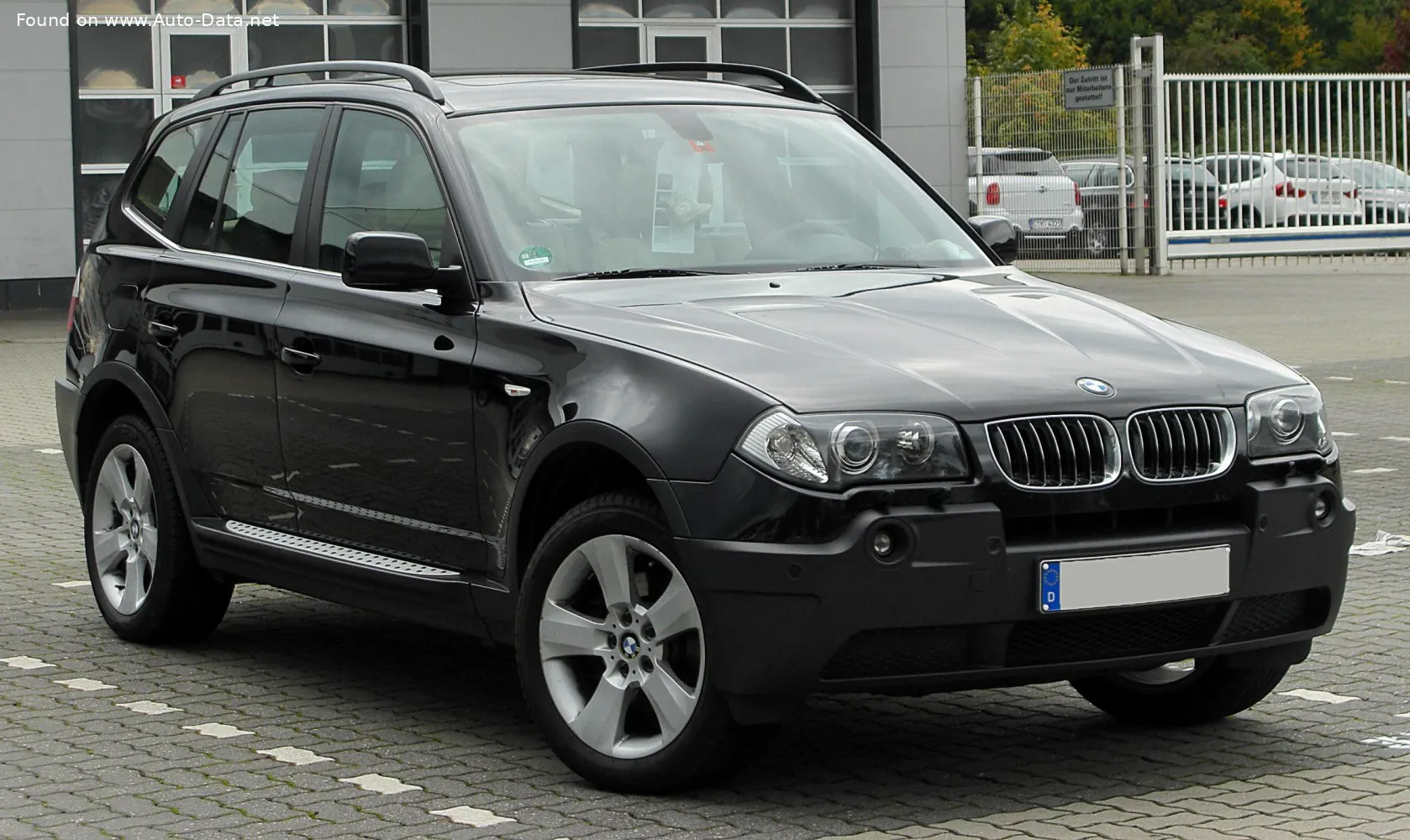
The system is less complex than current xDrive implementations, making it more durable and easier to maintain. Rear-wheel-drive models are even simpler and equally reliable.
The E83’s suspension is robust and designed to handle both on-road comfort and light off-road use. Components wear predictably, and replacement parts are reasonably priced compared to other BMW models.
The chassis itself is built on a modified 3 Series platform, benefiting from BMW’s sedan engineering expertise. This foundation provides better handling than typical SUVs while maintaining durability.
Transmission options include both manual and automatic variants, with the six-speed automatic being most common. This transmission, with regular maintenance, easily handles high mileage.
The manual transmission, while rare in X3s, is virtually indestructible. The drivetrain as a whole is straightforward and reliable, without the complex systems found in later BMW SUVs.
The interior of the E83 is functional and well-built, using durable materials that age gracefully. Electronic systems are relatively simple compared to newer BMWs, reducing potential failure points.
Some common issues include failed window regulators and occasional problems with the climate control system, but these are minor compared to the comprehensive electronic failures in more complex models. The build quality is excellent, with many E83 X3s still on the road with well over 150,000 miles showing minimal interior wear.
7. E38 BMW 740i/740iL (1995-2001)
The E38 7 Series represents BMW’s flagship luxury sedan from the late 1990s, and while discussing reliability and 7 Series in the same sentence might seem contradictory, the 740i equipped with the M62 V8 engine has developed a reputation for durability among those who maintain these vehicles properly.
This is the car that defined modern BMW luxury, and surprisingly, it can be kept running reliably with dedication and proper care. The M62 4.4-liter V8 in the E38 740i produces 282 horsepower and provides the effortless power expected in a flagship sedan.
As discussed with the E39 540i, the M62 engine is relatively conventional in design, lacking the complexity of later BMW V8s. The same maintenance considerations apply to valley gasket replacement, timing chain guides, and cooling system attention, but when these items are addressed proactively, the engine delivers impressive longevity.
Many E38 740i examples have exceeded 200,000 miles with proper care. What distinguishes the E38 from later 7 Series models is its relative mechanical simplicity.
While it was cutting-edge for its time, featuring innovations like GPS navigation and electronic dampening control, these systems are straightforward compared to the numerous electronic modules and complex systems in subsequent generations.
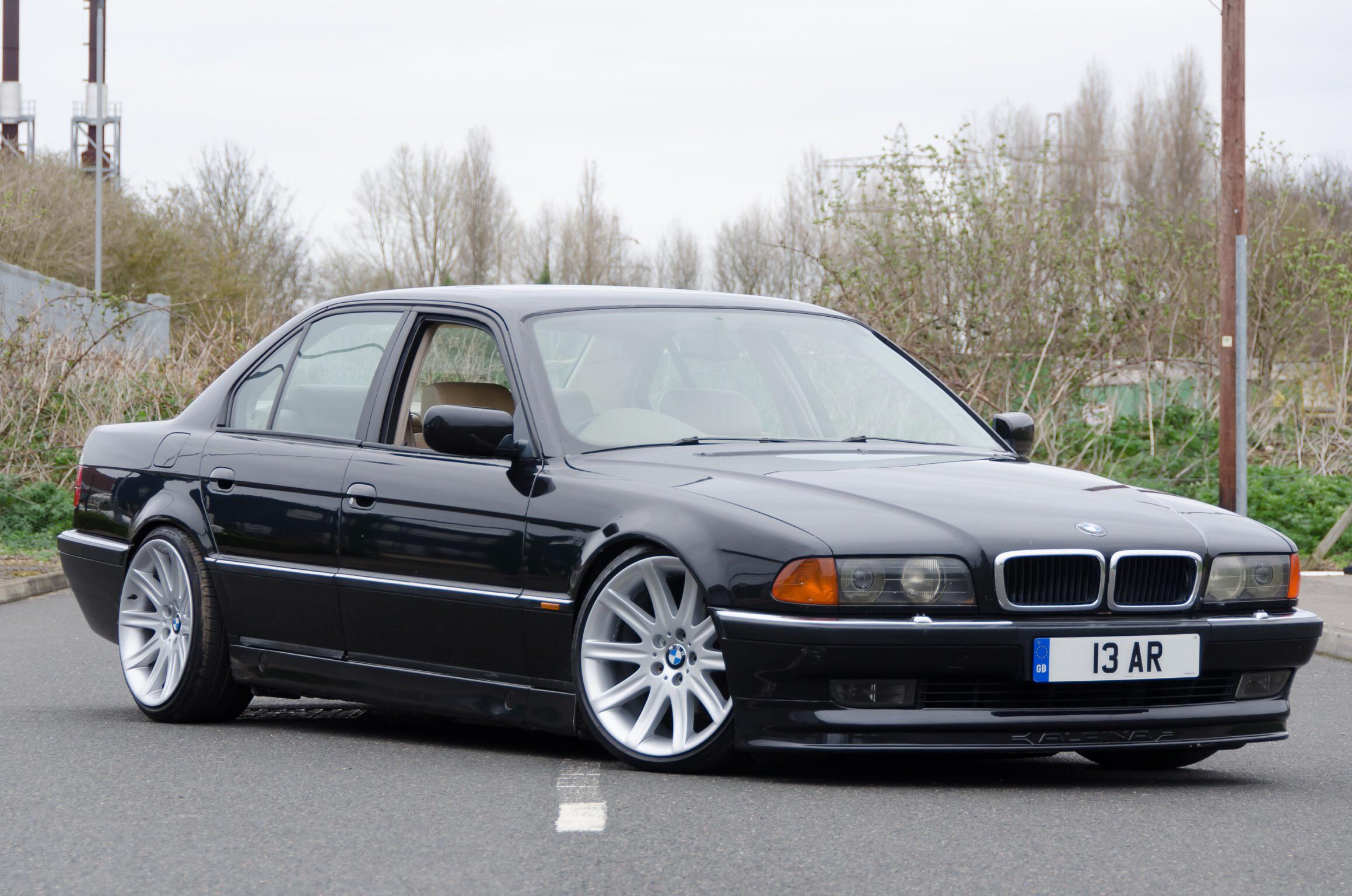
The E38 doesn’t have air suspension as standard equipment (though it was optional), avoiding one of the most expensive failure points in later luxury sedans.
The five-speed automatic transmission in the E38 is the GM-sourced 5L40-E, which has proven far more reliable than BMW’s later transmissions.
With regular fluid changes and proper maintenance, this transmission easily handles the V8’s torque through high mileage. The rear differential is similarly robust, requiring only periodic fluid changes to maintain proper operation.
The E38’s chassis is beautifully engineered, providing a magic carpet ride while maintaining BMW’s driving dynamics. Suspension components are heavy-duty and designed for longevity, though replacement can be expensive due to the specialized nature of parts.
However, wear is predictable, and parts availability remains good despite the vehicle’s age. The hydraulic power steering provides excellent feedback while maintaining reliability.
The interior of the E38 set new standards for luxury and quality when introduced. The materials used, from the leather to the wood trim are exceptional and age beautifully with care.
Electronic systems can experience issues, particularly with the early navigation systems and LCD displays that develop pixel failures, but the core functionality remains intact. Compared to E65 and later 7 Series models, the E38’s electronics are remarkably simple and maintainable.
8. E85/E86 BMW Z4 3.0i/3.0si (2003-2008)
The first-generation BMW Z4 roadster and coupe, particularly models equipped with naturally aspirated inline-six engines, represent one of BMW’s most reliable modern sports cars.
The E85/E86 Z4 combined pure driving enjoyment with the proven reliability of BMW’s best engines, creating a roadster that owners can actually use and enjoy rather than constantly repair.
Early Z4 models (2003-2005) featured the M54 3.0-liter inline-six producing 225 horsepower, the same bulletproof engine found in the E46 330i.
Later models (2006-2008) received the N52 3.0-liter engine, bumping power to 255 horsepower while maintaining excellent reliability. Both engines share the characteristics that made them successful in other BMWs naturally aspirated design, robust construction, and resistance to the major failures affecting turbocharged models.
The Z4’s rear-wheel-drive layout is conventional and time-tested. The vehicle’s lower weight compared to sedans means less stress on drivetrain components, potentially improving longevity.
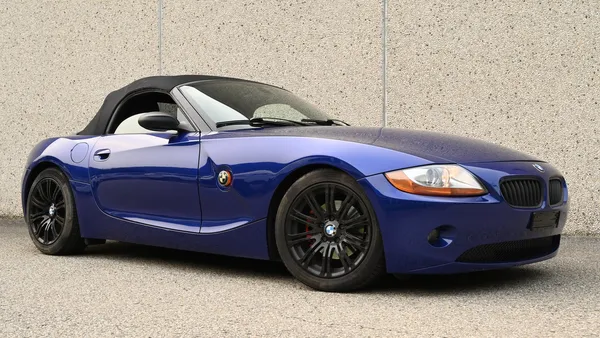
The manual transmission option, a six-speed unit, is incredibly robust and provides an engaging driving experience. The automatic transmission, while less exciting, is mechanically sound with proper maintenance and offers a more relaxed convertible cruising experience.
One advantage of the Z4 is its simplified feature set compared to BMW sedans. While it includes modern conveniences, it lacks some of the complex systems found in larger models.
There’s no all-wheel drive to maintain, no complex multi-mode suspension systems, and fewer electronic modules. This simplicity translates directly into reduced maintenance costs and fewer potential failure points.
The suspension design in the Z4 is focused on driving dynamics, using a strut front and multi-link rear setup that provides excellent handling characteristics.
Components are robust and designed to handle the performance driving that sports cars encourage. Replacement parts are reasonably priced, and the work is straightforward for qualified mechanics. The electric power steering has proven reliable, though purists prefer hydraulic steering for feedback.
The convertible top mechanism in the E85 roadster is relatively simple and reliable compared to complex folding hardtop systems in some competitors.
It uses a conventional fabric top with manual latching and electric operation, which has proven durable through many cycles. The E86 coupe avoids this consideration entirely.
Interior build quality is excellent, using materials appropriate for a premium sports car. Electronic issues are minimal, with the Z4 avoiding many of the gremlins that plague larger, more complex BMWs.
9. E87 BMW 128i (2008-2013)
The E87/E88 1 Series, particularly the 128i model with the N52 naturally aspirated inline-six engine, represents one of BMW’s best-kept reliability secrets.
This compact sports coupe/convertible combined rear-wheel drive, near-perfect weight distribution, and the proven N52 engine to create a driver’s car that could actually be driven without constant worry about repairs.
The N52 3.0-liter inline-six in the 128i produces 230 horsepower, the same output as in the E90 328i. All the reliability benefits discussed previously apply here lightweight construction, port fuel injection preventing carbon buildup, and proven durability through high mileage.
The engine is essentially bulletproof with proper maintenance, requiring only regular oil changes, occasional valve cover and oil filter housing gasket replacement, and standard cooling system maintenance.
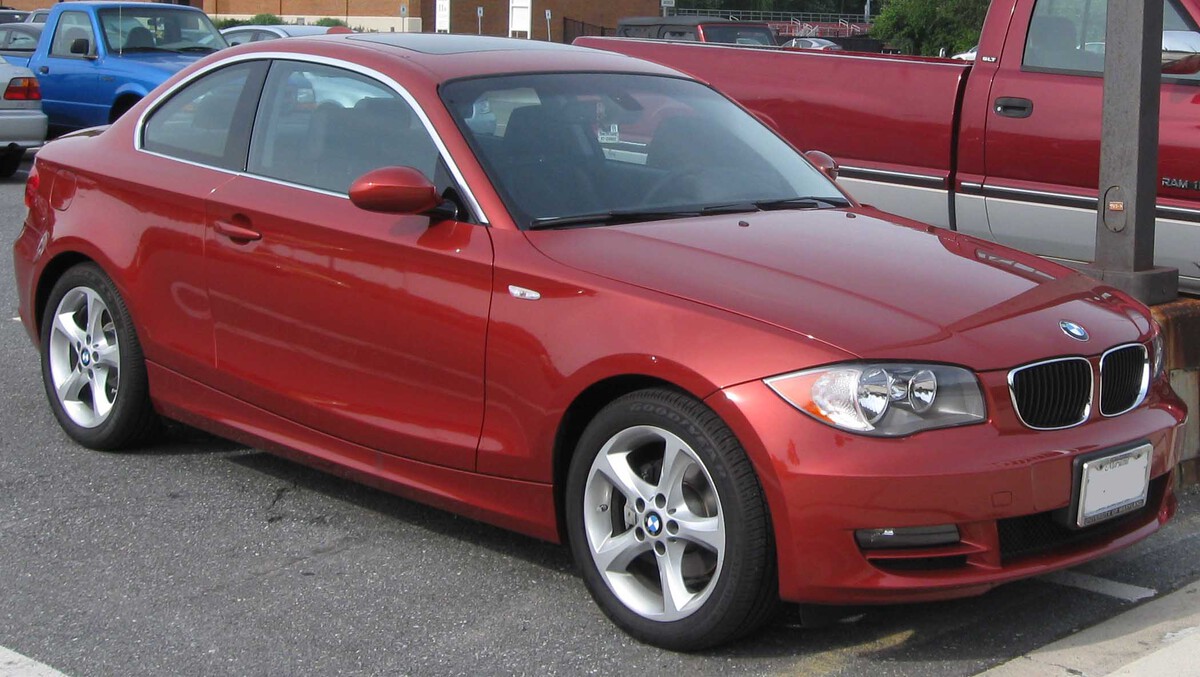
What makes the 128i particularly special is its lightweight design and rear-wheel-drive layout. At approximately 3,300 pounds, the 128i is significantly lighter than the 3 Series, resulting in better performance, improved fuel economy, and less stress on mechanical components.
The weight distribution is nearly perfect 50/50, providing exceptional handling characteristics that rival the legendary E46 M3 in certain situations.
Where the 128i truly shines is in its simplicity. It doesn’t have complex all-wheel-drive systems, advanced suspension electronics, or excessive luxury features that add weight and complexity.
This back-to-basics approach creates a pure driving experience while simultaneously improving reliability. The interior is functional and well-built, using quality materials appropriate for a premium compact. Electronic systems are straightforward, with minimal complexity compared to larger BMW models.
10. E70 BMW X5 3.0si (2007-2010)
The second-generation E70 X5 equipped with the naturally aspirated N52 3.0-liter inline-six represents BMW’s most reliable modern SUV offering.
While the X5 line has generally suffered from reliability issues, particularly with turbocharged and V8 models, the 3.0si variant benefits from BMW’s proven naturally aspirated engine technology while avoiding the complex powertrains that plague other X5 models.
The N52 engine in the X5 3.0si produces 260 horsepower, providing adequate power for the large SUV while maintaining the excellent reliability characteristics that made this engine successful across BMW’s lineup.
The same advantages apply here port fuel injection, preventing carbon buildup, lightweight aluminum construction, and proven durability through high mileage.
While the X5 is heavier than sedans using this engine, the N52 handles the additional weight without issue when properly maintained.
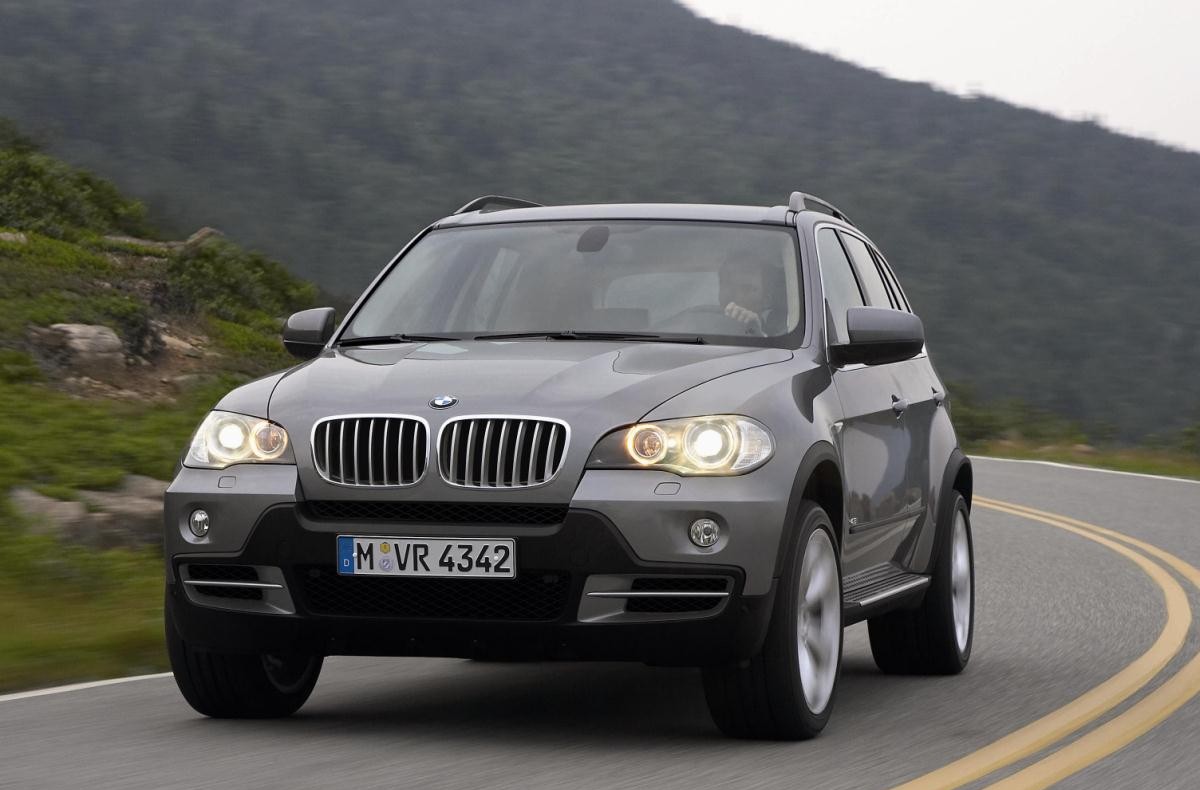
The E70 X5 3.0si features BMW’s xDrive all-wheel-drive system, which has proven more reliable in this generation than in previous versions.
The system uses an electronically controlled multi-plate clutch to distribute power between front and rear axles, and with regular transfer case fluid changes, it provides reliable all-weather capability.
While more complex than rear-wheel drive, the system has proven durable in real-world use, with fewer failures than the xDrive systems in earlier X5 generations.
The interior of the E70 X5 is spacious and luxurious, using high-quality materials throughout. The second-generation iDrive system is improved over the first generation, though it can still experience occasional glitches.
Electronic systems are more complex than in BMWs from earlier eras, but the 3.0si avoids the most problematic features found in V8 and turbocharged models. Build quality is excellent, with many E70 X5 3.0si examples showing minimal interior wear even at high mileage.
Also Read: 9 Vehicles That Are Easy to Maneuver on City Streets
