
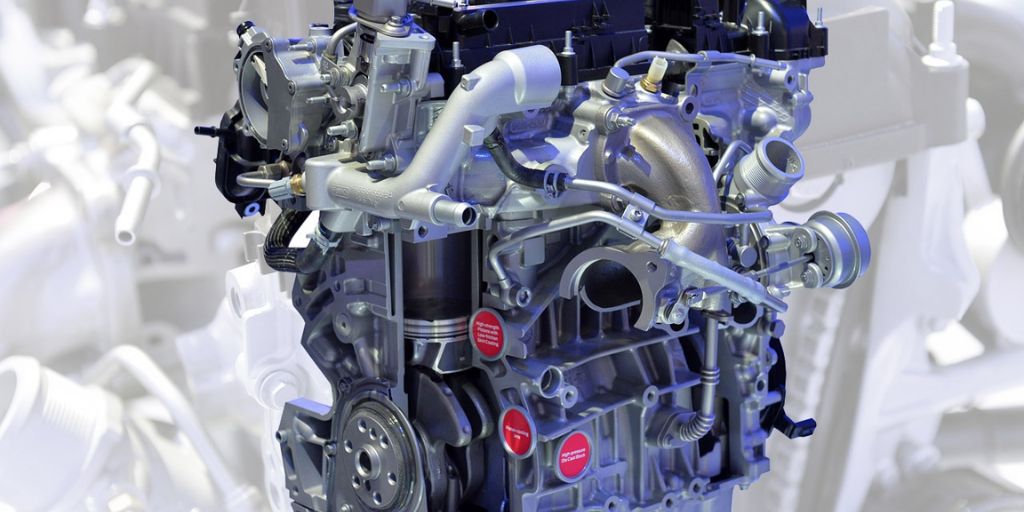
In the automotive world, there’s a common misconception that you need a V6, V8, or exotic powertrain to experience thrilling performance.
However, some of the most impressive engines on the market today prove that four cylinders are more than enough to deliver excitement, efficiency, and reliability all without breaking the bank.
These compact powerhouses represent the pinnacle of modern engineering, utilizing turbocharging, direct injection, variable valve timing, and sophisticated engine management systems to extract remarkable performance from modest displacement.
What makes these engines truly special isn’t just their raw output, but their accessibility. Unlike exotic supercars with six-figure price tags, these four-cylinder mills appear in vehicles that everyday enthusiasts can actually afford.
They deliver sports car thrills during weekend drives while maintaining the practicality and fuel efficiency needed for daily commuting.
Many have earned cult followings among tuners and modifiers who recognize their untapped potential, while others have powered championship-winning race cars and set records on the world’s most demanding circuits.
From Japanese precision to European sophistication and American muscle, these ten four-cylinder engines represent the best value propositions in automotive performance.
They prove that cylinder count doesn’t define capability, and that with clever engineering and forced induction, four pistons can deliver experiences that rival engines with twice the displacement.
Whether you’re a budget-conscious enthusiast, a first-time performance car buyer, or simply someone who appreciates engineering excellence, these engines offer an accessible gateway to automotive passion.
1. Honda K20/K24 Series
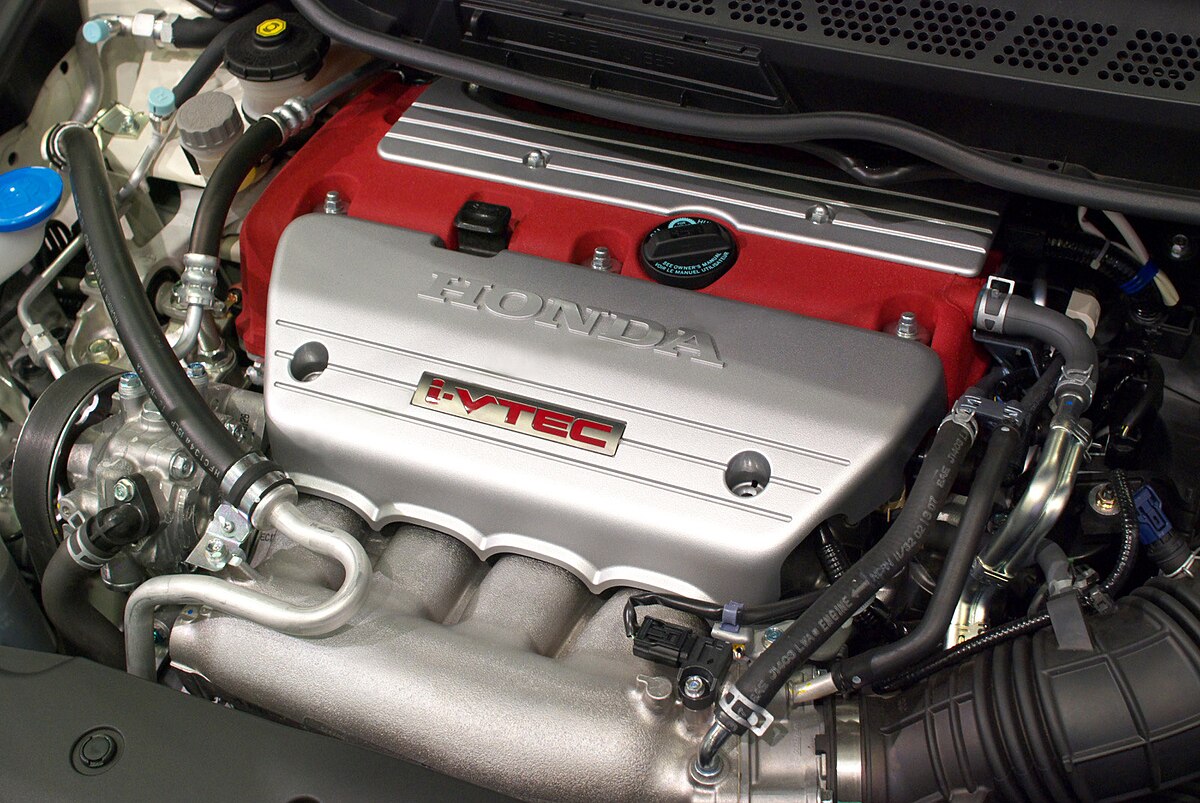
The Honda K-series engine family stands as one of the most celebrated four-cylinder powertrains ever created, earning legendary status among enthusiasts worldwide.
Introduced in 2001, these engines combined Honda’s renowned VTEC technology with i-VTEC (intelligent Variable Timing and Lift Electronic Control), creating a powertrain that delivered both efficiency and exhilarating high-rpm performance.
The K20, displacing 2.0 liters, and K24, at 2.4 liters, appeared in everything from the Civic Si to the Acura RSX Type-S and CR-V, demonstrating remarkable versatility.
What sets the K-series apart is its exceptional engineering foundation. The all-aluminum block features an open-deck design with ample strength for significant power increases, while the cylinder head incorporates Honda’s sophisticated valve train technology.
In naturally aspirated form, engines like the K20A2 produced 200 horsepower with a stratospheric 8,000 RPM redline, delivering a visceral driving experience that modern turbocharged engines struggle to replicate.
The linear power delivery and mechanical symphony created by VTEC engagement at 5,800 RPM became addictive to drivers who experienced it.
The aftermarket support for K-series engines is virtually unmatched. Because Honda used these engines across numerous platforms, parts availability is excellent and prices remain reasonable.
Enthusiasts can source complete engines for under $2,000, making engine swaps accessible even on tight budgets. The modification potential is equally impressive; simple bolt-ons like intake, header, and exhaust systems can liberate an additional 20-30 horsepower, while forced induction setups regularly achieve 400-500 horsepower on stock internals with proper tuning.
Reliability represents another K-series hallmark. With regular maintenance, these engines routinely exceed 200,000 miles without major issues.
The timing chain design eliminates belt replacement concerns, and the robust bottom end withstands aggressive driving and track use.
This durability, combined with Honda’s precision manufacturing tolerances, means K-series engines maintain their performance characteristics throughout their lifespan.
The K-series also revolutionized the engine swap scene. Their compact dimensions and relatively straightforward electronics made them ideal candidates for transplantation into older Hondas, creating lightweight performance machines.
A K-swapped EG Civic or EK hatchback offers supercar-rivaling power-to-weight ratios at a fraction of the cost. This versatility, combined with outstanding performance, reliability, and modification potential, makes the K-series one of the greatest performance bargains in automotive history.
2. Toyota 2JZ-GTE’s Little Brother: The 3S-GTE
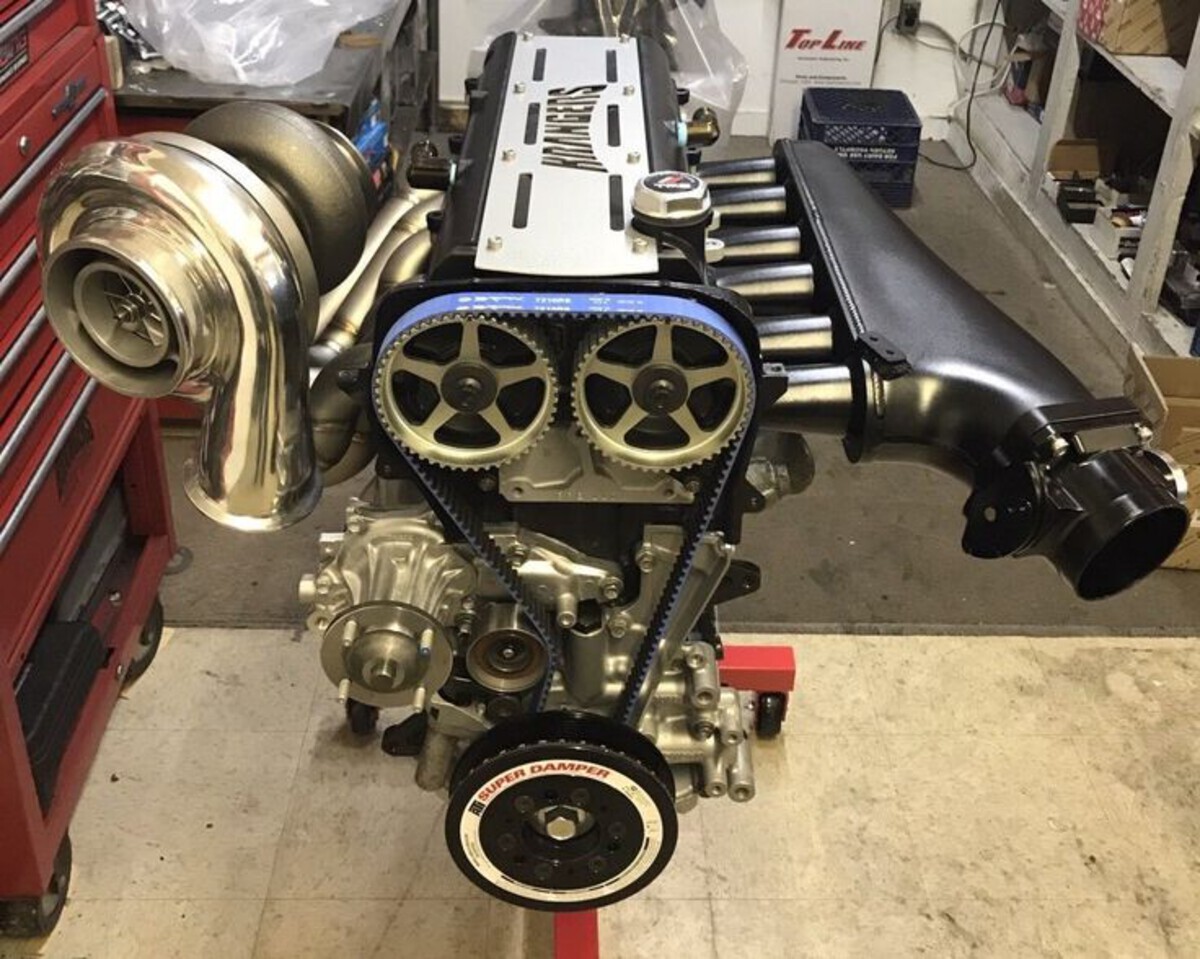
While Toyota’s 2JZ-GTE gained fame for powering the Supra, the 3S-GTE turbocharged four-cylinder deserves equal recognition for delivering tremendous performance value.
Displacing 2.0 liters and appearing in vehicles like the MR2 Turbo, Celica GT-Four, and Caldina GT-T, this engine produced between 200-260 horsepower depending on generation, with massive tuning potential hidden beneath its conservative factory specifications.
The 3S-GTE’s iron block construction provides exceptional strength, allowing it to handle substantial boost increases without expensive internal modifications.
Toyota equipped these engines with oil squirters for piston cooling, a feature typically reserved for high-performance applications, demonstrating their performance intentions from the factory.
The CT26 turbocharger (later upgraded to CT20b in fourth-generation models) provided responsive boost delivery with minimal lag, while the air-to-air intercooler system efficiently managed intake temperatures.
What makes the 3S-GTE particularly attractive is its accessibility in the used market. Complete engines can be imported from Japan for $1,500-$3,000, making it an affordable option for project cars and swaps.
The engine’s dimensions are compact enough for various chassis applications, and its transverse mounting configuration works perfectly for front-wheel-drive and mid-engine applications.
MR2 owners particularly appreciate the engine’s placement, which provides exceptional weight distribution and handling characteristics.
Performance modifications for the 3S-GTE are straightforward and well-documented. A simple boost increase to 14-15 PSI, combined with supporting fuel system upgrades and proper tuning, can push power to 300-350 horsepower on stock internals.
Upgraded turbochargers, larger injectors, and aftermarket engine management systems enable power levels exceeding 500 horsepower, though forged internals become necessary at that point. The robust cylinder head flows exceptionally well with minimal porting, and the strong crankshaft withstands aggressive power increases.
The 3S-GTE also powered some of Toyota’s most successful rally campaigns. The Celica GT-Four dominated Group A rallying in the early 1990s, with Carlos Sainz winning the 1990 World Rally Championship.
This racing pedigree validates the engine’s performance credentials and demonstrates its capability under extreme conditions. For enthusiasts seeking proven turbocharged performance without exotic pricing, the 3S-GTE represents an outstanding choice that combines Toyota reliability with genuine sports car excitement.
3. Mazda 13B-REW (Rotary Engine)
Though technically not a piston four-cylinder, the Mazda 13B-REW twin-turbocharged rotary engine deserves inclusion for offering similar displacement and cylinder count equivalency while delivering extraordinary performance value.
Appearing exclusively in the third-generation RX-7 from 1992-2002, this 1.3-liter engine produced 255-280 horsepower, but its compact size, light weight, and sequential twin-turbo configuration created one of the most thrilling powertrains of the 1990s.
The rotary engine’s unique design eliminated traditional reciprocating components, using triangular rotors spinning within an oval housing instead. This configuration produced an incredibly smooth, high-revving power delivery with minimal vibration.
The 13B-REW’s sequential turbo setup used a smaller primary turbocharger for low-end response and a larger secondary turbo that engaged at higher RPMs, virtually eliminating turbo lag while providing explosive top-end power. The result was an engine that felt naturally aspirated in its responsiveness yet delivered forced-induction thrust.
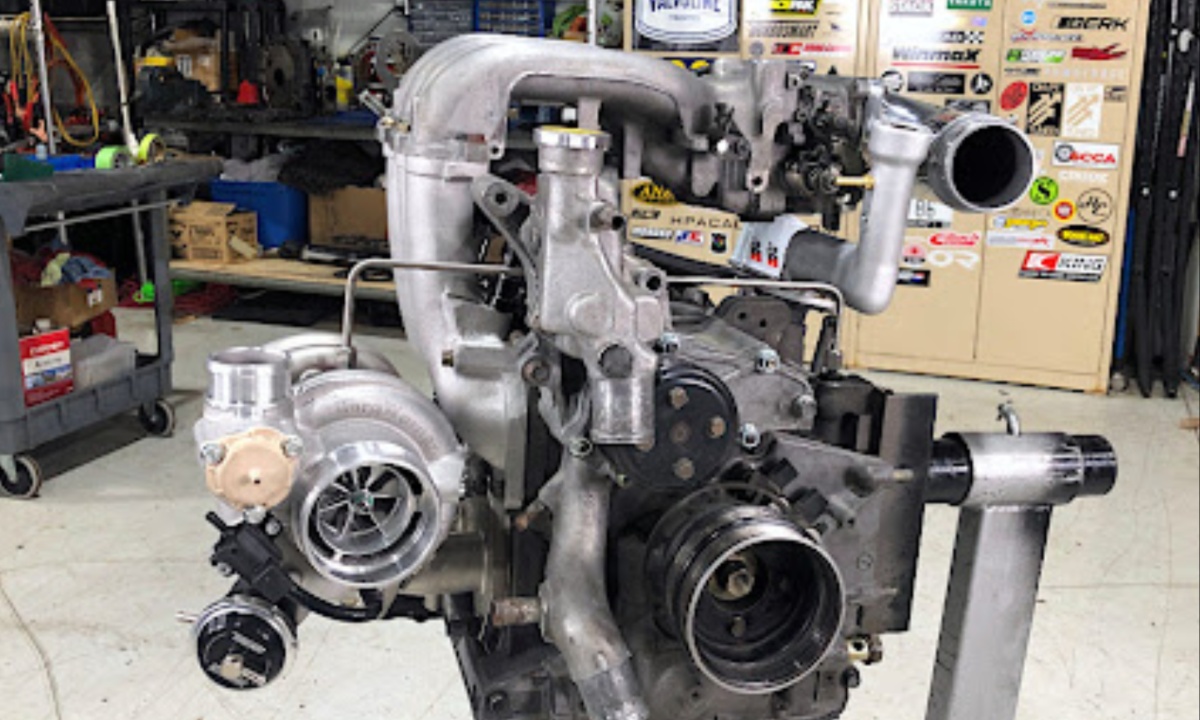
What makes the 13B-REW remarkable is its modification potential relative to its displacement. The engine’s ability to flow massive amounts of air through its unique porting design means that turbo upgrades yield dramatic power increases.
Single-turbo conversions are popular, eliminating the complexity of the sequential system while supporting 400-500 horsepower with supporting modifications. Some built engines exceed 1,000 horsepower, though such extremes require significant investment in apex seals, porting, and supporting systems.
The rotary’s compact dimensions and 50/50 weight distribution made the FD RX-7 one of the best-handling sports cars ever produced.
The engine weighs approximately 250 pounds less than a comparable piston engine, contributing to the car’s phenomenal agility and balance. This lightweight nature also makes the 13B-REW attractive for engine swaps into lightweight chassis, creating incredibly quick machines.
However, rotary ownership requires understanding the engine’s unique characteristics. Apex seal maintenance, oil consumption by design, and fuel efficiency concerns are realities of rotary ownership.
Yet for enthusiasts who appreciate the engine’s distinctive character and are willing to provide proper maintenance, the 13B-REW delivers an experience unlike any other engine, with performance that embarrasses many six and eight-cylinder competitors at a surprisingly accessible price point.
4. Volkswagen/Audi EA888 Gen 3
The EA888 turbocharged 2.0-liter four-cylinder represents German engineering excellence, appearing across Volkswagen Group products including the Golf GTI, Golf R, Audi S3, and numerous other applications.
The third generation, introduced in 2012, corrected previous reliability concerns while delivering impressive performance, outputting between 210-315 horsepower depending on tune. This engine proves that sophisticated European engineering doesn’t require exotic pricing.
The EA888’s technical specifications reveal its advanced design. The cast-iron cylinder liners within an aluminum block provide durability while maintaining reasonable weight.
The integrated exhaust manifold within the cylinder head reduces turbo lag while improving thermal efficiency, allowing the turbocharger to spool more quickly.
Dual injection systems combine port and direct injection, optimizing performance and emissions across the rev range while reducing carbon buildup concerns that plagued earlier direct-injection-only designs.
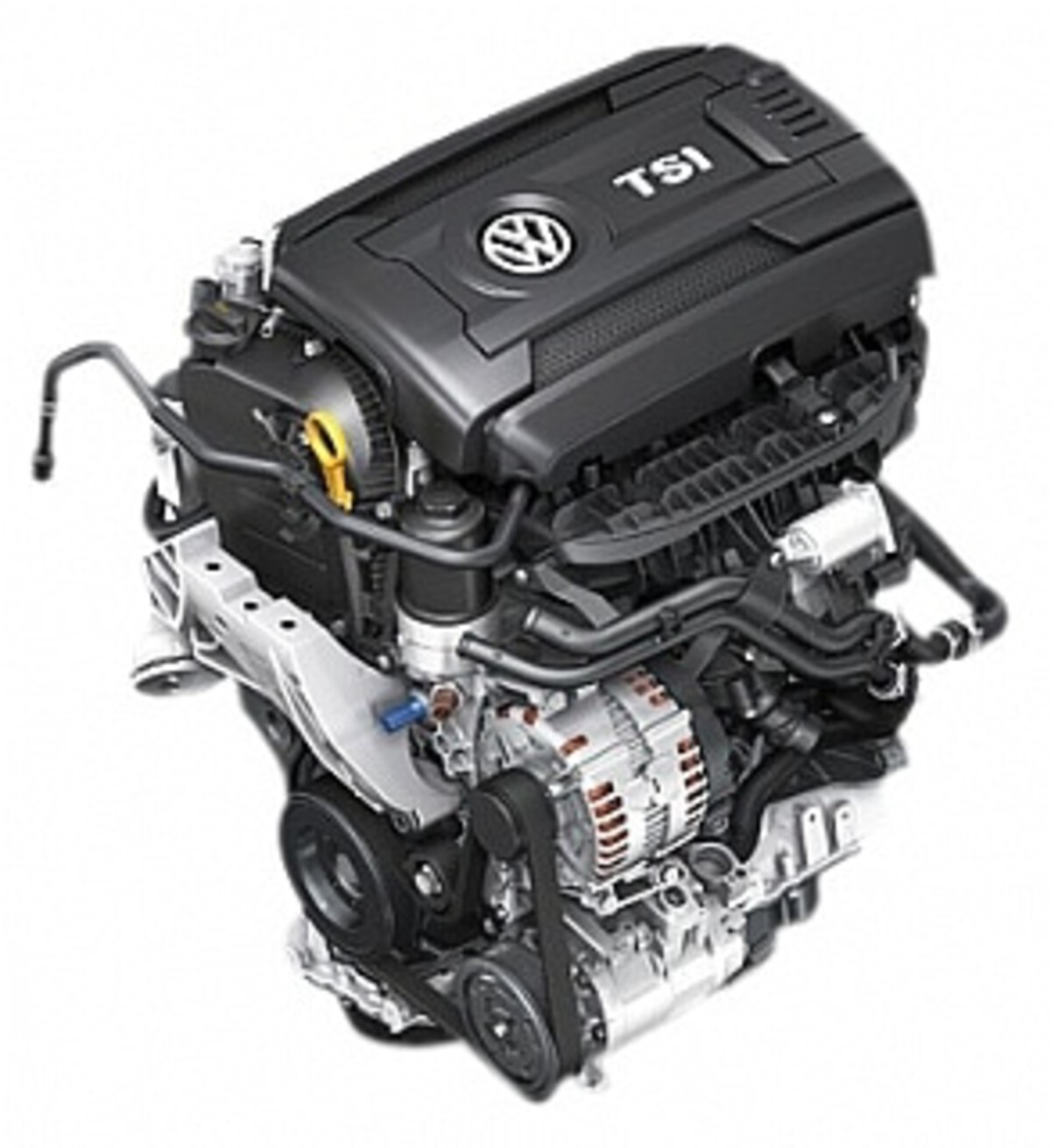
Performance enthusiasts appreciate the EA888’s exceptional response to tuning. Simple ECU reflashes can increase power by 50-80 horsepower, transforming even base Golf GTIs into legitimate performance machines.
The K04 turbocharger used in higher-output variants (Golf R, S3) provides excellent headroom, supporting 400+ horsepower with supporting modifications. The strong bottom end tolerates these increases reliably, and the sophisticated engine management systems adjust parameters to maintain drivability.
What makes this engine particularly valuable is its availability across numerous platforms at various price points. Used Golf GTIs offer entry-level access to this powertrain, while Golf Rs and S3s provide higher-output variants with all-wheel-drive systems.
Parts interchangeability between applications means the aftermarket offers extensive support, and performance parts development benefits from the large enthusiast community. Maintenance costs remain reasonable for a German engine, especially compared to exotic alternatives.
The EA888’s refinement sets it apart from Japanese competitors. The engine delivers power smoothly across the rev range without the peaky characteristics of some turbocharged fours.
Sound symposer systems or aftermarket exhausts can enhance the auditory experience, though the engine produces a satisfying growl even in stock form.
Combined with the sophisticated chassis dynamics of vehicles like the Golf R, the EA888 creates a complete performance package that competes with cars costing significantly more.
Also Read: Top 10 V6 Classics That Never Needed Eight Cylinders
5. Ford EcoBoost 2.3L
Ford’s 2.3-liter EcoBoost engine represents American ingenuity in forced induction technology, delivering impressive performance across diverse applications.
Most famously powering the Mustang EcoBoost and Focus RS, this turbocharged four-cylinder produces 310-350 horsepower depending on application, providing legitimate sports car performance while maintaining reasonable fuel economy.
Ford’s decision to install this engine in the iconic Mustang initially drew criticism, but the 2.3 EcoBoost quickly silenced doubters with its capabilities.
The engine’s architecture features a robust aluminum block with pressed-in iron cylinder liners, providing strength for power increases while maintaining manageable weight.
The twin-scroll turbocharger minimizes lag through improved exhaust pulse separation, creating responsive power delivery that feels natural despite the forced induction.
Direct fuel injection operating at extremely high pressures optimizes combustion efficiency, while dual overhead cams with independent variable valve timing on both intake and exhaust maximize performance across the rev range.
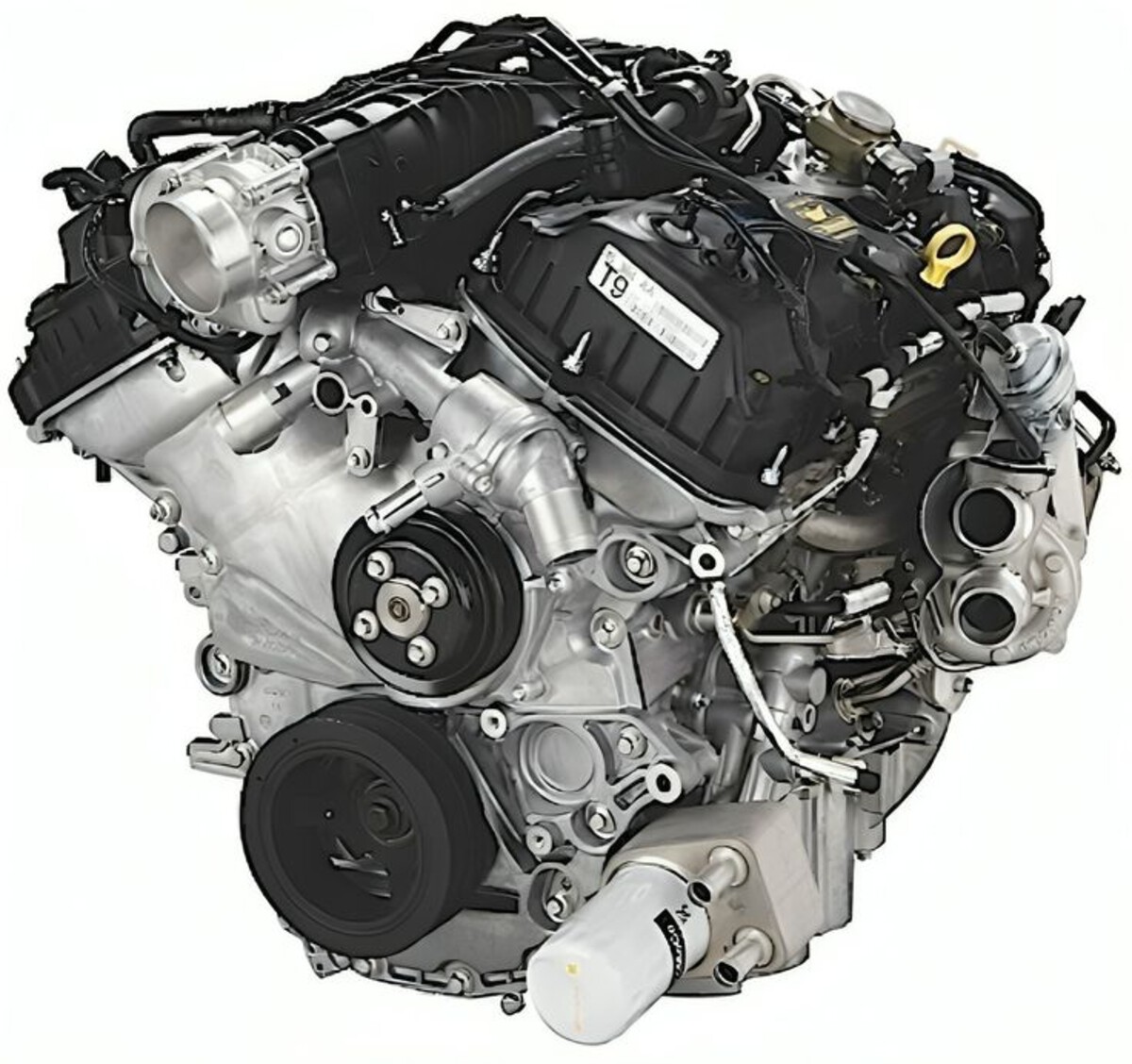
In the Focus RS, the 2.3 EcoBoost achieved legendary status by powering one of the greatest hot hatches ever produced. The combination of 350 horsepower, all-wheel drive with torque vectoring, and sophisticated suspension tuning created a car that competed with vehicles costing twice as much.
The engine’s linear power delivery and 350 lb-ft of torque provided explosive acceleration, launching the Focus RS from 0-60 mph in under 4.7 seconds.
Modification potential for the 2.3 EcoBoost is substantial. The aftermarket has developed extensively since the engine’s introduction, with options ranging from simple bolt-ons to complete turbo upgrades.
Many owners achieve 350-400 horsepower with downpipe, intercooler, and tune combinations, while big-turbo setups push beyond 500 horsepower.
The strong block and internals tolerate these increases with appropriate supporting modifications, making the 2.3 EcoBoost competitive with engines costing far more.
Ford’s widespread use of this engine across multiple platforms ensures parts availability and long-term support. The same basic engine architecture powers Ranger pickups, though in detuned form, demonstrating its versatility and robust design.
For American muscle car enthusiasts seeking modern performance with tuning potential, the 2.3 EcoBoost represents exceptional value, proving that four cylinders can deliver tire-shredding performance in a muscle car package.
6. Mitsubishi 4G63T
The Mitsubishi 4G63T turbocharged engine represents rally-bred performance accessible to everyday enthusiasts. Powering the legendary Lancer Evolution series from 1992-2006 (Evo I-IX), this 2.0-liter powerplant produced 276-286 horsepower in stock form artificially limited by the Japanese gentleman’s agreement but contained far more potential beneath its conservative tuning.
The 4G63T’s rally heritage and proven durability created one of the most respected four-cylinders in performance history. The engine’s cast-iron block construction provides exceptional strength, explaining its popularity in high-horsepower applications.
The closed-deck design offers superior head gasket clamping and cylinder stability compared to open-deck alternatives, allowing the engine to handle extreme boost pressures.
Mitsubishi equipped these engines from the factory with oil squirters, sodium-filled exhaust valves, and robust connecting rods components typically reserved for race engines. This overbuilt foundation makes the 4G63T extraordinarily capable when properly modified.
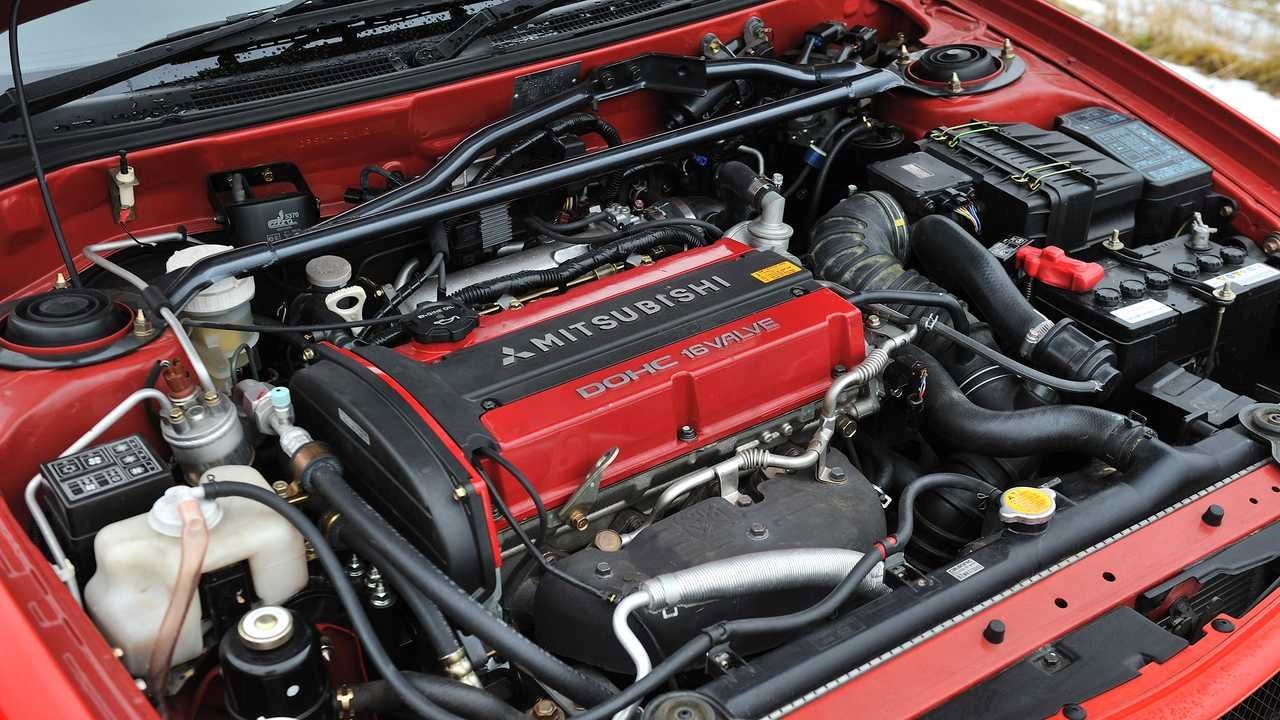
What truly distinguishes the 4G63T is its modification potential on stock internals. Conservative estimates suggest the stock bottom end reliably handles 400-450 horsepower with proper tuning and supporting modifications.
Many examples exceed 500 horsepower on original internals, though longevity becomes questionable at those levels. The aftermarket support is phenomenal, with countless companies offering everything from mild bolt-ons to completely built engines capable of four-digit horsepower figures.
The turbocharger technology evolved throughout the Evo generations, with later versions incorporating titanium-aluminum turbine wheels for reduced rotating mass and quicker spooling.
The MIVEC variable valve timing system in later engines further improved response and broadened the power band. Combined with sophisticated all-wheel-drive systems and active differentials, the 4G63T powered Evos dominated rally stages and drag strips equally.
Reliability with the 4G63T depends entirely on the maintenance and modification approach. Properly maintained examples with conservative modifications regularly exceed 200,000 miles.
The timing belt requires regular replacement, and crankshaft walk a phenomenon where the crankshaft moves fore-aft within the block affects some examples, though the fix is well-documented and preventable.
For enthusiasts seeking proven all-wheel-drive turbocharged performance with enormous tuning potential, the 4G63T remains one of the best values available.
7. Subaru EJ257/EJ207
Subaru’s EJ series engines, particularly the EJ257 and EJ207 variants, powered some of the most beloved performance cars of the 2000s and 2010s.
The EJ257 appeared in USDM WRX STIs from 2004-2021, producing 305 horsepower, while the JDM EJ207 featured more aggressive tuning with similar output.
These horizontally-opposed engines provided Subaru’s symmetrical all-wheel-drive system with a low center of gravity, contributing to the exceptional handling characteristics that defined STI models.
The boxer configuration creates a distinctive rumble from the unequal-length headers used in most versions, giving Subarus their characteristic sound.
Beyond aesthetics, the engine’s layout places the crankshaft closer to the vehicle’s centerline, improving weight distribution and handling balance.
The semi-closed deck aluminum block with cast-iron cylinder liners provides reasonable strength, though the EJ257 has limitations compared to closed-deck alternatives when pursuing extreme power levels.
Modification potential exists but requires more careful consideration than some competitors. The stock internals reliably support approximately 400 horsepower with proper tuning, but the semi-closed deck design makes head gasket failures a concern when boost pressures increase significantly.
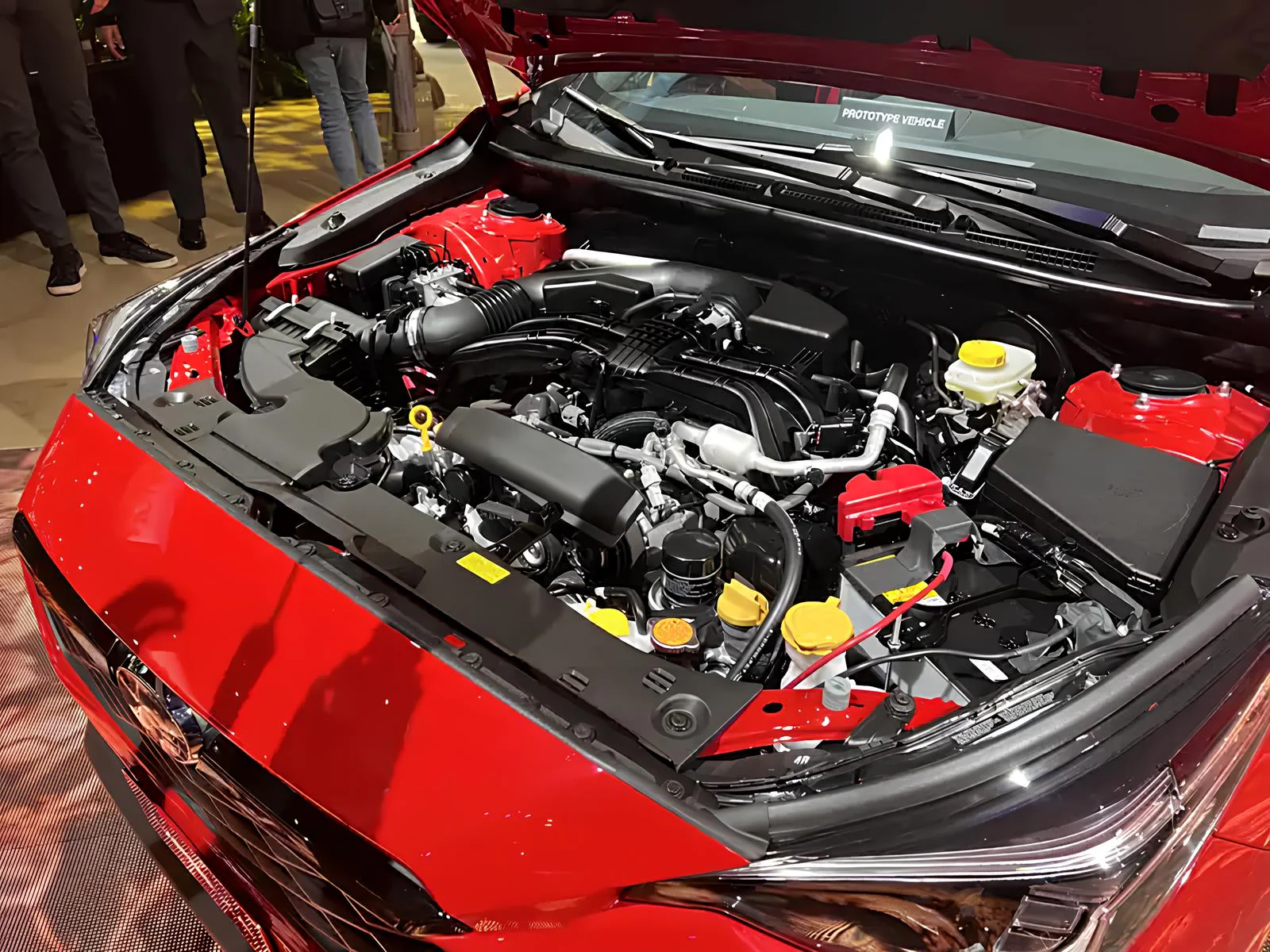
Closed-deck conversions, upgraded head studs, and multi-layer steel head gaskets address these issues, providing foundations for 500+ horsepower builds.
The factory turbocharger is relatively small, prioritizing response over ultimate power, making turbo upgrades popular among enthusiasts.
What makes the EJ series particularly valuable is the complete package Subaru created around these engines. The STI’s driver-controlled center differential, sophisticated suspension geometry, and Brembo brakes combined to create one of the most capable all-weather performance cars ever produced.
The engine’s character with its distinctive sound, immediate response, and relentless power delivery became inseparable from the STI driving experience.
The EJ’s longevity in production meant continuous refinement and extensive aftermarket development. Parts availability is excellent, and the enthusiast community has documented virtually every aspect of maintenance and modification.
While the EJ may not handle extreme power as well as some competitors without significant reinforcement, its combination of unique character, all-wheel-drive capability, and accessible performance makes it an outstanding value for enthusiasts seeking a distinctive driving experience that performs exceptionally in all conditions.
8. Nissan SR20DET
The Nissan SR20DET turbocharged 2.0-liter engine represents one of Japan’s finest performance four-cylinders, combining robust construction with impressive tuning potential.
Though never officially imported to North America in SR20DET form, this engine powered numerous JDM performance cars, including the Silvia S13/S14/S15, Pulsar GTI-R, and Bluebird SSS. Its reputation among drifters and tuners has made it one of the most sought-after engines for imports and swaps.
Nissan engineered the SR20DET with performance in mind from conception. The aluminum block features strong siamesed cylinder walls, providing excellent structural integrity for boost increases.
The forged steel crankshaft and robust connecting rods from the factory indicate Nissan’s performance intentions, allowing the stock bottom end to reliably handle 300-350 horsepower.
The T25 or T28 turbochargers (depending on variant) provide responsive boost delivery, though many enthusiasts upgrade to larger turbos for increased power potential.
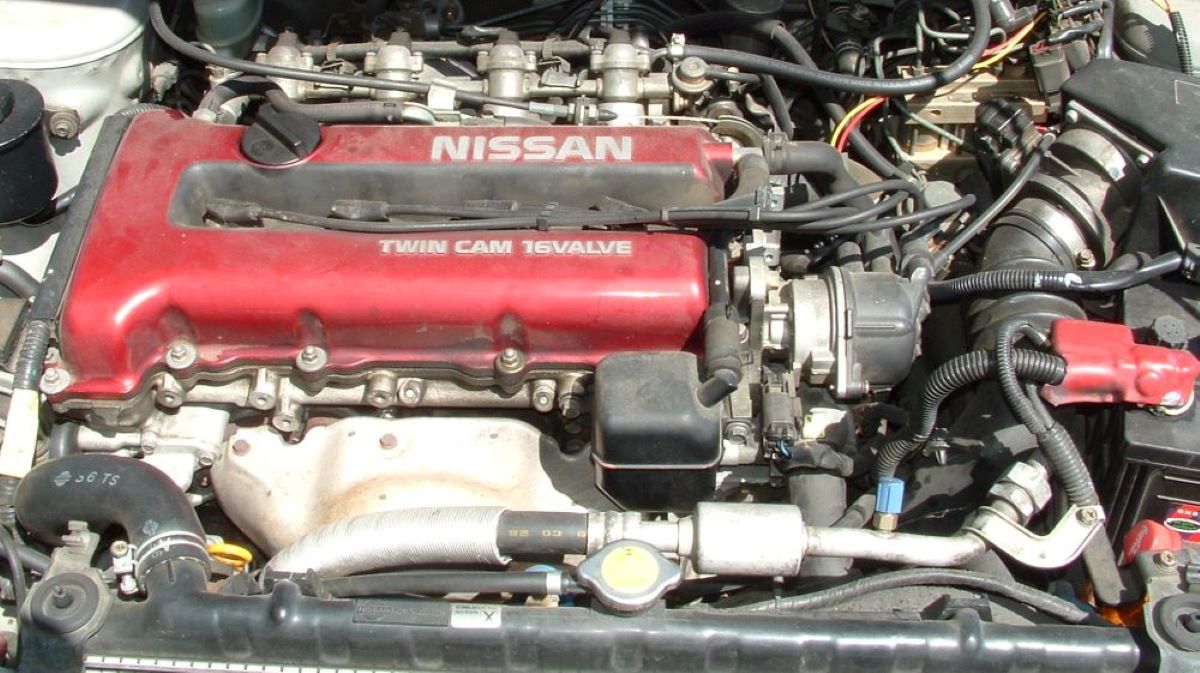
What makes the SR20DET particularly appealing is its light weight approximately 300 pounds complete and compact dimensions. This makes it ideal for front-engine, rear-wheel-drive swaps into chassis like the Nissan 240SX, creating perfectly balanced drift machines.
The engine’s rear-mounted turbo configuration simplifies piping in many applications, and its relatively simple electronics make standalone engine management systems easy to implement.
Modification potential is extensive and well-documented. Simple bolt-ons like exhaust, intake, and boost controller can push power to 275-300 horsepower.
Upgraded turbochargers, larger injectors, and aftermarket ECUs enable 400-500 horsepower, while built engines with forged internals reach beyond 700 horsepower in competition applications.
The cylinder head flows exceptionally well with minimal work, and the strong valve train tolerates aggressive camshafts for naturally aspirated builds.
The SR20DET’s widespread use in drifting has created enormous aftermarket support. Every conceivable part is available, from mild performance upgrades to complete race-spec components.
Used engines imported from Japan remain relatively affordable at $2,000-$4,000 depending on variant and condition, making SR20DET swaps accessible even on modest budgets.
For rear-wheel-drive enthusiasts seeking proven turbocharged performance with tremendous modification potential and distinctive Japanese character, the SR20DET represents outstanding value.
9. BMW N20/B48
BMW’s modern turbocharged four-cylinder engines, particularly the N20 (2011-2017) and its successor the B48 (2015-present), demonstrate that luxury brand performance can be accessible.
These 2.0-liter engines appear across BMW’s lineup in vehicles from the 2-Series to the X3, producing between 181-255 horsepower depending on tune.
The modular architecture allows BMW to scale output through turbocharger sizing, software calibration, and supporting systems, creating diverse applications from the same basic engine.
The N20 introduced TwinPower Turbo technology BMW’s marketing term for twin-scroll turbocharging combined with variable valve timing and direct injection.
This combination virtually eliminated turbo lag while providing strong torque across the rev range. The B48 evolution refined these technologies further, adding Valvetronic variable valve lift for improved efficiency and response.
Both engines feature lightweight construction with aluminum blocks and sophisticated thermal management for consistent performance.
Performance enthusiasts discovered these engines respond exceptionally well to tuning. ECU reflashes increase power by 40-60 horsepower and similar torque gains, transforming already capable cars into genuinely quick machines.
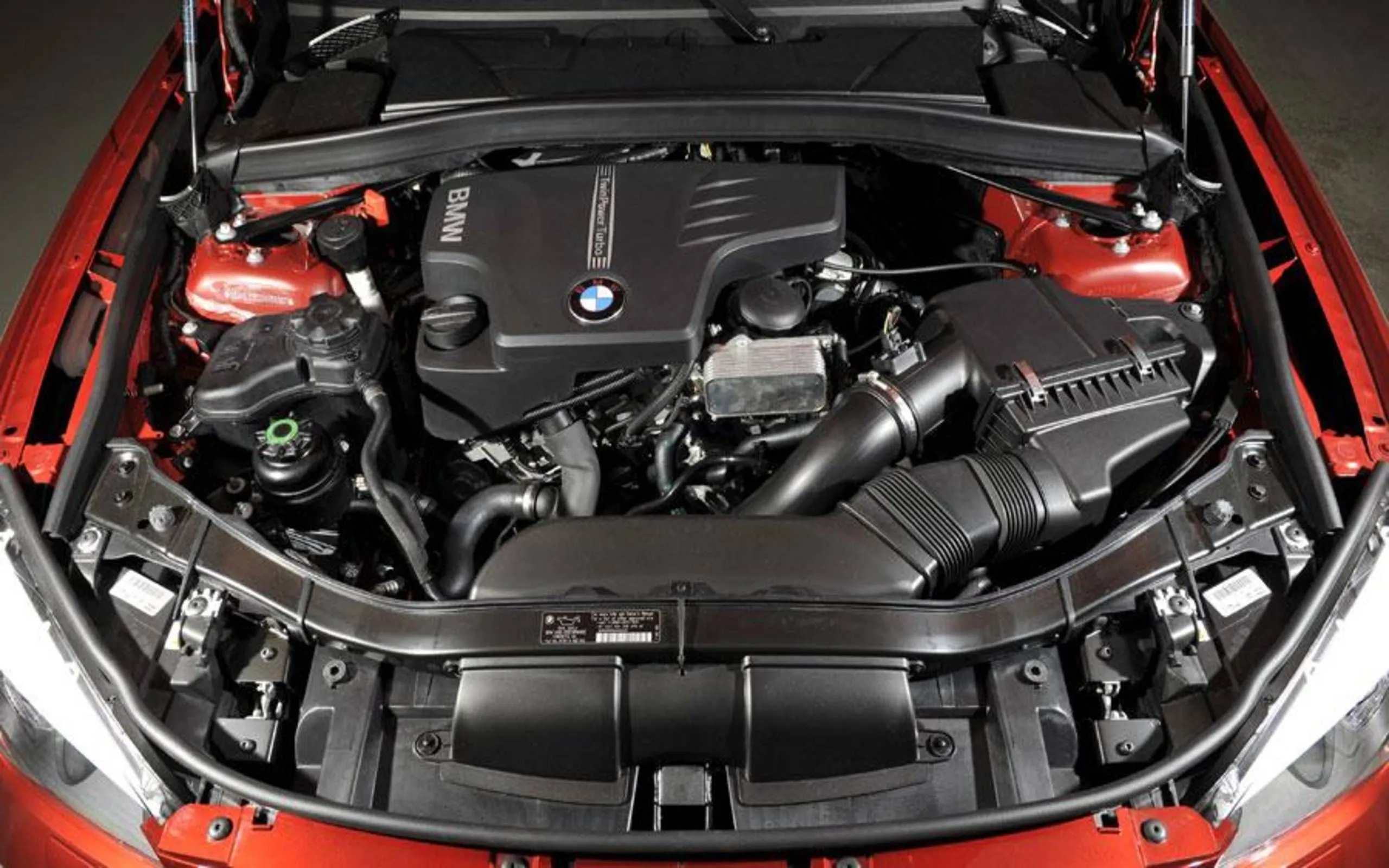
The strong bottom end tolerates these increases reliably, and the sophisticated engine management adapts to modifications gracefully. Upgraded downpipes, intercoolers, and intakes complement software modifications, pushing output beyond 350 horsepower in aggressive builds.
What makes BMW’s four-cylinders particularly valuable is their refinement and integration. The engines deliver power smoothly with minimal turbo lag, providing a naturally aspirated-like response despite forced induction.
Sound symposer systems or aftermarket exhausts can enhance the experience for enthusiasts seeking more auditory feedback. The engines’ placement in rear-wheel-drive platforms like the 2-Series creates engaging driving dynamics that justify BMW’s “Ultimate Driving Machine” tagline.
Reliability has proven solid with proper maintenance, though the N20’s timing chain was problematic in early examples an issue BMW addressed through warranty extensions and redesigned components.
The B48 corrected these concerns while improving efficiency and output. For enthusiasts seeking German luxury and dynamics without M-car pricing, these turbocharged fours provide compelling performance that makes larger engines unnecessary for most driving situations.
10. Hyundai/Kia 2.0T (Theta II)
Hyundai and Kia’s turbocharged 2.0-liter Theta II engine represents how far Korean manufacturers have progressed in performance engineering.
Appearing in vehicles like the Veloster N, Kona N, Elantra N, and Kia Stinger, this engine produces 275-300 horsepower depending on application, impressive output that rivals established performance brands at significantly lower prices.
Hyundai’s N division has leveraged this engine to create genuinely thrilling hot hatches that compete with German and Japanese legends.
The engine features an aluminum block with cast-iron cylinder liners, providing a balance of weight savings and durability. Twin-scroll turbocharging minimizes lag, while direct injection and continuously variable valve timing optimize performance across the rev range.
The sophisticated engine management systems include features like overboost functions that temporarily increase output for aggressive acceleration, and rev-matching for manual transmissions. These technologies demonstrate Hyundai’s commitment to creating engaging driving experiences.
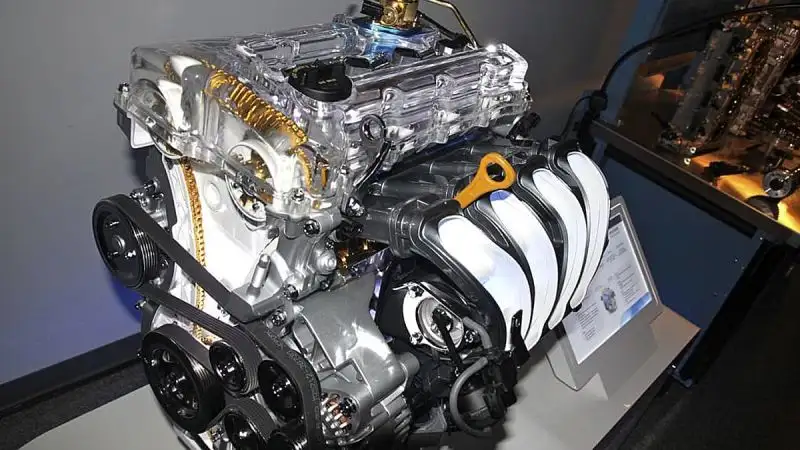
What makes the Theta II particularly impressive is the complete performance package Hyundai created around it. The Veloster N, for example, combines the engine with electronically controlled suspension, an electronically controlled limited-slip differential, and launch control features typically reserved for expensive performance cars.
The result is a hot hatch that embarrasses competitors, costing substantially more, with lap times and performance metrics that validate its capabilities.
Modification potential is still developing as these engines are relatively new, but early results are promising. Simple tunes increase output by 30-50 horsepower, and the strong internals suggest significant headroom exists.
The aftermarket is expanding rapidly as these cars gain popularity, with companies developing exhaust systems, intake modifications, and turbo upgrades. Hyundai’s 10-year/100,000-mile powertrain warranty provides peace of mind, though modifications may affect coverage.
The value proposition is extraordinary. A new Veloster N or Elantra N delivers 275+ horsepower with sophisticated chassis dynamics and modern amenities for under $35,000, a price point that makes performance car ownership accessible to enthusiasts who might otherwise be priced out.
The Theta II proves that Korean manufacturers have mastered performance engineering, creating engines that punch dramatically above their price class while offering the reliability and warranty support that makes them practical for daily driving.
Also Read: Top 8 Used Sports Cars Under $30K That Investors Are Quietly Chasing
