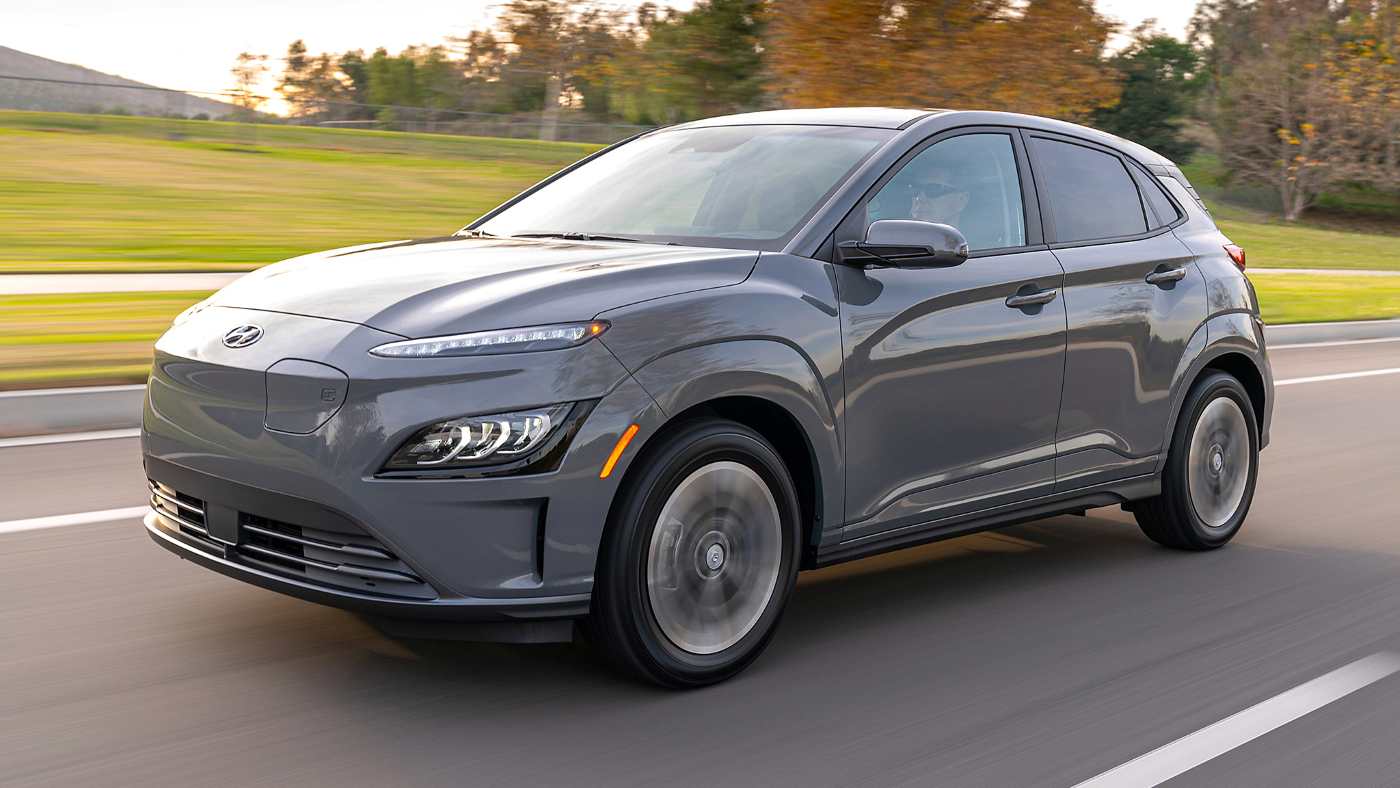
Hyundai’s price cuts aim to boost demand for the Inster and Kona Electric, though competition from Chinese EVs remains fierce. Hyundai trims Inster pricing, yet it remains significantly more expensive than rival EVs.
Kona Electric and Hybrid see price adjustments across the Australian range. Aggressive Chinese EV pricing continues to pressure Hyundai.
As Australia’s electric vehicle market grows increasingly crowded, the pressure on local brands is mounting, particularly from competitively priced Chinese imports. In response, Hyundai has announced significant price cuts for two of its EV offerings: the compact Inster and the updated Kona Electric.
Starting with the smaller Inster, which was recently driven by the media, buyers can now save up to AU$7,288 (roughly US$4,900).
The base Inster Standard Range now starts at AU$35,990 (US$24,200), including all on-road costs. Despite the discount, it remains undercut by the base BYD Atto 1, which starts from AU$26,500 (US$17,800) in standard trim or around AU$30,650 (US$20,600) for the Premium version.
The Inster itself is practical and well-equipped for its size, making efficient use of interior space and offering a strong feature set. However, these strengths haven’t translated into strong sales. Only 467 units sold between June and December last year in Australia, largely due to its relatively high price point.
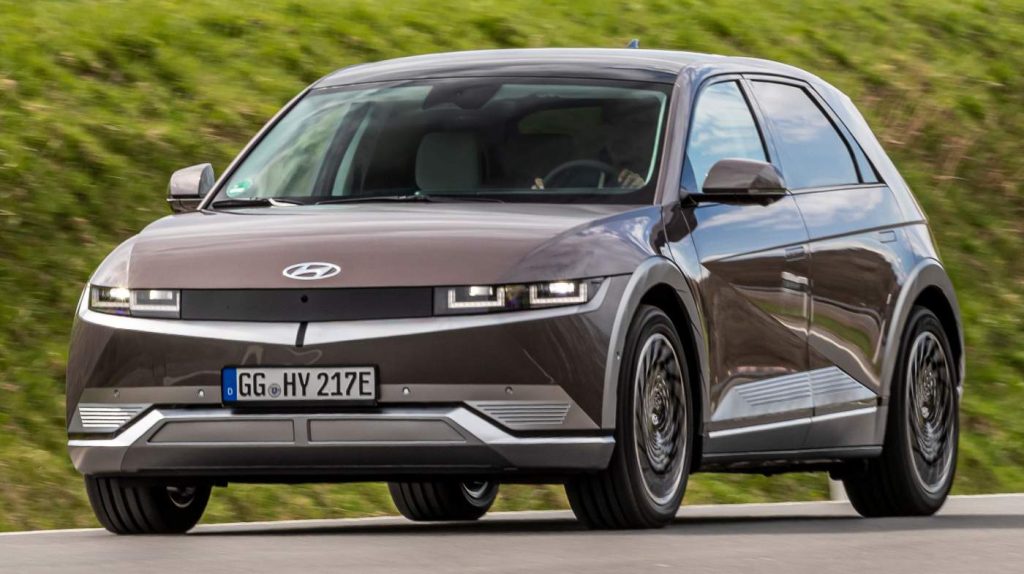
Even more dramatic cuts have been applied to the Hyundai Kona Electric and Kona Hybrid. The entry-level Kona Electric Standard Range now starts at AU$45,990 (US$30,900), a reduction of more than AU$13,000 (US$8,700). The Kona Hybrid also sees a notable drop, with prices falling to AU$39,990 (US$26,900).
These changes position the Kona Electric competitively against models such as the Geely EX5, which starts just above AU$44,000 (US$29,500).
Elsewhere, the Kona Electric Extended Range sees a price reduction of AU$13,357 (US$9,000), bringing its cost to AU$49,990 (US$33,600) including on-road fees. The Kona Electric Premium’s price is similarly reduced by AU$13,857 (US$9,300), no longer starting at AU$59,990 (US$40,300).
Sales figures highlight the challenges Hyundai has faced in the EV segment. Only 541 Kona Electrics sold locally last year, accounting for just 2.4 percent of total Kona sales, far from the breakout performance the brand hoped for.
Lowering prices helps the Kona Electric remain competitive against newer Chinese EV models and also clears the path for Hyundai’s upcoming Elexio.
Built in China and priced from AU$59,990 (US$40,300), the Elexio occupies the mid-range position between the Kona Electric and the more premium Ioniq 5. Hyundai markets it as a rival to the Kia EV5, BYD Sealion 7, and Tesla Model Y, creating a more structured EV lineup with clearer progression for buyers.
Also Read: Top 12 JDM Bargains You Can Still Buy for Under $10,000