Let’s be real for a minute Boston streets are a beast. If you’re cruising in something huge, you’re asking for stress.
Hatchbacks should be the perfect antidote: compact, nimble, and capable of threading through traffic like a needle. But not all hatchbacks are built the same.
Some feel like they were made for city life, while others end up feeling too wide and awkward, especially when you’re trying to squeeze into an impossibly tight spot in the North End.
In this article, I’m breaking down five hatchbacks that handle Boston streets like a dream and five that feel too wide for the job. I’m not going to sugarcoat it you’re looking for real-world impressions, not marketing fluff. I want you to walk away feeling like you can pick the right car for your day-to-day without second-guessing.
We’ll look at how they feel in tight turns, how easy they are to park on cramped streets, and whether they actually make city driving less of a headache. And yeah, we’re talking about real issues like blind spots at crosswalks, visibility when someone double-parks, and whether you have to take three tries to get into a parallel spot on Beacon Hill.
You might love a hatchback on paper, but that doesn’t mean it’s going to be great when the street narrows, the bus pulls up, and the crosswalk sign blinks at you like it’s judging your every move. Some cars just fit the chaotic flow of Boston traffic. Others? They make you wonder why they don’t shrink themselves a little.
So buckle up. We’re diving into the rides that help you conquer city streets and the ones that leave you thinking, “Why is this thing hanging over every line like that?”
5 Hatchbacks That Handle Boston Streets Like a Pro
Boston driving rewards cars that feel small, sharp, and easy to place on the road. The hatchbacks in this list shine because they don’t fight you in tight lanes or crowded neighborhoods.
They turn quickly, park without drama, and give you clear awareness of your surroundings. These cars feel comfortable slipping through narrow streets, dodging double-parked vehicles, and squeezing into spots that look impossible at first glance.
Instead of making you slow down and overthink, they work with you which is exactly what city driving demands.
ALSO READ: 6 Cars for Kent (WA) Suburban Commuting vs 6 That Need Specialists
1. Toyota Yaris Hatchback
If you want simple, sensible, and solid in the city, the Toyota Yaris hatchback feels like it was crafted with Boston’s narrow lanes in mind. I’m talking about a car that doesn’t make you overthink every turn.
With its tight turning radius, you can swing into tight streets without feeling like you need to sacrifice a wing mirror. The visibility from the driver’s seat is genuinely refreshing; you can actually see what’s happening around you instead of guessing whether that scooter is about to zoom up your left side.
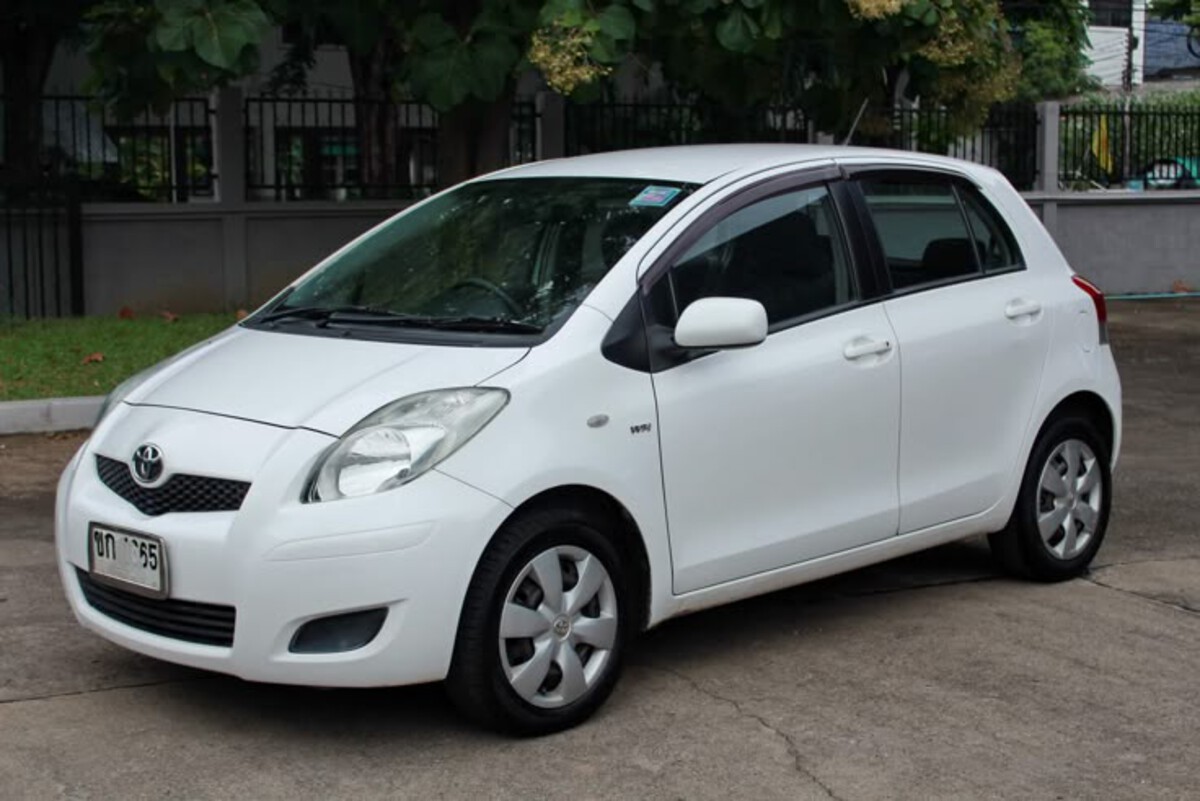
Parking in the North End or Back Bay becomes… less dramatic. That doesn’t sound sexy, but trust me, it matters. You’re not battling the car, you’re just getting in, turning the wheel, and settling the thing into a spot like a pro.
And the compact footprint means even when you’re sandwiched between SUVs and delivery vans, you don’t feel like an afterthought. You can actually wedge the Yaris where bigger cars would just glare at you.
The engine isn’t about fireworks; it’s about predictability. You won’t confuse it with a sports car, but you will appreciate the smooth throttle response as you creep through that horrid traffic circle near Government Center.
It feels composed, predictable, and yes reliable. Fuel economy is a city driver’s best friend, and the Yaris delivers without fuss.
Is it flashy? Nah. But on Boston’s streets, functionality matters more than flair. The Yaris doesn’t pretend to be anything it’s not. It just works the way you hope a small hatchback will easy to maneuver, easy to park, and easy to live with day after day.
2. Honda Fit
Okay, real talk: the Honda Fit feels like the Swiss Army knife of hatchbacks and Boston drivers love tools that do more than one thing well.
When you’re navigating crazily narrow stretches, the Fit’s size and steering precision make it feel almost like it’s reading your mind. Take a tight corner? No problem. Dodge a double-parked Uber? Done. Thread through traffic without breaking a sweat? You bet.
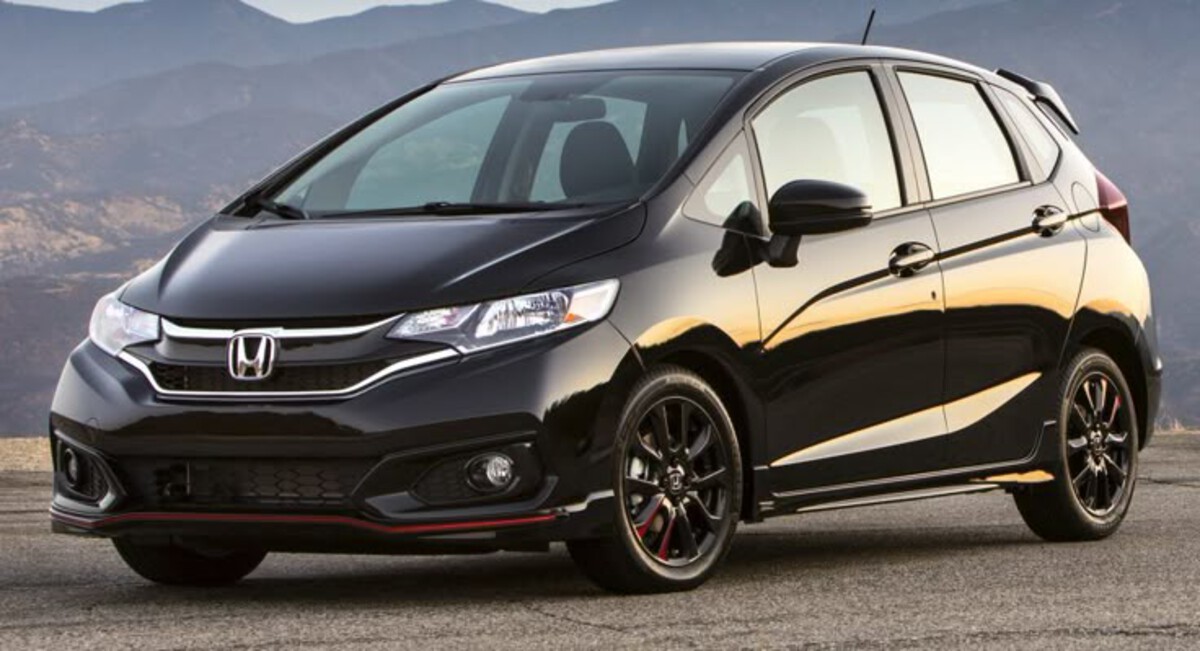
The interior is wild considering the small exterior. Seriously, Honda’s clever packaging gives you a ton of usable space without ballooning the width.
That’s a huge win when you’re squeezing into a spot on Charles Street and praying you don’t scrape a neighbor. The seats fold in so many configurations you could carry furniture one day and groceries the next without feeling like you’re driving a full-size SUV.
You’re not going to feel like a racecar driver, but that’s fine. In Boston, composure beats bravado. And the Fit delivers smooth, predictable handling plus great visibility something you’ll thank yourself for when pedestrian traffic suddenly appears from nowhere near Faneuil Hall. The windows are generous, and the cabin layout doesn’t block your view, so you actually see what’s around you instead of guessing.
And yeah, it’s economical both at the pump and in terms of stress. The Fit doesn’t force you to overthink your lane choices or fear every curb. It’s cooperative, friendly even, in a way that not all cars are. It feels like a partner in your daily commute rather than some bulky machine you’re constantly wrestling.
If you ask me, the Fit handles Boston like a city-born hatchback should small enough to be nimble, clever enough to be practical, and confident enough to make you forget you’re always on edge.
3. Mini Cooper Hardtop
Alright, let’s talk about the Mini Cooper Hardtop. This one is a bit polarizing, some people think Minis are too cute to take seriously. But in the chaos that is Boston’s city grid? This car’s compact size and razor-sharp handling make a statement.
First up: size. The Mini feels like it shrinks when you’re driving. You look at the dimensions on paper and think, “Okay, it’s small,” but when you’re actually weaving through downtown traffic or squeezing into a tight Winchester Street spot… damn.
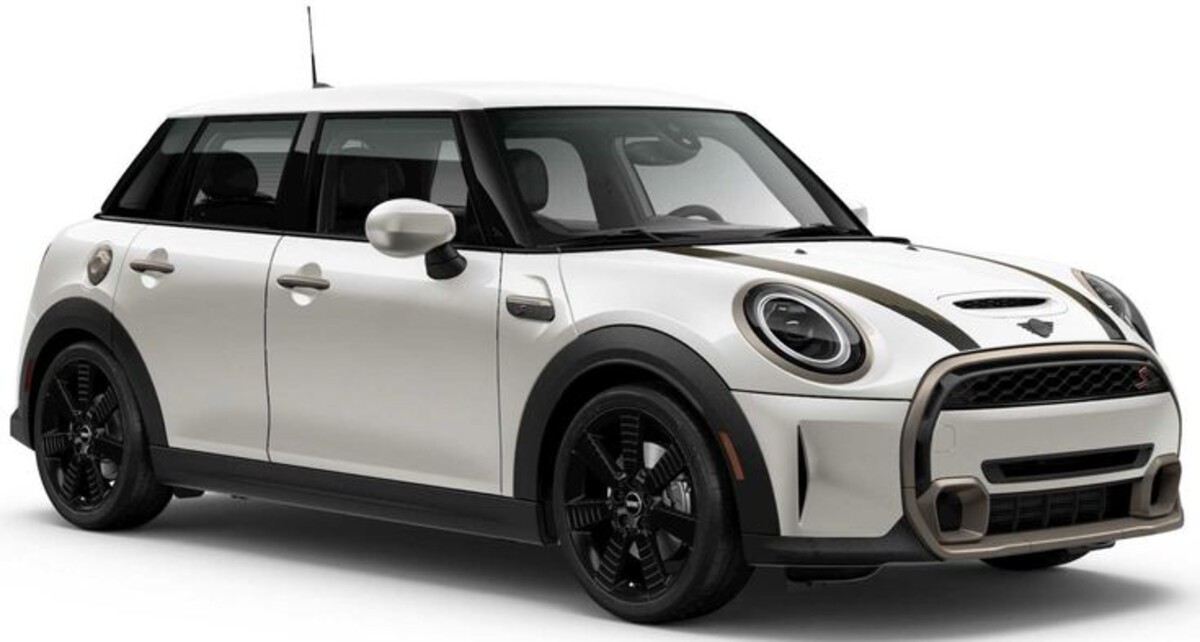
The thing disappears between bigger cars. It’s almost fun watching larger SUVs eyeball you like you’re breaking some unwritten rule of physics.
Steering is where the Mini really shines. Turn-in is snappy without feeling twitchy which is a nice middle ground. That means if you decide at the last second to swing into a narrow opening, the car responds like it’s ready for the challenge.
Visibility isn’t perfect every hatchback has its blind spots but it doesn’t kill the vibe. You learn the quirks, and after a day or two, you just drive it instead of fighting it.
The interior feels upscale for what it is, which is a nice bonus. Boston driving can be a grind, so having a cabin that feels well-thought-out and comfortable helps keep your mood in check. And while the suspension is firmer than some rivals, it doesn’t make city potholes feel like landmines it just gives the car that playful edge that matches its personality.
So is it perfect? No, no hatchback truly is. But for sheer confidence in tight, unpredictable situations, the Mini Cooper Hardtop does more than hold its own. It takes the madness of city streets and makes it feel like a challenge you can enjoy.
4. Ford Fiesta ST
Let’s shift gears into something a bit more spirited: the Ford Fiesta ST. If you want nimble and slightly fun in a way that makes Boston’s tight corners feel like mini challenges instead of headaches, this one lands in a sweet spot. You don’t buy a Fiesta ST for its quiet cabin or plush seats you buy it because it feels alive in traffic.
The first thing you notice is how eager it is to turn. Steering is sharp, and the chassis feels planted even when you’re darting through intersections or threading between buses and parked cars.
That might sound like overkill for a city car, but trust me when you’re trying to beat that light on Comm Ave, that responsiveness is a huge confidence booster.
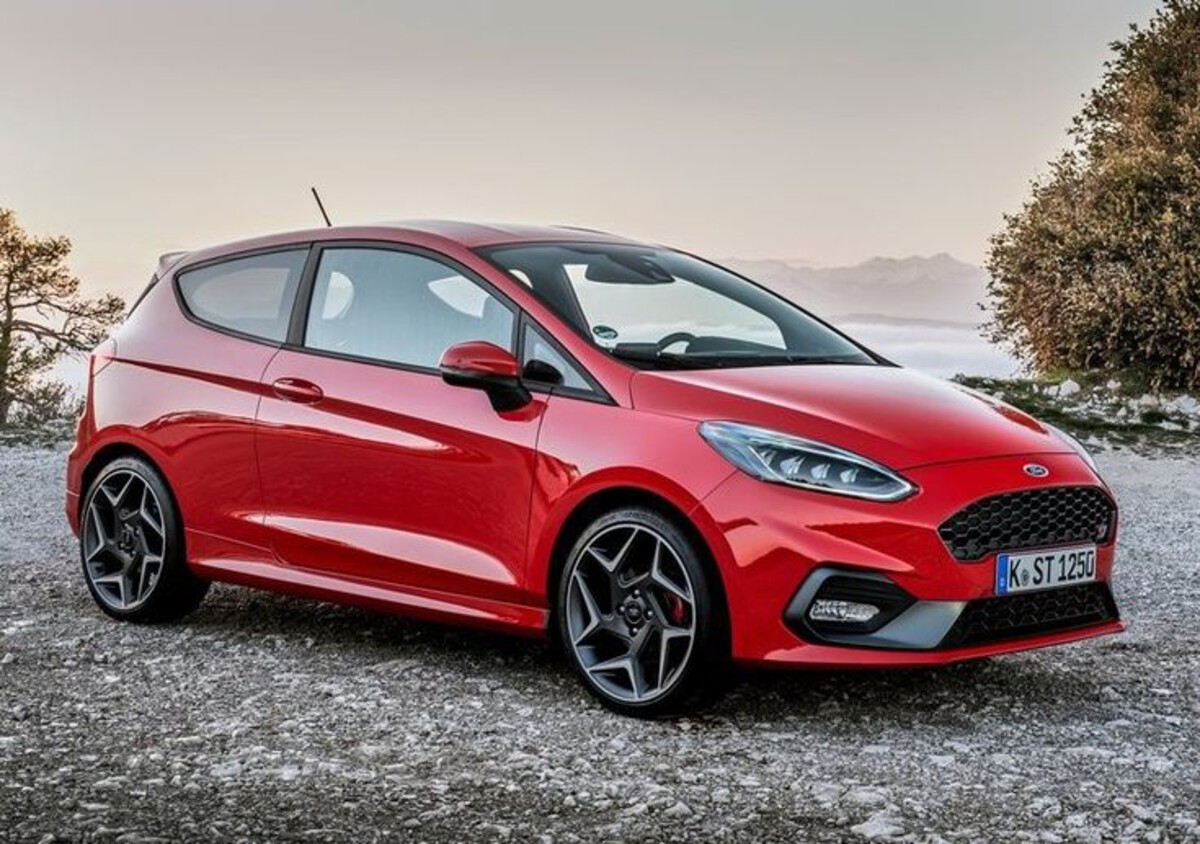
Parking? Surprisingly chill. The Fiesta ST’s compact size helps a bunch, and the crisp steering makes those precise adjustments feel intuitive rather than stressful. Yeah, you’ll still hold your breath sometimes, but it feels like you’re in control.
On the flip side, the ride is a bit firm you’ll feel potholes more than in softer hatchbacks but there’s something gritty and honest about it. It makes the chaos of Boston feel like a game rather than a grind. And if you hit open roads outside the city, you get a car that actually rewards you for pushing a little harder, which is rare in this segment.
Interior visibility is solid, and the cabin doesn’t clutter up your sightlines. That’s key when jaywalkers lurk around every corner.
The Fiesta ST isn’t for everyone. If you want whisper-quiet smoothness, look elsewhere. But if you want a hatchback that makes you feel ready for traffic’s twists and turns, actually engaged with your drive this one handles Boston streets like it’s doing you a favor.
5. Volkswagen Golf
Now here’s one that feels like a reliable city hatchback with a little grown-up polish the Volkswagen Golf. This car doesn’t try too hard to be flashy, but day-to-day driving in Boston. It just gets along with your plans without arguing.
First up, size and presence. The Golf has some substance without being bulky. You get that reassuring solidity when you close the door, but the footprint doesn’t overreach into SUV territory. That balance makes it easier to park on cramped streets or slip through narrow gaps without feeling like you’re piloting something oversized.
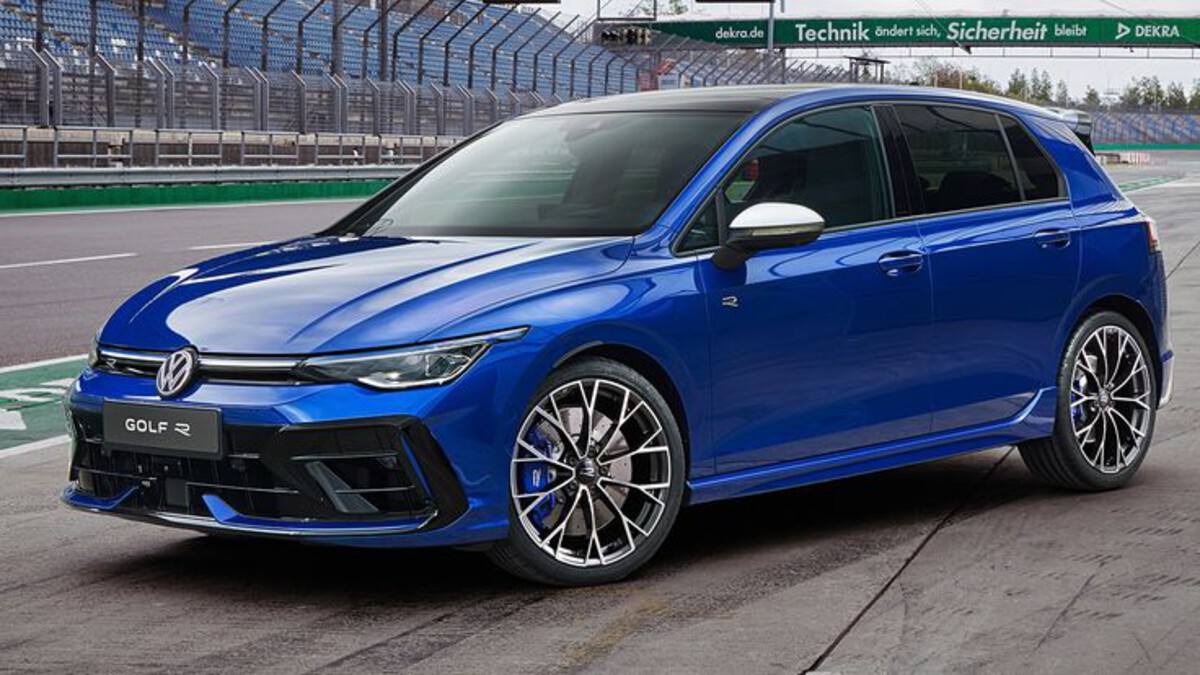
Steering and handling are competent not wild, not dull. It’s the kind of car that gives you confidence without making you feel like you’re wrestling a wild animal. That’s underrated in city driving.
You don’t want to be fighting your car, you want it to cooperate. The Golf does that nicely. You get predictable turn-in, decent visibility over the hood, and a suspension that smooths out urban imperfections without floating like a cloud.
Inside, the layout is practical and intuitive. You don’t have to think about where things are just reach, adjust, and keep moving. Controls are straightforward, your view around the car is decent, and the hatchback cargo space is genuinely useful on errands or weekend gear hauls.
What really sells the Golf for Boston is the blend of maturity and ease. It doesn’t make you second-guess every move, but it doesn’t disappear either. Traffic circles, alley-sized streets, and sudden stops feel manageable without drama.
It’s not the smallest kid on the block, but it’s smart about how it uses its space. If you want a hatchback that feels competent, comfortable, and not like it’s working against you in the city, the Volkswagen Golf is worth a hard look.
5 Hatchbacks That Feel Too Wide for Boston Streets
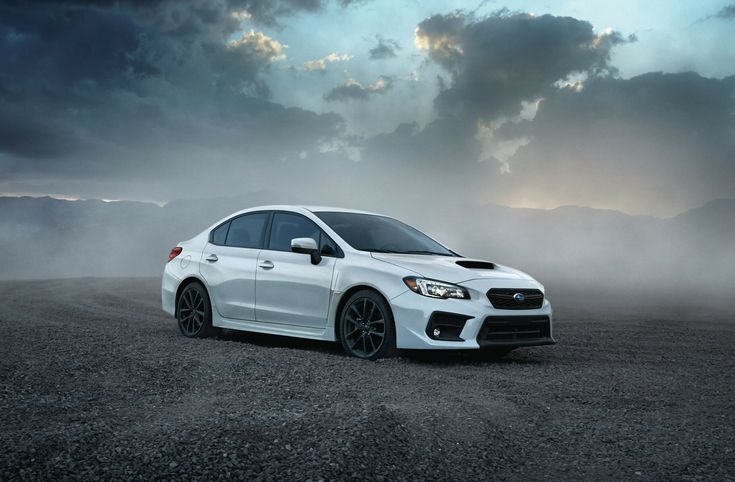
Boston doesn’t forgive extra width, and these hatchbacks prove that fast. The Subaru Impreza Hatch sounds city-friendly, but in tight lanes it feels bulkier than expected, especially when cars are parked on both sides. The Kia Ceed looks compact, yet its wide stance makes squeezing past delivery trucks more stressful than it should be.
ALSO READ: 7 EVs That Fit Easily in Tight City Parking
6. Subaru Impreza Hatch
Alright, don’t get me wrong the Subaru Impreza hatchback has its perks. All-wheel drive is great in winter, and the cabin feels solid. But on Boston streets? It often feels like you’re lugging around a bit more bulk than the situation calls for.
Let’s talk width first. The Impreza isn’t huge, but in tight downtown scenarios where every inch counts, it feels wider than you expected. When you’re trying to get past double-parked cars or thread through that bottleneck on Newbury Street, you’re constantly reminding yourself to micro-adjust and that’s draining in stop-and-go situations.
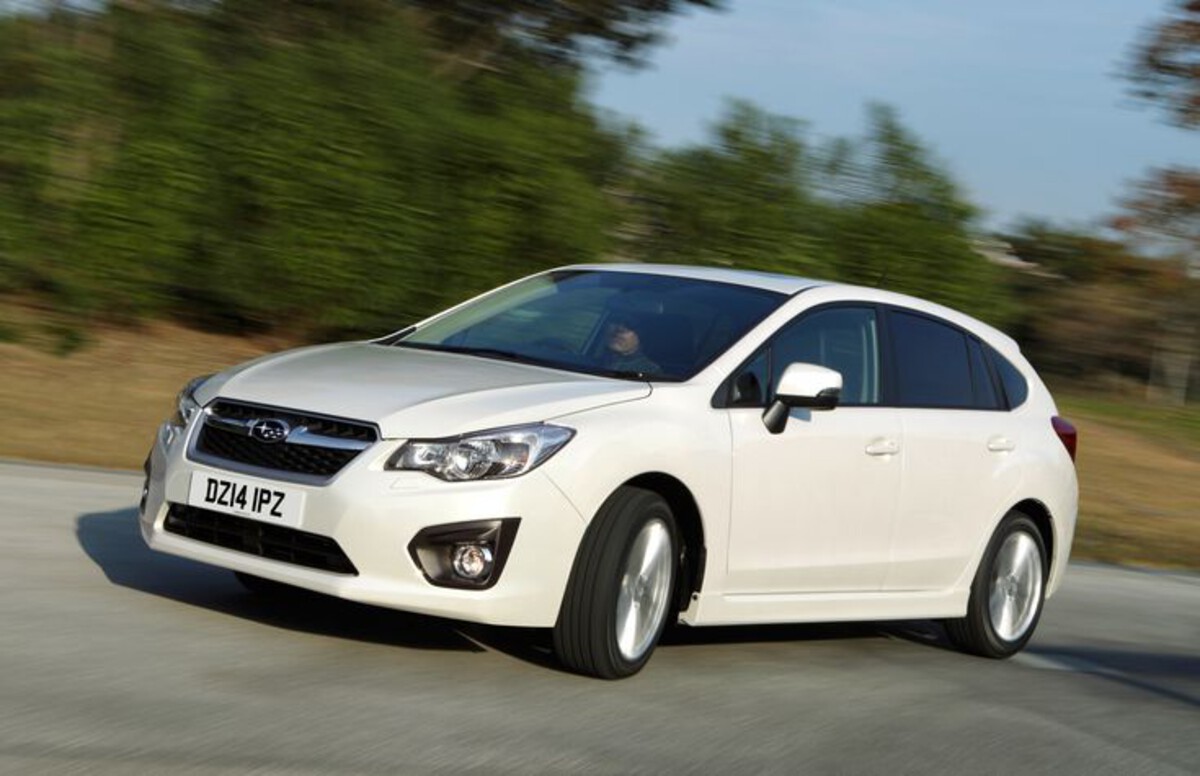
The visibility isn’t terrible, but it isn’t as sharp as you’d want for city skirmishes. Those extra inches out there make you hesitate when you shouldn’t. In Boston, hesitation costs you — whether it’s losing your place in traffic or bumping a curb because you misjudged a gap.
Now, the ride and handling are fine on open roads, and AWD is reassuring when snow hits. But everyday urban navigation is all about knowing exactly where your car starts and ends without guessing. And with the Impreza, that line feels a little blurry when streets narrow.
Inside, it’s comfortable, no doubt. Cargo space is decent, and the tech feels user-friendly. But all that interior goodness doesn’t erase the fact that you spend way too much time checking mirrors, adjusting your position, and cursing parked vans that make you feel boxed in.
In theory, a hatchback should feel nimble, like you can attack tight spaces with confidence. With the Impreza in Boston, you end up relying more on caution than confidence. It’s solid just not ideal when you want to slash through city traffic without the constant width anxiety.
7. Kia Ceed
Here’s the deal with the Kia Ceed: on paper, it sounds like a great hatchback. Stylish design, modern tech, and decent performance. But drive it around Boston’s narrow veins and it starts to feel like it’s flirting with SUV territory in the worst way.
The first thing you notice is the width. It isn’t grotesque by any means, but when you’re dodging double-parked cars near South Station, that extra width becomes very real very fast. You find yourself constantly overthinking every inch. “Can I make it?” becomes a question racing through your mind more often than you’d like. That’s not confidence that’s hesitation.
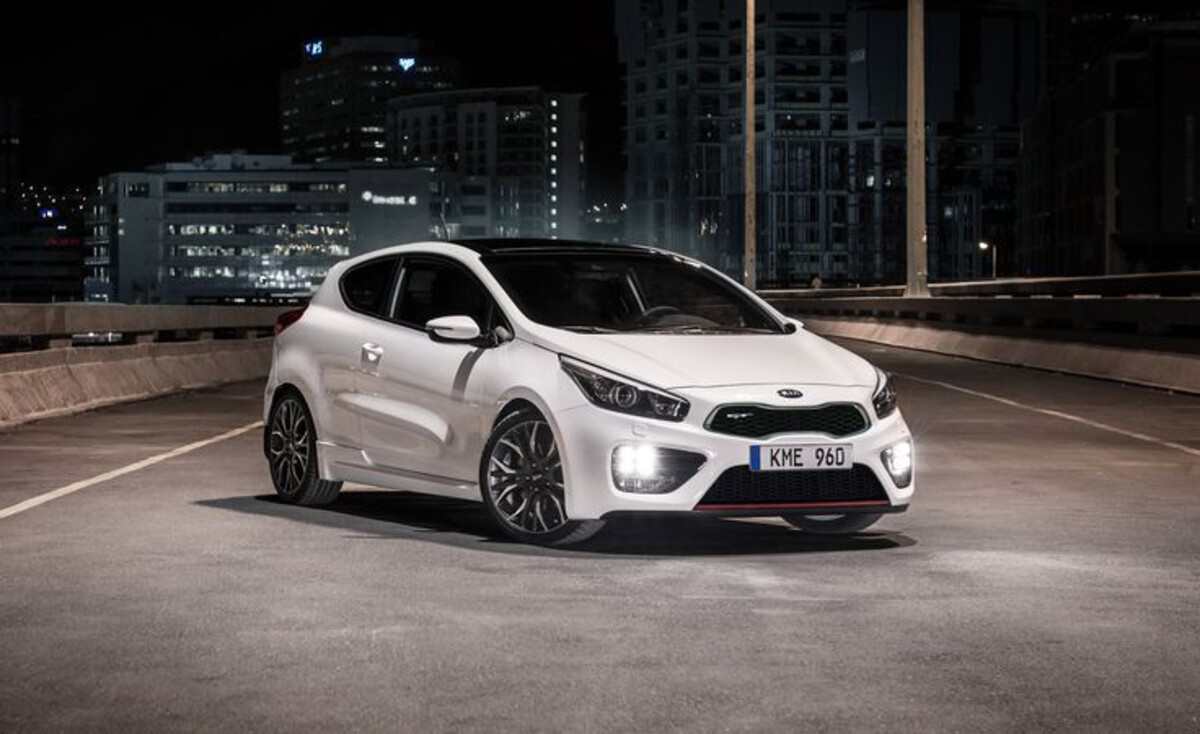
The Ceed’s steering isn’t bad; it’s just that the car demands more respect for its size than you expect for a hatch. Boston driving rewards small, nimble moves. The Ceed makes you do those moves but with this lingering feeling that you’re squeezing a bit too much into too little space.
Inside, it’s roomy and modern, which is great for comfort. But comfort doesn’t help when you’re circling for a parking spot on a street where cars are already halfway onto the sidewalk. You want a hatchback that feels like it’s built for cheeky urban maneuvers, not one that makes you second-guess every squeeze.
Out in the suburbs or on highways, the Ceed clicks better. You feel the space and stability and it works. But locked into Boston traffic? That width becomes a mental obstacle. You spend more time calculating clearances than enjoying the drive and that’s not what city hatchbacks should do.
In short, the Ceed feels like it tries to be versatile, but in Boston it ends up feeling like it’s just a bit too big for its own good.
8. Mazda 3 Hatchback
Let’s talk about the Mazda 3 hatchback. This one’s tricky because on paper it seems ideal: stylish looks, smart interior, and good handling. But when you’re gingerly steering through Boston’s side streets, that look starts to feel like a trap. The Mazda 3 feels broader than you’d expect once you’re in the narrow squeeze of city traffic.
The first sign? You’re constantly adjusting. You turn into what should be a doable gap between parked cars and suddenly you’re brushing a wheel too close.
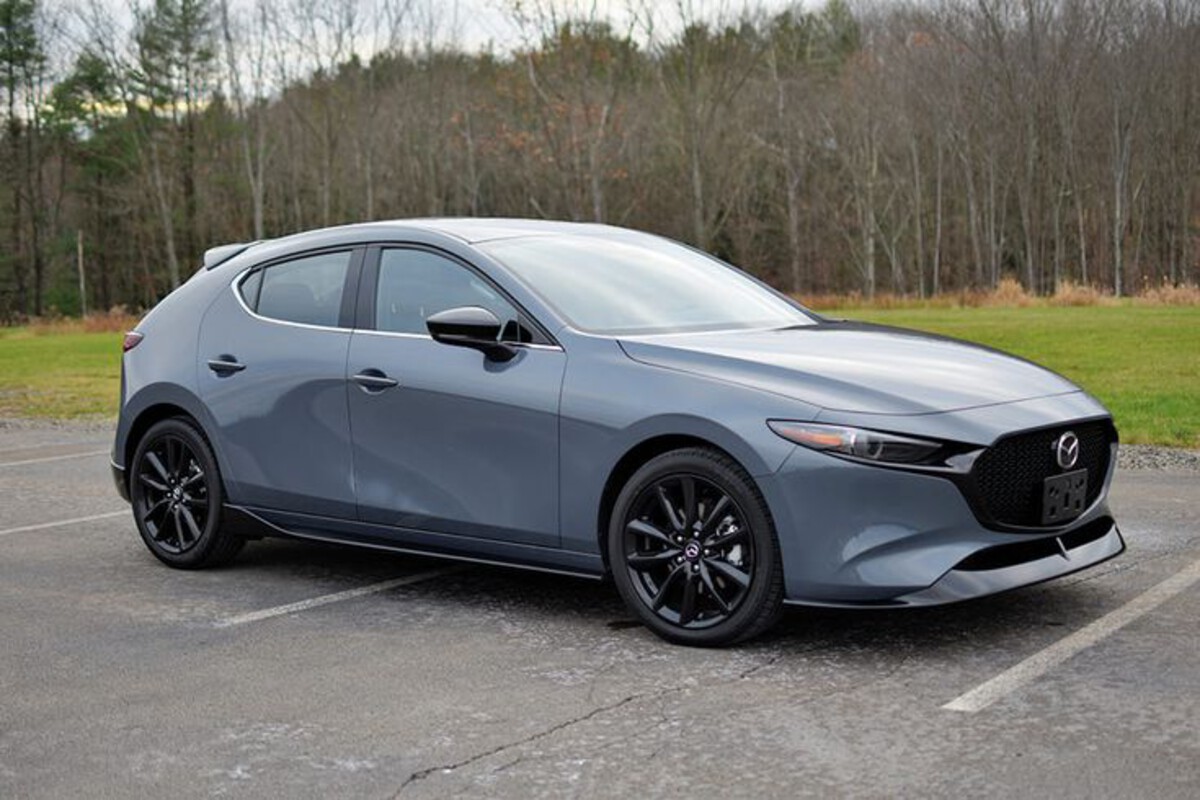
It’s subtle, but in tight quarters it adds up. Boston’s city grid doesn’t give you the luxury of extra space, and you notice every millimeter. The Mazda 3’s width becomes this constant little voice nudging you to be cautious rather than confident.
Handling itself is sharp, don’t get me wrong. The steering is responsive and the suspension holds its own. But that doesn’t magically shrink the car’s footprint. You still feel like you’re tiptoeing rather than gliding. I get that some people love how composed it feels and on open roads, sure, it’s great. But city driving isn’t open roads. It’s narrow, messy, and unforgiving.
Visibility is okay, but not as crisp as you need when every move needs precision. You catch yourself hesitating before turns or watching mirrors like a hawk. That’s the opposite of what a hatchback should do in a city: it should make you feel like you can attack tight spots, not gingerly inch through them.
Inside, the Mazda is classy and comfy I’ll give it that. But in Boston? That comfort doesn’t outweigh the constant spatial awareness you end up wrestling with. It’s a solid car, just not the ideal partner for crazy urban streets.
9. Chevrolet Cruze Hatch
The Chevrolet Cruze Hatch is one of those cars that looks pretty right for city life on paper compact-ish size, hatchback utility but once you’re in the thick of Boston traffic, it starts acting like it’s bigger than you thought.
The widest moments happen when you least want them: squeezing past delivery trucks on Washington Street, trying to line up for a parallel spot under a screaming parking sign, or navigating construction detours where cones seem to conspire against you.
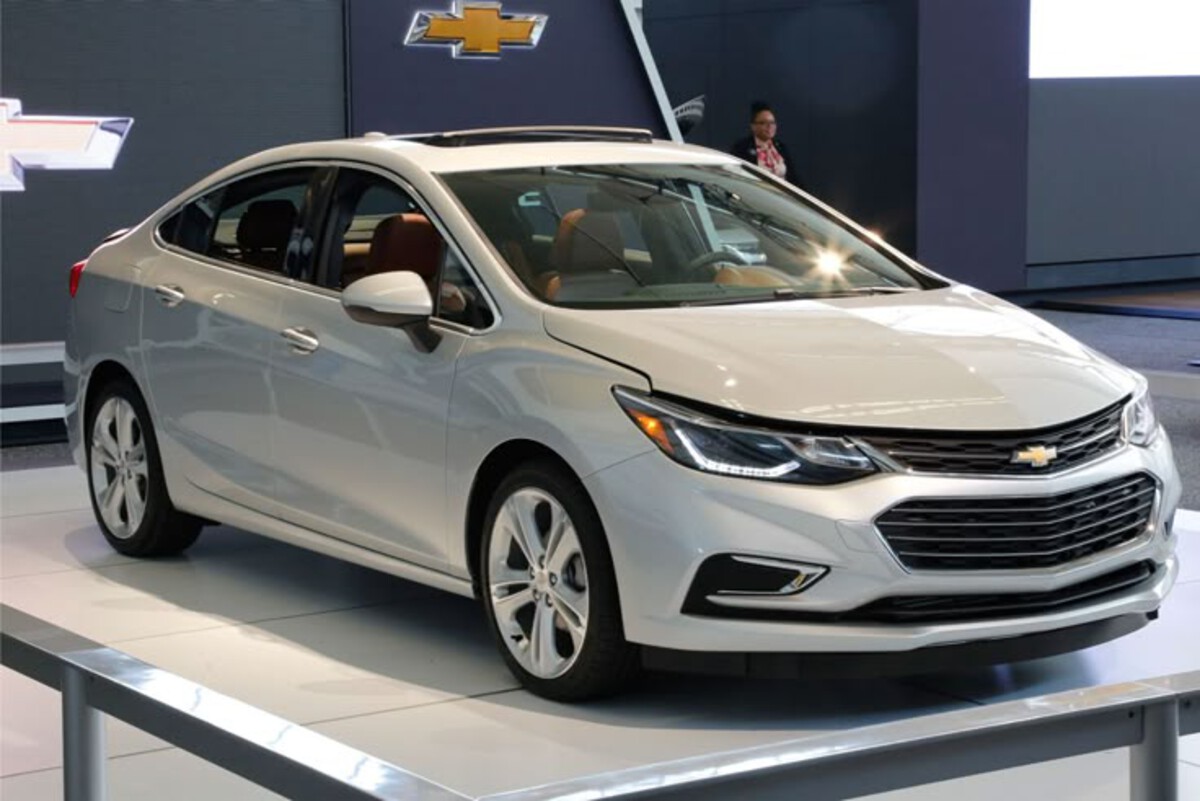
That’s when the Cruze’s footprint feels a bit too significant. You end up micro-correcting left, micro-correcting right and that’s exhausting in daily urban driving.
It’s not that the Cruze is huge. It’s just that compared to other hatchbacks that make city lanes feel like their playground, this one feels like it needs a bit more breathing room. And in Boston, breathing room is a luxury you don’t get.
The steering and visibility don’t do it many favors either. You’re not fighting the car, but you’re definitely spending more mental energy than you should on spatial judgments. And let’s be honest city driving already demands enough attention without having to second-guess where your bumper really sits.
Inside, the cabin is pleasant, and tech is user-friendly. You can dock your phone, set your route, and enjoy the ride. But that doesn’t change the fact that outside the car, you’re constantly negotiating space instead of just driving confidently.
It’s decent for weekend errands or highway trips, sure. But in Boston’s tighter zones? The Cruze Hatch feels like it’s skirting the edge of what’s comfortable, instead of embracing the bite-sized agility hatchbacks should offer.
10. Peugeot 308
Let’s wrap up the “too wide” list with the Peugeot 308. European flair and clever design on the outside don’t magically shrink this car once you’re mixing it up with Boston’s skinny streets. It’s stylish, sure, but style doesn’t help you when you’re inching past parked cars and muttering under your breath.
The first thing you notice is that the car feels broader than its specs suggest. On roads where you need to think in tiny increments, like Beacon Hill’s crooked lanes or the narrow stretch near Government Center, you’re constantly recalculating. You think you can make it, and then suddenly you’re hugging a curb because that extra width creeps up on you.
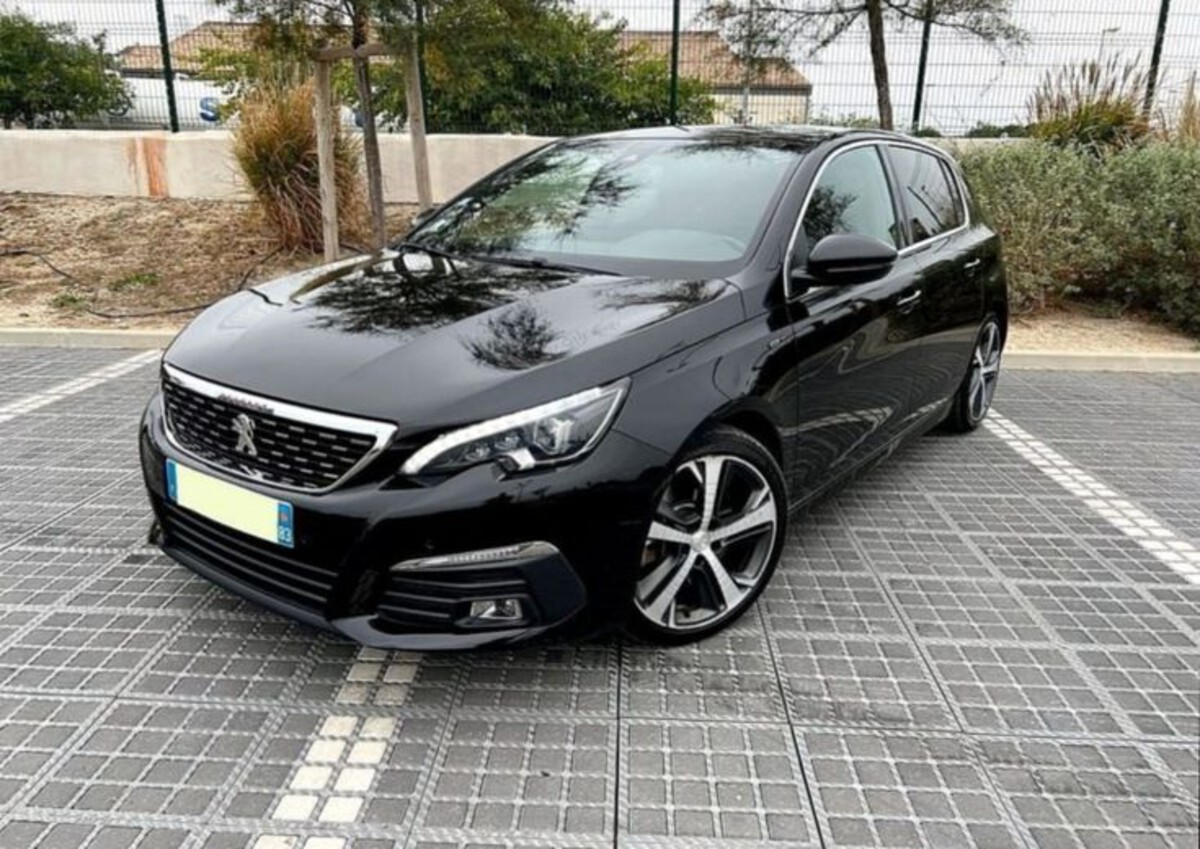
Steering and dynamics are decent on open stretches, giving you a composed, confident feel. But in the city, that confidence dissolves into caution. You start double-checking clearances, watching mirrors as they owe you money, and generally overthinking moves that should be instinctive.
Visibility doesn’t help the cause. The stylish bodylines create blind spots that make city driving more tense than it needs to be. You’re watching pedestrians, bikes, scooters, and buses, and you’re also trying to compensate for the car’s unwillingness to feel compact.
Inside, it’s a pleasant place with classy materials, good layout, and comfortable seats. But all that comfort doesn’t erase the nagging feeling that you’re always a hair too close to something you don’t want to touch. Boston streets are an unforgiving test of spatial awareness, and the 308 flunks that exam by a few critical inches.
It’s good on highways and suburban runs. But for the daily Boston hustle? It feels like it’s built with slightly bigger roads in mind.
What You Really Need to Know
Here’s the honest bottom line: Boston’s streets aren’t forgiving. They don’t give you extra space just because you’re paying attention. They don’t smile at you when you’re trying to parallel park in a 7-foot gap. They test you.
So if you’re picking a hatchback with real city driving in mind, you want something that feels nimble, responsive, and confident not something that makes you wonder where the edges of your car actually are.
They didn’t make every narrow turn feel like a negotiation with physics. These cars, from the sensible Toyota Yaris to the spirited Ford Fiesta ST gave you the sense that you could take on city traffic instead of dancing around it.
On the flip side, the ones that felt too wide did just that: they felt bigger. Even if on paper they weren’t massive, the way they occupied space in tight situations left you more cautious than confident.
That’s not what you want when you’re weaving through downtown, circling for a spot, or backing out of a tight alley. You want a partner that makes those moves feel like second nature, not like a calculated risk.
And let’s call it like it is city driving isn’t about perfection. It’s about feeling in contro,l even when streets are unpredictable, pedestrians are everywhere, and that one construction zone suddenly narrows your only route. Confidence matters. A hatchback that makes you hesitate is a hatchback that’s working against you.
So what should you prioritize? Think compact footprint, sharp steering, good visibility, and an overall sense of cooperation from the car. Tech and comfort are great, but they shouldn’t overshadow the basics. Boston streets demand respect, but they don’t have to ruin your day.
If a car makes you feel ready for the next turn instead of bracing for it, you’ve found the right partner. And if it keeps making you think twice about every inch? Maybe pass and keep looking. The right hatchback can make city driving actually feel manageable even enjoyable.