College life in Chapel Hill brings a unique mix of busy campus streets, tight parking spaces, weekend trips, and daily commutes between classes, work, and home. Choosing the right car can make that experience smoother, cheaper, and far less stressful. That is why we created this guide titled “5 Cars for Chapel Hill Campus Life and 5 Student-Friendly Options.”
These ten vehicles were selected with students in mind, focusing on what truly matters in a college town like Chapel Hill: affordability, fuel efficiency, safety, technology, and practicality. Whether you are a first year student moving into a dorm, a commuter driving in from nearby towns, or someone planning weekend getaways with friends, the right vehicle can make a big difference.
From efficient hybrids to small SUVs and affordable sedans, this list highlights models that balance modern features with low running costs, helping students get more value from every mile they drive.
5 Cars for Chapel Hill Campus Life
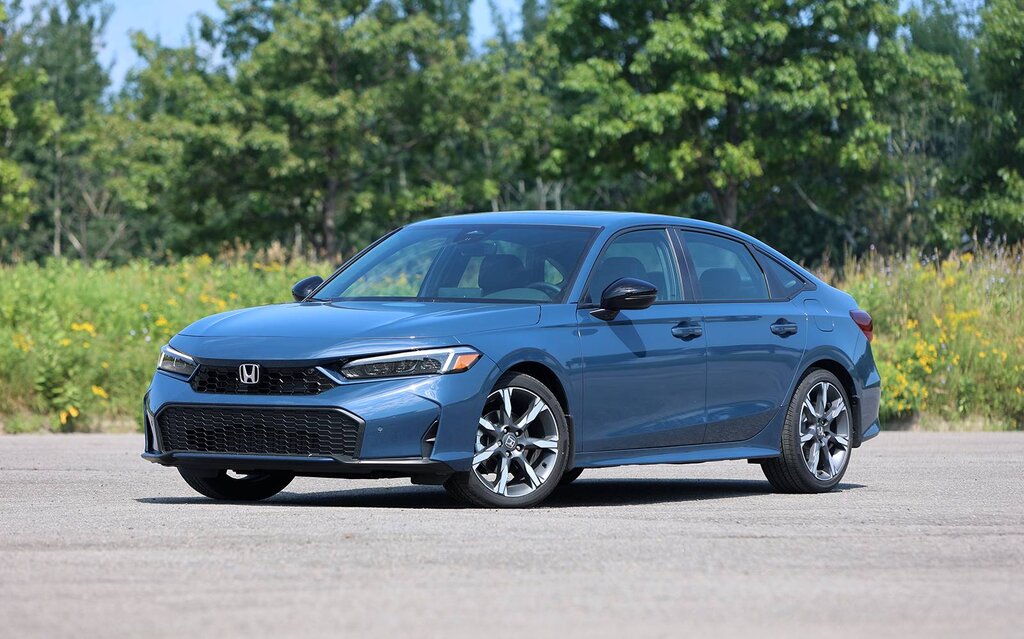
1. 2026 Honda Civic: The Perfect Student Car
The 2026 Honda Civic is widely praised as an excellent choice for students, offering a combination of efficiency, practicality, and modern features in a compact design. Its reliability, fuel economy, and advanced technology make it well-suited for campus life, city driving, and weekend trips.
The Civic’s compact size and responsive handling make it easy to drive around Chapel Hill and UNC campus streets. The hybrid version delivers impressive fuel efficiency, reaching about 49 miles per gallon combined in tests, which helps students save on gas.
Standard Honda Sensing safety features include collision mitigation braking, lane-keeping assist, and adaptive cruise control, providing confidence during daily commutes. Optional features such as blind-spot monitoring, rear-cross-traffic alert, and parking sensors add extra protection.
The standard nonhybrid Civic uses a 150-horsepower 2.0-liter four-cylinder engine with front-wheel drive and a CVT. While it is not extremely fast, it performs well in city traffic and provides a balanced, comfortable ride.
The hybrid model combines the same 2.0-liter engine with two electric motors to produce 200 horsepower, resulting in a quicker and smoother drive. In tests, the hybrid reaches 60 miles per hour in 6.2 seconds while the nonhybrid takes 8.9 seconds. Both models focus on efficiency and comfort rather than sporty performance.
The Civic seats five passengers and has a clean, functional interior. Front seats are spacious and supportive, and the rear bench fits two adults comfortably. Cargo space is versatile, with the hatchback offering additional room for luggage or dorm supplies.
Infotainment includes a 7.0-inch touchscreen standard, with an optional 9.0-inch display, wireless Apple CarPlay and Android Auto, Google Built-in features, wireless charging, and a premium Bose audio system.
The Civic is known for long-term durability and good resale value. It comes with a three-year or 36,000-mile limited warranty, a five-year or 60,000-mile powertrain warranty, and an eight-year or 100,000-mile hybrid component warranty. The first year includes complimentary maintenance, keeping ownership costs low for students.
The 2026 Honda Civic combines fuel efficiency, safety, technology, and comfort, making it an excellent choice for students who want a dependable, practical, and enjoyable vehicle for campus life and beyond.
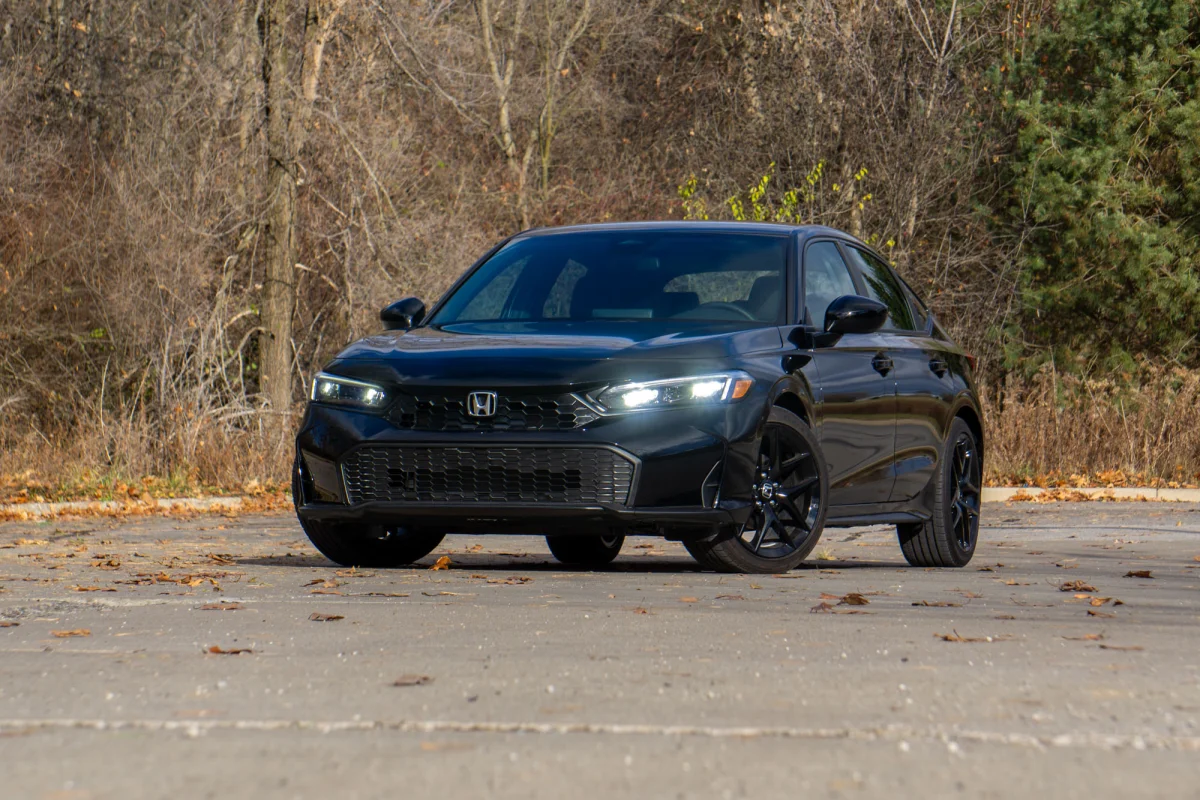
2. 2026 Toyota Prius Plug-In Hybrid: Efficient and Campus-Ready
The 2026 Toyota Prius Plug-In Hybrid is a practical and efficient choice for students, particularly those with short daily commutes. Its ability to travel up to 44 miles on electric power alone allows most local trips to be completed without using gasoline, significantly reducing fuel costs and environmental impact.
For longer trips, the vehicle seamlessly switches to hybrid mode, achieving an estimated 48-52 miles per gallon combined.
The Prius Plug-In Hybrid is compact and easy to drive in busy campus areas and tight parking spots. Its hatchback design and 60/40 split rear seats provide versatile cargo space for groceries, sports gear, or dorm moves.
Students can charge the vehicle using a standard 120-volt outlet, which takes about 11 hours, or a 240-volt Level 2 charger in approximately four hours. Several public charging stations are available on the UNC-Chapel Hill campus, making it convenient to recharge while attending classes.
The Prius PHEV uses a 2.0-liter four-cylinder engine paired with two electric motors to produce a combined 220 horsepower. The front-wheel-drive vehicle accelerates from zero to 60 miles per hour in 6.7 seconds, with slightly slower performance in electric-only mode. A continuously variable automatic transmission provides smooth power delivery for city driving and highway trips.
The interior seats five passengers, with comfortable cushions and adequate legroom, though taller drivers may find headroom limited. The hatchback offers 20 cubic feet of cargo space behind the rear seats and expands to 26 cubic feet with them folded.
Technology includes an 8.0-inch touchscreen standard, an optional 12.3-inch display, wireless Apple CarPlay and Android Auto, six USB-C ports, and available wireless charging. Premium XSE models feature a JBL audio system and optional Digital Key functionality.
Toyota Safety Sense 3.0 comes standard, offering adaptive cruise control, automated emergency braking with pedestrian detection, and lane-keeping assist. Optional features include front and rear parking assist and rear cross-traffic alert.
The Prius PHEV includes a three-year or 36,000-mile limited warranty, a five-year or 60,000-mile powertrain warranty, and ten-year or 150,000-mile hybrid component coverage, plus two years of complimentary maintenance.
The 2026 Toyota Prius Plug-In Hybrid delivers electric-range efficiency, practical cargo space, advanced technology, and strong safety features, making it an excellent choice for students seeking cost-effective and environmentally friendly transportation.
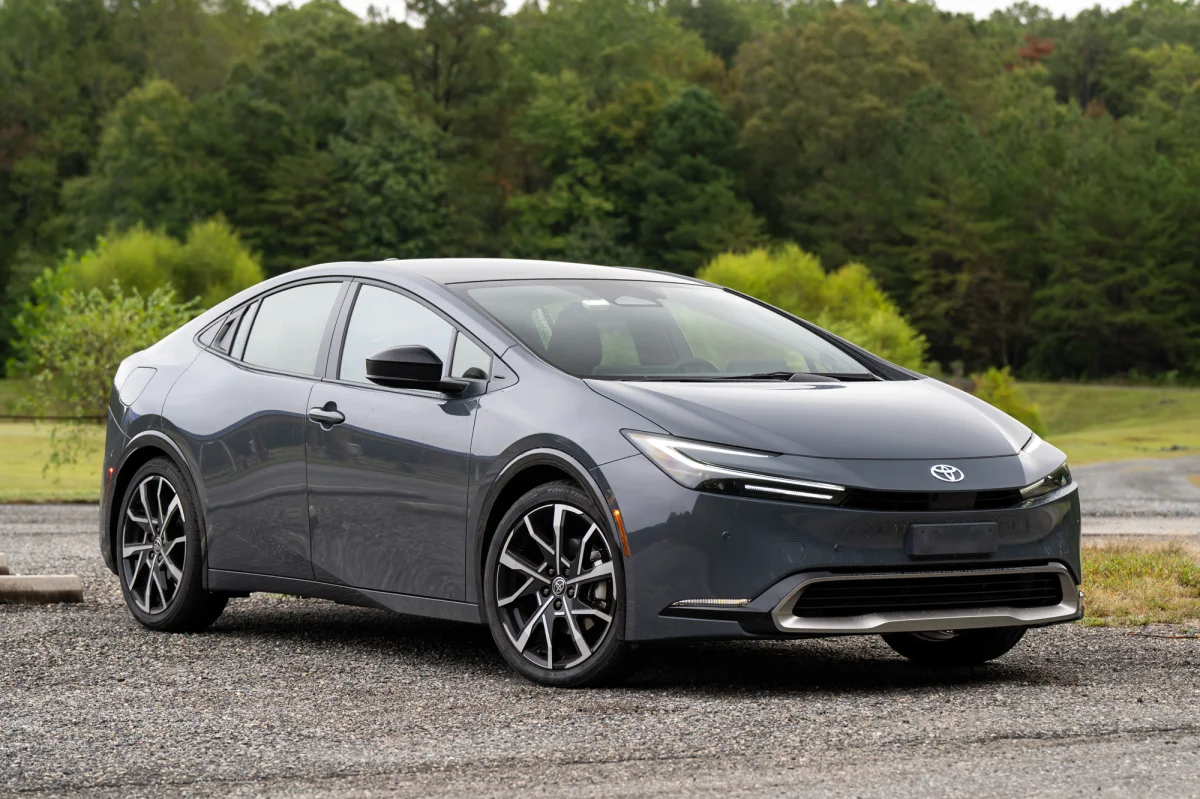
3. 2026 Mazda3 Hatchback: Stylish, Practical, and Fun to Drive
The 2026 Mazda3 Hatchback combines style, performance, and versatility, making it an attractive choice for students at Chapel Hill. Its premium interior, practical hatchback design, and engaging driving dynamics offer a balance between daily campus needs and weekend outings.
The Mazda3 Hatchback provides a refined interior with soft-touch materials, supportive seats, and intuitive controls. Heated seats are available, and the cabin is quiet, isolating road and engine noise effectively. The hatchback layout offers 20 cubic feet of cargo space behind the rear seats, expandable to 26 cubic feet when folded, making it suitable for dorm moves, groceries, or sports gear.
While rear legroom is tighter than some competitors’ and access is limited, front passengers enjoy generous comfort. Storage space for smaller items is limited, with narrow cupholders and shallow door pockets.
The infotainment system features an 8.0-inch display controlled by a knob, while Apple CarPlay and Android Auto add touchscreen functionality through a connected smartphone. Premium Bose audio is available on higher trims, and voice controls help drivers stay connected and entertained without distraction.
The standard 2.5-liter four-cylinder engine provides smooth power, while the turbocharged option delivers 6.5-second sprints to 60 mph, making it one of the quickest compact cars.
Both manual and automatic transmissions shift smoothly, and the ride is stable and comfortable, even at highway speeds. Available all-wheel drive enhances traction in variable weather, though visibility out of the back is limited due to the hatchback’s small rear window.
The i-ACTIVSENSE suite includes blind-spot monitoring, rear cross-traffic alert, lane departure warning, pre-collision safety systems, and a backup camera. Crash test ratings from NHTSA show five out of five stars across most categories, confirming strong safety performance.
The Mazda3 Hatchback achieves an EPA-estimated 29 mpg combined with the automatic transmission, with slightly lower efficiency for all-wheel drive or turbo models.
While the Mazda3 offers premium refinement, it comes at a higher price compared to some rivals, reaching nearly $40,000 fully equipped. Warranty coverage includes three years or 36,000 miles for basic coverage and five years or 60,000 miles for the powertrain.
The 2026 Mazda3 Hatchback blends style, comfort, cargo versatility, and enjoyable driving, making it a compelling option for students seeking a compact car with a premium feel and practical features.
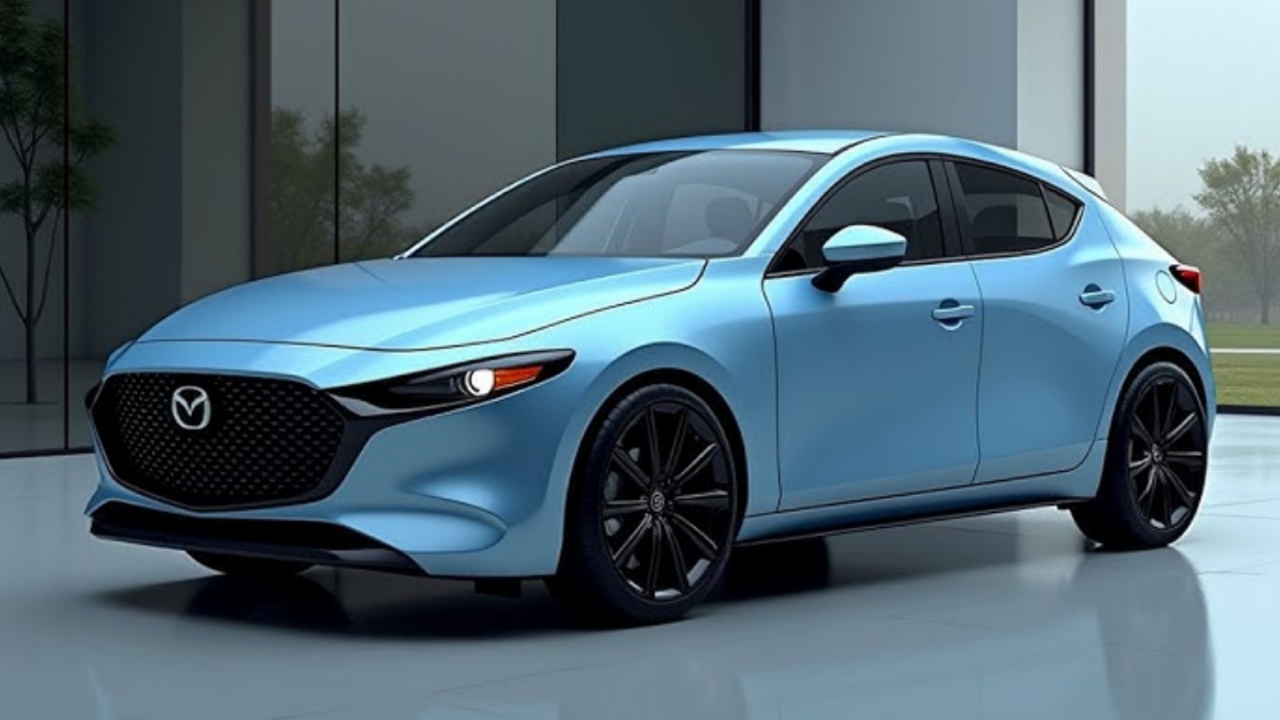
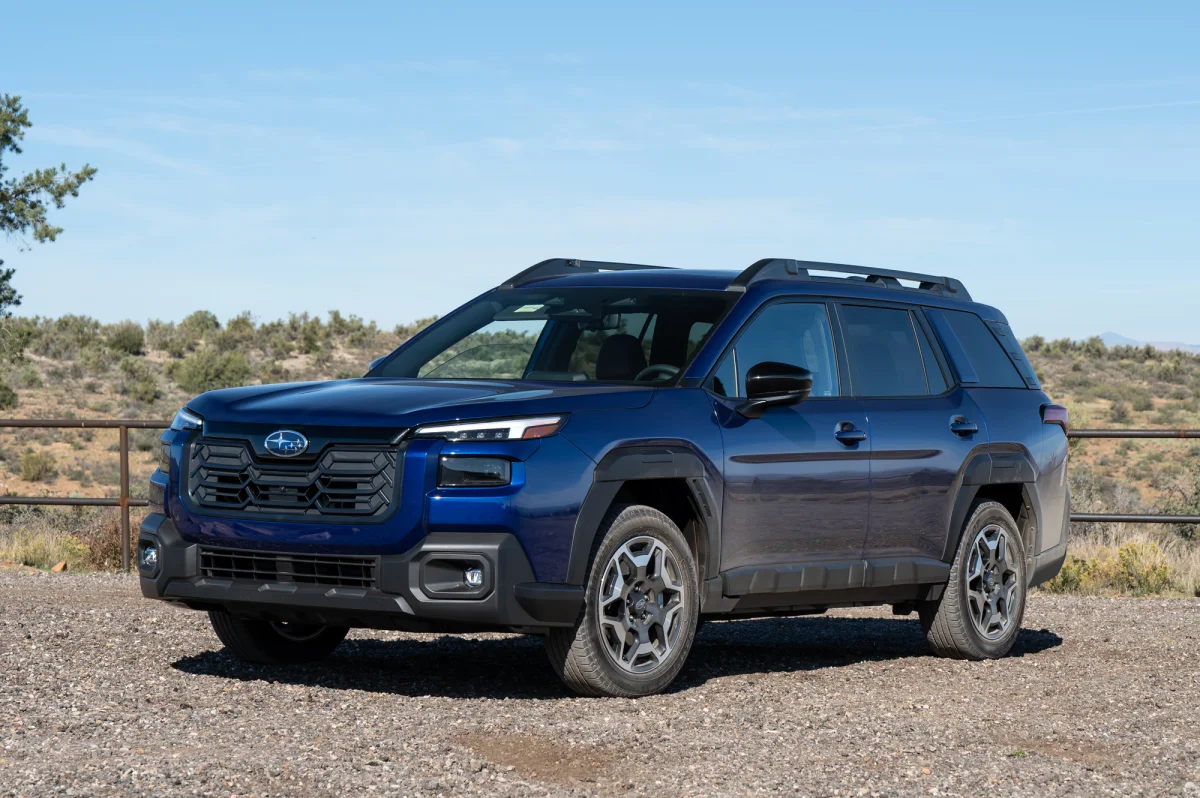
4. 2026 Subaru Outback: Practical, Safe, and Ready for Adventure
The 2026 Subaru Outback is a versatile and reliable choice for students at Chapel Hill, combining SUV-like capability with wagon practicality. Its standard Symmetrical All-Wheel Drive provides confidence in North Carolina’s rainy or icy conditions, while the spacious cargo area makes dorm moves, grocery runs, and hauling sports or camping gear simple.
The Outback’s updated interior, modern tech, and strong safety features make it well-suited for daily campus life, weekend trips, and outdoor adventures in the nearby Triangle region.
The Outback balances size and practicality, offering ample cargo space without being cumbersome for campus parking. Its updated cabin features higher headroom, a redesigned dashboard, and a dual-panel digital instrument cluster paired with a large infotainment screen.
Standard Apple CarPlay and Android Auto ensure students remain connected, while an available cloud-based voice recognition system allows hands-free operation. Fuel efficiency is solid for the class, with the base engine rated at 25 mpg city and 31 mpg highway, and the turbocharged XT and Wilderness trims slightly lower.
The Outback offers two four-cylinder engines: a 180-horsepower 2.5-liter base engine and a 260-horsepower turbocharged 2.4-liter available in XT and standard on Wilderness trims. Both use a continuously variable automatic transmission and standard all-wheel drive.
The base engine reaches 60 mph in about 8.8 seconds, while the turbo model achieves it in 6.6 seconds. Ground clearance is 8.7 inches, and selectable terrain modes enhance light off-road capability, with the Wilderness trim providing extra clearance, all-terrain tires, and rugged styling.
All models come with Subaru’s EyeSight Driver Assist Technology, including forward-collision warning, automated emergency braking, adaptive cruise control, and lane-keeping assist.
Optional features include blind-spot monitoring, rear cross-traffic alert, and driver-supported hands-free highway driving up to 85 mph. Subaru’s reputation for durability ensures long-term reliability, while the limited warranty covers three years or 36,000 miles, and the powertrain is protected for five years or 60,000 miles.
The 2026 Subaru Outback offers a practical mix of safety, cargo versatility, modern tech, and all-weather capability. Its combination of comfortable interior, capable performance, and reliability makes it an excellent choice for students who want a dependable vehicle for campus life, weekend trips, and outdoor adventures.
5. 2026 Hyundai Kona: Compact, Connected, and Campus-Ready
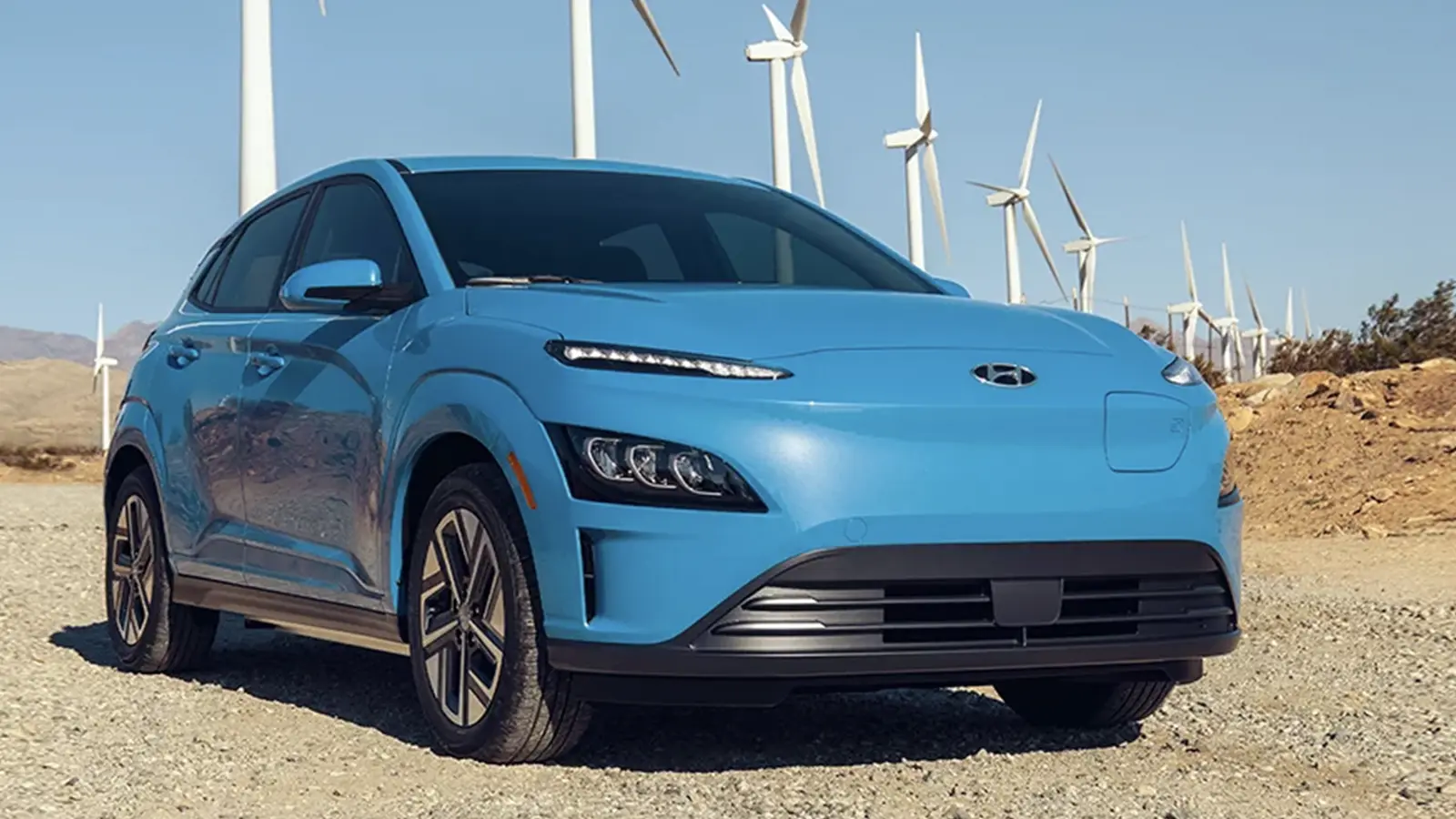
The 2026 Hyundai Kona is a small SUV that combines style, practicality, and modern technology, making it an excellent choice for students at Chapel Hill. Its compact size allows easy parking on campus, while the available all-wheel drive provides traction in rainy conditions or on weekend trips to nearby trails.
With versatile cargo space, advanced safety features, and efficient yet capable performance, the Kona meets the needs of student life.
The Kona’s fold-flat 60/40 rear seats create ample space for dorm moves, groceries, or weekend luggage. The interior is modern, featuring a 12.3-inch touchscreen, digital gauge cluster, wireless Apple CarPlay and Android Auto, and an available Wi-Fi hotspot.
Top trims include leatherette upholstery, heated and ventilated front seats, and wireless charging pads. Convenience features such as the Digital Key and multiple USB ports make daily life easier for students.
The Kona offers two engines: a 147-hp 2.0-liter four-cylinder with a continuously variable automatic transmission, and a 190-hp turbocharged 1.6-liter four-cylinder paired with an eight-speed automatic. Front-wheel drive is standard, while Hyundai’s HTRAC all-wheel-drive system is optional.
On the test track, the turbo AWD model accelerates to 60 mph in 7.5 seconds, providing responsive and smooth performance for city streets and stoplight getaways. While the base engine is modest, the turbo option adds liveliness without sacrificing efficiency.
The Kona delivers strong fuel efficiency for its class, with EPA estimates ranging from 24-29 mpg city and 29-35 mpg highway depending on engine choice and drivetrain. Real-world testing of the turbo AWD model returned 31 mpg on the highway, keeping running costs low for student budgets.
All Kona models come with Hyundai SmartSense features, including forward-collision warning, automated emergency braking, adaptive cruise control, lane-keeping assist, and blind-spot monitoring.
Optional features include rear parking sensors and a blind-spot view monitor. Hyundai provides a five-year/60,000-mile limited warranty, a 10-year/100,000-mile powertrain warranty, and three years of complimentary scheduled maintenance, ensuring strong long-term value.
The 2026 Hyundai Kona combines compact size, modern technology, safety, and versatility in a stylish package, making it a practical and enjoyable small SUV for students handling campus life, errands, and weekend adventures.
Also Read: 5 Cars for Chandler Commuters and 5 Proven Desert Performers
5 Student-Friendly Options
1. 2026 Toyota Corolla: Reliable, Efficient, and Student-Friendly
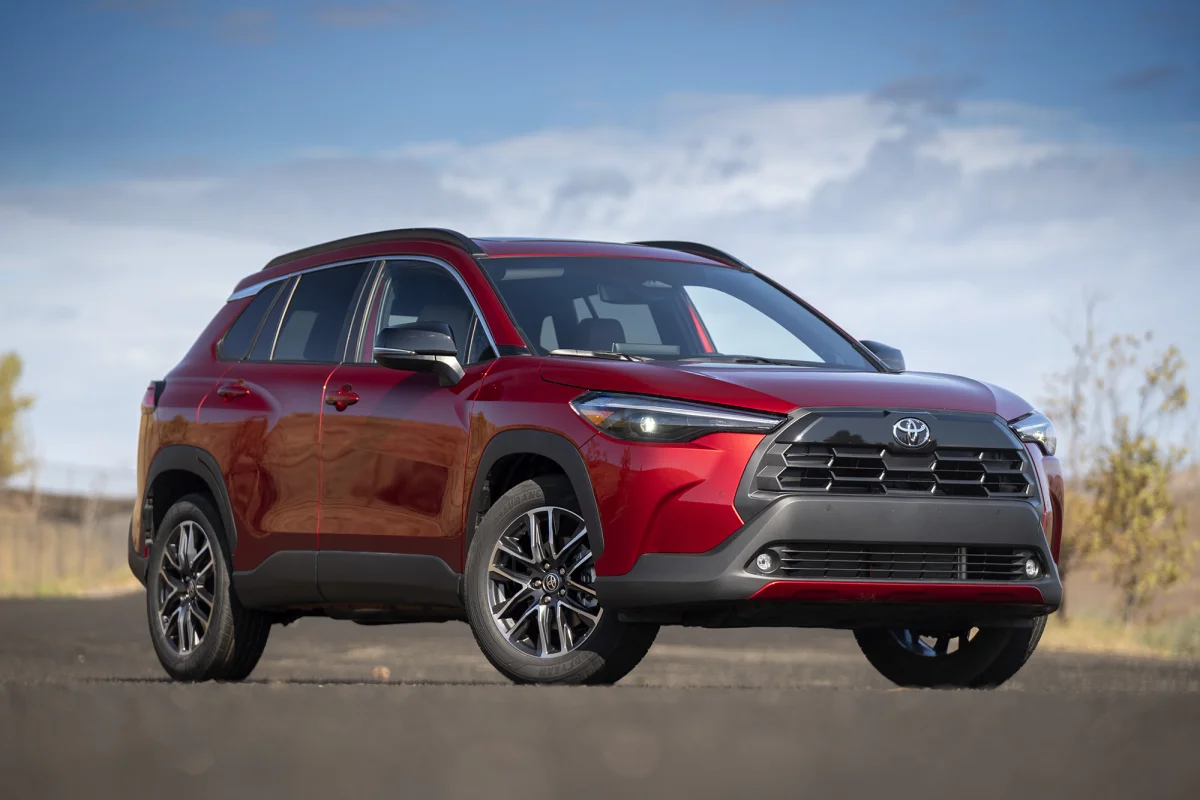
The 2026 Toyota Corolla remains a practical and affordable option for students, offering excellent fuel efficiency, dependable performance, and advanced standard safety technology.
Its compact size makes city streets and campus parking simple, while both hatchback and sedan models provide versatile cargo space for dorm moves, groceries, or sports gear. With hybrid options, modern technology, and Toyota’s reputation for reliability, the Corolla is a smart choice for budget-conscious students.
The Corolla is designed with affordability and practicality in mind. Hybrid models achieve over 50 miles per gallon combined, while gas-only versions deliver up to 41 mpg on the highway, helping students save on fuel. Toyota Safety Sense 3.0 comes standard, including pre-collision systems, lane-tracing assist, adaptive cruise control, and automatic high beams, providing reassurance for new drivers.
Technology features such as USB-C ports, optional wireless Apple CarPlay and Android Auto, and digital gauge clusters keep students connected and informed.
The Corolla uses a 169-hp 2.0-liter four-cylinder engine with a continuously variable automatic transmission (CVT) in hatchback and sedan models. Sedans also offer hybrid powertrains.
Acceleration is measured, with 0–60 mph times of 8.3 seconds for the nonhybrid and 9.0 seconds for the hybrid all-wheel-drive model. Steering is precise for daily driving, and the suspension provides a smooth and comfortable ride, though sportier rivals like the Mazda3 and Honda Civic offer a more engaging driving experience.
Both body styles feature streamlined dashboards and soft-touch materials. Hatchbacks provide 18 cubic feet of cargo space, expandable to 23 cubic feet with the Enhanced Cargo Space option, while sedans offer 13 cubic feet.
Front seats are comfortable, and higher trims include dual-zone climate control, ambient lighting, and heated seats. Interior storage is modest but functional, with bins in the center console and under the armrest.
The standard 8.0-inch touchscreen includes Apple CarPlay, Android Auto, and a subscription-based Wi-Fi hotspot. Optional upgrades feature a 10.5-inch display, 12.3-inch digital gauges, wireless charging, and JBL audio. Standard driver-assist technologies add protection for busy city and campus streets.
Toyota provides a three-year/36,000-mile limited warranty, a five-year/60,000-mile powertrain warranty, and 10-year/150,000-mile hybrid coverage, with two years of complimentary maintenance. The 2026 Corolla delivers efficiency, safety, and affordability, making it an ideal student vehicle for commuting, errands, and campus life.
2. 2026 Kia K4: Affordable, Tech-Savvy, and Student-Friendly
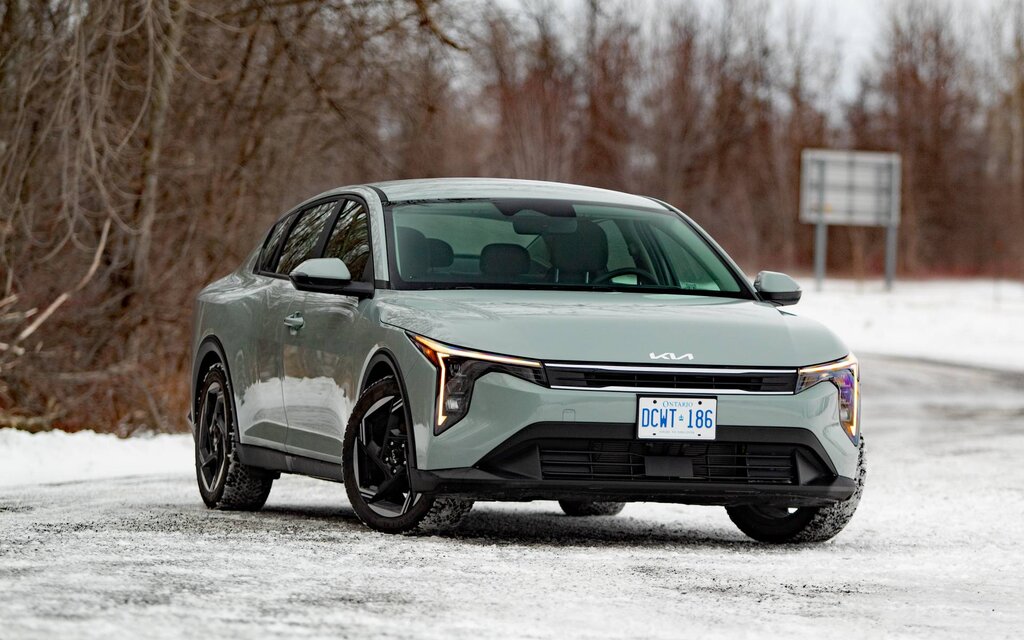
The 2026 Kia K4, which replaces the Forte, provides a combination of affordability, technology, and practicality that suits student life. Its modern design, efficient engines, and flexible cargo space allow for easy dorm moves, grocery trips, and weekend getaways. Standard safety features and connectivity options make the K4 a convenient and confident choice for campus driving.
The K4 offers strong value in the compact sedan segment by including features usually found in more expensive cars at a student-friendly price. Expected good fuel economy and simple maintenance help keep ownership costs low.
Hatchback models provide over 22 cubic feet of cargo space and expand to 59 cubic feet when the rear seats are folded, making the vehicle versatile for transporting dorm supplies, sports equipment, or luggage. The cabin also offers generous rear legroom and headroom for passenger comfort.
Standard technology includes a 12.3-inch touchscreen, wireless Apple CarPlay, Android Auto, multiple USB ports, and available in-dash navigation.
Higher trims feature a multi-screen setup that includes a configurable digital gauge cluster, main infotainment screen, and a smaller display for climate controls. Digital Key 2.0 allows a smartphone to function as a key, and available Wi-Fi hotspots and voice assistants add convenience for students on the move.
Most K4 models use a 147-horsepower 2.0-liter four-cylinder engine with a continuously variable automatic transmission and front-wheel drive.
A more powerful 190-horsepower turbocharged 1.6-liter engine with an eight-speed automatic is available in the GT-Line Turbo trim, which accelerates to 60 mph in 7.3 seconds. Multi-link rear suspension is standard on GT-Line trims, providing competent handling, though it is less sporty than rivals such as the Honda Civic and Mazda3.
All K4 models come with automated emergency braking with pedestrian detection and lane-keeping assistance. Optional features include adaptive cruise control with lane-centering and evasive steering assist, helping students feel more secure in heavy traffic.
Kia provides a five-year, 60,000-mile limited warranty and a 10-year, 100,000-mile powertrain warranty. Scheduled maintenance is not included.
The 2026 Kia K4 combines affordability, modern technology, fuel efficiency, and cargo versatility, making it a practical, stylish, and reliable choice for students managing daily campus life and weekend travel.
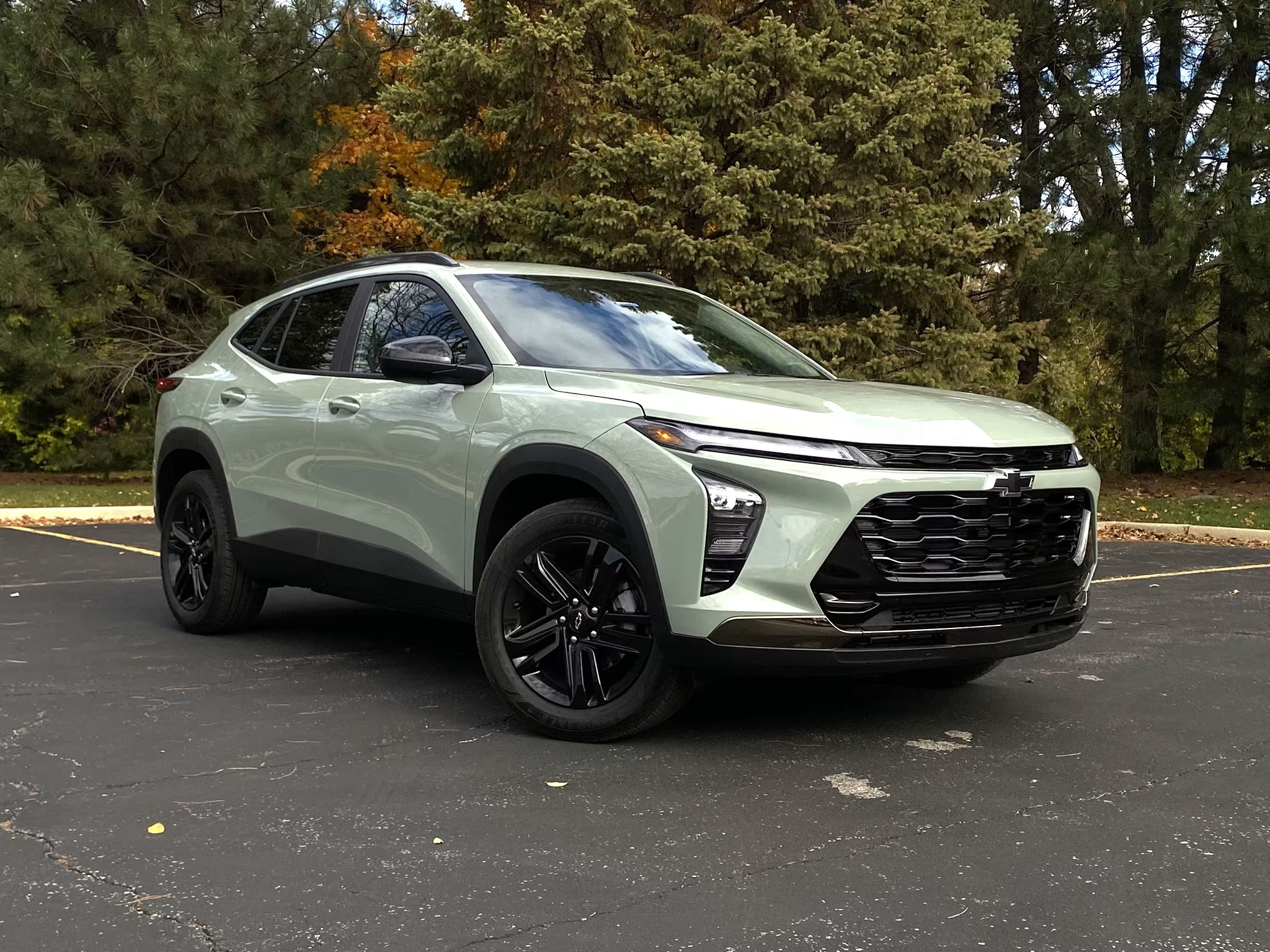
3. 2026 Chevrolet Trax: A Budget Friendly Small SUV Built for Student Life
The 2026 Chevrolet Trax is one of the best values in the subcompact SUV class, offering the space and usefulness of an SUV at a price that fits student budgets. It stands out for its roomy interior, modern technology, and easy driving manners, making it a strong choice for college students who need a practical and affordable vehicle for daily use.
A major strength of the Trax is how much space it provides for its size. Thanks to a longer wheelbase than the previous generation, rear seat passengers enjoy more legroom, and the cargo area is much larger.
With the rear seats folded, the Trax offers up to 54 cubic feet of cargo space, which is ideal for moving dorm supplies, carrying sports equipment, or making big grocery runs. Even with the seats up, there is plenty of room for backpacks and everyday gear.
Under the hood, the Trax uses a 137 horsepower turbocharged three cylinder engine paired with a six speed automatic transmission and front wheel drive. While it is not designed for high performance, it feels lively enough around town and smooth in everyday driving.
The traditional automatic transmission is a plus since it avoids the droning sound often associated with CVT units found in some competitors. In testing, the Trax reached 60 mph in 8.8 seconds, which is reasonable for this class.
Fuel efficiency is another benefit for students watching their expenses. The Trax is rated at 28 mpg in the city and 31 mpg on the highway, and it delivered about 30 mpg in real world highway testing.
Inside, the Trax features a clean and user friendly layout. Standard technology includes an 8 inch touchscreen on lower trims and an 11 inch display on higher trims, along with wireless Apple CarPlay and Android Auto. Available features such as wireless phone charging and a Wi Fi hotspot add convenience for students who rely on their devices.
Safety is also a highlight. Every Trax comes with Chevy Safety Assist, which includes automatic emergency braking with pedestrian detection, lane keeping assist, and lane departure warning. The available Teen Driver system is especially useful for young drivers and their families.
With its combination of affordability, generous space, modern technology, and strong safety features, the 2026 Chevrolet Trax is a smart and versatile choice for student life.
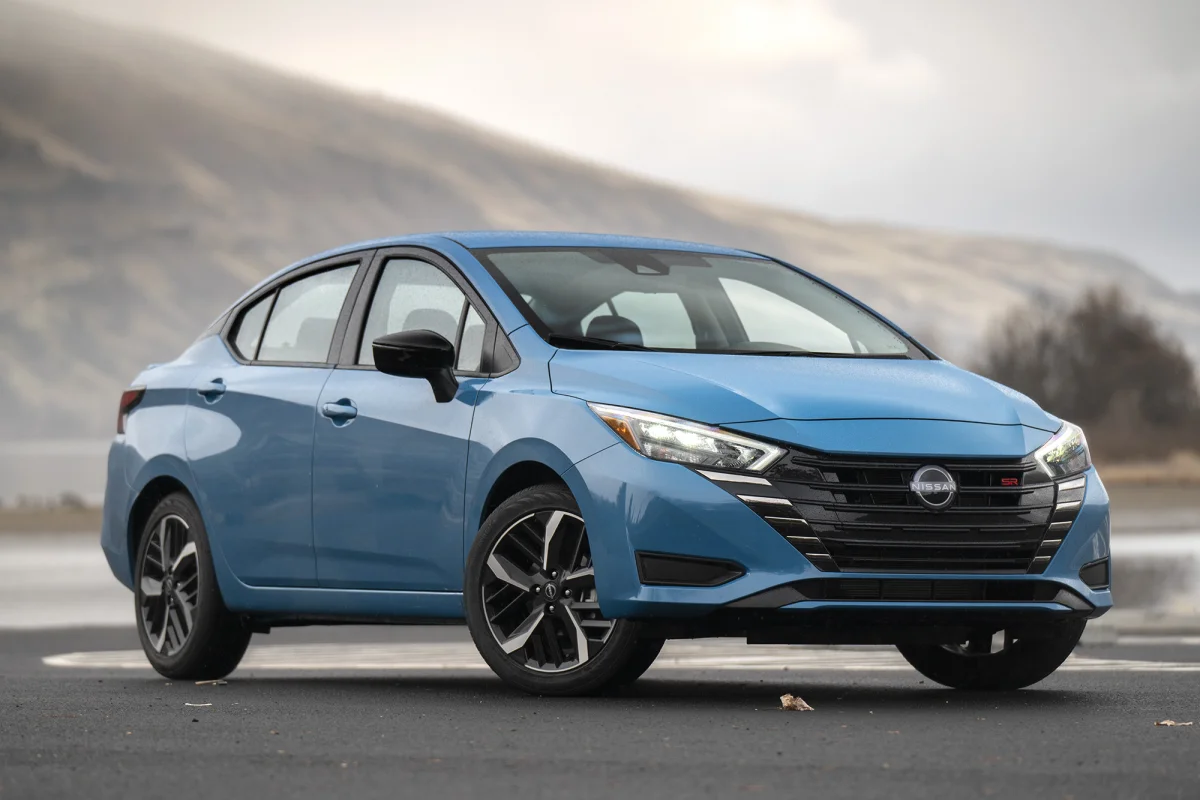
4. 2025 Nissan Versa: A Budget Friendly and Practical Choice for Students
The 2025 Nissan Versa stands out as the most affordable new car in the small car segment, making it an appealing option for students who want reliable transportation without a high price tag. With excellent fuel economy, useful safety features, and modern connectivity, the Versa covers the essentials needed for daily commuting, campus errands, and weekend trips.
One of the Versa’s biggest advantages is its low cost of ownership. Its starting price is among the lowest for any new vehicle, and fuel efficiency is a major plus for students on tight budgets.
Models equipped with the CVT automatic transmission are rated up to 32 mpg in the city and 40 mpg on the highway, which helps keep gas expenses low. Even in real world driving, the Versa has proven to be very efficient, reaching 40 mpg during highway testing.
Under the hood, every Versa uses a 122 horsepower four cylinder engine driving the front wheels. Buyers can choose between a five speed manual transmission on base models or a CVT automatic on higher trims. While acceleration is modest, the ride quality is smooth and comfortable, and the steering and brakes feel confident and easy to manage, which is ideal for new drivers.
Inside, the Versa offers a surprisingly refined and spacious cabin for its class. Soft touch materials on the dashboard and doors help it feel more upscale than its price suggests. The back seat can comfortably seat two adults, and the trunk provides plenty of space for backpacks, groceries, or luggage. With the rear seats folded, the Versa can hold up to 17 carry on size suitcases, making it useful for moving or travel.
Technology is another strong point. A standard touchscreen infotainment system, Bluetooth, and three USB ports come on all models. Apple CarPlay and Android Auto are standard on SV and SR trims, and available on the base model.
Safety is also a priority. Features such as front and rear automatic emergency braking, lane departure warning, and automatic high beams are standard, with options like blind spot monitoring and adaptive cruise control available.
The 2025 Nissan Versa delivers low costs, solid safety, good efficiency, and everyday comfort, making it a smart and dependable choice for students who need simple and affordable transportation.
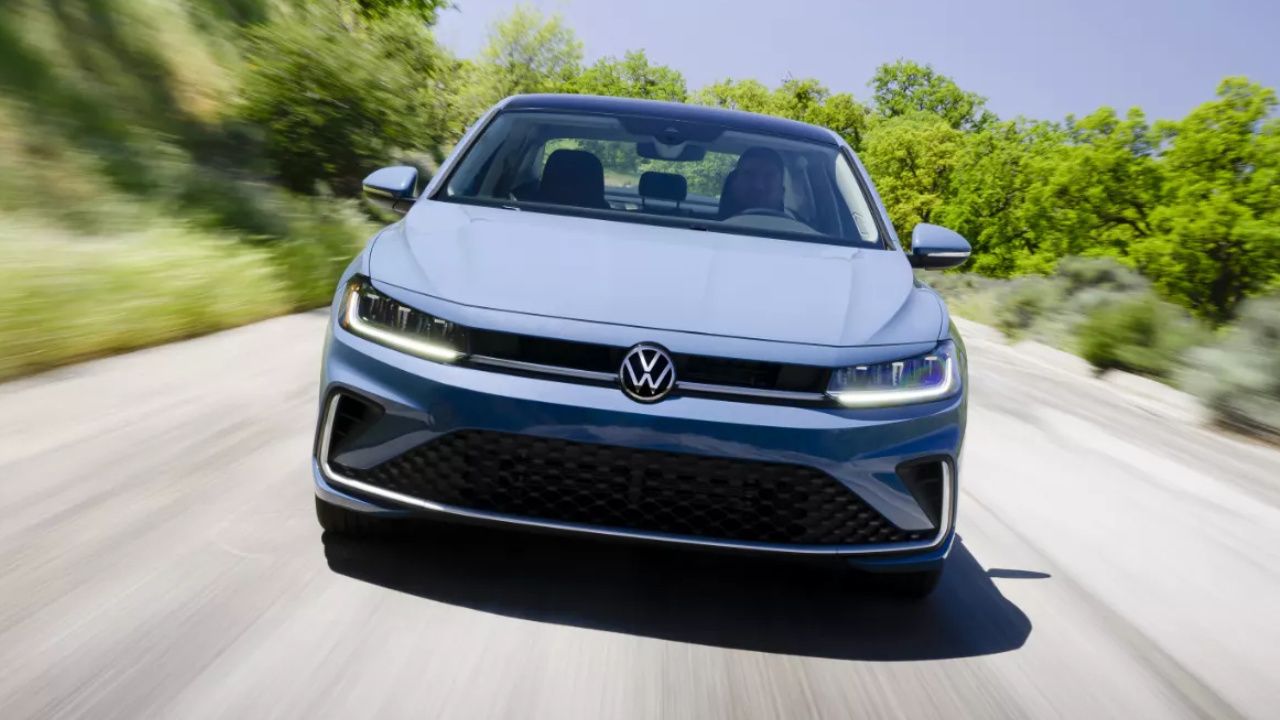
5. 2026 Volkswagen Jetta: A Smart and Comfortable Sedan for Student Drivers
The 2026 Volkswagen Jetta blends German engineering with everyday practicality, making it an appealing option for students who want a well built, efficient, and comfortable sedan. It delivers a strong mix of value, modern technology, and interior space, all while keeping ownership costs reasonable for those on a budget.
One of the Jetta’s biggest advantages is fuel efficiency. Recent versions of the Jetta have earned EPA ratings close to 40 mpg on the highway, and real world testing has shown even better results, with some models reaching 42 mpg. For students who drive to class, work, or home on weekends, that level of efficiency helps stretch every tank of gas.
Under the hood, the Jetta uses a turbocharged 1.5 liter four cylinder engine that produces 158 horsepower. It is paired with an eight speed automatic transmission that delivers smooth shifts and relaxed highway cruising.
While the Jetta is not meant to be a sporty car, it offers a pleasant driving feel that balances comfort and confidence. In testing, it reached 60 mph in about 7.1 seconds, which is quick enough for daily use.
Inside, the Jetta provides a roomy and well organized cabin. Both front and rear passengers have generous head and legroom, making it easy to carry friends or classmates. The trunk is another highlight, holding seven carry on size bags with the rear seats up and up to 18 with them folded, which is more than many compact hatchbacks. That makes it easy to transport dorm supplies, luggage, or sports gear.
Technology is another strong point. Every Jetta comes with Apple CarPlay and Android Auto, along with USB C ports for charging. Higher trims add a larger digital gauge display, wireless phone charging, and upgraded audio systems, giving the car a more premium feel without a luxury price.
Safety is also well covered. The Jetta includes forward collision warning, automatic emergency braking, blind spot monitoring, and rear cross traffic alert as standard. More advanced systems such as adaptive cruise control and lane keeping assist are available for those who want extra help on longer drives.
With its spacious interior, excellent efficiency, useful technology, and strong safety features, the 2026 Volkswagen Jetta is a dependable and student friendly sedan that fits both busy schedules and tight budgets.
From the efficient Honda Civic and Toyota Prius Plug In Hybrid to the versatile Subaru Outback and budget friendly Nissan Versa, the cars in this list show just how many great options students have today. “5 Cars for Chapel Hill Campus Life and 5 Student-Friendly Options” brings together vehicles that are easy to own, affordable to run, and well equipped for daily life in and around UNC.
Each model offers something a little different, whether it is advanced safety, extra cargo space, hybrid efficiency, or modern connectivity. The goal is simple: help students find a car that fits their lifestyle, their schedule, and their budget.
No matter if you prefer a compact sedan, a hatchback, or a small SUV, these ten vehicles prove that you do not need to overspend to get comfort, reliability, and technology. With the right choice, getting to class, work, and weekend adventures becomes easier, safer, and more enjoyable.
Also Read: 10 Cars With Simple Phone Apps That Actually Help