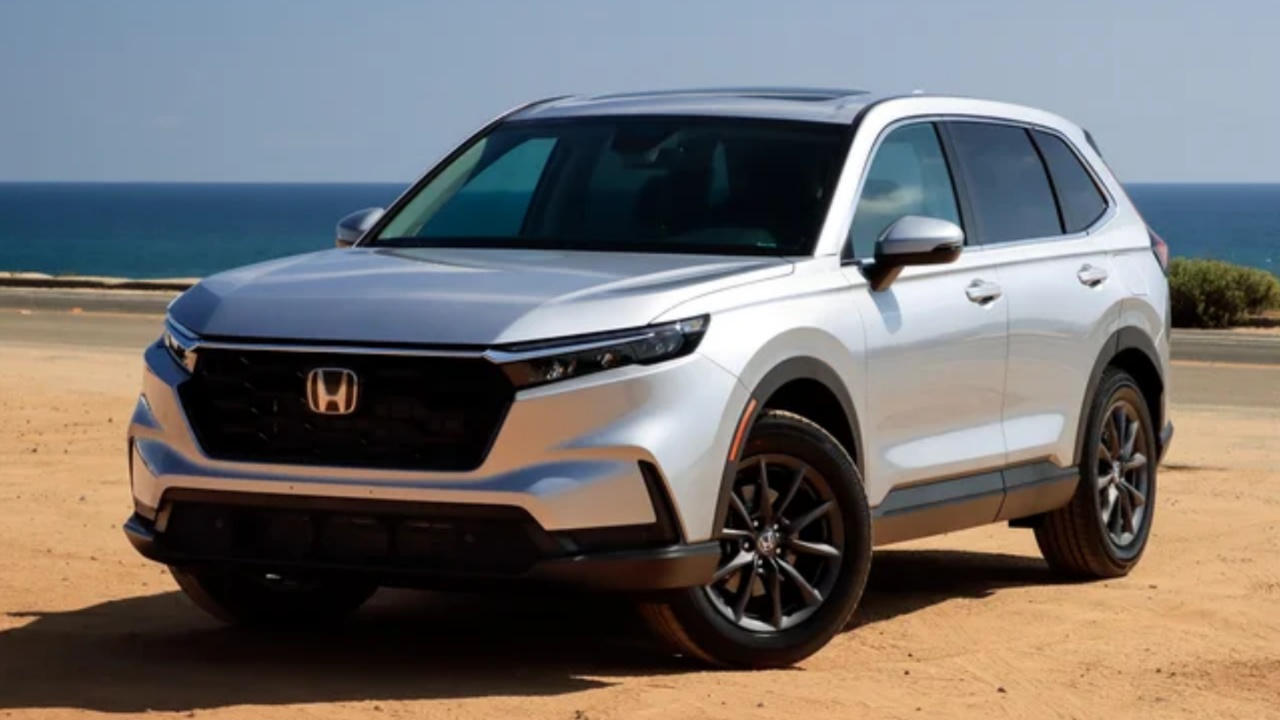
Salem, Massachusetts suburban commuters need cars that handle daily traffic, narrow streets, cold winters, and wet coastal weather. A good commuter car should be reliable, fuel-efficient, and affordable to maintain.
Some cars fit this lifestyle perfectly, while others look attractive but cost much more to fix over time. Here is a clear comparison to help buyers choose wisely.
5 Cars That Are Great for Salem (MA) Suburban Commuters
Salem’s suburban commute has its own personality. You’re dealing with narrow colonial-era streets, unpredictable coastal weather, tight parking, and traffic that can swing from calm to chaotic in a heartbeat, especially once tourist season kicks in.
The ideal commuter car here isn’t about brute power or flashy size; it’s about smart dimensions, confident handling, solid fuel economy, and the kind of comfort that takes the edge off stop-and-go drives and short highway runs alike.
In this list, we break down five cars that actually make sense for Salem, MA suburban commuters, vehicles that fit the roads, handle the seasons, and won’t punish you for driving them every single day.
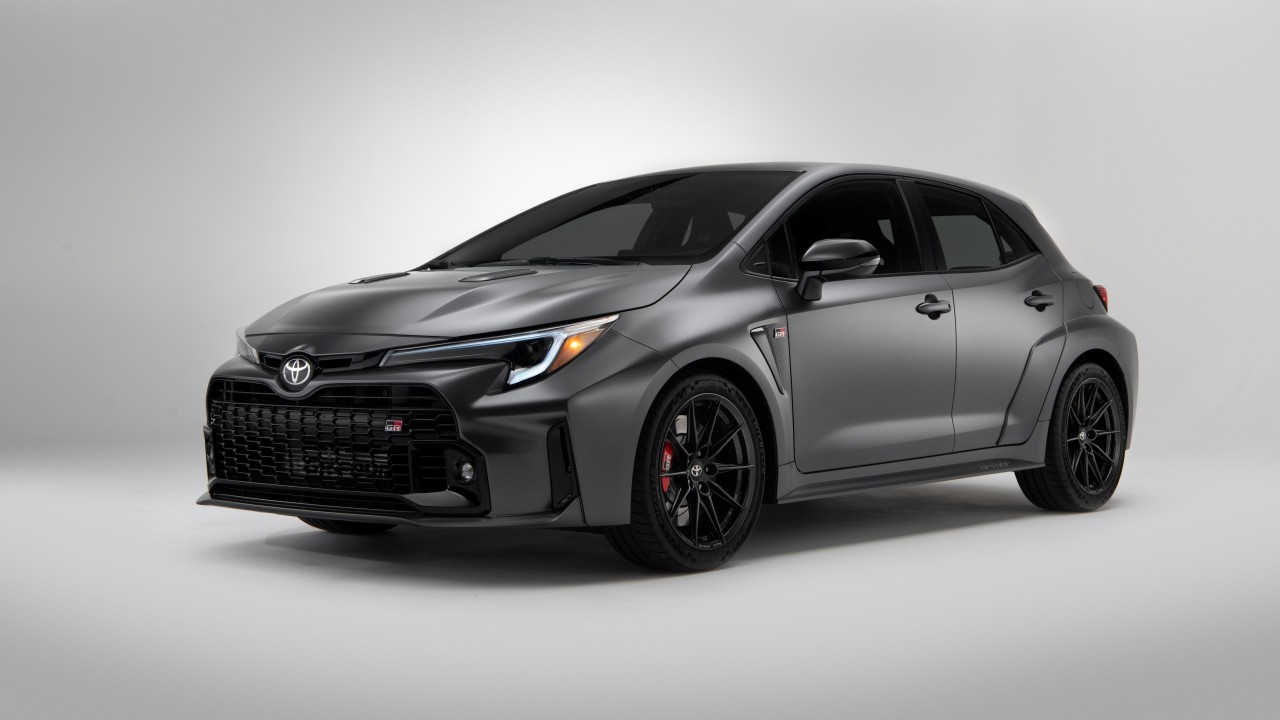
1) Toyota Corolla
The Toyota Corolla is one of the best cars for daily suburban commuting. It is known for being reliable, easy to drive, and affordable to own. Many drivers choose it because it delivers consistent performance without creating stress or high costs.
Fuel efficiency is one of the Corolla’s strongest points. It uses less fuel during long suburban drives and stop-and-go traffic. This helps commuters save money every week, especially with rising fuel prices and frequent daily travel needs.
Driving the Corolla feels smooth and calm in traffic. The steering is light, the brakes respond well, and visibility is clear. These qualities make it easy to handle busy roads, narrow streets, and crowded parking areas during peak commuting hours.
The Corolla is also built for long-term reliability. Its engine and transmission are designed to last many years with basic care. Owners rarely face major breakdowns, which makes it a dependable choice for people who rely on their car every day.
Maintenance and repair costs stay low with the Corolla. Replacement parts are widely available, and most mechanics are familiar with the car. Routine services like oil changes, brakes, and tires are simple and affordable compared to many other vehicles.
For Salem’s changing weather, the Corolla performs well. It stays stable on wet roads, handles light snow confidently with proper tires, and starts reliably in cold mornings. This makes it suitable for New England’s unpredictable seasonal conditions.
The interior of the Corolla is comfortable and practical. Seats provide good support for daily commuting, and controls are easy to understand. There is enough space for passengers, backpacks, groceries, and small family needs without feeling cramped.
Safety is another reason commuters trust the Corolla. It comes with modern safety features like airbags, stability control, and driver assistance systems. These features help reduce risk during daily driving and add peace of mind on busy suburban roads.
The Corolla also holds its value well over time. Even after years of use, it remains desirable in the used car market. This helps owners recover more money if they decide to sell or upgrade later.
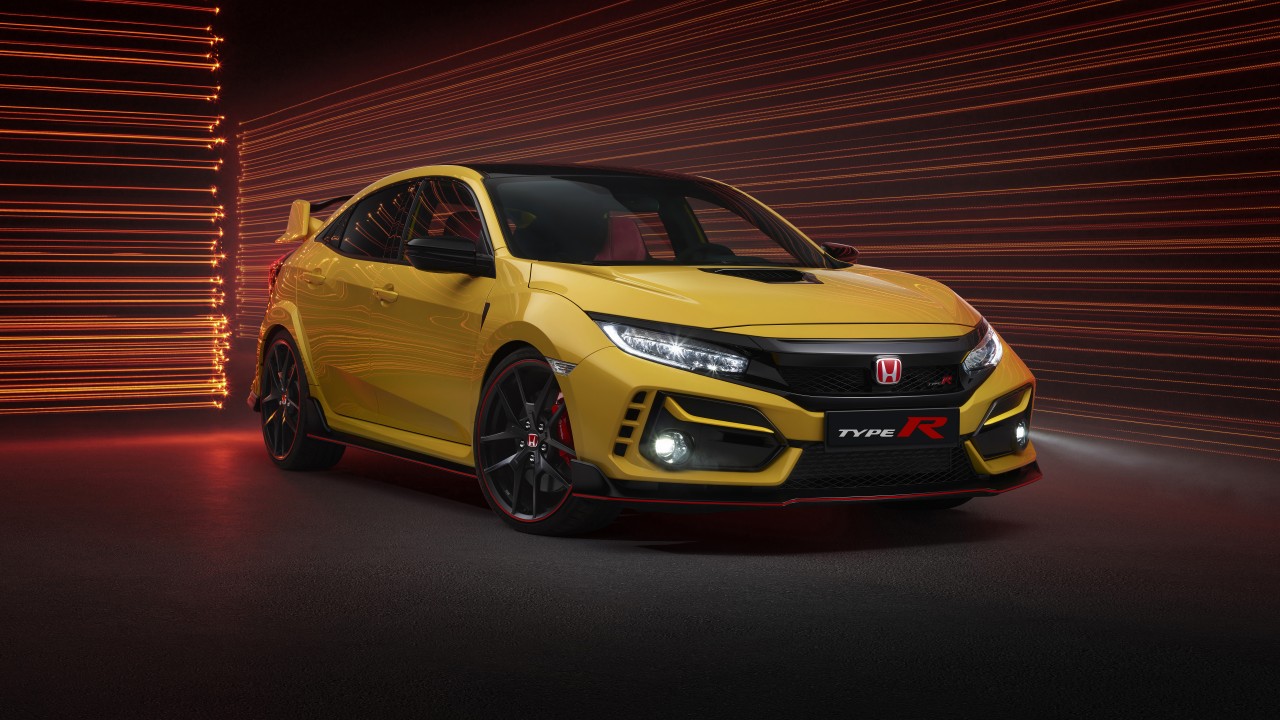
2) Honda Civic
The Honda Civic is a popular choice for daily suburban commuting. It is reliable, efficient, and enjoyable to drive. Many commuters prefer the Civic because it balances performance, comfort, and affordability without creating high ownership or maintenance costs.
Fuel economy is a major strength of the Honda Civic. It delivers excellent mileage during long suburban drives and slow-moving traffic. This helps drivers reduce fuel expenses, making it ideal for people who commute every day to work or school.
The Civic offers a smooth and confident driving experience. Steering feels precise, acceleration is responsive, and the suspension handles bumps well. These features make it comfortable on city roads, highways, and busy suburban streets during rush hours.
Reliability is one of the Civic’s biggest advantages. Honda engines are known for lasting many years with proper care. Major mechanical problems are rare, allowing owners to depend on their car without worrying about unexpected breakdowns.
Maintenance costs for the Honda Civic remain affordable. Spare parts are widely available, and most local mechanics know how to service it. Regular maintenance like oil changes, brakes, and filters is simple and budget-friendly.
The Civic performs well in changing weather conditions. With good tires, it stays stable on wet roads and light snow. Cold starts are reliable, which is important for commuters during winter mornings and seasonal temperature changes.
Inside, the Honda Civic feels modern and comfortable. The seats support long drives, and the dashboard layout is easy to use. There is enough room for passengers, work bags, groceries, and daily commuting essentials.
Safety features make the Civic a strong family-friendly commuter car. It includes airbags, stability control, and advanced driver assistance features. These systems help reduce accidents and improve confidence while driving in heavy traffic.
The Civic also holds its value well over time. Its strong reputation keeps resale prices high. This benefits owners who plan to upgrade later, as they can recover more money compared to many other compact cars.
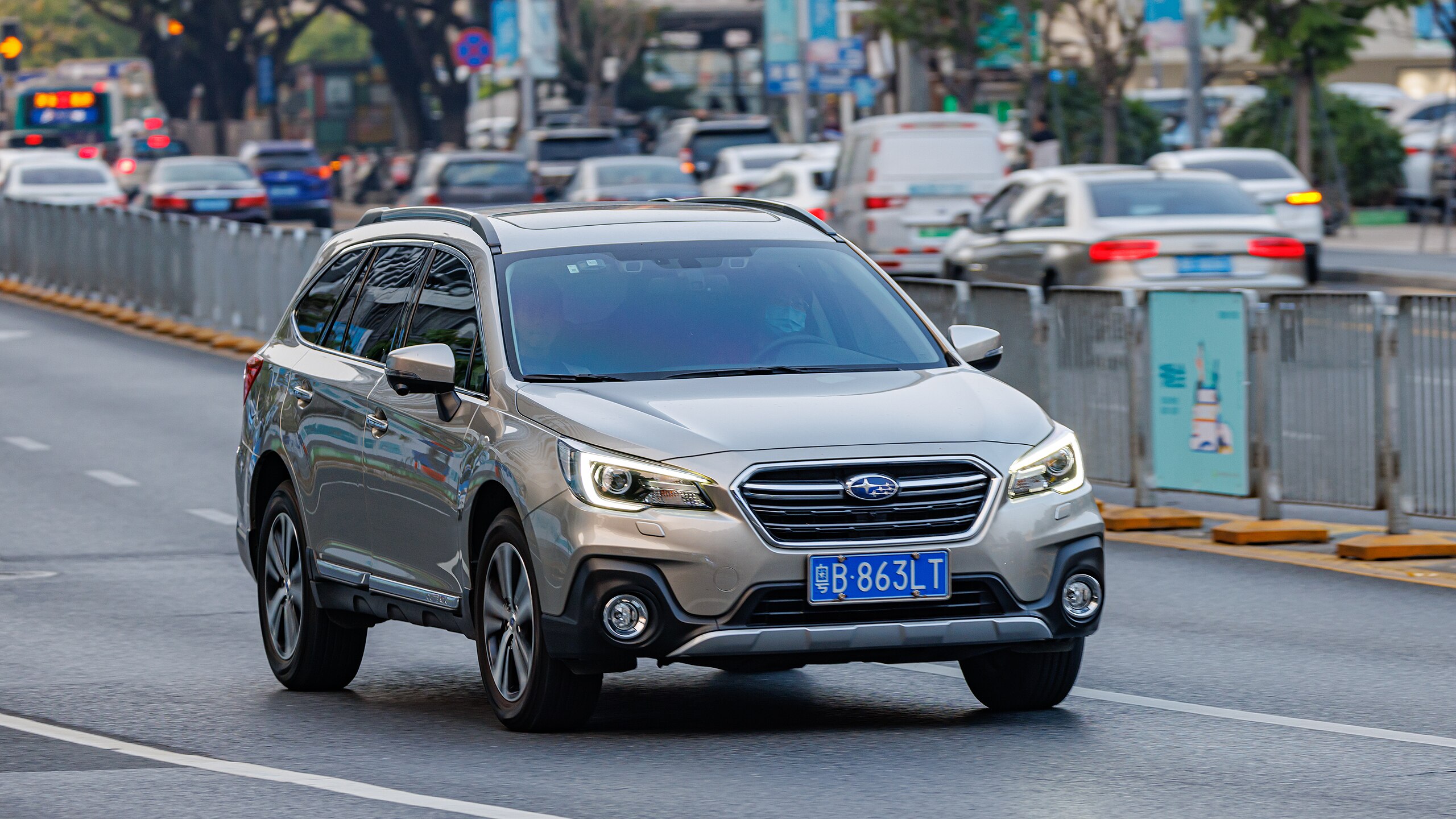
3) Subaru Outback
The Subaru Outback is a strong choice for suburban commuters who face changing road and weather conditions. It is practical, comfortable, and dependable. Many families and professionals choose it for daily travel and weekend use.
One of the Outback’s biggest strengths is its standard all-wheel drive. This system improves traction on wet roads, snow, and slippery surfaces. It helps drivers feel confident during rainy days and winter commutes common in coastal and northern regions.
The Outback handles suburban roads smoothly and calmly. Its suspension absorbs bumps and uneven pavement well. Steering feels stable and controlled, making it easy to drive on long routes, highways, and busy neighborhood streets.
Reliability is another key reason people trust the Subaru Outback. With regular maintenance, the engine and drivetrain last many years. Owners often report fewer major issues compared to many other midsize vehicles.
Fuel efficiency is reasonable for its size and capability. While it uses slightly more fuel than a small sedan, it balances power and economy well. This makes it practical for commuters who want space without excessive fuel costs.
Maintenance and repair costs remain manageable. Subaru parts are widely available, and many mechanics are familiar with the Outback. Routine services like brakes, oil changes, and tire rotations are simple and not overly expensive.
The Outback’s interior is designed for comfort and daily use. Seats are supportive for long commutes, and the cabin feels open and airy. Controls are easy to understand, reducing distraction during daily driving.
Cargo space is a major advantage of the Subaru Outback. It easily carries groceries, sports gear, strollers, and work equipment. This flexibility makes it ideal for suburban families with active lifestyles and changing daily needs.
Safety is a strong focus in the Outback. It includes advanced driver assistance features, strong crash protection, and excellent visibility. These qualities add peace of mind during heavy traffic and unpredictable road conditions.
The Subaru Outback also holds its value well over time. Its reputation for safety and reliability keeps demand high in the used market. This benefits owners when it comes time to sell or upgrade.
4) Toyota RAV4
The Toyota RAV4 is a popular choice for suburban commuters who want comfort, space, and reliability. It fits well into daily routines, offering easy driving, good visibility, and strong dependability for people traveling to work every day.
One of the biggest advantages of the RAV4 is its balanced fuel efficiency. For a compact SUV, it delivers good mileage on both suburban roads and highways. This helps commuters manage fuel costs while enjoying a larger vehicle.
Driving the RAV4 feels smooth and confident. The steering is light, brakes are responsive, and the suspension handles bumps well. This makes it comfortable for long commutes, school runs, and frequent stop-and-go suburban traffic.
The RAV4 is known for excellent long-term reliability. Toyota builds its engines and transmissions to last many years. With basic maintenance, owners usually experience fewer major mechanical problems compared to many competing SUVs.
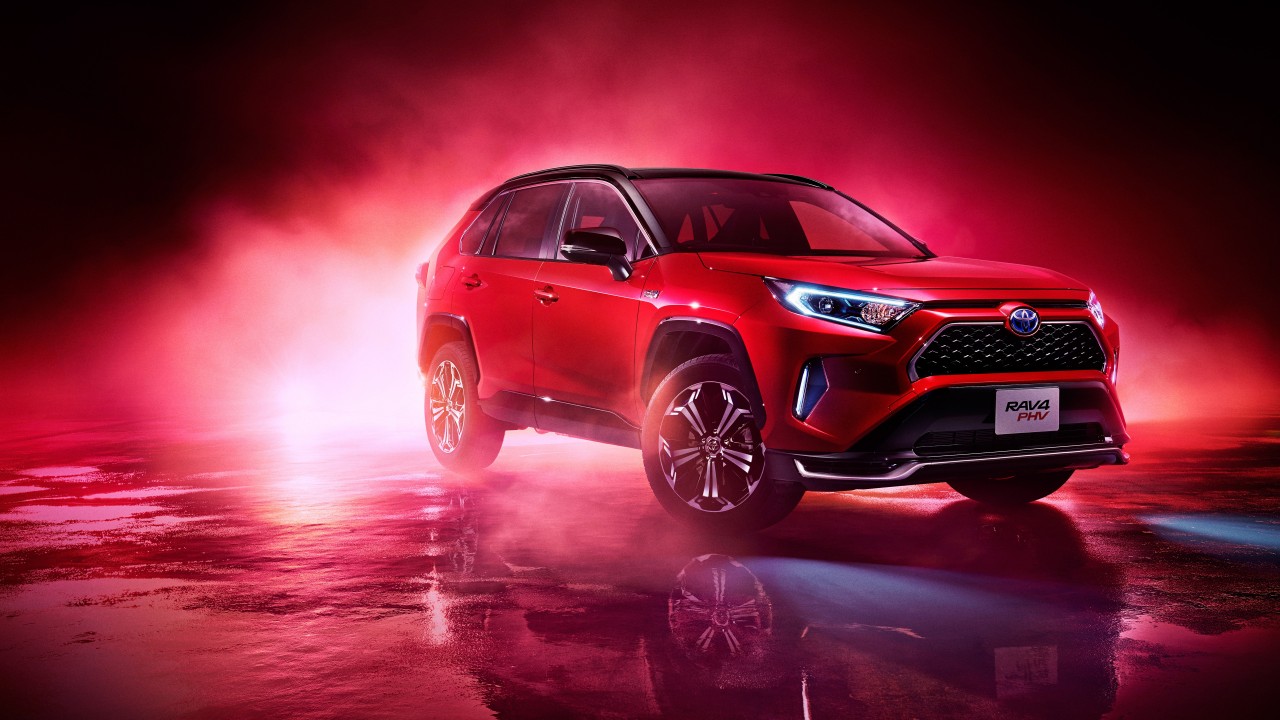
Maintenance costs for the Toyota RAV4 stay reasonable. Parts are widely available, and most mechanics are very familiar with this model. Routine services like oil changes, brake replacements, and tire rotations are simple and affordable.
The RAV4 performs well in different weather conditions. It stays stable on wet roads and light snow, especially in all-wheel-drive versions. This makes it a reliable option for commuters facing rain, cold mornings, and seasonal weather changes.
Cargo space is another strong point of the RAV4. It easily fits groceries, luggage, work equipment, and sports gear. This flexibility is ideal for suburban families with busy schedules and changing daily needs.
Safety is a major highlight of the Toyota RAV4. It includes advanced safety features like stability control, airbags, and driver assistance systems. These features help reduce accidents and increase confidence during daily commuting.
The RAV4 also holds its value well over time. Its strong reputation keeps resale prices high. This helps owners recover more money if they decide to sell or upgrade to a newer vehicle later.
5) Mazda CX-5
The Mazda CX-5 is a smart choice for suburban commuters who want comfort, reliability, and a stylish design. It feels more premium than many rivals while still remaining affordable to own and practical for everyday commuting needs.
Fuel efficiency in the Mazda CX-5 is well balanced for a compact crossover. It offers good mileage on suburban roads and highways. This helps commuters control fuel spending without sacrificing power or driving comfort during daily travel.
Maintenance and repair costs remain reasonable. Parts are widely available, and most mechanics are familiar with Mazda models. Routine services such as oil changes, brake work, and tire replacements are affordable compared to luxury crossover vehicles.
The Mazda CX-5 handles changing weather conditions confidently. It stays stable on wet roads and light snow, especially in all-wheel-drive versions. This makes it suitable for commuters facing rain, cold mornings, and seasonal weather changes.
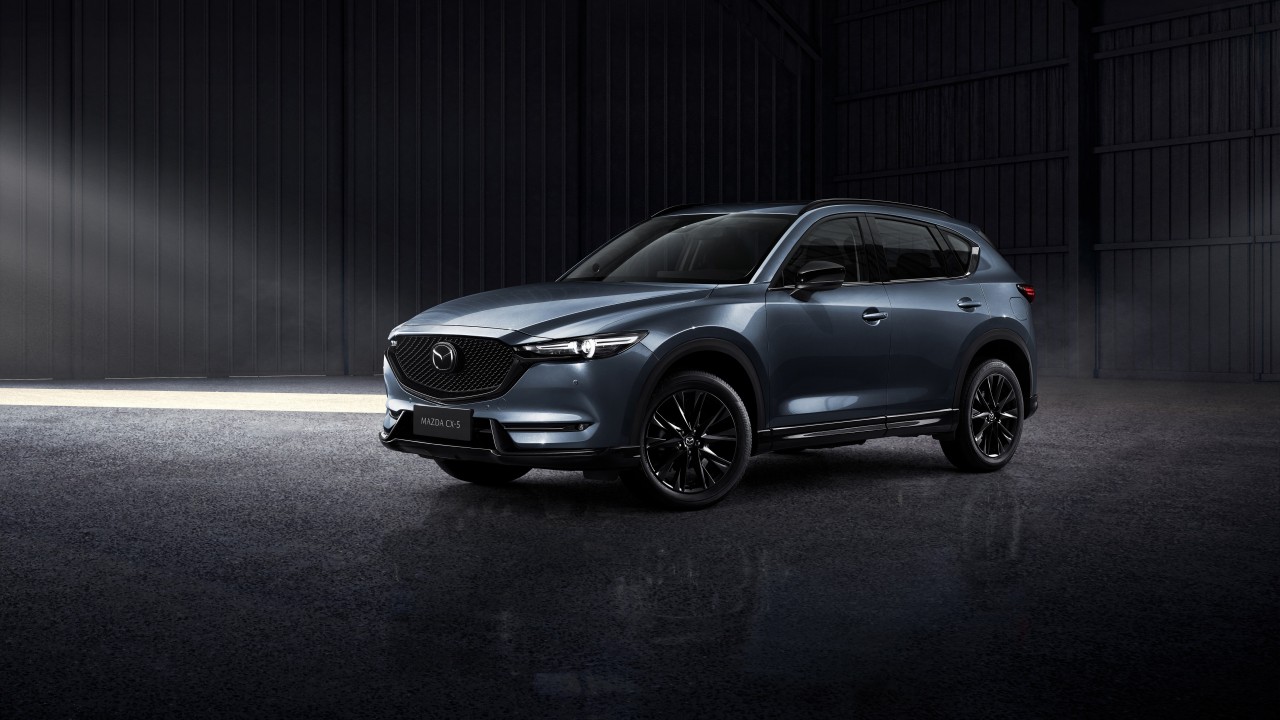
Cargo space in the Mazda CX-5 is practical for suburban life. It can carry groceries, work bags, sports gear, and weekend luggage. This flexibility makes it useful for families and professionals with busy schedules.
Safety is a major advantage of the Mazda CX-5. It includes modern safety features such as airbags, stability control, and driver assistance systems. These features improve confidence and protection during everyday commuting.
The Mazda CX-5 also holds its value well over time. Its strong reputation for quality and design keeps resale prices competitive. This benefits owners when upgrading or selling the vehicle in the future.
5 Cars That Cost More to Fix Over Time
When you buy a car, the sticker price is just the beginning. Over time, repair and maintenance costs can chip away at your budget, sometimes dramatically. Some vehicles may feel great to drive and look fantastic on the road, but they can sting your wallet every time you need service, parts, or upkeep.
In this guide, we’re breaking down five cars that tend to cost more to fix over time, helping you avoid surprise bills and choose a ride that’s kinder to your long-term finances. Whether you’re buying new or used, this list sheds light on models with steeper ownership costs so you can make a smarter decision before you commit.
1) BMW 5 Series
The BMW 5 Series is a luxury sedan that attracts many buyers with its style and performance. It feels smooth, powerful, and premium on the road. However, for daily suburban commuting, long-term ownership can become costly and stressful.
One major concern with the BMW 5 Series is repair expense. Parts are expensive, and labor costs are high because repairs often require specialized tools and trained technicians. Even small issues can result in large service bills.
The advanced technology inside the 5 Series adds comfort but also complexity. Touchscreens, sensors, and electronic systems may fail as the car ages. Diagnosing and fixing these problems usually costs much more than simpler commuter vehicles.
Engine and transmission repairs can be especially expensive. Turbocharged engines deliver strong performance, but they add extra components that may wear out over time. When problems appear, repairs can quickly become very costly for owners.
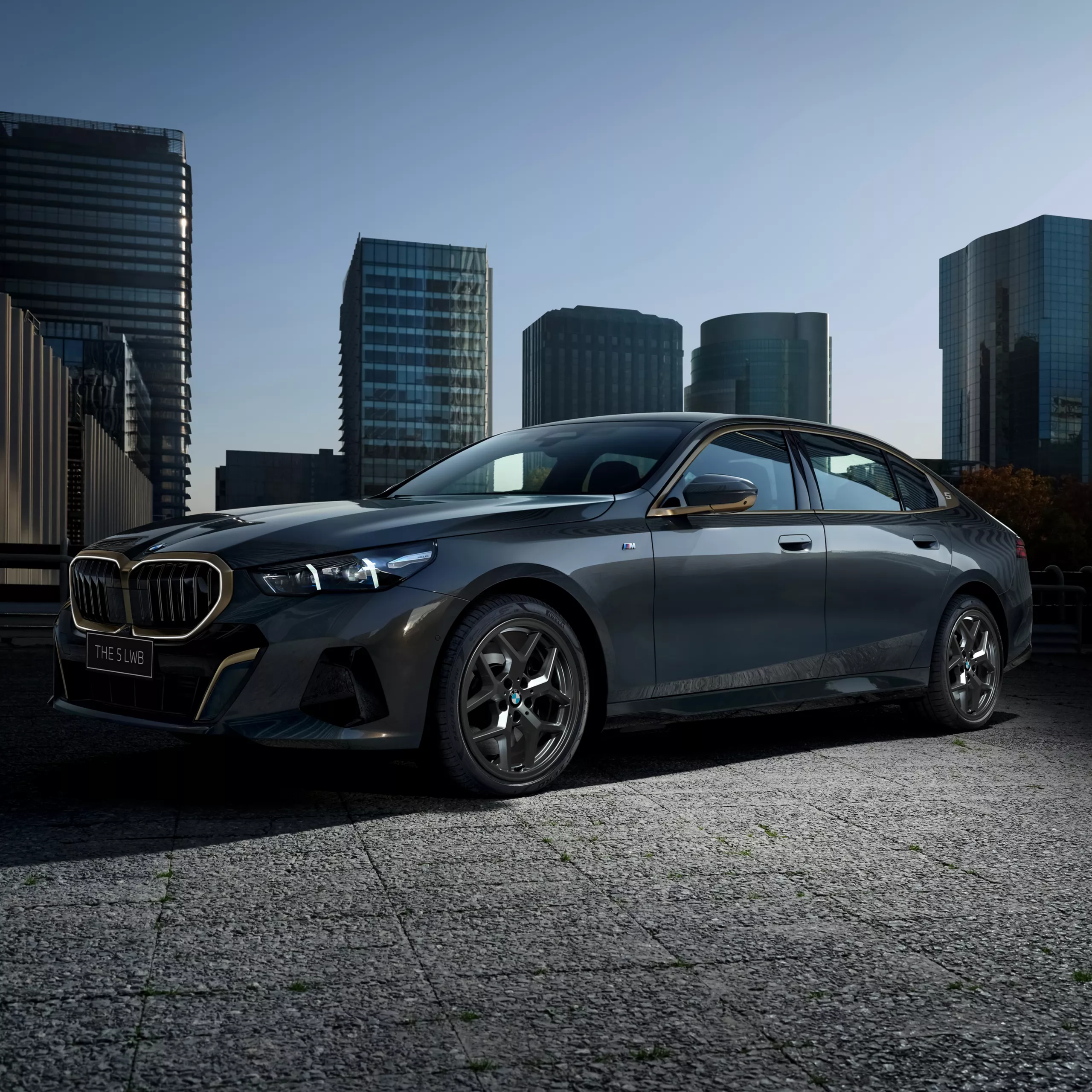
Routine maintenance for the BMW 5 Series also costs more. Oil changes, brakes, and suspension parts are priced higher than mainstream brands. Skipping proper maintenance can lead to even bigger problems later.
The suspension system is designed for comfort and handling, but it wears faster on rough suburban roads. Replacing shocks, control arms, or bushings can be expensive and may be required more often than expected.
In colder and wet climates, electrical and sensor issues are more common. Warning lights, malfunctioning systems, and software faults can appear, often requiring dealership visits instead of simple local repairs.
2) Audi A6
The Audi A6 is a stylish luxury sedan that offers a smooth ride and a high-quality interior. Many drivers are drawn to its design and technology. However, for daily suburban commuting, ownership costs can become high over time.
One major issue with the Audi A6 is expensive repairs. Audi parts are costly, and labor charges are higher because repairs often require specialized knowledge. Even minor mechanical problems can lead to large service bills.
The A6 is packed with advanced technology and electronics. While these features improve comfort, they also increase the risk of failures as the car ages. Electrical and software issues are common and expensive to diagnose and repair.
Engine complexity adds to long-term costs. Many Audi A6 models use turbocharged engines that deliver strong performance. These engines include extra components that can wear out, increasing the chances of costly repairs after several years.
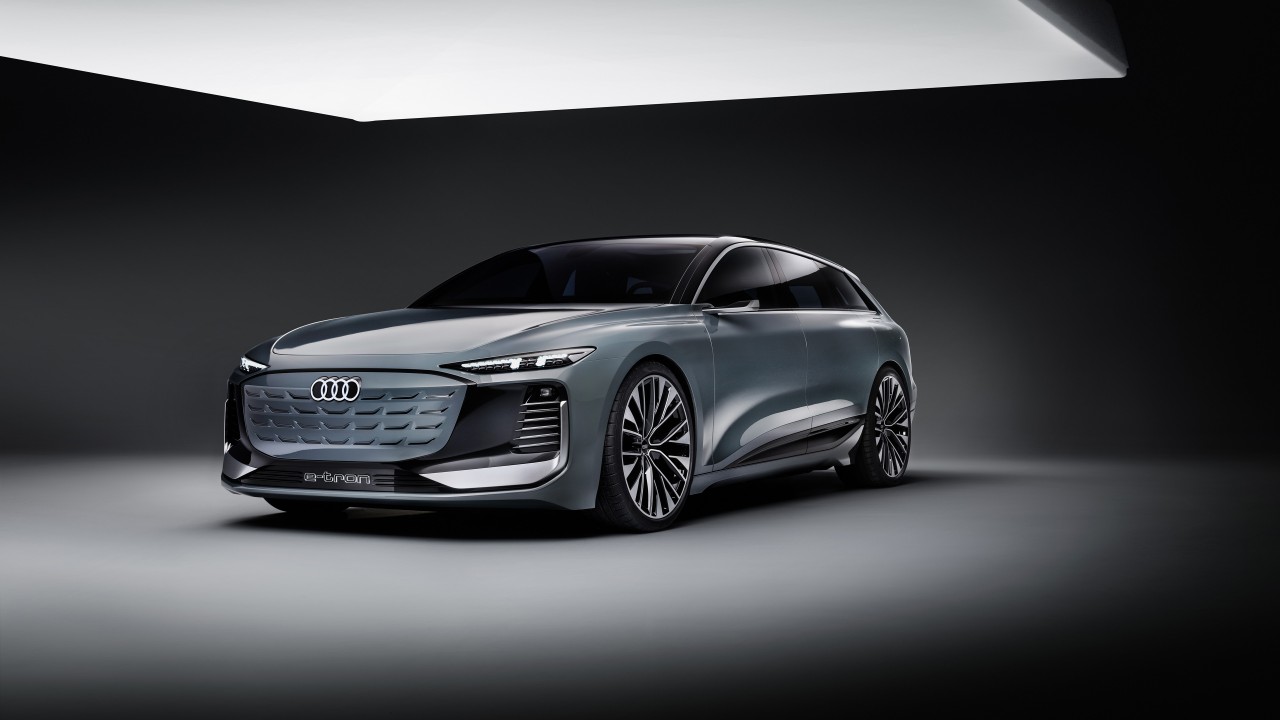
Routine maintenance for the Audi A6 is also more expensive than average. Oil changes, brake services, and fluid replacements cost more than mainstream cars. Delaying scheduled maintenance often leads to bigger and more expensive problems.
The suspension system is designed for comfort and handling but can be fragile on rough suburban roads. Repairs to suspension parts such as control arms and shocks are costly and may be needed sooner than expected.
Resale value tends to drop quickly once the warranty expires. Many used-car buyers avoid older luxury sedans due to repair risks. This means owners may lose more money when selling or trading in the vehicle.
3) Mercedes-Benz C-Class
The Mercedes-Benz C-Class is a compact luxury sedan known for its elegant design and smooth ride. It feels refined and comfortable, making it appealing to many buyers. However, for daily suburban commuting, ownership costs can rise quickly.
One of the biggest drawbacks of the C-Class is expensive repairs. Genuine Mercedes parts cost more, and labor charges are higher because repairs often require specialized tools and trained technicians at certified service centers.
The C-Class uses advanced technology throughout the vehicle. While this improves comfort and safety, it also increases complexity. As the car ages, electronic and sensor failures become more common and costly to diagnose.
Engine and transmission systems in the C-Class are finely tuned for performance. Turbocharged engines deliver smooth power but include extra components. When these parts wear out, repairs can be expensive and time-consuming for owners.
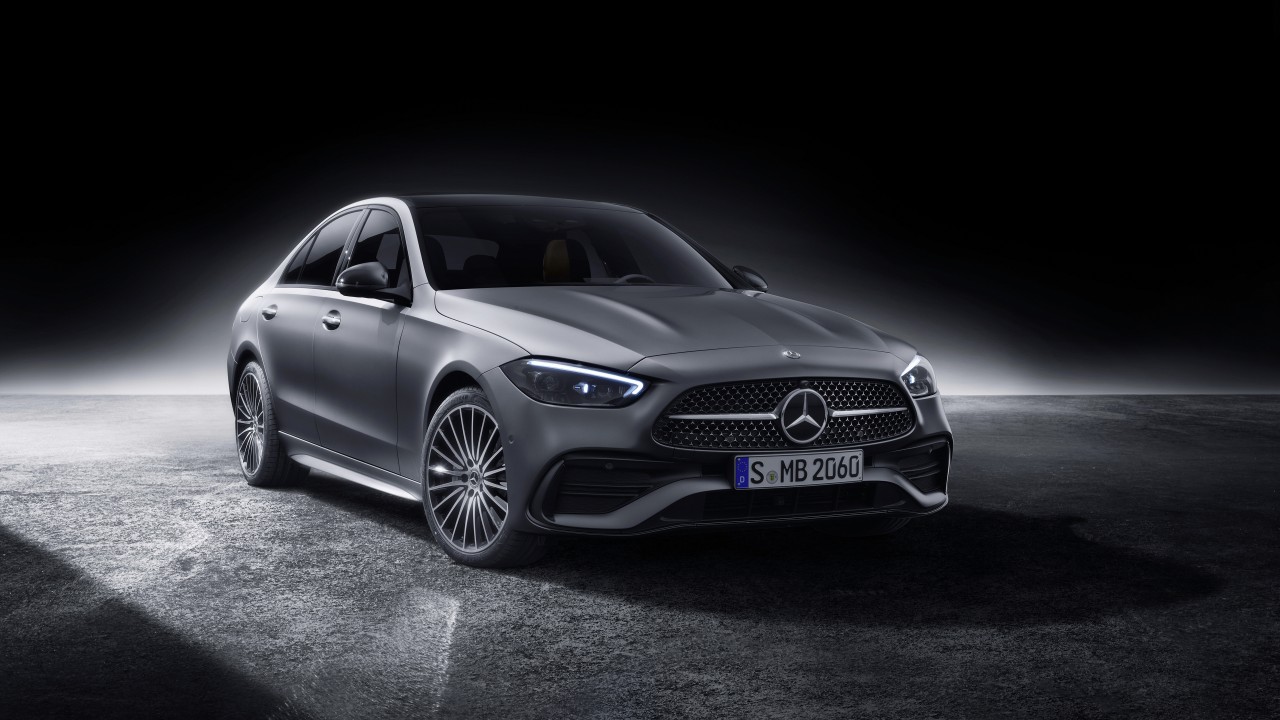
Routine maintenance also costs more than average. Oil changes, brake services, and fluid replacements are priced higher than mainstream cars. Skipping scheduled maintenance often leads to bigger mechanical problems later.
Suspension components are designed for comfort but may wear faster on rough suburban roads. Replacing shocks, control arms, or bushings can be costly and may be needed sooner than expected.
Fuel expenses add to daily costs. Most Mercedes-Benz C-Class models require premium fuel, which increases commuting expenses over time. This makes daily driving more expensive compared to fuel-efficient commuter vehicles.
Cold and wet weather can also cause issues. Electrical systems, sensors, and warning lights may malfunction, leading to frequent service visits. These problems are frustrating and costly for long-term suburban owners.
Insurance costs for the C-Class are usually higher. Luxury branding, expensive parts, and higher repair bills increase insurance premiums, adding another layer of expense for everyday commuters.
Resale value drops once the car is out of warranty. Many buyers hesitate to purchase used luxury sedans due to repair risks. This means owners often lose more money when selling later.
4) Range Rover Evoque
The Range Rover Evoque is a compact luxury SUV known for its bold design and premium image. It attracts buyers who want style and status. However, for daily suburban commuting, long-term ownership often becomes expensive and inconvenient.
One of the biggest concerns with the Evoque is reliability. Many owners report frequent electrical and mechanical issues as the vehicle ages. These problems can appear suddenly and disrupt daily commuting routines.
Repair costs for the Range Rover Evoque are very high. Parts are expensive, and labor requires specialized technicians. Even small repairs can result in large bills, making it stressful for owners relying on the vehicle daily.

The Evoque’s advanced electronics add comfort but also complexity. Touchscreens, sensors, and software systems are prone to failure over time. Diagnosing these issues often requires dealership visits, which are costly and time-consuming.
Engine and transmission repairs are another major drawback. Turbocharged engines deliver good performance but include many components that can wear out. When failures occur, repair costs can quickly exceed those of mainstream SUVs.
Routine maintenance is also expensive. Oil changes, brake work, and fluid services cost much more than average. Skipping proper maintenance increases the risk of serious mechanical problems later.
5) Jaguar XF
The Jaguar XF is a luxury sedan known for its elegant design and smooth ride quality. It looks refined and feels comfortable on the road. However, for daily suburban commuting, ownership often becomes costly and demanding.
One of the main issues with the Jaguar XF is reliability. As the vehicle ages, owners frequently report electrical and mechanical problems. These issues can appear without warning and disrupt regular commuting schedules.
Repair costs for the Jaguar XF are high. Replacement parts are expensive, and many repairs require specialized technicians. This makes even small fixes costly, especially when compared to reliable mainstream commuter vehicles.
The XF uses advanced electronics throughout the cabin and drivetrain. While these features enhance comfort and style, they increase complexity. Over time, sensors, infotainment systems, and software can fail and require costly repairs.
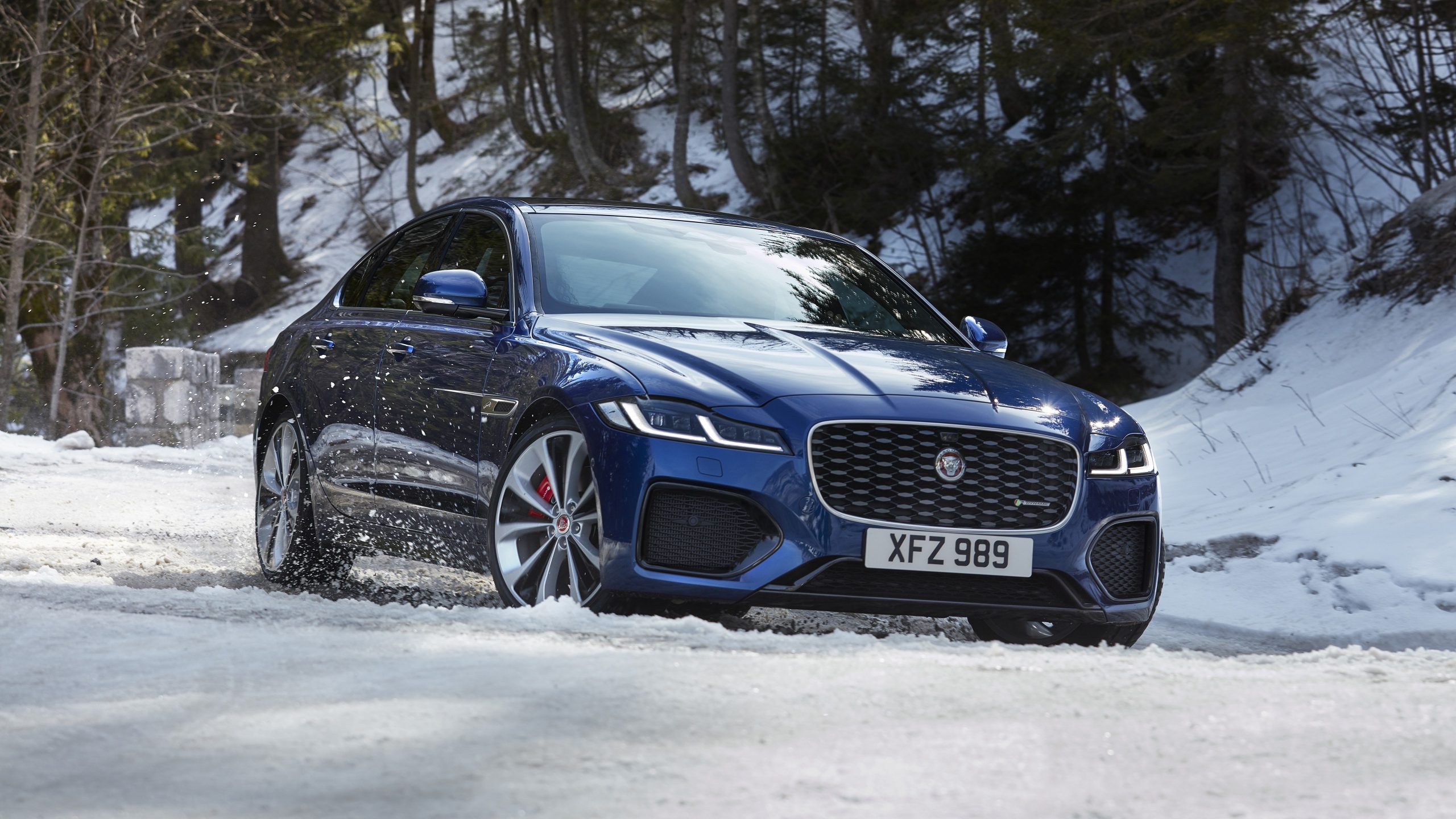
Engine-related repairs can also be expensive. Many Jaguar XF models use turbocharged engines that offer strong performance. These engines contain extra components that may wear out, leading to high repair bills after warranty coverage ends.
Routine maintenance costs are another drawback. Oil changes, brake services, and fluid replacements are priced higher than average. Skipping maintenance often leads to larger mechanical problems, increasing long-term ownership stress.
Fuel expenses add to daily costs for suburban commuters. Most Jaguar XF models require premium fuel. Over months and years of commuting, fuel spending becomes noticeably higher than with fuel-efficient sedans.
Cold and wet weather can worsen reliability issues. Electrical faults, warning lights, and sensor malfunctions are common complaints. These problems often require dealership visits instead of quick repairs at local shops.