Choosing the right vehicle for life in Chula Vista requires a careful balance of efficiency, comfort, and practicality. Daily errands, school runs, and commuting demand cars that are reliable, easy to drive, and capable on city streets and suburban roads.
This guide presents five vehicles ideal for suburban runs, including hybrids and SUVs that provide fuel savings, spacious interiors, and confident performance. Equally important is long-term affordability, so we also highlight five low-service-cost picks that minimize maintenance expenses, offer durable parts, and reduce unexpected repair bills.
These ten cars combine practicality with economy, helping families, commuters, and everyday drivers make smart choices for their daily routines. From efficient hybrid sedans to dependable SUVs, each option ensures a stress-free driving experience while keeping ownership costs manageable.
5 Cars for Chula Vista Suburban Runs
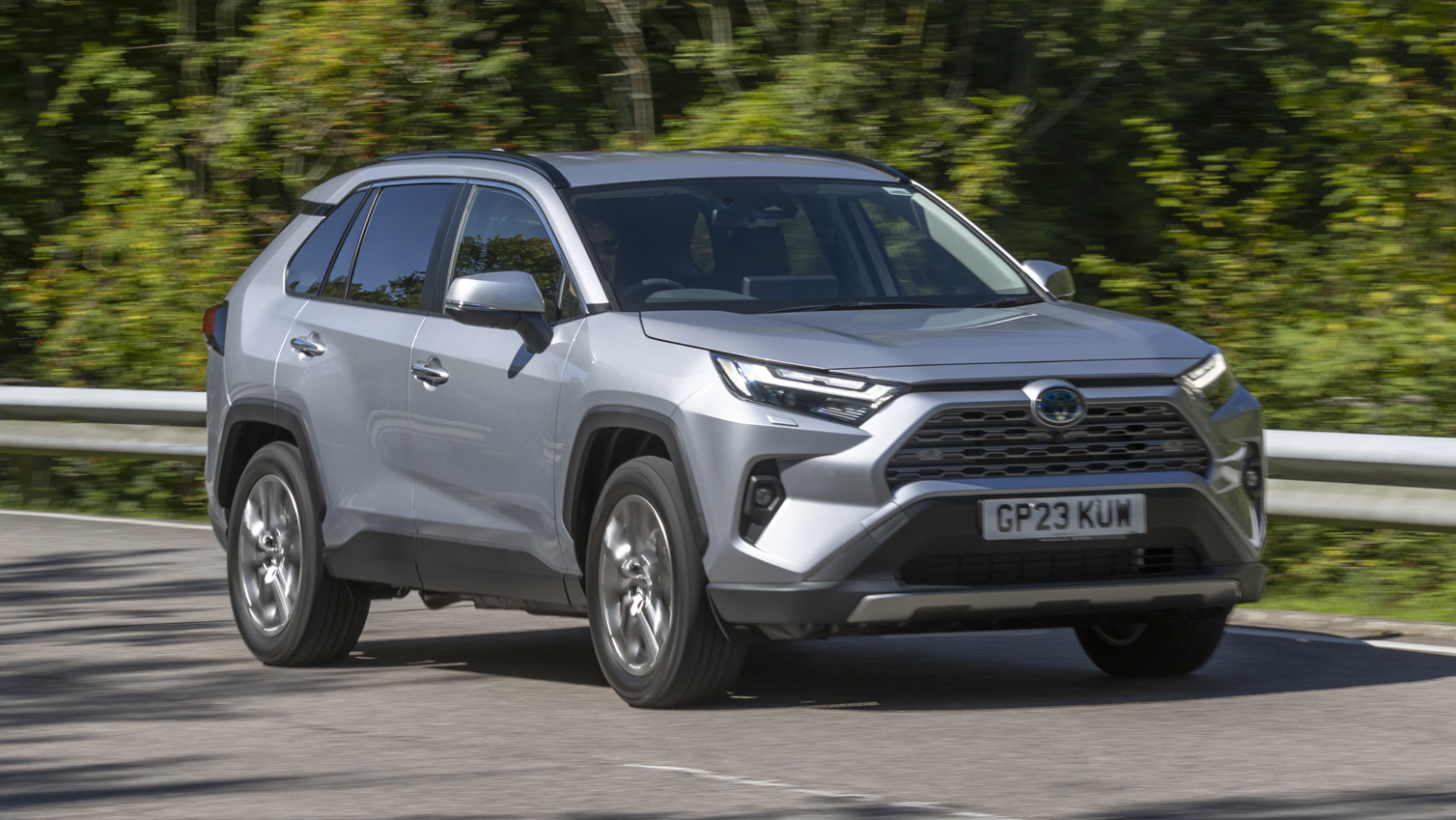
1. Toyota RAV4 Hybrid: A Smart, Efficient SUV for Suburban and City Driving
The Toyota RAV4 Hybrid continues to stand out as one of the most well rounded compact SUVs on the road, especially for drivers who want a balance of fuel savings, everyday performance, and long term reliability.
For suburban and city environments like Chula Vista and the greater San Diego area, its hybrid system and standard all wheel drive make it a practical and confident choice for everything from school runs to highway commuting.
The RAV4 Hybrid is powered by a 2.5 liter four cylinder engine paired with three electric motors and a continuously variable transmission. This setup produces a combined 219 horsepower, giving the vehicle noticeably better acceleration than the standard gas only RAV4.
One of the electric motors drives the rear wheels, which means all wheel drive comes standard on every hybrid model. That added traction is especially helpful in rainy conditions and on uneven or sloped roads. In testing, the RAV4 Hybrid reached 60 miles per hour in about 7.3 seconds, making it quick enough for smooth highway merges and confident city driving.
Fuel efficiency is one of its biggest strengths. The EPA rates the RAV4 Hybrid at 41 miles per gallon in the city, 38 on the highway, and 40 combined. These numbers are far better than the conventional AWD RAV4 and translate into meaningful savings for drivers who spend a lot of time in traffic or running errands.
Real world highway testing returned 37 mpg, which is still impressive for a compact SUV. For those who want even more performance and electric driving capability, the RAV4 Plug in Hybrid offers 302 horsepower and up to 42 miles of electric only range, allowing many daily trips to be done without using gas.
Inside, the RAV4 Hybrid focuses on comfort and practicality. The cabin offers plenty of storage bins, simple and easy to reach controls, and useful features such as dual zone climate control and an adjustable cargo floor. Higher trims add heated seats, upgraded upholstery, and ambient lighting.
Passenger and cargo space match the regular RAV4, with room for 10 carry on suitcases behind the rear seats and up to 22 when they are folded down. Infotainment includes standard wireless Apple CarPlay and Android Auto, available larger touchscreens, and optional premium audio and navigation.
Safety and ownership value also play a big role in its appeal. Toyota includes advanced driver assistance features like automatic emergency braking, lane keeping assist, and adaptive cruise control as standard equipment.
The warranty is generous, with hybrid components covered for up to 10 years or 150,000 miles and two years of complimentary scheduled maintenance. Together, these qualities make the RAV4 Hybrid a dependable, efficient, and versatile SUV for daily driving.
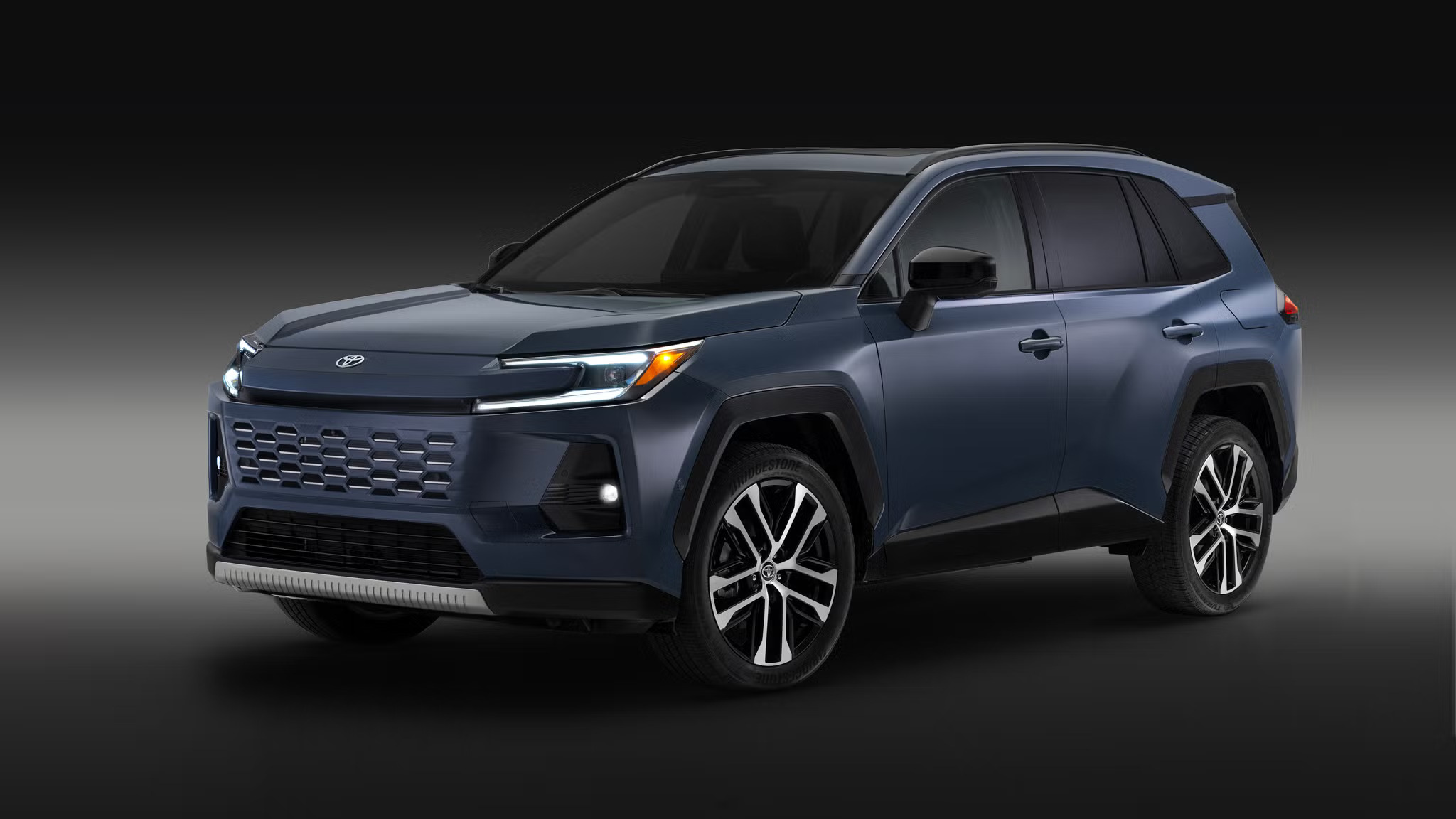
2. Honda CR-V Hybrid: A Spacious, Efficient SUV Built for Suburban Life
The Honda CR-V Hybrid is designed to be a comfortable, efficient, and family friendly compact SUV, making it a strong match for suburban communities such as Chula Vista and the surrounding South Bay. With a smooth hybrid powertrain, a roomy interior, and advanced safety technology, it is built to handle everything from daily commuting to weekend errands with ease.
Power comes from a 2.0 liter four cylinder engine paired with two electric motors, producing a combined 204 horsepower. This setup gives the CR-V Hybrid more power than the standard gas model while delivering a quieter and smoother driving experience.
The electric motor provides instant torque, which helps the CR-V feel responsive in stop and go traffic and when merging onto highways like I-805. Honda offers the CR-V Hybrid with front wheel drive or its Real Time all wheel drive system, which improves traction and stability on wet roads and hilly terrain.
Newer AWD models also benefit from enhanced low speed traction control, helping the vehicle maintain grip in slippery conditions.
Fuel efficiency is another major advantage. The EPA rates front wheel drive CR-V Hybrid models at up to 43 mpg in the city and 40 mpg combined, while all wheel drive versions still achieve an impressive 37 mpg combined.
In real world highway testing, an AWD Sport Touring model delivered about 35 mpg, which is excellent for a compact SUV. This efficiency gives the CR-V Hybrid a driving range of well over 500 miles, reducing the need for frequent fuel stops during busy weeks.
Inside, the CR-V Hybrid is known for its spacious and thoughtfully designed cabin. Both front and rear passengers enjoy plenty of legroom and headroom, making it comfortable for families and carpools.
The interior uses attractive materials and a clean layout with physical climate control knobs that are easy to operate. The cargo area is also generous, holding 11 carry on suitcases behind the rear seats and up to 29 when the seats are folded down, making it ideal for grocery runs, sports gear, or beach trips.
Technology and safety are strong points as well. Every CR-V Hybrid comes with a 9 inch touchscreen, wireless Apple CarPlay and Android Auto, and wireless charging. Higher trims add a larger digital gauge display, built in navigation, and a premium Bose sound system.
Honda Sensing safety features are standard, including automatic emergency braking, lane keeping assist, blind spot monitoring, and adaptive cruise control. With its blend of comfort, efficiency, and everyday usability, the CR-V Hybrid is well suited to suburban and city driving alike.
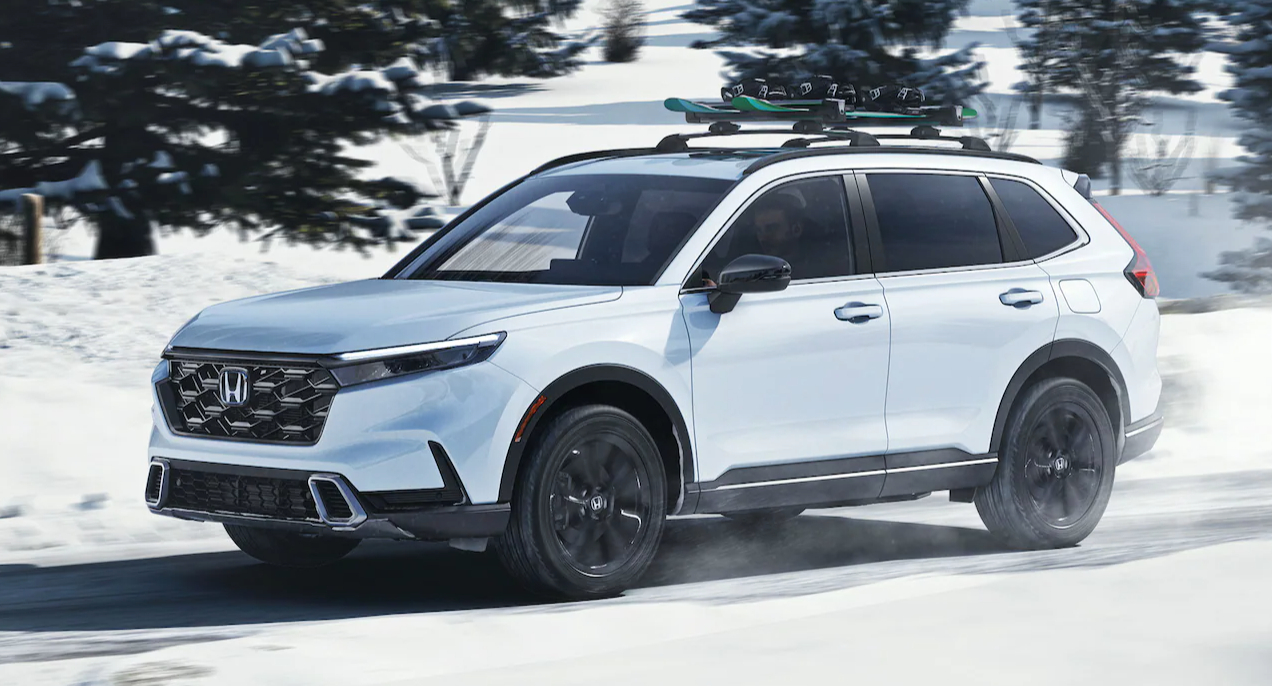
3. Chevrolet Suburban: A Full-Size SUV Built for Big Families and Big Adventures
The Chevrolet Suburban is one of the most capable and family focused SUVs on the road, making it a strong fit for life in and around Chula Vista. For households juggling school drop offs, sports tournaments, grocery runs, and weekend trips to the beach or mountains, the Suburban offers the space, comfort, and power needed to handle it all with ease.
The 2026 model benefits from an updated 10 speed automatic transmission that helps this large SUV feel more responsive and easier to maneuver, even in crowded shopping centers or busy parking lots.
Under the hood, the Suburban offers three engine choices to suit different needs. The standard 5.3 liter V8 delivers 355 horsepower, while the optional 6.2 liter V8 boosts output to 420 horsepower for drivers who want stronger acceleration and towing ability.
There is also a 3.0 liter turbo diesel inline six that produces 305 horsepower and strong torque, along with significantly better fuel economy than the gas engines. All engines are paired with the 10 speed automatic transmission and can be configured with rear wheel drive or four wheel drive.
With available adaptive dampers and an adjustable air suspension, the Suburban can smooth out rough pavement and potholes while also lowering or raising ride height for easier entry or extra ground clearance on dirt roads.
Despite its size, the Suburban offers respectable performance. A model equipped with the 6.2 liter V8 can reach 60 miles per hour in about six seconds, which is quick for a vehicle this large. The diesel version is slower but delivers strong low end pull and impressive efficiency, with EPA ratings as high as 26 miles per gallon on the highway.
Inside, the Suburban truly shines. Three rows of seating provide room for up to nine passengers, and even the third row offers adult friendly legroom.
The large cargo area behind the third row easily handles sports equipment, luggage, or groceries, and the flat, low load floor makes it easy to pack. The cabin ranges from practical on lower trims to nearly luxurious in the High Country, which adds leather, wood trim, and premium finishes.
Technology and safety are also major highlights. Every Suburban comes with a large digital gauge cluster and a 17.7 inch infotainment screen with Apple CarPlay, Android Auto, Wi Fi, and wireless charging.
Advanced safety features such as automatic emergency braking, lane keeping assist, and available hands free adaptive cruise control help reduce stress when driving such a large vehicle. With its blend of space, power, comfort, and modern technology, the Chevrolet Suburban is built to handle both everyday life and big family adventures.
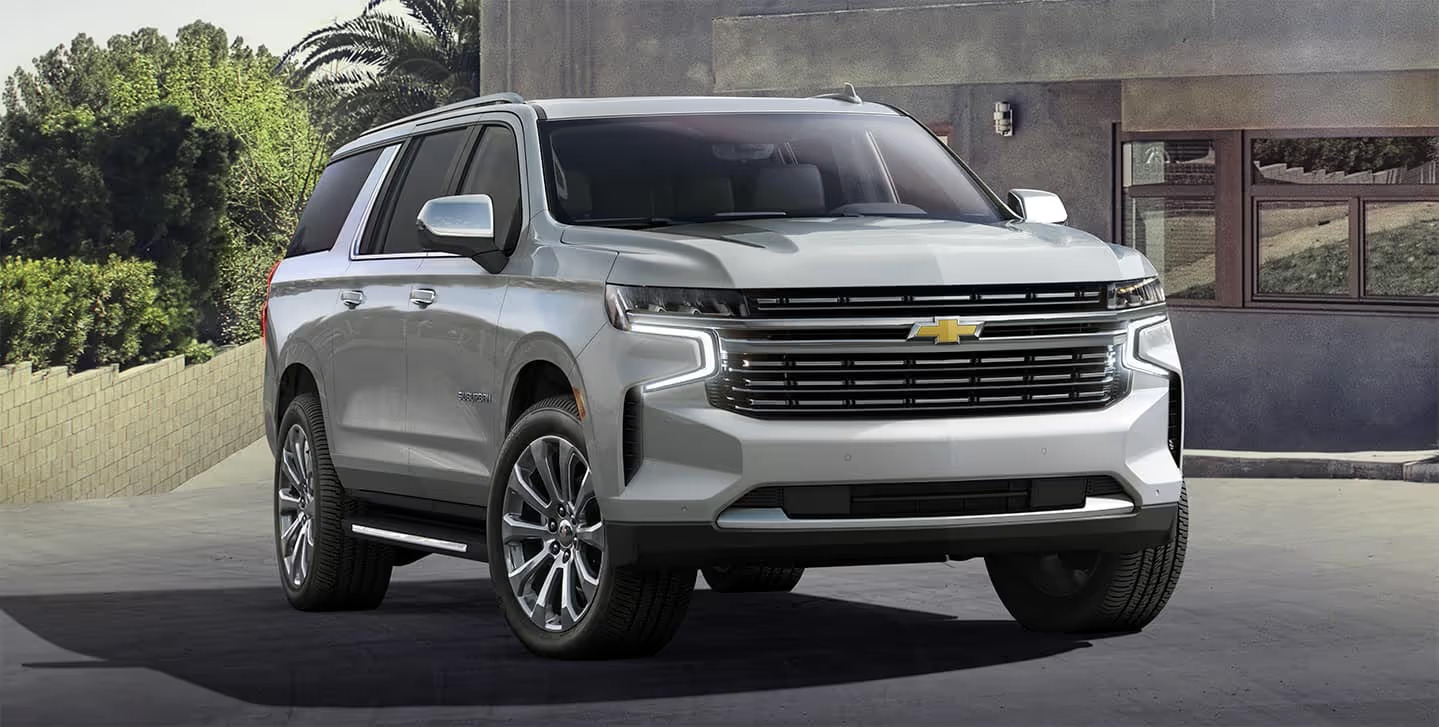
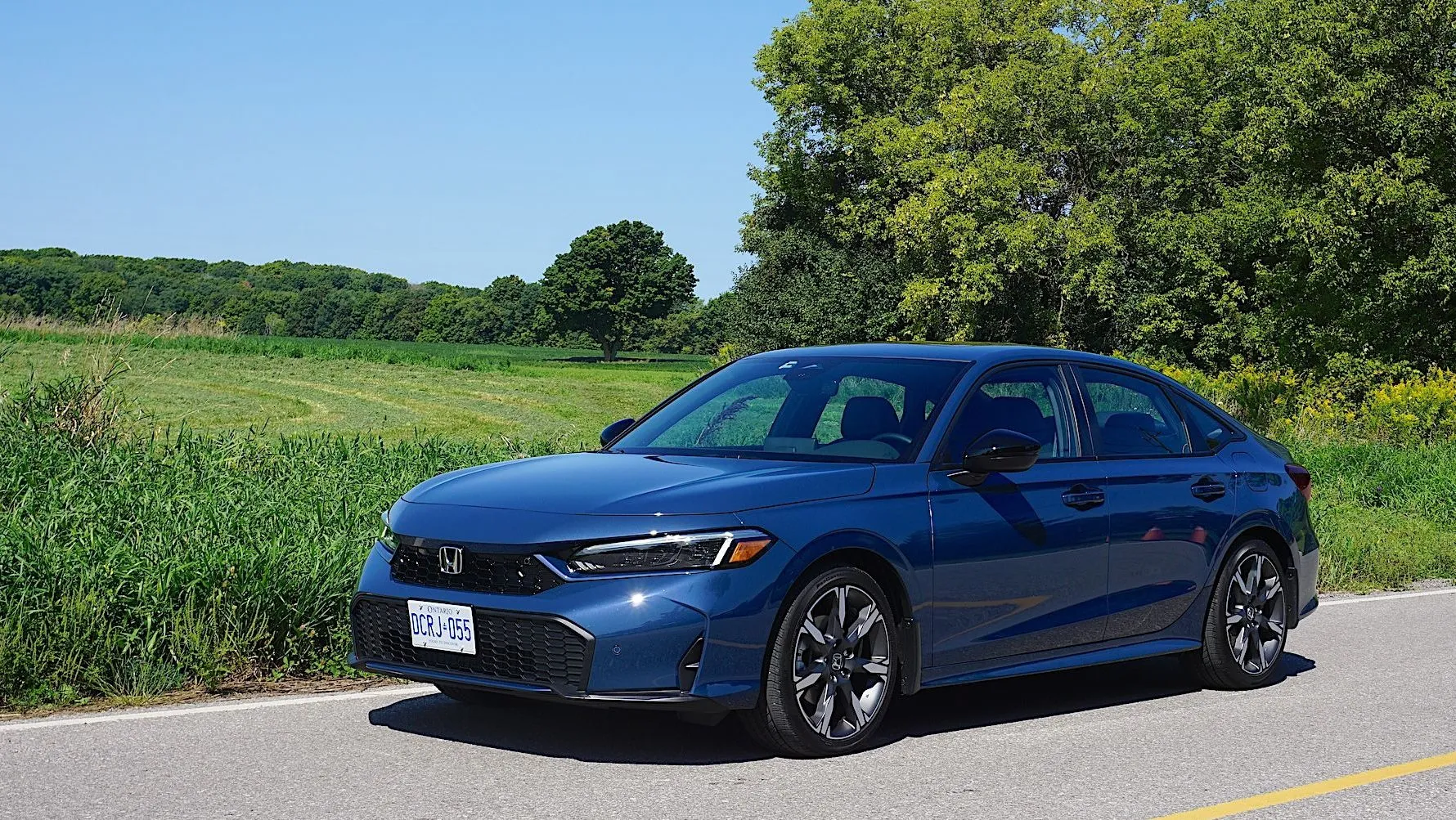
4. Honda Civic Hybrid: A Smart, Efficient Sedan for Everyday City and Suburban Driving
The Honda Civic Hybrid is built for drivers who want outstanding fuel economy without giving up comfort, technology, or driving enjoyment. For people commuting between Chula Vista and Downtown San Diego or running daily errands around the South Bay, it delivers an ideal mix of efficiency, smoothness, and practicality in a compact and easy to park package.
The Civic Hybrid uses a 2.0 liter four cylinder engine paired with two electric motors to produce a combined 200 horsepower. This setup makes it far quicker and more responsive than the standard gas powered Civic.
In testing, the hybrid sedan reached 60 miles per hour in just 6.2 seconds, which puts it close to the sporty Civic Si while maintaining exceptional fuel efficiency. Power is delivered smoothly through a continuously variable transmission to the front wheels, creating a calm and refined driving experience that works well in stop and go traffic and on busy freeways.
Fuel economy is where the Civic Hybrid really stands out. EPA ratings for the current model are as high as 50 miles per gallon in the city and 47 on the highway. In real world highway testing at 75 miles per hour, it still returned an impressive 47 mpg.
This makes it especially appealing in California, where gas prices are high and many daily trips involve short drives and heavy traffic that allow the hybrid system to rely more on electric power.
Inside, the Civic Hybrid offers a clean, comfortable, and well organized cabin. The front seats are supportive and spacious, and the rear seat has enough room for two adults to ride comfortably.
Storage space is practical for a compact sedan, with room for six carry on suitcases in the trunk and much more when the rear seats are folded down. Materials and build quality feel solid, especially on higher trims that add leather seating and a quieter interior.
Technology and safety also play a big role in the Civic Hybrid’s appeal. A 7 inch touchscreen comes standard, while a larger 9 inch display with wireless Apple CarPlay and Android Auto is available.
Optional features include a digital gauge cluster, wireless charging, and a Bose sound system. Honda Sensing safety features such as automatic emergency braking, lane keeping assist, and adaptive cruise control come standard, adding confidence during busy commutes.
With its blend of efficiency, performance, comfort, and proven reliability, the Honda Civic Hybrid is an excellent choice for drivers who want a low cost, stress free, and enjoyable daily driver.
5. Kia Sorento Hybrid: The Perfectly Sized Three-Row SUV for Suburban Driving
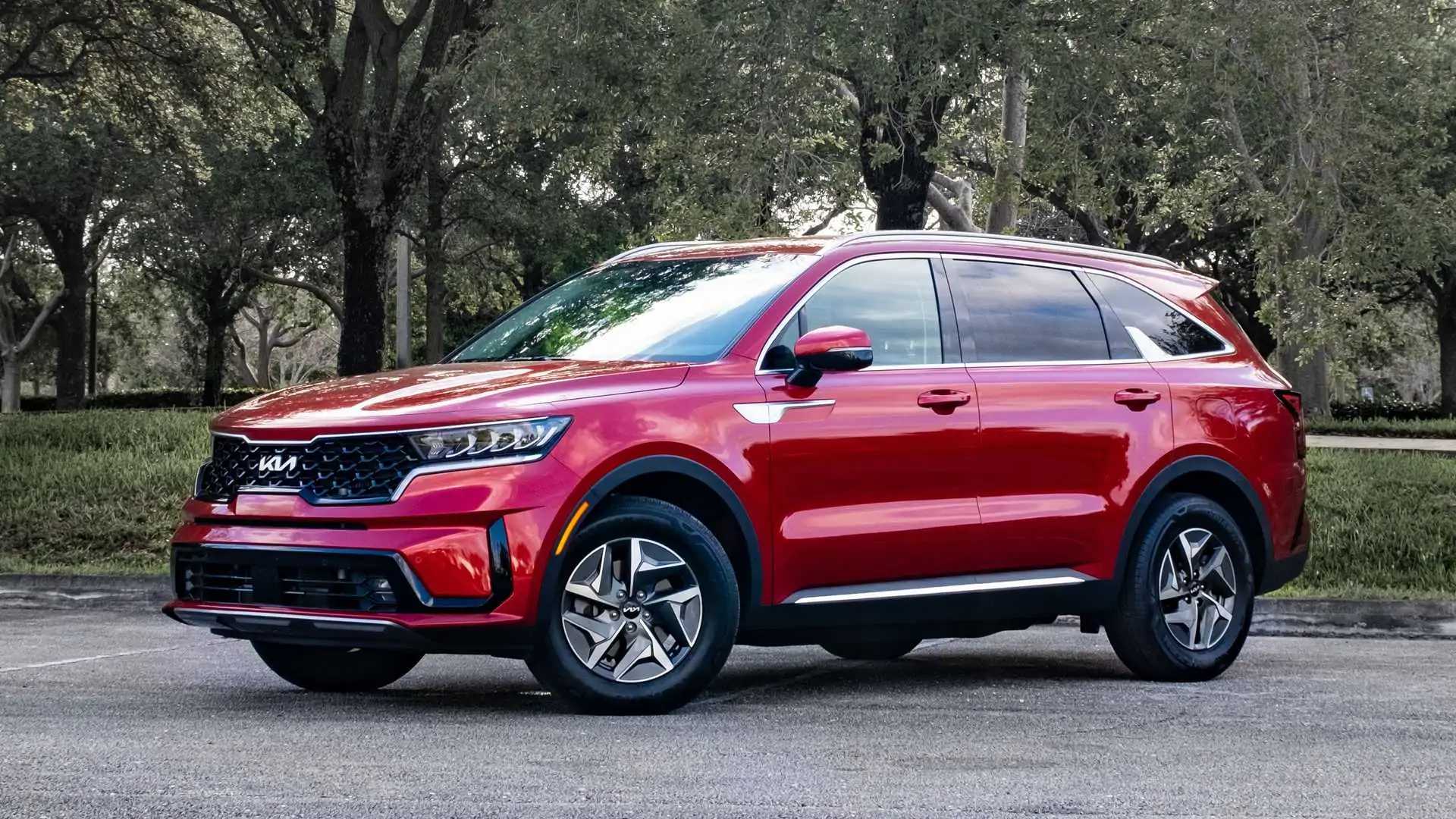
The Kia Sorento Hybrid has become one of the most appealing midsize family SUVs for 2026, especially for drivers who need three rows without the bulk of a full size vehicle.
Its balanced footprint makes it easy to park and maneuver on narrow streets and in crowded shopping centers, which is ideal for older neighborhoods and busy retail areas around Chula Vista. At the same time, it delivers the space, technology, and efficiency that modern families want.
Powering the Sorento Hybrid is a turbocharged 1.6 liter four cylinder engine paired with an electric motor, producing a combined 227 horsepower. A six speed automatic transmission sends power to the front wheels, while all wheel drive is available for drivers who want extra traction on wet roads or when heading into the hills.
Acceleration is brisk for a three row SUV, with a 0 to 60 mph time of about 7.2 seconds, which makes merging onto highways like I 805 feel confident and easy. For buyers who want more electric driving capability, the plug in hybrid version boosts output to 261 horsepower and includes standard all wheel drive.
Fuel efficiency is a major reason the Sorento Hybrid stands out. The 2025 model earned EPA ratings of 36 miles per gallon in the city, on the highway, and combined for front wheel drive versions, which is far better than most three row SUVs.
In real world highway testing, it returned around 31 mpg. The plug in hybrid can travel up to 30 miles on electricity alone, allowing many short local trips to be completed without using any gas.
Inside, the Sorento Hybrid offers a stylish and family friendly cabin. The first and second rows are spacious and comfortable, while the third row is best suited for kids or teens. Materials and build quality feel upscale, with stitched surfaces, ambient lighting, and a clean dashboard design. Storage cubbies and cupholders are spread throughout the cabin, making it easy to manage everyday clutter.
Technology and safety are strong selling points. A 12.3 inch touchscreen with wireless Apple CarPlay and Android Auto, built in navigation, and satellite radio comes standard. Higher trims add a digital gauge cluster and a premium Bose sound system.
Kia also includes a wide range of safety features, such as automatic emergency braking, blind spot monitoring, lane keeping assist, and adaptive cruise control with lane centering. With its blend of efficiency, space, and modern features, the Kia Sorento Hybrid fits perfectly into suburban life.
Also Read: 5 Cars for Chino City Driving and 5 Efficient Daily Commuters
5 Low-Service-Cost Picks
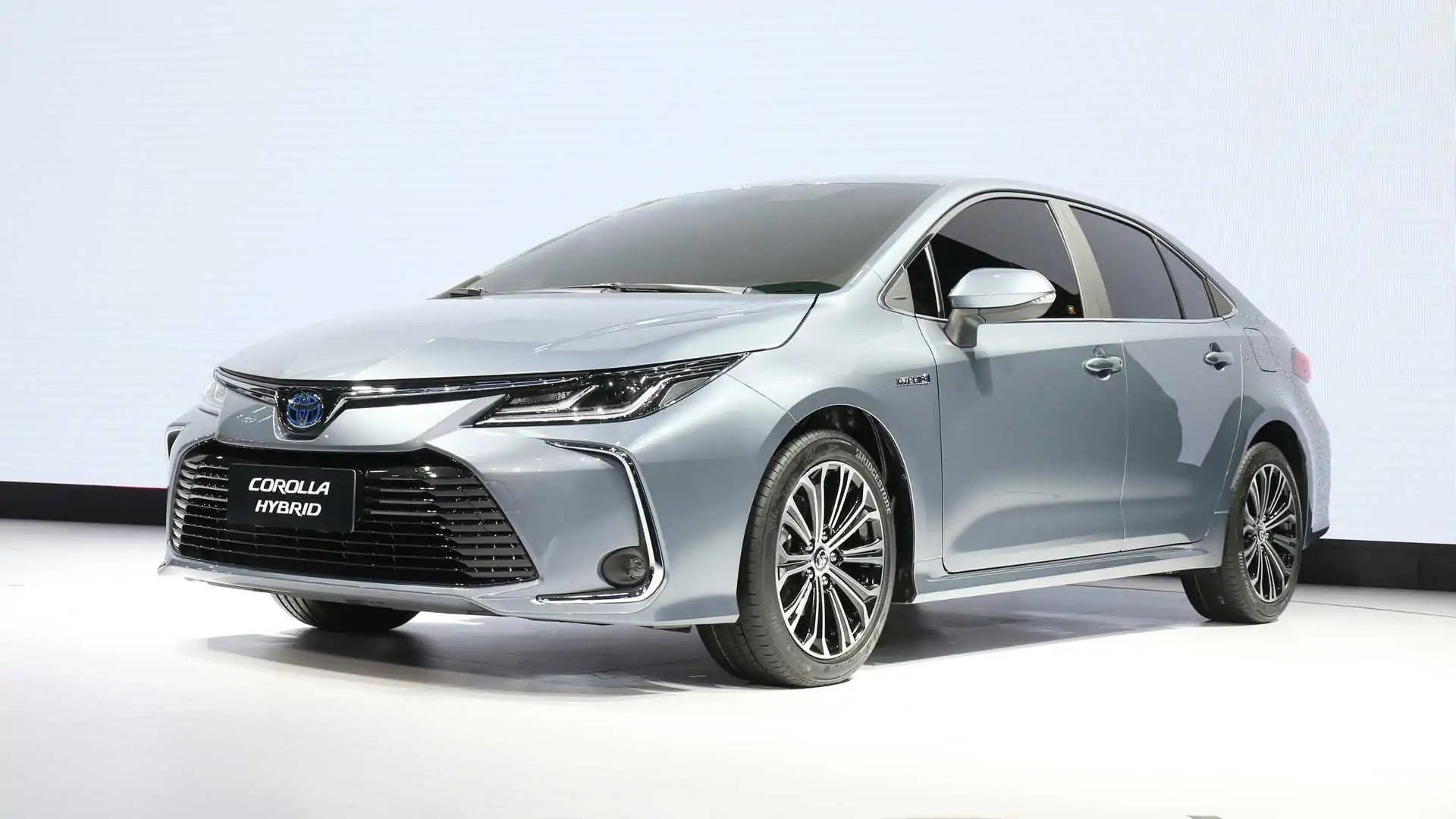
1. Toyota Corolla: The Benchmark for Low-Cost, Long-Term Ownership
The Toyota Corolla has built its reputation as one of the most dependable and affordable cars to own, making it an ideal choice for drivers who want to minimize repair bills and long-term maintenance costs. For budget-conscious buyers, commuters, or anyone looking for a car that simply keeps running year after year, the Corolla remains a standout in the compact sedan and hatchback class.
A major reason for the Corolla’s low service costs is its legendary reliability. Toyota has spent decades refining its engines, transmissions, and electronics, resulting in vehicles that routinely reach well beyond 200,000 miles with only routine care.
Fewer breakdowns and fewer major component failures mean owners avoid the expensive surprises that often come with more complicated or luxury-oriented vehicles. Its straightforward mechanical design also makes it easier and cheaper for technicians to work on, reducing labor costs during repairs and regular servicing.
Parts availability is another huge advantage. The Corolla is one of the best-selling cars in the world, which means original and aftermarket parts are widely available and competitively priced.
Whether it is brakes, filters, sensors, or suspension components, replacement parts can be sourced quickly and inexpensively at nearly any repair shop. This keeps repair and maintenance bills predictable and manageable.
Under the hood, most Corollas use a 2.0-liter four-cylinder engine producing 169 horsepower, paired with a continuously variable transmission that favors efficiency and smooth operation.
A hybrid version is also available for drivers who want even lower fuel costs, offering up to 50 miles per gallon combined. While performance is not sporty, the Corolla provides a comfortable and stable ride for daily commuting and city driving.
Inside, the Corolla offers a simple and well-built interior with modern technology. An 8-inch touchscreen with Apple CarPlay and Android Auto comes standard, along with available larger screens, wireless charging, and upgraded audio. Safety is also a priority, with Toyota Safety Sense 3.0 including automatic emergency braking, lane keeping assist, and adaptive cruise control on every model.
Toyota backs the Corolla with a solid warranty and two years of complimentary scheduled maintenance, which helps reduce ownership costs during the first few years.
Hybrid components are covered for up to ten years or 150,000 miles, adding long-term peace of mind. With its proven durability, low running costs, and easy maintenance, the Toyota Corolla remains one of the smartest financial choices in the automotive world.
2. Nissan LEAF: One of the Lowest-Cost Paths to Electric Driving
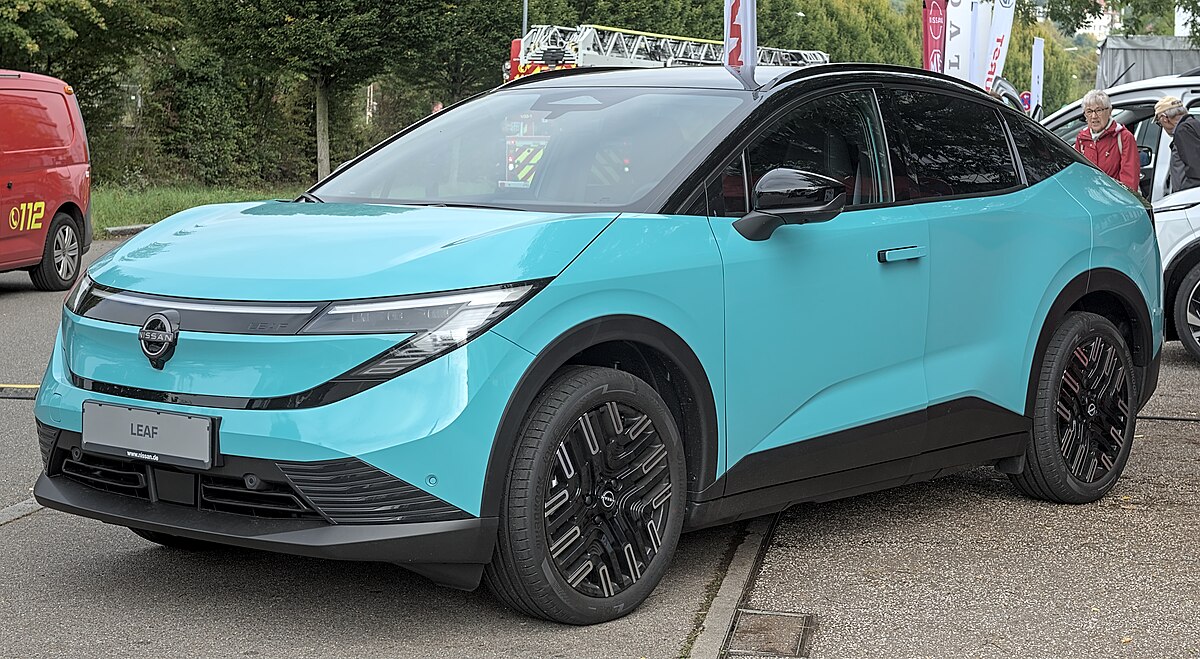
The Nissan LEAF has long been known as one of the most affordable and economical electric vehicles on the road, making it an excellent option for drivers who want to minimize long-term ownership costs while going green.
Because it runs entirely on electricity, the LEAF eliminates many of the routine service expenses that come with gasoline vehicles, which is why it is frequently ranked among the vehicles with the lowest ten-year maintenance costs.
The biggest reason for the LEAF’s low upkeep is its simple electric powertrain. An electric motor has far fewer moving parts than a gasoline engine, so there is much less that can wear out or fail. There are no oil changes, no spark plugs, no belts, and no engine tune-ups.
Regenerative braking also helps reduce wear on brake pads by using the motor to slow the car, which further lowers service and repair bills. Nissan also notes that many LEAF replacement parts cost less than comparable components on gas-powered vehicles.
In daily driving, the LEAF is designed to be quiet, smooth, and easy to live with. It comes with either a 174-horsepower or 214-horsepower electric motor, depending on trim. The more powerful version can reach 60 miles per hour in about 6.9 seconds, which is quick enough for confident merging and city driving. Ride comfort is prioritized over sporty handling, making it a relaxed and pleasant commuter.
Range and charging capability have improved significantly on newer models. The LEAF is available with two battery sizes, including a larger pack that offers up to 303 miles of driving range on a single charge.
On the highway at 75 miles per hour, it delivered about 250 miles in testing. Fast charging at up to 150 kilowatts allows a 10 to 80 percent recharge in roughly 35 minutes, and the LEAF now includes a NACS port that works with Tesla Superchargers, greatly expanding charging access.
Inside, the LEAF features a clean, modern cabin with large digital displays, wireless Apple CarPlay and Android Auto, and plenty of storage. Cargo space is generous for an EV, with up to 56 cubic feet available when the rear seats are folded.
One important consideration is battery health, especially on older used models, since early LEAFs had less advanced cooling systems that could lead to faster battery degradation.
Newer versions use improved technology and are backed by an eight-year or 100,000-mile battery warranty, offering strong peace of mind. For drivers seeking low running costs and a simple, eco-friendly vehicle, the Nissan LEAF remains a compelling choice.
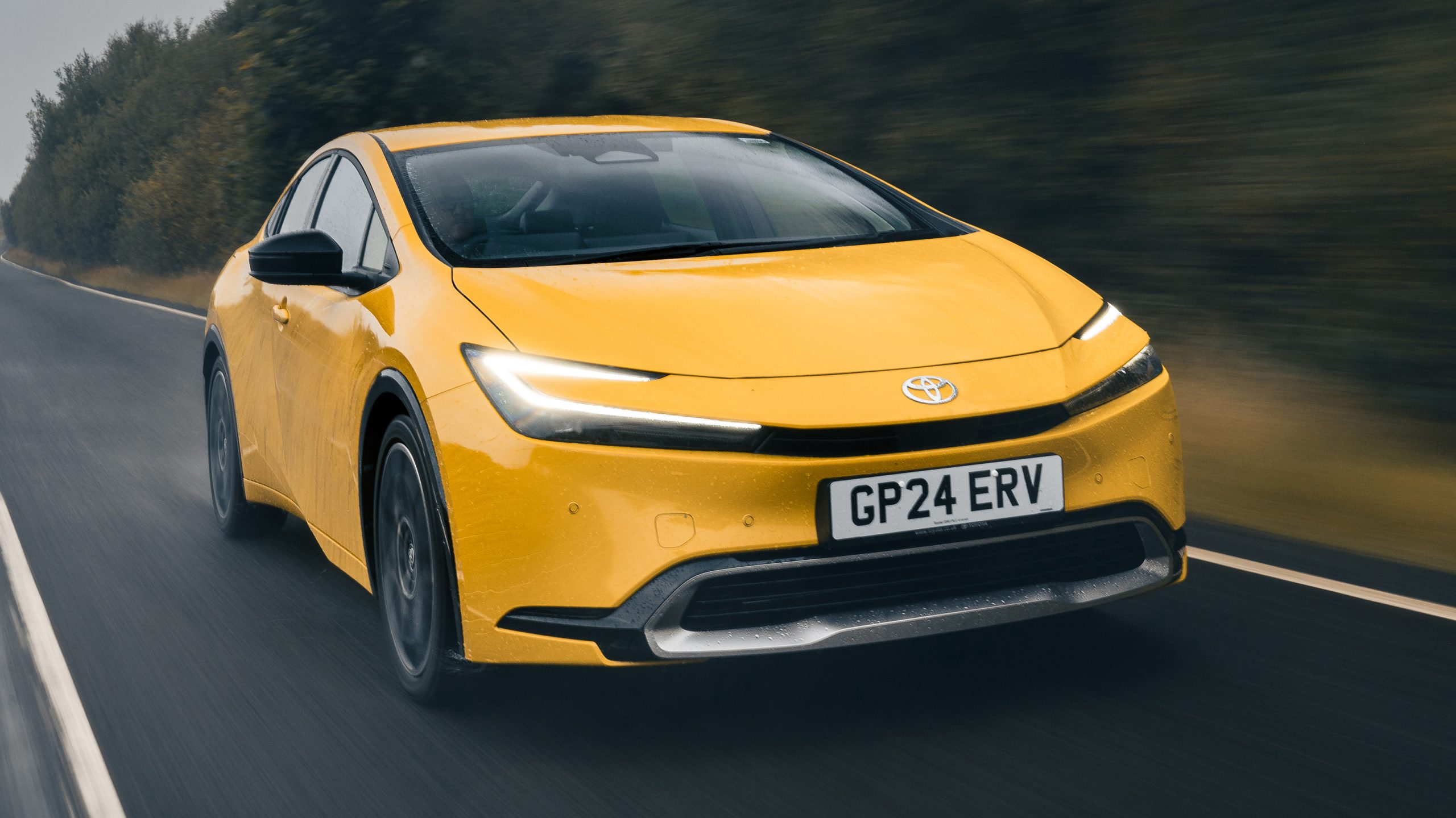
3. Toyota Prius: Efficient, Durable, and Low-Cost to Maintain
The Toyota Prius has long been a benchmark for low-maintenance, fuel-efficient driving, making it a practical choice for cost-conscious drivers in Chula Vista.
Its hybrid powertrain reduces fuel expenses dramatically while simplifying mechanical upkeep, helping owners save on routine service and long-term repairs. Toyota’s reputation for durability, combined with widely available parts, keeps labor costs low at local service centers.
The Prius’s maintenance advantages come from several factors. Its hybrid system has fewer moving parts than conventional gasoline engines, reducing wear on the engine and transmission. Fluid changes are inexpensive due to low volumes of engine oil, coolant, and transmission fluid.
Regenerative braking reduces stress on brake pads and extends their lifespan. Over ten years of ownership, data shows the Prius ranks among the most cost-efficient vehicles for maintenance and repairs. While hybrid-specific parts and battery replacements can be expensive if neglected, routine attention, such as keeping the battery cooling fan clean, can extend component life.
Under the hood, the Prius offers a 2.0-liter four-cylinder paired with two electric motors for front-wheel-drive models, producing 194 horsepower. All-wheel-drive variants add a third electric motor on the rear axle, increasing output to 196 horsepower.
The continuously variable automatic transmission provides smooth power delivery. Acceleration to 60 mph takes roughly 7.1 seconds for front-wheel-drive models, competitive among hybrid sedans. Ride comfort is prioritized over sporty handling, providing a composed and quiet cabin experience for city and highway driving.
Fuel economy is one of the Prius’s strongest features. Front-drive models achieve EPA ratings up to 57 mpg city and 56 mpg highway, while all-wheel-drive trims reach 53 mpg city and 54 mpg highway. In real-world highway testing at 75 mph, a front-drive Prius Limited achieved 49 mpg.
The interior combines practicality with modern technology. Front and rear passengers enjoy a comfortable cabin, though rear headroom is slightly limited by the sloping roofline.
Cargo capacity ranges from 20.3 to 23.8 cubic feet, depending on trim. Infotainment options include an 8.0-inch touchscreen standard, with a 12.3-inch display optional on higher trims, supporting wireless Apple CarPlay, Android Auto, and over-the-air updates.
Safety comes standard with Toyota Safety Sense 3.0, including adaptive cruise control, lane-keeping assist, and blind-spot monitoring. Toyota provides a three-year/36,000-mile limited warranty, five-year/60,000-mile powertrain warranty, a ten-year/150,000-mile hybrid-component warranty, and two years/25,000 miles of complimentary maintenance, ensuring predictable and affordable ownership.
The Prius delivers exceptional fuel efficiency, durable engineering, and low-maintenance costs, making it an economical choice for hybrid drivers.
4. Hyundai Elantra: Affordable, Reliable, and Low-Cost to Own
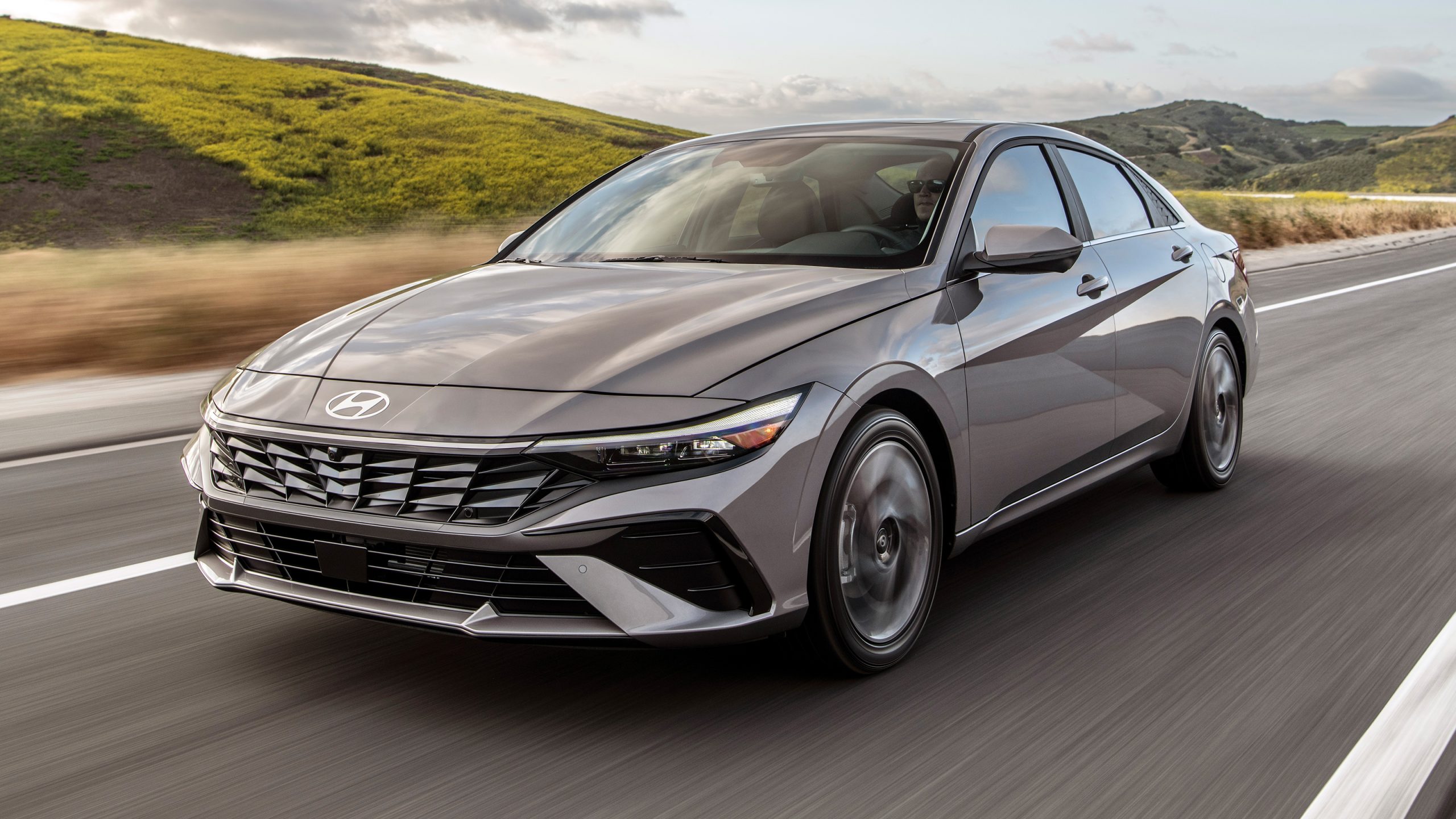
The Hyundai Elantra stands out for its low ownership costs, largely due to its industry-leading 10-year/100,000-mile powertrain warranty, which limits unexpected expenses.
Its proven reliability, efficient design, and readily available parts make routine maintenance affordable, while strong fuel economy and advanced safety features further reduce long-term costs. Many owners report minimal repair needs during the first several years of ownership, making it a financially practical compact sedan.
The Elantra achieves low service costs through several factors. Hyundai’s reputation for reliability and durability reduces the likelihood of major repairs. Parts and labor are generally inexpensive and widely available. Routine maintenance, including oil changes and brake service, remains budget-friendly.
Its safety technology, such as Forward Collision-Avoidance Assist, can prevent accidents, saving on potential repairs and lowering insurance premiums. Additionally, Hyundai’s smart trim strategy balances features and cost, ensuring even base models are well-equipped without unnecessary expense.
Powertrain options range from a 147-hp 2.0-liter naturally aspirated four-cylinder to a 201-hp turbocharged 1.6-liter in the N Line and a 139-hp hybrid combining a 1.6-liter engine with an electric motor. Nonhybrid models use a CVT, the hybrid features a 6-speed dual-clutch automatic, and the N Line comes with a 7-speed dual-clutch automatic. Front-wheel drive is standard.
Performance varies widely, with the nonhybrid achieving 0–60 mph in 8.1 seconds, the hybrid in 8.4 seconds, and the N Line estimated at 6.5 seconds, delivering a sportier feel.
Fuel economy is strong, with hybrid models rated up to 51 mpg city and 58 mpg highway, and standard nonhybrids reaching 30–32 mpg city and 39–41 mpg highway. Real-world highway testing showed the Elantra Hybrid Limited returned 48 mpg, while the nonhybrid Limited achieved 38 mpg.
The interior offers functional and stylish accommodations, with generous space for adults and practical cargo capacity, fitting up to six carry-on suitcases behind the rear seats.
Infotainment ranges from an 8.0-inch standard touchscreen to dual 10.3-inch screens on higher trims, supporting Apple CarPlay and Android Auto. Audio systems vary from a standard six-speaker setup to an eight-speaker Bose system on premium trims.
Standard safety features include automated emergency braking, lane-departure warning, and lane-keeping assist, with adaptive cruise control available on mid- and high-level trims. Hyundai complements its strong warranty with three years of complimentary scheduled maintenance, making the Elantra a low-cost, dependable choice for long-term ownership.
The Elantra combines reliability, strong warranty coverage, and fuel efficiency to offer an affordable, low-maintenance compact sedan.
5. Mazda CX-5: Affordable SUV Ownership with Sedan-Like Costs
The 2026 Mazda CX-5 is an excellent choice for SUV buyers who want low-maintenance, cost-effective ownership. It combines the practicality of a midsize SUV with the reliability and budget-friendly upkeep of a compact sedan.
It’s proven Skyactiv technology, including durable naturally aspirated engines and 6-speed automatic transmissions, avoids the costly complexity of modern turbocharged or CVT systems, keeping unexpected repairs minimal. Experts such as RepairPal and Consumer Reports consistently rank the CX-5 among the most dependable and affordable SUVs to maintain.
Key reasons for low service costs include the reliability of its powertrains, conservative engineering that favors perfected technology over untested systems, and widespread availability of reasonably priced parts and labor. Well-maintained CX-5s often exceed 200,000 miles, highlighting their long-term value.
Insurance costs are also lower than many competitors, contributing to cost savings. J.D. Power gives it “Great” reliability scores, and RepairPal estimates below-average annual maintenance expenses.
The CX-5 offers multiple engine options to suit different driving preferences. Petrol engines include a 2.0-liter four-cylinder producing 163 horsepower and a 2.5-liter four-cylinder producing 191 horsepower. Diesel options include 2.2-liter four-cylinder engines with 148 or 181 horsepower.
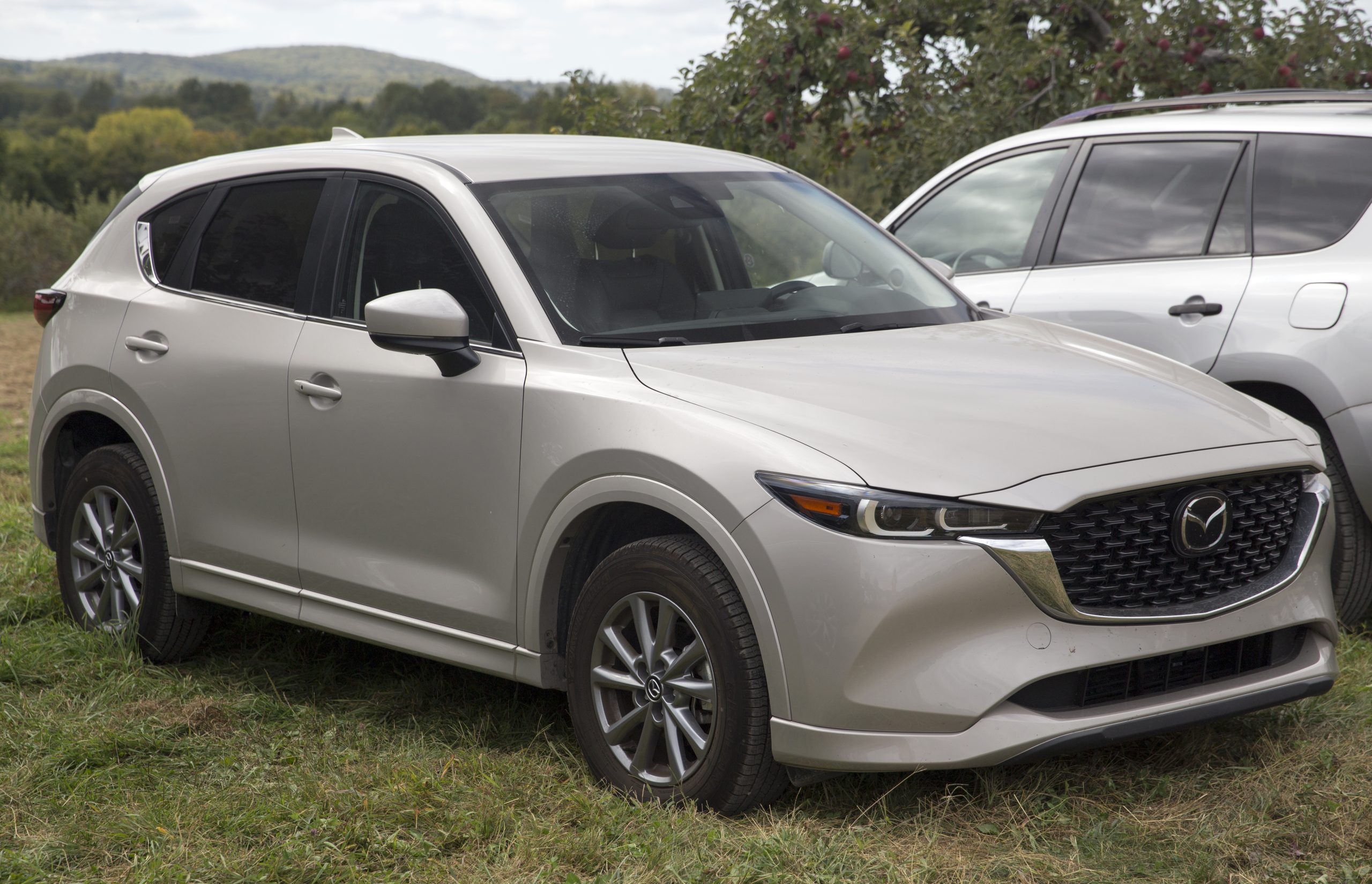
Most models are front-wheel drive, with all-wheel drive available on higher trims. Gearbox choices include a six-speed manual or automatic transmission, while the top-spec 2.5-liter petrol comes only with automatic and AWD. Acceleration requires effort from the naturally aspirated engines, which appeals to drivers who enjoy an engaging, connected driving experience.
Trim levels include SE-L, Sport, Sport Black, GT Sport, and Newground, offering variations in style and features. Despite some superfluous options, the CX-5 remains focused on a driver-centered experience, emphasizing handling, steering responsiveness, and traditional interiors over flashy technology.
While hybrid options are not yet available, the CX-5’s low running costs and reliability make it a practical and attractive choice for budget-conscious SUV buyers.
In essence, the Mazda CX-5 delivers the premium feel and driving dynamics of a luxury SUV while providing the dependable, low-maintenance ownership experience of a non-luxury vehicle, making it one of the smartest long-term SUV investments in 2026.