
The 1990s were a transformative decade for the automotive world. Technology began to evolve at a rapid pace, offering drivers a blend of performance, practicality, and style that had rarely been seen before.
Among the many vehicles produced during this period, hot hatches stood out as a unique segment that captured the imagination of enthusiasts.
These small, agile cars combined compact dimensions with spirited engines, delivering driving experiences that were both exciting and accessible. Unlike larger sports cars, hot hatches could handle daily commutes and weekend adventures with equal confidence.
They offered a connection between driver and machine that felt raw and genuine, often without the complex electronics and weight that burden modern vehicles.
For collectors today, ’90s hot hatches represent more than nostalgia. They embody an era when automotive design was playful but purposeful, where every turn of the wheel could deliver a smile, and where mechanical simplicity allowed for modifications and personalization.
Owners could push the cars to their limits while still enjoying reliability and practicality. Over time, these vehicles have become icons, celebrated for their ability to transform ordinary streets into miniature racetracks. Some were mainstream enough to be seen in daily life, while others remained cult classics, cherished by enthusiasts who understood their true potential.
The appeal of ’90s hot hatches lies in their accessibility, their character, and their capacity to evoke memories of youthful driving adventures. They represented freedom in a boxy, hatchback form, giving people a taste of excitement without demanding supercar budgets.
Today, collectors eagerly seek these models, often paying premiums for well-preserved examples, original parts, and models that reflect the spirit of the decade. Each car tells a story about engineering innovation, cultural trends, and the evolution of driving enjoyment.
Understanding which ’90s hot hatches have captured collectors’ imaginations requires looking at performance, rarity, and the intangible qualities that make a vehicle memorable.
From nimble cornering to distinctive engine notes, these cars offer experiences that go beyond mere transportation. They are tangible reminders of a decade when automotive creativity flourished, blending form, function, and fun in ways that continue to resonate with enthusiasts.
Collectors appreciate the balance these vehicles strike between usability and thrill. They are not merely investments; they are pieces of history that reflect the ingenuity and passion of designers and engineers who embraced challenges to make small cars perform with remarkable energy.
The following list highlights ten ’90s hot hatches that have earned the admiration of collectors worldwide, each with its own unique qualities that make it unforgettable and highly sought after.
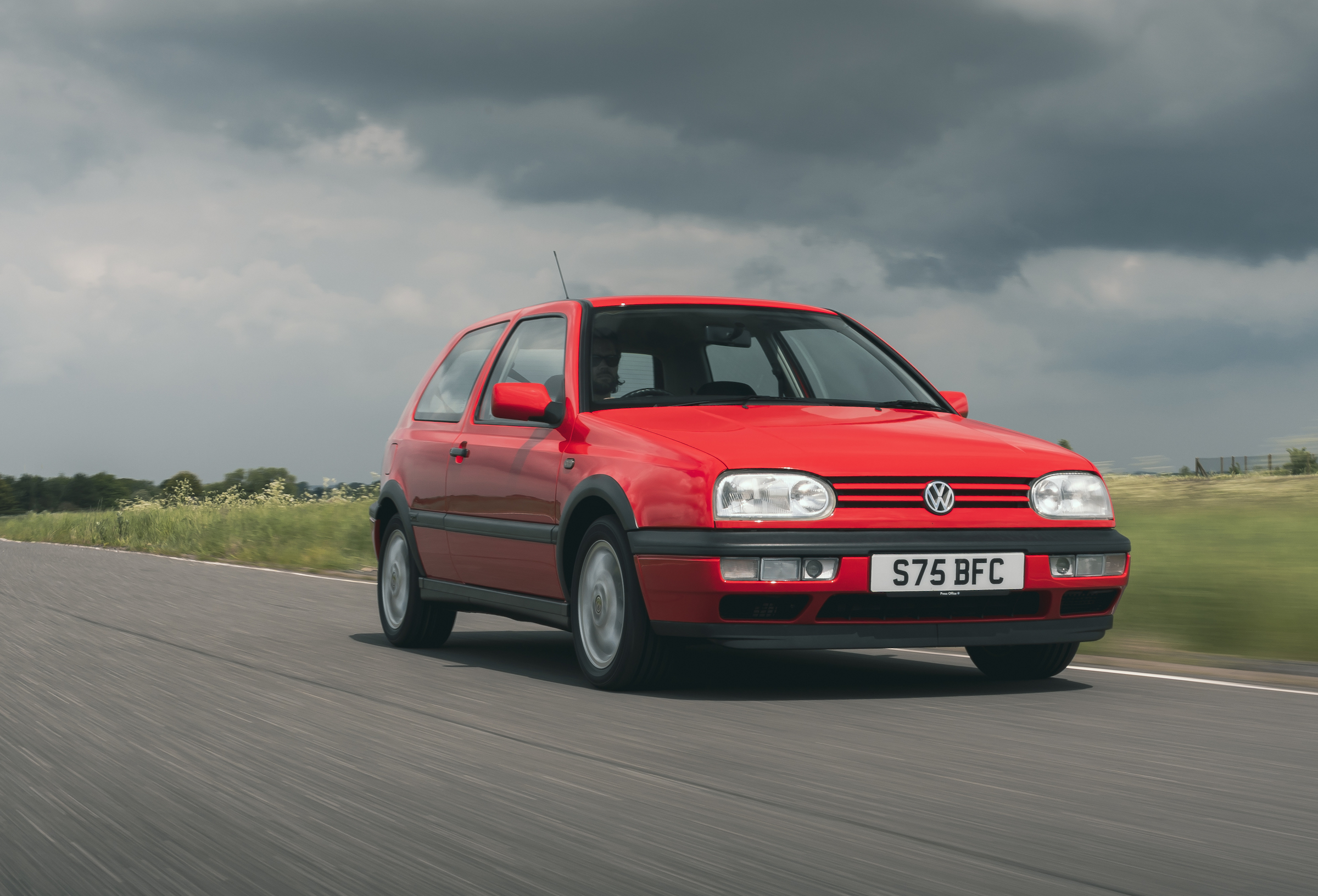
1. Volkswagen Golf GTI Mk3
The Golf GTI Mk3 represented a significant evolution for Volkswagen’s iconic hot hatch line. It combined practicality with improved safety features and a refined driving experience.
Enthusiasts appreciated the car’s responsive handling, which made it enjoyable on both city streets and winding roads. Its understated styling reflected the era’s preference for clean lines without sacrificing performance.
Under the hood, the Mk3 offered engines that balanced power and efficiency. The most important was the VR6, which provided smooth acceleration and a distinctive sound.
This engine allowed the hatch to compete with sportier rivals while retaining the versatility of a daily driver. Its performance capabilities made it a favorite among tuning communities.
Inside, the Golf GTI Mk3 offered a comfortable yet driver-focused environment. Seats were supportive, with bolstering that held occupants during spirited driving.
Controls were simple and intuitive, reflecting Volkswagen’s approach to user-friendly design. Many examples have aged well, making them attractive to collectors seeking original interiors.
The Mk3’s chassis allowed for nimble handling without compromising ride comfort. Suspension upgrades were common among enthusiasts, who appreciated the balance between cornering precision and everyday usability. The car’s adaptability contributed to its enduring appeal in the collector market.
Today, the Golf GTI Mk3 continues to command attention from collectors. Well-maintained examples are rare, especially those with the VR6 engine and original trim. Its blend of history, performance, and practicality ensures that it remains a celebrated model in the ’90s hot hatch segment.
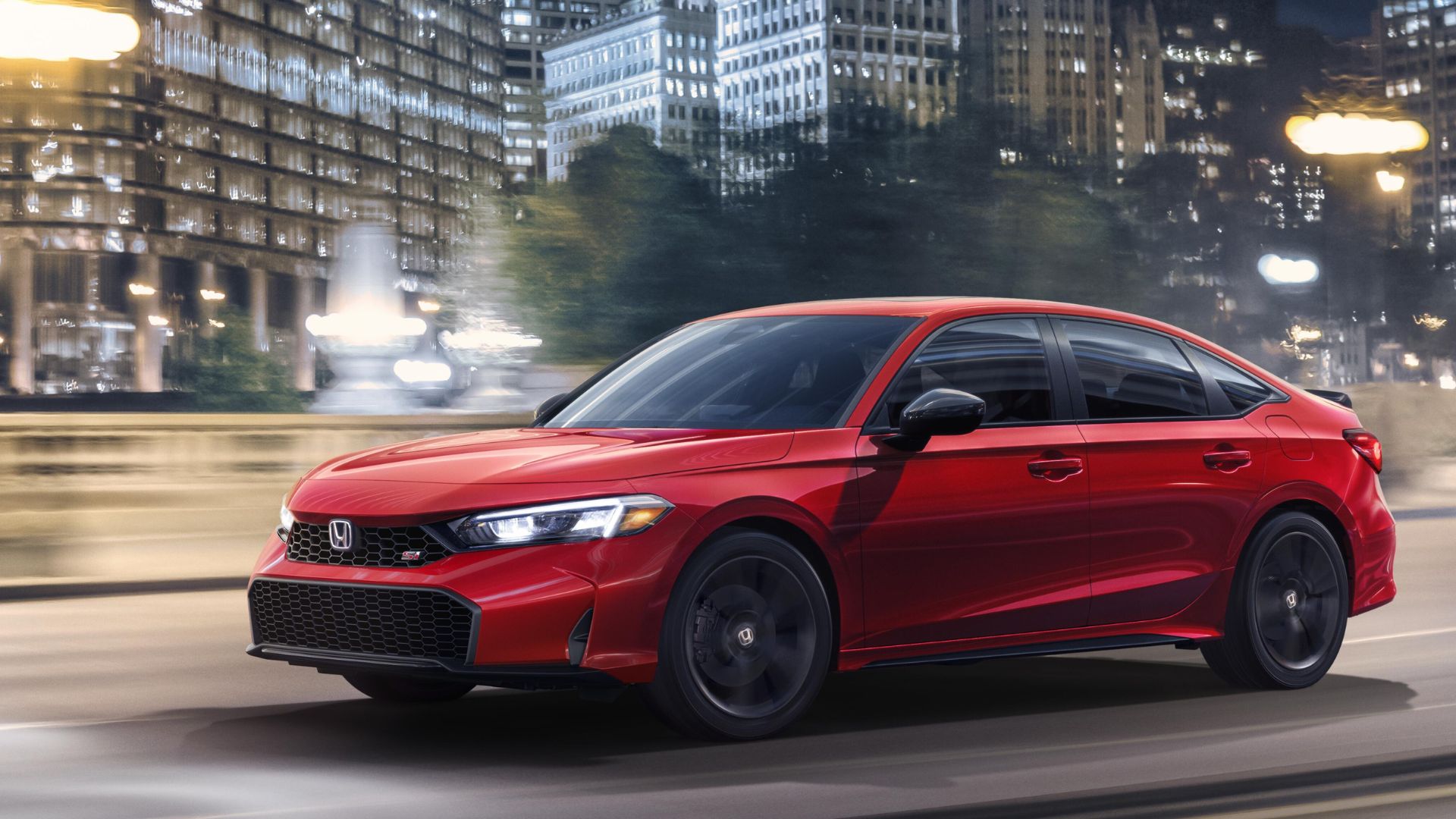
2. Honda Civic Si EG
The Civic Si EG became an emblem of reliable performance during the ’90s. Its lightweight body and rev-happy engine made it a favorite for spirited driving and aftermarket tuning. Drivers appreciated the car’s agility and responsiveness, which allowed it to handle tight corners with confidence. Its compact size made it ideal for urban driving without sacrificing excitement on open roads.
The B16 engine in the Civic Si EG delivered high-revving power that enthusiasts loved. It required precise driving to extract maximum performance, rewarding skilled drivers with exhilarating acceleration. Many owners upgraded exhaust and intake systems to further enhance performance. This engine became a benchmark for naturally aspirated four-cylinder engines.
The interior emphasized functionality while maintaining a sporty atmosphere. Simple gauges and supportive seating allowed drivers to focus on the road.
Its ergonomic layout made long drives comfortable, while the compact cabin retained the playful character of a small hatchback. Collectors value models with factory-fitted options and original finishes.
Handling was a standout feature of the Civic Si EG. Its suspension and chassis setup offered sharp cornering and minimal body roll. Enthusiasts often praised its predictability and balance, making it a favorite for amateur track days. Modifications were common, yet many original examples remain highly sought after.
The Civic Si EG has become increasingly desirable among collectors due to its blend of reliability, performance, and tunability. Its reputation as a small, fun-to-drive hatchback ensures that it remains a symbol of ’90s Japanese engineering. Its influence continues to shape the appeal of modern compact performance cars.
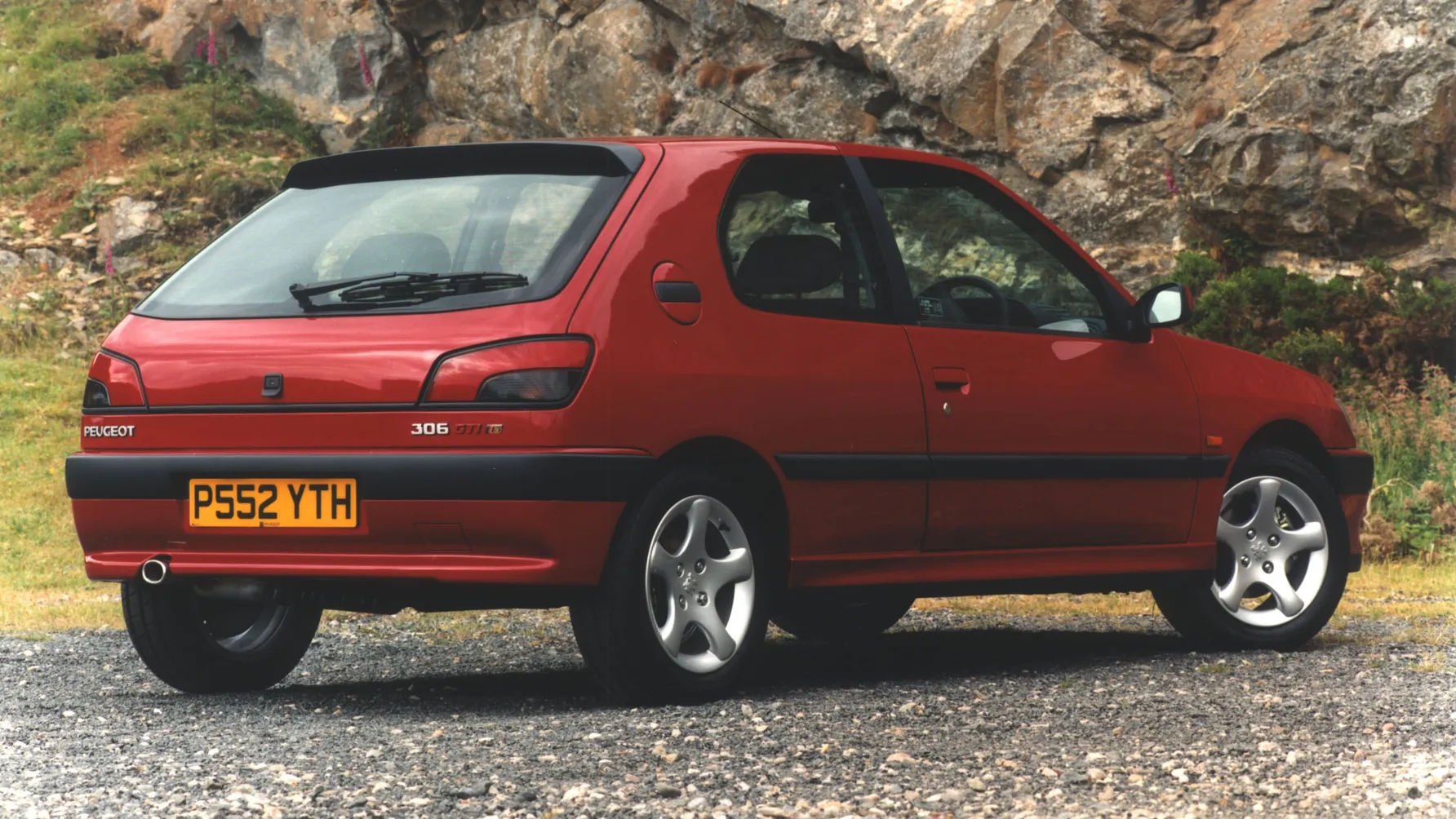
3. Peugeot 306 GTI-6
The Peugeot 306 GTI-6 represented a rare combination of French design and serious driving dynamics. It featured a six-speed manual gearbox, which provided precise control and an engaging experience.
Enthusiasts admired its steering feedback and agile handling, which made it competitive with other European hot hatches. Its understated design masked a surprisingly capable performance.
The naturally aspirated engine delivered smooth power across the rev range. Drivers could enjoy spirited acceleration without relying on turbochargers, emphasizing pure mechanical enjoyment.
Many consider it one of Peugeot’s best-engineered performance hatches of the decade. Its reliability, when maintained, made it suitable for both spirited driving and daily use.
Inside, the cabin provided comfort and practicality without sacrificing sportiness. Supportive seats, clear gauges, and a functional layout made it easy to drive confidently. Its modest size also allowed it to navigate tight streets with ease. Collectors particularly value original trims and rare color combinations.
Handling was where the 306 GTI-6 truly shined. Its suspension tuning offered a balanced ride, precise steering, and confident cornering. Many enthusiasts note its ability to combine comfort with sharp driving dynamics, a rare achievement in ’90s hatches. This adaptability contributed to its cult following.
Today, the 306 GTI-6 is sought after for its engaging drive and rarity. Well-preserved examples are becoming increasingly scarce, making it a desirable choice for collectors. Its combination of practicality, performance, and mechanical purity ensures that it remains a standout among ’90s European hot hatches.
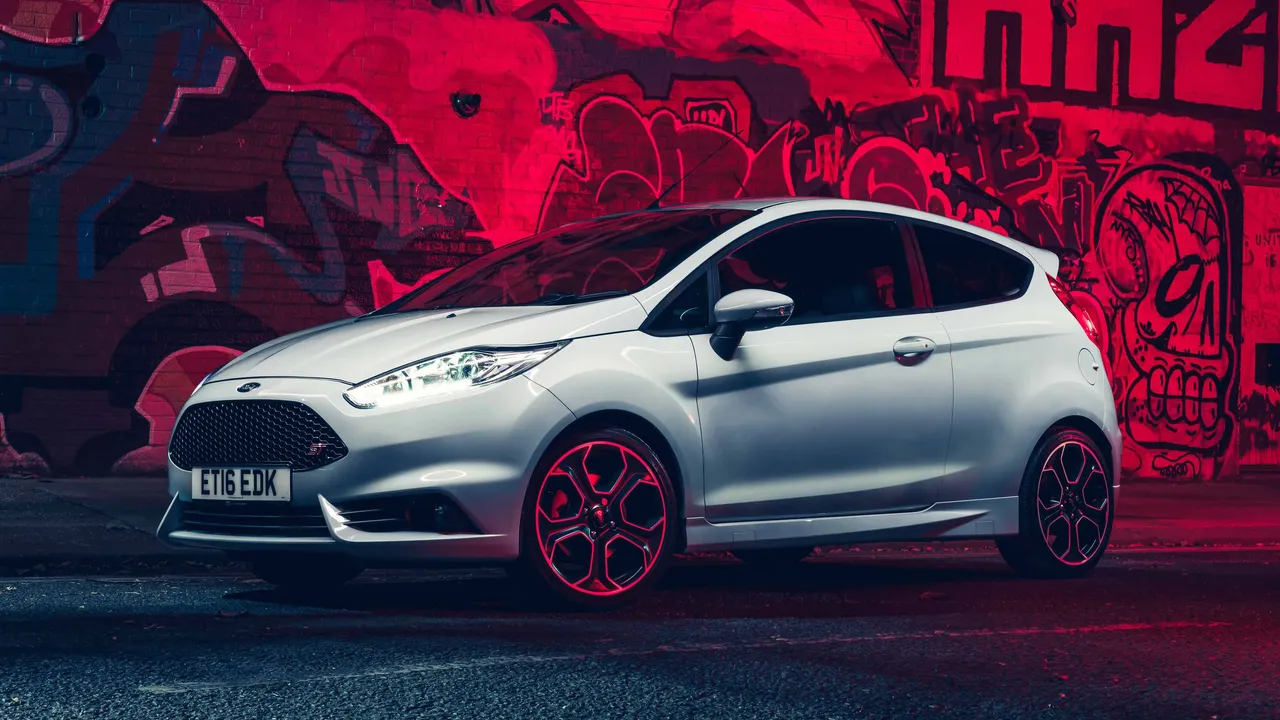
4. Ford Fiesta XR2i
The Ford Fiesta XR2i captured the spirit of small, fun-to-drive hatchbacks in the ’90s. Its lightweight frame and energetic engine made it a favorite among young drivers and enthusiasts.
Compact dimensions enhanced its agility, making it ideal for navigating tight corners and city streets. The XR2i combined affordability with engaging performance, increasing its appeal.
Under the bonnet, the Fiesta XR2i offered a peppy engine that rewarded lively driving. Its responsive throttle and energetic character made it enjoyable to push through winding roads.
Many owners explored tuning options, enhancing both performance and visual appeal. The car’s mechanical simplicity also encouraged hands-on maintenance.
The interior provided a practical yet sporty environment. Supportive seats and clear instrumentation made it driver-focused. Its compact cabin did not compromise comfort for short journeys, though long drives remained manageable. Collectors often seek examples with original trims and minimal modifications.
Handling was a key strength of the XR2i. Its chassis allowed for sharp cornering and confident braking. The lightweight design contributed to responsiveness, creating a dynamic driving experience. Many enthusiasts praise the car’s balance, which remains enjoyable even today.
The Fiesta XR2i has become a cherished collector item due to its combination of affordability, fun, and nostalgia. Well-preserved models are increasingly rare, highlighting its status as an emblematic ’90s hot hatch. Its playful character ensures it remains an enduring favorite among enthusiasts.
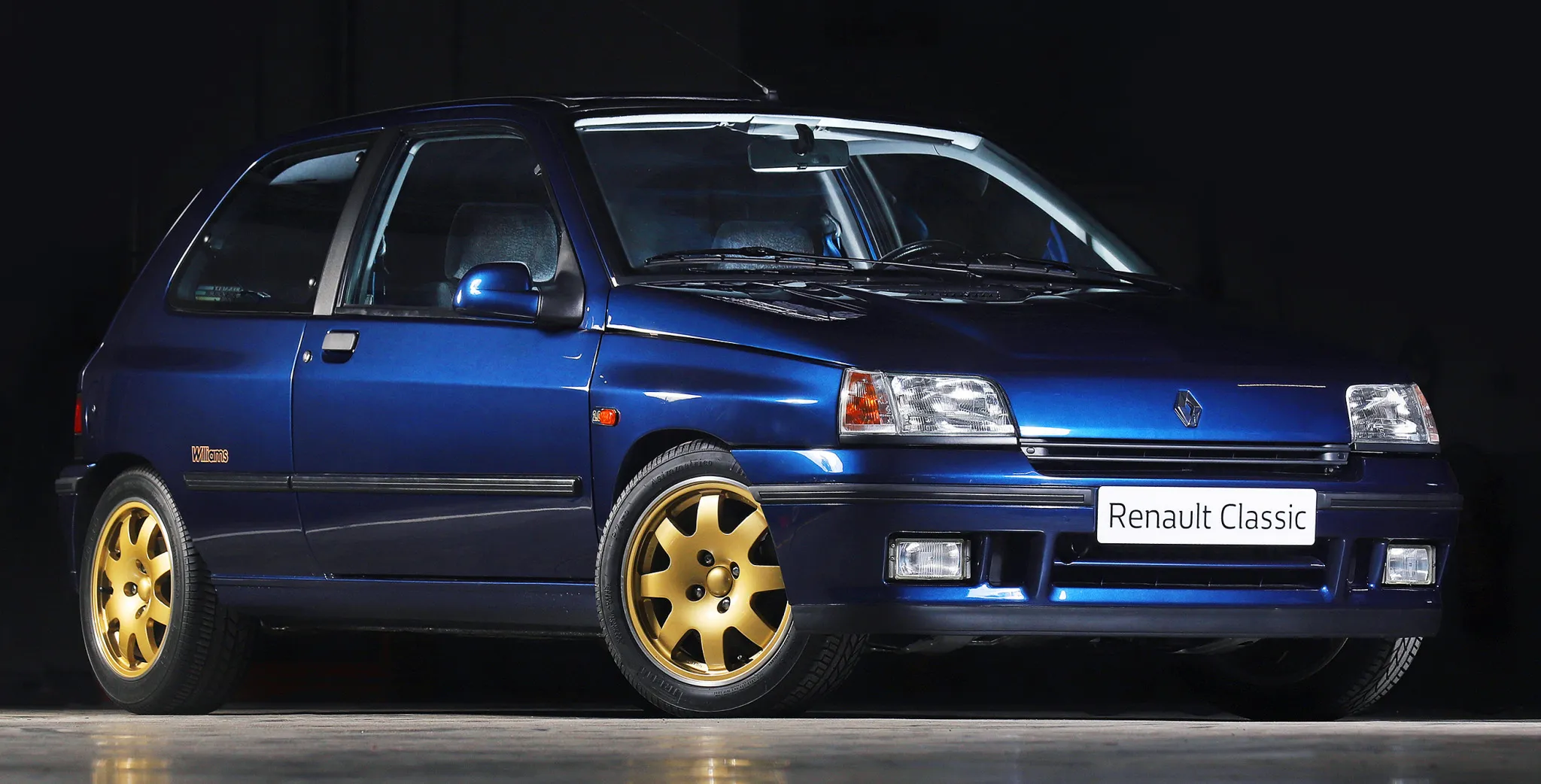
5. Renault Clio Williams
The Renault Clio Williams is one of the most celebrated ’90s hot hatches, combining French flair with serious performance credentials. It was created to honor Renault’s success in motorsport, particularly their Formula One involvement, and it carried that racing DNA into a small road car.
The car featured a naturally aspirated 2.0-liter engine, producing a thrilling amount of power relative to its lightweight body. The combination of engine responsiveness, sharp gearbox, and precise steering made every corner feel alive, giving drivers an almost tactile connection to the road.
Its design was clean yet purposeful, with subtle Williams-specific detailing that distinguished it from standard Clios, including unique alloy wheels, special paint colors, and distinct interior trims.
Enthusiasts particularly appreciate how the car manages to feel both aggressive and refined, balancing its sporty character with a usability that allows daily driving.
Mechanically, the Clio Williams emphasized simplicity and driver involvement. Its naturally aspirated engine encouraged rev-happy driving, making it rewarding to push toward its upper limits. The chassis was rigid, providing confidence in tight corners while maintaining a smooth ride on regular roads.
Many collectors value the car’s balance between power and handling, which was unusually refined for a small hatchback of its era. The limited production numbers have added to its desirability, making well-preserved examples increasingly rare and expensive.
The Williams’ gearbox was precise, allowing enthusiasts to extract maximum performance while enjoying the mechanical engagement that defined ’90s driving.
Inside, the cabin reflected both sporty intent and practical considerations. Supportive bucket seats held occupants securely during spirited driving, while the dashboard layout remained driver-focused and intuitive. Small touches, like Williams branding on the steering wheel and door sills, reinforced the car’s special status.
Comfort was maintained despite its track-inspired characteristics, demonstrating Renault’s ability to blend performance with everyday usability. Collectors often seek vehicles with original trim, proper documentation, and low mileage, as these factors greatly influence value.
The handling of the Clio Williams was one of its most praised features. Its suspension setup provided excellent feedback, encouraging confidence in aggressive driving without feeling overly harsh. Steering precision allowed for exact placement on corners, making it one of the most rewarding small hatches to drive on winding roads.
It could be pushed hard yet remained forgiving to skilled drivers, a trait that contributed to its legendary status among enthusiasts. Over the years, the Williams has proven to be a car that delivers excitement without compromise, standing out in an era filled with capable but less charismatic rivals.
Today, the Renault Clio Williams is considered a must-have for collectors of ’90s hot hatches. Its combination of rarity, performance, and heritage has cemented its reputation as a benchmark for small, driver-focused cars.
Enthusiasts continue to celebrate its ability to combine fun, practicality, and a strong connection to motorsport, making it a timeless symbol of the decade’s hot hatch movement. Well-maintained examples often command premium prices, reflecting the enduring respect for this iconic vehicle.
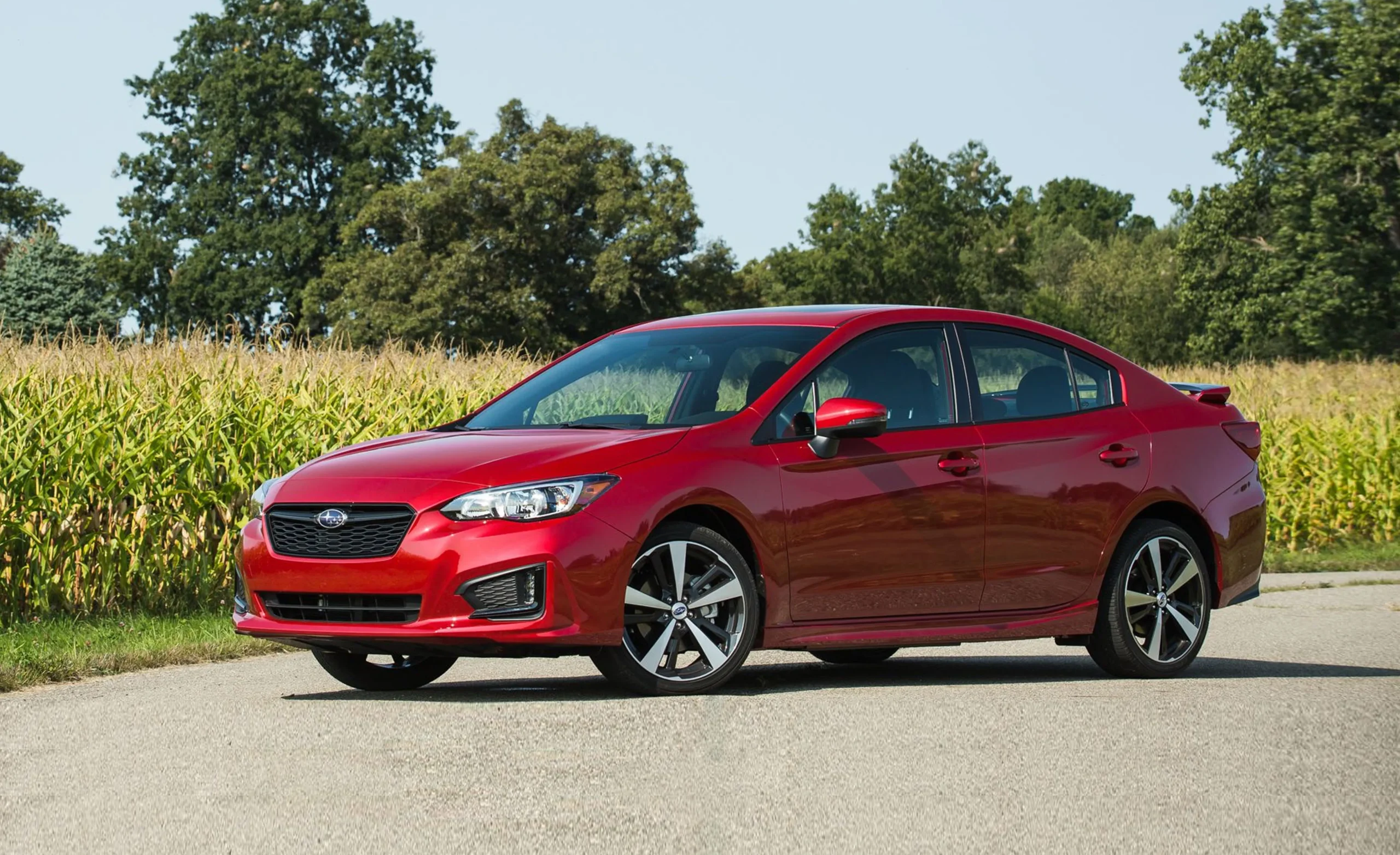
6. Subaru Impreza 2.0 WRX
The Subaru Impreza 2.0 WRX hatchback became an instant legend among performance enthusiasts in the ’90s. Its combination of all-wheel-drive traction and turbocharged power allowed it to excel in all conditions, from city streets to gravel roads. Unlike traditional front-wheel-drive hot hatches, the WRX offered confidence and grip unmatched by many competitors.
Its rally-inspired engineering emphasized durability, handling, and engine performance, making it a favorite for both driving enthusiasts and those seeking motorsport credibility in a street car. The hatchback body style added practicality without compromising sporty characteristics, making it an ideal balance between fun and function.
Underneath, the turbocharged 2.0-liter engine delivered strong performance with a distinctive growl. Drivers could experience a surge of power at higher RPMs, especially when combined with the precise manual transmission.
The all-wheel-drive system provided exceptional traction, allowing the car to accelerate out of corners with minimal wheel slip.
Many enthusiasts have modified their WRXs to enhance power or suspension, but even stock models delivered impressive dynamics that rivaled many sports cars of the era. This balance of capability and tunability has helped maintain the WRX’s status as a highly desirable collector car.
The interior of the GC8 WRX hatchback was functional yet driver-focused. Seats were supportive, and controls were placed for accessibility during spirited driving. Instrumentation provided clear and precise feedback, particularly regarding turbo boost and engine performance.
While it lacked the refinement of more luxurious vehicles, it delivered exactly what enthusiasts wanted: a connection to the car and an environment built around driving enjoyment. Collectors today prize examples that retain their original interior layout, particularly rare color trims that evoke the rally-inspired roots of the model.
Handling was a key factor in the WRX’s success. The combination of all-wheel-drive and balanced suspension allowed confident cornering, even at high speeds. The car could handle sudden changes in road conditions without losing composure, a trait derived directly from Subaru’s rally pedigree.
Steering was responsive, and chassis feedback was consistent, making the hatch an ideal platform for enthusiasts who valued both everyday usability and thrilling driving experiences. It remains one of the few ’90s hot hatches to offer all-weather performance without sacrificing excitement.
Today, the Subaru Impreza WRX GC8 hatchback is a collector favorite due to its iconic status and connection to rally heritage. Enthusiasts appreciate its blend of turbocharged performance, all-wheel-drive confidence, and hatchback practicality.
Well-preserved models command strong prices, particularly early examples or those with special editions and limited colors. Its combination of rarity, performance, and legendary status ensures it remains an essential part of any ’90s hot hatch collection.
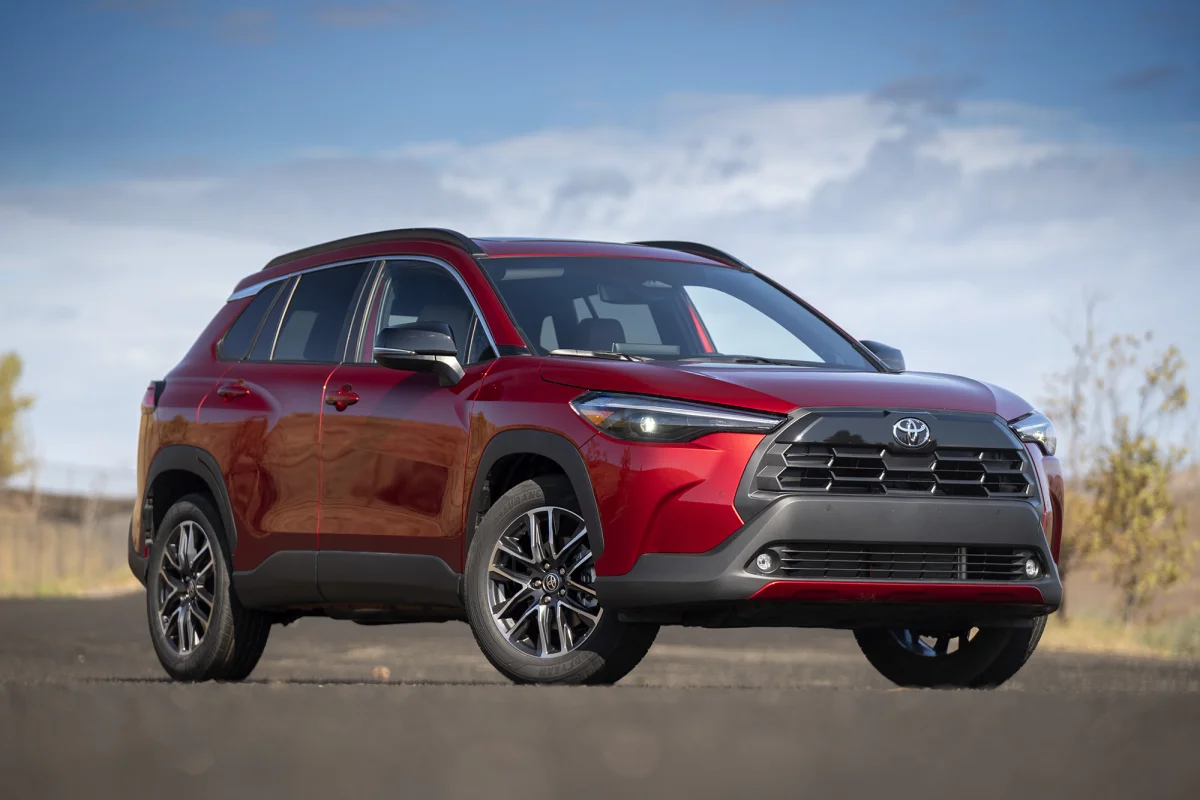
7. Toyota Corolla GTi 16V (E101)
The Toyota Corolla GTi 16V emerged as one of the most understated yet thrilling ’90s hot hatches. Unlike more flamboyant rivals, it offered a balanced package that prioritized reliability and precision over raw flashiness. Its naturally aspirated 1.6-liter 16-valve engine produced a high-revving character that rewarded careful throttle work.
The car’s lightweight body enhanced responsiveness, and the combination of engine and chassis offered a playful yet stable driving experience. Enthusiasts quickly recognized the Corolla GTi 16V as a small hatchback that could compete with more expensive European models, delivering excitement without compromising practicality.
Mechanically, the GTi 16V emphasized precision and reliability. Its engine delivered smooth power throughout the rev range, while the five-speed manual transmission allowed for controlled acceleration. Suspension and chassis tuning prioritized balance and handling, enabling confident cornering.
Many enthusiasts upgraded the suspension or exhaust to enhance performance, but even unmodified examples remained rewarding to drive. The combination of dependability and engagement ensured that the car was suitable for both daily use and spirited weekend driving.
The interior reinforced the car’s practical yet sporty nature. Seats were supportive, though not overly aggressive, and the layout placed controls within easy reach. Instrumentation was clear, providing necessary feedback without distraction. While the Corolla GTi 16V lacked extravagant features, it offered a functional and driver-focused cabin that complemented the car’s performance-oriented philosophy. Collectors often seek examples with original seats, dashboard components, and limited-edition trims.
Handling was a defining feature of the Toyota Corolla GTi 16V. Its lightweight construction, combined with precise steering allowed for agile maneuvering and minimal body roll. Drivers could push the car hard on twisty roads, confident in its predictable behavior.
Suspension tuning ensured a fine balance between comfort and performance, which contributed to its enduring appeal among enthusiasts. Its understated approach to dynamics made it a car that rewarded skillful driving without intimidating the driver.
Today, the Corolla GTi 16V is a highly desirable collector car. Its combination of Japanese reliability, sharp handling, and engaging engine performance has cemented its reputation as one of the ’90s most underrated hot hatches.
Limited numbers of well-preserved examples make it increasingly sought after, particularly for collectors who value mechanical purity, balance, and a pure driving experience. Its legacy continues to influence enthusiasts and small hatchback design today.
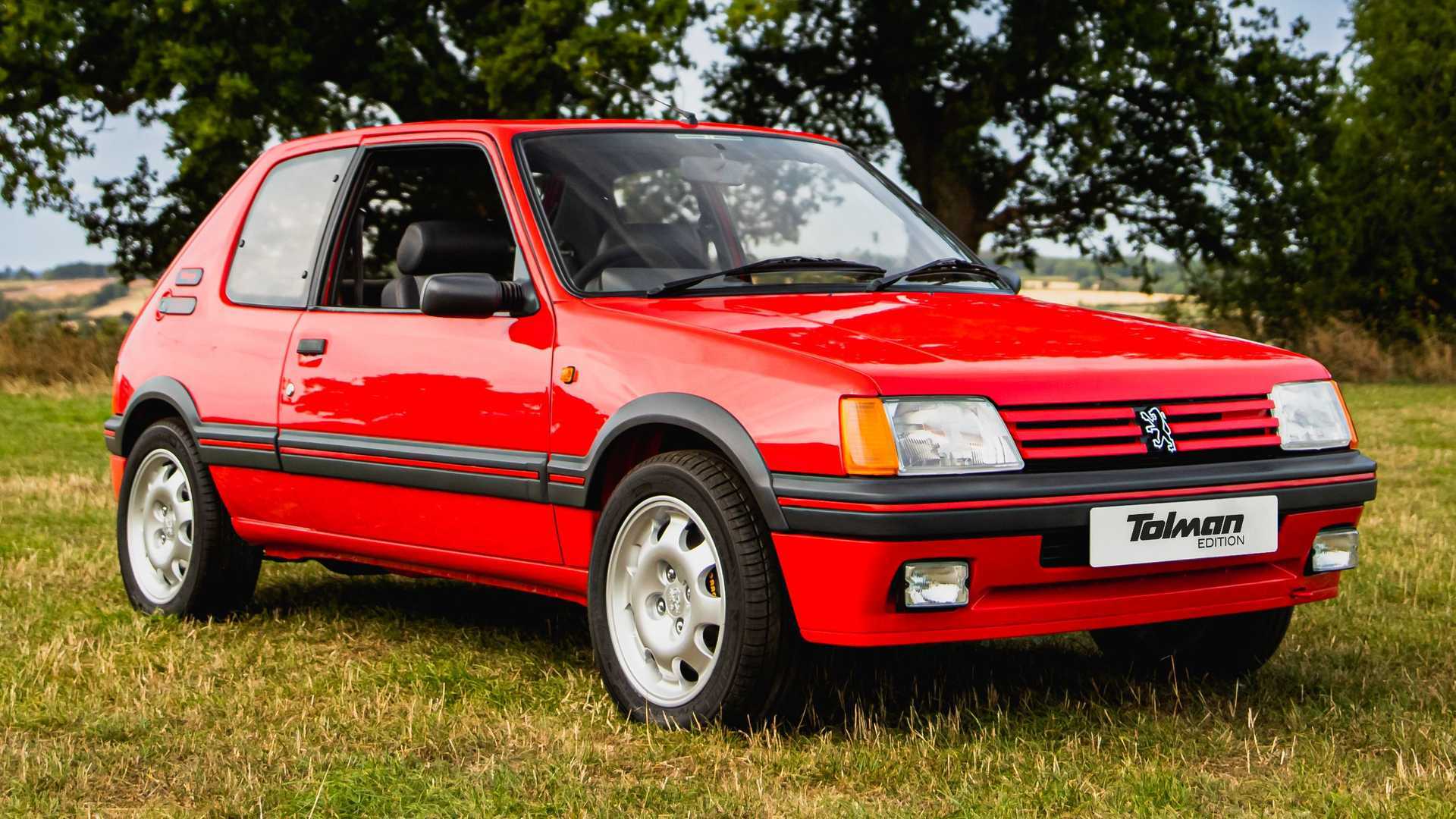
8. Peugeot 205 GTI
The Peugeot 205 GTI is widely regarded as one of the greatest hot hatches of the ’80s and ’90s, and its influence carried strongly into the ’90s collector market. Its lightweight body and compact dimensions made it incredibly agile, and the responsive steering provided exceptional driver feedback.
Enthusiasts appreciated its combination of power, handling, and simplicity, which allowed it to deliver an experience that few modern cars can replicate. Even today, the 205 GTI remains celebrated for its purity and focus on the essentials of driving.
Its styling was modest but functional, emphasizing performance cues without excessive ornamentation. The car’s small size belied its performance potential, enabling it to feel much faster than the numbers suggested, particularly on twisty roads.
The handling of the 205 GTI contributed significantly to its enduring reputation. Its chassis and suspension delivered precise feedback, allowing confident cornering and balanced weight transfer.
The combination of lightness and responsive steering made it one of the most engaging hatches of its era, a car that could be driven aggressively without feeling intimidating.
Many enthusiasts describe it as having a “pure” connection between driver and road, something that modern cars often struggle to replicate. Its agility and predictability make it a favorite for track days and spirited driving alike.
Today, the Peugeot 205 GTI is one of the most sought-after ’90s hot hatches by collectors. Its combination of iconic styling, lightweight agility, and driver-focused engineering ensures its legacy remains intact. Well-maintained examples are rare, especially with original interiors and low mileage, driving up demand and value.
The 205 GTI is not just a car; it is a symbol of an era when small hatches could provide unforgettable driving thrills while remaining practical for daily use.
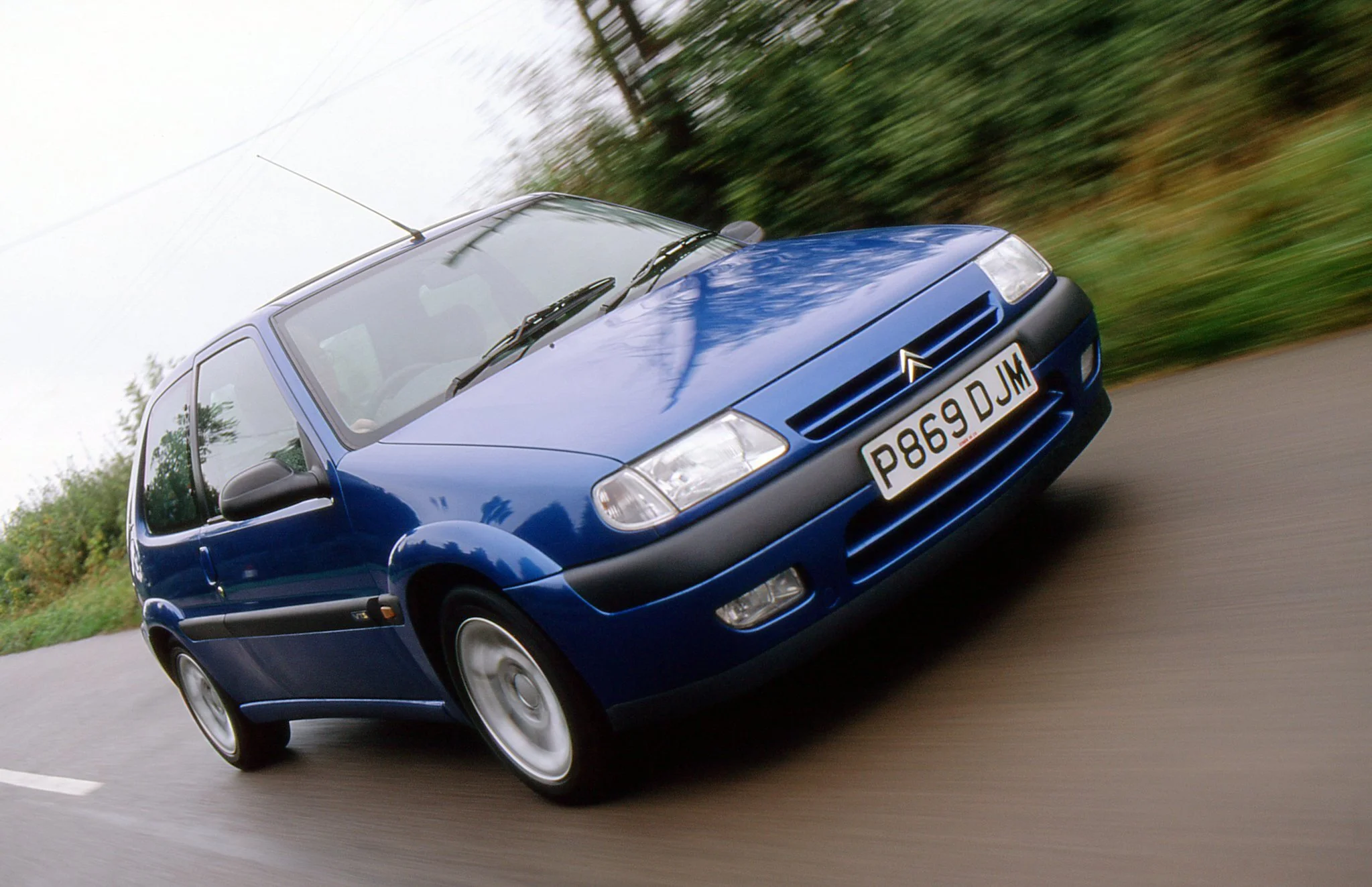
9. Citroën Saxo VTS
The Citroën Saxo VTS was a standout small hatch in the late ’90s, providing sharp performance in a lightweight, affordable package. Its compact size allowed agile handling and quick responses, making it enjoyable on narrow streets and twisty roads.
Enthusiasts appreciated how the Saxo VTS combined practicality with genuine driving excitement, particularly in comparison to larger, less engaging vehicles of the same era.
The design was simple yet purposeful, reflecting Citroën’s focus on efficiency and performance without unnecessary complexity. Its hatchback layout ensured practicality for daily use, while the sporty chassis delivered a confidence-inspiring ride for spirited driving.
Inside, the cabin reflected a no-nonsense approach to sportiness. Seats were supportive and kept occupants in place during dynamic maneuvers, while controls were placed within easy reach for driver convenience. Instrumentation was straightforward and functional, providing critical information without clutter.
Collectors often seek Saxo VTS models that retain original interior finishes and optional features, as these elements help maintain authenticity and value. The blend of performance-oriented design and everyday practicality made it a versatile choice for both enthusiasts and casual drivers.
Handling was one of the most praised aspects of the Saxo VTS. Its lightweight frame and sharp steering enabled precise cornering, while the suspension delivered a balance of comfort and responsiveness. The car’s predictability encouraged spirited driving, allowing drivers to explore its capabilities without compromising safety.
Its ability to make small adjustments in throttle and steering translate directly to movement created a level of engagement rare among small hatches of the time. This level of precision and feedback contributed to the model’s growing reputation among collectors.
Today, the Citroën Saxo VTS has become a desirable collector vehicle due to its balance of affordability, driving enjoyment, and rarity. Enthusiasts value its nimble character and lightweight construction, which make it a standout in the ’90s hot hatch category.
Well-maintained examples with original components and minimal modifications are particularly sought after, demonstrating how this unassuming hatchback has earned a loyal following and recognition as a true driver’s car.
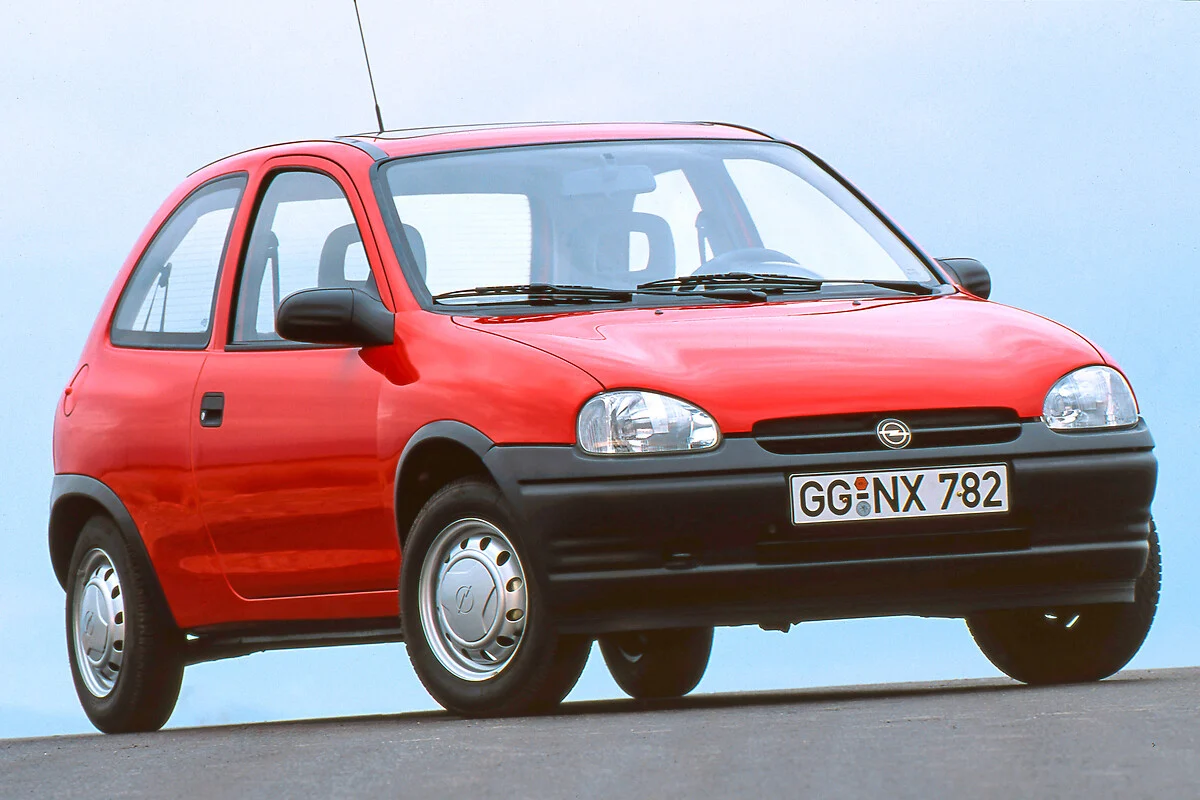
10. Opel Corsa GSi
The Opel Corsa GSi rounded out the list of ’90s hot hatches with a combination of German engineering and engaging performance. Its compact size and lightweight frame allowed nimble maneuvering and confident handling, while the sporty engine provided responsive acceleration for enthusiastic drivers.
The car struck a balance between everyday usability and spirited driving, making it popular among young drivers and enthusiasts alike. Its styling was simple yet aggressive, with subtle performance cues that indicated its hot hatch nature without being ostentatious. The GSi offered a well-rounded package for those seeking practicality and excitement in a single vehicle.
Under the hood, the Corsa GSi’s engine produced lively power and a high-revving character that encouraged spirited driving. The manual gearbox allowed drivers to control acceleration precisely, enhancing engagement and enjoyment. Suspension tuning emphasized balance, providing stability during cornering while maintaining ride comfort for daily use.
Its mechanical simplicity made it a favorite among enthusiasts who enjoyed hands-on maintenance and modifications, while stock models still delivered a thrilling experience. The combination of reliability and performance ensured the GSi’s popularity during its production years.
The interior of the Opel Corsa GSi was practical yet sporty. Supportive seats held occupants securely during dynamic maneuvers, while the dashboard layout kept essential controls easily accessible. Instrumentation was clear and functional, reinforcing the car’s driver-focused nature.
Collectors often seek original interior trims and optional features, as these factors contribute to authenticity and value. The cabin design reflected Opel’s ability to balance performance with everyday usability, making it suitable for both commuting and weekend fun.
Today, the Opel Corsa GSi is highly regarded among collectors of ’90s hot hatches. Its combination of agility, performance, and practicality ensures its lasting appeal, while well-preserved examples have become increasingly rare. Enthusiasts prize vehicles that retain original trims, low mileage, and factory specifications.
