
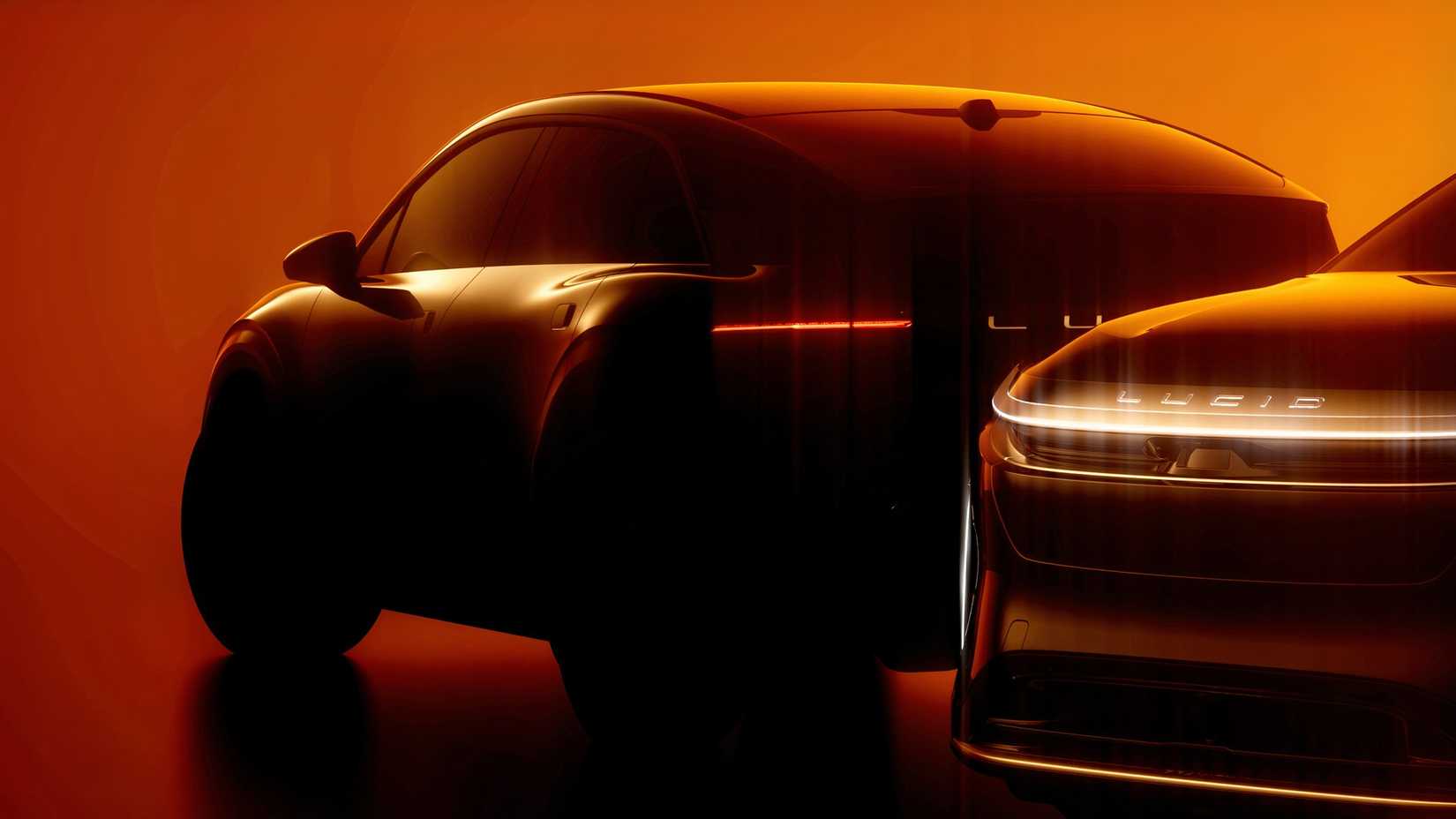
Lucid Motors has announced plans to roll out a fully driverless robotaxi for Uber later this year. The company also revealed that this same technology will be integrated into its new midsize EV lineup launching in 2027, with the goal of achieving full Level 4 driverless capabilities before the end of the decade, according to interim CEO Marc Winterhoff.
Uber is set to become the next ride-sharing service to deploy driverless robotaxis, partnering with tech developer Nuro and EV manufacturer Lucid, as announced during this week’s Consumer Electronics Show.
Lucid isn’t stopping at Uber, though. Speaking with a small group of journalists in Las Vegas, Winterhoff said the company will soon enhance the advanced driver assistance systems (ADAS) in its retail vehicles using Nuro technology.
By next year, some Lucid models are expected to achieve “Level 2++” driving, hands-free operation not only on limited-access highways but also in crowded urban environments. Ultimately, Winterhoff said, Lucid aims to introduce a Level 4 system capable of fully driverless operation by 2029.
Lucid Motors doubled its EV production in 2025 to 18,378 units and increased deliveries by 55%, despite early quality issues with the Gravity SUV. Still, the numbers remain below the company’s SPAC-era projections as it prepares a $50,000 midsize EV aimed at mainstream buyers.
Kay Stepper, the executive overseeing Lucid’s autonomous vehicle efforts, described the collaboration with Uber and Nuro as “collectively building an experience like no other.”
Early robotaxi prototypes are already undergoing real-world testing, with plans to launch the first units for retail service in the San Francisco Bay Area later this year. Winterhoff noted that both Uber and Nuro were pushing for even earlier deployment.
Level 2++ features are “almost there” and should be operational in the coming year for the Gravity SUV.
Moving forward, Lucid plans to shift its autonomous program focus from the Gravity to its new midsize “Earth” line launching in 2027. Starting from scratch allowed engineers to implement a more sophisticated computing system and design the vehicles to seamlessly integrate the suite of cameras, radar, and Lidar sensors needed for higher levels of autonomy.
Lucid design chief Derek Jenkins noted that retrofitting these sensors into the Gravity required several subtle but important changes, particularly to the roof-mounted “tiara” housing Lidar units, other sensors, and digital displays that greet passengers.

Winterhoff confirmed the midsize lineup will include three distinct models built on the new platform. Teasers suggest the first will resemble a conventional SUV, expected to compete directly with the Tesla Model Y, launching in early 2027. A second model will follow a year later, and a third, more radically styled vehicle will take an additional 18 months to develop.
Autonomous technologies have advanced rapidly across the auto industry. Most manufacturers now offer some form of ADAS, which at a minimum maintains lane centering and traffic flow. Many brands also offer hands-free driving systems, such as GM’s Super Cruise and Ford’s Blue Cruise, though these Level 2+ systems are usually limited in scope and require drivers to remain attentive.
Lucid plans to expand the operational range of its ADAS with Level 2++ technology as a stepping stone toward Level 3 by 2028 and Level 4 by 2029.
Level 3 allows “hands-free, eyes-off” driving, meaning drivers could safely text or watch videos while staying ready to retake control. Level 4, as seen in the Uber/Lucid Gravity robotaxi, will provide fully driverless capabilities.
The “Earth” midsize models will be the first to receive these upgrades, with future plans to enhance the Gravity SUV and potentially the Air sedan. Updating the Air would require a complete overhaul of its electrical architecture and computing systems, a costly endeavor given its limited sales.
Lucid has faced skepticism due to technical issues in its vehicles, including navigation glitches and digital keyfobs that sometimes fail to register.
Winterhoff said the company has replaced the tech team responsible and is rolling out software updates to resolve these issues. “We absolutely know this was an issue,” he said. “With an upcoming software release, we will be over the hump in January, latest in March,” he added.
Cash burn has been a persistent challenge for Lucid, worsened by a slow Gravity SUV rollout. Since Winterhoff replaced founder Peter Rawlinson as interim CEO last February, the company has regained momentum, producing 8,412 vehicles, mostly Gravity, during Q4 2025, doubling the previous quarter’s output. Deliveries rose 55% over the same period.
“That was quite an achievement,” Winterhoff said, noting that during what has been dubbed the “EV Winter,” Lucid was “the only EV manufacturer that increased deliveries during the fourth quarter” in the U.S.
Also Read: 12 Most Affordable Electric Cars Available in 2026
