
Kei cars are one of Japan’s smartest automotive ideas. They were created to fit strict size and engine rules, but instead of limiting creativity, those rules pushed Japanese engineers to become more clever than anyone else.
When you only have a small footprint to work with and a tiny engine limit, you are forced to think differently. That is why kei cars are not just small cars. They are packaging masterpieces. They squeeze surprising space, comfort, and practicality into tiny bodies, while still being fun and affordable to run.
What makes kei cars special is how perfectly they match urban life. In Japan, city roads can be narrow and crowded, and parking spaces are often tiny. Kei cars solve this problem by being easy to maneuver, easy to park, and cheap to own.
They also come with lower taxes and insurance benefits in Japan, which makes them attractive for daily commuters, students, and families. But kei cars are not only about saving money. They often come with brilliant features, clever interiors, and creative designs that make them feel like mini futuristic vehicles.
Another reason kei cars are fascinating is variety. You can find kei trucks built for farming, kei vans built like tiny living rooms, sporty kei roadsters that feel like go-karts, and ultra-cute city hatchbacks packed with smart storage.
Even within strict limits, Japan built a whole world of different styles. That shows the deep intelligence of Japanese design culture. They focus on usefulness, efficiency, and comfort, not just size.
In this list, we highlight 10 kei cars that prove how clever Japan can be. These are models that showcase innovation, smart packaging, unique engineering, or pure charm.
Some are famous, some are underrated, but all of them represent the genius of kei car culture. They prove that small does not mean basic. In Japan, small often means brilliant.
Also Read: 10 Underappreciated ’90s European Sports Cars You Can Still Buy Cheap
1) Suzuki Jimny (Kei versions)
The Suzuki Jimny is one of the most brilliant kei cars because it proves that even a tiny vehicle can be a serious off-road machine. Most small cars are built only for city roads, but the Jimny is built like a mini SUV with real off-road hardware.
It has proper 4×4 capability, tough body construction, and a personality that feels bigger than its size. That is why it became a global icon, not just a Japanese kei car.
The cleverness starts with its design. Suzuki managed to build a compact body while keeping the features off-roaders need.
Short overhangs help it climb obstacles, and the shape is simple and rugged. It looks tough, like a mini adventure vehicle, and it actually performs like one too. That is rare in the small car world.
The Jimny also shows clever engineering through its durability. It is built to survive rough use, not just daily commuting.
Even with a small engine, it can handle difficult roads because it focuses on gearing, traction, and smart 4×4 setup rather than brute power. This is Japanese engineering mindset at its best: using smart solutions instead of big engines.
Inside, the Jimny stays practical. It is not a luxury car, but it is functional. It gives enough comfort for daily use while still being easy to clean and tough for outdoor life. That makes it versatile. You can use it in the city on weekdays and in the mountains on weekends.
Another reason it proves Japanese cleverness is how it became a cult classic. In many countries, Jimny owners treat it like a mini Land Cruiser. That kind of reputation does not happen by accident. It happens because the vehicle does its job extremely well.
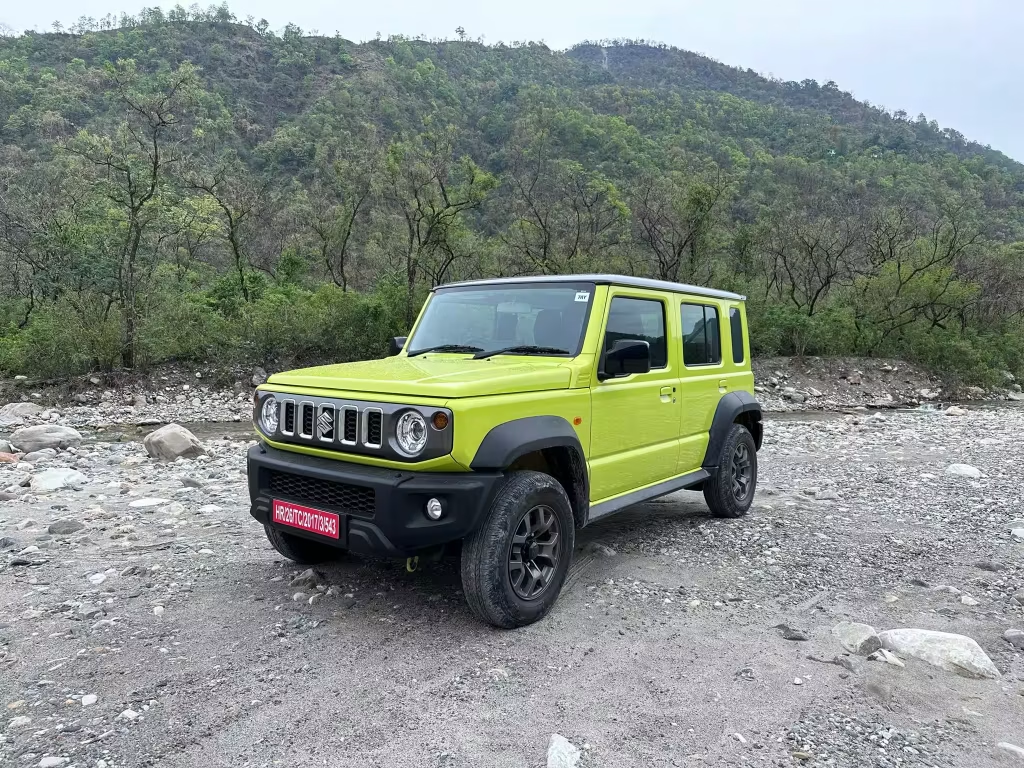
The kei Jimny is a symbol of Japan’s ability to make something small feel capable. It is not just clever packaging, it is clever performance. Few kei cars show this level of engineering confidence.
2) Honda Beat (1991–1996)
The Honda Beat is one of the most lovable kei cars ever created because it shows how Japan can build pure driving fun inside strict limits. The Beat is a tiny mid-engine roadster, which sounds impossible for a kei car. But Honda made it real. It is one of the best examples of kei car creativity because it was built not just to save money, but to deliver joy.
The Honda Beat is clever because of its layout. It uses a mid-engine setup, placing the engine behind the seats. This gives the car excellent balance and a lively feel in corners. Most cars in this class were simple front-engine commuters. Honda took a different path, proving that kei cars could be sporty and exciting.
The driving feel is the main attraction. The Beat is light, responsive, and fun at low speeds. You do not need big horsepower to enjoy it. The car feels like a go-kart with a roof, and that is exactly why it became a legend. In cities, it is easy to drive and park, while also offering a sports-car feeling.
Another clever feature is its open-top design. Many kei cars are built purely for practicality, but the Beat was built for lifestyle fun. It shows Japan’s ability to build emotion into small cars. Even the styling is playful and sporty, making it look like a mini exotic.
The Beat also became collectible because of its uniqueness. It represents a time when Japanese manufacturers experimented wildly. Honda built a tiny sports car under strict rules, and it worked. The car still attracts attention today because it feels special and rare.
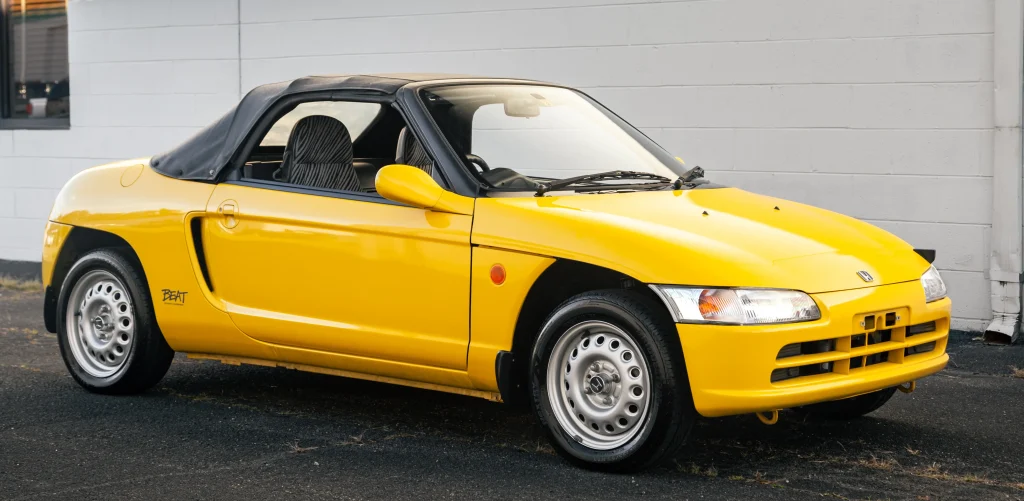
If you want proof that kei cars can be brilliant and fun, the Honda Beat is a perfect example. It is clever, unique, and full of character. It proves that Japan can turn limitations into pure creativity.
3) Autozam AZ-1 (1992–1994)
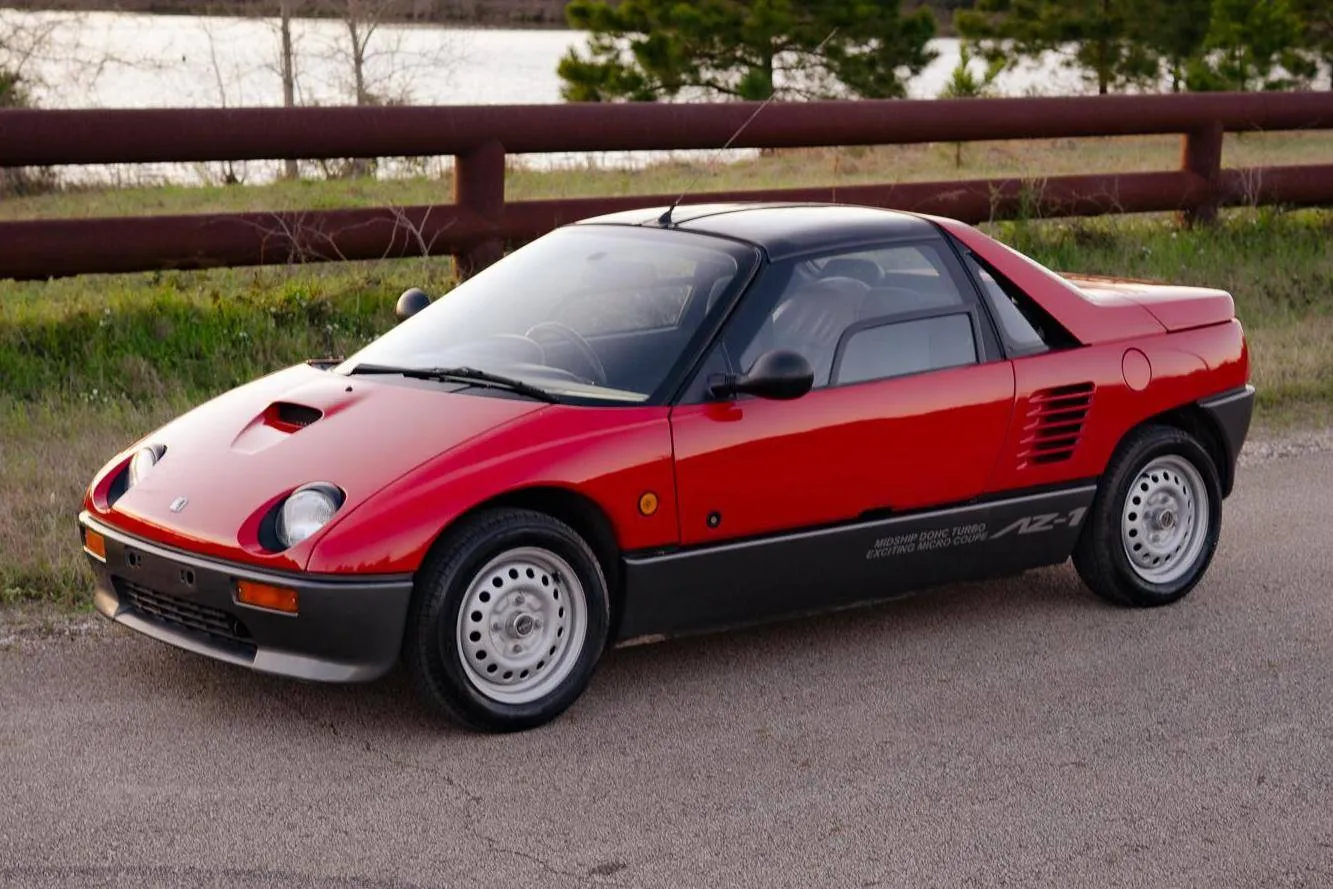
The Autozam AZ-1 is one of the most clever kei cars ever created because it feels like a tiny supercar that should not exist. Japan took strict kei car rules and still found a way to create a mid-engine, gullwing-door sports machine.
That is exactly what makes the AZ-1 so impressive. It is not just cute or practical. It is bold engineering packed into the smallest possible footprint.
The gullwing doors are the first thing that shocks people. Seeing doors open upward on a kei car feels unreal. It turns the AZ-1 into a crowd magnet wherever it goes. But this is not only about style. The AZ-1 also has a smart structure and compact layout that allows the doors to work properly without making the car feel awkward.
The mid-engine setup is another reason it proves Japanese cleverness. Placing the engine behind the driver improves balance and makes the car feel like a mini exotic sports car.
Even though the power is limited, the driving experience is exciting because the car is extremely light. It shows the Japanese approach to performance: reduce weight and improve handling instead of chasing big horsepower.
In city driving, the AZ-1 is surprisingly usable because it is tiny. It fits anywhere and is easy to maneuver. But it still feels special because the driving position is low and sporty. You feel like you are in a little race car instead of a commuter car.
The AZ-1 also highlights how Japan created variety within kei culture. Most kei cars are basic practical machines. The AZ-1 is a kei car built for excitement and attention. That shows the freedom Japanese engineers had to experiment, even under strict government regulations.
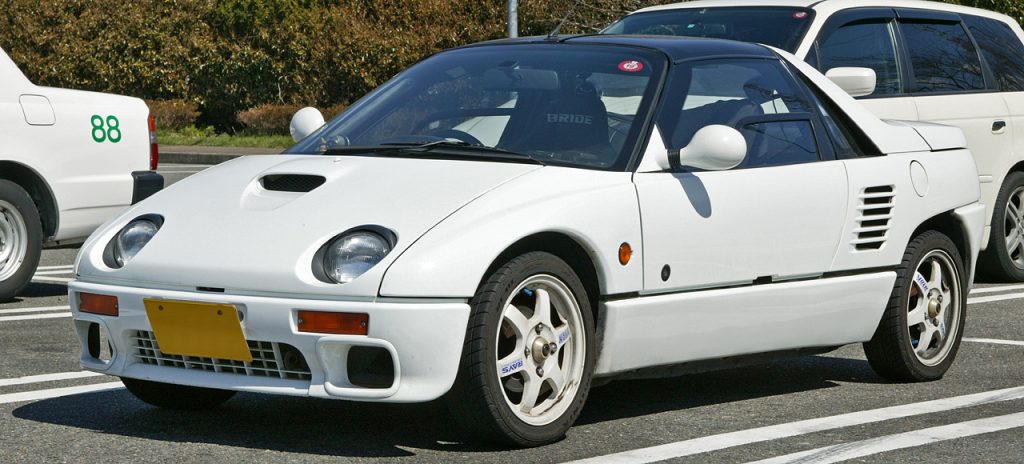
Another reason it is so clever is its collector appeal. The AZ-1 has become one of the most desirable kei sports cars, mainly because no other country would have dared to build something this wild at this size. It is a design statement, an engineering statement, and a personality machine.
The AZ-1 proves that Japan’s kei car world is not boring. It is creative and fearless. The car shows that even with tiny limits, Japan could still build something dramatic enough to stop traffic.
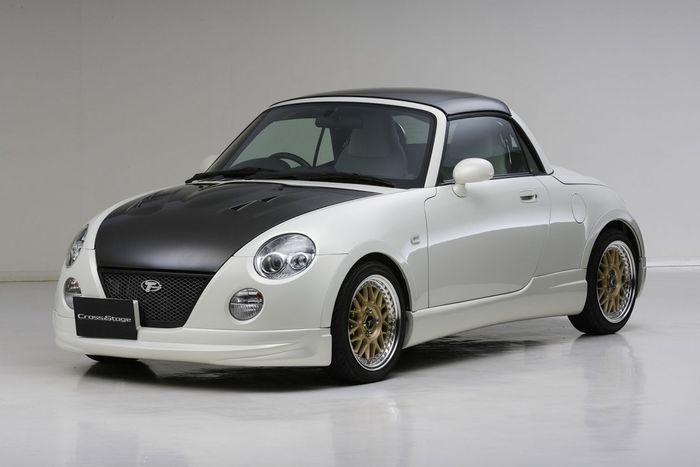
4) Daihatsu Copen (2002–2012)
The Daihatsu Copen is one of the smartest kei cars because it brings convertible fun into a tiny urban-friendly package. It is essentially a mini roadster designed for city life, but with surprising engineering cleverness.
The Copen is proof that Japan did not treat kei cars as basic appliances. They treated them as lifestyle machines, designed to make everyday driving more enjoyable.
The Copen’s most clever feature is its hardtop roof. Many convertibles use soft tops, but Daihatsu engineered a folding metal roof into a kei-sized car. That is an impressive packaging achievement.
The roof mechanism adds weight and complexity, yet it fits into a tiny body without ruining practicality. It gives owners the security and insulation of a coupe, while still offering open-top driving.
In city traffic, the Copen feels perfect. It is small, easy to park, and light enough to feel quick in normal driving. The steering is easy, the turning radius is tight, and the car feels agile. It handles narrow streets like it was built specifically for them.
The Copen is also clever because it offers style without huge cost. It looks like a mini premium roadster, with clean lines and a fun design. Many kei cars look like simple boxes. The Copen looks like a tiny sports car, which makes it stand out in any crowd.
Driving pleasure matters too. The Copen is not about raw speed. It is about enjoyment. Its lightweight build means you can have fun without breaking speed limits. That makes it perfect for Japan’s roads, where tight streets and regulations favor small, nimble cars.
The Copen is also known for being a practical enthusiast car. It is easier to own than extreme kei sports cars, and its parts support is good. It offers fun without being too fragile.
If you want a kei car that shows Japanese cleverness through engineering and lifestyle design, the Daihatsu Copen is a perfect pick. It proves that even small cars can deliver real personality and innovation.
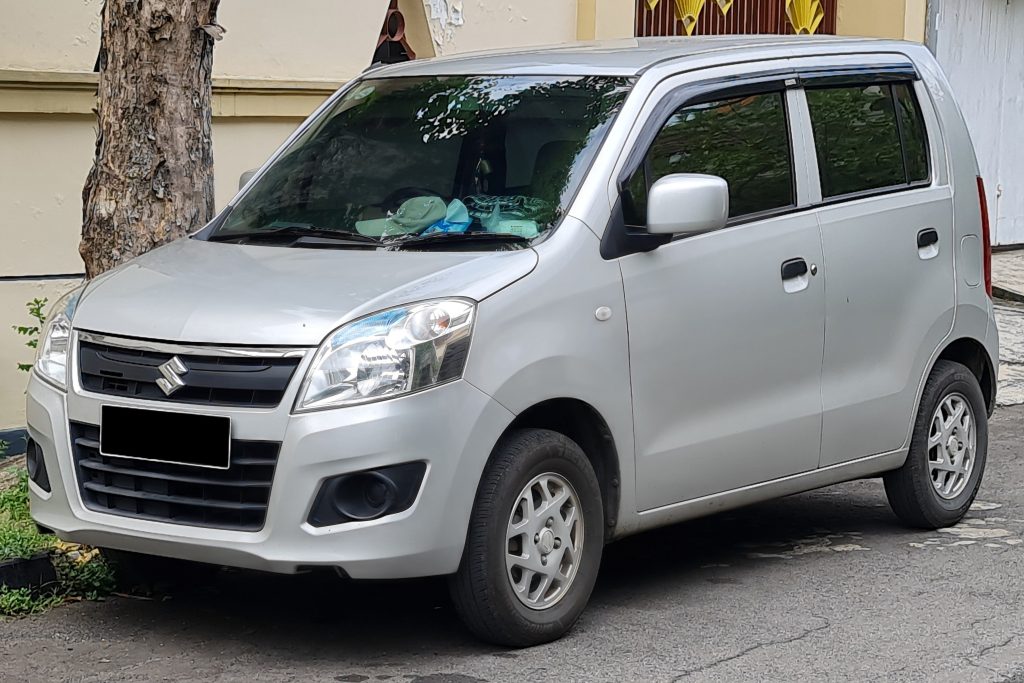
5) Suzuki Wagon R
The Suzuki Wagon R is one of the smartest kei cars ever made because it proves how Japan can create maximum usefulness in a tiny footprint.
This car is not about sportiness or style. It is about pure practicality, and it is brilliant at it. The Wagon R helped define the tall kei hatchback format, and that format became incredibly popular because it solves real city-life problems.
The cleverness begins with its tall-body design. Instead of building a low small hatchback, Suzuki went vertical.
This creates much more headroom and a more spacious cabin feel, even though the car remains short and narrow. In city use, this matters because you get easy entry and exit, better visibility, and a cabin that feels bigger than expected.
The Wagon R is also clever in how it uses interior space. The seating layout is designed to maximize usability. Rear seats often fold or slide, allowing the car to transform from passenger mode to cargo mode quickly.
For urban families, this flexibility is a huge advantage. You can carry groceries, luggage, or daily items without needing a large car.
Another smart point is fuel efficiency and ease of driving. Kei cars are designed to survive dense traffic, and the Wagon R fits perfectly. The engine is tuned for low-speed response, and the car feels light and easy to steer. Parking is effortless, and tight streets become easy to manage.
The Wagon R also became popular because it is durable. Many kei cars are built cheap, but the Wagon R became known for long life and dependable ownership. This is why it is common to see older Wagon R models still running. When a car survives years of city abuse, it earns respect.
Its global influence is also part of its cleverness story. The Wagon R concept inspired similar tall compact cars in many markets. That shows Japan’s ability to create solutions that work globally, even if they start as kei-focused products.
The Wagon R proves Japanese intelligence through packaging. It takes a tiny exterior and creates real space, real comfort, and real daily usefulness. In many ways, it represents the core purpose of kei cars better than almost anything else.
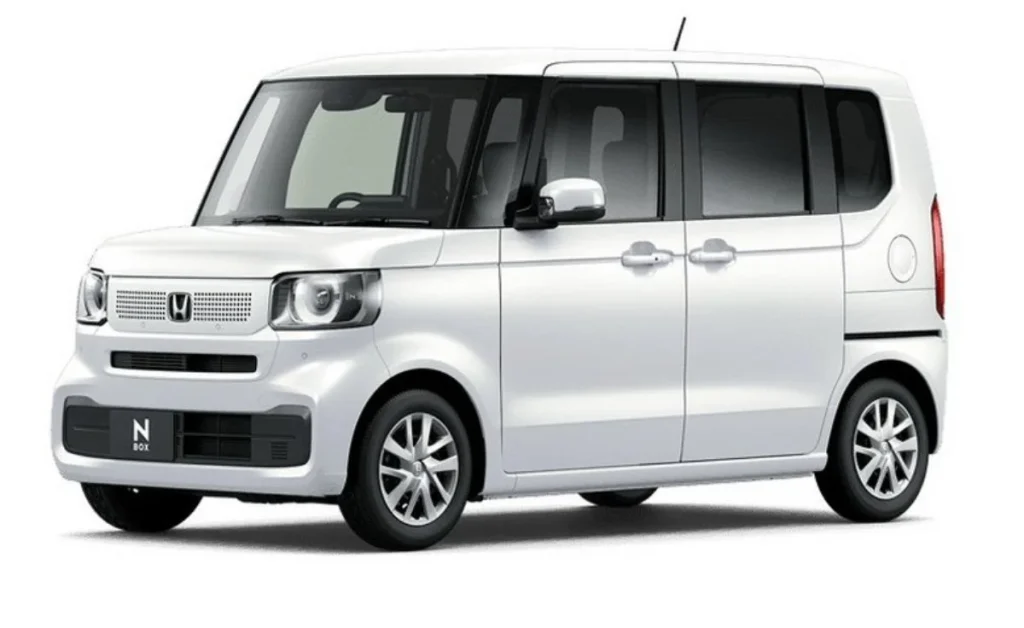
6) Honda N-BOX
The Honda N-BOX is one of the most advanced kei cars ever made, and it shows how Japan can turn a tiny box into a smart modern living space.
The N-BOX has been one of Japan’s best-selling vehicles for years because it solves the daily life needs of real people. It is designed for comfort, space, and practicality, and it does all this within strict kei dimensions.
The N-BOX is clever because of interior packaging. It has a tall roof, wide cabin for its class, and seats designed to be flexible. The rear seating space is surprisingly generous. For city families, this matters because you can carry passengers comfortably without needing a large car.
Sliding doors are another genius feature. In tight parking spaces, normal doors can be frustrating. Sliding doors make entry and exit easy, especially for kids and older passengers. In dense Japanese cities, this feature becomes a daily advantage. It turns the N-BOX into a perfect urban mobility tool.
The cabin is also designed like a mini lounge. The driving position is upright, visibility is excellent, and the layout is user-friendly. Honda focused on ease, meaning the car feels comfortable even during long traffic jams. Small cars often feel cramped. The N-BOX does not. That is a big reason it feels clever.
The N-BOX also uses safety and technology well. Many kei cars are basic, but Honda packed modern features into this model. This includes driver assistance systems in many versions, which is impressive in a small affordable car. It shows Japan’s ability to deliver premium thinking at small-car scale.
Another clever part is how it balances efficiency with comfort. It remains fuel efficient and city-friendly while offering more space than many larger hatchbacks. That is serious engineering. It proves that kei cars are not about compromise, they are about smart solutions.
If the Wagon R represents classic kei practicality, the Honda N-BOX represents modern kei brilliance. It is one of the best examples of Japan’s ability to create big usefulness inside a tiny body.
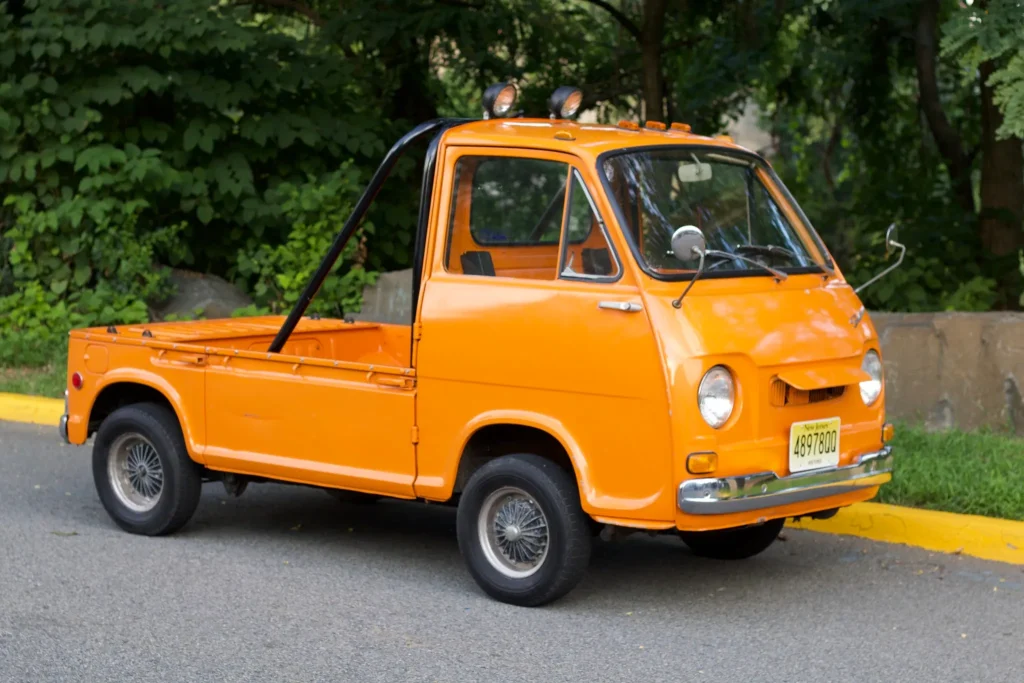
7) Subaru Sambar (Kei Truck / Kei Van)
The Subaru Sambar is one of the most clever kei vehicles because it shows Japan’s genius in making small commercial vehicles unbelievably useful.
While many people think kei cars are only tiny hatchbacks, the Sambar proves the kei world also includes serious work machines. It has been used for farming, delivery work, small business transport, and even camper conversions, all while staying within kei size rules.
The cleverness starts with layout. Many Sambars use a rear-engine or mid-engine style arrangement depending on generation, which helps keep the cargo area flat and spacious.
That means you get maximum usable space despite the vehicle being tiny. When you see how much a Sambar can carry, it feels like magic. This is exactly the kind of clever packaging kei culture is famous for.
In city use, the Sambar shines because it is compact and maneuverable. Delivery drivers can squeeze into tight streets, park easily, and make quick turns. It handles the daily grind better than many larger vans simply because it fits everywhere. Urban work vehicles need agility, and this one delivers it.
Another smart point is durability. Kei trucks and vans are built for constant use. They are designed to carry loads daily and still keep running. The Sambar has earned respect because it survives rough treatment, and parts support is strong in kei markets. This makes it a reliable work companion.
The Sambar is also clever because it offers multiple personalities. In van form, it becomes a tiny people mover. In truck form, it becomes a mini hauler. In some builds, it becomes a camper. Very few vehicles can be transformed so easily. This versatility is exactly why it became a cult classic even outside Japan.
The design itself feels honest and functional. It is not trying to be stylish. It is trying to be useful, and that is Japanese cleverness in action. It proves that kei vehicles were not built only for fun. They were built to solve real everyday needs in the smartest way possible.
If you want a kei vehicle that shows Japanese genius in practical design, the Subaru Sambar is a perfect example. It is small, tough, and shockingly capable.
8) Suzuki Alto Works (Performance Kei Hatch)
The Suzuki Alto Works is one of the best examples of how Japan turned kei restrictions into a performance playground. It is a tiny hatchback that feels like a pocket rocket, proving you do not need big engines to have big fun.
The Alto Works became legendary because it offered serious driving excitement within kei car rules, making it one of the coolest and cleverest small performance machines ever.
The cleverness starts with weight. The Alto Works is extremely light, and that makes it quick in real-world driving. Even with limited horsepower, it feels lively because there is very little mass to move.
This is Japanese performance philosophy at its best: make the car light, responsive, and sharp rather than chasing big horsepower numbers.
The turbocharged setup in many versions adds even more fun. A small turbo engine gives punchy acceleration, making the car feel quick in cities and exciting on twisty roads. Because the car is light and compact, it also feels agile. The steering response is quick, and the car feels easy to place, which increases confidence and fun.
Another clever detail is how it brings performance features into a tiny package. Sportier suspension tuning, supportive seats, and driver-focused design make it feel like a miniature rally car. This kind of engineering effort in a small cheap car shows Japan’s deep love for driving enjoyment.
The Alto Works also became a culture icon. Enthusiasts love it because it is affordable fun and highly tunable. But even in stock form, it offers a unique driving personality that is hard to find in larger modern cars. It feels mechanical and lively, which makes it attractive even today.
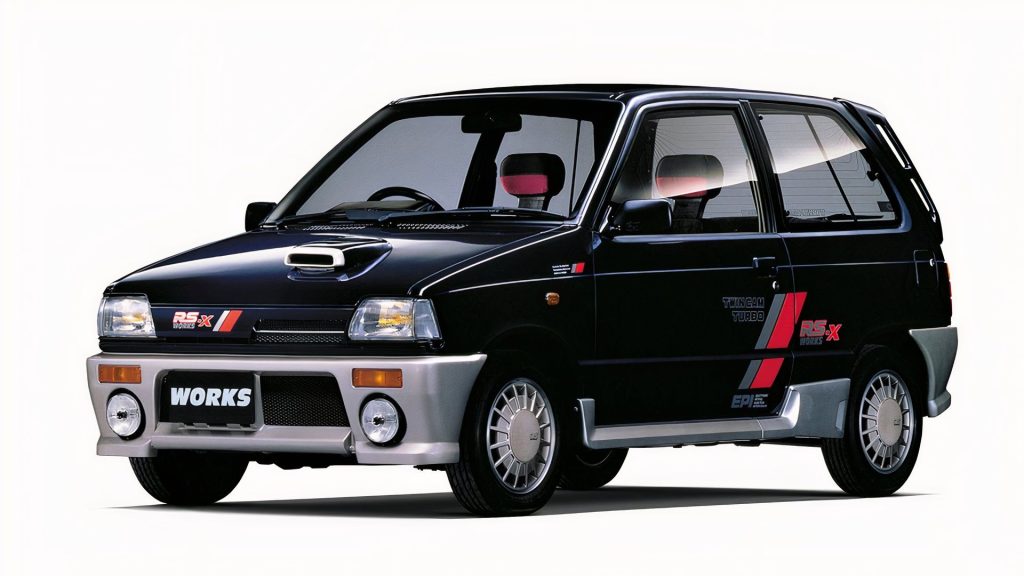
It also works as a practical car. It is small and fuel efficient for city use, easy to park, and cheap to run. That means it can be both a daily commuter and a fun weekend machine. That dual personality is another form of cleverness.
The Suzuki Alto Works proves kei cars can be exciting, not just sensible. It is a tiny performance car that showcases Japan’s ability to build joy inside strict limits.
9) Mitsubishi Minica (Kei Hatchback)
The Mitsubishi Minica is one of the most clever kei cars because it represents Japan’s ability to create simple, affordable transportation that still feels intelligently designed. The Minica was never a flashy car. It did not try to be sporty or luxurious.
Instead, it focused on being reliable, practical, and easy to live with, which is exactly what kei cars were originally built for.
The cleverness of the Minica comes from efficiency. These cars were designed to move through crowded cities with minimal fuel use and minimal maintenance stress. In Japanese urban life, a car must be compact, efficient, and easy to maneuver.
The Minica fits perfectly. It is small enough to park anywhere, and light enough to feel responsive in traffic even with a tiny engine.
Another smart point is simplicity. The Minica uses straightforward engineering, meaning fewer complicated systems to break. In daily city use, simplicity equals durability.
Many Minica models survive long periods because owners can maintain them cheaply. This is one reason older kei hatchbacks often outlast expectations. They are not overloaded with expensive technology.
The Minica also shows clever packaging. Even though it is tiny, it provides enough cabin room for daily needs. Japanese kei designers are masters of interior layout.
They understand how to maximize space with upright seating, simple dashboards, and smart storage areas. The Minica follows this philosophy, making it practical without feeling too cramped.
Another reason the Minica is a clever kei icon is how widely it fit into Japanese life. It became a normal part of daily commuting, school runs, and small household transport. Cars that become common often do so because they are good at their job. The Minica succeeded because it was useful and dependable.
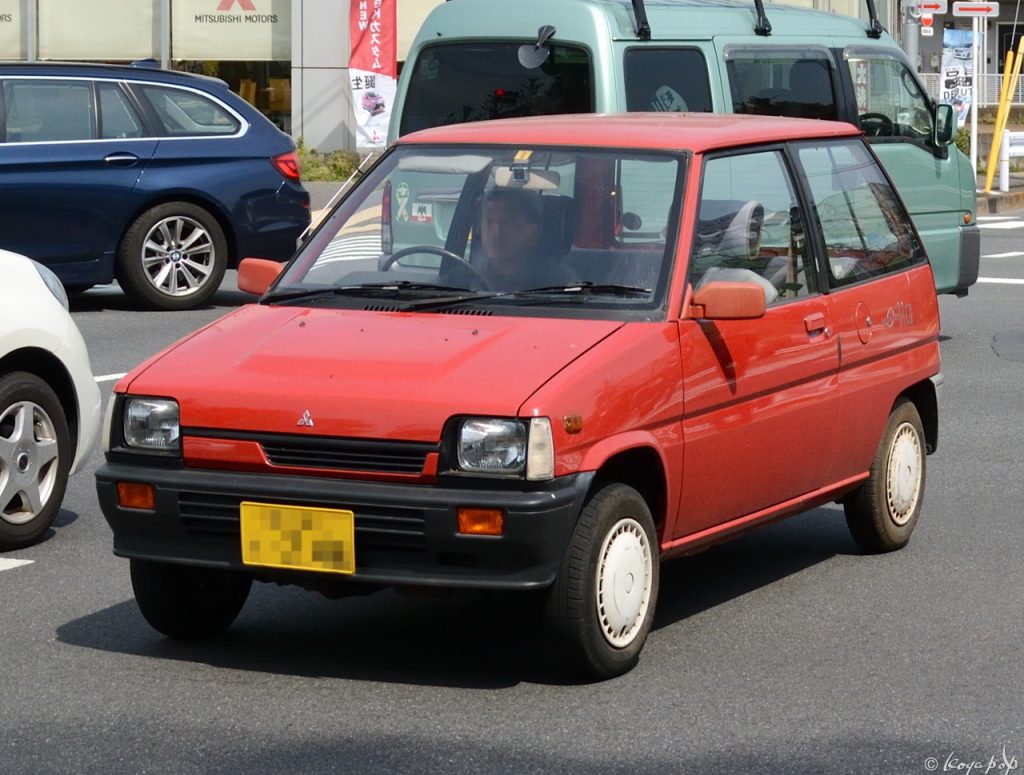
It also represents a type of kei car many people forget today. When people talk about kei cars, they focus on wild sports models or boxy vans. But the Minica shows the original idea: small, affordable mobility designed perfectly for city life. That is Japanese cleverness through practicality, not excitement.
If you want a kei car that represents intelligent simplicity, the Mitsubishi Minica deserves respect. It may not stop traffic like a sports kei car, but it proves Japan’s ability to build smart transportation for real life.
10) Daihatsu Tanto
The Daihatsu Tanto is one of the cleverest kei cars ever made because it takes the kei concept and turns it into a tiny urban living room. This car was designed for family comfort in the tight conditions of Japanese cities. It shows Japan’s ability to make a small car feel big, not through size, but through design intelligence.
The most impressive clever feature is the interior space design. The Tanto is tall, boxy, and built for maximum cabin room.
The roof height creates a spacious feel that most small cars cannot match. For city families, this matters because you can move inside the cabin easily, and it feels comfortable even during long traffic jams.
Another smart feature is the sliding door setup. Many Tanto models use sliding doors, making entry and exit easy in tight parking spaces. This is extremely practical in cities where cars park very close to each other. Sliding doors also make it easier for kids and older passengers, which shows thoughtful design.
The Tanto also became famous for its special pillar design in some versions. The idea was to create a wide, open entry space, making it easier to get in and out. This is the kind of engineering creativity that defines kei culture. Instead of making the car bigger, Daihatsu made the doors and structure smarter.
Comfort features are also impressive for the class. Many versions offer a user-friendly cabin layout with practical storage areas. The car is designed like a home tool rather than a machine, with focus on convenience and ease. In daily city life, these small details matter more than speed.
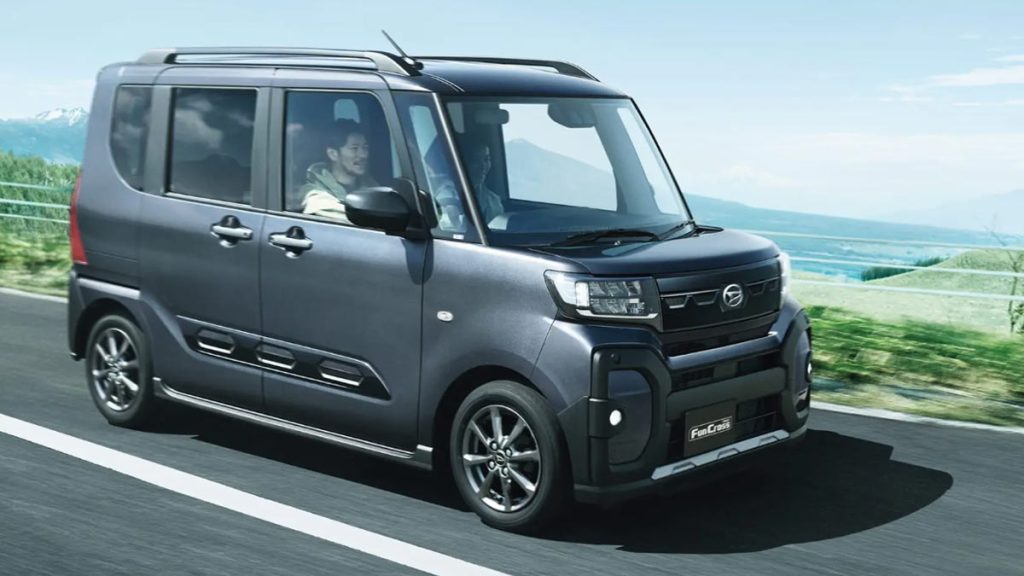
The Tanto proves Japan’s cleverness through everyday design innovation. It is not about performance. It is about making city life easier, smoother, and more comfortable inside kei limits. That is exactly what kei cars were meant to do.
Kei cars are one of Japan’s smartest inventions because they turn strict limits into creative engineering. With tight rules on size and engine capacity, Japanese makers had to maximize space, practicality, and fun without using big power.
That is why kei cars often feel more intelligent than many larger vehicles. They are designed for real city life, where roads are narrow, parking is tight, and efficiency matters daily.
Models like the Suzuki Jimny prove kei cars can even be tough off-road machines, using clever gearing and 4×4 design instead of horsepower.
Sports icons like the Honda Beat and Autozam AZ-1 show Japan’s bravery, building mid-engine fun cars and even gullwing doors within tiny dimensions. The Daihatsu Copen adds lifestyle innovation by packing a folding hardtop into a kei roadster.
Practical legends like the Suzuki Wagon R and Honda N-BOX show packaging genius, using tall roofs, flexible seating, and sliding doors to create big space in small bodies.
Workhorses like the Subaru Sambar prove kei vehicles can carry serious loads, while the Suzuki Alto Works shows how lightweight turbo performance can be thrilling.
Finally, everyday kei staples like the Mitsubishi Minica and Daihatsu Tanto highlight simplicity, comfort, and smart design built for daily commuting. Together, these 10 kei cars prove Japan’s cleverness is not about size. It is about solutions.
Also Read: 10 Legendary Turbo V6 Engines Enthusiasts Swear By
