
Tight streets can make driving feel like a daily challenge. Whether it is narrow city lanes, crowded markets, compact residential roads, or parking spaces that barely fit a small car, the wrong vehicle can turn every trip into stress.
A big sedan or bulky SUV may look stylish, but in tight streets they feel awkward. You constantly worry about scraping mirrors, hitting bumpers, or getting stuck behind traffic with no space to move. That is exactly why hatchbacks remain the smartest city cars in many countries.
A great hatchback for tight streets needs more than just a small body. It should have light steering, a tight turning radius, and good visibility. It should feel easy to place on the road, so the driver can judge corners and gaps confidently.
It also needs smooth low-speed control, because tight streets usually come with speed breakers, potholes, and constant start-stop movement. A car that is jerky or heavy in slow traffic will feel exhausting quickly.
Another major factor is practicality. Tight-street cars often spend time parking, reversing, and weaving through narrow spaces. Hatchbacks are perfect here because they are compact but still useful.
They offer easy luggage access, flexible rear seating, and good space without needing a long body. Many hatchbacks also sit higher than sedans in cabin position, improving visibility in crowded areas. That small advantage makes driving feel more relaxed.
In this article, we focus on seven global hatchbacks that are known for being easy and confident in tight streets. These are models that offer compact dimensions, good control, and city-friendly design.
They are not only reliable, but also genuinely comfortable for daily urban driving. If you deal with narrow roads every day, these hatchbacks can turn your commute into something smoother and less stressful.
Also Read: 7 Small Cars That Hold Up Well to Daily City Use
1) Suzuki Swift
The Suzuki Swift is one of the best hatchbacks for tight streets because it feels small, light, and extremely easy to control. In many cities worldwide, the Swift has become a favorite because it handles narrow lanes like a natural.
Its compact size makes it easy to squeeze through traffic gaps, and its light steering reduces stress in constant city driving.
One of the biggest reasons it works well is its overall dimensions. The Swift is not wide, so it fits cleanly into tight roads where larger hatchbacks still feel bulky.
When streets are crowded with scooters, pedestrians, and parked vehicles, a narrow car makes the driver feel more confident. You can keep safe space without constantly feeling like you are about to scrape the side.
The turning radius is another strong point. In tight streets, you often need quick U-turns, sharp corner cuts, and parking moves. The Swift responds smoothly to steering, and it feels agile rather than heavy. That makes it ideal for older city areas where roads were not designed for modern vehicle sizes.
Visibility also helps. The Swift offers a driver-friendly view, and the car feels easy to judge from behind the wheel. In tight spaces, judging corners and knowing where the car ends is important. A car that is hard to judge can make even simple drives stressful. The Swift feels predictable and natural.
Low-speed control is also strong. In narrow streets, you drive slowly most of the time. The Swift handles this well, with smooth throttle response and enough pickup to move quickly when needed. It does not feel sluggish in traffic gaps, and it remains calm over speed breakers and rough patches.

Another advantage is ownership ease. It is fuel efficient, affordable to maintain, and built for daily use. In cities, cars face constant wear. A hatchback that is cheap to service becomes a big advantage. The Swift is known for durability, which adds to its value as a daily tight-street companion.
If your daily driving includes narrow streets, tight corners, and heavy traffic, the Suzuki Swift is one of the best hatchbacks you can choose. It is compact, agile, and built for exactly this kind of environment.
2) Toyota Yaris
The Toyota Yaris is one of the smartest hatchbacks for tight streets because it combines compact size with calm, reliable driving behavior. Many hatchbacks feel small but fragile. The Yaris feels solid while still being easy to handle. In cities where roads are narrow and unpredictable, this combination makes it a strong choice for daily commuting.
The Yaris handles tight streets well because it is easy to maneuver. The steering is light, making it comfortable in slow traffic and narrow lanes.
The body size is compact enough that you can squeeze through tricky spaces without feeling nervous. This is especially helpful in busy market areas where roads become chaotic and space disappears quickly.
Another key advantage is visibility. The Yaris offers good outward view and a seating position that helps the driver understand the car’s shape. This improves confidence when turning through tight corners or parking in small spaces. In urban driving, confidence is comfort. The Yaris delivers that.
The turning behavior also works well. It can handle U-turns and sharp corners without needing too much adjustment. Many cars feel “wide” when turning, forcing drivers to reverse and correct. The Yaris usually completes tight turns cleanly, which saves time and reduces daily stress.
Ride quality is another part of tight-street comfort. Many narrow streets have potholes and speed breakers. The Yaris handles this well because it has stable suspension tuning. It does not feel overly stiff, so it stays comfortable, and it does not feel fragile. That helps long-term ownership in rough city environments.
Reliability is one of the biggest reasons it is trusted. Tight-street cars face constant start-stop driving, which increases wear. The Yaris is designed for daily abuse, and Toyota’s reputation for durability makes it one of the best city hatchbacks globally.
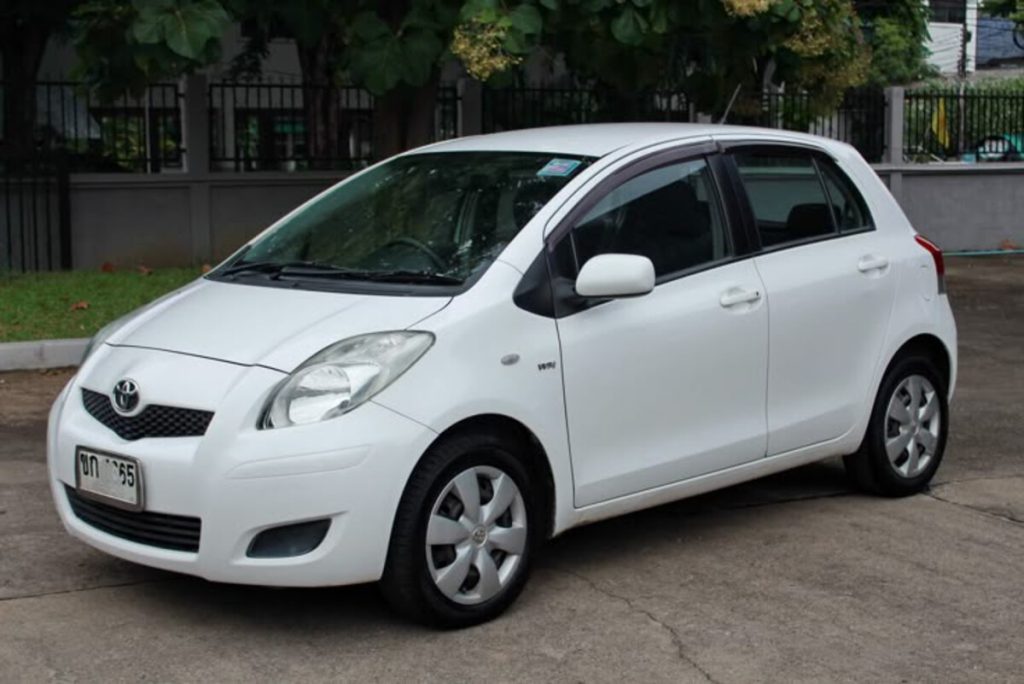
If you want a hatchback that handles narrow streets confidently, parks easily, and stays reliable for years, the Toyota Yaris is one of the strongest choices you can make. It is simple, smart, and perfect for tight city life.
3) Hyundai i20
The Hyundai i20 is one of the best hatchbacks for tight streets because it balances compact dimensions with a confident, stable driving feel. Many hatchbacks are small but feel nervous on the road. The i20 avoids that problem.
It feels planted, easy to steer, and comfortable even when streets get cramped and chaotic. That makes it a strong daily driver for people living in crowded cities.
One reason the i20 handles narrow roads well is its steering behavior. It is light at low speeds, which helps when you are crawling through traffic or turning into tight lanes. You do not need to fight the wheel.
In daily city driving, light steering reduces fatigue, especially when you are constantly adjusting around scooters and parked cars.
The i20 also offers good visibility. The seating position and window design give the driver a strong view of the road, which matters in tight street conditions.
When roads are narrow, you must judge corners, gaps, and side clearance quickly. A car that gives you confidence in its visibility becomes easier to live with, and the i20 feels natural here.
Another major factor is its size. The i20 is compact enough to fit tight roads comfortably, but it still provides good cabin space. This is important because a tight-street hatchback should not feel cramped inside. The i20’s interior packaging is smart, giving passengers reasonable comfort while keeping the car manageable outside.
Parking ease is another strength. In narrow streets, the biggest challenge is often finding a space and fitting into it without stress. The i20’s dimensions, combined with modern assistance features in many trims, make parking easier. Even without cameras, the car’s shape is easier to judge compared to longer sedans.
Ride quality is also important for tight streets. Many narrow roads are rough, filled with potholes and speed breakers.
The i20 handles these conditions well by offering a balanced suspension. It does not feel too stiff, so bumps do not feel harsh. At the same time, it stays controlled, which helps you maintain confidence on uneven patches.
The i20 also behaves well in slow speed crawling. It has smooth throttle response, which matters in bumper-to-bumper traffic. Cars that jerk forward and back are annoying in tight lanes, and they increase stress. The i20 feels smooth and predictable.
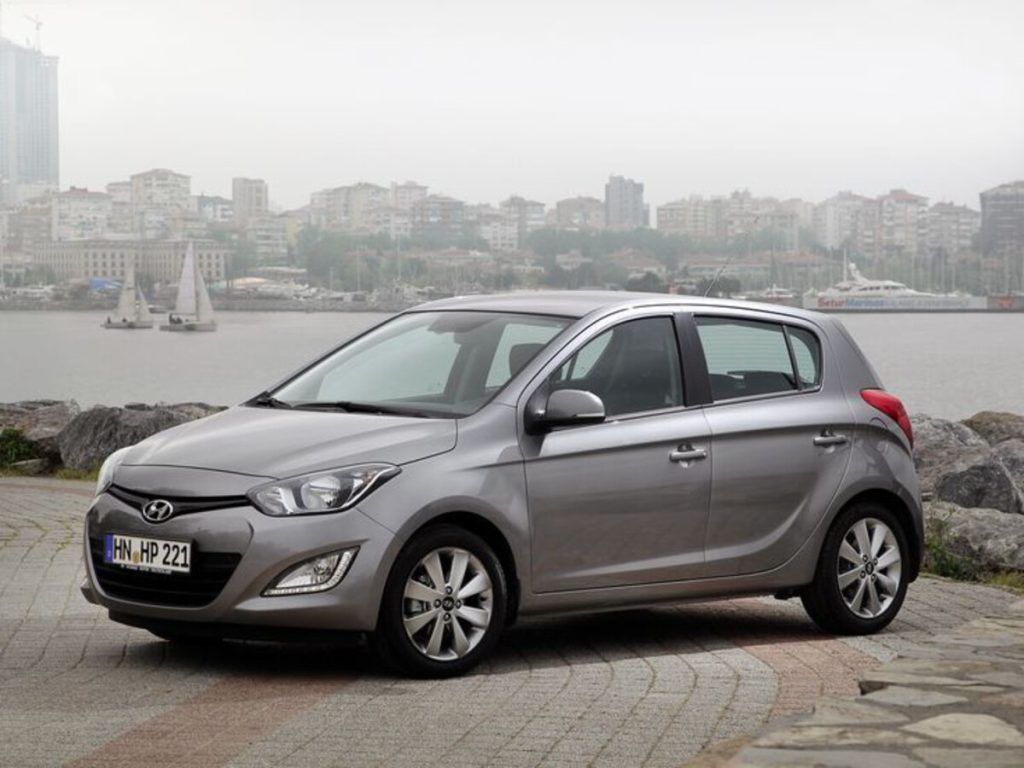
For ownership, the i20 also makes practical sense. It offers good fuel economy, reasonable maintenance costs, and a strong global presence. That makes repairs easier and parts availability better in many markets. For a daily tight-street hatchback, this is a huge advantage.
If you want a hatchback that handles narrow lanes with confidence while still feeling comfortable for everyday use, the Hyundai i20 is one of the best global picks. It makes tight street driving smoother and less tiring.
4) Honda Fit / Jazz
The Honda Fit, also known as the Honda Jazz in many markets, is one of the smartest hatchbacks for tight streets because it combines compact size with brilliant urban practicality. It is not only easy to drive, it is intelligently designed for crowded city life.
The Fit is famous for being small outside but surprisingly spacious inside, which makes it ideal for urban drivers who need flexibility without driving a large car.
The Fit handles narrow streets well because it is easy to maneuver. It has light steering, quick response, and a body shape that feels natural in tight lanes. In crowded roads, you want a hatchback that feels easy to place, and the Fit delivers that. You can judge corners comfortably and avoid parked cars without panic.
Visibility is also strong. The Fit is designed with a driver-friendly seating position and a wide view outward. In tight streets, this matters because you must predict movement quickly. The better you see, the less stressful the drive becomes. The Fit gives a sense of control that many small cars struggle to match.
Another huge advantage is turning behavior. The Fit offers a tight turning radius, making U-turns and sharp corners much easier. In old city areas where roads are narrow and turning space is limited, this becomes a major daily benefit. It reduces the need for awkward multi-point turns.
The Fit’s ride quality also supports tight streets. Many narrow roads have uneven surfaces, potholes, and rough speed breakers. The Fit absorbs these conditions well without feeling fragile. It feels light but stable, and that balance is ideal for city environments.
The biggest cleverness, however, is interior space. The Fit’s packaging is brilliant. It offers flexible seating and cargo solutions, including its famous seat folding setup in many versions.
That means you can carry groceries, luggage, or large items while still driving a compact car. For urban families, this flexibility is a big advantage because you do not need a larger vehicle to handle daily needs.
Reliability also plays a role in why it is such a strong tight-street hatchback. The Fit is known for durability, and it handles city abuse well.
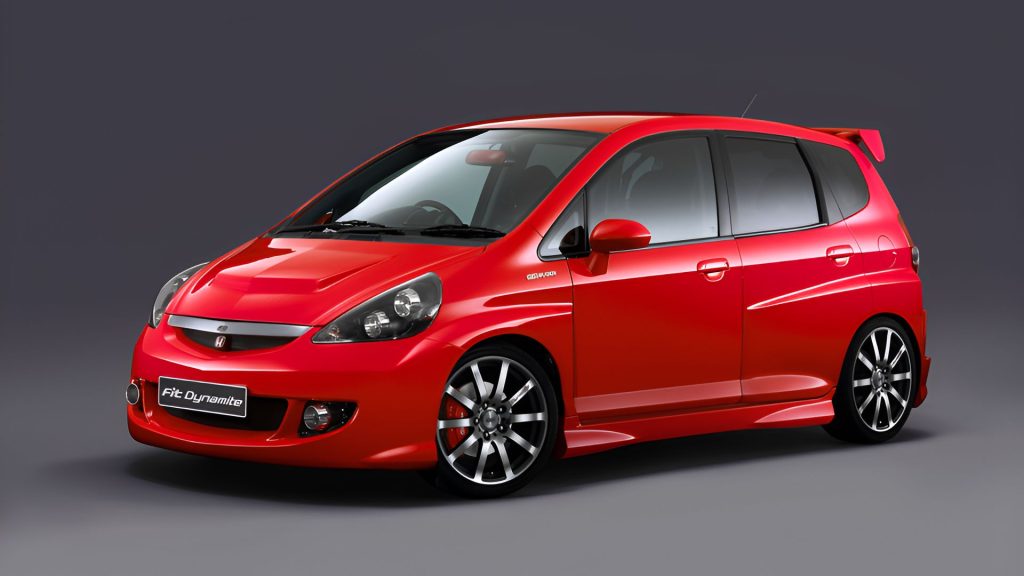
Stop-and-go driving stresses engines, brakes, and transmissions, but the Fit tends to survive longer than many rivals when maintained properly. That reliability improves peace of mind, which is an underrated part of urban comfort.
If you want a hatchback that feels designed for narrow streets and daily city life, the Honda Fit / Jazz is one of the best options in the world. It is compact, easy to handle, and intelligently practical.
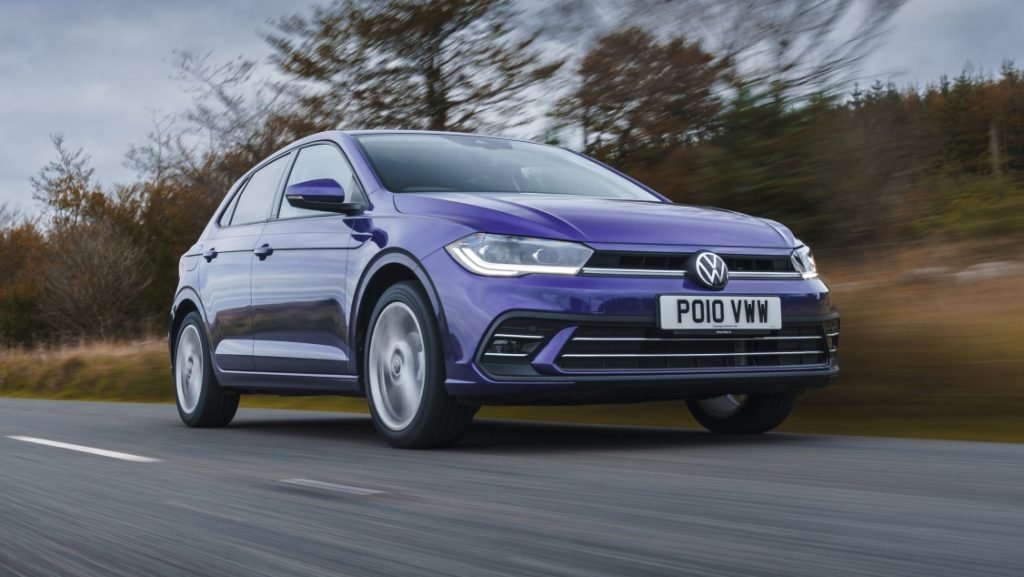
5) Volkswagen Polo
The Volkswagen Polo is one of the best hatchbacks for tight streets because it combines compact size with a mature, stable driving feel. Many hatchbacks are easy in narrow roads but feel cheap or nervous.
The Polo feels solid and confident, even while staying small enough for dense city streets. That combination makes it ideal for drivers who want comfort and control without moving up to a larger vehicle.
One reason the Polo works so well is steering precision. It is light enough at low speed for city use, but it also feels direct and predictable.
In narrow streets, you constantly make small steering corrections to avoid parked cars, scooters, and sudden gaps. A car that responds cleanly reduces stress, and the Polo feels sharp in this area.
The Polo also has strong visibility and a well-designed driving position. The dashboard layout feels clean and practical, and the seat height gives a confident view of the road.
In tight areas, being able to see corners and judge space is essential. The Polo makes this easier, which helps drivers feel relaxed even in crowded urban conditions.
Another major reason it handles tight streets well is body balance. The Polo is compact, but it does not feel unstable. It feels planted, which matters when narrow streets suddenly turn into faster stretches.
Some small cars feel nervous when speed increases, but the Polo stays stable. This stability improves confidence, which makes it easier to drive smoothly through changing road conditions.
Parking ease is another advantage. The Polo’s compact dimensions make it easy to fit into tight spaces, and many versions include parking sensors and cameras. Even if you do not have assistance systems, the car’s shape is easy to judge. In crowded streets, parking confidence can save time and reduce daily tension.
Ride quality also helps in narrow urban environments. Tight streets often come with bumps, potholes, and uneven surfaces. The Polo’s suspension tends to feel composed, absorbing rough patches without making the cabin feel shaky. This is especially important in older city areas where roads are not perfectly maintained.
The Polo also performs well in slow-speed crawling. The throttle response is smooth, and the car does not feel jerky in bumper-to-bumper movement. That smoothness matters because tight streets usually involve constant slow movement and repeated braking. A calm car is easier to live with.
Ownership practicality is another strong point. The Polo has wide service support globally, and parts availability is strong in many markets.
While European maintenance can be higher than some Japanese rivals, the Polo rewards good servicing with long-term stability. A well-maintained Polo often stays tight and solid for years.
If you want a hatchback that feels premium, confident, and perfect for narrow streets, the Volkswagen Polo is one of the best global choices. It delivers small size with big-car maturity.
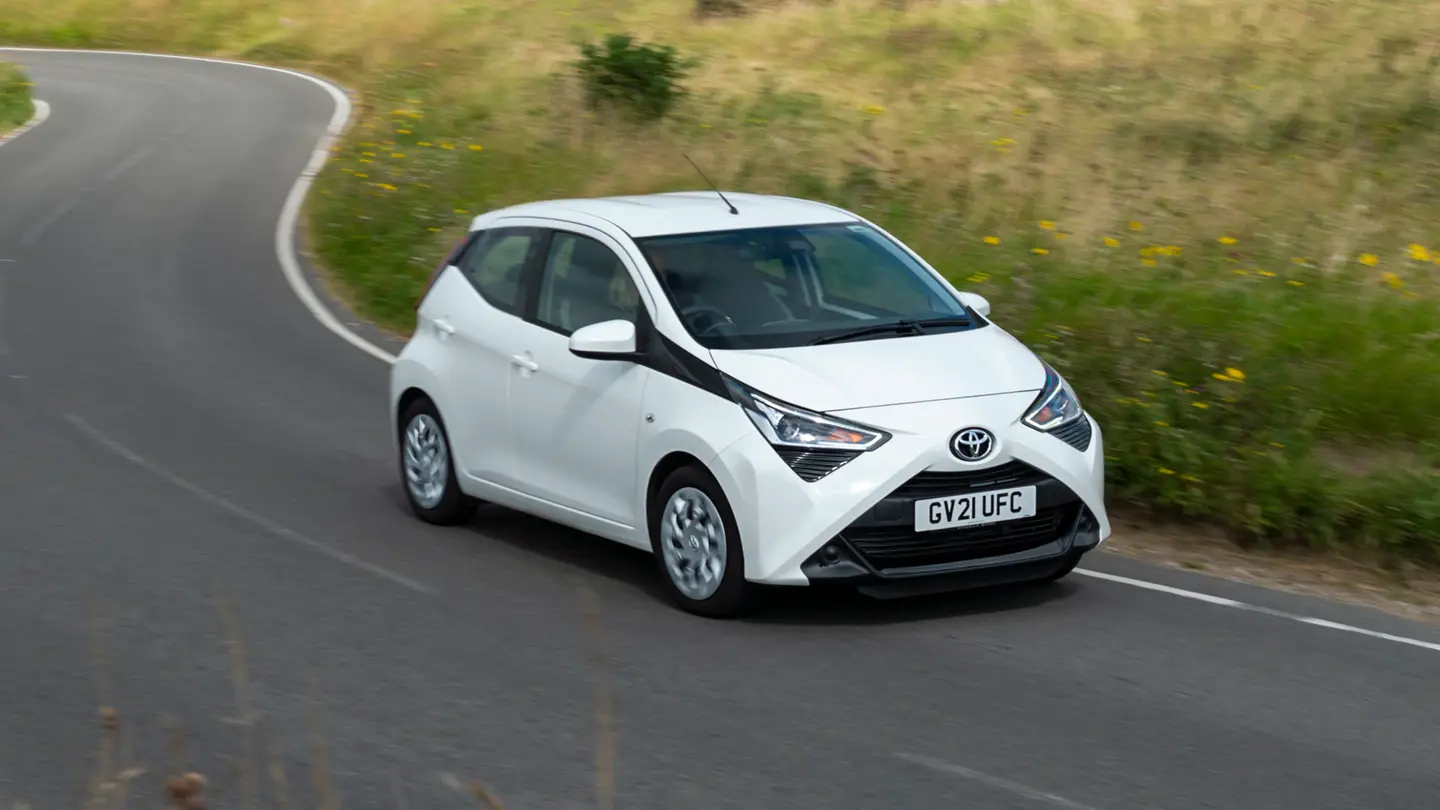
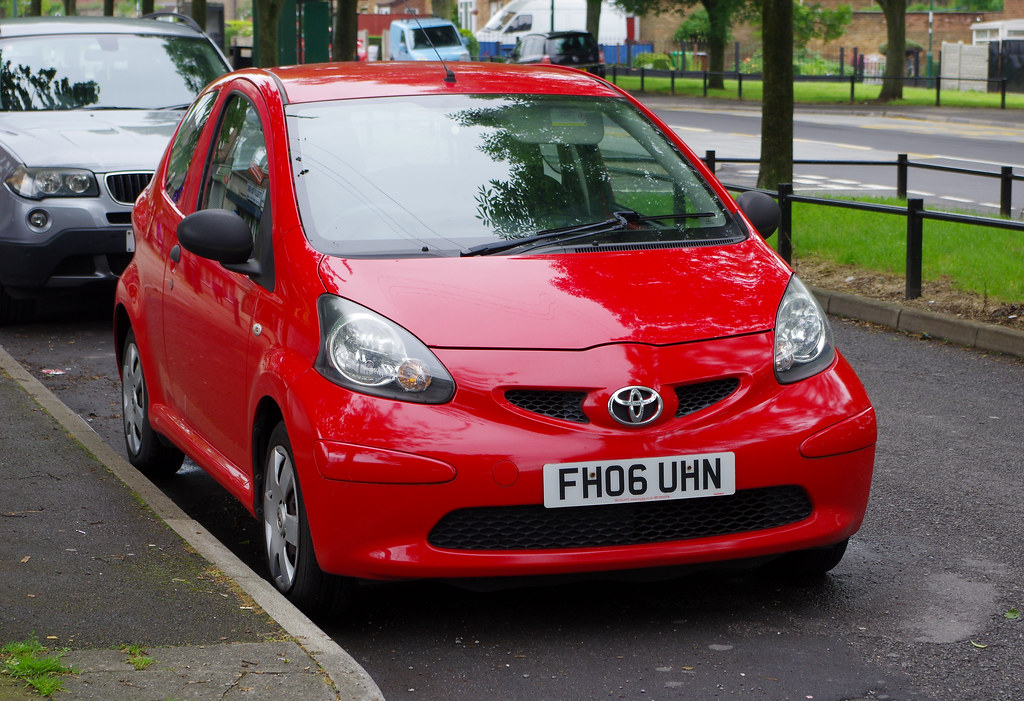
6) Toyota Aygo (also Peugeot 108 / Citroen C1)
The Toyota Aygo is one of the best hatchbacks for tight streets because it is built specifically for the smallest urban spaces. In cities where roads are narrow and parking spots are tiny, the Aygo feels like the perfect tool.
It is extremely compact, easy to maneuver, and light enough to feel effortless in traffic. For tight streets, few cars handle daily challenges as smoothly as this one.
The biggest advantage is size. The Aygo is small enough to fit where other hatchbacks struggle. Narrow lanes feel less stressful, tight turns feel easier, and parking becomes simple.
In busy urban areas, this size advantage changes your entire driving experience. You can move through gaps more confidently, and you spend less time struggling for space.
The turning radius is another major strength. Tight streets often demand sharp U-turns, quick corner cuts, and small parking corrections. The Aygo handles these easily, reducing the need for multi-point turns. In older city areas where space is limited, this makes daily driving far more convenient.
The Aygo is also light and responsive at low speeds. It does not feel heavy or slow to react. In tight traffic, where movement is constant and unpredictable, responsiveness helps you drive smoothly. You can adjust speed and position quickly, which is important when dealing with scooters and pedestrians.
Visibility is another advantage. The Aygo’s compact body and upright design make it easier to judge corners and parking gaps. Many small cars are harder to judge because of design compromises, but the Aygo feels straightforward. That helps drivers feel confident, especially in very narrow streets.
Another reason it suits tight roads is affordability and durability. City driving increases wear because brakes, clutch systems, and suspension face constant stress. A car that is affordable to maintain becomes a better city companion. The Aygo is known for low running costs and simple maintenance.
Ride comfort is basic but practical. The Aygo is not luxury soft, but it handles typical urban road conditions well enough. Its lightweight nature helps it glide through smaller bumps without feeling overly harsh. It is designed for daily usability rather than premium smoothness.
If your priority is the easiest possible hatchback for tight streets, the Toyota Aygo is one of the best global choices. It is compact, practical, and built for the narrow city lifestyle.
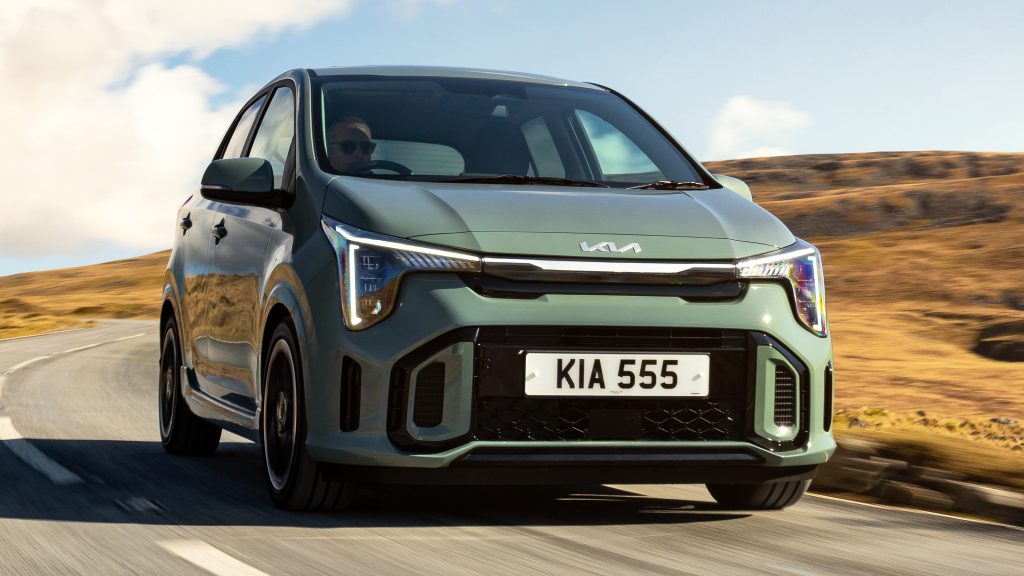
7) Kia Picanto (also known as Kia Morning in some markets)
The Kia Picanto is one of the best hatchbacks for tight streets because it was built for compact city driving from the start. It is small, light, and easy to handle, which makes it a stress-free partner in narrow lanes, crowded traffic, and tiny parking spaces.
In many global cities, the Picanto has become a favorite because it feels practical without feeling weak.
The biggest advantage is the Picanto’s compact size. It fits into narrow streets comfortably and allows you to drive with more confidence.
When roads are tight and filled with parked cars, scooters, and pedestrians, a small body makes the driver feel less pressured. You can keep safe clearance without constantly fearing side scrapes.
The Picanto also has a strong turning ability. Tight streets often require sharp turns, quick U-turns, and frequent parking moves.
The Picanto’s turning radius makes these tasks easier. It reduces the need for multi-point turns, which saves time and reduces daily frustration. In older city areas where corners are narrow, this becomes a real advantage.
Another reason it performs well is steering comfort. The steering is light and city-friendly, so it feels effortless in slow traffic. When you are navigating narrow roads, you make many small steering adjustments. Heavy steering makes this tiring. The Picanto keeps things easy, which improves comfort.
Visibility is also good for the class. The car’s upright cabin design and compact bonnet make it easier to judge corners and gaps.
In tight street conditions, visibility is not a luxury, it is survival. You need to see road edges, motorcycles cutting through, and pedestrians appearing suddenly. The Picanto supports this kind of driving well.
Low-speed control is another important strength. Many small cars feel jerky in traffic because of poor throttle tuning. The Picanto is smoother in slow movement, making it easier to crawl and adjust speed gently. This matters because narrow streets often involve stop-and-go movement, not smooth cruising.
Ride comfort is practical and suitable for city roads. Tight streets usually have speed breakers, potholes, and uneven surfaces.
The Picanto handles these reasonably well, and because it is light, it does not feel overly harsh on smaller bumps. Its suspension is tuned for everyday use rather than sporty stiffness.
Ownership is another reason the Picanto makes sense. City driving increases wear, so you need a car that is affordable to maintain. The Picanto generally offers low running costs, good fuel economy, and strong parts availability. That makes it a smart choice for people who drive daily in congested urban conditions.
If you’re looking for a small hatchback that makes navigating tight streets easier, the Kia Picanto is a strong global choice. It is compact, easy to park, light to drive, and built for urban life without creating stress.
