
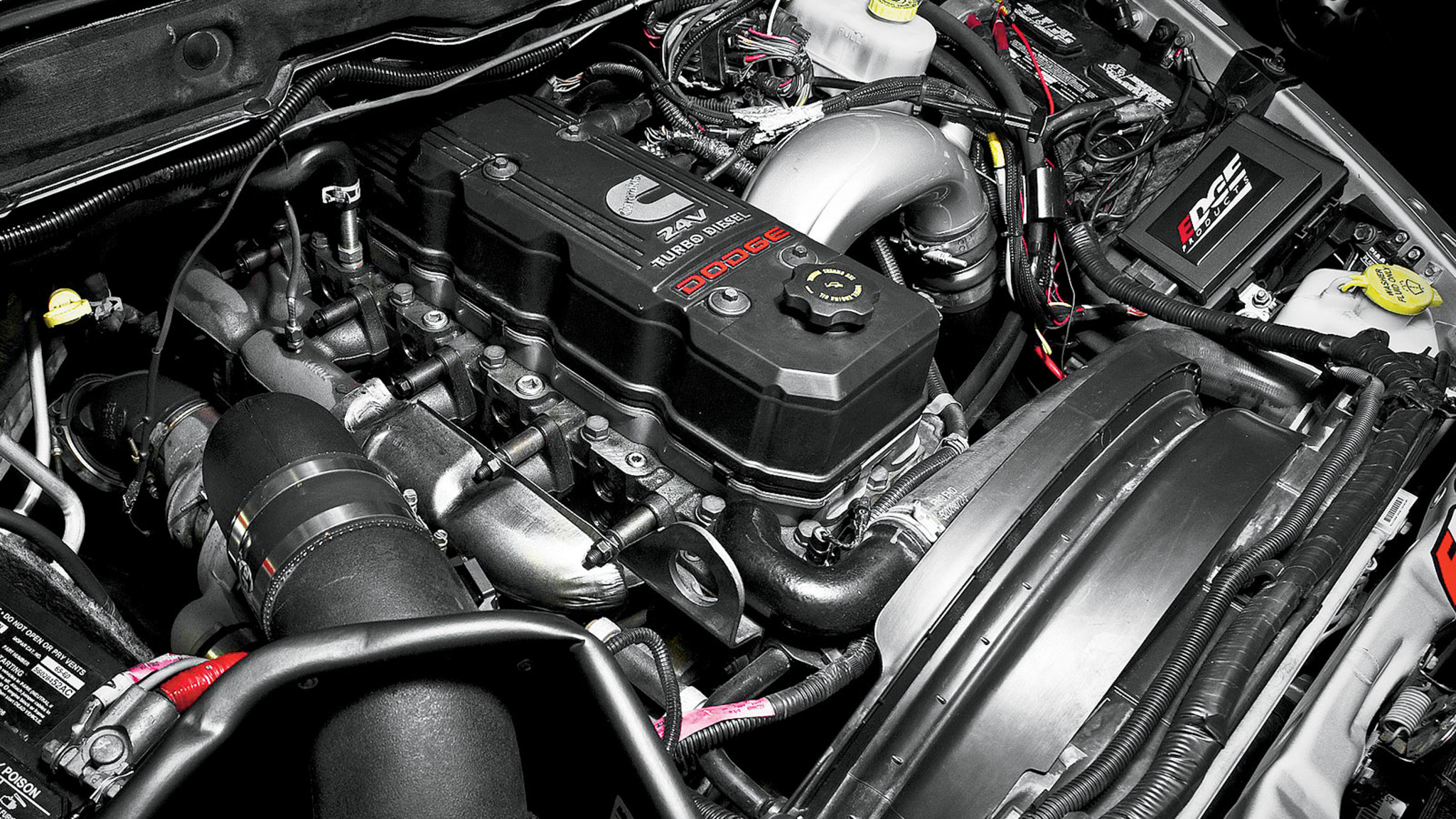
There is something special about big engines. Not just because they make power, but because many of them were designed in an era when durability mattered more than squeezing out the last bit of efficiency.
Huge-displacement engines often run under less stress because they do not need to work as hard to move heavy vehicles. Instead of high revs and constant strain, these motors rely on low-end torque and relaxed operation. That simple truth is one of the biggest reasons many large engines earn a “runs forever” reputation.
Another reason big engines last is construction. Many of the most legendary large-displacement motors were built with thick iron blocks, strong internals, and conservative tuning.
Manufacturers knew these engines would power trucks, luxury sedans, commercial vehicles, and long-distance cruisers. They were expected to survive harsh conditions, poor fuel quality in some regions, and long service intervals.
So engineers overbuilt them. In the real world, that overbuilding turns into long-term reliability that owners still talk about decades later.
Of course, durability is not only about size. Maintenance still matters. Any engine can die early if it is abused, overheated, or serviced badly. But some engines are simply born stronger. They are designed with big oil capacity, sturdy cooling systems, and lower specific output.
They can handle high mileage without losing their personality. Even when they get old, they keep running with a smooth, confident feel that smaller stressed engines cannot match.
In this list, we focus on 10 huge-displacement engines that have earned legendary “run forever” status around the world. These motors appear in trucks, SUVs, luxury cars, and even performance machines.
Some are American V8 icons, some are Japanese commercial legends, and some are European heavy-duty masterpieces. What they all share is the same reputation: if you treat them right, they will outlive the body around them.
Also Read: 10 Rare ’90s Sports Cars That Time Forgot
1) Toyota 2UZ-FE 4.7L V8
The Toyota 2UZ-FE 4.7L V8 is one of the most respected long-life engines in the world. It is not famous for being the fastest, and it is not known for being the most efficient. It is famous because it survives. This engine powered vehicles like the Land Cruiser, Lexus LX, and Tundra, and it was built with durability as the main priority.
One major reason it runs forever is its conservative design. The 2UZ-FE is an iron-block V8 built to handle heavy loads without stress.
Toyota tuned it for smooth torque, not extreme output. That means the engine does not need to rev hard or operate at the edge. In real-world driving, this relaxed nature protects the internals and helps the engine age slowly.
Another advantage is how well it handles heat and long-distance driving. Many engines fail early because of cooling issues or long-term heat stress. The 2UZ-FE is designed for harsh environments, including off-road heat and heavy towing conditions. When the cooling system is maintained properly, it stays stable and reliable for extremely high mileage.
Oil capacity and lubrication design also support long life. The engine does not run as “tight” as modern small turbo engines. It has a more traditional durable feel and tolerates real-world driving abuse better. Even owners who do not treat their cars perfectly often report these engines still keep running smoothly.
Parts and service support are another reason it stays alive. Toyota built huge numbers of these engines, so parts are available globally. Mechanics understand it well, which reduces risk of bad repairs. When an engine is easy to service and has global support, it naturally survives longer.
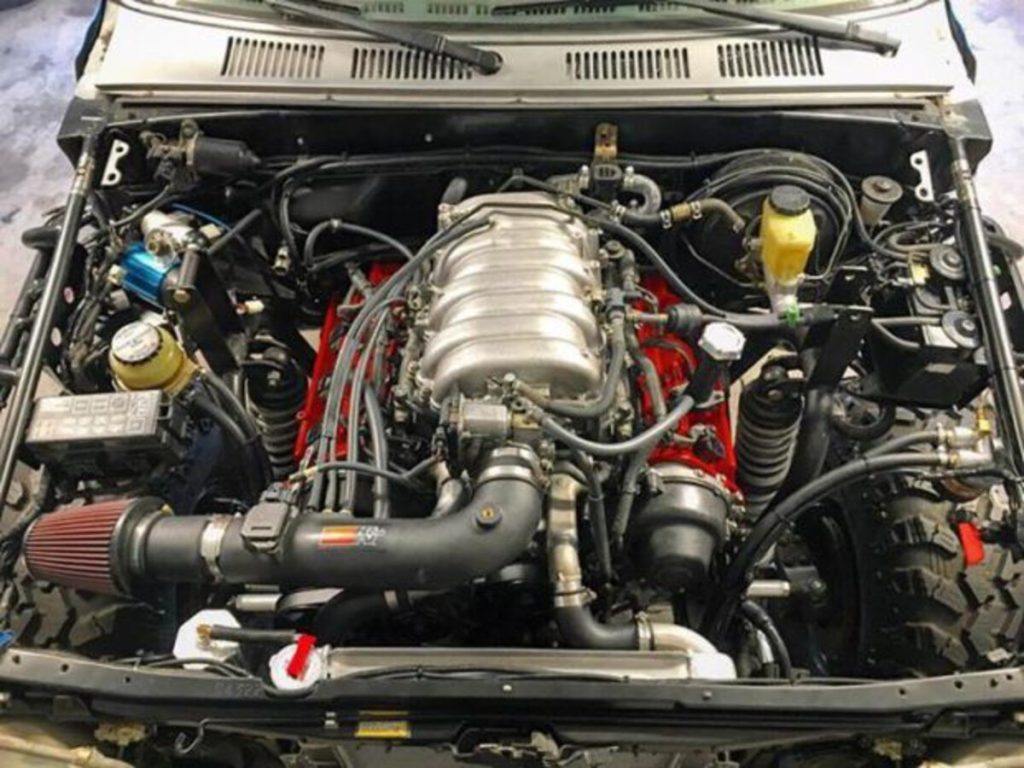
If there is a modern V8 that deserves the “runs forever” label, the 2UZ-FE is one of the strongest candidates. It is a big engine built for heavy vehicles, and it behaves like it was designed to outlast time itself.
2) GM LS 6.0L V8 (LQ4 / LQ9 family)
The GM 6.0L LS-based V8, especially the LQ4 and LQ9 truck variants, is one of the most durable big-displacement engines ever produced in modern times.
These engines powered countless GM trucks and SUVs, and they earned a reputation for reliability under real-world abuse. They are not rare, not fragile, and not complicated. That is exactly why they last.
A major reason these engines run forever is the LS design philosophy. GM created a platform that is simple, strong, and easy to repair. The blocks and internals were designed for work, not for delicate performance. These engines were expected to tow, haul, idle in heat, and survive poor driving habits. And they did.
The 6.0L displacement helps too. It produces strong torque without needing high rpm. That reduces stress, especially in heavy trucks. The engine is not constantly screaming to move weight. It just pushes forward smoothly, which extends lifespan. Many owners report 300,000 miles or more with normal servicing.
Another factor is how easy these engines are to maintain. Parts availability is massive worldwide, and the aftermarket is huge. Even if something goes wrong, repairs are usually straightforward. That makes it easier to keep the engine alive long-term, because it is not financially painful to fix.
The LS 6.0 also responds well to regular maintenance. Oil changes, coolant maintenance, and basic servicing keep it healthy. It is not a high-strung engine that demands perfection. It is forgiving, which is an underrated reason engines run forever. Real-world owners are not perfect, and forgiving engines survive.

If you want a huge-displacement engine that is famous for lasting, the GM LS-based 6.0L deserves a spot near the top. It is one of the most proven big V8 workhorses on earth, and it keeps running even when the truck body starts falling apart.
3) Cummins 5.9L 12-Valve (6BT)
The Cummins 5.9L 12-valve, also known as the 6BT, is one of the most legendary “run forever” engines ever made. This diesel became famous not through marketing, but through real-world survival.
It powered heavy-duty Ram trucks, industrial machines, and commercial applications, and it earned a reputation for outlasting nearly everything bolted around it. In the world of huge-displacement engines, the 12-valve Cummins is a true icon of longevity.
One reason it runs so long is simplicity. The 12-valve is built with old-school diesel toughness, and the mechanical injection system plays a big role. It does not rely heavily on complex electronics.
That means fewer things can fail, especially as the engine ages. In harsh conditions or remote areas, this simplicity becomes a major advantage, because the engine can keep running even when everything else starts aging.
The construction is also extremely strong. The block and internals are designed to handle high compression and heavy loads. These engines were not built for light-duty driving.
They were built for work. That overbuilt nature means they can survive towing, hauling, and long highway runs without wearing out quickly. Many of these engines are still working reliably after decades.
Torque delivery is another longevity factor. The 6BT makes strong low-end torque, so it does not need high rpm to perform. Lower engine speed reduces stress on components over time. This is one of the key reasons many heavy diesels last so long. They do big work slowly and steadily instead of revving hard.
Maintenance is still required, but this engine rewards basic care. Clean fuel, regular oil changes, and proper cooling system maintenance are enough to keep it alive for extreme mileage. Many owners see 500,000 miles or more, and in some commercial uses, even higher.
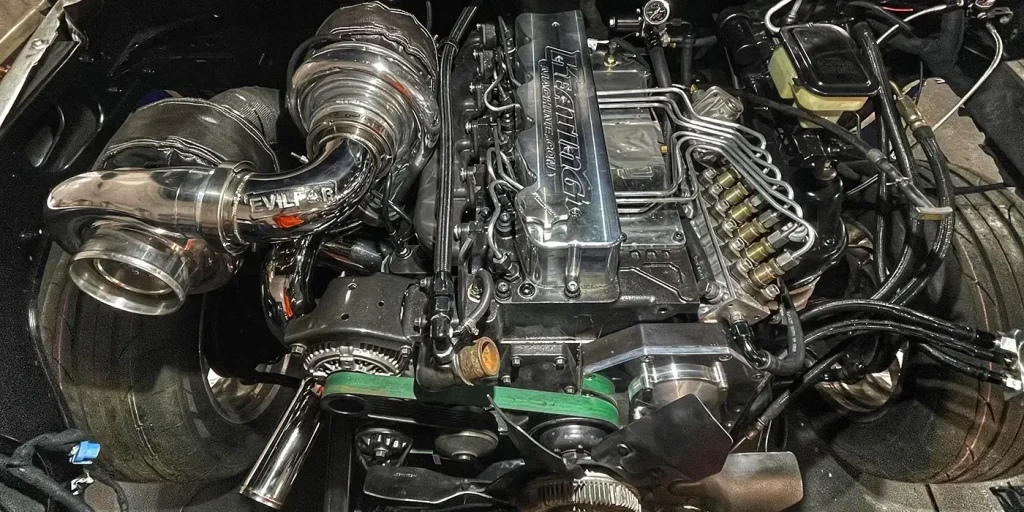
Another reason it stays alive is parts support. Because the engine became so popular, parts are widely available and repairs are well understood. That makes it easier to keep one running, even when the vehicle is old. Engines last longer when people can fix them affordably.
If you want a huge-displacement engine with true “forever” reputation, the Cummins 5.9L 12-valve is one of the strongest examples. It is simple, strong, and built like industrial equipment.
4) Mercedes-Benz OM617 3.0L Diesel (Inline-5)
The Mercedes-Benz OM617 is one of the most famous long-life diesel engines in automotive history. Even though it is not the largest engine on this list, it is still considered huge in terms of durability and “runs forever” reputation.
This 3.0L inline-five powered classic Mercedes models like the 240D and 300D, and it became legendary because these cars regularly crossed extreme mileage numbers without major engine failure.
The biggest reason the OM617 survives so well is its engineering philosophy. Mercedes built it for longevity, not for quick performance. It is slow, but it is incredibly durable.
The internals are built to handle long-term stress, and the engine is tuned conservatively. That means it operates comfortably within its limits, which allows it to last decades.
The engine is also mechanically simple compared to modern diesels. It uses older mechanical injection systems and avoids complex modern electronics. This reduces failure points. Many OM617 cars still run today because the engine is not dependent on sensitive sensors or modern emissions systems that can cause expensive issues.
Another reason it lasts is its ability to handle imperfect ownership. Many cars die because they require perfect maintenance. The OM617 is famous because it keeps running even when owners are not ideal.
It can tolerate long service intervals better than many engines, and it still tends to survive. Of course, proper maintenance improves lifespan, but this engine can handle real-world neglect better than most.
Heat handling is also strong. As long as the cooling system is maintained, the OM617 stays stable in hot climates and long highway use. That is one reason these engines became popular in Africa, the Middle East, and other harsh regions. When an engine proves itself in tough environments, its reputation becomes permanent.
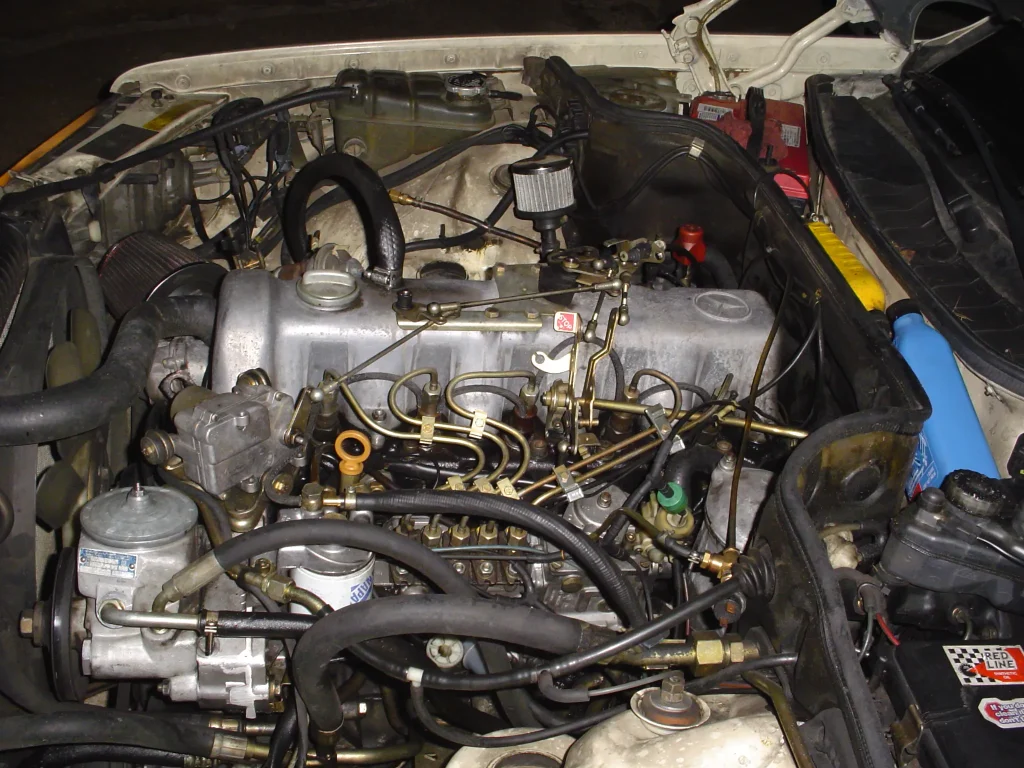
If you want an engine known worldwide for extreme mileage, the OM617 is one of the greatest examples. It is a diesel built with patience, simplicity, and strength, and it has powered cars into mileage numbers that feel almost unreal.
5) Ford 7.3L Power Stroke Diesel
The Ford 7.3L Power Stroke is one of the most respected “built to run forever” diesels ever produced for pickup trucks. This engine became famous because it delivered serious durability in real work conditions.
It powered Ford Super Duty trucks for years, and owners still hunt for 7.3 models today because the engine has a reputation for surviving extreme mileage with proper care. In the world of big displacement engines, the 7.3 Power Stroke is a true workhorse legend.
One reason it lasts so long is that it was built during an era when heavy-duty diesels were designed more simply. It is not overloaded with modern emissions complexity.
That gives it fewer failure points compared to newer diesel engines that depend on advanced systems. Simpler design is often the secret ingredient to long life.
The 7.3 is also known for running strong under load. It was made for towing, hauling, and commercial work, and that meant Ford and International built it with heavy-duty internals.
The block, crank, and key components are designed to handle hard use without cracking or wearing out quickly. That overbuilt nature is why so many still survive after decades.
Torque delivery supports longevity too. The 7.3 produces strong low and mid-range torque, allowing the truck to do heavy work without constant high rpm strain. Lower rpm work means less stress on pistons, bearings, and the valvetrain over long periods. That is one of the key reasons big diesels last longer than many petrol engines.
Owners also love it because it rewards basic maintenance. Clean fuel, proper oil changes, and cooling system care are the big requirements.
When treated correctly, the 7.3 often crosses 300,000 miles easily, and many examples push far beyond that in commercial use. It is one of those engines that becomes “part of the family” because it keeps showing up every day.
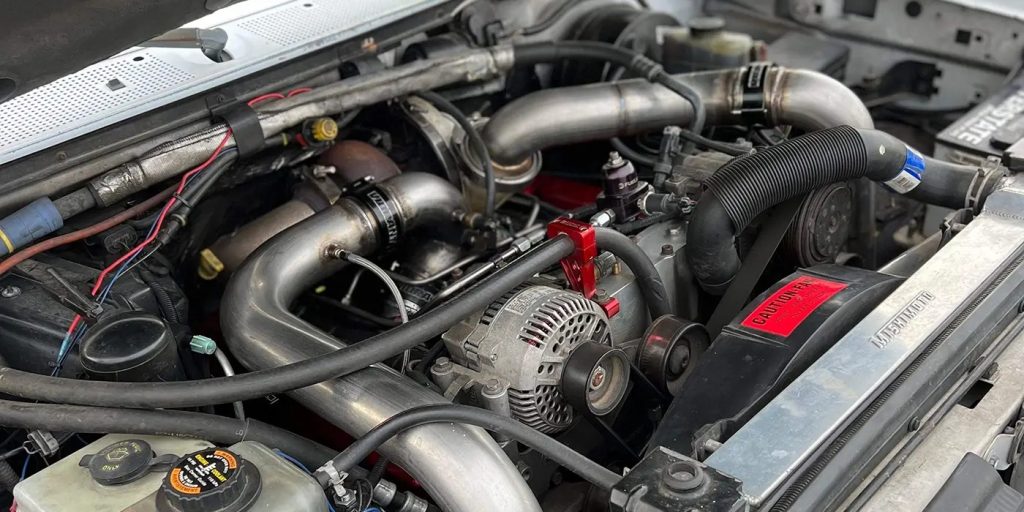
Another reason the engine remains alive is parts availability. The 7.3 was produced in huge numbers, and the aftermarket support is enormous. That means repairs are possible without extreme cost. An engine lasts longer when it is affordable to keep it healthy.
The Ford 7.3 Power Stroke is not about speed or modern refinement. It is about survival. It is a big diesel built for long life, and it has proven itself as one of the toughest large-displacement engines in truck history.
6) Chrysler 5.7L HEMI V8 (Truck and SUV versions)
The Chrysler 5.7L HEMI is one of the most durable modern big V8 engines, especially in truck and SUV applications. While performance versions often get attention for power, the work-focused 5.7 HEMI variants have proven they can survive high mileage when maintained properly.
This engine became common in Ram trucks, Dodge SUVs, and other Chrysler products, and it earned a reputation as a strong and long-lasting V8 when treated right.
One reason it lasts is that it delivers torque without strain. The 5.7 is a big engine, so it does not need to work hard for normal driving. In city use, it cruises easily.
In towing or highway use, it has enough displacement to handle weight without screaming at high rpm. Lower stress is the hidden reason many large V8s last longer.
The HEMI design also helps because it is built as a strong, modern V8 platform. It uses proven materials, strong internals, and has widespread service support. Since it is used in many vehicles globally, mechanics know it well, parts are easy to find, and ownership is less stressful than rare high-performance engines.
Another reason it survives is that it can tolerate real-world driving habits. Not every owner is perfect. Some engines die early because they demand perfect service schedules. The 5.7 is not that fragile. It is forgiving when maintained reasonably, and it can handle high mileage without losing its core strength.
The biggest long-life advantage is that it is not a “high-strung” V8. It is designed for broad torque and everyday work, not maximum horsepower at extreme rpm. That means internal stress is controlled, especially when driven normally. Many truck owners keep these engines running for years because the platform is tough.
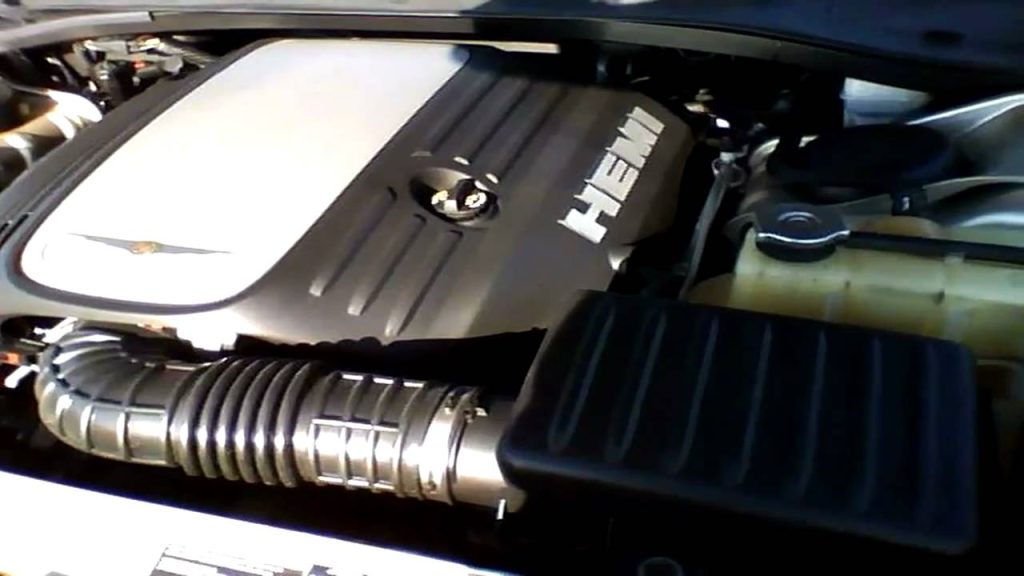
The smart ownership strategy is regular oil changes and cooling system care. Big V8s run best when lubrication is clean and temperatures are stable. When owners follow maintenance, the 5.7 HEMI often delivers long service life and strong reliability.
If you want a modern big-displacement V8 with a proven reputation for lasting, the Chrysler 5.7 HEMI is a strong contender. It is powerful, simple enough to maintain, and tough enough to run for years without drama.
7) Toyota 1HD-FTE 4.2L Turbo Diesel (Inline-6)
The Toyota 1HD-FTE 4.2L turbo diesel is one of the most respected long-life engines ever built for serious off-road and commercial use. This inline-six powered legendary Land Cruiser models like the 100 Series in many markets, and it earned a reputation for surviving harsh environments that destroy lesser engines.
If you want an engine built for extreme durability, the 1HD-FTE is one of Toyota’s greatest masterpieces.
A major reason it runs forever is its heavy-duty construction. Toyota designed this engine for reliability in remote areas where failure is not an option.
The internals are built strong, and the engine is tuned conservatively. It delivers big torque without pushing itself to the edge. That relaxed operating style protects the engine over long years of work.
The inline-six layout also supports longevity. Inline engines tend to be naturally balanced, which reduces vibration. Lower vibration means less stress on mounts, bearings, and internal parts over time. The 1HD-FTE feels smooth, and that smoothness is not only comfort, it also helps durability.
Heat handling is another big strength. Many engines die because they cannot handle high temperatures over long distances. The 1HD-FTE was designed for desert heat, mountain climbs, and tough off-road conditions. When properly maintained, it stays stable and reliable even in extreme climates.
Fuel system quality also matters. Toyota engineered this engine to handle real-world fuel conditions better than many modern diesels.
That makes it safer in countries where fuel quality can vary. Engines that survive imperfect conditions build legends, and that is exactly what this one did across Africa, Australia, and the Middle East.
The 1HD-FTE also has a “million-kilometer” aura in many markets. It became famous among Land Cruiser owners because high mileage is normal, not rare. These engines are known to keep strong compression and torque even after years of heavy work.
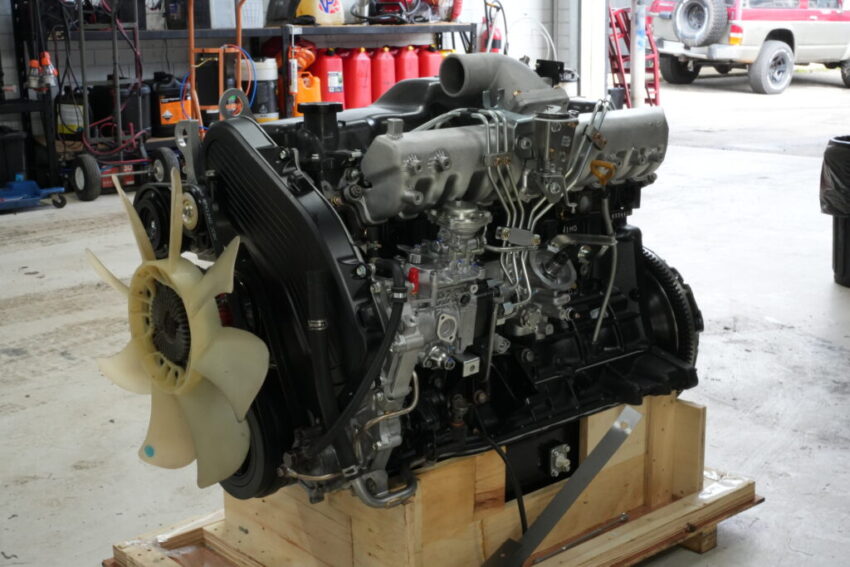
Maintenance still matters, but the engine rewards basic discipline. Good oil, clean filters, and cooling system care keep it alive for extreme mileage. It is a big engine designed for harsh reality, not showroom life.
If you want a huge-displacement diesel built to run forever, the Toyota 1HD-FTE is one of the strongest examples in the world. It is the kind of engine that makes a vehicle feel unstoppable.
8) Chevrolet Big Block 7.4L (454) V8
The Chevrolet 7.4L 454 big block is one of the most famous huge-displacement engines in American history, and it earned its reputation through brute strength and long-term durability.
This engine powered trucks, heavy-duty pickups, motorhomes, and performance machines. It was not built for fuel economy or modern refinement. It was built to make torque forever, and that simple goal is why it survived for decades.
One reason it runs so long is its construction. Big blocks were built with thick materials, strong internals, and conservative tuning in many work applications. The engine was designed to handle heavy loads without breaking.
In motorhomes and towing trucks, it delivered steady torque without needing high rpm. That low-stress operating style helps big engines last longer.
Another key advantage is simplicity. These engines come from an era where mechanical design was straightforward. Fewer sensors, fewer electronic control systems, and easier repairs.
When an engine is simple and repairable, it naturally survives longer because people can keep it running without needing expensive specialized equipment.
The 454 also benefits from massive parts availability. Because so many were built, parts are easy to find. Mechanics know the engine, and rebuild knowledge is everywhere. That means even when it gets old, owners can keep it alive at reasonable cost. Longevity is not only about strength. It is also about service support, and the 454 has it.
The big block also handles heat well in many applications, especially with good cooling setup. These engines were often installed in vehicles that worked hard, so cooling and durability were part of the expected design. When maintained properly, the engine keeps going even after years of tough use.
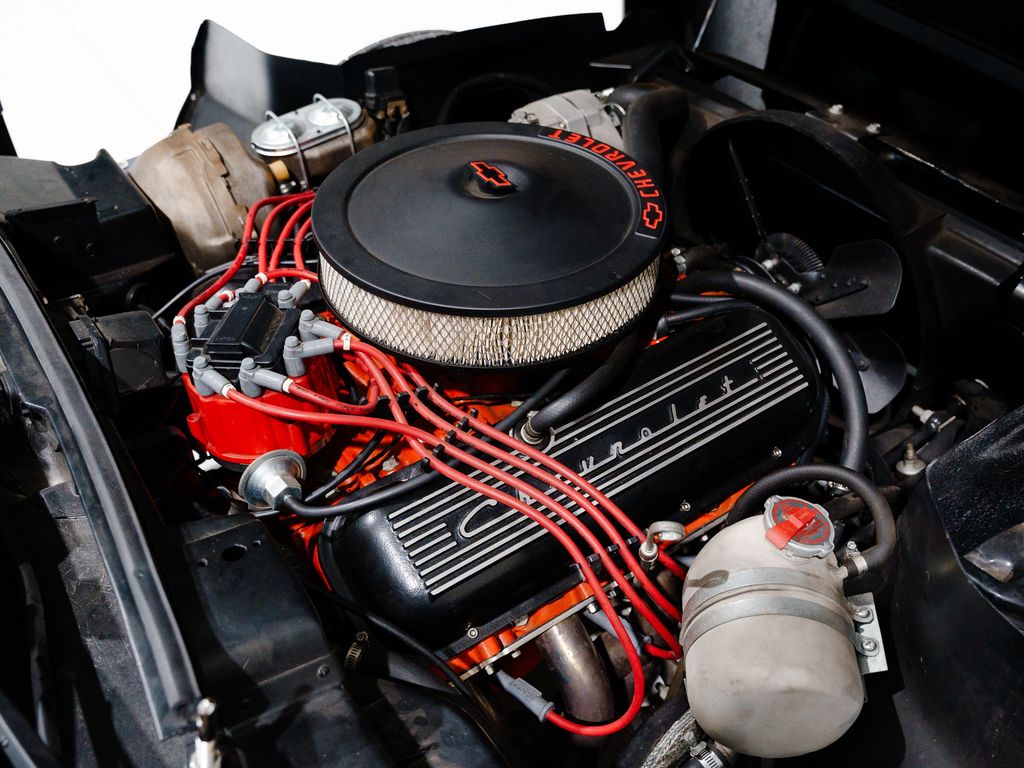
Of course, fuel economy is poor. But this list is not about efficiency. It is about engines that keep running. The 454 is famous because it can survive high miles, heavy towing, and long highway journeys without falling apart.
If you want a huge-displacement petrol engine with old-school durability, the Chevy 454 big block is one of the greatest examples ever built. It is pure torque, pure toughness, and pure longevity.
9) Nissan Patrol TB48DE 4.8L Inline-6
The Nissan TB48DE 4.8L inline-six is one of the most respected “built to run forever” petrol engines in the world, especially in markets where the Patrol is a legend.
This engine powered the Nissan Patrol Y61 in many regions and became famous in the Middle East, Africa, and Australia for its ability to survive brutal climates and heavy loads. It is not just big, it is tough, and that toughness is exactly why it earned a forever reputation.
The biggest reason the TB48 lasts is how overbuilt it is. Nissan designed it for heavy-duty SUV use, where reliability matters more than saving fuel.
The engine is tuned conservatively, delivering smooth torque without running near its limits. That conservative tuning is the secret behind long life. Engines last when they are not stressed constantly.
The inline-six layout also supports durability. Inline-six engines are naturally balanced, meaning they produce less vibration than many other layouts. Less vibration means less long-term wear on bearings, mounts, and internal parts.
Over hundreds of thousands of kilometers, this makes a real difference. The TB48 feels smooth, and smooth engines tend to survive longer.
Heat resistance is another major advantage. The Patrol is used in extreme desert heat, and the TB48 is known for surviving that harsh environment when cooling systems are maintained. Many engines fail under high temperature stress. The TB48 has the capacity and rugged design to keep working in climates that would punish smaller engines.
Another reason it keeps going is simplicity. Compared to modern turbocharged engines, the TB48 is straightforward. It is naturally aspirated, which means fewer failure points. No turbo heat, no forced induction stress, and no complex boost systems. That makes it easier to maintain and less risky long-term.
The TB48 also has huge cultural respect. Patrol owners often maintain their vehicles well because the Patrol is a serious machine in many countries.
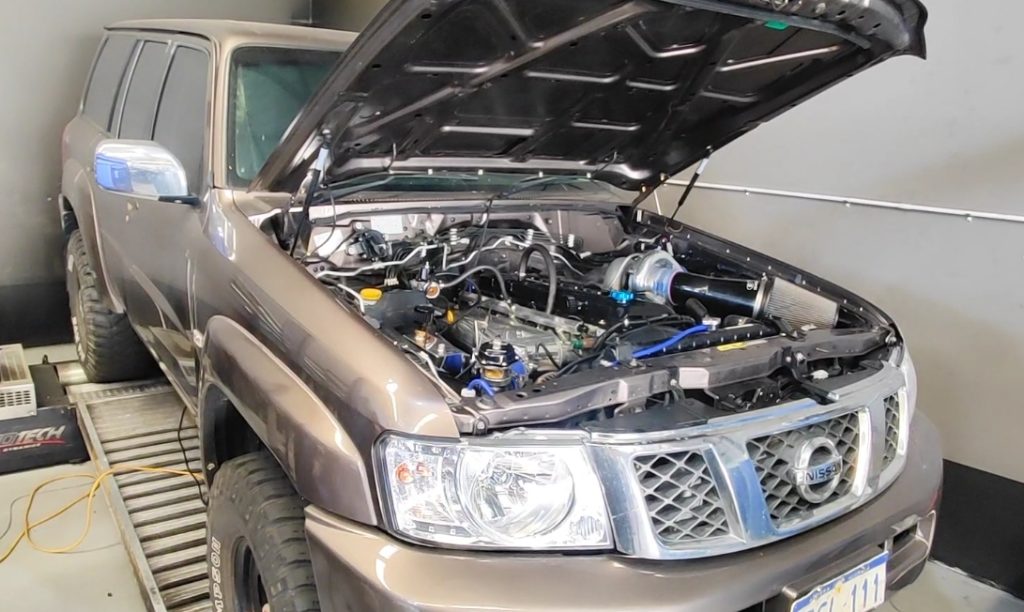
These engines regularly cross high mileage numbers and still run strong. Even when modified for performance, the base engine design is so strong that it can survive high power builds better than most petrol engines.
If you want a huge petrol engine known for surviving extreme environments, the Nissan TB48DE is one of the best examples ever built. It is a true forever motor with global legend status.
10) GMC / Detroit Diesel 6.2L and 6.5L V8 Diesel
The GMC 6.2L and later 6.5L diesel V8 engines are not glamorous, but they are some of the most durable large-displacement diesel workhorses ever used in light-duty trucks.
These engines powered many GM trucks and military vehicles, and they became known for survival and simplicity. In the right setup and with correct maintenance, they can deliver long service life that feels almost industrial.
A big reason these engines last is their low-stress nature. They were designed for torque and steady work, not for high horsepower. Because they do not chase extreme performance, the internals are not heavily stressed. That makes them capable of long mileage in real-world use.
Another key advantage is simplicity. Compared to modern diesels loaded with electronics and advanced emissions systems, these engines are much more basic. Fewer complex systems means fewer expensive failure points.
This is one reason older diesel engines often survive longer. They are easier to repair and easier to understand.
The 6.2 and 6.5 engines also have a strong reputation in military and fleet use. Vehicles like the HMMWV and other heavy-duty applications used these engines because they could survive harsh conditions. When an engine proves itself in fleet and military service, that usually means it is built for endurance.
Parts support is another reason they continue running today. Since these engines were used widely, parts remain available. Mechanics who know them can keep them alive without huge cost. That matters because longevity is not only about strength, it is also about affordability of repairs.
These engines do require responsible ownership. Cooling system maintenance and good oil care are important. When treated properly, they reward owners with strong long-term running. They may not be refined like modern diesels, but they are durable and stubborn in the best way.
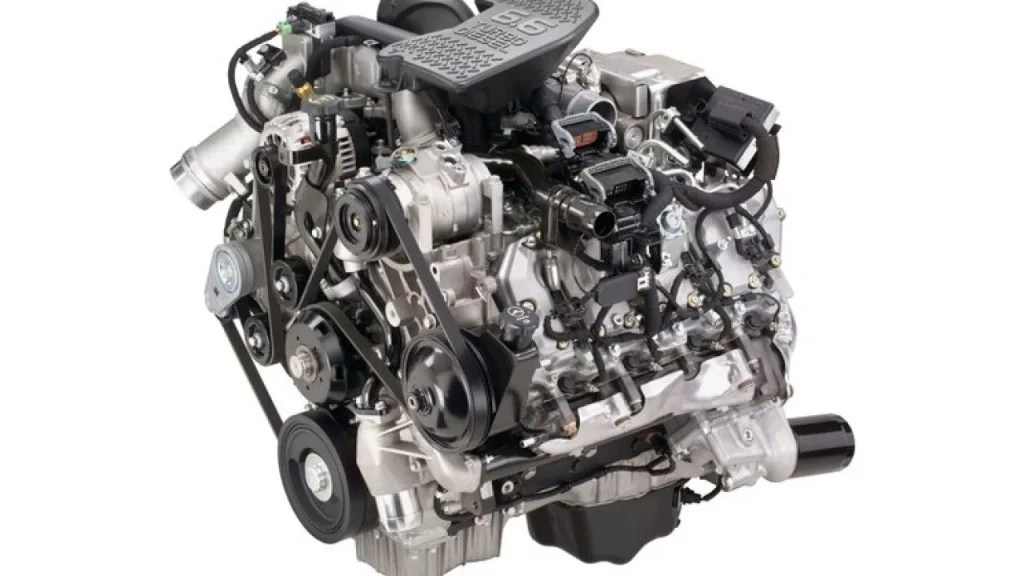
If you want a huge-displacement diesel that represents old-school toughness and long life, the GM 6.2L and 6.5L diesel V8 family deserves respect. They were built to keep going, and many of them still do.
Huge-displacement engines often last forever because they make torque easily without working hard. Instead of high revs and constant strain, these motors run relaxed, with strong blocks, conservative tuning, and simple designs that tolerate real-world abuse.
In this list, legends like Toyota’s 2UZ-FE 4.7L V8 and the GM LS-based 6.0L prove that big petrol V8s can reach extreme mileage with basic maintenance.
On the diesel side, icons like the Cummins 5.9L 12-valve, Ford 7.3 Power Stroke, and Mercedes OM617 show how simplicity and heavy-duty construction create true endurance.
Hardcore engines like Toyota’s 1HD-FTE and Nissan Patrol TB48DE survive harsh climates and heavy loads, while big blocks like the Chevy 454 and GM 6.2/6.5 diesels represent old-school torque-driven longevity.
Also Read: 10 Fastest BMW Performance Cars Ever Built, Ranked
