
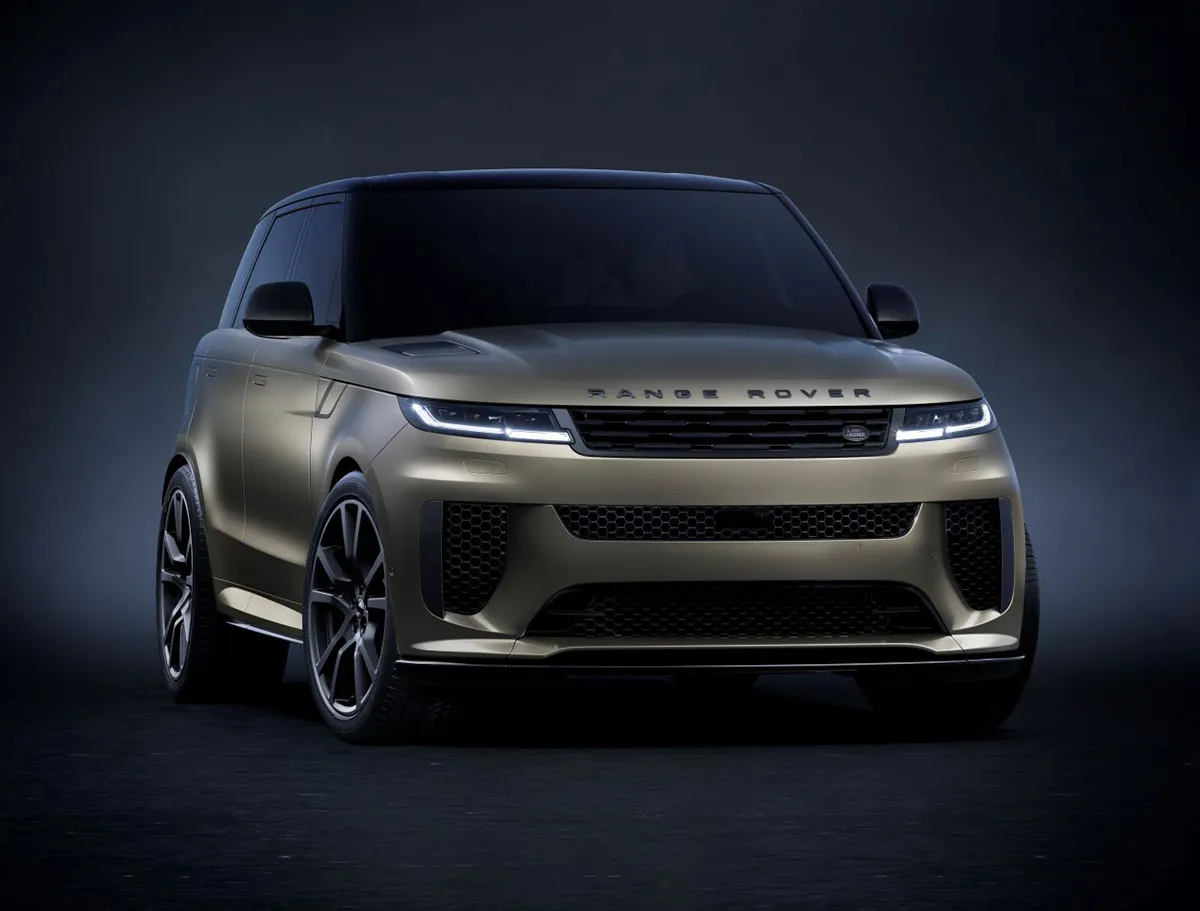
Buying a large vehicle while living in a city sounds like a recipe for parking nightmares and tight-squeeze anxiety, right? That assumption gets repeated so often that it’s become accepted wisdom, but here’s the thing: not all big vehicles are created equal when it comes to urban livability.
Some manufacturers have actually figured out how to build spacious SUVs and trucks that won’t make you dread every parking garage entrance or narrow alley shortcut. Size matters, sure, but what really determines whether a vehicle works in city life goes way beyond length and width measurements. Modern technology has changed the game completely.
We’re talking about cameras that give you a bird’s-eye view of your surroundings, parking sensors that practically hold your hand through tight spots, and steering systems that can maneuver these beasts into spaces you’d swear were too small.
Visibility has improved dramatically, too, with automakers finally realizing that massive blind spots aren’t just annoying but actually dangerous when you’re trying to merge in dense traffic or check for pedestrians at crosswalks.
Then there’s the driving experience itself. Tight turning circles make a huge difference when you’re trying to flip a U-turn on a narrow street or get out of a parallel parking spot without a seventeen-point turn. Responsive steering that doesn’t feel like you’re piloting a boat helps when quick lane changes become necessary.
Good low-end torque means you can accelerate confidently from a stoplight without feeling like you’re holding up traffic. All these factors combine to create vehicles that, despite their substantial footprints, actually feel manageable and even enjoyable to drive in urban settings.
What we’ve found are six vehicles that buck the trend. These aren’t compact crossovers pretending to be big; they’re genuinely large machines that somehow manage to feel right at home in concrete jungles.
Whether you need the space for a growing family, love the commanding driving position, or simply want the versatility a bigger vehicle provides without sacrificing city-friendly characteristics, these options prove you don’t have to compromise. Let’s break down what makes each one work where others fail.
Vehicles That Are Easier to Live With in Cities
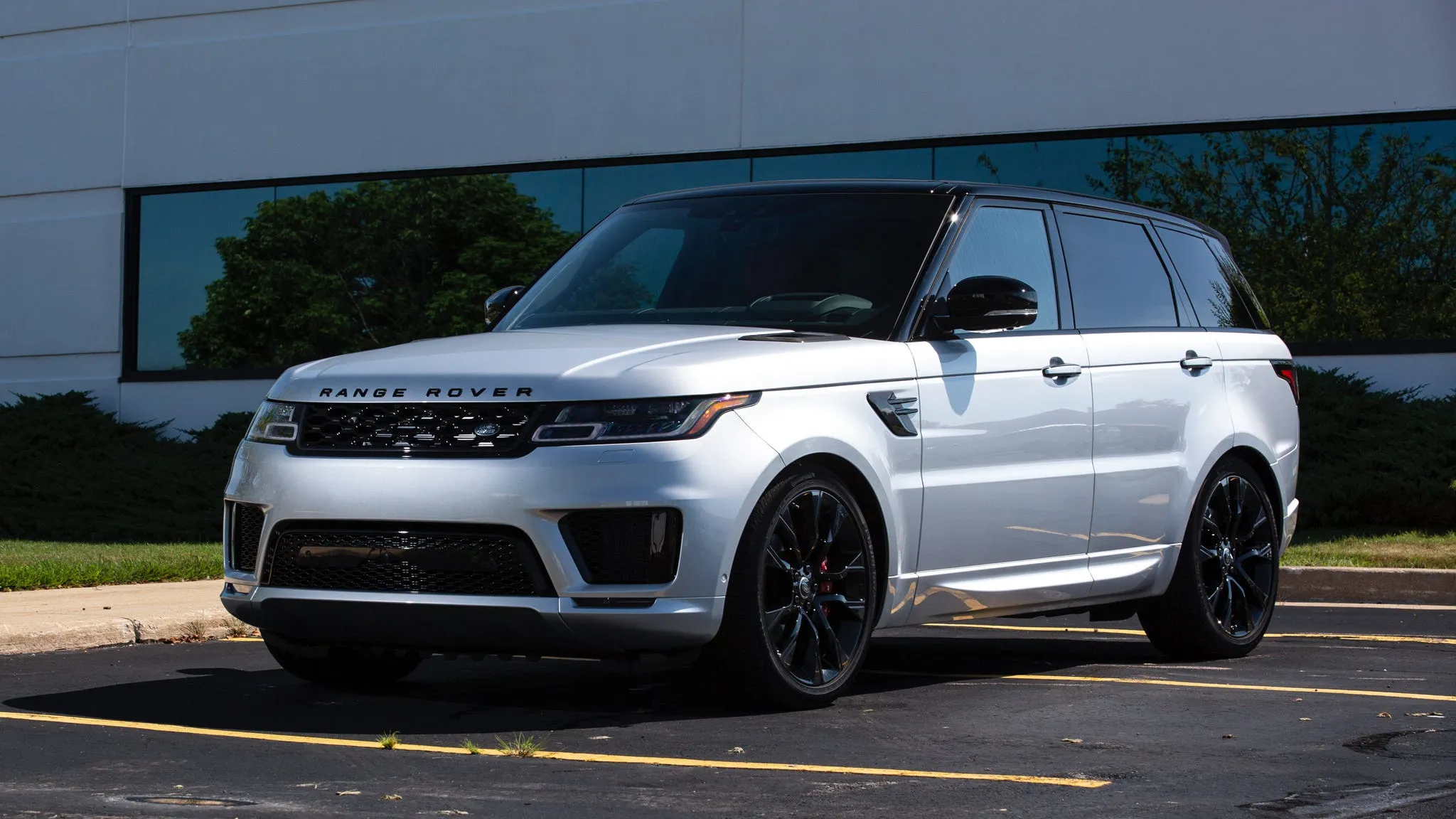
1. Land Rover Range Rover Sport P400
Luxury meets practicality in ways that defy what you’d expect from a vehicle this prestigious. Range Rover engineered the Sport variant to be noticeably more agile than its full-size sibling, and that difference shows itself immediately when you’re threading through city traffic.
At 193 inches long, it’s hardly small, but clever proportions and excellent visibility make it feel far more manageable than those numbers suggest. Sitting up high gives you a commanding view of what’s ahead, letting you spot traffic problems early and plan your moves accordingly.
That elevated seating position also makes judging distances easier, whether you’re squeezing into a parallel spot or gauging clearance in a tight parking structure. Steering response feels quick for a vehicle wearing this much mass.
Engineers tuned it to provide genuine feedback without being twitchy or nervous, creating a setup that builds confidence rather than requiring constant corrections. Air suspension adjusts ride height automatically, lowering the body at highway speeds for better aerodynamics and fuel economy, then raising it when you need ground clearance for steep driveway approaches or urban speed bumps that seem designed to destroy undercarriages.
Access height mode drops the suspension even further when parked, making entry and exit easier for passengers and reducing the step-in height that can be challenging for older folks or small children.
The technology suite includes a 360-degree camera system with such high resolution that you can actually see curbs and parking lines clearly, not just fuzzy approximations. ClearSight rear-view mirror can switch from traditional mirror to a camera feed, eliminating blind spots created by rear passengers or cargo while maintaining that classic mirror look when you don’t need the digital view.
Parking sensors provide both visual and audible feedback, with such precision that you’ll quickly learn to trust them completely. Adaptive cruise control works smoothly in stop-and-go traffic, handling the tedious gas-and-brake dance so you can focus on steering and monitoring your surroundings.
Turning radius measures 38.4 feet curb-to-curb, genuinely impressive for a vehicle this size and absolutely crucial for city driving. You can execute U-turns on standard streets without needing multiple attempts, and three-point turns actually take three points instead of seven.
That maneuverability extends to parking situations where you need to angle in and out of spots that would frustrate drivers of less agile vehicles. Blind spot monitoring catches vehicles lurking in adjacent lanes, while cross-traffic alert watches for approaching cars when you’re backing out of perpendicular spots in crowded parking lots.
Interior space rewards you for dealing with the vehicle’s size. Second-row legroom feels generous even with tall drivers up front, and cargo capacity swallows weekly grocery runs plus impulse purchases without requiring Tetris-level packing skills.
Materials and build quality justify the premium price tag, with real wood, genuine leather, and metal trim creating an environment that feels special every time you climb aboard. Sound insulation keeps city noise at bay, turning the cabin into a quiet refuge from honking horns and emergency sirens.
You’re piloting something substantial, but Range Rover made sure it never feels burdensome or stressful in tight urban quarters. That’s the magic trick here.
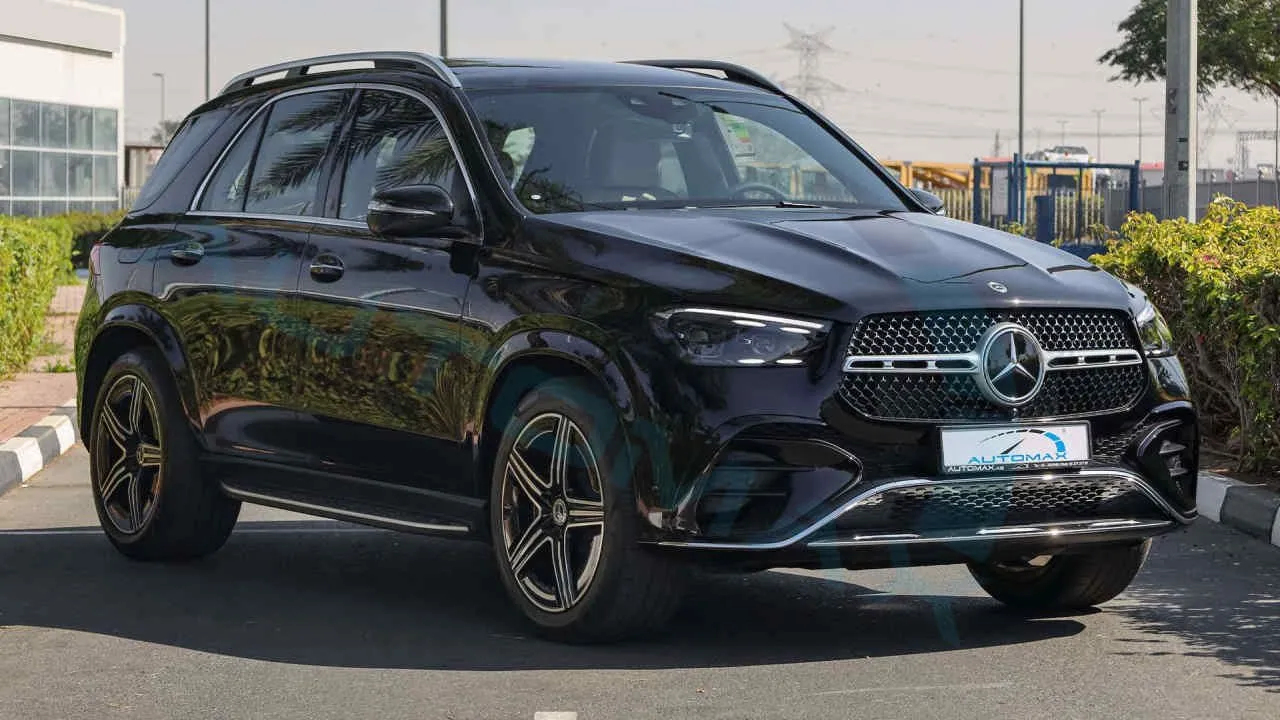
2. Mercedes-Benz GLE 450 4MATIC
German engineering obsesses over details most people never notice until those details make daily life easier. Mercedes built the GLE to excel at contradictory demands: spacious enough for families and road trips, refined enough to feel luxurious, yet somehow still nimble enough for dense city environments.
Length stretches to 194.3 inches, but you’d never guess that sitting in the driver’s seat, trying to squeeze through a narrow alley. Proportions create an illusion of compactness that other vehicles this size simply don’t achieve, and that visual trickery translates into real-world confidence when space gets tight.
MBUX infotainment system goes beyond the usual navigation and music duties. It learns your routines, predicting destinations based on time and day, pre-loading navigation routes before you even ask. Voice control actually works reliably, responding to natural language commands instead of requiring specific phrases you’ll never remember.
Saying “Hey Mercedes, find parking near my destination” pulls up available lots and garages along your route, showing real-time availability and pricing. That kind of integration saves mental energy that would otherwise go toward planning where to leave your vehicle once you arrive downtown.
Ride quality soaks up broken pavement and pothole impacts that would have passengers complaining in lesser vehicles. Airmatic suspension continuously adjusts damping based on road conditions and driving dynamics, keeping body motions controlled without sacrificing comfort.
Cabin stays remarkably quiet even on rough city streets, thanks to extensive sound deadening and acoustic glass that blocks wind and tire noise. Three-zone climate control means driver, front passenger, and rear passengers can all choose their own temperature settings, eliminating the family arguments about whether it’s too hot or too cold.
Turning circle comes in at 38.7 feet, barely larger than the Range Rover Sport, and absolutely practical for city use. You won’t be making 47-point turns trying to get out of dead-end streets or reverse out of spots you shouldn’t have attempted.
Driver assistance features work together seamlessly: lane-keeping helps center you in tight lanes, adaptive cruise maintains safe following distances in heavy traffic, and automatic emergency braking serves as backup when your attention slips for a moment.
Living with this GLE daily means enjoying SUV space and capability without paying the usual penalty when streets get narrow, and parking gets scarce.
Also Read: 9 Compact SUVs That Handle City Roads Comfortably
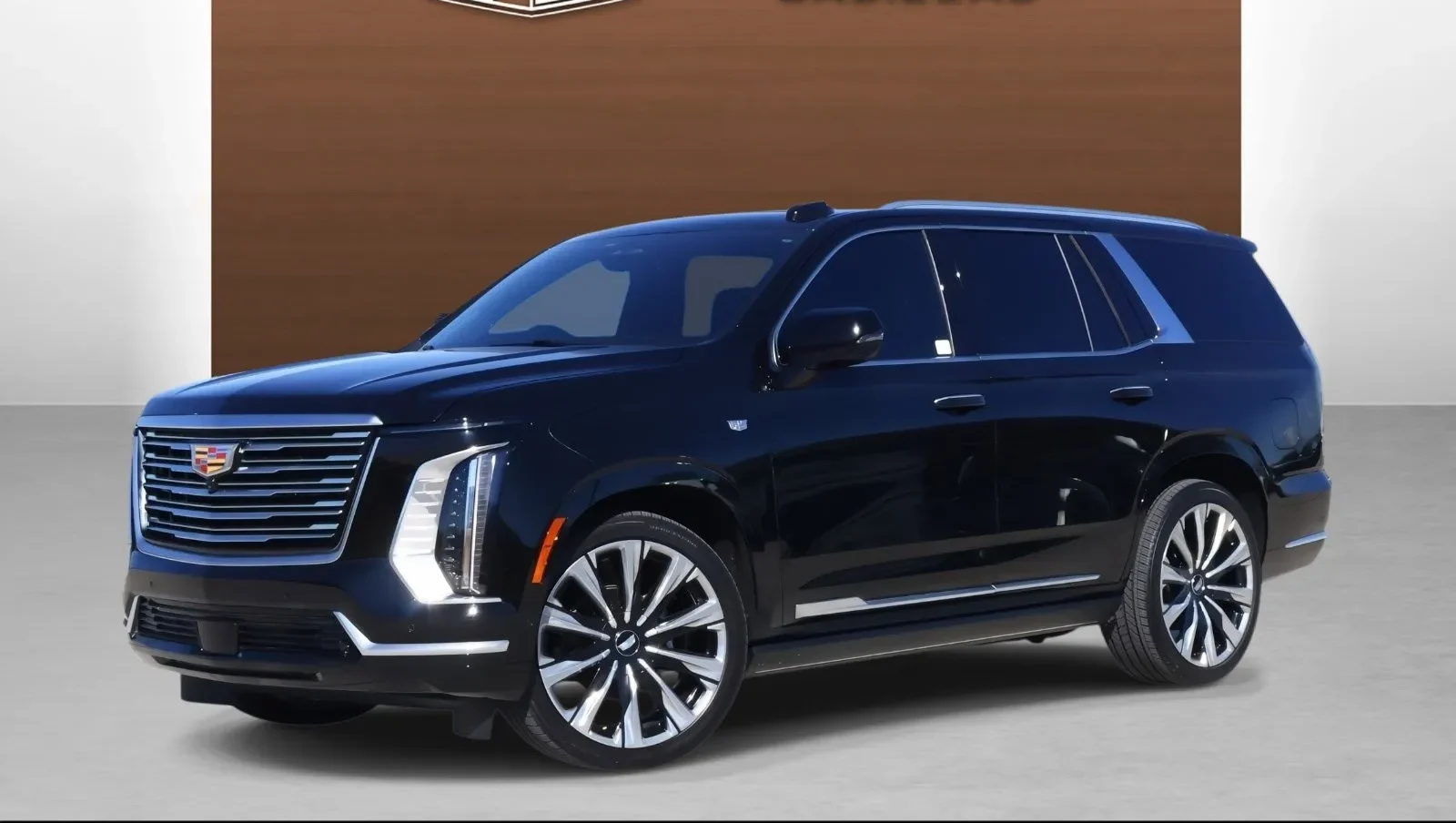
3. Cadillac Escalade Premium Luxury
American excess becomes smarter when engineers focus on making size work, rather than just delivering size for its own sake. Cadillac stretched the Escalade to a massive 211 inches long, dimensions that sound terrifying for city driving until you experience how well the technology compensates for all that length.
Super Cruise semi-autonomous driving system handles highway commutes with minimal input, and while it doesn’t work on city streets, having it available for the boring highway portion of your drive reduces fatigue so you’re fresher for the challenging urban parts.
Rear camera mirror replaces the traditional center mirror with a high-definition video feed from a camera mounted in the shark fin antenna. Full rear window view stays unobstructed by rear passengers or cargo, and the wide-angle lens shows you more of what’s behind than any mirror could capture.
Takes a day or two to adjust to watching a screen instead of a glass, but once you adapt, going back to a regular mirror feels limiting. Combined with side mirror cameras in select trims, you get an almost complete picture of your surroundings without the blind spots that plague other vehicles this large.
Magnetic ride control adjusts damping thousands of times per second, reading road surfaces and optimizing suspension response faster than any human could react. Result feels almost magical: smooth ride on highways, controlled body motions during quick lane changes, and impressive bump absorption when you hit an unexpected pothole.
You can feel the system working, sensing each wheel independently and making constant tiny adjustments that add up to a composed, confident driving experience. Air suspension adds adjustable ride height, though it’s less about off-road capability and more about making entry and exit easier when parked.
Interior volume creates a mobile living room with three rows of genuine seating instead of the token third row most SUVs offer. Second-row captain’s chairs recline and offer heating, cooling, and massage, turning traffic jams into opportunities to relax rather than sources of stress.
The third row fits adults without forcing them into a fetal position, though access requires folding the second row. Curved OLED screen spans 38 inches across the dashboard, providing crisp graphics and intuitive controls for everything from climate to entertainment. AKG audio system delivers concert-hall sound quality that makes you want to sit in parking lots finishing songs before going inside.
Yes, parking this beast requires planning and patience. The turning radius of 40.5 feet means tight U-turns need extra space, and you’ll learn which parking garages to avoid based on column spacing. But Cadillac equipped this Escalade with so much technology to help manage its size that daily city life becomes far more manageable than you’d expect.
Confidence builds quickly as you learn to trust the cameras and sensors, and that commanding driving position makes you feel secure rather than anxious. Big doesn’t have to mean difficult, and this Escalade proves it.
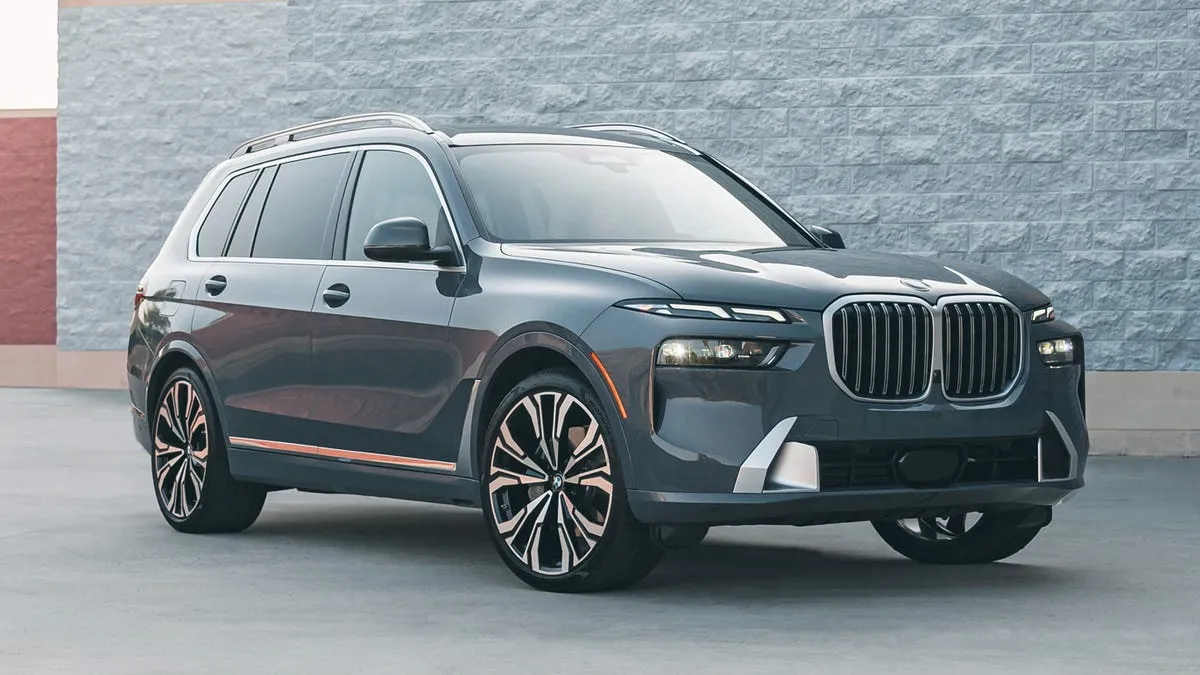
4. BMW X7 xDrive40i
Bavarian craftsmanship tackles the challenge of making a three-row luxury SUV feel athletic and responsive, somehow succeeding where logic says it shouldn’t be possible. Stretching to 203.3 inches and tipping the scales at over 5,600 pounds, this X7 should drive like a cruise ship navigating tight harbor channels.
Instead, BMW’s chassis tuning and steering calibration deliver handling precision that feels genuinely sporty when you push it through curving freeway onramps or need to make sudden lane changes to avoid distracted drivers drifting into your path.
Adaptive M suspension firms up during aggressive driving and softens for cruising, reading your inputs and adjusting accordingly without requiring manual mode selections. Parking Assistant Plus brings automation that actually works reliably instead of feeling like a beta test feature.
Pull up next to a parallel space, tap a button, and watch the steering wheel spin itself as the X7 slides into spots you’d swear were too small. System remembers the last 50 parking maneuvers you’ve performed manually, allowing it to automatically replicate those movements when you return to frequently visited locations like your apartment building or office garage.
Reverse Assistant records your path while driving forward through tight spaces, then plays it back in reverse, steering the vehicle along the same route when you need to back out. That feature saves immense stress when you’ve threaded through a narrow construction zone or squeezed past illegally parked cars and need to retrace that path backward.
Turning radius measures just 39.4 feet despite the wheelbase and length that suggest it should need far more room. BMW engineers achieved this through active steering that turns the rear wheels slightly in the opposite direction of the front wheels at low speeds, effectively shortening the vehicle’s effective length.
At parking lot speeds, those rear wheels can angle up to 3.5 degrees, making the X7 pivot around corners with an agility that shocks passengers expecting truck-like behavior. Above 37 mph, rear wheels turn in the same direction as the fronts, improving stability during lane changes and high-speed cornering.
You forget you’re driving something this massive until you glance in the mirror and see how much vehicle traffic trails behind you. Gesture controls allow you to adjust volume, accept or reject phone calls, and control other functions with simple hand movements in front of the center screen.
Sounds gimmicky until you’re eating a breakfast sandwich with one hand while trying to turn down the radio before a conference call, then it becomes genuinely useful. iDrive 7.0 interface responds instantly to inputs without the lag that plagues some competitor systems, and the rotary controller provides tactile feedback that makes it easy to operate without looking away from the road.
The Live cockpit professional package includes a head-up display that projects navigation, speed, and driver assistance information directly into your line of sight, reducing the need to glance down at the instrument cluster.
Wireless Apple CarPlay and Android Auto integration means your phone stays in your pocket or bag instead of cluttering the cabin with cables. The wireless charging pad keeps devices topped up during drives, and multiple USB ports scattered throughout all three rows ensure everyone stays connected.
Wi-Fi hotspot supports up to ten devices, turning the X7 into a mobile office or entertainment center depending on passenger needs. Harman Kardon surround sound comes standard, with available Bowers & Wilkins Diamond surround sound offering audio quality that audiophiles will genuinely appreciate.
Second-row seats slide and recline extensively, creating either generous legroom or easier third-row access depending on configuration. The third row works for adults on shorter trips, though kids will be happier back there for extended journeys. Climate control offers four zones, letting the driver, front passenger, and both sides of the second row choose individual temperature settings.
Panoramic sunroof spans both front and rear rows, flooding the cabin with natural light and making the interior feel even more spacious than the measurements suggest. Ambient lighting offers multiple color choices and brightness levels, creating an atmosphere that ranges from energizing to relaxing based on your mood.
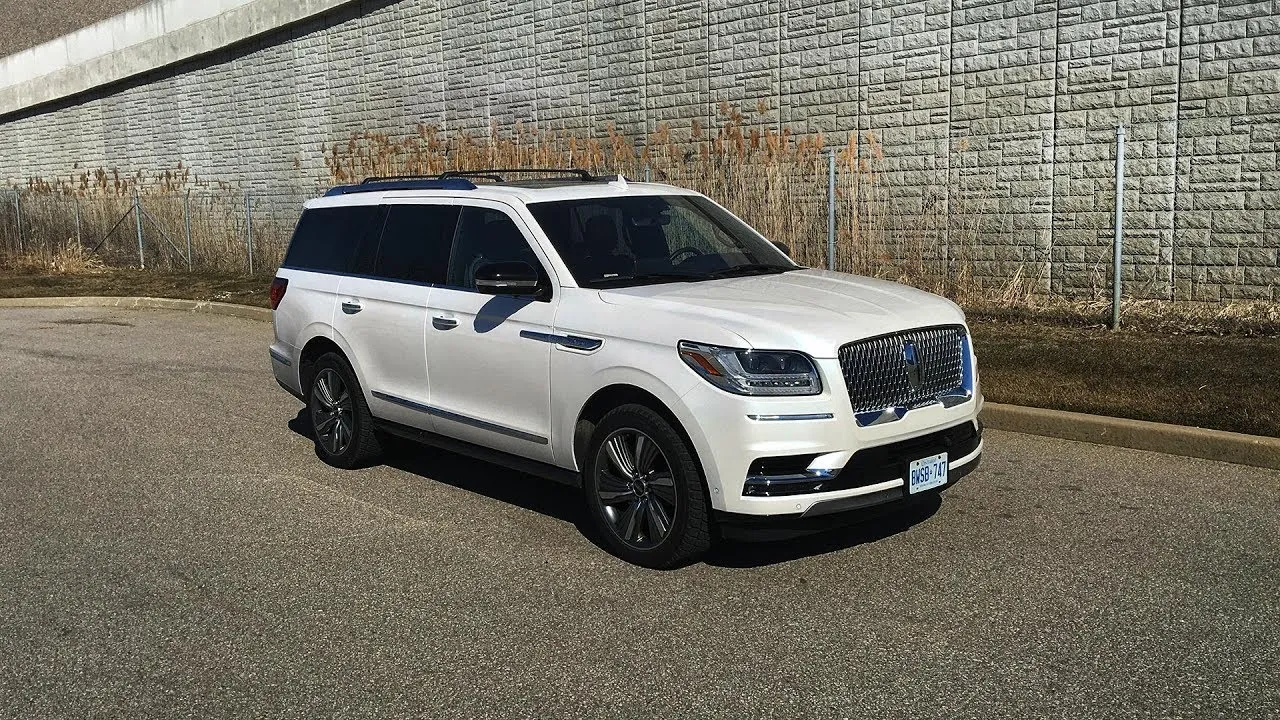
5. Lincoln Navigator Reserve
American luxury takes a different approach than European or Japanese alternatives, prioritizing comfort and technology over sporty handling or efficiency. Lincoln built the Navigator to compete directly with the Escalade, matching it in size at 210 inches long and adding distinctive styling that turns heads even in cities where expensive SUVs barely register as unusual.
What sets this Navigator apart for urban use comes down to how Lincoln tuned everything to reduce driver stress and maximize passenger comfort, creating an environment where even frustrating city traffic feels tolerable.
Perfect Position seats with 30-way adjustability mean you can dial in exactly the right driving position, no matter your height or preference. Massage function offers multiple programs targeting different muscle groups, and after sitting in traffic for an hour, that lower back massage feels genuinely therapeutic rather than like a luxury gimmick.
Heating, cooling, and ventilation work together to maintain ideal comfort regardless of outside temperature, and Lincoln’s bridge of weir leather feels supple and breathable in ways that lesser materials can’t match. Second-row seats in Reserve trim get heating, cooling, reclining, and their own entertainment screens, essentially creating airline first-class accommodations.
Lincoln Co-Pilot360 Plus bundles together driver assistance features that work cooperatively to make city driving less demanding. Active park assist handles parallel and perpendicular parking with minimal input, steering precisely into spaces while you control speed with the brake pedal.
Evasive steer assist monitors for obstacles and can actually steer around them if you don’t react quickly enough, potentially preventing accidents when your attention lapses for a split second. Traffic sign recognition reads speed limit and other signs, displaying them in the instrument cluster so you always know current regulations without searching for posted signs that
Cargo space behind the third row provides 19.3 cubic feet, enough for several grocery bags or a week’s worth of luggage for a couple. Fold the third row, and the capacity expands to 63.6 cubic feet, sufficient for furniture shopping or airport runs with extended family.
Maximum cargo volume with second and third rows folded reaches 103.3 cubic feet, essentially a moving truck that happens to offer luxury car comfort. Power-folding mechanisms make reconfiguring the interior quick and easy, operated via buttons in the cargo area or switches on the center console.
Turning radius stretches to 40.1 feet, slightly larger than ideal but manageable with practice and patience. You’ll learn which streets allow comfortable U-turns and which require driving around the block, and parallel parking demands confidence in your abilities or willingness to use the automated system.
Blind spot monitoring with cross-traffic alert prevents lane-change accidents and backs you out of parking spots safely, while a 360-degree camera provides clear views of your surroundings from multiple angles that update in real-time as you steer.
Cities test vehicles in ways that highway cruising never reveals, exposing weaknesses in visibility, maneuverability, and driver assistance systems. Lincoln designed this Navigator to excel specifically in those challenging conditions, creating something that feels manageable and even relaxing despite dimensions that suggest otherwise.
Space and luxury come without the usual penalty of feeling like you’re piloting a yacht through a residential neighborhood.
Also Read: Top 12 SUVs Proven to Rack Up 500,000 Miles Without Drama
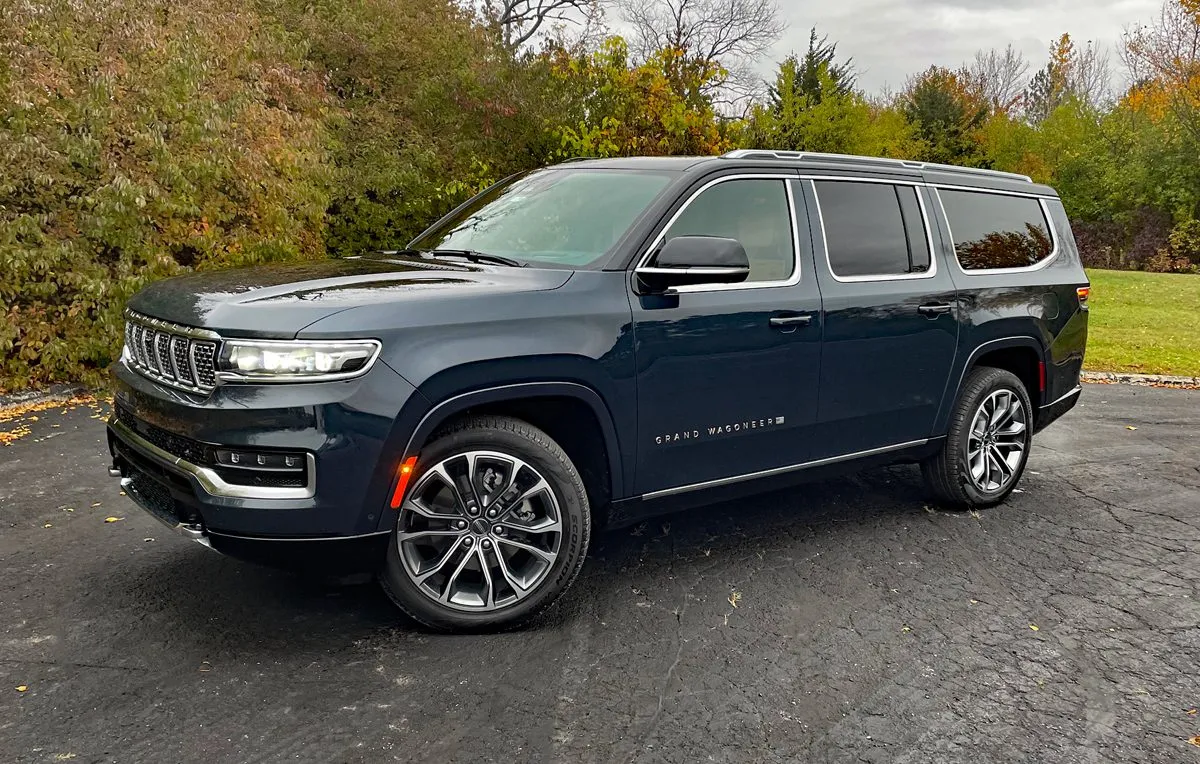
6. Jeep Grand Wagoneer Series III
Jeep’s revival of the Wagoneer nameplate presents a large American sport utility vehicle refined with current technology and comfort. At 214.7 inches in length, the Grand Wagoneer stands as the largest model in its class, a size that suggests limited practicality beyond highways and ranch tracks.
Yet careful feature integration and clear outward sightlines make city use manageable, allowing precise placement in traffic and car parks. The McIntosh sound system transforms the cabin into a mobile concert hall.
Twenty-three speakers across three rows deliver clean, balanced audio that invites occupants to remain seated to finish albums. Bass reproduction remains tight through dedicated subwoofers, while tweeters handle high notes with clarity, and midrange units avoid muddiness.
Quadra Lift air suspension offers five ride height settings, from Aero mode for motorway efficiency to Off Road 2 for demanding tracks. Park mode lowers the body to ease entry for children and people with limited mobility. Ride comfort remains composed on poor surfaces, and height can be adjusted from the centre display for steep driveways and low clearance entrances.
A forward camera in the grille shows the area ahead, removing the blind spot created by the tall bonnet. The 360-degree camera view combines multiple feeds into an overhead image that guides parking near kerbs and adjacent vehicles with confidence.
A turbocharged inline six produces 510 horsepower and 500 pound-feet of torque, giving brisk acceleration for a vehicle of this mass. The eTorque mild hybrid unit assists during take-off and supports a smooth start-stop at junctions. An eight-speed automatic changes gears without fuss. Fuel use remains high at about 15 miles per gallon in city traffic.
Night vision with pedestrian and animal detection uses infrared sensing to warn of hazards beyond headlamp reach. Drowsy driver monitoring reviews steering inputs and alerts the driver when fatigue patterns appear.
Cabin space is generous across three rows. Series III captain chairs provide heating, cooling, massage, and power recline. The third row suits adults, and luggage capacity stays strong with seats upright. Uconnect 5 runs on a 12-inch display with wireless smartphone integration, a passenger screen, device charging ports, household outlets, and five-zone climate control.
A 41.6-foot turning circle requires planning on narrow streets, yet this model pairs size with technology to support daily urban duties and routine family transport.
